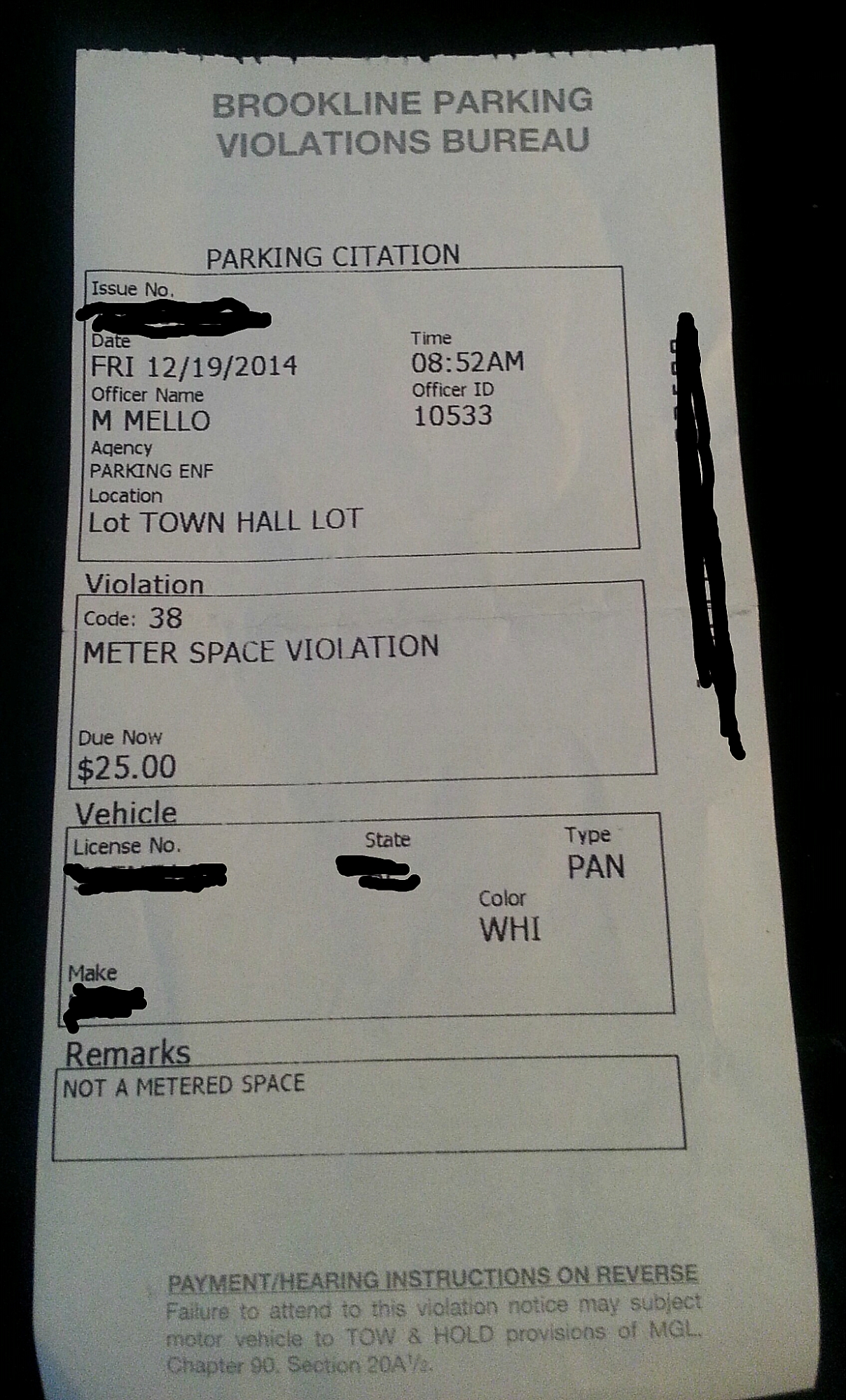
Parking tickets. Just the phrase probably conjures up a familiar groan, right? Most of us view them as a minor inconvenience, a frustrating blight on an otherwise ordinary day, or perhaps a sharp reminder of a moment of inattention. But what if we told you that behind every crumpled piece of paper under a windshield wiper lies a much larger, more complex story? A narrative not just about urban congestion or revenue generation, but about systemic inequality, community well-being, and the surprising ways cities manage, or mismanage, their most contested resource: the curb.
Indeed, these seemingly mundane parking regulations serve a crucial, if often overlooked, role in urban planning and community dynamics. In cities where parking is scarce, these regulations transform from simple rules into powerful levers that can significantly reshape the socio-economic landscape of entire neighborhoods. And here’s the kicker: these impacts are felt most acutely by low-income communities, who often grapple with systemic inequities, a challenge that rigid parking rules only seem to exacerbate, leading to unexpected expenses and limitations on mobility.
So, buckle up, because we’re about to embark on a deep dive into the often-unseen world of parking policies. Our journey will uncover the economic and social ramifications of these rules, shine a light on the intricate equity implications entwined with them, and perhaps even challenge your understanding of what a parking ticket truly represents in the grand scheme of urban life. Prepare to have your perceptions, and perhaps your parking habits, completely rewired. It’s a truth far more unbelievable than you might imagine.

1. The Overlooked Impact: Parking Regulations and Low-Income Neighborhoods
It might seem counterintuitive to link something as seemingly innocuous as parking regulations to broad socio-economic impacts, especially within low-income neighborhoods. Yet, the evidence is strikingly clear: these rules are far from neutral. They are, in essence, a critical component of urban planning that profoundly shapes how communities function and thrive, or, in some cases, struggle.
Think about it: low-income households are frequently battling a barrage of systemic inequities. From access to affordable housing to healthcare, the deck is often stacked against them. When stringent parking regulations enter the picture, they don’t just add another hurdle; they can actively complicate daily life, introducing additional expenses and placing severe limitations on mobility, making even basic errands a significant challenge.
This isn’t merely an academic exercise. The purpose of understanding these dynamics is to illuminate how parking policies can disproportionately impact the lives of those already facing financial hardships. By dissecting the various layers of these regulations, we can begin to grasp the full spectrum of economic and social ramifications, alongside the critical equity implications that are so deeply embedded within these seemingly simple rules.
2. Decoding Urban Rules: Understanding Core Parking Regulations
Before we delve deeper into their impacts, let’s get a clear handle on what parking regulations actually entail. Essentially, these are the constraints and guidelines meticulously crafted to govern parking areas within a city. But they’re not a monolithic entity; they come in several distinct and impactful forms, each with its own set of ripple effects on urban life.
One of the most common is **Metered Parking**, where drivers are required to pay for the duration they occupy a parking space. While the design intent behind meters is often to manage parking space usage efficiently and encourage turnover in busy commercial districts, the reality can be starkly different. These meters, with their recurring costs, can ‘disproportionately affect low-income individuals who might struggle to meet these daily costs,’ transforming a quick stop into an unplanned financial burden.
Then there are **Residential Permit Zones**, an increasingly popular strategy where residents must purchase permits to park legally in specific neighborhood areas. On the surface, this aims to prioritize local residents and reduce commuter parking, but it often creates ‘economic strain for those who already face financial hardships,’ adding another mandatory expense to already tight household budgets. Finally, **Minimum Parking Requirements** mandate that new developments allocate a certain number of parking spaces. While proponents argue this ensures adequate parking, a crucial and often overlooked consequence is that it ‘often results in less land being available for housing, driving up real estate prices,’ thus inadvertently worsening housing affordability—a major concern for low-income communities.

3. A Look Back: The Evolution of Parking Regulations in Cities
The history of parking regulations is far more dynamic than one might assume, mirroring the rapid growth and changing needs of urban environments. These regulations have undergone a significant metamorphosis over the years, shifting from basic measures to maintain order to sophisticated tools with complex socio-economic implications.
Initially, many of these rules were quite straightforward, primarily aimed at ‘maintaining order on congested streets,’ preventing the chaotic free-for-all that could otherwise ensue, and ‘protecting property values’ by ensuring reasonable access and preventing vehicle blight. The early days of motoring brought unforeseen challenges to burgeoning cities, and regulations were a logical response to these new pressures.
However, as cities expanded and the automobile became an indispensable part of daily life, the role of parking regulations expanded too. Over time, ‘they have also transformed into tools for generating revenue,’ becoming a significant, albeit often contentious, source of income for municipalities. A thorough historical review reveals a tapestry of ‘widespread policies that have carved the current urban landscape,’ showcasing how today’s rules are built upon decades of evolving urban priorities and challenges.
Consider, for instance, the widespread implementation of parking meters. These ubiquitous devices began appearing in the mid-20th century, primarily as ‘a means of managing limited space.’ The aim was clear: to increase parking turnover in bustling shopping districts, allowing more customers to access businesses. Yet, this approach, while effective in some regards, had ‘mixed impacts’ and ‘inadvertently penalized those who already struggled to make ends meet,’ highlighting the often-unintended consequences of well-meaning urban policies.
4. Beyond Fines: How Parking Policies Choke Local Businesses
It’s not just individual drivers who feel the pinch of stringent parking regulations; the economic health of entire communities, particularly local businesses, can be profoundly affected. Parking accessibility isn’t merely a convenience; it ‘plays a vital role in local commerce,’ acting as a critical artery for foot traffic and customer engagement. Without easy, affordable parking, the lifeblood of small enterprises can quickly drain away.
Imagine a charming local café or a beloved independent bookstore. If they’re situated in an area with overly strict parking enforcement, the consequences can be dire. What happens? ‘Foot traffic diminishes.’ Customers, faced with the hassle of finding a spot, the anxiety of an impending fine, or the sheer cost of metered parking, simply opt to go elsewhere. This seemingly small deterrent can lead to a significant drop in potential buyers, directly ‘driving sales down’ and threatening the very existence of these community cornerstones.
This isn’t just anecdotal observation. Rigorous research has underscored this very point. For example, ‘a study by Harvard ALI showed how small businesses often suffer when parking rules deter customers.’ A seemingly minor ‘change in parking hours or strict ticketing’ can send ripples through the local economy, pushing potential patrons away and leaving local businesses struggling to keep their doors open. It’s a sobering reminder that parking policies are never isolated in their impact; they are deeply intertwined with the economic vitality of our neighborhoods.
5. The Mobility Maze: Parking Barriers to Essential Services
For a significant portion of the urban population, particularly low-income residents, private vehicle ownership is often an unaffordable luxury. Consequently, ‘low-income residents often depend on public transportation due to financial constraints, instead of private vehicles.’ This reliance, while sustainable in many ways, exposes them to unique vulnerabilities when it comes to parking regulations, transforming a simple journey into a complex obstacle course.
Consider this: even if one primarily uses public transport, there are still instances where a car might be essential – a medical appointment in an area poorly served by buses, or a visit to a specialized clinic outside typical transit routes. In such scenarios, if parking regulations create ‘barriers that complicate access to essential services,’ the impact can be severe. This could mean prolonged commutes, arduous searches for parking, or even entirely missed appointments.
‘For instance, the lack of adequate public transport options can force individuals to spend extended periods commuting, making healthcare services less accessible.’ This isn’t just about convenience; ‘the inequity can lead to dire consequences, as essential services may become out of reach, ultimately affecting health and well-being.’ Picture a low-income family already navigating a maze of challenges, now facing an ‘ordeal’ for a ‘simple trip to the doctor’ because nearby, affordable parking is non-existent. It’s a stark illustration of how parking policies can, quite literally, determine access to life-sustaining resources.
6. Neighborhood Nerves: How Parking Congestion Erodes Quality of Life
Beyond the direct financial and logistical burdens, parking congestion carries a more insidious cost: its impact on the very fabric and atmosphere of our neighborhoods. When streets are perpetually ‘overcrowded with vehicles due to regulations,’ the delicate balance of community life can be severely disrupted. The vibrant, connected ‘sense of COMMUNITY often dwindles’ as individual frustrations and rivalries take root.
Imagine the daily grind of residents returning home, only to face a relentless, stressful hunt for a parking space. This isn’t just a nuisance; it’s a breeding ground for tension. ‘Residents may experience disputes concerning available parking spaces, leading to tension among neighbors.’ What should be a welcoming street becomes a battleground, fostering resentment instead of camaraderie. This constant low-level conflict can chip away at the social cohesion that defines a healthy neighborhood.
Moreover, the relentless ‘anxiety and stress associated with searching for parking can contribute to mental health issues.’ The daily uncertainty, the wasted time, and the potential for conflict all weigh heavily on individuals, adding to the mental load of urban living. ‘Crime statistics illustrate that deteriorating mental health can correlate with community frustrations linked to parking,’ suggesting a profound and often overlooked connection between urban planning, daily annoyances, and broader societal well-being. It’s a striking reminder that the health of a city isn’t just about economics, but about the quality of life experienced on its streets.

7.The Equity Gap: Unmasking Systemic Inequity and Discriminatory Enforcement
At the heart of the parking debate lies a challenging truth: rather than fostering fairness, many parking policies ‘can reinforce existing socio-economic disparities’ and even exacerbate them. This is particularly evident when we examine how regulations like minimum parking requirements intersect with broader urban development strategies and zoning laws. These often-unseen policies ‘restrict affordable housing developments,’ creating a domino effect that disproportionately harms vulnerable communities.
Consider the insightful perspective offered by ‘Research from NAHRO,’ which ‘draws connections between these zoning policies and the perpetuation of racial inequality.’ This critical link highlights a disturbing reality: low-income neighborhoods, already battling a lack of resources, are further marginalized by policies that inadvertently funnel investment elsewhere, perpetuating cycles of disadvantage. It’s a subtle but powerful mechanism that shapes who gets to live where, and at what cost.
Adding another layer to this complexity are ‘discriminatory enforcement practices’ that can ‘further complicate the lives of low-income residents.’ It’s a harsh reality that ‘parking tickets often hit hard in neighborhoods that are already struggling economically.’ While ostensibly applied universally, ‘studies suggest that lower-income neighborhoods are targeted more strictly,’ leading to a scenario where the cumulative cost of compliance, or non-compliance, becomes an impossible burden. The financial strain of these tickets often pushes ‘the cost of compliance beyond what families can afford, thus exacerbating cycles of poverty’ rather than alleviating them. This intersection of policy and practice creates an ‘equity gap’ that demands our urgent attention, urging us to question the fairness of a system that penalizes those least able to pay.
Now that we’ve journeyed through the intricate web of parking regulations and their surprising socio-economic ripples, prepare yourself for another round of eye-opening facts. We’re about to shift gears, diving headfirst into the colossal financial scale of parking enforcement across North America. Which major cities are raking in the most from those little slips under your wiper? And what are the most common ways drivers, perhaps unwittingly, find themselves on the wrong side of the law? Brace yourself, because the numbers, and the sheer variety of violations, are truly something else.

8. The Price Tag: Cities with the Highest Parking Ticket Fines
Ever wondered which cities hit your wallet the hardest when it comes to parking infractions? You might not be surprised to learn that colossal urban centers, where parking is as precious as gold, tend to levy the steepest fines. These are the places where navigating the labyrinthine signs and ever-changing laws can be a truly bewildering experience, making it all too easy to stumble into an expensive mistake.
Consider the concrete jungle of New York City, a place synonymous with hustle and bustle. Here, parking where it’s explicitly forbidden can set you back a cool $115. With the sheer volume of vehicles and the constant demand for space, those fines add up quickly for the city, even if they’re a significant pinch for drivers.
But hold onto your hats, because Chicago, the Windy City, actually manages to out-fine NYC in some categories, according to Investopedia. Parking in a bike lane or, even more critically, a fire lane, can cost a hefty $150. And if you mistakenly occupy a spot reserved for individuals with disabilities, prepare for a $200 ticket, a clear signal that some violations carry a far greater societal cost.
San Francisco, known for its iconic hills and vibrant tech scene, also issues its share of weighty penalties. Parking in a truck-loading zone, for instance, can lead to a $110 fine. However, one of the most severe infractions in the city, and perhaps anywhere, is obstructing traffic without a permit, which can shockingly result in a $1,000 ticket. That’s certainly enough to make anyone double-check their parking job!
9. The City’s Coffers: Where Parking Fines Turn into Massive Revenue
With fines reaching such stratospheric levels, it’s only natural to wonder just how much money these municipalities are actually pulling in from parking tickets. The answer, as you might guess, is a staggering amount, transforming seemingly minor infractions into a significant revenue stream for urban administrations. It’s a financial ecosystem that often flies under the radar.
Topping the charts in total collections is New York City, which, according to TopView, annually brings in an astonishing $550 million in parking fines. However, like any massive ledger, there’s always a flip side: not all fines are ultimately collected. For instance, in 2016 alone, approximately $600 million in parking tickets were regretfully written off as uncollectible, revealing the complexities of urban revenue management.
Following closely behind, Chicago secures the second spot in total annual collections, with its coffers swelling by around $260 million from parking violations. These figures underscore the sheer volume of vehicles and the consistent enforcement efforts in these sprawling metropolitan areas, painting a clear picture of their financial reliance on such measures.
Interestingly, the city grabbing third place for total revenue isn’t San Francisco, but rather Los Angeles, which collects approximately $150 million each year. San Francisco, with its comparatively smaller population of just under 900,000 people, gathers about $90 million. This highlights how sheer population size and density play a massive role in the overall revenue generated from parking enforcement.
10. The Per-Capita Powerhouses: Unmasking Surprising High Earners
While total revenue figures are impressive, they don’t always tell the full story. To truly understand the impact and intensity of parking enforcement, we need to look at per-capita collections—that is, how much revenue is generated per resident. And when we do, a few surprising cities emerge from the shadow of the giants.
Leading the pack in per-capita collections, and perhaps most unexpectedly, is Baltimore. This city garners roughly $62 million in parking tickets annually, which translates to an eye-opening average of $100.87 per person. It’s a vivid demonstration that even cities with smaller overall revenue totals can have a significant per-resident burden.
San Francisco, despite ranking fourth in total collections behind Los Angeles, leaps into second place when measured per capita, collecting an average of $98.80 per person, according to TopView’s meticulous calculations. This impressive per-capita showing underscores the intensity of parking enforcement within its dense, limited urban space, truly making every parking spot count.
Not far behind, Washington, D.C., secures the third-highest per-capita revenue, amassing around $68 million annually, which equates to approximately $98.27 per resident. These figures reveal that whether it’s for administering city services or simply managing traffic flow, parking enforcement is a critical, financially impactful tool in the nation’s capital, as it is in many other major cities.
Rounding out the top five per-capita collectors are Chicago, which comes in fourth with $97.20 per capita, and Boston, claiming fifth place with about $83.37 per resident from its $58 million annual collection. New York City, surprisingly, falls to sixth place in this per-capita analysis, collecting $63.20 on average per person. This shift in rankings truly illustrates the varied approaches and impacts of parking enforcement across different urban landscapes.
11. The Usual Suspects: Most Common Parking Violations Nationwide
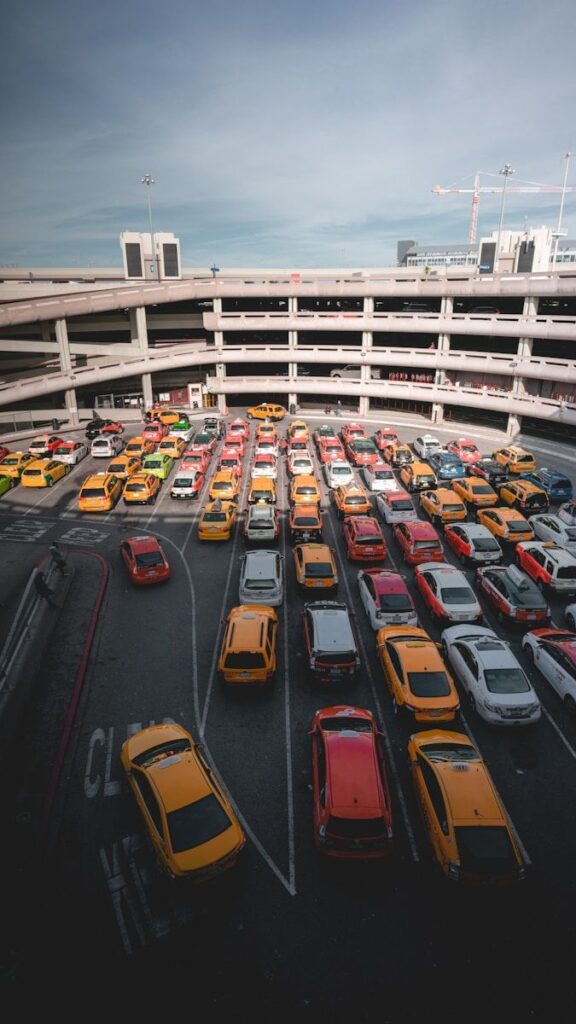
Beyond the sheer financial scale, have you ever wondered which parking violations are most frequently issued across the country? Thanks to new data from Passport, a leading technology partner in curb management, we can now pinpoint the usual suspects that lead to that dreaded slip under the windshield wiper. It’s a fascinating insight into the everyday challenges of urban mobility.
Topping the list of on-street parking violations nationwide is “street sweeping,” where vehicles are parked during scheduled cleaning times. This might seem like a minor oversight, but its prevalence is remarkable. In the City of Denver, for example, a staggering one in three tickets issued in 2024 were for precisely this infraction, highlighting just how often drivers miss or ignore those temporary signs.
Next up are “meter violations,” which encompass expired or unpaid meters. These are a familiar sight in bustling commercial districts. While consistent across many cities, the enforcement focus can vary: in the Chicagoland area, expired meters, alongside street cleaning and nighttime parking rule violations, are top infractions. Meanwhile, in Florida beach towns, where rapid parking turnover is essential for tourism, “overtime parking” is enforced even more rigorously than basic meter payments.
Other common violations include “expired plate” tickets for out-of-date vehicle registrations, a clear sign of neglecting basic vehicle maintenance. Also, “no standing zones” or “tow away” violations frequently occur when drivers impede traffic or emergency access, creating significant hazards. Finally, “no resident permit” tickets are common in designated residential zones, intended to prioritize local residents but often catching visitors off guard. These infractions represent the daily ballet of urban driving, a delicate balance between convenience and compliance.
12. Public Safety First: Critical, Lesser-Known Violations
While the common parking violations often deal with revenue and traffic flow, there’s another crucial category that cities are increasingly focusing on: infractions directly related to public safety. These might be fewer in number, but their potential consequences for pedestrian safety and emergency access are far greater, marking a shift towards more proactive curb management.
One such emerging initiative is “Daylighting.” This concept aims to address visibility and safety at intersections by preventing vehicles from parking too close to crosswalks or corners. It often involves physical barriers like posts or granite blocks. Cities like Berkeley, California; Lancaster, Pennsylvania; Orlando, Florida; and Portland, Oregon, are already implementing daylighting to make their streets safer for everyone, reducing blind spots for both drivers and pedestrians.
Other specific violations that contribute significantly to public safety include parking “too far from the curb,” a seemingly minor miscalculation that can impede traffic flow or block bike lanes. This is notably more common in cities like New York and Chicago, where every inch of road space is critical. Similarly, “blocking your own driveway” is a surprisingly frequent offense, especially in New York City, creating access headaches for homeowners.
Even parking during a “snow emergency” can lead to tickets, sometimes issued even when the weather is a balmy 70°F. This often pertains to specific, pre-determined regulations that remain in effect regardless of actual conditions, highlighting the sometimes-rigid nature of urban rules. Lastly, “parking facing the wrong direction” is a clear violation of traffic laws and safety standards, with tickets for this primarily issued in states like Texas and California. These less frequent but vital enforcements are pivotal in creating safer, more efficient urban environments.

13. Behind the Ticket: The Mechanics of Enforcement and Data Insights
So, how do all these tickets actually get issued, and what do the underlying data tell us about urban enforcement? A recent brief analyzing the scale and dispersion of parking tickets in Austin, Minneapolis, and Portland sheds considerable light on these practical realities, offering valuable insights for improving enforcement efficiency and equity.
Between 2018 and 2019, Portland emerged as the city issuing the most parking tickets among the three, with more than 468,000 citations. Minneapolis followed with about 430,000, while Austin issued approximately 250,000. Unsurprisingly, the vast majority of these tickets were for meter-related violations, accounting for nearly 70 percent of Austin’s total tickets during that period.
Consistent with prior analyses, the study also found that most parking tickets were issued in bustling downtown areas and other commercial corridors. These zones typically have a high density of offices, shops, and restaurants, leading to fewer free parking spaces and a higher daily turnover of visitors. In Austin, for instance, just two downtown census tracts accounted for 37 percent of all tickets issued citywide.
Beyond meters, tickets were also issued for parking in no-parking zones, failing to display current registration, and parking within 15 feet of a fire hydrant, all critical for maintaining safety and order. Minneapolis also had a relatively large share of tickets tied to its winter parking restrictions, showcasing how specific local conditions shape enforcement.
The financial implications are significant: the average ticket during this period ranged from $35 in Austin to around $80 in Minneapolis and Portland. In terms of revenue, Austin collected $8.7 million, while Minneapolis and Portland each collected approximately $37 million. Minneapolis even issued more than one parking ticket per city resident, with an average cited amount of $89 per resident, underscoring the pervasive nature of enforcement.
Crucially, tickets often include not just base fines but also various fees and surcharges, such as a $12 parking surcharge and a $3 law library fee in Minneapolis. These stacked fees can significantly inflate the total cost, and because ticket amounts typically don’t account for a person’s ability to pay, they can contribute to spiraling court debt. A sobering 23 percent of Austin’s tickets from 2018-2019, totaling over $2 million, remained outstanding as of September 2022, highlighting the challenge of collections and the burden on residents. Data from other cities suggests these tickets disproportionately affect lower-income and Black communities, emphasizing the urgent need for more equitable practices and granular data.
14. Charting a Fairer Future: Solutions for Equitable Parking Policies
Understanding the often-unseen complications of current parking policies, especially their disproportionate impact on vulnerable communities, offers a clear pathway to potential reforms. Policymakers and advocates have begun acknowledging and actively working to address the negative consequences of fines and fees, striving for a future where urban parking solutions are both efficient and fair.
One crucial area for reform is rethinking parking requirements. Research from Urbanism Next, for instance, strongly advocates for strategies like eliminating minimum parking requirements. Some forward-thinking cities have already successfully reevaluated their parking structures, finding that such changes can actually enhance development potential and significantly increase housing affordability, rather than hindering it.
True reform, however, cannot happen without community engagement and participation. City planners must actively involve local residents, particularly those most impacted by current regulations, to ensure their voices are heard and considered. Residents can offer invaluable insights into their daily struggles, helping to shape solutions that truly resonate with the community’s needs and lived experiences.
Furthermore, reframing the social narrative around parking regulations can pave the way for more empathetic and equitable policies. Highlighting successful case studies from cities that have embraced equitable transit solutions not only inspires similar measures elsewhere but also fundamentally shifts the perspective on public space. Reports from organizations like RPA demonstrate how cities can successfully promote fairness in transportation access, seeing public space as a means of fostering community rather than merely limiting it.
To alleviate the burdens without drastically impacting city revenues, evidence suggests exploring practical reforms like amnesty programs for overdue tickets, offering flexible payment plans for those least able to pay, and forgiving old court debts that have snowballed into unmanageable sums. While existing data illustrates the scale and geographic spread of tickets, more granular information is desperately needed—data that can tell us who is getting ticketed, why tickets go unpaid, and whether issues stem from poor signage or a lack of alternative transportation options. By fostering dialogue and engaging communities, we can ensure that parking policies serve as a bridge toward shared opportunity, rather than a barrier that divides.
As we conclude our deep dive into the complex world of parking regulations, it becomes clear that these seemingly mundane rules wield immense power, shaping everything from urban economics to individual well-being. The journey ahead demands a commitment to empathy and equity, ensuring that our cities move forward with policies that uplift all residents, rather than penalizing those who can least afford it. Let’s encourage policymakers to continually reevaluate and refine these critical urban systems, transforming them into tools for progress and community building.