The unsettling sound of grinding brakes is more than just an annoyance; it’s your vehicle’s urgent call for attention, a signal that something critical in its stopping system is amiss. Many car owners might be tempted to ignore it, hoping it’s a temporary anomaly that will resolve itself. However, as any seasoned automotive expert will tell you, ignoring this particular symptom can lead to far more severe, and costly, problems down the road.
Addressing grinding brakes promptly is not just about restoring your peace of mind or ensuring a quiet ride; it’s fundamentally about safety. Your vehicle’s braking system is arguably its most important safety feature, and any compromise to its integrity puts you, your passengers, and other drivers at risk. Understanding the underlying causes of this grinding noise is the first crucial step toward diagnosing the problem correctly and implementing an effective, lasting solution.
While the prospect of a repair bill can be daunting, fixing grinding brakes doesn’t always have to break the bank. Depending on the root cause, the cost to address this issue can range from approximately $200 to $300 for a basic fix, though more extensive repairs could reach up to $800 or even higher if multiple components are compromised. Our aim is to demystify these issues, empowering you with the knowledge to make informed decisions about your vehicle’s health.
1. **Faulty Rotor**When you press the brake pedal, the caliper applies pressure, squeezing the brake pad against the rotor. This fundamental interaction is what brings your vehicle to a halt. The brake rotor, easily visible as a disc-like object once the wheel is removed, is therefore an integral component of your car’s stopping mechanism. A healthy rotor should provide a smooth, consistent surface for the brake pads to grip, ensuring efficient and quiet braking.
However, over time and through extensive use, brake rotors can become worn out, warped, or damaged. When a rotor is compromised in any of these ways, it can manifest as unpleasant sounds, including the distinct grinding noise that signals a problem. The surface of a faulty rotor may develop grooves or uneven wear patterns, which can cause the brake pads to chatter and produce a grinding sound as they attempt to make contact. This not only impairs braking performance but also accelerates the wear on your brake pads.
Furthermore, neglecting a worn-out rotor can have a cascading effect on other components of your braking system. As the brake pad presses against an uneven or damaged rotor, it can cause premature wear on the brake pads themselves, forcing them to adapt to an irregular surface. This accelerated wear means you might find yourself needing to replace brake pads more frequently than necessary, adding to your maintenance costs. A faulty rotor isn’t just a sound issue; it’s a performance and longevity concern for your entire braking assembly.
Read more about: $1000 Repair: The 1 Thing Your Mechanic Doesn’t Want You to Know About Your Brakes

2. **Worn-Out Brake Pad**Perhaps one of the most common culprits behind grinding brakes is a worn-out brake pad. The usable friction material of a brake pad is meticulously crafted from a composite mixture, typically including materials like metal, copper, brass, and graphite. It is this specialized blend that is designed to be pressed against the rotor, creating the friction necessary to slow and stop your vehicle efficiently and smoothly. Over tens of thousands of miles, these materials gradually wear down with each application of the brakes.
As the brake pad’s friction material diminishes beyond its safe operating thickness, you eventually reach the metal back plating of the pad. This underlying plate is, by design, metal and very hard. When this metal-on-metal contact occurs, where the rigid back plating of the brake pad scrapes against the spinning brake rotor, it invariably creates a harsh, disturbing grinding sound. This grinding is often accompanied by a squeaking noise, serving as a clear and unmistakable warning that the pads have reached the end of their functional life.
Crucially, driving with worn-out brake pads that have exposed their metal backing is not merely an auditory nuisance; it poses a significant threat to your brake rotor. The hard metal backing plate will inflict severe damage on the rotor’s surface, etching deep grooves and potentially warping it. What might have started as a relatively inexpensive brake pad replacement can quickly escalate into a more substantial repair, requiring both new pads and a new rotor, significantly increasing your overall repair costs. Addressing worn pads promptly is essential to prevent this ripple effect of damage.
Read more about: Behind the Hook: What Tow Truck Drivers *Really* Think About Your High-Mileage Truck
3. **Bad Wheel Bearing**Beyond the primary braking components, a lesser-known but equally critical part that can lead to grinding noises is a faulty wheel bearing. A wheel bearing is an ingenious component designed to facilitate the continuous, smooth spinning of your vehicle’s wheels with minimal heat or friction buildup. It consists of a set of steel balls or rollers held together by a metal ring, allowing the wheel to rotate freely while supporting the weight of the vehicle.
When a wheel bearing begins to fail, often due to some of its internal bearings becoming displaced or its seals degrading, it creates an opportunity for external contaminants like dirt and debris to infiltrate the intricate mechanism. Once dirt, grit, or moisture gets inside, it disrupts the smooth operation of the bearing, leading to increased friction and, inevitably, the grinding noise you hear. This isn’t a brake-specific sound in the strictest sense, but it’s often mistaken for one due to its proximity to the wheel assembly.
The symptoms of a faulty wheel bearing extend beyond just auditory cues. A damaged bearing often comes with noticeable vibration in the wheel, which can vary in intensity, sometimes dropping and then returning. This vibration can be felt through the steering wheel or even the floorboard of the car. Furthermore, a bad wheel bearing can lead to uneven tire wear because the affected wheel’s movement is no longer consistent or stable, causing the tire to scrub rather than roll smoothly. Prompt attention to a faulty wheel bearing is vital for driving quality and preventing further damage to your suspension and tires.
Read more about: The Definitive Consumer Report: Unmasking the Vehicles and Manufacturers Plagued by the Most Recalls in Automotive History
4. **Dirt or Debris in Calipers**The brake caliper, a vital component that houses the brake pads and the piston, is responsible for clamping down on the rotor to create friction. Due to its position behind the wheel and relatively exposed nature, the brake caliper is susceptible to environmental factors, making it relatively easy for dirt, dust, and other foreign objects to get lodged within its mechanism. This infiltration can be a direct cause of the grinding noise emanating from your brakes.
When small objects, such as stones, pebbles, or even accumulated road grime, find their way into the brake caliper, they can obstruct the normal movement of the caliper and its associated parts. This obstruction can prevent the brake pads from seating properly or releasing completely, leading to constant, abrasive contact with the rotor. This constant rubbing, particularly with foreign objects caught in between, produces a distinct grinding sound, which is not only irritating but also indicative of potential mechanical interference.
Beyond the immediate noise, the presence of small objects in the caliper can inflict significant damage on several critical braking components. These abrasive intruders can score the surface of the brake rotor, wear down the brake pad unevenly, and even cause damage to the caliper itself. If left unaddressed, this seemingly minor issue can lead to a rapid deterioration of your entire brake assembly, necessitating more extensive and expensive repairs than a simple cleaning would have initially required. It is therefore crucial to inspect and clear any debris from the caliper as soon as the grinding noise is noticed.
Read more about: The Definitive Guide to Bicycles Built for 50,000 Kilometers: Longevity Unpacked
5. **Excess Heat and Friction in Brake Parts**The braking system of any vehicle is a complex network of moving parts, all designed to work in concert to convert kinetic energy into thermal energy, effectively slowing and stopping the car. This process inherently generates a considerable amount of heat and friction. While the system is engineered to manage these forces, excessive heat and friction, coupled with exposure to external elements like water and road salts, can lead to corrosion and impaired performance, often resulting in grinding sounds.
When brake components, particularly parts like the caliper bolts and the rotor center hole, lack adequate lubrication, their movement becomes restricted and jerky rather than smooth and fluid. This metal-on-metal contact, exacerbated by the heat generated during braking, can cause parts to bind or rub improperly, leading to a grinding noise. The problem is compounded when corrosion sets in, making the movement even stiffer and generating more friction and heat, thus creating a vicious cycle of wear and noise.
To ensure the unrestricted and efficient movement of these vital brake parts, periodic lubrication is absolutely essential. Proper application of high-temperature brake grease and anti-seize compounds to specific areas, such as the slide pins of the calipers and the hub mounting surface of the rotor, can prevent seizing, reduce friction, dissipate heat more effectively, and ultimately eliminate the grinding sounds caused by stiff or corroded components. This preventative maintenance is a relatively simple step that can save you significant repair costs down the line.
Read more about: $1000 Repair: The 1 Thing Your Mechanic Doesn’t Want You to Know About Your Brakes
6. **Low-Quality Brake Pads**In an effort to save money, some vehicle owners might opt for lower-quality brake pads, often enticed by their significantly cheaper price point. While the initial savings might seem attractive, the long-term consequences of choosing subpar brake pads can quickly outweigh any perceived benefits. These economically priced pads are notorious for their tendency to produce grinding or screeching sounds, often from the moment they are installed or shortly thereafter, primarily due to their composition.
The fundamental difference between low-quality and higher-quality brake pads lies in their material makeup, specifically the proportion of metallic components. Cheap brake pads frequently contain a higher amount of metal in their friction material compared to their premium counterparts. This elevated metal content, while contributing to a lower manufacturing cost, is directly responsible for the harsh grinding sound that often accompanies their use. The increased metallic friction against the rotor creates a more abrasive contact, leading to the unpleasant noise.
Beyond the audible discomfort, the use of low-quality brake pads can have detrimental effects on other parts of your braking system. The harsher, more abrasive nature of these pads can accelerate the wear and tear on your brake rotors, potentially causing premature damage that would necessitate costly replacements. In essence, while the upfront cost of low-quality pads is lower, they often lead to earlier and more expensive repairs for other components, proving to be a false economy. Investing in quality brake pads is an investment in both your vehicle’s safety and the longevity of its braking system.
Read more about: Unlock Big Savings: 14 Proven Tricks 9 Out of 10 Drivers Are Missing to Slash Your Gas Bill
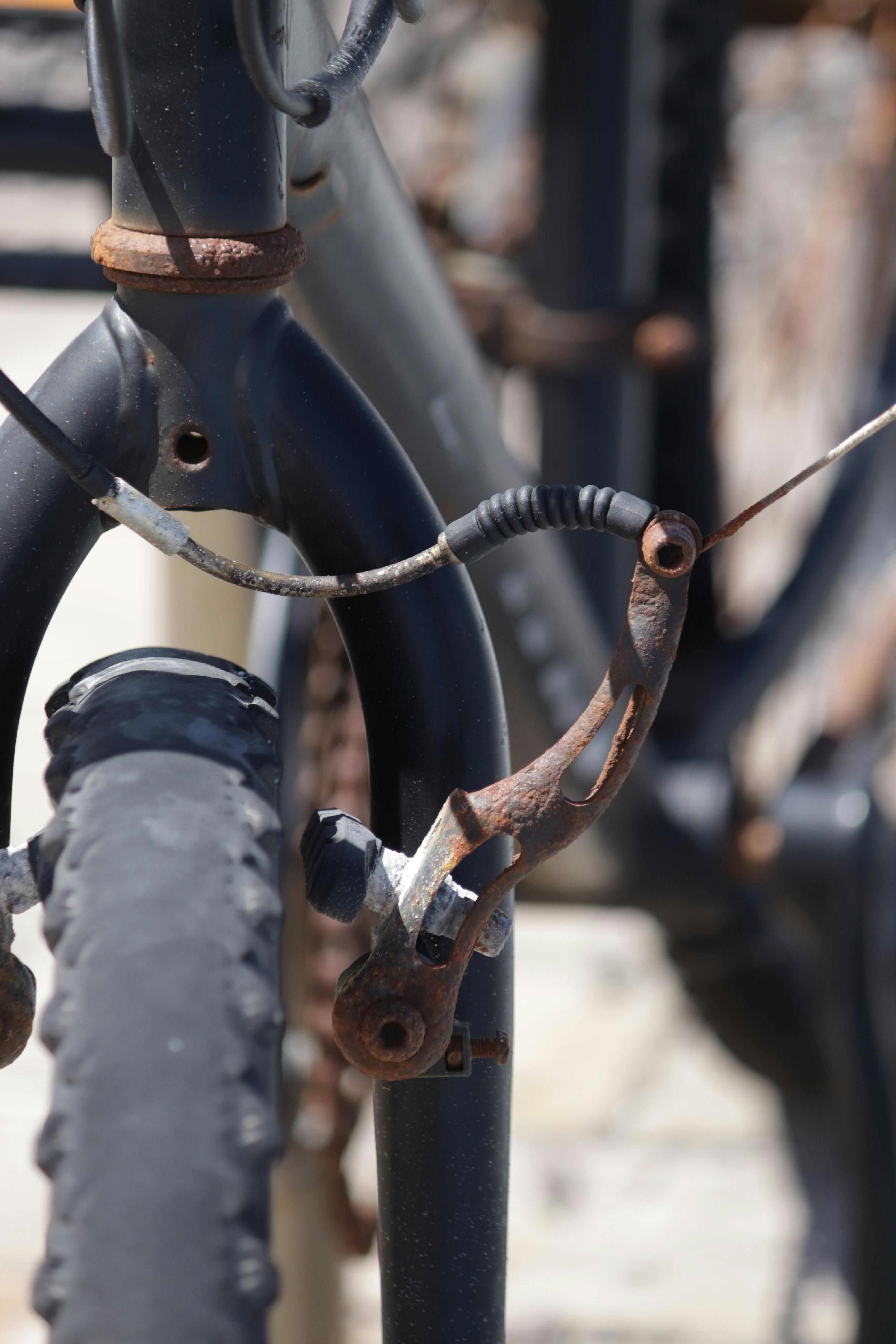
7. **Rusting Brake Parts**Beyond mechanical wear and foreign intrusions, an often-overlooked cause of grinding brakes is the formation of rust on crucial brake components. This issue frequently arises when a vehicle has been parked and unused for an extended period, allowing environmental elements like water and humidity to accumulate on the exposed metal surfaces of the braking system. The resulting oxidation creates a rough, uneven surface that interferes with the smooth operation of the pads and rotors.
When rust sets in on the brake parts, particularly the rotor surface, it introduces an abrasive layer. As the vehicle is eventually driven and the brakes are applied, this rusted material scrapes against the brake pads. This metal-on-rust contact is what produces the distinct and often disturbing grinding sound. While sometimes temporary, as the rust may be worn away after a few brake applications, it can indicate a need for closer inspection if the noise persists or is unusually severe.
Persistent rust can do more than just create noise; it can lead to pitting and uneven wear on both the rotors and pads, reducing braking efficiency and potentially compromising safety. Therefore, even if the grinding sound from rust appears to diminish, it’s a clear signal that the braking system has been exposed to conditions that promote corrosion. Understanding this cause is crucial for proactive maintenance, especially for vehicles stored for prolonged durations.
Read more about: The Cooling Crisis: 12 Sports Bikes Rated on Heat Management – From Rider-Friendly to Scorching Hot

8. **Change the Brake Pad**When diagnosis confirms that worn-out brake pads are the root cause of grinding, the most direct and common solution is their immediate replacement. As previously discussed, brake pads are consumable items designed to gradually wear down, and once the friction material is exhausted, the metal backing plate makes contact with the rotor, producing that harsh grinding noise. Addressing this promptly prevents further, more extensive damage to the rotor.
Replacing brake pads involves removing the affected wheel, detaching the brake caliper, and carefully swapping the old, worn pads for new ones. For those with basic mechanical aptitude and appropriate tools, this can be an accessible do-it-yourself project. Edmunds, for instance, characterizes brake pad replacement as an “easier-than-expected DIY project” that typically requires standard tools and about an hour per axle, potentially saving approximately $250 in labor costs on most cars. CostHelper readers have reported material costs for pads on one axle ranging from $23 to $285, averaging $104.
However, for many vehicle owners, professional installation is preferred. The cost for new brake pads, excluding labor, generally ranges from $50 to $200. Should you opt for professional service, the labor costs can add an extra $100 or more. This investment is crucial for maintaining braking performance and preventing the accelerated wear and damage to your brake rotors that metal-on-metal contact invariably causes, ultimately safeguarding your vehicle’s overall braking integrity.
Read more about: $1000 Repair: The 1 Thing Your Mechanic Doesn’t Want You to Know About Your Brakes

9. **Change the Brake Rotor**Should inspection reveal that the grinding noise originates from a compromised brake rotor, a change is often necessary. While brake pads are designed for regular replacement, rotors also have a finite lifespan. They are engineered to endure contact with brake pads, but prolonged exposure to excessive heat, friction, or the abrasive action of worn-out pads can lead to warping, deep grooves, or thinning beyond safe specifications. Continuing to use a rotor beyond its expected limited period significantly impairs braking effectiveness.
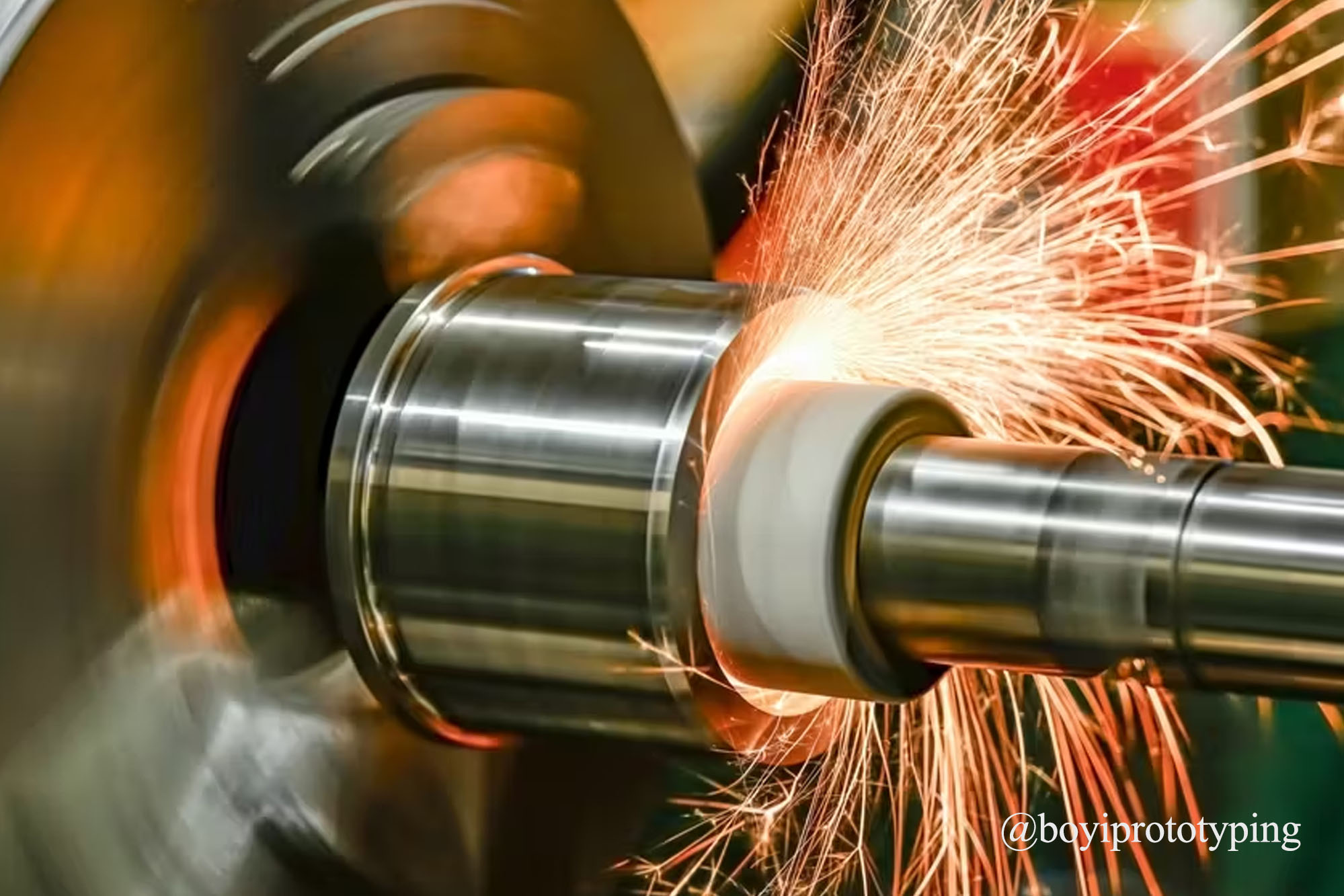
In some instances, if rotors are only slightly scratched or show minor unevenness, they might be eligible for resurfacing. This process involves machining a small amount of metal from the rotor surface to restore a smooth, flat contact area for the brake pads. However, rotors can typically only be resurfaced a limited number of times, and if they are too thin or severely damaged, full replacement becomes the only viable and safe option. Rotors usually last through two or three sets of pads before needing replacement.
Neglecting a damaged rotor can lead to a cascade of problems throughout the braking system. A warped or grooved rotor will accelerate the wear on new brake pads, requiring more frequent replacements. What initially might have been a relatively straightforward brake pad replacement can quickly escalate into a more substantial repair involving both new pads and new rotors, thereby significantly increasing overall repair costs. CostHelper readers have reported total material costs for all parts for both front and back brakes, including rotors, averaging $304.
For professional replacement, brake repairs typically cost $130-$900 per axle, depending on the vehicle’s make and model and the scope of work. At standard repair shops, CostHelper readers reported paying $140-$799, averaging $349, for repairs on one axle. At dealerships, these costs can range from $350-$850, averaging $504 for one axle. These figures underscore the importance of proper diagnosis to avoid unnecessary expenses and ensure safety.
Read more about: $1000 Repair: The 1 Thing Your Mechanic Doesn’t Want You to Know About Your Brakes
10. **Clean the Brake Caliper**The brake caliper, a critical assembly housing the brake pads and piston, plays a pivotal role in applying pressure to the rotor. Due to its location behind the wheel, it is inherently exposed to road elements, making it susceptible to the accumulation of dirt, dust, and other foreign objects. When small items like stones or accumulated road grime become lodged within the caliper mechanism, they can obstruct its normal movement, leading to the tell-tale grinding sound.
Addressing this issue primarily involves thorough inspection and cleaning of the brake caliper. Mechanics will typically remove the wheel and carefully examine the caliper, removing any debris or foreign objects that have infiltrated its components. This ensures the brake pads can move freely and seat properly against the rotor, eliminating the abrasive contact that generates the grinding noise. Regular checks, especially after driving on unpaved roads, can prevent this buildup.
Beyond merely silencing the noise, timely cleaning of the caliper is a preventative measure against more serious damage. Abrasive intruders caught within the caliper can score the surface of the brake rotor, cause uneven wear on the brake pads, and even compromise the caliper itself. Resolving this seemingly minor issue early can avert rapid deterioration of the entire brake assembly, saving vehicle owners from more extensive and costly repairs than a simple cleaning would have initially required.
Read more about: $1000 Repair: The 1 Thing Your Mechanic Doesn’t Want You to Know About Your Brakes
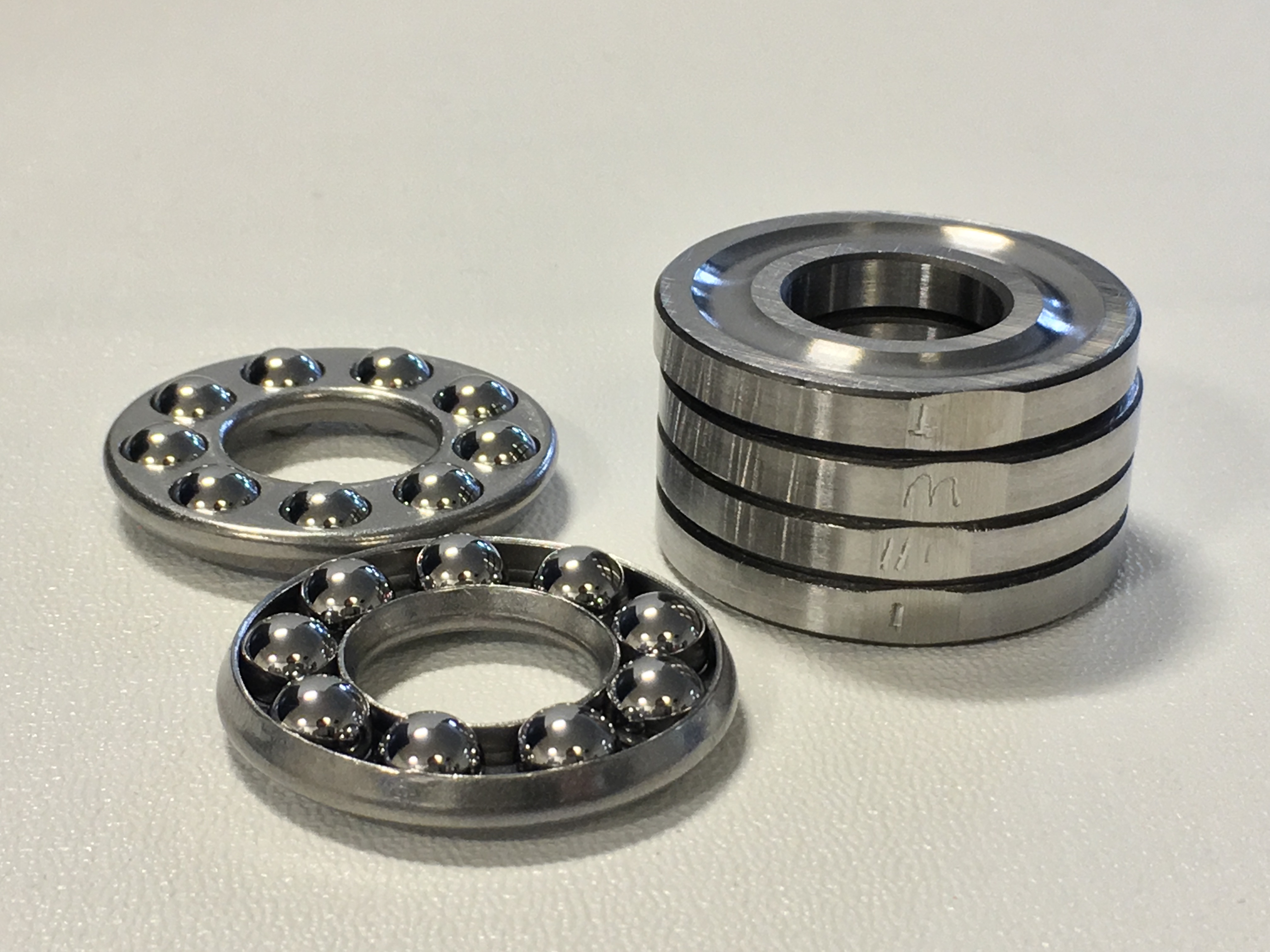
11. **Change the Bearing**While often mistaken for a brake-specific issue, a faulty wheel bearing can produce a grinding noise that is audibly indistinguishable from brake problems. As a critical component enabling the smooth, low-friction rotation of your vehicle’s wheels, a compromised bearing, often due to displaced internal components or degraded seals allowing contaminant ingress, manifests through increased friction and grinding sounds. This condition extends beyond noise, frequently presenting with noticeable vibrations in the wheel and irregular tire wear.
The solution for a bad wheel bearing is typically replacement. Unlike some other brake components, wheel bearings, particularly the hub bearings found in most front-wheel drive cars, are generally inspected and replaced if necessary, rather than being serviced or repaired. The integrity of the wheel bearing is fundamental to steering stability and overall vehicle dynamics, making a reliable replacement paramount for safety.
Prompt attention to a faulty wheel bearing is vital not just for eliminating the grinding noise and associated vibrations, but also for preventing further, potentially severe damage. A compromised wheel bearing can lead to uneven tire wear, as the wheel’s movement becomes inconsistent. More critically, it can compromise the vehicle’s suspension system, impacting handling and potentially leading to a dangerous loss of control. Investing in a timely replacement safeguards both driving quality and the longevity of related vehicle components.
Read more about: The AI Revolution: Can This New Technology Finally Conquer Movie Piracy’s Evolving Threat?
12. **Lubricate the Wheel**Many vehicle owners might not realize that a lack of proper lubrication on certain brake system components can be a direct contributor to grinding noises. The brake system operates on a principle of controlled friction, but various moving parts, particularly the caliper bolts and the rotor center hole, require smooth, unimpeded movement. Without adequate lubrication, these metal components can seize, bind, or rub improperly, leading to noticeable grinding sounds exacerbated by the heat generated during braking.
Periodic and appropriate lubrication is absolutely essential to ensure the unrestricted and efficient movement of these vital brake parts. This isn’t just a casual application; it involves using specific high-temperature brake grease and anti-seize compounds. These lubricants are precisely applied to areas such as the slide pins of the calipers, which guide the caliper’s movement, and the hub mounting surface of the rotor, where it connects to the wheel hub. This meticulous application prevents component seizing and minimizes friction.
By effectively reducing friction and allowing parts to move smoothly, proper lubrication helps to dissipate heat more efficiently and, crucially, eliminates the grinding sounds caused by stiff or corroded components. This aspect of preventative maintenance is a relatively simple yet highly effective step. It not only enhances the quiet and reliable operation of your brakes but can also save you significant repair costs down the line by preventing premature wear and tear on expensive brake components.
**Ensuring Your Brakes Stay Silent: A Proactive Approach**
The grinding sound from your car’s brakes is a definitive warning, one that demands immediate attention. As we’ve explored, whether it’s a worn-out pad, a faulty rotor, a compromised wheel bearing, debris in the caliper, excessive heat, low-quality parts, or even simple rust, each cause necessitates a specific, informed response. Ignoring these signals can transform a relatively minor repair into a much more complex and expensive ordeal, ultimately jeopardizing your safety on the road.
Addressing grinding brakes is fundamentally about proper diagnosis and timely intervention. While the prospect of repair costs, ranging from approximately $200-$300 for basic fixes to potentially over $800 for more extensive work involving multiple components, might seem daunting, understanding the underlying problem empowers you to make informed decisions. Factors such as the severity of damage, the specific vehicle type, and the choice between OEM or aftermarket parts all play a role in the final repair estimate, as do varying labor rates at different facilities.
Read more about: The Cooling Crisis: 12 Sports Bikes Rated on Heat Management – From Rider-Friendly to Scorching Hot
To ensure optimal brake health and prevent future grinding issues, a proactive approach to maintenance is invaluable. This includes regular inspections of brake pads, rotors, and calipers, prompt removal of debris, and ensuring critical components are adequately lubricated. When professional help is required, seek out certified shops and ask detailed questions about the necessary repairs and the quality of replacement parts. By taking these steps, you can secure your vehicle’s most important safety feature, ensuring a quiet, reliable, and safe journey for many miles to come.