Finding your vehicle disabled on the side of the road is an inherently stressful experience. Whether it’s a sudden breakdown, an unexpected accident, or an unfortunate impoundment, the immediate question that typically arises is, “How long is this going to take?” While the concept of a ‘7-day wait’ might sound extreme, the reality is that the journey from an initial service request to your vehicle being safely delivered can stretch from under an hour to several arduous hours, depending on a multitude of variables. For cars that face impoundment, understanding the processes and promptly acting can be critical, as vehicles can be held for a maximum of 30 days before a lien sale. This guide aims to demystify those variables, offering clarity to replace anxiety and empowering you with the knowledge to navigate these challenging situations effectively.
Our objective is to provide a comprehensive, real-world understanding of what influences tow truck arrival times, moving beyond simple averages to explore the intricate dynamics at play. Over two decades in and around the automotive service industry has taught us that while a 30 to 60-minute window is a reliable industry average for a tow truck to arrive, this is merely a baseline. Circumstances on the road are rarely static, and a myriad of critical factors can easily extend this period, turning a routine call into a prolonged ordeal. These factors are not just external; they involve everything from your precise location to the way you communicate your needs, all of which contribute to the Estimated Time of Arrival (ETA).
When a dispatcher provides an ETA, it represents their best-educated guess, informed by sophisticated dispatch software and GPS tracking. However, unforeseen delays are an intrinsic part of roadside assistance. By understanding the core elements that dictate how quickly help can reach you, consumers can set more realistic expectations and even take proactive steps to streamline the process. This first section will delve into four of the most impactful factors that determine how long you might wait for a tow truck, offering a thorough breakdown to ensure you’re as prepared as possible when the unexpected happens.

1. **Your Location: Are you on a busy city street or a remote rural highway?**
Perhaps the single biggest determinant of how long you’ll wait for a tow truck is your geographical location at the time of the incident. The proximity of your breakdown to a tow company’s base or their nearest available driver fundamentally shapes the Estimated Time of Arrival. This factor alone can account for significant disparities in wait times, presenting a stark contrast between urban and rural settings, or even between a major highway and a secluded byway.
In urban and suburban areas, the density of tow companies is naturally higher. More trucks are typically on the road, actively servicing calls, and these areas often benefit from closer proximity to major transportation routes. Consequently, tow trucks can often reach consumers within 25 to 45 minutes. This efficiency is a direct result of concentrated resources and shorter travel distances for operators navigating a well-connected network of roads.
Conversely, if you find yourself stranded on a rural or interstate highway, wait times can easily extend to 45 to 90 minutes or more. The underlying reason for this extended wait is straightforward: there are fewer tow providers spread across much larger service areas. This means operators have to cover greater distances, and a single call can require a substantial travel time, even under ideal conditions. The sparse distribution of services makes rapid response a logistical challenge.
For those in genuinely remote or off-road locations, the situation becomes even more complex, with ETAs potentially stretching from 60 to 120 minutes or longer. Such scenarios often necessitate specialized equipment, like off-road recovery vehicles, which are not as readily available. Furthermore, very few operators might service these highly isolated areas, leading to a limited pool of available resources and a significantly longer wait for the appropriate assistance to arrive.
2. **Time of Day & Day of the Week: When did your vehicle break down?**
The timing of your tow request plays a critical role in how quickly help can arrive, often influencing wait times as much as your physical location. The rhythmic ebb and flow of daily life and weekly schedules create predictable peaks and troughs in demand for towing services, directly impacting the availability of tow trucks and operators. Understanding these patterns can help manage your expectations when an unexpected breakdown occurs.
Generally, a tow request placed during a calm weekday afternoon, such as 2:00 PM on a Tuesday, will almost invariably result in a faster response time. During these periods, traffic is lighter, and tow companies are less likely to be overwhelmed with multiple simultaneous calls. The operational capacity is better matched with the demand, allowing dispatchers to assign a driver swiftly and efficiently, often leading to a quicker arrival.
However, the picture changes dramatically during peak hours, particularly in the mornings and evening commutes. A call placed at 5:30 PM on a Friday during rush hour, for instance, can see wait times increase significantly. These periods are characterized by heavy traffic congestion and a surge in vehicle breakdowns and accidents, placing immense pressure on towing resources. The elevated demand means that tow trucks are often already engaged, leading to a queue for services and consequently, longer waits for subsequent callers.
Major holidays also contribute to extended wait times, as more people are on the road, increasing the likelihood of incidents and overall demand for roadside assistance. Similarly, late-night hours, while potentially having less traffic, might also have fewer available tow truck operators on duty, which can still lead to delays. The dispatcher’s ability to find an available truck and route it effectively is highly dependent on these temporal factors, making the clock and calendar unexpected, yet powerful, variables in your wait.
3. **Weather Conditions: Is the sky clear or is a storm brewing?**
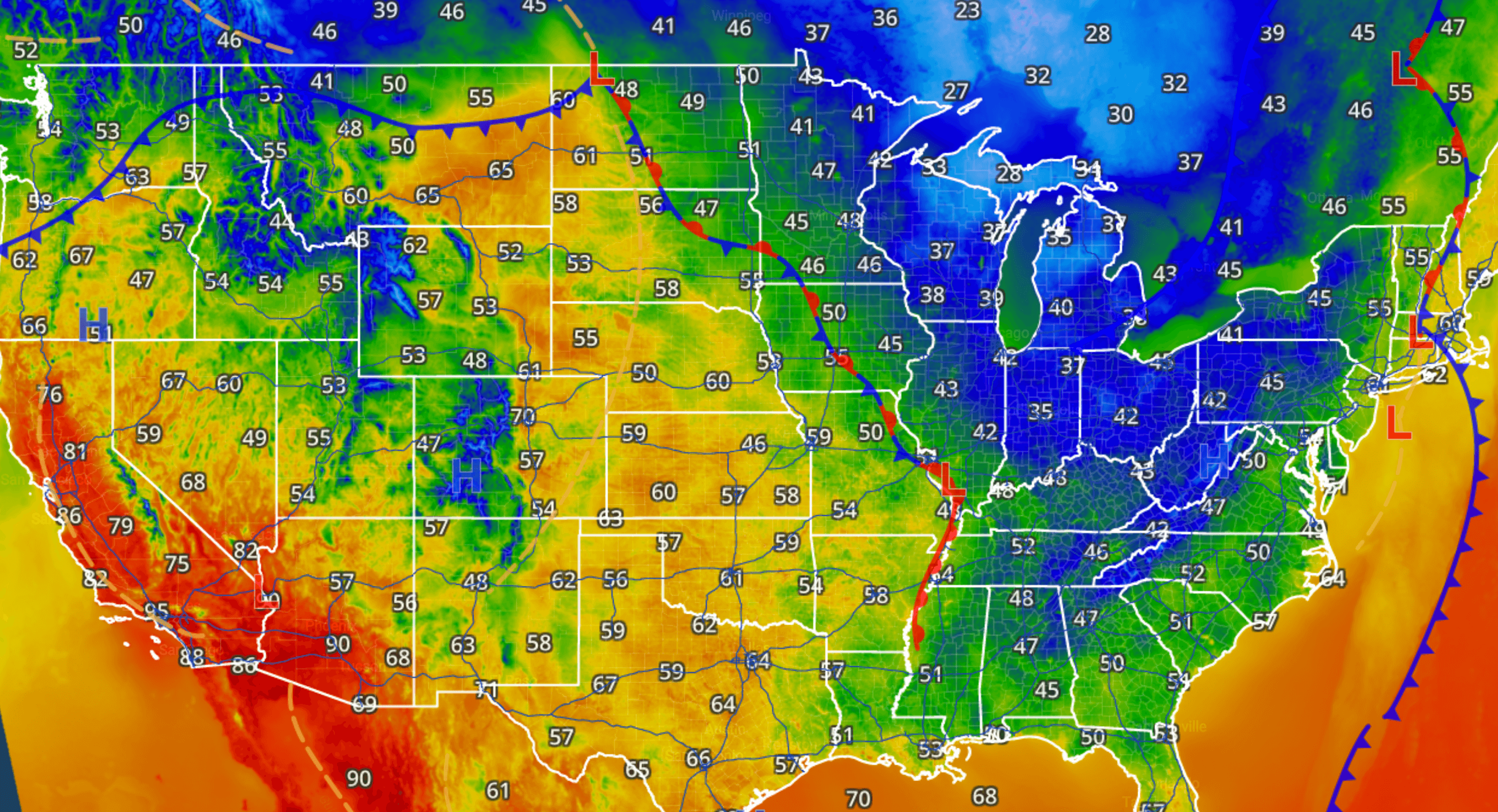
Nature’s temperament has a profound and often immediate impact on tow truck arrival times. Adverse weather conditions, ranging from heavy rain and snow to ice and dense fog, do more than just make driving uncomfortable; they significantly impede all traffic, including the crucial movement of tow trucks. This environmental factor can swiftly transform a standard wait into a protracted delay, amplifying the stress of being stranded.
When severe weather strikes, overall road speeds decrease dramatically. Tow truck operators, already tasked with driving more slowly and cautiously due to the nature of their work and the heavy loads they might eventually carry, face even greater challenges. Reduced visibility, slick surfaces, and hazardous driving conditions mean that what would typically be a 15-minute drive can easily become a 45-minute crawl, directly extending the ETA for any incoming service.
Beyond slowing down movement, bad weather also precipitates a dramatic increase in the number of accidents and vehicle breakdowns. Icy roads lead to collisions, heavy rain can cause hydroplaning, and extreme temperatures can exacerbate existing mechanical issues in vehicles. This surge in demand creates a bottleneck for towing services, as companies struggle to manage a higher volume of calls with potentially fewer available trucks that can safely operate under such conditions.
Therefore, a snowstorm or a major downpour doesn’t just make the drive to you longer; it also means that the tow company’s entire fleet is likely stretched thin, responding to numerous other emergencies. This dual impact of slower travel and heightened demand conspires to push wait times well beyond the typical 30-60 minute average, frequently extending them to 90 minutes or more until conditions improve or resources become available.
4. **Traffic: What’s the congestion like between you and the tow truck?**
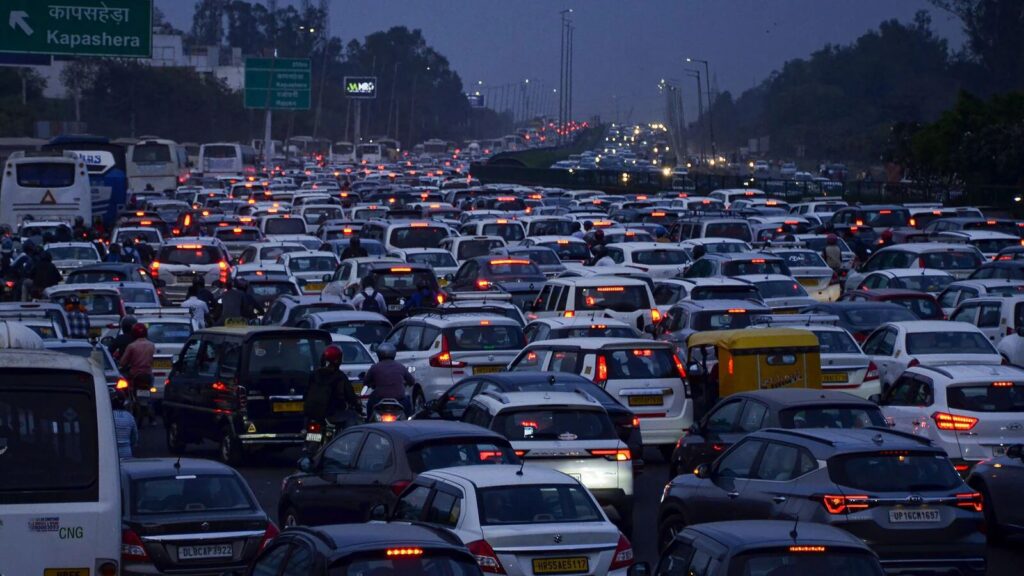
Traffic congestion is an omnipresent challenge on modern roadways, and its impact on tow truck arrival times can be substantial and frustrating. Even if a tow truck is dispatched promptly and is relatively close in distance, heavy traffic can act as an insurmountable barrier, transforming a short journey into a lengthy crawl. This factor is distinct from general time-of-day influences, focusing specifically on the immediate road conditions between the tow operator and your stranded vehicle.
An accident or severe congestion on the route between the tow truck’s current location and your breakdown site can dramatically increase your wait. Imagine a situation where a tow truck is only a few miles away, but those miles are choked with bumper-to-bumper traffic. What would typically be a quick 15-minute drive for the operator can easily devolve into a 45-minute struggle, as they attempt to navigate gridlocked streets or highways, inching their way towards you.
This delay isn’t just about the physical slowing of movement; it also affects the tow company’s overall operational flow. If one truck is stuck in heavy traffic for an extended period, it means it cannot be dispatched to other waiting customers. This can create a ripple effect throughout the entire service network, contributing to longer wait times for everyone in the queue, regardless of their individual proximity to an available truck.
Moreover, certain areas are prone to chronic traffic issues, such as major metropolitan arteries during peak hours or accident-prone stretches of highway. Dispatchers are keenly aware of these zones and will factor them into their ETA calculations. However, unforeseen events—a sudden lane closure, a secondary collision, or even a large sporting event—can cause traffic conditions to deteriorate rapidly and unexpectedly, making accurate real-time predictions a constant challenge for even the most sophisticated dispatch systems.
Having explored the foundational external elements that shape tow truck arrival times, our journey into understanding these delays continues. While your location, the time, weather, and traffic set the stage, the specifics of your vehicle’s predicament, the tow company’s real-time capacity, and the precision of the dispatch operation are equally pivotal. These internal factors within the towing ecosystem often determine the subtle yet significant differences between a manageable wait and a truly protracted ordeal.
Let’s delve deeper into these remaining, equally critical, factors to gain a holistic understanding of what influences your tow truck’s Estimated Time of Arrival (ETA). Knowing these variables empowers you to approach an unfortunate breakdown with greater clarity and less frustration.
5. **Your Vehicle’s Situation: Is it a simple tow or a complex recovery?**
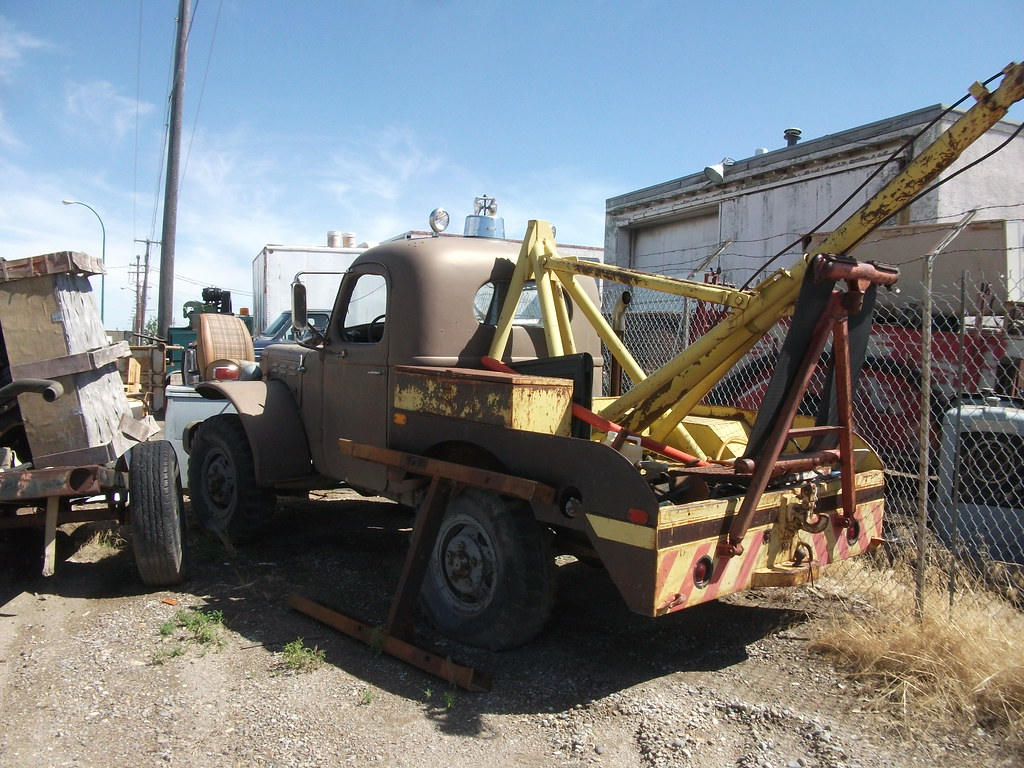
The very nature of your vehicle’s breakdown or immobility is a profound determinant of the tow truck’s arrival time and the complexity of the service required. A straightforward tow for a car that simply won’t start on a flat, accessible surface is a vastly different proposition from a vehicle that has sustained significant accident damage or is lodged precariously off the roadway. The former allows for a quicker response and hook-up, while the latter demands specialized resources and expertise.
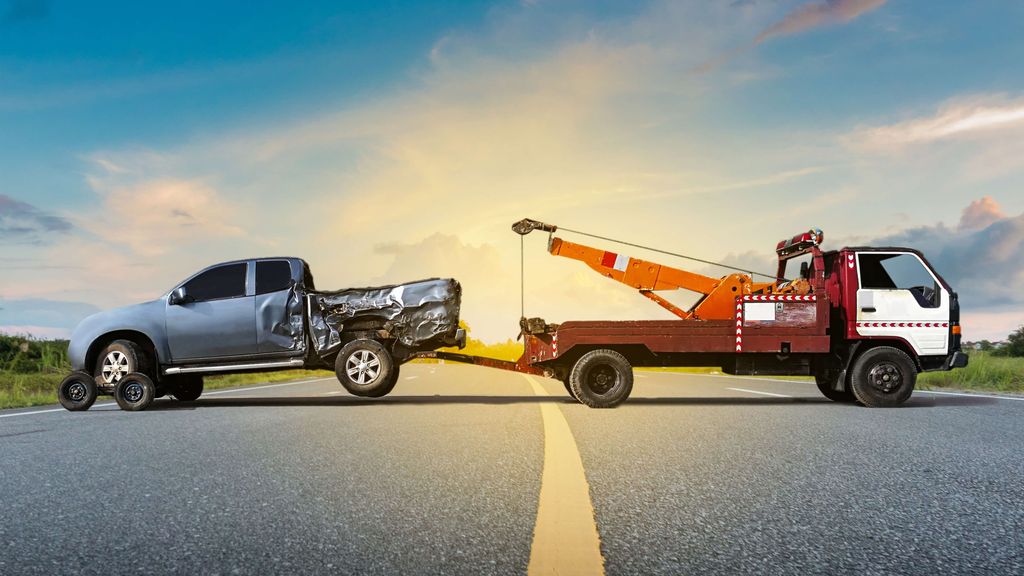
If your car is in a ditch, overturned, or has its wheels locked due to a mechanical failure or accident, the situation shifts from a standard tow to a more complex recovery. Such scenarios often necessitate a specific type of tow truck, possibly a heavy-duty rotator or an off-road recovery vehicle, which are not as universally available as a standard wheel-lift or flatbed truck. The operator dispatched must also possess a higher level of experience and specialized training to safely manage these challenging situations without causing further damage to your vehicle.
The consequence of requiring specialized equipment or a highly experienced operator is a potential increase in your wait time. The closest available tow truck might not be the one equipped for your particular dilemma. Dispatchers must then locate and route a more suitable unit, which could be coming from a greater distance, thereby naturally extending the Estimated Time of Arrival beyond the typical industry average. This strategic matching of resources to need is crucial but can introduce delays.
Therefore, when communicating with a dispatcher, providing an accurate and detailed description of your vehicle’s exact situation is paramount. Explain if the car is in a ditch, how it’s oriented, if there’s significant damage, or if any wheels are locked. This crucial information allows the dispatcher to send the correct type of truck and operator from the outset, minimizing the risk of sending an unsuitable vehicle that would lead to further delays and the need for a second dispatch.
6. **Tow Company’s Current Workload: Are you the first call or the tenth?**
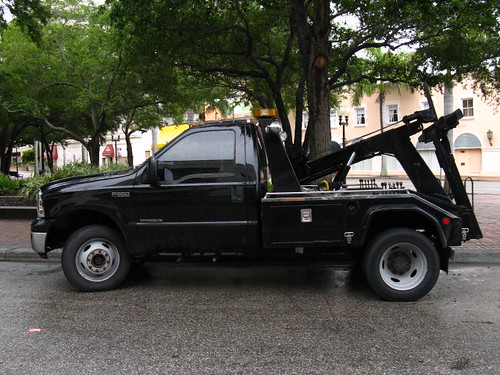
Beyond the external conditions and your vehicle’s specific needs, the operational reality of the tow company you call is a critical, albeit often unseen, factor. You might be the only customer calling for a tow at a given moment, or you could be one of many in a sudden surge of demand. The tow company’s current workload, therefore, directly impacts how quickly they can allocate a driver and vehicle to your location.
On a calm day, especially during off-peak hours, a tow company might have several trucks idle or finishing up minor jobs, allowing for a near-immediate dispatch. However, the scenario changes dramatically during periods of high demand, such as rush hour, after a major accident, or during adverse weather conditions. In these situations, every available truck in the fleet might already be actively engaged, responding to other calls.
When demand outstrips immediate supply, dispatchers are forced to manage a queue of waiting customers. Your call is logged, and you are placed in line for the next available driver. This means that even if a tow truck is geographically close, it cannot be sent to you until it has completed its current job, returned to base, or is routed directly from another service location. This fluid state of truck availability makes real-time ETAs a constant challenge for dispatchers.
It’s important for consumers to understand that a tow company, regardless of its size, operates with finite resources. An unexpected cluster of breakdowns or accidents, particularly in a localized area, can quickly overwhelm a fleet. This bottleneck effect can significantly push wait times beyond the usual 30-60 minute average, sometimes to 90 minutes or even several hours, as the company works diligently to cycle through its service requests.
Therefore, while the dispatcher provides their best estimate, the fluctuating workload means that flexibility and patience are sometimes required. Being aware that your wait might be influenced by factors entirely unrelated to your specific incident can help manage expectations and reduce frustration when help is on the way but momentarily tied up.

7. **Dispatch Efficiency: How clearly did you communicate your needs?**
The final piece of the ETA puzzle lies in the crucial communication exchange between you, the customer, and the tow company’s dispatcher. While sophisticated dispatch software and GPS tracking aid immensely, the quality and clarity of the information provided during your initial call can either streamline the process or inadvertently introduce frustrating delays. This human element is often overlooked but profoundly impactful.
A clear, concise, and accurate report of your exact location and vehicle issue is the dispatcher’s most valuable tool. When you can articulate precisely where you are—including cross streets, highway mile markers, or distinct landmarks—and accurately describe what happened to your vehicle, the dispatcher can quickly identify the closest and most appropriate tow truck and operator to send, minimizing potential misdirections and wasted time.
Conversely, inaccurate, vague, or incomplete information can lead to significant delays. Imagine a tow truck being sent to the wrong highway exit because of a misunderstanding, or a flatbed being dispatched when a simple jump-start was needed. Such errors necessitate further communication, additional routing, or even sending a second, different truck, all of which directly contribute to your extended wait time.
The dispatcher’s job is to make an educated guess based on the data you provide. Helping them by having vital details ready—such as your vehicle’s make, model, color, license plate, and a precise description of the problem (e.g., “flat tire on the front passenger side,” “engine overheating, steam coming from under the hood”)—allows them to make the most informed decision, leading to a swifter and more efficient response.
Ultimately, your role in this initial information exchange is critical. Taking a moment to gather your thoughts and relay details clearly can save precious minutes or even hours. An efficient dispatch operation, powered by clear communication, is your best ally in reducing the time you spend waiting by the roadside.
### Proactive Steps: How You Can Speed Up the Process
While many factors influencing tow truck arrival times are outside your direct control, understanding these variables allows you to take proactive steps. By being prepared and communicating effectively, you can significantly streamline the process and potentially reduce your waiting period, turning a stressful situation into a more manageable one.
#### Calling for a Tow: The Information You MUST Have Ready
When you find yourself needing a tow, your first point of contact with the tow company or roadside assistance provider is paramount. The precision and completeness of the information you provide can genuinely be a game-changer, allowing the dispatcher to act swiftly and accurately. Before you even pick up the phone, try to have these crucial details readily accessible.
First and foremost, your exact location is vital. Be prepared to provide the street name and nearest cross street, specific highway (e.g., I-5 North or South), mile marker, or even a distinct landmark like “across from the big blue billboard” or “just past Exit 12.” The more precise you are, the less time the dispatcher spends trying to pinpoint your position, and the quicker the driver can find you.
Next, have your vehicle’s specifics on hand: the make, model, year, color, and license plate number. This information helps the tow company identify your vehicle easily upon arrival and ensures they dispatch the correct type of truck if there are special requirements. Knowing whether your car is all-wheel-drive, for instance, is crucial for dispatching a flatbed rather than a wheel-lift.
Clearly articulate the nature of the problem. Is it a flat tire? Engine trouble? An accident? Specify if the car is drivable, if all wheels are on the ground, or if there’s visible damage that might impede a standard tow. For instance, “My car won’t start, and it’s parked on the shoulder with the hood up,” or “I was in an accident, the front left wheel is damaged, and the car is partially in a ditch.”
Finally, be ready with your destination, if you have one. Providing the name and address of your preferred repair shop or home helps the dispatcher plan the full service, not just the pickup. Also, confirm if you have any passengers, as many tow companies have strict policies regarding who can ride in the truck. Being thorough with these details saves valuable time for everyone involved.
#### Insurance Roadside Assistance vs. Calling a Local Company Direct
When facing a breakdown, you typically have two primary avenues for securing a tow: utilizing your vehicle insurance’s roadside assistance program or directly contacting a local tow company. Each option presents its own set of advantages and potential drawbacks, impacting both the process and, sometimes, the speed of service.
Many insurance policies include roadside assistance as a standard benefit or an affordable add-on. This option often provides a seamless experience: you call your insurance provider, and they handle the coordination with a contracted tow company. The convenience is significant, as you avoid upfront payment and the hassle of vetting tow operators. However, this multi-step communication chain—from you to insurance, then insurance to the tow company—can sometimes introduce a slight delay, as information is relayed through an intermediary.
Conversely, calling a local tow company directly can sometimes be quicker, especially if you’re familiar with a reputable operator in the area or if you’re in a location with many independent services. This direct line of communication can lead to a faster dispatch, as there’s no middleman. The trade-off, however, is that you will likely be responsible for paying the towing charges upfront and then submitting a claim to your insurance provider for reimbursement, which requires more administrative effort on your part.
Understanding your insurance coverage *before* an incident occurs is highly advisable. Know your deductible, your coverage limits, and the specific procedures for requesting a tow. This prior knowledge allows you to make an informed decision on the spot, weighing the convenience of insurance coordination against the potential for a quicker, direct call when time is of the essence.
#### What to Do While You Wait: A Safety Checklist
Once you’ve made the call and received an Estimated Time of Arrival, the waiting game begins. This period, though potentially anxious, is crucial for ensuring your safety and that of others on the road. Taking proactive safety measures can prevent further incidents and make you more visible to the approaching tow truck.
Your immediate priority should be to move your vehicle to the safest possible location. If at all possible, pull completely off the roadway, far onto the shoulder, or into a nearby parking lot. If your vehicle is disabled in an active lane of traffic or in a hazardous spot, stay inside your vehicle with your seatbelt fastened, as it offers the best protection from potential secondary collisions.
Enhance your visibility to oncoming traffic. Turn on your hazard lights immediately, day or night. If you carry emergency supplies, deploy reflective triangles or flares behind your vehicle, ensuring they are placed far enough away to give approaching drivers ample warning. Bright clothing or a reflective vest can also be beneficial if you need to step outside your car.
Maintain awareness of your surroundings. Keep an eye on traffic and be cautious of unsolicited offers of help from strangers, especially if you are in an isolated area. It is generally safer to wait for the professional assistance you have requested. Keep your mobile phone charged and readily accessible for any further communication with the tow company or emergency services.
Staying calm and composed during this wait is also beneficial. While stress is a natural reaction to a breakdown, maintaining a clear head allows you to think rationally, communicate effectively if needed, and observe any changes in your situation. Remember, help is on the way, and prioritizing your safety is the most important action you can take.
#### What If the Tow Truck is Taking Too Long?
Despite all best efforts, there are times when a tow truck’s arrival stretches beyond the initially provided ETA, or the wait becomes uncomfortably long. In such circumstances, it’s important to know how to respond effectively, maintaining your safety while trying to expedite the situation.
Your first step should always be to call the tow company or your roadside assistance provider again. Politely inquire about an updated Estimated Time of Arrival and whether there’s been any unforeseen delay. It’s possible that traffic conditions have worsened, another high-priority call has come in, or the previous job ran over schedule. Getting an updated status can help manage your expectations.
When you call back, reconfirm your exact location with the dispatcher. Sometimes, minor movements for safety after the initial call can cause confusion. Double-checking that they have the most precise details of where you are can prevent the tow truck from passing you by or going to an incorrect spot. This simple verification can sometimes resolve a miscommunication.
If the delay becomes excessive and your situation allows for it, you might consider exploring alternative options. This could involve contacting a different tow company, if safe and practical, though be aware of potential cancellation fees from the first service. For minor issues, a friend with jumper cables or a tire repair kit might be able to reach you faster. However, always prioritize safety and never attempt repairs on the side of a busy road unless it’s absolutely safe to do so.
Throughout the extended wait, keep meticulous records of your calls, the times you spoke with dispatchers, the ETAs provided, and any expenses incurred. This documentation is vital should you need to dispute any charges later or if you feel your service was significantly below reasonable expectations. While frustrating, a long wait doesn’t have to leave you helpless; informed action is your best course.
### Conclusion
Navigating the complexities of vehicle breakdowns and tow truck arrival times requires more than just patience; it demands a clear understanding of the many interwoven factors at play. From your immediate geographical location and the time of day, to unpredictable weather, traffic, and the specific nature of your vehicle’s distress, each element contributes to the Estimated Time of Arrival. This guide has aimed to demystify that “7-day wait” perception, replacing it with realistic expectations grounded in operational realities.
We’ve explored how the tow company’s real-time workload and the efficiency of the dispatch process are equally crucial, often determining the final minutes or hours of your wait. Armed with this knowledge, you are no longer simply a passive bystander. By taking proactive steps—like having key information ready when you call, understanding your roadside assistance options, and prioritizing safety while you wait—you can exert a significant influence on the speed and smoothness of your experience.
Ultimately, being prepared means being empowered. While a roadside emergency is never ideal, knowing what to expect and how to act can transform a potentially overwhelming ordeal into a manageable challenge. The goal is to get you and your vehicle safely off the road as efficiently as possible. Your informed choices, coupled with clear communication, are your strongest tools in ensuring help arrives when you need it most.