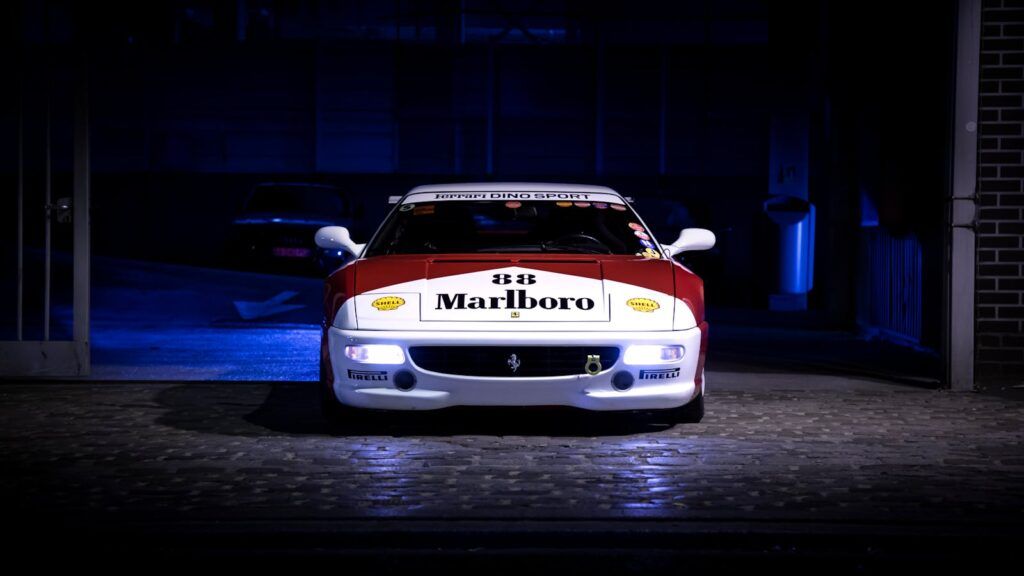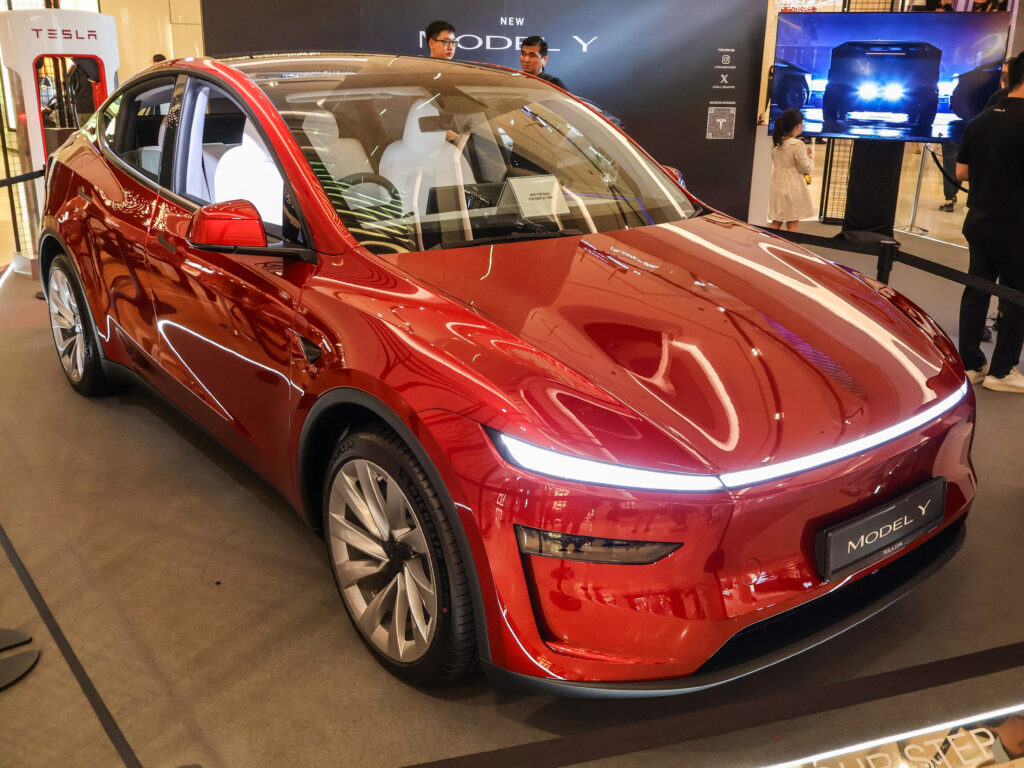

The allure of a custom look for a vehicle is undeniable, and aftermarket headlight tinting often presents an attractive option for car owners seeking that bold, aggressive edge. A tinted lens can certainly give a vehicle a distinctive appearance, while also offering perceived benefits like protection against scratches and UV damage. However, this seemingly minor modification carries significant legal and safety consequences that can quickly steer drivers into trouble, ranging from traffic tickets and failed safety inspections to, most critically, compromised visibility when it’s needed most on the road.
The complexities arise because headlight tint laws are far from uniform across the nation. While federal standards, such as Federal Motor Vehicle Safety Standard (FMVSS) No. 108, lay down the foundational requirements for lighting performance, each state overlays its own specific rules, regulations, and enforcement mechanisms. This creates a challenging patchwork system where what might be permissible in one state could be unequivocally illegal just a few miles across the border, leading to widespread confusion among even the most diligent automotive enthusiasts.
Our deep dive today aims to cut through this regulatory fog, providing a clear, authoritative guide on the current landscape of headlight tint laws, with a particular focus on the states where aftermarket tint is unequivocally prohibited. We’ll explore the core legal framework, key technical definitions essential for compliance, and the practical implications for drivers. By understanding these nuances, car owners can ensure their beloved vehicles remain road-legal and, most importantly, safe for everyone sharing the highways.
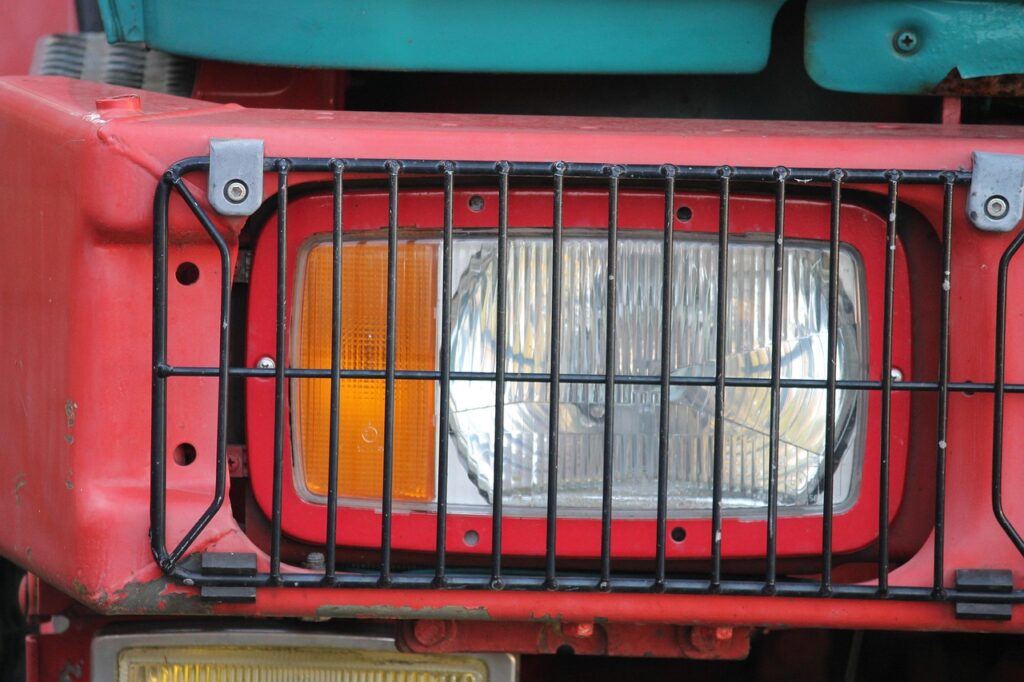
1. **Alabama: Unwavering Prohibition on Aftermarket Headlight Tint**Alabama stands unequivocally among the majority of states that maintain a strict “Prohibited” status for aftermarket tint on primary headlights. This firm stance is a direct reflection of broader national safety standards, mandating that a vehicle’s primary lighting systems operate precisely as designed by the manufacturer. Consequently, any film, cover, or spray that darkens the headlight lens, obstructs its output, or alters the color of the emitted light from the main headlamps is deemed illegal under Alabama law. This clear directive aims to safeguard all road users by ensuring consistent and reliable illumination.
The foundation for Alabama’s headlight regulations, like those across the U.S., is Federal Motor Vehicle Safety Standard (FMVSS) No. 108. This critical federal standard dictates that headlights must emit sufficient light for drivers to see clearly at night and for their vehicles to be safely visible to others. Any aftermarket tint that reduces this vital light output, even minimally, is in direct conflict with FMVSS No. 108’s performance benchmarks. Such modifications can significantly compromise a driver’s ability to perceive road hazards and react in time, increasing accident risks.
Key to understanding this prohibition is the concept of Visible Light Transmission (VLT), which quantifies the percentage of light that passes through a material. For primary headlights, the expectation is for a VLT very close to 100%. Even films marketed as “light smoke” can reduce this transmission, impacting the “net VLT” (film plus glass combined) below safe and legal thresholds. Alabama’s law ensures that headlamps maintain their full brightness and that the beam pattern remains undistorted, preventing glare for oncoming drivers and preserving optimal road illumination.
While primary headlamps must remain bright and white, Alabama does acknowledge certain nuances for auxiliary lighting. The state specifically notes: “Only clear protective films; fog / auxiliary lighting may have more leeway.” This means transparent paint protection films (PPF) designed solely to guard lenses from chips and UV damage, without affecting brightness or color, are generally legal. Furthermore, there might be flexibility for selective yellow tints on fog lamps or other auxiliary lights, provided these modifications comply with specific state guidelines and do not interfere with the main headlight system. Drivers should always consult local statutes for precise rules regarding non-primary lights.
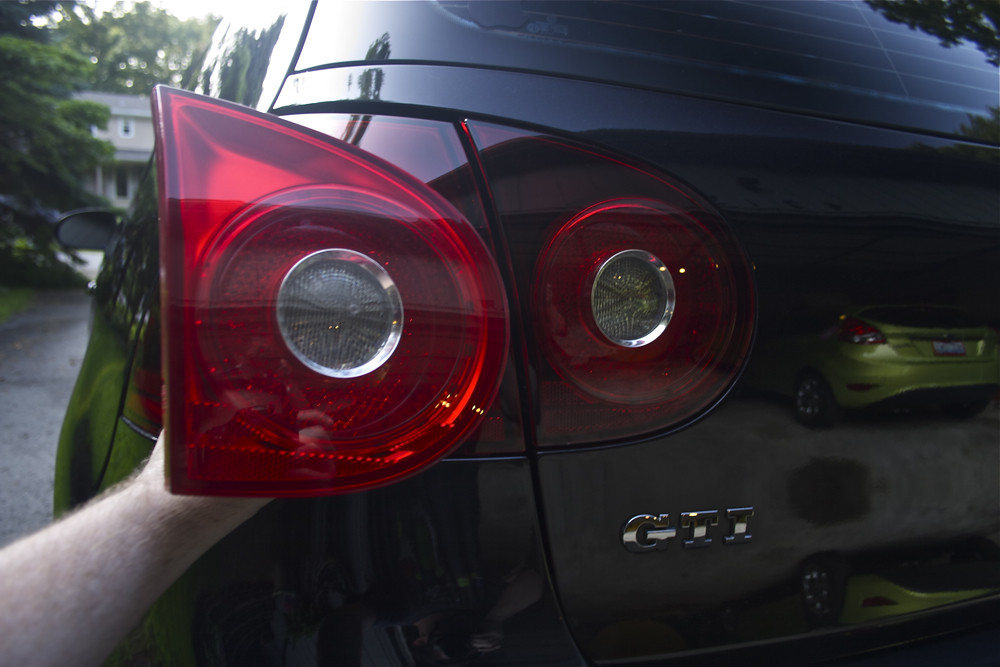
2. **Arizona: Navigating the ‘Limited’ Realm of Headlamp Modification**Arizona presents a slightly different regulatory landscape by classifying aftermarket headlight tinting under a “Limited” status rather than an outright prohibition. However, this distinction should not be misinterpreted as a carte blanche for modifications. For primary headlamps, Arizona’s statutes are unambiguous: they “must remain white.” This strict adherence to white light output aligns with both federal guidelines and the overarching principle of road safety, ensuring that vehicles present predictable and clear illumination to other drivers.
The “Limited” designation for Arizona primarily refers to specific allowances for certain types of films or for non-primary lighting. Nevertheless, any application to main headlights that demonstrably reduces their Visible Light Transmission (VLT) or shifts the emitted light away from the legally required white spectrum will lead to non-compliance. Even a subtle smoke tint, if it diminishes brightness below acceptable levels or introduces any non-white hue, will likely result in a citation or cause a vehicle to fail a state safety inspection. The core safety requirement for headlamps to provide maximum, uncompromised illumination remains paramount.
Arizona’s legal framework reinforces the strict color restrictions for primary headlamps. As per federal and most state regulations, primary forward-facing lights must emit white light. Colors such as red, blue, or green are universally prohibited on main headlamps because they are reserved for emergency vehicles and can create dangerous confusion on public roads. Even an aftermarket tint that causes a slight, unintended color shift in the white light can be considered a violation, underscoring the importance of maintaining original light characteristics.
Where Arizona’s “Limited” status truly comes into play is with auxiliary lighting. The state permits that “fog / auxiliary may allow selective yellow.” This provision recognizes that selective yellow light can sometimes be more effective in specific adverse conditions like dense fog or heavy rain, enhancing visibility by reducing glare. However, it is crucial for drivers to understand that this allowance is strictly for fog or auxiliary lamps and absolutely does not extend to the primary headlights, which are always required to emit clear, bright, white light.
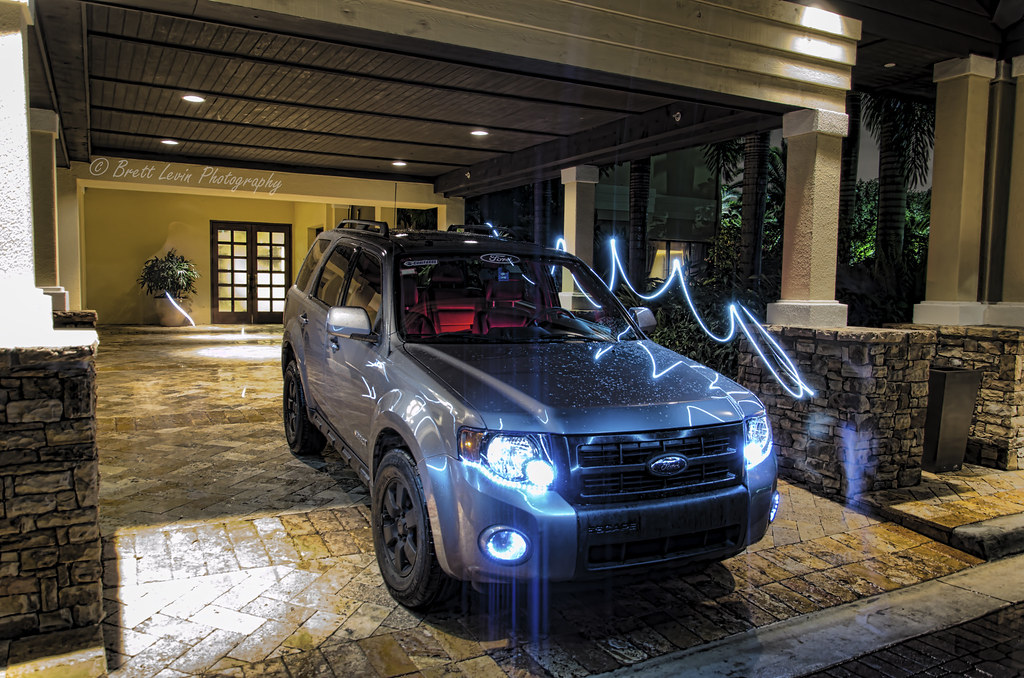
3. **California: The Golden State’s Unyielding Stance on Headlight Clarity**California, a state celebrated for its automotive innovation and diverse car culture, maintains an unyielding “Prohibited” status for aftermarket tinting on primary headlamps. The Golden State’s vehicle code is uncompromising on a fundamental safety requirement: “Headlamps must emit white light.” This mandate directly mirrors the foundational Federal Motor Vehicle Safety Standard (FMVSS) No. 108, which prioritizes optimal illumination and road safety for all vehicles operating on public roads. Consequently, any film, cover, or spray that darkens the lens, alters the color, or otherwise impedes the clear, white light output of a vehicle’s main headlights is strictly forbidden.
This stringent prohibition is rooted in critical safety considerations. White light is scientifically proven to provide the most effective illumination for discerning road hazards, lane markings, and traffic signs, ensuring that drivers have the clearest possible view of the path ahead. Introducing any tint that shifts this essential color towards blue, red, green, or even a noticeable yellow on primary headlamps is illegal. Such alterations can create dangerous confusion for other motorists, potentially mimicking emergency vehicle lighting, or simply reducing the effectiveness of the headlights in critical driving situations.
The legality of headlight tinting in California hinges significantly on Visible Light Transmission (VLT). Even films marketed as “light smoke” or “clear” must not reduce the amount of light emitted below legal thresholds. Law enforcement officers in California, as in some other states, may carry light transmission meters to measure VLT directly during roadside stops. During annual or biennial inspections, certified inspectors will also rigorously check beam brightness, alignment, and color. If the tint noticeably reduces output or alters the beam pattern or color, the vehicle will fail inspection, preventing registration or renewal until rectified.
While primary headlamps are subject to these strict prohibitions, California’s regulations, like those in several other states, offer a minor exception for auxiliary lighting. The state notes that “fog lamps may be white or yellow,” acknowledging the functional benefits of yellow light in specific adverse weather conditions. However, it is paramount for California drivers to distinctly understand that this flexibility applies exclusively to fog or auxiliary lamps. The main headlamps must consistently remain clear, bright, and emit unadulterated white light to ensure both legal compliance and optimal road safety for all.
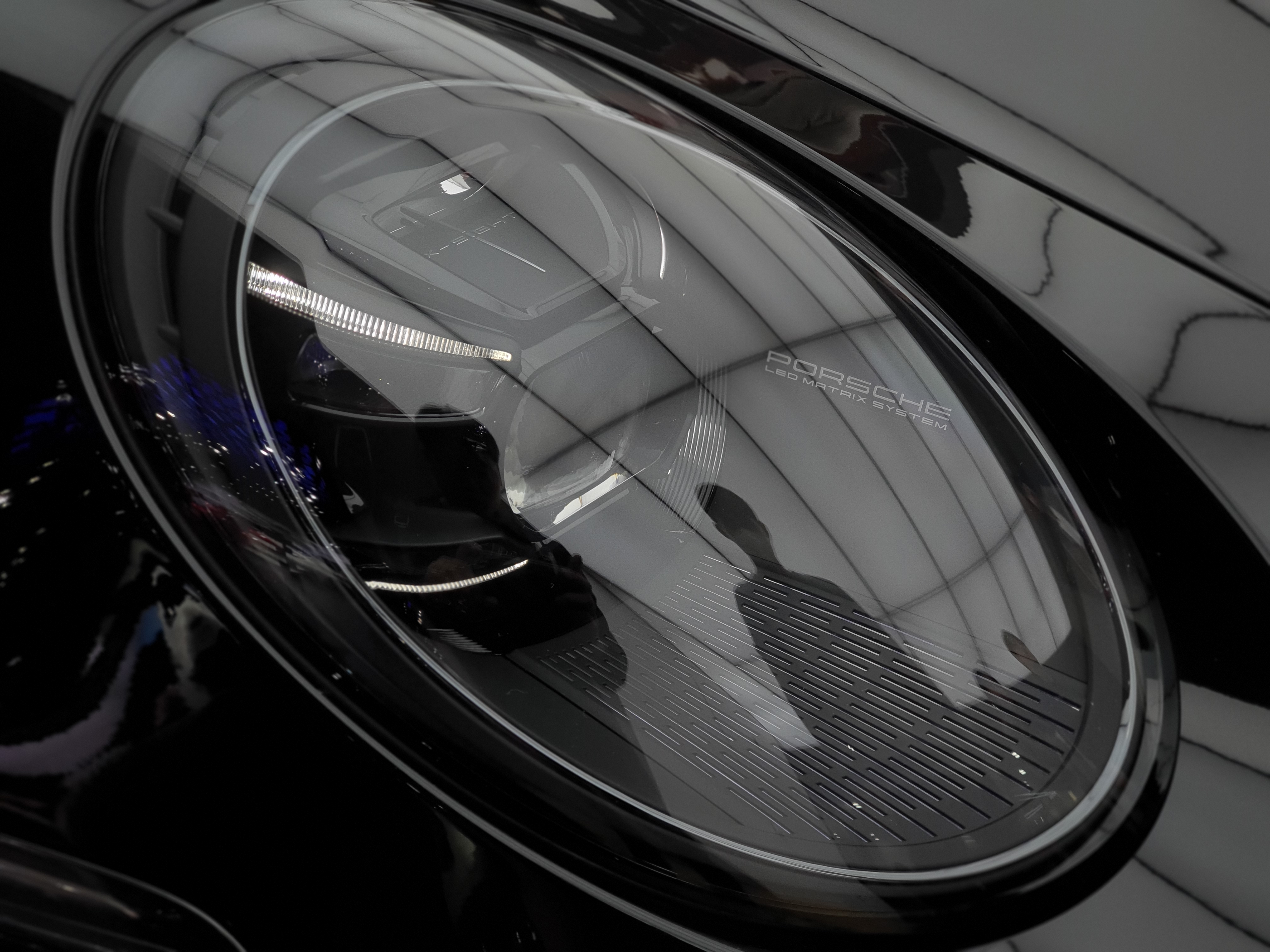
4. **Florida: A Zero-Tolerance Policy for Altered Headlamp Output**Florida’s position on aftermarket headlight tinting is crystal clear and falls squarely under the “Prohibited” category, with its regulations explicitly stating: “No deviation from white; tinted headlamps illegal.” This direct and unambiguous language leaves absolutely no room for misinterpretation, making it unequivocally clear that drivers in the Sunshine State must abstain from any modification that alters the brightness or color of their vehicle’s primary headlights. Florida law prioritizes functional clarity and safety above all aesthetic customizations when it pertains to essential safety equipment.
This robust prohibition directly underpins federal safety guidelines, which mandate that headlights operate at peak performance to ensure both the driver’s ability to see and the vehicle’s conspicuousness to others on the road. Any film, overlay, or spray that visibly reduces the Visible Light Transmission (VLT) or introduces a color tint other than white on the main headlamps constitutes a violation. The law is particularly precise, noting that “Lightly frosted white or blue lights are permitted as long as the emitted light is white.” This highlights that the crucial factor is the *color of the light emitted*, not merely the superficial appearance of the lens itself. If the output isn’t pure white, it’s illegal.
The enforcement of these stringent rules in Florida can result in significant consequences. Drivers found with non-compliant tinted headlights may face “fix-it tickets,” requiring them to remove the illegal tint and provide proof of correction within a specified timeframe. Furthermore, repeat violations or a refusal to rectify the issue can lead to fines ranging from approximately $50 to several hundred dollars, depending on the specific circumstances and local jurisdiction. The state’s commitment to unaltered headlight performance is a key component of its road safety strategy.
For car owners in Florida, the message is to adhere strictly to the factory specifications for headlamp output. While specific VLT percentages for headlights might not be explicitly detailed in the state-by-state summary, the overarching federal and state requirements implicitly demand a VLT close to 100% for primary headlamps. Therefore, any aftermarket tint that visibly dims, obscures, or recolors the main beams will be grounds for a citation, potential fines, and a mandatory requirement to remove the non-compliant material to restore the vehicle’s legal and safe operating status.
5. **Illinois: The Risk of Inspection Failure with Reduced Headlight Output**Illinois firmly categorizes aftermarket headlight tinting as “Prohibited,” with a specific and impactful warning: “Any film reducing output may fail inspection.” This stern directive underscores a highly practical and significant consequence for drivers in Illinois who contemplate modifying their headlamps with tint films: the very real likelihood of failing mandatory vehicle safety inspections. In Illinois, as in numerous other states, these inspections serve as vital regulatory checkpoints to ensure that all vehicle components, particularly critical safety features like lighting, meet stringent legal standards.
The state’s regulation is in complete harmony with federal requirements, which demand that headlights maintain ample brightness to enable drivers to navigate safely at night and to ensure their vehicle is clearly visible to all other motorists. Even a “light smoke” film, if it measurably diminishes the Visible Light Transmission (VLT) below the required output, can lead to non-compliance. The inherent danger with such films is their deceptive nature: they may not appear overtly dark during daylight hours, but their detrimental impact on light intensity becomes significantly pronounced and hazardous in low-light driving conditions.
Moreover, Illinois laws, consistent with general provisions outlined in the context, explicitly prohibit static and flashing red or blue lights on non-emergency vehicles. This reinforces the fundamental principle that vehicle lighting must never create confusion or mimic the distinct illumination patterns of emergency responders. While the specific state note for Illinois primarily emphasizes output reduction and the risk of inspection failure, it implicitly upholds the broader federal and state mandates for clear, white, and highly effective headlamp illumination, highlighting the severe safety implications of any light-altering film applied to primary headlamps.
The enforcement mechanisms in Illinois are designed to catch non-compliant modifications. Law enforcement officers are trained to identify headlights that appear dim, smoked, or tinted in colors other than white or yellow. During routine traffic stops, officers in some states are equipped with light transmission meters to directly measure VLT, similar to how they check window tint. If a vehicle’s headlights are found to be non-compliant, drivers can expect to receive a “fix-it ticket,” requiring them to remove the tint and prove compliance within a specified period, or face escalating fines and penalties.
6. **Maryland: Uncompromising on Headlamp Light Output and Color Integrity**Maryland unequivocally places aftermarket headlight tinting in the “Prohibited” category, with its regulations explicitly stating: “Covers or films that alter light output or color disallowed.” This stringent and clear rule signifies that any modification applied to primary headlamps that deviates from their original, factory-designed function and performance will not be tolerated within the state. Maryland’s legislative focus is squarely on preserving the integrity of factory-specified lighting performance, recognizing it as a critical cornerstone of public road safety.
This prohibition is comprehensive, extending its reach to both the intensity and the precise hue of the light emitted from the headlamps. Even if an aftermarket film does not appear overtly dark, if it measurably reduces the light output from the primary headlamp, it is considered illegal. Furthermore, and crucially, any film that shifts the color of the headlight beam away from the legally mandated white light is also strictly disallowed. This is a vital point for car owners, as certain aftermarket tints, even those perceived as “clear” or subtly colored, can subtly alter the light spectrum, thereby leading to a violation.
The state’s commitment to enforcing these rules is particularly evident through its mandatory vehicle safety inspections. During these inspections, a certified technician will rigorously scrutinize beam brightness, alignment, and, critically, the color of the headlamp output. If an applied film noticeably reduces the light output, alters the beam pattern, or changes the emitted color from white, the vehicle will immediately fail inspection. Such a failure means the vehicle cannot be legally registered or operated on Maryland roads until the non-compliant tint is removed and the original lighting integrity is restored, serving as a powerful deterrent against illegal modifications.
Beyond inspections, Maryland law enforcement officers are vigilant about identifying non-compliant headlight tints during roadside checks. Headlights that appear dim, smoky, or display colors other than white or the permitted selective yellow (for auxiliary lamps, where allowed) will quickly draw attention. The penalties for such violations can include fix-it tickets, which demand prompt removal of the tint, and fines that vary depending on the specific nature of the infraction and whether it’s a repeat offense. This proactive enforcement ensures that vehicles on Maryland roads maintain optimal safety lighting at all times, protecting both the driver and others.
Continuing our comprehensive exploration of headlight tinting regulations across the nation, we now turn our attention to additional states maintaining stringent controls, ensuring both legal compliance and optimal road safety. These regulations, often building upon federal benchmarks, prioritize clear, bright, and correctly colored illumination from your vehicle’s primary headlights. Understanding these nuances is paramount for drivers who wish to customize their vehicles responsibly without compromising safety or risking penalties.

7. **Massachusetts: Upholding Clarity and Unobstructed Illumination**Massachusetts stands firm in its commitment to road safety, unequivocally placing aftermarket headlight tinting in the “Prohibited” category. The state’s regulations explicitly mandate that “Headlamps must remain white and unobstructed,” leaving no room for ambiguity when it comes to modifications that could compromise visibility. This strict rule directly aligns with the federal requirements set forth by FMVSS No. 108, which prioritizes the ability of drivers to see clearly at night and for their vehicles to be safely visible to others. Any film, cover, or spray that darkens the headlight lens, obstructs its output, or alters the color of the emitted light from the main headlamps is deemed illegal under Massachusetts law.
The rationale behind this uncompromising stance is deeply rooted in critical safety considerations. White light is scientifically recognized as providing the most effective illumination for detecting road hazards, lane markings, and traffic signs, thereby guaranteeing the clearest possible view for drivers. Introducing any tint that diminishes this essential light output or shifts its color away from the legally required white can create dangerous situations for all road users. Such alterations can not only reduce a driver’s perception capabilities but also potentially confuse other motorists, leading to increased accident risks.
Enforcement in Massachusetts, as in many other states with similar prohibitions, is robust. Law enforcement officers are trained to identify headlights that appear dim, smoked, or tinted in colors other than white. During roadside stops, officers may employ light transmission meters to directly measure the Visible Light Transmission (VLT) of the headlight lens. If a vehicle’s headlights are found to be non-compliant, drivers can face “fix-it tickets,” which require the immediate removal of the tint and proof of correction, or escalating fines and penalties, ensuring adherence to the state’s visibility requirement of 500 feet.
Beyond direct citations, vehicles in Massachusetts are subject to mandatory safety inspections. During these checks, certified inspectors rigorously examine beam brightness, alignment, and critically, the color of the headlamp output. Headlights that fail to meet these stringent standards due to aftermarket tint will result in the vehicle failing inspection. This means the vehicle cannot be legally registered or operated on Massachusetts roads until the non-compliant tint is removed and the original lighting integrity is fully restored, reinforcing the state’s dedication to unobstructed and effective illumination.
8. **Michigan: A Firm Stance Against Headlamp Alterations**Michigan’s vehicle code places aftermarket headlight tinting firmly in the “Prohibited” category, with a direct and unambiguous note stating: “No darkening or color changes on required lamps.” This clear directive highlights the state’s unwavering commitment to maintaining the original, factory-designed performance of a vehicle’s primary lighting systems. The underlying principle is to ensure that all required lamps operate precisely as intended by the manufacturer, providing consistent and reliable illumination without compromise for the safety of all road users.
This prohibition is comprehensive, extending its reach to any modification that visibly reduces the light output or alters the color emitted from the headlamps. Even a seemingly light “smoke” film, if it measurably diminishes the Visible Light Transmission (VLT) or introduces a color tint other than the legally mandated white, will be deemed non-compliant. The federal baseline, FMVSS No. 108, emphasizes that headlights must emit sufficient light for drivers to clearly see and for their vehicles to be safely seen by others. Any reduction in this vital light output, even a subtle one, directly conflicts with these performance benchmarks, posing a significant risk.
Enforcement in Michigan targets these alterations to light output and color integrity. Law enforcement officers are vigilant in identifying vehicles with headlamps that appear dimmed, smoked, or display colors other than white. Such modifications are easily noticeable and can lead to immediate roadside intervention. Drivers found with non-compliant tinted headlights may be issued citations, potentially requiring the removal of the illegal tint and proof of compliance within a specified timeframe, alongside applicable fines.
The overall intent of Michigan’s legislation is to safeguard public road safety by eliminating any visual distractions or reductions in headlight effectiveness. While some general state guidelines might refer to a VLT of 70% as a threshold for certain applications, for primary headlamps, Michigan’s “Prohibited” status and explicit ban on “darkening or color changes” underscore that any film which noticeably impacts brightness or color will lead to a violation, ensuring headlamps provide maximum, uncompromised white illumination.
9. **New York: Illegal to Reduce Headlight Output**New York State maintains a rigorous approach to vehicle lighting, classifying aftermarket headlight tinting as “Prohibited” with a clear stipulation: “Any tint or film that reduces output is illegal.” This uncompromising stance emphasizes that the primary function of headlights—to provide maximum illumination for safe navigation—must not be compromised by cosmetic modifications. New York’s law is in direct alignment with federal standards that demand headlights maintain ample brightness to allow drivers to see safely at night and ensure their vehicle is clearly visible to all other motorists.
The emphasis on “reducing output” means that even films marketed as “light smoke” are under scrutiny. If such a film measurably diminishes the Visible Light Transmission (VLT) below the required effective white light output, it will lead to non-compliance. While some state guidance mentions a VLT of 70%, for primary headlights, this figure often serves as a theoretical minimum that even a light tint can push below acceptable, uncompromised levels. The inherent danger of reduced output is particularly pronounced in low-light conditions, where even a slight dimming significantly impairs a driver’s ability to react to hazards.
Enforcement of these regulations is a priority for New York law enforcement. Officers are trained to spot headlights that appear dim or altered, and during roadside stops, they may utilize light transmission meters to accurately measure the VLT of the headlight lens. Vehicles found with non-compliant tints are subject to consequences ranging from “fix-it tickets,” which necessitate prompt removal and proof of correction, to fines that can vary depending on the specific nature of the infraction and local jurisdiction.
Beyond roadside checks, New York, like many states, relies on vehicle safety inspections to ensure compliance. During these inspections, beam brightness, alignment, and the emitted color of the headlights are critically assessed. Any tint that noticeably reduces output, distorts the beam pattern, or shifts the color away from white will cause the vehicle to fail inspection. This prevents the vehicle from being legally registered or operated until the non-compliant tint is removed, solidifying New York’s commitment to optimal headlight performance.
10. **Ohio: Strict Compliance for Headlamp Color and Output**Ohio’s regulations are explicit regarding aftermarket headlight tinting, categorizing it as “Prohibited” and stating unequivocally: “Changes to color or output subject to violations.” This firm position ensures that essential safety equipment like headlights maintains its intended performance without any aesthetic alterations that could diminish functionality. The state’s framework directly supports the overarching federal requirements that demand headlights operate at peak performance, providing both optimal visibility for the driver and clear conspicuousness of the vehicle to others on the road.
This prohibition is particularly focused on two critical aspects: the emitted color and the light output. Headlamps in Ohio are required to emit white light, a standard reinforced by federal guidelines, with a specific visibility range of 500 feet. Any film, overlay, or spray that visibly reduces the Visible Light Transmission (VLT) or introduces a color tint other than white on the main headlamps constitutes a violation. Ohio’s general VLT guideline of 70% for some applications serves as a reminder that even minimal light obstruction on primary headlights could lead to non-compliance if it impacts the effective white light output.
Color restrictions are a key component of Ohio’s headlight laws. As per federal and most state regulations, primary forward-facing lights must emit white light. The use of colors such as red, blue, or green is universally prohibited on main headlamps, as these are reserved for emergency vehicles and can create dangerous confusion on public roads. Even an aftermarket tint that causes a slight, unintended color shift in the white light can be considered a violation, underscoring the importance of maintaining original light characteristics.
The enforcement of Ohio’s stringent rules can result in significant consequences for non-compliant drivers. Similar to other states, those found with altered headlight output or color may face “fix-it tickets,” requiring them to remove the illegal tint and provide proof of correction within a specified timeframe. Failure to rectify the issue or repeat violations can lead to fines and further penalties, emphasizing Ohio’s commitment to unaltered headlight performance as a core element of its road safety strategy.
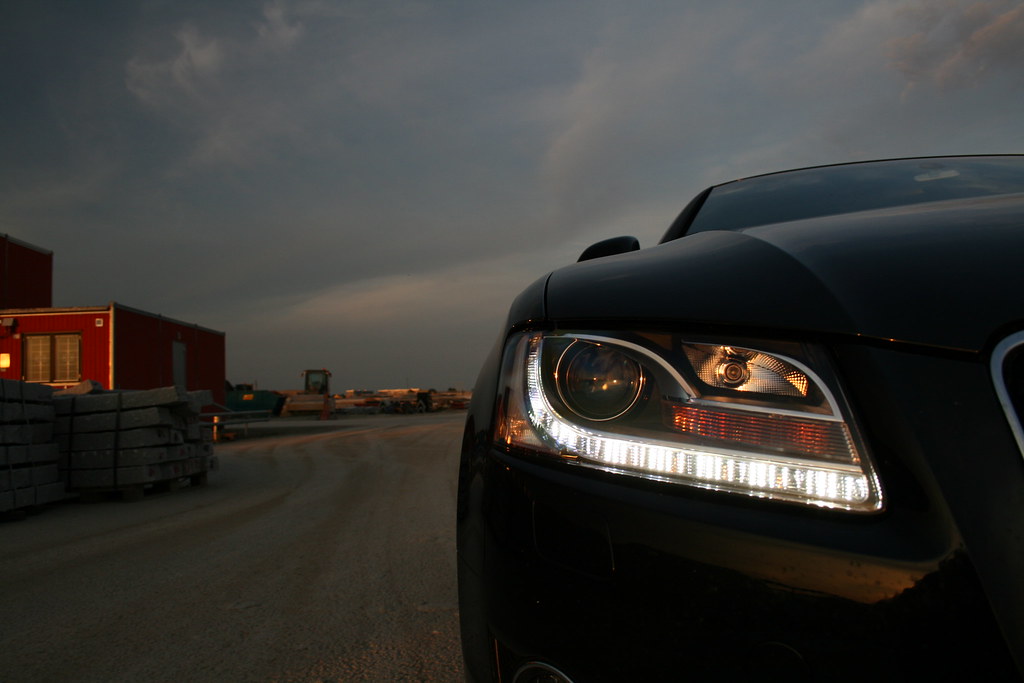
11. **Texas: No Room for Darkening or Color Shift**Texas takes a very clear stance on headlight modifications, categorizing aftermarket tinting as “Prohibited” with a definitive note: “No darkening or color shift of required lamps.” The Lone Star State’s regulations are designed to ensure that primary headlights provide uncompromised illumination, aligning directly with federal safety guidelines which mandate effective white light output. This firm prohibition extends beyond films to explicitly state that “Colored bulbs, smoked tints, and aftermarket LED halo lights are illegal,” leaving absolutely no doubt about what is permissible.
This comprehensive ban is crucial for road safety, as any modification that reduces the brightness or alters the color of primary headlamps can severely impair a driver’s ability to see and react to hazards. White light is essential for maximum visibility, enabling drivers to clearly discern road signs, lane markings, and obstacles at the mandated visibility distance of 500 feet. Smoked tints, regardless of how light they appear, inevitably diminish light output, while colored bulbs or films can cause dangerous confusion for other motorists, potentially mimicking emergency vehicle lighting.
Texas law enforcement officers are well-versed in these explicit prohibitions and are vigilant in identifying non-compliant vehicles. Headlights that appear darkened, smoked, or emit any color other than white will quickly draw attention during routine traffic stops. The state’s clear directives make it easier for officers to enforce the law, leading to citations for drivers operating vehicles with illegal headlight modifications. These penalties serve as a strong deterrent against altering essential safety equipment.
Beyond roadside enforcement, the clear statement against “colored bulbs, smoked tints, and aftermarket LED halo lights” in Texas reinforces the state’s zero-tolerance policy for alterations to primary headlamps. This ensures that vehicles on Texas roads maintain predictable, safe, and effective lighting characteristics, protecting both the driver and the wider motoring public from the risks associated with compromised visibility and confusing light signals.
12. **Virginia: Clear Protective Film Only**Virginia maintains a strict regulatory framework for vehicle lighting, categorizing aftermarket headlight tinting as “Prohibited” with a specific allowance: “Only clear protective film allowed on headlights.” This distinction is critical, separating beneficial protective applications from aesthetic modifications that compromise safety. The Commonwealth’s regulations align with the principle that while protecting lenses from damage is acceptable, altering their light output or color is not, ensuring that primary headlamps consistently deliver their intended performance.
The allowance for “clear protective film” refers specifically to transparent paint protection films (PPF). These overlays are engineered to shield headlight lenses from environmental damage like rock chips, UV degradation, and scratches, all without affecting the light output, beam pattern, or emitted color. Such films are generally considered legal in Virginia and most other states because they serve a practical, protective function without diminishing the critical safety role of the headlights. This pragmatic approach supports vehicle maintenance without sacrificing safety.
In contrast, any film designed for tinting—even a very light shade—that darkens the lens, reduces the Visible Light Transmission (VLT), or shifts the emitted light away from the legally mandated white spectrum is strictly prohibited. The specific note that “Static and flashing red or blue lights are prohibited” further reinforces Virginia’s stringent stance on color integrity for all forward-facing lights. These colors are reserved exclusively for emergency vehicles, and their unauthorized use on personal vehicles can lead to dangerous confusion and severe legal repercussions on public roads.
Virginia’s enforcement mechanisms, including roadside checks and vehicle inspections, ensure adherence to these clear regulations. Drivers found with non-compliant tinted headlights will face citations and be required to remove the illegal material to restore the vehicle’s legal and safe operating status. The clear message from Virginia’s laws is that while lens protection is encouraged, any modification that compromises the brightness, color, or beam pattern of primary headlamps is unequivocally illegal, prioritizing safety above all aesthetic customizations.
### Common Misunderstandings and Legal Loopholes
Navigating headlight tint laws can be perplexing, and several common myths frequently mislead car owners into non-compliance. One pervasive misconception is that “light smoke is always legal.” However, as we’ve seen, even a light film can significantly reduce brightness or subtly shift the emitted color, leading to inspection failures or citations. The critical factor is often the net Visible Light Transmission (VLT) of the film and glass combined, which can quickly fall below legal thresholds even with seemingly minimal tint.
Another frequent misbelief is, “If it’s legal on windows, it’s legal on lights.” This is fundamentally incorrect; headlight and taillight laws are far more stringent than window tint regulations because they pertain to essential safety equipment directly impacting visibility and signaling. Furthermore, the assumption that “It’s okay if my state doesn’t check” is a dangerous gamble. Even without mandatory state inspections, law enforcement officers are trained to identify non-compliant lighting and can issue citations at any time, often with the aid of light transmission meters.
Finally, many consumers mistakenly believe that “If it’s sold online, it must be legal.” This is a critical misunderstanding, as numerous aftermarket tint products are explicitly marketed as “show use only” or are not intended for on-road driving. The onus of verifying compliance always falls on the vehicle owner. It’s crucial for drivers to recognize that what’s acceptable for a car show or private property is almost certainly not permissible on public roads, highlighting the need for due diligence before applying any modifications.
Adding to the complexity is the issue of driving across state lines. What might be marginally permissible in your home state could be unequivocally illegal just a few miles into a neighboring jurisdiction. For instance, while some states allow selective yellow for fog lamps, others require all forward-facing lights to be strictly white. To avoid tickets or complications during interstate travel, the safest practice is to stick with clear protective films for primary headlights and always verify local rules for fog lamps and auxiliary lighting before embarking on a journey.
### Best Practices for Compliance: Navigating the Legal Landscape
For car owners passionate about their vehicles, staying compliant with headlight tint laws is a delicate balance between personal style and essential road safety. The most practical approach for primary headlamps is to prioritize clear protective films, often known as Paint Protection Film (PPF). These films offer robust impact and UV protection for your lenses without altering their crucial brightness or color output, ensuring full compliance while preserving the longevity of your headlights. If your state’s laws allow for any tint on auxiliary lighting, a very light smoke shade or selective yellow for fog lights might be acceptable, provided it doesn’t noticeably dim the beam or shift its color.
Understanding and, if possible, measuring Visible Light Transmission (VLT) is a key step towards compliance. While professional window tint or lighting specialists can provide accurate VLT measurements with calibrated equipment, affordable handheld meters are also available online for DIY checks. A useful rule of thumb is: if the lens appears dark indoors, its detrimental impact on light output will be significantly more pronounced and hazardous in low-light driving conditions, making lighter shades the safer bet to remain within legal limits.
Maintenance and timely removal are also critical aspects of responsible ownership. Tint films require regular cleaning with mild soap and water, avoiding harsh chemicals that can cloud the material over time. It’s important to routinely inspect for any signs of peeling, bubbling, or discoloration, which can indicate film degradation or improper application. Most importantly, if you receive a citation or your vehicle fails inspection due to non-compliant tint, remove the film promptly. Many overlays are designed to peel off cleanly with gentle heat, though an adhesive remover might be needed for any residue, preventing further penalties.
To safeguard yourself against potential issues, always document your compliance efforts. Keep all purchase records, product specification sheets, and manufacturer compliance information readily accessible, ideally in your glove compartment. Having this documentation on hand can be invaluable if you’re questioned during an inspection or a traffic stop, allowing you to demonstrate that your chosen film was designed to meet federal and state standards, thereby supporting your claim of legal adherence.
In scenarios involving inspections or citations, maintaining a cooperative demeanor is always recommended. Inspectors and officers enforce these laws primarily for safety reasons. Presenting your documentation respectfully can often clarify misunderstandings. Many states issue “fix-it tickets” for correctable infractions, meaning that promptly removing the non-compliant film and showing proof of correction usually resolves the issue. For questionable tints, a proactive approach—removing them before an inspection rather than risking an automatic failure—is often the wisest course of action.
### Darker Tints for Show-Stopping Style You Can Undo
There’s no denying the powerful allure of deeply smoked or blacked-out headlights; they instantly give a vehicle an aggressive, custom edge that commands attention. However, as we’ve extensively covered, such dark tints almost invariably fail safety inspections and rarely comply with state lighting laws, given their significant impact on light output and color. This is precisely where modern removable films offer an ingenious solution, allowing enthusiasts to achieve that show-stopping style without permanent commitment or legal woes.
Removable headlight tint films, like those engineered by Yeswrap, are specifically designed for automotive lenses, providing a temporary yet impactful transformation. These advanced films feature an adhesive that bonds securely to the headlight or fog light lens, ensuring it stays in place when desired. Crucially, they are also formulated to release cleanly with the application of gentle heat, leaving your factory lenses completely clear and undamaged. This means you can easily switch back to stock—or lighten up for a mandatory inspection—without any harsh solvents, sanding, or irreversible damage to your vehicle’s original components, a stark advantage over permanent spray tints.
This flexibility makes removable tint films an ideal choice for car meets, photo shoots, and rallies, where a custom aesthetic is paramount. Under the vibrant lights of a show, smoked or blackout lenses deliver a sleek, dramatic presence that ensures your vehicle truly stands out. And once the event concludes, the film can be peeled off in minutes, instantly returning your car to legal specifications for public road use. It’s the ultimate blend of bold style and practical compliance, offering protection, enhanced aesthetics, and the peace of mind that comes with knowing you can go bold today and be road-legal tomorrow—all without compromise.
### Conclusion: Driving Safely and Legally
The landscape of headlight tint laws across the United States is undeniably complex, with a critical balance struck between vehicle customization and public road safety. From strict prohibitions in states like Massachusetts and Texas to nuanced allowances for clear protective films in Virginia, the common thread is a steadfast commitment to ensuring optimal visibility and consistent, white light output from primary headlamps. As automotive enthusiasts, understanding these regulations is not just about avoiding fines or inspection failures; it’s fundamentally about protecting ourselves and everyone else on the road.
While the desire to personalize a vehicle is strong, the legal and safety consequences of non-compliant headlight tints are severe, impacting visibility, causing confusion, and leading to penalties. By prioritizing clear protective films for essential lighting and carefully scrutinizing state-specific rules for auxiliary lamps, drivers can achieve a custom look that remains both stunning and unequivocally legal. Ultimately, informed choices and adherence to these vital standards ensure that our passion for cars aligns seamlessly with our responsibility for safe driving, illuminating the path forward for all.