The world of acting, a tapestry woven with threads of tradition, innovation, and profound human expression, has captivated audiences for millennia. From the solitary figure stepping onto a Greek stage to the global celebrity gracing the silver screen, the essence of portrayal remains. Yet, the journey of the actor—their societal standing, the roles they could embody, and the very terms used to define them—is a fascinating narrative of constant evolution, reflecting broader cultural and social shifts throughout history.
For centuries, the performer navigated a complex landscape of societal prejudices and artistic breakthroughs. What began as a ritualistic expression in ancient societies transformed into a professional craft, pushing boundaries of gender, identity, and economic viability. This deep dive will explore the multifaceted history of acting, uncovering the pivotal moments and persistent challenges that have shaped this revered profession, offering a sophisticated glimpse into the often-untold stories behind the spotlight.
From the earliest recorded instance of a character coming to life on stage to the complex terminologies that define today’s performers, and through the dramatic shifts in societal acceptance and professional structure, the story of acting is one of continuous adaptation. Join us as we journey through the foundational eras that forged the very essence of this enduring art, laying the groundwork for the modern theatre and film industries we know today.

1. The Genesis of Performance: From Thespis to the Roman Stage
The very concept of a performing actor can be traced back to a singular, transformative moment in 534 BC. It was then, at the Theatre Dionysus, that the Greek performer Thespis made history. He stepped onto the stage, not merely as a narrator, but as the first known individual to speak words as a *character* within a play or story, fundamentally altering how Grecian narratives were experienced, moving beyond mere song, dance, and third-person recounting.
This seminal act earned Thespis an enduring legacy, to the extent that actors are colloquially known as “Thespians” even today, a testament to his pioneering spirit. In the theatre of ancient Greece, these exclusively male actors engaged in three distinct forms of drama: the profound gravity of tragedy, the lighter touch of comedy, and the often satirical satyr play, laying the groundwork for Western dramatic tradition.
The theatrical landscape saw considerable expansion and development under the Romans, building upon these Greek foundations. The theatre of ancient Rome blossomed into a thriving and remarkably diverse art form. Its offerings ranged widely, encompassing vibrant festival performances of street theatre, the spectacle of dancing and acrobatics, meticulously staged situation comedies, and the verbally intricate, high-style tragedies that echoed their Greek predecessors.
Crucially, while ancient Greece strictly limited stage appearances to men, ancient Rome exhibited a more nuanced approach regarding female performers. Though the majority of women in Roman theatre were often relegated to non-speaking roles focused on dance, a significant minority did participate in speaking parts. Some even achieved considerable wealth, fame, and recognition for their artistic contributions, such as Eucharis, Dionysia, Galeria Copiola, and Fabia Arete, establishing their own prosperous acting guild, the Sociae Mimae.
Read more about: The Enduring Craft: A Comprehensive Journey Through the History and Evolution of Acting
2. Defining the Performer: Unpacking “Actor,” “Actress,” and “Player”
The nomenclature surrounding those who bring characters to life on stage and screen has its own compelling history, reflecting societal perceptions and evolving gender roles. While the word “actor” has been part of the English language for centuries, originally meaning “one who does something,” its specific application to theatrical performers only emerged in the 16th century, marking a significant linguistic shift.
For a considerable period, the profession contended with a contentious set of terms, most notably “actress” and the now largely archaic “player.” The term “actress” itself is first recorded in 1608, attributed to Middleton, and its usage for female performers became commonplace after the English Restoration in 1660, influenced by the French “actrice.” This simple derivation from “actor” with the “-ess” suffix quickly became the standard.
However, the 19th century saw a complex perception of women in acting; while prejudices linked actresses to courtesans and promiscuity, it was paradoxically the era that birthed the first female acting “stars,” such as the legendary Sarah Bernhardt. Yet, within the profession, a re-adoption of the gender-neutral “actor” began in the post-war period of the 1950s and ’60s, coinciding with a broader societal review of women’s contributions to cultural life.
This movement towards gender-neutral terminology gained significant traction, evidenced by The Observer and The Guardian’s 2010 joint style guide, which explicitly stated: “Use [‘actor’] for both male and female actors; do not use actress except when in name of award, e.g. Oscar for best actress.” The guide’s authors eloquently articulated that “actress comes into the same category as authoress, comedienne, manageress, ‘lady doctor’, ‘male nurse’ and similar obsolete terms that date from a time when professions were largely the preserve of one (usually men).” Whoopi Goldberg’s memorable quote encapsulates this sentiment: “An actress can only play a woman. I’m an actor – I can play anything.”
The term “player,” though now largely archaic in the context of mainstream film in the United States, particularly since the 2000s, enjoyed common usage during the silent film era and the early days of the Motion Picture Production Code. It retains vitality within the theatre world, frequently incorporated into the names of theatre groups like the American Players or the East West Players, and is also commonly used to refer to actors in improvisational theatre, highlighting its enduring, albeit niche, presence.
Read more about: Tony Roberts, Urbane Stage and Screen Veteran, Dies at 85: A Life Defined by Versatility and Woody Allen Collaborations
3. The Sacred and the Secular: Acting in the European Middle Ages
Following the decline of the Western Roman Empire, Europe plunged into a period of considerable disorder, impacting the theatrical arts. Small, nomadic bands of actors traversed the continent, performing wherever an audience could be found, though there is no evidence that their productions extended beyond crude scenes. During the Early Middle Ages, actors occupied a low social status, often viewed with distrust and denounced by the Church during the Dark Ages as dangerous, immoral, and pagan, leading to the grim reality that in many regions, they were denied a Christian burial.
Yet, from the 5th century onward, a new form of dramatic expression began to emerge within European churches, as they started staging dramatized versions of biblical events. This liturgical drama, which had spread from Russia to Scandinavia to Italy by the mid-11th century, served as a crucial precursor to more complex theatrical forms. The Feast of Fools, with its emphasis on irreverence, further encouraged the development of comedic elements within these performances.
The Late Middle Ages witnessed an explosion of dramatic activity, with plays being produced in 127 towns. These vernacular Mystery plays, often imbued with comedy, featured actors portraying devils, villains, and clowns, resonating deeply with local populations. The majority of these performers were drawn from the local community, serving as amateurs temporarily engaged for specific roles during festivities.
While amateur male performers were exclusively the norm in England, other countries saw the inclusion of female performers, indicating a varied European approach to women on stage even in this early period. Beyond religious narratives, several secular plays also graced the medieval stage. Adam de la Halle’s “The Play of the Greenwood” in 1276 stands out as the earliest recorded, notable for its satirical scenes and the incorporation of folk elements such as faeries and supernatural occurrences. Farces also gained considerable popularity after the 13th century, broadening the spectrum of theatrical entertainment.
As the Late Middle Ages drew to a close, a significant shift occurred with the emergence of professional actors in England and across Europe. Monarchs like Richard III and Henry VII even maintained small companies of these professional performers, signaling a growing recognition and formalization of the acting profession.
4. A Renaissance on Stage: The Rise of Professional Troupes in Italy, Spain, and France
The European Renaissance marked a pivotal era for theatre, witnessing the professionalization of acting and, crucially, the re-entry of women onto the public stage. This transformative period began in Italy, Spain, and France, setting the precedent for the rest of Europe. The Commedia dell’arte, which flourished from the mid-16th century, exemplified this shift, with its lively improvisational playlets performed by actor-centered troupes that required minimal scenery and props.
These Commedia dell’arte troupes, typically comprising 13 to 14 members, thrived on loose frameworks that provided situations and outcomes, allowing actors to improvise around stock characters. Most actors were compensated with a share of the play’s profits, roughly proportional to the size of their roles, establishing an early professional economic model. The first known professional company since antiquity, with documented members, hailed from Padova in 1545, though initial records show only male actors.
However, evidence of female actors quickly emerged. During the 1548 entry of King Henri II and Catherine de Medici to Lyon, a tragicomedy by Bernardo Dovizi was performed by both male and female actors from Italy, described by Brantome as “very well performed by the actors and actresses, who were very beautiful, spoke very well, and were extremely graceful.” Though it’s unclear if these were professional performers or temporary participants, a 1562 letter from Mantova mentions an unnamed actress from Rome performing “Moorish dances,” further suggesting women’s presence.
Lucrezia Di Siena is often cited as the first Italian actress known by name, appearing on an acting contract in Rome from October 10, 1564. She, along with Vincenza Armani and Barbara Flaminia, are recognized as the first primadonnas and the most well-documented actresses in Italy and, by extension, Europe. From the 1560s onwards, actresses became the norm in Italian theaters, and as Italian companies toured internationally, these actresses became the first women to perform in many countries, pioneering female presence on stages abroad.
Spain, during its Golden Age theatre (1590–1641), also embraced female performers from its very inception. Figures like Ana Muñoz, who toured and performed with her husband’s company after their 1589 marriage and later managed it herself, and Jerónima de Burgos, who toured Portugal and Spain with her husband in the 1590s, exemplify this early integration. Micaela de Luján (c. 1570–1614) even became the role model for Lope de Vega’s Carmila Lucinda, highlighting the significant impact these actresses had on their theatrical landscape.
In France, women also seem to have performed in traveling theatre companies early in the 16th century, though precise documentation of their initial appearances is scarce, especially before the establishment of permanent Parisian theatres. While professional French actresses were active in the latter half of the 16th century, they were seldom mentioned by name in detail. Marie Vernier, also known as Mlle La Porte, stands out as a leading lady and co-director of Valleran-Lecomte’s theatre company, performing in Paris and touring the Spanish Netherlands from at least 1604, making her one of the earliest well-documented French actresses.
Read more about: Behind Every Blockbuster Star: Unraveling the Rich History and Secret Techniques of Acting

5. The Great Re-Opening: How England Embraced Women on Stage
While continental Europe saw women performing on stage during the Renaissance, England lagged significantly behind, maintaining a strict prohibition against female actors throughout the first half of the 17th century. English audiences occasionally witnessed foreign actresses, such as the Italian Angelica Martinelli who performed as early as 1578 with a Commedia dell’arte company, but these instances did not spark domestic reform.
Indeed, the English reception to female performers could be hostile; in November 1629, a visiting French theatre company featuring actresses was met with boos and jeers, even having “pippin-pelted from the stage” at the Blackfriars Theatre in London. This staunch opposition reflected deep-seated Puritan views that deemed theatre immoral and women on stage unrespectable.
A dramatic shift occurred only after an eighteen-year Puritan prohibition of drama was finally lifted with the English Restoration of 1660. This era signaled a renaissance of English drama, famously ushering in “Restoration comedy,” notorious for its ual explicitness, and, most importantly, opening the stage to women for the first time. King Charles II played a pivotal role in this reform, reportedly enjoying the presence of actresses on stage.
Charles II officially granted letters patent to Thomas Killigrew and William Davenant, conferring upon them a monopoly right to establish two London theatre companies for “serious” drama. These patents were revised in 1662, explicitly allowing actresses to perform, thereby formalizing the inclusion of women. Margaret Hughes is frequently credited as the first professional actress to grace the English stage, marking a momentous turning point in British theatrical history.
This period not only saw the introduction of professional actresses but also the emergence of the very first celebrity actors in England. Their presence fundamentally transformed the dynamics of performance, adding a new dimension to character portrayal and audience engagement, forever altering the landscape of English theatre and setting a precedent for female performers that would eventually spread to other parts of Europe.
6. The Shifting Tides of Reputation: Actors in the 19th Century
The 19th century represented a profound transformation in the social standing and public perception of actors, largely reversing the historical negative reputation that had long plagued the profession. Acting evolved from being often associated with disrepute to becoming an honored, popular profession and recognized art form. This significant shift was propelled by several converging factors, notably the rise of the actor as a celebrity figure.
Audiences, increasingly captivated by their favorite “stars,” flocked to performances, creating a demand that elevated individual actors to unprecedented levels of fame and influence. This era also saw the emergence of a new and powerful role: the actor-manager. These individuals, often formidable talents themselves, formed their own companies, exercising comprehensive control over actors, productions, and financial matters.
Successful actor-managers cultivated a loyal, permanent clientele, ensuring consistent attendance at their productions. They further expanded their reach by embarking on tours across the country, performing a repertoire of popular and well-known plays, particularly those by Shakespeare, bringing theatrical excellence to a wider public. The lively public discourse surrounding theatre, with debates about the merits of stars and productions echoing in newspapers, private clubs, pubs, and coffee shops, underscored the profession’s newfound cultural prominence.
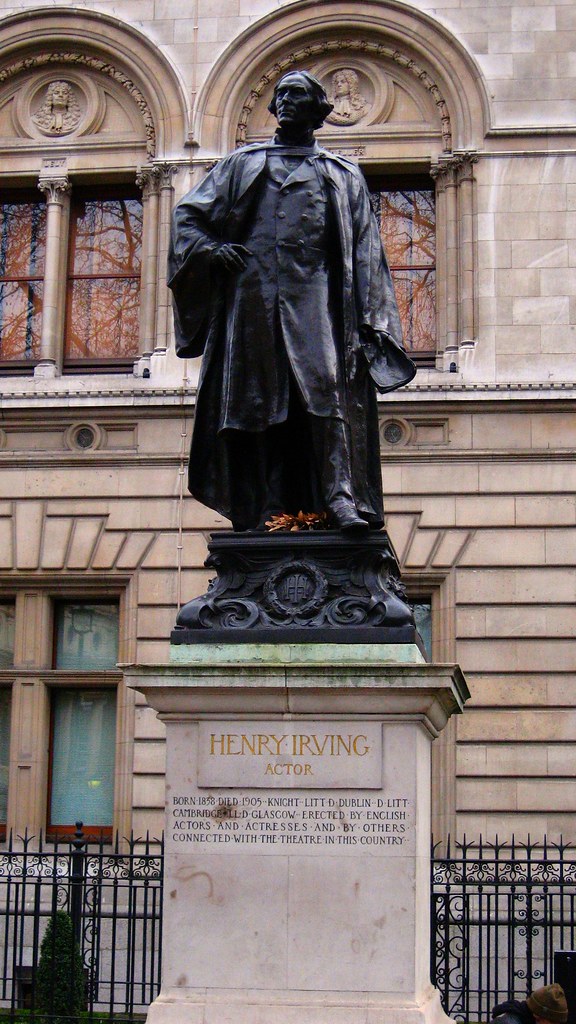
Henry Irving (1838–1905) epitomized the British actor-manager’s success. Renowned for his Shakespearean interpretations and innovative stagecraft—such as dimming house lights to focus audience attention squarely on the stage—Irving’s company toured extensively across Britain, Europe, and the United States. His tours powerfully demonstrated the capacity of star actors and celebrated roles to draw enthusiastic crowds and solidify acting’s respected place in society.
Irving’s ultimate societal acceptance was formalized with his knighthood in 1895, an honor that unequivocally signaled the profession’s full integration into the higher echelons of British society. This marked a profound departure from the distrust and denouncement actors had faced in earlier centuries, cementing their status as esteemed artists and cultural figures.
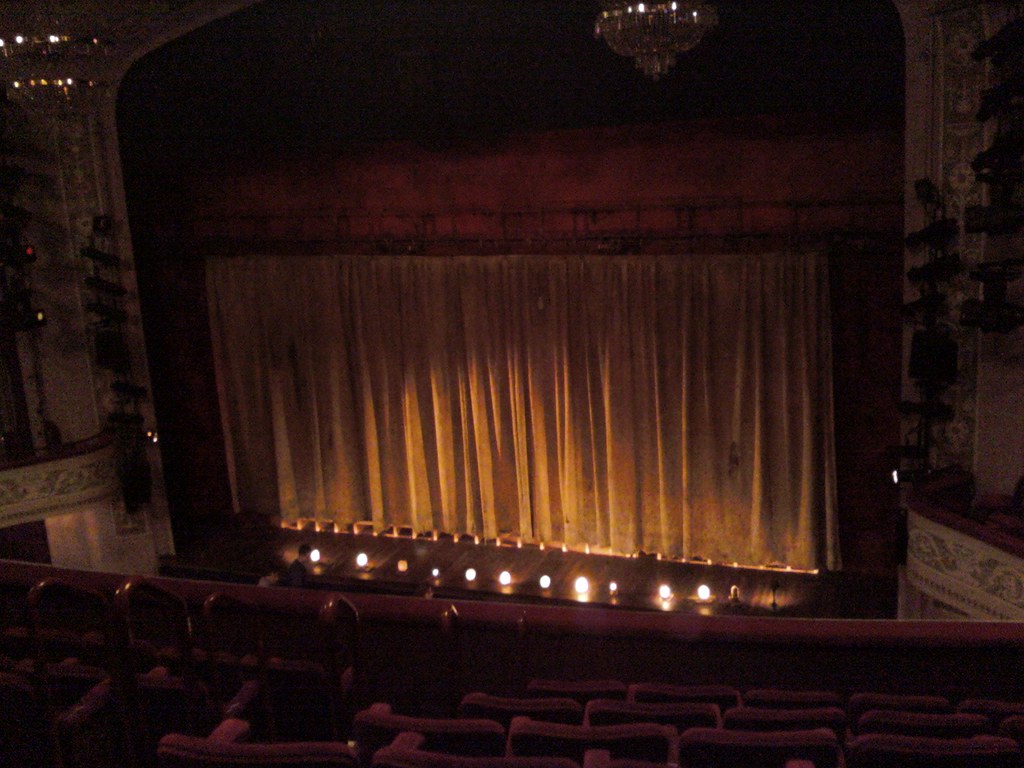
7. The Business of Theatre in the 20th Century: From Actor-Managers to Corporate Chains
As the 20th century dawned, the intricate economics of large-scale theatrical productions began to displace the once-dominant actor-manager model. The demand for individuals possessing both acting genius and astute management capabilities became increasingly difficult to fulfill, leading to a crucial specialization within the industry. This bifurcation saw the emergence of dedicated stage managers and, subsequently, theatre directors, each focusing on their distinct areas of expertise.
Operating out of major cities now required substantially larger capital investments, a financial reality that the independent actor-manager model struggled to sustain. The solution to this escalating financial demand emerged in the form of corporate ownership and the establishment of chains of theatres. Organizations like the Theatrical Syndicate, Edward Laurillard, and most notably, The Shubert Organization, became powerful forces, consolidating control over numerous venues.
These corporate entities, particularly those catering to the burgeoning tourist market in large cities, increasingly favored long runs of highly popular plays, with musicals often leading the charge due to their broad appeal. Within this new commercialized landscape, the presence of “big name stars” became even more critically essential. Their drawing power was leveraged to fill seats for extended engagements, driving revenue and establishing a new paradigm for theatrical success.
The focus shifted from a repertoire of diverse plays often chosen by an individual manager’s artistic vision to productions with proven commercial viability, capable of sustaining lengthy runs. This transformation undeniably streamlined the business of theatre, enabling larger scale operations and wider audience reach, but it also centralized power and decision-making away from the individual artist, fundamentally reshaping the artistic and economic ecosystem of the stage.
This corporate evolution of theatre in the 20th century cemented acting as an industry deeply intertwined with financial strategy and market appeal. While it brought stability and expansion to the professional theatre world, it also underscored the growing importance of commercial considerations alongside artistic merit, a trend that continues to influence the performing arts to this day.

8. The Art of Interpretation: Delving into Acting Techniques
Beyond the raw talent of a performer lies a meticulously crafted discipline, a philosophy that integrates the very essence of human expression. Classical acting, for instance, serves as a cornerstone, weaving together the mastery of body, voice, imagination, and the ability to personalize a role through internal and external stimuli, all underpinned by rigorous script analysis. This comprehensive approach is deeply rooted in the groundbreaking theories and systems developed by luminaries such as Konstantin Stanislavski and Michel Saint-Denis, who sought to codify the elusive magic of performance.
Stanislavski’s system, often simply known as his method, revolutionized the craft by encouraging actors to tap into their deepest feelings and personal experiences. The goal was to uncover and convey the authentic ‘truth’ of the character they were portraying. Actors are guided to immerse themselves in the character’s mindset, seeking out commonalities and points of identification between their own lives and the fictional world, thereby delivering a portrayal imbued with genuine emotional resonance.
Building upon Stanislavski’s profound insights, Method acting emerged as a distinct, albeit related, range of techniques. Formulated by Lee Strasberg, this method posits that actors can achieve more profound characterizations by using their own life experiences to forge a deeply personal connection with their roles, fostering both an emotional and cognitive understanding. While the term ‘Method acting’ often captures public imagination, it’s crucial to distinguish it from other Stanislavski-derived techniques, such as those championed by Stella Adler and Sanford Meisner, each offering unique pathways to truthful performance.
The Meisner technique, for example, champions a philosophy of complete present-moment engagement. It demands that an actor fully concentrate on their scene partner, treating them with the immediacy and reality of genuine interaction, as if no other world exists beyond that singular moment. This method, deeply rooted in Stanislavski’s principles, asserts that true acting finds its most potent expression in human responses to others and the unfolding circumstances, culminating in performances that feel profoundly authentic to the audience.
Read more about: The Enduring Craft: A Comprehensive Journey Through the History and Evolution of Acting

9. Beyond the Binary: The Enduring Tradition of Cross-Gender Acting
Theatrical history is rich with instances where the conventional boundaries of gender in performance have been playfully, provocatively, or profoundly blurred. The practice of having an actor portray a character of the opposite , often for comic effect, is a time-honored tradition that stretches back centuries, long before modern discussions of gender fluidity. Shakespeare’s comedies, for instance, are replete with overt cross-dressing, a device that often served to heighten dramatic irony and comedic absurdity, as seen with Francis Flute’s transformation in *A Midsummer Night’s Dream*.
In the annals of cinema, this comedic device found new life and iconic expression. Who could forget the uproarious escapades of Tony Curtis and Jack Lemmon famously masquerading as women to evade gangsters in Billy Wilder’s classic *Some Like It Hot*? Similarly, Dustin Hoffman in *Tootsie* and Robin Williams in *Mrs. Doubtfire* delivered unforgettable, heartwarming performances largely while in drag, demonstrating the enduring appeal and versatility of cross-dressing for both humor and poignant storytelling.
Yet, cross-gender acting can weave an even more intricate tapestry, delving into layers of disguise and identity. Consider the nuanced performances where a woman plays a woman who is, in turn, disguised as a man, only to then pretend to be a woman, as masterfully executed by Julie Andrews in *Victor/Victoria*. Or the delightful ambiguity of characters like Pat and Chris from *It’s Pat: The Movie*, whose gender is never explicitly revealed, leaving audiences to ponder and adding a fascinating layer to their portrayal. Opera, too, plays with these complexities, as seen in *The Marriage of Figaro*, where Cherubino, a male character portrayed by a woman, dresses as a woman, creating multiple levels of gender role obfuscation.
While comedic cross-dressing is common, women taking on male roles in dramatic film are notable exceptions, often delivering powerful, award-winning performances. Linda Hunt’s Academy Award-winning portrayal of Billy Kwan in *The Year of Living Dangerously* stands as a testament to the transformative power of such casting. Similarly, Cate Blanchett earned an Academy Award nomination for her compelling embodiment of Jude Quinn, a fictionalized Bob Dylan, in *I’m Not There*, demonstrating how gender-swapped roles can unlock new dimensions in character interpretation.
In contemporary media, the landscape of gender portrayal continues to evolve, reflecting a growing societal awareness of gender fluidity. Roles like Edna Turnblad in *Hairspray*, traditionally played by men (Divine, Harvey Fierstein, John Travolta), exemplify a conscious casting choice that transcends conventional gender assignments. Furthermore, as non-binary and transgender characters gain visibility, there has been a notable, albeit sometimes debated, trend of cisgender actors portraying these roles, such as Hilary Swank as Brandon Teena in *Boys Don’t Cry*, illustrating the ongoing conversation about authentic representation in the performing arts.
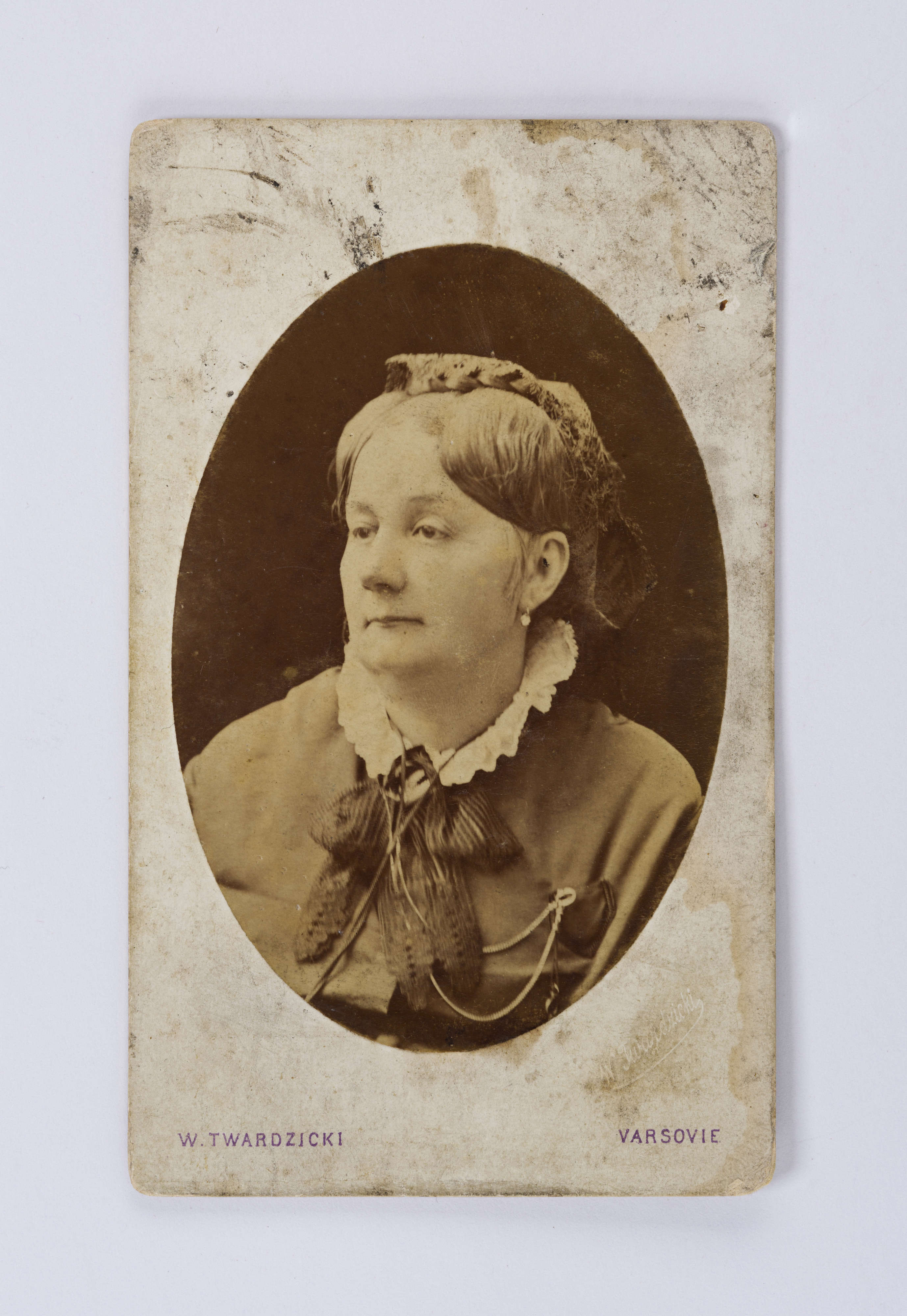
10. **Women Across Continents: Early Actresses in Germany, Netherlands, and Northern/Eastern Europe**
While England belatedly welcomed women to its stages after the Restoration, the journey of female performers across other parts of Europe followed distinct paths, often predating English reforms. In the mid-17th century, a significant shift began to unfold in Germany and the Netherlands, where the burgeoning native travelling theatre companies started to include women, marking a crucial evolution in their theatrical landscapes. These early ventures often saw women gain acceptance by performing within family-run companies, under the protective supervision of a father or husband, lending a veneer of respectability to their presence on stage.
The Netherlands witnessed a pivotal moment on April 19, 1655, when Ariana Nozeman made her celebrated debut at the Schouwberg of Van Kampen in Amsterdam, taking on a leading role in a play bearing her name, ‘Onvergelijkelijke Ariana’ (‘Incomparable Ariana’). This marked her as the first woman to grace a public stage in a principal part in the Dutch Republic. Germany, too, saw similar developments that same year, with “female players” recorded performing in Frankfurt by September 1655. Figures like Catharina Elisabeth Velten, performing alongside her mother and sister, and later managing her husband’s Hochdeutsche Hofcomödianten company, solidified the presence of actresses in German theatre, even continuing the policy of employing women after her husband’s death.
The narrative of female performers in Northern and Eastern Europe unfolded somewhat differently, often less constrained by outright bans and more influenced by the later establishment of indigenous national theatres. For decades, foreign actresses performing with touring companies were the primary exposure for audiences in countries like Sweden, Russia, and Poland-Lithuania, paving the way for native talent. When Sweden’s first national theatre, Kungliga svenska skådeplatsen, opened in 1737, it notably employed three female actors from the outset, including the pioneering Beata Sabina Straas, signaling an integrated approach from its inception.
Russia, too, saw foreign actresses active long before its own national acting school emerged. It wasn’t until a Tsar’s decree in 1756 that native Russians were formally recruited and educated in acting, a pioneering group that prominently included five women: Avdotya Mikhailova, Elizaveta Zorina, Maria Ananyin, Olga Ananyin, and Agrafena Musina-Pushkina. Similarly, in Poland-Lithuania, the National Theatre, Warsaw, established in 1765, included women like Antonina Prusinowska and Wiktoria Leszczyńska among its first native Polish actors, demonstrating that female participation was integral to the birth of these national theatrical traditions. Even in 19th-century Greece, following its independence, the establishment of professional theatre faced challenges in recruiting women, but pioneers like Maria Angeliki Tzivitza and the formally trained Ekaterina Panayotou broke ground, securing women’s place on the modern Greek stage.

11. Breaking Barriers: Pioneering Actresses in East Asian and Middle Eastern Theatre
The theatrical traditions of East Asia present a fascinating counterpoint to the Western experience of gender in performance. In Japan’s revered Kabuki theatre, the *onnagata* tradition, where men exclusively embody female roles, persists to this day, a legacy from periods when women were banned from the stage during the Edo period. Similarly, in certain forms of Chinese drama, such as Beijing opera, men have historically performed all roles, including the most delicate female parts. Conversely, Shaoxing opera often sees women perform every character, including robust male roles, showcasing a fluid approach to gender portrayal within diverse cultural contexts.
Moving to the Middle East, the advent of modern theatre in the Ottoman Empire during the Tanzimat era in the 1850s brought with it a different set of challenges and triumphs for female performers. It was an Armenian theatre company that founded this new artistic movement, and Arousyak Papazian is celebrated as the first female actor to grace the stage, making her debut in 1857. This was a profoundly daring act in a society where acting was not considered a respectable profession for women, who were traditionally expected to adhere to strict harem segregation and remain veiled in public life.
The intense societal stigma meant that the pioneering actresses in the Ottoman Empire were predominantly Christian Armenians, as Muslim women faced insurmountable cultural barriers. Paradoxically, the severe nature of this stigma often led these actresses to receive higher salaries than their male counterparts, a recognition of the immense personal and social risks they undertook. Their careers continued largely undisturbed even after the Armenian theatre monopoly was abolished in 1879, with Muslim Turkish male actors entering the field, but no Muslim Turkish female actor appeared on stage until Afife Jale in the 1920s, highlighting the enduring struggle for Muslim women in the performing arts.
Egypt, in 1870, also saw the foundation of modern theatre by pioneer Yaqub Sanu. This Western-imported art form inherently demanded female actors for female roles, posing a significant challenge. While Sanu could readily find indigenous male actors, engaging Egyptian female actresses proved exceptionally difficult due to prevailing norms of harem segregation and the unsuitability of acting for Muslim women. Consequently, he was compelled to employ non-Muslim women, leading to Jewish sisters Milia Dayan and her sister, alongside Miriam Samat and others, becoming the first actresses in the Arab world, a testament to their bravery and the complex social dynamics of the era. It was not until Mounira El Mahdeya in 1915 that the first Muslim actress finally appeared on the Egyptian and Arab stage, marking a momentous cultural shift.
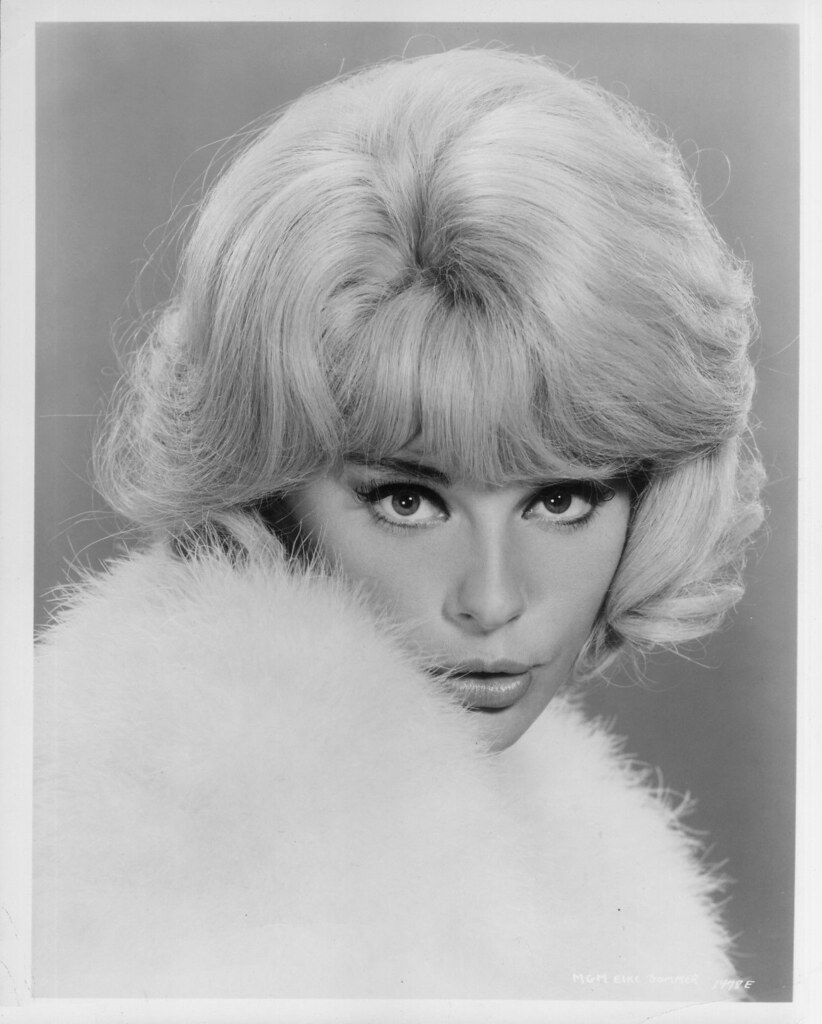
12. Modern Female Roles and the Breeches Tradition: A Continued Evolution
In the ever-evolving landscape of modern performance, the tradition of women stepping into male roles persists, often with a celebratory nod to historical theatrical practices. Beyond the historical necessity or comedic effect, contemporary theatre frequently embraces what are known as “breeches roles,” particularly in forms like British pantomime and opera. Here, the “principal boy” in pantomime is almost invariably portrayed by a woman, creating a dynamic and often spirited presence on stage that is beloved by audiences.
Opera offers a particularly rich tapestry of these roles, where mezzo-sopranos frequently sing the parts of boys or young men. These “breeches roles” are not merely a convention but an integral part of the dramatic and musical fabric of many classic works. Notable examples include the spirited Hansel in Humperdinck’s *Hänsel und Gretel*, the impetuous Cherubino in Mozart’s *The Marriage of Figaro*, and the dashing Octavian in Richard Strauss’s *Der Rosenkavalier*. These portrayals capitalize on the mezzo-soprano voice’s unique timbre and the tradition’s ability to convey youthful male energy through a female performer.
Beyond these established traditions, modern live theatre has also embraced a more fluid approach to casting, especially in presentations of older plays. Shakespearean works, with their often extensive rosters of male characters, provide ample opportunity for women to take on roles where gender is not central to the character’s narrative or dramatic function. This contemporary practice allows for greater diversity in casting, enriching the interpretations of classic texts and demonstrating a progressive willingness to challenge conventional gender boundaries on stage, highlighting talent and suitability for a role above strict adherence to biological .

13. The Price of Performance: Understanding Actor Compensation in the Modern Era
The profession of acting has always been characterized by a vast spectrum of potential incomes, a reality that has persisted from Shakespeare’s time to the present day. While some actors in 17th-century England could earn a comfortable living, with Shakespeare himself likely earning a wage comparable to a skilled tradesman, the industry has never been one of guaranteed financial security. This dichotomy of extreme wealth and stark precarity remains a defining feature of the performer’s economic landscape.
In the contemporary United States, the median hourly wage for actors in 2024 stands at a modest $23.33 per hour. More alarmingly, a significant portion of the profession grapples with a severe lack of essential benefits; a mere 12.7% of SAG-AFTRA members earn sufficient income to qualify for the union’s health plan, underscoring the widespread financial vulnerability. Across the Atlantic, full-time actors in Britain in the same year earned a median of £22,500, a figure that regrettably hovers just below the national minimum wage, painting a sobering picture of economic struggle for many dedicated artists.
Yet, this challenging median income belies the extraordinary earnings of a select few at the apex of the industry. The glittering world of film, in particular, showcases actors who command exceedingly large incomes, transforming them into global icons whose financial success can reach astonishing heights. Stars like Aamir Khan and Sandra Bullock, for instance, have reportedly earned tens of millions of dollars for single film productions, demonstrating the astronomical rewards available to the biggest names, a stark contrast to the daily realities faced by the majority of working actors.
A unique facet of actor compensation involves union child actors, who are guaranteed a daily rate of at least $1,204 in the United States. However, due to their legal status as minors, the bulk of this income is typically managed by their parents or legal guardians. To safeguard these earnings, protective legislation such as California’s Coogan Act mandates that 15% of a child’s income be deposited into a blocked trust account, accessible only upon their legal adulthood. Similar vital requirements are in place across Illinois, New York, New Mexico, and Louisiana, reflecting a crucial effort to protect the financial future of young performers.
Read more about: Navigating the Crossroads: Why U.S. Movie Production Moved Abroad, and the Unsettled Future Under Tariff Threats
14. The Unseen Stage: Addressing the Persistent Gender Pay Gap in Acting
Beneath the glamour and perceived equity of Hollywood lies a persistent and deeply entrenched issue: the gender pay gap. A revealing 2015 Forbes report cast a stark light on this disparity, noting that women were significantly underrepresented in leading roles, with only 21 of the top 100 highest-grossing films of 2014 featuring a female lead or co-lead. Furthermore, women constituted a mere 28.1 percent of all characters in these blockbusters, highlighting a systemic imbalance in visibility and opportunity that directly impacts earnings.
This industry-specific disparity mirrors and often exacerbates broader societal inequalities in compensation. In the United States, on average, white women earn 78 cents for every dollar a white man makes, a gap that widens significantly for women of color. Hispanic women, for instance, earn 56 cents, Black women 64 cents, and Native American women just 59 cents compared to a white male’s dollar. These figures underscore how the intersection of gender and race creates compounding disadvantages, influencing salary scales across all levels of the profession.
The findings from Forbes’ 2013 analysis of top-paid acting salaries offered an even more sobering revelation within the entertainment elite. The men on that year’s list of highest-earning actors commanded two-and-a-half times more money than their female counterparts. This meant that Hollywood’s best-compensated actresses were earning a distressing 40 cents for every dollar that the best-compensated men made, a statistic that speaks volumes about the systemic biases affecting the very pinnacle of the industry, where talent should, theoretically, be the sole determinant of worth.
Read more about: The Enduring Craft: A Comprehensive Journey Through the History and Evolution of Acting
This persistent and pervasive gender pay gap, extending from lead roles and overall representation to the highest echelons of celebrity earnings, represents a profound challenge for the acting profession. It highlights that despite strides in recognition and opportunity, the journey toward true equity remains incomplete. The industry, lauded for its creativity and progressive storytelling, still faces its own dramatic performance of imbalance, one that affects not only individual careers but also the richness and diversity of the stories we see reflected on our screens and stages.