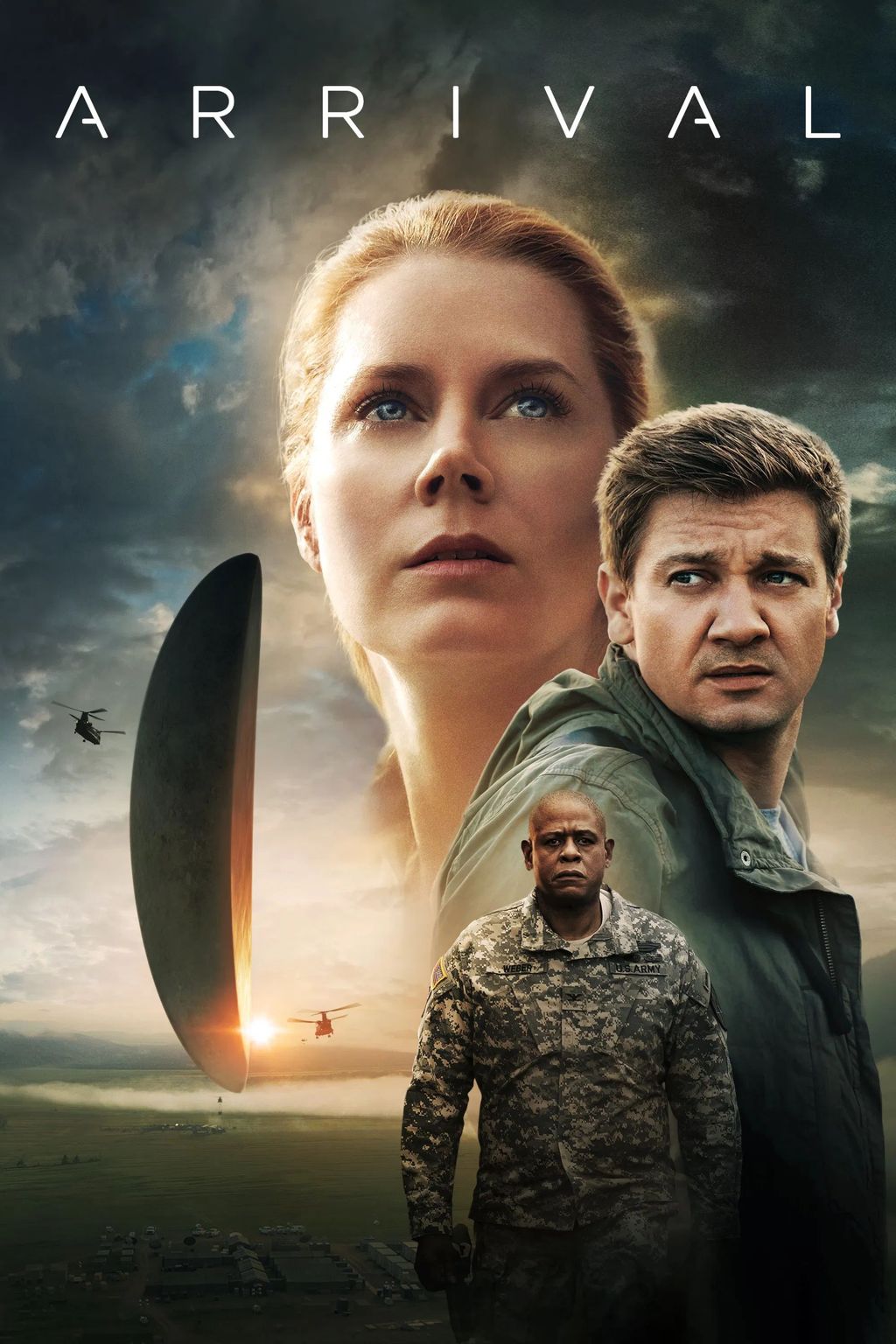
1. **’Arrival’ (2016)**Prepare for a mind-bending sci-fi experience with the Oscar-winning film “Arrival,” a movie that took the concept of first contact to an entirely new dimension. Starring the incredible Amy Adams, alongside Jeremy Renner and Forest Whitaker, this film delves into time, language, and human perception itself. It quickly became a fan favorite for its intelligent storytelling and deeply emotional core.
The setup is immediately intriguing: mysterious extraterrestrial vessels appear across the globe, initiating humanity’s most significant encounter. Suspense builds around the challenge of communication, as linguist Louise Banks, played by Amy Adams, is tasked with deciphering the aliens’ enigmatic language to prevent a global catastrophe. You’ll be on the edge of your seat, piecing together the puzzle alongside her.
However, the true genius of “Arrival” lies in its groundbreaking plot twist. While you might expect the aliens to cause a mega time warp, it’s certainly “not in the way linguist Louise Banks (Amy Adams) had expected.” The revelation concerning how these visitors are truly affecting the space-time continuum isn’t just a plot device; it’s described as “a crushing blow,” recontextualizing everything that came before.
This twist isn’t just a shocker; it’s a profound narrative tool that elevates “Arrival” from a mere sci-fi flick to a poignant meditation on choice, destiny, and empathy. It’s the kind of ending that forces you to re-evaluate every scene you’ve witnessed, sparking conversations long after the credits roll. Truly, a masterclass in emotional and intellectual storytelling.
Read more about: Did That Really Just Happen?! 12 Wild Movie Endings That Left Fans Screaming (and Still Spark Debate!)
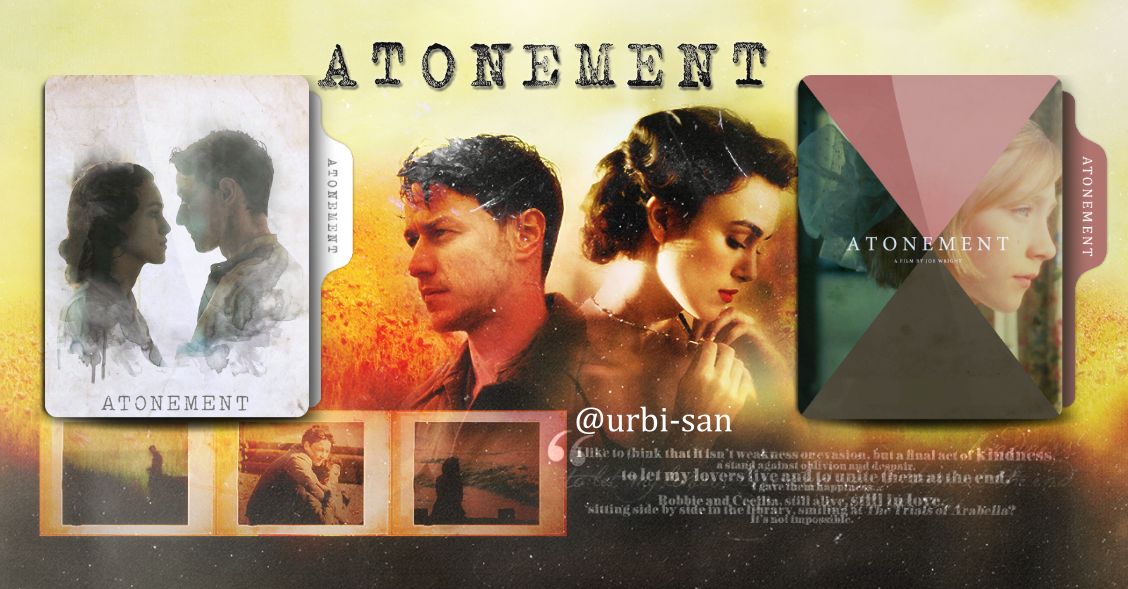
2. **’Atonement’ (2007)**If you’re a fan of period dramas that tug at your heartstrings then proceed to stomp all over them, “Atonement” is a must-watch. This critically acclaimed film, featuring a stellar cast including Keira Knightley, James McAvoy, Saoirse Ronan, and Benedict Cumberbatch, weaves a beautiful yet tragic tale of love, war, and the devastating repercussions of an impulsive decision. It immerses you with stunning visuals and powerful performances.
The narrative explores “the far-reaching consequences of one young girl’s actions when she makes a snap judgment that changes the lives of those around her.” You witness lives irrevocably altered, and the weight of these choices becomes increasingly heavy. The film expertly builds emotional investment, drawing you into the characters’ struggles and hopes.
Just when you think your heart can’t take any more, the film delivers its unforgettable climax. The context captures this feeling, stating, “Just when we thought the period drama Atonement couldn’t possibly break our hearts anymore, the plot twist ending went and found a way.” It’s a moment that redefines the entire story, adding a profound layer of tragedy.
The emotional gut-punch of “Atonement” was not lost on critics, as the film “earning seven Oscar nods, including one for Best Picture and a Best Supporting Actress nomination for a then-13-year-old Saoirse Ronan.” The “real dagger” of an ending solidifies its place as one of the most powerful and heartbreaking twists in cinematic history, lingering long after the final scene.
Read more about: Prepare for Tears: 13 Movie Endings So Raw and Emotional, Directors Dared Not Cut Away

3. **’Black Swan’ (2010)**Dive deep into the psychological thriller “Black Swan,” a film exploring the dark side of ambition and the relentless pursuit of perfection. Starring Natalie Portman in her Oscar-winning role, alongside Mila Kunis and Winona Ryder, this movie is a dizzying descent into a ballerina’s mind striving for artistic supremacy. It’s intense, visually stunning, and will keep you guessing about what’s real and what’s not.
The story centers on Nina Sayers, a dancer for whom perfection is not just a goal, but a way of life – “mind, body, and soul.” Her entire existence seems “already planned,” especially her securing the lead part in her company’s production of Swan Lake. Nina is meticulously precise, aiming for an absolutely flawless performance, making her journey a captivating study of dedication.
Nina’s meticulously crafted world begins to unravel with the arrival of Lily (Mila Kunis), a new, free-spirited dancer who challenges Nina’s rigid control and perceived dominance. Lily’s presence “turning everything in Sayers’s life upside down,” injecting unpredictability into Nina’s carefully choreographed existence. This rivalry ignites fierce internal and external struggle.
The true twist of “Black Swan” isn’t a single event, but rather a chilling psychological unraveling. The context hints at this, stating, “How the production will shake out now is anyone’s guess—but it certainly won’t be according to Nina’s plans.” As Nina struggles to embody both the innocent White Swan and the seductive Black Swan, the lines between reality, hallucination, and identity blur, culminating in an intense and ambiguous ending that leaves audiences questioning everything.
Read more about: Prepare to Scream: The 12 Mind-Bending Movie Plot Twists That Still Leave Us Totally Speechless!

4. **’Citizen Kane’ (1941)**When we talk about groundbreaking cinema, it’s impossible not to mention “Citizen Kane.” This 1941 drama, masterfully directed by and starring Orson Welles, alongside Dorothy Comingore and Joseph Cotten, isn’t just a film; it’s a cinematic legend. It revolutionized filmmaking with its innovative narrative structure, cinematography, and complex character study, influencing generations of directors and storytellers.
The film opens with the death of wealthy newspaper publisher Charles Foster Kane, whose very last word is “Rosebud.” This enigmatic utterance becomes the central mystery, launching a reporter’s investigation into Kane’s life, piecing together his rise and fall through various perspectives. Each interview peels back a layer of the complex mogul, but the meaning of “Rosebud” remains elusive.
Without giving away the specific revelation (some secrets are too iconic to spoil, even decades later!), “the meaning of ‘Rosebud’…is definitely the OG movie plot twist.” It’s a moment so significant in film history that it’s become synonymous with impactful narrative reveals, demonstrating that a twist can be deeply personal and symbolic.
The power of this twist is undeniable, with the context noting it’s “powerful enough to land this drama a spot on the British Film Institute’s list of the greatest films of all time.” It’s a subtle yet profound revelation that recontextualizes Kane’s entire life, inviting viewers to reflect on themes of memory, loss, and the elusive nature of happiness. This isn’t just a twist; it’s cinematic history.
Read more about: Unforgettable Visionaries: A Deep Dive into 12 Iconic Directors Who Revolutionized Cinema
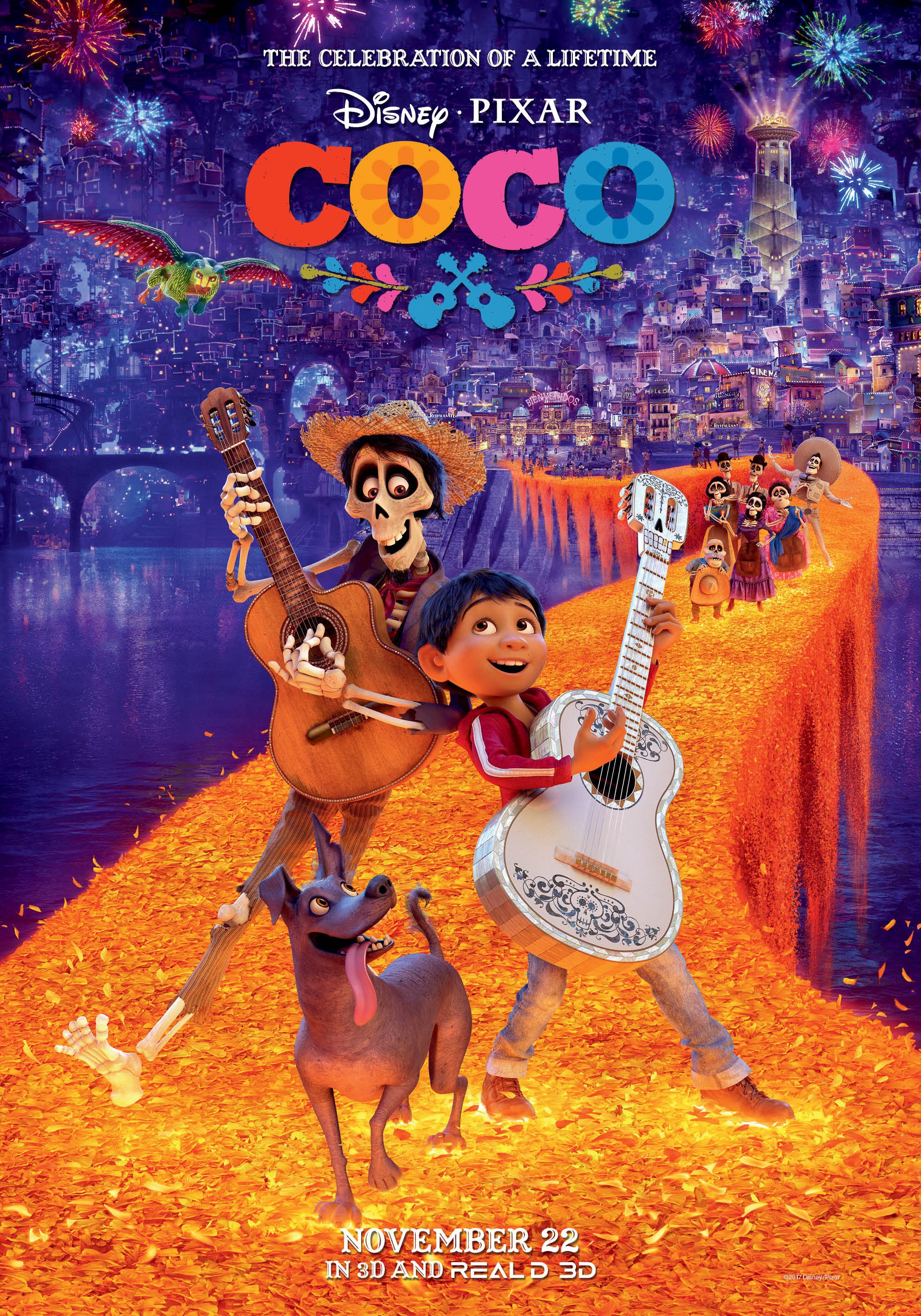
5. **’Coco’ (2017)**Who knew an animated film could deliver a plot twist so emotionally complex and utterly devastating it would leave even the most stoic viewers in a puddle of tears? Pixar’s “Coco,” starring Anthony Gonzalez, Gael García Bernal, and Benjamin Bratt, is a vibrant and heartwarming celebration of family, music, and the Mexican holiday of Día de los Muertos. It’s a visual feast, immersing you in a rich cultural tapestry.
The story follows young Miguel, a boy with an undeniable passion for music, despite his family’s generational ban on it. He dreams of becoming a renowned musician like his idol, Ernesto de la Cruz. His journey into the Land of the Dead to uncover his family’s history and earn their blessing for his musical aspirations is filled with color, laughter, and incredible musical numbers.
As Miguel navigates this magical realm, he uncovers secrets about his family’s past, particularly his connection to de la Cruz. The film masterfully builds expectations and presents seemingly clear answers, only to subvert them with brilliant storytelling. This is where the magic happens, as “it has a plot twist that’s as complex as any live-action thriller,” catching you completely off guard with its intricate layers.
The impact of “Coco”‘s ending is legendary. The context promises that “Its ending is guaranteed to make any viewer sob—no matter what age.” This twist isn’t just a narrative surprise; it’s a powerful emotional release that redefines the film’s themes of family, remembrance, and legacy, solidifying “Coco” as a poignant masterpiece. Grab the tissues, seriously!
Read more about: James Darren: Remembering the Enduring Legacy of a ‘Gidget’ Teen Idol, Singer, and Versatile Hollywood Veteran

6. **’Don’t Worry Darling’ (2022)**Step into the seemingly idyllic, yet unsettling, world of “Don’t Worry Darling,” a psychological thriller that has everyone talking. Headlined by Florence Pugh, Olivia Wilde, and Harry Styles, this film whisks you away to the pristine, ultra-modern desert town of Victory, where everything appears perfect on the surface. It’s stylish, visually captivating, and immediately hooks you into its mystery.
Life in Victory seems like a dream for Jack (Harry Styles) and Alice (Florence Pugh), where men go off to work on a mysterious “Victory Project” and women enjoy luxurious, carefree lives. However, from the outset, there’s a simmering undercurrent of unease. The context perfectly sets the stage, noting, “Sure, things seem great in the shiny Pleasantville-type desert town…but (shocker!) there’s something that’s not quite right that Alice can’t seem to put her finger on.”
Alice’s growing suspicion about their utopian existence drives the narrative. While she might be “distracted by the ultra-steamy moments” with her husband, Jack, her intuition tells her something is fundamentally wrong. This internal struggle and relentless quest for truth become the heart of the film.
Her determination to unravel the mystery leads to the film’s central revelation. The context states Alice “is determined to find out what that is,” hinting at a truth far more complex and disturbing than she could ever imagine. “Don’t Worry Darling” uses its twist to explore themes of control, reality, and the illusion of perfection, delivering a shocking and thought-provoking conclusion designed to spark endless discussions.
Read more about: From Red Carpet to Director’s Chair: 15 Actresses Who Are Absolutely Crushing It Behind the Camera!

7. **’Ex Machina’ (2014)**Prepare for a sleek, intelligent, and utterly captivating sci-fi thriller with “Ex Machina,” a film that delves into the ethical and philosophical implications of artificial intelligence. Boasting a killer cast featuring Oscar Isaac, Domhnall Gleeson, and Alicia Vikander, this movie is a masterclass in tension, atmosphere, and thought-provoking concepts that will linger in your mind long after the credits roll.
The premise is elegantly simple: Caleb, a young programmer (Domhnall Gleason), wins a competition to spend a week at the remote, luxurious home of his company’s reclusive CEO, Nathan (Oscar Isaac). His true task is to participate in a groundbreaking experiment: evaluating Ava (Alicia Vikander), a humanoid robot with advanced artificial intelligence, to determine if she can truly think and feel. This setup immediately raises questions about consciousness.
Even before its celebrated twist, “Ex Machina” stands strong as an engrossing film. The context highlights this, mentioning that “Even without the twist (and it’s a good one), this film’s killer cast, paired with the moves Oscar Isaac busts out on the dance floor, makes this sci-fi-thriller…worth a watch.” The dialogue is sharp, performances compelling, and the isolated setting creates constant suspense.
But make no mistake, the twist in “Ex Machina” is definitely a highlight, and the context assures us “it’s a good one.” It’s a revelation that completely recontextualizes the intentions of its characters and the very nature of the experiment, leaving you questioning who was truly in control all along. This film expertly uses its unexpected turn to challenge our preconceptions about technology, identity, and creation.
Alright, buckle up, movie buffs, because our journey through the most unforgettable film revelations is far from over! We’ve already revisited some absolute classics and modern masterpieces, but trust us, there are plenty more jaw-dropping moments heading your way. Get ready to have your mind blown (again!) as we continue to dissect those cinematic secrets that have earned their legendary status and are still sparking conversations years later. Let’s dive right back into the films that proved twists aren’t just an ending, they’re an experience!
Read more about: Sinking 12000 Miles: The WW2 Aircraft Carrier That Somehow Survived

8. **’Fight Club’ (1999)**Okay, so the first rule of Fight Club is, well, you know the drill. But let’s be real, the *other* rule everyone secretly wants to break is to not talk about that plot twist at the end of “Fight Club.” And honestly, who could blame us? This movie is a wild ride, starring Brad Pitt as a charismatic soap salesman who swoops in and completely flips a young man’s (Edward Norton) life upside down when they decide to start an underground fight club together. It’s intense, it’s gritty, and it definitely gets your adrenaline pumping.
The film meticulously builds its world, drawing you into this raw, cathartic, and increasingly chaotic space where men unleash their frustrations. Edward Norton’s character is drawn into a rebellion against consumerism and the monotony of modern life, with Pitt’s character, Tyler Durden, acting as his anarchic guide. You think you’re following a straightforward, albeit extreme, narrative of rebellion and self-discovery, but oh, how wrong you are.
Then comes the moment, the big reveal that’s so incredibly good, you’ll literally want to discuss it with anyone who has seen it – and maybe even those who haven’t (just try not to spoil it!). If you’ve managed to avoid the big reveal all these years, consider yourself lucky, because the impact is truly something else. It takes everything you thought you understood about the characters and their dynamics and twists it into a pretzel.
This twist isn’t just a clever narrative device; it’s a profound statement that completely redefines the film’s themes and characters. It solidifies “Fight Club’s” place in cinematic history, ensuring that its shocking revelation continues to resonate and provoke thought long after the credits roll. It’s the kind of movie that demands a rewatch the second you finish it, just to pick up on all the clues you missed!

9. **’Get Out’ (2017)**Jordan Peele seriously gifted us with an instant classic when “Get Out” hit theaters, and it’s basically required viewing for anyone who appreciates brilliant social commentary wrapped in a chilling horror package. From the jump, this movie had us all trying to figure out what the actual F was going on with Rose Armitage’s (Allison Williams) super creepy family. It’s unsettling, it’s smart, and it hooks you immediately into its deeply uncomfortable mystery.
As Daniel Kaluuya’s character, Chris, visits his white girlfriend’s family estate, the veneer of liberal hospitality slowly peels away, revealing a sinister underbelly. The atmosphere is thick with unease, building a suffocating sense of dread that something is fundamentally wrong. Every seemingly innocent interaction, every strange glance, contributes to the mounting tension, making you question everyone’s motives.
What they’re actually up to, though? Oh, my friends, that’s already gone down in horror film history. “Get Out’s” central revelation is not just a shocking twist; it’s a meticulously crafted commentary on racism, appropriation, and systemic horror that is both incisive and terrifying. It’s a twist that doesn’t just scare you, it makes you think deeply about societal issues.
Peele masterfully uses the horror genre to explore profound themes, delivering a conclusion that is as shocking as it is sadly resonant. The ending of “Get Out” is a cultural touchstone, a powerful and unforgettable moment that solidified the film’s status as a modern masterpiece and an essential piece of cinematic history. It’s a reminder that sometimes the scariest monsters are the ones you least expect.
Read more about: From Pop Princess to Global Icon: Christina Aguilera’s Drastic Image Evolutions Revealed

10. **’Gone Girl’ (2014)**From the very moment Nick (Ben Affleck) arrives home to find his wife Amy (Rosamund Pike) conspicuously missing in “Gone Girl,” your brain immediately switches into overdrive. Seriously, it’s like a mental marathon trying to piece together all the curious details and figure out what in the world happened. This film is a masterclass in psychological suspense, keeping you absolutely glued to the screen as the mystery deepens and questions pile up faster than you can answer them.
The narrative meticulously unfolds, presenting layers of secrets, accusations, and shifting perspectives. You’re constantly re-evaluating everything you thought you knew about Nick, Amy, and their seemingly perfect marriage. It’s the kind of story that expertly manipulates your perceptions, making you second-guess every character’s motive and every piece of evidence presented, dragging you deeper into its twisted web.
Our advice to anyone watching? Save your strength, because you are absolutely going to need it to process that mind-blowing ending. This isn’t just a typical whodunit; it’s a classic feminist thriller that takes you on a dark, unpredictable journey into the complexities of relationships, identity, and media manipulation. The film’s conclusion isn’t just a surprise; it’s a monumental shift that changes the entire context of the story.
“Gone Girl” cemented its place as a talked-about modern classic, renowned for its brilliant storytelling and Rosamund Pike’s chilling performance. The ending is not only shocking but also deeply thought-provoking, leaving viewers mulling over its implications for days, if not weeks, after watching. It’s a true testament to the power of a well-executed, unforgettable cinematic twist.
Read more about: The Perpetual Motion Machine: Why Hollywood Can’t Quit Its ‘It Boy’ Obsession and the Seven Faces Dominating Your Screens

11. **’Identity’ (2003)**When you’re settling in for a thriller, you naturally expect a few red herrings before the big whodunit reveal, right? Well, “Identity” doesn’t just dabble in red herrings; it practically builds a whole maze out of them! This movie goes above and beyond to throw the audience off the killer’s scent, creating a truly disorienting and suspenseful experience. It keeps you guessing, twisting, and turning right alongside its trapped characters.
The premise is brilliantly claustrophobic: ten strangers, including characters played by John Cusack, Amanda Peet, and Ray Liotta, are stranded at a remote Nevada motel during a torrential storm. As they find themselves cut off from the outside world, they slowly realize that a killer is among them, picking them off one by one. The tension is palpable, and you’re constantly trying to identify the culprit from the dwindling group.
And honestly, we can’t say we’re shocked that this film delivers such a wild ride. The context actually spills the beans that the movie is inspired by an Agatha Christie mystery-thriller novel, which, if you know Christie, means you’re in for some serious twists and turns. Her stories are legendary for their intricate plotting and surprising reveals, so “Identity” had big shoes to fill, and it absolutely delivers.
The twist is a profound narrative shift that redefines everything you’ve seen, adding layers of psychological complexity that you simply won’t see coming. It’s the kind of film that, upon rewatch, reveals just how cleverly constructed it is, leaving you stunned by its intricate design. “Identity” stands out as a thriller that truly earns its reputation for being a master of deception and surprise.
Read more about: The Multi-Million Dollar Miscalculations: A Deep Dive into Hollywood’s Biggest Box Office Bombs

12. **’Parasite’ (2019)**”Parasite” absolutely dominated the Oscars in 2020, taking home a whopping four awards, including Best Picture, and for incredibly good reason. This film is a brilliant and complex portrait of the lengths one family will go to ensure survival, and it manages to tackle heavy themes of class, race, and moral issues in a way that’s heartbreaking at times, hilariously dark at others, and utterly sobering throughout. It’s a cinematic experience that truly has it all, keeping you captivated from start to finish.
The story begins by immersing you in the lives of the Kim family, a resourceful but impoverished group living in a cramped basement apartment, as they cunningly infiltrate the wealthy Park family’s lives one by one. The film expertly builds a sense of unease and anticipation as their plan unfolds, making you simultaneously root for their audacity and dread the inevitable consequences. The tension is a slow burn, promising an explosive payoff.
Just when you think you’ve got a handle on the dynamics, when you believe you understand the “haves” and the “have-nots,” the film unleashes a series of developments that are so bonkers, you’ll be left utterly stunned, along with the characters. Seriously, the sheer audacity and originality of the plot turns are breathtaking, completely subverting expectations and plunging the narrative into even darker, more complex territory.
“Parasite’s” ending isn’t just a plot twist; it’s a devastating commentary on societal inequality and the hidden realities that exist beneath the surface of everyday life. It’s a film that stays with you, forcing you to reconsider what you thought you knew about human nature and the systems we live within. This movie is a masterpiece, and its unforgettable conclusion is a huge part of why it’s still being talked about today.
Read more about: Don’t Miss Out! Unlock Your Netflix Potential With These 9 Incredible, Must-See Movies You’ll Wish You’d Watched Sooner!
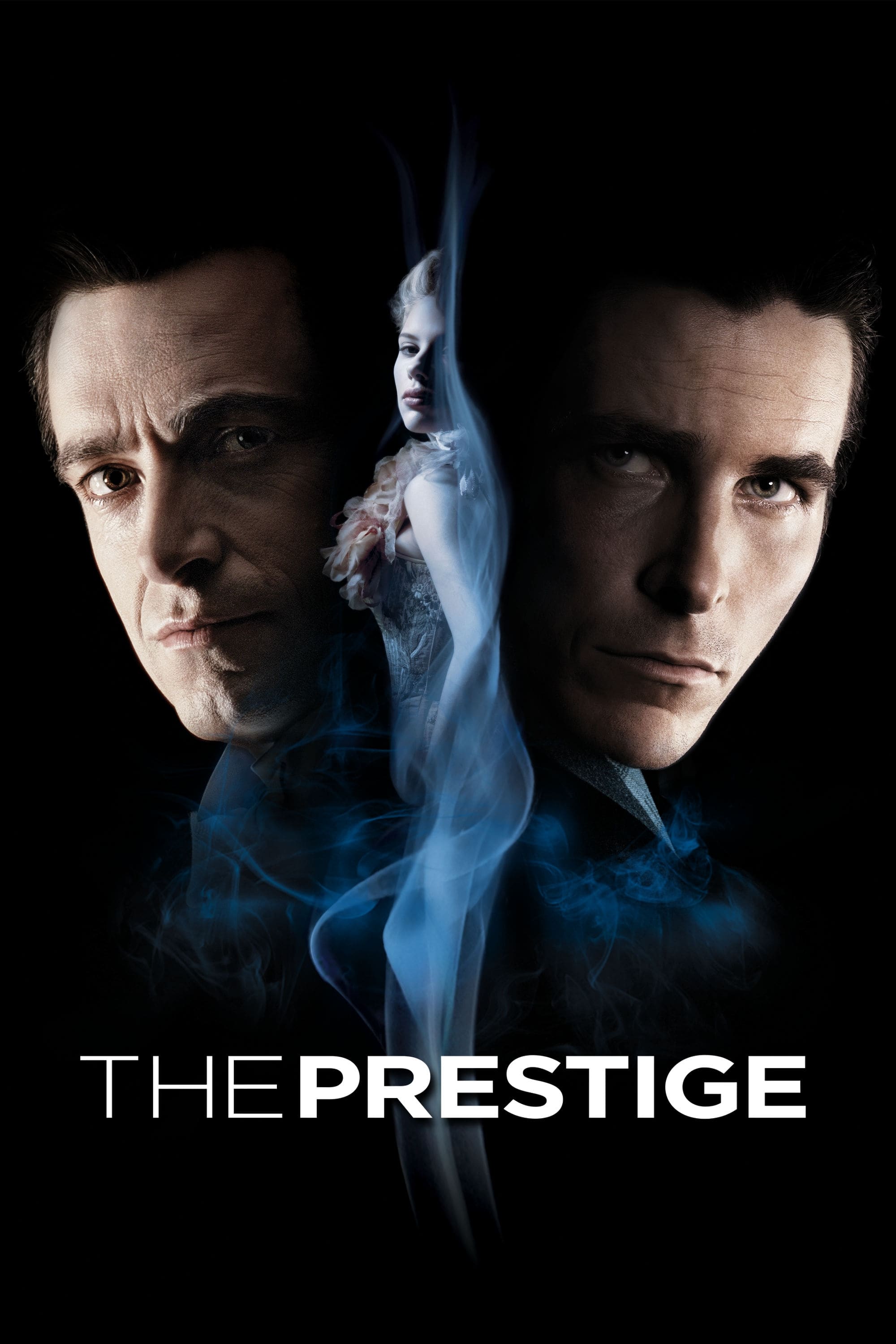
13. **’The Prestige’ (2006)**Step right up, ladies and gentlemen, for a magical tale of two dueling magicians that will leave you absolutely spellbound! “The Prestige,” starring the incredible Christian Bale and Hugh Jackman, is a film that delves deep into the cutthroat world of illusion, obsession, and rivalry. It’s a visually stunning and intellectually stimulating ride that constantly challenges your perceptions, making you question every trick and every character’s true motives.
The narrative intricately unfolds, revealing the secrets behind the magicians’ most daring tricks and illusions over time. You’ll be privy to the meticulously crafted deceptions, the sacrifices, and the lengths both men go to outdo each other, even when it costs them everything. The film essentially pulls back the curtain on the art of magic, showing you how the impossible is made possible through ingenuity, pain, and sometimes, outright cruelty.
Some of these revelations, including precisely how they manage to perform their most breathtaking acts, are quite compelling, drawing you deeper into their intricate, dangerous world. However, the true magic of “The Prestige” lies beyond just the mechanics of the illusions. It’s in the twists that delve into identity, sacrifice, and the blurred lines between reality and performance. It’s a cinematic sleight of hand that will leave you gasping.
The twists in “The Prestige” are so cleverly embedded that they’re almost invisible until the grand reveal, which then redefines the entire narrative arc. It’s a film that truly celebrates the art of storytelling and misdirection, proving that a plot twist can be as elegant and complex as the most intricate magic trick. This movie is a must-watch for anyone who loves a good puzzle and a truly satisfying, mind-bending conclusion.
Read more about: Prepare to Scream: The 12 Mind-Bending Movie Plot Twists That Still Leave Us Totally Speechless!
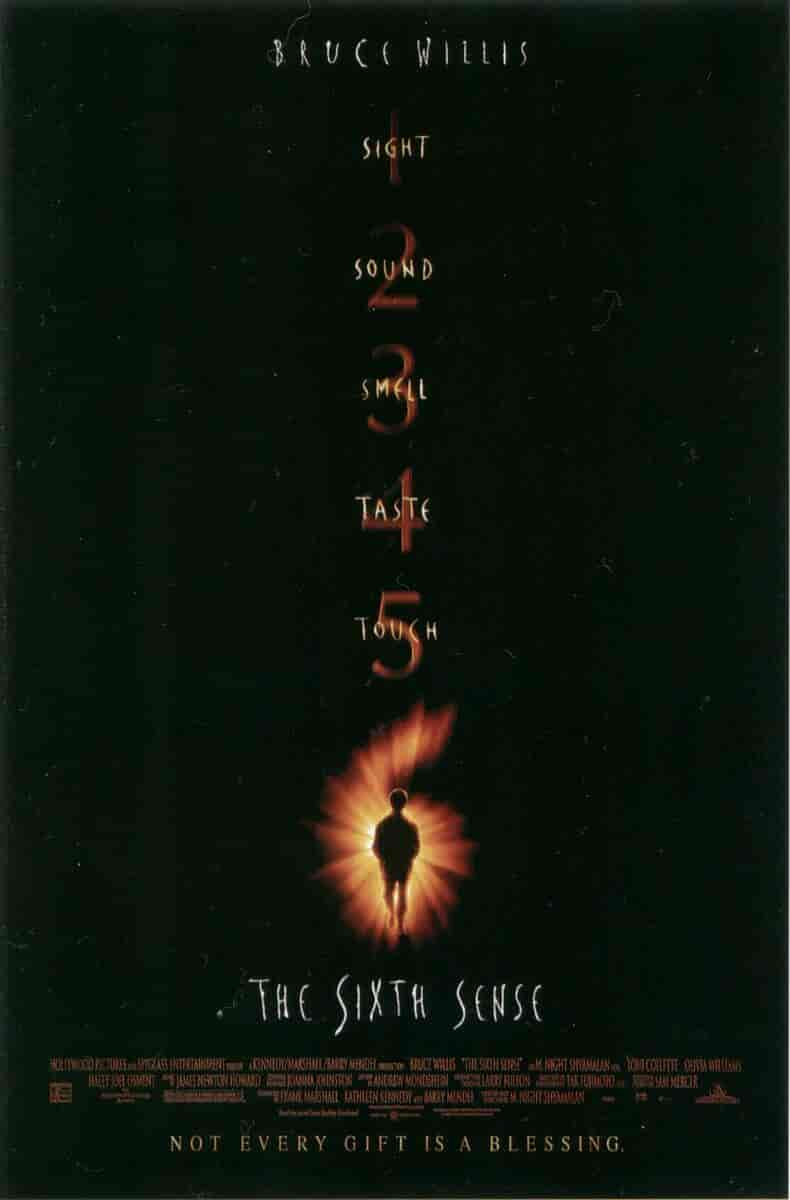
14. **’The Sixth Sense’ (1999)**Alright, let’s just say it: “The Sixth Sense” boasts one of the most famous plot twists in cinematic history, hands down. And, of course, it gave us that iconic tagline that everyone still quotes – you know, Haley Joel Osment’s breathy, chilling admission of “I see dead people.” This film didn’t just put M. Night Shyamalan on the filmmaking map in 1999; it practically drew a giant, glowing X on it. It’s a psychological thriller that has truly stood the test of time.
The premise is deceptively simple yet utterly captivating: a child psychologist, Dr. Malcolm Crowe (played brilliantly by Bruce Willis), takes on a particularly challenging case involving a nine-year-old boy named Cole Sear (Haley Joel Osment). Cole claims he can see and communicate with ghosts, and these spirits are not exactly the friendly Casper type. The film masterfully builds suspense and empathy, drawing you into Cole’s isolated and terrifying world.
As Dr. Crowe works with Cole, trying to understand and help him, the film slowly unspools its emotional and supernatural layers. You’re left questioning what’s real, what’s psychological, and how a young boy can possibly cope with such a terrifying gift. The movie plays with your expectations, leading you down a path where you’re fully invested in the characters’ struggles and their quest for understanding.
More than two decades later, the film’s premise and, most importantly, its final twist, still hold up with remarkable power. The revelation at the end of “The Sixth Sense” is a monumental moment that completely recontextualizes every scene that came before it, hitting you with an emotional and intellectual punch that few films achieve. It’s an enduring classic, a benchmark for psychological thrillers, and a timeless example of a twist done absolutely perfectly.
Read more about: Prepare to Scream: The 12 Mind-Bending Movie Plot Twists That Still Leave Us Totally Speechless!
Whew! What a ride, right? From psychological deep dives to supernatural shockers, animated tear-jerkers to sci-fi head-scratchers, these films prove that a truly great plot twist isn’t just about the surprise – it’s about the entire journey. They challenge our perceptions, ignite our imaginations, and leave us buzzing with theories and emotions long after the credits roll. So, next time you’re settling in for a movie night, keep an eye out for those subtle clues and daring narrative choices, because you never know when a cinematic masterpiece is about to pull off the ultimate magic trick. Happy watching, and don’t forget to tell your friends which twists blew *your* mind the most!