Prepare yourselves, petrolheads and purists alike, for a deep dive into the legendary marque that is Porsche. It’s more than just a car company; it’s a saga of engineering brilliance, audacious vision, and a relentless pursuit of performance that has shaped automotive history. From its humble beginnings as a design firm to its current status as a global icon, Porsche’s journey is packed with twists, turns, and truly remarkable achievements.
We’re not just talking about shiny new metal here; we’re peeling back the layers to explore the very essence of what makes a Porsche, well, a Porsche. This is a story of passion, innovation, and an unwavering commitment to crafting machines that stir the soul. Forget what you think you know, because we’re about to uncover some fascinating chapters in this automotive epic.
So buckle up, because we’re taking you on an exhilarating ride through the very heart of Stuttgart, Baden-Württemberg. From the drawing boards of its visionary founder to the thunderous roar of its motorsport triumphs, we’ll explore the key moments and iconic figures that forged this German titan. It’s a tale of resilience, evolution, and the birth of some of the most desired vehicles on the planet.
1. **The Visionary Origins: Ferdinand Porsche and the Birth of a Legend**The story of Porsche begins not with a roaring engine, but with a drawing board and an extraordinary vision. It was 1931 when Ferdinand Porsche, an ingenious German Bohemian automotive engineer, founded “Dr. Ing. h.c. F. Porsche GmbH” alongside Adolf Rosenberger and Austrian businessman Anton Piëch. At its inception, this wasn’t a car manufacturer in the traditional sense, but rather a hub for motor vehicle development work and consulting, a testament to its founder’s deep engineering prowess.
This early stage set the stage for one of the most significant projects in automotive history. One of the new company’s first and most monumental assignments came directly from the German government: to design a car for the masses, a true “Volkswagen” or ‘people’s car.’ This commission was more than just a design brief; it was a cultural phenomenon in the making.
The result of this pivotal assignment was nothing short of revolutionary: the Volkswagen Beetle. It was a design that transcended its initial purpose, becoming one of the most successful car designs of all time. This early success solidified Ferdinand Porsche’s reputation as a visionary engineer capable of turning ambitious concepts into tangible, mass-producible realities, laying a crucial cornerstone for the future of his own brand.
Indeed, the influence of this initial project would be felt for decades. Even the Porsche 64, developed in 1939, would cleverly utilize many components from the Beetle, demonstrating an early philosophy of ingenious engineering and component sharing that would reappear in later collaborations and designs. It was a start that proved practicality and innovation could go hand-in-hand, even before the famous Porsche badge adorned a vehicle.
2. **Wartime Engineering: From People’s Car to Panzerjäger**As the world plunged into World War II, Porsche’s engineering capabilities were inevitably redirected towards military production. The Volkswagen factory at KdF-Stadt, where the Beetle was meant to be born en masse for civilian use, instead turned its production lines over to military variants of the Beetle. These included the robust Kübelwagen, with a staggering 52,000 units produced, and the highly specialized Schwimmwagen, an amphibious car that saw 15,584 units manufactured.
But Porsche’s involvement wasn’t limited to modified civilian vehicles. The company delved deep into the realm of heavy military hardware, producing several designs for formidable tanks during the war. While Porsche ultimately lost out to Henschel & Son on contracts that led to the iconic Tiger I and Tiger II tanks, their extensive work was far from wasted, demonstrating their significant contributions to military vehicle development during the conflict.
In a testament to their innovative, albeit wartime-driven, engineering, the chassis Porsche designed for the Tiger I found a new life as the foundation for the potent Elefant tank destroyer. This machine, also known as the “Ferdinand,” carried a formidable punch and stands as a significant, if somber, footnote in the company’s design history. Porsche also pushed the boundaries of tank design further, developing the colossal Maus super-heavy tank in the war’s closing stages, even producing two prototypes.
It’s important to acknowledge the darker shadows of this period. Ferdinand Porsche’s biographer, Fabian Müller, highlighted that Porsche factories during the war forcibly employed thousands of people. These workers, many of whom were Polish, wore a distinctive “P” on their clothing at all times – a chilling reminder that, for them, it stood not for “Porsche” but for “Poland.” This stark detail underscores the complex moral landscape of industrial production during wartime.
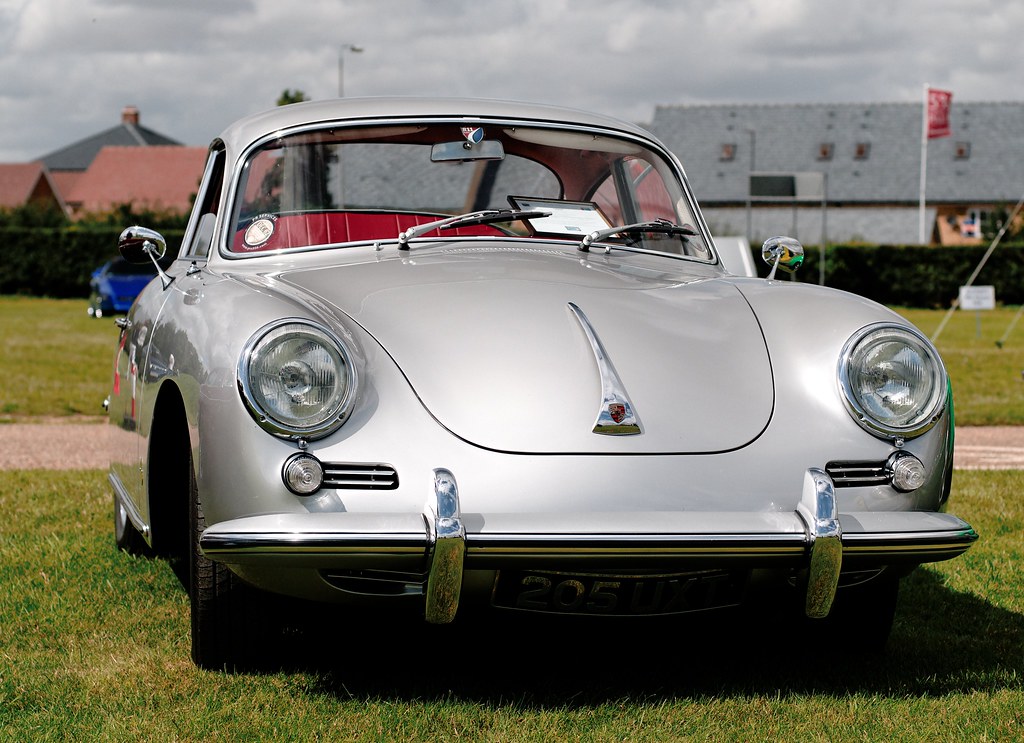
3. **Ferry Porsche’s Dream: The Genesis of the Iconic 356**The immediate aftermath of World War II plunged Ferdinand Porsche and his company into profound uncertainty. In 1945, with the Volkswagen factory under British control and Ferdinand himself arrested for war crimes—though never tried—the future of the Porsche name hung precariously in the balance. It was during his harrowing 20-month imprisonment that a new chapter for the family, and indeed for the automotive world, began to unfold.
Stepping into this vacuum, Ferdinand’s son, Ferry Porsche, took the reins. Driven by a desire for a car he simply couldn’t find on the market, Ferry made a momentous decision: he would build his own. This personal quest, born out of necessity and a deep passion for automotive design, would give birth to the first vehicle to bear the Porsche name, ultimately steering the company through some of its most difficult days until his father’s release in August 1947.
The initial models of what would become the legendary 356 were crafted in the most unassuming of locations: a small sawmill in Gmünd, Austria. This humble birthplace belied the revolutionary design and performance that would emerge. The prototype was then showcased to German auto dealers, and the response was overwhelmingly positive. Once pre-orders reached a predetermined threshold, production officially began through Porsche Konstruktionen GesmbH, a new entity founded by Ferry and his sister Louise.
Many enthusiasts and historians alike regard the 356 as the true genesis of the Porsche brand, simply because it was the first model actively sold by the fledgling company. Initially featuring an aluminum body, production later moved to Stuttgart in 1950 under the father’s Dr. Ing. h.c. F. Porsche GmbH. Here, Porsche partnered with Zuffenhausen-based Reutter Karosserie, a firm that had previously collaborated on Volkswagen Beetle prototypes, to produce the 356’s now-iconic steel body, solidifying its place as a truly historic automobile.
Car Model Information: 1956 Porsche 356 A
Name: Porsche 356
Manufacturer: unbulleted list
Production: 1948–1965
Assembly: Gmünd, Carinthia
Successor: Porsche 911 (classic)
Caption: Porsche 356 C coupé
Class: Sports car
Related: unbulleted list
Layout: Rear-engine, rear-wheel-drive layout
BodyStyle: unbulleted list
Designer: Ferry Porsche,Erwin Komenda
Wheelbase: 82.7 in
Abbr: on
Order: flip
Length: convert
Width: 65.4 in
Height: convert
Weight: convert
Categories: 1950s cars, 1960s cars, 24 Hours of Le Mans race cars, All Wikipedia articles written in American English, All articles containing potentially dated statements
Summary: The Porsche 356 is a rear-engine sports car, and the first-ever production Porsche model.
The 356 is a lightweight and nimble-handling, rear-engine, rear-wheel drive, two-door available both in hardtop coupé and open configurations. Engineering innovations continued during the years of manufacture, contributing to its motorsports success and popularity. Production started in 1948 at Gmünd, Austria, where Porsche built approximately 50 cars. In 1950 the factory relocated to Zuffenhausen, Germany, and general production of the 356 continued until April 1965, well after the replacement model 911 made its September 1964 debut. Of the 76,000 originally produced, approximately half survive. The 356 was first produced by Austrian company Porsche Konstruktionen GesmbH (1948–1949), and then by German company Dr. Ing. h. c. F. Porsche GmbH (1950–1965). It was Porsche’s first production automobile. Earlier cars designed by the Austrian company include Cisitalia Grand Prix race car, the Volkswagen Beetle, and Auto Union Grand Prix cars.
The original price in 1948 for the 356 coupe was US$3,750 (equivalent to $49,100 in 2024) (official general USD inflation). The 356 cabriolet cost US$4,250 (equivalent to $55,600 in 2024).
Get more information about: Porsche 356
Buying a high-performing used car >>>
Brand: Porsche Model: 356
Price: $48,995 Mileage: 10,628 mi.
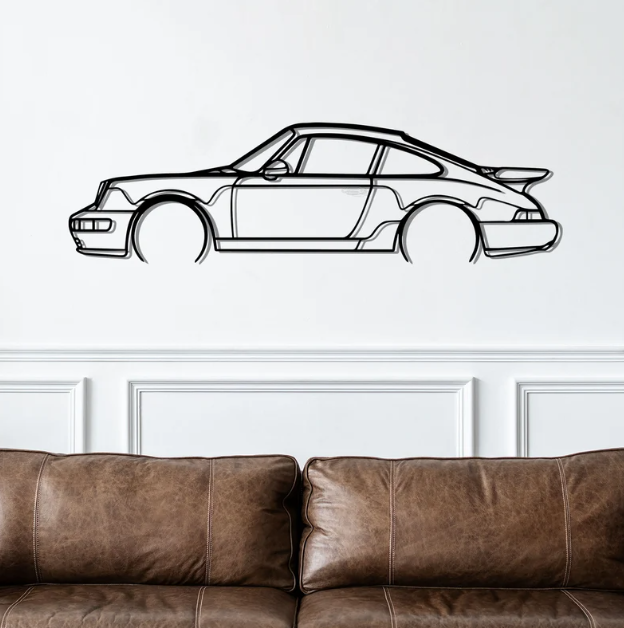
4. **The Unmistakable Silhouette: Crafting the Legendary Porsche 911**Following a period of considerable success in motor-racing with various models, including the thrilling 550 Spyder, and with the 356 itself crying out for a comprehensive redesign, Porsche unveiled what would become its most enduring icon in 1964: the Porsche 911. This new machine carried forward the signature air-cooled, rear-engined sports car configuration, but it elevated the experience with a more potent six-cylinder “boxer” engine, marking a significant step forward in performance and sophistication.
Bringing this new vision to life was a task entrusted to a familiar name: Ferry Porsche’s eldest son, Ferdinand Alexander Porsche (F. A.), who led the team responsible for laying out the body shell design. However, the creative process was not without its internal friction. F. A. Porsche found himself at odds with Erwin Komenda, who had been the head of the body design department up until that point, with F. A. complaining that Komenda made unauthorized changes to his meticulous designs. This clash of titans underscored the intense passion and strong individual visions at play within the company.
In a decisive move, company leader Ferry Porsche took his son’s drawings directly to Reuter, a neighboring chassis manufacturer. Reuter’s workshop would later be acquired by Porsche, becoming what is known today as Werk 2, a crucial expansion for the burgeoning manufacturer. This shift not only resolved the internal design dispute but also strengthened Porsche’s control over its manufacturing process, while Reuter itself pivoted to become a renowned seat manufacturer, now known as Keiper-Recaro.
The car’s original internal designation, 901, faced an unexpected hurdle when it was discovered to contravene Peugeot’s trademarks on all ‘x0x’ names. With characteristic ingenuity, Porsche simply adjusted the nomenclature to the now-legendary 911. This iconic model has since become Porsche’s most well-known product, achieving unparalleled success on the race-track, in rallies, and, crucially, in road car sales, cementing its status as an automotive icon that remains in production, albeit through several generations of meticulous revision.
Car Model Information: 2020 Porsche 911 Carrera
Name: Porsche 911
Caption: The 1 millionth 911 produced on display at Volkswagen Group Forum, Berlin
Designer: Ferdinand Alexander Porsche
Manufacturer: Porsche
Production: September 1964 – present
Assembly: Stuttgart,Baden-Württemberg
Class: Sports car
BodyStyle: unbulleted list
Related: unbulleted list
Layout: Rear-engine design,rear-wheel drive
Predecessor: Porsche 356
Categories: 1970s cars, 1980s cars, 1990s cars, 2+2 coupés, 2000s cars
Summary: The Porsche 911 model series (pronounced Nine Eleven or in German: Neunelf) is a family of German two-door, high performance rear-engine sports cars, introduced in September 1964 by Porsche AG of Stuttgart, Germany, and now in its eighth generation. All 911s have a rear-mounted flat-six engine, and usually 2+2 seating, except for special 2-seater variants. Originally, 911s had air-cooled engines, and torsion bar suspension, but the 911 has been continuously enhanced, and evolved across generations. Though the 911 core concept has remained largely unchanged, water-cooled engines were introduced with the 996 series in 1998, and front and rear suspension have been replaced by Porsche-specific MacPherson suspension up front, and independent multi-link rear suspension.
The 911 has been raced extensively by private and factory teams, in a variety of classes. It is among the most successful competition cars. In the mid-1970s, the naturally aspirated 911 Carrera RSR won world championship races including Targa Florio and the 24 Hours of Daytona. The 911-derived 935 turbo also won the 24 Hours of Le Mans in 1979. Porsche won the World Championship for Makes in 1976, 1977, 1978, and 1979 with 911-derived models.
In a 1999 poll to determine the Car of the Century, the 911 ranked fifth — one of two in the top five that had remained continuously in production (the original Beetle remained in production until 2003). The one millionth example was manufactured in May 2017 and is in the company’s permanent collection.
Get more information about: Porsche 911
Buying a high-performing used car >>>
Brand: Porsche Model: 911
Price: $119,980 Mileage: 8,387 mi.
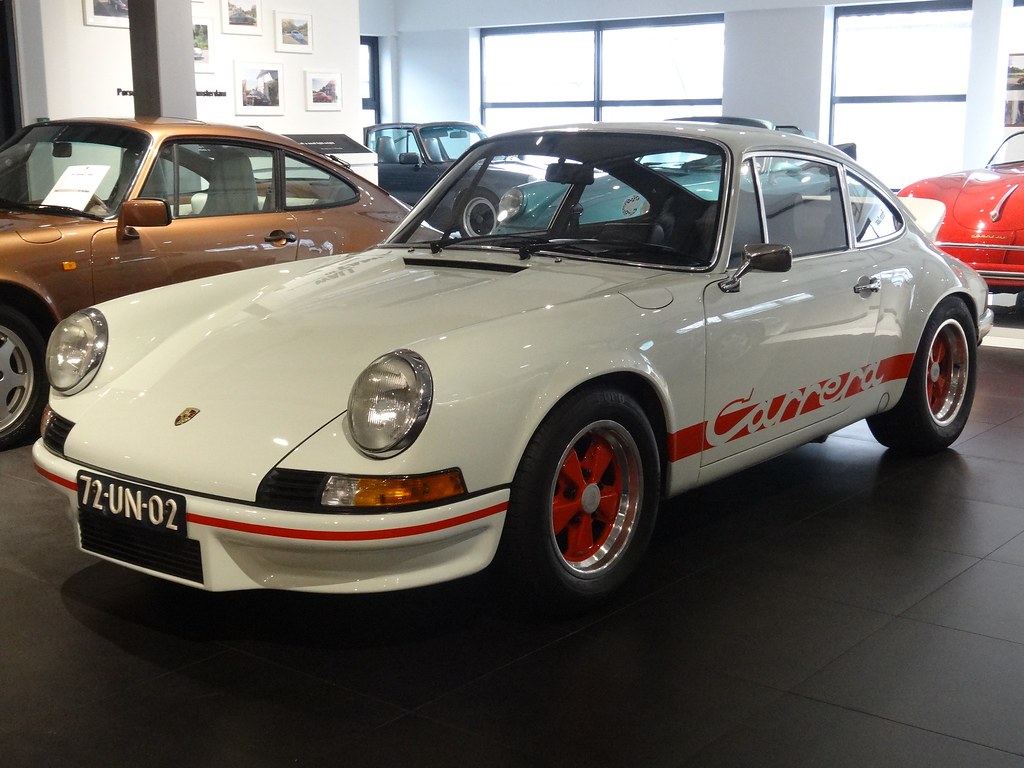
5. **Corporate Evolution: From Family Firm to Global Powerhouse**By 1972, Porsche had reached a critical juncture in its organizational structure. The company’s legal form underwent a significant transformation, evolving from a Kommanditgesellschaft (KG), or limited partnership, to an Aktiengesellschaft (AG), a public limited company. This was far from a mere administrative change; it represented a fundamental shift in philosophy, driven by Ferry Porsche’s growing conviction that the company’s burgeoning scale had outgrown its identity as a “family operation.”
Ferry Porsche’s perspective was reportedly influenced by the insights he gained from Honda, particularly Soichiro Honda’s famous “no family members in the company” policy. This external inspiration provided a catalyst for Porsche to professionalize its governance. The restructuring led to the establishment of a robust executive board, populated by talented individuals from outside the immediate Porsche family, balanced by a supervisory board largely composed of family members, ensuring a degree of continued familial oversight while embracing broader corporate leadership.
This pivotal transformation had profound consequences for the family members who had been actively involved in the company’s daily operations. With the change in legal structure and the new focus on external executive leadership, many family members departed from their operational roles. Among these were two exceptionally influential figures: Ferdinand Alexander Porsche, the visionary behind the 911’s initial design, and his cousin, Ferdinand Piëch, a mechanical development genius.
Their departure, though a significant moment in Porsche’s corporate history, also paved the way for new ventures. F. A. Porsche went on to establish Porsche Design, a highly successful company renowned for its exclusive range of luxury articles from sunglasses to furniture. Meanwhile, Ferdinand Piëch, whose engineering acumen had shaped successful racing cars like the 908 and 917, embarked on an illustrious career at Audi, eventually rising to become the formidable chairman of the Volkswagen Group, leaving an indelible mark on the broader automotive landscape.
Read more about: Beyond the Purple Reign: Inside Prince’s Unforgettable Journey to Music Legend Status
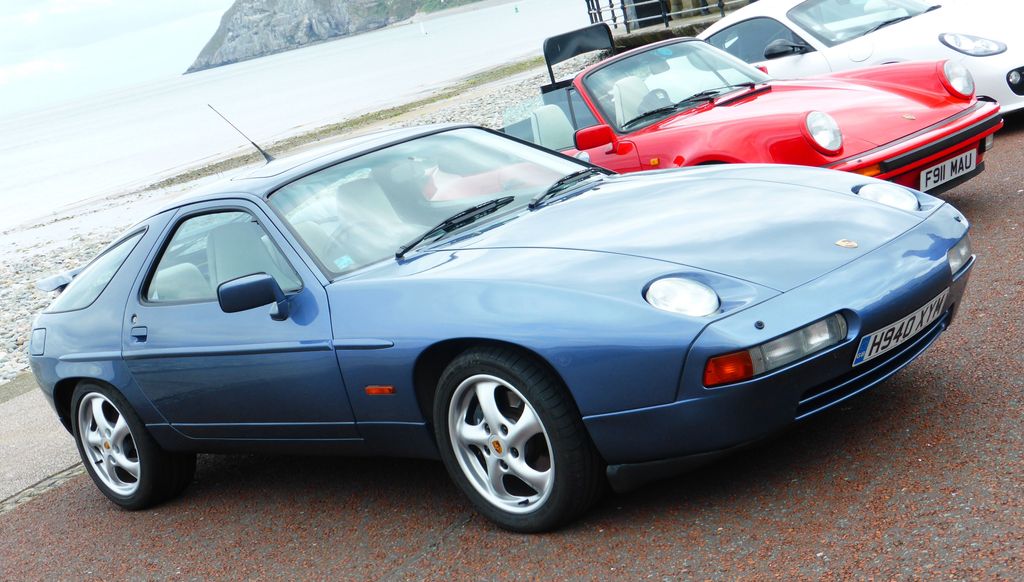
6. **The Fuhrmann Era: The 911’s Battle for Survival**Following the significant corporate restructuring in 1972, Ernst Fuhrmann, a seasoned veteran from within the company’s engine development division, ascended to become the first chief executive officer (CEO) of Porsche AG. Fuhrmann was a man of considerable engineering talent, particularly renowned for his work on the so-called Fuhrmann-engine. This innovative powerplant, featuring four overhead camshafts instead of the pushrod-actuated central camshaft found in the Volkswagen-derived serial engines, was a high-performance marvel, powering the revered 356 Carrera models and the legendary 550 Spyder.
However, Fuhrmann’s tenure as CEO is perhaps most famously remembered for a controversial strategic decision that nearly spelled the end for Porsche’s most iconic model. In the 1970s, he harbored a bold plan to discontinue the 911, believing its rear-engine, air-cooled configuration was reaching its developmental limits. His vision was to replace it entirely with the V8-front engined grand sportswagon 928, a car he envisioned as the future of the brand.
This was a brave, some might say audacious, move. The 928 was a sophisticated, powerful, and luxurious grand tourer, designed to offer a different kind of performance and comfort compared to the raw, distinctive 911. It represented a significant engineering departure, aligning Porsche more with the evolving tastes of the luxury market, and it clearly had Fuhrmann’s full backing as the future flagship.
Yet, as history unequivocally shows us, the 911 possessed an indomitable spirit and a loyal following that Fuhrmann might have underestimated. The 911 not only survived but thrived, ultimately outliving the 928 by a considerable margin. Fuhrmann’s bold, yet ultimately misguided, attempt to reshape Porsche’s product line concluded in the early 1980s when he was replaced by Peter W. Schutz, an American manager and, significantly, a self-proclaimed 911 aficionado, whose passion for the iconic model would help secure its future for generations to come.
Car Model Information: 2020 Porsche 911 Carrera
Name: Porsche 911
Caption: The 1 millionth 911 produced on display at Volkswagen Group Forum, Berlin
Designer: Ferdinand Alexander Porsche
Manufacturer: Porsche
Production: September 1964 – present
Assembly: Stuttgart,Baden-Württemberg
Class: Sports car
BodyStyle: unbulleted list
Related: unbulleted list
Layout: Rear-engine design,rear-wheel drive
Predecessor: Porsche 356
Categories: 1970s cars, 1980s cars, 1990s cars, 2+2 coupés, 2000s cars
Summary: The Porsche 911 model series (pronounced Nine Eleven or in German: Neunelf) is a family of German two-door, high performance rear-engine sports cars, introduced in September 1964 by Porsche AG of Stuttgart, Germany, and now in its eighth generation. All 911s have a rear-mounted flat-six engine, and usually 2+2 seating, except for special 2-seater variants. Originally, 911s had air-cooled engines, and torsion bar suspension, but the 911 has been continuously enhanced, and evolved across generations. Though the 911 core concept has remained largely unchanged, water-cooled engines were introduced with the 996 series in 1998, and front and rear suspension have been replaced by Porsche-specific MacPherson suspension up front, and independent multi-link rear suspension.
The 911 has been raced extensively by private and factory teams, in a variety of classes. It is among the most successful competition cars. In the mid-1970s, the naturally aspirated 911 Carrera RSR won world championship races including Targa Florio and the 24 Hours of Daytona. The 911-derived 935 turbo also won the 24 Hours of Le Mans in 1979. Porsche won the World Championship for Makes in 1976, 1977, 1978, and 1979 with 911-derived models.
In a 1999 poll to determine the Car of the Century, the 911 ranked fifth — one of two in the top five that had remained continuously in production (the original Beetle remained in production until 2003). The one millionth example was manufactured in May 2017 and is in the company’s permanent collection.
Get more information about: Porsche 911
Buying a high-performing used car >>>
Brand: Porsche Model: 911
Price: $119,980 Mileage: 8,387 mi.

7. **A CEO’s Touch: Wiedeking’s Turnaround and Porsche’s Profitability**The late 1980s and early 1990s presented Porsche with considerable challenges, marked by a period of costly miscalculations and strategic missteps. Arno Bohn, who had taken over as CEO in 1988 from Peter W. Schutz, made several business decisions that led to his swift dismissal. His departure was followed shortly by that of Ulrich Bez, the development director, highlighting a turbulent period at the very top of the company’s leadership.
In the wake of this instability, Heinz Branitzki, a long-serving Porsche employee, stepped in as interim CEO, tasked with steadying the ship during a critical transition. However, it was the arrival of Wendelin Wiedeking in 1993 as the new CEO that truly marked a turning point for the venerable sports car manufacturer. Wiedeking took the helm at a time when Porsche appeared particularly vulnerable, a company that some speculated could be ripe for a takeover by a larger automotive group.
What followed under Wiedeking’s extensive tenure was nothing short of a corporate transformation. With a keen eye for efficiency and profitability, he meticulously reshaped Porsche’s operations, implementing lean manufacturing methods—reportedly influenced by a memorandum of understanding with Toyota in 1990—and streamlining processes. He instilled a new era of discipline and financial prudence that would redefine the company’s fortunes.
Wiedeking’s strategic brilliance revitalized Porsche, turning it into a remarkably efficient and, crucially, a highly profitable company. This era saw Porsche not only regain its footing but also achieve extraordinary financial success, eventually laying claim to the impressive distinction of having the “highest profit per unit sold of any car company in the world.” His leadership cemented Porsche’s reputation not just as a creator of desirable automobiles, but also as a masterclass in business acumen, ensuring its independence and prosperity for years to come.
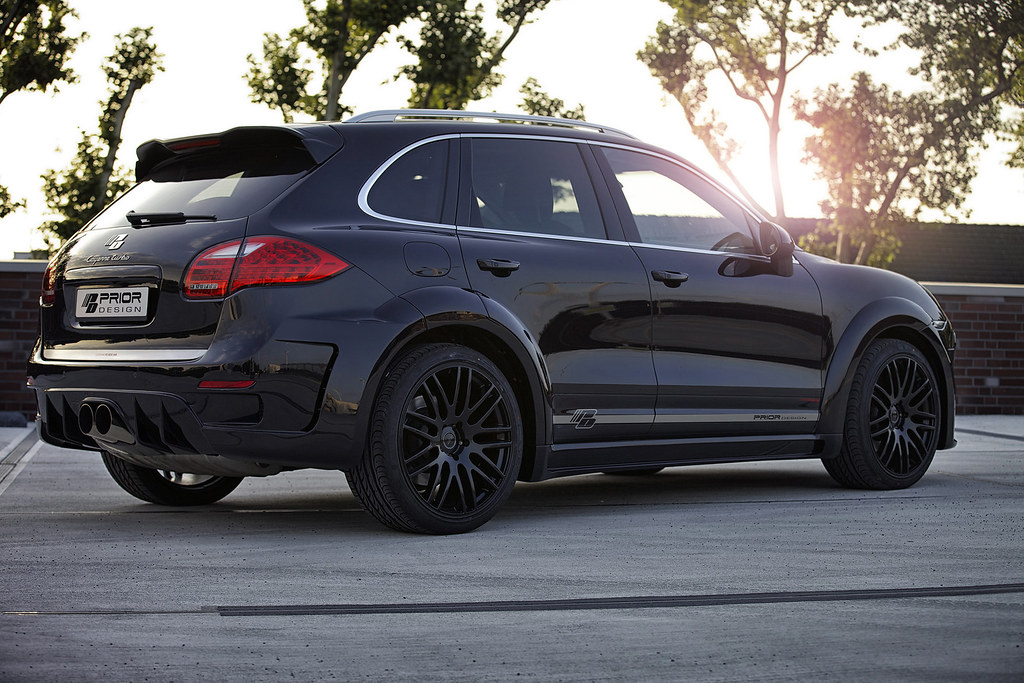
8. **The SUV Revolution: Porsche Embraces the Off-Road**Fasten your seatbelts, because this is where Porsche truly threw a curveball that not only shocked the purists but also redefined the very landscape of luxury performance. In 2002, Porsche launched the Cayenne, a mid-size luxury SUV. For some, it was heresy; for others, a stroke of genius. It was a vehicle that screamed, “We can do it all, and do it better!” And boy, did it deliver.
Initially sharing its chassis with the Volkswagen Touareg and later the Audi Q7, the Cayenne swiftly silenced its critics by becoming an absolute sales powerhouse. It wasn’t just another SUV; it was a Porsche, imbued with that unmistakable DNA of performance and precision. It proved that a sports car manufacturer could successfully venture into a segment dominated by rugged utility, turning what seemed like an impossible leap into a profitable sprint.
The Cayenne’s monumental success wasn’t just about selling more cars; it was about securing Porsche’s financial future and, crucially, funding the continued development of its beloved sports car lineup. This daring foray into the SUV market provided the robust revenue streams necessary to innovate across the board, demonstrating a bold vision that prioritized brand longevity and engineering excellence over rigid tradition. It truly was a game-changer.
Building on this triumph, Porsche unleashed the compact crossover Macan. This smaller, nimbler sibling further cemented Porsche’s dominance in the high-performance SUV segment. With both the Cayenne and Macan frequently cycling as best-sellers, particularly in markets like North America, it’s clear that Porsche didn’t just adapt to the SUV trend—they mastered it, proving that luxury and utility could indeed coexist with exhilarating performance.
Car Model Information: 2020 Porsche Cayenne Base
Name: Porsche Cayenne
Manufacturer: Porsche
Production: August 2002–present
ModelYears: 2003–present
Class: crossover SUV
Layout: Front-engine, four-wheel-drive
Categories: 2010s cars, 2020s cars, All-wheel-drive vehicles, All articles needing additional references, All articles with dead external links
Summary: The Porsche Cayenne is a series of automobiles manufactured by the German company Porsche since 2002. It is a luxury crossover SUV, and has been described as both a full-sized and a mid-sized vehicle. The first generation was known within Porsche as the Type 9PA (955/957) or E1. It was the first V8-engined vehicle built by Porsche since 1995, when the Porsche 928 was discontinued. It is also Porsche’s first off-road variant vehicle since its Super and Junior tractors of the 1950s, as well as the first production Porsche with four doors. Since 2014, the Cayenne has been sold alongside a smaller Porsche SUV, the Macan.
The second-generation Cayenne (Type 92A or E2) was unveiled at the 2010 Geneva Motor Show in March. The Cayenne shares its platform, body frame, doors, and electronics with the Volkswagen Touareg and Audi Q7. It received a facelift in 2014 with minor external changes, and introduced a new plug-in E-Hybrid version with its public launch at the Paris Motor Show. Since 2008, all engines have featured direct injection technology. The third generation (Type 9YA or E3) was unveiled in 2017 in the German city of Stuttgart.
Get more information about: Porsche Cayenne
Buying a high-performing used car >>>
Brand: Porsche Model: Cayenne
Price: $42,990 Mileage: 35,240 mi.
9. **Deepening Ties: The Enduring Partnership with Volkswagen**The relationship between Porsche and Volkswagen is less of a partnership and more of a family saga, deeply interwoven since the very beginning. Remember Ferdinand Porsche’s design for the Beetle? That was just the prologue. Over the decades, this bond has evolved, creating some truly unique automotive collaborations and, ultimately, a colossal corporate empire.
From the groovy VW-Porsche 914 and 914-6 in 1969 to the Porsche 924 in 1976—which cleverly utilized a host of Audi components and was built in Audi’s Neckarsulm factory—the two marques have consistently found ways to pool their engineering prowess. It’s a testament to their shared heritage and a practical approach to building exceptional vehicles, even if some purists occasionally grumbled about shared DNA.
The most significant chapter in this ongoing story unfolded with the corporate restructuring in 2007. The old Dr. Ing. h.c. F. Porsche AG was renamed Porsche SE, transforming it into a holding company for the families’ significant stake in both Porsche’s car manufacturing business and, crucially, Volkswagen AG. This move laid the groundwork for an automotive dynasty of epic proportions, showcasing an ambition far beyond just building cars.
By August 2009, Porsche SE and Volkswagen AG formalized their integration, creating an “Integrated Automotive Group.” Porsche AG, the car manufacturing arm we all know and love, became a 100% subsidiary of Volkswagen AG. But here’s the kicker: by 2015, Porsche SE, the holding company, had secured a controlling interest in the entire Volkswagen Group, a behemoth that includes automotive legends like Audi, Lamborghini, Bentley, and many more. Talk about a power play!
Today, the synergy is undeniable. From the shared platforms for the Cayenne, Touareg, and Q7 to the vast network of brands under the Volkswagen Group umbrella, this enduring partnership continues to drive innovation and efficiency. It ensures that Porsche, while maintaining its distinct identity, benefits from the resources and scale of one of the world’s largest automotive conglomerates, propelling it ever forward into new territories.
10. **Beyond the Track: Diversification into Design and Consulting**Porsche isn’t just about blistering lap times and sculpted metal; it’s a lifestyle, a statement, and a philosophy that extends far beyond the garage. When Ferdinand Alexander Porsche departed from the operational side of the company in 1972, he didn’t just retire; he launched Porsche Design. This wasn’t some minor side hustle; it became a global powerhouse, renowned for an exclusive range of luxury articles from sleek sunglasses and precision watches to elegant furniture. It’s a masterclass in leveraging brand prestige.
But the diversification didn’t stop there. Porsche AG, with its meticulous engineering and strategic acumen, expanded its influence into the consulting world. They fully acquired MHP Management- und IT-Beratung, a consulting firm, by January 2024, demonstrating a commitment to applying their operational excellence in broader business spheres. Furthermore, a significant 29% share in German engineering and design consultancy Bertrandt AG highlights their reach into supporting automotive innovation beyond their own direct manufacturing.
In a move that perfectly aligns with the future of high-performance vehicles, Porsche also made strategic investments in cutting-edge e-mobility. Acquiring a 10% minority shareholding in Croatian electric sportscar manufacturer Rimac Automobili in 2018 wasn’t just a financial play; it was a developmental partnership, a nod to the future of hypercar performance. This bold move underscores Porsche’s commitment to staying at the forefront of automotive evolution, whether it’s through their own iconic models or by investing in the next generation of electric marvels.
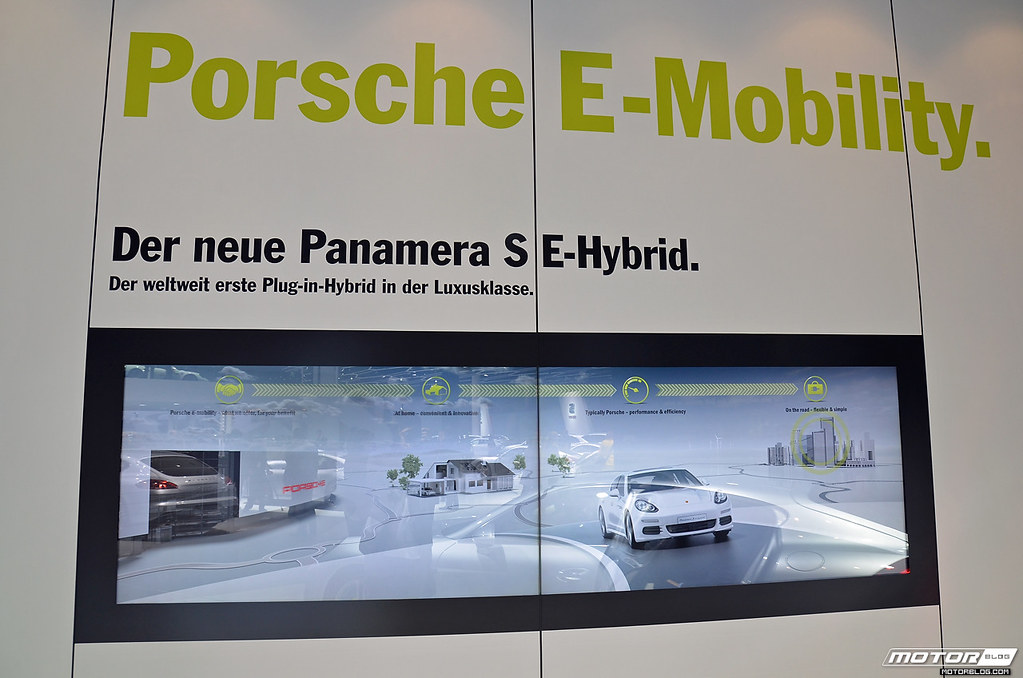
11. **Electrifying the Future: Porsche’s Bold Leap into E-Mobility**If you thought Porsche was content resting on its glorious internal combustion laurels, think again! This company doesn’t just embrace the future; it charges headfirst into it. Their journey into e-mobility began with a pragmatic yet powerful approach, starting with hybrids that offered a tantalizing blend of performance and efficiency.
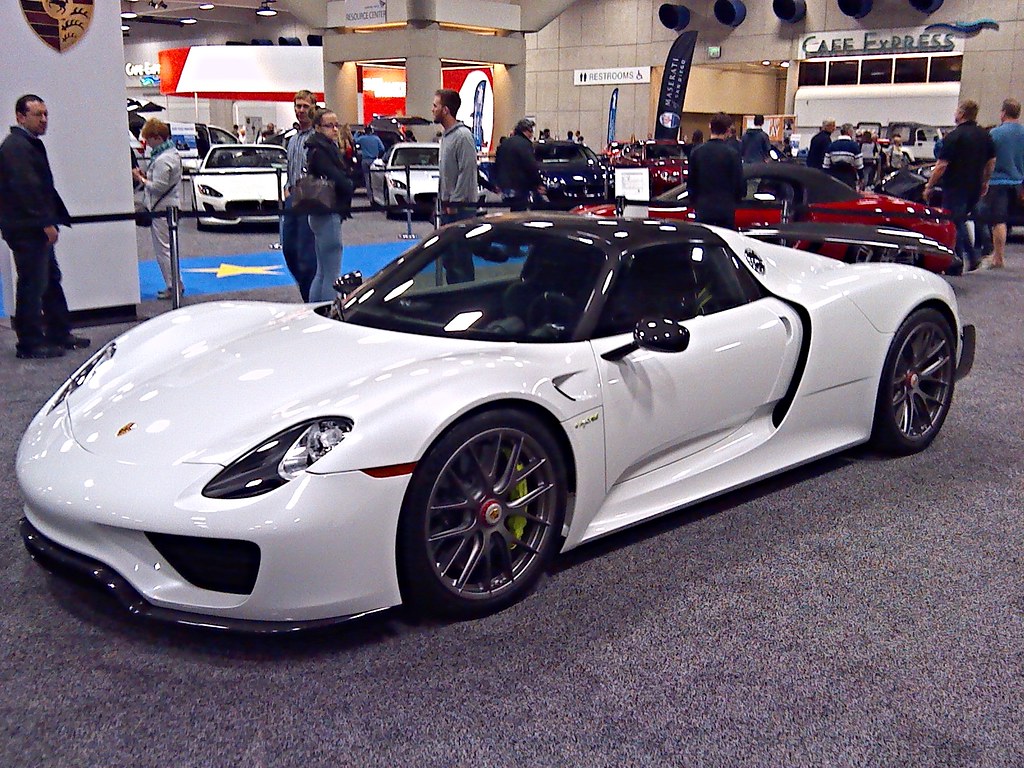
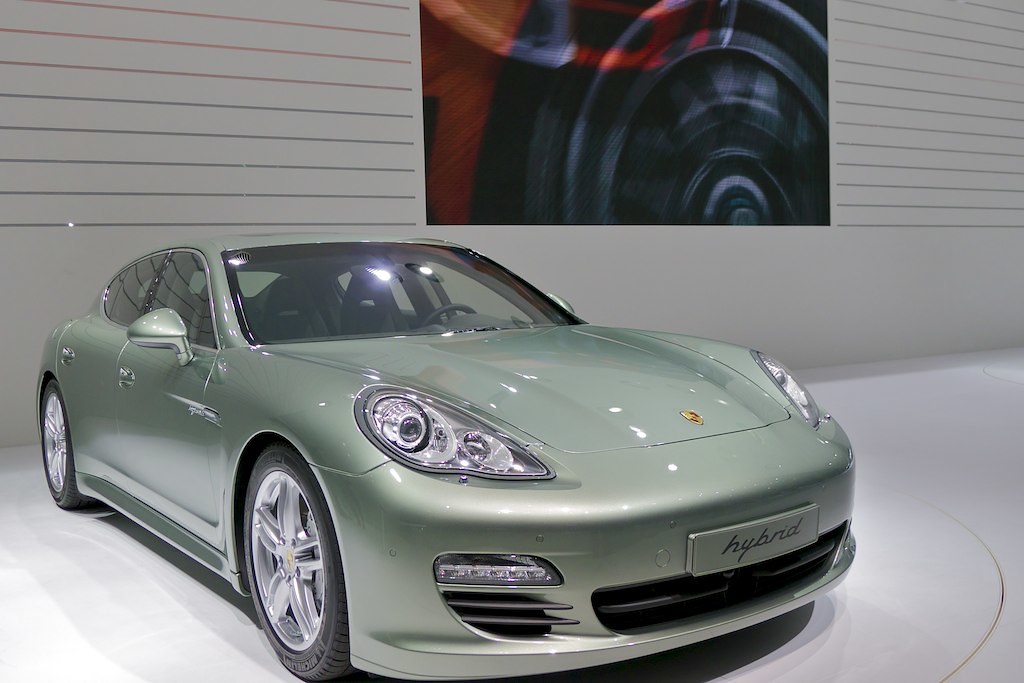
The early 2010s saw the launch of the Cayenne S Hybrid and the Panamera S Hybrid, demonstrating that electrification wasn’t just a fleeting trend, but a serious path for high-performance luxury vehicles. And then, in 2014, the stunning Porsche 918 sports car arrived, a hybrid hypercar that proved beyond a shadow of a doubt that hybrid technology could not only enhance performance but redefine what was possible for a road-legal machine. It was a technological tour de force.
Porsche quickly followed up with plug-in hybrid models like the Panamera S E-Hybrid and the Cayenne S E-Hybrid, making them the first automaker with three production plug-in hybrid models in the premium SUV segment. This wasn’t just about compliance; it was about pushing boundaries, offering unprecedented efficiency without compromising that quintessential Porsche driving experience. It was a clear signal of their unwavering commitment to innovation, even if it meant rewriting a few rules.
The company’s electric ambition surged further with prototypes like the Boxster E in 2011 and the GT3 R Hybrid, developed with Williams Grand Prix Engineering in 2010. But the true game-changer arrived in 2018 with the announcement of the Mission E, later named the Taycan, meaning ‘leaping horse.’ This all-electric sports car, launched in 2020, heralded a new era, complete with the world’s fastest 350 kW, 800V charging station capable of juicing up to 80% in just 15 minutes. Pure electric exhilaration, unplugged.
And it’s not just four wheels getting the electric treatment. In 2021, Porsche partnered with Rotwilde to release an electric mountain bike, then fully acquired eBike motor and battery company Fazua in 2022, and Greyp Bikes in 2023, rebranding it as Porsche eBike Performance GmbH. This comprehensive embrace of e-mobility, from supercars to mountain bikes, illustrates Porsche’s holistic vision for a thrilling, sustainable future. Talk about electrifying commitment!
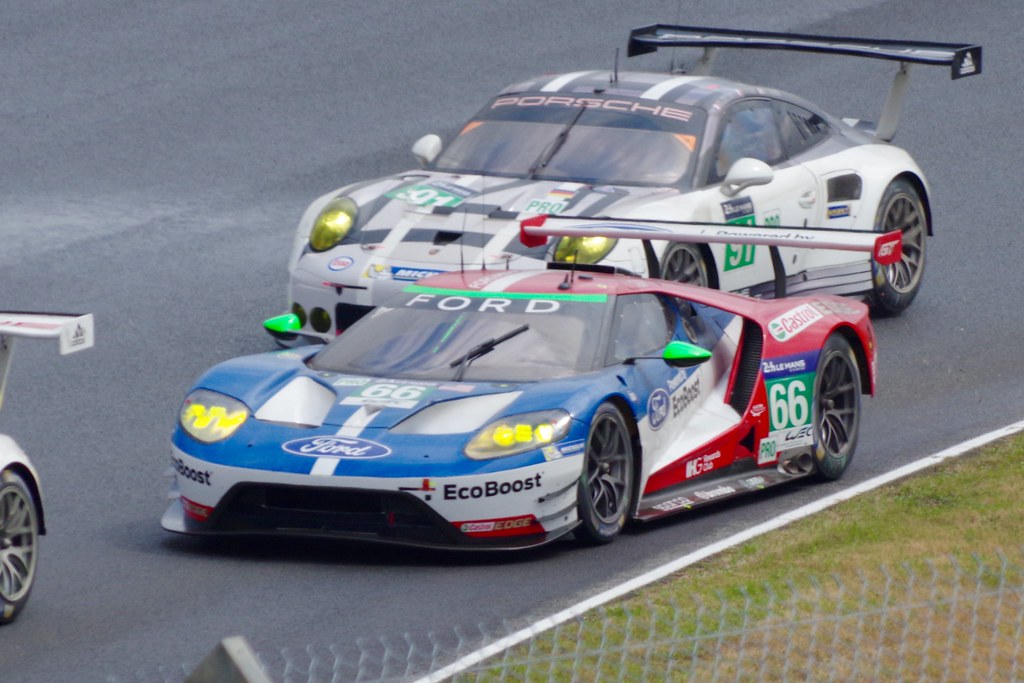
12. **Reigning Supreme: Porsche’s Unmatched Motorsport Dynasty**To talk about Porsche is to talk about racing. It’s in their blood, etched into their very DNA, a relentless pursuit of victory that has forged an unparalleled legacy in motorsport. This isn’t just a car manufacturer that occasionally goes racing; it is, quite literally, the world’s largest race car manufacturer. They don’t just participate; they dominate.
Their record at the legendary 24 Hours of Le Mans stands as a monument to their engineering prowess: a staggering 19 outright wins. Think about that for a moment – nineteen times they’ve stood atop the podium at one of the world’s most grueling endurance races! This isn’t just luck; it’s the result of relentless innovation, unwavering dedication, and an insatiable desire to push the limits of speed and reliability.
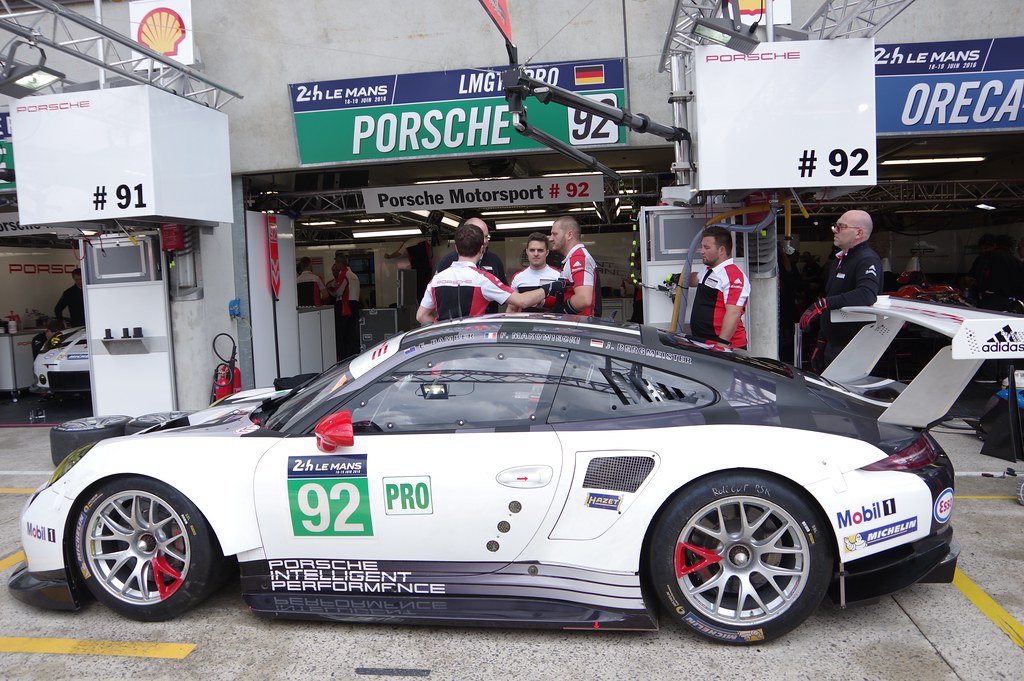
Year after year, Porsche churns out hundreds of dedicated race cars for various international motorsport events. We’re talking about a factory floor buzzing with the creation of LMP2 prototypes, GT2 spec 911 GT3-RSRs, and countless 911 GT3 Cup vehicles. Each one is a precision instrument, designed not just to compete, but to conquer. It’s a testament to a corporate culture where racing isn’t a marketing stunt; it’s a fundamental part of who they are. From the iconic 550 Spyder to the thunderous 917 and the cutting-edge 919 Hybrid, Porsche’s racing models have written more than just history; they’ve authored the very playbook of motorsport success.
13. **Global Ambitions: Production Expansion and Market Dominance**Porsche’s success isn’t confined to the winding roads of Stuttgart; it’s a global phenomenon, fueled by strategic production expansion and a keen eye on burgeoning markets. While Zuffenhausen remains the revered headquarters and home to their iconic flat-6 and V8 engines, the company has intelligently diversified its manufacturing footprint to meet soaring demand.
Take Leipzig, Germany, for instance, where models like the Cayenne and Panamera roll off the lines. This facility, alongside parts assembly in the Volkswagen Touareg factory in Bratislava, Slovakia, once accounted for nearly half of Porsche’s annual output, showcasing a truly global and interconnected production strategy. It’s about efficiency, scale, and getting those dream machines into the hands of enthusiasts worldwide.
Beyond Europe, Porsche has planted flags in key international territories. In a significant move, 2021 saw them confirm a new production plant in Malaysia, their first outside of Europe, handled by partner Sime Darby. And not content with just production, Porsche Cars North America announced plans for a stunning new headquarters and test track in Aerotropolis Atlanta. This isn’t just an office building; it’s an experience center, a monument to the brand’s presence in a vital market, allowing customers to truly immerse themselves in the Porsche driving philosophy. This global approach ensures Porsche isn’t just selling cars; it’s building an empire, one meticulously crafted vehicle at a time.
Read more about: Queen’s Enduring Reign: A Definitive Journey Through the Band’s Formative Years and Iconic Triumphs (1968-1986)
14. **The Pinnacle of Prestige: Unwavering Innovation and Brand Reputation**When it comes to automotive prestige, Porsche doesn’t just compete; it sets the standard. Consistently recognized as “the most prestigious automobile brand” in surveys, it’s a name that conjures images of unparalleled luxury, performance, and an almost mythical aura of desirability. This isn’t accidental; it’s the result of decades of unwavering commitment to excellence that resonates deeply with discerning buyers and enthusiasts alike.
Their trophy cabinet extends far beyond racing cups. Porsche has repeatedly clinched the J.D. Power and Associates Initial Quality Study (IQS) awards, a testament to the meticulous craftsmanship and engineering integrity instilled in every vehicle. It’s an affirmation that a Porsche isn’t just thrilling to drive; it’s built to last, a machine engineered to near perfection right out of the factory gate. That’s the kind of quality that builds legends.
And talk about resilience! A Canadian study once revealed that an incredible 97.4 percent of Porsches from the last 25 years are *still on the road*. Think about that! The Cayman and Boxster consistently make Consumer Reports’ list for most reliable vehicles, and the 911 has even been officially named Germany’s most reliable car by the TÜV. These aren’t just cars; they’re investments in driving passion, engineered for enduring exhilaration.
Furthermore, Porsche isn’t afraid to innovate beyond traditional ownership models, as demonstrated by the launch of Porsche Passport, a groundbreaking sports car and SUV subscription program. This visionary offering in major US cities shows a brand that understands modern consumption habits and is willing to adapt, offering flexibility without sacrificing the exclusive experience. It’s about making the dream of driving a Porsche more accessible, yet no less special.
But the innovation truly shines through in their relentless pursuit of cutting-edge design. In 2024, the World Intellectual Property Organization (WIPO) ranked Porsche 3rd globally for industrial design applications. This isn’t just about making cars that perform; it’s about crafting moving works of art, vehicles that push the boundaries of aesthetics and functionality. It’s this holistic pursuit of perfection, from initial concept to long-term reliability and market adaptability, that truly solidifies Porsche’s place as an automotive titan of unparalleled prestige.
Read more about: Gone But Not Forgotten: Tracing the Legacy of 14 Iconic American Car Brands That Vanished from Dealerships
So there you have it, folks – an epic journey through the heart of Porsche, a company that never ceases to amaze, inspire, and occasionally, totally blow our minds. From its humble beginnings to its current status as a global powerhouse, Porsche has consistently redefined what’s possible, not just on the road or the track, but in the very fabric of automotive innovation. They’re more than just cars; they’re experiences, legends in the making, and a testament to the enduring power of passion and precision. Here’s to the next chapter of this incredible saga – we can’t wait to see what electrifying, record-breaking, and utterly brilliant machines they conjure up next! The road ahead for Porsche? It’s wide open, exhilarating, and undoubtedly paved with more groundbreaking achievements.