The silent hum of the editing suite often conceals a cacophony of creative contention, a place where artistic vision meets the often-unyielding demands of producers, stars, and even the marketplace. Here, the director, the chief architect of a film’s narrative and aesthetic, frequently finds themselves at a crossroads: to compromise or to defend their meticulous vision against pressures to alter the very fabric of their creation.
From the high-profile public criticisms leveled against a documentarian by his subject to the quiet, sometimes painful, decisions made on the cutting room floor, the battle for the final cut is a recurring drama in Hollywood. It’s a testament to the immense power dynamics at play, where a director’s integrity can be tested by the very people funding or starring in their projects, and where a single scene can ignite a dispute that reshapes a film’s trajectory, or even a career.
This article delves into several compelling instances where directors or editors made pivotal choices regarding what stays and what goes, highlighting the varied motivations—be they artistic necessity, audience reception, or sheer stubborn defense of a creative choice. These stories illuminate the nuanced art of omission and the profound impact these decisions have, not just on the films themselves, but on the careers and legacies of those who wield the editing scissors.
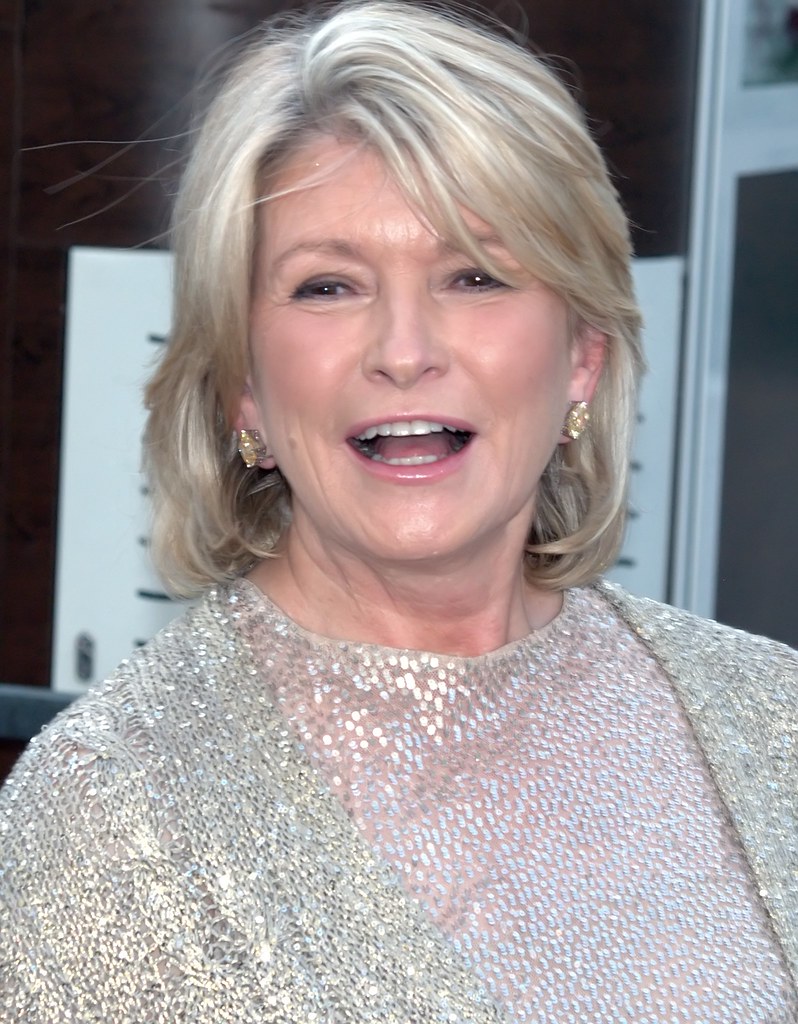
1. **R.J. Cutler and Martha Stewart’s ‘Martha’: A Subject’s Public Discontent**The recent Netflix documentary ‘Martha,’ chronicling the life of media mogul Martha Stewart, quickly became a flashpoint for a public debate about a director’s autonomy versus a subject’s desire for a curated narrative. Stewart openly expressed her dissatisfaction with director R.J. Cutler’s final cut, particularly targeting specific scenes she found unflattering or misrepresented her life.
Among her primary grievances were “those last scenes with me looking like a lonely old lady walking hunched over in the garden,” which Stewart explicitly asked Cutler to remove. She recalled telling the New York Times, “Boy, I told him to get rid of those. And he refused. I hate those last scenes. Hate them.” Stewart further elaborated on the perceived unfairness, noting, “He had three cameras on me. And he chooses to use the ugliest angle. And I told him, ‘Don’t use that angle! That’s not the nicest angle. You had three cameras. Use the other angle.’ He would not change that.” She also explained that she was recovering from a ruptured Achilles tendon when the footage was shot, which caused her to be “limping a little,” an important context she felt was omitted.
Stewart’s critique extended beyond mere aesthetics, encompassing significant narrative choices. She criticized the documentary’s focus on her insider trading allegations and obstruction of justice trial, declaring, “It was not that important.” For Stewart, the trial and incarceration constituted “less than two years out of an 83-year life,” something she even considered “a vacation.” She found the trial “extremely boring,” so much so that “even the judge fell asleep,” a detail she noted Cutler failed to include despite her diary entries.
Further compounding her unhappiness, Stewart expressed shock that Cutler utilized “very little” material from her extensive personal archive, despite being granted “total access” to her life. She also lamented the complete omission of her two grandchildren, Jude, 23, and Truman, 12, stating, “there’s not even a mention,” despite discussing them in her interviews. A final, perhaps more idiosyncratic, complaint involved Cutler’s refusal to incorporate rap music, which Stewart had personally requested for the soundtrack, preferring Dr. Dre, Snoop Dogg, or Fredwreck over the “lousy classical score” that ultimately made it into the film.
In response to Stewart’s criticisms, Cutler maintained his artistic integrity. He stated, “I am really proud of this film, and I admire Martha’s courage in entrusting me to make it. I’m not surprised that it’s hard for her to see aspects of it.” He defended his approach by emphasizing that ‘Martha’ is “a movie, not a Wikipedia page,” and that it tells the story of “an incredibly interesting human being who is complicated and visionary and brilliant.” Cutler even described Stewart as an “unreliable narrator,” a creative choice that underscores his commitment to presenting a multifaceted portrait, regardless of his subject’s personal preferences.

2. **Akiva Schaffer and ‘The Naked Gun’: Standing Firm Against Studio Pressure**In an industry often dictated by audience metrics and executive mandates, a director’s conviction can be a powerful force. Akiva Schaffer, director of the new ‘The Naked Gun’ reboot, exemplified this by staunchly defending a seemingly unconventional scene that garnered significant studio pushback but ultimately proved to be a crowd-pleaser.
Schaffer revealed that during script-reads, a particular “snowman scene” was polarizing. Described as the “cinematic equivalent of a side quest, with some ‘show, don’t tell’ moments sprinkled in and nothing ultimately to do with the plot,” it was an easy target for studio cuts. Yet, Schaffer received strong support from fellow comedians like Andy Samberg, who reportedly urged him, “Snowman’s the best. Do not let them cut it,’ knowing it would be cuttable.”
The battle over the snowman scene escalated to the point where Schaffer “did have to threaten to quit” if Paramount insisted on its removal. This dramatic stance paid off. During the first test screening, the very scene that had been so contentious proved to be “the number one scene in the movie,” earning big laughs and vindicating Schaffer’s decision to fight for his artistic choice. Those who had opposed him “ate a lot of crow without me asking,” he noted, a clear victory for directorial vision over micromanagement.
Schaffer’s unwavering commitment stemmed from a deeper philosophy about legacy sequels. He argued that many reboots “are so stuck on re-doing the stuff that the original did,” resulting in “empty calories” that are quickly forgotten. His goal for ‘The Naked Gun’ was to balance homage with original comedy, creating a film that felt both true to its predecessors and capable of standing on its own, a sentiment powerfully underscored by his defense of the unique snowman sequence.
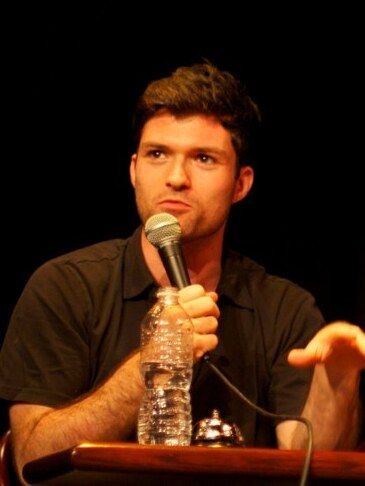
3. **Ruben Östlund and ‘Triangle of Sadness’: The Dynamics of Audience Engagement**The Palme d’Or-winning ‘Triangle of Sadness,’ directed by Ruben Östlund, is a sharp social satire that meticulously dissects class and power. Yet, even in such a critically acclaimed work, some scenes, despite the director’s affection for them, had to be sacrificed in the name of pacing and audience engagement.
Östlund recounted cutting a significant moment between the models Carl and Yaya, who are passengers on a luxury yacht. In the missing scene, Carl presents Yaya with an engagement ring, only for Yaya, who has admitted she is with him primarily for social media followers, to quibble about the ring’s actual value. It was a character-revealing moment that underscored the film’s thematic concerns.
The decision to cut it, Östlund explained, was driven by the practicalities of a nearly two-and-a-half-hour running time and the crucial need to maintain the audience’s energy. His method for gauging this was direct: “When I do test screenings, I never ask any questions; I sit with the audience and feel the dynamics of the room. You can tell immediately when they lose their concentration.” Despite his personal attachment to the scene, Östlund recognized, “I love that scene, but I had to kill some of my darlings,” prioritizing the film’s overall rhythm and impact.
4. **Mikkel E.G. Nielsen and ‘The Banshees of Inisherin’: Prioritizing Tone and Narrative Seriousness**
In the melancholic and darkly humorous ‘The Banshees of Inisherin,’ editor Mikkel E.G. Nielsen faced the delicate task of preserving the film’s unique tone while tightening its narrative. A scene involving siblings Pádraic and Siobhán, living together on a remote Irish island, saw some of its dialogue edited out to serve the broader story.
The original scene depicted Siobhán weeping in bed, disturbing Pádraic, who humorously but exasperatedly asks her to stop or at least weep more quietly. While portions of the weeping remained in the final cut, that specific exchange was removed. Nielsen reflected that while it was “funny and awkward and relatable,” the dialogue ultimately “didn’t do any good for the characters that wasn’t there already.”
The editor’s rationale was rooted in maintaining the dramatic weight of that particular section of the film. He felt that there was “a seriousness and a tone in that section that we felt would be better without it.” This decision, though sacrificing a “laughable moment,” ensured the scene contributed more effectively to the film’s underlying gravitas rather than detracting from it with an unnecessary comedic beat, demonstrating the precision required in editing to achieve a desired emotional resonance.

5. **Tony Kushner and Steven Spielberg’s ‘The Fabelmans’: Preserving Narrative Momentum**’The Fabelmans,’ Steven Spielberg’s semi-autobiographical ode to his childhood and burgeoning love for filmmaking, is a deeply personal project, yet even here, collaborative screenwriters Spielberg and Tony Kushner made difficult decisions to streamline the narrative and protect its thematic core.
One such “missing moment” occurred after young Sammy makes a home movie about Christmas. The scene involved a family conference addressing Sammy’s anxiety, during which his grandmothers would argue, and Sammy would claim to have seen his deceased grandfather’s ghost. Jonathan Hadary even filmed the role of the ghostly grandpa, highlighting how fully formed the scene was before its removal.
Kushner explained that the primary reason for cutting this “charming scene” was length. Moreover, they wanted to avoid unnecessarily “pathologizing” Sammy’s anxiety, as Spielberg and the character he’s based on are not depicted as overly anxious individuals. In an epic story spanning “12, 15 years of time,” maintaining momentum was paramount. Kushner emphasized, “in order for it to have momentum, we couldn’t afford to have it linger anywhere,” prioritizing the narrative’s onward flow over a tangent, however intriguing it might have been.

6. **Matt Villa and Jonathan Redmond’s ‘Elvis’: The Challenge of Pacing a Biopic**Biopics, especially those about larger-than-life figures like Elvis Presley, often grapple with the immense amount of material available, leading to tough choices in the editing room. Editors Matt Villa and Jonathan Redmond faced this challenge head-on with Baz Luhrmann’s ‘Elvis,’ ultimately excising a significant seven-minute sequence known as “the Bluebird Scene.”
This “missing moment” depicted Elvis, while on tour, receiving a call from his wife Priscilla, revealing he was in bed with a groupie. The scene escalated as Elvis grew paranoid, pulling out his gun, leading the groupie to want to leave. Elvis would then beg her to stay, telling her a poignant story about a bluebird eternally in flight. The scene culminated with him crying after her departure, offering a vulnerable glimpse into the superstar’s psyche.
Redmond explained that despite Austin Butler’s “wonderful performance,” the scene “ultimately stopping the film for seven minutes — it belongs in a different version of this movie.” The decision was a matter of pacing; such a long digression, however emotionally impactful, would have disrupted the film’s flow. While the sequence as a whole was largely cut, the editors skillfully salvaged parts of it, retaining certain shots and weaving the evocative bluebird story into a later part of the movie, just before headlines announced Elvis’s death, thereby repurposing its emotional weight.
7. **Edward Berger and ‘All Quiet on the Western Front’: Budgetary Constraints and Narrative Efficiency**
War films, by their nature, demand sweeping visuals and often large-scale productions, making every scene a significant investment. Director Edward Berger, working on the critically acclaimed ‘All Quiet on the Western Front,’ was diligent about script cuts due to a tight budget, but some scenes still ended up shortened during post-production to maximize narrative efficiency.
One such instance involved a scene shortly after new recruits receive their uniforms. Originally, it featured a lengthier depiction of the boy-soldiers marching through their German town, singing a patriotic song titled “Tomorrow We March.” The song detailed their youthful enthusiasm for war, expressing hopes of returning next year to get married, a stark contrast to the horrors that awaited them.
Berger explained the reasoning behind the cut: “This was an expensive scene to shoot. We had to lock the city of Prague, bring in cars, take out the modern stuff and have 100 kids in uniforms.” Despite the cost and the emotional resonance of the scene, the director felt it added “extra baggage” given that the film already included a uniform montage and took nine minutes before introducing the film’s hero. While the song itself remains in the movie, it is now “much shorter,” ensuring the narrative gets to its core much more swiftly without sacrificing the essential emotional beat.
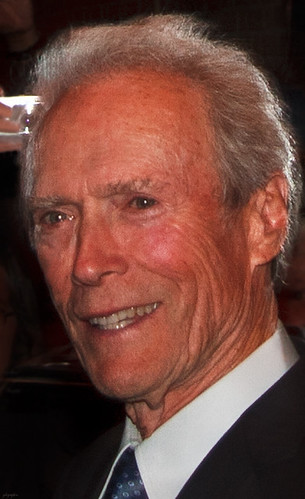
8. **Clint Eastwood and Philip Kaufman in ‘The Outlaw Josey Wales’: The Actor’s Ultimatum**The power dynamics on a film set can sometimes lead to the most drastic of cuts: the removal of the director themselves. One of the earliest and most famous examples involves Clint Eastwood and director Philip Kaufman on the set of ‘The Outlaw Josey Wales,’ a conflict that fundamentally altered Hollywood’s understanding of directorial protection.
Eastwood, serving not only as the film’s star but also as its producer, grew increasingly frustrated with Kaufman’s meticulous and deliberate approach. Accounts state he was unhappy with Kaufman’s “slow, methodical style and unwavering desire to create the perfect shot, no matter how much time it took.” This creative friction quickly escalated, leading to a direct confrontation.
Just two weeks into shooting, Eastwood “famously relieved Kaufman of his directing duties” and took over the helm himself. While Kaufman retained screenwriting credit, his removal by the film’s star and producer sent shockwaves through the industry. This incident was so impactful that it directly led to the Directors Guild of America implementing “The Eastwood Rule” in 1976. This strict set of guidelines aimed at protecting directors, explicitly stating that “no actor, producer or other person engaged in a film may fire the film’s director and assume his duties and title.”
Years later, Kaufman, in an interview with Venice Magazine, offered a candid reflection on the event: “Clint, for whatever reason, decided we had some creative differences. He was the producer. He was the biggest star in the world. One of us had to go. (laughs) It wasn’t my choice, so…I’ve never seen it, actually. I hear it’s very good.” This landmark case underscored the immense power wielded by Hollywood’s biggest stars and the necessity for formal protections for directorial integrity.
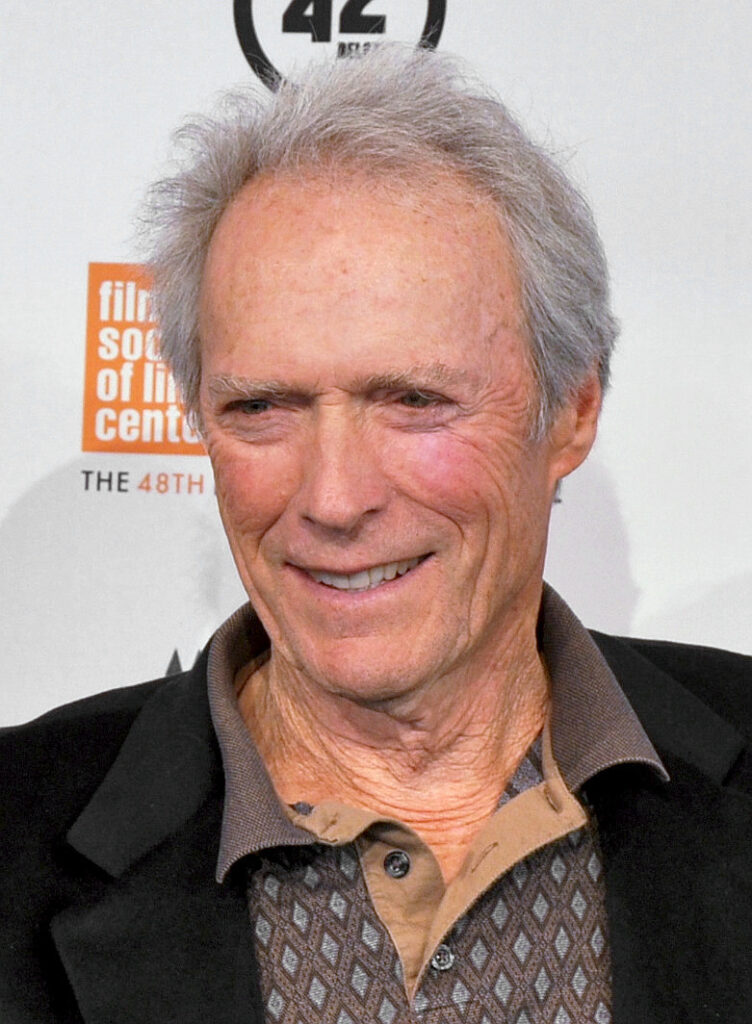
9. **Clint Eastwood and Bruce Beresford: ‘The Bridges of Madison County’ and Star Leverage**Even with “The Eastwood Rule” in place to protect directors, Clint Eastwood’s influence in Hollywood could still decisively shape a project. His involvement in ‘The Bridges of Madison County’ provides a compelling example of a star leveraging their position to effect directorial change, demonstrating power dynamics that extend beyond direct dismissal.
Director Bruce Beresford worked on the film for a year but faced significant creative differences with Eastwood, especially regarding casting. Beresford had other actresses in mind, but Eastwood insisted on Meryl Streep. This conflict, compounded by Eastwood’s “uncooperative” demeanor during preparation, created an unworkable atmosphere that strained their professional relationship.
Beresford ultimately decided to leave, telling The Border Mail that Eastwood “was basically uncooperative.” He informed the studio, “It’s never gonna work like this. I said you better let Clint direct it and I’ll go. I just pulled out.” This illustrates how a powerful star’s persistent resistance can compel a director’s departure, allowing the star to then take the helm and align the film with their vision.
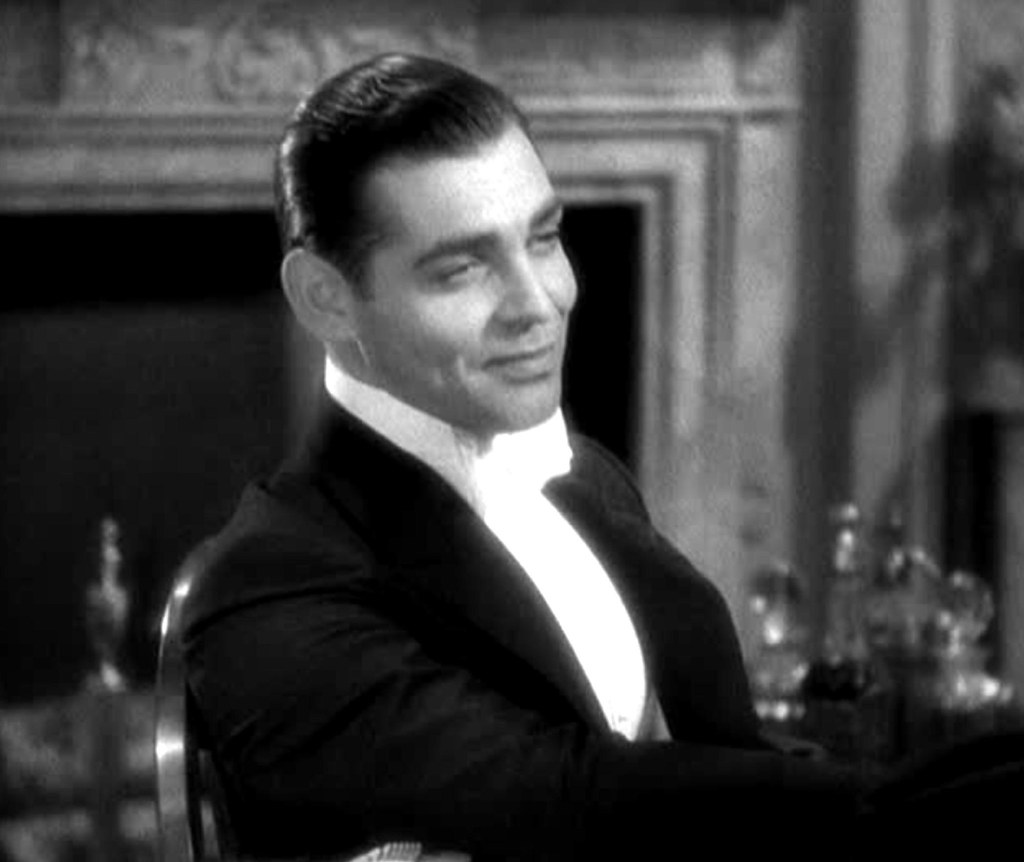
10. **Clark Gable’s Influence on ‘Gone with the Wind’: The “Woman’s Director” Dismissal**The production of ‘Gone with the Wind’ was marked by drama, both on-screen and behind the scenes. A significant conflict arose between leading man Clark Gable and original director George Cukor, leading to Cukor’s dismissal, largely due to Gable’s objections and shifting power dynamics.
Gable intensely disliked Cukor, protesting to MGM that Cukor was a “woman’s director,” implying an overemphasis on female performances and a diminishing of Gable’s role. This was compounded by Cukor’s own clashes with micro-managing producer David O. Selznick, who insisted on reviewing “block rehearsals” before every shot.
Selznick, having worked hard to secure Gable, eventually sided with his star. Cukor was replaced by Victor Fleming. Cukor later reflected, “It is nonsense to say that I was giving too much attention to Vivien and Olivia… Gable didn’t have a great deal of confidence in himself as an actor.” This event underscores how a powerful star, backed by a demanding producer, can dramatically alter a director’s fate.
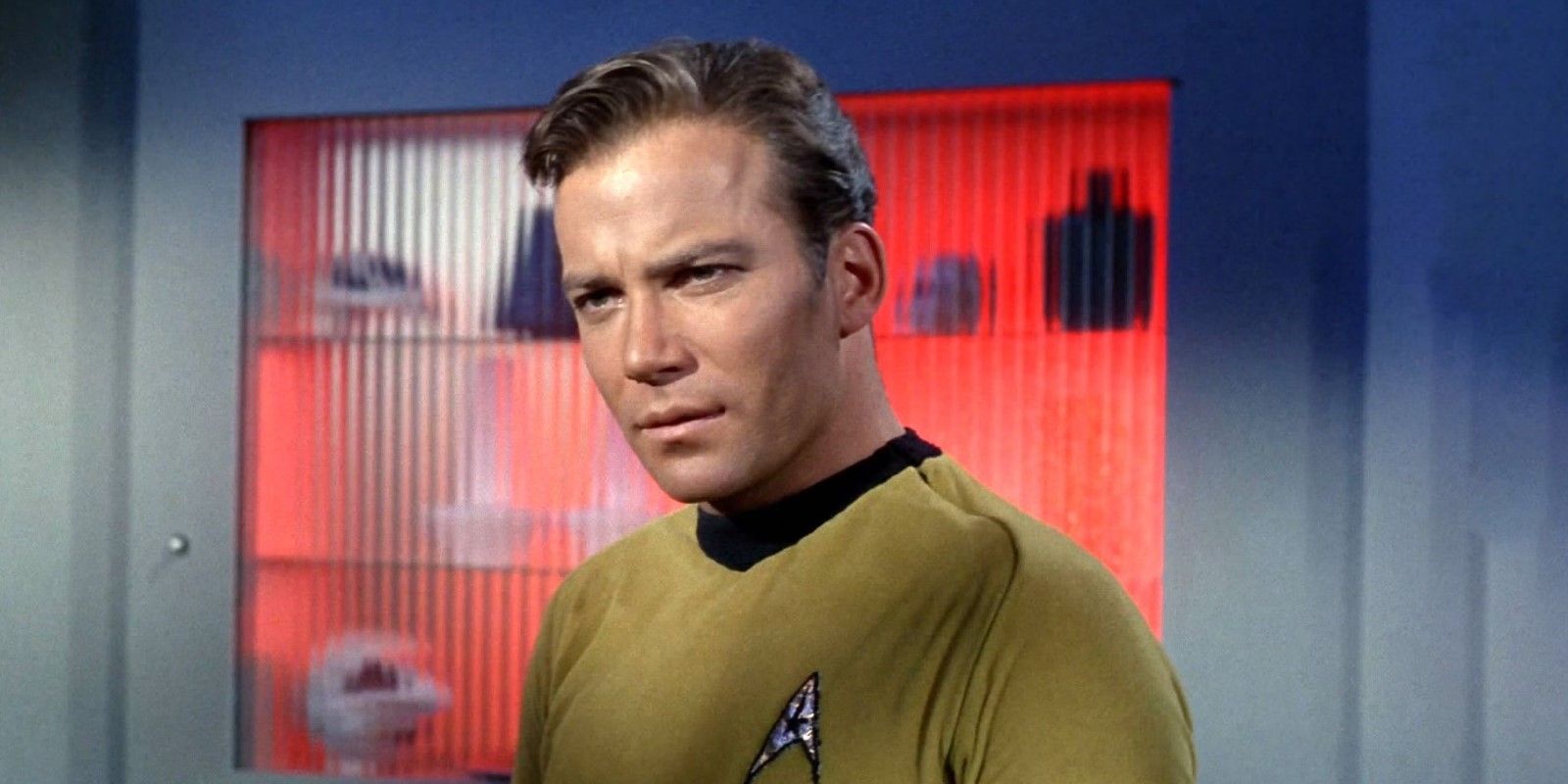
11. **Kirk Douglas and Anthony Mann in ‘Spartacus’: A Star’s Vision Prevails**The epic gladiator film ‘Spartacus’ faced significant behind-the-scenes conflict involving its star and executive producer, Kirk Douglas. His dispute with original director Anthony Mann became legendary, illustrating how a powerful actor could orchestrate a change in directorial command to align a film with his own artistic vision.
Douglas was reportedly never content with the studio’s choice of Anthony Mann, feeling he “seemed scared of the scope of the picture.” Despite Douglas’s pleas to replace him, Mann began directing. However, after only a few weeks, Douglas’s suspicions about Mann’s capabilities for such a colossal epic were seemingly confirmed, leading to Mann’s removal.
Douglas, who had advocated for Stanley Kubrick all along, then brought Kubrick in to take over. Douglas later admitted in his book, “I’m no Donald Trump, but I did it,” a candid acknowledgment of his instrumental influence. This event underscores how an actor with producing credits can wield immense power to ensure a project’s creative leadership aligns with their ultimate vision for the film.
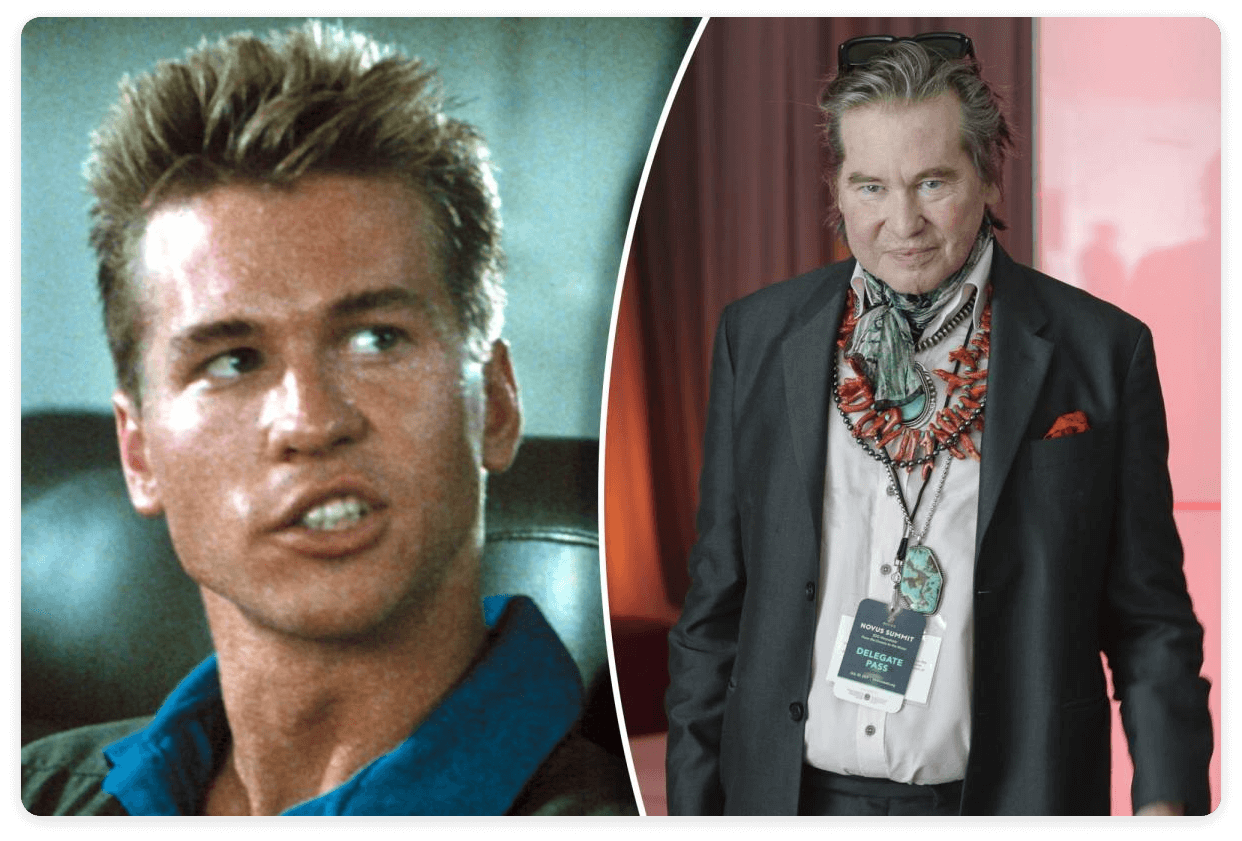
12. **Val Kilmer’s Disruptive Influence on ‘The Island of Dr. Moreau’: Chaos on Set**’The Island of Dr. Moreau’ is notorious more for its chaotic production than its cinematic quality. Director Richard Stanley’s four-year development effort was undone by the erratic and “rude and abrasive” behavior of its star, Val Kilmer, a cautionary tale of how an actor’s conduct can derail a director’s vision.
Kilmer’s disruptive actions were constant, including an instance where he “sat on the ground and refused to stand up” during a scene. His lack of cooperation, compounded by co-star Marlon Brando’s temporary departure and disastrous weather, quickly diminished Stanley’s control over his own film.
Just three days into shooting, studio executives, faced with the overwhelming disarray, replaced Stanley with veteran director John Frankenheimer. Kilmer’s difficult behavior persisted, leading Frankenheimer to reportedly remark, “Even if I was directing a film called The Life of Val Kilmer, I wouldn’t have that p***k in it.” This incident exemplifies how an actor’s unchecked behavior can dismantle a director’s project and create a production nightmare.
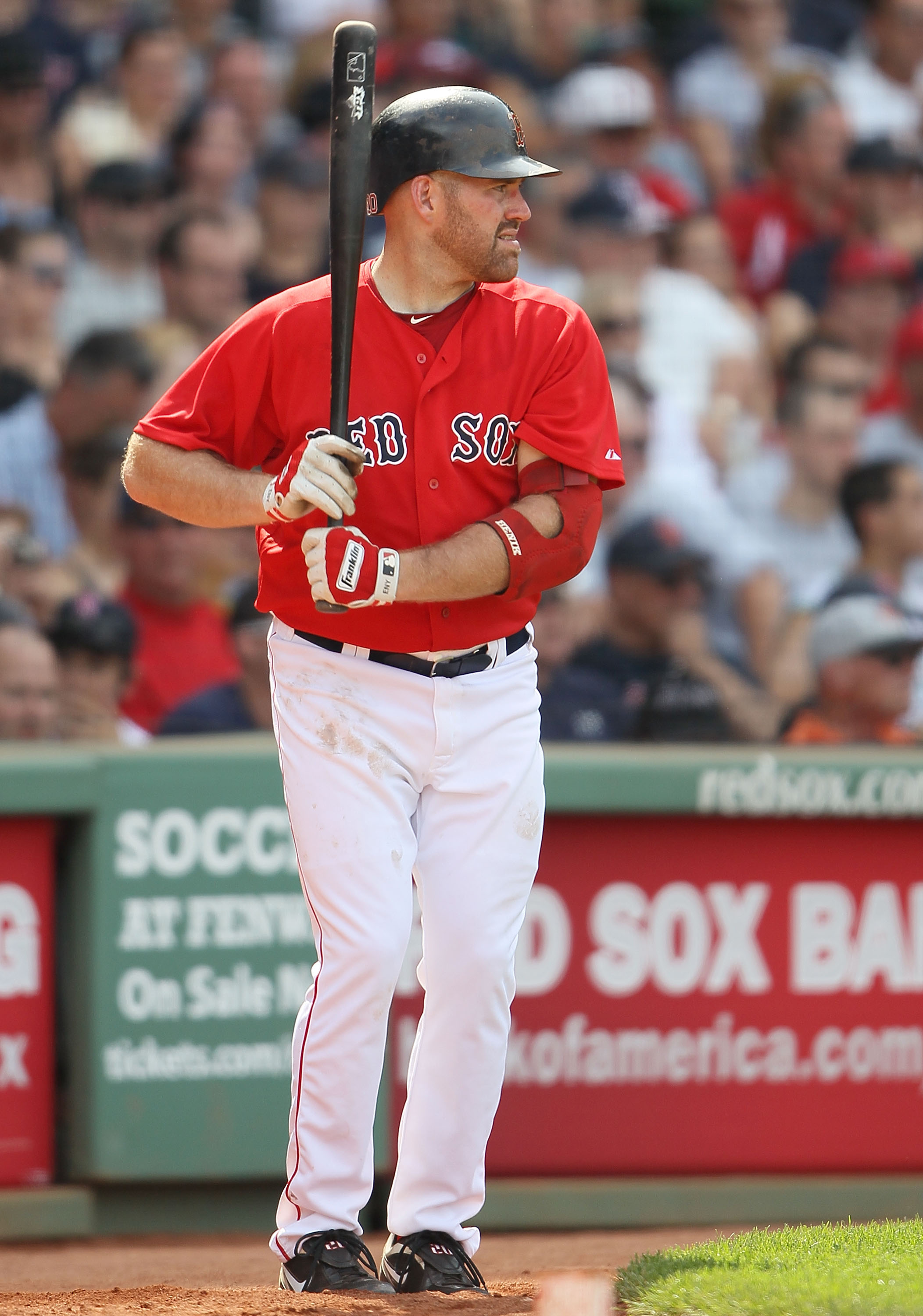
13. **Kevin Costner and Kevin Reynolds on ‘Waterworld’: A Friendship Under Strain**The aquatic epic ‘Waterworld’ became infamous for its exorbitant production costs and the intense clashes between its star, Kevin Costner, and director, Kevin Reynolds. Despite a history of successful collaborations, their working relationship fractured under the immense pressure of directing what was, at the time, Hollywood’s most expensive film.
Reynolds described the experience as being under “incredible pressure,” with the scale of the production presenting overwhelming logistical and creative challenges. This constant friction escalated to the point where Reynolds ultimately departed the project, reportedly due to irreconcilable differences with Costner, creating a significant professional rift.
The acrimony was public, with Reynolds pointedly telling EW that Costner “should only appear in pictures he directs himself.” Years later, however, their relationship mended. Costner reflected, “We had differences. It happens… But out of fire comes steel.” Their eventual collaboration on the well-received miniseries ‘Hatfields & McCoys’ confirmed their reconciliation, demonstrating that even high-profile on-set battles can evolve into mutual respect.
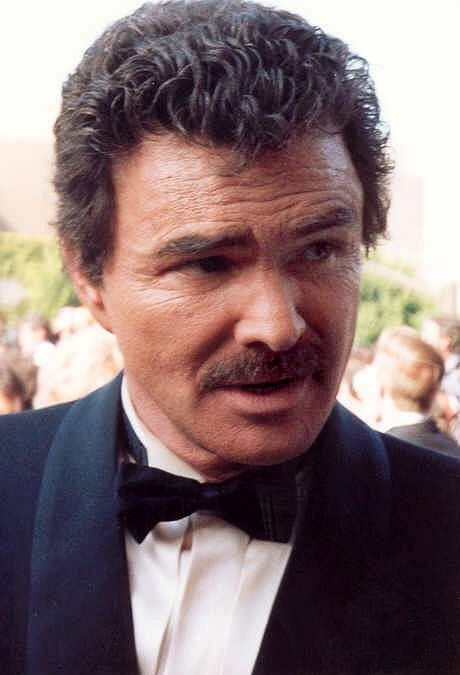
14. **Burt Reynolds and Richards on ‘Heat’: The Price of a Punch**Not all on-set altercations are limited to verbal disputes; some escalate to physical violence, leaving a lasting impact. One notorious incident involved Burt Reynolds and director Richards on the set of the 1986 film ‘Heat,’ highlighting the extreme end of star-director power struggles and their severe personal and financial costs.
Burt Reynolds was known for his temper and readiness for physical confrontation. His “costliest fight” occurred when he “punched out” director Richards after Richards reportedly “tapped Reynolds on the chest.” This act of aggression immediately plunged the production into chaos, leading Richards to leave the set and file a $25 million lawsuit.
Richards eventually returned, but the production continued to suffer, including his own injury from a camera crane fall. Reynolds later revealed the lawsuit settled for a substantially lower amount, costing him “$500,000 for that punch.” This dramatic incident serves as a stark reminder that physical aggression on set carries severe consequences, both legal and reputational, far beyond the initial heat of the moment.

15. **Burt Lancaster and Arthur Penn on ‘The Train’: Ego, Action, and Artistic Divergence**The 1964 World War II drama ‘The Train’ was marked by a significant clash between star-producer Burt Lancaster and director Arthur Penn. While superficially about “creative differences” regarding action versus drama, deeper ego-driven dynamics ultimately led to Penn’s replacement, showcasing a powerful star’s ability to reshape a film’s creative direction.
Lancaster, utilizing his dual role, asserted that “Penn was neglecting the story’s potential for action and suspense,” advocating for a more robust, action-packed narrative. Biographer Kate Buford and screenwriter Walter Bernstein indicated that Lancaster’s motivations were largely an ego play—a desire to assert his control over the artistic vision, rather than solely a stylistic preference.
This fundamental disagreement resulted in Arthur Penn’s removal, and John Frankenheimer, known for his kinetic approach, was brought in. Frankenheimer delivered the high-octane sequences Lancaster desired, transforming ‘The Train’ into a critically acclaimed action thriller. This incident exemplifies how a star’s influence and producing power can override a director’s original interpretation, aligning the film with their own commercial and artistic emphasis.
The stories within these pages, from R.J. Cutler’s steadfast defense of his vision for ‘Martha’ against its subject’s displeasure, to the intricate power struggles that led to director changes on ‘Gone with the Wind’ and ‘Spartacus,’ paint a vivid picture of Hollywood’s complex ecosystem. They reveal that the final cut is rarely just a technical process; it is a battleground of wills, a delicate negotiation between artistic integrity, commercial viability, and the formidable egos that often drive the industry. Each excised scene, each replaced director, and each hard-won compromise contributes to the mosaic of a film’s journey, demonstrating that true cinema is often forged not just in front of the camera, but in the unseen, high-stakes decisions made behind the scenes, shaping legacies and redefining the very boundaries of creative control.