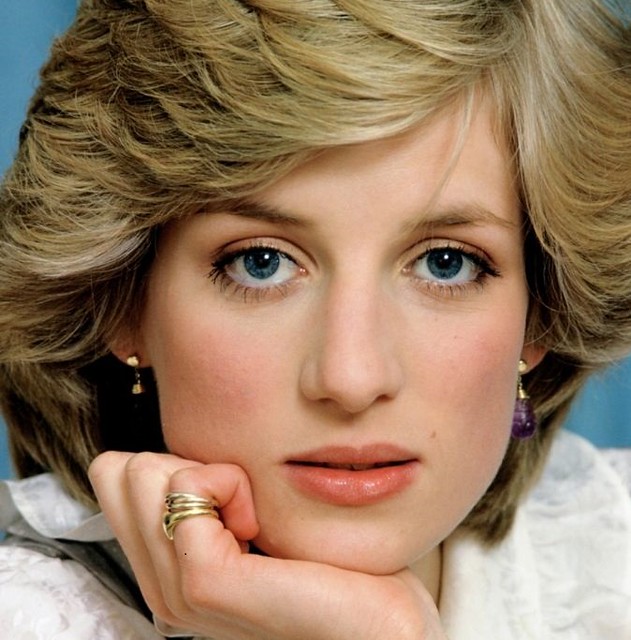
The world watched with bated breath as Princess Diana navigated the intricate dance of royal life, her every move, every smile, every sorrow meticulously documented by an insatiable media. While her elegance and compassion captivated millions, she also bore the brunt of relentless tabloid scrutiny, stories spun and twisted that often cut deep into the heart of her private world. Among these, one particular rumor stood out, a whisper that evolved into a roar, casting a long shadow over her life and, heartbreakingly, the life of her youngest son, Prince Harry.
It’s a tale that speaks to the vulnerability of even the most beloved public figures, a narrative steeped in speculation and sensationalism that caused immense pain. For years, the tabloids relentlessly pushed a narrative questioning Prince Harry’s true parentage, suggesting that his biological father was not King Charles III, but rather Major James Hewitt, a man with whom Diana later had an affair. This insidious claim, fueled primarily by the striking similarity of Harry’s ginger hair to Hewitt’s, became a constant source of torment for the Princess of Wales.
Now, thanks to intimate revelations from those closest to Diana, including her former hairdresser Richard Dalton and insights from Prince Harry himself, we can finally peel back the layers of this deeply personal and utterly heartbreaking chapter. We’re diving into the origins of this persistent gossip, exploring the profound impact it had on a mother fiercely protective of her children, and laying bare the undeniable facts that disprove a baseless rumor that simply refused to die. Get ready to understand the true cost of media speculation on the human heart, especially one as open and loving as Diana’s.
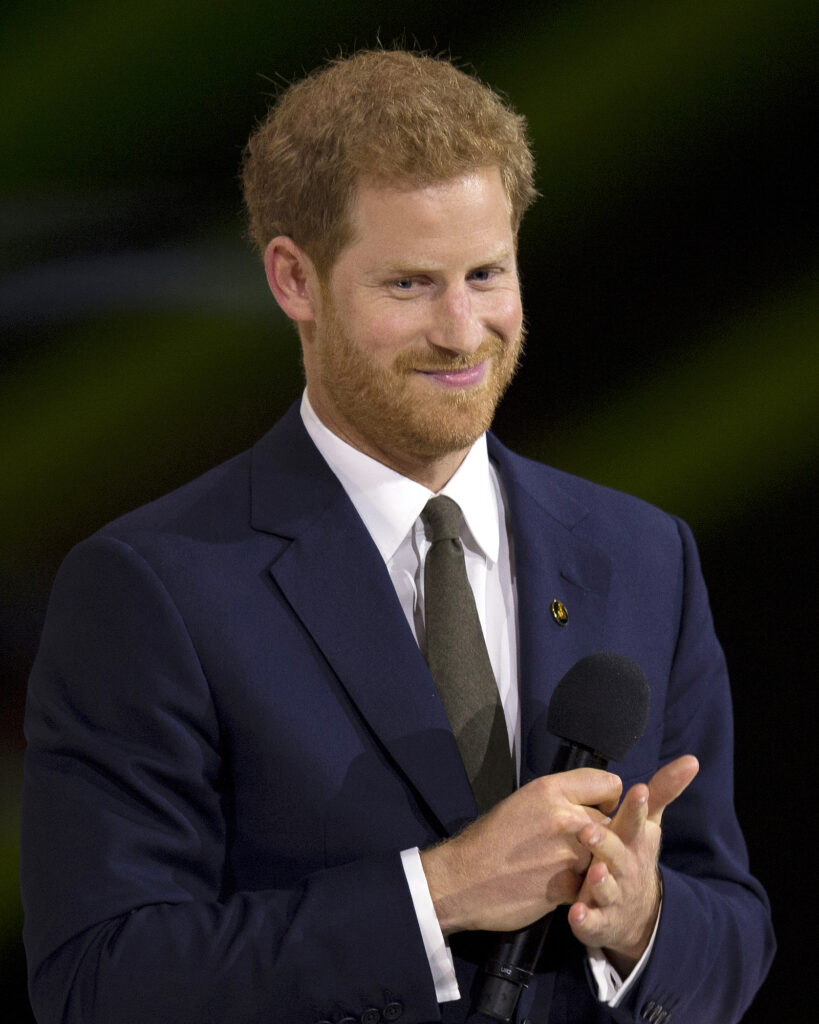
1. **The Persistent Rumor Surrounding Prince Harry’s Paternity**: For years, the royal rumor mill churned with a singular, deeply damaging narrative: that Prince Harry was not the son of King Charles III, but rather the offspring of Major James Hewitt. This speculation, tirelessly perpetuated by tabloids, clung to the young prince like an unwelcome shadow, primarily because of his distinctive red hair. It became a pervasive whisper during Diana’s lifetime, a story “simply too good to drop,” as Harry himself later reflected in his memoir, “Spare.”
The idea that the “younger child of Prince Charles wasn’t the child of Prince Charles” seemed to delight tabloid readers, offering a scandalous narrative that they “couldn’t get enough of.” This persistent questioning of Harry’s lineage wasn’t just idle gossip; it was a deeply personal assault on his identity and a cruel insinuation about Diana’s fidelity. It created a public spectacle out of a private matter, turning a young boy’s heritage into fodder for countless headlines and conversations.
The rumor’s longevity stemmed from a potent combination of public fascination with royal scandal and a superficial visual “proof” – Harry’s red hair. This genetic trait, undeniably prominent, became the sole, flimsy evidence for a claim that undermined the very foundation of the royal succession and, more importantly, caused immeasurable pain to those at its center. It was a classic example of how a physical characteristic could be twisted into a weapon of doubt, perpetuating a falsehood for decades.
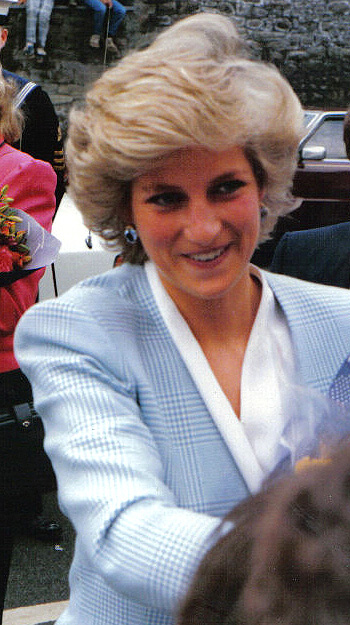
2. **Princess Diana’s Profound Distress Over the False Claims**: It comes as no surprise that the constant questioning of Prince Harry’s parentage profoundly distressed Princess Diana. Her former hairdresser, Richard Dalton, who served as her official stylist from 1981 to 1990, vividly recalls how the tabloid coverage of this particular rumor “annoyed” and “upset” her deeply. Dalton recounts smuggling tabloid newspapers into Kensington Palace for Diana, who “wasn’t allowed to see” them, only to witness her anguish firsthand.
As Diana would flip through the pages, her reactions were palpable. Dalton imitated her groans, recalling, “She’d go, ‘Ugh’… Then another one comes along and then [she’d go], ‘Ohhhhhh’.” This intimate glimpse into her private moments reveals the sheer exasperation and hurt she felt as she encountered these baseless accusations repeatedly. A mother’s protective instinct runs deep, and to have her child’s legitimacy, and by extension, her own honor, constantly undermined by the press was an unbearable burden.
Her former butler, Paul Burrell, further illuminated Diana’s private defense of Harry’s red hair, recounting a conversation with Diana that he shared in his book. Diana told Burrell that King Charles had remarked, “Oh, red hair,” upon Harry’s birth. To this, Diana immediately retorted, “But, Charles, you know that’s the Spencer gene. We’ve all got red hair.” This powerful anecdote not only highlights her protective nature but also reveals her active attempts to counter the very narrative that would later plague her.
3. **Richard Dalton’s Revelation About Diana’s Secret Tabloid Reading**: Richard Dalton, Diana’s close confidant and hairdresser for nearly a decade, has offered a poignant window into the princess’s private struggles with the press. In a striking revelation, Dalton disclosed that he “used to ‘smuggle’ these gossip sheets into the palace for her to read, as ‘she wasn’t allowed to see the tabloid newspapers.'” This clandestine operation underscores the intense scrutiny Diana faced and her desperate need to know what was being said about her and her children.
Dalton’s role as an unwitting accomplice to Diana’s information gathering speaks volumes about their bond and the unique pressures she lived under. He explained, “She used to say, ‘Richard, can you bring them in for me?’ Nobody questioned it because nobody knew. Once I’d got through security and into the pantry, it was all plain sailing from there.” This arrangement paints a picture of Diana as someone yearning to understand the public narrative surrounding her life, even if it brought her distress.
This practice not only highlights the strictures of palace life, where certain publications might have been deemed unsuitable for the princess, but also Diana’s defiance and determination to stay informed. Her quiet acts of rebellion, like having Dalton bring in the forbidden papers, reveal a woman who, despite her royal standing, felt compelled to confront the stories written about her, particularly those that touched upon her sons. It’s a testament to her human desire to grasp the reality of her public image, however painful it might be.
4. **The Spencer Family’s Red Hair as Irrefutable Proof**: The pervasive rumor linking Prince Harry’s red hair to Major James Hewitt overlooked a crucial, easily verifiable fact: red hair is a prominent trait within the Spencer family, Princess Diana’s own lineage. Richard Dalton, having spent years styling the hair of the Spencer siblings, was uniquely positioned to attest to this. He explicitly stated, “The Spencers definitely had red hair.” This wasn’t just a casual observation; it was a professional’s understanding of a genetic reality.
Dalton provided specific examples to unequivocally dismiss the baseless speculation. He recalled, “Diana’s brother, Charles Spencer, when I used to cut his hair, his hair was bright red.” He further noted of Diana’s oldest sister, “Lady Sarah, also red.” He even mentioned Diana’s other sister, Jane, having “more or less the same coloring as Diana.” These direct, personal observations from someone intimately familiar with the family’s appearance serve as powerful, factual counter-evidence to the media’s sensational claims.
Despite this clear genetic heritage, Dalton lamented his inability to publicly counter the rumors at the time. “But at that time, I wasn’t in a position to actually say, ‘Hello, Charles Spencer’s hair was red.’” This highlights the constraints placed upon those within Diana’s inner circle, preventing them from speaking out and correcting the record. The truth, in this instance, was readily available but stifled, allowing a damaging narrative to persist, based on a deliberate ignorance of the Spencer family’s undeniable trait.
5. **The Timeline Discrepancy: Harry’s Birth vs. Diana’s Affair with Hewitt**: Perhaps the most definitive and easily verifiable piece of evidence debunking the paternity rumor is the simple timeline of events. Prince Harry was born on September 15, 1984. Princess Diana’s affair with Major James Hewitt, however, began much later. Richard Dalton, Diana’s hairdresser, explicitly stated, “Harry was already born a while before her relationship with Hewitt. And I don’t think it’s possible.”
Dalton further clarified the chronology in his book, “It’s All About the Hair,” writing that Diana and Hewitt had “a love affair” that lasted three years, from 1989 to 1991. He stressed that Harry was born “long before Diana even met James Hewitt.” The consensus from multiple sources in the context confirms Diana first met Hewitt in 1986, a full two years after Harry’s birth. This chronological gap fundamentally renders the paternity rumor impossible, making it a matter of simple arithmetic rather than speculation.
Major James Hewitt himself has publicly addressed this crucial detail. In 2002, he was quoted by People magazine saying, “There really is no possibility whatsoever that I am Harry’s father. I can understand the interest, but Harry was already walking by the time my relationship with Diana began.” He reiterated this denial in 2017 on an Australian TV show, unequivocally stating, “No, I’m not.” The factual timeline, consistently corroborated by those involved, unequivocally proves the rumor to be entirely false, yet its persistence speaks volumes about the power of sensationalism over truth.
6. **King Charles’s “Sadistic” Jokes About Harry’s Paternity**: The rumor of Prince Harry’s paternity wasn’t just external tabloid fodder; it, surprisingly, became a subject of “sadistic” humor within the royal family, according to Harry himself. In his bombshell memoir, “Spare,” Prince Harry recounts how his father, King Charles III, would openly joke about the speculation, turning a deeply painful falsehood into a recurring jest. Harry wrote, “Pa liked telling stories, and this was one of the best in his repertoire.”
Harry detailed Charles’s “remarkably unfunny joke,” quoting his father’s words: “‘Who knows if I’m really the Prince of Wales? Who knows if I’m even your real father? Maybe your real father is in Broadmoor, darling boy!’” This account paints a complex picture of family dynamics, where a topic causing immense public and private distress was used for amusement. Harry recalled Charles would “laugh and laugh,” despite the rumor “circulating just then that my actual father was one of Mummy’s former lovers: Major James Hewitt.”
For Harry, these jokes were anything but humorous, especially “given the rumour circulating just then.” He explicitly called them “sadistic,” highlighting the emotional toll they took on him, particularly as a young man who had lost his mother just years earlier. This internal perpetuation of the rumor, even if intended as lighthearted banter by Charles, compounded the hurt for Harry, making the already “damaging” stories feel “very real” and further fueling his questioning of the motives behind such narratives.
7. **Major James Hewitt’s Public Denials of Paternity**For years, the mere mention of Major James Hewitt’s name would ignite fresh speculation about Prince Harry’s paternity, a rumor tirelessly fanned by the tabloids. Yet, amidst the relentless gossip, Hewitt himself consistently and unequivocally denied being Harry’s father. His ginger hair, so often cited as the ‘proof’ by sensationalist headlines, stood in stark contrast to his own public statements, which aimed to put the damaging falsehoods to rest.
In 2002, as the rumor continued to circulate, Hewitt addressed the issue directly in an interview with People magazine. He was quoted saying, ‘There really is no possibility whatsoever that I am Harry’s father. I can understand the interest, but Harry was already walking by the time my relationship with Diana began.’ This clear statement highlighted the crucial timeline discrepancy that many in the media chose to overlook, making his denial a matter of irrefutable fact rather than mere assertion.
Years later, in 2017, Hewitt once again confronted the speculation during an appearance on an Australian TV show. When directly asked if he was Harry’s father, his response was firm and without hesitation: ‘No, I’m not.’ He further elaborated on the cynical motivation behind the persistent gossip, noting, ‘It sells paper. It’s worse for [Harry], probably, poor chap,’ acknowledging the profound impact these stories had on Prince Harry personally.
Hewitt’s repeated public denials, spanning more than a decade, provided consistent counter-evidence to the pervasive rumor. Despite his clear statements and the demonstrable timeline, the narrative of his alleged paternity of Prince Harry continued to resurface, a testament to the tabloid’s appetite for scandal over verifiable truth, and the lasting pain it inflicted on those involved.
8. **Hewitt’s Betrayal and the ‘Princess in Love’ Book**The public perception of Major James Hewitt took a significant turn when he chose to collaborate with author Anna Pasternak on the 1994 book, ‘Princess in Love.’ This decision, made after his retirement from the armed forces, catapulted him further into the international spotlight, but it came at a profound cost to his relationship with Princess Diana. The book detailed their extramarital affair, which had spanned five years between 1986 and 1991, revealing intimate details of their time together.
Diana herself expressed her deep disappointment and sense of betrayal regarding Hewitt’s involvement in the book’s publication. While she confirmed her feelings for him, she also stated, ‘Yes, I adored him. Yes, I was in love with him. But I was very let down.’ This poignant remark encapsulated the profound hurt she felt, realizing that someone she had loved had chosen to profit from their private relationship, exposing her vulnerabilities to the world.
Richard Dalton, Diana’s close confidant, offered further insight into this painful episode. He wrote in his memoir, ‘It’s All About the Hair,’ that it ‘saddened me to see James Hewitt, by virtue of his tell-all book, clearly signal that this relationship was a conquest and not a matter of love at all.’ Dalton suggested that Hewitt took advantage of Diana at her most vulnerable, portraying their connection as opportunistic rather than a genuine bond of affection.
For Diana, this was more than just a tell-all; it was a deeply personal violation of trust. The book laid bare her private world at a time when she was already navigating immense public scrutiny and a challenging marriage. It underscored the difficulty of finding genuine connection and privacy for a royal figure, especially when those closest to them could be swayed by the lure of public attention and financial gain.
9. **Princess Diana’s Confirmation of the Affair**While the paternity rumor surrounding Prince Harry and Major James Hewitt raged on for years, Princess Diana herself provided a definitive, albeit painful, confirmation of her affair with Hewitt. This revelation came in 1995 during her now-famous BBC Panorama interview, less than a year before her official divorce from King Charles. It was a moment of raw honesty that shocked the world and offered a rare glimpse into her emotional truth.
During the interview, Diana spoke openly about her relationship with Hewitt, offering a candid assessment of her feelings. She confessed, ‘Yes, I adored him. Yes, I was in love with him.’ These words, spoken with a mixture of vulnerability and conviction, revealed the depth of her emotional connection to Hewitt, dispelling any doubts about the nature of their relationship at the time.
However, her confirmation was not without its caveats. Diana quickly followed her declaration of love with an expression of disappointment, stating, ‘But I was very let down,’ referring directly to Hewitt’s involvement in the publication of the ‘Princess in Love’ book. This dual sentiment captured the complexity of her emotions – love mingled with the profound sting of betrayal when her trust was ultimately broken.
This public admission was a pivotal moment, not only for Diana but for the royal family and the public alike. It was a bold move from a princess who often felt silenced, taking control of her narrative, even if it meant exposing painful personal truths. Her words, though confirming the affair, also served to frame it within the broader context of her challenging marriage and the subsequent hurt caused by Hewitt’s actions.
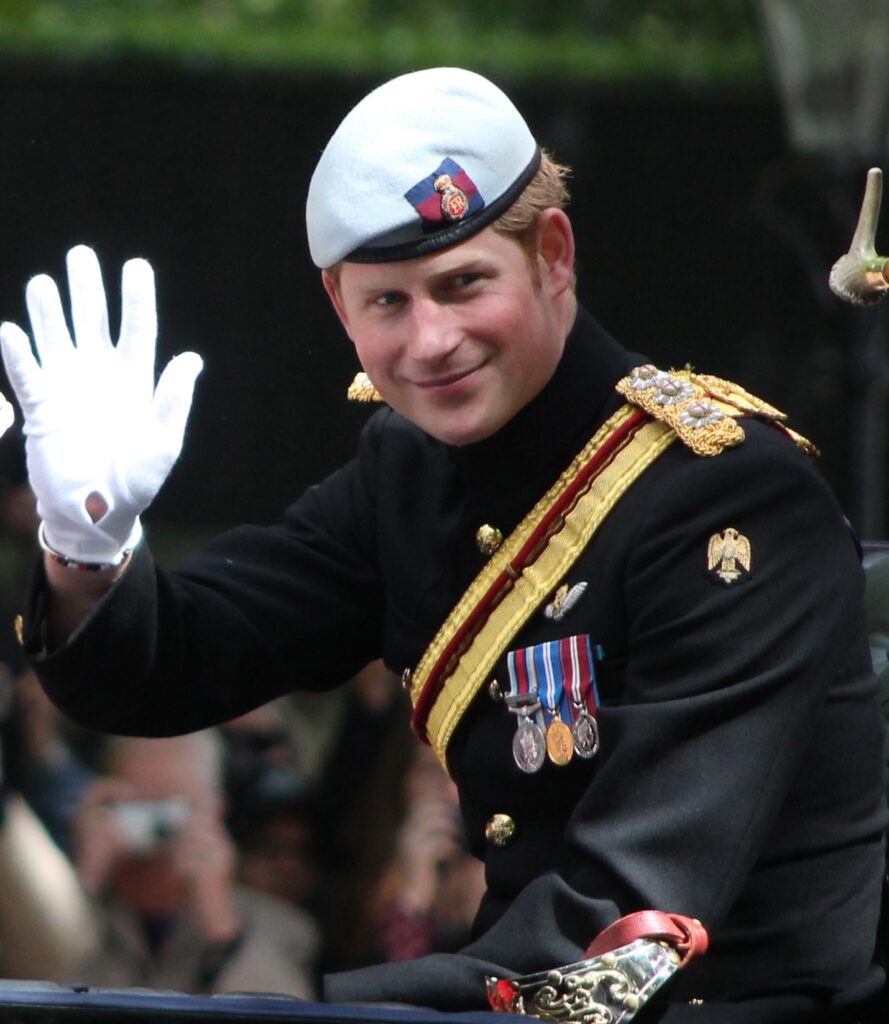
10. **Prince Harry’s Legal Battle Against Tabloid Falsehoods**Decades after his mother’s death, the ghost of the paternity rumor continued to haunt Prince Harry, leading him to take a firm stand against the tabloid press. In 2023, he sued the Daily Mirror for using unlawful techniques, including phone hacking, ‘on an industrial scale’ to gather sensational stories about his life. This landmark legal fight saw the British royal become the first senior member to testify in more than a century, highlighting the severe personal impact of media intrusion.
Central to Harry’s case was a 2002 article titled ‘Plot to Rob the DNA of Harry,’ which explicitly speculated that Major James Hewitt was his biological father. Harry cited this and similar articles as evidence of the damaging practices employed by the Mirror Group Newspapers. For Harry, these stories were not mere gossip; they were deeply personal attacks that eroded his sense of identity and security, even years after his mother’s passing.
In a powerful written statement submitted to the High Court, Harry admitted the profound effect these long-standing rumors had on him. He confessed, ‘At the time of this article and others similar to it, I wasn’t actually aware that my mother hadn’t met Major Hewitt until after I was born.’ This deeply personal admission underscored how effectively the false narrative had been perpetuated, creating confusion and pain even for those at its very heart.
Harry’s legal victory in late 2023 against Mirror Group Newspapers, which resulted in him being awarded over $180,000, sent a clear message. It was a testament to his determination to fight for truth and accountability against the kind of sensationalist journalism that had tormented his mother and continued to plague his own life. This legal battle wasn’t just about financial compensation; it was about reclaiming control over his narrative and challenging the harmful impact of press intrusion.
.jpg/440px-Lancering_Invictus_Games_2020-7_(cropped).jpg)
11. **The Enduring Emotional Impact on Prince Harry**The relentless speculation surrounding Prince Harry’s paternity, fueled by tabloid narratives, inflicted a deep and lasting emotional toll on him. During his testimony in the 2023 phone hacking lawsuit, Harry vividly described how these stories felt profoundly ‘damaging’ and ‘very real’ to him, especially during his formative years. Losing his mother at such a young age amplified the vulnerability he felt under the glare of public scrutiny.
Harry explicitly detailed the emotional pain, stating that at 18 years old, and having lost his mother just six years prior, stories suggesting Hewitt was his father felt ‘hurtful, mean and cruel.’ These were not abstract headlines; they were personal assaults that deeply impacted his sense of self and family. The casual cruelty of the press, coupled with the internal jokes from his own father, made these unfounded rumors particularly devastating.
Beyond the immediate hurt, these narratives led Harry to question the deeper ‘motives behind the stories.’ He articulated a genuine fear, wondering, ‘Were the newspapers keen to put doubt into the minds of the public, so I might be ousted from the royal family?’ This reveals the immense psychological pressure he endured, a young man grappling with grief, identity, and the very real threat of being destabilized from his position within the monarchy, all manufactured by irresponsible journalism.
Major James Hewitt himself, despite the complex history, acknowledged the severe impact on Harry. When asked about the rumor in 2017, Hewitt compassionately remarked, ‘It’s worse for [Harry], probably, poor chap.’ This external recognition of Harry’s suffering, from a figure inextricably linked to the rumor, further underscores the profound and enduring emotional burden placed upon the young prince by years of baseless and sensationalist reporting.
Read more about: Unseen Glimpses: A Journey Through Princess Diana’s Life in 12 Rare Photos That Reveal Her True Spirit
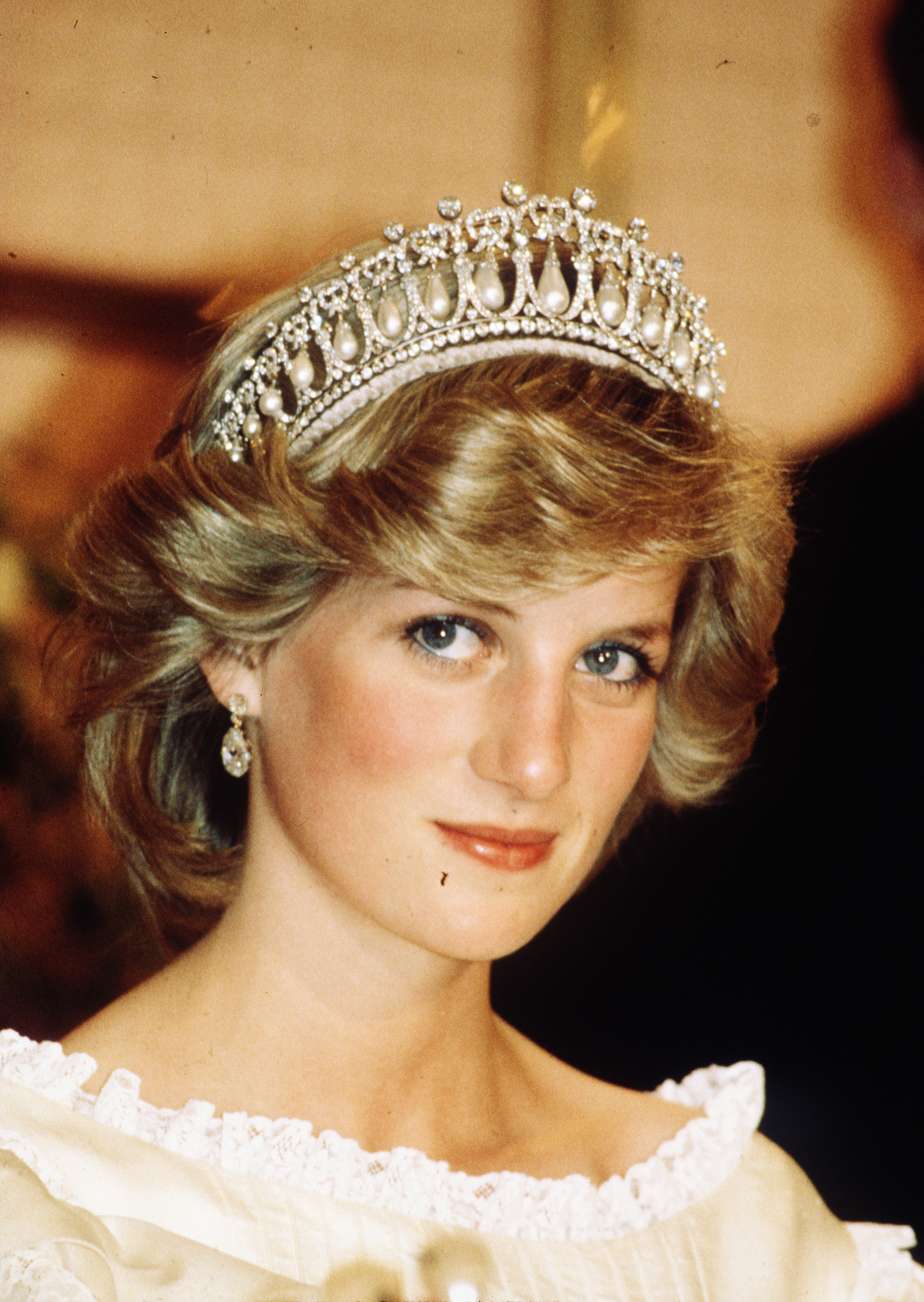
12. **Diana’s Quest for Love Amidst Marital Challenges**The context of Princess Diana’s affair with Major James Hewitt, and indeed her emotional landscape throughout her royal life, was deeply intertwined with the challenges of her marriage to King Charles III. Richard Dalton, her former hairdresser, offered poignant insights into Diana’s profound yearning for affection and intimacy. He observed that Diana was a young woman ‘longing to be truly loved,’ a sentiment that colored her relationships amidst a marriage that, by many accounts, had become strained.
Dalton eloquently articulated the emotional void Diana experienced within her royal union. He wrote that Diana was ‘starved of affection and intimacy from her husband, the man she loved,’ and felt she had primarily functioned as an ‘heir-making machine for Charles.’ This stark portrayal highlights the profound emotional isolation she faced, driving her to seek connection and tenderness elsewhere, even if it led to difficult and public consequences.
It was within this emotionally challenging environment that Diana met Hewitt, and their affair began. Dalton reflected that Diana was ‘certainly giddy at times when she talked about him because it was all new to her.’ However, he also contextualized the relationship, suggesting Hewitt was ‘just the first man who rolled along – a twist of fate, time and place. If it had not been him, it would have been someone else,’ emphasizing Diana’s desperate need for emotional fulfillment.
Despite the affair, Dalton firmly believed that King Charles was still the true ‘love of her life at the time – there is no question in this matter at all.’ This nuanced perspective reveals the complexity of Diana’s heart, caught between a marriage devoid of intimacy and a yearning for love that led her down a path of extramarital relationships. Her quest for love was a desperate human response to betrayal and emotional neglect within her royal duties.
Ultimately, Diana’s struggle, her inability to directly address the swirling rumors, and her yearning to counter false narratives speak volumes. Renae Plant, curator of The Princess Diana Museum, pointed out that Diana ‘was tormented [by] the press and the hounding of all these stories,’ yet ‘she [couldn’t] come out there and say anything.’ She yearned for a public platform, like her friend Anne Diamond, to ‘put it right on TV,’ but instead, she ‘had to keep it all internalized and deal with it,’ adding immeasurable weight to the crown she bore. The cruel irony of a princess silenced by the very public she captivated remains one of the most heartbreaking aspects of her story.