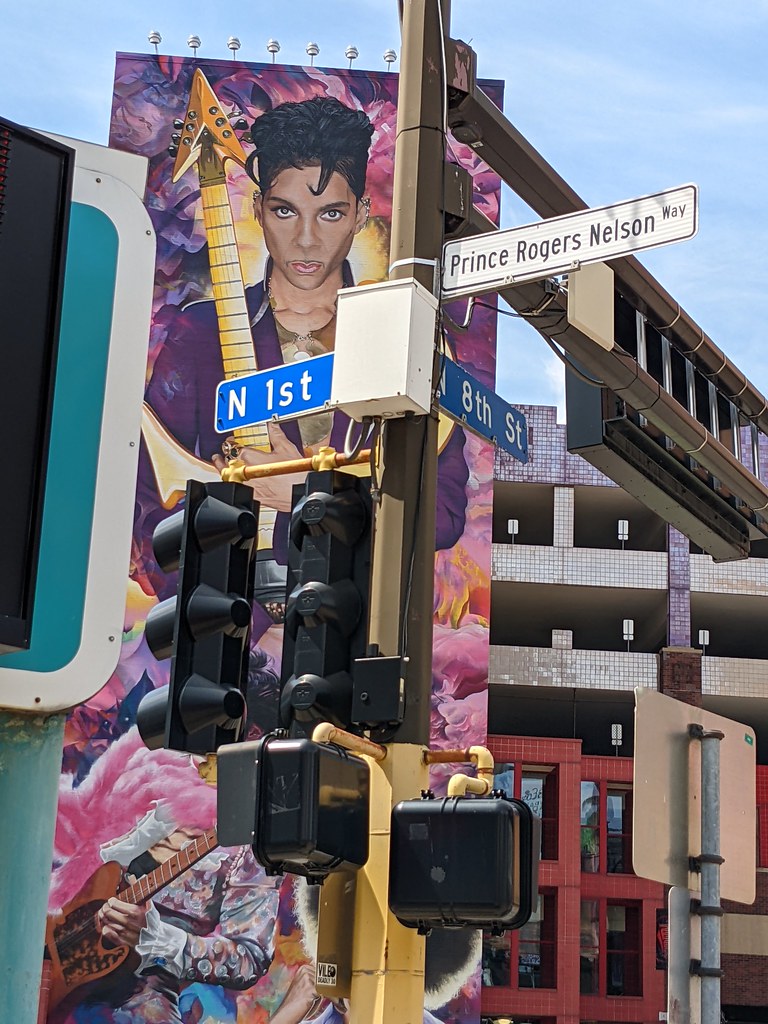
Prince Rogers Nelson, universally known as Prince, was a towering figure in music, an American singer, songwriter, musician, and producer whose influence spanned decades. Born in Minneapolis, Minnesota, on June 7, 1958, Prince’s career began with a fusion of funk and soul, evolving to incorporate a vast array of genres including jazz, punk, heavy metal, and hip-hop. His prodigious talent as a multi-instrumentalist, capable of performing virtually all the instruments required for his recordings, set him apart as one of the most gifted musicians of his generation.
Throughout his remarkable career, Prince garnered numerous accolades, including seven Grammy Awards, one Golden Globe Award, and an Academy Award. He was inducted into the Rock and Roll Hall of Fame in 2004, the first year he was eligible, a testament to his immediate and undeniable impact on popular music. His discography includes ten platinum albums and thirty Top 40 singles, with global sales exceeding 350 million copies.
Prince’s artistry was characterized by its frank exploration of uality and desire, often mirrored by intense music, and a continuous struggle against social conventions. He challenged categories through his lyrics and imagery, and later famously adopted a symbolic name to defy record company control. His journey was one of consistent innovation, artistic independence, and a relentless pursuit of creative expression, leaving an indelible mark on music and culture worldwide.

1. **Early Life and Musical Prodigy**
Prince Rogers Nelson was born on June 7, 1958, in Minneapolis, Minnesota, to a family deeply rooted in music. His father, John Nelson, was a jazz musician who performed under the stage name Prince Rogers, and his mother, Mattie Shaw, was a jazz singer who collaborated with his father’s band. This environment undoubtedly fostered his early inclination towards music, which would soon manifest in extraordinary talent.
Prince’s interest in music began at a very young age. He started playing the piano at just seven years old and, remarkably, had mastered both the guitar and drums by the time he joined his first band at age 14. This early and rapid acquisition of instrumental proficiency underscored his innate musical genius. He recounted to Tavis Smiley in a 2009 interview that he suffered from epileptic seizures as a child and was often teased in school, stating, “Early in my career I tried to compensate by being as flashy and as noisy as I could.”
Despite Minneapolis being an unlikely setting for the emergence of a major Black star due to its very few African American residents, Prince’s exceptional talent and undeniable charisma propelled him forward. He not only achieved major success himself but also influenced other local musicians, including Jimmy Jam and Terry Lewis, to reach prominence. His childhood experiences, combined with his burgeoning musical abilities, laid the groundwork for a career that would consistently push boundaries and redefine musical landscapes.
Read more about: 15 Iconic American Musicians Who Defined Generations and Revolutionized Sound

2. **Forging a Path: Early Albums and Sound**
Prince’s recording career officially commenced with his signing to Warner Bros. Records in 1978. His debut album, ‘For You’, released that same year, showcased his unique multi-instrumental prowess, as he played practically all the instruments on the record. This self-contained approach became a hallmark of his early work, demonstrating his comprehensive musical vision and control.
The follow-up album, ‘Prince’ (1979), continued to build his profile, featuring his first Top 20 pop hit, the easygoing track “I Wanna Be Your Lover.” However, it was with ‘Dirty Mind’ in 1980 that Prince truly began to solidify his distinctive artistic identity. This critically acclaimed album was notable for its graphic exploration of uality and fantasy, themes that would become central to his creative expression.
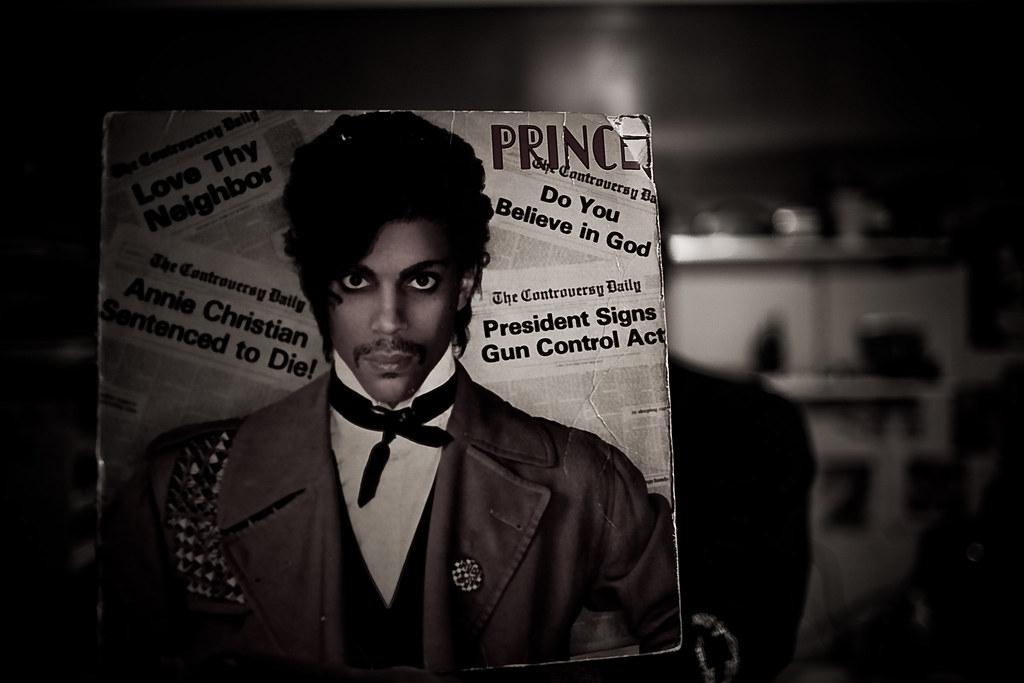
His 1981 album, ‘Controversy’, further developed the provocative themes of its predecessor. Tracks like the dance-oriented title track, which reached No. 3 on the R&B charts, along with “Sexuality” and “Do Me Baby,” continued to challenge social norms and engage with notions of desire with frankness and imagination. Through these early releases, Prince established a unique blend of funk, soul, and disco, signalling the arrival of a truly original and boundary-pushing artist.
Read more about: Beyond the Purple Rain: Unpacking the Enduring Legacy of Prince Rogers Nelson
3. **Breakthrough to Stardom: The Album ‘1999’**
The release of his 1982 album, ‘1999’, marked a significant turning point in Prince’s career, propelling him to international success and transforming him into a superstar. This album introduced a synth-funk sound that captivated audiences worldwide, demonstrating his evolving musical sophistication and pop sensibility. It was a crucial step in bridging his earlier, more niche R&B/funk audience with a broader pop mainstream.
The title track, “1999,” an exquisite synth-funk ode about nuclear doomsday, became a Top 20 hit and an anthem for its era. Its iconic status has endured, cementing its place in popular culture. The album also spawned two other highly successful singles: the Top 10 hits “Little Red Corvette” and “Delirious,” further showcasing Prince’s versatility and ability to craft catchy, impactful pop songs.
“Little Red Corvette” was particularly significant as Prince’s first big crossover hit, garnering extensive airplay on MTV. This was a notable achievement during a period when very few Black artists were featured on the influential new music video medium. The widespread success of ‘1999’ not only expanded Prince’s fan base but also laid critical groundwork for his subsequent global domination, making him a household name and a leading musical innovator.
Read more about: Beyond the Purple Rain: Unpacking the Enduring Legacy of Prince Rogers Nelson

4. **Purple Reign: The Phenomenon of ‘Purple Rain’**
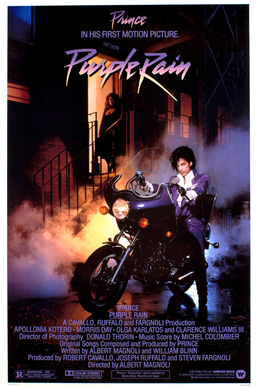
The year 1984 witnessed the monumental release of ‘Purple Rain’, an album and film that cemented Prince’s status as one of the most dominant cultural figures of the decade. The album, created with his band The Revolution, was a massively successful and award-winning soundtrack to a semi-autobiographical film of the same name. This project transcended music, becoming a cultural phenomenon.
The film itself grossed almost $70 million at the U.S. box office and earned Prince an Academy Award for Best Original Song Score. The soundtrack produced a string of colossal hits, including the frenetic “Let’s Go Crazy” and the anthemic title track, which reached No. 2 on the Billboard Hot 100. “When Doves Cry,” a uniquely structured track without a traditional chorus, became his first number one single, followed swiftly by “Let’s Go Crazy,” which also hit the top spot.
‘Purple Rain’ remains Prince’s biggest-selling album, showcasing his unparalleled songwriting and performance abilities. The album also included hits like “I Would Die 4 U” and “Take Me With U.” Beyond the music, Prince became a striking visual icon during this period, with his trademark curls, flowing jackets, and ruffled attire adorned with punk embellishments, embodying an androgynous yet vulnerable persona that resonated globally.
Read more about: Beyond the Purple Reign: Inside Prince’s Unforgettable Journey to Music Legend Status
5. **Artistic Evolution: ‘Around the World in a Day’ and ‘Parade’**
Following the immense success of ‘Purple Rain’, Prince continued to push his artistic boundaries with the release of ‘Around the World in a Day’ in 1985. This album demonstrated a stylistic shift, moving away from the more straightforward rock sound of ‘Purple Rain’ towards a more psychedelic and whimsical aesthetic. It featured tracks like the whimsical mid-tempo tune “Raspberry Beret” and “Pop Life,” both of which reached the Top 10.
The record continued to highlight Prince’s extraordinary ability to play a diverse range of instruments and his consistent desire to impart messages of self-love and introspection. “Paisley Park,” a track on the album, was notably inspired by the name of his Minneapolis studios, which would later become his famed recording estate and home. This album showcased his commitment to evolving his sound and lyrical content rather than simply replicating past successes.
In 1986, Prince released his eighth studio album, ‘Parade’, which served as the soundtrack for his second film, ‘Under the Cherry Moon’. This film, which Prince directed and starred in, continued his foray into cinematic expression. The album featured the pulsating No. 1 pop/R&B single “Kiss,” which won a Grammy Award for Best R&B Performance by a Duo or Group with Vocal, reaffirming his continued commercial and critical appeal across genres.
Read more about: Beyond the Purple Reign: Inside Prince’s Unforgettable Journey to Music Legend Status
6. **Social Commentary and Masterpiece: ‘Sign ‘O’ the Times’**
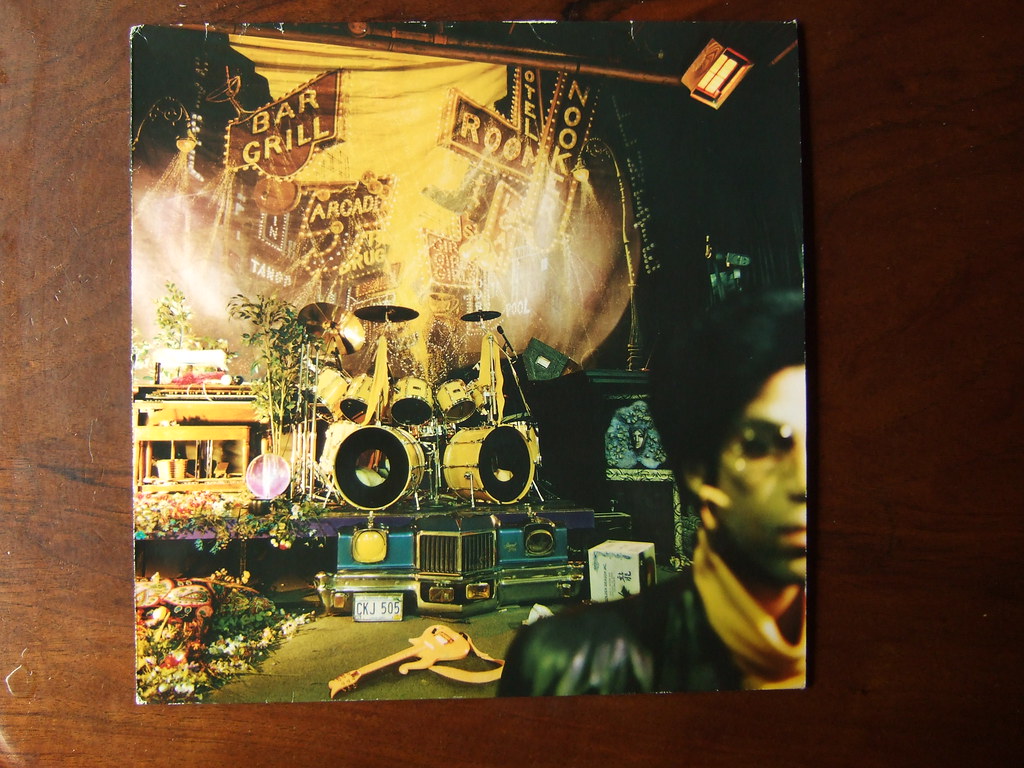
After the disbanding of The Revolution, Prince embarked on a new phase of intense creativity, culminating in the release of the critically acclaimed double album ‘Sign ‘O’ the Times’ in 1987. This album is widely considered one of his greatest artistic achievements, celebrated for its stylistic diversity, lyrical depth, and cohesive commentary on contemporary social issues. It synthesized various shelved projects into a singular, powerful statement.
The title track itself, “Sign ‘O’ the Times,” reached No. 3 on the pop charts and No. 1 in R&B, delivering a stark and poignant commentary on societal problems, including poverty, AIDS, and violence. Beyond its serious themes, the album also showcased Prince’s ability to craft fun, energetic jams, notably with “U Got the Look.” This raucous duet with Scottish singer Sheena Easton became a Top 2 pop hit and was nominated for Best R&B Performance by a Duo or Group with Vocal.
While ‘Sign ‘O’ the Times’ was lauded by critics and is often cited as one of Prince’s most important works, its sales in the U.S. lagged compared to his previous blockbusters, though it found a more receptive and larger audience in Europe, where Prince launched a successful tour. The album’s comprehensive scope, from its incisive social commentary to its playful pop moments, underscored Prince’s unparalleled versatility and his commitment to using his platform for both entertainment and profound reflection.
Read more about: A Royal Musical Journey: Prince’s Enduring Partnership with Innovation, Artistry, and His Global Audience
7. **Prolific Output and the ‘Batman’ Soundtrack**
Following ‘Sign ‘O’ the Times’, Prince maintained a relentless creative pace, often producing more music than Warner Bros. would release annually. This prolific inventiveness led him to channel a backlog of unreleased recordings to other artists or form independent groups like the Time, showcasing his boundless musical vision and capacity to write for diverse performers.
In 1988, Prince released ‘Lovey’, an album notably recognized for its striking cover. Despite the controversy, the album delivered the uptempo R&B hit “Alphabet St.,” which climbed into the Top 5. This release underscored Prince’s consistent challenge to conventional boundaries, proving his ability to provoke and entertain while achieving commercial success.
His mainstream appeal solidified with the 1989 ‘Batman’ film soundtrack, his eleventh studio album. This demonstrated Prince’s skill in integrating his unique sound into a major Hollywood production, becoming a substantial commercial success. It yielded the number one romp “Batdance” and the Top 5 R&B hit “Partyman.” The music video for “Batdance” was particularly memorable, featuring Prince in split-effect makeup symbolizing both the hero and the iconic villain.
Read more about: The Iconic Legacy of Prince: A Curated Journey Through the Master Musician’s Revolutionary Career

8. **The New Power Generation and ‘Diamonds and Pearls’**
The early 1990s marked a vibrant new phase with Prince’s latest backing band, The New Power Generation (NPG). This group infused his music with a fresh, contemporary blend of R&B, hip-hop, jazz, and soul, prominently featuring Rosie Gaines’ vocals. The NPG’s presence was first acknowledged in the soundtrack to ‘Graffiti Bridge’ (1990), a film that, despite its box office struggles, produced the Top 10 track “Thieves in the Temple.”
With the NPG’s dynamic contributions, Prince achieved considerable commercial success with his 1991 album, ‘Diamonds and Pearls’. This record ascended to an impressive No. 3 on the Billboard 200 album chart, showcasing tracks that highlighted the band’s diverse influences and Prince’s enduring talent for crafting hit singles. The album featured the romantic title ballad, the “industrial strength” “Gett Off,” the playful “Insatiable,” and the saucy number one single “Cream,” reaffirming his ability to deliver impactful, genre-defying pop.
Prince’s collaboration with the New Power Generation continued to audaciously explore themes of uality and gender norms. A memorable display of this provocative style occurred during his 1991 MTV Video Music Awards performance for “Gett Off.” The live rendition included an elaborate onstage spectacle with numerous dancers, culminating in Prince famously revealing his seatless pants. This daring statement both shocked and enthralled audiences, solidifying his reputation as a fearless and boundary-pushing performer.
Read more about: The Iconic Legacy of Prince: A Curated Journey Through the Master Musician’s Revolutionary Career
9. **The Symbol and Label Conflicts: “The Artist Formerly Known as Prince”**
The early 1990s became a period of intense conflict between Prince and Warner Bros., despite a substantial $100 million deal signed in 1992. This agreement, initially hailed as “the largest recording and music publishing contract in history,” clashed sharply with Prince’s fervent desire for artistic autonomy. His frustration mounted following the ‘Love Symbol Album’ (1992), which, despite singles like “7,” did not match previous commercial heights, leading to increased tension over creative control.
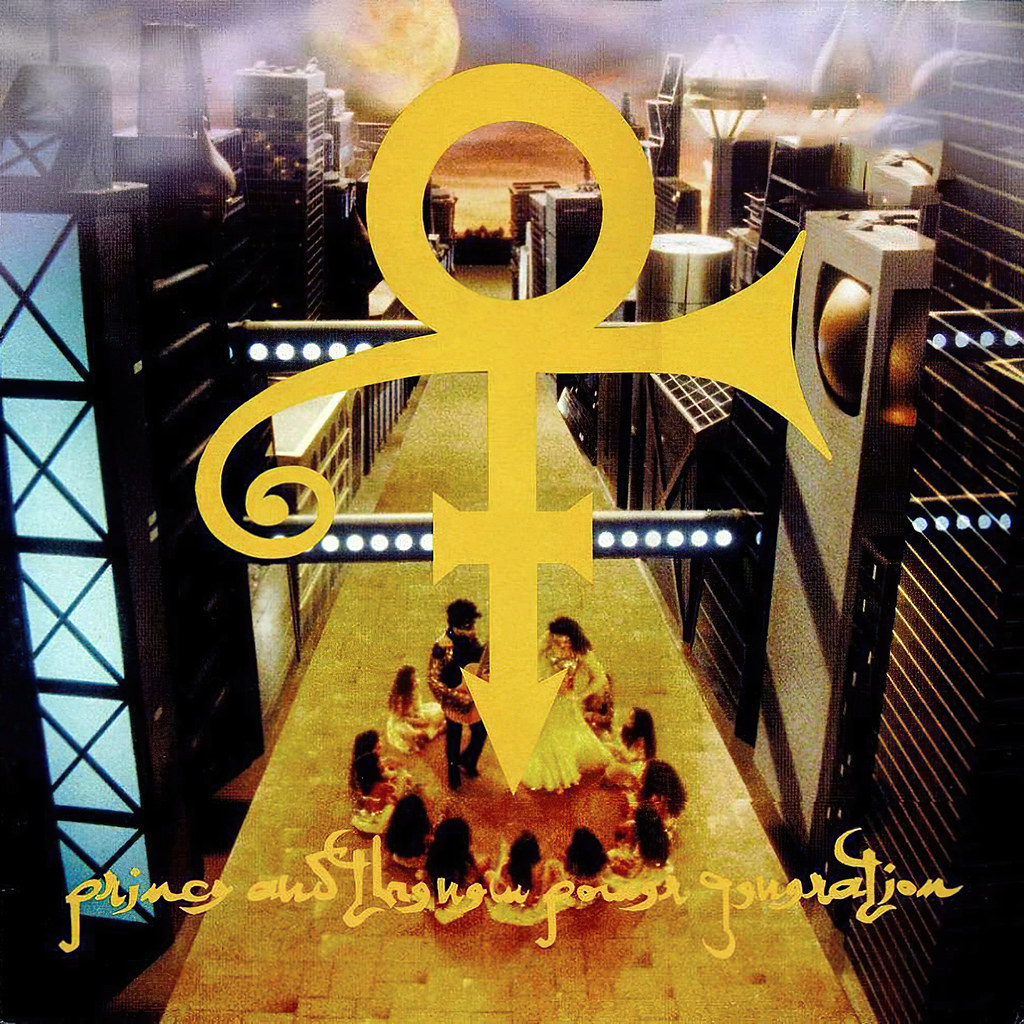
In a powerful act of protest against what he termed “artistic slavery,” Prince dramatically changed his name in 1993 to an unpronounceable glyph—a fusion of male and female astrological signs. This symbol was intended to defy the corporate control he felt Warner Bros. exerted over his identity and output. Consequently, for much of the 1990s, he became widely known as “the artist formerly known as Prince,” as the symbol proved impractical for public use.
During this highly publicized dispute, Prince often appeared with “SLAVE” inscribed on his face, articulating his profound disdain for his label’s policies. Despite challenges, his creativity continued, yielding the 1995 album ‘The Gold Experience’, which included the Top 5 hit “The Most Beautiful Girl in the World.” Upon terminating his Warner Bros. contract, Prince celebrated his freedom with the triple album ‘Emancipation’ (1996). This platinum-certified work allowed him complete artistic control, enabling him to release as much music as he wished on his NPG label, including subsequent albums like ‘Crystal Ball’ (1998) and ‘Rave Un2 the Joy Fantastic’ (1999).
10. **Resurgence and Accolades: ‘Musicology’ and Super Bowl**
After a period of label disputes and reduced mainstream visibility, Prince engineered a remarkable career resurgence in the early 2000s, firmly re-establishing his status as a musical icon. His powerful return was highlighted in 2004 with a captivating Grammy Awards performance alongside Beyoncé Knowles, which mesmerized a global audience. That same year, his profound influence on music was officially cemented with his induction into the Rock and Roll Hall of Fame.
The album ‘Musicology’, released in 2004, was central to this comeback, achieving strong sales and anchoring a tour that became the top concert draw across the United States. ‘Musicology’ garnered Prince two Grammy Awards, further solidifying his critical acclaim and adding the soulful ballad “Call My Name” to his celebrated repertoire. This period demonstrated his enduring ability to create music that resonated widely, blending innovation with broad commercial appeal.
Prince’s re-ascension culminated in one of his most iconic live performances: the Super Bowl XLI halftime show in Miami, Florida, in 2007. Performing on a massive stage shaped like his famous symbol amidst a pouring rain, he delivered a legendary set watched by an estimated 140 million fans, an unforgettable moment in live music history. Further accolades followed, including a Golden Globe for “Song of the Heart” from ‘Happy Feet’ (2006). By 2010, Billboard.com declared him the greatest Super Bowl performer ever, TIME magazine recognized him among the “100 Most Influential People,” and he received a Lifetime Achievement Award from the BET Awards.
11. **Later Career, Activism, and Industry Stance**
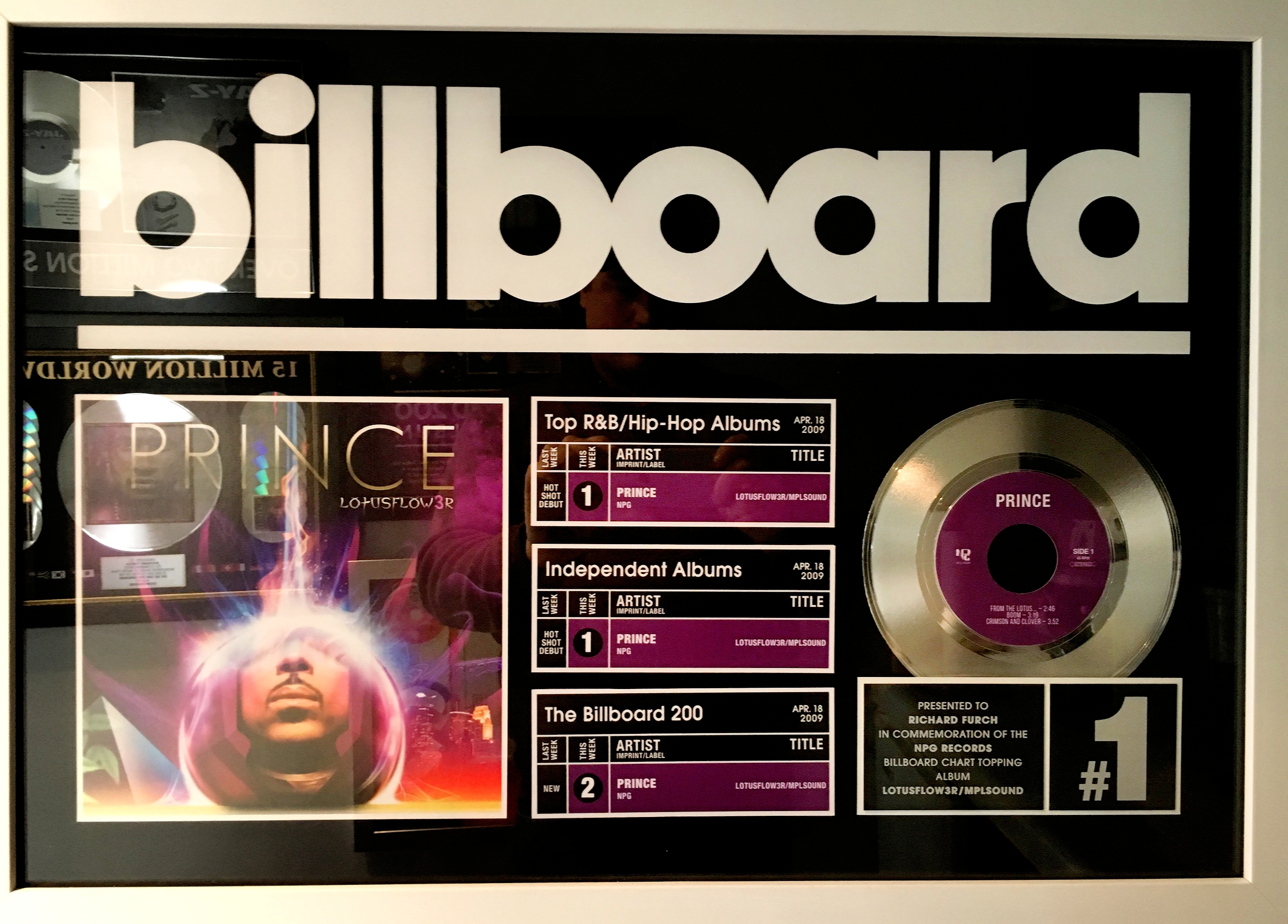
In his later career, Prince remained a prolific artist, releasing albums such as ‘Lotusflow3r’ (2009) and ‘Art Official Age’ (2014) following his return to Warner Brothers. Simultaneously, he took a firm, principled stance against evolving digital music distribution, particularly online streaming. He vehemently opposed unauthorized sharing and insisted on proper upfront compensation from platforms. This conviction meant his music was found almost exclusively on Tidal, aligning with his views on artist remuneration.
Prince was a staunch guardian of artists’ rights, notably retaining full ownership of his masters—a rare feat. He proactively engaged Web Sheriff services to remove his music from the internet, underscoring his deep commitment to controlling artistic output. His dedication to intellectual property rights was evident in his involvement in the Lenz v. Universal Musical Group case, an unsuccessful legal effort to remove a video of a baby dancing to “Let’s Go Crazy” from YouTube.
Beyond industry battles, Prince increasingly channeled his platform into social and political activism. Following the death of Freddie Gray and Baltimore protests, he organized a “Dance Rally 4 Peace” at Paisley Park in May 2015. This powerful tribute included Prince and 3RDEYEGIRL performing his protest song “Baltimore,” directly inspired by Gray’s death, solidifying his legacy as an artist deeply engaged with societal issues.
Read more about: Beyond the Spotlight: Exploring Musicians Whose Legacies Deepened After Their Time

12. **Personal Life, Death, and Enduring Legacy**
Beyond his iconic public image, Prince’s personal life was marked by significant relationships and a profound spiritual journey. He married Mayte Garcia in 1996, but their son Amiir tragically died a week after birth from Pfeiffer syndrome, preceding their 1999 divorce. He later married Manuela Testolini in 2001, divorcing in 2006. Raised a Seventh-day Adventist, he became a devoted Jehovah’s Witness in 2001, a commitment profoundly influencing his private life.
The world mourned on April 21, 2016, with the news of Prince’s death at his Paisley Park compound at age 57. The preceding days revealed a struggle with illness; he had postponed concerts due to the flu and received treatment for a Percocet overdose just six days before his passing. An autopsy confirmed his death was an accidental overdose of fentanyl, a powerful opioid painkiller. His remains were cremated, and a private funeral followed.
Prince’s impact on global music and culture is truly immeasurable. His posthumous memoir, ‘The Beautiful Ones’ (2019), offered an intimate look into his artistry. Throughout his unparalleled career, he amassed seven Grammy Awards, a Golden Globe, and an Academy Award for ‘Purple Rain’. Inducted into the Rock and Roll Hall of Fame in 2004 and lauded as the greatest Super Bowl performer, Prince’s prodigious multi-instrumental talent, fearless exploration of themes, and relentless pursuit of artistic independence cemented his legacy as one of his generation’s most influential and cherished musicians.
Read more about: When the Mic Stays On: How Public Outbursts and Controversial Remarks Topple Prominent Careers
Prince’s journey was a testament to unbridled artistic spirit, a vibrant tapestry of audacious creativity and unwavering commitment to his unique vision. From Minneapolis clubs to global stadiums, he embodied music, living and reinventing its essence. His legacy isn’t merely platinum records or critical acclaim, but a living testament to pushing boundaries, challenging norms, and dancing to his own drum. Though he departed, the purple glow of his genius illuminates, reminding us that true artistry knows no limits or end.