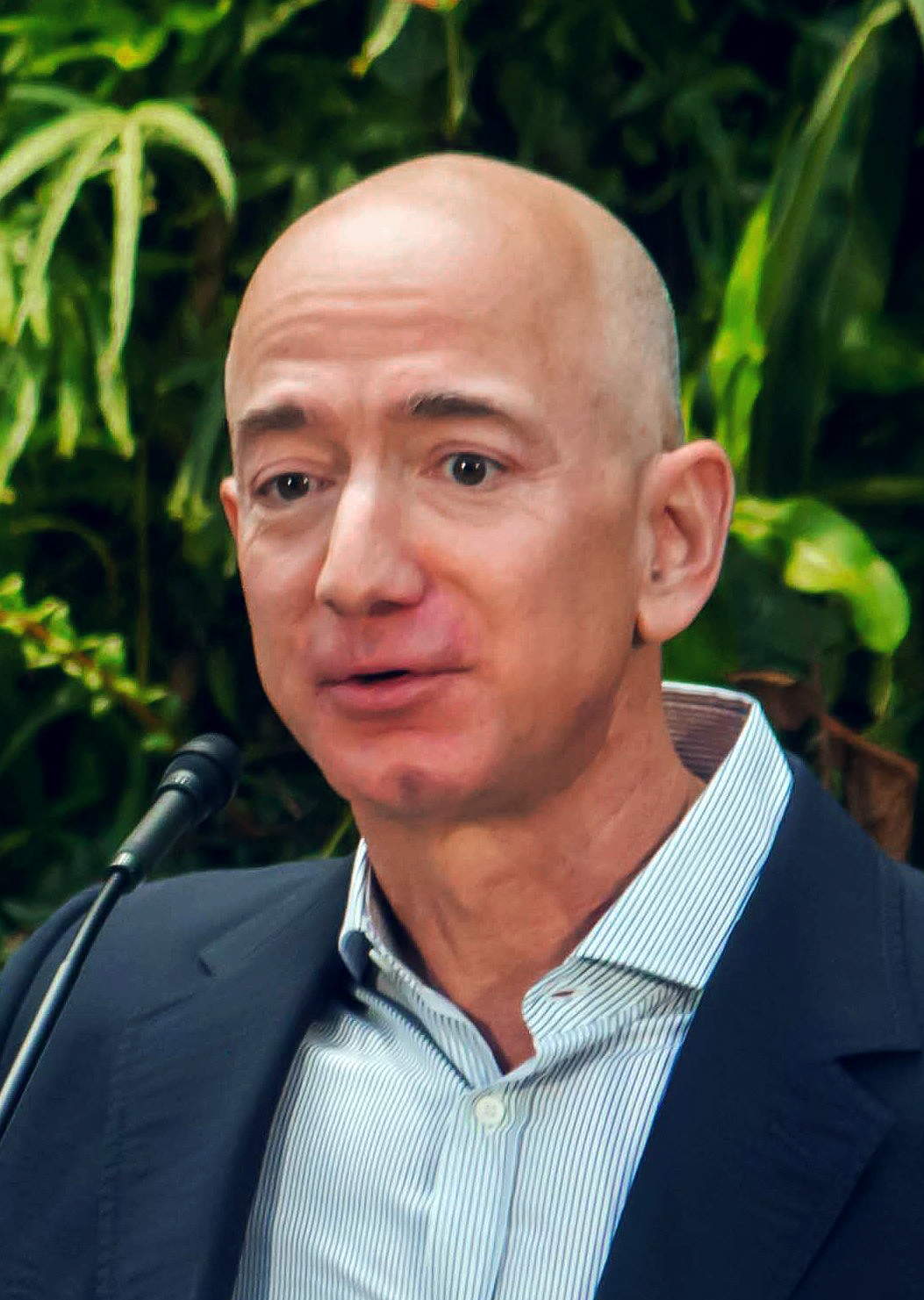
Jeffrey Preston Bezos, a name synonymous with monumental innovation and unparalleled economic influence, stands as one of the defining figures of the modern era. His trajectory, from a nascent online bookseller to the architect of a global e-commerce and cloud computing behemoth, is a chronicle of relentless ambition and strategic foresight. While the public often glimpses the polished facade of his vast enterprises, the true drivers of his enduring impact frequently reside in the quiet chambers of strategic decisions and high-level interactions, moments that, while perhaps unseen by the wider world, have profoundly reshaped industries and indeed, the fabric of daily life.
The narrative of such a titan is not merely a collection of public announcements or financial reports; it is woven from pivotal engagements that steer the course of immense capital and human ingenuity. This exploration delves into the foundational pillars of Bezos’s career, examining the strategic underpinnings of his ventures and the significant interactions that have defined his influence. These moments, in their gravity and far-reaching consequences, hold a significance akin to the most critical private discussions shaping global affairs, offering a rare glimpse into the strategic mind at the helm of an empire.
We embark on a comprehensive journey through these critical junctures, dissecting the strategic vision, the bold gambits, and the calculated risks that characterize Bezos’s approach. From Amazon’s inception to its groundbreaking new forays, and from his distinctive leadership philosophy to his impactful personal ventures, each item discussed herein illuminates a distinct facet of his power and foresight. This article provides an in-depth, authoritative account, drawing exclusively from documented information, to reveal the strategic blueprint of a leader whose decisions resonate across the global economy.
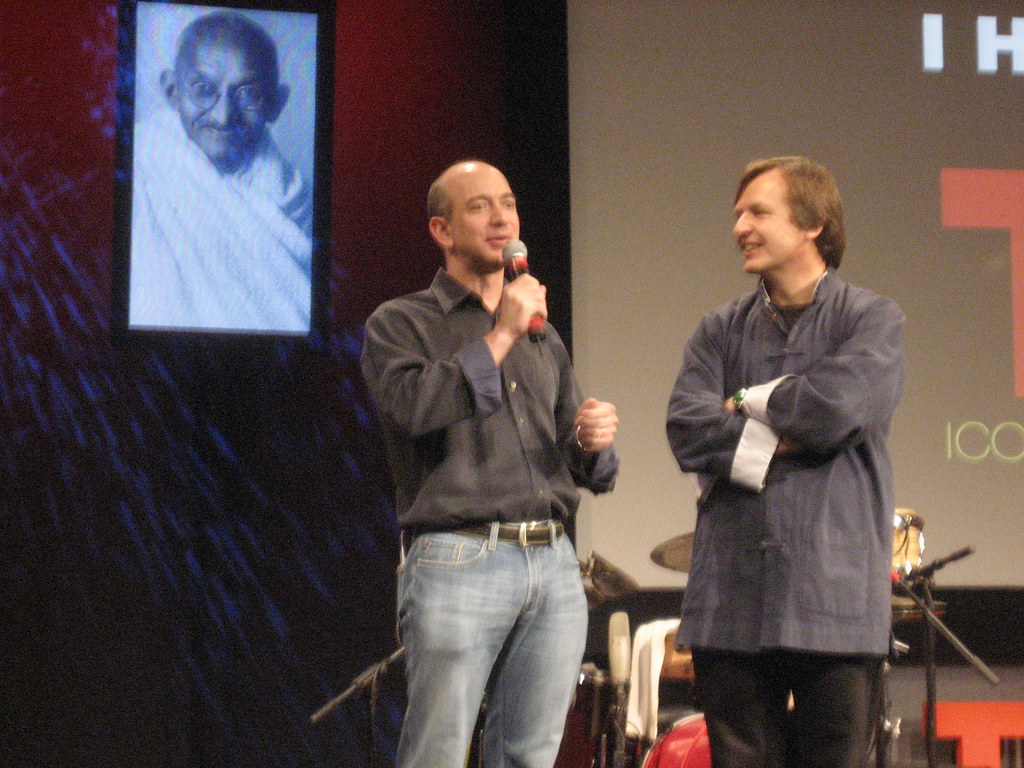
1. **The Founding of Amazon and its Vision**Jeff Bezos departed a lucrative Wall Street career in early 1994, driven by a “regret-minimization framework.” As D. E. Shaw’s fourth senior vice-president, he observed web usage growing at 2300% annually, seizing this opportunity. His introspection: “When I’m 80, am I going to regret leaving Wall Street? No. Will I regret missing the beginning of the Internet? Yes.”
On a cross-country drive, Bezos and MacKenzie Scott planned Amazon. Founded July 5, 1994, it was first “Cadabra,” then “Amazon,” inspired by the largest river. The ‘A’ aided alphabetized listings, and Bezos “regarded ‘Amazon’…as fitting for what he hoped would become the world’s largest online bookstore,” reflecting his grand ambition. With “estimated $300,000 from his parents,” he warned early investors of a “70% chance that Amazon would fail.” Scott was integral, handling checks, books, and freight.
Amazon went public with an IPO three years later. Despite critical reports, Bezos asserted “the growth of the Internet would overtake competition from larger book retailers.” By 1998, it diversified into music, video, and other consumer goods. The “$54 million raised” strategically funded “aggressive acquisition of smaller competitors,” cementing market dominance and laying the groundwork for its expansive future.
Read more about: Decoding the Billions: A Mental Floss Guide to the World’s Richest in 2025
2. **Amazon Web Services and the CIA Contract**Amazon’s diversification beyond consumer goods culminated in the 2002 launch of Amazon Web Services (AWS). This marked a strategic pivot into cloud computing, leveraging internal infrastructure. This expansion followed near bankruptcy and layoffs, making AWS a calculated move for long-term viability and a new revenue stream.
A significant validation for AWS arrived in 2013, when Bezos “secured a $600-million contract with the Central Intelligence Agency (CIA).” This high-stakes government partnership was a landmark, signaling AWS’s technical prowess and ability to meet stringent security and reliability demands of sensitive organizations. It established a critical precedent for future high-profile governmental clients.
The CIA contract’s strategic implications were profound, extending Amazon’s reach into national infrastructure. It demonstrated capacity to handle secure, sensitive data, solidifying AWS’s formidable position in the burgeoning cloud market. This engagement testified to Amazon’s technological leadership, establishing AWS as an industry standard for operational excellence and a cornerstone of Amazon’s global revenue.
Read more about: The Unprecedented Freeze: How Hollywood’s Strikes Reshaped Film Production and Promotion in 2023
3. **The Acquisition of The Washington Post**On August 5, 2013, Jeff Bezos announced his “purchase of The Washington Post for $250 million in cash,” reportedly “at the suggestion of his friend, Don Graham.” This marked his deliberate foray into media, establishing Nash Holdings, which concluded the sale on October 1, 2013. This move signaled a significant expansion of his influence beyond technology.
Bezos quickly signaled a transformative vision, aiming “to reinvent the newspaper as a media and technology company.” In March 2014, he “lifted the online paywall for subscribers of a number of U.S. local newspapers,” broadening digital access. His strategy emphasized reconstructing “digital media, mobile platforms, and analytics software” to enhance its competitive edge and readership.
These strategic investments paid off: after a “surge in online readership in 2016,” the paper became “profitable for the first time since Bezos made the purchase in 2013.” However, his tenure faced scrutiny “regarding his treatment of employees as well as his influence on the paper’s content, in particular 2024-25 interference with the editorial and opinion pages,” highlighting inherent tensions in media ownership.
Read more about: The Unseen Architects of Infinity: Decoding Marvel Studios’ Strategic Empire and Its Evolving Business Playbook
4. **The Genesis of Blue Origin and Space Ambitions**Jeff Bezos’s deep-seated fascination with space publicly materialized in September 2000 with Blue Origin, a human spaceflight startup. His “1982 high school valedictorian senior graduation speech” and a *Miami Herald* interview revealed early interests in “colonies for human beings who were in orbit,” seeking “to preserve Earth from overuse through resource depletion.”
Blue Origin maintained a low profile until 2006, acquiring “a large tract of land in West Texas for a launch and test facility.” Bezos articulated dual objectives: “reducing the cost of space travel for humans while also increasing the safety of extraterrestrial travel,” positioning Blue Origin in the commercial space race alongside Richard Branson and Elon Musk. The path included setbacks, such as an “uncrewed prototype vehicles crashed during a short-hop test flight” in September 2011, though progress was still noted.
A significant milestone occurred in 2015 when New Shepard successfully rocketed into space, reaching “329,839 feet (100.5 kilometers) before executing a vertical landing.” This reusability was crucial. Bezos has been “selling $1 billion in Amazon stock each year to capitalize Blue Origin.” He declared “the primary goal of Blue Origin is to preserve the natural resources of Earth by making the human species multi-planetary,” and flew on NS-16 in July 2021, an objective he had expressed since high school.
Read more about: The Unfiltered Saga of Jeff Bezos: Decoding the Moments That Shaped a Digital Empire and a Singular Visionary
5. **Bezos Expeditions and Strategic Investments**Jeff Bezos channels personal investments through Bezos Expeditions, his venture capital firm, funding strategic placements and philanthropic projects. Its portfolio reflects a keen eye for nascent technologies and disruptive innovations, shaping future industries and societal impact.
One notable early success was the Google investment. In 1998, Bezos “invested $250,000,” which “resulted in 3.3 million shares of Google stock, worth about $3.1 billion in 2017.” This highlights his remarkable ability to identify and capitalize on groundbreaking technological trends early, turning prescient vision into immense wealth.
Bezos Expeditions’ strategy extends into critical sectors like healthcare and biotechnology, investing in “Unity Biotechnology, a life-extension research firm,” and companies like GRAIL, Juno Therapeutics, and Zocdoc. It also notably “funded the recovery of two Saturn V first-stage Rocketdyne F-1 engines from the floor of the Atlantic Ocean” in 2013, linking his ventures to historical space exploration.
Read more about: The Unfiltered Saga of Jeff Bezos: Decoding the Moments That Shaped a Digital Empire and a Singular Visionary
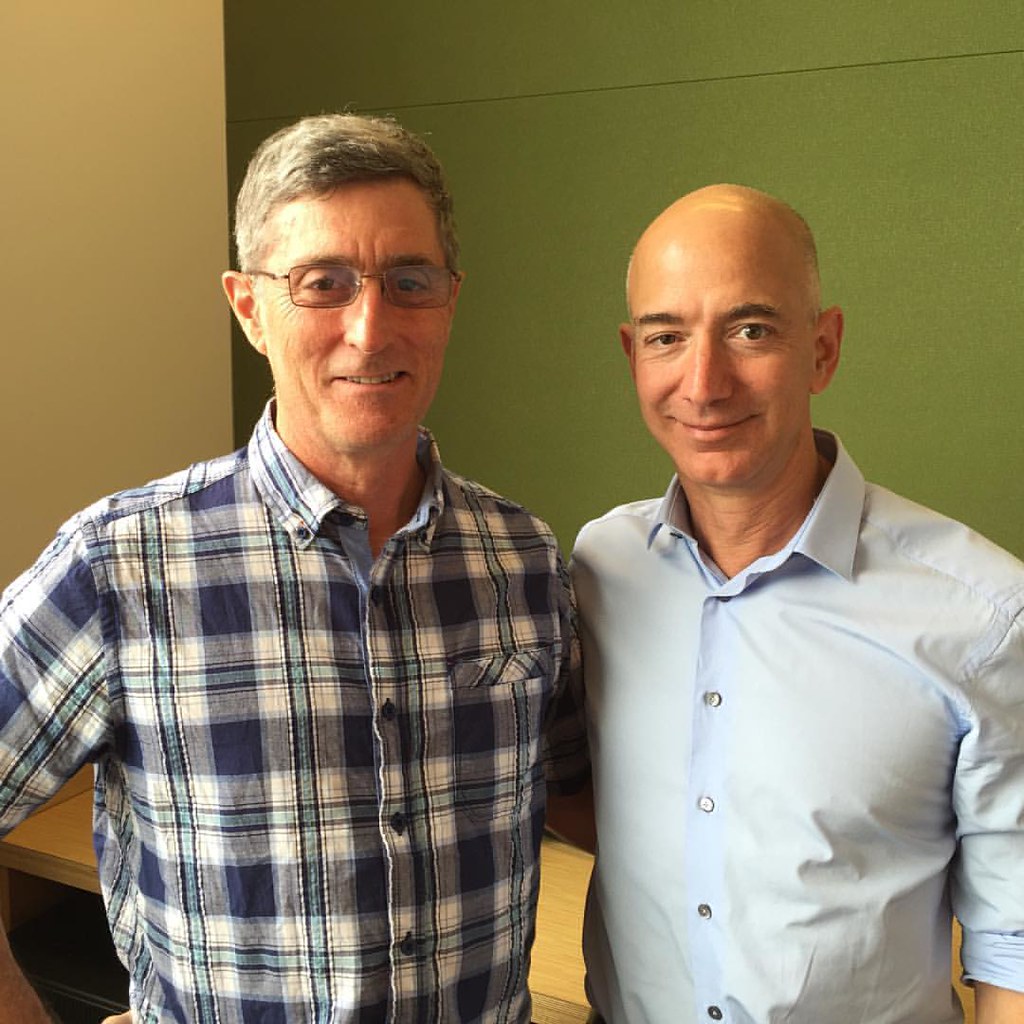
6. **The ‘Day 1’ Philosophy and Leadership Style**At the core of Jeff Bezos’s success lies his “Day 1” management philosophy: “it is always Day 1.” This ethos underscores a relentless “growth mindset” and aversion to complacency. Bezos conceptualizes “Day 2” as “stasis,” leading to “irrelevance” on “Day 3,” “decline” on “Day 4,” and “death” on “Day 5.” This framework mandates continuous reinvention, agility, and customer-centricity.
Early in Amazon’s trajectory, Bezos’s leadership was methodical and data-driven. He quantified “all aspects of running the company,” basing executive decisions on data. The mantra “Get Big Fast” prioritized scaling for market dominance and “diverting Amazon profits back into the company” rather than to shareholders.
Bezos advocates “work–life harmony” instead of “work–life balance,” believing “work and home life are interconnected, informing and calibrating each other.” His operational management includes “no early morning meetings,” the “two-pizza rule” for efficient discussions, and demanding “six-page narratives” instead of slides from high-level employees. His annual shareholder letters iterate core principles: customer focus, risk-taking, staff morale, culture, and empowerment. He maintains “jeff@amazon.com” for customer feedback, forwarding emails to executives.
While the foundational principles and strategic launches detailed in the first section laid the bedrock for Jeff Bezos’s remarkable empire, his journey was far from a smooth ascent. The evolution of Amazon and Bezos himself is marked by periods of intense challenge, groundbreaking innovation, and relentless global expansion, each testing and refining the strategies that define his legacy. These critical junctures reveal not just business acumen, but a deeply ingrained resilience and a willingness to confront adversity head-on, continually pushing the boundaries of what a single enterprise, and indeed a single leader, could achieve.
Read more about: The 13 Biggest Design Fails in Modern History: Engineering Blunders and Market Misses That Shaped Innovation
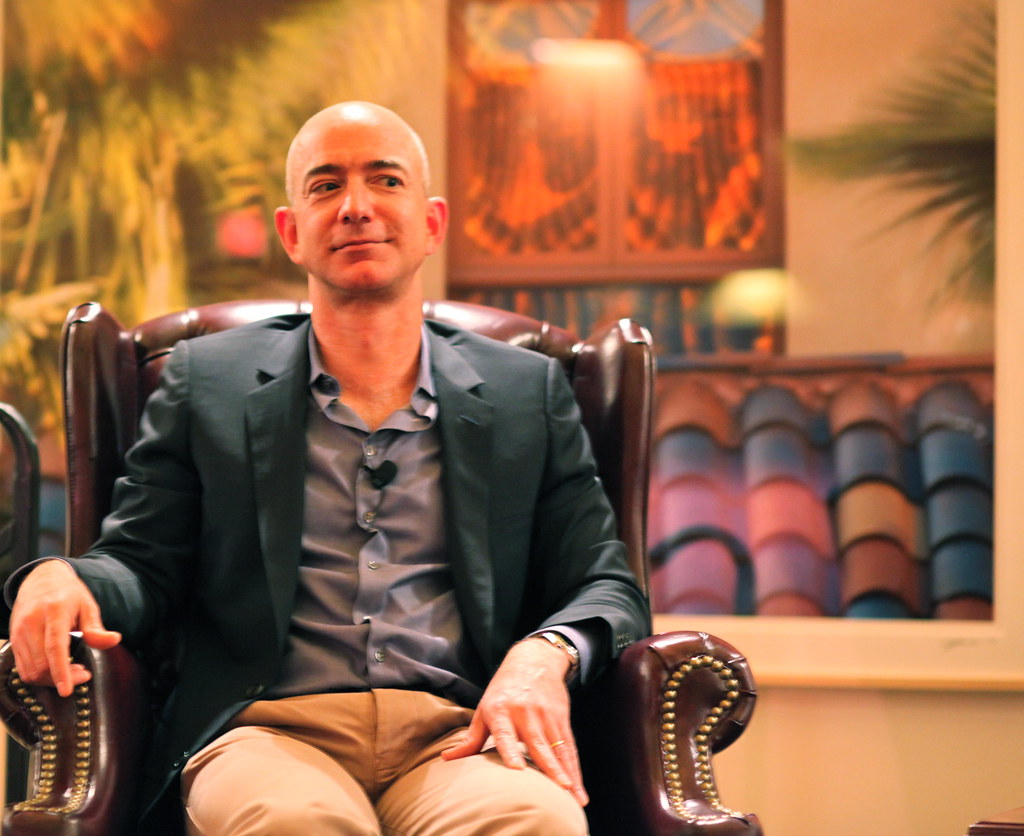
7. **Confronting Political Headwinds: Battles with Donald Trump and Bernie Sanders**Jeff Bezos’s escalating influence drew significant political scrutiny, notably from then-President Donald Trump and Senator Bernie Sanders, marking a period of intense public challenge for Amazon. In March 2018, President Trump accused Amazon of sales tax avoidance, misusing postal routes, and anti-competitive practices, criticisms that triggered a $10.7 billion reduction in Bezos’s personal wealth. However, Amazon quickly recovered, resilient against political pressures, as academic reports indicated limited presidential regulatory impact.
Simultaneously, Senator Bernie Sanders introduced the “Stop Bad Employers by Zeroing Out Subsidies (Stop BEZOS) Act” in September 2018, directly challenging Amazon’s employment practices. Fueled by revelations that a significant portion of Amazon workers relied on food stamps, Sanders questioned Bezos’s space ambitions while employees struggled. He argued companies often prioritized part-time employment to avoid benefit obligations, pressuring Amazon to address its compensation structure.
The culmination of this public and political pressure arrived on October 2, 2018, when Bezos announced a company-wide wage increase to $15 per hour for American workers. This decision, applauded by Sanders, was widely interpreted as a significant endorsement for the “Fight for $15” movement, demonstrating the profound impact of sustained advocacy on corporate policy. It marked a pivotal moment in Amazon’s public labor relations.
8. **The Transformative Launch of the Amazon Kindle**In November 2007, Jeff Bezos orchestrated one of Amazon’s most pivotal innovations: the launch of the Amazon Kindle. This device was not merely another product; it was a profound declaration of Amazon’s intent to redefine the very act of reading and to venture aggressively into the hardware sector, fundamentally transforming how content would be consumed in the digital age. Bezos envisioned a future where books were instantly accessible, unbound by physical limitations.
Bezos articulated a clear aspiration for the Kindle, aiming to create a device that facilitated a “flow state” in reading, mirroring the immersive experience found in video games. This insight underscored his understanding of user psychology and his ambition to design technology that removed friction from the customer experience. The Kindle, with its E-ink display and seamless wireless access to Amazon’s vast e-book store, delivered on this promise, offering an unprecedented level of convenience for readers.
The introduction of the Kindle was transformative for the publishing industry, catalyzing a significant shift from print to digital formats. It empowered Amazon to become a dominant force in digital content distribution, much as it had in physical retail. By pioneering a dedicated e-reading device and building a comprehensive digital ecosystem around it, Bezos not only opened up a massive new revenue stream for Amazon but also democratized access to literature, making millions of titles available at the touch of a button. The Kindle was a testament to Amazon’s philosophy of continuous innovation, extending its reach beyond mere e-commerce to become a purveyor of digital culture and experiences.
Read more about: From Hollywood to Moguls: 14 Celebrities Who Mastered the Art of the Career Pivot and Never Looked Back
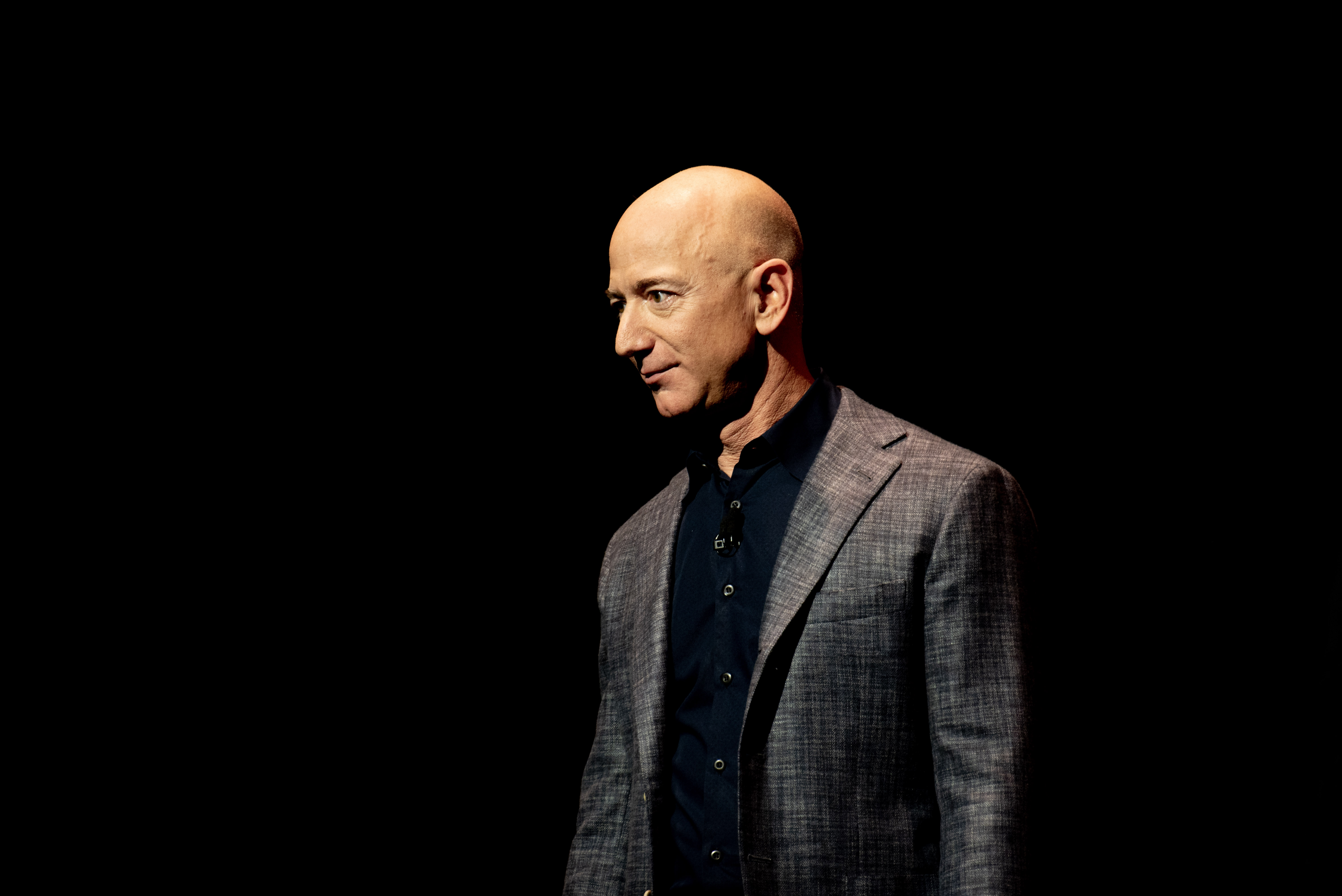
9. **The Evolving Narrative of Philanthropy and Public Image**Jeff Bezos’s public image has profoundly evolved from a “brilliant but mysterious and coldblooded corporate titan” in the 1990s to a figure whose wealth and influence sparked intense scrutiny. Initially, his persona was characterized by prudence and parsimony, exemplified by his continued use of a 1996 Honda Accord as a billionaire, and he was often perceived as “geeky or nerdy,” meticulously data-driven in his relentless focus on growth.
By the early 2010s, a striking shift occurred as Bezos embraced a more polished public figure, adopting tailored clothing, engaging in weight training, and openly spending his wealth. This transformation paralleled Amazon’s expansion, leading to his portrayal as a “metonym of the company,” even parodied as an “enterprising supervillain.” However, the latter half of the decade also brought intensified criticism regarding his leadership, with the International Trade Union Confederation naming him the “World’s Worst Boss” and Harvard Business Review citing Amazon’s “relatively low ESG scores” due to working conditions and antitrust issues.
His initial reluctance to engage in large-scale philanthropy drew negative public response from 2016 onwards, challenging his public responsibilities. This narrative began to pivot significantly following his step down as Amazon CEO in 2021, when Bezos articulated a renewed focus on “passions” like the Day 1 Fund for homelessness and early education, and the Bezos Earth Fund for climate change. This shift marked a visible and substantial commitment to societal welfare and environmental stewardship, recalibrating his public legacy.
Read more about: 15 Iconic American Musicians Who Defined Generations and Revolutionized Sound
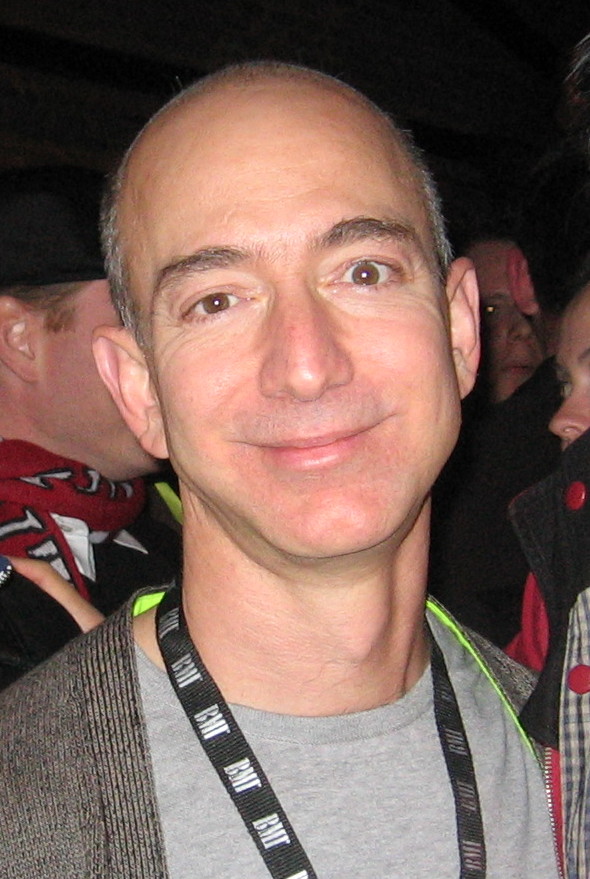
10. **Amazon’s Aggressive Global Market Penetration Strategies**Amazon’s trajectory, from an online bookstore to a global e-commerce titan, has been consistently shaped by an audacious, aggressive strategy for market penetration and diversification. Bezos’s early vision extended beyond books, anticipating expansion into varied product categories, laying the groundwork for its current pervasive global presence. This foresight ensured Amazon continually sought new markets and leveraged technology to establish enduring dominance.
A key component of this early strategy was the aggressive acquisition of smaller competitors, financed by the $54 million raised during Amazon’s 1997 IPO. While some ventures failed, like pets.com and kozmo.com, they underscored Bezos’s “Get Big Fast” approach, prioritizing scaling operations and market share over immediate profitability. This willingness to absorb losses aimed to secure an insurmountable lead in emerging online sectors.
Amazon’s global ambitions intensified as it matured, recognized by October 2013 as the world’s largest online shopping retailer. Bezos keenly pursued expansion into burgeoning economies like India, driven partly by the growth of Alibaba in China, dispatching Amit Agarwal with $5.5 billion to localize operations. This relentless pursuit, coupled with diversification into services like streaming and cloud computing, cemented Amazon’s position as a foundational internet company, demonstrating Bezos’s belief in perpetual growth and capturing new opportunities worldwide.
Read more about: The Streaming Wars Are Over: Unpacking the Bundle Economy, M&A Reshaping Hollywood, and the Future of Digital Entertainment
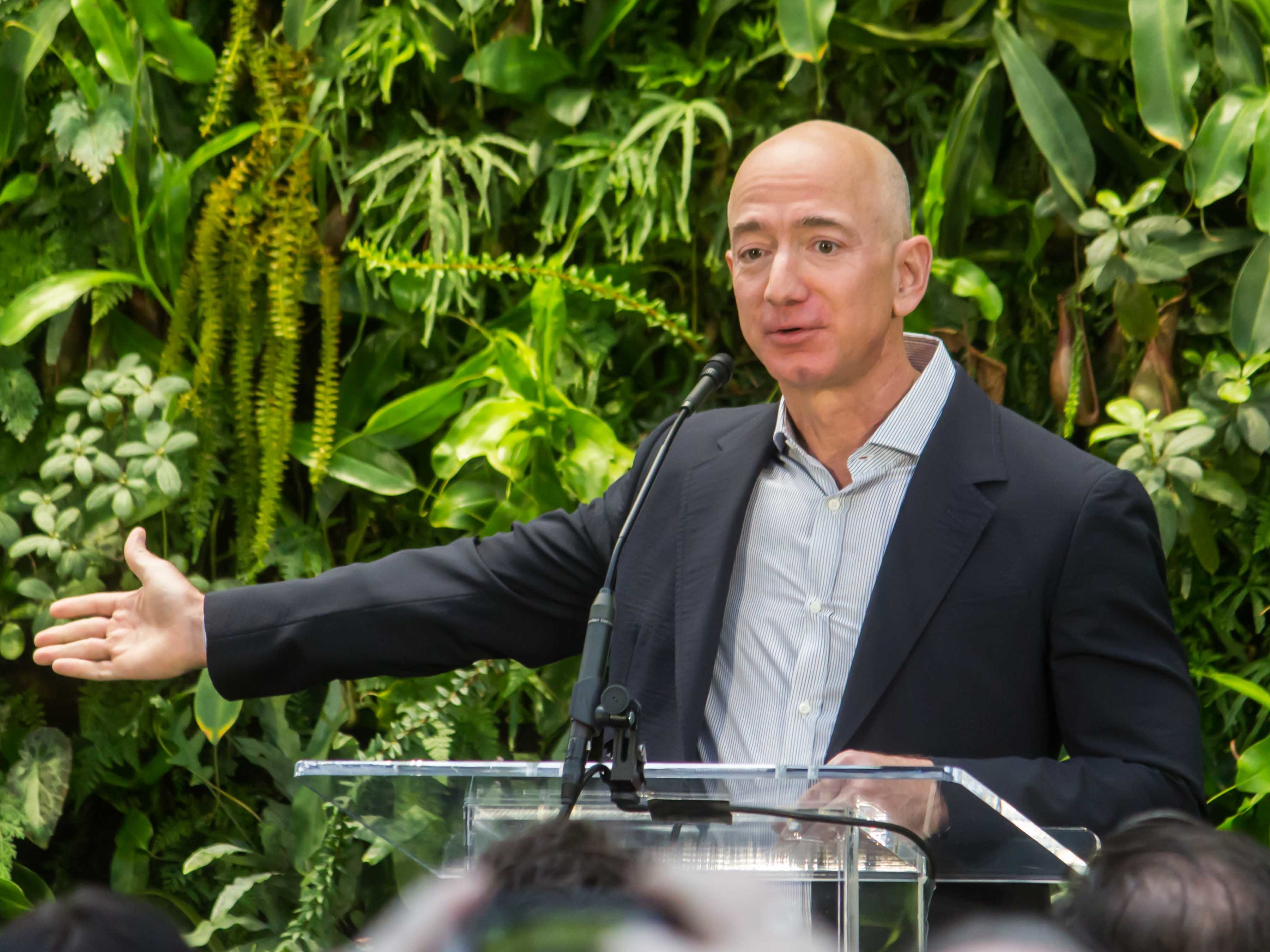
11. **Altos Labs and the Venture into Longevity Research**Jeff Bezos demonstrated his continued pursuit of groundbreaking innovation by co-founding Altos Labs in September 2021 with Yuri Milner, marking a bold foray into biotechnology. This venture focuses on harnessing cellular reprogramming to develop longevity therapeutics, reflecting a profound personal interest in science and a strategic investment in an area with immense potential for human impact, backed by an extraordinary initial capital of $3 billion.
This substantial funding allowed Altos Labs to recruit some of the most prominent scientists in the field, including Juan Carlos Izpisúa Belmonte, Steve Horvath, and Nobel laureate Shinya Yamanaka. This concentration of talent underscores the company’s intent to make significant scientific breakthroughs in aging, aligning with Bezos Expeditions’ historical interest in healthcare and biotechnology firms like Unity Biotechnology, a life-extension research firm.
When Altos Labs officially launched in January 2022 under Hal Barron, it garnered global attention as a long-term, high-risk, high-reward investment characteristic of Bezos’s approach. It positions him at the forefront of a scientific frontier, seeking to extend human healthspan and revolutionize medicine. Even after stepping down as Amazon CEO, Bezos continues to direct resources towards ventures he believes will fundamentally shape the future.
Read more about: The Unfiltered Saga of Jeff Bezos: Decoding the Moments That Shaped a Digital Empire and a Singular Visionary
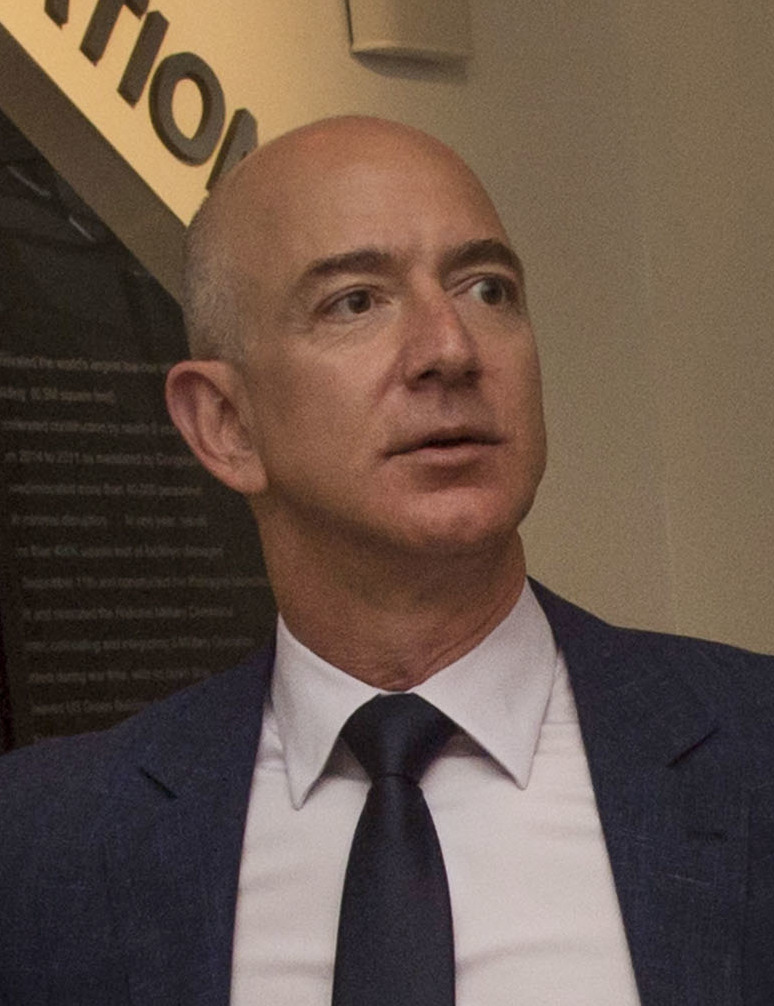
12. **The Enduring Influence of the Regret-Minimization Framework on Bezos’s Strategic Decisions**While the “regret-minimization framework” famously guided Jeff Bezos’s decision to found Amazon, its influence extends far beyond this initial step, subtly underpinning many of his subsequent strategic choices across a career defined by bold innovation and calculated risk. This deeply personal philosophy, focused on avoiding future regrets over missed opportunities, became a pervasive lens through which he evaluated grand ventures and navigated periods of uncertainty, shaping Amazon’s relentless expansion and his personal investment portfolio.
This framework directly informed his “Day 1” management philosophy, a core tenet that constantly urged against complacency and the slide into “Day 2″—a state of “stasis” leading to “irrelevance” and “decline.” The fear of future regret over failing to innovate or seize nascent opportunities propelled Amazon to continuously reinvent itself, diversify aggressively, and absorb initial losses in pursuit of long-term market dominance, rather than yielding to short-term shareholder pressures. It explained the strategic imperative to “divert Amazon profits back into the company.”
Bezos’s embrace of significant risk, even when faced with high probabilities of failure, like Blue Origin’s early setbacks, can be traced back to this core principle. His post-CEO dedication to “other passions” such as Blue Origin, The Washington Post, and the Day 1 Fund, are continuations of this lifelong pursuit to engage with frontiers he deems critical. By channeling resources into these ambitious initiatives, Bezos ensures he will not look back with regret at opportunities left unexplored, solidifying his legacy as a leader perpetually driven by an enduring vision.
Read more about: The Unfiltered Saga of Jeff Bezos: Decoding the Moments That Shaped a Digital Empire and a Singular Visionary
From challenging political landscapes to pioneering new industries and redefining personal legacies, Jeff Bezos’s career is a testament to an unwavering commitment to a singular vision. His journey, meticulously detailed across these strategic junctures, reveals a leader who consistently pushed the boundaries of innovation and influence. The intricate web of his decisions, from founding an online bookstore to launching rockets and investing in the quest for longevity, paint a compelling portrait of a figure whose impact will resonate for generations, continually inspiring new avenues of thought and enterprise. His story is not just one of unprecedented wealth accumulation, but of a relentless pursuit of what he believed the future demanded, irrespective of the present-day challenges or the conventional wisdom of his peers.