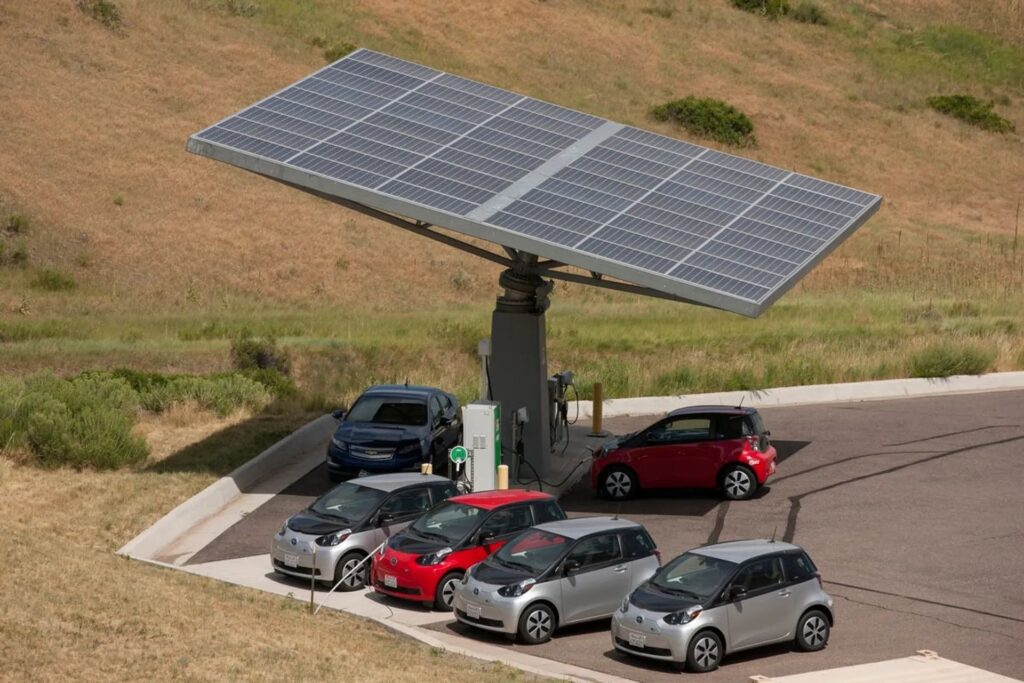
Many electric vehicle owners have experienced that frustrating moment: you’ve dutifully plugged in your EV overnight, started your morning commute with a full battery, and yet you watch the estimated range plummet far faster than anticipated. This scenario, where the miles seem to vanish before your eyes, is a common and often bewildering experience for many who have embraced electric mobility. It leaves drivers wondering if there’s a fundamental issue with their vehicle or its battery, creating anxiety about their ability to reach their destination.
The reality, however, is that an EV’s range is a dynamic figure, subject to a multitude of factors that influence its real-world performance. It’s not always a sign of a faulty vehicle, but rather a natural response of electric powertrains to different conditions and driver inputs. From the aggressive way you accelerate on a city street to the necessity of blasting the heater on a frigid winter morning, these variables play a significant role in how much distance your EV can truly cover on a single charge. Indeed, under extremely cold conditions, simply using the heating systems can lead to a drastic range reduction of up to 41%, while consistently driving above 65 MPH can cut efficiency by 15% or more.
Understanding these influences is paramount for any EV owner looking to maximize their vehicle’s efficiency and drive with greater confidence. This article will thoroughly explore six of the most common reasons your electric vehicle might be losing range faster than you expect. By delving into these factors, from specific driving behaviors to environmental impacts, we aim to provide you with practical insights and actionable knowledge, empowering you to better manage your EV’s range and unlock its full potential.
1. **Rapid Acceleration**Your right foot wields immense control over your electric vehicle’s range, acting almost as a direct conduit to the battery’s energy reserves. The exhilarating, instant torque that electric motors deliver is undeniably addictive, but indulging in it comes with a considerable cost. When you depress the accelerator aggressively, you are effectively demanding a massive surge of electric power from your battery, pushing the system to its limits in a very short timeframe. This immediate, high-intensity energy transfer is a primary contributor to accelerated range depletion.
This demand for power can be understood through the fundamental principles of electricity. Electric power is defined as the rate at which electric energy is transferred by an electric circuit, measured in watts. Rapid acceleration necessitates a significantly higher rate of energy transfer—a larger current (I) at a given voltage (V)—to perform the work required to quickly move the vehicle. Every time you “punch it” at a green light, your battery is not just expending energy; it’s dumping it at an incredibly high rate, much like a knocked-over bucket of water rapidly loses its contents. This isn’t a small difference; a Tesla Model Y, for instance, might consume up to three times more energy during aggressive acceleration compared to a more gentle, measured driving style.
The physics behind this phenomenon are straightforward yet crucial to grasp for optimal EV driving. Acceleration inherently requires energy, and the relationship between speed and energy consumption is not linear; it’s exponential. The faster you attempt to accelerate, the disproportionately more energy is needed to achieve that speed. For example, achieving 0-60 mph in a blistering 5 seconds could potentially use double the energy required to accomplish the same speed in a more leisurely 10 seconds. This is directly related to the concept of ‘work done per unit time,’ where performing more work (accelerating faster) in less time inherently means a greater demand for power.
This intensive power draw places considerable stress on the battery, requiring it to discharge energy at a rapid pace. While modern EV batteries are designed to handle such demands, frequent and sustained aggressive acceleration can cumulatively shorten the effective range of your vehicle on any given charge. It means the battery’s overall usable energy is consumed much quicker, leading to a noticeable drop in your estimated remaining miles. This is a crucial distinction from gradual, sustained power draw, which allows the battery to operate within more efficient parameters.
The real-world implications of this driving style are profound for daily range. As Tom, a Chevy Bolt owner, recounted from his own experience: “I used to drive my EV like my old sports car. Then I realized I was charging every single night instead of every third night. Just easing up on acceleration added 30% to my range.” This anecdote underscores the tangible benefits of adopting a smoother, more deliberate acceleration pattern, transforming a frequent charging schedule into a more relaxed one by simply adjusting driving habits.
Read more about: 13 Critical Engine Tuning Mistakes You Must Avoid in 2025 for Peak Performance and Longevity

2. **Hard Braking (without optimal regenerative braking)**Just as rapid acceleration drains your battery, the act of hard braking proves to be equally wasteful, representing another significant reason for unexpected range loss in electric vehicles. When a driver slams on the conventional friction brakes, all the kinetic energy that the battery worked diligently to create – the energy of the moving vehicle – is instantly converted into heat and friction. This energy, once converted to heat, is irrecoverable; it is, quite literally, thrown away. It is an inefficient process that forces the battery to expend more energy to regain the desired speed later, thereby directly reducing the overall efficiency and range.
The wasteful nature of hard braking is particularly pronounced in electric vehicles because of their inherent design capabilities, which contrast sharply with those of gasoline-powered cars. Traditional vehicles rely almost exclusively on friction brakes, where pads clamp down on rotors to create resistance and stop the car, always generating wasted heat. In contrast, electric vehicles possess the unique ability to convert kinetic energy back into usable electricity during deceleration. Therefore, for an EV owner, resorting to aggressive friction braking means forsaking this recovery mechanism, making it an especially inefficient practice compared to how the vehicle could otherwise slow down.
Understanding why this leads to range loss involves recognizing the energy cycle within an EV. When you accelerate, electrical energy from the battery is converted into mechanical energy (kinetic energy) to move the car. If you then apply friction brakes harshly, that hard-won kinetic energy is not returned to the battery but is instead dissipated as heat. This breaks the cycle of energy conservation. Each time the vehicle is brought to a rapid stop using friction brakes, the battery essentially faces a double penalty: the energy initially used for acceleration is wasted, and then more energy will be needed to accelerate the vehicle again.
From a consumer’s perspective, every instance of hard braking is a missed opportunity to extend their vehicle’s range. It’s akin to constantly refilling a bucket that has a hole in the bottom, rather than using a bucket that can recycle its contents. This constant cycle of power consumption for acceleration followed by energy dissipation through friction brakes severely limits the overall operational efficiency of the electric vehicle. Consequently, it leads to a tangible reduction in the number of miles that can be driven on a single charge.
This profound impact on range underscores the importance of a deliberate approach to deceleration. Recognizing that friction braking represents a lost opportunity to recapture energy is the first step toward optimizing driving habits. Instead of rapid, aggressive stops, a smoother, more anticipated approach to slowing down can significantly mitigate this energy waste. This shift in technique not only preserves precious battery capacity but also lays the groundwork for leveraging one of an EV’s most advantageous features: regenerative braking.
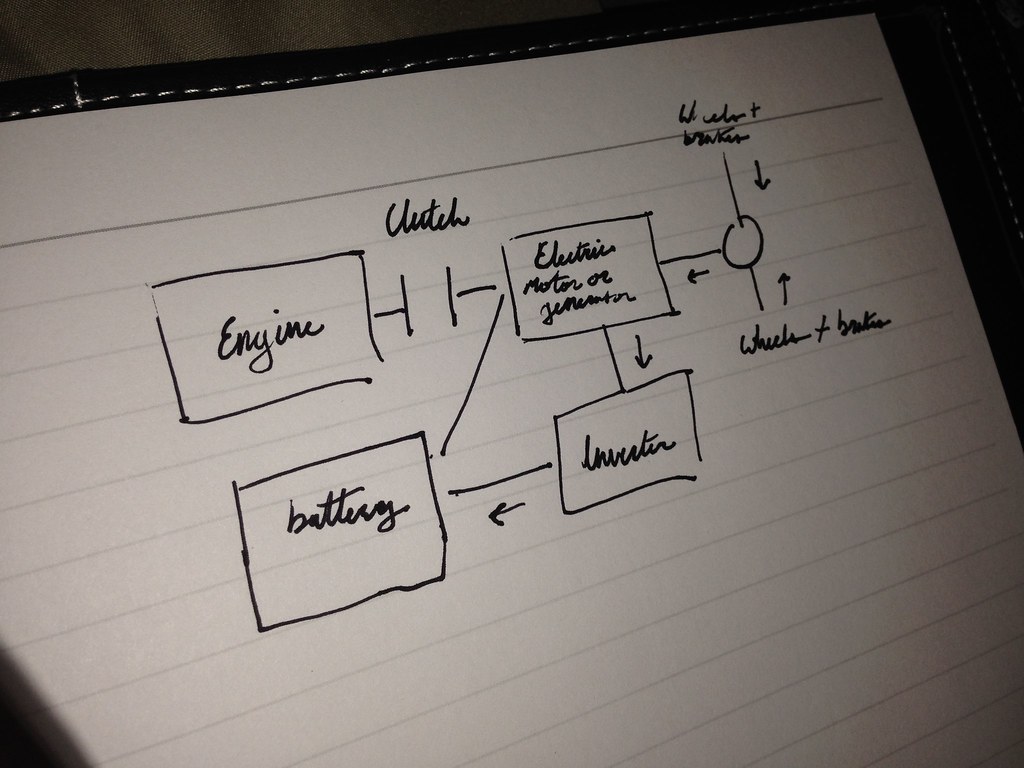
3. **Inefficient Use of Regenerative Braking**Regenerative braking stands out as one of the most ingenious and beneficial features of electric vehicles, offering what might seem like a touch of magic in the world of automotive technology. Unlike traditional friction brakes that transform motion into useless heat, the regenerative system actively converts the vehicle’s kinetic momentum back into electricity. This recaptured energy is then fed directly back into the battery, effectively recharging it on the go. This continuous process means that every time you slow down, you are, in essence, getting “free miles” by recouping energy that would otherwise be entirely wasted in a conventional vehicle.
The impact of effectively utilizing regenerative braking on your EV’s range is truly significant. Most electric vehicles are designed to recover an impressive 60-70% of the energy initially expended during acceleration through this smart braking mechanism. This capability is particularly advantageous in city driving scenarios, where constant acceleration and deceleration are the norm. By maximizing regenerative braking in such conditions, EV owners can realistically extend their driving range by a notable 10-25%. This translates directly into more miles per charge and less frequent visits to charging stations, enhancing convenience and reducing operational costs.
Mastering the art of regenerative braking involves a shift in driving technique, focusing on planning ahead and anticipating changes in traffic or road conditions. Instead of waiting until the last moment to apply the brakes forcefully, the optimal approach is to gently lift off the accelerator earlier. This allows the regenerative system to engage smoothly and efficiently, converting the vehicle’s momentum into valuable battery charge. The car progressively slows down while actively contributing to its own energy supply, showcasing a sophisticated synergy between driver input and vehicle technology.
Many modern electric vehicles further enhance this capability with features like ‘one-pedal driving.’ This advanced system automatically applies strong regenerative braking when the driver lifts their foot off the accelerator pedal, making the process almost seamless. Drivers who master one-pedal driving often find they rarely need to touch the traditional brake pedal during their daily commutes. This not only maximizes energy recovery but also offers an additional tangible benefit: significantly reduced wear and tear on mechanical brake components. Many EV owners report their brake pads lasting well over 100,000 miles, providing a substantial maintenance saving in addition to the energy advantages.
The effectiveness of regenerative braking is further evidenced by real-world data and personal accounts. One EV owner tracked their driving in a Kia EV6, alternating between heavy friction braking and maximized regenerative braking. The results were compelling: while heavy friction braking recovered only 5-10% of energy, maximized regenerative braking consistently recovered 60-70%, leading to a 15-25% improvement in range. Another owner, Sara, a Nissan Leaf driver, stated, “When I first got my EV, I kept braking like my old car. Once I learned to use regen properly, my range jumped by almost 40 miles per charge. It feels like getting free electricity.” This highlights how crucial it is to integrate this feature into your driving style, understanding that various EVs offer different levels of regenerative braking strength, sometimes even adjustable by the driver.
Read more about: The Digital Divide in EVs: 9 Models Unpacked – Which Cars Master Over-the-Air Updates and Which Lag Behind?

4. **The Overlooked Benefits of Eco-Mode**That unassuming “Eco” button nestled within your electric vehicle’s controls is far more than a mere aesthetic touch; it’s a powerful, one-touch tool designed to significantly extend your driving range. When engaged, eco-mode orchestrates a series of intricate, behind-the-scenes adjustments that collectively prioritize maximum efficiency over outright performance. This intelligent optimization can translate into a notable increase in your vehicle’s overall range, making it an invaluable feature for longer journeys or when facing range anxiety.
Activating eco-mode triggers specific recalibrations across several key operational systems within your EV. Foremost, the accelerator pedal’s response becomes more gradual and less aggressive, mitigating sudden power surges that rapidly deplete the battery. Concurrently, the vehicle’s maximum power output is subtly limited, discouraging highly energetic acceleration that demands immense current. Furthermore, the climate control systems—a known energy hog, especially for heating—are reconfigured to operate with enhanced efficiency, drawing less power from the battery while still maintaining a comfortable cabin temperature.
The quantitative impact of eco-mode is quite compelling, demonstrating clear improvements across critical performance areas. For instance, the recalibrated acceleration response alone can yield a 5-8% improvement in range. Limiting the top speed, even slightly, contributes an additional 2-4% in range extension. The more efficient operation of climate control systems, a substantial energy consumer, can add another 3-7% to your total miles. Even the regenerative braking system, often overlooked, can see a 2-5% increase in its energy recovery effectiveness when eco-mode is active.
The real-world implications of these coordinated adjustments are substantial for the everyday EV owner. Engaging eco-mode can, in many vehicles, extend your effective range by a solid 5-15% without requiring any conscious alteration to your personal driving style. For a typical EV, this could mean an additional 15 to 30 miles on a full charge. Mike, a Ford Mustang Mach-E owner, who meticulously tracks his efficiency, observed that in identical driving conditions, he consistently achieved superior mileage per kilowatt-hour when utilizing eco-mode, underscoring its tangible benefits in boosting efficiency.
Integrating eco-mode into your regular driving habits, particularly for commutes or trips where every mile counts, represents a straightforward yet highly effective strategy for optimizing your EV’s range. It’s a testament to how intelligent vehicle design can provide meaningful energy savings and peace of mind, all at the simple push of a button. By understanding and routinely utilizing this feature, drivers can unlock a consistent, measurable boost in their vehicle’s efficiency, minimizing the frequency of charging stops and enhancing overall convenience.
5. **The Inherent Efficiency Challenges of High-Speed Driving**While the instant torque of an electric vehicle makes merging onto highways a breeze, sustaining high speeds presents a distinct challenge to maintaining optimal range. It is a critical factor that many EV owners may not fully account for. As a practical illustration, the data shows that consistently driving above 65 MPH can decrease your EV’s efficiency by 15% or even more. This reduction is not trivial; it directly translates to fewer miles on a charge and can significantly alter your trip planning and charging frequency.
The primary culprit behind this substantial range reduction at higher speeds is the exponential increase in aerodynamic drag. As your vehicle pushes through the air, the resistance it encounters intensifies dramatically with speed. Unlike the linear increase one might intuitively expect, air resistance actually quadruples when speed doubles. This means your EV’s motor must continuously work much harder, drawing a constant and elevated amount of power from the battery, simply to maintain high speeds against this escalating force. There are fewer opportunities for the motor to operate in its most efficient power bands, leading to a less economical use of stored energy.
This continuous, high-intensity energy demand fundamentally differs from the driving profile typically seen in urban environments, which often allows for more efficient energy management. In city driving, periods of acceleration are frequently followed by deceleration, offering ample opportunities for the regenerative braking system to recapture kinetic energy and return it to the battery. On the highway, however, these cycles of energy recovery are far less frequent. The EV is in a constant state of high-power output, with minimal chances to recoup energy, creating a double penalty for your range: high consumption combined with minimal recovery.
Furthermore, the additional strain on the battery at sustained high discharge rates can lead to a slight decrease in overall battery efficiency. While modern EV battery management systems are highly sophisticated, prolonged periods of high power delivery can generate more internal heat within the battery pack, which in turn can marginally impact its optimal operating parameters. This phenomenon, while less significant than aerodynamic drag, contributes to the cumulative effect of range loss observed during high-speed travel, creating a scenario where the battery is working harder and less efficiently than at moderate speeds.
To mitigate the impact of high-speed driving on your EV’s range, adopting a moderate approach to highway speeds is a highly effective strategy. For instance, choosing to cruise at 65 MPH rather than 75 MPH can yield substantial improvements in efficiency, translating into noticeably more miles per charge. Utilizing cruise control can also help maintain a steady speed, avoiding wasteful fluctuations in acceleration and deceleration that further drain the battery. By conscientiously managing your speed, especially on longer journeys, you can significantly extend your EV’s functional range and reduce the need for unexpected charging stops, enhancing your overall driving experience.
Read more about: The Cooling Crisis: 12 Sports Bikes Rated on Heat Management – From Rider-Friendly to Scorching Hot

6. **The Substantial Energy Drain Caused by Climate Control Systems in Extreme Cold**Beyond driving habits, environmental factors, particularly extreme cold, exert a profound influence on your electric vehicle’s range, with climate control systems emerging as a primary energy consumer. The impact is significant and often surprising to new EV owners; it’s a stark reality that “in extremely cold conditions, you could lose up to 41% of your range when using heating systems!” This dramatic reduction is a critical consideration for any EV driver facing winter weather, as it stems from fundamental differences in how electric vehicles generate cabin heat compared to their gasoline counterparts.
Unlike gasoline cars that utilize waste heat from their engines to warm the cabin—essentially using a byproduct that would otherwise be dissipated—electric vehicles are inherently much more efficient and produce very little waste heat from their powertrains. Consequently, to generate warmth, EVs must draw electrical energy directly from their high-voltage battery pack. This power is typically used to operate a resistive heater, much like a household space heater, or a more energy-efficient heat pump system. This direct and substantial draw on the battery for heating purposes constitutes a significant load, directly reducing the energy available for propulsion.
The challenges posed by cold weather extend beyond just the energy demands of the heating system; the battery itself experiences reduced performance in frigid temperatures. The electrochemical reactions within the battery cells slow down when it’s cold, which decreases the battery’s ability to discharge energy efficiently. This means that not only is more energy required to heat the cabin, but the battery is also less effective at supplying that energy, leading to a compounded effect on range loss. Furthermore, cold batteries may accept a charge more slowly, affecting charging times during winter months.
A highly recommended strategy to counteract the energy drain of climate control is preconditioning your vehicle while it is still plugged into a charger. This allows the EV to warm its cabin and, often, its battery pack using grid electricity rather than the battery’s stored energy. Many modern EVs offer scheduling features, enabling you to set your car to preheat automatically before your departure time. This ensures that you start your journey with a warm cabin and a battery operating closer to its optimal temperature, preserving valuable range for driving.
To further conserve energy when facing cold conditions, practical adjustments can make a noticeable difference. Prioritize using seat heaters and heated steering wheels, if available, as these directly warm the occupants and are significantly more energy-efficient than attempting to heat the entire cabin volume. Dressing warmly and moderating your thermostat setting—perhaps aiming for 68 degrees Fahrenheit or less, similar to recommendations for home heating efficiency—can also alleviate the burden on the battery. By combining preconditioning with mindful use of interior heating, EV owners can effectively manage range degradation during the coldest months.
Read more about: Your Winter Car Battery Survival Guide: 12 Smart Accessories for Cold Weather Performance
Navigating the nuances of electric vehicle range requires a comprehensive understanding of how various factors, from driving style to environmental conditions, influence efficiency. While rapid acceleration, hard friction braking, and inefficient regenerative braking can certainly curtail your miles, the strategic use of eco-mode, maintaining sensible highway speeds, and proactively managing climate control in the cold are equally critical. By integrating these insights into your daily driving habits, you’re not just conserving battery life; you’re unlocking the full potential of your electric vehicle, ensuring a more confident, predictable, and ultimately more enjoyable ownership experience. The keys to maximizing your EV’s range are in your hands – a blend of smart driving, technological awareness, and informed decision-making.