
Oprah Winfrey, a figure synonymous with profound influence across media, business, and cultural narratives, recently made a strategic move that reverberated through corporate boardrooms and health conversations alike. Her decision to step down from the WeightWatchers board, after nearly a decade of significant involvement, was far more than a routine corporate departure. It signals a critical pivot in her personal advocacy and, by extension, illuminates evolving paradigms in public health and corporate responsibility.
This executive action, publicly articulated with characteristic transparency, underscores complex intersections of personal conviction, business ethics, and the rapidly shifting landscape of weight management. As an individual who has openly navigated the public eye through decades of personal health journeys, Winfrey’s latest move demands a deeper, analytical exploration into its driving forces and broader implications. It is a testament to her enduring leadership that such a personal decision carries widespread professional resonance.
Here, we delve into the multifaceted rationale behind Oprah Winfrey’s pivotal resignation, dissecting the strategic decisions and personal revelations that collectively form the singular catalyst for her departure. We will examine the business imperatives, the ethical considerations, and the powerful personal narrative shaping this significant moment for one of the world’s most influential leaders.
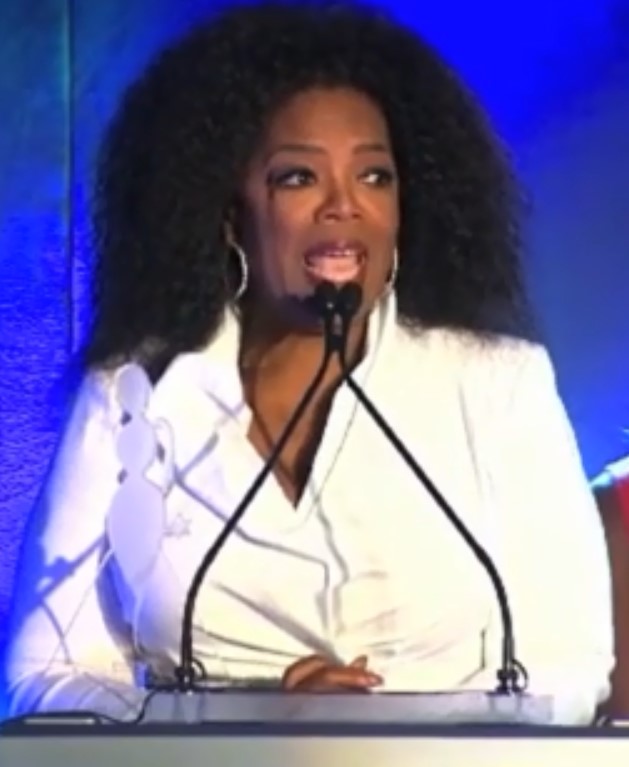
1. **The Pivotal Board Resignation: Ending a Nearly Decade-Long Partnership**
Oprah Winfrey’s announcement in February that she would not seek re-election to the WeightWatchers International Inc. board of directors at the company’s 2024 annual meeting, slated for May 9, marked the end of a significant chapter. Having served on the board since 2015, when she also acquired a 10% stake in the company, her involvement had been integral to the brand’s identity and strategic direction for almost a decade. This departure represented a major shift for both Winfrey and the company she had championed.
Her role with WeightWatchers was far from ceremonial; she was a prominent ambassador, a key strategic advisor, and a significant shareholder. This multi-faceted engagement meant her exit carried substantial weight, impacting not only the company’s governance but also its public perception. The initial acquisition of a 10% stake in 2015, followed by years of active participation, solidified her as a driving force behind the brand’s evolution, making her resignation a widely observed event.
This decision concluded a partnership that had, for years, positioned Oprah Winfrey as the face of a holistic approach to weight management. Her commitment extended beyond mere endorsement, deeply influencing initiatives such as the “Beyond the Scale” program, which broadened the company’s focus beyond just points systems to encompass overall lifestyle and fitness. The culmination of this long-standing relationship underscores a significant strategic re-evaluation, pointing towards deeper motivations than a simple change of role.

2. **Unpacking the ‘Conflict of Interest’ Rationale: Upholding Integrity**
At the core of Oprah Winfrey’s decision was a clear and unwavering commitment to avoiding any perception of a conflict of interest. As she stated during her appearance on “Jimmy Kimmel Live!”, “I decided [to leave the WeightWatchers board] because this special was really important to me, and I wanted to be able to talk about whatever I want to talk about.” This direct declaration highlights her dedication to unrestricted dialogue on a topic she deemed critically important.
Her reasoning was meticulously clear: “WeightWatchers is now in the business of being a weight-health company that also administers drug medications for weight. I did not want to have the appearance of any conflict of interest.” This statement reveals a careful consideration of her public platform and the ethical responsibilities that accompany it. Her desire to speak freely about weight-loss medications, while being associated with a company now involved in their administration, presented a direct ethical dilemma.
This strategic disengagement demonstrates a high level of integrity, prioritizing the message over her corporate affiliation. By severing formal ties, Winfrey ensured that her upcoming special, focused on the complexities of weight loss and medication, would be perceived as an unbiased, independent exploration. This proactive measure reinforces her long-standing reputation as a credible and authentic voice, particularly on sensitive personal and public health matters.

3. **The Genesis of “An Oprah Special: Shame, Blame and the Weight Loss Revolution”**
Central to Oprah Winfrey’s decision was the imperative to fully realize her upcoming ABC special, titled “An Oprah Special: Shame, Blame and the Weight Loss Revolution.” This prime-time event, her first in 13 years, carries immense personal and public significance. It is designed to delve into the nuanced and often stigmatized world of prescription weight-loss drugs, featuring medical experts and patients in a live studio audience format.
Winfrey underscored the personal importance of this project, emphasizing her desire to speak candidly and comprehensively about the topic without external constraints. “This special was really important to me,” she reiterated, signifying its role as a platform for open dialogue. This long-awaited return to a major special format highlights her commitment to addressing complex societal issues, especially those touching deeply on individual experience and public perception.
The special aims to discuss the impact of prescription weight-loss medications, addressing common questions and concerns surrounding popular semaglutide or glucagon-like peptide 1 (GLP-1) injections. It seeks to bring together medical experts, leaders in the space, and individuals in the day-to-day struggle to foster a conversation around health equity and obesity, with the ultimate goal of releasing the shame, judgment, and stigma associated with weight. This ambitious agenda necessitates an uncompromised position, free from corporate affiliations.

4. **WeightWatchers’ Strategic Pivot to Medical Weight Management**
Oprah Winfrey’s departure coincides with a significant strategic evolution within WeightWatchers itself. The company has explicitly shifted its business model to become a “weight-health company that also administers drug medications for weight.” This transition represents a profound change from its historical focus on behavioral and dietary programs, moving into the pharmaceutical and telehealth sectors of weight management.
This strategic pivot was concretized by WeightWatchers’ acquisition of Sequence in 2023 for $106 million. Sequence is a telehealth subscription service specifically designed to provide access to healthcare providers who can prescribe weight-loss drugs like Ozempic, Wegovy, and Mounjaro. This acquisition positioned WeightWatchers directly within the burgeoning market for prescription weight-loss medications, fundamentally altering its operational landscape.
Such a bold strategic move by WeightWatchers reflects a broader industry trend towards recognizing obesity as a chronic medical condition that can be managed with pharmacological interventions. While offering new avenues for members to achieve health goals, it also created the direct appearance of a conflict for Winfrey, who was both a board member and a public advocate for a nuanced discussion of these very medications. The company’s expansion into drug administration created the clear ethical boundary she ultimately chose not to cross.
Read more about: Oprah Winfrey Looks Nearly Unrecognizable: Inside Her Incredible 50-Pound Weight Loss Journey and Candid GLP-1 Revelation

5. **The Powerful Gesture: Donating WeightWatchers Shares to Prevent Speculation**
To further solidify her commitment to avoiding any appearance of personal gain from her upcoming special, Oprah Winfrey took the extraordinary step of donating all of her WeightWatchers shares. This significant philanthropic act directed her entire stake to the National Museum of African American History and Culture, an institution she deeply supports. The move transcended typical corporate ethics, adding another layer to her integrity.
Winfrey explicitly articulated the reasoning behind this donation, stating, “So nobody can say, ‘Oh, she’s doing that special. She’s making money and promoting.’ No. You cannot say that.” This pre-emptive action was designed to quash any potential accusations of self-enrichment or using her platform to profit from the rapidly growing weight-loss medication market. It was a clear demonstration of her prioritizing the message over her personal financial interests.
According to FactSet data, Winfrey owned approximately 1.1 million shares, representing a 1.43% stake in the company. Her initial investment for 6.4 million shares totaled $43.2 million. While the current value of her remaining shares at the time of the announcement was around $2.5 million to $4.1 million, the donation underscores a powerful commitment to ethical leadership and transparent advocacy. This gesture not only supported a vital cultural institution but also reinforced her credibility as an unbiased voice in the weight-loss discourse.

6. **Oprah’s Candid Confession: Embracing Weight-Loss Medication**
A critical element driving Oprah Winfrey’s recent decisions is her personal revelation in December 2023 that she has been using weight-loss medication. Speaking to People magazine, she disclosed her use of an unspecified prescription drug in conjunction with lifestyle changes, describing it as a “tool to manage not yo-yoing.” This admission marked a significant shift in her public narrative surrounding weight management.
Her experience with the medication brought a profound sense of “relief, like redemption, like a gift.” Winfrey expressed a newfound freedom from the self-blame and societal shaming she had endured for years. “I’m absolutely done with the shaming from other people and particularly myself,” she declared, highlighting a deeply personal liberation from decades of public scrutiny and internal struggle regarding her weight.
This candid confession provided a powerful context for her special, framing it not just as an abstract discussion but as a deeply personal one. Her openness destigmatized the use of such medications, aligning her with the hundreds of millions of people globally who struggle with obesity. By sharing her own journey, she added an unparalleled layer of authenticity and empathy to the broader conversation about medically assisted weight management.

7. **A Public Struggle: Decades of ‘Yo-Yoing’ and Its Toll**
Oprah Winfrey’s journey with weight has been a public spectacle for decades, characterized by repeated cycles of significant weight loss and regain, commonly known as the “yo-yo effect.” This long-standing battle has been a consistent thread throughout her illustrious career, often overshadowing other accomplishments. Her willingness to share this struggle has made her relatable to countless individuals facing similar challenges.
One of the most infamous instances was in 1988, when she brought out a red Radio Flyer wagon stacked with 67 pounds of fat to represent the weight she had recently lost. She later admitted regretting this stunt, acknowledging on the “Making Oprah” podcast in 2016, “I literally handed to the world on a fat wagon platter the story of ‘Is she fat? Is she thin?’” This moment became a symbol of the intense public pressure and personal vulnerability she experienced.
Her recent comments to Jimmy Kimmel echoed this persistent battle: “You’ve seen me, you all have seen me, I’ve been in the struggle, I’ve been in the storm of losing the weight, gaining it back, losing the weight, gaining it back.” This candid reflection underscores the emotional and psychological toll such a public and prolonged struggle can take. It also sets the stage for her profound realization that willpower alone was insufficient, leading to her embrace of new medical understandings and treatments.

8. **Her Redefined Understanding of Obesity as a Disease**
This paradigm shift marks a profound evolution in Oprah Winfrey’s personal and public narrative surrounding weight management. For decades, like many, she subscribed to the conventional wisdom that weight was primarily a matter of willpower and personal discipline. Her candid admission to People magazine revealed a fundamental re-evaluation: “I realized I’d been blaming myself all these years for being overweight, and I have a predisposition that no amount of willpower is going to control.” This statement signifies a liberation from self-blame and societal judgment, a crucial step in her journey.
The turning point came from professional medical insight, challenging long-held personal beliefs. Winfrey shared that after years of relentless “yo-yoing” through various diets and regimens, her doctors provided a crucial explanation: “obesity is a disease.” This medical framing transformed her understanding, moving it beyond a moral failing or a perceived lack of personal effort. It presented a scientific lens through which to view a condition that had plagued her, and millions worldwide, for a lifetime.
Her doctors’ detailed explanation further solidified this new perspective, offering a powerful analogy to illustrate the biological realities of weight management. She vividly recounted their words, stating, “what I realized when I listened to what the doctor said, [which was] ‘You’re always going to put it back on and it’s like holding your breath under water and trying to not rise, you’re always going to rise.’” This potent image effectively conveyed the futility of fighting one’s natural physiology without appropriate medical support.
This profound medical understanding was pivotal in her decision to embrace weight-loss medication. It wasn’t a surrender to a “quick fix” but an an acceptance of a medically approved “tool” for managing a chronic condition, much like medication for any other disease. By recognizing obesity as a complex physiological issue rather than a simple matter of self-control, Winfrey found a pathway to sustainable health that had eluded her in the past.
Ultimately, her journey demonstrates a powerful example of how individual perspectives can shift when informed by evolving scientific consensus. Moving from decades of self-reproach and public scrutiny, Winfrey now champions a more empathetic and effective approach to health. Her public sharing of this transformation serves to educate and empower others facing similar struggles, challenging outdated narratives and fostering a more understanding environment for weight management.
Read more about: Unleashing Velocity: How Innovation and Human Spirit Drive Cycling’s Quest for Record-Breaking Speed

9. **The Critical Role of Her Knee Surgery**
A less publicized yet deeply personal catalyst in Oprah Winfrey’s health journey was a painful double knee surgery she underwent in 2021. This event, far from being a mere physical setback, became a moment of profound introspection and renewed commitment to her well-being. During her arduous rehabilitation process, faced with the challenge of regaining mobility, she made a solemn vow that would significantly shape her future health decisions.
During this vulnerable period, Winfrey pledged, “God, if you let me walk again, I promise I will get myself in shape, I promise I will use my body to the highest possible good for myself and my health.” This deeply personal commitment marked the beginning of a renewed focus on her physical condition. It ignited a determination to overcome her physical limitations and reclaim her health through diligent effort.
Initially, this powerful pledge propelled her into an intense regimen of physical activity and disciplined eating, without the immediate aid of weight-loss medication. She described starting with small, consistent daily steps, gradually building up her endurance and strength. This dedication saw her progress to impressive feats, such as hiking three to five miles every day, and even conquering challenging 10-mile straight-up hikes on weekends, demonstrating remarkable resolve.
Reflecting on her strenuous efforts during this period, she shared, “I felt stronger, more fit, and more alive than I’d felt in years,” underscoring the deep personal satisfaction derived from her commitment to recovery. However, despite this rigorous pursuit of fitness and the significant progress she achieved, the underlying, chronic struggle with weight gain and loss persisted, leading her to eventually question if willpower alone was sufficient.
The knee surgery, therefore, served as a foundational turning point. It not only reignited her commitment to health but, more importantly, guided her toward a more comprehensive understanding that integrated both lifestyle changes and advanced medical science. This deeply personal experience underscored the complexity of weight management and ultimately paved the way for her acceptance of prescription medication as a vital “tool” in her long-term health strategy.
Read more about: Unleashing Velocity: How Innovation and Human Spirit Drive Cycling’s Quest for Record-Breaking Speed
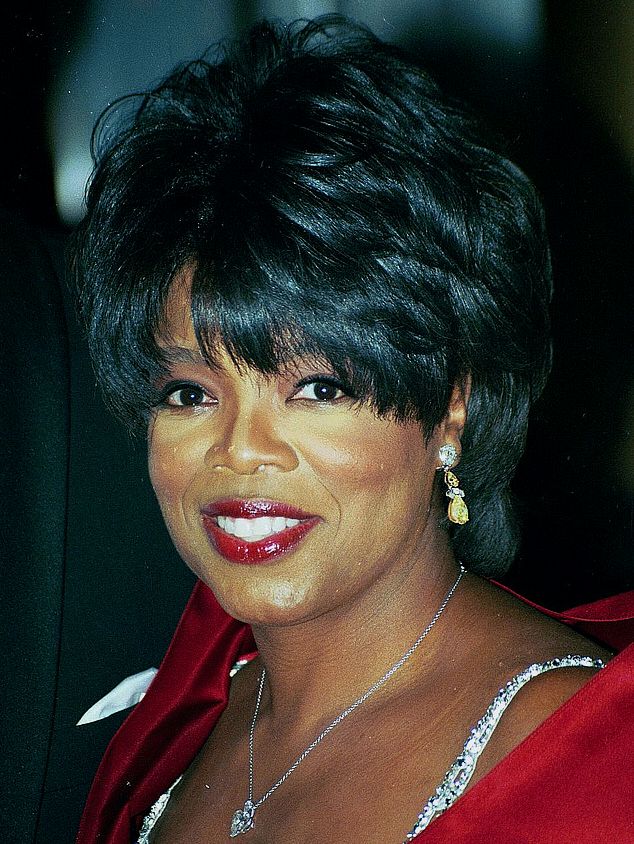
10. **The Market’s Reaction to Her Resignation**
Oprah Winfrey’s resignation from the WeightWatchers board, despite her clear intent to continue advising the company in a different capacity, sent an immediate and significant ripple through the financial markets. The announcement in February quickly translated into a tangible and adverse impact on the company’s stock performance, highlighting the immense value and perceived influence she held within the organization. Investors reacted swiftly, signaling their apprehension regarding her reduced formal involvement.
Following the official filing with the Securities and Executive Commission, WeightWatchers International Inc. experienced a notable downturn in its share price. The company’s stock plummeted by 20% in the immediate aftermath of the news, a stark indication of market concern regarding the implications of her departure. This sharp decline underscored the extent to which Winfrey’s presence was intricately intertwined with the company’s public image and broader investor confidence, even after nearly a decade of her strategic input.
Further reports from financial news outlets corroborated this immediate and dramatic market response. CBS News, for instance, specifically noted that WeightWatchers’ stock “tanked 17 percent” after the announcement, echoing the widespread acknowledgment of her influential role. Such a significant drop in value demonstrates how critically the market assessed her connection to the brand, perceiving her presence as a key driver of its perceived strength and future prospects.
While Oprah Winfrey’s personal financial stake, approximately 1.4 percent of the company’s shares, was relatively modest in the grand scheme of the company’s overall valuation, her intangible contributions as a global ambassador, a strategic advisor, and a symbol of authenticity were evidently considered far more substantial by market analysts and investors. Her celebrity endorsement and personal narrative had profoundly shaped the brand’s appeal.
This adverse market reaction thus serves as a powerful testament to the unique and irreplaceable power of a figure like Oprah Winfrey in the corporate landscape. Her association brings not just capital investment, but an unparalleled level of credibility, visibility, and an emotional connection with consumers. Her strategic disengagement, even motivated by high ethical standards, highlighted her crucial role in the company’s brand narrative, leading to an immediate and sharp reassessment of its market value.
Read more about: 12 Thriller-Level Events That Had Us on the Edge of Our Seats in 2025: Real-Life Suspense & Twists You Won’t Believe!
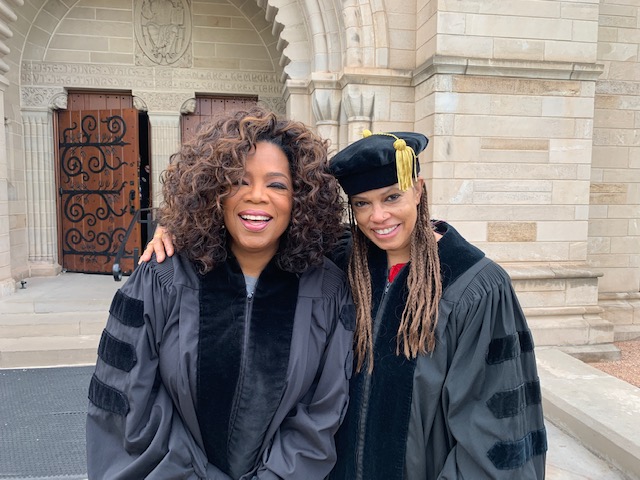
11. **Her Sustained Advisory Commitment to WeightWatchers**
Even as Oprah Winfrey formally stepped down from the WeightWatchers board of directors, her departure was meticulously framed not as an ending, but rather as a strategic evolution of her enduring relationship with the company. In an official press release, Winfrey clearly articulated her intent to maintain an active, albeit different, role: “I look forward to continuing to advise and collaborate with WeightWatchers and CEO Sima Sistani in elevating the conversation around recognizing obesity as a chronic condition, working to reduce stigma, and advocating for health equity.” This statement outlined a deliberate and ongoing commitment.
This public declaration signaled a strategic shift from her previous role in formal corporate governance to a more focused advisory and advocacy capacity. She explicitly affirmed her deep commitment to the core mission that initially drew her to WeightWatchers – promoting a holistic approach to wellness and challenging societal norms around weight. Her ongoing engagement will concentrate on leveraging her powerful global platform to champion health equity and combat the pervasive stigma associated with obesity, areas where her voice carries unparalleled influence.
Winfrey explicitly stated her plans to “participate in a number of public forums and events where I will be a vocal advocate in advancing this conversation.” This indicates her clear intention to continue using her prominent public profile to drive awareness, foster understanding, and instigate meaningful change in how society views and addresses weight management. Her role, therefore, transitions into that of a thought leader and public educator, rather than a corporate director, amplifying her impact in a different but equally potent manner.
The WeightWatchers board, through its Chairman Thilo Semmelbauer, acknowledged Winfrey’s invaluable contributions and expressed profound support for her continued, though informal, involvement. Semmelbauer’s statement conveyed gratitude: “Oprah has been an inspiring presence and passionate advocate for our members, providing critical insights and counsel… I would like to thank her for her energy, dedication, and for continuing to play a role as collaborator and thought partner going forward.” This demonstrated the company’s recognition of her enduring impact.
This mutual commitment between Winfrey and WeightWatchers highlights an enduring respect and shared vision that transcends her formal board resignation. It underscores that while the corporate structure may have changed, the collaborative spirit and the dedication to a critical public health mission remain strong. Her continued advisory capacity ensures that her influence on the conversation around weight health will persist, albeit through a revised strategic alignment.

12. **The Scientific Advancements in GLP-1 Medications**
A central and transformative theme underpinning Oprah Winfrey’s special and her evolving perspective on weight management is the groundbreaking emergence of GLP-1 (glucagon-like peptide 1) medications. These prescription drugs represent a profound scientific leap forward in the medical treatment of obesity, introducing a powerful new dimension to an area long dominated primarily by conventional diet and exercise protocols. Their innovative mechanism of action fundamentally alters the physiological battle against weight gain.
These revolutionary medications, which include widely discussed names such as Ozempic, Wegovy, and Mounjaro, operate by mimicking natural hormones found in the body, primarily GLP-1 and sometimes GIP. These hormones play a crucial role in regulating appetite, slowing gastric emptying, and promoting feelings of fullness, thereby influencing food intake and metabolic processes. By activating these pathways, the drugs help individuals achieve significant and sustained weight loss.
Specific examples illustrate their varied applications. Ozempic, a once-weekly injection, was initially developed and approved for the treatment of Type 2 diabetes. However, its notable weight-loss side effects quickly propelled it into broader off-label use for obesity management. Wegovy, another semaglutide injection, is specifically approved by regulatory bodies for chronic weight management, while Mounjaro stands out as the first diabetes drug to target a second hormone, GIP, potentially offering enhanced efficacy in both blood sugar control and weight reduction.
The societal impact of these drugs is truly profound, as highlighted by a network statement emphasizing their historical significance: “For the first time in history, new drugs could prove to be the game changer to stem the tide of people living with obesity, an epidemic which has grown exponentially since the 1970s.” This signifies a critical shift from viewing obesity purely as a matter of lifestyle choices to recognizing it as a chronic medical condition highly amenable to pharmacological intervention. The economic implications are equally staggering, with obesity costing an estimated $173 billion per year in medical costs in the United States alone.
Winfrey’s special is poised to demystify these medications for a vast audience, addressing common questions, concerns, and misconceptions while featuring insights from leading medical experts and patient testimonials. By bringing these scientific advancements to the forefront of public discussion, she aims to educate millions about these new, powerful tools. Her advocacy underscores that these drugs are not a simple “quick fix” but rather a sophisticated, medically approved “tool” for managing a complex health challenge, offering a sense of “relief, like redemption, like a gift” for those who have struggled for years.
Read more about: Beyond the Headlines: Unpacking the Complex Truths Behind Celebrity Weight Transformations

13. **Broader Societal Push for Health Equity and Stigma Reduction**
Beyond the immediate personal and corporate implications, Oprah Winfrey’s recent decisions and her upcoming special are profoundly embedded within a broader, burgeoning societal movement advocating for health equity and the reduction of stigma surrounding weight. For far too long, individuals grappling with obesity have faced immense shame, blame, and pervasive judgment, often without the benefit of a comprehensive understanding of the condition’s underlying medical complexities. Her powerful initiative seeks to actively dismantle these deeply ingrained societal prejudices.
Winfrey’s meticulously planned special, “An Oprah Special: Shame, Blame and the Weight Loss Revolution,” explicitly articulates its ambitious goal: to release this pervasive shame, judgment, and stigma. It is built on the fundamental premise that obesity is not merely a personal failing but a chronic medical condition, influenced by a complex interplay of biological, genetic, and environmental factors. By assembling a diverse group of medical experts and patients, the special aims to foster an open and empathetic dialogue, thereby reframing the public perception of weight from moralistic judgments to an evidence-based, compassionate understanding.
Her personal journey plays an absolutely crucial role in this widespread destigmatization effort. By openly sharing her own experiences with weight-loss medication and her decades-long, public struggle with weight, Winfrey courageously aligns herself with “hundreds of millions of people globally who struggle with obesity.” This act of vulnerability from such an iconic and influential figure not only normalizes the use of medical interventions but also profoundly validates the experiences of countless individuals who have felt isolated, misunderstood, and unfairly judged for their weight.
Furthermore, her steadfast commitment, as articulated in her continued advisory role with WeightWatchers, strongly emphasizes “advocating for health equity.” This commitment extends far beyond individual weight loss, aiming to address systemic disparities in access to quality care, accurate information, and supportive societal environments. It’s a call to action for a more just and inclusive approach to health, recognizing that factors beyond individual control often contribute significantly to health outcomes.
The collective effort, powerfully spearheaded by influential voices like Winfrey, aims to foster a more compassionate, informed, and equitable approach to weight health. By continuously advocating for the recognition of obesity as a disease that deserves comprehensive medical and societal support, she is helping to redefine public health narratives. Her work champions a future where every individual can pursue health without the oppressive burden of societal shame.
Read more about: America’s Housing Conundrum: A Deep Dive into the Systemic Roots of Unaffordability and the Fading Dream of Homeownership
Oprah Winfrey’s strategic departure from the WeightWatchers board, driven by a powerful confluence of personal revelation, ethical conviction, and a deep commitment to public education, underscores a pivotal moment in health discourse. Her willingness to transparently navigate her own health journey, while simultaneously challenging entrenched societal stigmas and business paradigms, reinforces her enduring legacy as a transformative leader. As the conversation around obesity evolves from one of shame and blame to understanding and medical progress, Winfrey’s voice remains a guiding force, empowering individuals and reshaping an industry, paving the way for a more informed and empathetic future of weight health.