The cosmos, a vast and enigmatic expanse, is perpetually illuminated by countless luminous spheres we call stars. These celestial bodies, far from being static points of light, are dynamic furnaces of creation, silently shaping the universe with their immense energy and gravitational might. For millennia, humanity has looked to the night sky, weaving narratives and developing foundational knowledge around these distant suns. Their study has not only propelled our understanding of the universe but has also profoundly influenced human culture, navigation, and timekeeping.
From the familiar glow of our own Sun to the faintest glimmer of a distant nebula, stars represent the fundamental building blocks of galaxies, continuously recycling elements and fostering new generations of stellar and planetary systems. This article embarks on an in-depth exploration of these cosmic powerhouses, tracing their significance from the earliest human observations to the sophisticated astrophysical understanding we possess today. We will journey through pivotal historical discoveries, unravel their complex life cycles, and appreciate their profound impact on the structure of the universe, demonstrating that every star tells a story of creation, evolution, and ultimate transformation.
The sheer scale of stars is breathtaking. The observable universe contains an estimated 10^22 to 10^24 stars, a number so immense it dwarfs the grains of sand on planet Earth. While only about 4,000 of these are visible to the eye from within our own Milky Way galaxy, each one represents a unique cosmic laboratory. Our exploration begins by grounding ourselves in the basic definition of a star and then journeys through the fascinating history of how we came to understand these distant, fiery orbs.

1. **What is a Star? Defining the Cosmic Luminary.**A star, at its most fundamental, is a luminous spheroid of plasma held together by its own immense self-gravity. These colossal objects are primarily composed of hydrogen and helium, with only trace amounts of heavier elements. It is within their cores, under conditions of extreme temperature and pressure, that the magic of thermonuclear fusion takes place, where hydrogen is converted into helium. This process is the very engine of a star, releasing the incredible energy that traverses its interior and radiates outward into space, making it shine brightly across billions of light-years.
The energy produced by nuclear fusion is what defines a star’s “active life.” For the majority of its existence, a star maintains a delicate balance between the outward pressure generated by fusion and the inward pull of its gravity. This stable phase is known as the main sequence, a topic we will delve into later, representing the prime of a star’s life. The total mass of a star is the most crucial factor determining not only its luminosity and size but also its entire evolutionary path and its ultimate demise. Without sufficient mass, a celestial body might only become a brown dwarf, failing to ignite sustained fusion.
While the Sun is our nearest star, serving as a constant and life-giving presence, countless other stars dot our night sky, appearing as mere pins of light due to their immense distances. These distant suns have been categorized by astronomers into constellations and asterisms, forming patterns that have guided human endeavors for millennia. Standardized stellar designations are carefully recorded in comprehensive star catalogues, providing a systematic way to identify and study these celestial wonders. The sheer number of stars in the universe underscores the vastness and complexity of the cosmos, hinting at untold possibilities and phenomena yet to be fully uncovered.
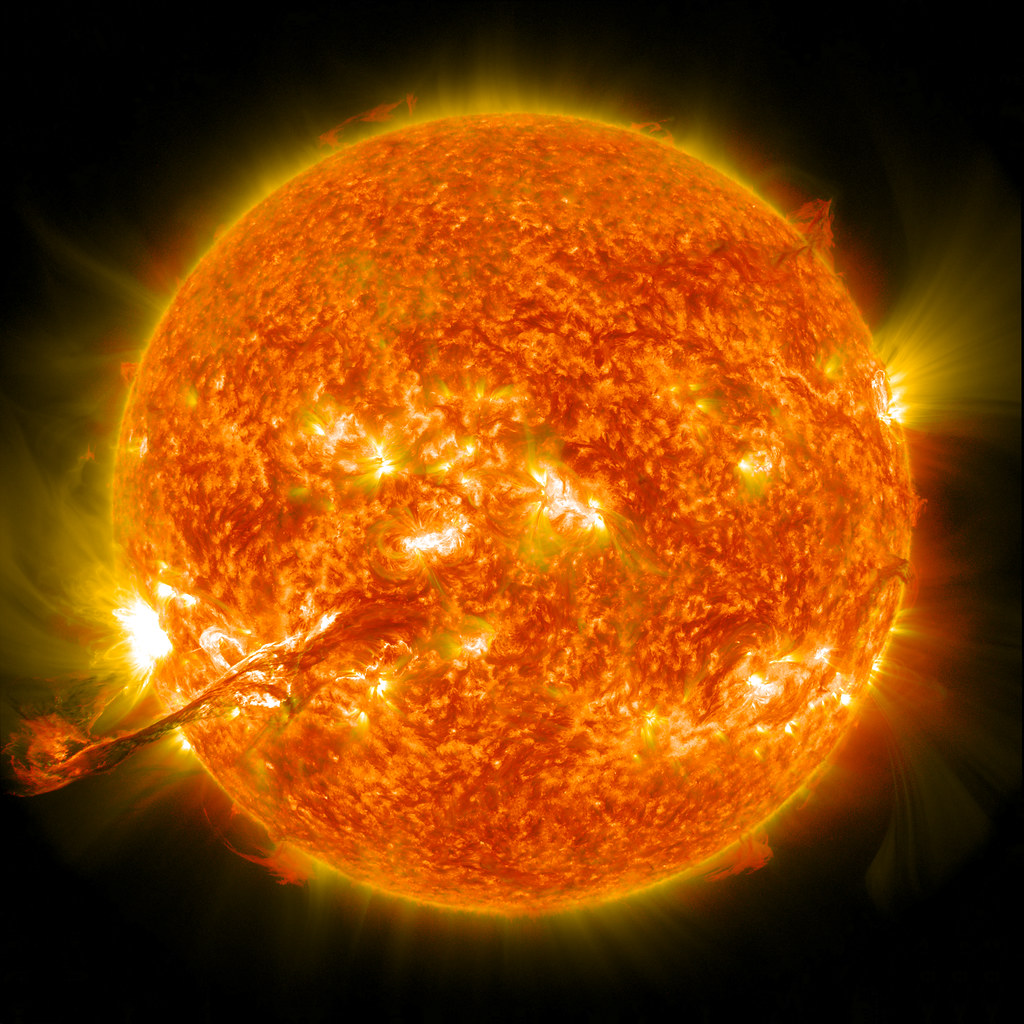
2. **The Sun: Our Closest Stellar Neighbor.**When we speak of stars, our closest and most familiar example is, of course, the Sun. Classified as a G-type main-sequence star, it is the radiant heart of our solar system, providing the light and warmth essential for life on Earth. Its proximity allows us an unparalleled opportunity to study a star in detail, offering insights that are then extrapolated to understand more distant and diverse stellar bodies. The Sun’s characteristics, such as its mass, luminosity, and radius, often serve as crucial reference points, or “solar units,” in the study of other stars.
The Sun’s active life is sustained by the continuous thermonuclear fusion of hydrogen into helium within its core, a process that has been ongoing for approximately 4.6 billion years. During this time, it has steadily increased in luminosity, illuminating our planet and driving its climate. Its current phase is that of a main-sequence star, a stage it is expected to occupy for another roughly 5 billion years. Understanding the Sun’s present state and its projected future is critical, as its evolution will directly impact the habitability and eventual fate of Earth.
Astronomers use the Sun as a benchmark for various measurements. For instance, nominal solar luminosity (L ☉ = 3.828 × 10^26 W) and nominal solar radius (R ☉ = 6.957 × 10^8 m) are defined by the IAU as SI constants, providing standard units for comparing stellar parameters. While its exact mass (approximately 1.9885 × 10^30 kg) is derived from the more precisely known nominal solar mass parameter (G M ☉ = 1.327 1244 × 10^20 m^3/s^2), these nominal values streamline the way scientists communicate and quantify the vast scales involved in stellar astrophysics. The Sun, therefore, is not just a light source, but a fundamental unit of cosmic measurement.
3. **Ancient Civilizations and the Stars: Early Observations and Cultural Significance.**Long before telescopes and advanced physics, stars played an indispensable role in human civilization across the globe. For ancient peoples, the night sky was a canvas of meaning, profoundly impacting religious practices, divination rituals, and rich mythologies. The fixed patterns of constellations provided a celestial clock and compass, becoming essential for celestial navigation, orientation, and meticulously marking the passage of seasons. This intricate relationship between humanity and the stars was the bedrock upon which early calendars were built, directly influencing agricultural practices and societal rhythms.
Early astronomers, with keen eyes and a deep understanding of cyclical celestial movements, distinguished between the “fixed stars,” whose positions on the celestial sphere appeared immutable, and the “wandering stars,” or planets, which moved noticeably over days or weeks. This fundamental observation led to the widespread belief that the stars were permanently affixed to a heavenly sphere, an unyielding backdrop to the dynamic dance of the planets. By observing the Sun’s motion against this stellar backdrop, ancient societies developed sophisticated solar calendars, like the Gregorian calendar we still use today, reflecting Earth’s rotational axis relative to our local star.
The cultural impact of stars extended beyond practical applications. Many prominent stars and star groups were imbued with proper names, often derived from rich mythological traditions, and formed into asterisms and constellations that still resonate today. These celestial narratives helped ancient cultures make sense of their world, providing a sense of order and cosmic connection. The earliest accurately dated star chart, from ancient Egyptian astronomy in 1534 BC, alongside the Babylonian star catalogues from the late 2nd millennium BC, stands as a testament to the enduring human fascination and systematic study of the stars from the dawn of recorded history.
Read more about: Stellar Genesis to Galactic Finale: An Industry Deep Dive into the Dramatic Lives of Cosmic Stars

4. **Pioneering Catalogues: Mapping the Celestial Sphere.**The systematic mapping of the night sky began with earnest in ancient Mesopotamia, where Babylonian astronomers meticulously compiled the earliest known star catalogues during the Kassite Period, roughly between 1531 BC and 1155 BC. These early efforts were foundational, laying the groundwork for subsequent astronomical endeavors. Such catalogues were not merely lists; they were critical tools that allowed ancient observers to track celestial movements, predict events, and ultimately develop a deeper understanding of the cosmic order. The precision and dedication required for such compilations highlight a sophisticated level of astronomical observation, even without advanced optical instruments.
Moving westward, Greek astronomy further refined the art of stellar cataloging. The first star catalogue in Greek tradition was notably created by Aristillus around 300 BC, with crucial assistance from Timocharis. This tradition culminated in the monumental work of Hipparchus in the 2nd century BC, whose star catalogue documented an impressive 1,020 stars. This comprehensive record proved so influential that it was later utilized to assemble Ptolemy’s renowned star catalogue, which served as a primary reference for centuries. Hipparchus is also famously credited with the groundbreaking discovery of the first recorded “nova,” or “new star,” challenging the ancient belief in the immutable nature of the heavens.
Even as early European astronomers were grappling with the concept of an unchanging celestial sphere, Chinese astronomers demonstrated a remarkably prescient awareness of stellar variability. In 185 AD, they were the first to observe and document a “supernova,” an event now known as SN 185, signaling the sudden appearance of a brilliant new star in the sky. This observation was followed by even more dramatic events, such as the brightest stellar event in recorded history, the SN 1006 supernova, which was meticulously documented by both the Egyptian astronomer Ali ibn Ridwan and several Chinese astronomers. The SN 1054 supernova, which left behind the iconic Crab Nebula, was also carefully observed by Chinese and Islamic scholars, showcasing a global, albeit independently developed, understanding of the dynamic nature of the cosmos.

5. **The Islamic Golden Age: Advancing Stargazing and Nomenclature.**The medieval Islamic world emerged as a powerhouse of astronomical innovation, building upon the knowledge of preceding civilizations and contributing significantly to the scientific understanding of stars. Islamic astronomers not only preserved but also expanded upon ancient texts, integrating new observations and theoretical frameworks. Their contributions are still evident today in the numerous Arabic names given to many prominent stars, which have been retained in modern astronomical nomenclature. This period saw a flourishing of scientific inquiry, marked by precision and a systematic approach to celestial studies.
A hallmark of this era was the invention and refinement of numerous astronomical instruments designed to compute and track the positions of stars with unprecedented accuracy. Perhaps even more impactful was the establishment of the first large observatory research institutes. These sophisticated facilities were specifically built to produce detailed “Zij” star catalogues, which were comprehensive tables of astronomical data. Among these, the “Book of Fixed Stars” (964 AD) by the Persian astronomer Abd al-Rahman al-Sufi stands out. Al-Sufi’s work was revolutionary, encompassing observations of individual stars, star clusters like the Omicron Velorum and Brocchi’s Clusters, and even galaxies, including the Andromeda Galaxy, demonstrating an early awareness of objects beyond our immediate stellar neighborhood.
The intellectual curiosity of Islamic scholars extended to the very structure of the cosmos. In the 11th century, the Persian polymath Abu Rayhan Biruni described the Milky Way galaxy not as a continuous luminous band but as a “multitude of fragments having the properties of nebulous stars,” offering an early, insightful hypothesis about its true nature. Similarly, the Andalusian astronomer Ibn Bajjah proposed that the Milky Way was composed of countless stars so close they appeared continuous due to the effect of refraction from sublunary material, citing his observations of planetary conjunctions as evidence. These thinkers, centuries ahead of their time, laid crucial groundwork for the later understanding of galactic structures, highlighting the profound impact of Islamic astronomy on our perception of the starry heavens.

6. **Renaissance to Enlightenment: Redefining the Immutable Heavens.**The European Renaissance and subsequent Enlightenment periods ushered in a revolutionary era for astronomy, challenging deeply entrenched ancient dogmas about an unchanging cosmos. Early European astronomers, such as the Danish nobleman Tycho Brahe, made precise observations that directly contradicted the notion of immutability. Brahe, for instance, identified “new stars” in the night sky, which we now understand as novae, providing compelling evidence that the celestial sphere was far from static. These observations were instrumental in dismantling the Aristotelian view of perfect, unchanging heavens.
This burgeoning scientific spirit extended to philosophical speculation about the nature of stars themselves. In 1584, the Italian philosopher Giordano Bruno boldly suggested that stars were not merely distant pins but were, in fact, “like the Sun,” and could potentially be orbited by other planets, perhaps even “Earth-like” ones. This revolutionary idea, though predated by ancient Greek philosophers like Democritus and Epicurus and medieval Islamic cosmologists such as Fakhr al-Din al-Razi, gained increasing traction during this period. By the 17th century, the concept of stars being analogous to our Sun was becoming a widely accepted consensus among the scientific community, transforming our understanding of our place in the universe.
The advancements continued, with luminaries like Isaac Newton offering explanations for cosmic phenomena. To address why stars exerted no net gravitational pull on the Solar System, Newton, prompted by theologian Richard Bentley, proposed that stars were “equally distributed in every direction,” an ingenious solution reflecting the nascent understanding of universal gravitation. Further empirical observations continued to chip away at old beliefs. The Italian astronomer Geminiano Montanari recorded variations in the luminosity of the star Algol in 1667, suggesting dynamic processes within stars. Crucially, Edmond Halley published the first measurements of the “proper motion” for a pair of nearby “fixed” stars, unequivocally demonstrating that their positions had indeed changed since the time of the ancient Greek astronomers Ptolemy and Hipparchus, marking a definitive break from the ancient concept of immutability and heralding a new age of dynamic stellar astronomy.
7. **Unlocking Stellar Secrets: The Birth of Astrophysics through Spectroscopy and Parallax.**The 18th and 19th centuries witnessed a profound shift in stellar study, moving beyond mere observation and cataloging to the nascent field of astrophysics, which sought to understand the physical properties of stars. One of the most groundbreaking developments was the pioneering of stellar spectroscopy by Joseph von Fraunhofer and Angelo Secchi. By comparing the spectra of stars such as Sirius to the Sun, they observed distinct differences in the strength and number of their “absorption lines”—dark lines in stellar spectra caused by the atmosphere’s absorption of specific frequencies. This technique opened a window into the chemical composition and physical conditions of distant stars.
Building on this, in 1865, Angelo Secchi took the pivotal step of classifying stars into “spectral types” based on their observed spectra. This early classification scheme laid the groundwork for the modern system, which was further developed and standardized by Annie J. Cannon in the early 1900s. Stellar spectroscopy became an indispensable tool, allowing astronomers to not only determine a star’s chemical makeup but also infer its temperature, pressure, and even its motion. This era marked a transition from viewing stars as mere points of light to understanding them as individual, physically characterized celestial objects, each with its own unique “fingerprint” of elements.
Simultaneously, another critical method for understanding stellar properties emerged: the direct measurement of distance through the “parallax technique.” In 1838, Friedrich Bessel achieved a monumental feat by making the first direct measurement of the distance to a star, 61 Cygni, confirming it was 11.4 light-years away. These parallax measurements definitively demonstrated the “vast separation of the stars in the heavens,” challenging the intuitive perception of stars as relatively close. Furthermore, the 19th century saw increasing importance placed on the observation of “double stars” or binary systems. In 1834, Friedrich Bessel observed changes in the proper motion of the star Sirius and inferred a hidden companion. Edward Pickering’s discovery of the first “spectroscopic binary” in 1899, when he observed the periodic splitting of the spectral lines of the star Mizar, provided irrefutable evidence of stars orbiting each other, allowing for the determination of stellar masses through orbital computations. These twin advancements—spectroscopy and parallax—fundamentally transformed astronomy into a quantitative science of stars.
The scientific journey into stars, once focused on mapping and identifying, truly deepened in the 20th century, allowing us to peer into their very essence—their birth, their life, and their dramatic end. With powerful telescopes and sophisticated theoretical models, astronomers have pieced together an intricate narrative of stellar evolution, revealing the cosmos as a dynamic arena where stars are continuously formed, shine brightly, and eventually transform, enriching the universe with the very elements necessary for life. This next phase of our exploration will dive into this complex life cycle, unveiling the incredible processes that govern these celestial titans.
We begin by understanding where and how these magnificent cosmic furnaces first flicker into existence, tracing their journey from diffuse clouds of gas and dust to nascent, glowing protostars. We’ll explore the main sequence, the prolonged period where stars like our Sun achieve a stable equilibrium, before venturing into the dramatic post-main sequence phases that sculpt their ultimate destinies. From the quiet fade of a white dwarf to the cataclysmic fury of a supernova, and the enigmatic embrace of binary systems, to their vast distribution across the universe, we uncover the fundamental mechanisms that drive stellar phenomena and, in turn, the evolution of galaxies themselves.

8. **The Birth of Stars: From Molecular Clouds to Protostars.**Every star’s story begins with what seems like nothingness—vast, cold regions of space known as molecular clouds. These cosmic nurseries, far from being truly empty, are reservoirs of hydrogen, helium, and traces of heavier elements. The initial spark for star formation often comes from gravitational instability within these clouds, triggered by cosmic events like the compression of clouds by radiation from massive stars, the expansion of interstellar medium bubbles, or even the collision of entire molecular clouds or galaxies. When a region within such a cloud reaches a critical density, satisfying the criteria for what scientists call Jeans instability, it inevitably begins to succumb to its own immense gravitational pull.
As this dense region collapses, it fragments into smaller, denser conglomerations of dust and gas, often referred to as “Bok globules.” This inward collapse is a dramatic process, as the immense gravitational energy is converted directly into heat, causing the temperature within the globule to soar. Eventually, the collapsing cloud reaches a stable condition of hydrostatic equilibrium, where the outward pressure from its internal heat balances the inward pull of gravity. At this crucial juncture, a protostar is born at the core, often still shrouded by a swirling protoplanetary disk—the raw material for potential planets.
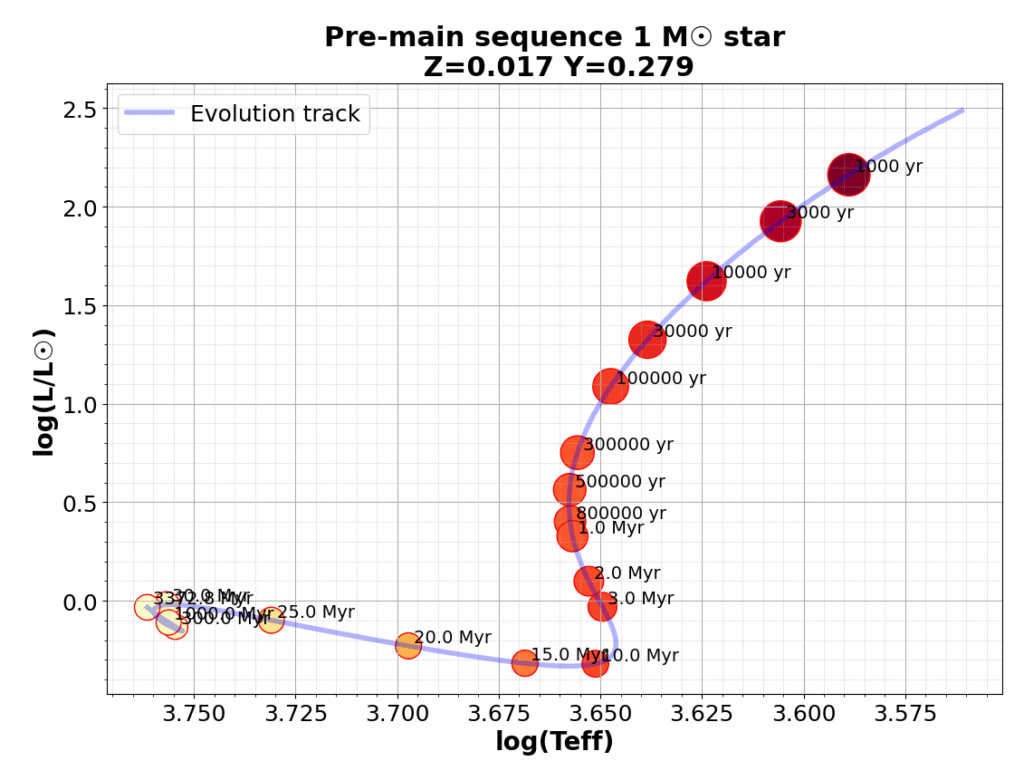
These newly formed pre-main-sequence stars, categorized as T Tauri stars for less massive objects or Herbig Ae/Be stars for their more substantial counterparts, are intensely active. They are powered primarily by the ongoing conversion of gravitational energy as they continue to contract. A striking feature of these young stars is their emission of powerful jets of gas, streaming outwards along their axis of rotation. These jets, visible as small patches of nebulosity known as Herbig–Haro objects, play a vital role in the star’s development, helping to reduce its angular momentum and clear away the surrounding cloud of gas and dust from which it formed.
The journey to stellar maturity involves a fascinating dance across the Hertzsprung-Russell diagram. Early in their development, T Tauri stars, particularly those less massive than two solar masses, follow what is known as the Hayashi track. During this phase, they contract and decrease in luminosity while maintaining a roughly consistent temperature. More massive stars, however, diverge onto the Henyey track, a path that reflects their different internal structures and energy transport mechanisms as they approach the main sequence.
9. **The Main Sequence: A Star’s Long and Stable Life.**The main sequence represents the prime of a star’s life, a prolonged era during which it fuses hydrogen into helium within its core. This stable phase accounts for approximately 90% of a star’s total lifetime, marking it as a “dwarf star”—a term that, somewhat counterintuitively, includes our own Sun. Within the intense temperatures and pressures of the stellar core, these thermonuclear reactions release the energy that makes stars shine. From the moment a star reaches the zero-age main sequence, the proportion of helium in its core gradually increases, leading to a slow but steady rise in the rate of nuclear fusion, which in turn causes a gradual increase in the star’s temperature and luminosity. Our Sun, for example, has brightened by roughly 40% since it first embarked on its main-sequence journey 4.6 billion years ago.
While largely stable, a star’s main-sequence existence isn’t entirely static. Every star generates a continuous “stellar wind”—a stream of charged particles that flows outwards into space, resulting in a gradual but continual outflow of gas. For many stars, including our Sun, the mass lost through this process is negligible; the Sun, for instance, loses only about 10^-14 solar masses each year, equating to a mere 0.01% of its total mass over its entire lifespan. However, for truly massive stars, this stellar wind can be far more significant, shedding anywhere from 10^-7 to 10^-5 solar masses annually, a rate that profoundly impacts their evolutionary trajectory and can lead to the loss of more than half their total mass while still on the main sequence.
The duration a star spends on the main sequence is primarily dictated by two critical factors: the sheer amount of hydrogen fuel it possesses and the rate at which it consumes that fuel. Massive stars, with their enormous gravitational pressures and higher core temperatures, burn through their fuel at an astonishing pace, leading to relatively short lifespans measured in millions of years. Conversely, low-mass stars, often called red dwarfs, consume their fuel at an incredibly slow rate. Stars less massive than 0.25 solar masses are able to fuse nearly all of their hydrogen, while a star like our Sun can only fuse about 10% of its mass. This combination of leisurely fuel consumption and a substantial, accessible fuel supply allows the most extreme red dwarfs, with masses around 0.08 solar masses, to shine for an astounding 12 trillion years—a lifespan far exceeding the current age of the universe. Eventually, even these long-lived stars will exhaust their hydrogen, contract into white dwarfs, and slowly cool.
Beyond just mass, the chemical composition of a star plays a significant, though often subtle, role in its evolution. Astronomers simplify this by categorizing all elements heavier than helium as “metals,” and the concentration of these elements within a star is termed its metallicity. A star’s metallicity can influence how long it takes to burn its fuel and is crucial in controlling the formation of its magnetic fields, which, in turn, affect the strength of its stellar wind. Older, “Population II” stars, formed in the early universe, possess substantially lower metallicity than younger, “Population I” stars because the molecular clouds from which they originated were less enriched with heavy elements—elements that are progressively produced and recycled into the interstellar medium by successive generations of dying stars.
Read more about: Stellar Genesis to Galactic Finale: An Industry Deep Dive into the Dramatic Lives of Cosmic Stars
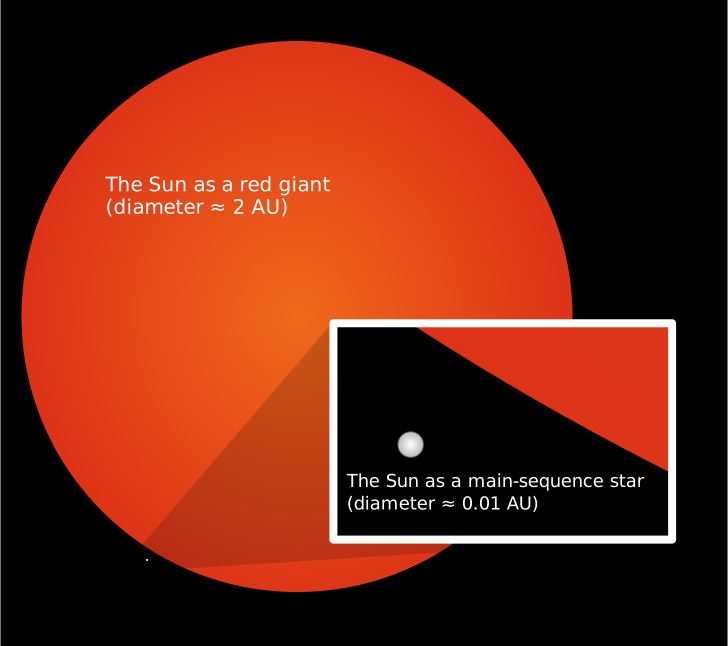
10. **Post-Main Sequence Evolution: The Red Giant Phase.**Once a star, particularly one with a mass of at least 0.4 solar masses, exhausts its core supply of hydrogen, its journey on the main sequence comes to an end, and it embarks on a dramatically different evolutionary path. Without the outward pressure from core hydrogen fusion to counteract gravity, the inert helium core begins to contract. This contraction heats the core, igniting a shell of hydrogen fusion around it. The energy released by this shell burning causes the star’s outer layers to expand dramatically and cool considerably, transforming the star into a red giant. In some cases, these evolving stars will begin to fuse heavier elements in their cores or in additional shells. As they expand, red giants gently shed a significant portion of their mass, enriched with these newly fused elements, into the interstellar environment, providing the raw materials for future generations of stars and planets. Our Sun, in approximately 5 billion years, is predicted to undergo this transformation, expanding to a maximum radius of roughly one astronomical unit—250 times its current size—and losing about 30% of its mass in the process.
As the hydrogen-burning shell continuously produces more helium, the inert helium core continues to grow in mass and temperature. For red giants with masses up to about 2.25 solar masses, the helium core becomes degenerate, meaning its electrons are packed so tightly that they resist further compression due to quantum mechanical effects. When the temperature within this degenerate core finally rises sufficiently, helium fusion ignites explosively in a rapid event known as a “helium flash.” This sudden burst of energy causes the star to rapidly shrink in radius and increase its surface temperature, moving it to the “horizontal branch” of the Hertzsprung-Russell diagram. In contrast, for more massive stars, helium core fusion commences before the core becomes degenerate, leading to a smoother ignition and an extended period spent in the “red clump,” slowly burning helium before their outer convective envelopes collapse and they too move onto the horizontal branch.
Following the exhaustion of helium in their cores, stars enter yet another fascinating, and often turbulent, phase known as the Asymptotic Giant Branch (AGB). During this stage, helium fusion continues along a shell surrounding a hot, inert carbon-oxygen core. The AGB phase parallels the earlier red-giant phase but is characterized by even higher luminosities. More massive AGB stars may even undergo a brief period of carbon fusion before their cores become degenerate. A defining characteristic of AGB stars is their experience of “thermal pulses,” which are instabilities within the star’s core that cause significant variations in luminosity and violent ejections of matter from the star’s atmosphere, ultimately leading to the formation of a spectacular “planetary nebula.”
During these thermal pulses and throughout the AGB phase, a star can eject anywhere from 50% to 70% of its total mass. Because energy transport in an AGB star is primarily driven by convection, this ejected material is significantly enriched with the fusion products dredged up from the core, notably elements like carbon and oxygen. Consequently, the expanding planetary nebula becomes a vibrant repository of these newly synthesized elements, which then disperse into the general interstellar medium. This process is fundamental to cosmic enrichment, ensuring that future generations of stars and planetary systems—including our own—are literally made of the “star stuff” from past stellar lives.
11. **The Giants Among Us: Evolution of Massive Stars.**While all stars follow a general evolutionary path, massive stars, those with an initial mass exceeding approximately nine solar masses, truly stand apart with their dramatically different and often explosive life cycles. During their helium-burning phase, these colossal stars expand to form first a blue supergiant, and then a red supergiant. However, for the most exceptionally massive stars, those surpassing 40 solar masses, a red supergiant phase may be averted altogether due to their incredibly high rates of mass loss, which constantly strip away their outer layers. Instead, these cosmic behemoths might directly evolve into even more exotic forms.
Some of these incredibly massive stars transition into what are known as Wolf–Rayet stars. These are distinguished by their spectra, which are dominated by prominent emission lines of elements heavier than hydrogen, a direct consequence of intense convection and extreme mass loss that brings these elements to the star’s surface, or from the outright stripping of their outer hydrogen envelopes. Wolf-Rayet stars are among the hottest and most luminous stars in the universe, shedding mass at an astonishing rate through powerful stellar winds, leaving behind their exposed, element-rich cores.
As a massive star depletes the helium in its core, the core contracts further, driving temperatures and pressures to unimaginable extremes, sufficient to ignite the fusion of progressively heavier elements. This relentless process continues in successive stages, moving through carbon, then neon, oxygen, and finally silicon burning. Near the very end of a massive star’s life, its interior resembles an intricate cosmic onion, with fusion occurring along a series of distinct shells, each fusing a different element—hydrogen in the outermost shell, helium in the next, and so forth, down to the heaviest elements closer to the core.
The ultimate stage in this stellar alchemy is reached when the star begins to produce iron in its core. Iron nuclei possess the highest binding energy per nucleon of any element, meaning that any further fusion beyond iron does not release energy; instead, it consumes it. This crucial point marks the end of thermonuclear energy generation for the star, setting the stage for its catastrophic final act. The star’s internal furnace, which had battled gravity for billions of years, effectively goes out, leading to an inevitable and dramatic collapse.
Adding to the unpredictable nature of massive stars, some, particularly the luminous blue variables (LBVs), exhibit extreme instability. These stars are prone to violently shedding their mass into space in events known as supernova impostors, experiencing sudden and significant increases in brightness that can briefly rival entire galaxies. A famous example is Eta Carinae, which underwent a spectacular “Great Eruption” in the 19th century, serving as a powerful reminder of the turbulent and dynamic lives of the most massive stars.
Read more about: The Unfiltered Saga of Jeff Bezos: Decoding the Moments That Shaped a Digital Empire and a Singular Visionary
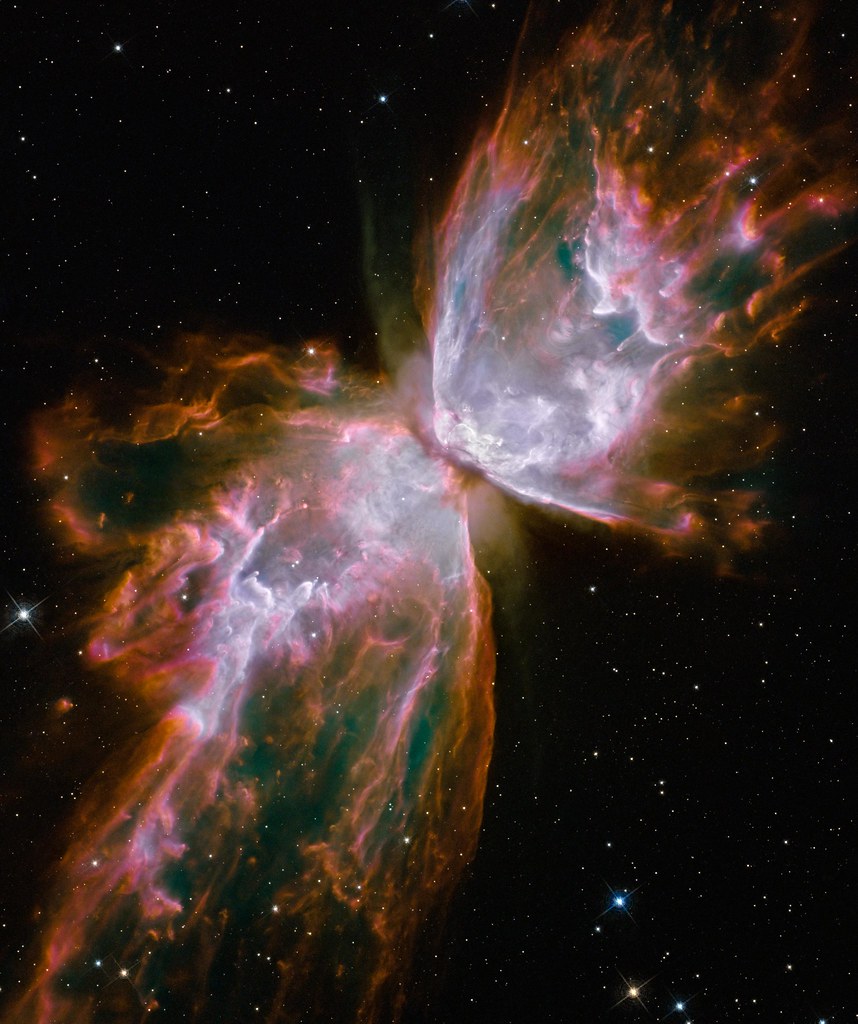
12. **Stellar Demise: White Dwarfs and Planetary Nebulae.**As a star of at least 0.4 solar masses begins its final approach to stellar death, its core continues to shrink, intensifying the radiation emanating from its surface. This radiation, now an incredibly potent force, exerts immense pressure on the star’s outer layers of gas, gently but firmly pushing them away. This process culminates in the formation of a planetary nebula, a breathtaking, often colorful, and ethereal shell of ionized gas expanding outward, creating some of the most beautiful structures in the cosmos. Far from being related to planets, these nebulae were so named by early astronomers who thought they resembled distant planetary disks.
What remains after these luminous outer atmospheres have been gracefully shed is the star’s core, now exposed and undergoing its own final transformation. If the mass of this stellar remnant is less than approximately 1.4 solar masses—a critical threshold known as the Chandrasekhar limit—it compacts into an incredibly dense, relatively tiny object, roughly the size of Earth. This stellar cadaver is what we know as a white dwarf. Within a white dwarf, the matter is in an exotic state called “electron-degenerate matter,” no longer a conventional plasma, where the electrons are packed so closely that quantum mechanical pressure prevents further gravitational collapse.
White dwarfs represent the final evolutionary stage for low- and intermediate-mass stars, having exhausted all their nuclear fuel. They lack the sufficient mass for any further gravitational compression to ignite new fusion reactions. Instead, these stellar embers simply cool down over an extraordinarily long period of time, slowly radiating away their residual heat. Eventually, over timescales far longer than the current age of the universe, white dwarfs are theoretically expected to fade into hypothetical “black dwarfs”—completely cold and dark stellar remnants, though none are believed to exist yet.

13. **Cosmic Cataclysms: Supernovae and Neutron Stars.**The most massive stars, however, meet a far more dramatic end than their less weighty counterparts, culminating in one of the universe’s most spectacular and violent events: a supernova. The fusion processes in these giants continue, building heavier and heavier elements, until an iron core forms that grows so massive—exceeding the critical 1.4 solar mass limit—that it can no longer support its own immense weight against gravity. At this precise moment, the core undergoes an instantaneous and catastrophic collapse. In a fraction of a second, its electrons are violently driven into its protons, forming neutrons, neutrinos, and a burst of gamma rays through processes like electron capture and inverse beta decay.
This sudden implosion of the core generates an incredibly powerful shockwave that rebounds outward, tearing through the star’s remaining layers. The result is a colossal explosion—a supernova—that can briefly outshine the combined light of an entire galaxy. These cosmic cataclysms have been observed throughout human history; when they occurred within our own Milky Way galaxy, they appeared to -eye observers as brilliant “new stars” where none had been visible before, a testament to their incredible luminosity.
During a supernova explosion, the star’s outer layers are violently blown away into space, often leaving behind a beautiful but turbulent expanding cloud of gas and dust, such as the iconic Crab Nebula, the remnant of a supernova observed in 1054 AD. The fate of the collapsed core depends on its remaining mass. If it falls within a certain mass range, it is compressed into an extraordinarily dense neutron star, an object composed almost entirely of neutrons, where matter exists in a state known as “neutron-degenerate matter,” possibly with even more exotic “QCD matter” in its core. These neutron stars sometimes manifest as pulsars, emitting regular pulses of radiation, or as X-ray bursters.
For the very largest stars, if the remnant core mass exceeds approximately four solar masses after the supernova, even the immense pressure of neutron degeneracy cannot prevent further collapse. In this most extreme scenario, the core collapses indefinitely, forming an entity so dense that its gravitational pull is inescapable—a black hole. The blown-off outer layers from these dying stars, enriched with the heavy elements forged during their lives and explosions, are then recycled into the interstellar medium. These elements, including carbon, oxygen, and iron, become the building blocks for subsequent generations of stars and, crucially, for the formation of rocky planets, thus connecting the lives and deaths of stars directly to the potential for life.
Read more about: The Mind-Blowing Science of Stars: Uncovering the Cosmic Truths Behind the Twinkle
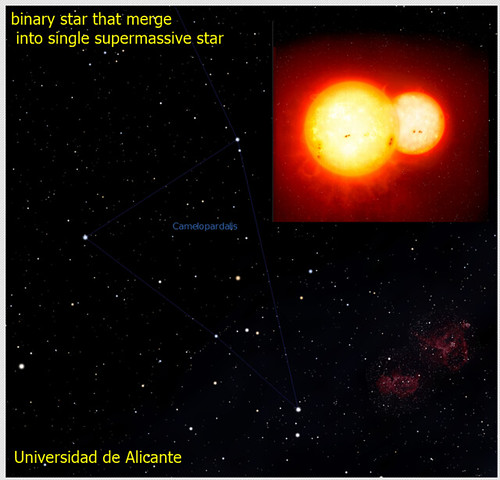
14. **The Dance of Companions: Binary Star Systems.**While we often imagine stars as solitary beacons in the night, a significant proportion of them, perhaps even the majority, are not alone. Instead, they exist as members of multi-star systems, with binary star systems—two gravitationally bound stars orbiting each other—being the most common. The evolution of stars within these binary systems can diverge dramatically from that of single stars of equivalent mass, presenting astronomers with fascinating, complex challenges. For instance, when a star in a binary system expands to become a red giant, its outer layers may extend beyond its “Roche lobe,” the gravitational boundary within which its material is bound. If its companion star is close enough, this material can overflow and transfer to the other star, giving rise to a myriad of phenomena including contact binaries, common-envelope binaries, cataclysmic variables, energetic blue stragglers, and even certain types of type Ia supernovae. This mass transfer can even lead to paradoxical situations, such as the “Algol paradox,” where the more evolved star in a system is, surprisingly, the least massive.
The intricate evolution of binary and higher-order star systems is a fervent area of ongoing astrophysical research, largely because of the sheer prevalence of multiple star systems. It’s estimated that around half of all Sun-like stars and an even higher proportion of more massive O and B class stars form within multiple systems. The dynamics and interactions within these systems can profoundly influence a wide array of cosmic phenomena, from the frequency of novae and supernovae to the formation of specific types of stars and the overall enrichment of the universe with the products of stellar nucleosynthesis—the creation of new elements.
Indeed, the influence of binary star evolution on the formation of evolved massive stars, such as luminous blue variables and Wolf–Rayet stars, and the progenitor stars that give rise to certain classes of core-collapse supernovae, remains a subject of intense scientific debate and investigation. Many astronomers propose that single massive stars might not be able to expel their outer layers quickly enough to account for the observed diversity and numbers of evolved stars, or to produce the specific types of progenitors required for the supernovae we witness. In this context, mass transfer through gravitational stripping within binary systems is increasingly seen as a compelling solution to reconcile these observational discrepancies, highlighting the fundamental role that stellar companionship plays in shaping the most extreme stellar lives and deaths.

15. **Stellar Grandeur: Distribution Across the Universe.**Far from being uniformly scattered throughout the cosmos, stars are typically organized into immense, gravitationally bound structures we call galaxies, which also contain vast amounts of interstellar gas and dust. A typical large galaxy, like our own Milky Way, is a sprawling metropolis of hundreds of billions of stars. And the universe itself is an unimaginable tapestry of over two trillion galaxies, though it’s worth noting that the majority of these are smaller, less than 10% the mass of the Milky Way. When we attempt to count the total number of stars, the figures are truly staggering: astronomers estimate there are likely between 10^22 and 10^24 stars across the observable universe—a number that profoundly dwarfs the total grains of sand on planet Earth.
While most stars reside comfortably within the boundaries of galaxies, a curious phenomenon exists in large galaxy clusters, where between 10% and 50% of the observed starlight emanates from “intracluster stars”—stars that exist in the vast spaces between galaxies, outside of any specific galactic home. Furthermore, within galaxies themselves, stars rarely fly solo. A multi-star system, comprised of two or more gravitationally bound stars orbiting each other, is a common arrangement. The simplest and most prevalent is the binary star, but systems of three or more stars also exist, often organized into stable, hierarchical sets of binaries to maintain their orbital integrity over cosmic timescales.
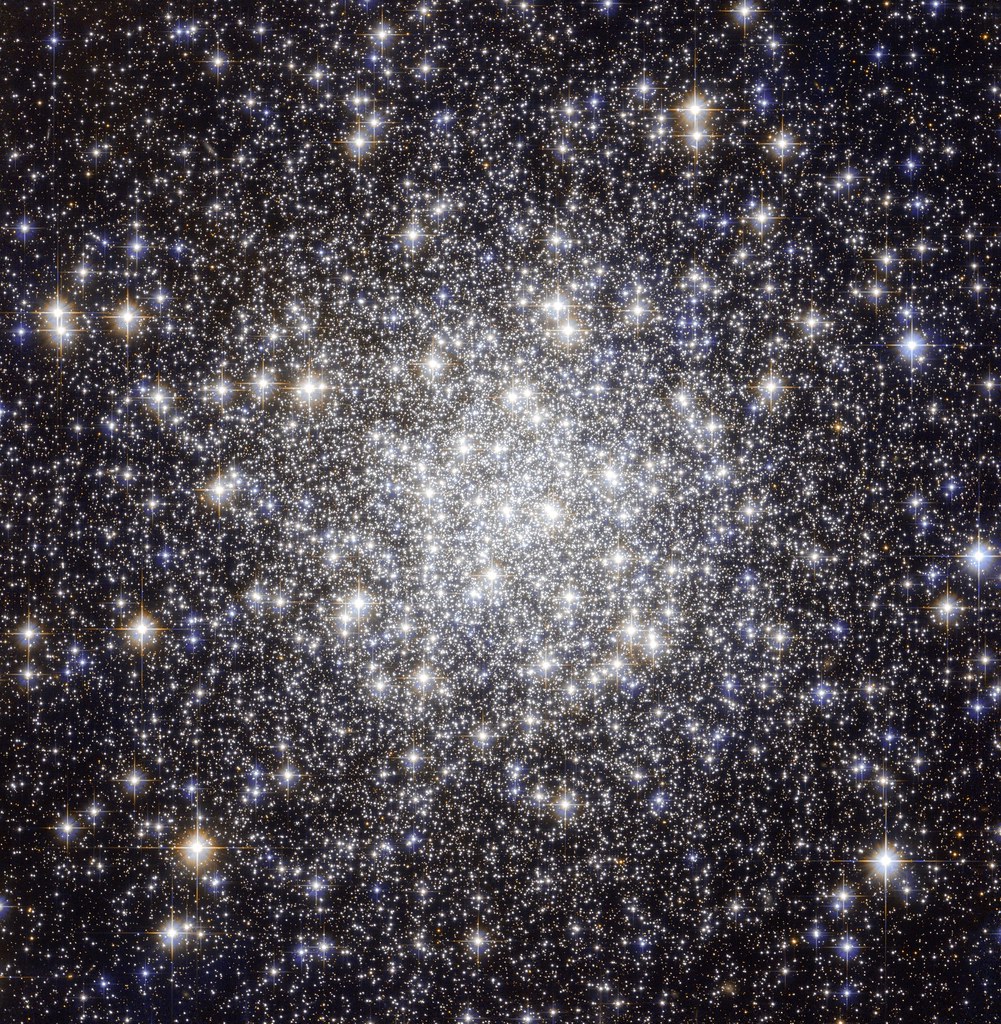
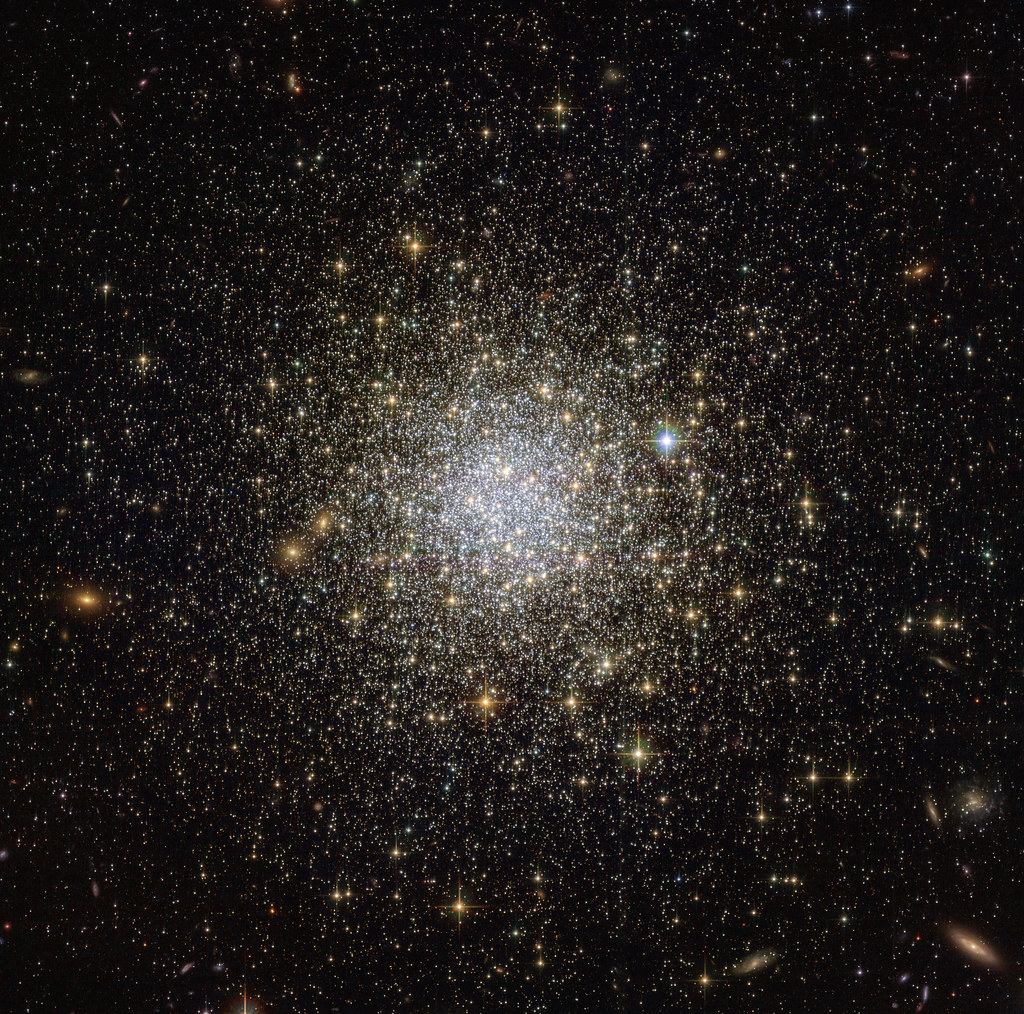
Beyond individual or small multiple systems, stars aggregate into much larger structures known as star clusters. These range dramatically in scale, from loose “stellar associations” containing just a handful of stars, to “open clusters” that can host dozens to thousands of stars, and finally to the truly enormous “globular clusters,” which are ancient, tightly bound spherical collections containing hundreds of thousands of stars. All of these clusters orbit their host galaxy, and critically, the stars within any given open or globular cluster share a common origin: they all formed from the same giant molecular cloud. This shared genesis means that all members of a cluster typically have very similar ages and chemical compositions, offering invaluable laboratories for stellar evolution studies.
Intriguingly, evidence suggests that many, if not most, stars observed today, and potentially all stars, may have originally formed within gravitationally bound, multiple-star systems. This is particularly pronounced for very massive O and B class stars, with an estimated 80% believed to be part of multiple-star systems. However, the proportion of single-star systems increases as stellar mass decreases; only about 25% of red dwarfs, for example, are known to have stellar companions. Given that red dwarfs constitute a staggering 85% of all stars, it implies that more than two-thirds of the stars within our Milky Way galaxy are likely single red dwarfs, quietly shining on their own.
A compelling 2017 study focusing on the Perseus molecular cloud, a prominent star-forming region, provided significant insight into this distribution. Astronomers found that the vast majority of newly formed stars within this cloud were indeed in binary systems. The model that most effectively explained the observational data suggested a provocative idea: that *all* stars initially form as binaries, with some of these primordial binaries subsequently splitting apart over time, leaving behind the single stars that we observe today. This ongoing research underscores the dynamic and interconnected nature of stellar birth and evolution, weaving a grand tapestry across the cosmos.
From their fiery birth within dense cosmic clouds to their long, radiant lives as stellar engines, and through their spectacular and varied deaths, stars are the universe’s ultimate alchemists. They are not merely points of light, but the very crucible in which the elements of life are forged, profoundly shaping galaxies and enriching the vast expanse of space. Every flicker and flash in the night sky tells a story, a testament to the immense power and intricate dance of creation and transformation that defines our universe.”