The federal -trafficking trial of Sean “Diddy” Combs has captivated public attention, unfolding in a New York courtroom with a dramatic intensity that reflects the gravity of the charges and the sheer star power involved. For nearly four weeks, the proceedings have peeled back layers of a life once synonymous with music industry dominance, revealing allegations that paint a starkly different picture of the hip-hop mogul. As testimony mounts, a parade of names from the entertainment world—some already on the stand, others merely mentioned—has underscored the extensive reach of Combs’ influence and the uncomfortable proximity many high-profile individuals may have had to his alleged activities.
The charges against Combs, including trafficking, transportation for prostitution purposes, and racketeering conspiracy, carry the potential for a lifetime in prison, amplifying the stakes for everyone connected to the case. While some former employees and ex-partners, like Cassie Ventura, Kid Cudi, and Dawn Richard, have bravely offered their accounts as star witnesses, a palpable tension hovers over others. The trial has become a nexus where the glittering world of celebrity collides with the unforgiving realities of the legal system, prompting widespread speculation about who might be called next and, crucially, who might resist such a summons.
Indeed, the prospect of being drawn into such a high-stakes, deeply scrutinizing legal battle has sent ripples of concern through the celebrity circuit. Reports suggest that some well-known figures, aware that their names could emerge or that a subpoena might land on their doorstep, have already sought legal counsel. This move to “lawyer up” isn’t merely a precaution; it reflects a deep apprehension about the potential fallout, whether from direct involvement, tangential association, or simply being caught in the crossfire of a scandal that threatens to redefine one of music’s most powerful figures. The motivations behind such reluctance are varied, yet fundamentally rooted in a desire to protect reputations, careers, and, in some cases, freedom itself.
1. The Fifth Amendment: A Legal Shield for Celebrities
At the core of any celebrity’s potential refusal to testify in a high-profile case like Sean “Diddy” Combs’ -trafficking trial lies the Fifth Amendment to the United States Constitution. This fundamental right provides that no person “shall be compelled in any criminal case to be a witness against himself.” It is a potent legal shield, designed to protect individuals from being forced to provide testimony that could lead to their own prosecution or implicate them in criminal wrongdoing. In a trial as sprawling and complex as Combs’, with numerous allegations spanning years and involving various individuals, the invocation of the Fifth Amendment becomes an invaluable tool for those who fear entanglement.
For celebrities mentioned in court, even tangentially, the risk of inadvertently providing incriminating information is very real. The context explicitly states that “Jay-Z and other celebrities can be subpoenaed, but they will almost certainly assert their Fifth Amendment privilege against self-incrimination and refuse to testify.” This highlights a clear legal strategy based on established precedent. Testifying under oath means answering questions fully and truthfully, and even seemingly innocuous statements could be twisted or reveal connections that prosecutors might exploit in future investigations, not necessarily against Combs, but against the witness themselves.
Furthermore, the trial’s focus on racketeering conspiracy and trafficking means that the scope of questioning could delve into sensitive and potentially illicit activities that might have occurred during Combs’ long career. Any celebrity who was present at parties, events, or in social circles where alleged illegal activities took place could find themselves in a precarious position. The Fifth Amendment offers a lawful means to avoid this vulnerability, allowing them to remain silent without facing contempt of court, thereby preserving their legal standing and minimizing the risk of self-incrimination in a trial that has meticulously pieced together allegations from various sources.

2. The Peril of Testifying: Why Stars Fear the Stand
Beyond the constitutional protection of the Fifth Amendment, there are numerous practical and reputational perils that make testifying in a high-profile trial deeply unappealing for celebrities. The entertainment industry thrives on image, and involvement in a -trafficking trial, even as a mere witness, can inflict lasting damage. Public perception is a fragile currency, and the intense media scrutiny surrounding the Combs trial means that every utterance, every disclosed detail, and every association is amplified and dissected by both news outlets and social media, often with little regard for nuance or context.
One significant concern is the potential for past associations or personal details to be dragged into the public arena, regardless of their direct relevance to the charges against Combs. Defense attorneys, in an effort to discredit witnesses or muddy the waters, often probe into the personal lives, past relationships, and even the moral character of those on the stand. For celebrities who rely on a carefully curated public persona, this level of invasive scrutiny can be devastating, potentially exposing private affairs, indiscretions, or past behaviors that could permanently tarnish their brand and career trajectory. The context mentions instances where the defense questioned witnesses about Ventura’s relationships with other men while she was dating Combs, illustrating this tactic.
Moreover, testifying involves recounting events under pressure, often years after they occurred, which can be emotionally taxing and fraught with the risk of misremembering or misstating facts. Such discrepancies, even if innocent, can be seized upon by opposing counsel to cast doubt on a witness’s credibility. The sheer duration and intensity of the trial, expected to last eight to ten weeks, means a witness could be on the stand for days, subjected to grueling cross-examination. For stars accustomed to controlling their narratives, the courtroom offers no such luxury, making the prospect of testifying a formidable and often terrifying ordeal that many would understandably go to great lengths to avoid.
3. Jay-Z: A Blueprint for Refusal
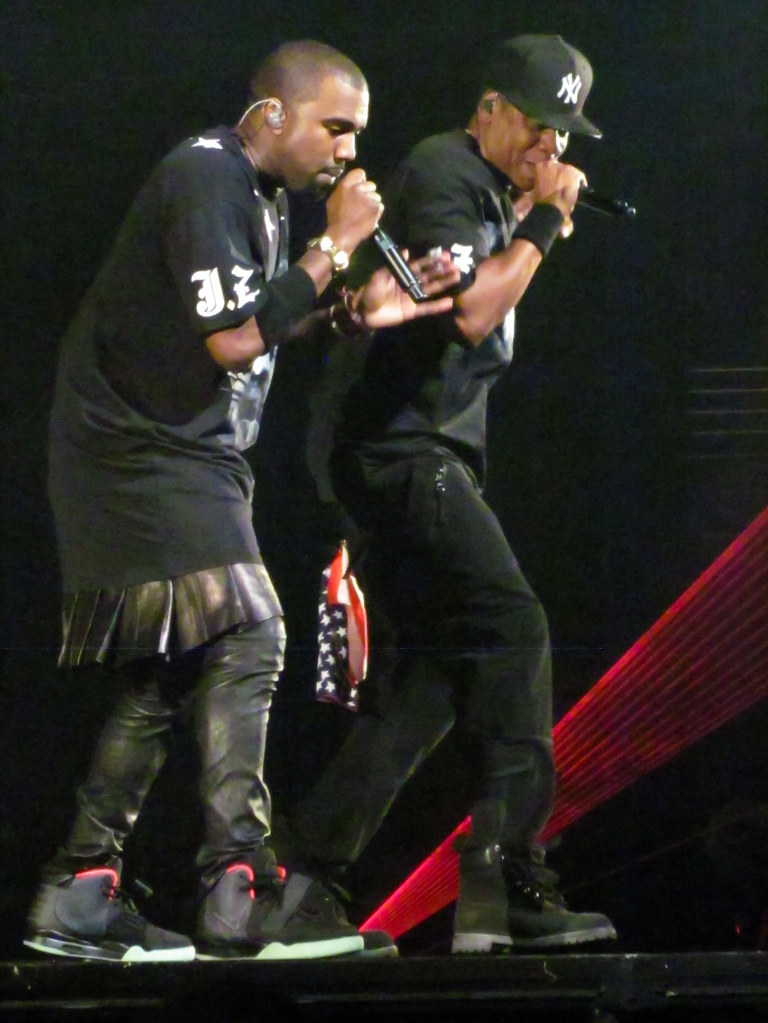
Among the many prominent figures whose names have surfaced in connection with the Sean “Diddy” Combs trial, Shawn Carter, globally known as Jay-Z, stands out as a prime example of a celebrity who is widely expected to assert his Fifth Amendment rights if called to testify. The context explicitly highlights this likelihood, with former prosecutor Neama Rahmani stating, “Jay-Z and other celebrities can be subpoenaed, but they will almost certainly assert their Fifth Amendment privilege against self-incrimination and refuse to testify.” This projection underscores the serious legal implications for those linked to the broader narrative of Combs’ alleged activities.
Jay-Z’s status as one of the most successful and influential figures in music, with a career spanning decades alongside Combs, naturally places him within the orbit of such a high-profile investigation. While the context does not specify any direct wrongdoing by Jay-Z, the sheer interconnectedness of their professional and social lives means that any testimony he might provide could inadvertently touch upon areas that could expose him to legal jeopardy. Rahmani’s further elaboration—that “People who participated in the acts should especially be afraid because they can also be charged with sex trafficking or prostitution, depending on whether they used threats or force against the victims”—underscores the profound risk for anyone with even tangential involvement.
The strategic decision for Jay-Z to refuse to testify, should he be subpoenaed, would not be an admission of guilt but rather a calculated legal maneuver to protect himself from potential self-incrimination. Even if he were merely a witness who didn’t participate in any alleged acts, the extensive scope of the trial means that his testimony could still reveal information that could be used against him in other contexts, or simply expose him to invasive public and legal scrutiny. Therefore, his anticipated refusal would serve as a powerful illustration of the protective function of the Fifth Amendment in an era where celebrity associations are under unprecedented legal and public examination.
4. Usher: An Alleged Eyewitness to Abuse
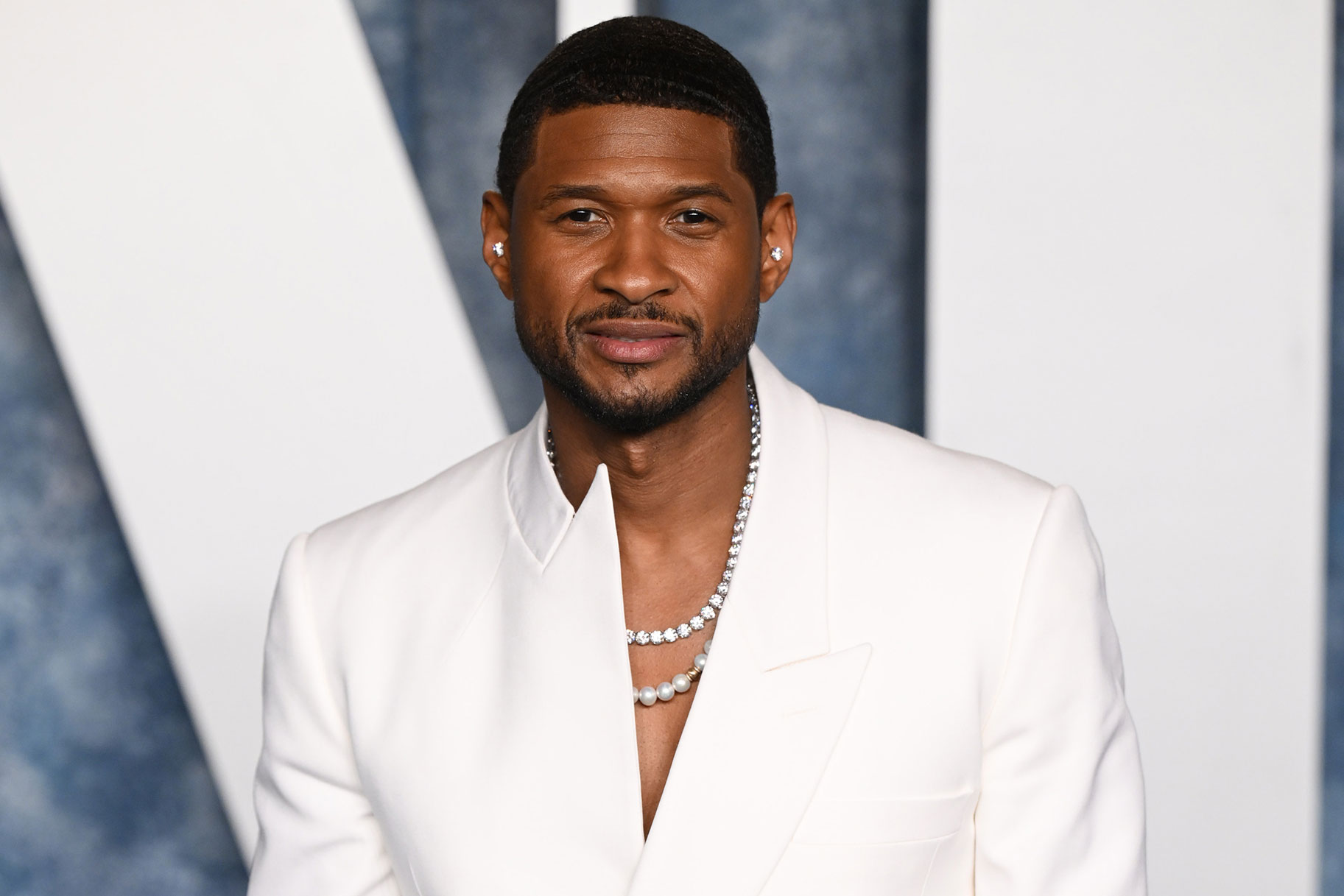
The name of R&B superstar Usher Raymond IV, known simply as Usher, emerged during the Diddy trial through the testimony of Dawn Richard, a former member of the girl group Danity Kane. Richard’s account placed Usher at a pivotal, disturbing moment in Diddy’s alleged pattern of abuse. She testified that she “saw Combs punch Ventura in the stomach at a restaurant in 2010 while other celebrities were present, including Usher.” This direct observation of an alleged act of violence, witnessed by multiple high-profile individuals, elevates Usher from a mere associate to a potential eyewitness whose testimony could corroborate a significant incident in the prosecution’s case.
Richard’s recollection of the alleged incident painted a grim picture: “She immediately bent over, [Combs] told her to leave,” and critically, “No one intervened.” This detail is crucial, as it speaks not only to Combs’ alleged actions but also to the environment surrounding him, where alleged abuse could occur in public, witnessed by others, without immediate intervention. Usher’s presence, if confirmed through his own testimony, could lend considerable weight to Richard’s account, adding another layer of credibility to the prosecution’s narrative of a “persistent pattern of abuse towards women.”
For Usher, the prospect of testifying presents a unique set of challenges. Being called to detail an event where he allegedly witnessed physical abuse and did not intervene could expose him to immense public backlash, regardless of the legal implications. While not accused of wrongdoing himself, his proximity to such a violent act could tarnish his carefully cultivated public image and invite uncomfortable questions about his conduct and the dynamics of power within Diddy’s circle. This makes him a significant figure among those who might be “worried about being called to testify and have even lawyered up,” as Harvey Levin noted, seeking to navigate the treacherous waters of the trial with minimal damage.
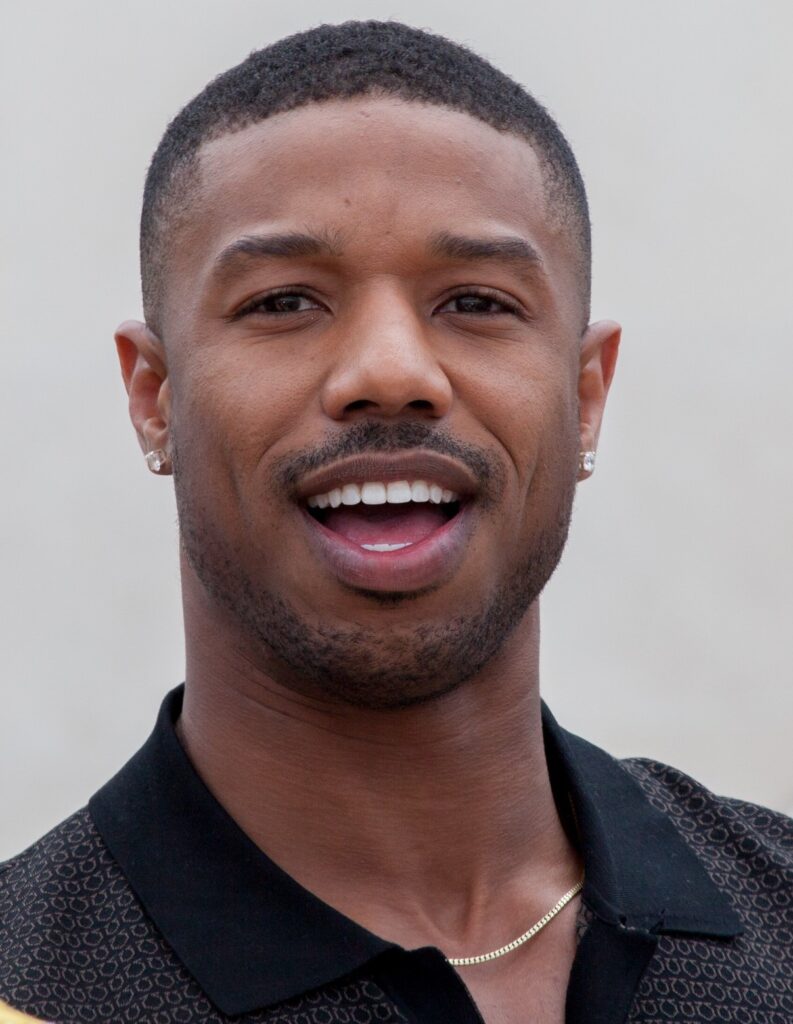
5. Michael B. Jordan: Relationships Under Scrutiny
The acclaimed actor Michael B. Jordan found his name unexpectedly drawn into the Sean “Diddy” Combs trial, not for any alleged involvement in criminal activity, but as a tangential figure in Cassie Ventura’s personal life. During cross-examination, Combs’ defense team introduced Jordan’s name while questioning celebrity stylist Deonte Branch about Ventura’s relationships with other men during her tumultuous on-again, off-again relationship with Diddy. The defense reportedly aimed to highlight these other relationships to challenge aspects of Ventura’s testimony or Diddy’s alleged control.
Specifically, the context states that the defense questioned Branch about Ventura’s relationships with other men, “including actor Michael B. Jordan.” Branch confirmed that Ventura and Jordan were “dating, talking, getting to know each other.” This line of questioning, though not directly implicating Jordan in any wrongdoing related to the charges, serves a strategic purpose for the defense: to portray Ventura’s life as more independent or to suggest complexities in her relationships that might undermine her claims of complete subjugation by Combs. It positions Jordan as a piece of evidence in a broader narrative of personal entanglements.
For Michael B. Jordan, whose career has seen a meteoric rise, his name emerging in a -trafficking trial is undoubtedly an unwelcome distraction. While his involvement is purely as a past romantic interest of a key witness, the sensational nature of the trial means that even such an innocent mention can attract undue attention and potentially link his name in the public consciousness, however unfairly, to the broader scandal. This tangential but publicly exposed connection underscores why many celebrities might fear being drawn into the trial, as even the most innocuous associations can become subjects of intense scrutiny and speculation in the relentless glare of the courtroom and media.
Read more about: The Haunting Echoes: Unveiling the Final Written Words of Beloved Celebrities
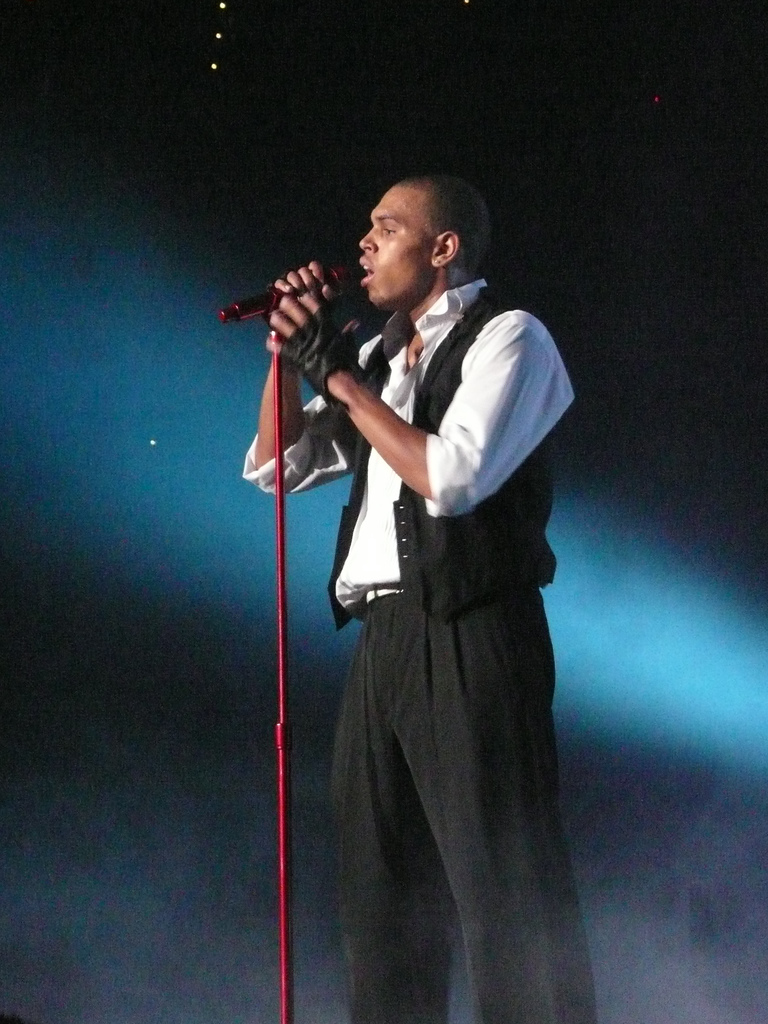
6. Chris Brown: Diddy’s Suspicions and Accusations
Singer Chris Brown’s name also surfaced during the Sean “Diddy” Combs trial, specifically through testimony from Cassie Ventura herself, highlighting Diddy’s alleged possessiveness and controlling behavior. During her testimony, the defense questioned Ventura about an alleged encounter with Brown, asking, “Do you remember the incident where he suspected you of dancing with Chris Brown?” Ventura, while stating she did not remember the specific incident, firmly clarified that she “was not dancing” with Brown.
This exchange reveals a pattern of Diddy’s alleged jealousy and suspicion, extending to Ventura’s interactions with other male celebrities. The accusation, regardless of its factual basis, serves to illustrate the tight leash Diddy allegedly kept on Ventura’s social life and the intense scrutiny she faced. It suggests that even perceived slights or innocent interactions could trigger a strong reaction from Combs, contributing to the environment of control and intimidation that prosecutors are attempting to establish as part of the racketeering and trafficking charges.
For Chris Brown, whose career has been marked by its own share of controversies, this mention brings renewed, unwanted attention. While there is no indication from the context that he engaged in any wrongdoing related to the trial, his name being linked, even as the subject of Diddy’s alleged suspicions, places him in the orbit of a highly damaging narrative. The implication that he might have been an object of Diddy’s jealousy or a pawn in his manipulative tactics highlights the breadth of celebrity lives that have become intertwined with the Combs investigation, further explaining why many stars would be anxious about their names emerging in such a public and legally charged forum.
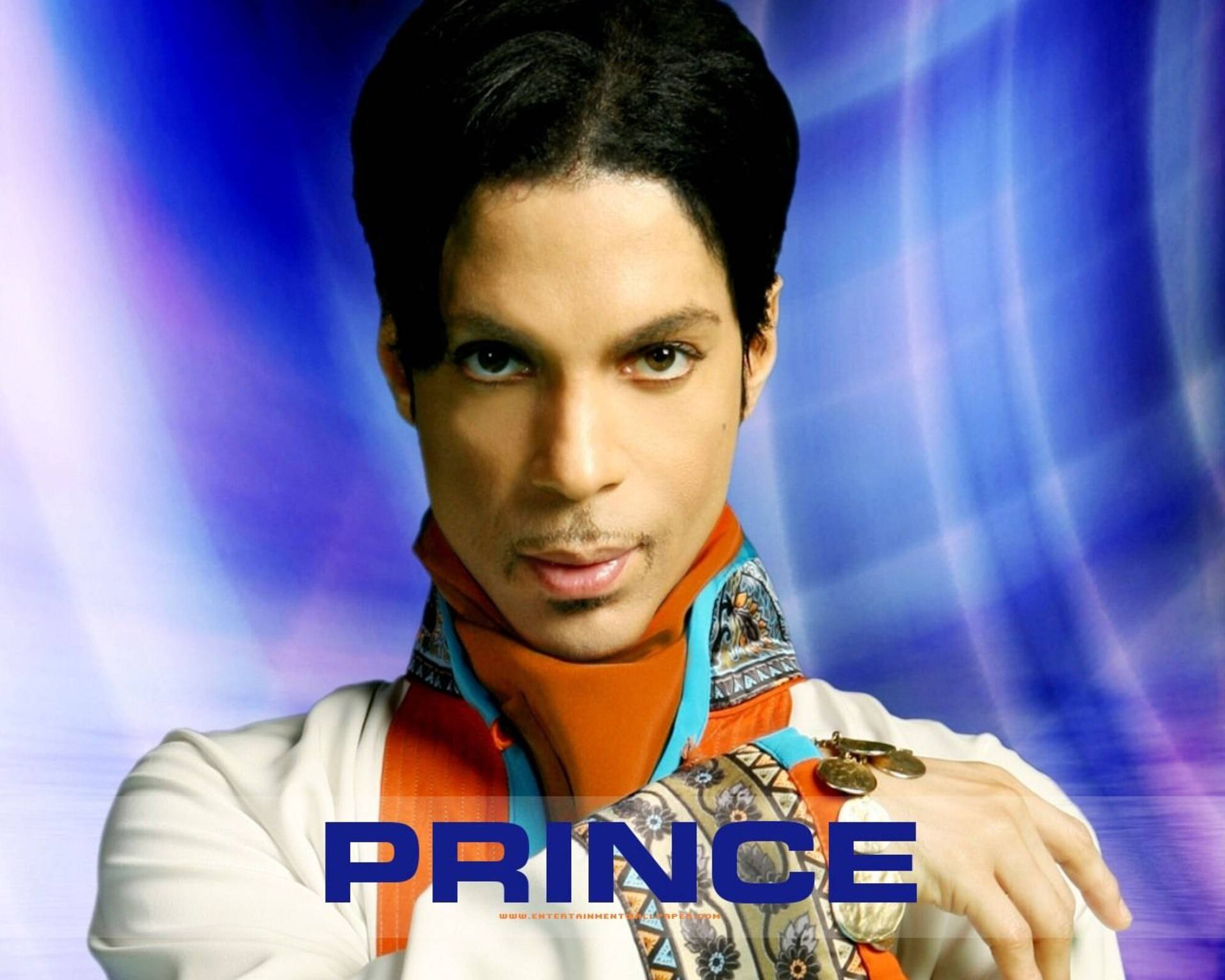
7. Prince: A Party Interrupted
The federal -trafficking trial of Sean “Diddy” Combs has illuminated an expansive network of celebrity associations. Among these names, that of the iconic musician Prince emerged through the compelling account of Mia, a former assistant. Her testimony shed light on an alleged incident underscoring Combs’s pervasive control and volatile temperament, even in social settings.
Mia recounted attending a party at Prince’s residence in 2011 or 2012 with Cassie Ventura, Diddy’s then-girlfriend. This outing reportedly occurred despite Combs’s explicit instructions for them to remain at home. Prince himself was said to have performed on a table, creating a vibrant atmosphere where Ventura and Mia were socializing. This depicted a brief moment of freedom away from Combs’s direct influence.
However, this respite was allegedly shattered by the unexpected arrival of Combs. Upon seeing him, Mia and Ventura reportedly attempted to flee. According to Mia’s testimony, Combs “caught up to Cass and had her on the ground,” prompting immediate intervention from Prince’s security. This alleged confrontation in a public, celebrity-filled environment painted a stark picture of the dynamics at play.
The emergence of Prince’s name, through testimony describing an event at his home and his security’s intervention, highlights the profound reach of Combs’s alleged influence. It illustrates how private social gatherings involving other major stars could become scenes of alleged disputes, revealing the complex nature of Combs’s relationships and his impact on those around him.

8. Rihanna: A Tangential Connection
The extensive net cast by the Sean “Diddy” Combs trial has seen numerous high-profile names surface, often through their professional and social proximity. Rihanna, a global music and fashion icon, was mentioned in this context, her name appearing as part of evidentiary material presented by the defense. Her connection, though tangential, reveals the intricate web of relationships that characterized Diddy’s world.
Rihanna’s name was introduced during the cross-examination of Mylah Morales, Cassie Ventura’s makeup artist. Morales confirmed her long-standing professional relationship with Rihanna, stating she had worked with the star for 13 years. This established Morales’s broad reach within the celebrity circuit, connecting her to prominent figures beyond her work with Ventura.
The defense presented Morales with photographs where she had done Ventura’s makeup. Among these images was a picture featuring Ventura alongside Rihanna and Ryan Lewis, attending an awards show. This visual evidence likely aimed to illustrate Ventura’s active and independent social life, potentially countering narratives of isolation.
While Rihanna’s mention in the trial does not imply any misconduct, it demonstrates the pervasive nature of Diddy’s celebrity network. Her appearance in a photograph with Ventura underscores how the lives of numerous A-listers were intertwined, however briefly, with the central figures of this high-stakes legal battle.
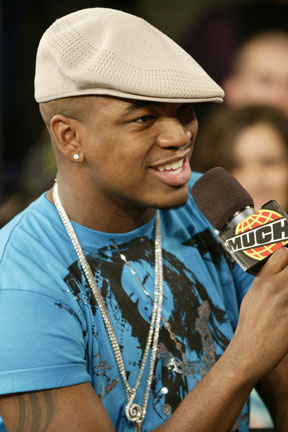
9. Ne-Yo: Witness to an Alleged Assault
In the ongoing efforts to establish a pattern of alleged abuse by Sean “Diddy” Combs, the testimony of Dawn Richard, a former member of the girl group Danity Kane, has been particularly revealing. Richard’s account not only detailed her own experiences but also implicated other major celebrities as alleged witnesses to Combs’s behavior. Among these names, that of R&B singer Ne-Yo emerged.
Richard testified to witnessing Combs allegedly punch Cassie Ventura in the stomach at a restaurant in 2010. This was a critical piece of testimony, providing an alleged example of physical abuse that the prosecution has highlighted. The gravity of this alleged act was amplified by the reported presence of multiple onlookers.
Crucially, Richard stated that Ne-Yo was among the celebrities present at the restaurant when this alleged assault occurred. Her testimony further noted that, despite the clear act of violence, “No one intervened.” This detail is significant, as it not only corroborates the alleged abuse but also sheds light on the social dynamics and potential culture of fear that may have surrounded Combs’s alleged activities.
Ne-Yo’s reported presence as an alleged eyewitness, like Usher’s, adds substantial weight to the prosecution’s case. It underscores how alleged acts of violence were not always confined to private settings but could reportedly transpire in public view. His name highlights the broad reach of the trial, drawing in figures whose association paints a more complete picture of the environment within which Diddy allegedly operated.
10. 50 Cent: A Rivalry Revealed
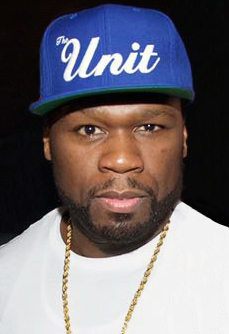
The expansive narrative of Sean “Diddy” Combs’s federal -trafficking trial has unveiled not only alleged criminal behavior but also facets of his broader personality and professional relationships. The name of hip-hop mogul 50 Cent, known for his long-standing public animosity with Combs, surfaced during the trial, providing insight into Combs’s alleged confrontational style.
This revelation came from Capricorn Clark, one of Combs’s former assistants, who took the stand. Clark testified about an occasion when she accompanied Combs to a press event at MTV. It was there that 50 Cent was also present, and Combs reportedly “had an issue” with him, indicating clear tension between the two prominent figures.
More significantly, Clark claimed to have witnessed Combs discussing 50 Cent with an “entertainment manager.” During this conversation, Combs allegedly uttered chilling remarks that offered a glimpse into his aggressive disposition. Clark quoted Combs as saying, “I don’t like all the back and forth … I like guns,” suggesting a preference for forceful resolution.
The mention of 50 Cent and Combs’s alleged remarks, while not directly related to the core -trafficking charges, is pertinent to understanding the alleged character and temperament of the defendant. It paints a picture of a mogul capable of intense personal rivalries and potentially threatening rhetoric, contributing to the prosecution’s broader portrayal of an intimidating individual.
11. Britney Spears: A Birthday Guest
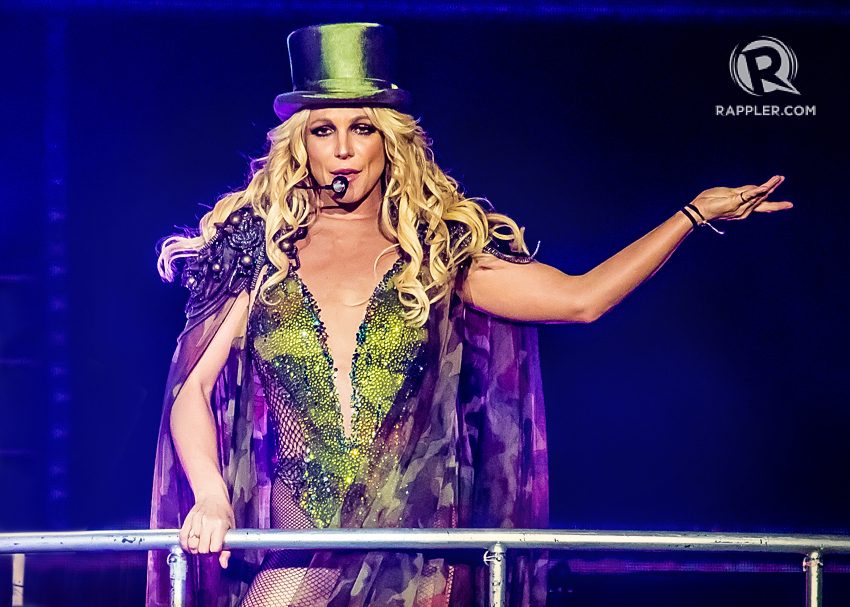
The extensive list of celebrities referenced in the Sean “Diddy” Combs -trafficking trial demonstrates the sheer scale of the mogul’s social and professional orbit. Even seemingly innocuous details, such as guest lists for personal celebrations, have been introduced into evidence, illuminating the pervasive reach of Combs’s influence. Pop superstar Britney Spears was among the high-profile names mentioned in this context, appearing in the testimony of Cassie Ventura.
Ventura, during her time on the stand, recounted details of her 21st birthday party. In her testimony, she explicitly stated that Britney Spears was among the notable celebrities in attendance at this significant personal milestone. The presence of such a global icon at a private event underscored the high-status circles in which Ventura moved during her relationship with Combs.
Crucially, Ventura clarified the reason for these celebrity appearances, stating, “That was all him. I didn’t know them.” This direct admission highlighted Combs’s pivotal role in assembling the impressive guest list. It suggested that the attendance of A-listers like Spears was a direct result of Diddy’s extensive connections and influence.
Britney Spears’s mention in the trial, therefore, serves as a powerful illustration of Diddy’s ability to leverage his status and network. While her attendance implies no wrongdoing, it demonstrates how Combs utilized his pervasive reach to surround himself and Ventura with prominent figures, reinforcing his image and social standing.
Read more about: From Tantrums to Thrown Fries: Shocking Celebrity Restaurant Bans That’ll Make You Cringe
12. Suge Knight: An Attempted Confrontation
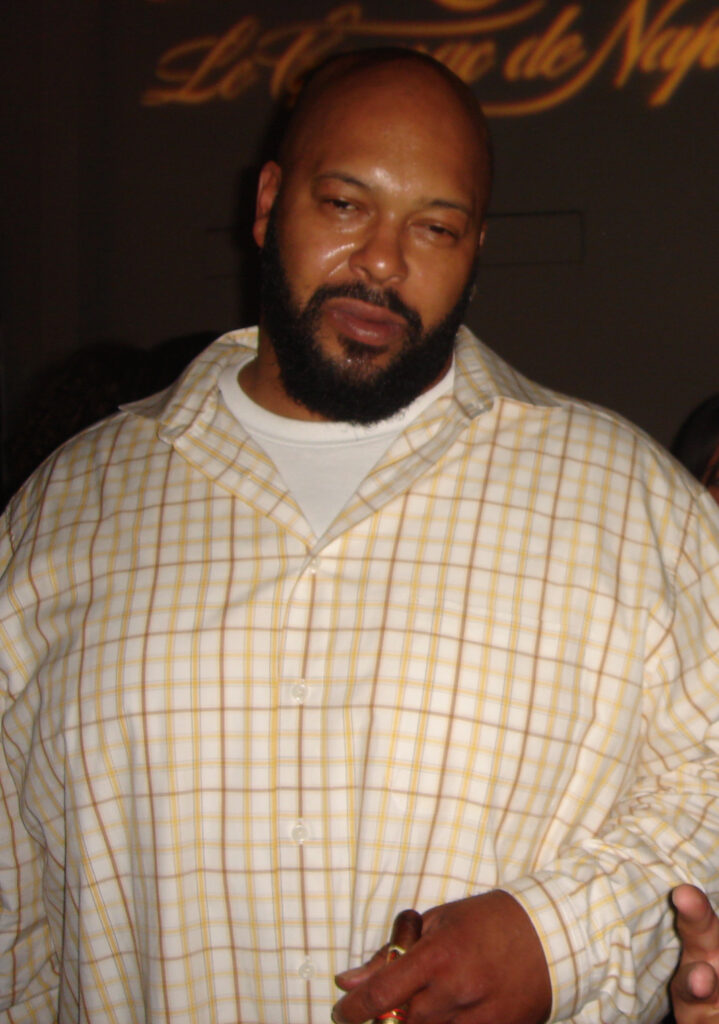
The intricate narrative of the Sean “Diddy” Combs trial has not been limited to alleged trafficking and racketeering but has also delved into other facets of the mogul’s alleged behavior, including his history of confrontations. The name of Marion Hugh “Suge” Knight Jr., a notorious figure in hip-hop history and a long-standing rival, emerged during Cassie Ventura’s testimony, painting a vivid picture of Diddy’s alleged impulsivity and potential for violence.
Ventura testified about an incident where Diddy prepared to confront Knight. She recounted how Damion “D-Roc” Butler informed Combs that Knight was present at a local diner, triggering an immediate and aggressive response. According to Ventura, Combs “quickly packed up and drove down there,” indicating a swift and determined intention to engage in a face-to-face encounter.
Ventura’s account intensified with her description of Diddy and a bodyguard arming themselves and donning black clothing before departing. Her emotional state during this time was palpable, as she testified, “I was crying. I was screaming ‘Please don’t do anything stupid.’ I was just really nervous for them, what it meant, what they were going to do.” Upon Combs’s return, he reportedly refused to disclose what had transpired, leaving Ventura—and now the jury—to infer the nature of the confrontation.
This testimony, featuring the mention of Suge Knight, further illustrates the alleged dangerous and volatile aspects of Sean Combs’s personality. While not directly tied to the specific -trafficking charges, it provides critical context to the environment of alleged intimidation and aggression that surrounded him. It reveals a willingness to engage in potentially armed confrontations, expanding the scope of the “broader web of celebrity connections.”
As the federal -trafficking trial of Sean “Diddy” Combs progresses, the steady stream of testimony continues to unveil a complex and far-reaching narrative. The numerous high-profile names emerging from the courtroom, whether as alleged witnesses, tangential associates, or subjects of Diddy’s alleged actions, collectively paint a picture of an entertainment empire built on a foundation of pervasive influence and intricate celebrity connections. Each mention, from a party at Prince’s estate to a confrontation with Suge Knight, meticulously adds another thread to the tapestry of Combs’s world, offering an unprecedented look into the alleged darker corners of one of hip-hop’s most dominant figures. The sheer breadth of these associations underscores the profound impact the trial is having, not only on Combs himself but also on the public perception of the wider celebrity ecosystem he inhabited.