We’ve all looked up at the night sky, captivated by the twinkling points of light that adorn the vast cosmic canvas. These celestial beacons, which we affectionately call ‘stars,’ hold a profound place in our collective imagination. They are not just distant pins; they are gargantuan furnaces, engines of creation, and silent witnesses to billions of years of cosmic history. What truly lies beneath their luminous exteriors? And what epic sagas unfold in their incredibly long, dramatic lives?
Join us as we embark on an exclusive journey into the secret lives of these astronomical celebrities. Forget what you thought you knew, because we’re about to pull back the curtain on the most dynamic and influential residents of our universe. From their humble beginnings in swirling clouds of gas and dust to their dazzling, fiery performances and their ultimate, often spectacular, finales, every star has a story waiting to be told.
In this first part of our in-depth exploration, we’ll dive into the very essence of what makes a star, trace their earliest moments of formation, and uncover the incredible ways they forge the very building blocks of the universe. We’ll also travel back in time to explore how humanity has observed, named, and revered these cosmic wonders throughout history, leading us to some groundbreaking discoveries that forever changed our understanding of the heavens. Prepare to be amazed by the true star power that shapes our existence.

1. **The Essence of a Star: What They Are and How Many There Are**At its core, a star is a truly magnificent phenomenon: “a luminous spheroid of plasma held together by self-gravity.” Imagine a gigantic ball of superheated gas, so immense that its own weight crushes it inward, igniting the atomic fires that make it shine. Our very own Sun, that brilliant orb warming our world, is the nearest example, a G-type main-sequence star, and it serves as our most intimate celestial neighbor, offering us a front-row seat to stellar dynamics.
While the Sun is undoubtedly important to us, it’s just one of an unfathomable number of stars out there. Many others are visible to the eye at night, appearing as delicate, fixed points of light due to their immense distances from Earth. These prominent celestial bodies have long been cataloged, grouped into familiar constellations and asterisms, and many of the brightest even boast their own proper names, whispered across millennia.
Astronomers, with their relentless curiosity, have painstakingly assembled star catalogues, meticulously identifying known stars and bestowing upon them standardized stellar designations. The sheer scale of stellar existence is mind-boggling: the observable universe is estimated to contain a staggering “10^22 to 10^24 stars.” Yet, despite this colossal number, a mere “about 4,000 of these stars are visible to the eye—all within the Milky Way galaxy.” This truly puts our local cosmic neighborhood into perspective.
Read more about: The Enduring Craft: A Comprehensive Journey Through the History and Evolution of Acting
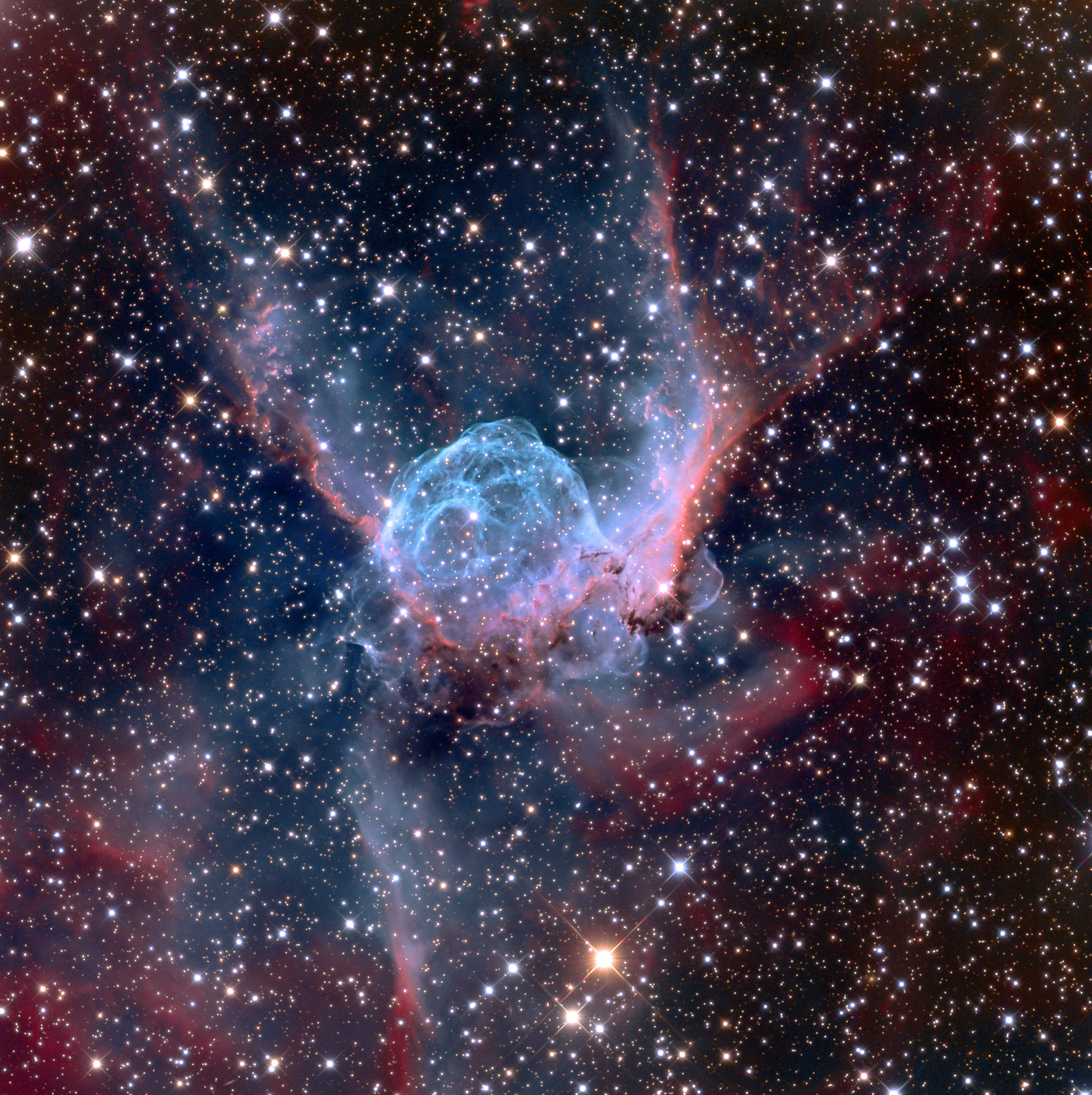
2. **From Nebulae to Radiance: The Genesis of Stellar Life**Every star’s journey begins not with a bang, but with a gentle, yet powerful, gravitational embrace. “A star’s life begins with the gravitational collapse of a gaseous nebula of material largely comprising hydrogen, helium, and traces of heavier elements.” These vast cosmic nurseries, often far less dense than a vacuum chamber, are the cradles where new stars are born. The Orion Nebula, a stunning example, showcases this stellar genesis in action.
This incredible birthing process kicks off with “gravitational instability within a molecular cloud.” Picture gigantic, swirling clouds of gas and dust, often stirred into action by dramatic cosmic events such as “compression of clouds by radiation from massive stars, expanding bubbles in the interstellar medium, the collision of different molecular clouds, or the collision of galaxies.” Once a region within these clouds reaches a critical density, satisfying the criteria for what scientists call ‘Jeans instability,’ it can no longer resist the pull of its own gravity and begins to collapse.
As this dense globule collapses, forming what are known as “Bok globules,” the gravitational energy is thrillingly converted into heat, causing the temperature to soar. Eventually, the protostellar cloud achieves a stable hydrostatic equilibrium, giving rise to a “protostar” at its very core. These nascent, pre-main-sequence stars are often found nestled within a “protoplanetary disk,” their early existence “powered mainly by the conversion of gravitational energy.” This gravitational contraction can last for about 10 million years for a star like our Sun, and up to a remarkable 100 million years for a more modest red dwarf. During this formative period, newly formed stars, whether they are less massive T Tauri stars or their more massive counterparts, Herbig Ae/Be stars, often eject powerful “jets of gas along their axis of rotation,” which can manifest as beautiful ‘Herbig–Haro objects.’ These energetic outflows, combined with the intense radiation from nearby massive stars, play a crucial role in clearing away the surrounding cloud material from which the star was born, effectively making space for their grand entrance onto the cosmic stage. The process is also a major factor in why “most stars are observed to be members of binary star systems,” as the fragmentation of a collapsing cloud helps to distribute angular momentum.
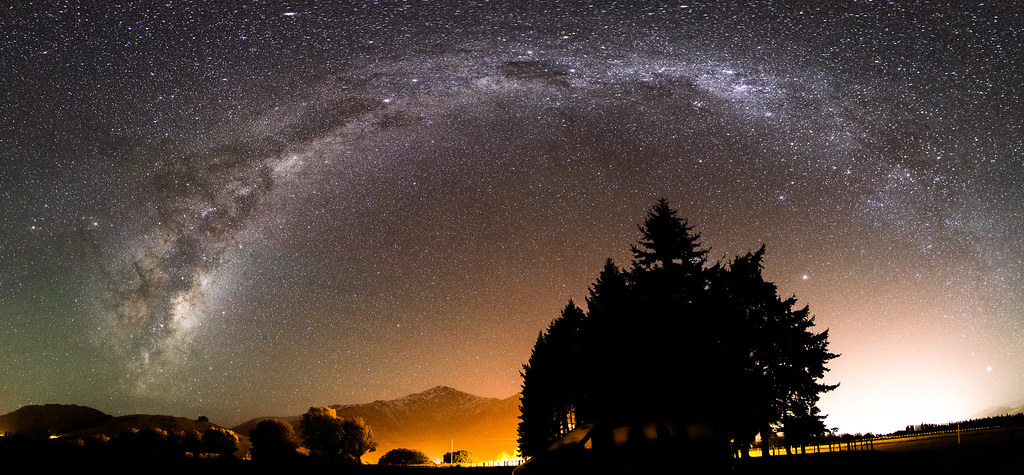
3. **A Star’s Grand Purpose: The Power of Fusion and Element Forging**Once formed, a star settles into its long and illustrious main-sequence phase, fueled by an extraordinary process at its heart. It “shines for most of its active life due to the thermonuclear fusion of hydrogen into helium in its core.” This isn’t just a gentle glow; it’s a colossal, sustained explosion, where atomic nuclei collide and merge under unimaginable pressure and temperature, unleashing the immense energy that travels through the star’s interior and radiates majestically into outer space.
But a star’s purpose extends far beyond merely illuminating the cosmos. These stellar titans are the universe’s ultimate alchemists. “Stellar nucleosynthesis in stars or their remnants creates almost all naturally occurring chemical elements heavier than lithium.” Think about that for a moment: the iron in your blood, the calcium in your bones, the oxygen you breathe – they were all forged in the searing hearts or explosive deaths of stars. Without these cosmic foundries, the rich tapestry of elements that makes up our world, and indeed life itself, would simply not exist.
And the story doesn’t end there. Stars are also cosmic recyclers, ensuring that these vital elements don’t remain locked away forever. “Stellar mass loss or supernova explosions return chemically enriched material to the interstellar medium.” This means that when a star sheds its outer layers or explodes in a cataclysmic supernova, it scatters these newly created elements back into the vast expanse between stars. In a truly poetic cycle, “These elements are then recycled into new stars,” continuing the grand cosmic ballet of creation and renewal. We are, quite literally, made of stardust.
Read more about: The Mind-Blowing Science of Stars: Uncovering the Cosmic Truths Behind the Twinkle
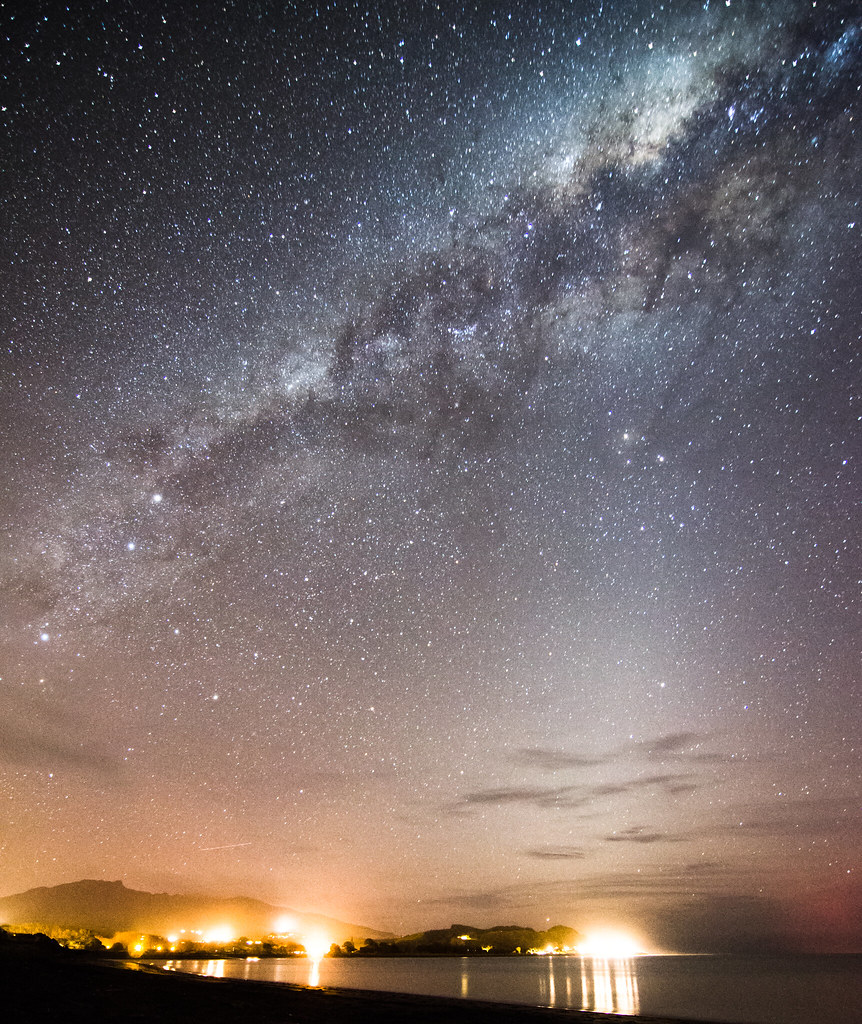
4. **Celestial Cartography: How We’ve Mapped and Named the Stars Through History**Humanity’s fascination with the stars led naturally to a desire to understand and categorize them. The concept of arranging stars into recognizable patterns, what we call “constellations,” was “known to exist during the Babylonian period.” Ancient sky watchers weren’t just observing; they were imagining, connecting these “prominent arrangements of stars” with particular aspects of nature or weaving them into their rich tapestries of myths. A significant “twelve of these formations lay along the band of the ecliptic and these became the basis of astrology,” demonstrating the profound cultural impact of these stellar groupings.
Beyond the grand constellations, many of the more prominent individual stars were given their own special designations, “particularly with Arabic or Latin designations,” reflecting the diverse cultures that contributed to our astronomical heritage. The Ancient Greeks even differentiated between “fixed stars” and “wandering stars” (planets), acknowledging that the planets, “Greek πλανήτης (planētēs), meaning ‘wanderer,’ represented various important deities, from which the names of the planets Mercury, Venus, Mars, Jupiter and Saturn were taken.” This highlights how deeply embedded celestial observations were in early spiritual and mythological frameworks.
As astronomical science evolved, so did the systems for naming and cataloging these distant suns. Circa 1600, a more structured approach emerged where “the names of the constellations were used to name the stars in the corresponding regions of the sky.” The German astronomer Johann Bayer famously “created a series of star maps and applied Greek letters as designations to the stars in each constellation,” a system still partially in use today. Later, a numbering system based on a star’s right ascension, added to John Flamsteed’s catalogue, became known as the “Flamsteed designation or Flamsteed numbering.” Today, the “internationally recognized authority for naming celestial bodies is the International Astronomical Union (IAU),” which, through its “Working Group on Star Names (WGSN),” diligently “catalogs and standardizes proper names for stars.” It’s important to note, however, that while a number of private companies offer to “sell names of stars,” these designations “are not recognized by the IAU, professional astronomers, or the amateur astronomy community,” a commercial enterprise the British Library aptly calls “unregulated.”
Read more about: Unbelievable Truths About Stars: From Fiery Birth to Cosmic Demise, Unpacking the Universe’s Luminous Wonders
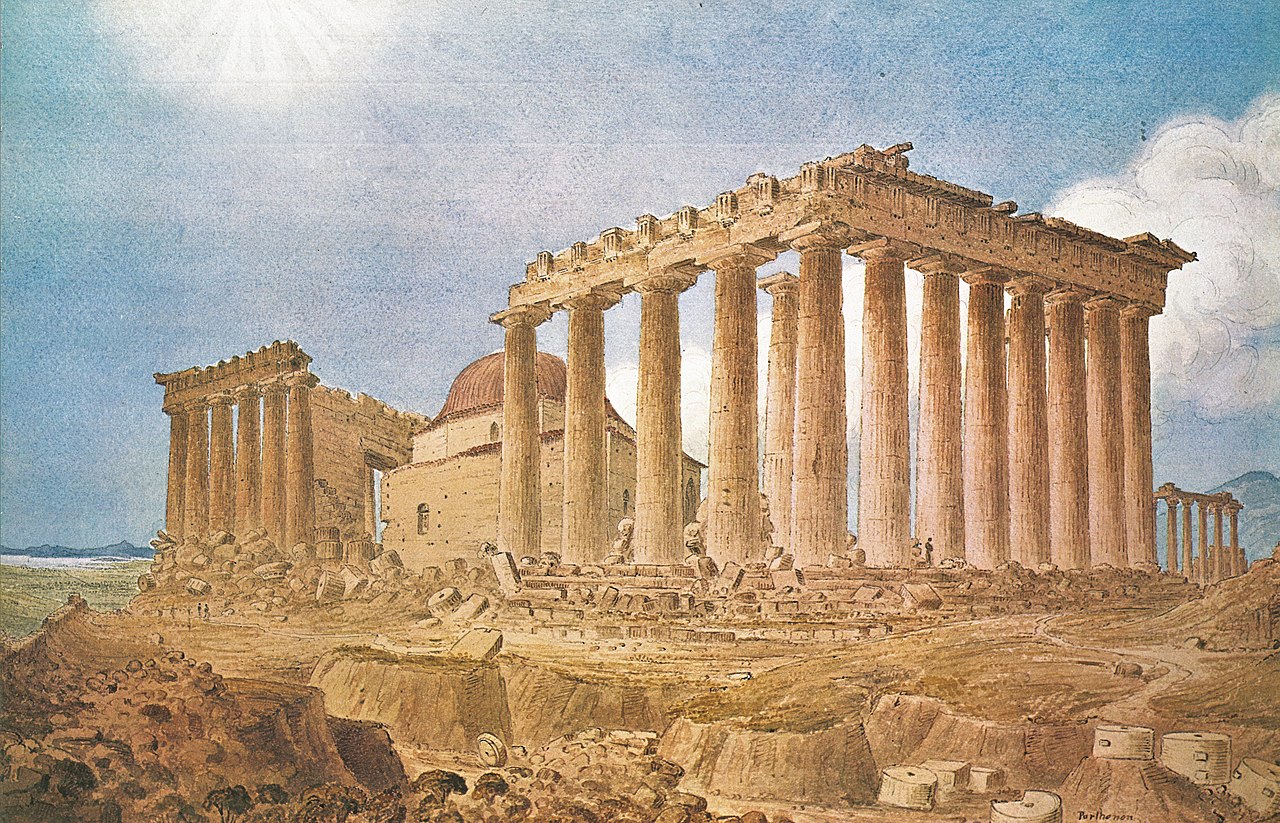
5. **Ancient Wisdom, Cosmic Wonder: Stars as Guides and Myths**Throughout history, stars have been far more than just points of light; they have been silent, yet powerful, influences on human civilization. They were “important to civilizations throughout the world,” interwoven into the very fabric of daily life and spiritual practices. Imagine a world without artificial light, where the night sky was an open book – stars became integral to “religious practices, divination rituals, mythology, used for celestial navigation and orientation, to mark the passage of seasons, and to define calendars.” Their predictable movements provided a stable framework in an often unpredictable world.
For ancient peoples, understanding the stars was a matter of survival. “The motion of the Sun against the background stars (and the horizon) was used to create calendars, which could be used to regulate agricultural practices.” This crucial link between celestial observation and the rhythm of life allowed societies to plant and harvest effectively. Even our modern “Gregorian calendar, currently used nearly everywhere in the world, is a solar calendar based on the angle of the Earth’s rotational axis relative to its local star, the Sun,” a testament to the enduring legacy of early astronomy.
The human endeavor to record and systematize stellar knowledge dates back millennia. The “oldest accurately dated star chart was the result of ancient Egyptian astronomy in 1534 BC,” a remarkable achievement. Even earlier, “The earliest known star catalogues were compiled by the ancient Babylonian astronomers of Mesopotamia in the late 2nd millennium BC, during the Kassite Period.” These foundational records laid the groundwork for future astronomical exploration. In Greek astronomy, the “first star catalogue … was created by Aristillus in approximately 300 BC, with the help of Timocharis.” This tradition continued with the renowned “star catalog of Hipparchus (2nd century BC), included 1,020 stars, and was used to assemble Ptolemy’s star catalogue,” solidifying the Greek contribution to stellar mapping and nomenclature. Indeed, “Many of the constellations and star names in use today derive from Greek astronomy,” a living connection to these pioneering sky-watchers.
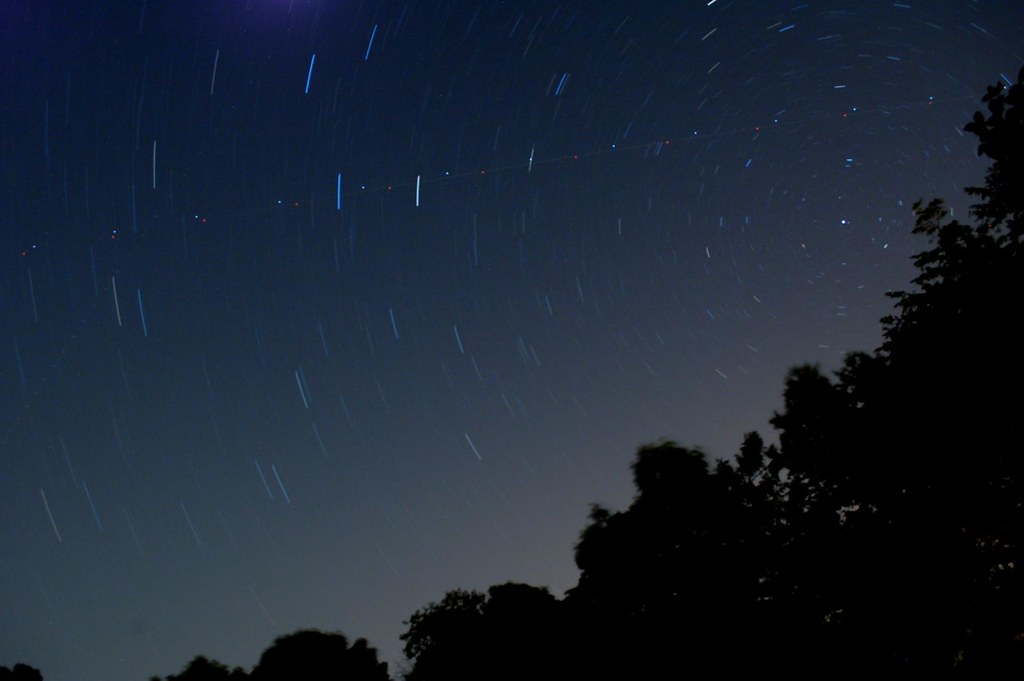
6. **The Evolving Universe: When Astronomers Realized Stars Aren’t Immutable**For centuries, a prevailing belief held that the cosmos was a fixed, unchanging realm. “Many ancient astronomers believed that the stars were permanently affixed to a heavenly sphere and that they were immutable.” This idea of an unalterable celestial tapestry was deeply ingrained, providing a sense of cosmic order. However, even in ancient times, keen observers began to notice anomalies that challenged this long-held dogma.
It was the meticulous “Chinese astronomers” who “were aware that new stars could appear,” a revelation that hinted at a far more dynamic universe. Their dedication to documenting celestial events led to a monumental discovery: “In 185 AD, they were the first to observe and write about a supernova, now known as SN 185.” This wasn’t merely a new star; it was a dying star’s spectacular farewell. Such events continued to be recorded, with the “brightest stellar event in recorded history was the SN 1006 supernova, which was observed in 1006 and written about by the Egyptian astronomer Ali ibn Ridwan and several Chinese astronomers.” The “SN 1054 supernova, which gave birth to the Crab Nebula, was also observed by Chinese and Islamic astronomers,” providing further evidence of a changing sky.
In Europe, centuries later, these observations began to gain traction. Early “European astronomers such as Tycho Brahe identified new stars in the night sky (later termed novae), suggesting that the heavens were not immutable.” This was a profound conceptual shift, opening the door to a universe in constant flux. The philosopher “Giordano Bruno suggested that the stars were like the Sun, and may have other planets, possibly even Earth-like, in orbit around them,” a truly revolutionary idea in 1584 that had actually “been suggested earlier by the ancient Greek philosophers, Democritus and Epicurus, and by medieval Islamic cosmologists such as Fakhr al-Din al-Razi.” This growing consensus among astronomers in the following century, that stars were indeed other suns, paved the way for a deeper scientific understanding of their nature.
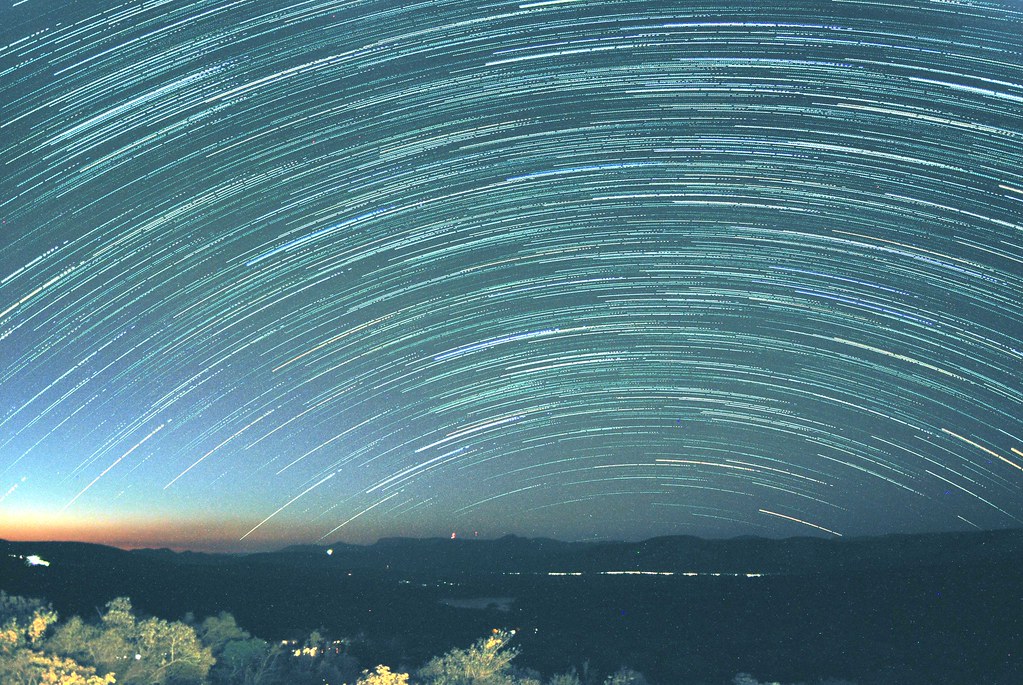
7. **Pioneering Glimpses: Measuring Distances and Unveiling Stellar Secrets**The scientific journey to truly grasp the nature of stars involved not just observation, but rigorous measurement and theoretical breakthroughs. The Italian astronomer “Geminiano Montanari recorded observing variations in luminosity of the star Algol in 1667,” an early hint that stars were not static, uniform lights. Later, “Edmond Halley published the first measurements of the proper motion of a pair of nearby ‘fixed’ stars, demonstrating that they had changed positions since the time of the ancient Greek astronomers Ptolemy and Hipparchus,” a clear sign of celestial movement and evolution.
The 18th century brought the pioneering work of William Herschel, who became “the first astronomer to attempt to determine the distribution of stars in the sky.” Through a painstaking process of counting stars in various directions, he “deduced that the number of stars steadily increased toward one side of the sky, in the direction of the Milky Way core.” His son, John Herschel, confirmed this finding in the southern hemisphere. William Herschel also made the groundbreaking “discovery that some stars do not merely lie along the same line of sight, but are physical companions that form binary star systems,” revealing a universe far more interactive and complex than previously imagined.
The 19th century witnessed further leaps forward, especially with the birth of “stellar spectroscopy, pioneered by Joseph von Fraunhofer and Angelo Secchi.” By comparing the light spectra of stars like Sirius to that of the Sun, they found crucial “differences in the strength and number of their absorption lines,” which are the tell-tale dark lines in stellar spectra caused by the absorption of specific frequencies by a star’s atmosphere. This led Secchi to begin “classifying stars into spectral types” in 1865, a system refined into its modern version by Annie J. Cannon in the early 1900s. Perhaps one of the most significant achievements was the “first direct measurement of the distance to a star (61 Cygni at 11.4 light-years) was made in 1838 by Friedrich Bessel using the parallax technique.” These revolutionary “parallax measurements demonstrated the vast separation of the stars in the heavens,” finally giving humanity a true sense of cosmic scale. The study of “double stars gained increasing importance during the 19th century,” as astronomers like Friedrich Bessel, who observed changes in Sirius’s motion and “inferred a hidden companion,” and Edward Pickering, who discovered the first spectroscopic binary, Mizar, began to unravel the gravitational dance of multiple star systems. Detailed observations by astronomers like Friedrich Georg Wilhelm von Struve and S. W. Burnham, combined with Felix Savary’s 1827 solution for deriving binary star orbits, allowed for the unprecedented determination of star masses, truly unlocking the physical properties of these distant suns. The 20th century would then accelerate these discoveries even further, leveraging new technologies to delve deeper into stellar dynamics.
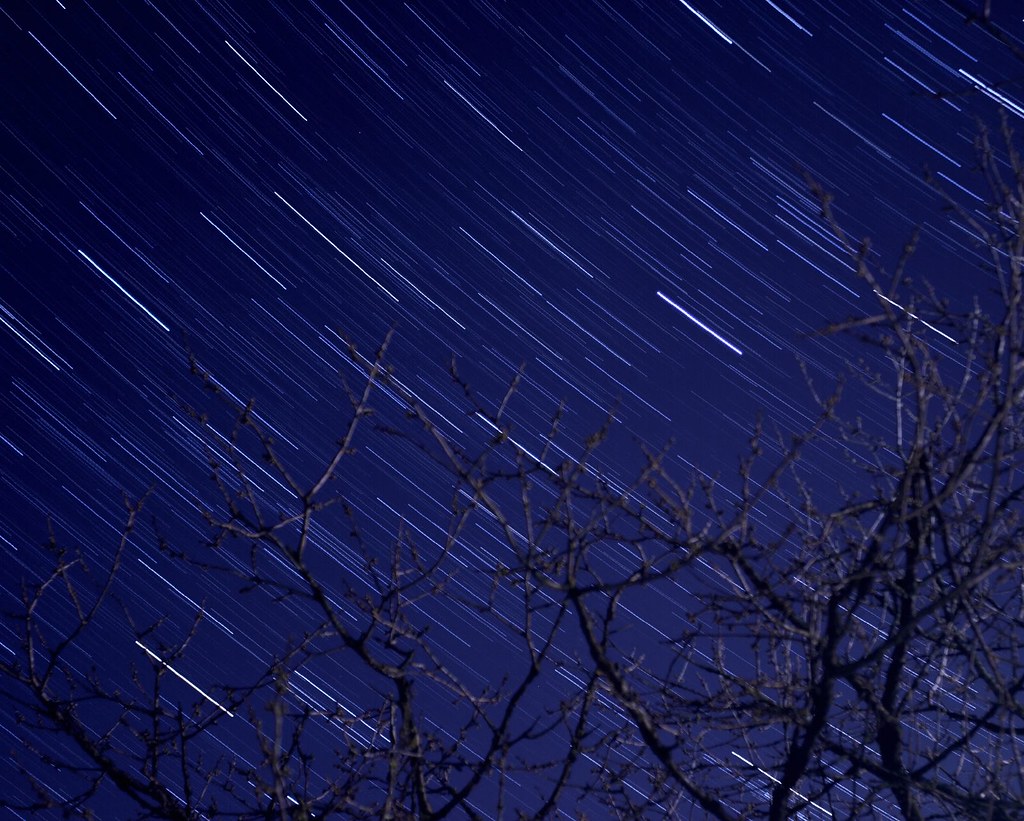
8. **The Enduring Glow: Life on the Main Sequence**After the cosmic drama of birth, every star settles into its most stable and often longest phase: the main sequence. Imagine our Sun, a magnificent G-type main-sequence star, dutifully burning away, providing the warmth and light that sustain life on Earth. For about “90% of their lifetimes,” stars like our Sun are engaged in an incredible act of alchemy, tirelessly “fusing hydrogen into helium in high-temperature-and-pressure reactions in their cores.” This isn’t just a quiet hum; it’s a colossal, controlled thermonuclear furnace, generating the immense energy that makes them shine across the vast reaches of space.
During this vibrant main-sequence phase, a star is often affectionately called a “dwarf star,” even though some are anything but small! From the moment it reaches the “zero-age main sequence,” a subtle but profound transformation begins within its fiery heart. The proportion of helium in the star’s core gradually, yet steadily, increases, subtly altering its internal dynamics. This shift causes “the rate of nuclear fusion at the core will slowly increase, as will the star’s temperature and luminosity.” It’s like a slow, grand performance, growing ever brighter over billions of years. Our very own Sun, for instance, is estimated to have “increased in luminosity by about 40% since it reached the main sequence 4.6 billion (4.6×10⁹) years ago.”
Every star, no matter how majestic, also leaves a subtle trail: a “stellar wind of particles that causes a continual outflow of gas into space.” For most stars, including our Sun, this mass loss is incredibly small, almost negligible, shedding only “10−14 M ☉ every year, or about 0.01% of its total mass over its entire lifespan.” However, for truly colossal stars, this stellar breeze can become a powerful gale, with “very massive stars [losing] 10−7 to 10−5 M ☉ each year, significantly affecting their evolution.” Some cosmic heavyweights, those that “begin with more than 50 M ☉,” can even “lose over half their total mass while on the main sequence,” a dramatic shedding that reshapes their destiny long before their grand finale.
A star’s tenure on the main sequence is a story written by its initial mass. It’s a tale of how much fuel it started with and the furious pace at which it consumes it. Our Sun, a comfortable middle-of-the-road star, is “expected to live 10 billion (1010) years” on this cosmic stage. But for the true behemoths, those “Massive stars,” their lives are a dazzling, yet tragically brief, sprint; they “consume their fuel very rapidly and are short-lived.” Conversely, the tiny, unassuming “Low mass stars consume their fuel very slowly.” Stars less massive than “0.25 M ☉, called red dwarfs, are able to fuse nearly all of their mass” over an incredibly protracted period, leading to lifespans that dwarf the age of the universe. The most extreme of these, at “0.08 M ☉,” are predicted to “last for about 12 trillion years,” a mind-boggling testament to cosmic longevity.
Beyond just mass, the “elements heavier than helium,” what astronomers charmingly label “metals,” play a surprisingly significant role in a star’s story. This “metallicity,” or chemical concentration of these heavier elements, can subtly “influence the time the star takes to burn its fuel.” It even “controls the formation of its magnetic fields,” which in turn “affects the strength of its stellar wind.” It’s a fascinating insight: older, “population II stars have substantially less metallicity than the younger, population I stars,” reflecting the more pristine conditions of their birth clouds. As cosmic history unfolds, these stellar nurseries become “increasingly enriched in heavier elements as older stars die and shed portions of their atmospheres,” ensuring that future generations of stars are born from richer, more complex cosmic dust.
Read more about: Beyond the Finale: 8 Beloved Cast Members Who Never Spoke to the Creator Again
9. **Beyond Hydrogen: The Red Giant Transformation**When a star, after billions of years of main-sequence glory, finally begins to exhaust the precious hydrogen fuel in its core, a dramatic new chapter unfolds. This isn’t a quiet fade; it’s a spectacular expansion, a cosmic metamorphosis into a “red giant.” For stars of at least “0.4 M ☉,” the depletion of core hydrogen means they must adapt, and they do so by beginning to “fuse hydrogen in a shell surrounding the helium core.” This intense shell burning causes the outer layers of the star to inflate dramatically, pushing outward like a gigantic balloon, as they “expand and cool greatly.” The once familiar yellow or white glow transforms into a deep, fiery red, signaling a profound change in its stellar persona.
This incredible expansion isn’t just for show; it’s a vital part of the stellar life cycle. As these cosmic behemoths swell, they generously “throw part of their mass, enriched with those heavier elements, into the interstellar environment.” This shed material is not wasted; it’s “to be recycled later as new stars,” making them true architects of future stellar generations. Our own Sun, that steadfast beacon, will one day experience this dramatic transformation. In “about 5 billion years,” when it finally “enters the helium burning phase,” it is projected to “expand to a maximum radius of roughly 1 astronomical unit (150 million kilometres), 250 times its present size,” a truly astonishing growth spurt. During this phase, it will also “lose 30% of its current mass,” a significant portion of its being returned to the cosmic ocean.
As the hydrogen-burning shell tirelessly produces more helium, the star’s “core increases in mass and temperature.” For a more modest “red giant of up to 2.25 M ☉,” the helium core undergoes a peculiar state, becoming “degenerate prior to helium fusion.” But then, with a flourish, when “the temperature increases sufficiently,” an explosive ignition occurs. This is the “helium flash,” a sudden, powerful burst of fusion that causes the star to “rapidly shrink in radius, increases its surface temperature, and moves to the horizontal branch of the HR diagram,” a fascinating shift on its evolutionary journey.
However, the story is slightly different for their more imposing relatives. “For more massive stars,” the core dynamics unfold a bit differently. “Helium core fusion starts before the core becomes degenerate,” avoiding the explosive flash seen in their less massive counterparts. Instead, these stars settle down for a time, spending an “extended period in the red clump,” where they “slowly burn helium.” It’s a more gradual transition before their “outer convective envelope collapses,” leading them to gracefully “move to the horizontal branch,” continuing their evolutionary dance towards their ultimate fate.
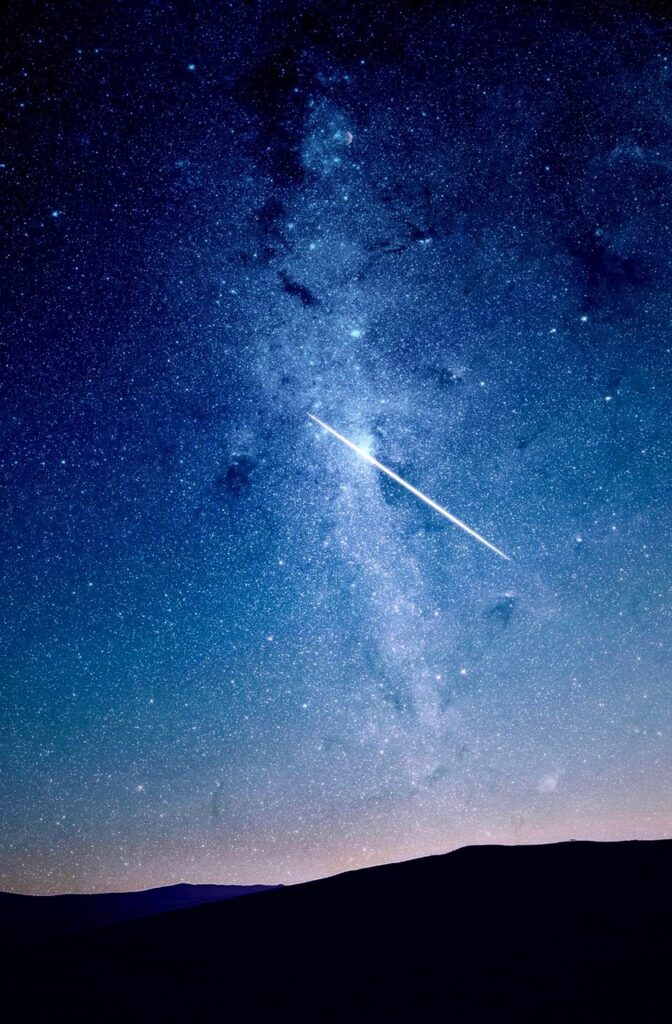
10. **The Asymptotic Giant Branch: A Star’s Luminous Last Hurrah**For many stars, the red giant phase is just a prelude to another spectacular chapter: the Asymptotic Giant Branch, or AGB. It’s here that the star, having fused most of its core helium, embarks on a path of renewed brilliance and instability. In this phase, a star transitions to “fusing helium along a shell surrounding the hot carbon core.” Imagine a star with a dense carbon heart, enveloped by a layer of furiously burning helium, which in turn is wrapped by an even outer layer of hydrogen fusion. This intricate stellar architecture drives its evolution forward.
The AGB phase strikingly “parallels the other described red-giant phase, but with a higher luminosity.” It’s a period of intense energy output, making these stars incredibly bright. The most massive of the AGB stars might even briefly manage “a brief period of carbon fusion before the core becomes degenerate,” momentarily pushing the boundaries of what they can create. But the true hallmark of this stage lies in its dramatic, rhythmic oscillations: stars “undergo thermal pulses due to instabilities in the core of the star.” These pulses are not gentle; they are powerful internal fluctuations where “the luminosity of the star varies and matter is ejected from the star’s atmosphere.”
This expulsion of material is one of the most visually stunning events in a star’s life, forming what we know as a “planetary nebula.” Despite the name, these ethereal, colorful clouds have absolutely nothing to do with planets; they are merely the beautiful, glowing remnants of a star’s outer layers, gently drifting away. A remarkable “as much as 50 to 70% of a star’s mass can be ejected in this mass loss process.” It’s a grand shedding, a final act of giving back to the cosmos.
And what a gift it is! “Because energy transport in an AGB star is primarily by convection, this ejected material is enriched with the fusion products dredged up from the core.” This means the beautiful, expanding nebulae are not just pretty gas; they are vibrant repositories of “elements like carbon and oxygen,” forged deep within the star’s fiery belly. This stellar generosity is crucial for the universe’s ongoing story. “Ultimately, the planetary nebula disperses, enriching the general interstellar medium,” scattering these precious building blocks far and wide. It’s a truly poetic cycle, ensuring that “future generations of stars are made of the ‘star stuff’ from past stars,” including the very elements that form life itself.

11. **Grand Finales: Supergiants and Their Explosive Ends**While smaller stars gracefully shed their layers to form planetary nebulae, the truly “Massive stars” embark on a far more dramatic and often cataclysmic journey towards their end. These colossal stellar celebrities, generally having “a minimum mass of ~8 M ☉,” live fast and die hard. After exhaustively “exhausting the hydrogen at the core,” they don’t just expand into red giants; they swell into magnificent “supergiants,” sometimes becoming the largest stars in the universe. It’s an awe-inspiring transformation, pushing the very limits of stellar scale.
These supergiants, unlike their less massive cousins, possess cores hot and dense enough to “go on to fuse elements heavier than helium.” Through a series of increasingly complex nuclear reactions, they build up layers of heavier elements—carbon, oxygen, neon, magnesium, silicon, and eventually, iron—in an onion-like structure. Each new fusion process generates less energy, and thus requires higher temperatures and pressures, culminating in a core filled with iron, an element that cannot release energy through fusion. This builds to an inevitable, stunning climax.
The fate of these stellar titans is often nothing short of spectacular. “Many end their lives when their cores collapse and they explode as supernovae.” Imagine an explosion so powerful that for a brief period, it can outshine an entire galaxy. This isn’t just a star flickering out; it’s a cosmic firework display of unparalleled intensity, scattering newly forged heavy elements across vast interstellar distances. These events are crucial for enriching the universe with the very ingredients necessary for planets and life.
Some of these magnificent, massive stars even pass through a “Wolf–Rayet star” phase before their supernova, characterized by extremely high surface temperatures and strong stellar winds, shedding enormous amounts of mass. These phases, whether as red supergiants or blue supergiants, are fleeting but brilliant. The core collapse that triggers a supernova is an incredibly swift and violent event, lasting mere seconds, yet its aftermath can illuminate the cosmos for months, leaving behind a profound legacy that reshapes the stellar nurseries of tomorrow.
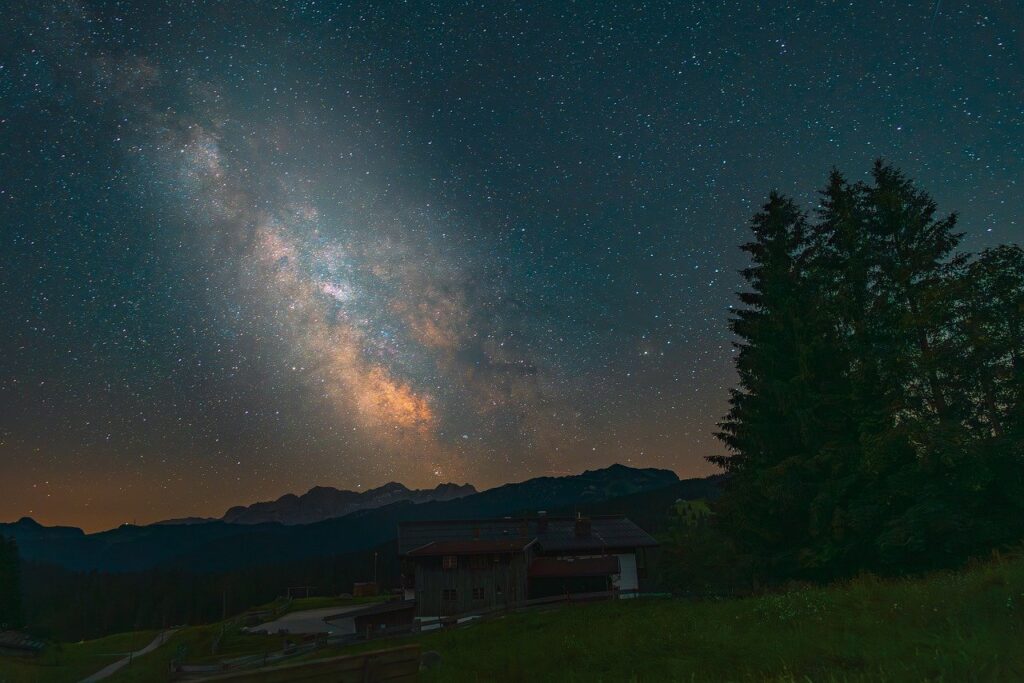
12. **Cosmic Remnants: White Dwarfs, Neutron Stars, and Black Holes**When a star’s nuclear fires finally sputter out, its dramatic life story concludes not with an empty void, but with a fascinating, often exotic, stellar remnant. These are the celestial fossils, the compacted cores left behind, each a unique testament to the star’s initial mass and its evolutionary path. For the majority of stars, those “low mass stars (including the Sun)” and “intermediate-mass stars,” their journey ends as a “white dwarf.” This is a dense, Earth-sized sphere of matter where electrons are packed so tightly they resist further compression, a state known as electron degeneracy.
These white dwarfs are the cooled, exposed cores of stars that have gracefully shed their outer layers as planetary nebulae. They no longer undergo fusion; instead, they slowly radiate away their residual heat, gradually dimming over billions, even trillions, of years until they theoretically become ‘black dwarfs’ – though none are expected to have formed yet, given the age of the universe. It’s a serene, albeit melancholic, retirement for stars like our Sun, a long, slow fade into cosmic obscurity, but still a tangible piece of their luminous past.
However, the more colossal the star, the more extreme its final resting place. For stars with original masses far exceeding our Sun’s, their spectacular supernova explosions leave behind far denser and more enigmatic relics. If the core of the exploding star is roughly between 1.4 and 3 times the mass of the Sun, the immense gravitational forces overwhelm electron degeneracy, compressing the matter even further into a “neutron star.” Here, gravity has crushed electrons and protons together to form neutrons, creating an object so dense that a teaspoonful would weigh billions of tons.
These incredibly compact objects are often rapidly spinning and possess extraordinarily powerful magnetic fields, sometimes observed as pulsars, emitting beams of radiation that sweep across Earth. But for the most massive of stars, those with cores exceeding roughly 3 solar masses after a supernova, not even the degeneracy pressure of neutrons can withstand the relentless grip of gravity. In a chilling ultimate act, their cores collapse completely, forming one of the universe’s most mysterious entities: a “black hole.” These cosmic abysses possess such intense gravitational fields that nothing, not even light, can escape once it crosses their event horizon, representing a profound and irreversible end to stellar life.
Read more about: Beyond the Blink: Unpacking the Multibillion-Year Epic That Costs the Universe Everything – The Life and Times of Stars
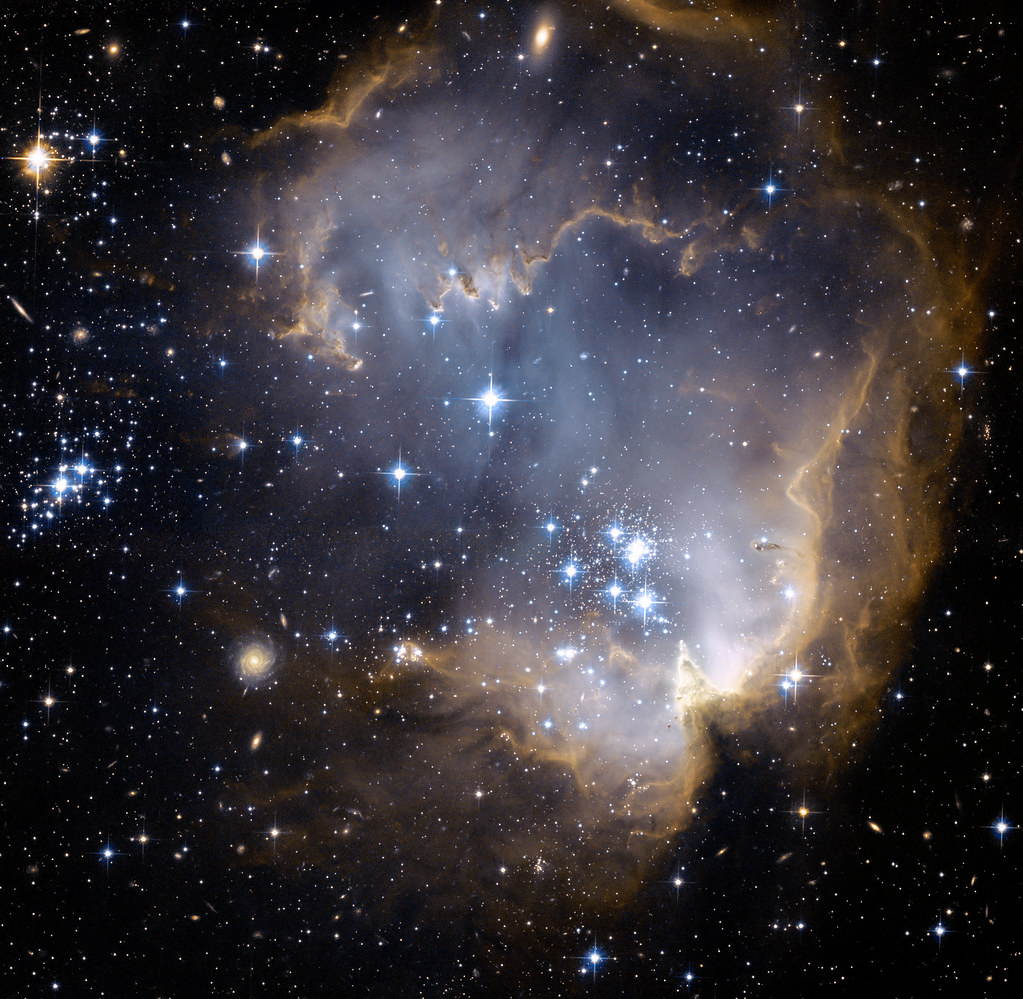
13. **Unraveling Stellar Lives: Advanced Observational Techniques**To truly understand the intricate lives of stars, astronomers needed to move beyond simple visual observation, pushing the boundaries of technology and scientific inquiry. The 20th century, in particular, ushered in an era of “increasingly rapid advances in the scientific study of stars,” transforming our ability to probe their deepest secrets. “The photograph became a valuable astronomical tool,” allowing astronomers to capture and study stellar light with unprecedented detail, moving beyond the fleeting glimpse of the human eye.
Further refinements came with new ways to measure a star’s characteristics. “Karl Schwarzschild discovered that the color of a star and, hence, its temperature, could be determined by comparing the visual magnitude against the photographic magnitude,” offering a crucial insight into their surface heat. The advent of “the photoelectric photometer allowed precise measurements of magnitude at multiple wavelength intervals,” providing even more detailed data on a star’s brightness and energy output across the electromagnetic spectrum. And in a remarkable feat of engineering, “in 1921 Albert A. Michelson made the first measurements of a stellar diameter using an interferometer on the Hooker telescope at Mount Wilson Observatory,” finally allowing us to gauge the true physical size of these distant suns.
But understanding stars required more than just measuring their properties; it demanded theoretical breakthroughs to explain their internal workings and evolution. “Important theoretical work on the physical structure of stars occurred during the first decades of the twentieth century.” A pivotal moment arrived in “1913, [when] the Hertzsprung-Russell diagram was developed,” a groundbreaking chart that plots a star’s luminosity against its temperature, revealing clear patterns in stellar populations and evolutionary stages, propelling the astrophysical study of stars into a new era.
With this foundation, “successful models were developed to explain the interiors of stars and stellar evolution,” allowing scientists to predict and understand the complex processes happening deep within their cores. A crucial puzzle piece was put in place when “Cecilia Payne-Gaposchkin first proposed that stars were made primarily of hydrogen and helium in her 1925 PhD thesis,” a revolutionary idea that was initially met with skepticism but proved to be profoundly correct. The once mysterious “spectra of stars were further understood through advances in quantum physics,” enabling astronomers to decipher the unique chemical signatures in their light, which “allowed the chemical composition of the stellar atmosphere to be determined,” painting a complete picture of a star’s elemental makeup.
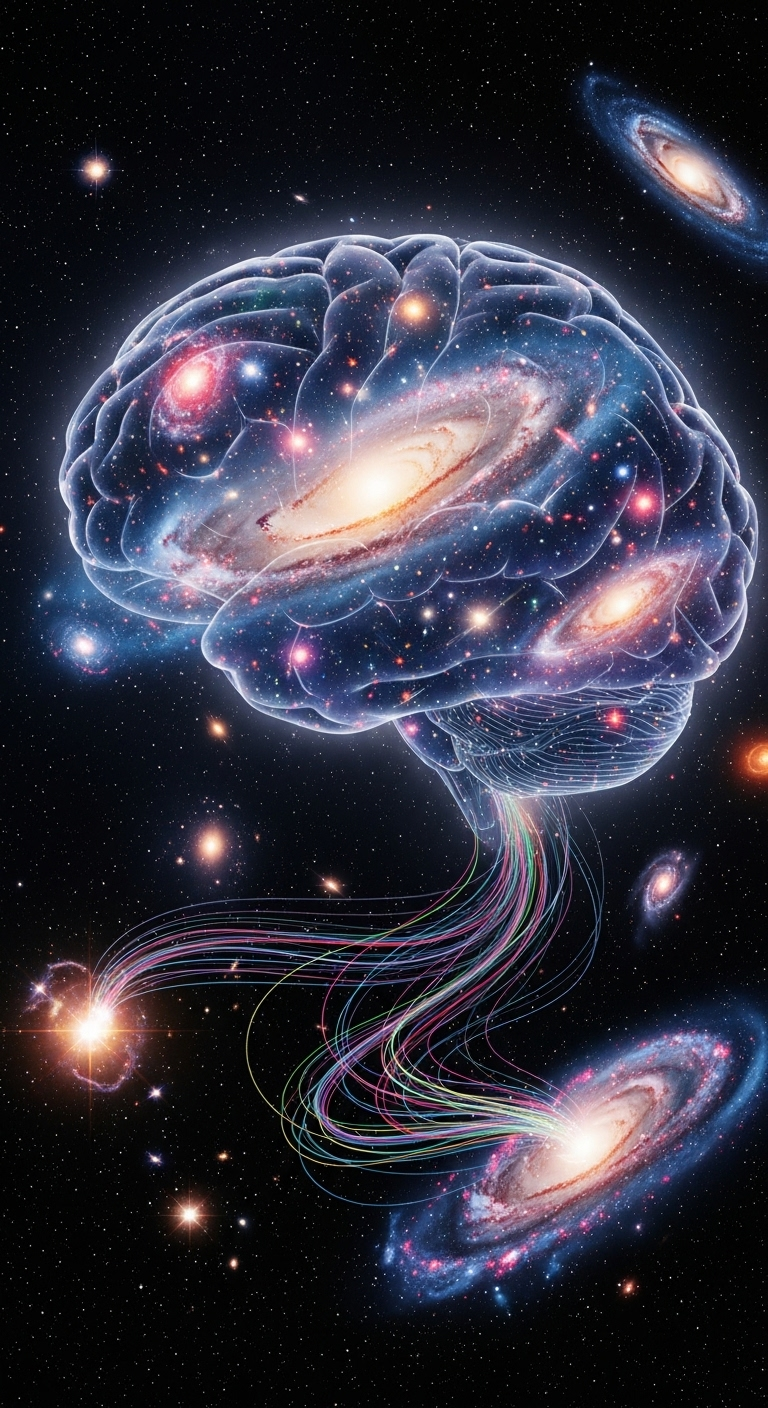
14. **Cosmic Connections: Stars in Systems and Galaxies**No star is truly an island. While we often speak of them as individual entities, stars are almost always part of larger, gravitationally bound families, engaging in intricate cosmic dances that shape their destinies. They “can form orbital systems with other astronomical objects,” creating diverse celestial arrangements that range from planetary systems, like our own Solar System, to the mesmerizing embrace of “star systems with two or more stars.” These binary and multiple star systems are not mere curiosities; they are a fundamental aspect of stellar existence, with “most stars are observed to be members of binary star systems.”
The interaction within these stellar families can be profoundly influential. “When two such stars orbit closely, their gravitational interaction can significantly impact their evolution.” Imagine the tug-of-war, the shared resources, the altered paths that such close proximity can induce. The initial formation of stars often results in these multiple systems, as “the fragmentation of the cloud into multiple stars distributes some of that angular momentum,” allowing for collapse. Even after birth, “primordial binaries transfer some angular momentum by gravitational interactions during close encounters with other stars in young stellar clusters,” constantly reshaping their relationships and dynamics.
Beyond just small groupings, stars are the fundamental building blocks of gargantuan structures. They “can form part of a much larger gravitationally bound structure, such as a star cluster or a galaxy.” Picture the breathtaking beauty of a globular cluster, millions of stars packed tightly, all born from the same cosmic cloud, moving together through space. Or consider our own Milky Way, a majestic spiral galaxy containing hundreds of billions of stars, each following its own grand trajectory around a supermassive central black hole.
These vast celestial communities are laboratories for understanding stellar interactions on a grand scale. While observing individual stars in distant galaxies is challenging, “individual stars have primarily been observed in the Local Group, and especially in the visible part of the Milky Way and its satellites.” Breakthroughs like the observation of “Cepheid variables … in the M87 and M100 galaxies of the Virgo Cluster,” and “luminous stars in some other relatively nearby galaxies,” have given us glimpses into stellar populations beyond our immediate neighborhood. And in a truly astonishing feat, “with the aid of gravitational lensing, a single star (named Icarus) has been observed at 9 billion light-years away,” reminding us that even the most distant cosmic celebrities can reveal their secrets to our ever-advancing gaze.
**A Final Glimpse into the Stellar Tapestry**
From the gentle murmur of a collapsing nebula to the blinding flash of a supernova, and finally, to the silent, enduring glow of a white dwarf or the enigmatic embrace of a black hole, the life cycles of stars are the most profound narratives woven into the fabric of our universe. Each point of light in the night sky is a story in itself, a testament to immense power, graceful transformation, and the relentless march of cosmic evolution. They are not merely distant furnaces; they are the universe’s sculptors, creating the elements, providing the energy, and charting the course for all that exists, including ourselves. We are, after all, made of stardust, forever connected to the spectacular, secret lives of these astronomical celebrities. Their journeys remind us of the universe’s infinite wonder, inviting us to keep looking up, to keep questioning, and to keep marveling at the stars that shine so brightly, sharing their timeless tales.