Americans have a deep-seated affection for pickup trucks, a fact borne out by sales figures that consistently place them at the top of the automotive market. Ford Motor’s F-Series trucks, including the ubiquitous F-150 and its larger counterparts, dominated the industry for the 42nd year in a row in 2023, selling a staggering 750,789 vehicles. This impressive feat was closely followed by GM’s Chevrolet Silverado pickup, with 543,780 units sold, and Ram pickups, which accounted for 444,926 sales. It’s clear that the allure of size, power, and practicality makes modern pickups a versatile choice for many, often replacing sedans, hatchbacks, or SUVs as all-around family vehicles.
However, the journey of truck ownership is not always a smooth ride. Beneath the shiny exterior and robust capabilities, some models harbor hidden costs that can quickly turn a practical purchase into a financial drain. Reliability, a crucial yet often elusive factor, can be difficult to assess without expert guidance. While brands known for consistency occasionally release ‘duds,’ even less reputable brands can surprise with dependable outliers. To navigate this complex landscape, informed decision-making is paramount for any consumer.
To shed light on which trucks might prove to be more costly in terms of time and money over the years, we’ve consulted Chris Pyle, a verified auto expert from Just Answer. Drawing upon his half-century of expertise in diagnosing and repairing vehicles, Pyle offers invaluable insights into specific models and common issues that prospective buyers should be acutely aware of. His experienced perspective highlights vehicles that, despite their initial appeal or brand reputation, have consistently demonstrated a propensity for expensive, recurring problems, transforming them into veritable money pits.

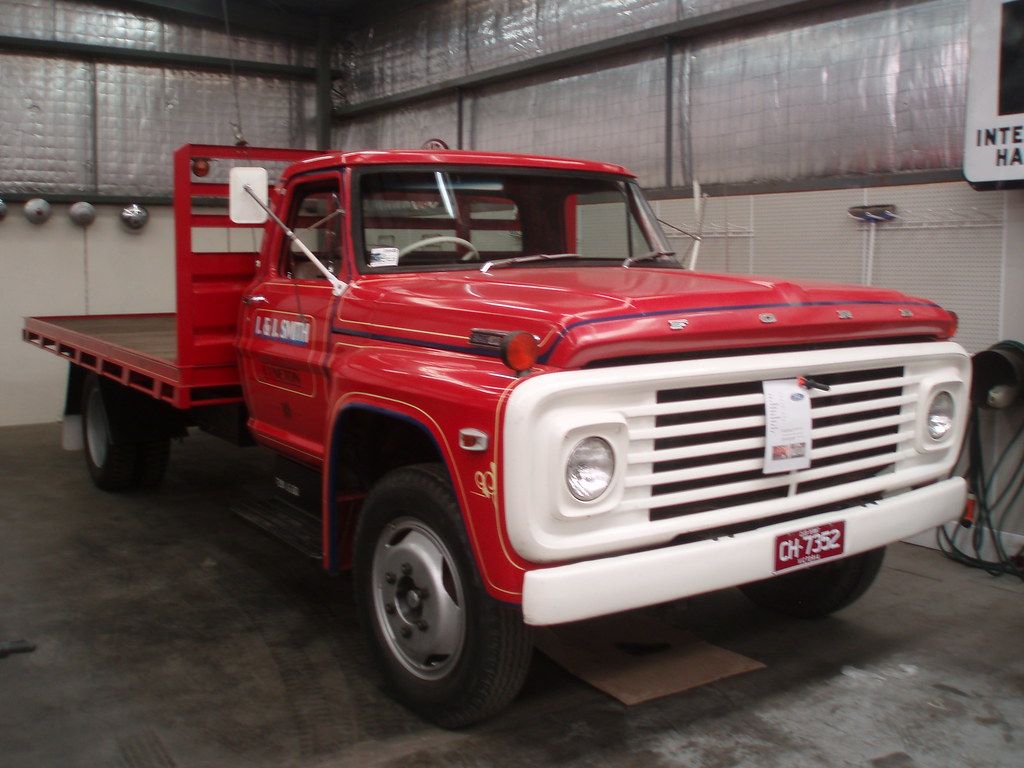
1. **2003-2005 Ford Super Duty**When discussing problematic pickup trucks, it’s only appropriate to begin with some of North America’s oldest automakers, and the 2003-2005 Ford Super Duty models, particularly those equipped with the 6.0 diesel engine, stand out as a cautionary tale. According to auto expert Chris Pyle, these years marked Ford’s ambitious attempt to get ahead of impending emissions standards. This drive for rapid innovation, unfortunately, led to a rushed release that brought with it a host of significant issues that plagued early owners and mechanics alike.
Pyle explicitly states, “These were the first years for the 6.0 diesel and Ford tried to get ahead of the soon-to-come emissions standards.” This rush meant that the engine, while designed with future environmental regulations in mind, hadn’t been fully debugged or refined before hitting the market. The complex nature of making diesel engines run cleanly proved to be a formidable challenge for Ford at the time. “Ford found it is super hard to make diesels run clean,” Pyle elaborated, highlighting the technical hurdles faced during its development.
The consequence of this accelerated development cycle was a series of well-documented reliability problems that quickly earned these particular Super Duty models a notorious reputation. Owners frequently encountered issues that required extensive and costly repairs. As Pyle succinctly puts it, “It took a couple of years for Ford to get it figured out. As with any diesel, repairs are expensive.” This statement underscores not only the inherent costliness of diesel engine repairs but also the prolonged period during which these specific models were prone to breakdowns and significant maintenance investments for their owners. For consumers, this translates directly to unforeseen expenses and considerable downtime, turning a robust workhorse into a consistent drain on resources.
Car Model Information: 2022 BMW X3 sDrive30i
Name: Ford Super Duty,(F-250/F-350/F-450/F-550/F-600)
Caption: 2020 Ford F-250
Manufacturer: Ford Motor Company
Production: January 5, 1998–present
ModelYears: 1999–present
Class: pickup truck
Layout: Front-engine, rear-wheel-drive layout
Predecessor: Ford F-Series (ninth generation)
Categories: 2000s cars, 2010s cars, All-wheel-drive vehicles, All articles with bare URLs for citations, Articles with bare URLs for citations from August 2024
Summary: The Ford Super Duty (also known as the Ford F-Series Super Duty) is a series of heavy-duty pickup trucks produced by the Ford Motor Company since the 1999 model year. Slotted above the consumer-oriented Ford F-150, the Super Duty trucks are an expansion of the Ford F-Series range, from F-250 to the F-600. The F-250 through F-450 are offered as pickup trucks, while the F-350 through F-600 are offered as chassis cabs.
Rather than adapting the lighter-duty F-150 truck for heavier use, Super Duty trucks have been designed as a dedicated variant of the Ford F-Series. The heavier-duty chassis components allow for heavier payloads and towing capabilities. With a GVWR over 8,500 lb (3,900 kg), Super Duty pickups are Class 2 and 3 trucks, while chassis-cab trucks are offered in Classes 3, 4, 5, and 6. The model line also offers Ford Power Stroke V8 diesel engines as an option.
Ford also offers a medium-duty version of the F-Series (F-650 and F-750), which is sometimes branded as the Super Duty, but is another chassis variant. The Super Duty pickup truck also served as the basis for the Ford Excursion full-sized SUV.
The Super Duty trucks and chassis-cabs are assembled at the Kentucky Truck Plant in Louisville, Kentucky, and at Ohio Assembly in Avon Lake, Ohio. Prior to 2016, medium-duty trucks were assembled in Mexico under the Blue Diamond Truck joint venture with Navistar International.
Get more information about: Ford Super Duty
Buying a high-performing used car >>>
Brand: Ford Model: Super Duty
Price: $28,452 Mileage: 46,868 mi.
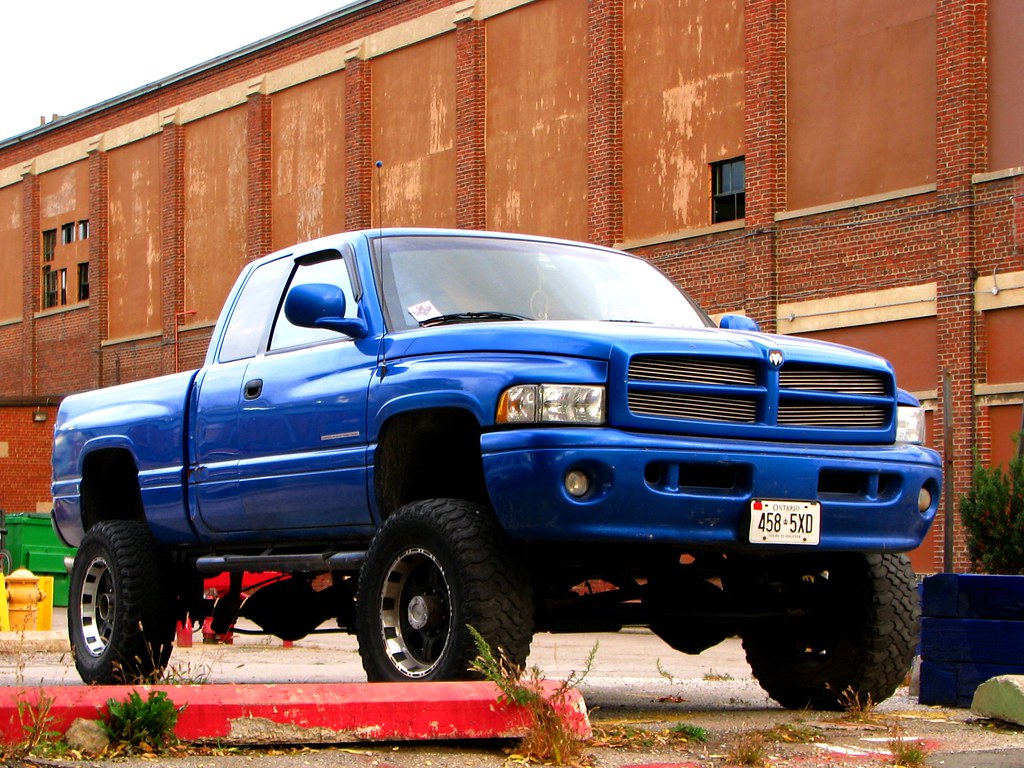
2. **2006-2013 Ram**Ram trucks, while widely popular, have carved out a particularly unenviable position in the realm of maintenance costs, especially the models produced between 2006 and 2013. Data from CarEdge’s “Most Expensive Cars to Maintain” rankings paints a stark picture, identifying Ram as the costliest popular auto brand to maintain. Furthermore, Ram vehicles dominate the top seven individual model spots for repair costs over a ten-year period, a truly alarming statistic for any potential buyer considering these used trucks.
The financial burden associated with Ram ownership is substantial; on average, these vehicles incur an additional $5,000 in repair costs over the first decade compared to other brands. Even more striking is the fact that Ram’s top four models are reportedly $5,000 more expensive to maintain than the most expensive luxury brand models. This suggests that the issues aren’t just common but also inherently costly, impacting the wallet of owners far more severely than anticipated. The prestige of a luxury badge often comes with higher repair bills, but Ram manages to surpass even these benchmarks in sheer expense.
Chris Pyle, our trusted auto expert, provides a critical diagnosis of these models, stating, “They have steering and suspension concerns resulting in a death wobble and need multiple repeat repairs to get the truck safe and dependable.” The “death wobble” is a particularly frightening and well-known phenomenon among truck owners, referring to an uncontrolled, violent shaking of the front end of the vehicle, often triggered by hitting a bump at highway speeds. This isn’t merely an inconvenience; it’s a significant safety hazard that requires persistent, and often frustrating, repeat repairs, ensuring that these Ram trucks remain a persistent money pit for their owners.
Car Model Information: 2012 RAM 1500 ST
Name: Ram Trucks
Logo: Ramchryslerlogo.png
FormerName: Dodge Ram
Type: division (business)
LocationCity: Auburn Hills, Michigan
Foundation: [object Object]
AreaServed: North America, Middle East, Latin America, Europe, Southeast Asia, Oceania, and Angola
Industry: Automobile
Predecessor: Graham Brothers,Fargo Trucks,Plymouth (automobile)#Plymouth trucks
KeyPeople: Tim Kuniskis (CEO)
Products: Truck
Parent: Chrysler
Homepage: https://www.ramtrucks.com/|ramtrucks.com
Categories: 2010 establishments in Michigan, All Wikipedia articles written in American English, All articles with unsourced statements, Articles with short description, Articles with unsourced statements from July 2024
Summary: Ram Trucks (stylized as RAM) is an American brand of light to mid-weight pickup heavy duty trucks and other commercial vehicles, and a division of Stellantis North America (previously Chrysler Group LLC). It was established in a spin-off of Dodge in 2009 using the name of the Ram pickup line of trucks. Ram Trucks’ logo was originally used as Dodge’s logo. New series Ram 1500 pickups are made at Sterling Heights Assembly in Sterling Heights, Michigan. Since its inception, the brand has used the slogan “Guts. Glory. Ram.”
Get more information about: Ram Trucks
Buying a high-performing used car >>>
Brand: Ram Model: Trucks
Price: $8,995 Mileage: 184,489 mi.
Read more about: The Unstoppable Rise of YouTube: A Deep Dive into the Platform That Changed Everything
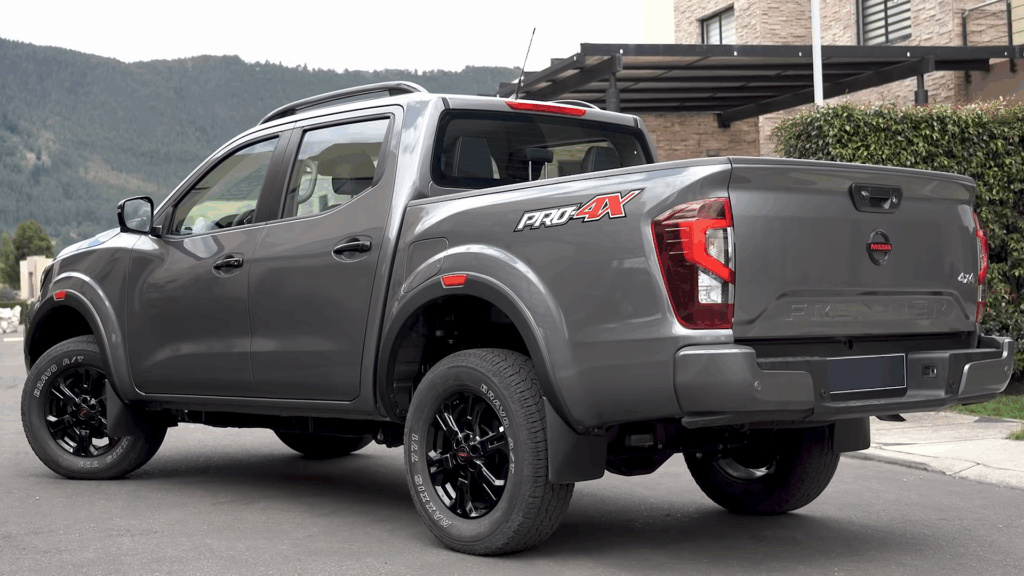
3. **2005-2010 Nissan Frontier**The Nissan Frontier, particularly models from the mid-to-late 2000s (specifically 2005-2010), has garnered a reputation for being a significant financial liability, sharing similar reliability woes with its SUV counterparts, the Pathfinder and Xterra. RepairPal reports that these Frontier trucks frequently suffered from severe transmission and engine failures, issues that are inherently expensive to diagnose and rectify. This generation of the Frontier, while appearing to be a solid midsize option on the surface, concealed a critical design flaw that could lead to catastrophic mechanical failure.
The core of the problem, as meticulously detailed by Chris Pyle, lies within the truck’s cooling system design. Pyle explains, “The cooler is inside the radiator.” This integrated design, intended perhaps for efficiency or compactness, ironically became its biggest vulnerability. The critical issue arises when “It fails, allowing coolant to get into the transmission which ruins the clutch plates very fast.” This intermixing of coolant and transmission fluid is a death knell for the transmission, causing rapid and irreversible damage to vital internal components.
The outcome of this specific defect is predictably grim for the owner. The contamination rapidly degrades the transmission’s clutch plates, leading to severe operational problems and eventually total transmission failure. This necessitates either “an expensive overhaul or trans replacement,” as Pyle concludes. Both options represent a substantial financial hit, often costing thousands of dollars, effectively rendering these specific model years of the Nissan Frontier a notorious money pit that can leave owners with repair bills larger than the truck’s perceived value.
Car Model Information: 2015 Nissan Frontier PRO-4X
Categories: All set index articles, Articles with short description, Nissan vehicles, Set index articles on cars, Short description is different from Wikidata
Summary: The Nissan Frontier is a nameplate used on three different pickup truck models by Nissan:
Nissan Frontier (international), an alternative nameplate for the NP300/Navara on some markets
Nissan Frontier (North America), a rebadged NP300/Navara from 1997 to 2021, then became a separate model since 2021
Nissan Frontier Pro, a rebadged Dongfeng Z9 PHEV that will be available from 2025.
Get more information about: Nissan Frontier
Buying a high-performing used car >>>
Brand: Nissan Model: Frontier
Price: $17,865 Mileage: 154,112 mi.
Read more about: Consumer Alert: 12 SUVs Prone to Expensive Mechanical Issues Early in Their Lifespan

4. **Chevy Colorado**The Chevrolet Colorado, a popular mid-size pickup truck, unfortunately, earns a spot on the list of money pits, especially concerning its earlier model years. While the Colorado has enjoyed considerable popularity in its segment, certain generations have been plagued by a spectrum of issues that have left owners frustrated and their wallets significantly lighter. The problems reported extend across various critical systems, making it a truck that demands constant attention and costly fixes.
Reports from Ideal, for instance, kick off their discussion of problematic trucks by highlighting the Chevy Colorado’s rust problems. Corrosion, especially in critical structural components, can compromise the vehicle’s integrity and lead to expensive repairs if not addressed promptly. Beyond visible deterioration, the Colorado’s early models are also noted for engine woes, which can range from minor malfunctions affecting performance to major internal failures requiring extensive overhauls or replacements. Such engine troubles are among the most expensive repairs a vehicle owner can face.
Adding to the list of grievances are electrical nightmares that Ideal mentions, stating they “make you want to run for the hills.” Electrical issues are notoriously difficult to diagnose and fix, often leading to recurring problems and multiple trips to the mechanic. Furthermore, additional context confirms that earlier model years of the Chevrolet Colorado experienced specific troubles, including “faulty fuel level sensors, engine stalling, braking issues, and power steering failure.” These are not minor inconveniences but critical faults that compromise both the functionality and safety of the truck, ensuring it becomes a consistent and unwelcome visitor to the repair shop.
Car Model Information: 2018 Chevrolet Colorado LT
Name: Chevrolet Colorado
Caption: 2024 Chevrolet Colorado Z71
Manufacturer: General Motors
Production: 2003–2012, 2014–present (US),2004–2020
(Thailand),2011–present (Brazil)
Class: Pickup truck,Pickup truck
Layout: Front-engine, rear-wheel-drive layout
Predecessor: Chevrolet S-10,Chevrolet D-Max,Holden Rodeo,Holden Ute
Aka: GMC Canyon,Holden Colorado
Categories: 2010s cars, 2020s cars, All-wheel-drive vehicles, All articles with dead external links, Articles with dead external links from November 2016
Summary: The Chevrolet Colorado (sharing mechanical commonality with the GMC Canyon) is a series of compact pickup trucks (mid-size since second generation) marketed by American automaker General Motors. They were introduced in 2004 to replace the Chevrolet S-10 and GMC S-15/Sonoma compact pickups. The Colorado is named after the U.S. state of Colorado, while the Canyon took its name from the deep chasm between cliffs.
Get more information about: Chevrolet Colorado
Buying a high-performing used car >>>
Brand: Chevrolet Model: Colorado
Price: $24,388 Mileage: 60,344 mi.
Read more about: Your Guide to the 8 Safest Used Trucks Under $25,000 for Savvy Buyers
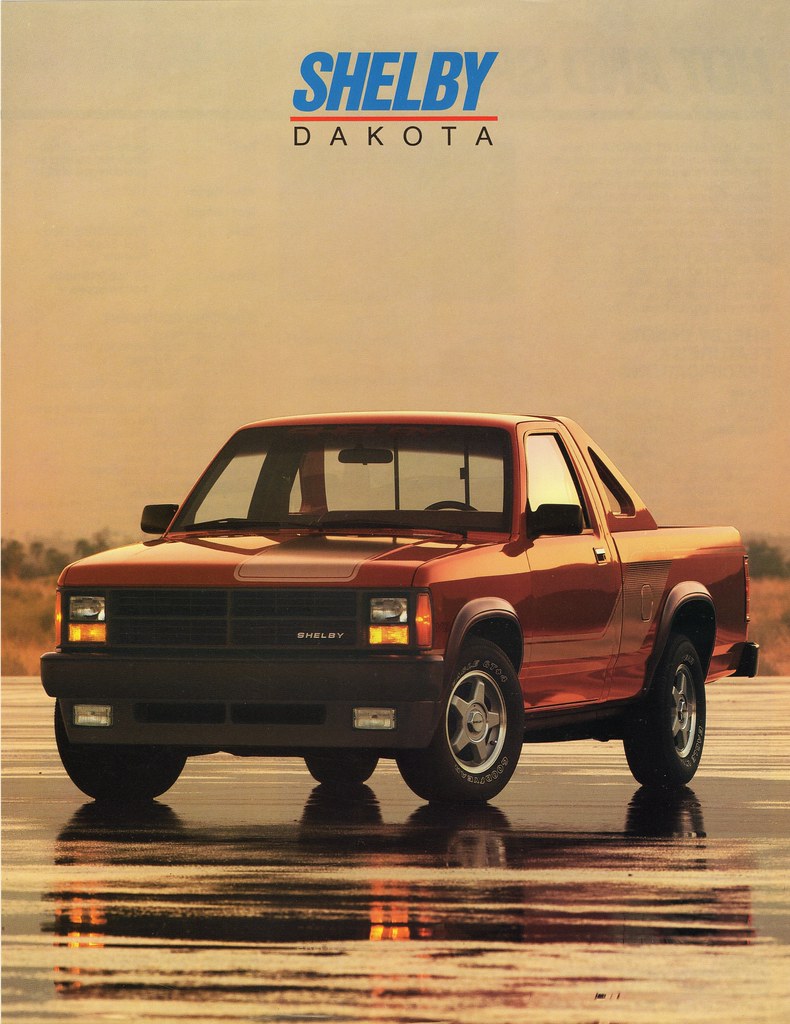
5. **Dodge Dakota**The Dodge Dakota, a mid-size pickup truck that once offered a compelling alternative to full-size models, regrettably finds itself on the list of vehicles that can quickly drain an owner’s bank account. While it aimed to blend practicality with a more manageable footprint, certain generations of the Dakota have been plagued by a trifecta of issues that transform it from a versatile workhorse into a persistent financial liability. Prospective buyers considering a used Dakota, particularly older models, must be acutely aware of these well-documented concerns before making a commitment.
One of the most insidious and financially damaging problems associated with the Dodge Dakota is the propensity for oil sludge buildup within its engine. This issue, often stemming from design flaws or inadequate lubrication pathways, can lead to severe internal engine damage if not meticulously managed. Oil sludge can restrict vital oil flow to critical engine components, causing accelerated wear, reduced performance, and ultimately, catastrophic engine failure. Addressing such a problem typically necessitates extensive engine cleaning, repair, or even complete replacement, costs which far outweigh the initial savings on a used truck.
Beyond the engine compartment, Dakota owners have also reported unsettling incidents of random brake lock-ups. This is not merely an inconvenience but a significant safety hazard that compromises vehicle control and increases the risk of accidents. Brake system issues can be notoriously difficult and expensive to diagnose, often requiring specialists to pinpoint the root cause of intermittent failures. The need for multiple repeat repairs to ensure the braking system’s dependability can quickly accumulate substantial bills, transforming what should be a fundamental safety feature into a recurring maintenance headache.
Furthermore, the Dodge Dakota’s suspension system has earned a reputation for premature wear, wearing out “faster than a pair of cheap sneakers,” as one source vividly describes. A compromised suspension not only degrades the truck’s ride quality and handling but also impacts steering precision and tire wear. Components like ball joints, tie rods, and bushings can fail well before expected, leading to expensive replacements. The structural integrity of the suspension is critical for safe operation, making these repairs non-negotiable and contributing significantly to the Dakota’s long-term ownership costs.
In light of these persistent mechanical and safety concerns, consumers are strongly advised to exercise extreme caution when evaluating a used Dodge Dakota. Comprehensive pre-purchase inspections by a trusted mechanic, with particular attention to engine health, brake system integrity, and suspension component wear, are absolutely essential. Failing to conduct such due diligence can easily lead to unforeseen and exorbitant repair expenses, solidifying the Dodge Dakota’s status as a formidable money pit.
Car Model Information: 2002 Dodge Dakota SLT Quad Cab
Name: Dodge Dakota
Manufacturer: Unbulleted list
Production: 1986–2011
ModelYears: 1987–2011
Assembly: Unbulleted list
Class: Mid-size pickup truck
Layout: Unbulleted list
Predecessor: Dodge Ram 50
Categories: 1990s cars, 2000s cars, 2010s cars, All-wheel-drive vehicles, All articles with unsourced statements
Summary: The Dodge Dakota, marketed as the Ram Dakota for the final two years of production, is a mid-size pickup truck manufactured by Chrysler and marketed by its Dodge Truck division (model years 1987–2009) and later its Ram Truck division (2010–2011) — across three generations.
The Dakota was larger than the compact pickups from Ford and Chevrolet, the Ford Ranger and Chevrolet S-10, and was smaller than full-sized pickups such as Dodge’s own Ram. It used body-on-frame construction and a leaf spring/live axle rear end and was the first mid-size pickup with an optional V8 engine. For its entire production, the Dakota was manufactured at Chrysler’s Warren Truck Assembly in Michigan.
The Dakota was nominated for the North American Truck of the Year award for 2000.
Get more information about: Dodge Dakota
Buying a high-performing used car >>>
Brand: Dodge Model: Dakota
Price: $4,500 Mileage: 248,799 mi.
Read more about: Why American Pickup Trucks Became Colossal: Unpacking the Complex Web of Regulations, Culture, and Market Forces
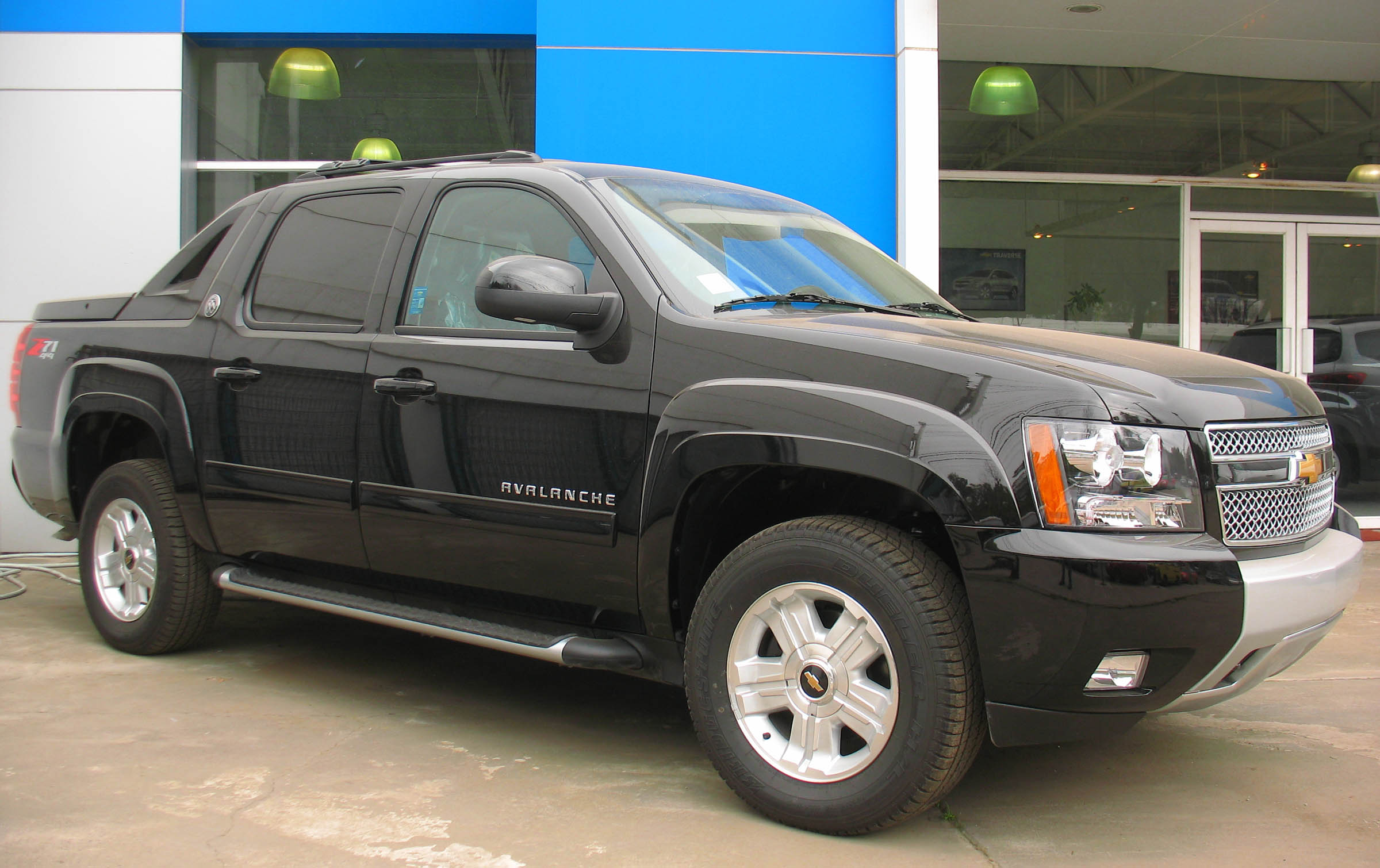
6. **Chevy Avalanche**The Chevrolet Avalanche represents a distinctive, albeit perplexing, chapter in automotive design, attempting to bridge the gap between a full-size SUV and a pickup truck. Its innovative “midgate” design allowed for a flexible cargo area, appealing to those who desired both passenger comfort and utility. However, this hybrid approach, characterized by a vehicle that “couldn’t decide if it wanted to be a Suburban or a pickup,” brought with it a unique set of drawbacks and costly issues that have cemented its reputation as a money pit.
A primary aesthetic and structural concern for many Avalanche owners revolves around its extensive plastic body cladding. While initially providing a rugged look, this cladding is prone to significant fading and deterioration over time, “fading faster than my interest in practicality,” as observed. The once-black or grey panels can turn chalky, discolored, and brittle due to UV exposure, detracting significantly from the vehicle’s appearance. Replacing or restoring this cladding is not a minor undertaking, often requiring specialized techniques or expensive new parts to return the truck to a presentable condition, adding unexpected expenses to ownership.
The very essence of the Avalanche’s design, its dual personality, contributed to its mechanical complexities and potential for heightened maintenance. Combining elements of an SUV and a truck meant integrating various systems that might experience different stresses or wear patterns. While the general underpinnings were robust, the unique body structure and components associated with the midgate and convertible bed functionality could introduce specialized repair challenges. Mechanics might find these components less straightforward to diagnose and repair compared to conventional truck or SUV setups.
Furthermore, the long-term dependability of the Avalanche was often compromised by issues that stemmed from this design philosophy. While specific mechanical failures are not uniformly cited across all models, the overall complexity of its transforming bodywork often meant higher labor costs for repairs that required extensive disassembly. Any water intrusion issues related to the midgate or bed seals could lead to costly interior damage, electrical problems, or rust, further undermining its value and increasing maintenance burdens.
For consumers drawn to the Chevy Avalanche’s unique versatility, a realistic understanding of its potential long-term costs is crucial. The fading plastic cladding and the inherent complexity of its hybrid design point to a vehicle that may demand more attention and investment than a traditional truck or SUV. Diligent inspection for cladding condition, water leaks, and careful consideration of specialized repair needs are paramount to avoid turning its innovative design into a substantial financial drain.
Car Model Information: 2005 Chevrolet Avalanche 1500 LS
Name: Chevrolet Avalanche
Manufacturer: General Motors
Production: 2001–2013
Class: Full-size,pickup truck
BodyStyle: pickup truck
Assembly: Silao,Guanajuato,Mexico
Layout: Front-engine, rear-wheel-drive layout,rear-wheel drive
Wheelbase: 130.0 in
Abbr: on
Designer: Marc R. Asposito
Categories: 2010s cars, All-wheel-drive vehicles, All articles needing additional references, Articles needing additional references from October 2009, Articles with short description
Summary: The Chevrolet Avalanche is a four-door, five- or six-passenger pickup truck that was manufactured by General Motors and marketed by its Chevrolet division. The Avalanche was a hybrid between the Chevrolet Suburban SUV and the Chevrolet Silverado pickup truck, sharing the chassis with the Suburban. Unlike a typical pickup truck where the bed is mounted separately from the cab on the frame, the bed of the Avalanche was integrated with the cab body.
It prominently featured a “midgate” behind the second row of seats that could be folded inward and down, with the seats, to create a longer bed area. The Avalanche was manufactured across two generations starting in 2001 and ending in 2013.
Breaking with a long-standing tradition, the Avalanche was available soley as a Chevrolet model without a GMC variant. Instead, Cadillac marketed a re-badged Avalanche. The midgate design would be adapted for use on the GMC Envoy XUV and Hummer H2 SUT.
Get more information about: Chevrolet Avalanche
Buying a high-performing used car >>>
Brand: Chevrolet Model: Avalanche
Price: $10,855 Mileage: 200,003 mi.
Read more about: Beyond Glare: Unpacking the Most Controversial Car Design Features and Their Unforeseen Impacts on the Road and Culture
7. **Chevy SSR**Among the pantheon of unconventional vehicles, the Chevrolet SSR (Super Sport Roadster) stands out as one of the “strangest creations ever made.” This unique blend of a retro-styled roadster, a pickup truck, and a convertible, powered by a “Corvette-derived V8,” was undeniably distinctive. However, its novelty and niche appeal were often overshadowed by practical shortcomings and mechanical eccentricities that made it a significant money pit for many owners, despite its high-performance aspirations.
One of the most glaring contradictions of the SSR’s design was its “useless truck bed.” While aesthetically integrated into the roadster’s silhouette, the bed offered minimal utility for actual truck tasks. Its shallow depth, limited payload capacity, and often enclosed nature rendered it impractical for hauling anything substantial, negating one of the primary reasons for owning a pickup. This functional compromise meant owners were paying for truck-like features without receiving genuine truck utility, leading to a diminished return on investment when real-world tasks arose.
Adding to the SSR’s financial pitfalls was its complex and often troublesome retractable hardtop roof, which was “more trouble than it’s worth.” While offering the thrill of open-air driving, these intricate electro-mechanical systems are notoriously prone to failure. Malfunctions could range from slow operation and noisy mechanisms to complete failure, leaving owners unable to open or close the roof. Repairs involving convertible tops are typically highly specialized, labor-intensive, and utilize expensive proprietary parts, making them a significant recurring expense that detracts from the vehicle’s enjoyment and value.
Despite its powerful Corvette-derived V8 engine, which promised exhilarating performance, the SSR’s overall design ethos often led to an ownership experience riddled with frustration. The vehicle’s limited production run and unique components meant that parts could be difficult to source and often carried a premium price tag. Any mechanical issue, whether related to its specialized body, electrical systems, or even certain engine components, could quickly escalate into an expensive repair bill, further cementing its reputation as a peculiar choice for long-term practicality.
For enthusiasts or collectors primarily interested in the SSR’s unique aesthetic and performance, its “money pit” characteristics might be a secondary concern. However, for any consumer seeking a practical or even a reliably fun vehicle, the Chevy SSR presents considerable financial risks. The combination of a functionally compromised bed, a notoriously problematic roof, and specialized maintenance requirements means this distinctive truck demands a significant and ongoing investment, proving that sometimes, being truly unique comes at a steep price.
Car Model Information: 2004 Chevrolet SSR LS
Name: Chevrolet SSR
Manufacturer: Chevrolet
Production: 2003–2006
ModelYears: 2003–2006
Assembly: Lansing, Michigan
Class: Pickup truck
BodyStyle: ubl
Platform: GMT360
Related: ubl
Layout: Front-engine, rear-wheel drive layout
Engine: ubl
Transmission: ubl
Wheelbase: 116.0 in
Abbr: on
Length: ubl
Width: 78.6 in
Height: ubl
Designer: ubl
Categories: All articles needing additional references, All articles with unsourced statements, Articles needing additional references from July 2008, Articles with short description, Articles with unsourced statements from August 2023
Summary: The Chevrolet SSR (Super Sport Roadster) is a retro-styled and retractable hardtop convertible pickup truck manufactured by Chevrolet between 2003 and 2006.
During the 2003 and 2004 model years, the SSR used General Motors’ 5.3 L 300 hp (224 kW; 304 PS) Vortec 5300 V8. Performance was 7.7 seconds for 0–60 mph (0–97 km/h) with a 15.9 second 1⁄4 mile (402.3 m) time at 86.4 mph (139.0 km/h).
For the 2005 model year, the SSR used the 390 hp (291 kW; 395 PS) LS2 V8 engine also used in the C6 Corvette, Trailblazer SS, and Pontiac GTO, now offering a manual transmission option, the six-speed Tremec, for the first time. Performance improved dramatically with the LS2; the 6-speed manual version had an advertised 0–60 mph (97 km/h) acceleration time of 5.29 seconds. In addition, GM badges were added to the vehicle.
For 2006, output of the LS2 increased to 395 hp (295 kW; 400 PS).
Get more information about: Chevrolet SSR
Buying a high-performing used car >>>
Brand: Chevrolet Model: SSR
Price: $21,499 Mileage: 54,685 mi.
Read more about: The Unseen Toll: Navigating the Complex Environmental Costs of Electric Vehicle Batteries
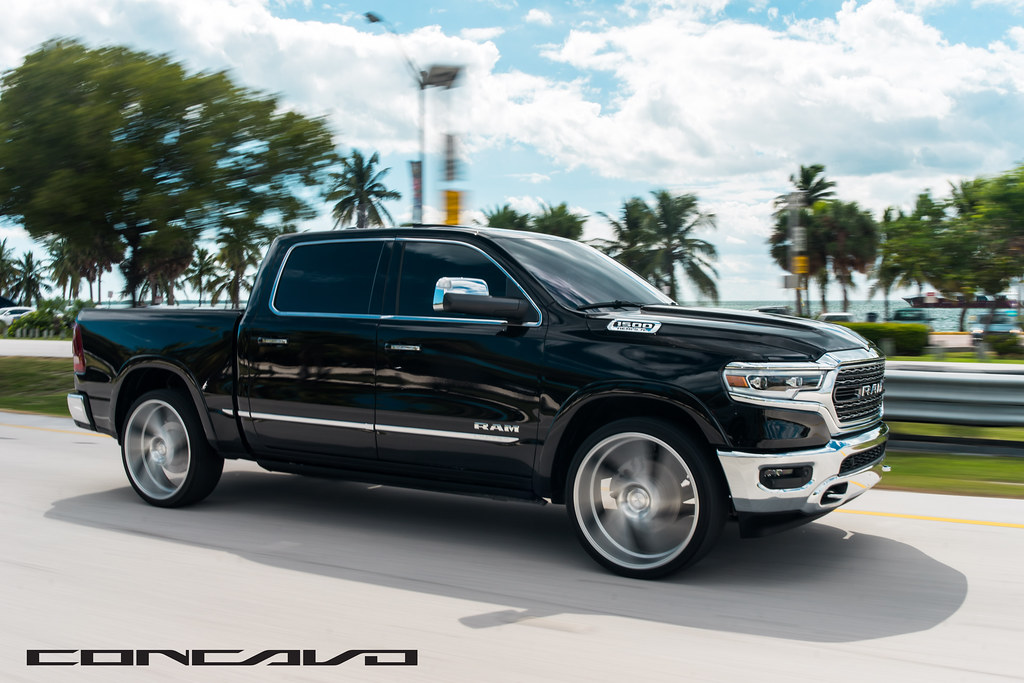
8. **Dodge Ram 1500 with 5.7L Hemi Engine**While the 2006-2013 Ram models were broadly identified as costly to maintain due to steering and suspension concerns, a specific warning from mechanics highlights the Dodge Ram 1500, particularly those equipped with the 5.7L Hemi engine, as a distinct money pit. As observed by Accurate Automotive, mechanics cite the “Dodge 1500 5.7s…money pit,” underscoring that this particular engine configuration within the popular Ram lineup presents its own set of formidable and expensive challenges for owners, moving beyond general brand reliability issues.
The 5.7L Hemi engine, while celebrated for its robust power and performance, has been linked to various internal mechanical problems that translate directly into substantial repair bills. Although the specific issues aren’t detailed in the given context for this particular mechanic’s quote, the direct categorization as a “money pit” strongly implies recurring and costly engine-related failures. Engine problems, by their nature, are among the most expensive repairs any vehicle owner can face, often requiring extensive diagnostic time, specialized tools, and high-cost replacement parts.
This distinct warning about the 5.7L Hemi in the Ram 1500 builds upon the broader reputation of Ram vehicles for high maintenance costs. Where general Ram models suffer from steering and suspension “death wobbles” and the need for “multiple repeat repairs,” the 5.7L Hemi adds another layer of financial risk by introducing potential engine-specific weaknesses. Consumers, therefore, face a double threat of costly chassis repairs compounded by the prospect of significant engine overhauls or replacements, solidifying the truck’s status as a drain on finances.
The consequence of these potential engine woes for Ram 1500 owners is a vehicle that, despite its initial appeal, can quickly become an unreliable and expensive burden. Even diligent maintenance might not fully mitigate inherent design vulnerabilities if the 5.7L Hemi is indeed prone to specific, unmentioned faults that lead to its “money pit” designation. The cumulative effect of frequent trips to the mechanic and the associated parts and labor costs makes the long-term ownership of these models highly questionable from a financial perspective.
Therefore, prospective buyers eyeing a used Dodge Ram 1500 with the 5.7L Hemi engine should proceed with extreme caution and conduct thorough mechanical inspections. It is crucial to ascertain the engine’s service history, listen for any unusual noises, and ideally, seek an opinion from a mechanic experienced with these specific Hemi units. Understanding the potential for substantial engine repairs, alongside the known chassis issues, is vital for making an informed decision and avoiding a truck that could become a persistent financial drain.
Car Model Information: 2022 BMW X3 sDrive30i
Name: Dodge Ram / Ram pickup
Caption: 2017 Ram 1500 Express
Manufacturer: Dodge
ModelYears: 1981–present
Production: October 1980 – present
Class: Pickup truck#Full-size pickup truck,Pickup truck#Heavy-duty pickup truck
Layout: Front-engine, rear-wheel-drive layout,rear-wheel drive
Predecessor: Dodge D series
Categories: 1990s cars, 2000s cars, 2010s cars, 2020s cars, All-wheel-drive vehicles
Summary: The Ram pickup (marketed as the Dodge Ram until 2010 when Ram Trucks was spun-off from Dodge) is a full-size pickup truck manufactured by Stellantis North America (formerly Chrysler Group LLC and FCA US LLC) and marketed from 2010 onwards under the Ram Trucks brand. The current fifth-generation Ram debuted at the 2018 North American International Auto Show in Detroit, Michigan, in January of that year.
Previously, Ram was part of the Dodge line of light trucks. The Ram name was introduced in October 1980 for model year 1981, when the Dodge D series pickup trucks and B series vans were rebranded, though the company had used a ram’s-head hood ornament on some trucks as early as 1933.
Ram trucks have been named Motor Trend magazine’s Truck of the Year eight times; the second-generation Ram won the award in 1994, the third-generation Ram heavy-duty won the award in 2003, the fourth-generation Ram Heavy Duty won in 2010 and the fourth-generation Ram 1500 won in 2013 and 2014, and the current fifth-generation Ram pickup became the first truck in history to win the award four times, winning in 2019, 2020, 2021 and most recently, 2025.
Get more information about: Ram pickup
Buying a high-performing used car >>>
Brand: Dodge Model: Ram 1500
Price: $28,452 Mileage: 46,868 mi.
Read more about: The Zenith of Chrome and Power: 15 Legendary Cars That Defined the 1950s Automotive Golden Era
Navigating the landscape of used pickup trucks can be a complex journey, often fraught with hidden costs and unexpected mechanical challenges. While the allure of robust utility and powerful performance is strong, the expert insights compiled here serve as a critical compass, steering consumers away from models that have proven to be persistent money pits. By heeding these warnings and prioritizing thorough research and pre-purchase inspections, buyers can empower themselves to make informed decisions, ensuring their truck ownership experience remains one of reliable service rather than a continuous drain on their finances. Ultimately, a smart purchase isn’t just about the initial price; it’s about the peace of mind that comes with avoiding the costly pitfalls these notorious trucks present.