In the ever-evolving automotive landscape, the pursuit of a reliable vehicle remains a top priority for consumers. However, the used car market, in particular, harbors its share of hidden pitfalls, often manifesting as what the industry refers to as ‘lemons.’ For 2025, understanding these problematic vehicles is not merely a recommendation, but a crucial defensive strategy for any prospective buyer.
A ‘lemon’ is a vehicle that, despite appearing sound, harbors significant hidden problems. These underlying issues can render it unsafe, excessively costly to maintain, or simply difficult to drive, severely impacting its usability and value. The used-car lemon list for 2025 is a compilation of models with a documented history of serious flaws that tend to surface shortly after purchase, even if the vehicle initially passes a basic inspection. These can range from critical engine and transmission failures to pervasive electrical system malfunctions.
For buyers in specific regions like Tempe, Mesa, Gilbert, or Chandler, this knowledge is even more vital. Arizona’s intense heat can exacerbate existing engine problems and accelerate wear on critical components. Vehicles already prone to cooling system or transmission issues often fail more rapidly under such strenuous conditions. This article, informed by data from repair shops, recalls, and owner reports, aims to highlight models most likely to cause undue stress, hefty repair bills, and wasted time for consumers.
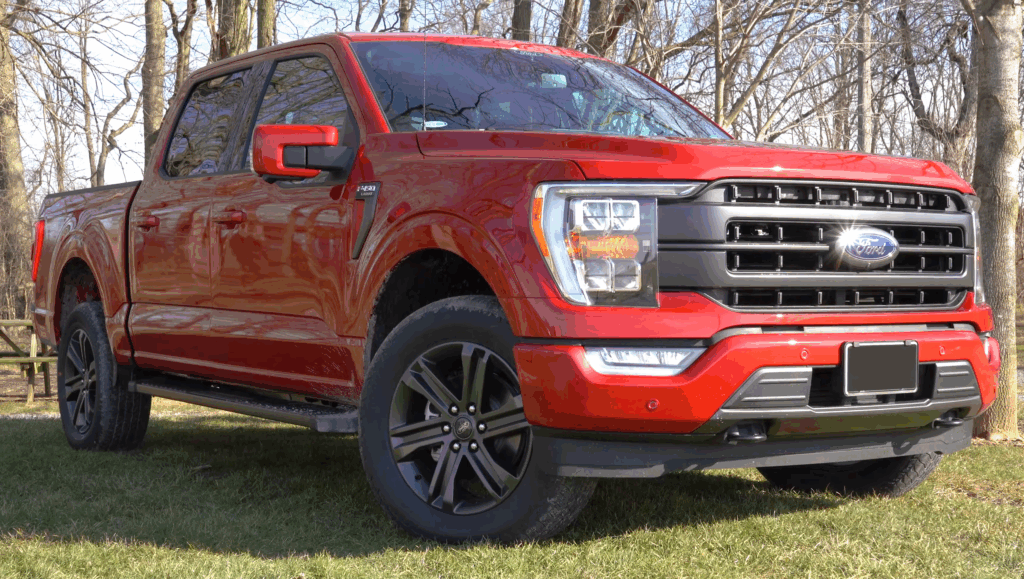
1. **Ford F-150**When one thinks of a robust workhorse, the Ford F-150 often comes to mind, a staple in the truck market for its perceived durability. Yet, despite its ‘Built Ford Tough’ slogan, some models of this popular pickup have been plagued by significant transmission issues. The context explicitly notes that the F-150, alongside the Explorer SUV, has been affected by “critical transmission system breakdowns,” leading to an alarming number of lemon law claims.
Owners have reported experiencing “sudden gear slipping and even complete transmission failure,” especially “under heavy load.” This isn’t just an inconvenience; for a truck designed to handle challenging tasks, such failures compromise its core utility and reliability. The recurring nature of these problems indicates a systemic issue, making certain F-150 model years a cautious consideration for 2025 buyers.
The broader industry prediction for 2025, stating that “Transmission Problems Will Persist,” particularly in “complex multi-speed automatic transmissions designed for fuel efficiency,” unfortunately aligns with the F-150’s reported woes. This indicates that despite engineering efforts, these intricate systems continue to be a primary source of vehicle recall and lemon law claims. For F-150 owners, this translates to potential high repair costs and frustrating trips to the service center.
The impact on a buyer’s daily life, especially those relying on their truck for work or heavy hauling, cannot be overstated. A transmission that slips or fails under load isn’t just a minor defect; it’s a safety concern and a significant impediment to vehicle usability, fundamentally undermining the truck’s intended purpose and the manufacturer’s promise.
Car Model Information: 2024 Ford F-150 XLT
Name: Ford F-Series
Caption: 2022 Ford F-150 Lariat Luxury
Manufacturer: Ford Motor Company
Aka: Ford Lobo (Mexico, 1992–present)
Production: 1948–present
Class: Pickup truck#Full-size pickup truck
Layout: Front-engine, rear-wheel-drive layout,rear-wheel drive
Predecessor: 1941 Ford
Categories: All-wheel-drive vehicles, All Wikipedia articles written in American English, All articles that may contain original research, All articles with unsourced statements, Articles that may contain original research from September 2020
Summary: The Ford F-Series is a series of light-duty trucks marketed and manufactured by the Ford Motor Company since model year 1948 as a range of full-sized pickup trucks — positioned between Ford’s Ranger and Super Duty pickup trucks. Alongside the F-150 (introduced in 1975), the F-Series also includes the Super Duty series (introduced in 1999), which includes the heavier-duty F-250 through F-450 pickups, F-450/F-550 chassis cabs, and F-600/F-650/F-750 Class 6–8 commercial trucks.
Get more information about: Ford F-Series
Buying a high-performing used car >>>
Brand: Ford Model: F-150
Price: $40,897 Mileage: 45,515 mi.
Read more about: The Top 10 Most Reliable Used Pickup Trucks Under $30,000: A Consumer’s Guide for 2024
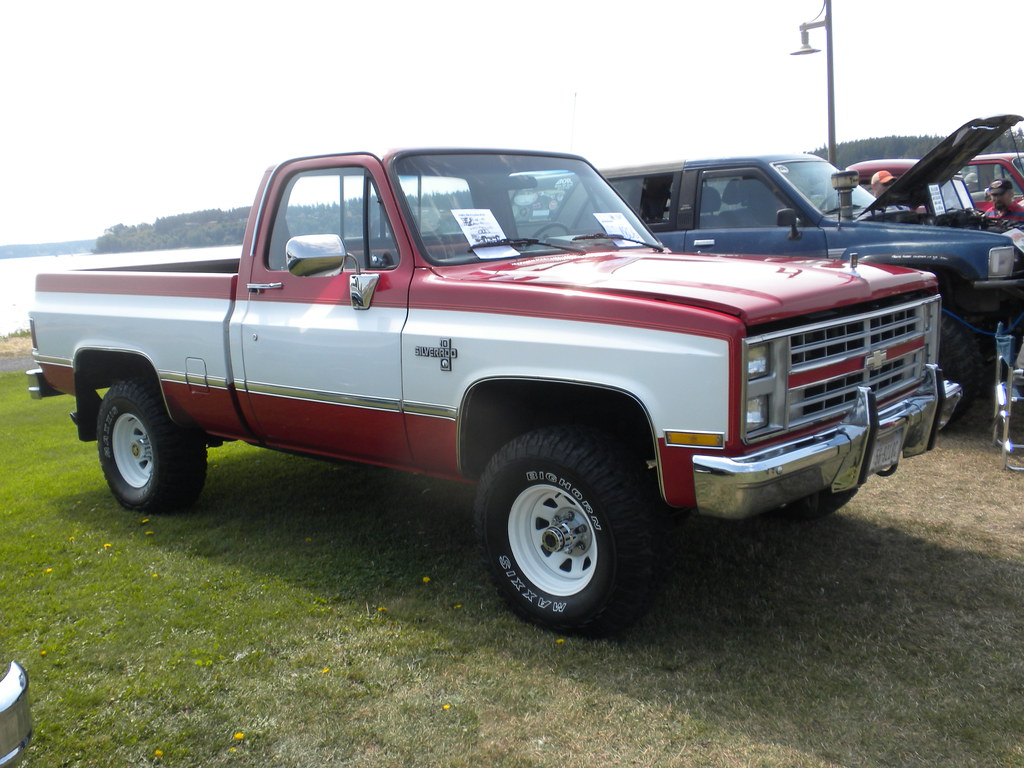
2. **Chevrolet Silverado**Another icon in the truck segment, the Chevrolet Silverado, faces its own set of persistent challenges that place it on the 2025 lemon watch list. While widely popular, recent Silverado models have garnered significant complaints related to engine performance and electrical systems. The context highlights “Engine overheating and electrical faults” as prominent issues, leading to dissatisfaction among owners.
More specifically, reported concerns include “severe engine performance issues,” such as “random stalling, excessive oil consumption, and intermittent electrical issues affecting lights and dashboard functions.” These problems are not isolated incidents; they have been “notably high for engine and transmission problems,” according to 2024 data. Such issues can quickly lead to expensive repairs and a significant loss of confidence in the vehicle.
Furthermore, “dangerous brake system deficiencies were exhibited in certain Silverado trucks,” including “premature brake pad wear and slowed stop times.” These brake-related issues, combined with engine and electrical faults, underscore a broader reliability concern that makes the Silverado a model to approach with caution. The cumulative effect of these problems can seriously impact both safety and drivability.
Looking ahead to 2025, the prediction for the Silverado includes “Persistent engine stalling, electrical glitches, oil consumption issues.” These ongoing challenges mean that unless substantial improvements are implemented, buyers of the 2025 Silverado may find themselves grappling with the same costly and inconvenient problems that have plagued earlier models. Informed buyers should scrutinize vehicle history reports and get pre-purchase inspections.
Car Model Information: 2022 Chevrolet Silverado 1500 Custom
Name: Chevrolet Silverado/GMC Sierra
Caption: 2022 Silverado 2500HD High Country
Manufacturer: General Motors
Aka: unbulleted list
Production: 1998–present
Assembly: unbulleted list
Class: unbulleted list
BodyStyle: unbulleted list
Layout: unbulleted list
Predecessor: unbulleted list
Categories: 2000s cars, 2010s cars, 2020s cars, All-wheel-drive vehicles, All Wikipedia articles written in American English
Summary: The Chevrolet Silverado is a range of trucks manufactured by General Motors under the Chevrolet brand. Introduced for the 1999 model year, the Silverado is the successor to the long-running Chevrolet C/K model line. Taking its name from the top trim level from the Chevrolet C/K series, the Silverado is offered as a series of full-size pickup trucks, chassis cab trucks, and medium-duty trucks. The fourth generation of the model line was introduced for the 2019 model year.
The Chevrolet Silverado shares mechanical commonality with the identically related GMC Sierra; GMC ended the use of the C/K nomenclature a model generation prior to Chevrolet. In Mexico, high-trim level versions of the Silverado use the Chevrolet Cheyenne name (not to be confused with the 2003 concept). Competing against the Ford F-Series, Ram pickup, Toyota Tundra, and Nissan Titan, the Silverado is among the best-selling vehicles in the United States, having sold over 12 million trucks since its introduction in 1998 as a 1999 model year.
Get more information about: Chevrolet Silverado
Buying a high-performing used car >>>
Brand: Chevrolet Model: Silverado
Price: $38,961 Mileage: 15,754 mi.
Read more about: Don’t Get Stuck at the Pump: These 10 Gas-Guzzling SUVs Are Budget-Busters in 2025
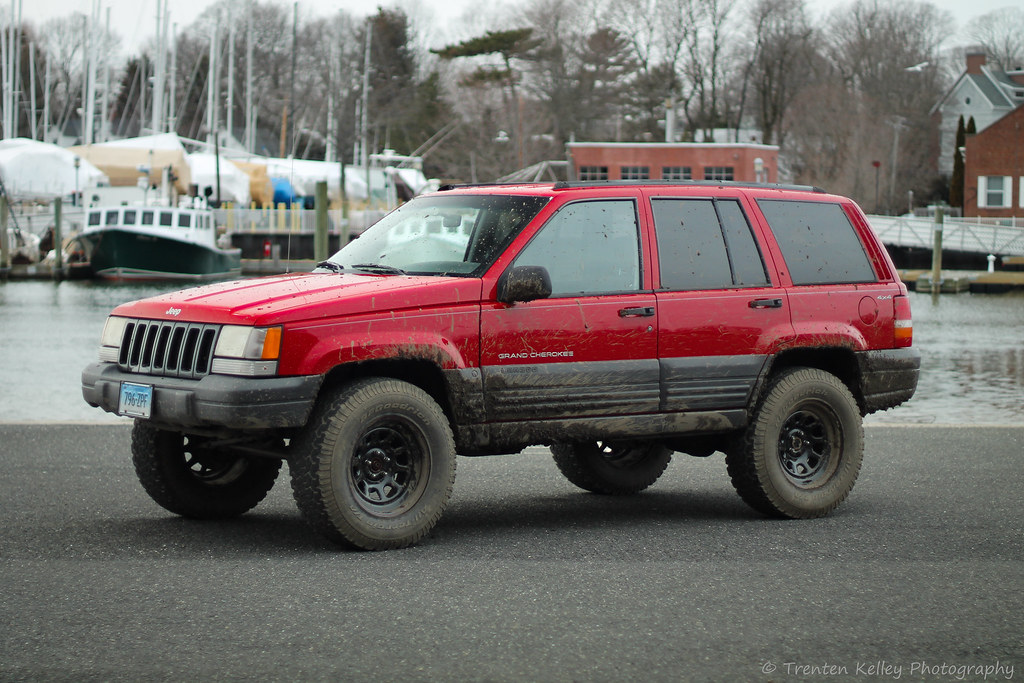
3. **Jeep Grand Cherokee**The Jeep brand, renowned for its off-road capability and distinctive styling, faces considerable reliability challenges that extend to popular models like the Grand Cherokee. While offering a rugged appeal, the Grand Cherokee has been frequently cited for “Electrical system failures and suspension issues,” problems that can severely impact its performance and safety on and off the road.
Indeed, the context reveals a broader brand struggle, with independent tester Consumer Reports rating “nearly every model [Jeep] 21/100 for predicted unreliability.” This stark assessment is attributed to a strategic shift where “Stellantis prioritised cost-cutting and efficiency,” resulting in the brand becoming “synonymous with faulty and expensive vehicles.” This overall reliability trend unfortunately trickles down to individual models.
Specific complaints impacting Jeep vehicles, including various Cherokee models, detail “transmission engagement problems… that resulted in compromised gear shifting.” Moreover, widespread “electrical system failures” have been reported, affecting everything from “power windows, instrument panel functionality, and even the ability to start the vehicle.” These issues are not mere annoyances; they compromise the fundamental functionality and safety of the vehicle.
For the Jeep Cherokee specifically, 2024 data highlighted “rough shifting, transmission jerking, and frequent stalling,” directly impacting drivability. “Electrical malfunctions, including problems with dashboard lights and infotainment systems,” were also widely documented. These recurring problems lead to the prediction for 2025 of “Persistent transmission reliability concerns, dashboard malfunction, and rough shifting,” signaling continued headaches for owners.
Car Model Information: 2024 Honda Civic Sport
Name: Jeep Grand Cherokee
Manufacturer: Jeep
Production: 1992–present
ModelYears: 1993–present
Class: unbulleted list
BodyStyle: sport utility vehicle
Layout: unbulleted list
Chassis: Vehicle_frame#Uniframe
Categories: 2000s cars, 2010s cars, 2020s cars, All-wheel-drive vehicles, All Wikipedia articles written in American English
Summary: The Jeep Grand Cherokee is a range of mid-sized sport utility vehicles produced by American manufacturer Jeep. At its introduction, while most SUVs were still manufactured with body-on-frame construction, the Grand Cherokee has used a unibody chassis from the start.
Get more information about: Jeep Grand Cherokee
Buying a high-performing used car >>>
Brand: Jeep Model: Grand Cherokee
Price: $27,891 Mileage: 21,809 mi.
Read more about: Don’t Get Stuck at the Pump: These 10 Gas-Guzzling SUVs Are Budget-Busters in 2025

4. **Nissan Altima**The Nissan Altima, a staple in the sedan market, has consistently appeared on watch lists due to specific mechanical vulnerabilities, most notably concerning its braking system and its Continuously Variable Transmission (CVT). The context explicitly identifies “Brake system problems and CVT transmission failures” as key reasons for its inclusion on the 2025 lemon list.
The issues with Nissan’s CVT are particularly troublesome. This type of transmission, while designed for fuel efficiency, has been a “primary source of vehicle recall and lemon law claims” across the industry. For the Altima, these issues manifest as “poor response when you drive” and “rough gear shifts or hesitation,” symptoms that degrade the driving experience and can escalate into costly repairs.
Beyond the transmission, the Altima’s brake system has also shown “problems,” as detailed in owner reports and repair shop data. “Brake system problems” are a direct safety concern, and recurring issues in this critical area are significant red flags for potential buyers. A vehicle with unreliable brakes poses a substantial risk to drivers and passengers alike.
The combination of these two major component failures — a problematic CVT and unreliable brakes — makes the Nissan Altima a vehicle that demands significant caution. These are the kinds of “patterns you can’t ignore” that are based on widespread data, leading to “stress, high bills, and lost time” for vehicle owners. Prioritizing a thorough pre-purchase inspection is paramount for any Altima under consideration.
Car Model Information: 2022 Nissan Altima SR FWD
Name: Nissan Altima
Caption: 2024 Nissan Altima SR (L34; US)
Manufacturer: Nissan
Aka: Nissan Bluebird
Production: 1992–present
Class: Compact car
Predecessor: Nissan Bluebird,Nissan Stanza
ModelYears: 1993–present
Categories: 2000s cars, 2010s cars, 2020s cars, All-wheel-drive vehicles, All Wikipedia articles written in American English
Summary: The Nissan Altima is a mid-size car manufactured by Nissan since 1992. It is a continuation of the Nissan Bluebird line, which began in 1955.
The Altima has historically been larger, more powerful, and more luxurious than the Nissan Sentra but less so than the Nissan Maxima. The first through fourth-generation cars were manufactured exclusively in the United States and officially sold in North and South America, along with the Middle East and Australia. For other markets, Nissan sold a related mid-size sedan called the Nissan Teana which was between the Altima and Maxima in terms of size. In 2013, the Teana became a rebadged version of the fifth-generation Altima.
The name “Altima” was originally applied to a top trim line of the Nissan Leopard for the Japanese market in 1986, and then to the Nissan Laurel Altima mid-size car sold in Central America and the Caribbean before 1992. In 1992, Nissan discontinued the Stanza which was a Nissan Bluebird clone, replacing it with the US-built Altima, while remaining a compact car. The first Altima was produced in June 1992, as a 1993 model. All Altima models for the North American market were built in Smyrna, Tennessee, until June 2004, when Nissan’s Canton, Mississippi plant also began producing the model to meet high demand.
Get more information about: Nissan Altima
Buying a high-performing used car >>>
Brand: Nissan Model: Altima
Price: $19,561 Mileage: 86,290 mi.
Read more about: The Definitive Consumer Report: Unmasking the Vehicles and Manufacturers Plagued by the Most Recalls in Automotive History
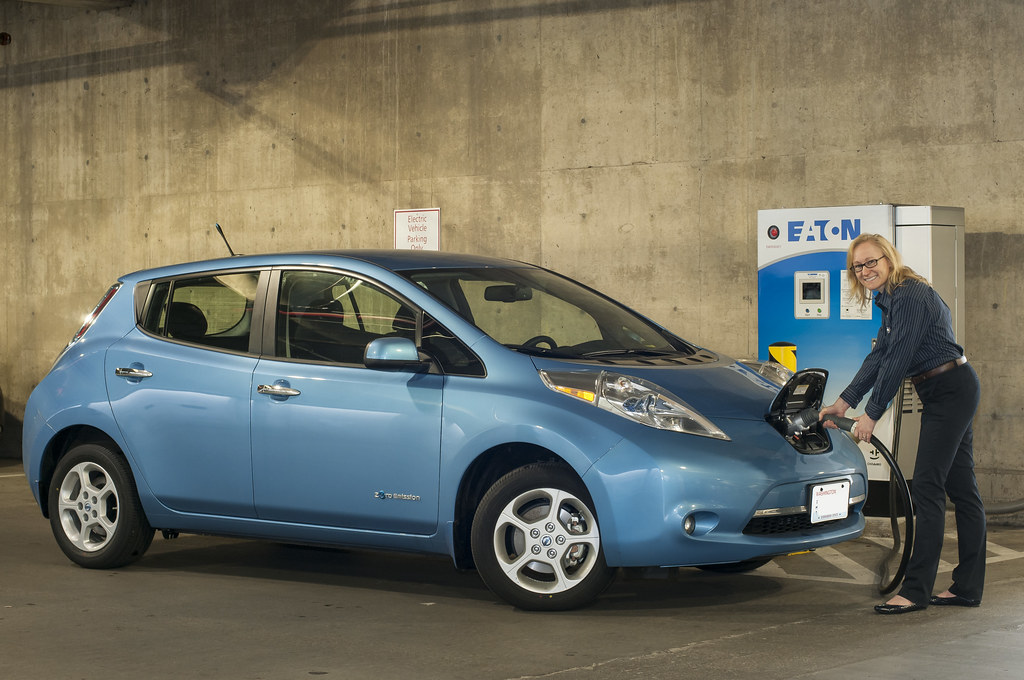
5. **Nissan Leaf**As the electric vehicle (EV) market expands, specific challenges unique to these technologies are emerging, and the Nissan Leaf has unfortunately become a poster child for one such critical issue: rapid battery degradation. The context specifically notes that the “Used EV Nissan Leaf” is prone to “Battery capacity drops rapidly, especially in heat,” making it a concerning prospect for 2025 buyers.
This problem is particularly relevant given the broader 2025 prediction that “EVs Will Face Unique Challenges.” As more electric vehicles hit the market, “battery degradation issues, charging system failures, and power management software glitches will lead to continued consumer frustration.” The Nissan Leaf’s struggles with battery longevity illustrate this trend perfectly, impacting range and overall usability.
For buyers in hotter climates, such as Arizona’s East Valley, this issue is further compounded. The context states that “Arizona heat can make engine problems worse and speed up wear on parts,” and critically, “Faster wear on batteries in used EVs due to heat.” This means a used Nissan Leaf in these regions is even more likely to exhibit significant and costly battery degradation, severely limiting its practical range and resale value.
Such a fundamental flaw in an EV’s core component—its battery—can lead to “issues that can cost thousands to fix,” potentially outweighing the vehicle’s actual worth. Therefore, a used Nissan Leaf with a history of accelerated battery degradation represents a substantial financial risk, emphasizing that “a vehicle with a history of failure is not worth the risk, no matter how good the deal looks.”
Car Model Information: 2018 Nissan Titan SV
Name: Nissan Leaf
Caption: A second generation Nissan Leaf
Manufacturer: Nissan
Production: October 2010 – present
ModelYears: 2011–present
Class: Unbulleted list
BodyStyle: Unbulleted list
Layout: Front-engine, front-wheel-drive layout
Predecessor: Unbulleted list
Categories: 2020s cars, All articles containing potentially dated statements, All articles with dead external links, Articles containing Japanese-language text, Articles containing potentially dated statements from December 2015
Summary: The Nissan Leaf (Japanese: 日産・リーフ, Hepburn: Nissan Rīfu; stylized as LEAF) is a battery-electric car manufactured by Nissan, produced since 2010. It was offered exclusively as a 5-door hatchback until 2025, which since then has become a crossover SUV model. The term “LEAF” serves as a backronym to leading environmentally-friendly affordable family car.
The Leaf was unveiled on 1 August 2009 as the world’s first mass market electric and zero-emission vehicle. Among other awards and recognition, it received the 2010 Green Car Vision Award, the 2011 European Car of the Year, the 2011 World Car of the Year, and the 2011–2012 Car of the Year Japan. The Leaf’s range on a full charge has been steadily increased from 117 km (73 miles) to 364 km (226 miles) (EPA rated) by the use of larger battery packs and several minor improvements.
As of September 2021, European sales totalled more than 208,000, and as of December 2021, over 165,000 had been sold in the U.S., and 157,000 in Japan. Global sales across both generations totalled 577,000 by February 2022. The Leaf was the world’s all-time top selling plug-in electric car until it was surpassed in early 2020 by the Tesla Model 3.
Get more information about: Nissan Leaf
Buying a high-performing used car >>>
Brand: Nissan Model: Leaf
Price: $21,685 Mileage: 89,835 mi.
Read more about: Unpacking Automotive Catastrophes: 12 Infamous Engineering Failures That Reshaped Car Safety

6. **Kia (EVs and Petrol Models)**Kia, a brand that has seen a surge in popularity, surprisingly finds itself on the lemon list for 2025 due to a troubling pattern of widespread recalls affecting both its burgeoning electric vehicle lineup and its more traditional petrol models. This indicates a broader quality control concern rather than isolated incidents, presenting a risk to potential buyers.
The electric side of Kia’s offerings has been particularly problematic. The context warns that “Any of the nearly electric, somewhat electric or fully electric Kias will give you a shock,” pointing to a significant issue. The sheer scale of these problems is alarming, with the “EV recall count” already reaching “six figures,” suggesting pervasive defects across numerous units and models.
Nor are Kia’s petrol cars exempt from significant issues. The brand issued a massive recall last year in Australia for “more than 100,000 vehicles due to a serious defect that could lead to fire in the car’s anti-lock braking system, even when the car is parked and switched off.” This represents a critical safety hazard, highlighting severe manufacturing deficiencies that can impact owner safety even when the vehicle is stationary.
Compounding these concerns, “Then this year Kia recalled another 10,000 cars.” This pattern of frequent and large-scale recalls, covering diverse and severe issues from fire risks to EV performance, suggests that while Kia models may appear appealing, their underlying reliability remains a significant gamble for consumers hoping to avoid constant trips to the service center or potential safety hazards.
Car Model Information: 2022 Alfa Romeo Stelvio Veloce
Name: Kia Niro
Caption: Kia Niro PHEV (SG2)
Manufacturer: Kia
Production: 2016–present
ModelYears: 2017–present
Class: Subcompact crossover SUV
BodyStyle: SUV
Layout: unbulleted list
Sp: us
Categories: 2010s cars, All Wikipedia articles written in British English, All articles covered by WikiProject Wikify, All articles with dead external links, All pages needing cleanup
Summary: The Kia Niro (Korean: 기아 니로) is a subcompact crossover SUV (B-segment) manufactured by Kia since 2016. It is an electrification-focused vehicle, offering three versions: hybrid, plug-in hybrid and battery electric variants.
Get more information about: Kia Niro
Buying a high-performing used car >>>
Brand: Kia Model: EVs and Petrol Models
Price: $24,995 Mileage: 38,431 mi.
Read more about: The 9 Most Fuel-Efficient SUVs in the Market Right Now: What Agencies and Mileage Logs Reveal for Budget Commuters

7. **Land Rover Defender**The Land Rover Defender, often associated with rugged luxury and adventure, appears on the 2025 lemon list with a reputation for being profoundly unreliable, a stark contrast to its aspirational image. Despite its premium pricing, expert assessments paint a grim picture of its long-term dependability.
Clive Matthew-Wilson, the editor of Dogandlemon.com, offers a scathing critique, rating the Defender as “overpriced gimmicky unreliable garbage.” His evaluation extends to categorizing its reliability as “garbage” and recommending consumers “avoid like the plague.” Such strong language from an industry insider underscores significant, pervasive issues.
The context further emphasizes this point by quoting Matthew-Wilson’s Dog & Lemon Guide: “Every liability survey shows that Land Rovers are complete garbage. But otherwise clever people keep buying them. Why?” This observation highlights a disconnect between consumer perception and the documented reality of the brand’s reliability, urging potential buyers to look past the marketing.
Independent testing corroborates these dire assessments. Consumer Reports, a highly respected source for vehicle reliability data, rates the Land Rover Defender with a score of “21/100.” This exceptionally low predicted reliability score serves as a definitive warning, indicating that the Defender is highly likely to cause owners frequent and costly problems. For a vehicle positioned at the luxury end of the market, this level of unreliability is particularly disappointing and financially risky.
Car Model Information: 2022 Alfa Romeo Stelvio Veloce
Caption: 2015 Land Rover Defender 90 (Australia)
Name: Land Rover Defender
Manufacturer: ubl
Class: Small offroader
Aka: Land Rover 90, Ninety, 110, One Ten, One Two Seven (1983–1990)
Production: ubl
Predecessor: Land Rover Series III
Successor: Land Rover Defender (L663)
Assembly: Shah Alam,Kulim
Layout: Front-engine, four-wheel-drive layout,four-wheel drive
Categories: 1990s cars, 2000s cars, 2010s cars, All-wheel-drive vehicles, All Wikipedia articles written in British English
Summary: The Land Rover Defender (introduced as the Land Rover One Ten, joined in 1984 by the Land Rover Ninety, plus the extra-length Land Rover One Two Seven in 1985) is a series of British off-road cars and pickup trucks. They have four-wheel drive, and were developed in the 1980s from the Land Rover series which was launched at the Amsterdam Motor Show in April 1948. Following the 1989 introduction of the Land Rover Discovery, the term ‘Land Rover’ became the name of a broader marque, no longer the name of a specific model; thus in 1990 Land Rover renamed them as Defender 90 and Defender 110 and Defender 130 respectively.
The vehicle, a British equivalent of the Second World War derived (Willys) Jeep, gained a worldwide reputation for ruggedness and versatility. With a steel ladder chassis and an aluminium alloy bodywork, the Land Rover originally used detuned versions of Rover engines.
Though the Defender was not a new generation design, it incorporated significant changes compared to the Land Rover series, such as adopting coil springs front and rear. Coil springs offered both better ride quality and improved axle articulation. The addition of a centre differential to the transfer case gave the Defender permanent four-wheel-drive capability. Both changes were derived from the original Range Rover, and the interiors were also modernised. Whilst the engines were carried over from the Series III, a new series of modern and more powerful engines was progressively introduced.
Even when ignoring the series Land Rovers and perhaps ongoing licence products, the 90/110 and Defender models’ 33-year production run were ranked as the sixteenth longest single-generation car in history in 2020.
In 2020, Jaguar Land Rover introduced an all new generation of Land Rover Defender Land Rover Defender (L663) switching from body on chassis to integrated bodywork and from live, rigid axles to all around independent suspension.
Get more information about: Land Rover Defender
Buying a high-performing used car >>>
Brand: Land Rover Model: Defender
Price: $24,995 Mileage: 38,431 mi.
Read more about: Don’t Get Stuck at the Pump: These 10 Gas-Guzzling SUVs Are Budget-Busters in 2025
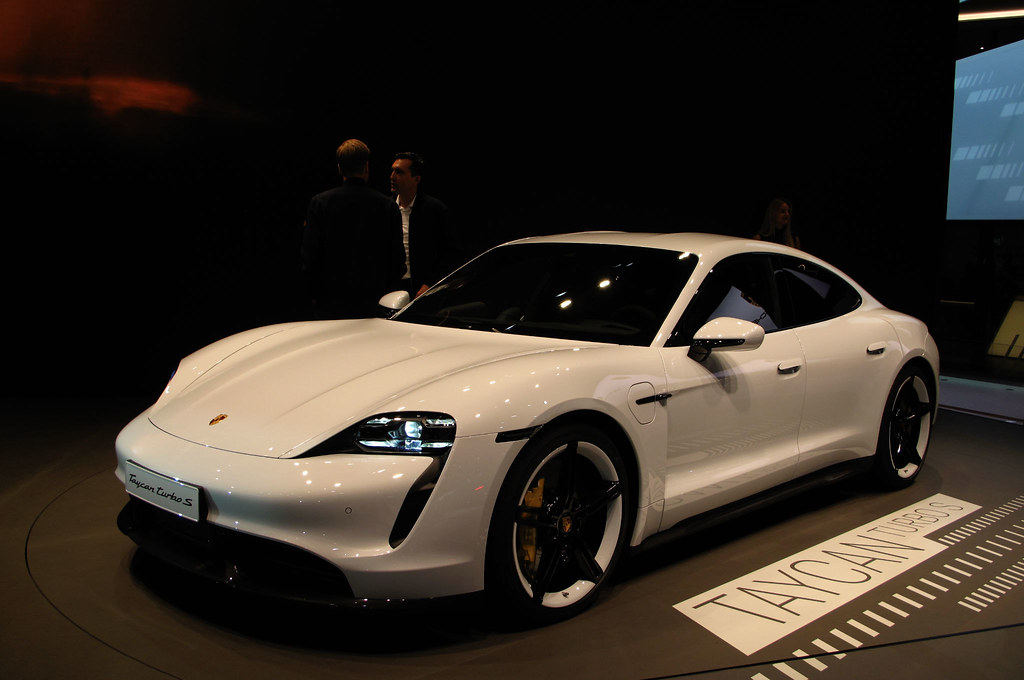
8. **Porsche Taycan**The Porsche Taycan, while offering a truly brilliant driving experience, regrettably finds itself on the 2025 lemon list due to a concerning pattern of serious reliability issues. This high-performance electric vehicle, despite its impressive capabilities, has been subject to multiple recalls in both the US and Australia, specifically addressing critical brake and battery concerns.
One of the most alarming issues identified is the potential for thermal overload stemming from a short circuit, which could ultimately lead to a vehicle fire over time. This significant safety hazard led authorities to advise against charging the vehicle in a garage, a stark warning for any EV owner and a major red flag for prospective buyers.
Independent reliability surveys further cement the Taycan’s problematic status. The 2023 What Car? reliability survey notably placed it last out of 20 cars in the electric car class. Such a ranking is particularly disappointing for a vehicle in its price bracket, indicating a fundamental disconnect between performance aspirations and real-world dependability.
Industry experts have not shied away from critical assessments, with one source bluntly stating, “To put it nicely it’s a dog. If you’ve spent $200k-$350k buying one, then good luck on resale.” This highlights not only the immediate inconvenience of reliability issues but also the significant financial risk associated with its poor long-term value, making it a cautious consideration for 2025.
Car Model Information: 2024 Porsche Taycan
Name: Porsche Taycan
ModelCode: Type 9J1
Manufacturer: Porsche
Production: 2019–present
Assembly: Stuttgart
Designer: Emiel Burki
Class: Executive car
BodyStyle: Sedan (automobile),shooting brake
Platform: Volkswagen Group MSB platform#J1 Platform Models
Engine: Synchronous motor#Permanent-magnet
Layout: Rear-motor, rear-wheel-drive
Transmission: 1-speed direct-drive (front 8.05:1),2-speed automatic (rear; 16:1 and 8.05:1)
Battery: lithium-ion battery,lithium-ion battery
ElectricRange: cvt
Charging: Direct current,Direct current,Alternating current,Alternating current
Length: Convert
Wheelbase: Convert
Width: Convert
Height: Convert
Weight: Convert
Related: Audi e-tron GT
Sp: uk
Categories: 2020s cars, All-wheel-drive vehicles, All articles with unsourced statements, Articles with short description, Articles with unsourced statements from January 2025
Summary: The Porsche Taycan is a battery electric luxury sports sedan and shooting brake car produced by German automobile manufacturer Porsche. The concept version of the Taycan, named the Porsche Mission E, debuted at the 2015 Frankfurt Motor Show. Four years later, the production Taycan was revealed at the 2019 Frankfurt Motor Show. As Porsche’s first series production electric car, it is sold in several variants at different performance levels, and may spawn further derivatives in future models. It is built on the J1 electric car platform shared with the similarly shaped Audi e-tron GT.
The name “Taycan” (/taɪ-kan/) is a reference to the steed on the coat of arms of the city of Stuttgart, found on the Porsche crest. In Turkish, tay means colt or young horse, and can means lively. The “Turbo” name used in the higher trims, being electrically powered, does not mean to have turbochargers, but to have “increased power”.
Get more information about: Porsche Taycan
Buying a high-performing used car >>>
Brand: Porsche Model: Taycan
Price: $69,900 Mileage: 3,579 mi.
Read more about: Unseen Chapters: A Thrilling Expedition Through Porsche’s Groundbreaking Legacy and Legendary Machines
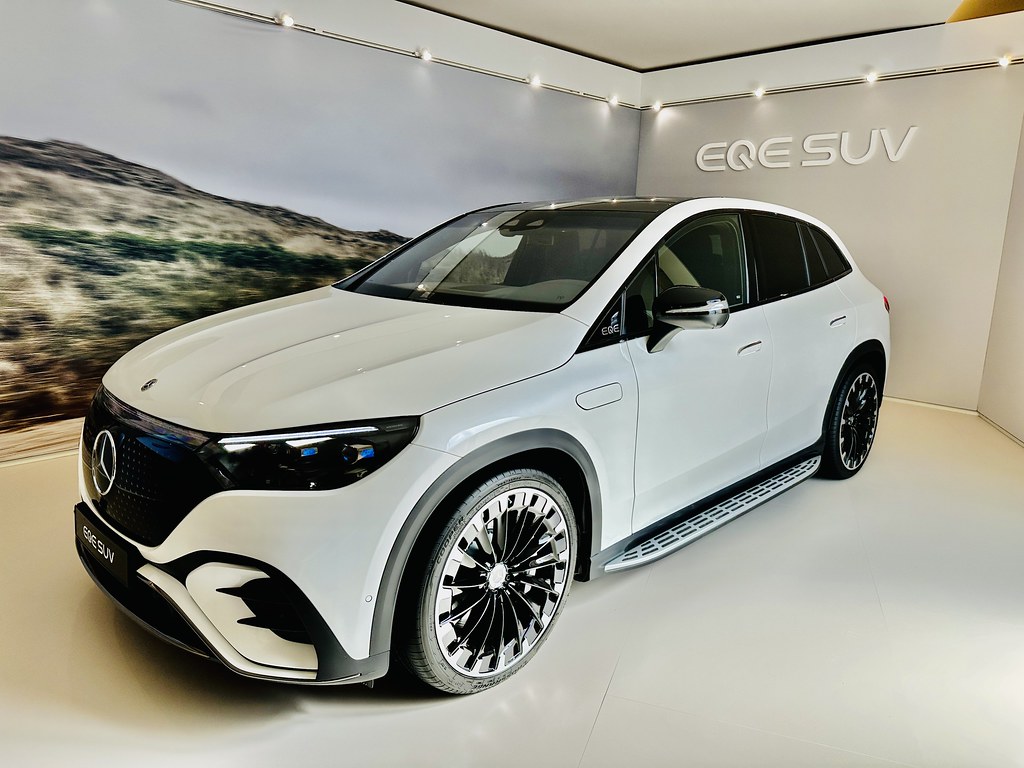
9. **Mercedes-Benz EQE SUV**The Mercedes-Benz EQE SUV, positioned as a luxury electric option, unfortunately enters the 2025 lemon watch list with several reported issues that detract from its premium appeal and overall reliability. Consumer Reports highlighted “distracting controls and mushy brakes” as significant factors that brought down its road-test score, directly impacting the driving experience.
Compounding these ergonomic and performance concerns is Mercedes’ broader “below-average brand reliability,” which negatively affects the EQE SUV’s overall predicted score. With a predicted reliability rating of just 30/100 from Consumer Reports, this model raises serious questions about its long-term dependability and the potential for costly repairs.
Adding to the reliability concerns, the EQE SUV was subject to a recall last year due to a safety-critical issue: “a sudden loss of drive power increases the risk of a crash.” Such a fundamental defect in a vehicle designed for safety and luxury is highly problematic, indicating potential design or manufacturing flaws that could compromise occupant safety.
For a brand that proudly proclaims “The best or nothing,” these reported issues for the EQE SUV present a challenging narrative. Prospective buyers are advised to weigh the vehicle’s luxurious offerings against its documented reliability concerns and the potential for unexpected problems on the road.
Car Model Information: 2022 Alfa Romeo Stelvio Veloce
Name: Mercedes-Benz EQE SUV
Caption: 2023 Mercedes-Benz EQE 350 (Germany)
Manufacturer: Mercedes-Benz Group
ModelCode: X294
Production: December 2022 – present
ModelYears: 2023–present
Assembly: ubl
Designer: Mayya Markova
Class: Executive car,crossover SUV
BodyStyle: SUV
Layout: ubl
Platform: Mercedes-Benz EVA platform
Related: Mercedes-Benz EQE,Mercedes-Benz EQS,Mercedes-Benz EQS SUV
Transmission: Direct-drive automatic
Motor: Permanent-magnet synchronous motor
Powerout: convert
Battery: kWh
ElectricRange: cvt
Charging: alternating current
Wheelbase: cvt
Length: 4863 mm
Abbr: on
Width: 1940 mm
Height: 1680 mm
Weight: cvt
Categories: All Wikipedia articles written in British English, Articles with short description, CS1 French-language sources (fr), Cars introduced in 2022, Luxury crossover sport utility vehicles
Summary: The Mercedes-Benz EQE SUV is a battery electric mid-size luxury crossover SUV produced by German luxury brand Mercedes-Benz Group since December 2022. The vehicle was revealed on October 16, 2022, alongside the Mercedes-AMG performance variant. The automaker displayed the entire EQ range in the gardens of the Musée Rodin in Paris on October 16 and 17, alongside concepts that will preview the company’s electric future.
The SUV follows a similar design style to the rest of the vehicles in the EQ sub-brand. The vehicle is positioned between the D-segment EQC and F-segment EQS SUV in the EQ SUV lineup, and is essentially a sport utility variant of the EQE saloon. The EQE SUV is also the battery electric equivalent to the slightly larger Mercedes-Benz GLE.
Get more information about: Mercedes-Benz EQE SUV
Buying a high-performing used car >>>
Brand: Mercedes-Benz Model: EQE SUV
Price: $24,995 Mileage: 38,431 mi.
Read more about: Understanding the Electric Shock: A Consumer Report on EVs Losing Over Half Their Value in Just Two Years
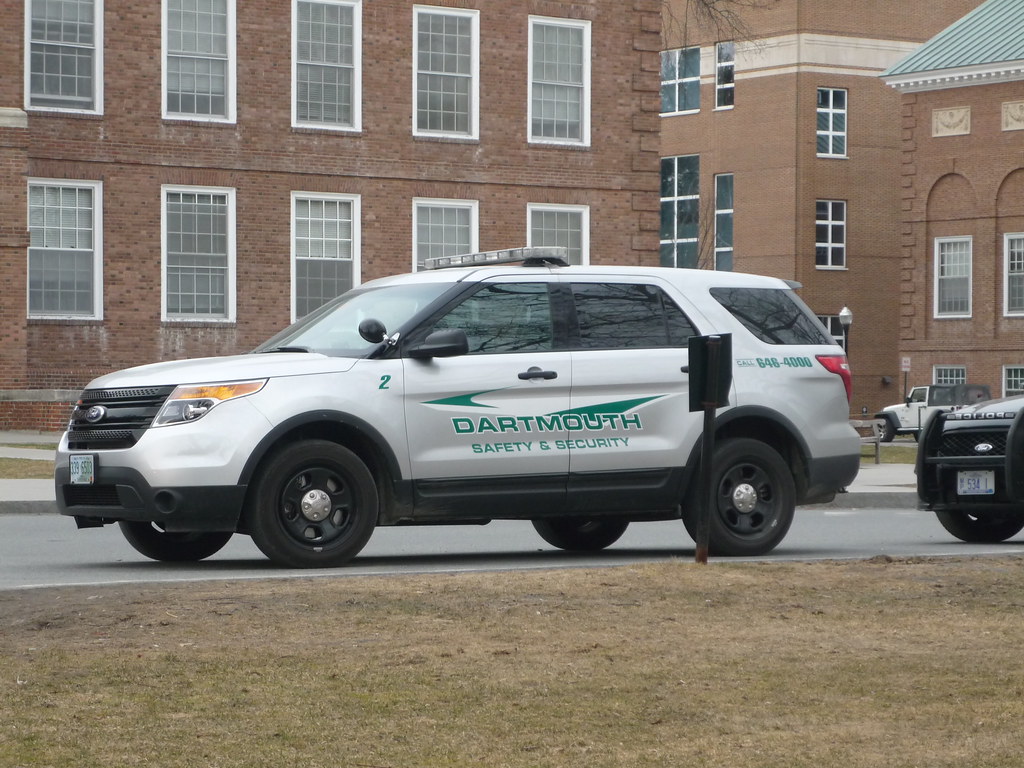
10. **Ford Explorer**Returning to the list, the Ford Explorer, a popular SUV, continues to struggle with persistent transmission and engine problems, making it a vehicle to approach with caution in 2025. Data from 2024 models reveals a history of complaints regarding “jerking, delayed shifting, and stalling,” indicating ongoing issues with its powertrain.
Perhaps even more alarming are the reported instances of “engine failures at low mileage,” a problem that can lead to extremely costly repairs or even require full engine replacements. These critical component failures fundamentally undermine the vehicle’s reliability and can result in significant financial burdens for owners.
The Explorer’s “historical reliability issues with these core components” firmly place it on the watch list for 2025. Despite any redesigns or updates, the “ongoing complaints indicate that the Ford Explorer may still pose risks for consumers looking for a reliable SUV.”
Looking ahead, the predicted issues for 2025 include “Engine reliability, transmission shifting delays, stalling concerns.” This suggests that unless substantial improvements are made, buyers of new or recent used Explorer models may continue to experience the frustrations and expenses associated with these recurring mechanical failures.
Car Model Information: 2022 Ford Explorer Platinum
Name: Ford Explorer
Caption: Sixth-generation Ford Explorer
Manufacturer: Ford Motor Company
Production: 1990–present
ModelYears: 1991–present
Class: unbulleted list
Chassis: unbulleted list
Predecessor: Ford Bronco II
Successor: Ford Territory (Australia)
Categories: 2000s cars, 2010s cars, 2020s cars, All-wheel-drive vehicles, All Wikipedia articles in need of updating
Summary: The Ford Explorer is a range of SUVs manufactured by the Ford Motor Company since the 1991 model year. The first five-door SUV produced by Ford, the Explorer, was introduced as a replacement for the three-door Bronco II. As with the Ford Ranger, the model line derives its name from a trim package previously offered on Ford F-Series pickup trucks. As of 2020, the Explorer became the best-selling SUV in the American market.
Currently in its sixth generation, the Explorer has featured a five-door wagon body style since its 1991 introduction. During the first two generations, the model line included a three-door wagon (directly replacing the Bronco II). The Ford Explorer Sport Trac is a crew-cab mid-size pickup derived from the second-generation Explorer. The fifth and sixth generations of the Explorer have been produced as the Ford Police Interceptor Utility (replacing both the Ford Crown Victoria Police Interceptor and the Ford Police Interceptor Sedan).
The Explorer is slotted between the Ford Edge and Ford Expedition within North America’s current Ford SUV range. The model line has undergone rebadging several times, with Mazda, Mercury, and Lincoln each selling derivative variants. Currently, Lincoln markets a luxury version of the Explorer as the Lincoln Aviator.
For the North American market, the first four generations of the Explorer were produced by Ford at its Louisville Assembly Plant (Louisville, Kentucky) and its now-closed St. Louis Assembly Plant (Hazelwood, Missouri). Ford currently assembles the Explorer alongside the Lincoln Aviator and the Police Interceptor Utility at its Chicago Assembly Plant (Chicago, Illinois).
Get more information about: Ford Explorer
Buying a high-performing used car >>>
Brand: Ford Model: Explorer
Price: $33,399 Mileage: 35,792 mi.
Read more about: America Unveiled: A Deep Dive into the United States’ Enduring Story, Landscapes, and Institutions
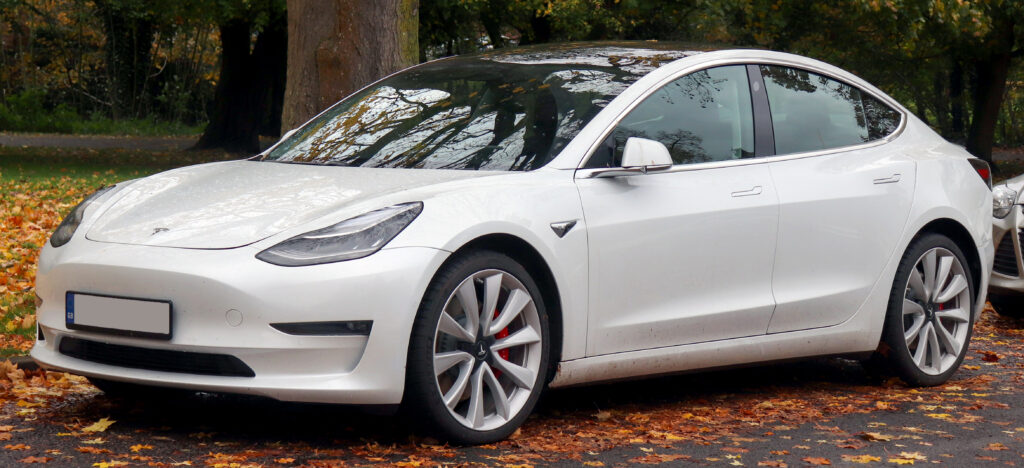
11. **Tesla Model S**The Tesla Model S, a pioneer in the electric vehicle market, has consistently pushed technological boundaries, yet it has also faced a consistent uptick in complaints regarding core aspects of its performance and quality. In 2024, significant issues were reported concerning its battery life, the highly touted Autopilot function, and the infotainment system.
Owners have experienced “battery degradation sooner than expected,” directly impacting the vehicle’s range and requiring more frequent charging. For an EV, where battery health is paramount, this issue can significantly diminish the ownership experience and long-term value.
Furthermore, the Autopilot, a cornerstone feature of Tesla’s advanced technology, has been “prone to occasional malfunctions, leading to safety concerns.” The context also mentions “software failures caused mid-drive touchscreen blackouts, temporarily disabling critical vehicle functions and display information,” highlighting potential safety and usability risks associated with complex digital systems.
Beyond software, the Model S has also been cited for “manufacturing consistency issues, resulting in improperly aligned body panels, inconsistent paint application, interior trim separation, and poorly sealed components.” These build quality problems, predicted to continue in 2025, speak to broader concerns about quality control that can affect a vehicle’s longevity and owner satisfaction.
Car Model Information: 2024 Kia Telluride SX Prestige X-Pro
Name: Tesla Model S
ModelYears: 2013–present
Alt: A front-three quarter view of a gray Model S
Caption: #2016–2019: First major update
Designer: Franz von Holzhausen
Weight: cvt
Height: cvt
Width: cvt
Length: cvt
Wheelbase: cvt
ElectricRange: cvt
Battery: kWh,lithium-ion battery
Motor: Unbulleted list
Transmission: Reduction drive
Related: Tesla Model X
Layout: Rear-motor, rear-wheel drive,Dual-motor, all-wheel-drive,Tri-motor, all-wheel-drive layout
BodyStyle: liftback,sedan (automobile)
Class: Full-size car
Assembly: Unbulleted list
Production: June 2012 – present
Manufacturer: Tesla, Inc.
Sp: us
Chassis: Unibody
Categories: 2020s cars, All-wheel-drive vehicles, All Wikipedia articles written in American English, All articles containing potentially dated statements, Articles containing potentially dated statements from 2025
Summary: The Tesla Model S is a battery-electric, four-door full-size car produced by the American automaker Tesla since 2012. The automaker’s second vehicle and longest-produced model, the Model S has been described as one of the most influential electric cars in the industry. Car and Driver named it one of the best cars of the year in 2015 and 2016. Its various accolades include the Motor Trend Car of the Year Award in 2013.
Tesla started developing the Model S around 2007 under the codename WhiteStar, with Henrik Fisker appointed as lead designer for the project. After a dispute with Elon Musk, Tesla’s CEO, Fisker was replaced by Franz von Holzhausen who, by 2008, had designed the production Model S’s exterior. Tesla unveiled a prototype of the vehicle in March 2009 in Hawthorne, California. In 2010, Tesla acquired a facility in Fremont, California, to produce the Model S, which was previously owned by General Motors and Toyota. Series manufacture of the car officially began at the Tesla Fremont Factory in June 2012. Tesla carried out the final assembly for European markets at its facilities in Tilburg, Netherlands, between 2013 and 2021.
Constructed mostly of aluminum, the Model S shares 30 percent of its components with the Model X—a crossover SUV that was introduced in 2015. The Model S has undergone several updates during its production, the most prominent ones occurring in 2016 and 2021. These updates have usually included modifications to the motor, such as changes to power or torque, revised exterior elements, and refreshed interior features. One such change included the 2015 introduction of Tesla Autopilot—a partial vehicle automation advanced driver-assistance system. The 2021 update led to the introduction of the high-performance, three-motor Plaid—Tesla’s most powerful model.
In 2015, the Model S was the world’s best-selling plug-in electric vehicle. In 2012, it was included on Time’s list of the Best Inventions of the Year, and the magazine later included it on its list of the 10 Best Gadgets of the 2010s in 2019. In 2014, The Daily Telegraph described the Model S as a “car that changed the world”. Road & Track argued that, with the introduction of the Plaid and features such as the yoke steering wheel, Tesla managed to turn the Model S into “perhaps one of the worst [cars in the world]”.
Get more information about: Tesla Model S
Buying a high-performing used car >>>
Brand: Tesla Model: Model S
Price: $41,500 Mileage: 25,564 mi.
Read more about: Under-Desk Treadmills: A Deep Dive into Benefits, Usage, and Whether They Outperform a Daily Stroll
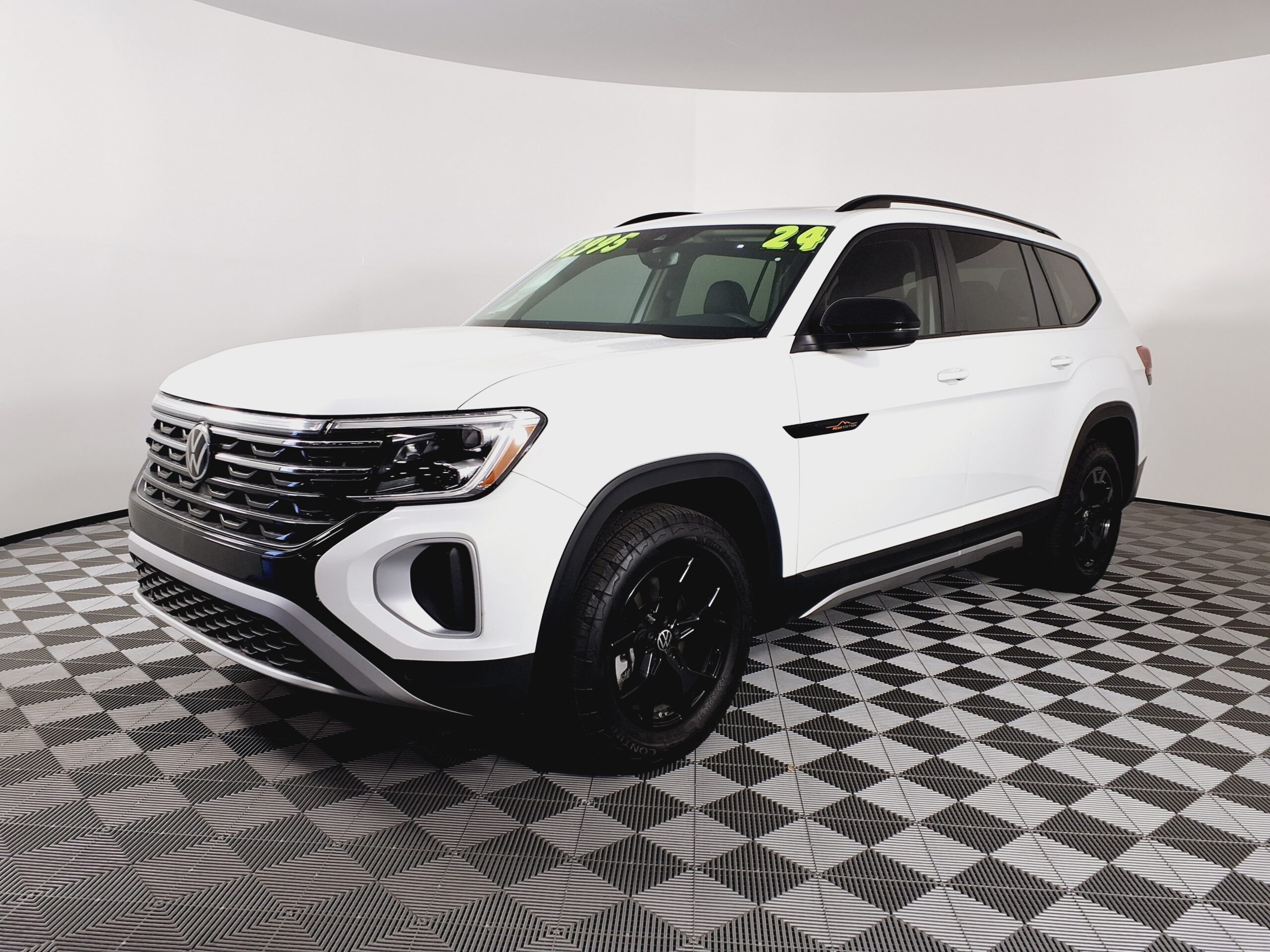
12. **Volkswagen Atlas**The Volkswagen Atlas, a popular choice in the SUV segment, has demonstrated a troubling pattern of recurring issues with its brake system and various electrical components. Owners have reported “premature brake wear and noise,” indicating a potential deficiency in a critical safety system that can lead to unexpected maintenance costs and compromise braking performance.
In addition to brake concerns, the Atlas has been plagued by “electrical system complaints in 2024,” which included problems with dashboard warnings and frustrating infotainment malfunctions. These electrical glitches not only diminish the user experience but can also compromise safety by affecting critical vehicle alerts.
The cumulative effect of these problems can significantly compromise safety, making the Atlas a potential candidate for lemon law claims. For any vehicle, consistent issues with brakes and electrical systems are serious red flags that cannot be overlooked by prospective buyers.
As Volkswagen introduces its 2025 model, consumers are strongly advised to monitor any updates to the Atlas’s brake and electrical systems. The prediction for 2025 warns of “Brake durability, electrical warnings, infotainment reliability” issues persisting, suggesting that these foundational problems may not be fully resolved.
Car Model Information: 2021 Volkswagen Atlas Cross Sport 3.6L V6 SEL R-Line
Name: Volkswagen Atlas
Manufacturer: Volkswagen
Aka: Volkswagen Teramont
Production: 2017–present
ModelYears: 2018–present
Class: Mid-size crossover SUV
BodyStyle: SUV
Layout: unbulleted list
Predecessor: Volkswagen Touareg
Categories: 2020s cars, All-wheel-drive vehicles, Articles with short description, CS1 German-language sources (de), CS1 Mexican Spanish-language sources (es-mx)
Summary: The Volkswagen Atlas is a mid-size crossover SUV manufactured by the German automaker Volkswagen since 2017. Developed mainly for the North American and Chinese market, the vehicle is based on the Volkswagen Group MQB platform. Outside the US, Canadian, and Chilean markets, the vehicle is marketed as the Volkswagen Teramont. It is positioned above the long-wheelbase Tiguan and below the smaller but more upmarket Touareg.
Get more information about: Volkswagen Atlas
Buying a high-performing used car >>>
Brand: Volkswagen Model: Atlas
Price: $24,897 Mileage: 66,515 mi.
Read more about: Redefining the Road: The 6 Best Looking Pickup Trucks and SUVs for 2025 & 2026
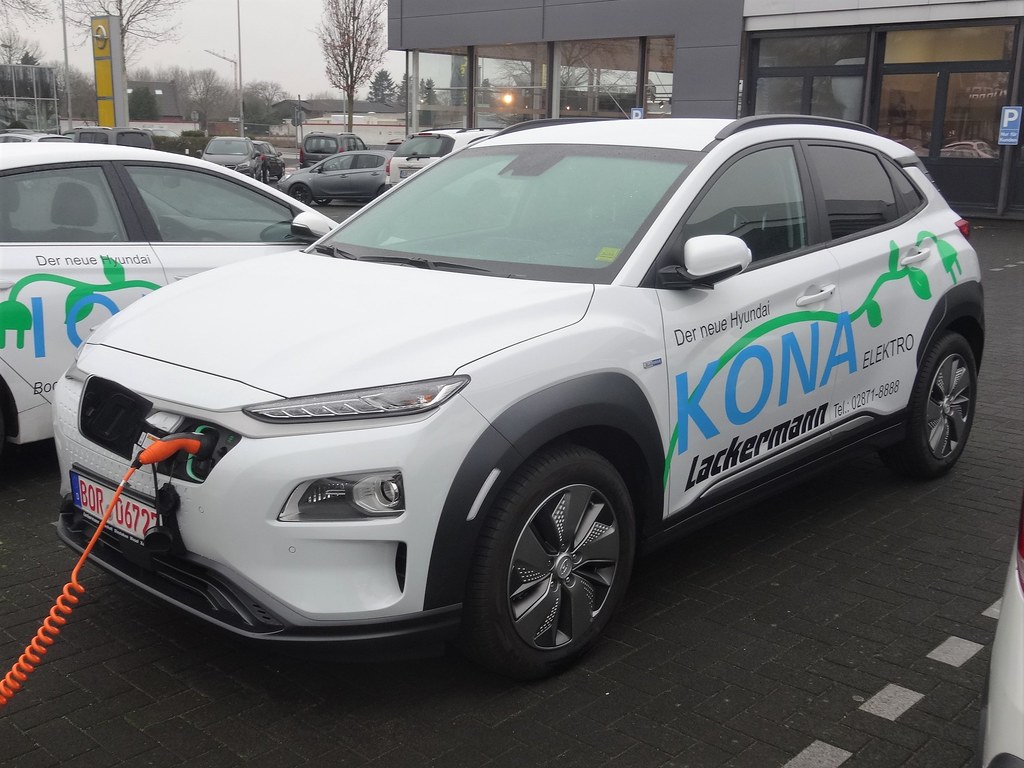
13. **Hyundai Kona Electric**The Hyundai Kona Electric, while a notable entrant in the growing EV market, has faced specific reliability challenges that warrant caution for 2025 buyers. This model has been criticized for significant “charging issues,” including sudden and unexplained drops in battery range and malfunctions within the charging system itself, impacting daily usability.
Beyond charging, some owners have reported “persistent problems with regenerative braking and dashboard error messages.” These issues can lead to an inconsistent driving experience, particularly in stop-and-go traffic, and may indicate deeper software or hardware glitches affecting core EV functionalities.
The unique nature of EV technology means that such “reliability issues with its battery and charging system may warrant caution,” especially for those who rely on predictable range and efficient charging for frequent long-distance travel. The cost of resolving these specialized EV issues can often be substantial.
Looking ahead, the predicted issues for 2025 include “Charging system reliability, battery degradation, regenerative braking concerns.” This suggests that buyers considering a used Hyundai Kona Electric should perform thorough due diligence on battery health and charging system functionality to avoid potential long-term frustrations.
Car Model Information: 2024 Kia Telluride SX Prestige X-Pro
Name: Hyundai Kona
Caption: Hyundai Kona Electric (SX2)
Manufacturer: Hyundai Motor Company
Aka: Hyundai Kauai (Portugal)
Production: 2017–present
ModelYears: 2018–present
Class: Subcompact crossover SUV
BodyStyle: SUV
Layout: ubl
Categories: 2020s cars, All-wheel-drive vehicles, All Wikipedia articles in need of updating, All Wikipedia articles written in British English, Articles containing Chinese-language text
Summary: The Hyundai Kona (Korean: 현대 코나) is a subcompact crossover SUV produced by the South Korean manufacturer Hyundai. The first-generation Kona debuted in June 2017 and the production version was revealed later that year. It is positioned between the Venue or Bayon and the Tucson in Hyundai crossover SUV line-up. The battery electric version called the Kona Electric (or Kona EV) was first launched in South Korea during the first half of 2018 and rolled out gradually worldwide afterwards.
Get more information about: Hyundai Kona
Buying a high-performing used car >>>
Brand: Hyundai Model: Kona Electric
Price: $41,500 Mileage: 25,564 mi.
Read more about: Unbelievable: These 8 Modern Rides Still Skip the Bluetooth – A Deep Dive into Automotive Luddism
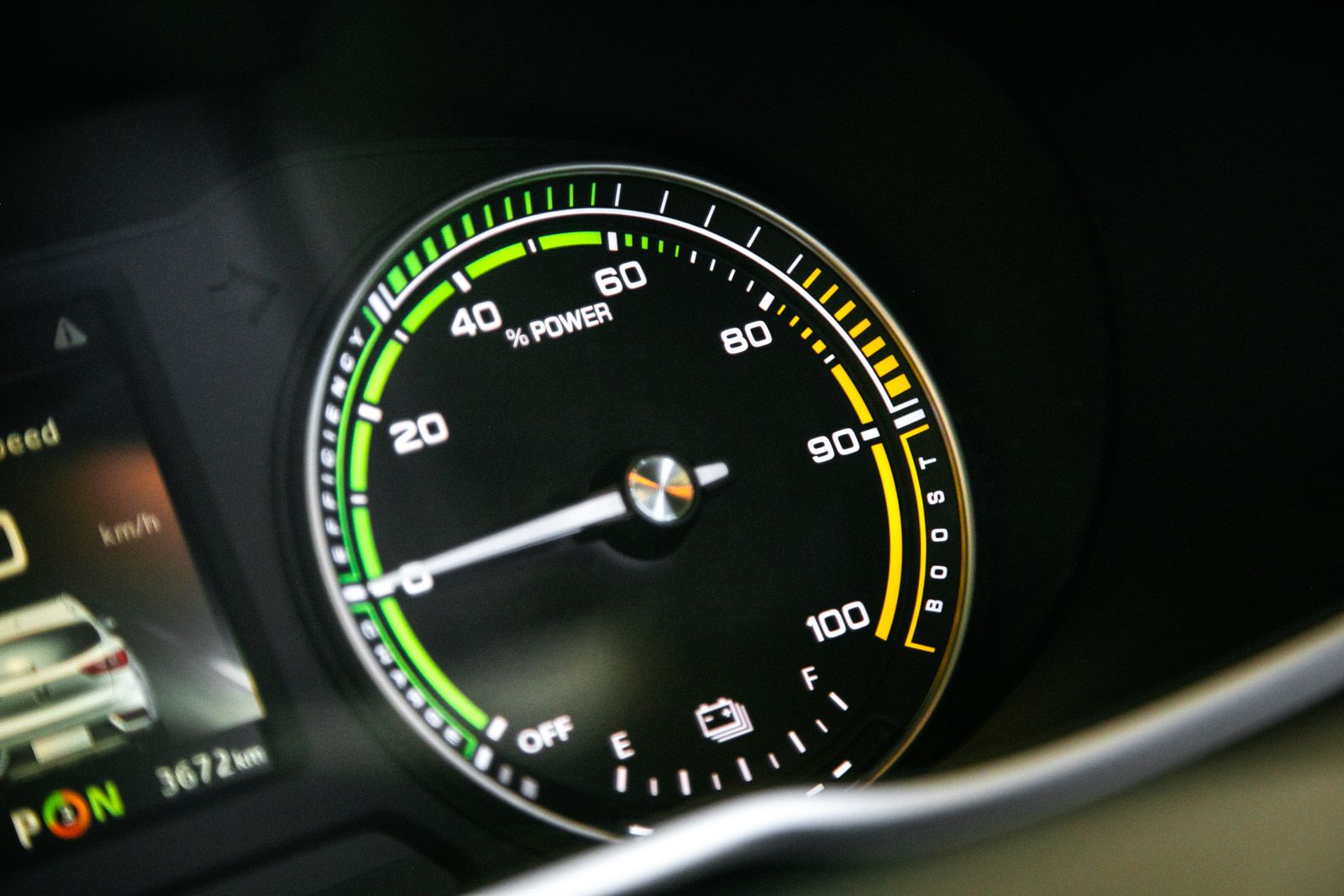
14. **MG Models (MG4, MG ZS E4)**Emerging on the watch list for 2025 are models from the MG brand, particularly the MG4 and MG ZS E4, alongside other vehicles from manufacturers like GWM. While specific detailed complaints for these MG models are less elaborated in current data, their inclusion on this watch list points to broader concerns within the industry regarding potential reliability issues.
These concerns often stem from general brand perceptions regarding quality control and manufacturing consistency. As new entrants or rapidly expanding brands, sometimes the focus on aggressive pricing or rapid market penetration can, unfortunately, come at the expense of long-term reliability.
For consumers, this implies that models like the MG4 and MG ZS E4 might present unforeseen challenges after purchase. Without a long-standing track record of robust reliability, buyers are advised to proceed with extra caution, recognizing the inherent risks associated with newer or rapidly evolving automotive brands.
It is crucial for potential owners to meticulously research specific model years, scrutinize any available recall information, and prioritize comprehensive pre-purchase inspections. This proactive approach can help mitigate the risks associated with vehicles that are still establishing their long-term dependability in the market.
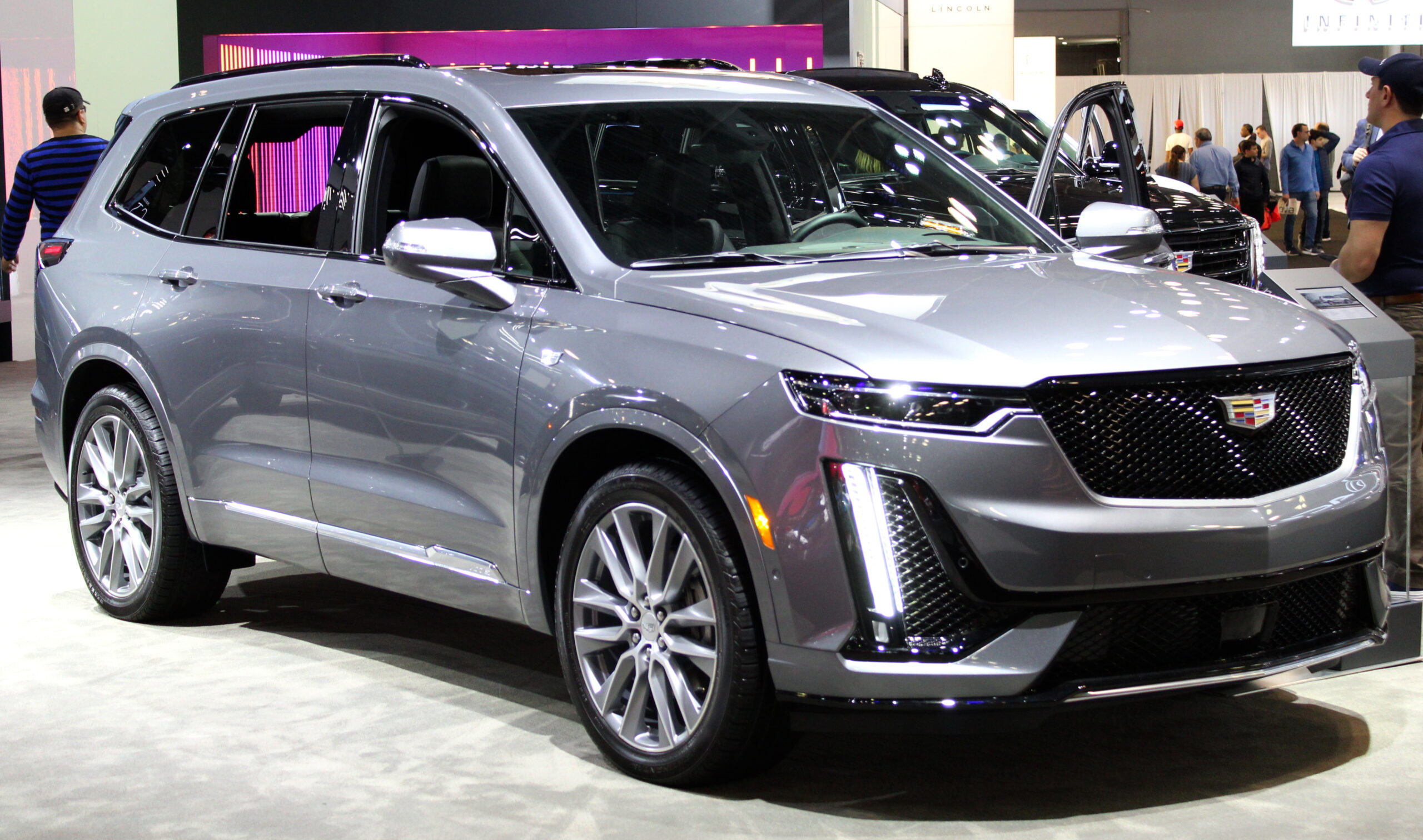
15. **Cadillac**Cadillac, a luxury brand under the General Motors (GM) umbrella, also finds itself on the 2025 lemon list, reflecting persistent struggles with quality and reliability that have impacted its parent company. While the context specifically details issues for Chevrolet (another GM brand) like engine performance and electrical faults, these underlying manufacturing challenges often extend across sister brands.
General Motors has been cited among manufacturers with a statistically high number of reported lemon cars and vehicle recall cases in recent years. This pattern of issues within the larger corporation suggests that Cadillac models, especially recent ones, may inherit similar vulnerabilities despite their luxury positioning and higher price points.
Historically, GM has faced significant Lemon Law cases, including with models like the Chevy Equinox for excessive oil consumption and the Chevy Silverado for transmission issues. While these are not directly Cadillac models, the shared engineering platforms and corporate quality control processes mean that such problems can manifest in various forms across the brand portfolio.
Therefore, prospective Cadillac buyers should be particularly vigilant. A thorough examination of vehicle history reports, detailed pre-purchase inspections, and a close look at any specific model-year recalls for Cadillac vehicles are essential steps to avoid falling prey to a lemon, ensuring that the prestige of the brand is matched by its reliability.
**Protecting Yourself: Essential Strategies for Navigating the Used Car Market in 2025**
Navigating the used car market, especially in regions like Arizona’s East Valley where environmental factors can exacerbate vehicle issues, demands a proactive and informed approach. The stakes are high: choosing wisely can save you from significant stress, high repair bills, and wasted time. The models highlighted on our 2025 lemon list serve as critical warnings, but understanding broader protection strategies is equally vital.
**Key Red Flags to Watch For**
When you’re actively shopping, a quick test drive around the block is never enough. Smart buyers must look beyond superficial appearances and identify specific red flags. These include persistent warning lights on the dashboard after startup, strange noises emanating from the engine or wheels, and rough gear shifts or noticeable hesitation during acceleration. For electric vehicles, poor battery range or slow charging times are immediate indicators of potential trouble.
Beyond mechanical signs, a smart buyer in Tempe, Mesa, Gilbert, or Chandler must also consider the unique challenges posed by Arizona’s climate. Look for cracked dashboards, signs of sun damage to the interior, weak air conditioning performance, and dry or brittle hoses and seals in the engine bay. These are all indicators that the vehicle may have suffered accelerated wear due to heat and neglect.
**Empowering Your Purchase: A Checklist for Prevention**
To safeguard your investment and avoid the financial pitfalls of a lemon, a systematic approach is indispensable. First and foremost, always obtain and meticulously review a vehicle history report. This document is a window into the car’s past, revealing accident history, previous ownership, and crucial recall information. A vehicle with numerous recalls, even if addressed, might signal underlying design flaws.
Equally important is to request and scrutinize service records. Regular, documented maintenance is a strong indicator that a vehicle has been cared for, helping to prevent major issues from escalating. A car with an incomplete or non-existent service history is a significant red flag, suggesting potential neglect or attempts to conceal problems.
Perhaps the most critical step is to arrange a pre-purchase inspection by a trusted, independent mechanic. This expert evaluation can uncover hidden issues that a seller might overlook or intentionally conceal. They can assess everything from engine and transmission health to electrical systems and suspension components, providing an unbiased assessment of the vehicle’s true condition.
Finally, always conduct a comprehensive test drive under varied conditions, including both city streets and highway speeds, to thoroughly evaluate performance, braking, and handling. Inquire about any available warranty or certification, as these can offer added protection and peace of mind, especially for used vehicles where risks can be higher.
**The Dealer Difference: Choosing Wisely**
Your choice of dealership can significantly influence your chances of avoiding a lemon. Reputable dealers who are transparent and prioritize customer satisfaction are invaluable allies in the car-buying process. These dealers often provide certified used cars that undergo rigorous inspections, reducing the likelihood of hidden defects.
They also typically offer detailed vehicle history reports upfront and stand behind their inventory with warranties or guarantees. A dealer that actively works to keep models from the 2025 lemon vehicles list off their lot demonstrates a commitment to quality that can save you considerable stress and expense. Their expert advice can guide you toward reliable options that genuinely fit your needs.
Read more about: Don’t Get Stuck at the Pump: These 10 Gas-Guzzling SUVs Are Budget-Busters in 2025
While the allure of a good deal on a used car can be strong, the potential for acquiring a ‘lemon’ is a risk that smart buyers must actively mitigate. By understanding which models have a documented history of issues, recognizing critical red flags, and diligently following a comprehensive protection strategy, you empower yourself to make a truly informed decision. Remember, an upfront investment in research and inspection is a small price to pay for years of reliable, worry-free driving. Drive smart, drive safe, and avoid getting bitten by a lemon in 2025.