The automotive industry, a powerful engine of innovation and progress, has ceaselessly pushed the boundaries of engineering and design, bringing ever-more sophisticated machines to our roads. Yet, this relentless pursuit of advancement has not been without its challenging moments. Throughout its rich history, the industry has wrestled with numerous scandals and recalls, spotlighting critical issues of safety, corporate ethics, and the paramount importance of consumer protection.
These critical junctures, often born from serious defects or corporate oversight, serve as stark reminders of the delicate balance between commercial imperatives and public well-being. They underscore the profound responsibility car manufacturers bear for the lives and safety of millions. By examining these past missteps, we gain invaluable insights into how vehicle safety has evolved, the mechanisms that drive regulatory change, and the enduring lessons that continue to shape the industry’s commitment to quality and transparency.
Today, we embark on an in-depth journey through some of the most significant safety failures in automotive manufacturing. These are not just isolated incidents; they are landmark events that, in many cases, forced seismic shifts in design, production, and regulatory oversight, ultimately paving the way for the safer, more reliable vehicles we drive today. Join us as we dissect these pivotal moments, understanding the technical blunders, the human cost, and the enduring impact they had on an industry constantly striving for perfection.
1. **General Motors v. The Chrysler Airflow (1934)**Our journey begins surprisingly not with a direct mechanical failure, but with a corporate battle that profoundly influenced early perceptions of automotive safety and innovation. In 1934, Chrysler introduced the Airflow, a truly groundbreaking vehicle that defied conventional automotive design. It was a marvel of its time, featuring an aerodynamic design that was years ahead of its peers, an advanced suspension system, the then-novel inclusion of safety glass, and a sturdy steel unibody construction – a significant departure from the traditional body-on-frame designs prevalent at the time.
Despite its innovative features aimed at improving both performance and inherent safety, the Chrysler Airflow faced an unexpected adversary: General Motors, a significantly larger and more dominant automaker. Instead of competing on the merits of design and engineering, GM launched a relentless smear campaign. The accusations were baseless and damaging, falsely claiming that Chrysler had plagiarized a top-secret design and, more critically for our discussion, asserting that the Airflow was inherently unsafe. This campaign, devoid of any concrete evidence, was a calculated attack on the vehicle’s reputation.
The impact of GM’s aggressive tactics was devastating for the Airflow. The public, swayed by the powerful narrative of alleged unsafety and design impropriety, shied away from the revolutionary vehicle. The damage to its reputation proved insurmountable, forcing Chrysler to discontinue the model just three years later in 1937. This episode serves as a powerful historical lesson on how public perception, even when manipulated by misinformation, can derail genuine progress in automotive design and safety, highlighting an early instance where the concept of vehicle safety was weaponized in corporate competition.
Reflecting on this early controversy, it’s clear that the Airflow, despite being ahead of its time in terms of structural integrity and occupant protection, became a casualty of corporate rivalry. The incident demonstrated the immense power of corporate influence and media manipulation in shaping consumer trust. While not a direct crash test blunder, it was a “bodywork miss” in the sense that its advanced construction and safety features were deliberately misrepresented. The saga underscored the burgeoning need for objective safety standards and a clearer, more ethical discourse around vehicle design and performance, setting an early, if indirect, precedent for future scrutiny of automotive claims.
Read more about: When Automotive Giants Stumble: Unearthing the Toxic Pasts of 14 Iconic Vehicles and Brands
2. **The Chevrolet Engine Mount Recall (1971)**Moving forward into the 1970s, the landscape of automotive regulation began to shift dramatically. The U.S. Department of Transportation (DOT) and the National Highway Traffic Safety Administration (NHTSA) emerged with a mandate to enforce more stringent safety regulations, a direct response to a growing public and governmental awareness of vehicle-related hazards. It was under this nascent regulatory environment that one of the first major scandals truly captured national attention: defective engine mounts in Chevrolet vehicles manufactured between 1965 and 1969.
The defect was alarmingly simple yet incredibly dangerous: these engine mounts were prone to catastrophic failure. When an engine mount failed, it could lead to severe consequences, including unintended acceleration, where the vehicle would suddenly surge forward without driver input, or equally alarming transmission malfunctions that could result in a loss of control. These weren’t isolated incidents; General Motors, the manufacturer, had received numerous reports detailing these defects from owners experiencing terrifying and unexpected vehicle behaviors.
Despite the accumulating evidence and the clear safety implications, GM conspicuously failed to act for several years. It was only after persistent media attention brought the widespread nature of the problem into the public spotlight that the automaker was compelled to acknowledge the gravity of the situation. In 1971, under immense pressure, GM initiated a massive recall, affecting an astonishing 6.5 million vehicles. This unprecedented scale highlighted not only the dangers of inadequate initial safety standards but also the significant corporate negligence in addressing known defects in a timely manner.
This scandal became a landmark case, demonstrating the critical role of governmental oversight and public scrutiny in holding large corporations accountable for fundamental safety defects. The Chevrolet engine mount recall firmly established that manufacturers could not indefinitely ignore known safety hazards. It solidified the authority of new regulatory bodies like NHTSA, proving that they could compel automakers to take decisive action, even when those actions involved substantial financial and logistical challenges. The era of passive compliance was drawing to a close, ushering in a new era of proactive regulation and corporate responsibility for vehicle safety.
Read more about: Beyond the Garage: 15 Vintage Cars That Are Secretly Skyrocketing in Value Right Now
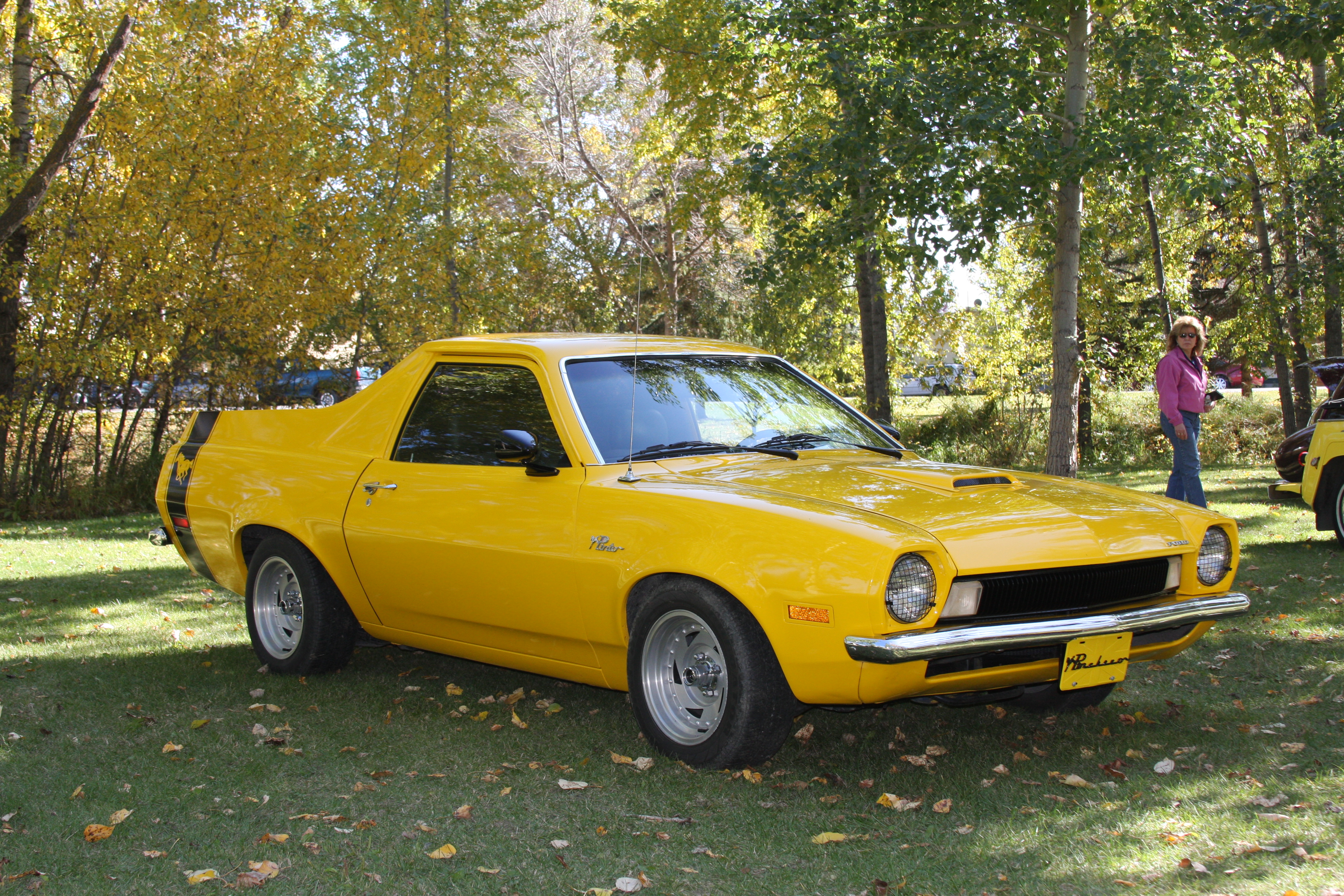
3. **The Ford Pinto Recall (1971)**Perhaps one of the most infamous automotive scandals in history, the Ford Pinto remains a chilling case study in corporate decision-making and its tragic human cost. Introduced in 1971, the Pinto was Ford’s entry into the burgeoning subcompact market, designed to be an affordable and efficient vehicle. However, it harbored a fatal design flaw within its fuel system, a defect that would lead to catastrophic consequences in the event of a rear-end collision.
Engineers discovered that in rear-end impacts, the Pinto’s fuel filler neck could separate from the tank, leading to fuel leakage and subsequent fires. The shocking revelation was that Ford knew about this critical defect *before* the Pinto even went into production. However, faced with the costs of a redesign and potential delays, the company made a reprehensible decision: it opted to prioritize profits over human lives. Internal memos, later unearthed, chillingly revealed that Ford had conducted a cost-benefit analysis, calculating that the cost of potential lawsuits and settlements for fatalities and injuries would be less than the expense of a retooling and redesign to fix the fuel tank issue.
As a direct result of this cynical calculation, hundreds of deaths and countless severe injuries occurred due to Pinto fuel tank fires. The public outrage that ensued, fueled by investigative journalism and victim advocacy, eventually forced Ford’s hand. The company was compelled to recall 1.5 million vehicles, but only after an unacceptable number of lives had been lost. The scandal ignited a firestorm of public condemnation and led to significant legal consequences for Ford, profoundly damaging its reputation for years to come.
The Ford Pinto case became a seminal moment, forever etched in the annals of corporate ethics. It forced a national reckoning with the concept of corporate responsibility, demonstrating in stark terms the ethical perils of prioritizing financial gain over fundamental safety. The Pinto scandal not only spurred stricter regulations regarding fuel system integrity but also fundamentally altered public expectations about what automakers owed their customers. It served as a powerful and enduring cautionary tale, emphasizing that a company’s decisions concerning design and manufacturing can literally hold the balance of life and death.
Car Model Information: 1980 Ford Pinto WAGON
Name: Ford Pinto
Caption: Ford Pinto
Manufacturer: Ford Motor Company
Aka: Mercury Bobcat
Production: September 1970 – July 1980
ModelYears: 1971–1980 (Pinto),1974–1980 (Bobcat)
Assembly: Edison, New Jersey,Milpitas, California
Designer: Robert Eidschun (1968)
Class: Subcompact car
BodyStyle: Sedan (automobile),sedan delivery,station wagon,hatchback
Related: #Mercury Bobcat (1974–1980),Ford Mustang (second generation)
Layout: Front-engine, rear-wheel-drive layout
Chassis: Unibody
Engine: unbulleted list
Abbr: on
Disp: Ford Cologne engine
Transmission: unbulleted list
Wheelbase: 94.0 in
Length: 163 in
Width: 69.4 in
Height: 50 in
Weight: convert
Predecessor: Ford Cortina#Mark II (1966–1970)
Successor: Ford Escort (North America)
Categories: 1980s cars, Articles with short description, Cars discontinued in 1980, Cars introduced in 1970, Commons category link from Wikidata
Summary: The Ford Pinto is a subcompact car that was manufactured and marketed by Ford Motor Company in North America from 1970 until 1980. The Pinto was the first subcompact vehicle produced by Ford in North America.
The Pinto was marketed in three body styles throughout its production: a two-door fastback sedan with a trunk, a three-door hatchback, and a two-door station wagon. Mercury offered rebadged versions of the Pinto as the Mercury Bobcat from 1975 until 1980 (1974–1980 in Canada). Over three million Pintos were produced over its ten-year production run, outproducing the combined totals of its domestic rivals, the Chevrolet Vega and the AMC Gremlin. The Pinto and Mercury Bobcat were produced at Edison Assembly in Edison, New Jersey, St. Thomas Assembly in Southwold, Ontario, and San Jose Assembly in Milpitas, California.
Since the 1970s, the safety reputation of the Pinto has generated controversy. Its fuel-tank design attracted both media and government scrutiny after several deadly fires occurred when the tanks ruptured in rear-end collisions. A subsequent analysis of the overall safety of the Pinto suggested it was comparable to other 1970s subcompact cars. The safety issues surrounding the Pinto and the subsequent response by Ford have been cited widely as business ethics and tort reform case studies.
Get more information about: Ford Pinto
Buying a high-performing used car >>>
Brand: Ford Model: Pinto
Price: $5,951 Mileage: 107,000 mi.
Read more about: American Automotive Crossroads: 7 Overrated Cars and 7 Overlooked Gems That Defined Eras

4. **The Ford Transmission Defect (1980)**Less than a decade after the ignominious Pinto recall, Ford once again found itself embroiled in a major safety crisis, this time concerning a defect in its automatic transmissions. This issue, first identified in the early 1970s, centered on a dangerous flaw that allowed vehicles to slip out of park and roll unexpectedly. The consequences of such an unexpected shift could be devastating, leading to property damage, injuries, and even fatalities, particularly if children were playing near the vehicle or if a driver stepped out momentarily assuming the car was safely parked.
Alarmingly, Ford had been aware of this critical flaw since 1972, preceding many of the affected vehicles’ production dates. Yet, much like the Pinto situation, the company initially chose not to initiate a recall. Instead, Ford opted for a strategy of settling lawsuits quietly, hoping to contain the issue through individual legal actions rather than a widespread public admission of guilt and a costly, system-wide fix. This approach allowed the defect to persist in millions of vehicles on the road for years, silently accumulating a tragic toll.
By the time the National Highway Traffic Safety Administration (NHTSA) launched its own investigation into the matter, the scale of the problem was undeniable. The transmission defect had been definitively linked to over 700 accidents, resulting in at least 250 injuries and a minimum of 23 deaths. This growing body of evidence made Ford’s continued inaction untenable. However, rather than performing a full and expensive recall, Ford implemented a highly controversial and largely ineffectual “solution”: they sent out 23 million warning stickers to vehicle owners.
These stickers advised drivers to always engage the parking brake and to ensure the gear lever was fully engaged in the “park” position. This half-hearted response allowed Ford to evade the financial burden of a comprehensive recall, but it did little to prevent further incidents. Tragically, the death toll associated with the transmission defect continued to rise over time, serving as another somber illustration of corporate recalcitrance in the face of demonstrable safety hazards. The Ford transmission defect underscored the ongoing struggle between corporate profit motives and the unwavering demand for genuine consumer safety, further solidifying the need for robust regulatory oversight.
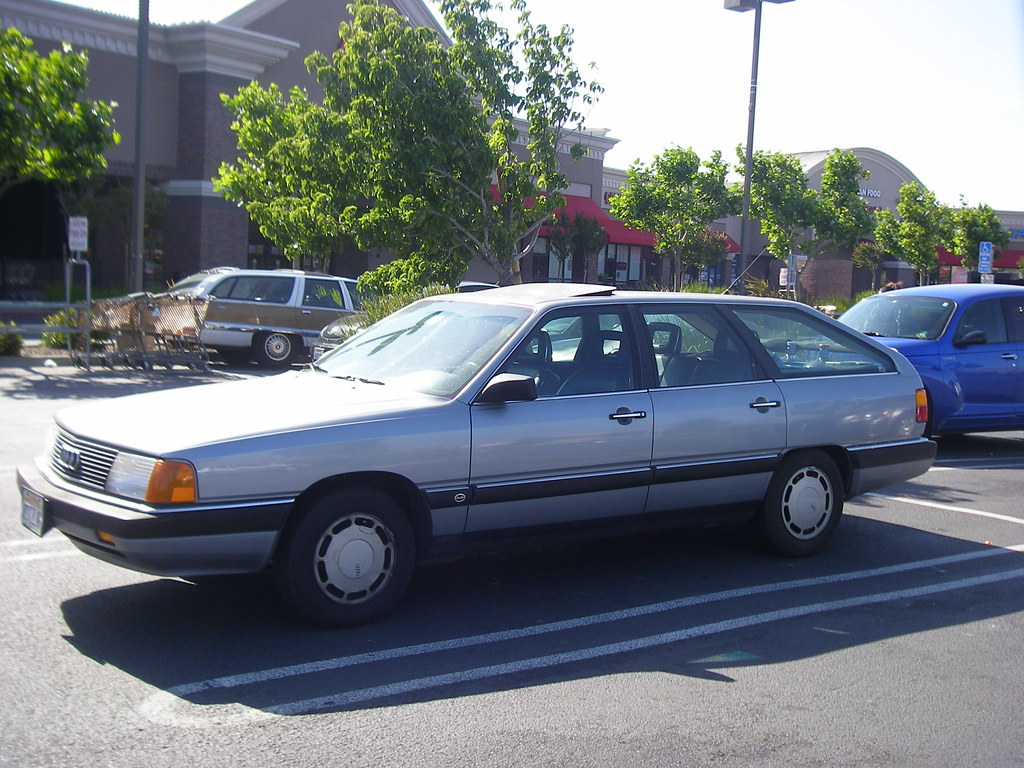
5. **Audi 5000 Unintended Acceleration Controversy (1986)**In the mid-1980s, the luxury automaker Audi faced a severe public relations crisis involving its Audi 5000 model. Allegations of “unintended acceleration” gripped the public imagination, suggesting vehicles could suddenly surge forward without driver input. This terrifying prospect, amplified by sensational media reports, positioned the Audi 5000 as a dangerously defective car, causing widespread alarm.
The controversy escalated dramatically following a highly impactful “60 Minutes” report on CBS. This broadcast featured compelling footage, later revealed to be from a modified vehicle, appearing to show an Audi 5000 accelerating autonomously. The dramatic presentation, watched by millions, solidified the narrative of a dangerous defect, despite the lack of consistent, verifiable evidence from actual road incidents.
However, comprehensive investigations, including those by NHTSA, ultimately found no electronic or mechanical defects responsible. Instead, the overwhelming cause was identified as “pedal misapplication,” where drivers mistakenly pressed the accelerator instead of the brake. This highlighted a human factor rather than a design flaw, but it came too late to salvage public perception.
Despite technical exoneration, the damage to Audi’s reputation in the U.S. market was catastrophic. Sales plummeted from 75,000 vehicles in 1985 to a mere 12,000 by 1991. This incident serves as a profound cautionary tale about media influence and the devastating impact of sensationalist reporting on consumer trust and a company’s commercial viability, even when facts contradict the public narrative.
Car Model Information: 2018 Audi Q7 3.0T Prestige
Name: Audi 100 / Audi 200 / Audi 5000
Aka: Audi 5000 (North America)
Manufacturer: Auto Union
Production: 1968–1994
Class: Luxury vehicle#Mid-size luxury.2Fexecutive cars
Layout: front-wheel drive
Platform: Volkswagen Group C platform
Successor: Audi A6
Categories: 1970s cars, 1980s cars, 1990s cars, 2000s cars, All-wheel-drive vehicles
Summary: The Audi 100 and Audi 200 (and sometimes called Audi 5000 in North America) are primarily mid-size/executive cars manufactured and marketed by the Audi division of the Volkswagen Group. The car was made from 1968 to 1997 across four generations (C1–C4), with a two-door model available in the first and second generation (C1-C2), and a five-door model available in the last three generations (C2–C4).They also made an 100 Avant in the 1970s.
In 1982, the third generation Audi 100 achieved a remarkably low (for its time) drag coefficient of 0.30, featuring flush greenhouse sides with unique sliding window mountings.
The C2 and C3 models of the Audi 100 were marketed in North America as the Audi 5000 from 1978 to 1988, and in South Africa as the Audi 500.
In 1993, the models were mildly restyled, and renamed the Audi A6 series in conjunction with a general new Audi naming scheme, until they were replaced by a new generation of A6, internally code-named C5, in 1997. The Audi 100’s traditional competitors include the Mercedes Benz E-Class and BMW 5-Series.
Get more information about: Audi 100
Buying a high-performing used car >>>
Brand: Audi Model: 5000
Price: $23,950 Mileage: 98,826 mi.
Read more about: When Automotive Giants Stumble: Unearthing the Toxic Pasts of 14 Iconic Vehicles and Brands

6. **Ford Explorers and Firestone Tires (2000)**The turn of the millennium witnessed a significant automotive safety crisis, entangling Ford Motor Company and Bridgestone/Firestone Inc. This widespread scandal centered on the highly popular Ford Explorer SUV, frequently implicated in rollover accidents. These tragic incidents were widely linked to tread separations and blowouts in Firestone tires, leading to hundreds of deaths and thousands of injuries.
Initially, both companies, long-standing partners, engaged in a highly public and damaging blame game. Ford pointed to defective tires, while Firestone countered that the Explorer’s design, particularly its high center of gravity and predisposition to rollover, contributed to incident severity. This corporate dispute fueled public confusion and delayed a swift, unified response, further eroding consumer trust.
Comprehensive investigations ultimately revealed a dangerous synergy of factors. Certain Firestone Wilderness ATX and ATX II tires, particularly from specific manufacturing plants, harbored inherent design and manufacturing flaws making them susceptible to tread separation, especially under specific conditions. This defect, combined with the Ford Explorer’s known stability characteristics, created a deadly combination when tire failure occurred at speed.
The public outcry forced both Ford and Firestone to launch one of the largest recalls in automotive history, involving millions of tires. The scandal resulted in substantial financial losses and severe reputational damage, dissolving their century-long business relationship. Crucially, it spurred significant advancements in tire safety standards and monitoring systems, alongside increased public awareness regarding SUV stability and the vital importance of proper tire maintenance.
Car Model Information: 2022 Ford Explorer Platinum
Name: Ford Explorer
Caption: Sixth-generation Ford Explorer
Manufacturer: Ford Motor Company
Production: 1990–present
ModelYears: 1991–present
Class: unbulleted list
Chassis: unbulleted list
Predecessor: Ford Bronco II
Successor: Ford Territory (Australia)
Categories: 2000s cars, 2010s cars, 2020s cars, All-wheel-drive vehicles, All Wikipedia articles in need of updating
Summary: The Ford Explorer is a range of SUVs manufactured by the Ford Motor Company since the 1991 model year. The first five-door SUV produced by Ford, the Explorer, was introduced as a replacement for the three-door Bronco II. As with the Ford Ranger, the model line derives its name from a trim package previously offered on Ford F-Series pickup trucks. As of 2020, the Explorer became the best-selling SUV in the American market.
Currently in its sixth generation, the Explorer has featured a five-door wagon body style since its 1991 introduction. During the first two generations, the model line included a three-door wagon (directly replacing the Bronco II). The Ford Explorer Sport Trac is a crew-cab mid-size pickup derived from the second-generation Explorer. The fifth and sixth generations of the Explorer have been produced as the Ford Police Interceptor Utility (replacing both the Ford Crown Victoria Police Interceptor and the Ford Police Interceptor Sedan).
The Explorer is slotted between the Ford Edge and Ford Expedition within North America’s current Ford SUV range. The model line has undergone rebadging several times, with Mazda, Mercury, and Lincoln each selling derivative variants. Currently, Lincoln markets a luxury version of the Explorer as the Lincoln Aviator.
For the North American market, the first four generations of the Explorer were produced by Ford at its Louisville Assembly Plant (Louisville, Kentucky) and its now-closed St. Louis Assembly Plant (Hazelwood, Missouri). Ford currently assembles the Explorer alongside the Lincoln Aviator and the Police Interceptor Utility at its Chicago Assembly Plant (Chicago, Illinois).
Get more information about: Ford Explorer
Buying a high-performing used car >>>
Brand: Ford Model: Explorer
Price: $33,399 Mileage: 35,792 mi.
7. **Toyota Unintended Acceleration Scandal (2009)**In late 2009, Toyota, a brand globally renowned for quality and reliability, faced a profound crisis concerning “unintended acceleration” in several models. Alarming incidents suggested vehicles were inexplicably accelerating to high speeds without driver input. The crisis reached a tragic climax with a highly publicized 911 call from a California Highway Patrol officer whose Lexus ES 350 accelerated uncontrollably, resulting in a fatal crash.
Initially, Toyota maintained that no electronic or mechanical defects were present, suggesting floor mat interference with the accelerator pedal was the primary cause. However, as reports of terrifying incidents mounted, and both public and regulatory pressures intensified, Toyota was compelled to conduct a deeper internal review. This scrutiny led to a significant shift in its official stance regarding the problem’s root causes.
Ultimately, Toyota was forced to acknowledge that a faulty gas pedal assembly was indeed responsible for a portion of the incidents, capable of sticking in a partially depressed position. This critical admission triggered an unprecedented series of massive recalls, affecting over 9.3 million vehicles globally. The sheer scale of the recall, compounded by the company’s initial reluctance, severely tarnished Toyota’s meticulously built reputation for engineering excellence.
The financial and reputational repercussions for Toyota were immense. The company incurred a staggering $1.2 billion fine from the U.S. government for misleading the public and delaying recalls, one of the largest penalties ever imposed on an automaker. In response, Toyota undertook a comprehensive overhaul of its safety protocols and management structures. This scandal served as a stark reminder of the paramount importance of swift, honest corporate responses to safety concerns and unwavering accountability.
Car Model Information: 2022 BMW X3 sDrive30i
Name: Lexus ES
Caption: Lexus ES 350 (GSZ10)
Manufacturer: Toyota
Aka: unbulleted list
Production: June 1989 – present
Class: unbulleted list
BodyStyle: unbulleted list
Layout: unbulleted list
ModelYears: 1990–present
Categories: 1990s cars, 2000s cars, 2010s cars, 2020s cars, All-wheel-drive vehicles
Summary: The Lexus ES is a mid-size luxury sedan marketed since 1989 by Lexus, the luxury division of Toyota, across multiple generations, each offering V6 engines and a front-engine, front-wheel-drive layout. The first five generations of the ES used the Toyota Camry platform, while the latter generations are more closely related to both the Camry and the Avalon. Manual transmissions were offered until 1993, a lower-displacement inline-four engine became an option in Asian markets in 2010, and a gasoline-electric hybrid version was introduced in 2012. The ES was Lexus’s only front-wheel drive vehicle until 1998, when the related RX was introduced, and the sedan occupied the entry-level luxury car segment of the Lexus lineup in North America and other regions until the debut of the IS in 1999. The ES name stands for “Executive Sedan”. However, some Lexus importers use the name, “Elegant Sedan”.
Introduced in 1989, the first generation ES 250 was one of two vehicles in Lexus’s debut range, along with the LS 400. The second generation ES 300 debuted in 1991, followed by the third generation ES 300 in 1996, and the fourth generation ES 300/330 in 2001. The first- through fourth generation sedans shared body styling elements with Japan-market Toyota sedans, and a domestic market equivalent, the Toyota Windom (Japanese: トヨタ・ウィンダム, Toyota Windamu), was sold until the launch of the fifth generation ES in 2006. The word “Windom” is a combination of “win” and the suffix “dom” expresses a state of perpetual victory. The fifth generation ES used body styling marketed by Lexus as L-finesse and debuted in early 2006 as a 2007 model. The sixth generation ES debuted in the first half of 2012 as a 2013 model, and features increased cabin dimensions due to a longer wheelbase which is shared with the full-size XX40 series Avalon.
Lexus has positioned the ES in the comfort luxury segment, with an emphasis on interior amenities, quietness, and ride quality, in contrast with more firm-riding sport sedans. Buyers seeking more performance-focused models are targeted by the Lexus IS and rival makes, with such models offering a sportier drive with differently tuned suspensions. In Europe, Japan and other markets where it was not available until the seventh generation model, the GS sport sedans occupy the mid-size category in the Lexus lineup until it was cancelled August 2020. In the United States, the ES has been the best-selling Lexus sedan for over fifteen years.
Get more information about: Lexus ES
Buying a high-performing used car >>>
Brand: Lexus Model: ES 350
Price: $28,452 Mileage: 46,868 mi.
8. **GM Ignition Switch Scandal (2014)**The automotive industry’s history of safety lapses continued into the 21st century with the General Motors (GM) ignition switch scandal, a deeply troubling episode revealing extensive corporate negligence. In 2014, it became public that GM had for years been selling vehicles equipped with faulty ignition switches. These switches could inadvertently slip from the “run” position to “accessory” or “off” while the vehicle was in motion, leading to dire consequences.
This seemingly minor defect had catastrophic implications: when the ignition switch slipped, it crucially disabled vital safety features. Power steering, power brakes, and most critically, the airbags, would cease to function. This meant that in the event of a crash, the airbags, designed to protect occupants, would fail to deploy, transforming otherwise potentially survivable collisions into fatal tragedies.
Alarmingly, internal GM documents confirmed that the company had been aware of this deadly defect for over a decade, with engineers identifying the issue as early as 2001. Despite this knowledge, GM inexplicably delayed initiating a recall, allowing millions of affected vehicles to remain on the roads. This corporate inaction demonstrated a profound lapse in judgment and a failure to prioritize consumer safety.
The human toll was devastating, with investigations eventually linking the faulty switches to at least 120 deaths and 275 injuries, though many believed the true impact was significantly higher. Facing intense public and governmental scrutiny, GM CEO Mary Barra testified before Congress. The company ultimately established a victims’ compensation fund and paid a substantial $900 million fine to the U.S. government. This scandal profoundly reshaped GM’s internal safety processes, underscoring the enduring necessity of stringent regulatory oversight and unwavering ethical manufacturing.
**The Enduring Drive for Safety and Trust**
The journey through these landmark automotive safety failures reveals a compelling, if sometimes grim, narrative of an industry in constant tension between innovation and integrity. From early battles over public perception to catastrophic design flaws and systemic corporate negligence, each incident has etched indelible lessons into the collective consciousness of manufacturers, regulators, and consumers alike. These events underscore a fundamental truth: the relentless pursuit of progress must always be tempered by an unyielding commitment to safety. They demonstrate that while vehicles have grown exponentially in complexity and capability, the basic human expectation of safety remains paramount. As we look towards an increasingly interconnected and autonomous future for mobility, the echoes of these past blunders serve as a potent reminder that vigilance, transparency, and an unwavering ethical compass are not merely desirable traits, but essential pillars upon which the future of automotive trust must be built. The road ahead demands a shared commitment to ensuring that every journey is not just efficient and comfortable, but fundamentally, unequivocally safe.