Electric vehicles (EVs) have long been championed as the vanguard of sustainable transportation, promising a future of lower maintenance costs, reduced fuel expenses, and zero tailpipe emissions. The allure of cutting-edge technology and environmental stewardship has driven significant innovation in the automotive industry, with countless new models hitting the market and vying for consumer attention. However, this rapid evolution has not been without its considerable growing pains. While the vision of an all-electric fleet is compelling, the journey has been punctuated by numerous setbacks that have tested the patience of early adopters and raised crucial questions about the reliability and practicality of some prominent EV models.
Behind the sleek designs and impressive performance figures, a darker truth sometimes emerges: certain electric vehicles have been plagued by significant reliability issues, leading to widespread frustration among owners and skepticism in the broader market. These challenges manifest in various forms, from critical battery failures that compromise safety and range, to persistent software glitches that disrupt essential vehicle functions, and even fundamental manufacturing defects that necessitate costly recalls and repairs. These issues not only undermine the projected cost savings of EV ownership but also erode public trust in the burgeoning technology.
Even established automakers, with decades of experience in vehicle production, have not been immune to these complexities as they navigate the intricate landscape of electric propulsion. Models that once promised revolutionary features have, in practice, delivered inconsistent driving experiences, clunky user interfaces, and quality control concerns. While these instances serve as valuable lessons for an evolving industry, they also highlight the formidable hurdles in achieving both innovation and unwavering reliability. We delve into a critical examination of seven such electric vehicles that, despite their initial promise, have become emblematic of the reliability woes that can slow the pace of widespread EV adoption.
1. **Chevrolet Bolt EV**
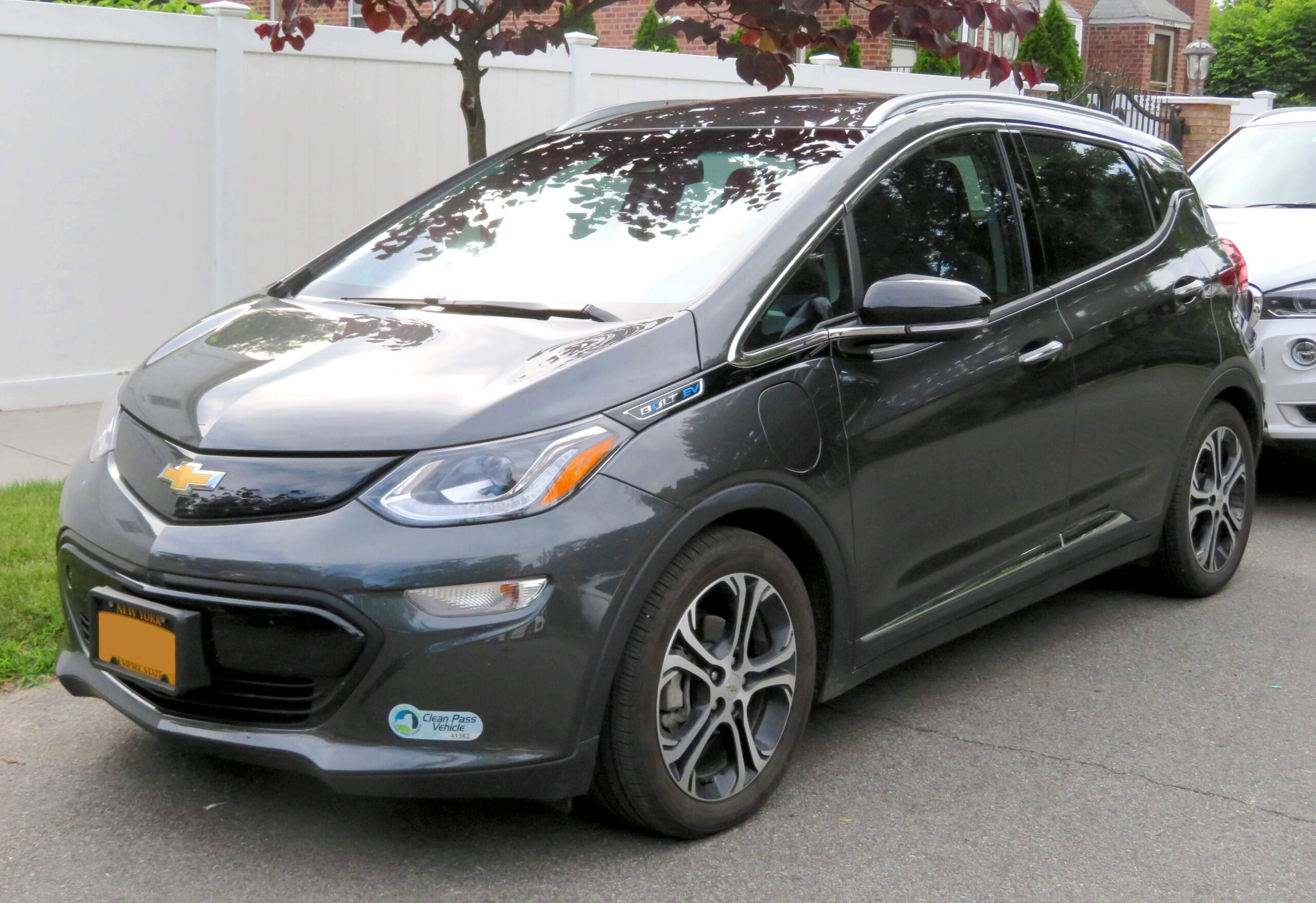
The Chevrolet Bolt EV initially captured attention as an affordable electric vehicle, positioning itself as an accessible entry point into the EV market. However, its journey was soon overshadowed by significant reliability issues, chief among them an alarming risk of battery fires. This serious defect stemmed from faulty battery packs supplied by LG, prompting General Motors to initiate a massive recall of nearly 140,000 units. The severity of the problem necessitated the complete replacement of these battery packs to ensure user safety, a measure that understandably ignited widespread concern among Bolt owners and reverberated throughout the wider EV landscape, raising pressing questions about fundamental battery reliability.
Beyond the grave fire risk, Bolt EV owners frequently reported a range of other frustrating problems that detracted from their daily driving experience. Inaccurate battery range estimation was a common complaint, leaving drivers uncertain about their actual travel capabilities on a given charge and often leading to range anxiety. Furthermore, various software malfunctions contributed to operational glitches, introducing an element of unpredictability and inconvenience to vehicle use. These issues, while seemingly less critical than fire hazards, cumulatively contributed to a significant erosion of the Bolt EV’s reputation.
While General Motors proactively addressed these concerns through extensive updates and replacements, the damage to the Bolt EV’s public image proved to be substantial and long-lasting. Adding to its woes, late last year, Chevrolet issued another recall for the majority of Bolts due to a separate risk: the seatbelt pretensioners potentially igniting the carpet during crashes. This compounding series of problems has led to a peculiar situation where some airports and public spaces have explicitly banned Chevy Bolts from their parking lots.
These recurring reliability challenges transformed the Chevrolet Bolt EV into a stark cautionary tale. It underscored for both automakers and consumers the critical importance of robust quality control and rigorous testing in the rapidly evolving and technically complex electric vehicle landscape. The experience highlighted that affordability, while attractive, cannot come at the expense of fundamental safety and consistent operational performance, shaping perceptions of EV reliability for years to come.
Car Model Information: 2023 Mazda Mazda3 FWD w/Select Package
Name: Chevrolet Bolt EV
Caption: 2022 Chevrolet Bolt EV
Manufacturer: General Motors
Production: unbulleted list
ModelYears: unbulleted list
Class: Subcompact car
BodyStyle: hatchback
Layout: Front-engine, front-wheel-drive layout
Predecessor: Chevrolet Spark EV
Categories: 2020s cars, All Wikipedia articles in need of updating, All articles containing potentially dated statements, All articles with unsourced statements, Articles containing potentially dated statements from February 2018
Summary: The Chevrolet Bolt EV (marketed in Europe as Opel Ampera-e) is a battery electric subcompact hatchback manufactured and marketed by General Motors under its Chevrolet brand from late 2016 until late 2023, with a brief hiatus between mid-2021 and early 2022.
The first-generation Bolt was developed and manufactured with LG Corporation. Sales of the 2017 Bolt began in California in December 2016; it was released nationwide and international markets release in 2017. A rebadged European variant was marketed as the Opel Ampera-e in mainland Europe. In 2017, the Bolt was the second-best-selling plug-in car in the United States. It was named the 2017 Motor Trend Car of the Year, the 2017 North American Car of the Year, an Automobile magazine 2017 All Star, and was listed in Time magazine’s Best 25 Inventions of 2016. The Ampera-e was discontinued after 2018. By the end of 2020, GM had sold 112,000 Bolt and Ampera-e cars worldwide. The first-generation Bolt had been subject to at least three recalls due to battery fire risks.
In mid-2023, GM officials said they would discontinue the Bolt; after outcry, they announced plans for a next-generation model, which is expected to be revealed in 2025 for model year 2026.
Get more information about: Chevrolet Bolt
Buying a high-performing used car >>>
Brand: Chevrolet Model: Bolt EV
Price: $17,497 Mileage: 57,859 mi.
Read more about: Unleash the Roar: 12 Iconic Convertibles That Defined Eras and Demand Attention on Every Road!
2. **Tesla Model S**
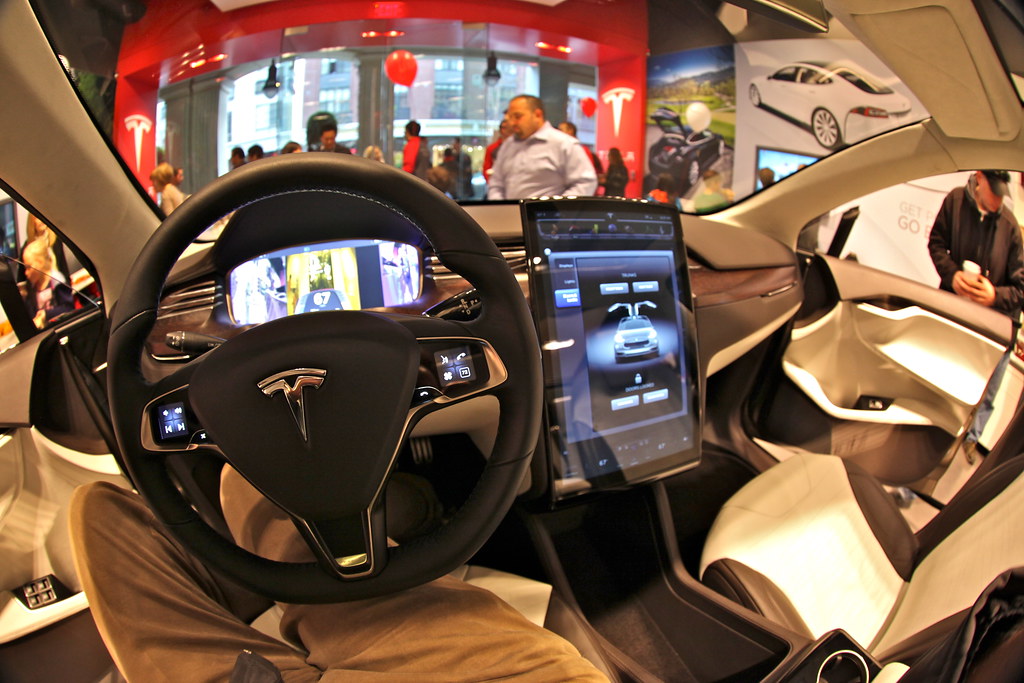
Tesla’s Model S undoubtedly pioneered the modern electric vehicle market, setting benchmarks for performance, range, and technological integration. Yet, despite its trailblazing status and considerable acclaim, the Model S has not been without its share of reliability concerns, which have generated considerable discussion among owners and industry observers. A frequent area of complaint revolved around suspension failures, which could lead to unexpected and often costly repairs, alongside legitimate safety worries for drivers. Such fundamental mechanical issues in a premium vehicle often sparked immediate concern.
Further compounding these issues, owners have also reported persistent touchscreen malfunctions. Given that the Model S, like many Teslas, heavily relies on its central display for essential vehicle controls and infotainment, these glitches were more than just an inconvenience. They could, at times, affect critical operational aspects of the car, leading to frustration and, in some cases, compromising the user’s ability to safely interact with vehicle functions. This dependency on a single interface meant that software issues had magnified implications for the driving experience.
Adding to the list of reported problems were power steering issues, which introduced an element of unpredictability to the driving experience for some users. While Tesla’s innovative over-the-air software updates are celebrated for their ability to introduce new features and improvements, they have also, on occasion, been cited as a source of unintended side effects, such as a sudden and unexplained reduction in battery range immediately following an update. These various issues have consistently fueled debates regarding Tesla’s overall quality control processes and the long-term durability of its components and systems.
Despite these widely reported setbacks, the Model S continues to command significant popularity among consumers seeking a high-performance electric vehicle equipped with cutting-edge technology. Tesla has made concerted efforts to address these reliability problems through a combination of software updates and targeted recalls. However, the recurring nature of these concerns serves as a potent reminder of the inherent challenges involved in simultaneously driving innovation and maintaining unwavering consistency and quality in the fast-paced and ever-evolving electric vehicle industry.
Car Model Information: 2022 BMW X3 sDrive30i
Name: Tesla Model S
ModelYears: 2013–present
Alt: A front-three quarter view of a gray Model S
Caption: #2016–2019: First major update
Designer: Franz von Holzhausen
Weight: cvt
Height: cvt
Width: cvt
Length: cvt
Wheelbase: cvt
ElectricRange: cvt
Battery: kWh,lithium-ion battery
Motor: Unbulleted list
Transmission: Reduction drive
Related: Tesla Model X
Layout: Rear-motor, rear-wheel drive,Dual-motor, all-wheel-drive,Tri-motor, all-wheel-drive layout
BodyStyle: liftback,sedan (automobile)
Class: Full-size car
Assembly: Unbulleted list
Production: June 2012 – present
Manufacturer: Tesla, Inc.
Sp: us
Chassis: Unibody
Categories: 2020s cars, All-wheel-drive vehicles, All Wikipedia articles written in American English, All articles containing potentially dated statements, Articles containing potentially dated statements from 2025
Summary: The Tesla Model S is a battery-electric, four-door full-size car produced by the American automaker Tesla since 2012. The automaker’s second vehicle and longest-produced model, the Model S has been described as one of the most influential electric cars in the industry. Car and Driver named it one of the best cars of the year in 2015 and 2016. Its various accolades include the Motor Trend Car of the Year Award in 2013.
Tesla started developing the Model S around 2007 under the codename WhiteStar, with Henrik Fisker appointed as lead designer for the project. After a dispute with Elon Musk, Tesla’s CEO, Fisker was replaced by Franz von Holzhausen who, by 2008, had designed the production Model S’s exterior. Tesla unveiled a prototype of the vehicle in March 2009 in Hawthorne, California. In 2010, Tesla acquired a facility in Fremont, California, to produce the Model S, which was previously owned by General Motors and Toyota. Series manufacture of the car officially began at the Tesla Fremont Factory in June 2012. Tesla carried out the final assembly for European markets at its facilities in Tilburg, Netherlands, between 2013 and 2021.
Constructed mostly of aluminum, the Model S shares 30 percent of its components with the Model X—a crossover SUV that was introduced in 2015. The Model S has undergone several updates during its production, the most prominent ones occurring in 2016 and 2021. These updates have usually included modifications to the motor, such as changes to power or torque, revised exterior elements, and refreshed interior features. One such change included the 2015 introduction of Tesla Autopilot—a partial vehicle automation advanced driver-assistance system. The 2021 update led to the introduction of the high-performance, three-motor Plaid—Tesla’s most powerful model.
In 2015, the Model S was the world’s best-selling plug-in electric vehicle. In 2012, it was included on Time’s list of the Best Inventions of the Year, and the magazine later included it on its list of the 10 Best Gadgets of the 2010s in 2019. In 2014, The Daily Telegraph described the Model S as a “car that changed the world”. Road & Track argued that, with the introduction of the Plaid and features such as the yoke steering wheel, Tesla managed to turn the Model S into “perhaps one of the worst [cars in the world]”.
Get more information about: Tesla Model S
Buying a high-performing used car >>>
Brand: Tesla Model: Model S
Price: $28,452 Mileage: 46,868 mi.
Read more about: Drop-Top Dominators: Which 12 Roadsters Guarantee Attention on Every Corner?
3. **Tesla Model X**
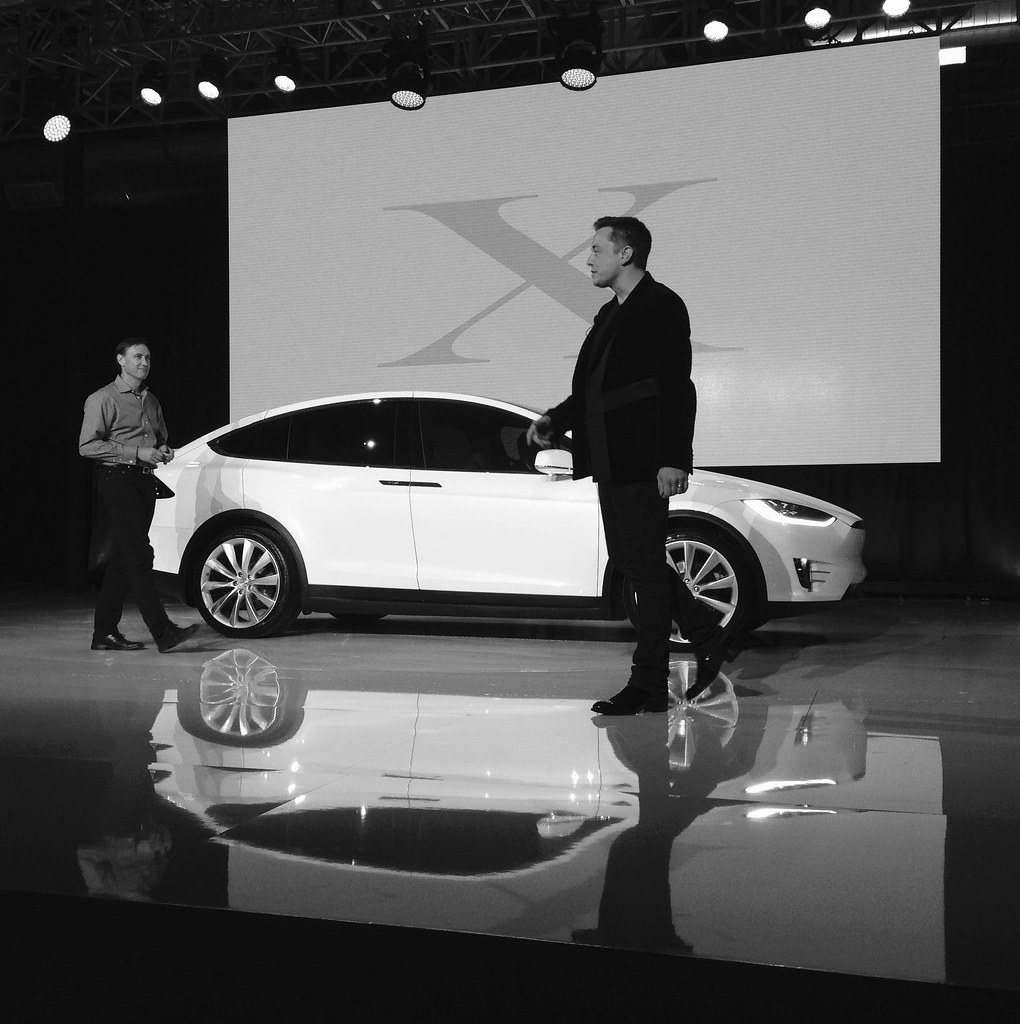
Following in the wake of its sedan counterpart, the Tesla Model X, a luxurious all-electric SUV, has faced its own distinct and persistent array of reliability challenges. A particularly notorious feature, its signature falcon-wing doors, became a recurring source of frustration for owners. Reports frequently detailed problems with these complex doors failing to open or close correctly, creating considerable inconvenience and, at times, raising legitimate safety concerns in various operational scenarios. This unique design element, while visually striking, often proved to be a significant vulnerability.
Beyond the challenges posed by its distinctive doors, the Model X also experienced issues with its air suspension system. Failures in this critical component led to an unpredictable ride quality, undermining the premium driving experience expected from a luxury SUV. Furthermore, electrical system faults contributed to a variety of operational glitches throughout the vehicle, adding to the list of owner complaints. The heavy reliance on sophisticated electronics meant that small failures could cascade into broader functional impairments.
Another prevalent issue that plagued Model X owners was the freezing of its large central touchscreen. As with the Model S, the touchscreen in the Model X is integral to controlling many essential vehicle functions, from navigation to climate control. When this interface froze or became unresponsive, it severely disrupted the driving experience, making it frustrating and at times challenging for users to operate critical systems. These persistent and multifaceted issues have, regrettably, led to the Model X acquiring a reputation as one of Tesla’s least reliable models.
Despite its avant-garde technology and futuristic aesthetic, the SUV’s ongoing reliability struggles have consistently raised significant questions regarding the thoroughness and consistency of Tesla’s quality control protocols. While the company has implemented various software updates and carried out repairs to mitigate some of these problems, a notable number of owners continue to experience recurring issues. The Model X stands as a vivid example that while innovation is crucial for advancement, it must be meticulously balanced with long-term durability and the consistent, reliable performance that consumers expect, especially in the premium segment of the electric vehicle market.
Car Model Information: 2022 BMW X3 sDrive30i
Name: Tesla Model X
Manufacturer: Tesla, Inc.
Production: 2015–present
Assembly: unbulleted list
Designer: Franz von Holzhausen
Class: Crossover (automobile)
BodyStyle: 5-door SUV
Layout: unbulleted list
Doors: unbulleted list
Related: Tesla Model S
Motor: unbulleted list
Title: Discontinued
Transmission: unbulleted list
Battery: unbulleted list
ElectricRange: FTP-75
Wheelbase: cvt
Length: cvt
Width: cvt
Height: cvt
Weight: unbulleted list
Sp: us
Categories: 2020s cars, All Wikipedia articles in need of updating, All Wikipedia articles written in American English, All articles containing potentially dated statements, All articles lacking reliable references
Summary: The Tesla Model X is a battery electric mid-size luxury crossover SUV built by Tesla, Inc. since 2015. Developed from the full-sized sedan platform of the Tesla Model S, the vehicle uses distinctive falcon wing doors for rear passenger access.
The Model X has an EPA size class as an SUV, and shares around 30 percent of its content with the Model S, half of the originally planned 60 percent, and weighs about 10 percent more. Both the Model X and Model S are produced at the Tesla Factory in Fremont, California. The prototype was unveiled at Tesla’s design studios in Hawthorne, California, on February 9, 2012. First deliveries of the Model X began in September 2015. After one full year on the market, in 2016, the Model X ranked seventh among the world’s best-selling plug-in cars. A refresh of the Tesla Model X was introduced in 2021, offering a new “Plaid” performance model, along with a revised interior, powertrain, and suspension.Another update of the Model X was introduced in June 2025 with a new front bumper camera, new wheel designs, increased third-row space, dynamic ambient lighting, and adaptive headlights. The updates are similar to the Model S, which was updated at the same time.
As of July 2025, the Model X is available as a Long-Range version with an estimated EPA range of 352 miles (566 km) and a high performance “Plaid” version with an estimated EPA range of 335 miles (539 km).
Get more information about: Tesla Model X
Buying a high-performing used car >>>
Brand: Tesla Model: Model X
Price: $28,452 Mileage: 46,868 mi.
Read more about: Drop-Top Dominators: Which 12 Roadsters Guarantee Attention on Every Corner?
4. **Nissan Leaf (Early Models)**
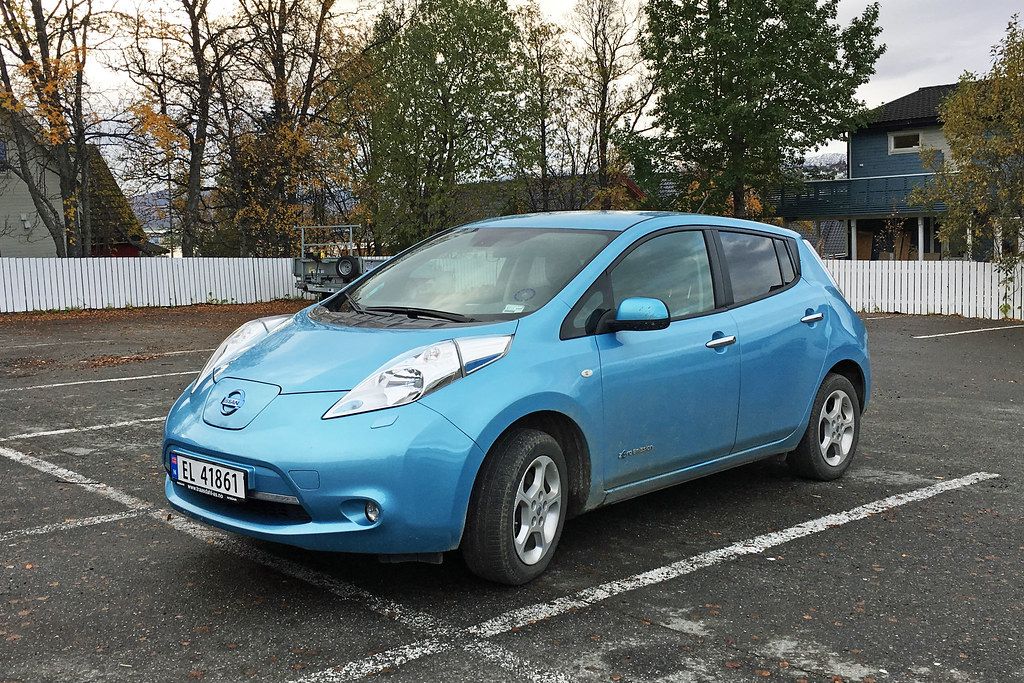
The Nissan Leaf holds a significant place in EV history as one of the earliest mass-produced electric vehicles, and it has undeniably evolved over the years. However, its early iterations were famously beset by severe battery degradation issues, a problem that became particularly pronounced in warmer climates. Numerous owners of these early models reported a substantial loss of battery capacity, with some experiencing up to a 30% reduction within just a few years of ownership. This rapid decline dramatically shortened the vehicle’s driving range, making long-term ownership challenging and often frustrating for daily use.
The core of this widespread issue lay in a crucial design choice: unlike many of its competitors, early Nissan Leaf models were developed without an active battery cooling system. This omission left the battery packs highly vulnerable to heat-related wear and tear, especially in regions with high ambient temperatures. The sustained exposure to heat accelerated the chemical degradation within the battery, leading to the observed reductions in capacity and overall performance. Consequently, many owners found themselves facing the prospect of costly battery replacements much sooner than they had anticipated.
While Nissan later made significant strides in improving its battery technology and integrating more effective thermal management systems in subsequent Leaf models, the reliability concerns associated with the early versions left a lasting imprint on the car’s reputation. For prospective EV buyers at the time, this situation underscored a critical lesson: the paramount importance of not only battery longevity but also the sophisticated cooling systems essential for preserving battery health and extending vehicle lifespan in electric vehicles. It became a key factor in consumer research for subsequent EV purchases.
Further contributing to the early Leaf’s reliability record was a recall specifically for 2013 to 2015 models. This recall addressed an issue where the brake relays could freeze in cold temperatures, adding another layer of operational concern for owners in various climates. Despite these initial setbacks, the Nissan Leaf eventually carved out a niche for budget-conscious EV drivers, with newer versions offering improved durability and a more respectable driving range, yet the legacy of its early battery challenges continues to be a point of historical reference in the EV narrative.
Car Model Information: 2020 Nissan Leaf SL PLUS 62 kWh
Name: Nissan Leaf
Caption: A second generation Nissan Leaf
Manufacturer: Nissan
Production: October 2010 – present
ModelYears: 2011–present
Class: Unbulleted list
BodyStyle: Unbulleted list
Layout: Front-engine, front-wheel-drive layout
Predecessor: Unbulleted list
Categories: 2020s cars, All articles containing potentially dated statements, All articles with dead external links, Articles containing Japanese-language text, Articles containing potentially dated statements from December 2015
Summary: The Nissan Leaf (Japanese: 日産・リーフ, Hepburn: Nissan Rīfu; stylized as LEAF) is a battery-electric car manufactured by Nissan, produced since 2010. It was offered exclusively as a 5-door hatchback until 2025, which since then has become a crossover SUV model. The term “LEAF” serves as a backronym to leading environmentally-friendly affordable family car.
The Leaf was unveiled on 1 August 2009 as the world’s first mass market electric and zero-emission vehicle. Among other awards and recognition, it received the 2010 Green Car Vision Award, the 2011 European Car of the Year, the 2011 World Car of the Year, and the 2011–2012 Car of the Year Japan. The Leaf’s range on a full charge has been steadily increased from 117 km (73 miles) to 364 km (226 miles) (EPA rated) by the use of larger battery packs and several minor improvements.
As of September 2021, European sales totalled more than 208,000, and as of December 2021, over 165,000 had been sold in the U.S., and 157,000 in Japan. Global sales across both generations totalled 577,000 by February 2022. The Leaf was the world’s all-time top selling plug-in electric car until it was surpassed in early 2020 by the Tesla Model 3.
Get more information about: Nissan Leaf
Buying a high-performing used car >>>
Brand: Nissan Model: Leaf
Price: $16,999 Mileage: 21,992 mi.
Read more about: Navigating the Electric Highway: What Drivers and Repair Bills Reveal About 15 Problematic EVs for New Owners
5. **Jaguar I-Pace**
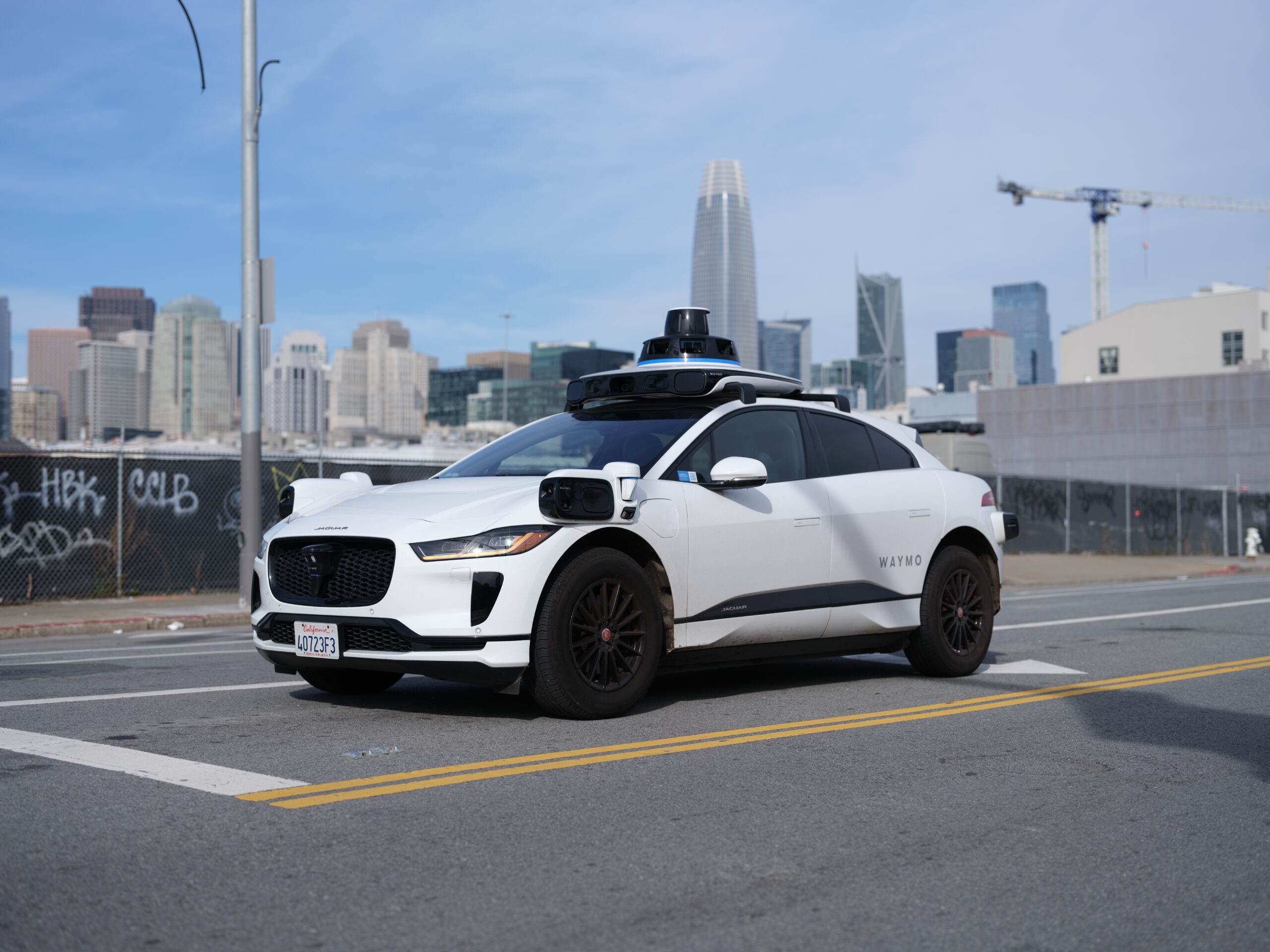
The Jaguar I-Pace, marking the luxury automaker’s ambitious foray into the all-electric vehicle market, was launched with considerable fanfare and high expectations. Positioned as a blend of performance and premium electric motoring, it quickly garnered attention. However, its tenure in the market soon led to a burgeoning reputation for reliability issues that tempered initial enthusiasm. A common complaint among owners centered on persistent charging problems, with many struggling to achieve a consistent or reliable charge, particularly at public charging stations, which added significant stress to daily usage and travel planning.
Electronic glitches formed another pervasive category of complaints for the I-Pace. These issues were not isolated to minor functions but affected a broad spectrum of the vehicle’s operations, ranging from the infotainment system’s responsiveness to the stability of essential driving systems. Such widespread electronic instability undermined the premium experience Jaguar sought to deliver. A particularly frustrating and critical issue reported by owners was the failure of the 12V battery, an often-overlooked component that, when it failed, left some owners completely unable to start their expensive electric vehicles, highlighting a fundamental flaw.
Moreover, the I-Pace’s intricate and sophisticated software system frequently led to persistent connectivity issues. These problems impacted the functionality of features crucial to a modern EV experience, such as remote access through smartphone apps and the timely delivery of navigation updates. Despite Jaguar’s proactive efforts to release software updates aimed at addressing some of these concerns, a notable number of drivers have continued to report ongoing and unresolved problems, indicating deeper systemic challenges.
These accumulating reliability setbacks have inevitably caused potential buyers to question the long-term dependability and value proposition of the I-Pace, irrespective of its strong performance metrics and undoubtedly premium design. For Jaguar, these challenges have illuminated the profound difficulties inherent in transitioning a legacy brand to electric vehicle production while simultaneously upholding stringent quality standards and ensuring consistent customer satisfaction. The brand also faced a recall for 3,083 2019 and 2022 I-Pace models due to potential regenerative braking system failures, alongside numerous technical service bulletins including issues with the high-voltage coolant heater, painting a picture of a visually attractive but technically complex and at times unreliable acquisition.
Car Model Information: 2022 Jaguar I-PACE HSE EV400 AWD Automatic
Name: Jaguar I-Pace
Manufacturer: Jaguar Land Rover
Production: 2018–2024
Assembly: Magna Steyr
Designer: Ian Callum
Class: Compact crossover SUV#Luxury vehicles
BodyStyle: SUV
Layout: all-wheel-drive
Platform: Jaguar Land Rover car platforms#D7e
Motor: Permanent magnet synchronous motor
Abbr: on
Transmission: 1-speed direct-drive reduction
Battery: kW·h,Lithium-ion battery
ElectricRange: United States Environmental Protection Agency
Charging: 11kW AC (7.4kW “1-phase/32A only” AC 2018–2020),100 kW DC
Wheelbase: 2990 mm
Length: 4682 mm
Width: ubl
Height: 1565 mm
Weight: 2133 kg
Sp: uk
Categories: 2020s cars, All-wheel-drive vehicles, All Wikipedia articles written in British English, All accuracy disputes, All articles lacking reliable references
Summary: The Jaguar I-Pace (stylised as I-PACE) is a battery-electric crossover SUV produced by Jaguar Land Rover (JLR) under their Jaguar marque. The I-Pace was announced in March 2018, European deliveries began in June 2018 and North American deliveries started in October 2018. Amid slowing sales and a change in corporate vision, Jaguar has announced that the I-Pace will be discontinued by 2025.
Get more information about: Jaguar I-Pace
Buying a high-performing used car >>>
Brand: Jaguar Model: I-Pace
Price: $35,199 Mileage: 32,938 mi.
Read more about: Smart Leasing in 2025: Why You Should Avoid These 14 Older Electric and Hybrid Models
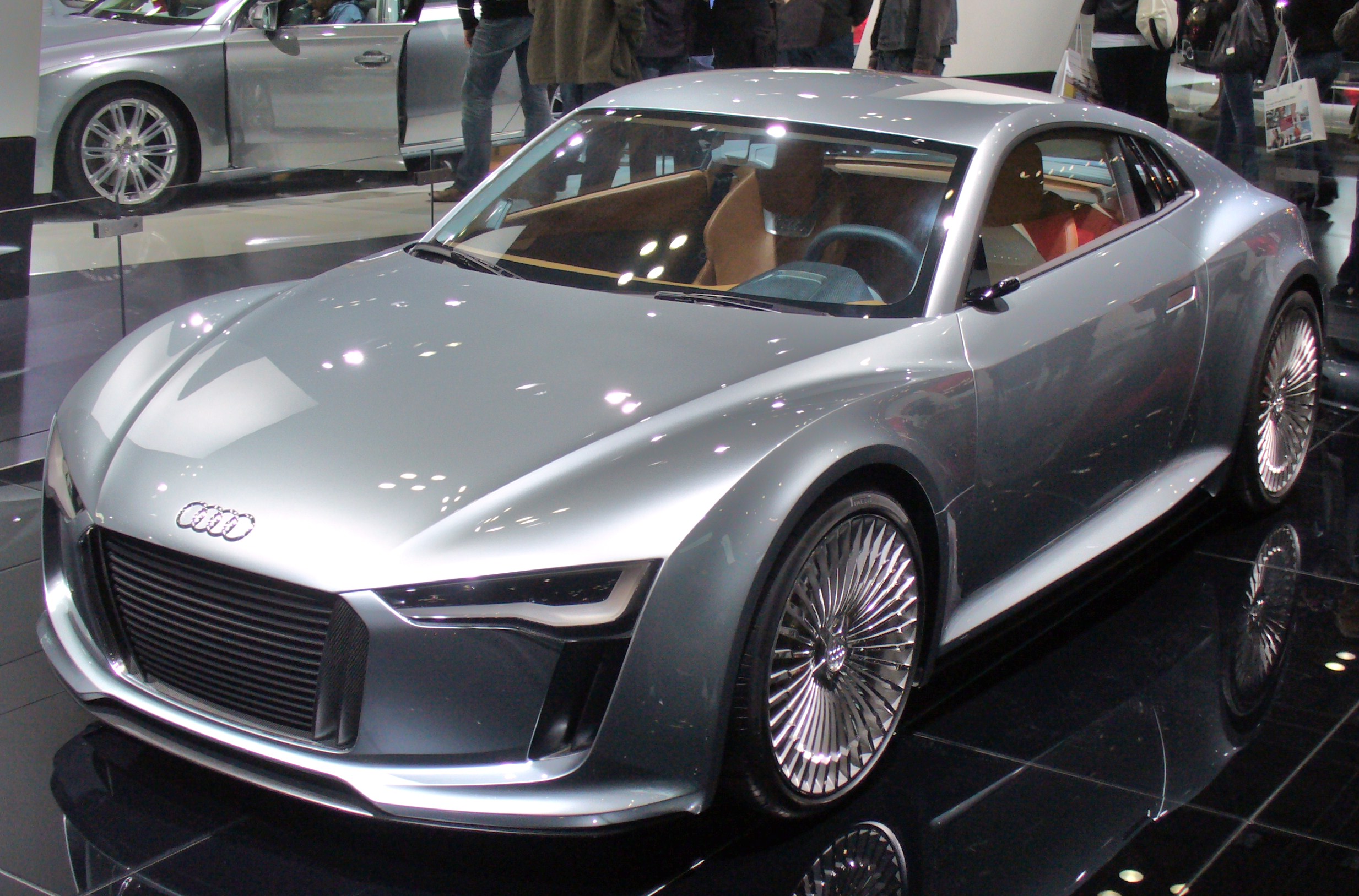
6. **Audi e-Tron**
Audi, a brand synonymous with high-quality engineering and sophisticated design, ventured into the electric vehicle market with the e-Tron, a luxury SUV. Despite the brand’s established reputation, the e-Tron regrettably found itself wrestling with a series of reliability issues, particularly concentrated within its complex electrical system. Owners frequently reported experiencing unexpected shutdowns while driving, a highly concerning event that severely undermines driver confidence and safety. These incidents were often accompanied by persistent and frustrating warning lights, indicating underlying faults within the vehicle’s sophisticated network.
Adding to the operational inconveniences were recurring and frequent charging problems, which made the daily use of the e-Tron a source of considerable frustration for many owners. One of the most significant and alarming issues identified was faults within the regenerative braking system. This not only affected the vehicle’s efficiency, impacting its overall range, but also directly compromised the driving experience, altering how the car decelerated and handled. Such critical system failures raised serious questions about the long-term dependability of Audi’s nascent EV technology and its readiness for mass adoption.
While Audi, like other manufacturers facing similar challenges, has diligently released a series of software updates in an effort to mitigate these reported issues, a segment of e-Tron owners has continued to experience recurring malfunctions. This persistence of problems, despite corrective actions, highlights the inherent difficulties that legacy automakers face as they endeavor to seamlessly transition their extensive engineering expertise from internal combustion engines to the entirely new paradigm of electric vehicles. The deep integration of new electronic architecture presents a steep learning curve.
Although the Audi e-Tron certainly offers a luxurious ride quality, indicative of its premium brand status, and is equipped with a suite of advanced technological features, its persistent technical problems have unfortunately led many potential buyers to question its overall durability and sustained reliability. Audi’s ongoing efforts to enhance both software stability and hardware robustness are a testament to their commitment, but the e-Tron’s early struggles serve as a poignant reminder that even highly respected premium brands can encounter substantial hurdles in the complex and unforgiving landscape of electric vehicle development and deployment.
Car Model Information: 2022 Audi e-tron Chronos
Categories: All Wikipedia articles in need of updating, All pages needing cleanup, Articles needing cleanup from September 2025, Articles with short description, CS1 German-language sources (de)
Summary: The Audi e-tron is a series of electric and hybrid cars shown by Audi from 2009 onwards. In 2012 Audi unveiled a plug-in hybrid version, the A3 Sportback e-tron, released to retail customers in Europe in August 2014, and slated for the U.S. in 2015. A decade after the unveiling of the first e-tron concept at the 2009 International Motor Show Germany, Audi’s first fully electric e-tron SUV went into production in 2019.
The name has also been used on some racing cars.
Get more information about: Audi e-tron
Buying a high-performing used car >>>
Brand: Audi Model: e-Tron
Price: $34,499 Mileage: 40,539 mi.
Read more about: Smart Leasing in 2025: Why You Should Avoid These 14 Older Electric and Hybrid Models
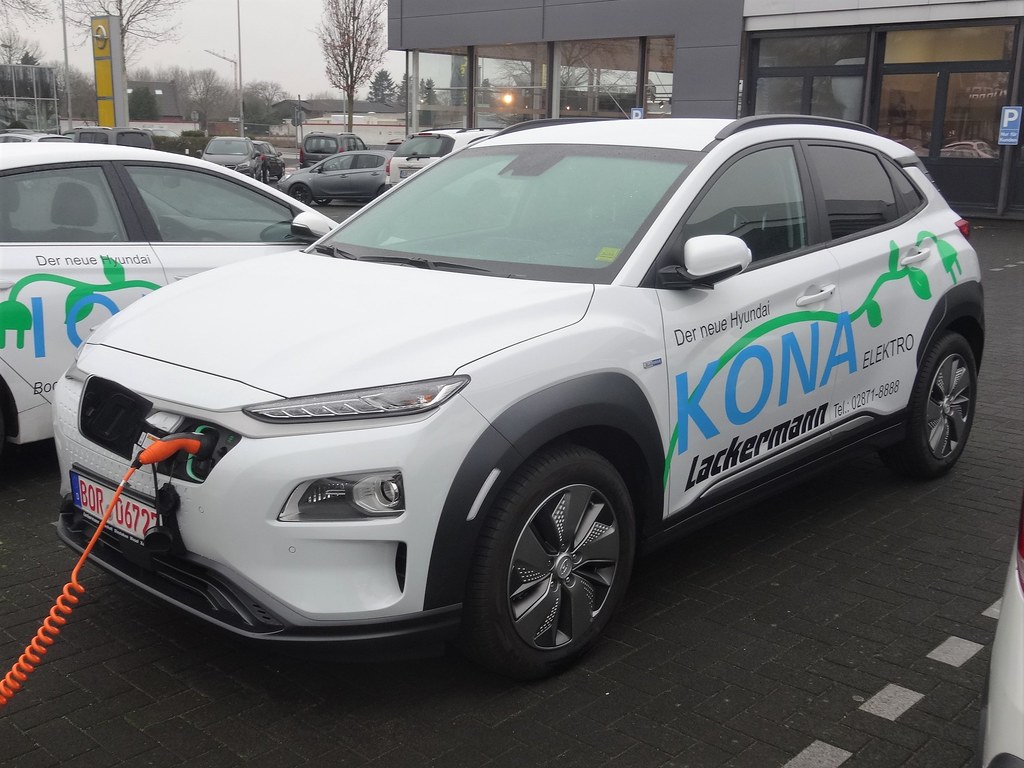
7. **Hyundai Kona Electric**
Hyundai’s Kona Electric, an affordable and popular electric SUV, encountered one of the most severe reliability crises in the nascent EV market when multiple units were found to be susceptible to catching fire. This highly dangerous issue was ultimately traced back to defective battery cells within the vehicle’s power pack. The gravity of the situation necessitated a sweeping global recall, compelling Hyundai to undertake the immense task of replacing battery packs in thousands of vehicles worldwide. This measure was critical to prevent further incidents and protect consumer safety, but it naturally raised profound concerns about the fundamental safety and inherent quality of Hyundai’s burgeoning EV technology.
Beyond the critical fire risk, many Kona Electric owners also reported a significant issue with inconsistent battery range. This meant that the vehicle’s displayed range often did not accurately reflect the actual distance it could travel, making it exceedingly difficult for drivers to predict their journey limits and plan their charging stops effectively. Such discrepancies fueled anxiety and diminished confidence in the vehicle’s practical utility. Furthermore, charging problems were a frequent source of complaint, with some vehicles experiencing frustratingly slow or entirely unreliable charging sessions at public stations, adding to the inconvenience of ownership.
While Hyundai has actively worked to address these multifaceted issues through the extensive recall campaign and subsequent software updates, the damage inflicted upon the Kona Electric’s reputation was undeniably significant and far-reaching. The shadow of safety concerns, coupled with practical performance inconsistencies, made some prospective buyers understandably hesitant to invest in the model, despite its attractive affordability and competitive feature set. This incident served as a potent illustration of the immense challenges that automakers confront in their imperative to ensure both the uncompromised safety and optimal performance of battery technology within the rapidly expanding electric vehicle market.
This case dramatically underscored that as electric vehicle technology continues to advance, the foundational elements, particularly battery integrity, remain paramount. The Kona Electric’s experience highlighted that even well-designed and feature-rich EVs can face severe market repercussions if fundamental reliability and safety standards are not rigorously maintained from the outset of production and throughout their operational lifespan.
Car Model Information: 2022 BMW X3 sDrive30i
Name: Hyundai Kona
Caption: Hyundai Kona Electric (SX2)
Manufacturer: Hyundai Motor Company
Aka: Hyundai Kauai (Portugal)
Production: 2017–present
ModelYears: 2018–present
Class: Subcompact crossover SUV
BodyStyle: SUV
Layout: ubl
Categories: 2020s cars, All-wheel-drive vehicles, All Wikipedia articles in need of updating, All Wikipedia articles written in British English, Articles containing Chinese-language text
Summary: The Hyundai Kona (Korean: 현대 코나) is a subcompact crossover SUV produced by the South Korean manufacturer Hyundai. The first-generation Kona debuted in June 2017 and the production version was revealed later that year. It is positioned between the Venue or Bayon and the Tucson in Hyundai crossover SUV line-up. The battery electric version called the Kona Electric (or Kona EV) was first launched in South Korea during the first half of 2018 and rolled out gradually worldwide afterwards.
Get more information about: Hyundai Kona
Buying a high-performing used car >>>
Brand: Hyundai Model: Kona Electric
Price: $28,452 Mileage: 46,868 mi.
Read more about: Unbelievable: These 8 Modern Rides Still Skip the Bluetooth – A Deep Dive into Automotive Luddism
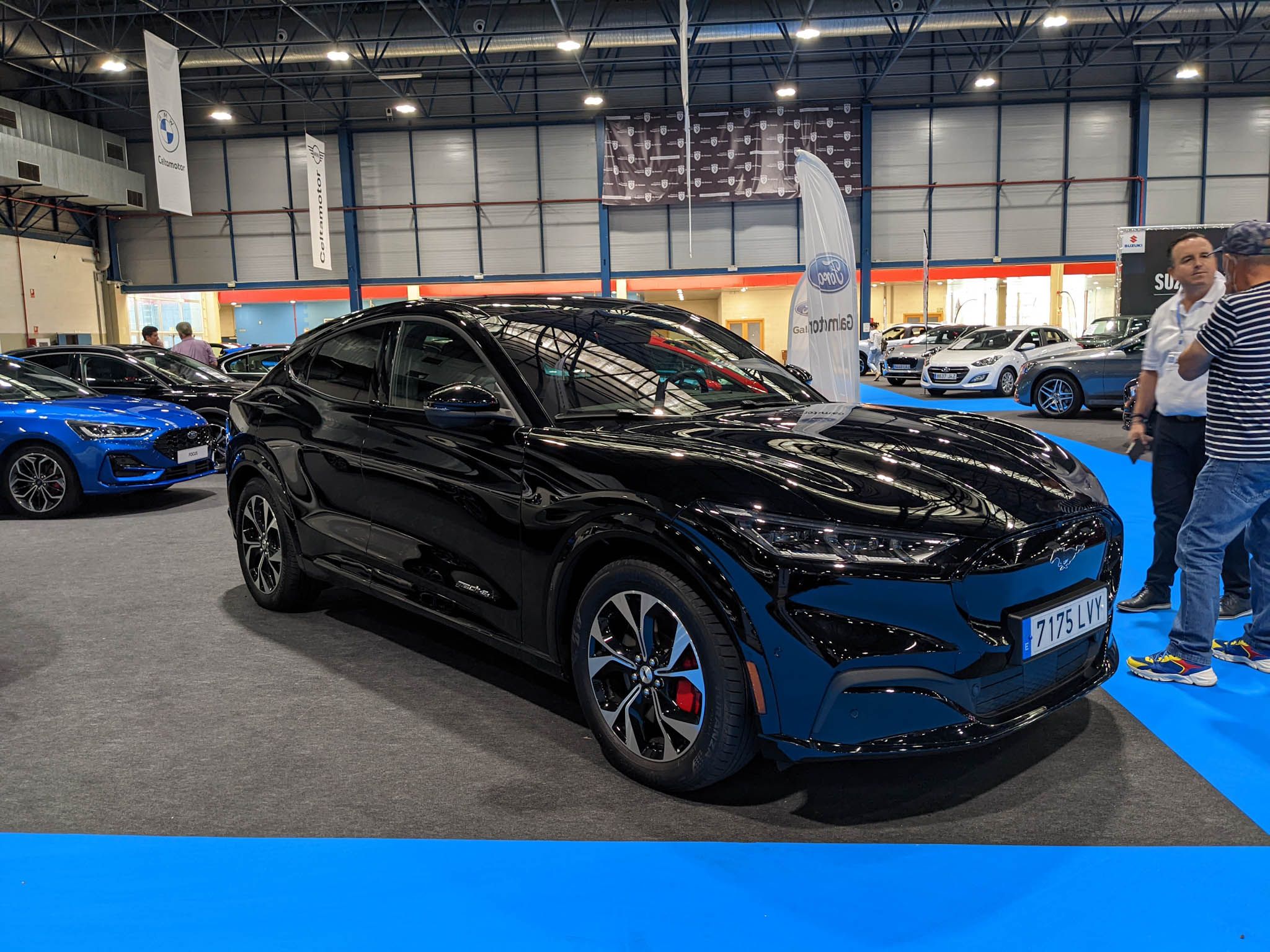
8. **Ford Mustang Mach-E**
Ford’s electric Mustang Mach-E, a highly anticipated entry into the EV crossover segment, has unfortunately been met with its own set of reliability issues that have frustrated many owners. Among the most commonly reported problems are unexpected system failures caused by software glitches, which can disrupt various vehicle functions and diminish the driving experience. Additionally, many drivers have encountered persistent charging problems, struggling to efficiently power up their vehicles, sometimes even finding themselves stranded.
Adding to these concerns, a particularly prevalent complaint for the Mach-E has been the infamous 12V battery drain issue. This seemingly minor component, when it fails, can render the entire electric vehicle inoperable, leaving owners unable to start their cars. Furthermore, some owners have reported their Mach-E refusing to start altogether, a problem traced back to a faulty power control module. These issues collectively raise serious questions about the long-term dependability of Ford’s ambitious electric model.
In response to these widespread problems, Ford has proactively issued multiple software updates and initiated recalls in an attempt to rectify the issues. However, despite these efforts, reliability remains a significant concern for a considerable number of drivers. While the Mustang Mach-E boasts strong performance, a stylish design, and an impressive range, its technical setbacks underscore the considerable growing pains experienced by legacy automakers as they transition into the complex electric vehicle landscape.
Ford continues to pour resources into enhancing software stability and hardware durability, a testament to the steep learning curve involved in developing reliable EVs. Yet, for now, the Mach-E’s recurring reliability challenges serve as a vivid illustration of the intricate hurdles in achieving both cutting-edge innovation and unwavering quality control in the rapidly evolving EV market.
Car Model Information: 2022 BMW X3 sDrive30i
Name: Ford Mustang Mach-E
Manufacturer: Ford Motor Company
Production: 2021–present
ModelYears: 2021–present
Assembly: Unbulleted list
Designer: Unbulleted list
Class: Compact crossover SUV
BodyStyle: coupe SUV
Layout: Unbulleted list
Platform: Ford Global Electrified 1 platform
Motor: Synchronous motor#Permanent-magnet
Wheelbase: Convert
Length: Convert
Width: Convert
Height: Convert
Weight: Convert
ElectricRange: Convert
Battery: 68–98 kWh
Charging: unbulleted list
Powerout: Convert
Sp: us
ModelCode: CX727
Categories: 2020s cars, All-wheel-drive vehicles, All Wikipedia articles written in American English, All articles needing additional references, Articles needing additional references from January 2023
Summary: The Ford Mustang Mach-E is a battery electric compact crossover SUV produced by Ford. Introduced on November 17, 2019, it went on sale in December 2020 as a 2021 model. The Mach-E is part of the Mustang series, with its name inspired by the Mach 1 variant of the first-generation Mustang. The car won the 2021 North American SUV of the Year Award.
Get more information about: Ford Mustang Mach-E
Buying a high-performing used car >>>
Brand: Ford Model: Mustang Mach-E
Price: $28,452 Mileage: 46,868 mi.
Read more about: Decoding Failure: 15 Critical Assembly Line Flaws That Impacted Millions of Vehicles
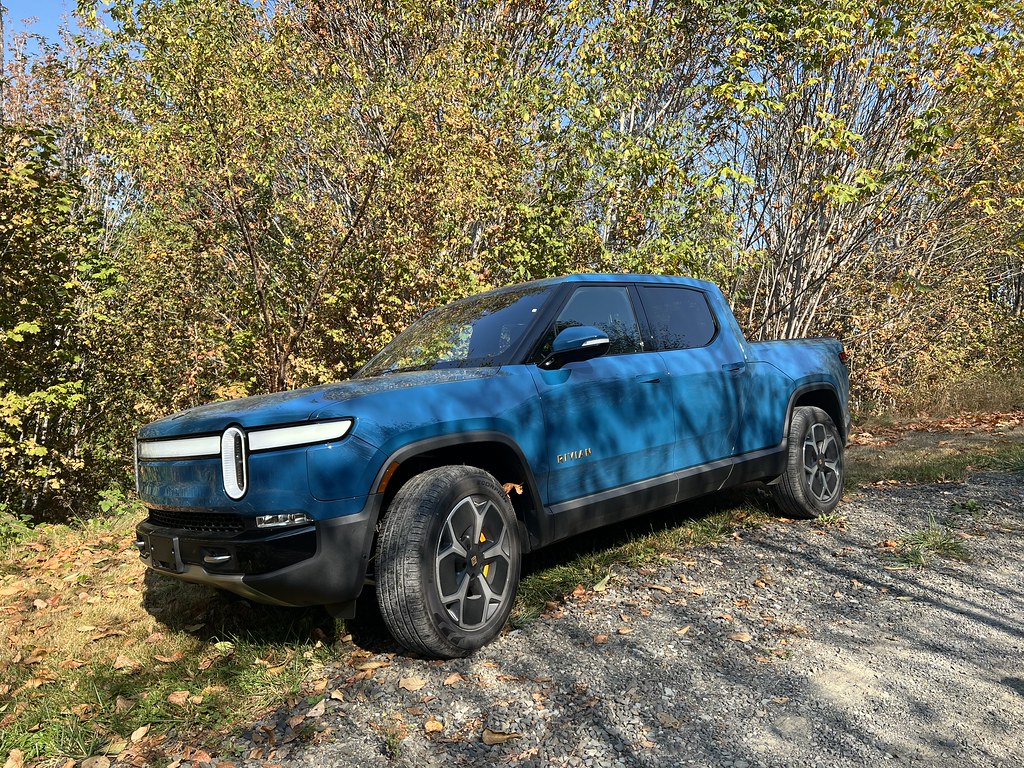
9. **Rivian R1T**
As a prominent newcomer to the electric vehicle market, Rivian has inevitably encountered its share of growing pains with its innovative R1T electric pickup truck. Early adopters have frequently reported experiencing electrical system failures, which can lead to unexpected shutdowns and various other malfunctions, disrupting the vehicle’s otherwise robust performance. The truck’s advanced touchscreen, central to its user interface, has also been a frequent source of complaint, with some users reporting frozen displays or unresponsive controls that hinder essential operations.
Beyond these electronic issues, concerns have also surfaced regarding the R1T’s build quality. Owners have noted problems such as inconsistent panel alignment and issues with interior fit-and-finish, raising questions about Rivian’s manufacturing consistency as a relatively new player in the automotive industry. These observations highlight the formidable challenges faced by startup automakers in scaling production while simultaneously maintaining stringent quality control standards.
Despite these initial setbacks, Rivian has been commendably proactive in addressing these concerns, diligently rolling out a series of software updates and implementing service fixes aimed at improving overall reliability. However, as a nascent automaker, Rivian is still in the crucial process of refining its production methods and quality control protocols, which is an inherently complex and iterative journey.
While the R1T remains an undeniably exciting and highly capable option for adventure-focused EV buyers, particularly those drawn to its unique blend of utility and electric performance, its early reliability issues underscore the inherent difficulties in launching an entirely new vehicle brand. For potential buyers, it becomes a crucial exercise to weigh the truck’s innovative features and strong capabilities against the possibility of ongoing technical issues that are common in the early phases of new vehicle development.
Car Model Information: 2022 Rivian R1T Adventure
Name: Rivian R1T
Manufacturer: Rivian
Production: 2021–present
ModelYears: 2022–present
Assembly: Rivian Automotive,LLC
Designer: Jeff Hammoud
Class: Mid-size car,luxury car,pickup truck
BodyStyle: crew cab
Layout: unbulleted list
Related: Rivian R1S
Motor: Alternating current,Permanent magnet motor
Transmission: Single-speed
Battery: kWh,lithium-ion battery
ElectricRange: unbulleted list
Abbr: on
Charging: unbulleted list
Wheelbase: 135.9 in
Length: 217.1 in
Width: 81.8 in
Height: 75.7 in
Weight: cvt
Sp: us
Powerout: unbulleted list
Chassis: Body-on-frame
Categories: All Wikipedia articles written in American English, All articles with vague or ambiguous time, Articles with short description, Commons category link is on Wikidata, Electric trucks
Summary: The Rivian R1T is a battery electric mid-size light duty luxury pickup truck produced by the American company Rivian. The first production R1T was manufactured in Illinois on September 28, 2021, and was delivered to a customer. The official EPA range for the Rivian R1T (MY 2022–2024) ranges from 255–420 miles (410–676 km), depending on drivetrain, battery pack capacity and wheel size.
Get more information about: Rivian R1T
Buying a high-performing used car >>>
Brand: Rivian Model: R1T
Price: $61,600 Mileage: 13,089 mi.
Read more about: Smart Leasing in 2025: Why You Should Avoid These 14 Older Electric and Hybrid Models
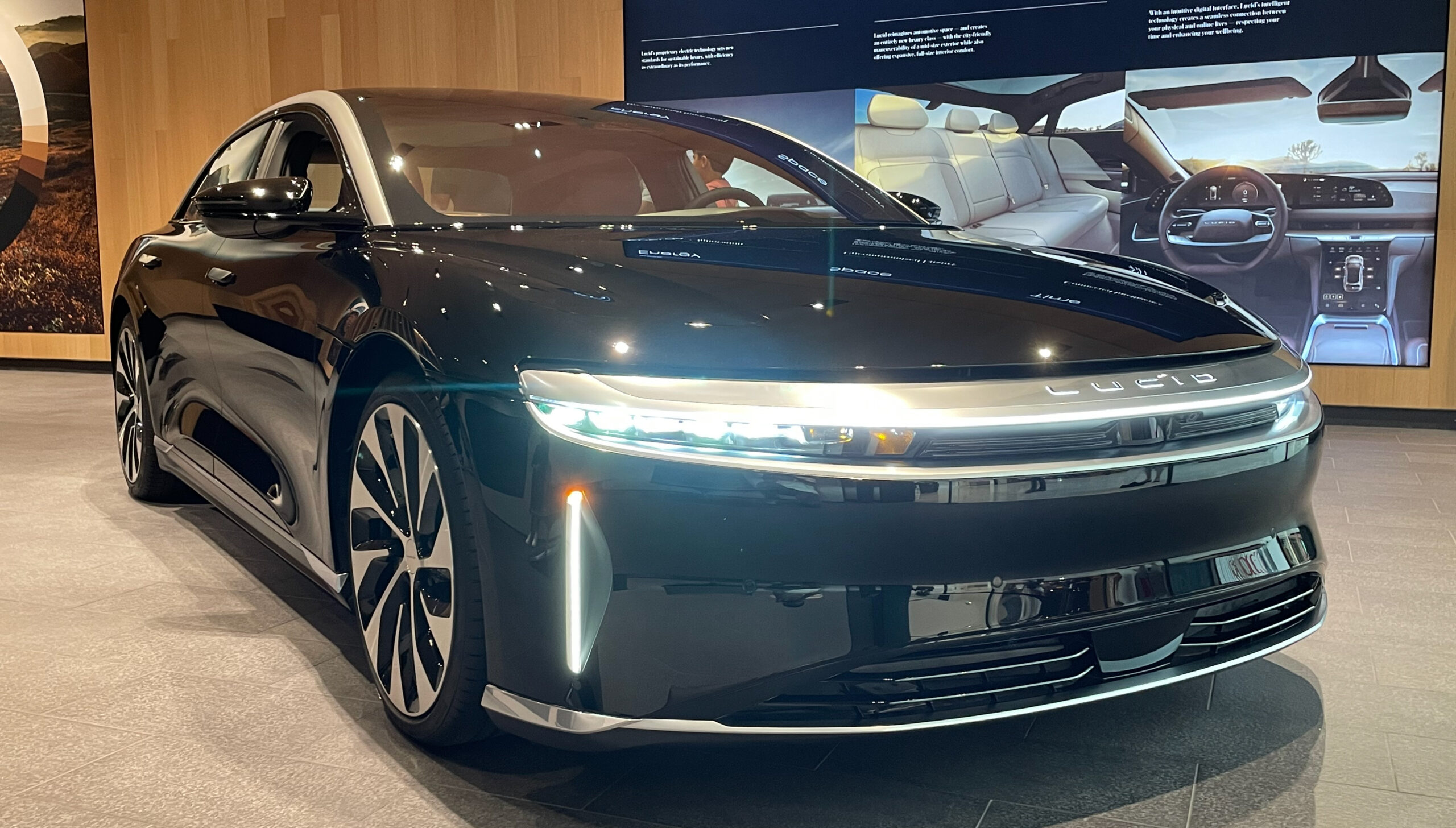
10. **Lucid Air**
Lucid Motors’ luxury electric sedan, the Air, has garnered considerable acclaim for its industry-leading range and high-performance capabilities, setting new benchmarks in the premium EV segment. However, early adopters of this technologically advanced vehicle have unfortunately faced a number of reliability concerns. Software bugs have been reported to cause glitches in essential vehicle functions, affecting everything from navigation to climate control, which can be particularly frustrating in a high-end luxury car. Additionally, some owners have experienced charging failures, leaving them struggling to power up their vehicles consistently.
Sensor malfunctions have also emerged as a common issue, impacting the functionality of crucial driver assistance features and the vehicle’s overall usability. While Lucid’s commitment to cutting-edge technology is a defining characteristic, it has proven to be a double-edged sword; the sheer complexity of these systems often necessitates frequent software updates and technical fixes, adding a layer of management for owners.
Many owners appreciate the brand’s responsiveness and transparent efforts in addressing these problems, often through over-the-air updates and direct service interventions. Yet, despite these efforts, long-term reliability remains a significant concern for potential buyers contemplating such a substantial investment. As a relatively new automaker, Lucid is still in the critical phase of refining its production processes and solidifying software stability across its fleet, which is a continuous and demanding endeavor.
While the Lucid Air undeniably offers an unmatched combination of luxury, extended range, and groundbreaking innovation, its early reliability challenges vividly highlight the inherent difficulties of bringing such advanced electric vehicle technology to market without compromising the seamless and dependable user experience that consumers expect, especially in the competitive luxury segment.
Car Model Information: 2022 Lucid Air Grand Touring
Name: Lucid Air
Caption: 2022 Lucid Air Grand Touring in Zenith Red
Manufacturer: Lucid Motors
Production: September 2021 – present
ModelYears: 2022–present
Assembly: Casa Grande, Arizona
Designer: Derek Jenkins
Class: Executive car
BodyStyle: Sedan (automobile)
Layout: unbulleted list
Related: Lucid Gravity
Transmission: One-speed fixed gear
Powerout: cvt
Battery: kWh,Lithium-ion battery
ElectricRange: cvt
Charging: unbulleted list
Wheelbase: 2960 mm
Order: flip
Abbr: on
Length: 4975 mm
Width: 1939 mm
Height: 1410 mm
Weight: convert
Sp: us
Categories: All-wheel-drive vehicles, All Wikipedia articles written in American English, All articles containing potentially dated statements, All articles with unsourced statements, Articles containing potentially dated statements from 2021
Summary: The Lucid Air is a battery electric four-door luxury sedan made by Lucid Motors. The car was announced in December 2016 and sold starting in 2021.
The Dream Edition’s EPA range is estimated at 520 miles (840 km), the longest on the market as of 2024. The production model was unveiled in September 2020, and production began in late 2021.
In November 2020, the Lucid Air Pure was announced with 406 miles (653 km) of projected range and 480 horsepower (360 kW) and a starting price of US$77,400. The range of trim levels includes Pure, Touring, Grand Touring, and Dream Edition.
On September 28, 2021, Lucid Motors announced that production had begun, with the base Pure model expected in late 2022. Deliveries commenced on October 30, 2021, with the first reservation holders taking delivery of Air Dream Editions in an event in California.
Get more information about: Lucid Air
Buying a high-performing used car >>>
Brand: Lucid Model: Air
Price: $57,291 Mileage: 39,319 mi.
Read more about: Taylor Swift’s Political Evolution: Unpacking Her Journey From Apolitical Silence to Influential Endorsement
11. **Tesla Model 3**
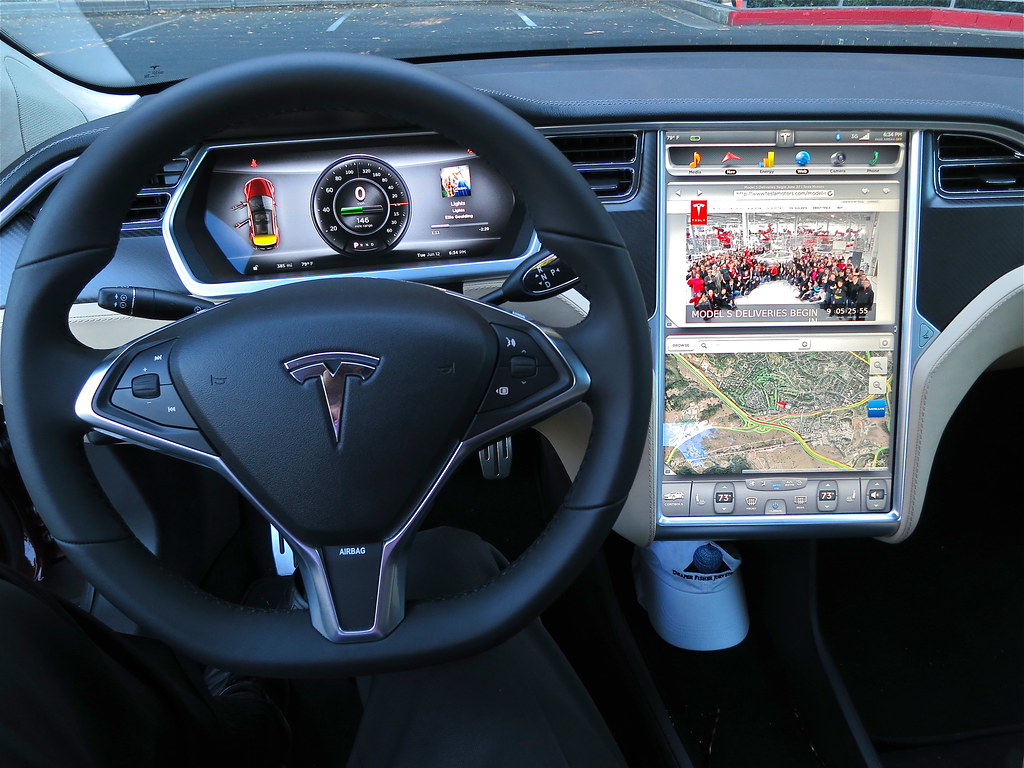
The Tesla Model 3 has been instrumental in democratizing electric vehicles, achieving immense popularity and widespread adoption for its blend of performance, technology, and relatively accessible price point. However, despite its market success and a reputation for innovation, the Model 3 has not been immune to reliability problems that have surprised and frustrated many drivers. Owners have frequently reported issues such as battery loss, which impacts the vehicle’s expected range over time, alongside various software glitches that can disrupt the car’s highly integrated systems. These problems often translate into unforeseen and potentially high repair bills, negating some of the perceived cost savings of EV ownership.
Common issues applicable to the Model 3, echoing those found in other advanced EVs, include software updates that, while intended to improve performance or introduce new features, occasionally introduce new bugs or unintended side effects. Owners have also reported instances of touchscreen freezes or unresponsive controls, which are particularly problematic given the vehicle’s heavy reliance on its central display for essential functions. Such electronic faults can severely affect safety and user comfort, leaving drivers feeling uneasy on the road.
Positioned among the “Top Problem Models to Watch” by industry experts, the Tesla Model 3’s recurring reliability drawbacks highlight that even a leader in EV technology can face significant hurdles. Despite its impressive range and innovative features, the Model 3’s experience underscores the complex balance between rapid technological advancement and the consistent quality control necessary to ensure long-term owner satisfaction. These persistent issues continue to fuel discussions regarding Tesla’s overall quality control and the sustained durability of its components in real-world driving conditions.
Car Model Information: 2022 BMW X3 sDrive30i
Name: Tesla Model 3
Manufacturer: Tesla, Inc.
Production: 2017–present
Assembly: unbulleted list
Designer: Franz von Holzhausen
Class: Mid-size car
BodyStyle: Sedan (car)
Layout: unbulleted list
Related: Tesla Model Y
Motor: unbulleted list
Transmission: Single-speed fixed (9:1 ratio)
Battery: unbulleted list
ElectricRange: unbulleted list
Charging: unbulleted list
Wheelbase: cvt
Length: unbulleted list
Width: cvt
Height: unbulleted list
Weight: cvt
Caption: 2019 Tesla Model 3 Performance
Categories: 2020s cars, ANCAP large family cars, All-wheel-drive vehicles, All Wikipedia articles in need of updating, All Wikipedia articles written in American English
Summary: The Tesla Model 3 is a battery electric powered mid-size sedan with a fastback body style built by Tesla, Inc., introduced in 2017. The vehicle is marketed as being more affordable to more people than previous models made by Tesla. The Model 3 was the world’s top-selling plug-in electric car for three years, from 2018 to 2020, before the Tesla Model Y, a crossover SUV based on the Model 3 chassis, took the top spot. In June 2021, the Model 3 became the first electric car to pass global sales of 1 million.
A facelifted Model 3 with revamped interior and exterior styling was introduced in late 2023 for countries supplied by Gigafactory Shanghai and in early 2024 in North America and other countries supplied by the Tesla Fremont Factory.
Get more information about: Tesla Model 3
Buying a high-performing used car >>>
Brand: Tesla Model: Model 3
Price: $28,452 Mileage: 46,868 mi.
Read more about: Drop-Top Dominators: Which 12 Roadsters Guarantee Attention on Every Corner?
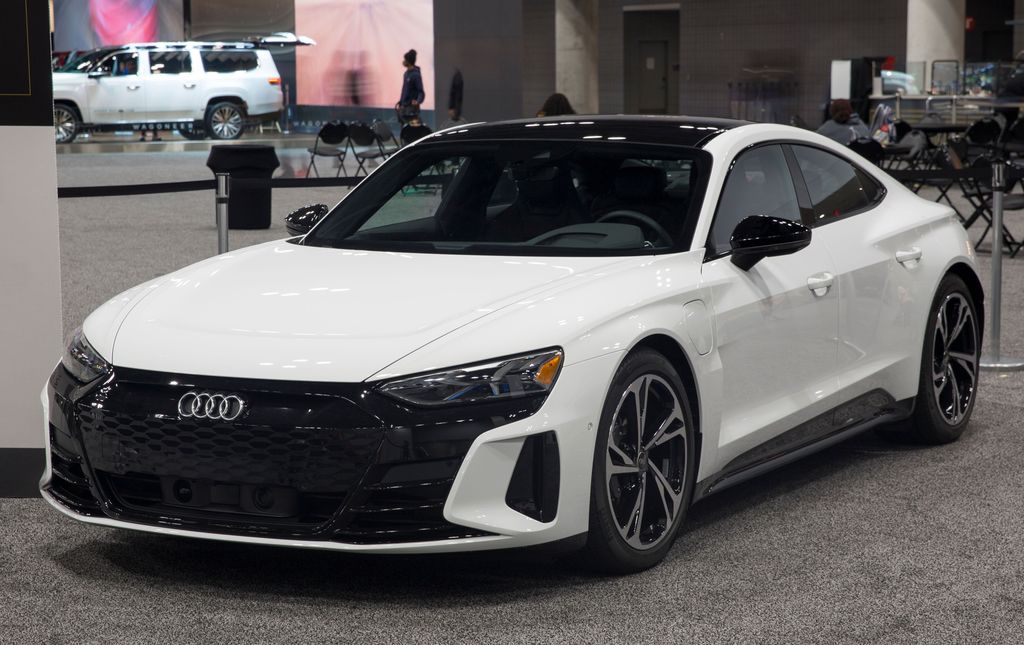
12. **Audi e-Tron GT**
While the Audi e-Tron GT is generally recognized as a fairly solid electric vehicle, upholding Audi’s reputation for sophisticated design and performance, it has not been without its own minor but notable troubles. Audi has issued technical service bulletins (TSBs) specifically addressing instances where e-Tron GTs unexpectedly shift into neutral when coming to a stop, without any driver input. This is a somewhat disorienting and potentially concerning malfunction to experience, a problem that has been directly attributed to faulty software within the vehicle’s complex electronic architecture.
Beyond these drivetrain-related software issues, other electronic glitches have also been documented. TSBs have been released for flickering heads-up display street names, which can be an annoying visual distraction for drivers. Instances of dead telematics systems have also been reported, impacting connectivity and communication features crucial to the modern EV experience. Furthermore, some vehicles have even shown stored trouble codes upon delivery, indicating latent faults even when no immediate operational issues are present, pointing to deeper software integration challenges.
These accumulating software and electronic issues, despite being classified as “minor troubles,” significantly detract from the premium experience expected from a luxury performance EV like the e-Tron GT. The fact that this model, despite its perceived quality, still faces such teething issues is telling. It vividly illustrates the inherent complexities and steep learning curves involved for even established automakers like Audi in developing and deploying cutting-edge electric vehicle platforms that are entirely free of initial glitches and systemic faults, particularly when pushing the boundaries of software integration.
Car Model Information: 2022 BMW X3 sDrive30i
Name: Audi e-tron GT
Caption: Audi e-tron GT
Manufacturer: Audi
Production: December 2020–present
Assembly: Heilbronn
Designer: Parys Cybulski, Lucia Lee (exterior),Markus Däsch, Alexander Hesse (interior)
Class: Executive car#Shooting brake
BodyStyle: Sedan (automobile)
Platform: Volkswagen Group MSB platform#J1 Platform Models
Engine: Synchronous motor#Permanent-magnet
Layout: all-wheel drive
Transmission: 1-speed direct drive (front axle),2-speed gearbox (rear axle)
Powerout: 475 kW
Abbr: on
Battery: lithium-ion battery
ElectricRange: 425 km
Charging: Direct current
Length: Convert
Wheelbase: Convert
Width: Convert
Height: Convert
Weight: Convert
Related: Porsche Taycan
Sp: uk
ModelYears: 2024–present
Categories: All-wheel-drive vehicles, All Wikipedia articles written in British English, Articles with short description, Audi vehicles, CS1 German-language sources (de)
Summary: The Audi e-tron GT is a battery electric executive car produced by Audi since late 2020 as part of the e-tron battery electric sub-brand, and the third fully electric car model, after Q8 e-tron and Q8 e-tron Sportback SUVs. It is also Audi’s first full-sized electric sedan, and the RS e-tron GT, put on the market in 2021 is, in terms of 0–100 km/h (0–62 mph) times, the fastest Audi sedan to date. Based on the J1 platform shared with the Porsche Taycan, the car went on sale in March 2024.
Get more information about: Audi e-tron GT
Buying a high-performing used car >>>
Brand: Audi Model: e-Tron GT
Price: $28,452 Mileage: 46,868 mi.
Read more about: Smart Leasing in 2025: Why You Should Avoid These 14 Older Electric and Hybrid Models

13. **Ford F-150 Lightning**
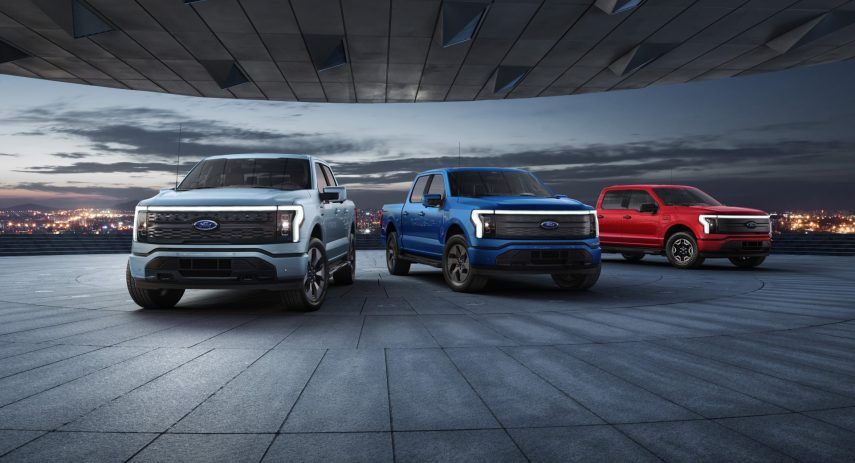
The Ford F-150 Lightning, the all-electric version of America’s best-selling pickup truck, was launched with immense fanfare and high expectations, representing a significant step for Ford into the electric truck segment. However, its journey has been marked by some concerning reliability incidents, particularly related to its battery. In a peculiar turn of events, a Ford F-150 Lightning electric truck’s battery caught fire at a Ford storage lot on February 4, even before the vehicle had left the manufacturer’s custody. This incident, while isolated, was undeniably awkward and raised immediate questions about battery safety and quality control.
Further compounding these initial concerns, Ford has also initiated a customer campaign specifically addressing issues of battery performance degradation in the F-150 Lightning. This means that owners may experience a decline in their truck’s battery capacity or efficiency sooner than anticipated, impacting its range and overall utility. Such an issue, particularly in a recently-launched flagship EV that relies heavily on its battery for core functionality, is undoubtedly not a positive look for the brand and can significantly erode consumer confidence.
These early reliability challenges for the F-150 Lightning underscore the formidable difficulties that even highly experienced and established automakers like Ford face when venturing into the electric vehicle space, especially with a model as critical and high-profile as the F-150. While the truck offers impressive capabilities and an innovative electric powertrain, these battery-related problems highlight the crucial need for rigorous testing and robust quality control throughout the entire production and deployment lifecycle of electric vehicles, especially given the complexities of high-voltage battery systems.
Car Model Information: 2022 BMW X3 sDrive30i
Name: Ford F-150 Lightning
Manufacturer: Ford Motor Company
Related: Ford F-Series (fourteenth generation)
Assembly: Dearborn, Michigan
ModelYears: 2022–present
Production: April 2022 – present
Layout: Dual-motor, four-wheel-drive
Platform: Ford T platform#T3
Class: Pickup truck
Sp: us
Battery: lithium-ion
Motor: permanent magnet motor
ElectricRange: Unbulleted list
Abbr: on (extended battery)
Powerout: Unbulleted list
Charging: Unbulleted list
Designer: Unbulleted list
Wheelbase: cvt
Length: cvt
Width: cvt
Height: cvt
Weight: cvt
Categories: All Wikipedia articles in need of updating, All Wikipedia articles written in American English, All articles containing potentially dated statements, All articles with unsourced statements, Articles containing potentially dated statements from June 2022
Summary: The Ford F-150 Lightning is a battery electric full-size light duty truck unveiled by the Ford Motor Company in May 2021 as part of the fourteenth generation Ford F-Series. Four models have been announced, and all models initially will be dual-motor, four-wheel-drive, with EPA range estimates of 240–320 mi (390–510 km). A commercial-grade version of the all-wheel drive (AWD) truck is sold in the United States, with higher-power/trim/range models also sold. The F-150 Lightning began production on April 26, 2022.
Get more information about: Ford F-150 Lightning
Buying a high-performing used car >>>
Brand: Ford Model: F-150 Lightning
Price: $28,452 Mileage: 46,868 mi.
Read more about: Smart Leasing in 2025: Why You Should Avoid These 14 Older Electric and Hybrid Models
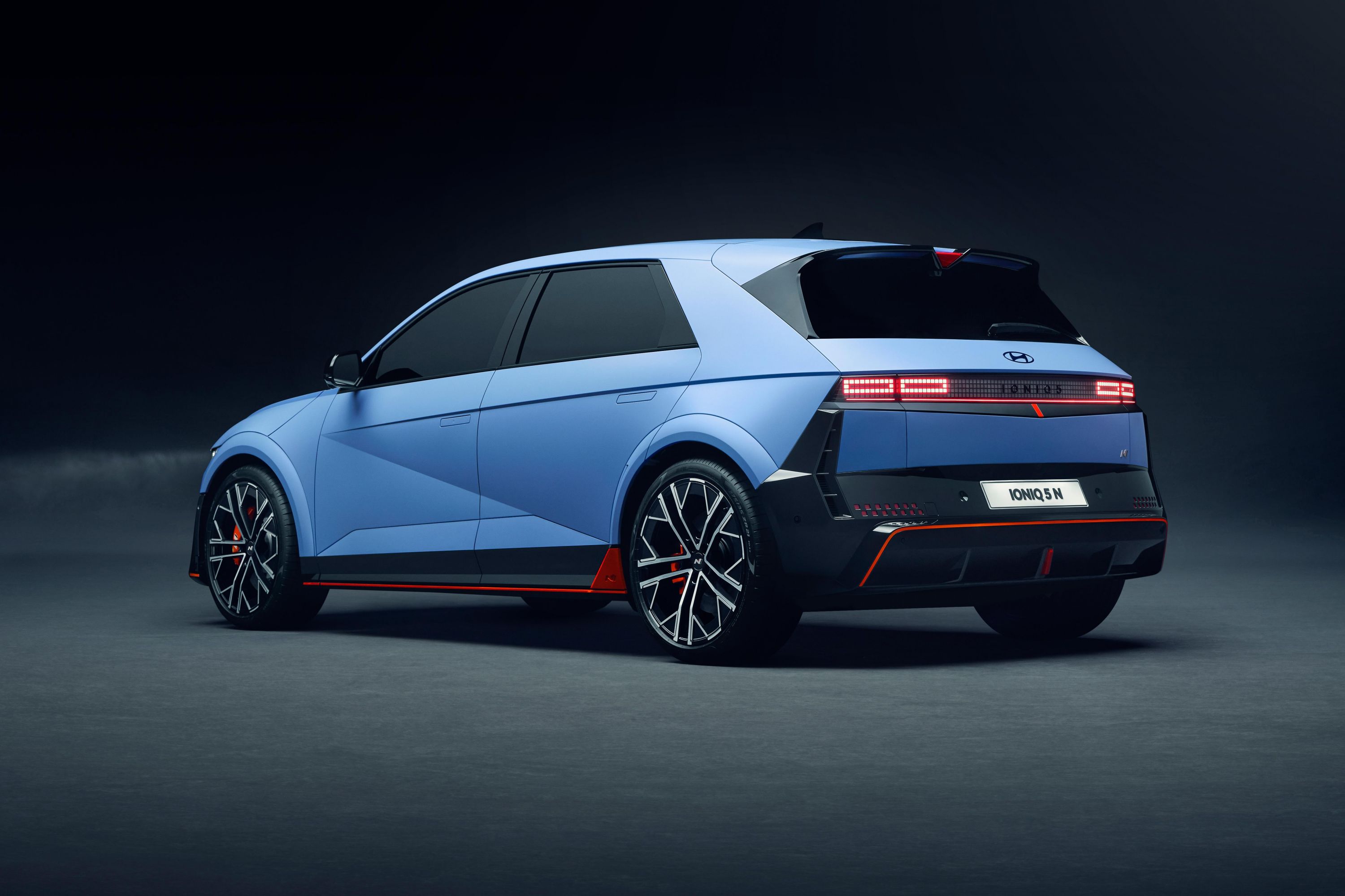
14. **Hyundai Ioniq 5 and Kia EV6**
The Hyundai Ioniq 5 and Kia EV6, built on the advanced E-GMP electric global modular platform, quickly gained recognition for their striking designs, fast-charging capabilities, and competitive pricing. However, many owners of these otherwise promising electric crossovers encountered significant and frustrating issues, particularly as they navigated their first winter seasons. A widespread complaint revolved around cabin heater problems, which left drivers and passengers with little to no heat inside their pricey new cars, making for a very unpleasant and uncomfortable winter driving experience, especially in colder climates.
Another prevalent launch issue for these models was a notable lack of battery preconditioning, a feature critical for optimizing DC fast charging speeds. While the E-GMP platform’s 800-volt architecture is a major selling point for its ultra-fast charging capabilities, the absence of proper battery preconditioning could seriously affect this speed, leading to significantly longer charging times and considerable embarrassment for owners at public charging stations. Hyundai and Kia have since been addressing this through software updates, but it was a significant early frustration.
Perhaps most alarming was a recall issued for the shifter control unit, which had the potential to disengage the parking pawl and allow these vehicles to roll away without any driver input. This severe safety defect, which reportedly led to at least four vehicles rolling loose in South Korea, highlighted a fundamental flaw in the vehicle’s safety mechanisms. These multifaceted and critical issues, ranging from basic comfort to fundamental safety and performance, illustrate the immense challenges involved in successfully launching new, highly integrated electric vehicle platforms, even for established automotive giants.
Car Model Information: 2022 BMW X3 sDrive30i
Sp: uk
Name: Hyundai Ioniq 5
Manufacturer: Hyundai Motor Company
ModelCode: NE
Production: March 2021 – present
ModelYears: 2022–present (North America)
Assembly: Unbulleted list
Designer: Lee Ji-hyeon
Class: Compact crossover SUV
BodyStyle: SUV
Layout: Unbulleted list
Platform: Hyundai E-GMP
Related: Unbulleted list
Motor: permanent magnet synchronous motor
Battery: SK On
ElectricRange: cvt
Charging: ubl
Wheelbase: cvt
Length: Unbulleted list
Width: Unbulleted list
Height: Unbulleted list
Weight: Unbulleted list
Categories: All-wheel-drive vehicles, All Wikipedia articles written in British English, Articles containing Korean-language text, Articles with short description, CS1 Indonesian-language sources (id)
Summary: The Hyundai Ioniq 5 (Korean: 현대 아이오닉 5) is a battery electric compact crossover SUV produced by Hyundai since 2021. It is the first product to be marketed under the Ioniq sub-brand, and the first model developed on the Hyundai Electric Global Modular Platform (E-GMP).
Get more information about: Hyundai Ioniq 5
Buying a high-performing used car >>>
Brand: Hyundai Model: Ioniq 5
Price: $28,452 Mileage: 46,868 mi.
Read more about: Navigating the New Car Market: 12 Models Experts Rate as Least Reliable
Despite the significant advancements in electric vehicle technology, these notorious fails serve as stark reminders that the journey to widespread EV adoption is fraught with technical hurdles. Manufacturers are continually learning and adapting, pushing forward with recalls, software updates, and enhancements to battery technology to address these growing pains. As the EV industry continues to mature, it is clear that consistent reliability will not just be a desirable trait, but a non-negotiable factor shaping the future trust and adoption of electric mobility. For consumers, diligent research into a model’s real-world performance, warranty details, and available service networks remains paramount to navigating the exciting yet sometimes challenging landscape of electric vehicle ownership.