The Golden Age of Hollywood, a period synonymous with unparalleled glamour and groundbreaking storytelling, birthed an constellation of stars whose names became etched in the annals of cinematic history. For many, this era was a springboard to decades of enduring fame, with actors and actresses gracefully transitioning through various phases of their careers, continually captivating audiences with their evolving talents. Figures like Clint Eastwood, Tippi Hedren, and Mel Brooks exemplify this remarkable longevity, proving that true artistry can indeed transcend generations and shifting industry landscapes.
However, for every enduring icon who continued to command the screen well into their later years, there exists another fascinating category of talent: those whose significant contributions, often made during the very heart of the Golden Age, concluded with a quiet elegance, leading to an eventual departure from the relentless glare of the silver screen. These are the legends whose on-screen careers, for a myriad of reasons—be it early retirement, a shift in personal priorities, the unfortunate impact of industry politics, or a natural evolution into different creative pursuits—effectively “vanished” after their final, impactful roles. Their stories offer a unique glimpse into the dynamics of Hollywood, reminding us that a powerful legacy isn’t solely defined by continuous presence, but often by the indelible mark left during a specific, brilliant chapter.
In this in-depth exploration, we delve into the lives and careers of 11 such luminaries, examining the circumstances surrounding their departure from the cinematic stage and tracing the rich tapestry of their contributions. Much like discovering a rare, meticulously engineered automobile from a bygone era that, despite its brilliance, had a surprisingly brief production run, these individuals represent a fascinating “hidden vault” of Hollywood history. Their paths diverged from the perpetual spotlight, yet their influence and the memorable performances they delivered continue to be revered by enthusiasts and historians alike, underscoring the profound impact of their artistry.
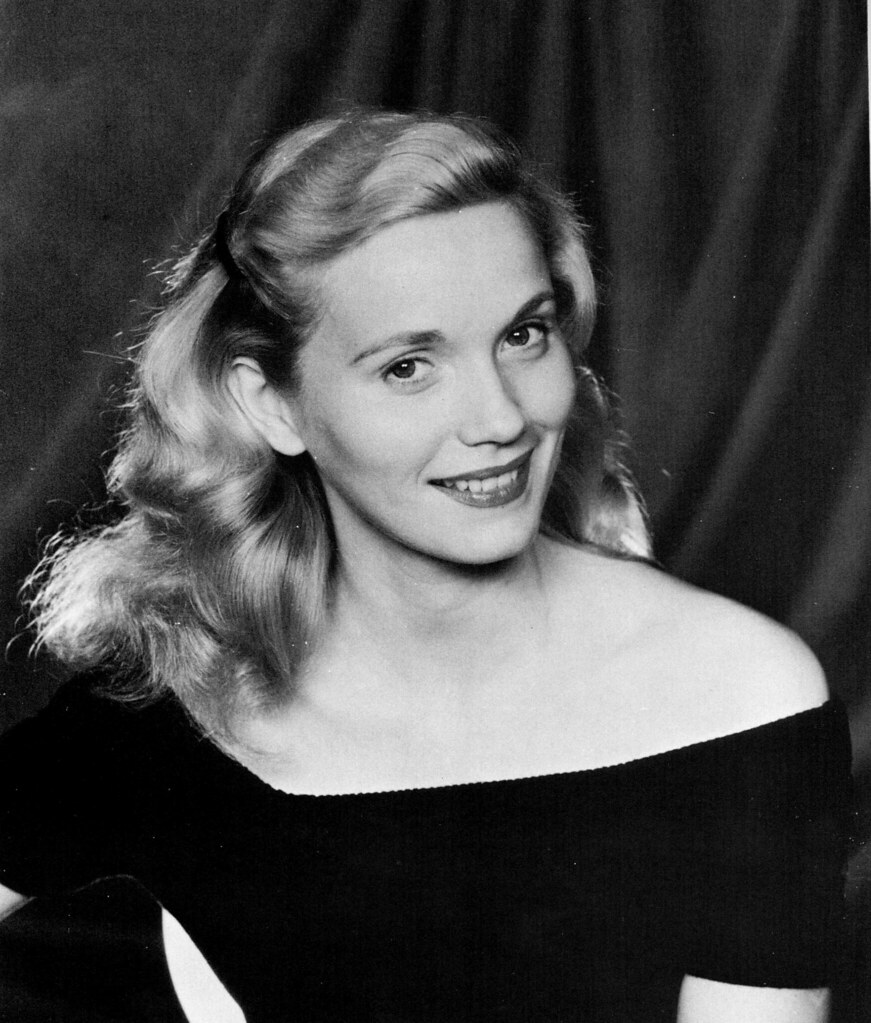
1. Eva Marie Saint: A Graceful Exit After Seven Decades
Eva Marie Saint, a name synonymous with elegant performances and enduring talent, carved out a remarkable career that spanned an incredible 70 years. Born in 1924, Saint was not merely a fleeting star; she was a consistent presence whose contributions were recognized with the highest accolades. Her win of an Academy Award in 1955 for her unforgettable role in *On The Waterfront* firmly cemented her status as one of the Golden Age’s most distinguished actresses. This early career triumph set a high bar, one which she continued to meet with poise and skill throughout the decades that followed.
Her filmography is a testament to her versatility, encompassing a range of roles that showcased her ability to convey depth and nuance. From her dramatic turns to her more subtle character portrayals, Saint always brought a captivating authenticity to the screen. She was a performer who understood the intricate mechanics of storytelling, consistently delivering performances that resonated with audiences and critics alike, making her a true artisan of her craft.
Despite her extensive career, which stretched far beyond the traditional Golden Age, Saint eventually chose a quiet departure from acting. Her final roles, appearing between 2012 and 2014, included lending her distinctive voice to *The Legend of Korra*, where she played Katara, and starring in *Winter’s Tale* as Willa. These later projects demonstrated her continued engagement with the craft, even as she approached her nineties.
In 2014, with a career that many could only dream of achieving, Eva Marie Saint officially retired from acting. This decision marked a poignant end to a professional life dedicated to performance, allowing her to enjoy a well-deserved period of rest and reflection after seven decades of enthralling audiences. Her retirement was not a vanishing into obscurity, but rather a graceful stepping away from the spotlight, leaving behind a rich filmic legacy that continues to inspire.
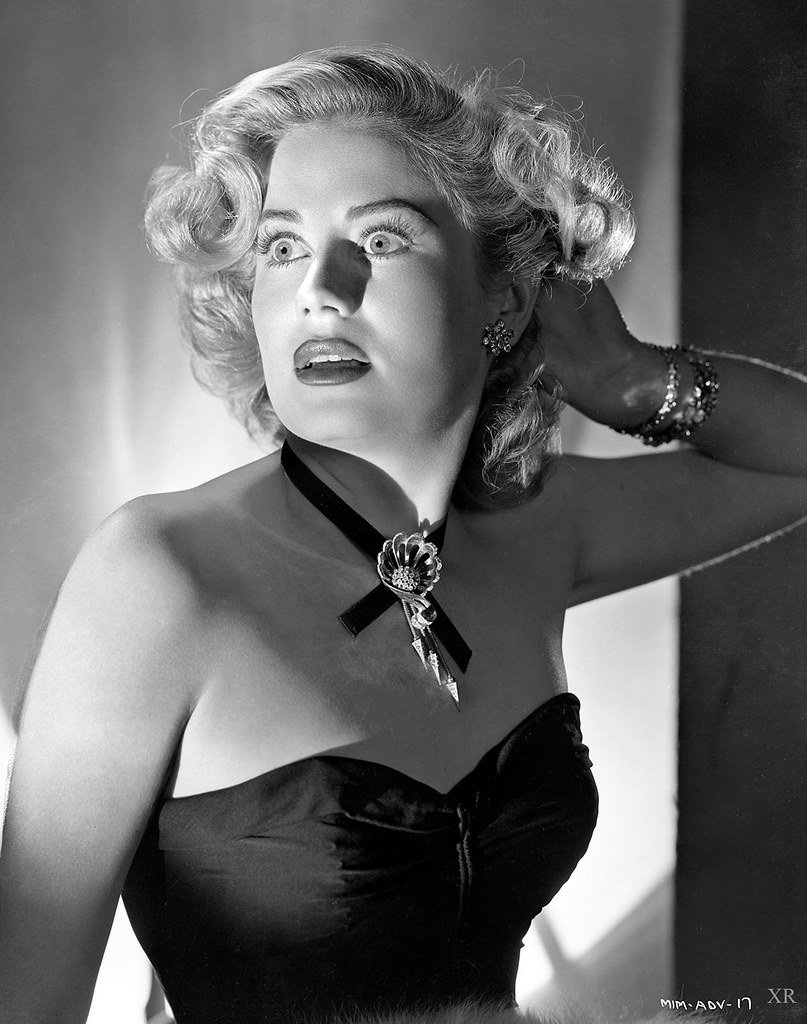
2. Jacqueline White: The Brief, Brilliant Spark Who Chose a New Horizon
Jacqueline White’s tenure in Hollywood, though remarkably brief, was nothing short of magical, leaving an indelible mark on the silver screen before she chose a distinctly different path. Her journey began with her first film appearance in 1942’s *Dr. Gillespie’s New Assistant*, a debut that hinted at a promising career. She quickly immersed herself in the demanding yet exhilarating world of cinema, contributing to its narrative tapestry during a vibrant period of its history. Her presence, even in early roles, captured a particular charm that set her apart.
White’s film career culminated with *The Narrow Margin*, a gripping feature released in 1952. This movie would ultimately serve as her swansong in the world of acting, drawing a definitive close to her on-screen endeavors. It’s a remarkable point in her biography, highlighting a decision that, for many, would be unthinkable at the height of their potential – to consciously step away from the burgeoning film industry and forge a new existence entirely.
What followed *The Narrow Margin* was a profound and intentional departure from the glitz and glamour of Tinseltown. Jacqueline White made the momentous decision to move to Wyoming with her husband, embracing a life far removed from the studios and red carpets. This relocation symbolized not just a change of scenery, but a complete reorientation of her priorities, effectively bringing her acting career to a close and allowing her to “vanish” from the public eye in a way few Golden Age stars ever dared.
While her active acting career ceased in 1952, White did not entirely sever ties with her past. She wouldn’t set foot in Hollywood again until the birth of her first child, but in later years, she made occasional appearances at events. Most recently, she was spotted at the TCM Film Festival in 2013, a rare and cherished moment for fans to connect with a legend who had so definitively chosen a life away from the camera, leaving behind a legacy admired for its quality over quantity.
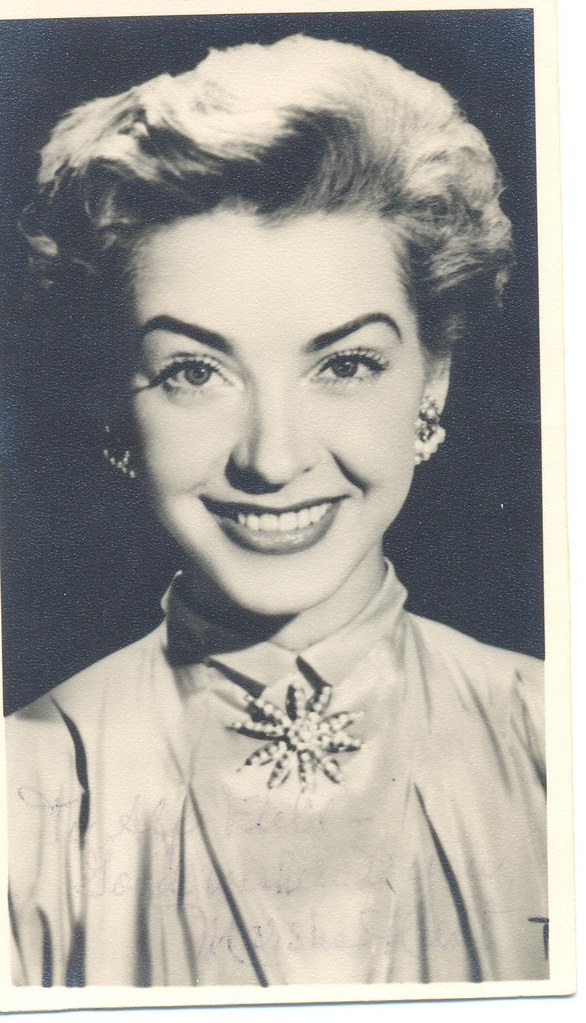
3. Marsha Hunt: Blacklisted and Redefined by Advocacy
Marsha Hunt, an actress of immense talent and conviction, navigated a challenging path through Hollywood, particularly after the onset of the McCarthy era. Her career, which began with her 1935 screen appearance in *The Virginia Judge*, showcased a gifted performer who, under different circumstances, might have reached stratospheric levels of stardom. She possessed the grace and skill to shine on the silver screen, delivering performances that were both nuanced and memorable, capturing the essence of the characters she portrayed.
However, Hunt’s career trajectory was dramatically altered by the insidious shadow of the Hollywood blacklist in the early 1950s. This dark chapter in American history saw many talented individuals unfairly targeted, their careers curtailed or destroyed due to alleged political affiliations. The blacklisting had a profound and undeniable impact on Hunt, effectively stifling her ascent in mainstream cinema and preventing her from achieving the widespread recognition her talents deserved. This forced retreat from prominence is a powerful example of an involuntary “vanishing” from the forefront of the industry.
As the 1960s approached, Hunt was largely retired from her film career, a direct consequence of the blacklist’s chilling effect. Her focus dramatically shifted, not away from performance entirely, but certainly away from the big screen. She redirected her energies towards stage and television work, though often in a less visible capacity than her early film roles. More significantly, Hunt became deeply devoted to civil rights, transforming her platform into one of advocacy and activism. This pivot underscored her resilience and commitment to causes greater than her own career.
Despite the critical acclaim she garnered in her initial years, the confluence of being blacklisted and maintaining a lower public profile after that period meant that Marsha Hunt never achieved the higher level of stardom that seemed her destiny. Her story is a poignant reminder of how external forces can shape, and even truncate, a brilliant career. Hunt died in 2022 at the age of 103, her legacy cemented not just by her cinematic contributions, but by her unwavering dedication to social justice, a testament to a life lived with purpose beyond the confines of Hollywood glamour.
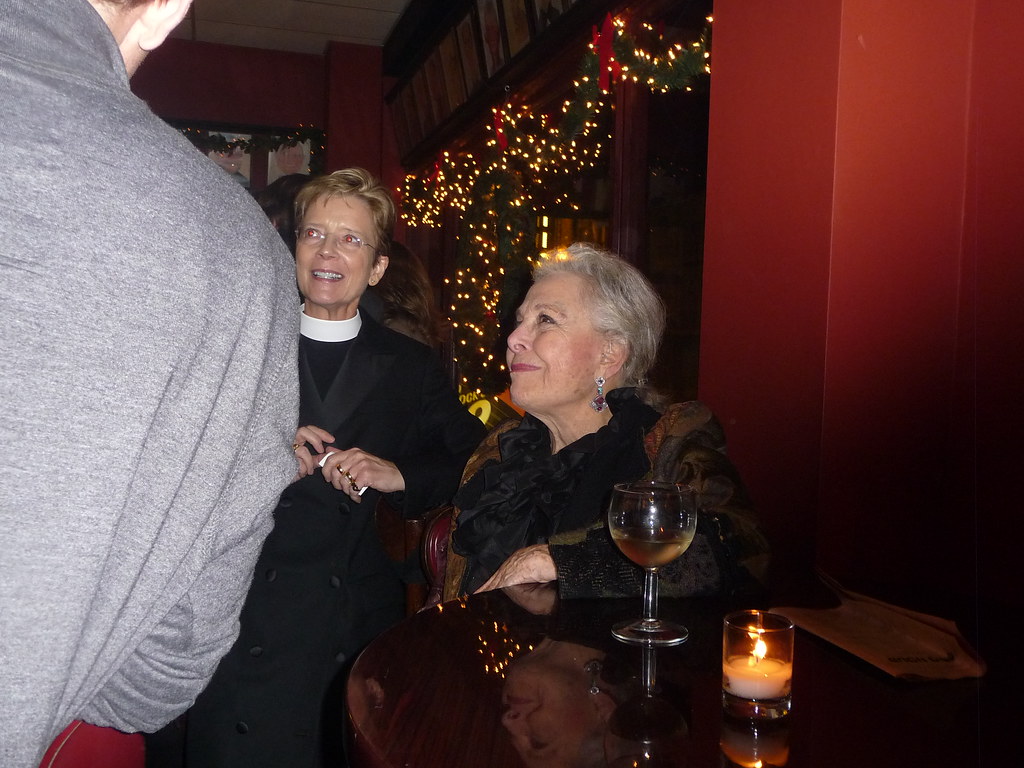
4. Marge Champion: The Dancer Who Taught the World
Marge Champion, born in 1919, was far more than just an actress; she was a phenomenal talent in the realms of dancing and choreographing, a multi-faceted artist whose contributions to Hollywood were primarily kinetic and immensely influential. Her screen career commenced in 1939, quickly establishing her as a dynamic presence whose movements captivated audiences. She possessed a unique artistry, understanding that it’s “one thing to be great at acting. It’s a completely different ball game when you’re fantastic at dancing and choreographing in movies and on stage.”
Her career flourished particularly alongside her former husband, Gower Champion. Together, they formed a highly successful and celebrated duo, gracing the screens of MGM musicals during their golden era. Their performances were a masterclass in synchronized movement and charismatic stage presence, making them an indispensable part of Hollywood’s musical landscape. Their work defined an era, showcasing the elegance and athleticism that characterized the peak of studio-era dance numbers. Their combined talents elevated musical cinema, leaving an indelible mark on the genre.
Champion’s prowess was not limited to performance. Her contributions to choreography were equally significant, demonstrating a deep understanding of movement and narrative. She was a foundational figure, influencing countless dancers and choreographers who followed in her footsteps. Her ability to translate emotion and story through dance was a rare gift, making every step and gesture meaningful and memorable. This expertise positioned her as a true artisan in her field, admired by peers and audiences alike.
After a distinguished career that saw her achieve considerable success on screen and stage, Marge Champion made a deliberate transition. Following her retirement from active performance, she channeled her profound knowledge and passion into teaching. She became a respected dance teacher in New York, shaping the next generation of performers and sharing the invaluable lessons gleaned from her decades in the entertainment industry. This shift represented a meaningful evolution, a “vanishing” from the public performance spotlight to a role as an educator and mentor.
Living to the remarkable age of 101, Marge Champion passed away on October 21, 2020. Her longevity provided ample time for her to impact not only those who saw her perform, but also those she guided in their own artistic journeys. Her story exemplifies how a profound artistic legacy can continue to thrive and evolve, even as an individual steps away from the immediate glare of the cameras, leaving a lasting influence that extends far beyond her on-screen presence.
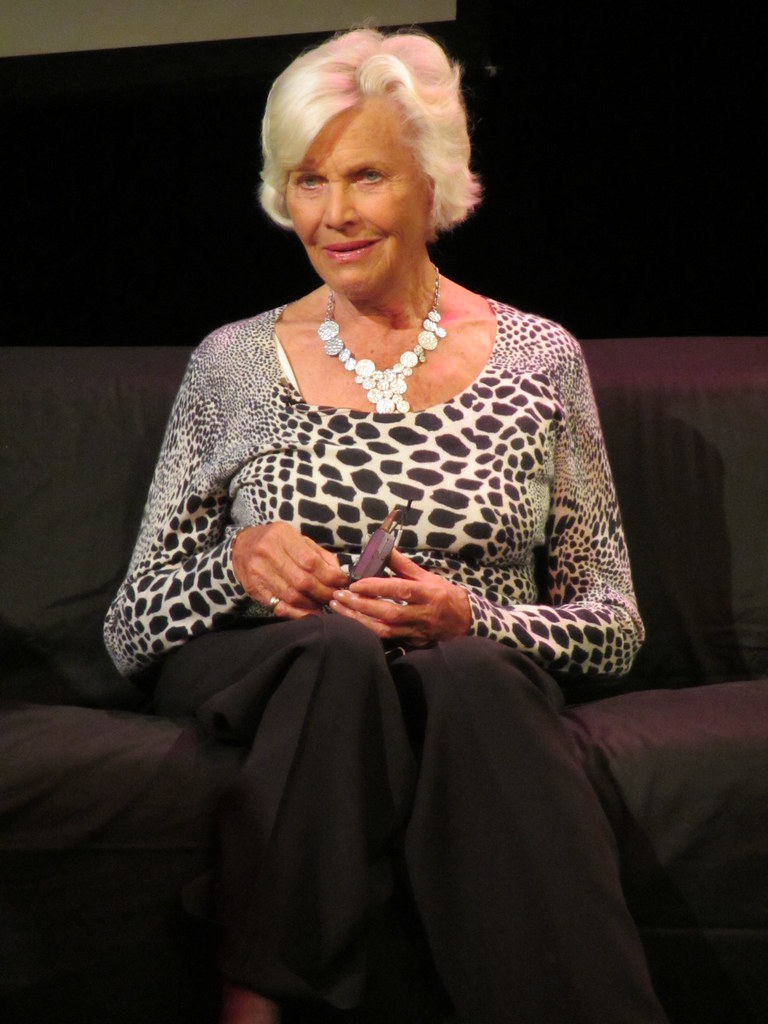
5. Honor Blackman: From Bond Girl to Political Activist
English actress Honor Blackman forged a distinctive path through the Golden Age, becoming a household name through iconic roles that showcased her versatility and undeniable screen presence. Best known for her work in the seminal James Bond franchise and the popular television series *The Avengers*, Blackman debuted in film in 1947 with *Fame is the Spur*. Her powerful portrayals solidified her status as a formidable talent, capturing audiences with her unique blend of strength and charm.
Beyond these defining roles, Blackman’s filmography included notable appearances in *Jason and the Argonauts* in 1963 and *Shalako* in 1968, further demonstrating her range. On television, she captivated viewers in *The Upper Hand* from 1990 to 1996, proving her enduring appeal across different mediums and decades. Her artistic expression also extended to music, where she recorded the hit single “Kinky Boots” alongside her *Avengers* co-star, Patrick Macnee.
However, it was Honor Blackman’s significant pivot beyond the acting world that truly marks her as one of Hollywood’s fascinating ‘vanished’ figures. Following her impactful acting career, Blackman became remarkably active in politics, channeling her energies into public advocacy. Her commitment was so profound that she even declined a CBE in 2002, a testament to her priorities lying squarely outside conventional honors.
This deliberate shift into political engagement meant her focus moved from the silver screen to civic action, a different kind of impactful public life. Though the world sadly lost Honor Blackman in April 2020 at the age of 94, her legacy is not just one of memorable performances, but also of a deeply principled life lived with purpose beyond the glitz of show business, echoing the distinct choices that define our forgotten gems.
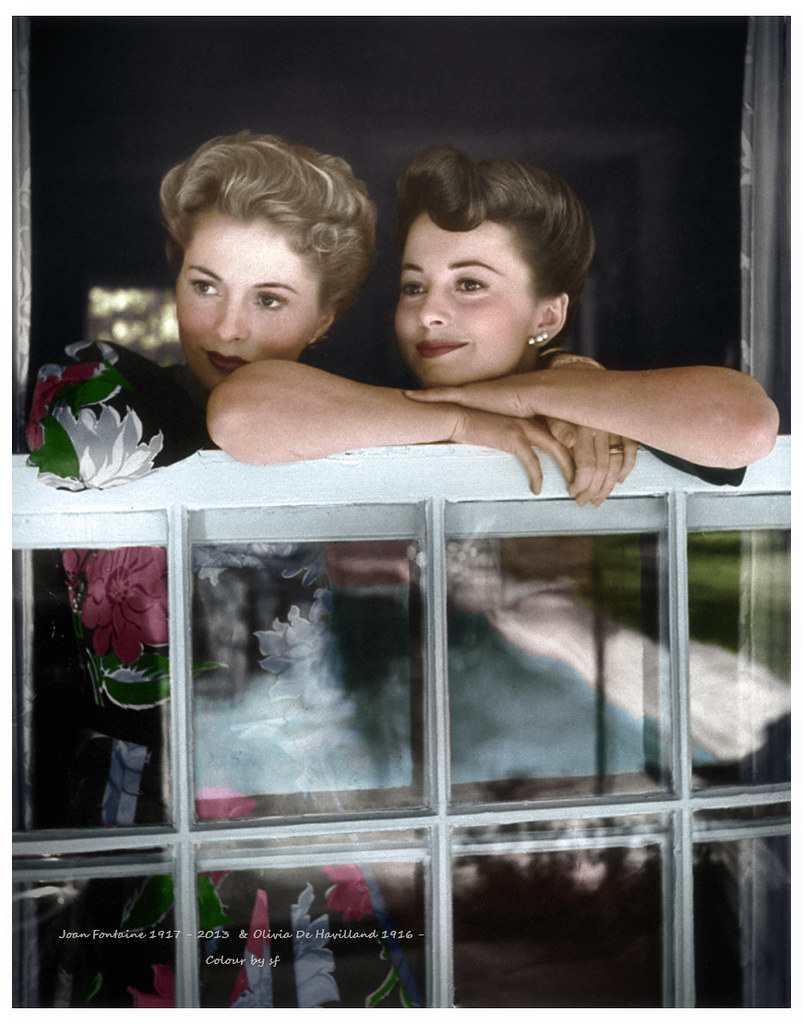
6. Olivia De Havilland: A Dual Oscar Winner’s Lasting Quietude
Olivia de Havilland stands as one of the most luminous and decorated stars of Hollywood’s Golden Age, a titan whose extraordinary talent earned her two Academy Awards. Between 1940 and 1950, no actress garnered more accolades, cementing her position at the pinnacle of cinematic achievement. Her captivating performances, often imbued with an understated power, left an indelible mark on an era that celebrated grand narratives and profound character studies.
De Havilland’s journey to Oscar glory began with her nomination for *Gone With The Wind*, a role that showcased her dramatic depth. While she didn’t win that initial honor, her undeniable talent soon brought her the ultimate recognition. In 1947, she took home her first Academy Award for her poignant performance in *To Each His Own*, a triumph that confirmed her critical acclaim. Just three years later, in 1950, she secured her second Oscar for *The Heiress*, further solidifying her legendary status.
Despite such a celebrated and impactful career, Olivia de Havilland ultimately made the decision to retire from acting in 1988. This transition, while marking a formal departure from active performance, did not sever her ties to the industry entirely; she remained engaged with Hollywood, a respected and revered elder stateswoman of cinema. This graceful stepping away from the daily demands of acting allowed her to embrace a quieter, yet still connected, life.
Her incredible longevity saw her live to the remarkable age of 104, a testament to a life well-lived and a career brilliantly executed. Olivia de Havilland’s passing on July 26, 2020, brought to a close an era, leaving behind a legacy that continues to inspire and instruct. Her ‘vanishing’ from active roles allowed her extraordinary body of work to speak for itself, a true monument to Golden Age artistry.
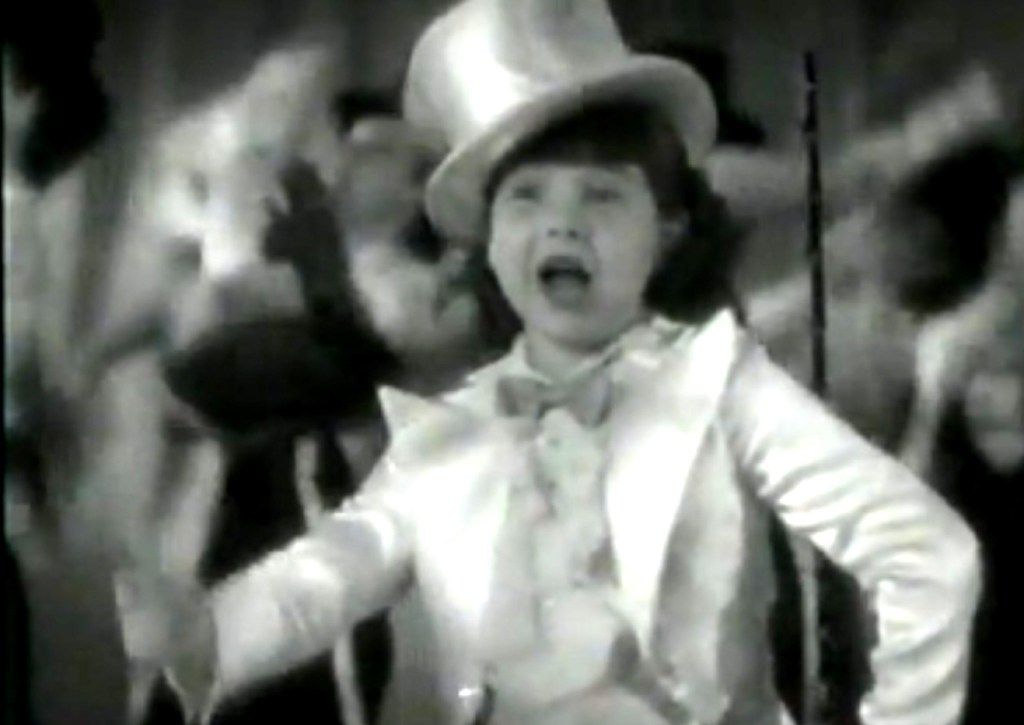
7. Jane Withers: From Child Starlet to Commercial Icon
Jane Withers burst onto the Hollywood scene as a precocious and captivating child actress, quickly becoming a highly sought-after talent during the 1930s. Her career ignited with her debut film, *The Strange Case of Clara Deane*, in 1932. In an era where child stars captivated the nation, Withers skillfully carved out her own niche, even as Shirley Temple dominated the headlines. She possessed a unique screen presence that resonated deeply with Depression-era audiences.
As her career evolved, Withers transitioned from being merely a “kid star” to taking on more substantial and complex roles, showcasing a developing range that hinted at a long and versatile future. Her memorable performance in 1934’s *The Scarlet Letter*, where she portrayed the illegitimate daughter of Colleen Moore, demonstrated her ability to handle weighty material with poise and conviction, distinguishing her from many of her contemporaries.
However, Jane Withers’ most iconic and enduring post-Golden Age presence wasn’t found on the big screen, but rather in the intimate setting of American homes. She famously transformed into Josephine the Plumber for Comet Cleanser commercials, a role she embodied throughout the 1960s and 1970s. This significant shift marked her “vanishing” from traditional film stardom into the realm of commercial advertising and voice acting, along with various television cameos.
Her portrayal of Josephine was so influential that its legacy continues to resonate, with the modern Progressive spokes-character Flo bearing an uncanny resemblance, as Withers herself noted. Jane Withers passed away on August 7, 2021, but her journey from child star to beloved commercial icon beautifully illustrates the diverse, often unexpected, paths Golden Age legends took, leaving a multi-faceted legacy that continued to entertain and influence.
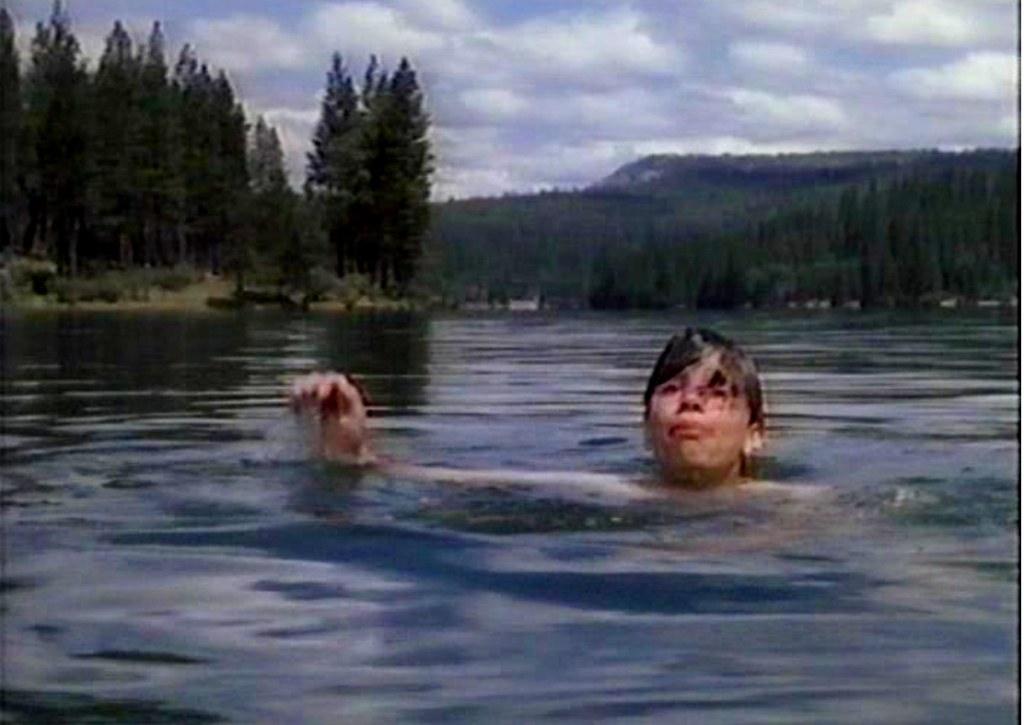
8. Darryl Hickman: A Talented Sibling’s Pivot to Mentorship
During the glittering expanse of Hollywood’s Golden Age, Darryl Hickman emerged as a talented young actor, often noted for his raw talent, which many believed surpassed that of his younger, more widely remembered brother, Dwayne Hickman. Darryl’s early career quickly garnered attention, establishing him as a compelling presence capable of delivering nuanced performances across a range of genres. He began building a formidable filmography at a young age.
His impressive list of credits includes roles in grade-A productions that defined the era, such as *Men of Boys Town*, *The Human Comedy*, and the critically acclaimed *The Grapes of Wrath*. These roles not only showcased his acting prowess but also placed him firmly within some of the most enduring cinematic masterpieces of his time. His dedication to his craft was evident, making him a respected figure among his peers and audiences alike.
Yet, for Darryl Hickman, the trajectory of a lifelong screen performer diverged into a different, equally impactful role. In his later years, Hickman gracefully stepped away from the glare of the camera, choosing instead to channel his vast experience and deep understanding of acting into mentorship. He became a highly respected acting coach in Los Angeles, guiding and shaping the next generations of performers with the wisdom gained from his own extensive career.
This deliberate transition from performer to educator represents a profound and meaningful “vanishing” from the public eye, exchanging the spotlight for the satisfaction of nurturing talent. Darryl Hickman passed away in May of 2024 at the impressive age of 92, leaving behind not only a legacy of memorable performances but also countless students whose careers he undoubtedly influenced, a hidden, yet profoundly important, contribution to cinematic arts.
9. Jimmy Lydon: Teenage Debut to Influential Producer
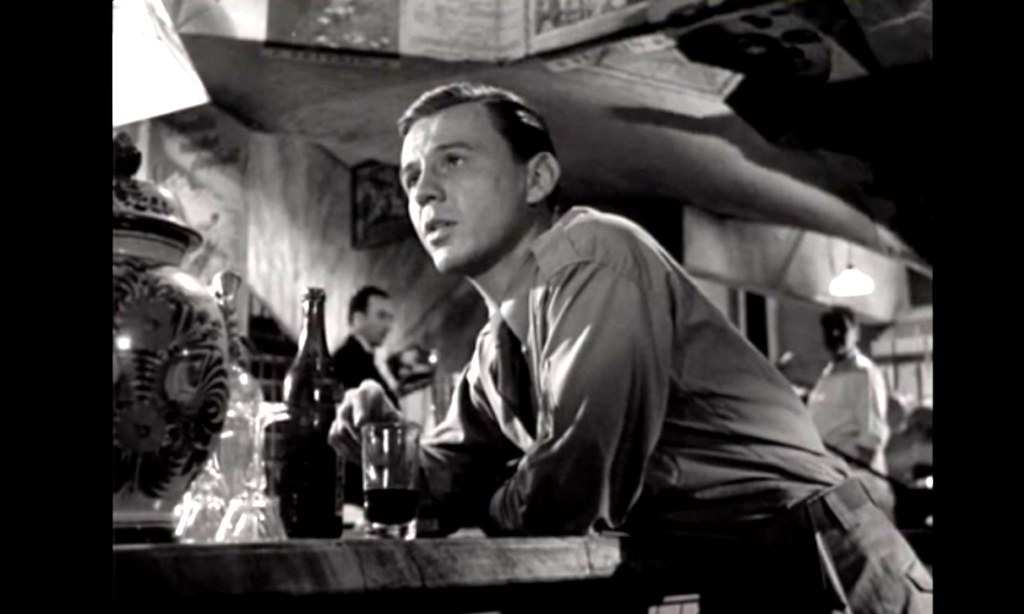
Jimmy Lydon’s journey into Hollywood began remarkably early, a testament to his innate talent and determination to overcome significant personal challenges. Born in New York City in 1923, the fifth of nine children, Lydon defied a birth defect and an alcoholic father to launch his career on Broadway in 1937. His screen debut soon followed in 1939, marking the beginning of a notable presence in the entertainment industry that would span decades.
As the Golden Age matured, Lydon found extensive work, particularly in the burgeoning medium of television during the early 1950s. This period saw him become a familiar face on screens across America, demonstrating his versatility and adaptability. His consistent presence in television productions showcased his ability to transition seamlessly between film and the new demands of episodic storytelling, maintaining his relevance in a rapidly evolving industry.
However, Lydon’s most significant long-term contribution, and indeed his form of ‘vanishing’ from his acting persona, came through a pivot to an influential role behind the scenes. He went on to help produce some of the biggest and most beloved television shows of their time, including the iconic *77 Sunset Strip* and the universally acclaimed *M*A*S*H*. This shift underscored his multifaceted talent, moving from performer to a powerful force in shaping television narratives.
By taking on the mantle of producer, Jimmy Lydon left a lasting impact that transcended his on-screen roles, influencing countless viewers and solidifying his place in broadcast history. He passed away in 2022 at the age of 98, having lived a long and impactful life that elegantly transitioned from starring in front of the camera to orchestrating compelling stories from behind it, a truly remarkable evolution.
10. Carleton Carpenter: A Polymath Beyond the Silver Screen
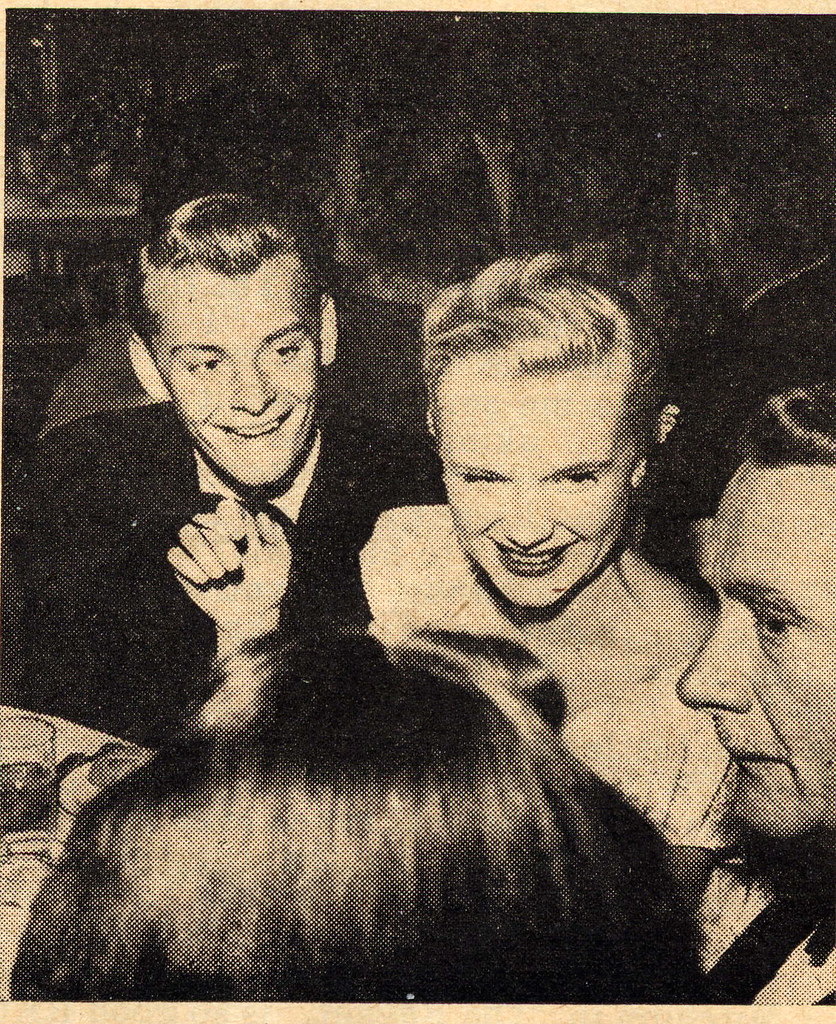
Carleton Carpenter was a true Renaissance man of Hollywood, transcending the conventional definition of an actor to embrace a myriad of artistic pursuits. Far more than merely a performer, he distinguished himself as a novelist, a prolific songwriter, a captivating magician, and a seasoned stage actor. His screen debut in 1949 with *Lost Boundaries* as Andy provided just a glimpse into the vast landscape of his talents and passions, hinting at a career that would defy easy categorization.
While his acting career saw him grace the silver screen, Carpenter’s creative energies were equally invested in music. He made numerous records, showcasing his skills as a songwriter and performer. His compositions and performances were highly regarded, with material made for esteemed artists such as Kaye Ballard, Marlene Dietrich, and Debbie Reynolds. This musical versatility showcased a depth of artistry that many actors rarely achieve.
This multi-talented approach meant that Carpenter’s career was not confined to the singular trajectory of a film star. His dedication to diverse creative endeavors allowed him to explore different avenues of artistic expression, effectively ‘vanishing’ from being solely defined by his film roles. In 2012, his profound contributions were deservedly recognized when the Hollywood film organization Cinecon honored him with a lifetime achievement award, a testament to his wide-ranging impact.
Carleton Carpenter passed away in 2022 at the age of 95, leaving behind a legacy that is as rich and varied as the talents he possessed. His story is a compelling reminder that the Golden Age produced individuals whose influence extended far beyond the immediate glare of the movie cameras, artists who carved out unique and fulfilling paths, enriching the cultural tapestry in countless ways.
These captivating narratives of Hollywood’s Golden Age reveal that enduring impact isn’t solely forged by perpetual presence. Instead, it’s often shaped by brilliant, focused contributions and the compelling, sometimes unexpected, paths taken afterward. Much like classic vehicles that left production too soon but continue to influence modern design, these artists, despite stepping away from the immediate glare of the cameras, left an indelible mark on cinematic history and continue to fascinate. Their stories are not merely tales of departure, but rather testaments to lives lived with purpose, artistry, and a unique legacy that continues to resonate with enthusiasts and historians alike, a hidden vault of unparalleled talent.