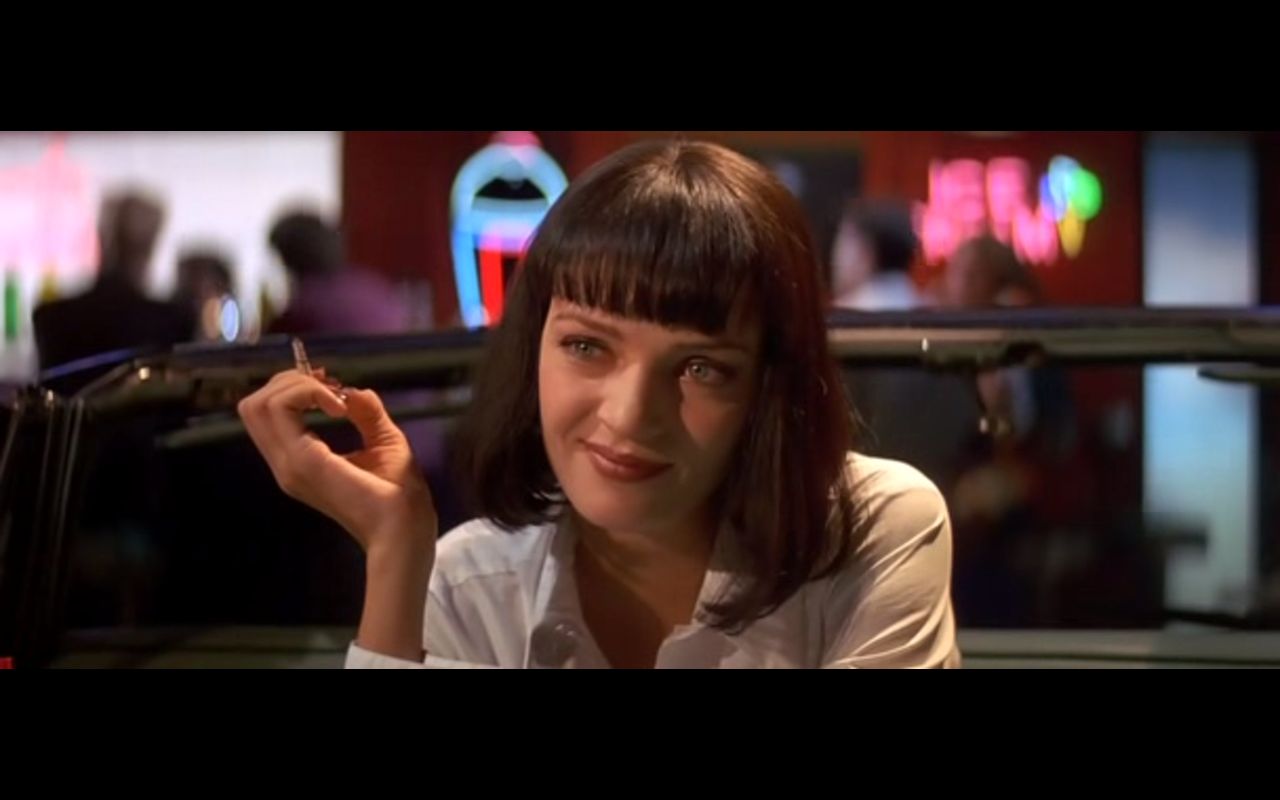

Hollywood, the dream factory, has always been a place of dazzling lights and shadowed corners, a realm where legacies are forged and sometimes, tragically, forgotten. For every star who achieved eternal luminescence, countless others, equally brilliant and captivating, found their light prematurely dimmed, their narratives rewritten, or their very presence erased from the collective memory. It’s a sobering truth that beneath the glitzy facade, an often-unseen mechanism of the industry—be it through systemic biases, personal tragedies, or the sheer, relentless grind of fame—could silence even the most iconic voices, leaving their contributions to languish in obscurity.
We often celebrate the legends who endured, whose careers spanned decades, and whose names are synonymous with cinematic history. Yet, a deeper, more poignant narrative exists for those who graced the silver screen with undeniable talent, only to vanish, leaving behind whispers of what might have been. Their stories are not merely tales of voluntary retirement or a gradual fading of popularity; they are intricate tapestries woven with threads of raw ambition, profound vulnerability, unforgiving societal constraints, and the often-brutal nature of a business that consumes as readily as it creates. This exploration seeks to unearth some of these forgotten luminaries, diving into the heart of their experiences and shedding light on the complex reasons why they were, in effect, erased from our conversations.
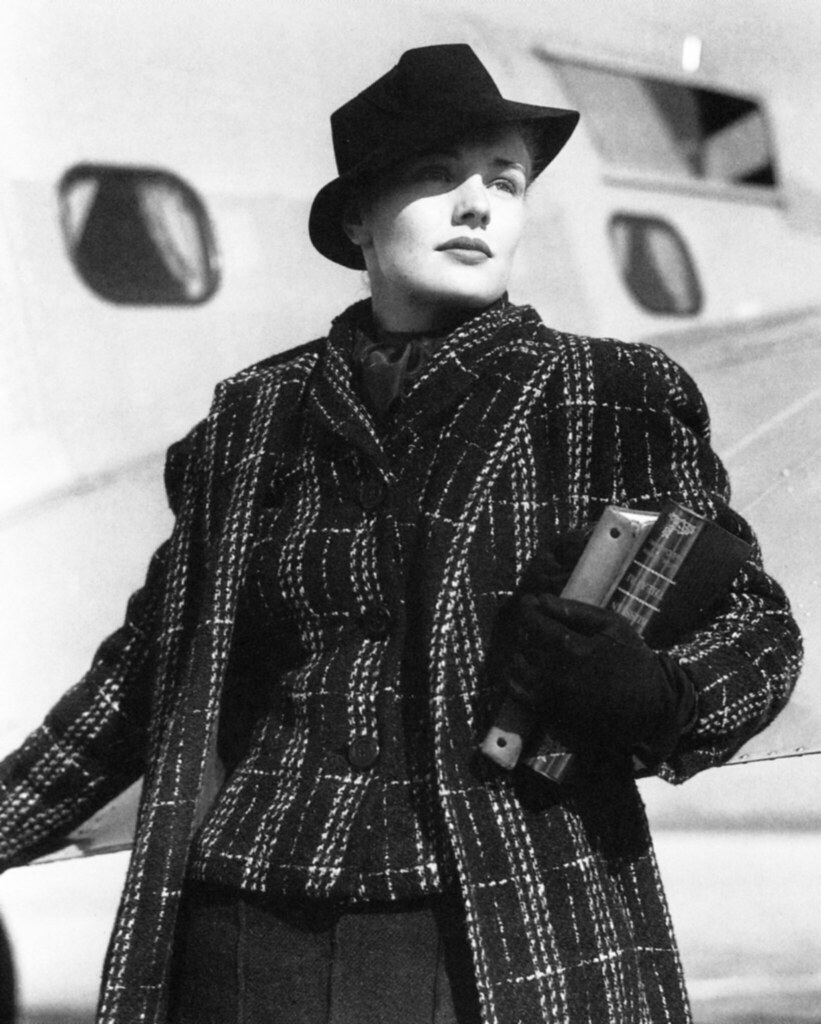
1. **Frances Farmer: The Tragic Narrative of Mental Health and Studio Pressures**Frances Farmer’s story is a harrowing journey through the dark underbelly of Hollywood’s studio system, a tale often recounted with a chilling sense of tragedy and injustice. Discovered by Paramount at 22, Farmer possessed a raw, intense talent and a beauty that promised true stardom. However, her independent spirit and disdain for the artificiality of the studio world soon put her at odds with the very forces that sought to mold her into a marketable commodity. She yearned for the authenticity of the theater, ultimately leading her to reject the studio’s demands and return to her stage roots.
Her initial departure, though driven by artistic integrity, marked the beginning of a relentless struggle that would define her public image. When she eventually returned to Hollywood, her battles with addiction and mental illness, exacerbated by relentless public scrutiny, began to unravel her career. Headlines, ever eager for sensationalism, painted her as a “tragic fallen star,” amplifying her vulnerabilities and feeding into a narrative of self-destruction that overshadowed her considerable acting prowess. This media portrayal, coupled with her personal demons, created a vicious cycle that was difficult, if not impossible, to escape.
The indignities she suffered went far beyond harsh press. Her life became entangled in a conservatorship under her domineering mother, a situation that stripped her of personal autonomy and subjected her to various institutionalizations and treatments. These deeply personal and public breakdowns effectively halted her career, rendering her unable to navigate the demands of the industry or reclaim her artistic voice. Despite a 1982 biopic attempting to illuminate her tragic life, the shadow cast by her struggles and the systemic failures around her meant that Frances Farmer became a cautionary tale, largely remembered for her suffering rather than her cinematic contributions.
Read more about: Behind the Silver Screen’s Facade: Unmasking the Heartbreaking Exploitation of Actresses in Old Hollywood’s Studio System
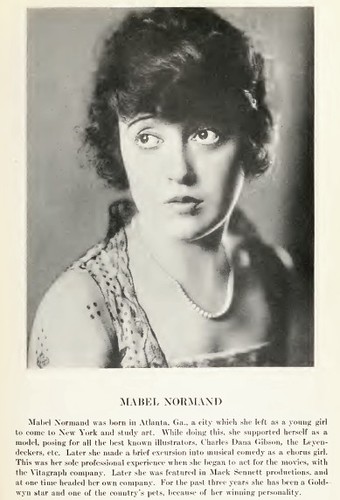
2. **Mabel Normand: Scandal, Censorship, and a Trailblazer’s Fall**Mabel Normand was nothing short of a Hollywood trailblazer, a comedic force who defied conventions by not only starring in films but also writing and directing them. In an era when women’s roles in film were largely confined to acting, Normand broke significant ground, showcasing a multifaceted talent that made her one of the most successful figures of the silent era. Her vibrant energy and on-screen charisma endeared her to audiences, particularly in her frequent collaborations with comedy legend Fatty Arbuckle. Yet, despite her impressive contributions, her legacy is too often overshadowed by the swirling controversies that plagued her personal life and career.
Normand’s off-screen persona was as dynamic and uninhibited as her on-screen characters, leading to her being widely known as a “reckless party girl.” This reputation, combined with her proximity to some of Hollywood’s most shocking scandals, began to rapidly tarnish her image. The infamous legal issues surrounding her frequent co-star, Fatty Arbuckle, in the early 1920s, cast a long, dark shadow over those associated with him. The “whiff of scandal” intensified with further tragic events, including the murder of her friend, director William Desmond Taylor, and a later shooting committed by her chauffeur.
In response to public pressure and growing calls for moral accountability, Hollywood initiated severe censorship crackdowns on “immoral behavior” both on and off-screen. This climate of fear led to her films falling out of circulation, effectively sidelining a groundbreaking artist. Her last movie was released in 1926, and she tragically died of tuberculosis just four years later, a victim not only of illness but also of a ruthless industry’s pivot away from anything deemed scandalous, leaving her public memory clouded by sensationalism rather than her undeniable artistic achievements.
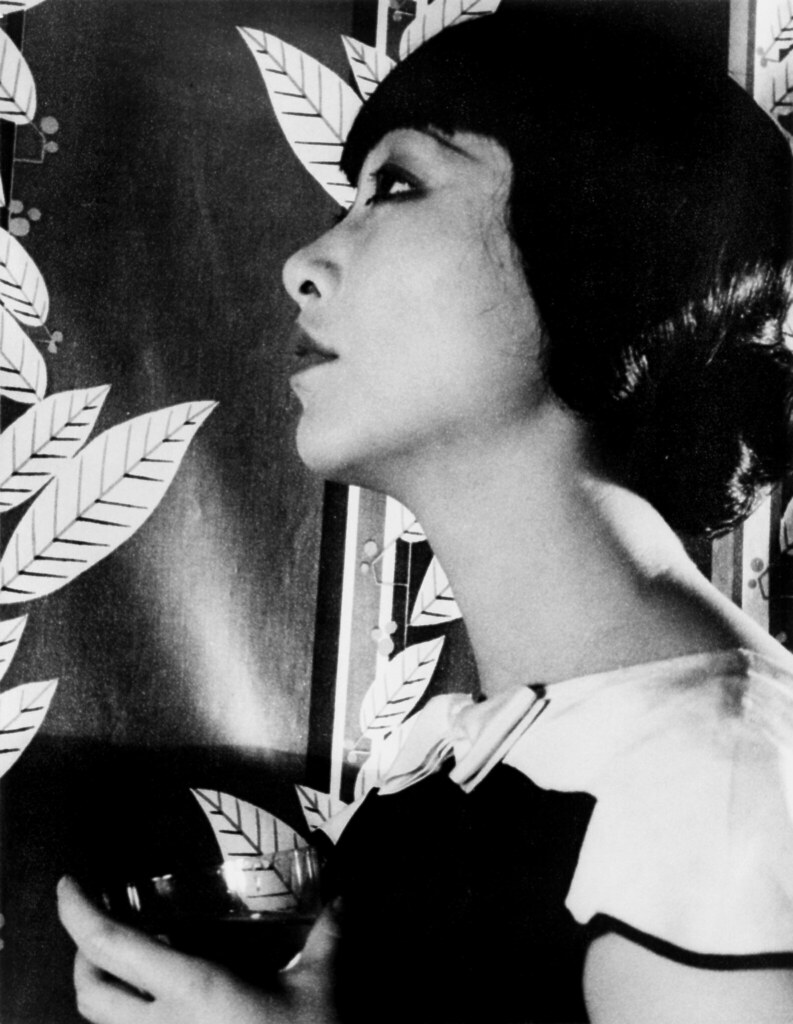
3. **Anna May Wong: The Fight Against Racial Discrimination and Typecasting**Anna May Wong stands as a monumental figure in cinematic history, a groundbreaking Chinese-American actress whose talent and grace shone brightly despite the pervasive racial discrimination she faced throughout her career. In an industry notoriously resistant to diversity, Wong was a pioneer, embodying a quiet strength and captivating screen presence that should have propelled her to undisputed superstardom. Her performance in films like *Shanghai Express* (1932) showcased her dramatic depth and ability to command the screen, proving her capabilities far beyond the narrow confines Hollywood often sought to impose.
However, the systemic racism prevalent in early Hollywood proved to be an almost insurmountable barrier to her true potential. Despite her undeniable talent and burgeoning international recognition, the industry continually typecast her in stereotypical roles, often exoticized “dragon lady” or subservient “butterfly” characters that perpetuated harmful caricatures of Asian women. These roles, while offering her work, severely limited her artistic growth and prevented her from portraying the complex, nuanced characters she was more than capable of embodying. The lack of meaningful, diverse roles was a constant source of frustration and a profound injustice.
Perhaps the most egregious example of this racial bias came when she was denied the lead role of O-Lan in the Metro-Goldwyn-Mayer film adaptation of Pearl S. Buck’s *The Good Earth* (1937), a role for which she was culturally and professionally perfectly suited. Instead, the part was given to a white actress, Luise Rainer, while Wong was offered the stereotypical supporting role of the villainous Lotus, which she refused. This egregious act of yellowface not only underscored Hollywood’s prejudice but also denied Wong the opportunity that could have cemented her legacy as a true leading lady, effectively silencing her voice and diminishing her contributions.
4. **Hattie McDaniel: The Pioneering Oscar Winner Confined by Prejudice**Hattie McDaniel’s place in Hollywood history is both celebrated and tragic, a testament to her immense talent and the deeply entrenched racial prejudices that defined her era. She made history in 1940 by becoming the first Black woman to win an Academy Award for her unforgettable portrayal of Mammy in *Gone with the Wind* (1939). This landmark achievement should have been a turning point, a powerful affirmation of her skill and a gateway to more diverse and prominent roles. Yet, the reality of Hollywood’s landscape for Black actors, even an Oscar winner, was far more constrained and unforgiving.
Despite her talent, charisma, and undeniable popularity, McDaniel found herself repeatedly cast in maid roles. This wasn’t a matter of artistic choice but a direct consequence of Hollywood’s racial discrimination, which severely limited the opportunities available to Black performers. The industry, resistant to challenging racial norms, confined her to a narrow, stereotypical range of characters, effectively preventing her from showcasing the full breadth of her acting capabilities. Her professional life became a paradox: celebrated for an Oscar-winning performance, yet simultaneously pigeonholed into roles that reinforced racial hierarchies.
The limitations imposed by racial prejudice meant that even with an Academy Award in hand, McDaniel’s career options remained frustratingly limited. She once famously quipped, “I’d rather play a maid than be one,” a poignant reflection of the difficult choices and compromises Black actors were forced to make in order to work in Hollywood at the time. Her legacy, while profoundly significant for breaking an Oscar barrier, is also a stark reminder of the systematic silencing of Black artistic voices, where talent was acknowledged but rarely allowed to flourish freely, leaving much of her potential tragically unfulfilled.

5. **Luise Rainer: Disenchantment, Poor Advice, and a Record-Breaker’s Retreat**Luise Rainer holds a unique and somewhat enigmatic position in Hollywood’s pantheon, a record-breaking actress whose immense talent briefly shone with unparalleled intensity before she retreated from the spotlight. Born in Germany, Rainer quickly captivated audiences and critics alike, earning the distinction of being not only the first actor to win two Academy Awards but also the first person to achieve this feat in back-to-back years. Her wins for *The Great Ziegfeld* (1936) and *The Good Earth* (1937) catapulted her to immediate stardom, leading MGM to believe they had found their next Greta Garbo.
However, the very machine that built her up also contributed to her eventual disenchantment and departure. Despite her groundbreaking achievements, Rainer’s relationship with Hollywood was fraught with challenges. She was often at odds with the studio system’s demands for endless publicity and superficial roles, craving more substantial, artistically fulfilling work. The relentless pressure and the perceived lack of control over her career choices began to weigh heavily on her, leading to a profound sense of dissatisfaction with the industry’s commercial imperatives.
A confluence of factors ultimately cut her promising film career short. Poor career advice, coupled with the untimely death of her champion at the studio, producer Irving Thalberg, left her without a guiding hand in a notoriously cutthroat environment. Disenchanted with Hollywood’s superficiality and the lack of creative freedom, Rainer made the decisive choice to leave the movie business and return to Europe in 1938. She would make only three film appearances between 1939 and 2003, remaining largely unsung outside “rarified cinephile circles,” a testament to a talent that chose artistic integrity over enduring mainstream fame.
6. **Tippi Hedren: The Chilling Cost of Defying a Master of Suspense**Tippi Hedren’s entry into Hollywood was initially the stuff of legend, discovered by the iconic director Alfred Hitchcock in a television commercial. Her striking “cool blonde” aesthetic perfectly fit Hitchcock’s preferred leading lady archetype, and her natural poise and confidence in *The Birds* (1963) and *Marnie* (1964) suggested a brilliant career lay ahead. What began as a dream collaboration, however, quickly devolved into a nightmare, becoming a chilling testament to the unchecked power wielded by some figures in the industry and the devastating consequences of defying them.
Hitchcock’s mentorship, initially seen as a golden opportunity, tragically transformed into an increasingly “torturous” and controlling ordeal. Years after his death, Hedren bravely revealed the darker truth: Hitchcock subjected her to unwanted ual advances, and upon her rejection, his adoration turned into a vengeful possessiveness. He kept her under a restrictive contract, effectively “disallowing her from taking roles with anyone else,” an act that deliberately sabotaged her burgeoning career. This abuse of power trapped Hedren in a professional limbo, unable to capitalize on the fame she had gained from his high-profile films.
The cost of her defiance was immense. Unable to accept higher-profile roles with other directors and studios, Hedren’s career stalled out at its peak. While she continued to work, appearing in films and television projects, she never again reached the caliber of movies she made with Hitchcock, nor did she attain the superstar status she was destined for. Her story serves as a powerful illustration of how a promising career could be “effectively ended” not by a lack of talent or opportunity, but by the coercive will of a powerful individual, leaving a profound mark on her legacy and silencing her potential within the industry.
Hollywood, a town renowned for its captivating narratives, often writes its most compelling stories not on screen, but in the lives of those it enthralls and, sometimes, lets slip away. While the first half of our journey illuminated the actresses whose careers were tragically curtailed by the industry’s darker machinations and societal injustices, the second part brings into focus those who, for deeply personal reasons, disillusionment with the machine, or simply the shifting sands of time, chose a different path. These are the stars who, whether by design or by circumstance, stepped away from the relentless glare of the spotlight, their legacies often reshaped or left to be rediscovered by discerning eyes.
Their stories reveal a different kind of Hollywood departure—one born not always of conflict or oppression, but of personal agency, a changing cultural landscape, or a profound re-evaluation of what truly mattered. They remind us that the narrative of a star isn’t solely written by box-office success or critical acclaim, but by the myriad choices and transitions that define a life lived under an almost unbearable magnifying glass. This section celebrates these figures, unraveling the unique threads that led them out of the Hollywood firmament and into their own, often quietly remarkable, futures.
Read more about: When the Spotlight Faded: The Shocking Stories of 14 Iconic Female Stars Blacklisted in Hollywood
7. **Clara Bow: The Flapper Icon Who Chose Solitude**Clara Bow, the quintessential “It Girl,” was more than just a leading lady; she was the vibrant, defiant spirit of the Roaring Twenties personified on screen. Her roles, characterized by a clever wit and undeniable appeal, fearlessly challenged the conventional cultural norms of her era, making her one of the most iconic figures of silent cinema. She captured the imaginations of millions, becoming a symbol of liberated womanhood and the dizzying energy of a new age.
Yet, behind the dazzling facade of her public persona, Bow’s life was a tumultuous landscape of scandal, erratic behavior, and profound mental health struggles. The relentless scrutiny of Hollywood, combined with a difficult personal history, fueled a cycle of intense pressure that she found increasingly impossible to navigate. Her off-screen dramas often overshadowed her immense talent, painting a complex and sometimes tragic picture of a star consumed by her own fame.
Her departure from the film industry, though coinciding with the advent of talkies, was not primarily due to the technological shift. Instead, it was a deeply personal decision, born from a series of betrayals and the suffocating pressures exerted by the studio system. By 1933, seeking solace and autonomy, she made the decisive move to marry and relocate to a ranch in Nevada, choosing a quieter existence over the ceaseless demands of stardom.
Clara Bow lived the remainder of her life largely out of the public eye, dogged by mental health crises that continued long after her “time in the sun” had ended. Her voluntary retreat underscored a profound disillusionment with Hollywood, leaving behind a legacy not only of a trailblazing cinematic icon but also of a sensitive soul who ultimately prioritized her well-being over the fleeting promises of fame.
8. **Norma Shearer: The Queen Who Stepped Down**Norma Shearer commanded the MGM lot with an authority few actresses ever achieved, reigning as the studio’s undisputed queen. This unparalleled influence was due, in no small part, to her marriage to Irving Thalberg, Metro’s visionary head of production, but her power transcended mere spousal connections. Shearer possessed an undeniable star quality and remarkable versatility, seamlessly transitioning between noble, dignified characters and those who were liberated and gloriously messy, captivating audiences with every transformation.
However, the sudden and untimely death of Irving Thalberg in 1936 sent shockwaves through Hollywood and profoundly altered the landscape of Shearer’s career and personal life. Her primary advocate and partner was gone, leaving her to navigate the cutthroat studio politics on her own. While she handled this new reality admirably for several years, the foundation of her immense power had irrevocably shifted.
Her eventual retirement in 1942 was a poignant culmination of both personal grief and the changing dynamics of the industry. It was a conscious step away from a world that had become fundamentally different without Thalberg by her side, a testament to her personal choice to prioritize her peace over continued stardom. Her influence and stature had been intertwined with her husband’s, and his absence created a void that even her formidable talent could not entirely fill within the studio system she had once dominated.
Though her fame inevitably dipped after her disappearance from the public eye, particularly in an era before pervasive television reruns, Norma Shearer’s legacy has been carefully preserved through the enduring quality of her films. She stands as a reminder that even the most powerful figures could choose to gracefully exit the stage, leaving behind a body of work that continues to speak volumes about her talent and an era now passed.
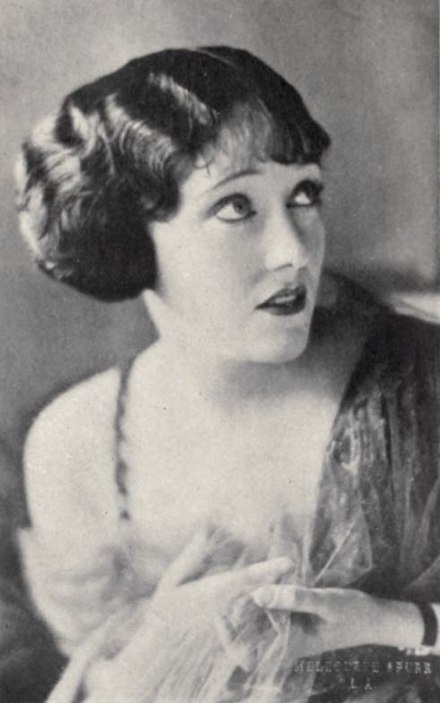
9. **Gloria Swanson: The Silent Diva’s Talkie Dilemma**Gloria Swanson embodied the very essence of silent Hollywood glamour, a dominant force whose charisma and dramatic prowess made her a true goddess of the silver screen. Her commanding presence and iconic fashion sense captivated audiences, establishing her as one of the era’s most celebrated and recognizable stars. For a time, her name was synonymous with cinematic royalty, a testament to her incredible impact on early film.
Yet, the advent of synchronized sound, the “talkies,” presented a monumental challenge that reshaped the entire industry and proved to be an almost insurmountable hurdle for many silent film stars, including Swanson. Despite her undeniable talent, she struggled to successfully transition to the new medium, finding her unique performance style and voice less suited to the demands of spoken dialogue. This technological shift, a profound “shifting industry landscape,” signaled the beginning of her gradual retreat from the forefront of Hollywood.
By the end of the 1930s, having failed to reclaim her former glory in the new sound era, Swanson largely stepped away from mainstream film. While she occasionally graced the stage or made radio appearances, her star, once so brilliant, began to fade from the public’s collective consciousness. It was a quiet descent for an actress who had once commanded such dazzling attention.
Her most enduring legacy, ironically, came with Billy Wilder’s moody and suspenseful 1950 film, *Sunset Boulevard*, where she delivered an unforgettable performance as Norma Desmond, a reclusive relic of the silent era. This role, a highly fictionalized and glorified echo of her own life, offered a poignant reflection on the transient nature of fame. While it provided a remarkable, albeit brief, revival, it ultimately cemented her status as a “fallen goddess of Hollywood,” whose story continues to resonate as a cautionary tale of industry evolution.
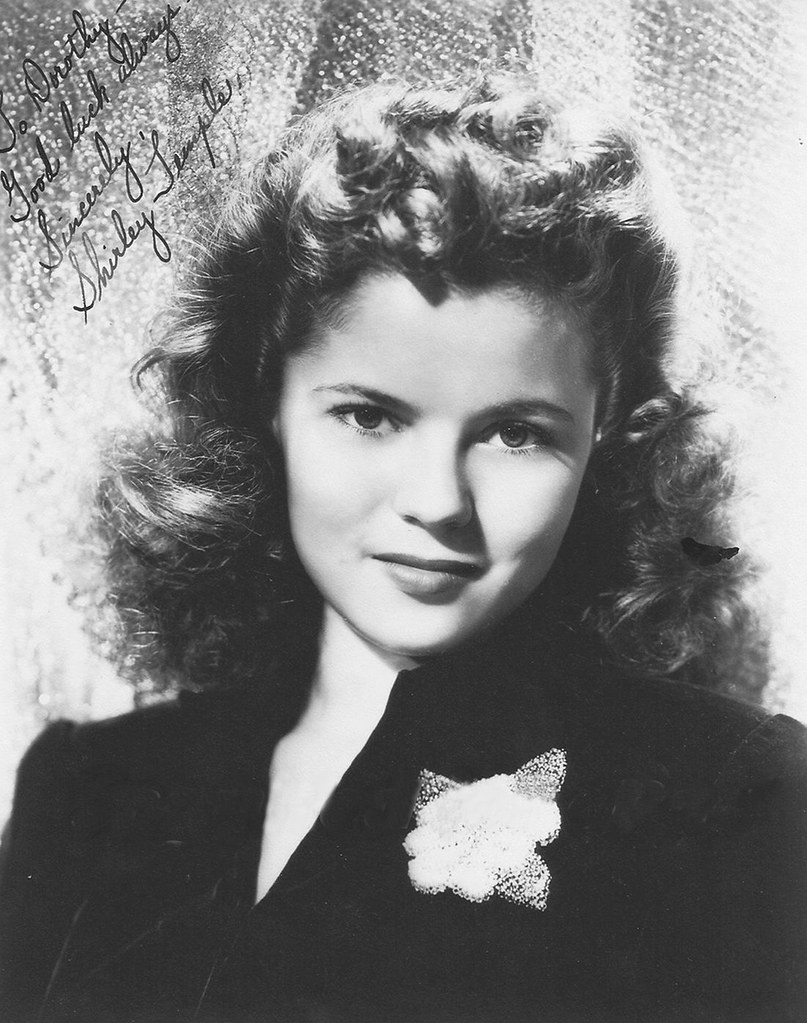
10. **Shirley Temple: From Child Star to Diplomat**Shirley Temple was nothing short of a phenomenon, the curly-haired cutie who, at the height of her career, was Hollywood’s biggest box office draw. During the bleak years of the Great Depression, she danced, sang, and cried her way into the hearts of millions, offering a much-needed beacon of innocence and joy through a series of charming song-and-dance movies. Her infectious spirit and undeniable talent seemed boundless, promising a career that could span decades.
However, by the age of 22, at a point when many actors are just beginning to find their footing, Temple made a remarkable and deeply personal choice: she retired from films. She realized that she had lost her passion for making movies, choosing instead to marry and embrace a quieter life outside the intense glare of public scrutiny. This was a deliberate pivot, a conscious decision to reclaim her personal autonomy rather than remain tethered to the demands of her childhood fame.
Her story, however, did not end with her departure from Hollywood. After several years living a relatively private existence, Temple gradually re-entered public life, initially through appearances on television in the late 1950s. Then, in the late 1960s, she embarked upon a truly extraordinary and “unique path out of the Hollywood machine,” transitioning into a distinguished career as a U.S. diplomat.
Shirley Temple Black, as she was known in her diplomatic life, served her country with the same dedication she once brought to the screen, holding roles as Ambassador to Ghana and Czechoslovakia, and as Chief of Protocol of the United States. Her legacy, therefore, is not solely defined by her indelible mark on cinema as a child star, but by her profound personal choice to pursue a life of significant public service, a testament to a multifaceted woman whose impact stretched far beyond the confines of Hollywood.
Read more about: When the Lights Go Out: 14 Beloved Actors Who Chose to Leave Hollywood at the Height of Their Careers
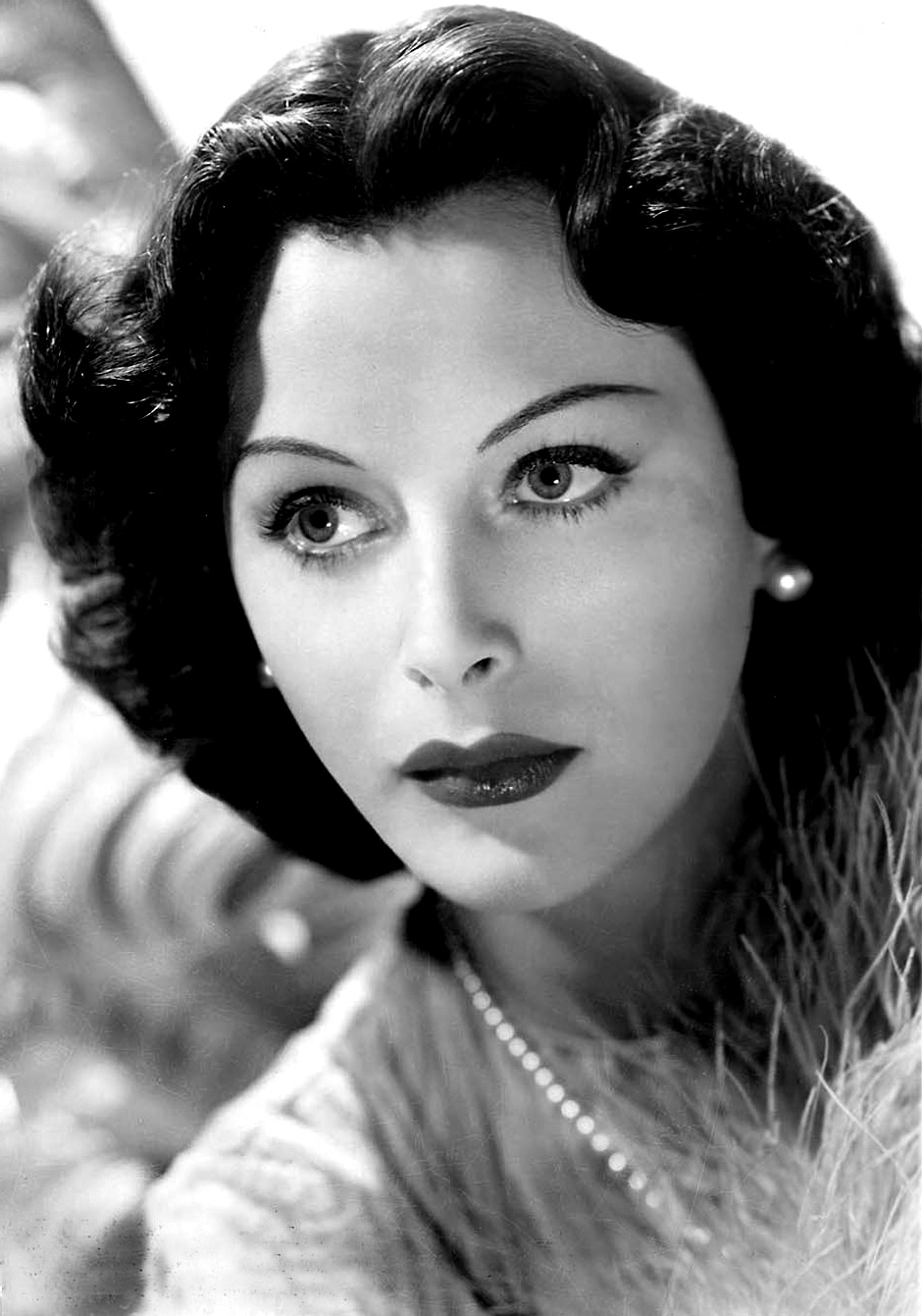
11. **Hedy Lamarr: The Star with a Secret Genius**Hedy Lamarr was renowned for her extraordinary beauty and captivating screen presence, yet she was “anything but ordinary” in ways that extended far beyond the silver screen. While she graced Hollywood films with her undeniable allure, her most groundbreaking contribution to the world lay hidden for decades, a testament to her profound intellectual depth that often went unrecognized by the very industry that celebrated her for her looks.
Indeed, during the height of her film career, Lamarr, alongside composer George Antheil, co-invented a radio guidance system for Allied torpedoes that utilized frequency-hopping technology. This brilliant innovation, a marvel of wartime engineering, is today recognized as the fundamental basis for modern wireless communication technologies such as Wi-Fi, GPS, and Bluetooth. Her genius thus profoundly “recast” her legacy, transforming her from a mere film star into a pioneering inventor.
Later in her career, Lamarr became known as one of Hollywood’s biggest recluses. Making her last film in 1958, she made increasingly few public appearances, retreating into a world of her own making. She grew fiercely protective of her image, even taking legal action against those she believed were attempting to capitalize on her fame, a stark reflection of her desire for control and privacy.
By the 1980s, Lamarr’s reclusiveness intensified, with communication limited almost exclusively to telephone calls with her closest friends. She spent the last two decades of her life in almost total seclusion, a profound “personal choice” that effectively removed her from the public eye as an active celebrity. Her story is a poignant example of a star whose ultimate legacy was not defined by the bright lights of Hollywood, but by the quiet power of her intellect and her eventual withdrawal into a private world.
Read more about: Hollywood’s Unsung Heroines: 15 Women Who Shattered Ceilings and Rewrote the Rules of the Entertainment Industry
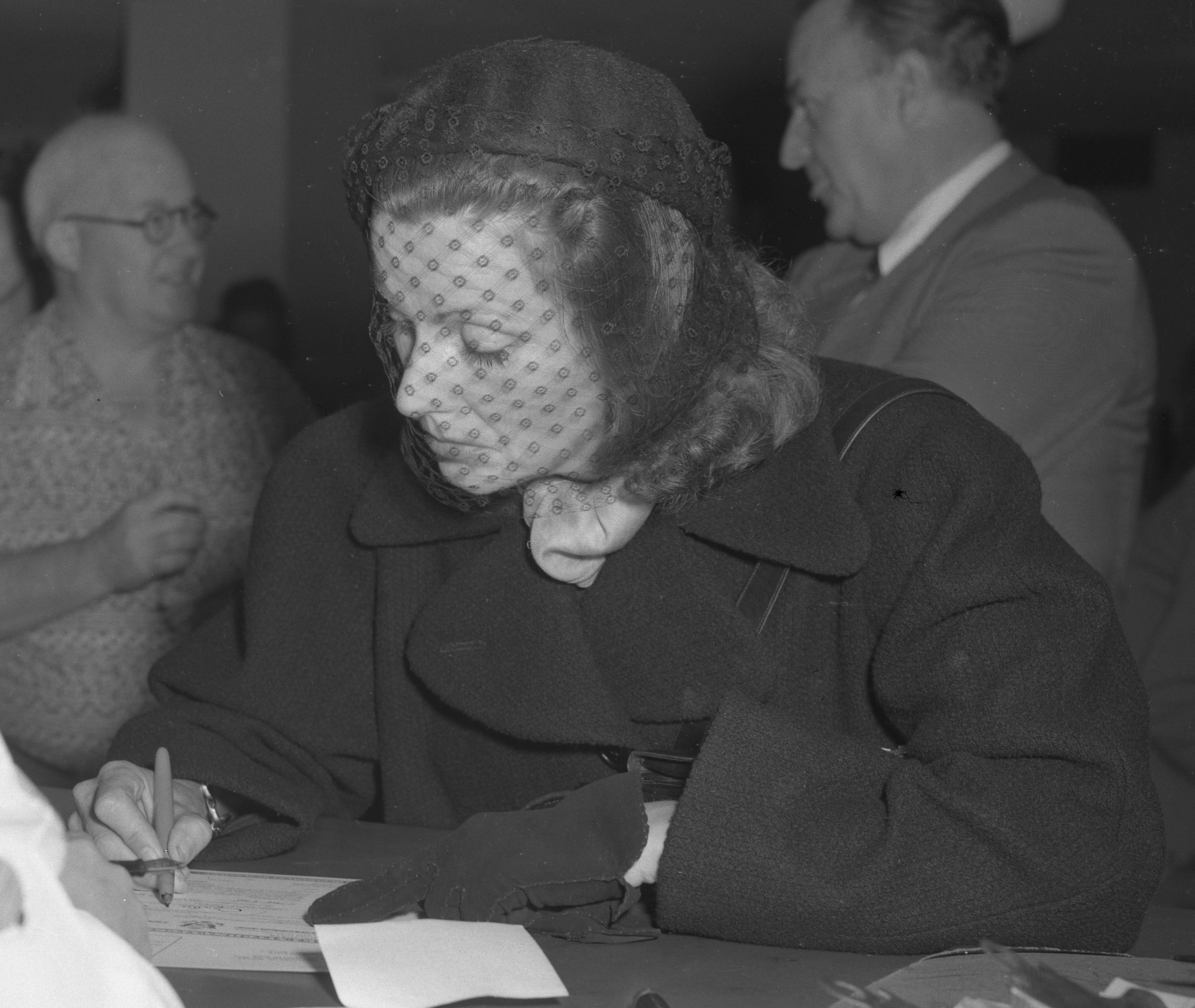
12. **Greta Garbo: The Divine Who Wanted to Be Alone**Greta Garbo, the enigmatic “Swedish Sphinx,” arrived in Hollywood in 1925 to begin her illustrious career with MGM, swiftly ascending to silent film stardom. She became famous for her iconic declaration, “I want to be alone,” a sentiment that was far from a mere acting line. MGM, recognizing the captivating power of her introverted nature, shrewdly capitalized on this perceived elusiveness to cultivate an enduring persona of mystery, making her one of the most intriguing figures of her time.
Despite her profound impact and unwavering popularity, a growing disillusionment with Hollywood’s superficiality and relentless demands led to her remarkable departure. Following the critical failure of her final film, *Two-Faced Woman*, in 1941, Garbo announced her retirement, a shocking decision given that she was arguably the biggest star in Hollywood at the time. Her candid reflection, “I felt I’d made enough faces,” perfectly encapsulated her profound desire for liberation from the performative aspects of her profession.
Her retirement marked the beginning of a long, deliberately guarded, and private life. While not a complete recluse in the strictest sense, Garbo intentionally kept her circle of friends exceptionally small and carefully managed her interactions with the public. This was a profound “personal choice” to step away from the spotlight, prioritizing her personal space and peace over the continuation of a glittering career.
For nearly fifty years after her retirement, Greta Garbo lived in semi-solitude, cultivating a life of quiet contemplation and privacy. Her enduring mystique, born from her profound talent and her unwavering commitment to an existence on her own terms, solidified her legacy as a cinematic legend who truly walked a “unique path out of the Hollywood machine,” forever enshrined as the star who simply wanted, and achieved, to be alone.
Our journey through the obscured histories of these 12 iconic actresses reveals a profound truth about Hollywood: the stories we remember are often just a fraction of a far more intricate tapestry. From the systemic injustices that silenced voices to the deeply personal choices that led others to seek solace away from the glare, each narrative underscores the immense pressures and often unforgiving nature of a dream factory. Their individual paths, whether tragic or triumphant in their departure, illuminate the enduring human cost beneath the glittering facade of fame. By unearthing these forgotten luminaries, we not only pay homage to their undeniable talent but also gain a richer, more nuanced understanding of the complex forces that shape and, at times, erase legacies from cinematic history, reminding us that true impact often transcends the fleeting spotlight.