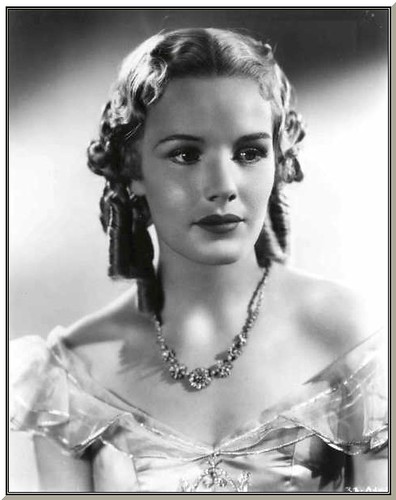
Hollywood’s Golden Age, a period often romanticized for its glittering stars and timeless narratives, undoubtedly gifted us some of the most dazzling and talented actresses in cinematic history. The names of Grace Kelly, Elizabeth Taylor, and Audrey Hepburn still resonate today as iconic beauties, shining symbols of a glamour that, in many ways, continues to inspire. Yet, as much as we celebrate these enduring legends, a deeper look reveals a poignant truth: many equally luminous figures from that very same era have, through the capricious turns of time and public memory, faded into obscurity, their immense contributions to film often overshadowed by their more famous contemporaries.
Indeed, the history of Hollywood is, regrettably, replete with tales of erasure, particularly concerning the women who were once at its very heart. From the industry’s inception in the 1890s, women were not merely actresses but also pivotal figures behind the camera—directors, producers, screenwriters, and editors. In the silent film era, women virtually controlled the industry, outnumbering men in screenwriting roles ten to one and even holding the title of the highest-paid director. However, as film transitioned into big business, attracting more men and establishing assembly-line studio systems, women were increasingly marginalized, their power and relevance slowly dismissed.
This article embarks on a necessary journey to reclaim a piece of that forgotten history, to correct the record and shift perceptions. We aim to illuminate the extraordinary accomplishments and compelling stories of ten women who, despite their profound impact and undeniable talent, have been unjustly written out of our collective conversation. These are not just actresses who appeared on screen; they are pioneers, innovators, and cultural commentators whose lives and careers offer invaluable insights into the complex dynamics of classic Hollywood, reminding us that a true history of cinema cannot be told without them.
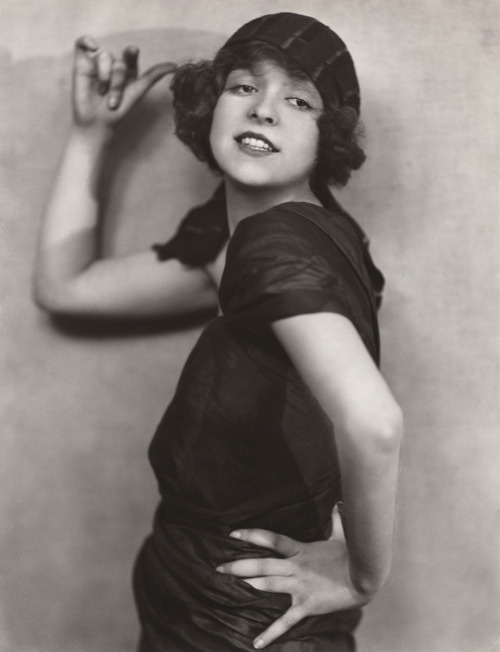
1. **Clara Bow: The Effervescent ‘It Girl’ Whose Spark Dimmed**
Clara Bow epitomized the Roaring Twenties, her vibrant energy and undeniable charisma defining the flapper era for a generation. As the silent film “it girl,” she graced some of the most iconic movies of the 1920s, her roles consistently presenting her as a modern young woman fearlessly flouting traditional ual mores and cultural norms. Her unique blend of cleverness and overt sex appeal captured the zeitgeist, making her one of the most recognizable and adored stars of her time, a true phenomenon.
Yet, beneath the glittering facade of her on-screen persona lay a tumultuous private life, one plagued by erratic behavior and scandal. While her cleverness and appeal were lauded, these public indiscretions often painted her as a tragic figure. Her personal struggles, unfortunately, often overshadowed her remarkable talent and the significant cultural impact she had as an emblem of liberation and modernity for women of the Jazz Age, a stark reminder of Hollywood’s unforgiving gaze.
Bow’s retirement from films, often erroneously linked to the emergence of talkies, was, in truth, a consequence of profound personal anguish. A series of betrayals and intense studio pressure seemingly drove her out of the business, culminating in her retreat from Hollywood by 1933. She married and relocated to a ranch in Nevada, seeking solace from the relentless spotlight that had both created and, ultimately, crushed her.
Dogged by mental health crises throughout her life, Clara Bow made very few public appearances after her time in the sun. Her story is a poignant testament to the fragility of stardom and the immense pressures placed upon women in the industry, particularly those who dared to embody a new, unbridled spirit. Though she defined an era, her later years were spent in virtual seclusion, leaving a legacy that is at once iconic and profoundly sad, her spark having dimmed far too soon.
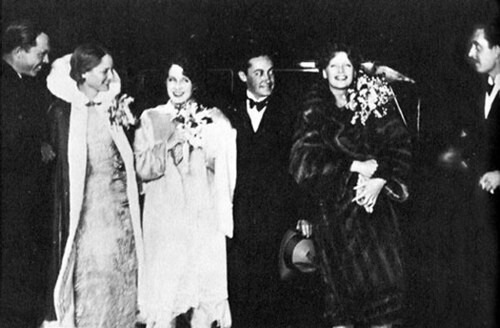
2. **Norma Shearer: MGM’s Queen, A Virtuous and Liberated Icon**
Norma Shearer was, without hyperbole, the queen of the MGM Lot, a position of immense power in the hierarchical studio system. Her influence was undeniably bolstered by her status as the wife of Metro’s head of production, Irving Thalberg. However, to reduce her to merely a producer’s wife would be a disservice to her considerable talent and astute career management; Shearer was a formidable star in her own right, her films consistent money-makers for the studio.
Her on-screen roles were remarkably diverse, often pushing the boundaries of femininity in ways that were groundbreaking for the era. She possessed a unique ability to portray characters who could be both virtuous and noble in one film, then liberated and wonderfully messy in another. This versatility not only showcased her acting range but also resonated with audiences grappling with evolving societal expectations for women, making her a compelling and complex figure in cinema.
Tragedy struck in 1936 with the unexpected passing of Irving Thalberg. This monumental loss thrust Shearer into a new, challenging phase of her career, forcing her to advocate for herself in a notoriously cutthroat industry. She did so admirably, demonstrating a resilience and business acumen that proved her capabilities extended far beyond her husband’s shadow, navigating the complex studio politics with quiet strength until her eventual retirement in 1942.
Though her fame inevitably dipped after her disappearance from public life—a common fate in an age before widespread television kept stars perpetually in the public eye—Norma Shearer’s legacy has been diligently preserved. Through the rebroadcasts of her movies, a new generation can discover the sophisticated dramas and boundary-pushing performances that once captivated millions, allowing her artistry to endure despite her deliberate retreat from the spotlight, ensuring her place in Hollywood’s pantheon.
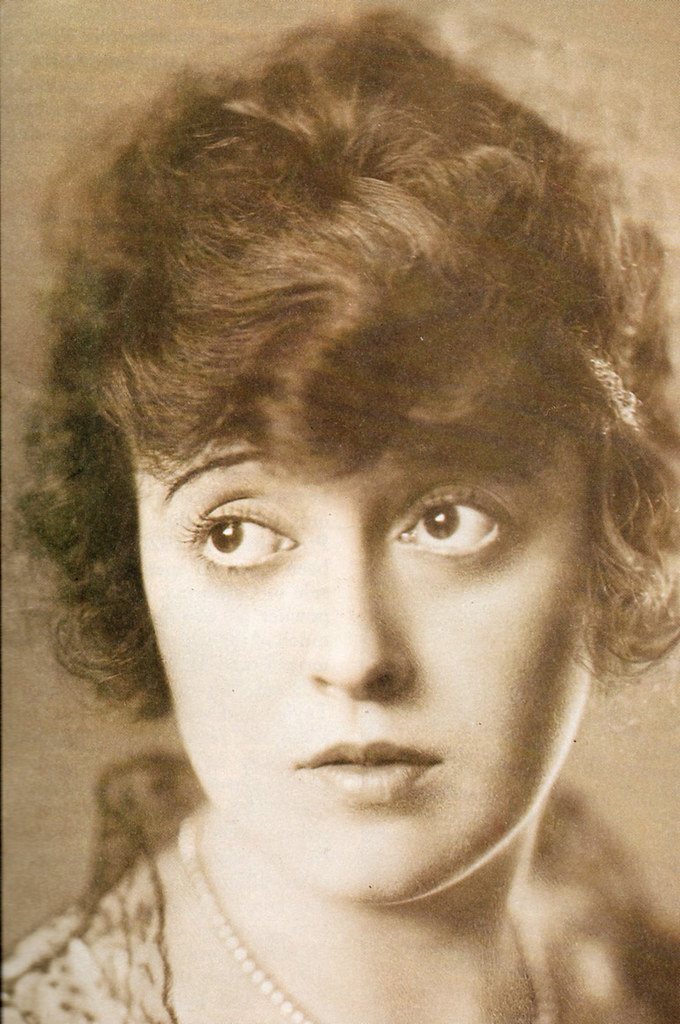
3. **Mabel Normand: The Trailblazing Comedienne Plagued by Scandal**
Mabel Normand was a true pioneer, a multifaceted talent who shone brightly as a comedy star, writer, and director during the nascent years of Hollywood. Her contributions behind and in front of the camera made her a trailblazer for women in an industry that would soon become dominated by men. She possessed an innate comedic timing and a vivacious screen presence that endeared her to audiences and made her a beloved figure of the silent era, pushing the boundaries of what women could achieve in film.
Despite her artistic prowess, Normand’s memory is often inextricably linked to her legendary exploits as a reckless party girl and her unfortunate proximity to some of Hollywood’s most shocking episodes. She was a frequent co-star of the notorious comedian Fatty Arbuckle, whose infamous legal issues in the early 1920s sent seismic shockwaves through the industry. The “whiff of scandal” seemed to perpetually surround her, threatening to eclipse her genuine talent and pioneering spirit.
Her personal life continued to be a tragic public spectacle. When her friend, director William Desmond Taylor, was mysteriously murdered, Normand was inevitably drawn into the sensational investigation, her reputation further tarnished by association. A later shooting incident committed by her chauffeur only deepened the shadow of controversy that hung over her. These events, often blown out of proportion by a voracious press, solidified her image as a figure embroiled in Hollywood’s darker underbelly.
The widespread censorship crackdowns on “immoral behavior” both on and off-screen that followed these scandals proved to be a devastating blow to Normand’s career. Her films, once widely celebrated, began to fall out of circulation, effectively erasing her work from public view. Her last movie was released in 1926, and she tragically died of tuberculosis just four years later, a brilliant star extinguished too soon, leaving a legacy shadowed by gossip rather than celebrated for her innovation.
4. **Frances Farmer: A Tragic Talent’s Battle with Hollywood and Herself**
Frances Farmer was a woman of undeniable talent and conviction, initially discovered by Paramount at the young age of 22. Her early promise was immense, yet she found herself quickly at odds with the restrictive and often stifling nature of the studio system. Disenchanted with the commodification of her artistry, Farmer made the bold decision to return to the theater, seeking a more authentic creative outlet where her dramatic prowess could flourish unfettered by Hollywood’s demands.
Her return to Hollywood, however, was not the triumphant comeback many might have hoped for. Instead, it marked the beginning of a profound and tragic descent. Farmer’s battles with addiction and severe mental illness became painfully public, making national headlines and forever painting her as a tragic fallen star. The industry, which had initially courted her, now seemed to revel in her struggles, further fueling the sensationalism surrounding her personal woes.
These public scandals, compounded by her conservatorship under a domineering mother and the various indignities she suffered after her very public breakdowns, effectively halted her career. She became less an actress and more a cautionary tale, her private suffering exploited for public consumption. It was a harrowing period that stripped her of her autonomy and her professional life, leaving a profound scar on her legacy and the collective memory of Hollywood.
Decades later, a 1982 biopic starring Jessica Lange attempted to illuminate the tragedy of her life, bringing her story back into the public consciousness. While the film sparked renewed interest, it also became a point of contention, with those who knew Farmer denying the movie’s assertion that she underwent a lobotomy. Regardless of cinematic dramatizations, Frances Farmer’s story remains a powerful, heart-wrenching narrative of a gifted woman whose profound personal struggles were exacerbated and ultimately exploited by the unforgiving machinery of classic Hollywood.
5. **Gloria Swanson: The Silent Goddess Who Nearly Rose Again**
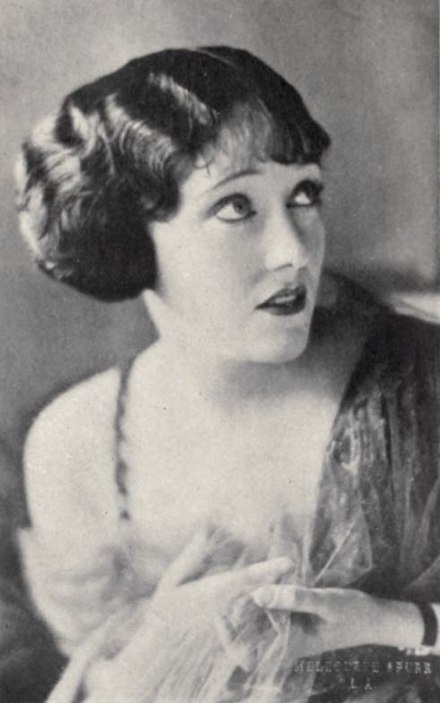
Gloria Swanson, a name synonymous with silent screen royalty, once stood at the very pinnacle of the Hollywood food chain. She was a glamorous icon, a star of unparalleled magnitude whose presence illuminated hundreds of films. In a fascinating meta-narrative, Billy Wilder’s moody and suspenseful *Sunset Boulevard* allowed Swanson to deliver one of her most iconic performances, playing a highly fictionalized version of her own story as Norma Desmond, a reclusive relic of the silent era, brilliantly echoing her own past glory.
However, like many of her contemporaries, Swanson faced an insurmountable hurdle with the advent of sound films. Despite her tremendous silent era success, she struggled to make the successful transition to talkies. The shift in filmmaking technology exposed a cruel irony: the very qualities that made her a silent star—her dramatic expressions, her larger-than-life gestures—did not always translate seamlessly to the spoken word. This difficulty led her to leave Hollywood in the late 1930s, her star seemingly having faded.
While she never totally vanished from the public eye, making a few appearances on stage and on the radio, her status as a major film star had all but faded when she made her astonishing return to Hollywood for *Sunset Boulevard* in 1950. The film was a critical and commercial triumph, earning her an Academy Award nomination and offering a brief, glorious revival of her career. It was a potent reminder of her enduring talent and charisma, sparking hope for a sustained comeback.
Yet, this revival, for all its brilliance, did not last long. She made only a few major films afterward, and while *Sunset Boulevard* cemented her place in cinematic history, her career never fully regained its earlier momentum. Gloria Swanson remains revered as one of Hollywood’s great fallen goddesses, her story a powerful testament to the transient nature of fame and the harsh realities of an industry constantly reinventing itself, often at the expense of its previous idols.

6. **Luise Rainer: The Double Oscar Winner Who Vanished**
For all her unparalleled achievements, Luise Rainer remains a name conspicuously absent from the casual conversations of classic Hollywood aficionados. This German-born actress didn’t just make history; she shattered records, becoming the first actor, male or female, to win two Academy Awards, and astonishingly, the first to achieve this feat in back-to-back years. Such a monumental accomplishment, especially so early in the Oscars’ history, should have cemented her legacy as an eternal luminary.
Indeed, Metro-Goldwyn-Mayer, the behemoth studio, saw in Rainer the potential to be their next Greta Garbo, a testament to her profound talent and magnetic screen presence. Her early career at MGM was nothing short of dazzling, marked by performances that captivated both critics and audiences, earning her those historic statuettes. She embodied a sophisticated, yet vulnerable, appeal that seemed destined for enduring stardom, poised to dominate the cinematic landscape for decades.
Yet, this trajectory was tragically cut short, leading to her abrupt departure from the film business in 1938. A confluence of factors conspired against her: a growing disenchantment with the rigid demands of Hollywood’s studio system, coupled with what was later described as poor career advice. Perhaps most profoundly, the unexpected death of Irving Thalberg, her steadfast champion and the head of production at MGM, left her without the vital support system she needed in that ruthless environment.
Her retreat from the spotlight was as sudden as her rise. Rainer chose to leave the movie business behind, returning to Europe and making only a paltry three film appearances between 1939 and 2003, with sporadic television roles. This deliberate, almost complete, withdrawal from public life ensured that despite her groundbreaking achievements, her luminous talent faded into the annals of history, a forgotten icon whose records still stand as a lonely testament to her forgotten brilliance.
7. **Tippi Hedren: Hitchcock’s Blonde, Held Hostage by a Master**
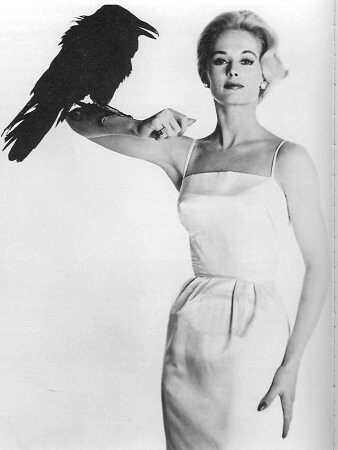
Discovered by Alfred Hitchcock himself in a television commercial, Tippi Hedren’s ascent into Hollywood’s upper echelons seemed preordained, a classic fairy tale of star-making. Her debut in “The Birds” showcased a remarkable naturalism and confidence, a cool blonde embodying the director’s quintessential aesthetic. She graced the screen with an elegance and poise that suggested a long, illustrious career ahead, making her an instant muse for the master of suspense.
However, what began as a dream collaboration soon devolved into a torturous mentorship, a chilling tale of control and professional sabotage. Hitchcock, consumed by an obsessive fixation, subjected Hedren to an increasingly oppressive environment on set. Years after his passing, Hedren courageously revealed the darker truths of this relationship, detailing how Hitchcock’s relentless pursuit escalated, profoundly impacting her well-being and career.
The most insidious aspect of his control came after she denied his advances: Hitchcock, vengeful and possessive, kept her under contract, effectively barring her from accepting roles with any other director. This vindictive maneuver prevented her from capitalizing on the immense fame and critical acclaim garnered from “The Birds” and “Marnie,” deliberately stifling her momentum and professional growth. It was a calculated act that effectively put her burgeoning career in suspended animation.
Consequently, Hedren’s career, once so promising, stalled out, unable to bloom into the full superstar potential it clearly held. While she continued to work, appearing in various projects over the years, she was tragically unable to secure roles in films of the same caliber she had made with Hitchcock. Her story serves as a stark reminder of the immense power dynamics at play in classic Hollywood, and the devastating cost when that power is wielded without conscience, silencing a truly distinctive talent.

8. **Shirley Temple: The Child Star Who Chose a Different Path**
At the very zenith of her career, Shirley Temple was not merely a celebrity; she was, unequivocally, Hollywood’s biggest box office draw, a pint-sized powerhouse whose infectious optimism resonated deeply with a Depression-era populace yearning for joy. With her iconic curly hair, dimpled smile, and prodigious talent for song, dance, and heartfelt tears, she danced and sang her way into the collective heart of America, providing a much-needed escape during bleak times.
Her charm was undeniable, her performances captivating audiences in a series of unforgettable song-and-dance movies that became cultural touchstones. She possessed a rare precocity that transcended the typical boundaries of child stardom, demonstrating an emotional depth and professionalism that belied her tender years. She was a phenomenon, a genuine cinematic prodigy whose films offered comfort and delight to millions.
Despite possessing all the inherent qualities and an established fan base to seamlessly transition into successful teenage and adult roles, Temple made a conscious and remarkably mature decision to step away. At the tender age of 22, in 1950, she married and chose to retire from filmmaking, not out of failure or lack of opportunity, but because she recognized that her passion for acting had simply waned. It was a testament to her clear-sightedness and an extraordinary act of self-determination in an industry that rarely allowed its stars such agency.
Following her departure from the silver screen, Temple embraced a quiet life away from the public eye for several years, a stark contrast to her intensely public childhood. Yet, her remarkable story took another compelling turn in the late 1960s, when she embarked upon a distinguished and extensive career as a US diplomat. This extraordinary second act, though it ensured her lasting significance, contributed to her acting legacy being less frequently invoked in discussions of enduring Hollywood legends, overshadowed by the monumental impact of her later public service.
Read more about: From Toddler Triumphs to Teenage Turmoil: These 14 Child Stars Dominated Hollywood and Defined Generations!
9. **Hedy Lamarr: The Bombshell Brain Behind Modern Tech**
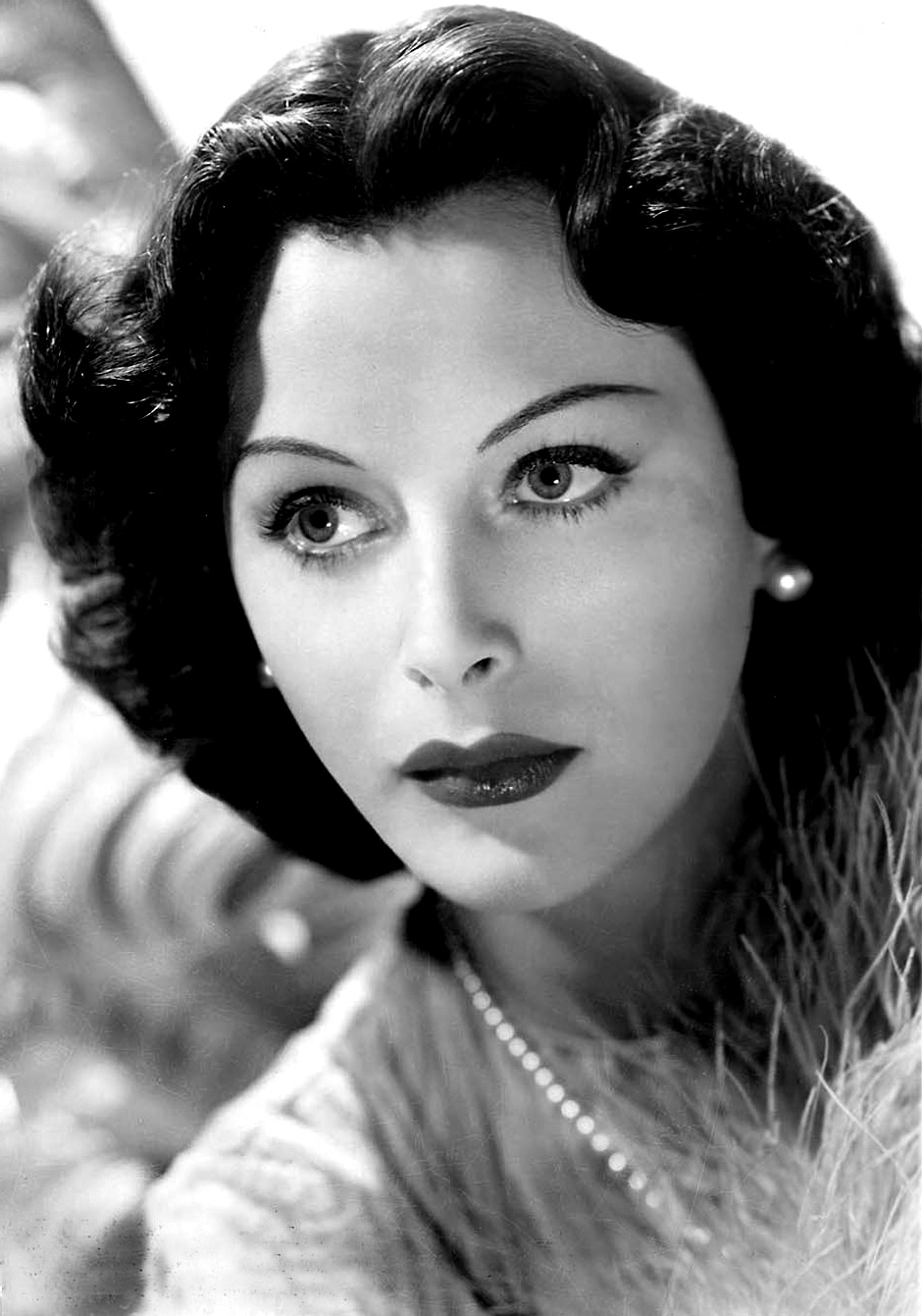
Hedy Lamarr was, by any measure, an extraordinary figure, a woman whose dazzling beauty on screen belied an equally brilliant mind behind the scenes. She was far from an ordinary star; she was a true Renaissance woman in an era that often reduced its female icons to mere objects of glamour. Her captivating presence in films like “Shanghai Express” cemented her status as a Hollywood bombshell, yet this public image only scratched the surface of her profound capabilities.
What truly set Lamarr apart was her groundbreaking intellectual contribution to science. During the very height of her film career, she was astonishingly credited as an inventor of a sophisticated radio guidance system. This ingenious work, developed in collaboration with composer George Antheil, laid the fundamental groundwork for spread spectrum technology, which today serves as the invisible backbone for modern communication marvels such as Wi-Fi, Bluetooth, and GPS. Her legacy, therefore, extends far beyond the cinematic frame, profoundly impacting the technological world we inhabit.
As her acting career waned, culminating in her last film in 1958, Lamarr retreated increasingly into a life of seclusion, becoming known as one of the industry’s most enigmatic recluses. She made very few public appearances, guarding her privacy fiercely and even resorting to legal action against those she perceived as attempting to exploit her fame. Her later years were marked by this profound desire for anonymity, creating an almost mythical distance from her glamorous past.
By the 1980s, her interactions were primarily limited to telephone conversations with her closest confidantes, living out the final two decades of her life in near-total seclusion. Hedy Lamarr’s story is a compelling paradox: a woman who was globally famous for her beauty, yet whose true genius remained largely unacknowledged during her lifetime, and whose choice of a secluded retirement meant that even her iconic screen presence gradually slipped from common memory, despite her monumental, dual contributions to art and science.
10. **Greta Garbo: The Divine Sphinx Who Walked Away**
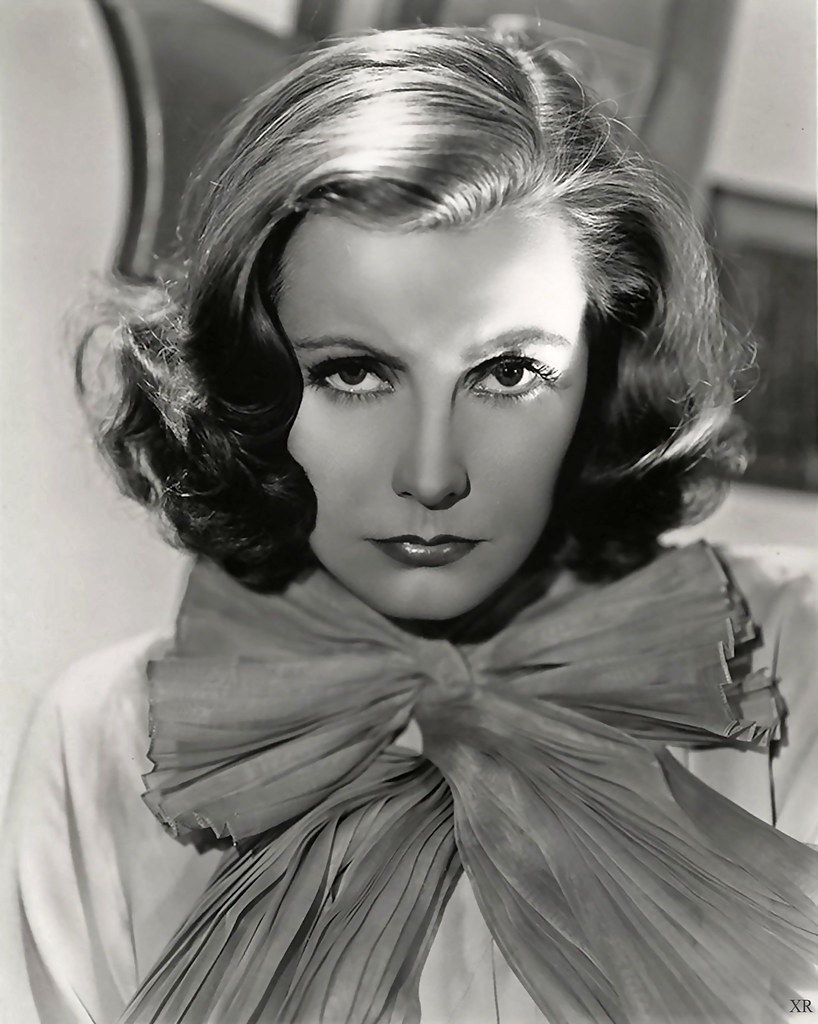
Greta Garbo, often revered as “the Divine,” was an enigma wrapped in glamour, a star whose famous declaration, “I want to be alone,” was not a mere cinematic utterance but a profound statement of personal philosophy. The media, fascinated by her aloofness, aptly dubbed her the “Swedish Sphinx,” recognizing the impenetrable mystery that surrounded her both on and off the screen. Her very presence exuded a somber, melancholic allure that captivated audiences globally.
Her journey to Hollywood began in 1925, where MGM shrewdly capitalized on her introverted nature, cultivating an elusive, “woman of mystery” persona that only intensified her appeal. As a silent movie star, she quickly ascended to legendary status, possessing an extraordinary ability to convey deep emotion with just a glance. Even when the scripts or plots were less than stellar, Garbo’s exceptional performances invariably transcended their flaws, elevating entire films with her sheer artistry and charisma.
It was therefore a seismic shock to Hollywood and her legions of fans when, after the commercial failure of her final film, 1941’s “Two-Faced Woman,” Garbo, arguably the biggest star in the world at that moment, announced her retirement. To simply walk away at the height of such unparalleled fame was an act of artistic defiance and personal integrity almost unheard of in the industry. As she famously quipped later, she felt she’d “made enough faces” in front of a camera, a candid admission of her exhaustion with the demands of stardom.
Her decision to retreat marked the end of an era, a star at her absolute peak choosing anonymity over continued adoration. This unexpected departure resonated deeply, forever defining her as an artist who prioritized her inner life over the relentless glare of public scrutiny. It was an act that cemented her legendary status, yet simultaneously propelled her into a realm of guarded privacy that ensured her eventual fading from the everyday public consciousness.
For nearly fifty years after her retirement, Garbo lived a life of deliberate “semi-solitude,” carefully curating her small circle of friends and meticulously avoiding the paparazzi and the Hollywood machine she had so famously renounced. Her guarded existence, a stark contrast to the perpetual visibility expected of stars, only added to her mystique, ensuring that while her name remained iconic, the woman herself became an increasingly elusive and, for many, a forgotten legend.
As we close the curtain on these ten extraordinary women, it becomes abundantly clear that the narrative of Hollywood’s Golden Age is far richer and more complex than its celebrated leading ladies alone suggest. From the industry’s very inception, women were not merely performers; they were visionaries, innovators, and foundational architects, whose indelible marks were often made against formidable odds, only to be subsequently marginalized or minimized by a system that increasingly undervalued their contributions. Their stories—of record-breaking triumphs, silent suffering, bold departures, and profound second acts—are essential threads in the tapestry of cinematic history. Reclaiming their legacies is not merely an act of historical correction; it is an affirmation of their enduring power, relevance, and autonomy, and a vital step towards a more truthful and inclusive understanding of film, and indeed, of the broader cultural landscape they helped shape. A true history of Hollywood, one that accurately reflects the immense talent and influence of all its contributors, cannot be told without them, and it is in their remembrance that their brilliance finally finds its deserved, timeless spotlight.