
The tapestry of popular culture is woven with threads of fascination, myth, and tragedy, and few narratives capture the collective imagination quite like the “27 Club.” It’s an informal list, largely populated by celebrated musicians and other high-profile individuals, who, by a perceived twist of fate, all departed this world at the tender age of twenty-seven. This phenomenon, which attributes a special, almost mystical significance to those who die at this particular age, has entrenched itself deeply in celebrity journalism and entertainment industry lore.
What began as a coincidence, noted amongst a string of untimely deaths of popular musicians in a concentrated period, evolved over decades into a full-fledged cultural conception. Despite refutations by scientific research regarding any statistical spike in deaths at this age, the mystique endures. The collective storytelling and continuous media reinforcement have molded these unrelated individual tragedies into a lasting cultural narrative, dubbed the ’27 Club effect,’ a powerful testament to the influence of shared perception.
This article embarks on a journey through the annals of this notorious club, exploring its foundations, its most recognized figures, and the circumstances surrounding their premature demises. We will delve into the lives and legacies of seven influential figures whose stories are intrinsically linked to the 27 Club, examining how their fame, high-risk lifestyles, and ultimate tragedies have contributed to one of rock and roll’s most enduring, albeit statistically unfounded, urban myths.

1. **Robert Johnson**Robert Johnson stands as one of the earliest and most enigmatic figures to be posthumously inducted into the notional 27 Club, predating its emergence as a widespread cultural phenomenon. A blues singer and musician, Johnson’s short but impactful life concluded in 1938, marking him as one of the very first popular musicians to be associated by various sources with this unfortunate age. His inclusion underscores the retroactive application of the club’s concept, extending its reach back into music history.
Johnson’s legacy is steeped in myth, perhaps none more famous than the tale of him selling his soul at a crossroads for musical prowess. While the specific cause of his death remains unknown, the tragic timing at 27 years and 100 days aligns eerily with the later pattern that would captivate public consciousness. His influence on generations of musicians, from rock and roll pioneers to contemporary blues artists, cemented his status as a legend.
The fact that Johnson’s story, so deeply woven into the fabric of American music, also fits the 27 Club narrative adds a profound historical dimension to the myth. His premature passing, regardless of the cause, contributes to the club’s narrative of exceptional talent extinguished far too soon. It imbues the “club” with a sense of historical depth, suggesting a pattern that transcends specific eras and genres, even if only in popular imagination.
Read more about: Beyond the Vows: 8 Powerhouse Actresses Who Mastered Hollywood’s Altar of Success First
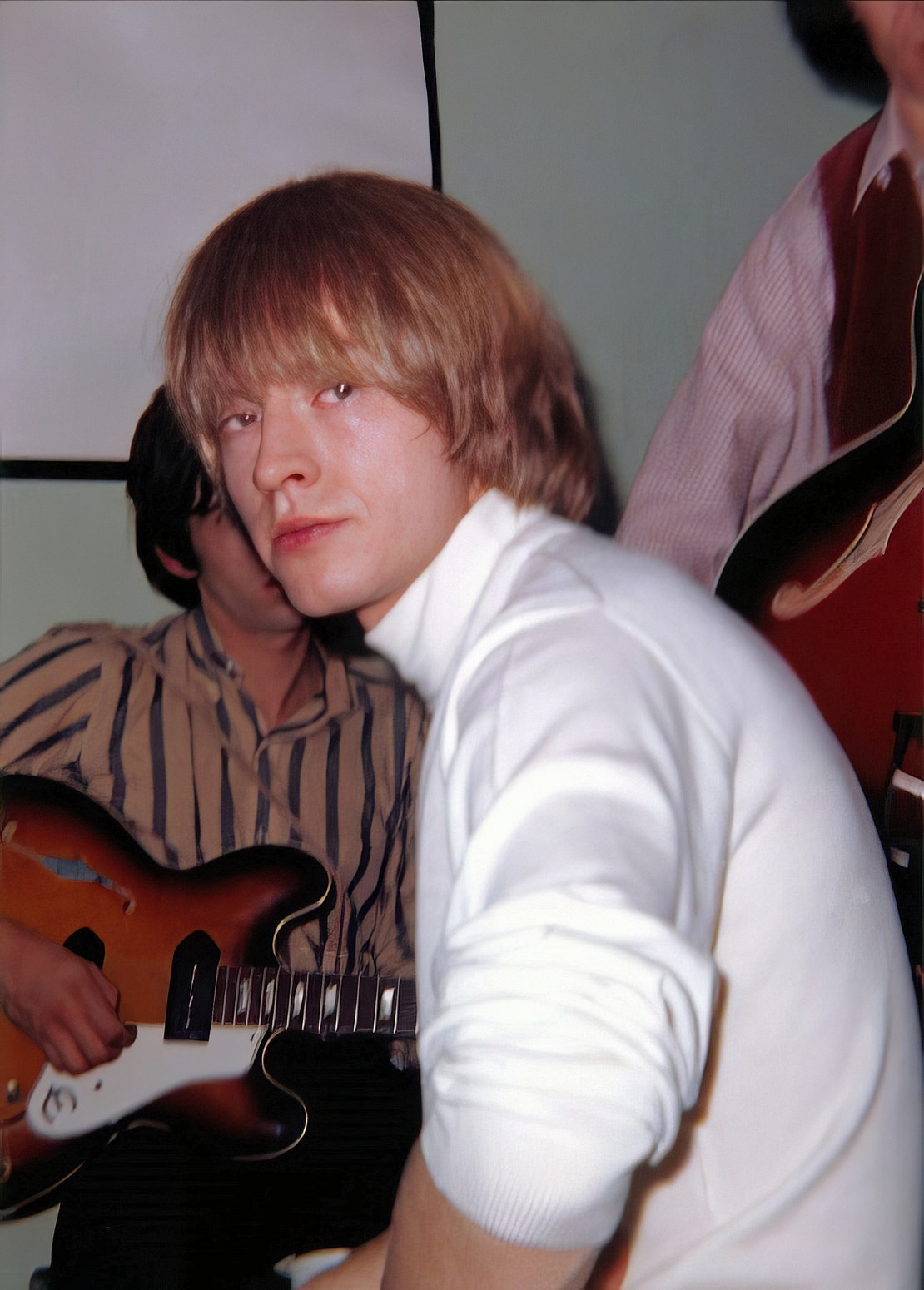
2. **Brian Jones**Brian Jones, a founding member, guitarist, and multi-instrumentalist of the iconic Rolling Stones, was one of the earliest figures whose death, alongside Jimi Hendrix, Janis Joplin, and Jim Morrison, between 1969 and 1971, first sparked comments about the coincidence of musicians dying at 27. His death on July 3, 1969, by drowning, tragically marked him as a seminal member of what would become the 27 Club.
Jones’s creative contributions to the Rolling Stones during their formative years were immense, shaping their sound and image. However, his escalating drug abuse and increasing estrangement from the band became public knowledge, reflecting a high-risk lifestyle common among many later members of the club. His departure from the band just weeks before his death added another layer of poignancy to his story.
His inclusion in this infamous roster solidified the initial perception that such untimely deaths were not isolated incidents but part of a mysterious, recurring pattern. The tragic loss of a brilliant, albeit troubled, artist like Jones, whose talent was undeniable, served as an early prototype for the archetypal 27 Club member, cementing the idea of stars burning brightly and quickly fading away.
Read more about: Remembering the Icons: We Bid Farewell to 13 American Figures Who Left an Indelible Mark in 2024
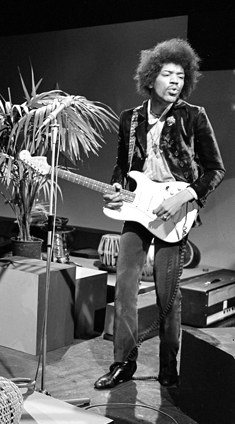
3. **Jimi Hendrix**Jimi Hendrix, the pioneering electric guitarist, singer, and songwriter, represents another cornerstone of the 27 Club’s foundation, a figure whose immense talent and innovative artistry were tragically cut short. His death on September 18, 1970, at 27 years and 295 days, was attributed to asphyxia due to drug use, a cause that regrettably became a common thread among the club’s purported members.
Hendrix’s revolutionary approach to the electric guitar, his electrifying stage presence, and his prolific songwriting had transformed rock music, making him one of the most celebrated and influential musicians of his era. His impact was so profound that, along with Joplin and Morrison, he would be referred to as part of the “holy trinity” of 1960s rock, highlighting his paramount importance in rock history.
The suddenness of his passing, at the peak of his creative powers, fueled the growing cultural narrative around the age of 27. His death, coming so close after Brian Jones’s, began to solidify the emerging lore, suggesting a pattern of extraordinary talent and vulnerability intertwining at a specific, cursed age. Hendrix’s enduring legend, despite his brief career, continues to underscore the mystique of the 27 Club.
Read more about: From Barracks to Blockbusters: 15 Iconic Actors Who Answered the Call of Duty Before Hollywood Stardom

4. **Janis Joplin**Janis Joplin, the powerful lead vocalist and songwriter for Big Brother and the Holding Company, and later the Kozmic Blues Band and Full Tilt Boogie Band, was another luminary whose life ended abruptly at 27. Her death on October 4, 1970, just weeks after Jimi Hendrix’s, due to a drug overdose, became another devastating data point in the nascent 27 Club narrative. She was 27 years and 258 days old.
Joplin’s raw, electrifying vocal style and her uninhibited stage persona made her an icon of the counterculture movement, a voice that resonated with the intensity and turmoil of her generation. Her talent was undeniable, her performances legendary, and her influence on female rock vocalists immeasurable. Yet, behind the scenes, she battled profound personal struggles that, like many of her peers, manifested in a high-risk lifestyle.
Her inclusion, alongside Hendrix and Morrison, firmly established the “holy trinity” of 1960s rock musicians who died at 27, further cementing the popular cultural perception of the club. Joplin’s tragic end reinforced the idea that intense creativity and a penchant for pushing boundaries often came with a heavy price, making her one of the most poignant symbols of the 27 Club’s supposed curse.
Read more about: Beyond the Boys’ Club: 14 Iconic Rock Anthems by Fearless Female Artists That Still Electrify Our Playlists

5. **Jim Morrison**Jim Morrison, the enigmatic singer, lyricist, and leader of The Doors, became the fourth prominent musician to die at 27 within a two-year span, profoundly solidifying the emerging “27 Club” concept. His death on July 3, 1971, in Paris, officially attributed to heart failure, occurred at 27 years and 207 days. Like his contemporaries, Morrison embodied the rebellious spirit of rock and roll, his poetic lyrics and charismatic, often provocative, stage presence defining an era.
Morrison’s lifestyle was characterized by hedonism and a fascination with the darker aspects of human experience, which often included significant drug and alcohol abuse. His self-destructive tendencies were well-documented, aligning with the high-risk profiles later associated with many purported club members. His own quote, “I feel more bonded with the Jim Morrison type of living on the edge, rock & roll poet,” later uttered by Kurt Cobain, illustrates the enduring allure of his image.
The sequence of Morrison’s death, coming after Jones, Hendrix, and Joplin, created a pattern that was too striking for popular culture to ignore. This series of celebrity losses, all at the same young age, began to transition from mere coincidence to a compelling, if informal, cultural phenomenon. Morrison’s iconic status, coupled with his untimely end, ensured his permanent place at the heart of the 27 Club legend.
Read more about: Echoes of Dissent: The Controversial Songs That Defined America’s Airwaves

6. **Kurt Cobain**It was the tragic death of Kurt Cobain, the founding member, lead singer, guitarist, and songwriter of Nirvana, in 1994, that truly propelled the idea of the 27 Club into the popular zeitgeist. His suicide, around April 5, 1994, at 27 years and 44 days, ignited a global conversation about the club, cementing its place in popular culture. Cobain’s influence on the grunge movement and alternative rock was immense, establishing him as a voice for a disaffected generation.
The immediate aftermath of Cobain’s death saw his mother, Wendy Fradenburg Cobain O’Connor, quoted in a local newspaper and subsequently worldwide by the Associated Press, saying: “Now he’s gone and joined that stupid club. I told him not to join that stupid club.” While her exact intended meaning—whether referring to other rock stars or a tragic family pattern of suicide—is debated, journalists widely interpreted it as a direct reference to the infamous deaths of Hendrix, Joplin, and Morrison.
This widely publicized statement, coupled with the growing influence of the Internet and sensational celebrity journalism, became a pivotal moment in the 27 Club’s narrative. Cobain himself had expressed a certain affinity for the “Jim Morrison type of living on the edge, rock & roll poet,” a sentiment that, in hindsight, adds a tragic layer to his own fate. His death solidified the club as a widely recognized, albeit informal, roster of fallen musical idols.
Read more about: Beyond the Boys’ Club: 14 Iconic Rock Anthems by Fearless Female Artists That Still Electrify Our Playlists

7. **Amy Winehouse**Seventeen years after Kurt Cobain’s death, the passing of singer-songwriter Amy Winehouse at the age of 27, on July 23, 2011, from alcohol poisoning, reignited a global media frenzy surrounding the 27 Club. Her death, at 27 years and 312 days, brought a renewed swell of attention to the perceived phenomenon, introducing a new generation to its somber lore and confirming its enduring grip on the public imagination.
Winehouse, known for her soulful voice and distinctive blend of jazz, R&B, and soul, had achieved widespread critical and commercial success. However, her battles with addiction were also highly public, often overshadowing her musical achievements. Tragically, her personal assistant, Alex Haines, had stated three years prior that Winehouse, then 25, feared she would join the 27 Club, reportedly saying, “I have a feeling I’m gonna die young.”
Her premature passing, particularly given her premonition, served as a potent, contemporary example that resonated deeply within the cultural narrative. Winehouse’s story reaffirmed the image of a brilliantly talented, yet deeply troubled, artist whose life was cut short by the very struggles that often accompany such intense creative energy. Her inclusion ensured the 27 Club remained a chillingly relevant cultural touchstone in the modern era.
While the initial figures of the 27 Club primarily emerged from the tumultuous world of rock and roll, this cultural phenomenon has, over time, cast its shadow over a broader spectrum of artistic and public figures. The allure of the ‘club’ now extends beyond music, encompassing actors, visual artists, and other creatives whose brilliance was extinguished far too soon. This expansion underscores how deeply ingrained the concept has become in our collective consciousness, a stark reminder of lives lived intensely and cut short dramatically.
Read more about: Never Been on a First Date? Valerie Bertinelli’s Shocking Revelation and the Many Layers of a Timeless Name
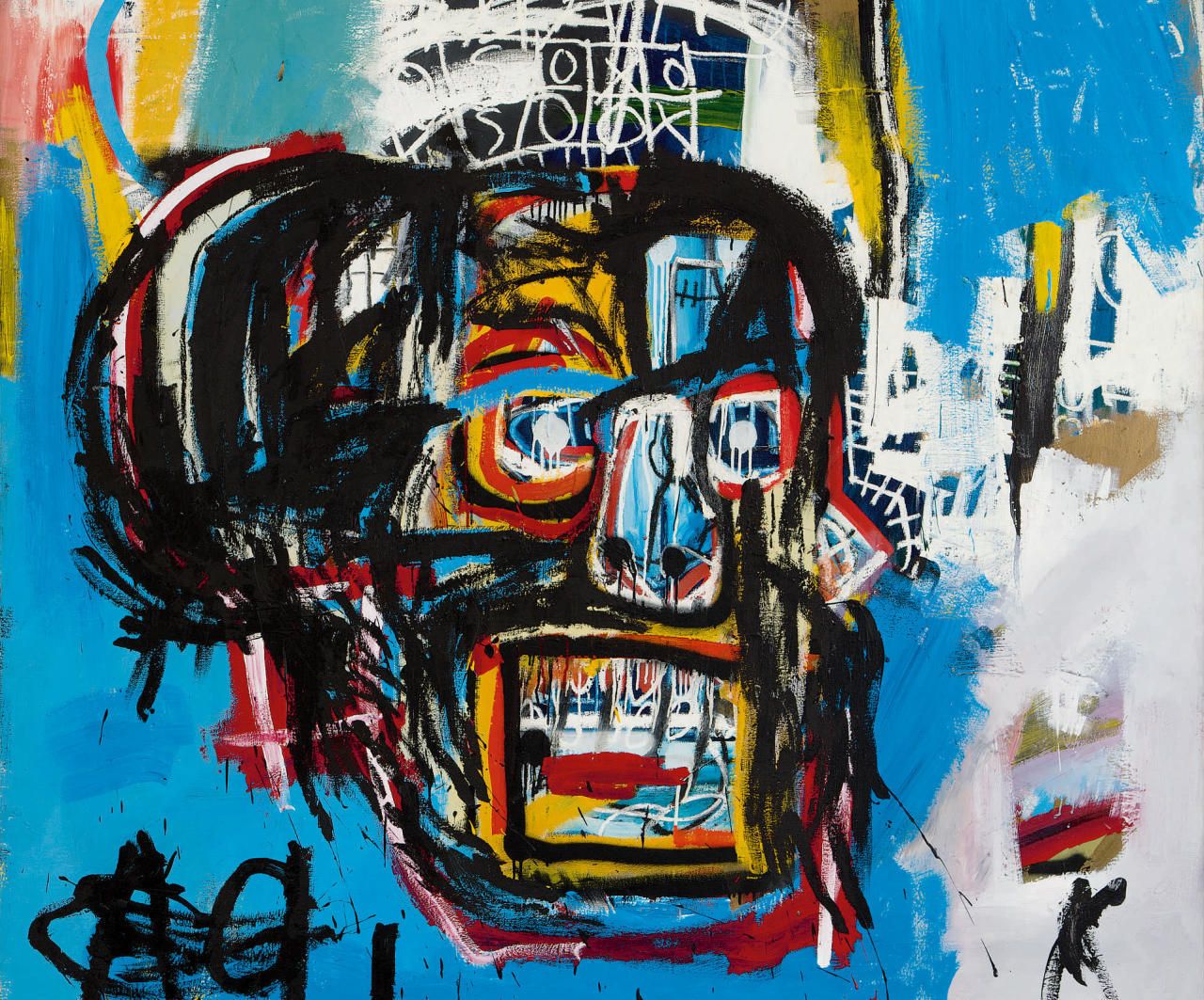
8. **Jean-Michel Basquiat**Among the notable figures whose inclusion expands the narrative of the 27 Club beyond its musical origins is the groundbreaking artist Jean-Michel Basquiat. Rising from New York City’s vibrant street art scene, Basquiat quickly became one of his generation’s most significant and celebrated artists. His work, characterized by raw energy and profound symbolism, challenged artistic conventions and left an indelible mark on contemporary art.
Basquiat’s artistic journey was meteoric, marked by collaborations with Andy Warhol and a rapid ascent to international fame. He navigated the worlds of graffiti and fine art, briefly exploring music with his band Gray. His distinctive visual language, incorporating text, tackled themes of race, class, and identity, resonating deeply with a new cultural sensibility.
Tragically, Basquiat’s intense creative life was paralleled by a battle with drug addiction, which claimed his life on August 12, 1988, at 27 years and 234 days. His death, an overdose, was a devastating loss, cutting short a career still in its prime. Basquiat’s entry into the notional 27 Club reinforces the idea that unbridled artistic passion can be tragically self-destructive, extending the club’s reach into the visual arts and symbolizing the fragility of prodigious talent.
Read more about: Beyond the Headlines: An In-Depth Look at Madonna’s Iconic Journey Through Music, Film, and Cultural Evolution

9. **Jonathan Brandis**The expansion of the 27 Club to include actors further highlights its evolving nature and the shared vulnerabilities of young public figures. Jonathan Brandis, an American film and television actor, was one such talent whose promising career was tragically cut short, leading *Rolling Stone* to include him in their list of 27 Club members. From a young age, Brandis captured audiences with his charismatic presence and versatile performances.
Brandis began as a child model, transitioning swiftly to acting and becoming a prominent teen idol in the early 1990s. Best known for *The NeverEnding Story II* and *seaQuest DSV*, his early success brought him into the harsh glare of public scrutiny—a pressure many young stars find difficult. Sadly, he struggled with depression and the challenges of sustaining a Hollywood career into adulthood.
His life ended by suicide on November 12, 2003, at 27 years and 213 days. This heartbreaking loss brought renewed attention to the mental health struggles that can afflict those in entertainment. Brandis’s inclusion by prominent media underscores that the club’s narrative extends beyond substance abuse to encompass other tragic demises, highlighting the quiet battles many public figures fight and the profound impact of celebrity pressures.
Read more about: Gone Too Soon: The Enduring Legacies of Movie Stars Who Shined Brightly Before Turning 30

10. **Anton Yelchin**Another poignant example of the 27 Club’s broadening scope is the gifted actor Anton Yelchin, whose untimely death in 2016 further cemented the notion that the ‘curse’ transcends musical boundaries. Though he played in a punk rock band, Yelchin was primarily recognized for his compelling screen work, showcasing remarkable depth and range from a young age. His career was marked by discerning role choices, earning critical acclaim and a dedicated following.
Yelchin’s filmography was diverse, spanning independent dramas and major blockbusters. He was particularly celebrated as Pavel Chekov in the *Star Trek* reboot series, where he brought fresh energy to an iconic character. His undeniable talent left many believing his potential was largely untapped, with a bright future ahead in Hollywood.
The circumstances of Yelchin’s death were uniquely tragic. He died on June 19, 2016, at 27 years and 100 days, in a fatal car accident at his home, pinned by his own vehicle. This sudden and violent end, distinct from drug- and alcohol-related fatalities, added another dimension to the lore, suggesting that the age of 27 carries an ill-fated significance regardless of the specific cause. Yelchin’s description as a club member reinforces the cultural tendency to categorize any high-profile death at this age under its umbrella, solidifying the idea of a compelling cultural narrative rather than a statistical anomaly.
Read more about: Gone Too Soon: Remembering 14 Iconic Actors Whose Legacies Live On Forever

11. **The White Lighter Myth: A Curious Fabrication**Beyond individual tragedies, the 27 Club has spawned fascinating side narratives, notably the ‘white lighter myth.’ This urban legend purports that several influential musicians who died at 27—Hendrix, Joplin, Morrison, Cobain—were in possession of a white disposable cigarette lighter, linking it to bad fortune. This seemingly specific detail offers a tangible, albeit fictional, link between their disparate deaths, speaking to a human desire for patterns.
The myth’s popularity starkly contrasts its factual basis. In 2017, *Snopes* decisively discredited it. Their investigation revealed Bic didn’t produce white lighters until 1973, meaning Hendrix, Joplin, and Morrison, who died between 1969 and 1971, couldn’t have possessed one. Other disposable lighters were also not widely available then, eroding the myth’s credibility. Despite this, the white lighter myth persists, illustrating how urban legends, once woven into popular lore, resist factual challenges.

12. **Scientific Scrutiny: Debunking the Statistical Spike**For all the cultural fascination with the 27 Club, its fundamental premise—a statistically significant spike in celebrity deaths at this age—has been thoroughly examined and refuted by scientific research. This data-driven approach offers a sobering perspective on what is essentially a widely held urban myth.
A pivotal *British Medical Journal* study in December 2011 concluded no discernible increase in death risk for musicians specifically at 27. It identified equally small increases at 25 and 32, dismantling the statistical uniqueness. The study noted, however, that young adult musicians generally exhibit a higher death rate, suggesting fame and high-risk lifestyles increase mortality, but not exclusively at age 27.
Further reinforcing this, a 2014 *The Conversation* article showed musicians are most likely to die at 56 (2.2%), significantly higher than at 27 (1.3%). Despite clear refutation, the “27 Club effect” remains powerful, driven by cultural reality. A 2024 *Proceedings of the National Academy of Sciences* study suggested the *myth itself* shapes cultural memory by boosting the visibility of those who die at 27, perpetuating the illusion of a statistical anomaly.

13. **The 27 Club in Music: A Self-Perpetuating Legacy**Even as scientific studies dismantle its statistical basis, the 27 Club maintains an undeniable presence within the art form from which it largely emerged: music. The club frequently appears, both by name and reference, in countless songs, serving as a poignant, sometimes cautionary, and often reflective motif. This self-referential cycle ensures the legend remains alive, constantly being reinterpreted and passed down through generations.
Artists grapple with the club’s dark allure. Fall Out Boy’s “27” (2008) explores hedonistic rock lifestyles. John Craigie’s “28” (2009) offers imagined viewpoints of Morrison, Joplin, and Cobain, contemplating mortality if they reached 28; Craigie wrote it at 27. Eric Burdon’s “27 Forever” (2013) and Magenta’s album *The Twenty Seven Club* (2013) are direct tributes.
Halsey’s “Colors” (2015) offers a subtle nod: “I hope you make it to the day you’re 28 years old.” Mac Miller’s “Brand Name” (2015) contained a tragically prescient line, “I’m hopin’ not to join the 27 Club,” before his own death at 26. Frank Ocean referenced the club and ‘white lighter myth’ on *Blonde* (2016). JPEGMafia, Adore Delano, Juice Wrld, and Nessa Barrett have all addressed the phenomenon, demonstrating its profound cultural penetration and fascination with youth, talent, and early demise.

14. **The 27 Club in Other Media: A Pervasive Cultural Icon**Beyond music, the pervasive influence of the 27 Club extends into a multitude of other popular culture formats, solidifying its status as a widely recognized and frequently referenced cultural icon. This broad integration across various media underscores how deeply the narrative has embedded itself in collective consciousness, moving beyond a simple list of musicians to become a compelling metaphor for untimely genius and the dark side of fame.
The concept has inspired numerous exhibitions, novels, films, stage plays, and comics, each exploring different facets of its mystique. These artistic interpretations demonstrate a continuous cultural dialogue, offering new perspectives and keeping the stories of these departed stars alive for contemporary audiences. The narrative power of the 27 Club clearly resonates beyond biographical accounts, providing a rich source of inspiration across various disciplines.
A particularly interesting example of its reach into interactive entertainment is the video game *Hitman* (2016). One mission, aptly titled “Club 27,” tasks the player with eliminating an indie musician celebrating his 27th birthday. This direct, playful, yet morbid, reference in a mainstream video game highlights the club’s widespread recognition, leveraging its inherent dark humor for narrative and gameplay purposes.
This broad engagement with the 27 Club across various media platforms speaks volumes about its enduring hold on the public imagination. It functions as a modern myth, a cautionary tale, and a testament to the powerful, often tragic, intersection of exceptional talent and human vulnerability. The continuous referencing ensures the 27 Club remains a chillingly relevant cultural touchstone, prompting reflection on lives that burned so brightly and faded quickly. The fascination persists, a testament to narrative power and shared cultural memory.
Read more about: Carol Saline, 86, Dies; A Journalist’s Legacy of Life, Storytelling, and Her Own Farewell Narrative
The 27 Club, in its essence, remains a paradox: a statistically unfounded phenomenon that has nevertheless achieved an undeniable cultural reality. It is a powerful narrative woven from tragic coincidences, fueled by media amplification, and sustained by the human inclination to find meaning in patterns. While science may have dispelled the notion of a dangerous age, it has done little to diminish the profound impact these stories have on our collective imagination. The legacies of Robert Johnson, Jimi Hendrix, Janis Joplin, Jim Morrison, Kurt Cobain, Amy Winehouse, and many others who departed at this fated age continue to resonate, not just as cautionary tales of high-risk lifestyles, but as enduring symbols of artistic brilliance, profound vulnerability, and the eternal, captivating mystery of lives cut short at their incandescent peak. They remind us that some stars, no matter how briefly they burn, leave an unforgettable light in the firmament of culture.