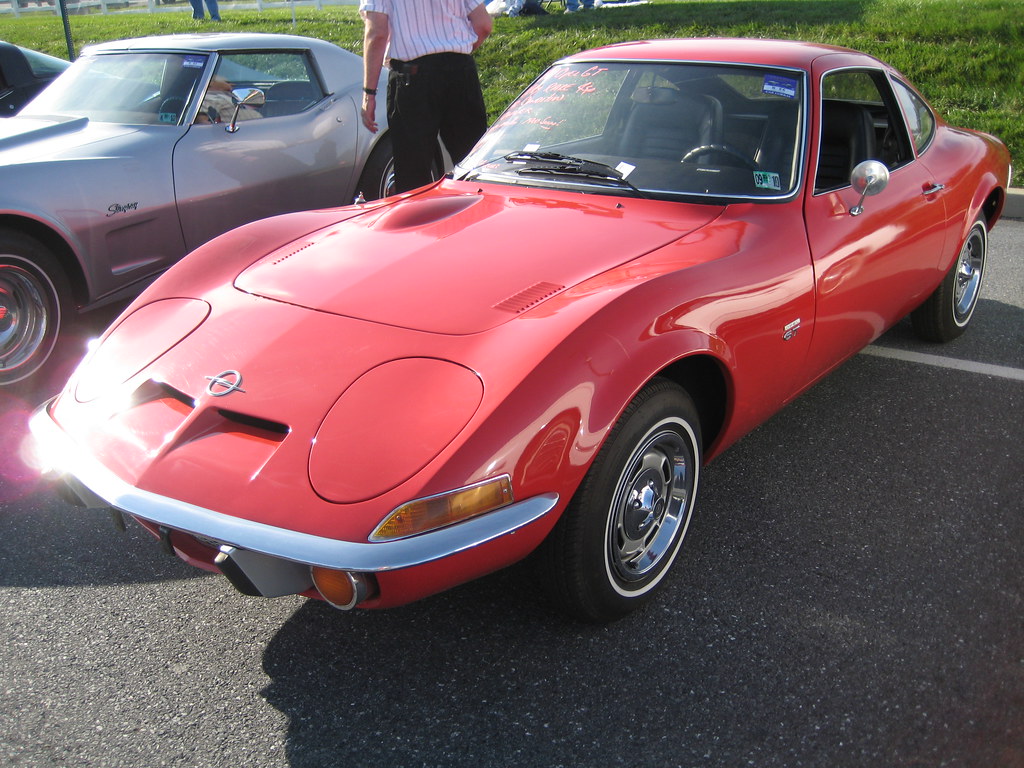
The automotive landscape of the late 1960s was a vibrant tapestry of innovation and bold styling, a period when American muscle cars reigned supreme, but a new breed of European sports coupe was beginning to carve its own niche. Amidst this era of roaring V8s and powerful straight-line performance, the Opel GT emerged as a compelling proposition, a vehicle that masterfully blended elegant European design sensibilities with a distinctly American flair, quickly captivating enthusiasts across the Atlantic. From its debut in 1968 to its conclusion in 1973, this diminutive yet dramatic machine left an indelible mark, earning itself a legendary nickname that perfectly encapsulated its essence and appeal.
Crafted by General Motors’ German subsidiary, Opel, the GT was more than just a car; it was a statement. It promised exotic looks and engaging performance at a price point that made sports car ownership accessible, all backed by the extensive service network of Buick dealerships in the United States. While its production run was relatively brief, the Opel GT’s story is a rich narrative of inspired design, clever engineering, and strategic marketing, making it a standout example of automotive ingenuity. We embark on an in-depth exploration of this memorable car, dissecting the key elements that cemented its place in history and continue to fascinate collectors and enthusiasts today.
Join us as we peel back the layers of this automotive icon, delving into its genesis, the ingenious design choices that defined its aesthetic, the thoughtful engineering that underpinned its spirited character, and the commercial journey that saw it become a beloved fixture on American roads. From its striking resemblance to a certain well-known Chevrolet to its unique operational features and carefully curated interior, each aspect of the Opel GT contributes to a larger story of a car that dared to be different, delivering a driving experience that was both thrilling and accessible.
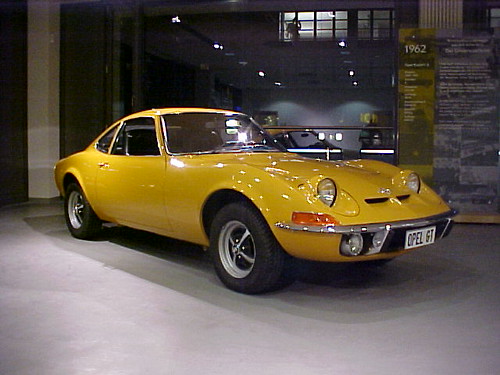
1. **The ‘Mini-Vette’ Persona: Genesis of a Nickname**Instantly recognizable and captivating, the Opel GT quickly earned the affectionate moniker “Mini-Vette,” a testament to its striking visual kinship with the third-generation Corvette, particularly the 1968 model. This powerful resemblance wasn’t merely a coincidence but a deliberate design thread woven through General Motors’ global operations. The visual connection was always apparent, given that GM owned Opel at the time, leading many to view it as a “poor-man’s Corvette” right from its inception.
Indeed, some of the designers involved were heavy hitters within GM, and it seems highly probable that both the Opel GT and the C3 Corvette, both released in 1968, drew influence from the evocative 1965 Mako Shark II concept car. This shared lineage endowed the Opel GT with an undeniable charisma, allowing it to tap into the allure of American sports car culture while offering a uniquely European interpretation. Buick, which marketed Opels in the U.S., even leaned into this image, advertising the Opel line under the tagline “the Mini-Brute,” though the “Mini-Vette” tag proved far more enduring and accurate.
This immediate comparison to the Corvette was a powerful selling point, allowing the GT to convey an image of performance and prestige that belied its more compact dimensions and accessible price point. It garnered “more curious stares than the Improbables,” as noted by contemporary reviewers, highlighting its ability to capture public imagination. The nickname wasn’t just descriptive; it was aspirational, positioning the Opel GT as a spirited, scaled-down alternative to one of America’s most celebrated sports cars, fulfilling a desire for exotic looks without the accompanying premium price tag.
Car Model Information: 1969 Opel GT
Name: Opel GT
Manufacturer: Opel
Production: 1968–1973,2007–2009
Categories: 1970s cars, Articles with short description, CS1 maint: year, Cars introduced in 1968, Cars introduced in 2006
Summary: The Opel GT is a front-engine, rear-drive two-seat sports car manufactured and marketed by Opel in two generations separated by a 34-year hiatus.
The first generation Opel GT (1968–1973) debuted as a styling exercise in 1965 at the Paris and Frankfurt motor shows. The production vehicle used mechanical components from the contemporary Opel Kadett B and two-door hard top bodywork by French contractor Brissonneau & Lotz. The styling of the GT was often cited as similar to the 1968 Chevrolet Corvette which went on sale in September 1967.
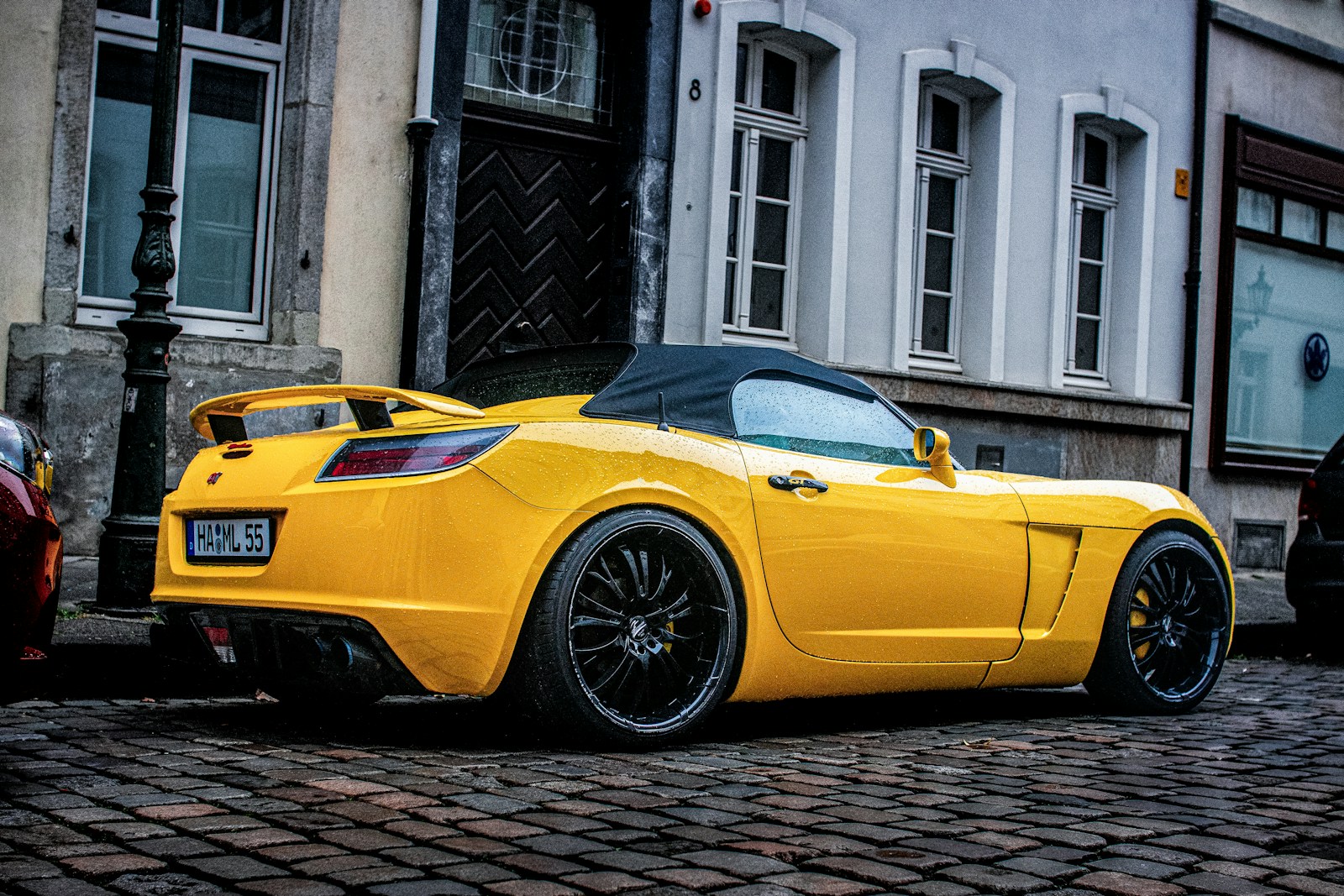
Opel marketed a second generation GT (2007–2009) as a rebadged variant of the Saturn Sky two-seater convertible (which was based on the Pontiac Solstice), manufactured in Wilmington, Delaware, USA.
In 2016, Opel introduced the GT Concept at the 2016 Geneva Motor Show as a lightweight, turbocharged, rear-wheel drive two-seater.
Get more information about: Opel GT
Buying a high-performing used car >>>
Brand: Opel Model: GT
Price: $20,000 Mileage: 60,152 mi.
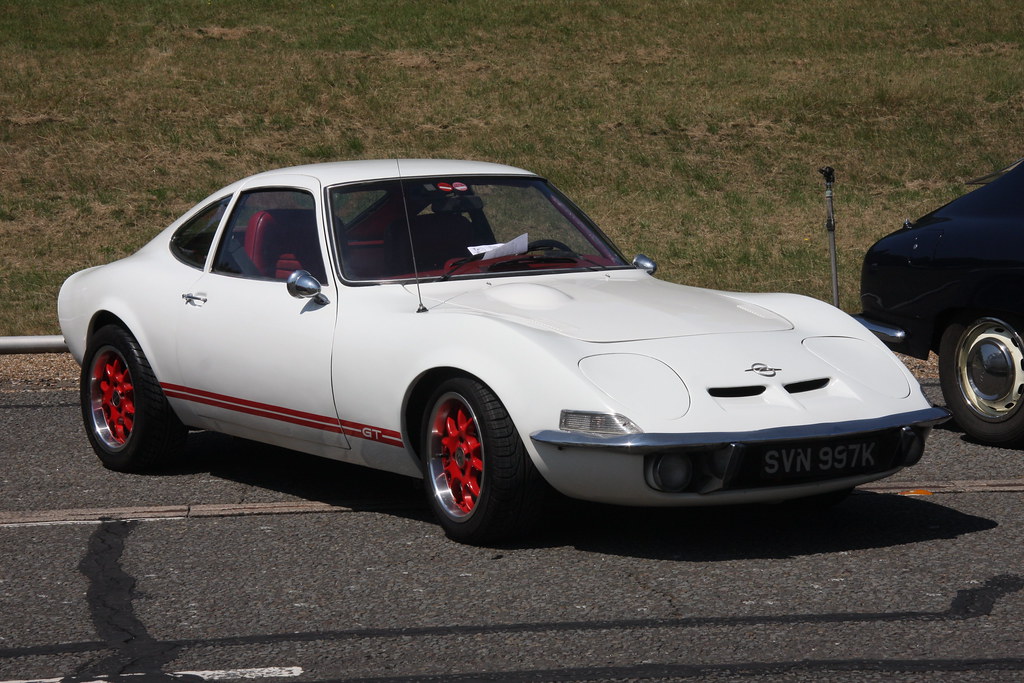
2. **From Styling Exercise to Production Reality: The GT’s Conception**The saga of the Opel GT began not on the production line, but as a sensational one-off styling exercise. This vision was brought to life by the talented team at Opel’s Ruesselsheim, Germany, design center, spearheaded by Erhard Schnell in Opel’s advanced studio. The concept, known as the “Opel Experimental GT,” debuted to rave reviews at the prestigious 1965 Paris and Frankfurt auto shows, immediately captivating audiences with its revolutionary design and flowing lines. Its overwhelming popularity swiftly earned it the green light for production.
The project, which originated under Schnell, was originally overseen by former Chevrolet chief stylist Clare MacKichan and finalized under Chuck Jordan, who succeeded MacKichan as head of the Opel design studio in 1967. This cross-pollination of design talent within GM undoubtedly contributed to the GT’s distinctly international yet familiar aesthetic. The challenge then became transforming this dramatic concept into an affordable and practical production car, a feat Opel achieved by cleverly basing the GT on the reliable Opel Kadett B chassis, significantly curtailing development costs.
While contemporary reviewers invariably compared the GT to the C3 Corvette, the actual stylistic inspiration was a 1962 Corvair concept car, the XP-777 Corvair Monza GT. This historical detail underscores the rich tapestry of design ideas shared within GM’s global studios. By adapting an existing platform and leveraging its internal design expertise, Opel successfully translated the captivating allure of the show car into a tangible reality, delivering a truly unique sports coupe that joined the Opel lineup for the 1968 model year and officially went on sale in the USA in 1969.
Car Model Information: 1969 Opel GT
Name: Opel GT
Manufacturer: Opel
Production: 1968–1973,2007–2009
Categories: 1970s cars, Articles with short description, CS1 maint: year, Cars introduced in 1968, Cars introduced in 2006
Summary: The Opel GT is a front-engine, rear-drive two-seat sports car manufactured and marketed by Opel in two generations separated by a 34-year hiatus.
The first generation Opel GT (1968–1973) debuted as a styling exercise in 1965 at the Paris and Frankfurt motor shows. The production vehicle used mechanical components from the contemporary Opel Kadett B and two-door hard top bodywork by French contractor Brissonneau & Lotz. The styling of the GT was often cited as similar to the 1968 Chevrolet Corvette which went on sale in September 1967.
Opel marketed a second generation GT (2007–2009) as a rebadged variant of the Saturn Sky two-seater convertible (which was based on the Pontiac Solstice), manufactured in Wilmington, Delaware, USA.
In 2016, Opel introduced the GT Concept at the 2016 Geneva Motor Show as a lightweight, turbocharged, rear-wheel drive two-seater.
Get more information about: Opel GT
Buying a high-performing used car >>>
Brand: Opel Model: GT
Price: $20,000 Mileage: 60,152 mi.

3. **The Kadett B Chassis: Foundations of a Sports Car**Underneath the Opel GT’s undeniably swoopy and exotic bodywork lay a more humble, yet remarkably effective, foundation: the standard Opel Kadett B chassis. This decision to utilize an existing, compact platform was crucial for keeping development costs in check and accelerating the GT’s journey from concept to reality. While the Kadett B was an entry-level compact, its architecture proved to be a surprisingly capable donor for a sports car, demonstrating clever engineering adaptation.
Opel engineers didn’t just bolt a new body onto the Kadett chassis; they made significant modifications to optimize it for sports car duty. A key alteration involved relocating the engine nearly a foot, or more precisely, 15.75 inches, aft. This strategic placement dramatically improved weight distribution, a critical factor for enhancing handling and overall driving dynamics. The passenger compartment was also shifted proportionally to the rear, further contributing to the car’s balanced feel and lower center of gravity.
The Kadett B chassis itself featured a quirky yet effective suspension setup. It utilized a three-link, torque-tube rear suspension, providing predictable road manners. Upfront, it incorporated an independent front suspension with upper A-arms and a lower transverse leaf spring – a configuration that would be familiar to those acquainted with Corvette design. This blend of established components, thoughtfully adapted and re-engineered, allowed the Opel GT to achieve a level of roadability and handling prowess that belied its origins, creating a car that was both robust and engaging to drive.
Car Model Information: 2022 BMW X3 sDrive30i
Name: Opel Kadett
Manufacturer: Opel
Production: 1936–1940,1962–1993
Predecessor: Opel 1.3 litre
Successor: Opel Astra
Class: Small family car
Layout: Front-engine, rear-wheel-drive layout
Categories: 1940s cars, 1960s cars, 1970s cars, 1980s cars, 1990s cars
Summary: The Opel Kadett is a small family car produced by the German automobile manufacturer Opel from 1936 until 1940 and then from 1962 until 1991 (the Cabrio continued until 1993), when it was succeeded by the Opel Astra.
Originally, the Kadett was Opel’s smallest model; however, as it grew in size with each generation (ultimately competing in the European C-segment), the Opel Corsa became GM/Opel’s entry-level model.
Get more information about: Opel Kadett
Buying a high-performing used car >>>
Brand: Opel Model: Kadett B
Price: $28,452 Mileage: 46,868 mi.
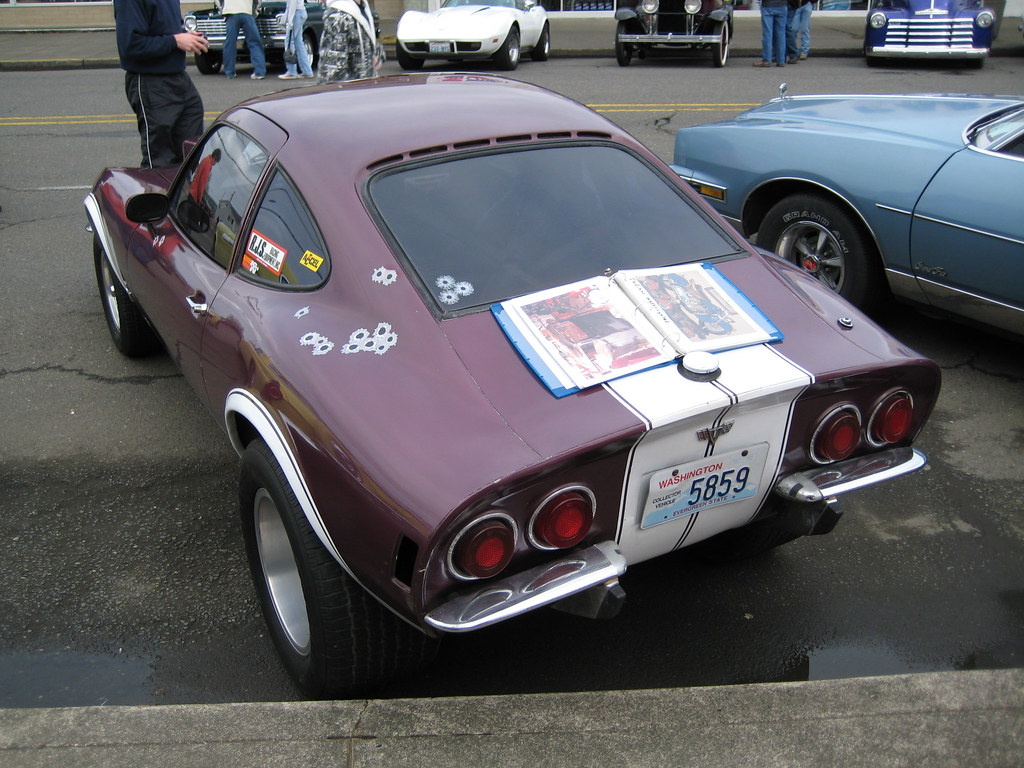
4. **Distinctive Exterior Design: A Masterclass in Automotive Styling**Upon its debut in 1968, the production Opel GT remained remarkably faithful to its celebrated concept car, a testament to the strength and appeal of its original design. This two-seater coupe sported an aggressive, low-slung profile that exuded speed and dynamism even at a standstill. Its muscular haunches and flowing lines gave it an unmistakable presence, drawing comparisons to more expensive, high-performance machines.
One of the most distinctive features of the GT’s bodywork, designed to improve rigidity and contribute to its sleek aesthetic, was the absence of a traditional trunk lid opening in the rear deck. This design choice, à la Corvette, meant that access to the luggage area was internal, though contemporary reviews noted it was “larger and easier to reach than ‘Vette’s.” Bodies for this unique design were subcontracted to Brissonneau and Lotz, a French rail car maker that had diversified into auto manufacturing in the 1950s, highlighting the international collaboration involved in its creation.
The Opel GT’s design was a cohesive blend of elements that made it stand out from its contemporaries. Its slippery shape, contributing to a drag coefficient of about 0.39 (quite good for the late ’60s), hinted at its performance capabilities. The car’s sculpted form, from its distinctive nose and tail treatments—which explicitly borrowed styling details from the Corvette—to its overall proportions, truly represented a masterclass in making an affordable car look undeniably exotic and desirable.
Car Model Information: 1969 Opel GT
Name: Opel GT
Manufacturer: Opel
Production: 1968–1973,2007–2009
Categories: 1970s cars, Articles with short description, CS1 maint: year, Cars introduced in 1968, Cars introduced in 2006
Summary: The Opel GT is a front-engine, rear-drive two-seat sports car manufactured and marketed by Opel in two generations separated by a 34-year hiatus.
The first generation Opel GT (1968–1973) debuted as a styling exercise in 1965 at the Paris and Frankfurt motor shows. The production vehicle used mechanical components from the contemporary Opel Kadett B and two-door hard top bodywork by French contractor Brissonneau & Lotz. The styling of the GT was often cited as similar to the 1968 Chevrolet Corvette which went on sale in September 1967.
Opel marketed a second generation GT (2007–2009) as a rebadged variant of the Saturn Sky two-seater convertible (which was based on the Pontiac Solstice), manufactured in Wilmington, Delaware, USA.
In 2016, Opel introduced the GT Concept at the 2016 Geneva Motor Show as a lightweight, turbocharged, rear-wheel drive two-seater.
Get more information about: Opel GT
Buying a high-performing used car >>>
Brand: Opel Model: GT
Price: $20,000 Mileage: 60,152 mi.
Read more about: Unleashing Automotive Legends: 14 Iconic 1970s Cars Now Commanding Millions in the Collector’s Market
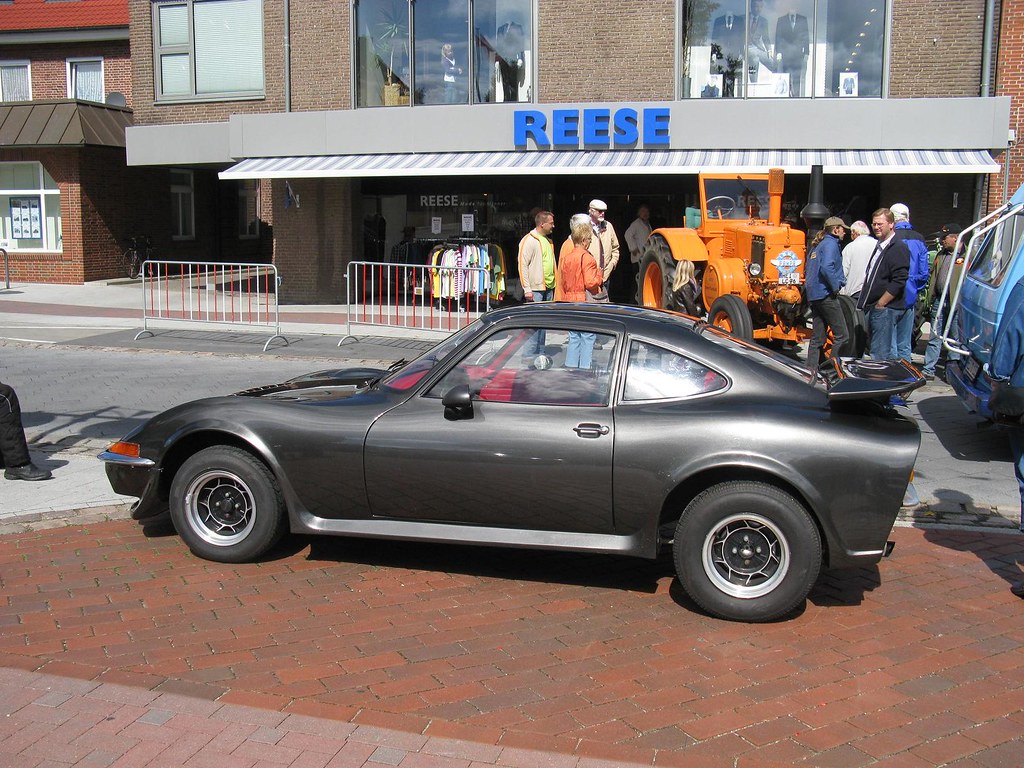
5. **The Theatrical Headlights: A Unique Engineering Solution**Perhaps one of the most memorable and discussed features of the Opel GT’s exterior design was its unusual pop-up headlight system. Unlike conventional pop-ups that lift vertically, the GT’s hidden headlamp system relied on an elaborate cable-and-lever mechanism, causing the entire headlight assemblies to roll sideways to open. This theatrical flourish added a layer of sophistication and distinctiveness to the car’s aggressive front fascia, contributing significantly to its overall charm and “Mini-Vette” appeal.
While undoubtedly eye-catching and contributing to the GT’s sleek, unbroken lines when closed, these rotating headlights presented both engineering complexity and aesthetic challenges. Car Life magazine noted that they were “not terribly attractive when raised,” momentarily disrupting the car’s otherwise fluid styling. Furthermore, the manual operation via a lever in the passenger compartment, rather than an electric motor, added a tactile, mechanical engagement that was both endearing and, at times, cumbersome.
Over time, this unique feature became increasingly expensive to produce, a factor that contributed to the car’s eventual demise. Despite the complexities and criticisms, the innovative, horizontally rotating headlights remain a defining characteristic of the Opel GT, a testament to Opel’s willingness to push design boundaries and offer something truly different in the competitive sports car market. They were a mechanical marvel that embodied the GT’s blend of style, engineering, and distinctive character.
Car Model Information: 1969 Opel GT
Name: Opel GT
Manufacturer: Opel
Production: 1968–1973,2007–2009
Categories: 1970s cars, Articles with short description, CS1 maint: year, Cars introduced in 1968, Cars introduced in 2006
Summary: The Opel GT is a front-engine, rear-drive two-seat sports car manufactured and marketed by Opel in two generations separated by a 34-year hiatus.
The first generation Opel GT (1968–1973) debuted as a styling exercise in 1965 at the Paris and Frankfurt motor shows. The production vehicle used mechanical components from the contemporary Opel Kadett B and two-door hard top bodywork by French contractor Brissonneau & Lotz. The styling of the GT was often cited as similar to the 1968 Chevrolet Corvette which went on sale in September 1967.
Opel marketed a second generation GT (2007–2009) as a rebadged variant of the Saturn Sky two-seater convertible (which was based on the Pontiac Solstice), manufactured in Wilmington, Delaware, USA.
In 2016, Opel introduced the GT Concept at the 2016 Geneva Motor Show as a lightweight, turbocharged, rear-wheel drive two-seater.
Get more information about: Opel GT
Buying a high-performing used car >>>
Brand: Opel Model: GT
Price: $20,000 Mileage: 60,152 mi.
Read more about: Unpacking the Past: 14 Vintage Car Features Modern Driving Left Behind (And Why We Miss Them)
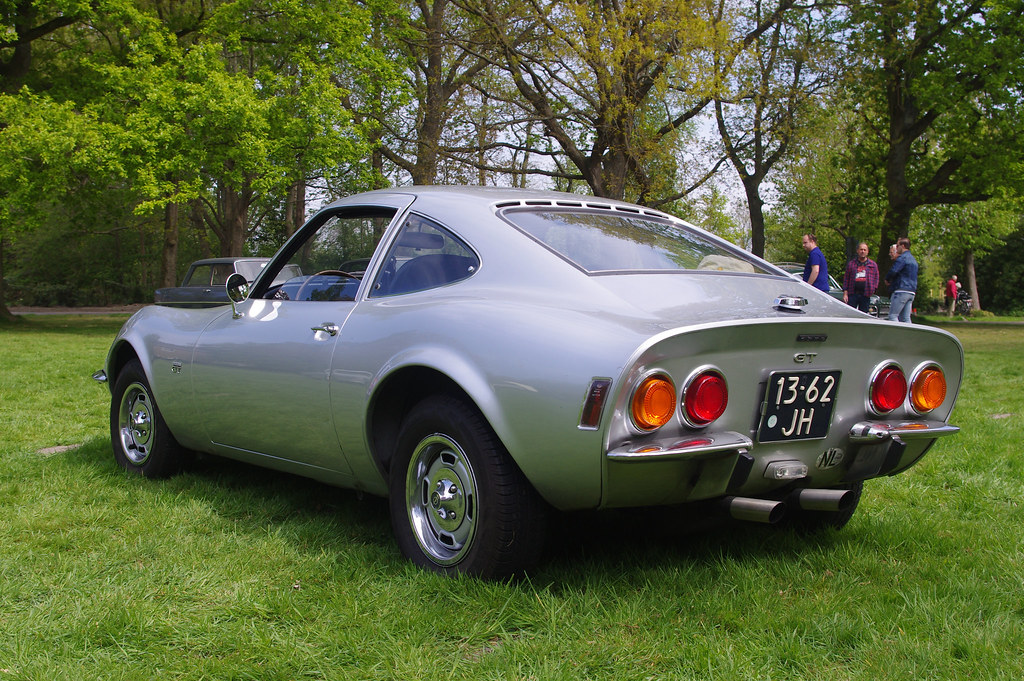
6. **The Driver-Centric Interior: A ’60s Sports Car Sanctuary**Stepping inside the Opel GT revealed a cockpit that was quintessential 1960s sports car practice, meticulously crafted to enhance the driving experience. The interior design was both stylish and logical, creating a sanctuary for the driver. It featured a full array of round instrument dials, including a tachometer and an improbable 150-mph speedometer, all angled towards the driver for optimal readability. The faux-wood steering wheel, later evolving into a sporty three-spoke wood-trimmed unit in some examples, added a touch of classic elegance.
The cabin was predominantly finished in yards of black vinyl, which was, notably, the only color offered for the interior. Despite this monochromatic choice, the overall effect was plush, logical, and surprisingly roomy. Car Life editors lauded the GT’s “better people packages of the sports and GT car world,” noting that even larger staff members found “entrance and egress better than the Corvette and most imports.” This comfort was aided by the large doors, which opened high and wide (some 43 inches, close to a full-size sedan), reflecting a rare victory for comfort engineers over pure stylists.
To broaden its appeal, particularly to the crucial American market, Opel offered an automatic transmission alongside the standard four-speed manual gearbox. Air conditioning was also available, though it was housed in a bulky, bulging plastic enclosure that swelled from the center console, indicating it was an aftermarket-style addition rather than a fully integrated system. The thoughtfulness extended to full instrumentation and details like the now-familiar heated rear window symbol for the rear defroster, making the GT a comfortable and well-appointed sports car for its era.
Car Model Information: 1969 Opel GT
Name: Opel GT
Manufacturer: Opel
Production: 1968–1973,2007–2009
Categories: 1970s cars, Articles with short description, CS1 maint: year, Cars introduced in 1968, Cars introduced in 2006
Summary: The Opel GT is a front-engine, rear-drive two-seat sports car manufactured and marketed by Opel in two generations separated by a 34-year hiatus.
The first generation Opel GT (1968–1973) debuted as a styling exercise in 1965 at the Paris and Frankfurt motor shows. The production vehicle used mechanical components from the contemporary Opel Kadett B and two-door hard top bodywork by French contractor Brissonneau & Lotz. The styling of the GT was often cited as similar to the 1968 Chevrolet Corvette which went on sale in September 1967.
Opel marketed a second generation GT (2007–2009) as a rebadged variant of the Saturn Sky two-seater convertible (which was based on the Pontiac Solstice), manufactured in Wilmington, Delaware, USA.
In 2016, Opel introduced the GT Concept at the 2016 Geneva Motor Show as a lightweight, turbocharged, rear-wheel drive two-seater.
Get more information about: Opel GT
Buying a high-performing used car >>>
Brand: Opel Model: GT
Price: $20,000 Mileage: 60,152 mi.
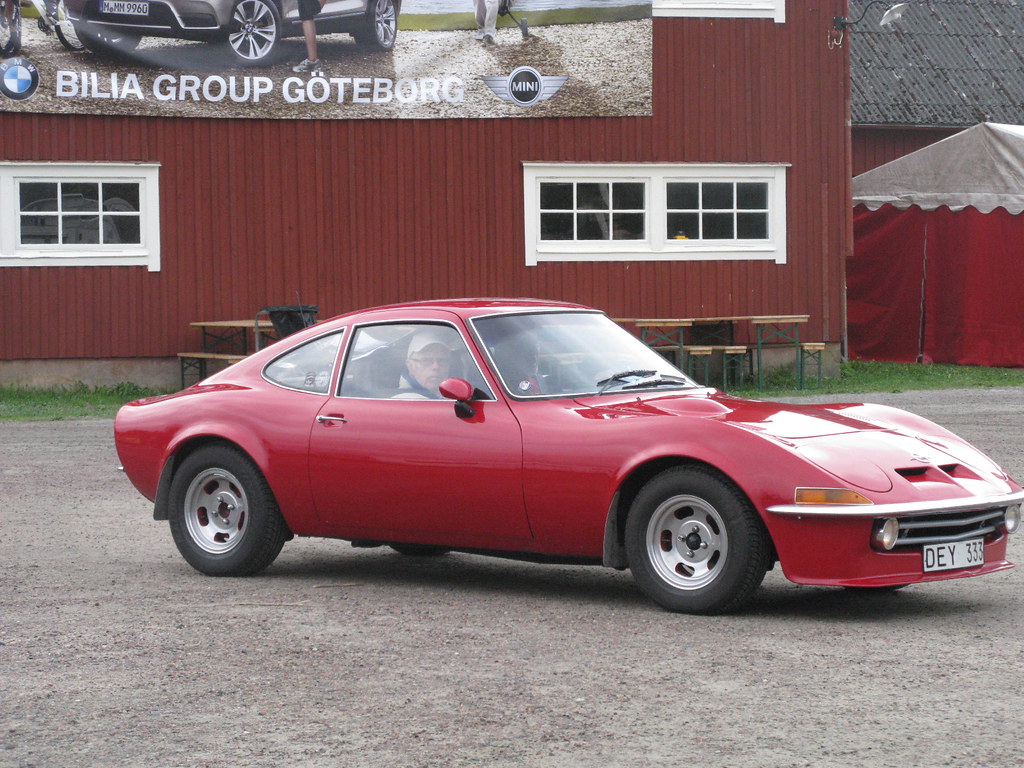
7. **Marketing and Distribution: Buick’s Role in America**The Opel GT’s journey to global success was intrinsically linked to its strategic distribution in the United States, facilitated by General Motors’ extensive Buick dealer network. This “captive import system,” a common practice among American automakers then, provided Opel with a wide and established sales and service infrastructure that would have been impossible to build independently. The relationship between Buick and Opel dated back to the recession of 1957–1958, when desperate Buick dealers began selling the German-made Opel Olympia Rekord, and interest only increased in the late ’60s.
By January 1, 1969, 1,872 Buick dealers held Opel franchises, a number that grew to 1,933 by July 1 of the same year, showcasing the robust channel for Opel products. Buick didn’t import the larger Opel models, so until the GT’s arrival, their sole Opel offering was the compact Kadett. The GT, however, promised a new kind of style and excitement that perfectly complemented Buick’s existing lineup, despite the seeming odd pairing of a small sports car next to a large Electra 225 at dealerships.
America was always the target market for the GT, with nearly 70 percent of the total production run—70,251 out of 103,373 cars—eventually shipped to the States. Marketers aggressively promoted the GT as a ‘mini-Corvette,’ a comparison that served as a powerful selling point and resonated deeply with American buyers seeking exotic flair and sporty performance at an affordable price. Initial sales figures were strong, with 11,880 Opel GTs sold in the U.S. for 1969, followed by an even more impressive 21,240 for 1970, demonstrating the immediate success of this marketing and distribution strategy.
Car Model Information: 1969 Opel GT
Name: Opel GT
Manufacturer: Opel
Production: 1968–1973,2007–2009
Categories: 1970s cars, Articles with short description, CS1 maint: year, Cars introduced in 1968, Cars introduced in 2006
Summary: The Opel GT is a front-engine, rear-drive two-seat sports car manufactured and marketed by Opel in two generations separated by a 34-year hiatus.
The first generation Opel GT (1968–1973) debuted as a styling exercise in 1965 at the Paris and Frankfurt motor shows. The production vehicle used mechanical components from the contemporary Opel Kadett B and two-door hard top bodywork by French contractor Brissonneau & Lotz. The styling of the GT was often cited as similar to the 1968 Chevrolet Corvette which went on sale in September 1967.
Opel marketed a second generation GT (2007–2009) as a rebadged variant of the Saturn Sky two-seater convertible (which was based on the Pontiac Solstice), manufactured in Wilmington, Delaware, USA.
In 2016, Opel introduced the GT Concept at the 2016 Geneva Motor Show as a lightweight, turbocharged, rear-wheel drive two-seater.
Get more information about: Opel GT
Buying a high-performing used car >>>
Brand: Opel Model: GT
Price: $20,000 Mileage: 60,152 mi.
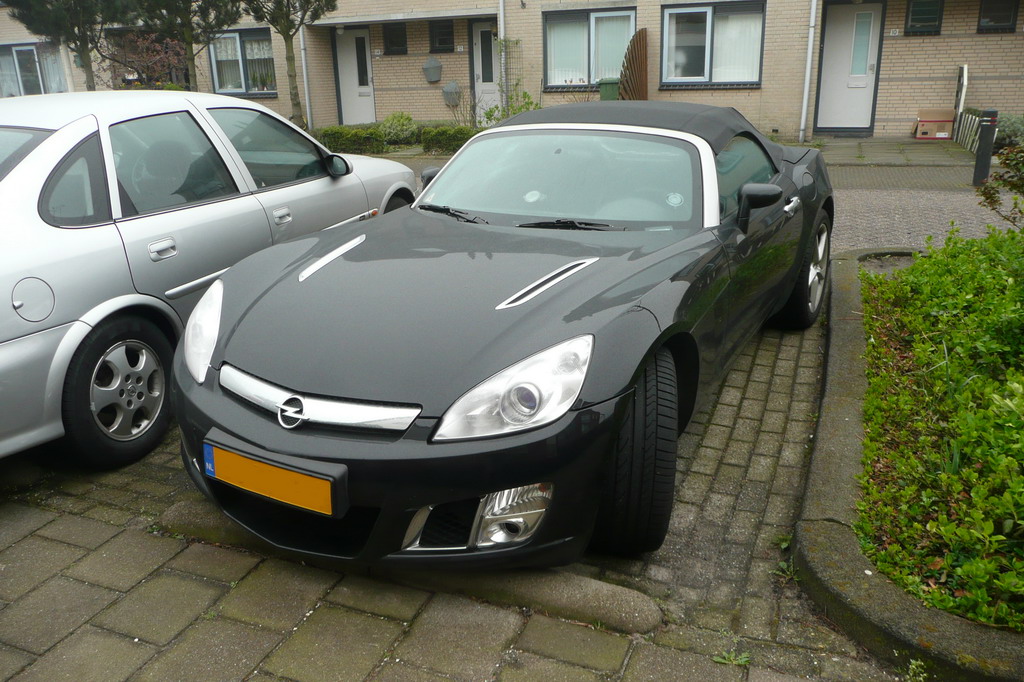
8. **Engine Options: The Heart of the Mini-Vette**While its sleek form and ‘Mini-Vette’ moniker undeniably captivated, the true character of the Opel GT was largely defined by its powerplant. Beneath its sculpted hood lay a choice of two inline-four cylinder engines. The base model, known as the GT 1100, was equipped with a 1,078cc (65.8-cid) OHV four-cylinder unit, delivering a modest 67 gross horsepower (60 DIN-PS) at 6,000 rpm. This offering provided adequate, but not exhilarating, performance for the lightweight coupe.
However, the vast majority of Opel GT buyers, especially in the crucial American market, opted for the more potent 1900 engine. This was the 1,897cc (115.8-cid) CIH (cam-in-head) engine, borrowed from the Rallye Kadett, which provided a healthier 102 gross horsepower (90 DIN-PS) at 5,400 rpm. This power upgrade, costing a relatively small premium of $99 on U.S. cars, fundamentally transformed the GT from a stylish cruiser into a genuinely spirited sports car, far better aligning with its exotic looks and athletic aspirations.
The market’s preference for the larger engine was overwhelmingly clear. Only about 3.5 percent of all GTs were sold with the 1100 engine, leading to its discontinuation after the 1970 model year. It became evident that buyers craved the more robust performance offered by the 1.9-liter unit, which solidified the GT’s image as a credible, albeit compact, sports machine capable of delivering an engaging driving experience.
Car Model Information: 1969 Opel GT
Name: Opel GT
Manufacturer: Opel
Production: 1968–1973,2007–2009
Categories: 1970s cars, Articles with short description, CS1 maint: year, Cars introduced in 1968, Cars introduced in 2006
Summary: The Opel GT is a front-engine, rear-drive two-seat sports car manufactured and marketed by Opel in two generations separated by a 34-year hiatus.
The first generation Opel GT (1968–1973) debuted as a styling exercise in 1965 at the Paris and Frankfurt motor shows. The production vehicle used mechanical components from the contemporary Opel Kadett B and two-door hard top bodywork by French contractor Brissonneau & Lotz. The styling of the GT was often cited as similar to the 1968 Chevrolet Corvette which went on sale in September 1967.
Opel marketed a second generation GT (2007–2009) as a rebadged variant of the Saturn Sky two-seater convertible (which was based on the Pontiac Solstice), manufactured in Wilmington, Delaware, USA.
In 2016, Opel introduced the GT Concept at the 2016 Geneva Motor Show as a lightweight, turbocharged, rear-wheel drive two-seater.
Get more information about: Opel GT
Buying a high-performing used car >>>
Brand: Opel Model: GT
Price: $20,000 Mileage: 60,152 mi.
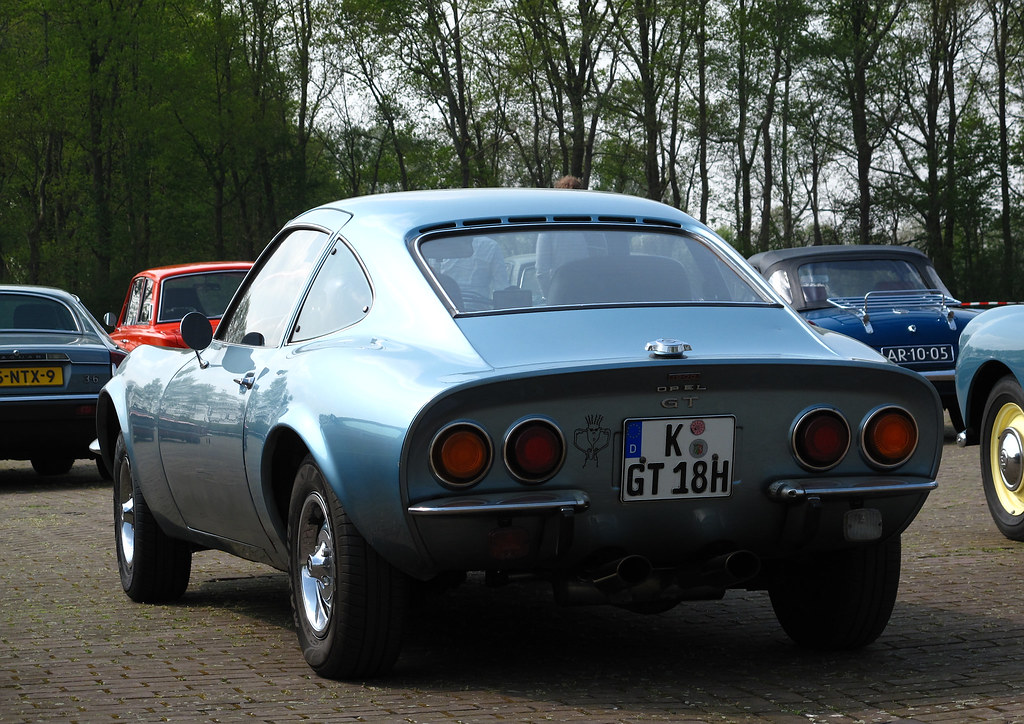
9. **Real-World Performance Metrics: Punching Above Its Weight**Despite its relatively modest engine outputs compared to the V8 muscle cars of the era, the Opel GT, particularly with the 1.9-liter engine, delivered “more than respectable” performance. Its judicious engineering and light curb weight, tipping the scales at just under 2,000 lbs (a tested 2,070 lbs with crew), contributed significantly. The GT achieved a favorable power-to-weight ratio, enabling it to surprise many. This agility was further enhanced by an aerodynamic drag coefficient of approximately 0.39, considered quite good for the late 1960s, boosting its top-end speed.
Contemporary road tests consistently lauded the GT’s capabilities. *Car Life* magazine’s review of a 1900-engined, four-speed manual test car highlighted impressive acceleration, clocking 0 to 60 mph in a brisk 10.2 seconds. This figure was notably “better than some V-8 sedans could manage” at the time, showcasing the GT’s ability to compete against larger, ostensibly more powerful vehicles. The standing quarter-mile was completed in 17.4 seconds at 79 mph, with an actual top speed recorded at 111 mph at 5,800 rpm.
Beyond raw speed, the GT also demonstrated surprising efficiency. While its 1900 CIH engine with a 9.0 compression ratio did require premium fuel for optimal performance, it proved surprisingly economical under normal driving conditions. Test averages hovered around 17.6 mpg, with estimates suggesting up to 26 mpg when not pushed to its limits. This blend of sprightly performance and decent fuel economy offered a compelling and balanced package for buyers seeking excitement without excessive running costs.
Car Model Information: 1969 Opel GT
Name: Opel GT
Manufacturer: Opel
Production: 1968–1973,2007–2009
Categories: 1970s cars, Articles with short description, CS1 maint: year, Cars introduced in 1968, Cars introduced in 2006
Summary: The Opel GT is a front-engine, rear-drive two-seat sports car manufactured and marketed by Opel in two generations separated by a 34-year hiatus.
The first generation Opel GT (1968–1973) debuted as a styling exercise in 1965 at the Paris and Frankfurt motor shows. The production vehicle used mechanical components from the contemporary Opel Kadett B and two-door hard top bodywork by French contractor Brissonneau & Lotz. The styling of the GT was often cited as similar to the 1968 Chevrolet Corvette which went on sale in September 1967.
Opel marketed a second generation GT (2007–2009) as a rebadged variant of the Saturn Sky two-seater convertible (which was based on the Pontiac Solstice), manufactured in Wilmington, Delaware, USA.
In 2016, Opel introduced the GT Concept at the 2016 Geneva Motor Show as a lightweight, turbocharged, rear-wheel drive two-seater.
Get more information about: Opel GT
Buying a high-performing used car >>>
Brand: Opel Model: GT
Price: $20,000 Mileage: 60,152 mi.
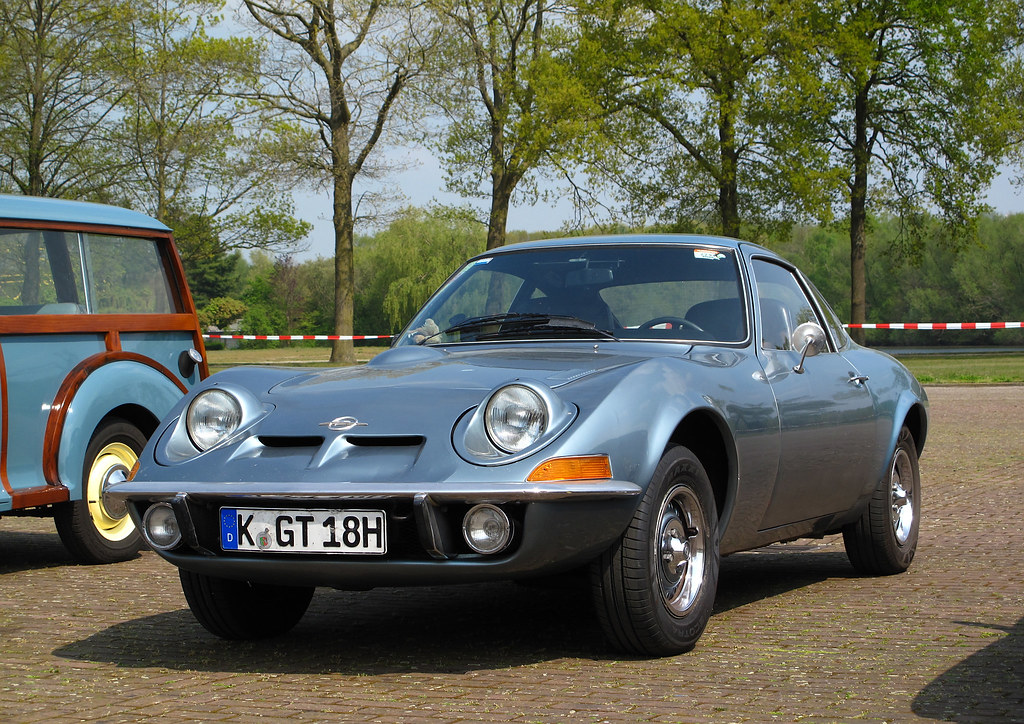
10. **Transmission and Braking Capabilities: Engineered for Control**To complement its spirited performance, the Opel GT offered a choice of transmissions and a robust braking system, both engineered to provide drivers with a sense of control. The standard offering for most markets, including the U.S., was a crisp four-speed manual gearbox. *Road & Track* commended this unit as “excellent” and “fully up to the job of accomplishing slam shifts,” underscoring its precise and capable operation. For the American market, a three-speed automatic transmission (the TH180) was also made available, catering to a broader range of driver preferences.
Despite the manual’s strengths, *Car Life* identified a notable characteristic: a significant gap between second and third gears in both the 1100 and 1900 models. The 1900’s ratios, specifically 2.156 in second and 1.366 in third, created a “knee-buckling drop.” This sometimes left drivers without “a proper gear for certain corners,” forcing a choice between “lugging around in third, or buzzing along well past the power peak in second,” which could affect optimal acceleration and cornering fluidity.
However, the Opel GT’s braking system stood out as a highlight. While four-wheel disc brakes were not offered, the standard front disc and rear drum setup proved remarkably effective. *Car Life* reported impressive deceleration capabilities, with the GT achieving almost 1 g from 80 mph (31 feet/sec./sec.). This performance was “better than almost any U.S. production car could manage,” providing confident stopping power for a car weighing less than 2,000 pounds and highlighting the thoughtful engineering applied to its dynamic safety.
Car Model Information: 1969 Opel GT
Name: Opel GT
Manufacturer: Opel
Production: 1968–1973,2007–2009
Categories: 1970s cars, Articles with short description, CS1 maint: year, Cars introduced in 1968, Cars introduced in 2006
Summary: The Opel GT is a front-engine, rear-drive two-seat sports car manufactured and marketed by Opel in two generations separated by a 34-year hiatus.
The first generation Opel GT (1968–1973) debuted as a styling exercise in 1965 at the Paris and Frankfurt motor shows. The production vehicle used mechanical components from the contemporary Opel Kadett B and two-door hard top bodywork by French contractor Brissonneau & Lotz. The styling of the GT was often cited as similar to the 1968 Chevrolet Corvette which went on sale in September 1967.
Opel marketed a second generation GT (2007–2009) as a rebadged variant of the Saturn Sky two-seater convertible (which was based on the Pontiac Solstice), manufactured in Wilmington, Delaware, USA.
In 2016, Opel introduced the GT Concept at the 2016 Geneva Motor Show as a lightweight, turbocharged, rear-wheel drive two-seater.
Get more information about: Opel GT
Buying a high-performing used car >>>
Brand: Opel Model: GT
Price: $20,000 Mileage: 60,152 mi.
Read more about: Beyond the Sticker Price: A Comprehensive Consumer Reports Guide to the 2015 Ford F-150’s True Cost and Value
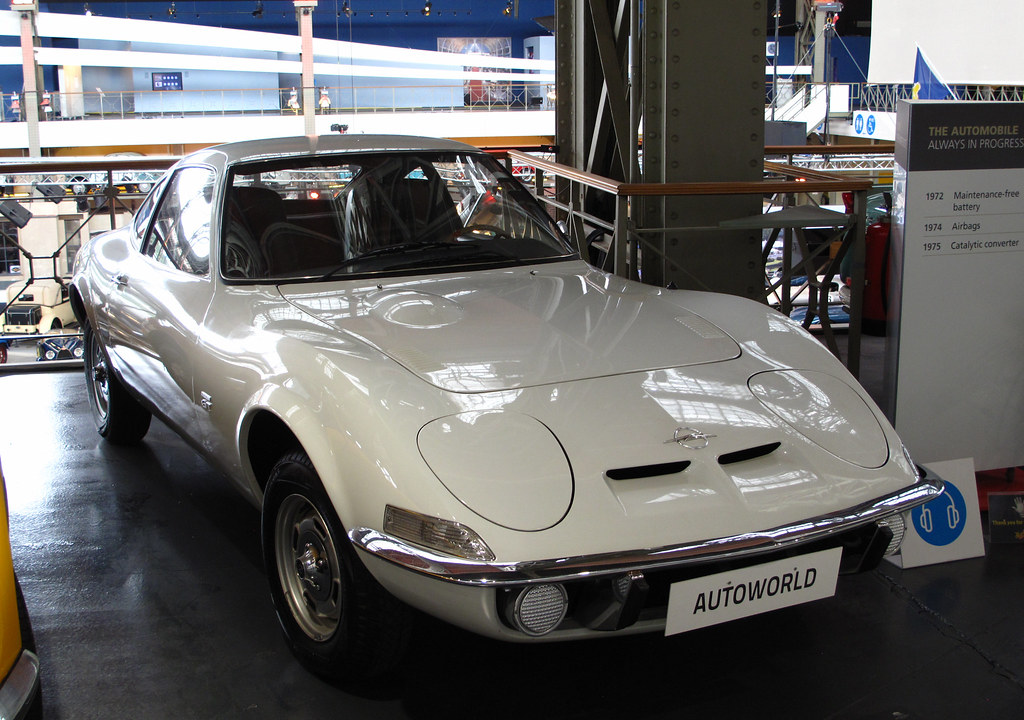
11. **Acclaimed Driving Dynamics: A Thrilling European Experience**The Opel GT’s driving dynamics consistently earned praise from automotive journalists and enthusiasts, cementing its reputation as a genuine driver’s car. Its foundation, a modified Kadett B chassis, featured independent front suspension with upper A-arms and a lower transverse leaf spring, paired with a three-link, torque-tube rear suspension. Engineers strategically relocated the engine almost 16 inches aft and shifted the passenger compartment rearward, dramatically improving weight distribution (55/45 with crew) and lowering the center of gravity, which was crucial for its engaging road manners.
This thoughtful engineering translated into a driving experience described as “nimble and reasonably responsive” for everyday use. *Motor Sport Magazine* in September 1970 particularly lauded the GT’s “roadability,” highlighting its stable rear axle and suspension for confident cornering. They even placed the GT “in the Lotus Elan category without reservations” for sheer driving enjoyment, a truly high commendation for a budget-friendly sports coupe. The direct rack-and-pinion steering was also frequently cited as a key factor in its engaging feel, offering clear and communicative feedback from the road.
While some reviewers, like *Car Life*, noted “heavy initial understeer and rear wheel lifting” when pushing the car to its absolute limits, suggesting it could feel “unpredictable” at adhesion thresholds, these criticisms were often contextualized. It was acknowledged that for “easy ‘fun’ driving around the neighborhood,” the car felt highly responsive. Nevertheless, the absence of an optional heavy-duty suspension, which included a rear anti-roll bar and limited-slip differential available in other markets but inexplicably missing from U.S. option lists, was a point of contention for some buff books, who felt Buick “chickened out” on providing the ultimate handling package for American buyers.
Car Model Information: 1969 Opel GT
Name: Opel GT
Manufacturer: Opel
Production: 1968–1973,2007–2009
Categories: 1970s cars, Articles with short description, CS1 maint: year, Cars introduced in 1968, Cars introduced in 2006
Summary: The Opel GT is a front-engine, rear-drive two-seat sports car manufactured and marketed by Opel in two generations separated by a 34-year hiatus.
The first generation Opel GT (1968–1973) debuted as a styling exercise in 1965 at the Paris and Frankfurt motor shows. The production vehicle used mechanical components from the contemporary Opel Kadett B and two-door hard top bodywork by French contractor Brissonneau & Lotz. The styling of the GT was often cited as similar to the 1968 Chevrolet Corvette which went on sale in September 1967.
Opel marketed a second generation GT (2007–2009) as a rebadged variant of the Saturn Sky two-seater convertible (which was based on the Pontiac Solstice), manufactured in Wilmington, Delaware, USA.
In 2016, Opel introduced the GT Concept at the 2016 Geneva Motor Show as a lightweight, turbocharged, rear-wheel drive two-seater.
Get more information about: Opel GT
Buying a high-performing used car >>>
Brand: Opel Model: GT
Price: $20,000 Mileage: 60,152 mi.
Read more about: The Ultimate Status Symbol? Unpacking the Millions Collectors Pay for Reborn Classic Cars
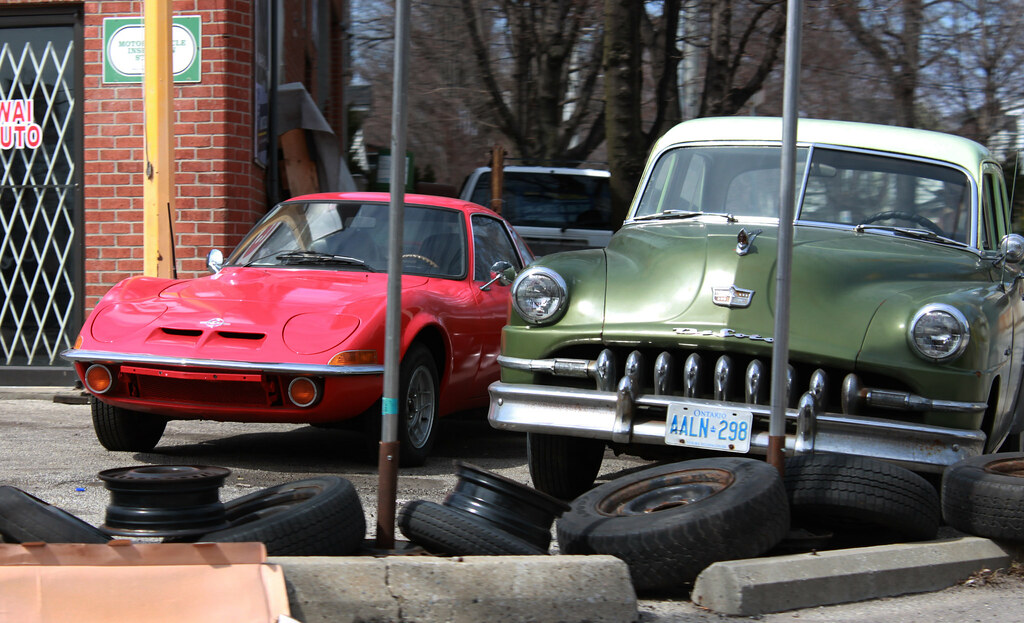
12. **Competitive Market Positioning: Battling the Imports**Upon its launch, the Opel GT was strategically positioned by General Motors to capture a share of the burgeoning “low-price sports car market,” a segment previously dominated by European and Japanese rivals like Datsun, Triumph, MG, and Fiat. *Car Life* concisely summarized its objective: “It’s GM’s bid in the lucrative low-price sports car market currently being dominated by Datsun, Triumph, MG, Fiat, et al.” The GT offered a compelling blend of distinctive European styling, engaging performance, and the significant advantage of an extensive service and parts network through Buick dealerships across America.
However, the GT’s market position, especially in its crucial American target, was not without inherent challenges. With a base price “well over $3,000” in the USA, it wasn’t a cheap proposition. For comparable money, buyers could easily opt for a “loaded Mustang or Camaro,” which, while offering a different performance ethos, presented formidable domestic competition. This necessitated the Opel GT to lean heavily on its unique aesthetic and European sports car charm to attract buyers seeking something distinct from traditional American offerings.
As its production run progressed, the competitive landscape intensified, making it difficult for the Opel GT to sustain its initial sales momentum. Buick, it seemed, “missed their window for establishing the GT as a credible sports car,” particularly by not offering the full handling package available internationally. The market soon introduced formidable new rivals such as the Datsun 240Z, which, as *Car Life* observed, provided “much better performance for very little more money.” Concurrently, more practical and equally stylish coupes like its own Opel 1900 (Manta A), the Ford Capri, and the Toyota Celica began offering compelling alternatives. Ultimately, while “nothing really wrong with the GT,” its “swoopy styling” alone proved insufficient against such “formidable opposition.”
Car Model Information: 1969 Opel GT
Name: Opel GT
Manufacturer: Opel
Production: 1968–1973,2007–2009
Categories: 1970s cars, Articles with short description, CS1 maint: year, Cars introduced in 1968, Cars introduced in 2006
Summary: The Opel GT is a front-engine, rear-drive two-seat sports car manufactured and marketed by Opel in two generations separated by a 34-year hiatus.
The first generation Opel GT (1968–1973) debuted as a styling exercise in 1965 at the Paris and Frankfurt motor shows. The production vehicle used mechanical components from the contemporary Opel Kadett B and two-door hard top bodywork by French contractor Brissonneau & Lotz. The styling of the GT was often cited as similar to the 1968 Chevrolet Corvette which went on sale in September 1967.
Opel marketed a second generation GT (2007–2009) as a rebadged variant of the Saturn Sky two-seater convertible (which was based on the Pontiac Solstice), manufactured in Wilmington, Delaware, USA.
In 2016, Opel introduced the GT Concept at the 2016 Geneva Motor Show as a lightweight, turbocharged, rear-wheel drive two-seater.
Get more information about: Opel GT
Buying a high-performing used car >>>
Brand: Opel Model: GT
Price: $20,000 Mileage: 60,152 mi.
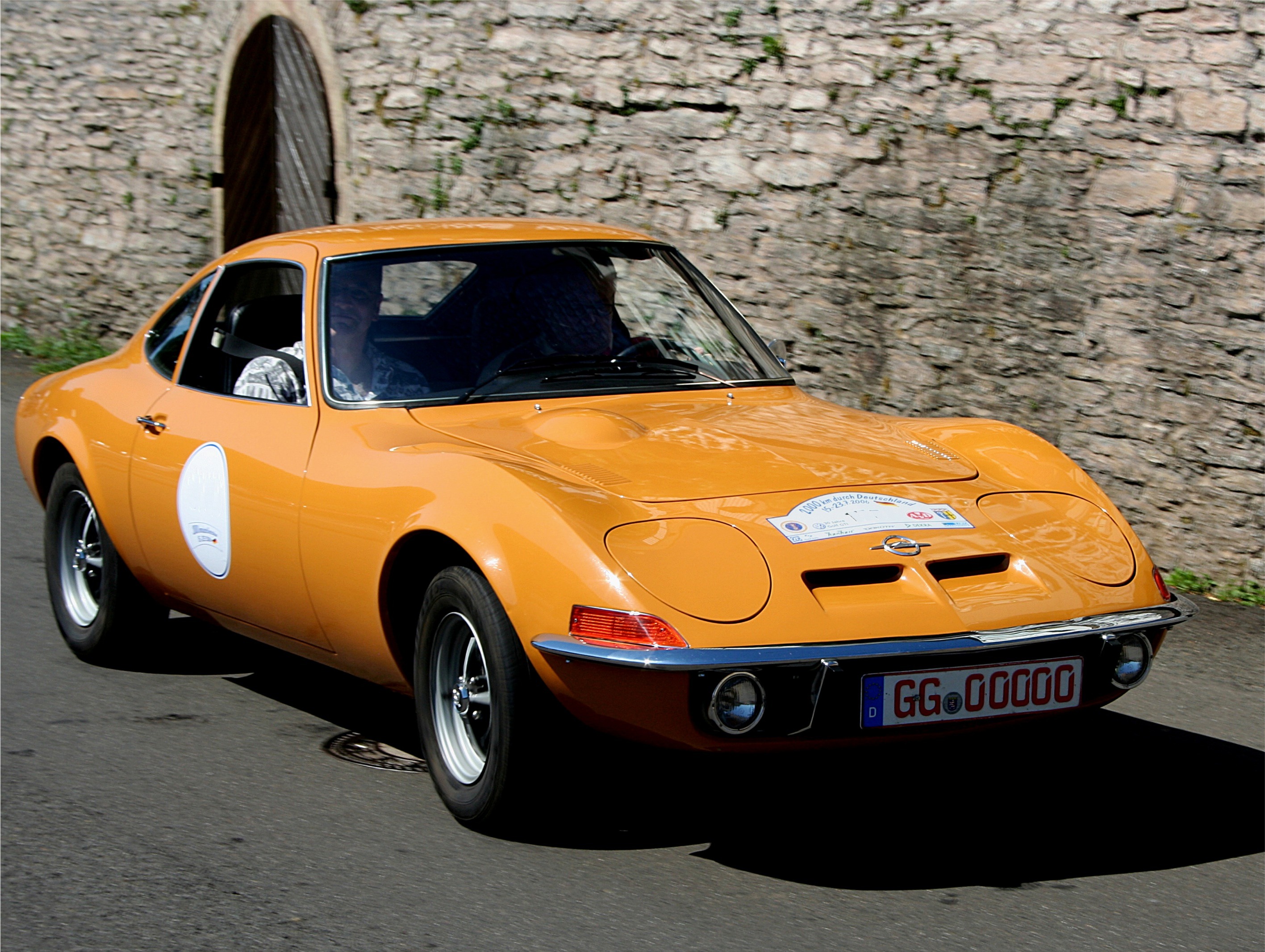
13. **The Factors Leading to Discontinuation: An Unfortunate Confluence**The Opel GT’s relatively brief production life, spanning just five years from 1968 to 1973, was curtailed by a convergence of evolving market dynamics, escalating production costs, and impending regulatory hurdles. Model year 1973 marked the final season for this beloved “Mini-Vette,” a decision rooted in pragmatic business considerations rather than a lack of market appreciation.
A pivotal factor was the imminent “new bumper and safety standards” for America in 1974. These regulations presented substantial engineering challenges that the existing GT design “couldn’t possibly meet” without a complete and costly redesign. Given the “modest sales volume” the GT was achieving, such extensive re-engineering “couldn’t be justified,” effectively sealing its fate as a niche product unable to profitably adapt. The anticipated “big bumpers of 1974” were also widely expected to “ruin the look” of the aerodynamically sculpted car.
Beyond regulations, features unique to the GT also contributed to its demise. The “manual-crank rotating headlights,” while theatrically innovative, became “increasingly expensive to produce” over time. This, coupled with Opel’s strategic pivot towards “developing more mainstream and practical vehicles,” meant the GT’s niche status no longer aligned with the company’s long-term strategy. Furthermore, “currency exchange rates between the U.S. and Germany were also turning against the enterprise,” making imports less financially viable for GM, culminating in the cessation of all Opel imports to America in 1975.
The 1973 Oil Crisis further compounded these issues, making sports cars seem like “an expensive and unnecessary luxury” to many consumers. This, alongside fierce competition from advanced Japanese sports cars like the Datsun 240Z, offering superior performance for comparable pricing, rendered the GT’s market position untenable. Its 1.9-liter powerplant also faced the growing challenge of being “choked with emissions controls” in the post-1973 era, diminishing its performance appeal. Confronted with these multifaceted pressures, General Motors ultimately “stuck a fork in the project.”
Car Model Information: 1969 Opel GT
Name: Opel GT
Manufacturer: Opel
Production: 1968–1973,2007–2009
Categories: 1970s cars, Articles with short description, CS1 maint: year, Cars introduced in 1968, Cars introduced in 2006
Summary: The Opel GT is a front-engine, rear-drive two-seat sports car manufactured and marketed by Opel in two generations separated by a 34-year hiatus.
The first generation Opel GT (1968–1973) debuted as a styling exercise in 1965 at the Paris and Frankfurt motor shows. The production vehicle used mechanical components from the contemporary Opel Kadett B and two-door hard top bodywork by French contractor Brissonneau & Lotz. The styling of the GT was often cited as similar to the 1968 Chevrolet Corvette which went on sale in September 1967.
Opel marketed a second generation GT (2007–2009) as a rebadged variant of the Saturn Sky two-seater convertible (which was based on the Pontiac Solstice), manufactured in Wilmington, Delaware, USA.
In 2016, Opel introduced the GT Concept at the 2016 Geneva Motor Show as a lightweight, turbocharged, rear-wheel drive two-seater.
Get more information about: Opel GT
Buying a high-performing used car >>>
Brand: Opel Model: GT
Price: $20,000 Mileage: 60,152 mi.
14. **An Enduring Legacy: The Cherished Classic of Today**Despite its abbreviated production run, the Opel GT carved an “indelible mark on the automotive world,” fostering a vibrant and “enduring legacy” as a cherished classic. Its story powerfully illustrates that “a great car isn’t just about speed, but passion, style, and the sheer joy of the open road.” Today, the GT frequently appears on lists of “forgotten classics” and “affordable vintage autos,” making it an appealing prospect for enthusiasts seeking a distinctive piece of automotive history without excessive investment.
The GT’s unique design and engaging driving dynamics continue to captivate collectors, who celebrate its role “bridging automotive cultures” by combining European flair with an undeniable American aesthetic influence. This blend has cultivated a dedicated community; the Opel GT “remains highly collectible,” supported by active “owner’s clubs and online stores dedicated to the model,” along with “regular meetups in various parts of the world.” This thriving enthusiast base underscores the lasting appeal of its “unique design” and “engaging driving dynamics.”
For aspiring classic car owners, the Opel GT presents an accessible entry point. Sources note that they “typically sell for reasonable sums and the maintenance and spare parts bills won’t break the bank,” allowing more enthusiasts to experience the joy of owning this “Mini-Vette.” The car’s timeless appeal was even acknowledged in 2007 when Opel “reintroduced the name on a badge-engineered variant of the Pontiac Solstice/Saturn Sky,” though this modern iteration represented a distinct chapter for the nameplate under different GM ownership.
Ultimately, the Opel GT proved that “a beautiful, sporty coupe could be both affordable and reliable,” delivering “European style and American flair together in a seamless and unforgettable package.” Though its original production was brief, the “Opel GT’s light continues to shine brightly for car enthusiasts worldwide,” cementing its place not merely as a historical artifact, but as a beloved icon whose spirit of accessible sports car excitement perpetually lives on.
Car Model Information: 1969 Opel GT
Name: Opel GT
Manufacturer: Opel
Production: 1968–1973,2007–2009
Categories: 1970s cars, Articles with short description, CS1 maint: year, Cars introduced in 1968, Cars introduced in 2006
Summary: The Opel GT is a front-engine, rear-drive two-seat sports car manufactured and marketed by Opel in two generations separated by a 34-year hiatus.
The first generation Opel GT (1968–1973) debuted as a styling exercise in 1965 at the Paris and Frankfurt motor shows. The production vehicle used mechanical components from the contemporary Opel Kadett B and two-door hard top bodywork by French contractor Brissonneau & Lotz. The styling of the GT was often cited as similar to the 1968 Chevrolet Corvette which went on sale in September 1967.
Opel marketed a second generation GT (2007–2009) as a rebadged variant of the Saturn Sky two-seater convertible (which was based on the Pontiac Solstice), manufactured in Wilmington, Delaware, USA.
In 2016, Opel introduced the GT Concept at the 2016 Geneva Motor Show as a lightweight, turbocharged, rear-wheel drive two-seater.
Get more information about: Opel GT
Buying a high-performing used car >>>
Brand: Opel Model: GT
Price: $20,000 Mileage: 60,152 mi.
Read more about: Unveiling the Backslide: The Untold History of Michael Jackson’s Legendary Moonwalk
The Opel GT, a car that resonated with drivers who desired both aesthetics and performance on a reasonable budget, continues to captivate. Its journey from a daring concept to a beloved classic is a testament to the visionaries at Opel and GM who dared to create a truly unique vehicle. From its Corvette-inspired lines to its surprisingly agile handling, the GT delivered a driving experience that defied its humble origins and continues to delight today. It stands as a shining example of how innovation, passion, and clever design can create a lasting legend, proving that sometimes, the most memorable cars are the ones that blend unexpected influences into an unforgettable package. The “Mini-Vette” may have been a car we eventually lost, but its spirit and legacy burn brighter than ever in the hearts of automotive aficionados.