The Grammy Awards, an annual spectacle celebrating musical excellence, have long been a stage for more than just trophies and performances. They are a crucible for human emotion, where artists, often overwhelmed, ecstatic, or defiant, step up to the microphone, transforming a simple thank you into a moment etched in cultural history.
Indeed, it’s one of the most beloved Grammy traditions: the speech. When a star walks up to the microphone on live TV, you never truly know what captivating words will emerge. Some recipients choose humility, offering simple gratitude. Others weave humor into their remarks, eliciting chuckles from the audience, while a few speak from a place of profound conviction, baring their hearts in raw, unfiltered declarations. Occasionally, these speeches even stir controversy, making waves beyond the ceremony itself. Regardless of their content or reception, these unpredictable moments consistently stand out as highlights of the event.
Throughout the decades, Grammy history has been punctuated by legendary speeches—moments that remain iconic, sometimes for inspiring reasons, and at other times, perhaps for less conventional ones. From trailblazing feminist declarations to unexpected interruptions and profound social commentaries, these are some of the classic speeches that have shaped the narrative of the Grammys, demonstrating that while the music is the main event, the words spoken from the podium often resonate just as loudly, revealing the very human drama behind the global spotlight.
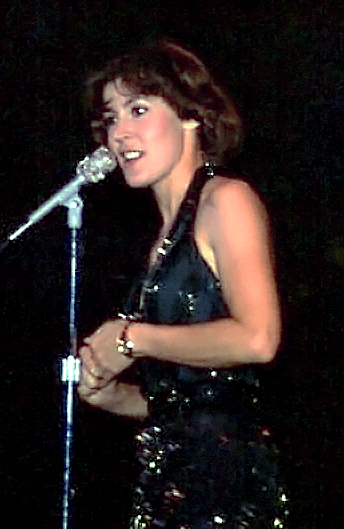
1. **Helen Reddy’s Unforgettable Declaration (1973)**Imagine the year 1973. The world was still grappling with shifting social norms, and the feminist movement was gaining powerful momentum. It was in this dynamic atmosphere that Australian singer Helen Reddy stepped onto the Grammy stage, having won the award for Best Female Pop Performance for her groundbreaking anthem, “I Am Woman.” Little did anyone know, her acceptance speech would become an instant flashpoint.
With poised conviction, Reddy offered a thank you that would echo for years. She famously stated, “I would like to thank God, because She makes everything possible.” This seemingly simple, yet profoundly feminist, rephrasing of the divine immediately caused an uproar. In an era before artists like Ariana Grande could casually weave phrases like “God Is a Woman” into mainstream pop, Reddy’s declaration was easily the most controversial speech in Grammy history at that point.
Her words weren’t just a thank you; they were a bold, public affirmation of female power and divinity, delivered on one of music’s biggest stages. It was a moment that perfectly encapsulated the spirit of her song, “I Am Woman,” a true “hear her roar” statement that resonated deeply with many, while undoubtedly shocking others. This speech became a testament to the power of using a public platform for a message beyond mere gratitude, cementing Reddy’s place as a trailblazer.

2. **U2’s Witty and Eccentric Thanks (1988)**The year was 1988, and U2, the iconic Irish rock band, was riding high on the phenomenal success of their album, *The Joshua Tree*. As they swept up major awards, the Grammys were treated to not one, but two, of the funniest and most memorable acceptance speeches ever delivered by the band’s leading figures: Bono and The Edge.
Bono, never one to shy away from a playful jab, took the opportunity to air a humorous grievance against the rock critics at *The Village Voice*. His witty retort demonstrated that even amidst global recognition, artists retain a healthy, and often entertaining, sense of self-awareness and a willingness to engage with their critics, albeit in a lighthearted way. It was a classic Bono move, combining rockstar charisma with a touch of irreverence.
Meanwhile, The Edge, known for his distinctive guitar work and often more understated presence, delivered a truly unique acceptance. He presented a long, wonderfully strange list of heroes, whose influence on him seemingly spanned across all facets of culture and imagination. His eclectic roster included musical legends like Jimi Hendrix, pop culture icons such as Walt Disney and Pee-wee Herman, literary figures like Flannery O’Connor, and even fictional characters including James T. Kirk, Batman and Robin. The list grew even more delightfully absurd, extending to Dr. Ruth, soccer star George Best, actor Gregory Peck, the YMCA, and even “sumo wrestlers throughout the world.” This speech was a delightful diversion, showcasing the band’s quirky humor and The Edge’s surprisingly broad and imaginative appreciation for influences, proving that a thank-you can be both genuine and utterly entertaining.
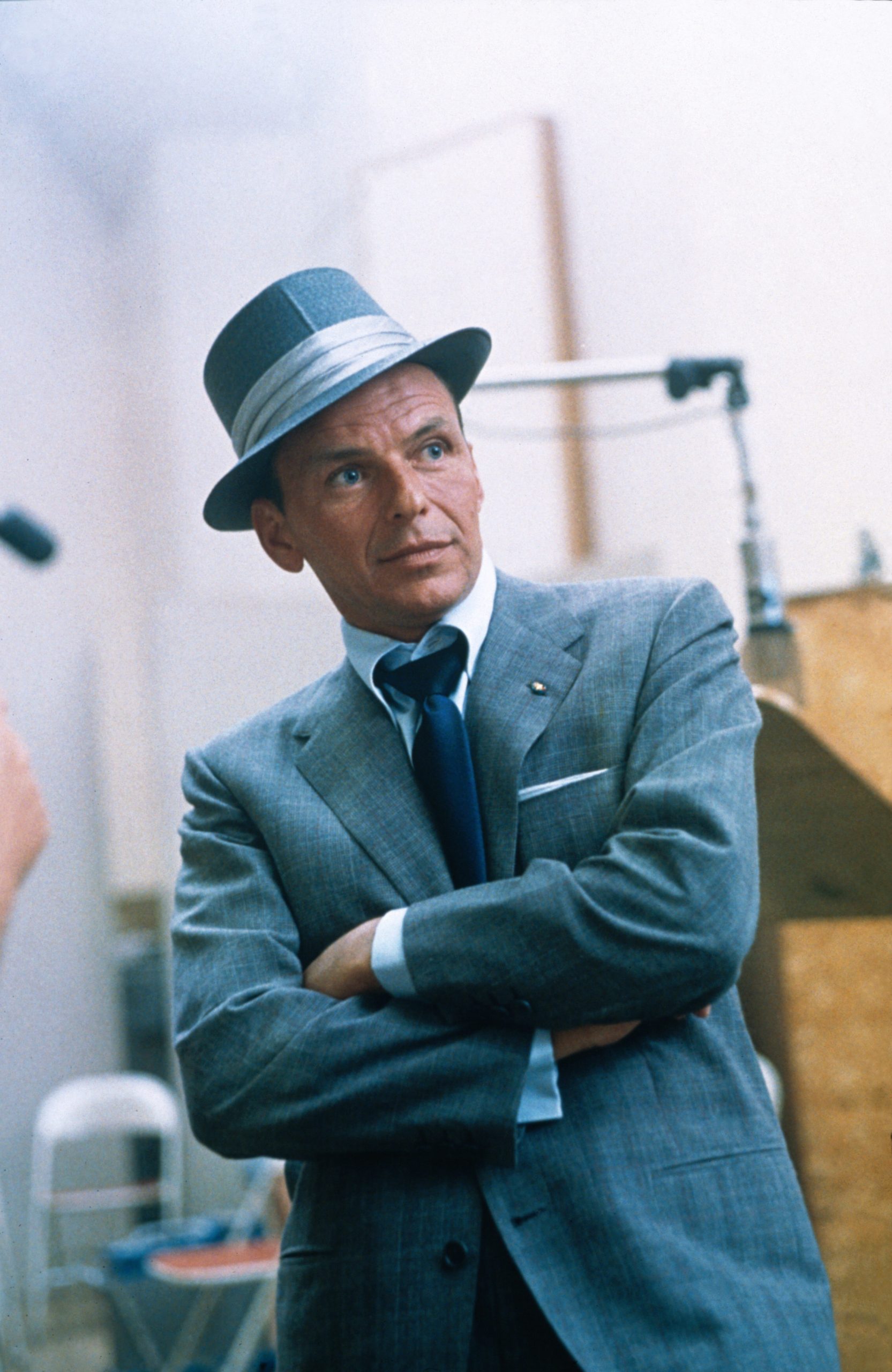
3. **Frank Sinatra’s Unceremonious Cut-Off (1994)**In 1994, the legendary Frank Sinatra, affectionately known as “Chairman of the Board,” was honored with the Legend Award for lifetime achievement. At 78 years old, it was a fitting tribute to a monumental career, and Bono himself delivered a worshipful homage to the iconic crooner. The atmosphere was ripe for a moment of profound respect and reflection, a chance for Sinatra to address his peers and fans one last time from the Grammy stage.
However, what unfolded next became one of the all-time Grammy cringe moments. As Sinatra began to speak, deep in the midst of his acceptance, the Grammys made an astonishing decision: they cut him off. Not just paused, but abruptly transitioned to a commercial break. The television audience, and undoubtedly many in the room, watched in disbelief as a true titan of music was silenced mid-sentence.
He never even got to finish his speech. The interruption of Frank Sinatra, a man whose stature in music was virtually unmatched, was a glaring misstep. It sent a clear, albeit harsh, message about the unforgiving nature of live television scheduling, and the commercial pressures that can override even the most sacred moments of recognition. The incident served as a stark reminder that even the most revered figures are not immune to the ruthless clock of a major awards broadcast, leading many to exclaim, and rightly so, that “Nobody interrupts Frank.”
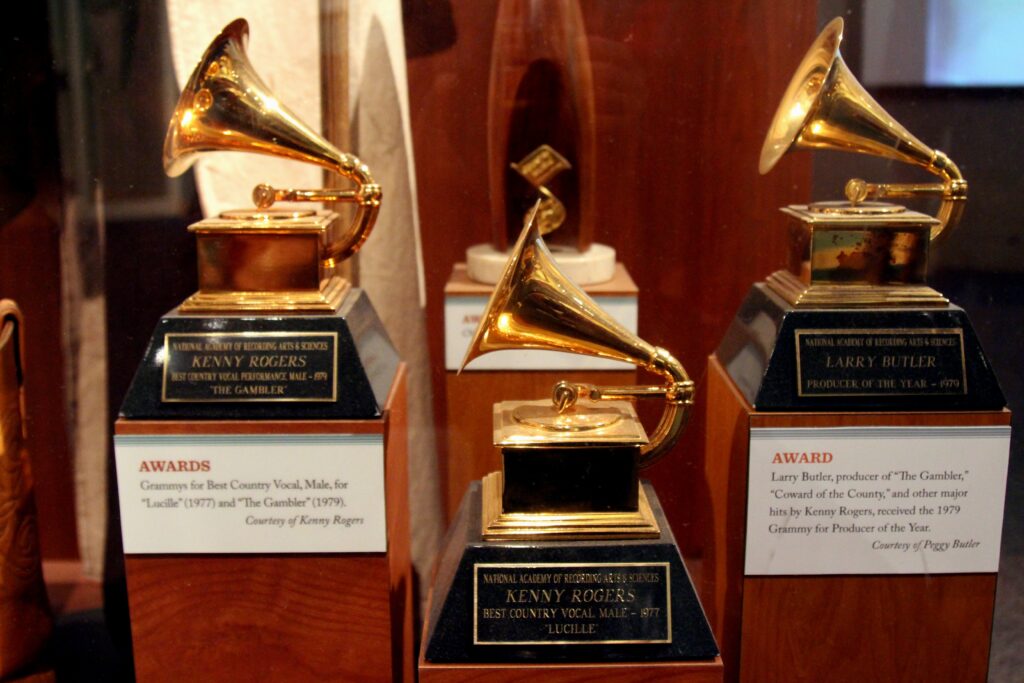
4. **Ol’ Dirty Bastard’s Unscripted Podium Crash (1999)**The 1999 Grammy Awards delivered one of its most gloriously chaotic and unforgettable moments courtesy of Ol’ Dirty Bastard (ODB), the eccentric and irrepressible member of the Wu-Tang Clan. What made his intervention particularly legendary was the simple fact that ODB hadn’t even won a Grammy that night. The award for Best Rap Album had gone to Sean “Puff Daddy” Combs, a result that clearly didn’t sit well with the Wu-Tang madman.
Later in the evening, as Shawn Colvin was accepting her Grammy for Song of the Year, the unexpected happened. ODB, with characteristic audacity, made a surprise leap to the podium, commandeering the microphone in a moment of pure, unadulterated live television gold. He wasn’t there to accept, but to assert. He delivered an impromptu, passionate, and utterly bizarre statement that quickly became a catchphrase for a generation.
“Wu-Tang is for the children!” he declared, a rallying cry that resonated with fans and confused many others. He continued, explaining, “We teach the children, know what I mean? Puffy is good, but Wu-Tang is the best!” This unscripted outburst perfectly embodied ODB’s unpredictable persona and the raw, rebellious spirit of hip-hop, creating an iconic, albeit chaotic, Grammy memory. It was a powerful, if unconventional, testament to artistic loyalty and a firm belief in his group’s supremacy, even if it meant disrupting someone else’s moment in the spotlight.
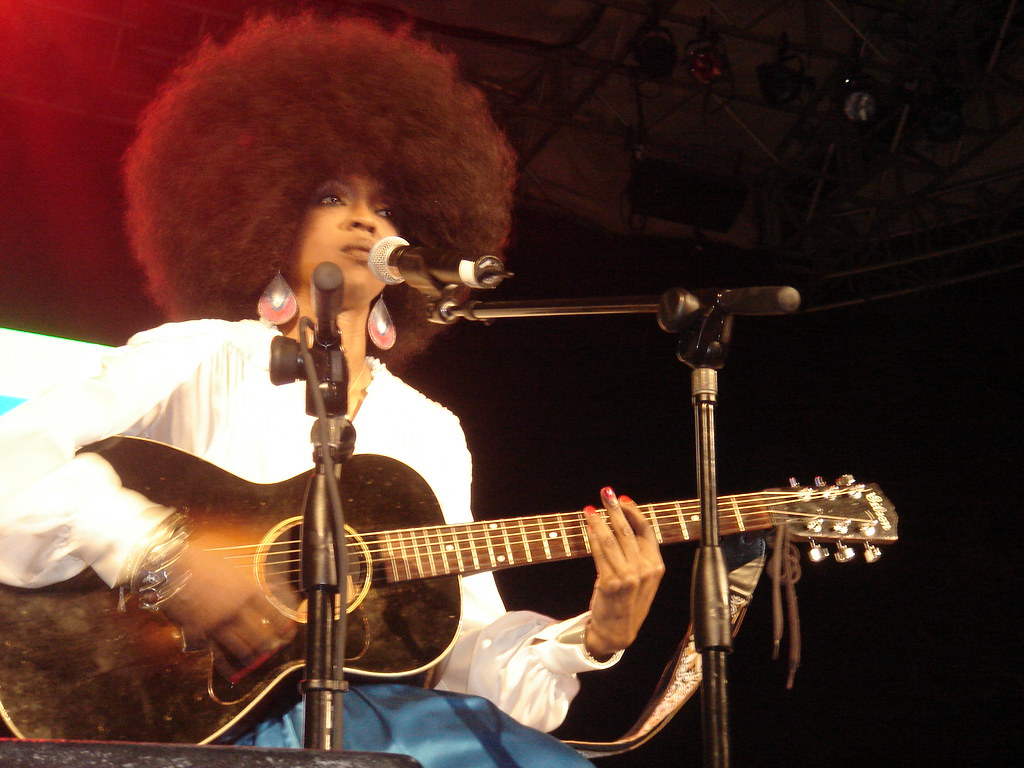
5. **Lauryn Hill’s Biblical Message (1999)**That same year, 1999, also saw a truly historic and spiritually charged moment from Lauryn Hill. She was the undisputed queen of the night, making history as the first woman ever to win an astounding five Grammys in a single evening. Her triumphant haul included Best New Artist, Best Female R&B Vocal Performance, Best R&B Song, and Best R&B Album. To top it all off, her classic solo debut, *The Miseducation of Lauryn Hill*, achieved another milestone by becoming the first hip-hop album to clinch the coveted Album of the Year award.
However, instead of a traditional acceptance speech filled with industry thank-yous, Hill chose a remarkably different path to celebrate her unprecedented success. She brought a Bible up to the microphone and, to the visibly confused crowd, proceeded to read a psalm. “I waited patiently for the Lord,” she read from the scriptures. “He lifted me out from the slimy pit, out of the mud and mire.” This profound and unexpected act left many wondering about its deeper meaning.
This might have been her subtle, yet powerful, way of hinting that she was about to take some serious time off from music, foreshadowing a period of withdrawal from the public eye. Beyond the biblical passage, Hill also imparted wisdom, stating, “None of this stuff makes us who we are. Don’t pollute who you are because you come from a source, a very important source and that’s God.” She further added, “I’ve been around the world, thank God, because the music has taken me that far, and I see that everything we do influences everybody around the world… Think about the ghettos of our own cities and our own towns of where we from. The kids are so influenced and inspired by what we do.” It was a speech that transcended mere thanks, offering a spiritual and socially conscious reflection on fame, identity, and influence.
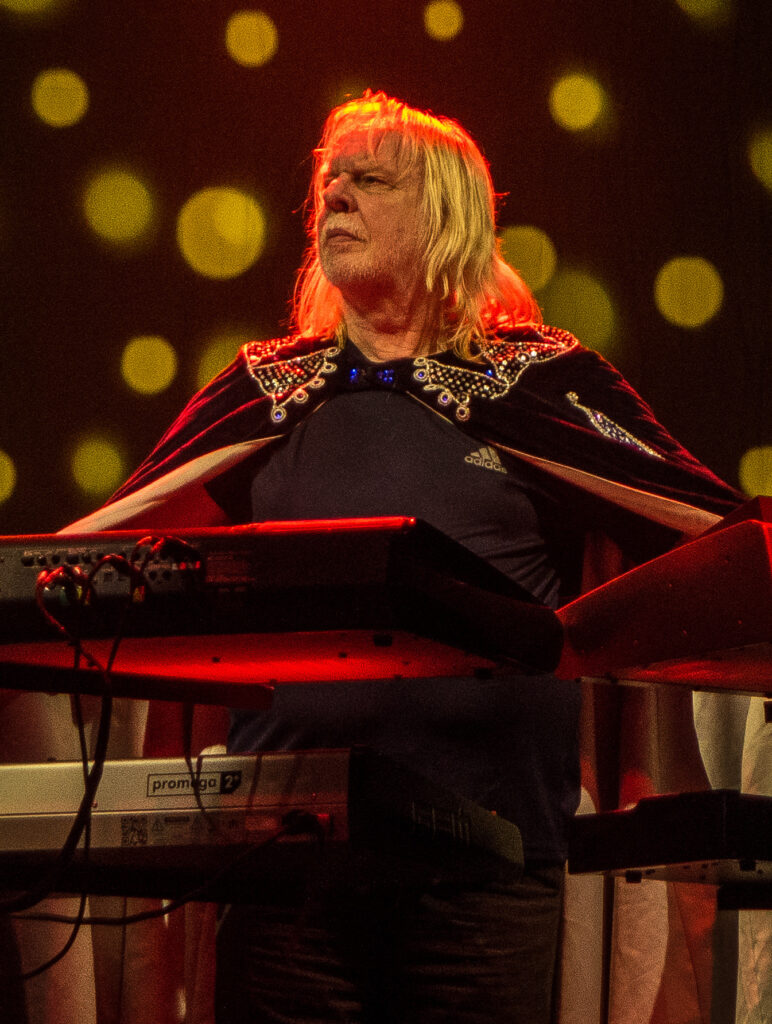
6. **Prince’s Powerful Stand for Albums (2015)**In 2015, the legendary Purple One, Prince, made a surprise appearance at the very end of the Grammy night, stepping onto the stage to present the most prestigious award: Album of the Year. And what an entrance it was! Prince, always the showman, strutted out with an undeniable swagger, twirling his cane and greeting the awe-struck crowd with his signature royal smirk and a knowing “baby-I’m-a-star” eye roll. The entire room was captivated before he even uttered a single word.
His message, though brief, was profoundly impactful and quickly became an anthem for music purists. “Albums — remember those?” he quipped, a rhetorical question delivered with his signature cool. He then delivered the punchline, a statement that resonated deeply with artists and fans alike: “Albums still matter. Albums, like books and Black lives, still matter.”
This concise yet incredibly potent declaration was a testament to Prince’s ability to command attention and deliver a profound message without needing a single musical note. It was proof that his mere presence, coupled with a few perfectly chosen words, could stop the show and ignite a conversation. The statement linked the importance of the album format to broader societal issues, showcasing Prince’s unwavering commitment to both artistic integrity and social justice, all wrapped up in his inimitable, enigmatic style.
Read more about: Patti Smith: The Enduring Legacy of the Punk Poet Laureate
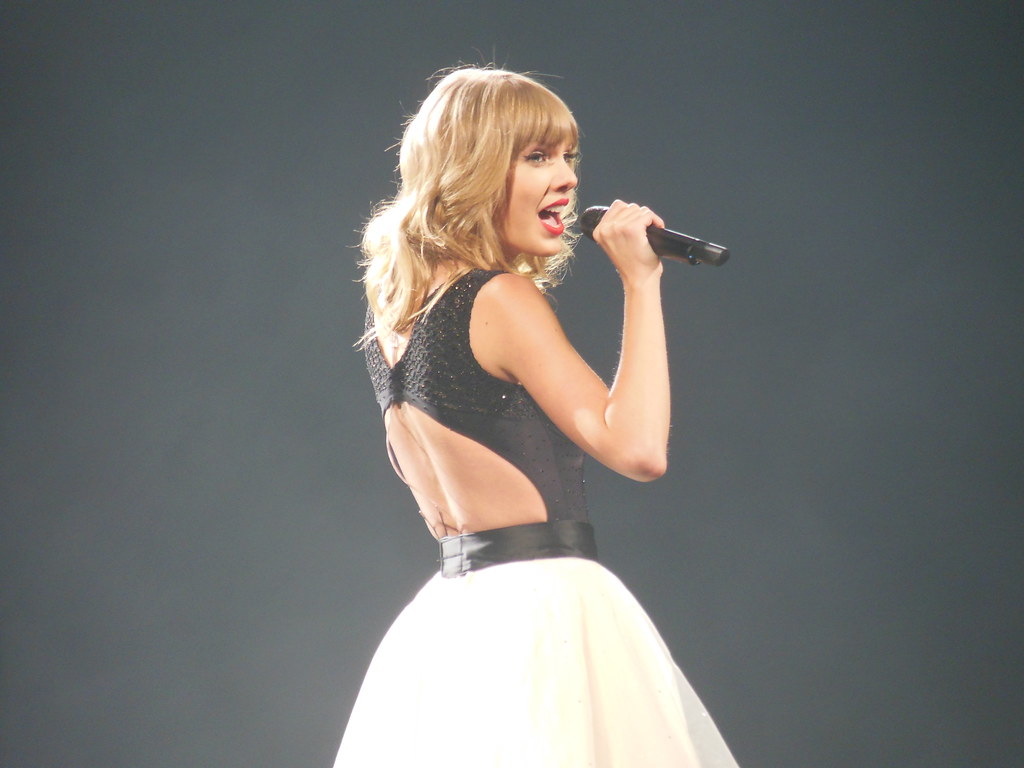
7. **Taylor Swift’s Empowering Call to Women (2016)**By 2016, Taylor Swift had already solidified her status as a global pop phenomenon, but that year, she achieved a truly historic milestone at the Grammys. She became the first woman ever to win Album of the Year twice, taking home the top honors for her monumental album, *1989*. Her success continued to soar, and she later scored an unprecedented hat trick in 2021, clinching her third Album of the Year Grammy for *Folklore*, cementing her as a dominant force in music history.
During her acceptance speech for *1989*, Swift seized the moment to deliver a powerful, inspiring message specifically aimed at her fellow female artists. Her words were a rallying cry, urging them to bravely forge their own musical paths and persist in their creative endeavors, despite any opposition or attempts to diminish their achievements. It was a direct and resonant statement from a woman who had navigated the often-treacherous waters of the music industry with immense grace and resilience.
She declared, “I want to say to the young women out there, there are going to be people along the way who try to undercut your success or take credit for your accomplishments or your fame.” She emphasized the importance of staying true to one’s craft and focusing on the work itself. Swift continued, “But if you just focus on the work and you don’t let those people sidetrack you, someday when you get where you’re going, you will look around and you will know it was you and the people who love you who put you there, and that will be the greatest feeling in the world.” This speech was not just about accepting an award; it was a profound act of mentorship and solidarity, inspiring countless aspiring artists to claim their narratives and celebrate their hard-won successes with unwavering confidence.
Navigating the stage as an artist today often means more than just celebrating personal triumphs; it’s an opportunity to shine a spotlight on pressing societal issues, challenge long-standing industry norms, or even inadvertently demonstrate the strictures of live television. As the Grammys have evolved, so too have the messages artists choose to convey, reflecting a changing world and a growing sense of responsibility that comes with such a massive platform. From heartfelt pleas for social justice to playful jabs at the establishment, and even the blunt realities of a ticking clock, recent Grammy acceptance speeches have become a microcosm of modern culture.
Let’s delve into some of these pivotal, more recent moments that have shaped the Grammy narrative, showing how artists continue to use their precious seconds on stage to make a lasting impression, sometimes under the most intense pressure.
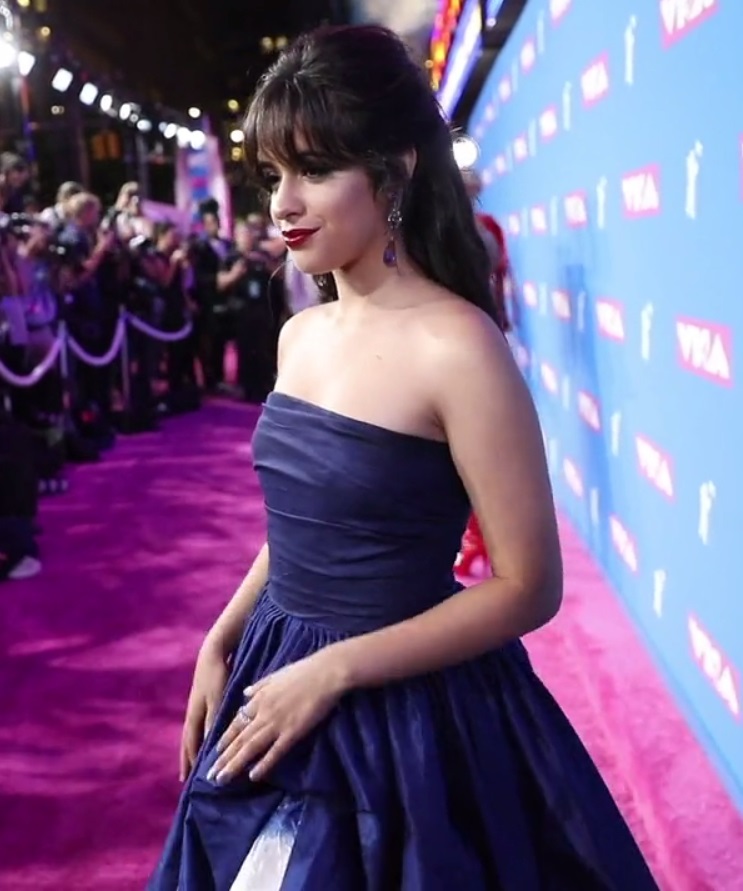
8. **Camila Cabello’s Powerful Immigrant Message (2018)**In 2018, the Grammy stage offered a moment of profound reflection on American identity, delivered eloquently by Camila Cabello. The “Havana” singer wasn’t just there to perform; she was introducing U2 in a live performance from the Statue of Liberty, a symbolic backdrop that perfectly set the tone for her message. Her words transcended a typical celebrity introduction, delving into the core values of the nation.
Cabello seized the opportunity to speak with powerful conviction about immigration, directly addressing the prevailing “current political climate’s anti-immigrant hysteria.” Her speech was a poignant reminder of the nation’s foundations, delivered at a time when such messages resonated deeply. She declared, “We remember this country was built by dreamers, for dreamers, chasing the American dream.” It was a statement that powerfully connected the present struggles with the enduring ideals of the past.
Her personal story amplified the impact of her words, making her message both universal and deeply intimate. “I’m a proud Cuban Mexican immigrant, born in eastern Havana, standing in front of you on the Grammy stage in New York City,” she proudly stated. This powerful affirmation showcased not only her journey but also the vibrant, diverse fabric of America, reminding millions that the American dream is built on the contributions of immigrants and continues to be chased by dreamers from all corners of the world.
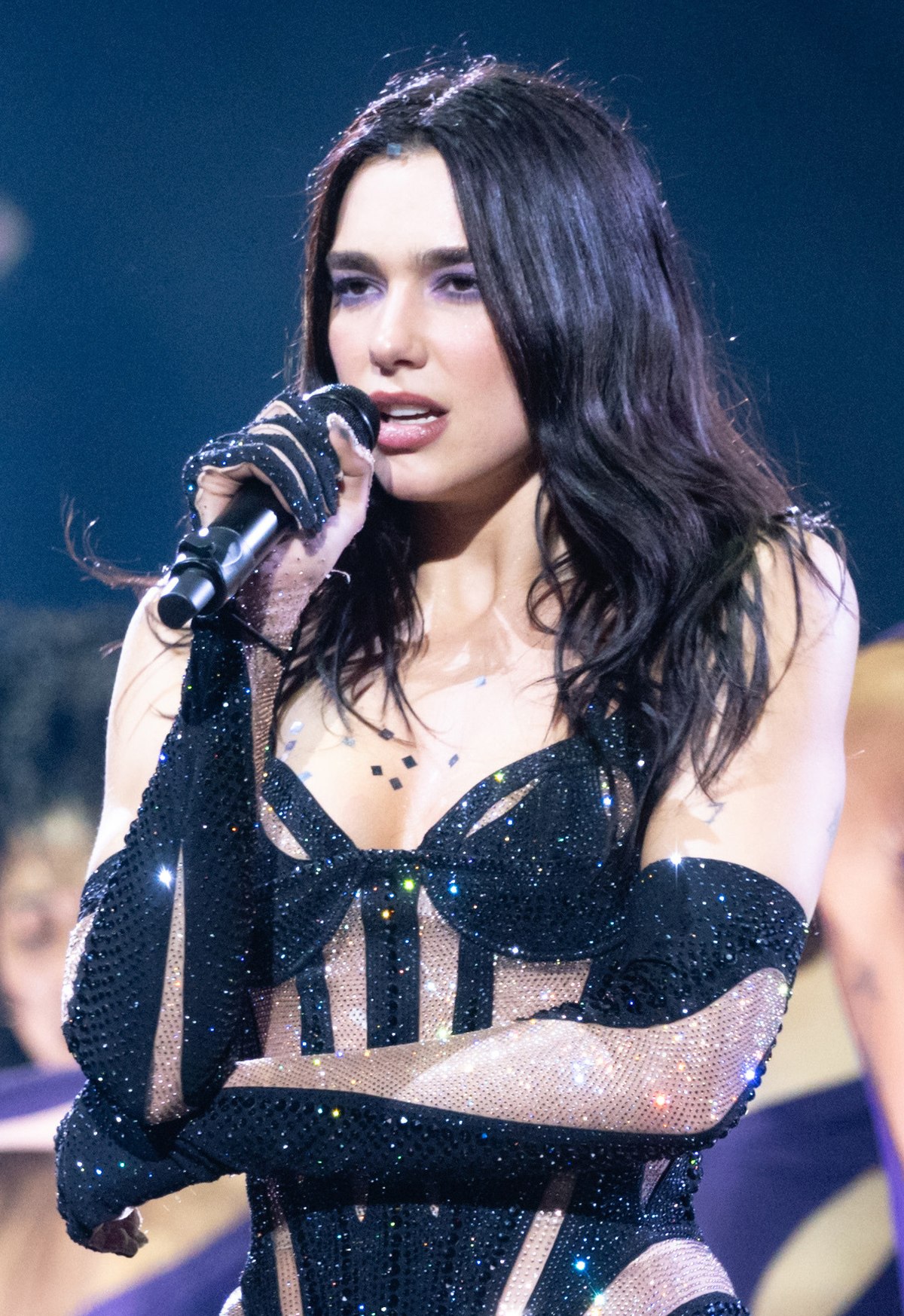
9. **Dua Lipa’s Sassy Subversion (2019)**The 2019 Grammys marked a memorable debut for Dua Lipa, who quickly established herself as a force to be reckoned with, both musically and conversationally. The Albanian disco queen not only clinched the coveted Best New Artist award but had already secured the Best Dance Recording Grammy for “Electricity.” However, it was her acceptance speech for Best New Artist that truly solidified her place in Grammy lore, revealing a performer unafraid to challenge the status quo with a touch of wit.
Stepping to the microphone, Lipa, clearly in a “sassy mood,” delivered a line that instantly created a “shocked hush in the crowd.” She observed, “So many incredible female artists this year. I guess this year we really stepped up!” This seemingly innocuous remark was, in fact, a pointed, public retort to Grammy president Neil Portnow’s controversial comment from the previous year, when he suggested that women artists needed to “step up” if they wanted to achieve greater recognition at the awards.
Lipa’s subtle but direct jab resonated deeply, challenging the outdated narrative and celebrating the undeniable talent and success of her female peers. It was a brilliant moment of subversion, where a new artist used her platform to hold the industry accountable, proving that humor and grace can be just as powerful as direct confrontation. Her memorable duet with St. Vincent earlier that night further cemented her status as an artist who arrived ready to make her mark, on her own terms.
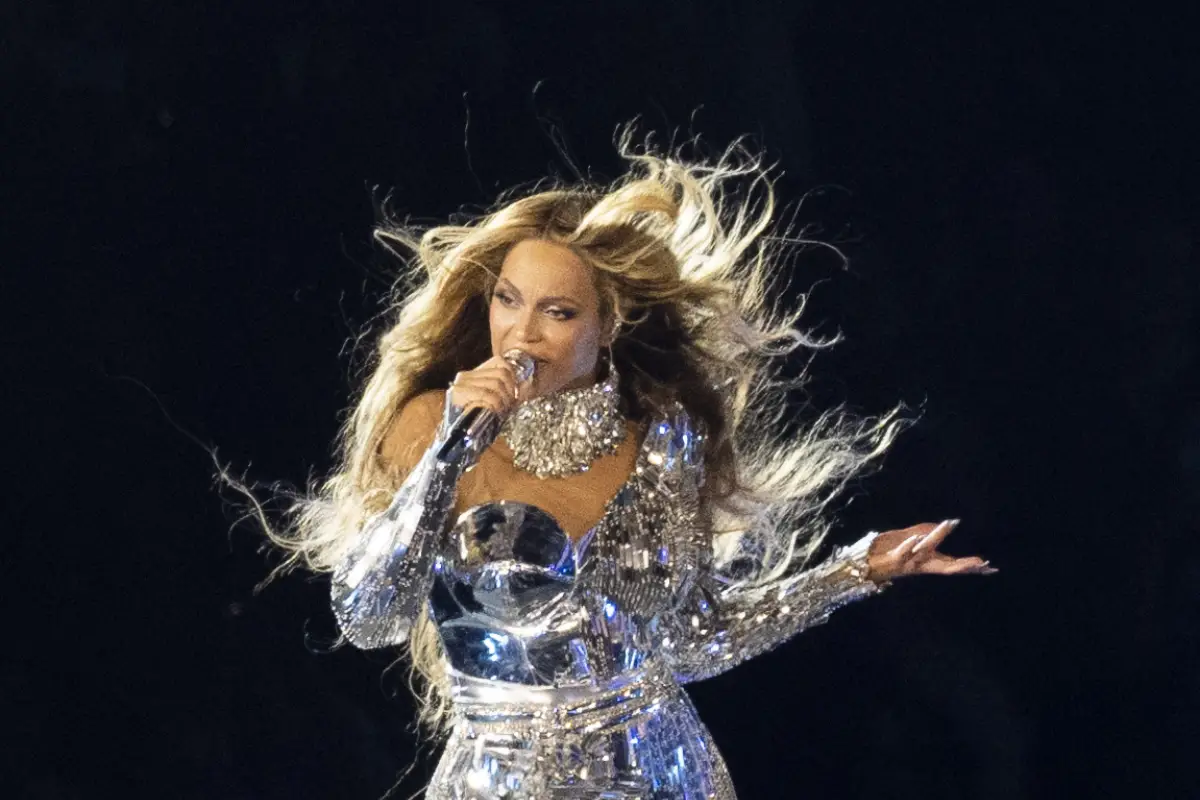
10. **Beyoncé’s Touching Tribute to the Queer Community (2023)**No one quite delivers a Grammy speech like Beyoncé, an artist who has truly perfected the art over years of unparalleled success. By 2023, she had cemented her legendary status by winning more Grammys than any other artist in history, a staggering 32 trophies that broke the long-standing record held by classical conductor Sir Georg Solti. That night, she was nominated for nine Grammys and took home four, officially becoming the all-time Grammy champ, a testament to her enduring influence.
Amidst her historic achievement, Beyoncé delivered what many considered her most memorable speech, opting for a brief yet incredibly potent 103-word address. Her focus wasn’t solely on her own success, but on acknowledging the roots and inspiration behind her critically acclaimed album, *Renaissance*. She gave a touching shout-out to her late Uncle Johnny, whom she described as a gay disco fan, connecting her artistic triumph to its foundational cultural influences.
Her words were a fitting and beautiful tribute, celebrating the LGBTQ disco roots of *Renaissance* with profound gratitude. “I’d like to thank the queer community for your love, and for inventing the genre,” Beyoncé declared, a powerful acknowledgment that transcended mere thanks to become an act of deep respect and recognition. This moment underscored her commitment to honoring the often-overlooked creators and communities who shape musical landscapes, reinforcing the idea that art, particularly hers, is deeply interwoven with collective identity and history.
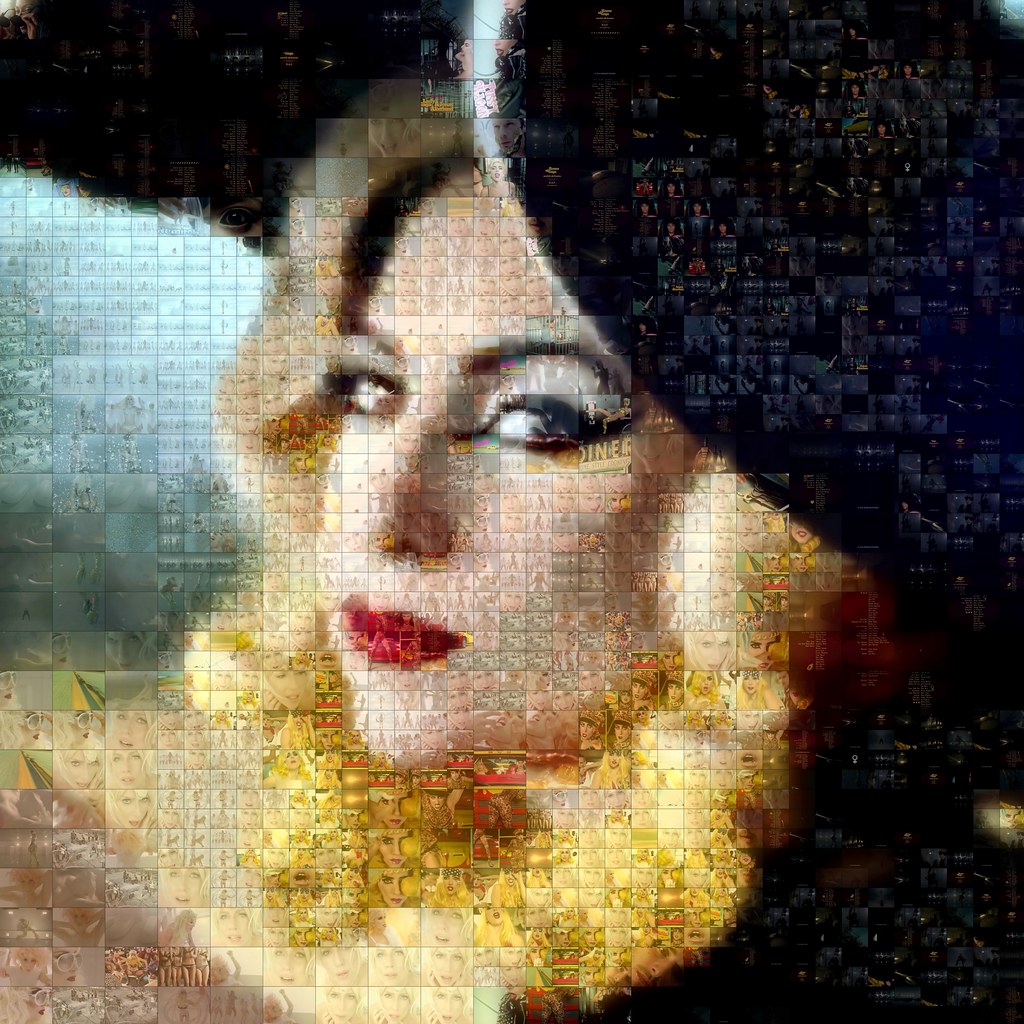
11. **Lady Gaga’s Stand for Transgender Rights (2025)**The Grammy stage, in recent years, has increasingly become a powerful arena for artists to address critical social issues, moving beyond mere artistic celebration to active advocacy. In 2025, Lady Gaga stepped into this role with characteristic courage and conviction, dedicating her award to a cause that demanded global attention and solidarity. Her speech served as a stark reminder of the humanitarian impact artists can have through their platforms.
Gaga specifically dedicated her award to “the transgender people facing ‘erasure’ by Donald Trump’s executive order which only recognises two genders.” This direct and unfiltered statement highlighted the urgent challenges faced by the transgender community, bringing a highly politicized and deeply personal issue to millions of viewers worldwide. It was a bold move, leveraging the immense visibility of the Grammys to advocate for marginalized voices.
Her unwavering commitment to social justice, particularly for the LGBTQ+ community, resonated deeply. By using her precious moments at the microphone to address such a sensitive and vital topic, Lady Gaga demonstrated the evolving role of artists as not just entertainers, but as vocal champions for human rights. Her speech reinforced the idea that the Grammys are not just about music, but also about the movements and messages that music can amplify and support.
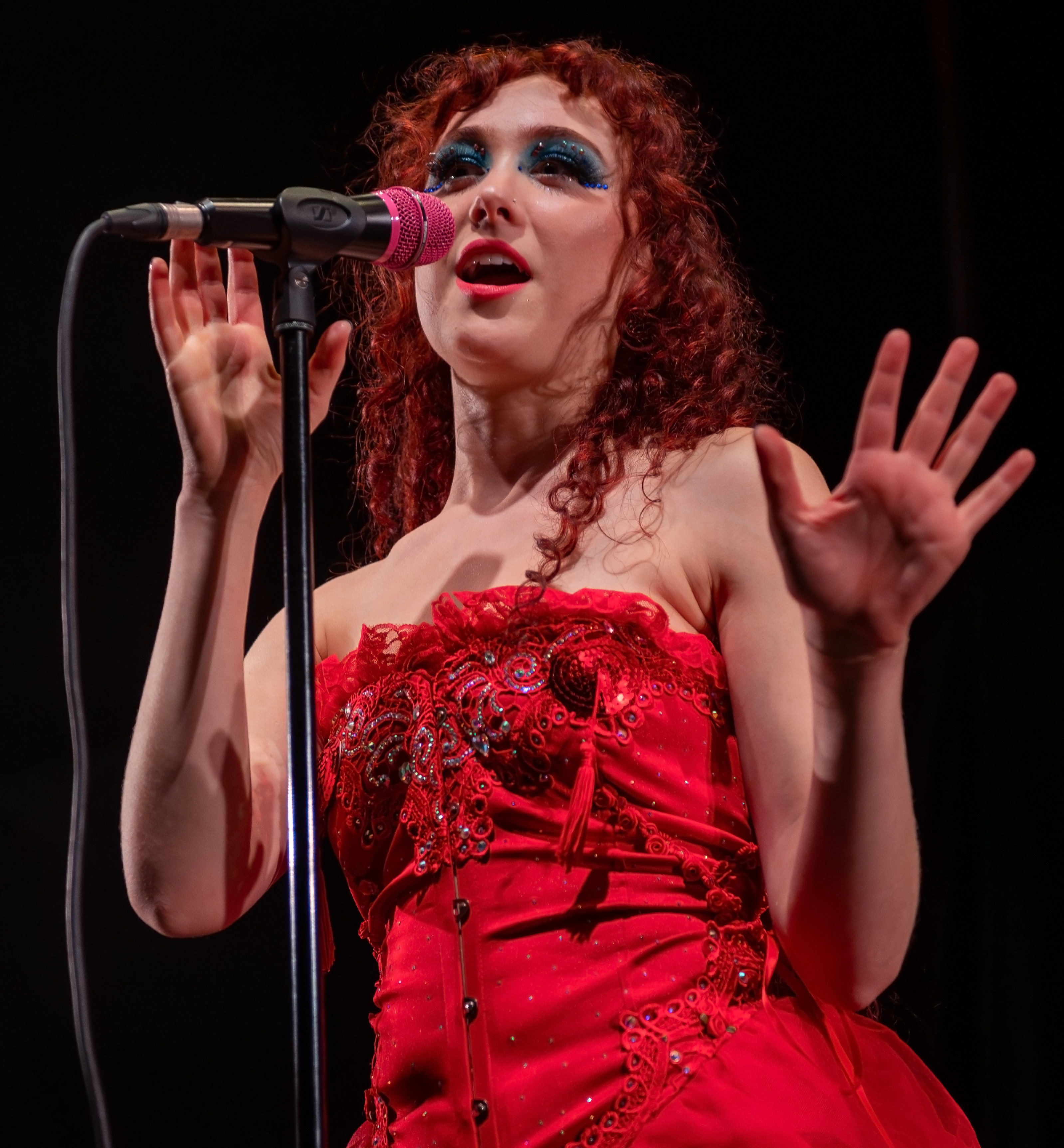
12. **Chappell Roan’s Plea for Emerging Artists (2025)**The 2025 Grammy Awards also witnessed a significant, industry-challenging moment from Best New Artist winner, Chappell Roan. Her acceptance speech, unlike many focused solely on gratitude, delivered a heartfelt and candid plea that resonated with countless up-and-coming musicians navigating the often-treacherous waters of the music business. It highlighted a different, yet equally crucial, aspect of challenging industry norms.
Roan used her moment in the spotlight to directly “plead with labels to treat up-and-coming artists better.” This was not just a passing comment but a genuine call to action, emanating from an artist who was herself experiencing the highs and lows of breaking into the mainstream. Her words pulled back the curtain on the realities faced by new talents, shedding light on the often-exploitative or challenging dynamics within record labels.
By speaking so openly, Chappell Roan not only championed her fellow aspiring artists but also ignited an important conversation about fairness and ethical treatment within the industry. Her speech added a layer of authentic, artist-driven advocacy to the ceremony, demonstrating that the Grammys can be a platform for structural critique and change, empowering new voices to speak truth to power, even at the peak of their own burgeoning success.
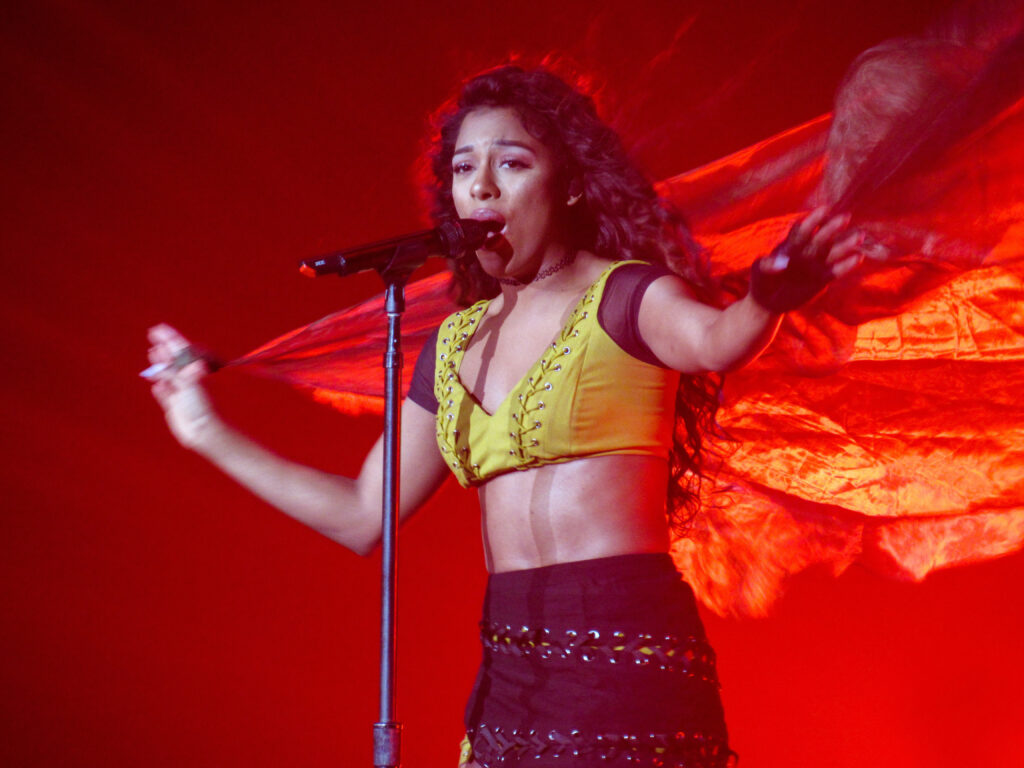
13. **Victoria Monét and the Unforgiving Clock (2025)**While many artists deliver impactful messages, the Grammys also offer stark reminders of the intense pressure and unique methods employed to manage speech durations in real-time. Unlike the Oscars, where classical music might gently usher actors off stage, the Grammys have often taken a far more direct approach, as vividly illustrated during Victoria Monét’s Best New Artist win in 2025. It was a moment that underscored the ruthless clock of live television.
As Monét, visibly emotional and overcome with gratitude, delivered her heartfelt acceptance speech, a colossal sign flashed at her from across the room. She was articulating a deeply personal journey, sharing, “I just want to say to everybody who has a dream, I just want you to look at this as an example. This award was a 15-year pursuit.” Her words were raw, vulnerable, and inspiring, truly reflecting the culmination of years of hard work and perseverance.
However, the awards show quickly decided it needed to move on. Despite the touching nature of her revelation, the giant red and yellow sign bluntly demanded, “Please stop.” Monét was instantly forced to cut her emotional thanks short, wrapping up her speech to make way for the next award. This incident became an instant viral moment, serving as a blunt, almost comical, yet undeniably harsh illustration of the unforgiving nature of a major awards broadcast, where even the most poignant personal stories must bend to the dictates of commercial breaks and tight schedules.

14. **Beyoncé’s Gratitude to Firefighters (2025)**Beyoncé, a perennial figure at the Grammys, continued to demonstrate the breadth of an artist’s social consciousness in 2025, offering a moment of unexpected yet profound gratitude. While her 2023 speech acknowledged the queer community, her 2025 acceptance provided a different, equally vital, social message, reminding everyone that heroism exists in many forms, often closer to home.
In a departure from grand political statements, Beyoncé used her platform to express sincere thanks to a specific group of local heroes. She “thanked the firefighters who helped save people’s lives during the LA fires.” This acknowledgement brought attention to the vital, often dangerous, work of first responders, highlighting the everyday courage and selflessness that underpins community safety.
This moment resonated deeply, showcasing an artist using her unparalleled influence not just for global movements, but for local recognition and appreciation. It underscored the idea that powerful social messages can also be acts of profound gratitude for tangible, community-level heroism. Beyoncé’s consistent ability to weave meaningful messages into her speeches, whether addressing broad cultural shifts or specific acts of bravery, continues to define her as an artist acutely attuned to the world around her.
From Helen Reddy’s bold feminist declaration in 1973 to Beyoncé’s heartfelt tribute to local firefighters in 2025, Grammy acceptance speeches have consistently served as more than just thank-you notes. They are vibrant, unpredictable snapshots of cultural shifts, artistic convictions, and the human drama unfolding under intense global scrutiny. These moments remind us that behind every trophy lies a story, a message, and often, an unexpected truth waiting to be told. Artists, whether subtly or overtly, have transformed the Grammy podium into a powerful platform, proving that the words spoken after the music fades can echo just as loudly, sparking conversations, inspiring change, and forever cementing their place in history. And as the clock keeps ticking, one can only wonder what compelling, witty, or defiant words will emerge next.