The cryptocurrency market, a vast and complex ecosystem with thousands of digital coins, often appears overwhelming, particularly for new investors. Yet, as traditional fiat markets navigate economic volatility, digital assets are increasingly recognized as crucial for diversifying investment portfolios. The perceived risks associated with crypto are evolving, and demand for these innovative currencies is steadily growing, attracting both individual enthusiasts and significant institutional players.
Navigating this dynamic landscape demands a strategic and informed approach. Forbes Advisors has developed comprehensive screens to pinpoint assets with robust market momentum and credible investment theses. Our rigorous methodology examines utility, store of value, and market performance, focusing exclusively on projects expected to appreciate through adoption and utility growth. This approach filters out stablecoins and wrapped or liquid staking cryptos, maintaining a sharp focus on foundational investment potential.
This article provides an in-depth exploration of twelve cryptocurrencies demonstrating resilience and fundamental strengths for long-term strategic investment. We will unpack their technological innovations, market positions, and expert perspectives. Our journey begins with the first six selections, examining their unique characteristics and compelling rationales for their growing appeal to serious investors in 2025.
1. **Bitcoin (BTC)**: Created in 2009 by Satoshi Nakamoto, Bitcoin is the original and most recognized cryptocurrency, hailed as “digital gold.” It’s considered the safest digital currency for investment, with a colossal $2.40 trillion market cap (Oct 3, 2025), comprising over half the crypto market. Priced at $120,367.30, with a 10.21% 7-day change, its high liquidity and stability are evident. Bitcoin operates on a decentralized blockchain using an energy-intensive proof-of-work system.
Key advantages include its definitive store of value status and high liquidity, making it convenient for global trading and spending. Its long-standing credibility and widespread acceptance are paramount. The recent SEC approval of Bitcoin ETFs is a landmark, facilitating institutional investment and bridging traditional finance with digital assets. Systematically decreasing supply and rising demand, with 90% mined and a portion irretrievable, position “crypto gold” for continued long-term value.
However, its proof-of-work system is criticized for high energy consumption, representing up to 2.3% of U.S. electricity. Transaction speeds are slower, and fees are higher than newer networks. The market is also overheated, and while the April halving anticipates growth, appreciation may be delayed. Despite these, Bitcoin’s foundational role and widespread acceptance underscore its primary investment appeal.
Read more about: Wall Street Navigates Market Turmoil, Shifting Workplace Norms, and a Complex Relationship with the Incoming Trump Administration

2. **Ethereum (ETH)**: Ethereum is the second-largest and second most secure crypto asset by market cap, currently at $539.63 billion with a 13.90% 7-day change (Oct 3, 2025). Trading at $4,470.75, it was conceived by Vitalik Buterin as a powerful blockchain platform for building decentralized applications (DApps) and executing smart contracts. This forms a comprehensive crypto ecosystem.
Ethereum’s vast developer ecosystem and extensive array of tokens built on its network are significant advantages. The global rollout of Ethereum 2.0 promises major enhancements in security, DeFi expansion, and increased network speed, poised to drive further growth. SEC approval of an Ethereum ETF also provides new institutional investment opportunities, cementing its long-term utility and security.
Nevertheless, Ethereum faces scaling challenges like bottlenecks and high gas fees. While the transition to Proof-of-Stake (PoS) offers faster transactions and lower fees, concerns about network centralization due to large market participant involvement persist. The ETH market is currently overheated. However, its deep integration into the DeFi world ensures its continued viability and growth potential.

3. **BNB (BNB)**: BNB, originally Binance Coin, is a top-performing crypto due to its deep integration with Binance, a leading exchange. With a $153.74 billion market cap (Oct 3, 2025) and 16.78% 7-day change, BNB traded at $1,104.54. Starting as a fee payment token, it now supports transactions, payments, and DApps within the expansive Binance ecosystem, including the BNB Smart Chain.
Its strong link to Binance’s growing ecosystem ensures stable demand. Regular quarterly coin burns reduce supply, supporting its value. BNB’s integration into decentralized exchange projects also allows access to new assets and projects on BNB Chain, showcasing expanding utility. Trading fee discounts further attract users.
However, BNB’s high reliance on Binance’s success presents risks, as exchange setbacks or regulatory scrutiny can impact the token. Its limited use outside the direct Binance ecosystem is a challenge. The BNB rate is also notably influenced by developments concerning Binance’s founder, Changpeng Zhao (CZ). Despite these, BNB’s impressive 959,115% growth since July 2017 highlights its robust performance.

4. **Cardano (ADA)**: Cardano is a next-generation blockchain addressing limitations of earlier platforms like Bitcoin and Ethereum. With a $30.50 billion market cap and 10.35% 7-day change (Oct 3, 2025), ADA traded at $0.85. Co-founded by Charles Hoskinson, it pioneers proof-of-stake (PoS) validation for reduced environmental impact, supporting smart contracts and DApps.
Its energy-efficient consensus model and focus on real-world use cases are key advantages. A unique native token system enables diverse transactions and low fees, with steadily increasing transaction speed. Deals with African governments signal significant institutional interest, positioning it for long-term utility and value.
However, Cardano faces criticism for slower feature rollouts compared to rivals, which, while ensuring rigorous testing, can lag market expectations. Its DApp ecosystem also remains smaller than established platforms. Despite this, ADA’s substantial 3,829% growth since 2017 makes it a compelling investment for an advanced, environmentally conscious blockchain with long-term potential.
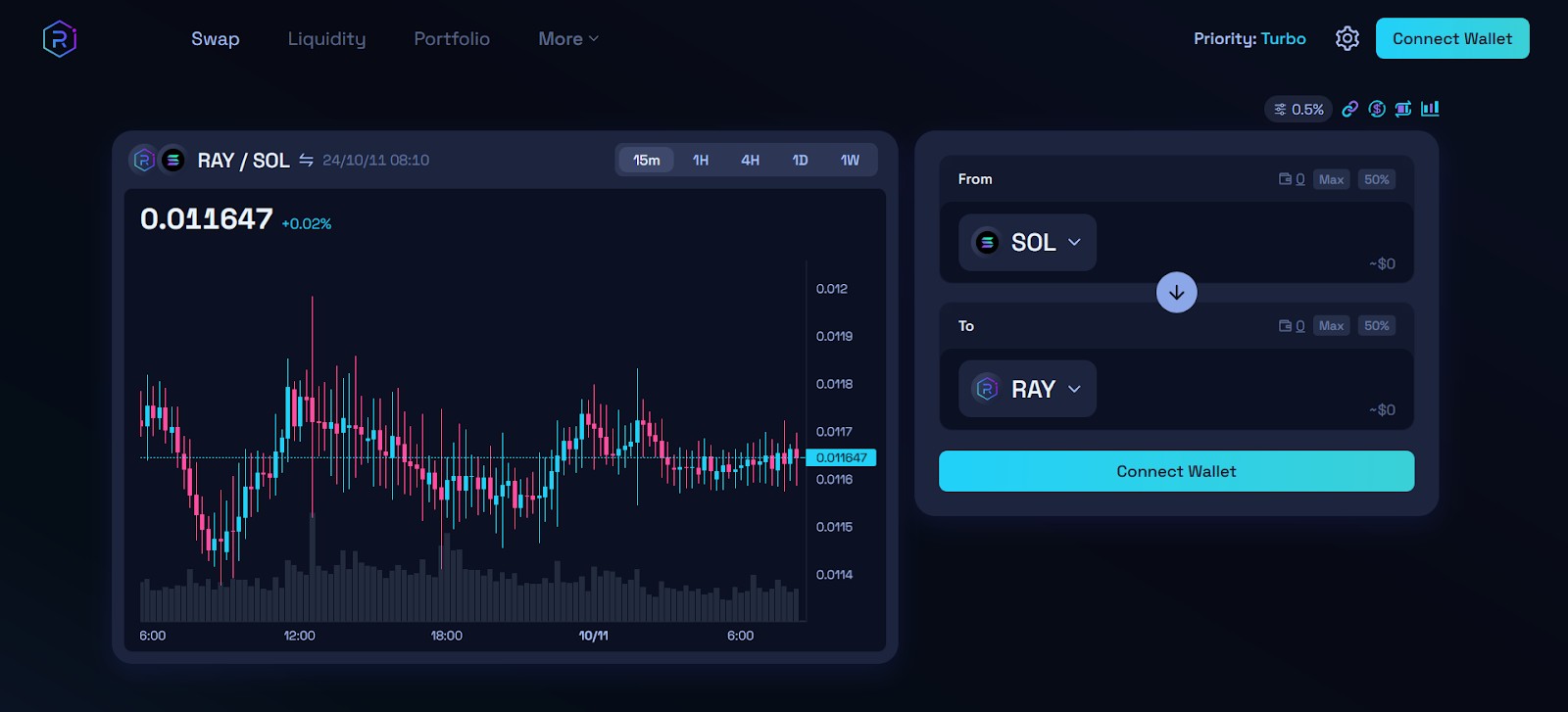
5. **Solana (SOL)**: Solana is a powerful cryptocurrency, designed for exceptional speed and scalability. Using a hybrid proof-of-stake and proof-of-history system, it processes thousands of transactions per second. As of October 3, 2025, 1 SOL was priced at $229.29, with a $125.02 billion market cap and 17.07% 7-day change. Its rapid growth since 2020, achieving a 104,141% gain, is attributed to low-cost, lightning-fast transactions.
Solana actively competes with Ethereum on speed and cost, making it a serious alternative. Its strong ecosystem, featuring active DeFi and NFT presence, is user-friendly for investors. The innovative consensus model and robust ecosystem are key advantages, with developers aiming for 65,000 transactions per second. Brands like Visa engaging with Solana highlight its growing mainstream recognition.
However, Solana has faced periodic network outages and stability issues, raising reliability concerns (e.g., February 2024 outage). Centralization concerns exist due to fewer validators than Ethereum. Despite recovering activity, Solana’s past volatility (a 94% plunge in 2022) reminds investors to weigh performance against historical stability when considering diversification.
6. **XRP (XRP)**: XRP, developed by Ripple Labs, aims to revolutionize cross-border payments with a fast, low-cost alternative to traditional systems. As of October 3, 2025, XRP was $3.02, with a $180.67 billion market cap and 9.90% 7-day change. Unlike mined cryptocurrencies, XRP tokens enter circulation as Ripple sells them, a core design principle for this crucial bridge currency.
Ripple’s strategic vision has garnered impressive institutional backing, with alliances among over 100 international financial institutions, including the Bank of England and Bank of America. Its robust utility in global finance and institutional partnerships are significant advantages. The team aims for Ripple to become a full SWIFT alternative, positioning XRP for extensive adoption in international remittances with low-cost transactions.
However, XRP has faced legal challenges regarding its regulatory status, such as the 2023 SEC proceedings, which, though withdrawn, highlight potential risks. Concerns persist about the centralized nature of XRP’s supply, controlled by Ripple and its co-founder, and its susceptibility to significant price fluctuations. Despite these, XRP’s remarkable 51,286% growth since August 2013, combined with institutional ties, positions it as a unique asset for future global payments.
As we continue our exploration of the cryptocurrencies poised for strategic investment in 2025, it becomes clear that the digital asset landscape is as diverse as it is dynamic. Moving beyond the foundational giants, this second installment delves into six more promising tokens, each presenting unique value propositions and ecosystem developments crucial for long-term portfolio diversification. Our selection adheres to the same stringent Forbes Advisor methodology, focusing on assets with substantial market capitalization (above $5 billion), demonstrated momentum, and a clear investment thesis rooted in real-world utility or store-of-value potential. These next-generation assets offer compelling narratives for investors looking to expand their horizons beyond the established leaders.
Read more about: Discover the Next Big Crypto Winners: Top Altcoins Set to Soar
7. **Polkadot (DOT)**Polkadot, launched in 2020 by Ethereum co-founder Gavin Wood, represents an ambitious vision to unify the previously siloed world of blockchains. Its fundamental design addresses one of the most pressing challenges in the crypto ecosystem: interoperability. By enabling the seamless transfer of tokens and data between major chains like Ethereum and Bitcoin, Polkadot is carving out a vital niche as a foundational layer for a truly connected Web3 future. This capability fosters a more collaborative and efficient digital environment, reducing friction for developers and users alike.
At the core of Polkadot’s innovative architecture are its ‘parachains’—customizable, independent blockchains that operate in parallel within the Polkadot network. These parachains are designed to offload significant processing demands from the main relay chain, ensuring scalability while simultaneously leveraging Polkadot’s robust security infrastructure. This unique approach allows for specialized functionality on individual parachains, catering to diverse use cases from decentralized finance (DeFi) to supply chain management, all while benefiting from the collective security of the broader network.
While its ecosystem is still developing compared to more established platforms like Ethereum, Polkadot offers distinct advantages such as enabling confidential computing for sensitive data, making it particularly appealing for industries handling private information like health records. Its network is engineered to support scalability and specialization, allowing for a highly adaptable and efficient blockchain environment. Polkadot’s price stood at $4.22 as of October 3, 2025, with a market cap of $6.85 billion and a 9.26% 7-day change, demonstrating its steady, albeit modest, growth of 51% since its August 2020 launch price of $2.79.
However, the sophistication of Polkadot’s architecture can present a steeper learning curve for new developers and investors, contributing to a developing ecosystem that still seeks broader adoption to rival its competitors. Despite these complexities, Polkadot’s unique value proposition in solving blockchain interoperability makes it a noteworthy consideration for investors seeking exposure to the next generation of interconnected digital infrastructure.
8. **Litecoin (LTC)**Launched in 2011 by former Google engineer Charlie Lee, Litecoin has long been revered as “digital silver” to Bitcoin’s “digital gold.” Built upon Bitcoin’s foundational source code, Litecoin shares many of its elder sibling’s core characteristics but introduces key optimizations that differentiate it. Its purpose was to offer a lighter, faster alternative for everyday transactions, positioning itself as a complementary asset rather than a direct competitor.
Litecoin distinguishes itself primarily through its faster block times, processing transactions approximately four times quicker than Bitcoin, with a new block generated every 2.5 minutes compared to Bitcoin’s 10 minutes. Like Bitcoin, it employs a proof-of-work consensus mechanism and undergoes halving events to control supply, reinforcing its scarcity. It also boasts a capped supply of 84 million coins, with 76.4 million currently in circulation, a figure four times that of Bitcoin, aligning with its “silver” analogy.
As of October 3, 2025, Litecoin traded at $118.18, commanding a market cap of $9.02 billion and demonstrating a robust 15.05% 7-day change. Its long-term performance is equally compelling, with a significant 2,648% increase since its earliest recorded price in April 2013, solidifying its position as a credible and enduring digital asset within the crypto market. This sustained growth underscores its appeal as a stable, albeit less volatile, investment option.
While Litecoin benefits from long-standing credibility and network stability, its critics often point to a perceived lack of significant innovation compared to newer blockchains. It faces stiff competition from faster, more feature-rich networks that have emerged in recent years. Nevertheless, for investors seeking a tried-and-true cryptocurrency with faster transaction speeds and a proven track record, Litecoin remains a compelling choice, offering a blend of reliability and transactional efficiency.

9. **TRON (TRX)**TRON, initially launched in 2017 on the Ethereum token network, later migrated to its own independent blockchain, establishing itself as a distinct ecosystem. Its native token, TRX, fuels transactions and smart contracts within its network, operating on a proof-of-stake (PoS) consensus mechanism that champions energy efficiency. This design choice aligns with a growing industry focus on sustainable blockchain operations, setting it apart from more energy-intensive proof-of-work counterparts.
One of the original premises of TRON was to empower original content creators by enabling them to receive direct income for their work, bypassing traditional intermediaries. This vision positions TRON as a significant player in the entertainment and gaming sectors, where decentralized applications (DApps) and smart contracts can facilitate peer-to-peer interactions, fair compensation, and novel content distribution models. The platform has successfully built an ecosystem that supports a wide array of DApps, from decentralized exchanges to gaming platforms.
As of October 3, 2025, 1 TRX was valued at $0.34, contributing to a substantial market cap of $32.45 billion and recording a 2.06% 7-day change. Its journey from a mere $0.0019 in 2017 to its current price signifies a remarkable growth trajectory. This low-cost transaction environment makes TRON particularly attractive for developers and users engaging in frequent, micro-transactions common in gaming and social media DApps.
However, TRON has not been without its challenges, particularly concerning its leadership. Its founder, Justin Sun, faced charges from the Securities and Exchange Commission (SEC) in 2023, alleging market manipulation regarding the supply of TRX. Such regulatory scrutiny can cast a shadow over an asset’s perceived safety and long-term viability. Additionally, TRON’s ecosystem, while strong in entertainment and gaming, has fewer institutional use cases compared to some of its competitors, which could limit its broader adoption in traditional finance. Despite these hurdles, its focus on content creators and low-cost transactions ensures its continued relevance.
10. **Lido Staked ETH (stETH)**Lido Staked ETH (stETH) is a unique token designed to address a common dilemma in Ethereum staking: the need to lock up 32 ETH (a substantial $143,064) for varying lock-up periods, often ranging from hours to days. StETH allows Ethereum holders to participate in staking and earn rewards while crucially keeping their assets liquid. It represents a staked ETH value, enabling investors to access staking benefits without the typical illiquidity constraints of direct ETH staking.
This innovative liquid staking solution provides the dual perk of accruing staking rewards alongside maintaining liquidity, which can then be utilized across various decentralized finance (DeFi) platforms. Investors can leverage their stETH in other DeFi protocols for additional yield generation, enhancing capital efficiency. The token is meticulously designed to mirror Ethereum’s price, aiming to provide a seamless staking experience that closely tracks the underlying asset’s value.
Since its inception, stETH has demonstrated impressive growth, rising from $594 in December 2020 to approximately $4,467.06 as of October 3, 2025. It currently holds a market cap of $38.08 billion and experienced a 13.72% 7-day change, closely reflecting Ethereum’s performance. This strong market presence underscores its popularity among crypto investors seeking passive income without sacrificing the flexibility of their assets.
Despite its compelling advantages, stETH faces concerns regarding centralization due to Lido’s significant dominance in the liquid staking market. A large share of staked ETH being controlled by a single entity raises questions about network decentralization, a core tenet of blockchain technology. Furthermore, its performance and value are inherently subject to Ethereum’s broader market dynamics and technical developments. Nonetheless, for those prioritizing liquidity and passive income from their Ethereum holdings, stETH remains a leading and popular option.

11. **Avalanche (AVAX)**Avalanche (AVAX) is a robust first-level blockchain platform, offering capabilities that are strikingly similar to those of Ethereum. This means developers can construct a diverse array of tokens, non-fungible tokens (NFTs), and decentralized applications (DApps) directly on the Avalanche network. Its flexible infrastructure positions it as a powerful contender in the smart contract platform space, appealing to a wide range of decentralized applications.
One of the key advantages of Avalanche for strategic investment is its inherent ability to effectively interact with other blockchains and facilitate seamless information exchange. This is largely thanks to its ingrained Ethereum Virtual Machine (EVM) compatibility feature, which simplifies the migration of DApps and assets from Ethereum. Furthermore, the Avalanche blockchain boasts impressive speed, processing up to 4,500 transactions per second, significantly outpacing the Ethereum network and offering a more scalable environment for high-throughput applications.
With a limited maximum supply of 720 million coins, AVAX presents itself as a potentially suitable long-term investment vehicle. This scarcity, combined with its high transaction speed and low fees, supports its value proposition in an increasingly competitive market. While it has yet to gain the same level of widespread traction as some more established altcoins like Ethereum, its technological advancements and strong ecosystem development underscore its long-term potential for portfolio diversification.
However, becoming a validator on the Avalanche network requires a substantial deposit of a minimum of 2,000 AVAX tokens, which, at the time of writing, equates to a considerable sum. While intended to safeguard the system from malicious actors, this high barrier to entry can also lead to an excessive centralization of the network, a concern for advocates of true decentralization. Despite these challenges, Avalanche’s developed ecosystem based on smart contracts and its focus on interoperability make it a compelling asset for those looking for advanced blockchain solutions.
12. **Chainlink (LINK)**Chainlink (LINK) has earned its reputation as the “oracle darling” of the crypto community, consistently proving itself as a strong asset for investors. Its fundamental role in the blockchain ecosystem is to securely and reliably connect smart contracts with real-world data, events, and payments that exist off-chain. This crucial function, often referred to as the oracle problem, makes Chainlink an indispensable piece of infrastructure for the broader decentralized web, ensuring that smart contracts can react to external information with integrity.
Chainlink’s position as the leading oracle choice on numerous blockchain networks helps ensure its long-term utility and demand. Its decentralized oracle networks provide tamper-proof inputs and outputs for complex smart contracts, facilitating a vast range of real-world applications from DeFi protocols needing accurate price feeds to insurance contracts triggered by external events. The platform’s robust and secure data provision capabilities are evidenced by significant collaborations and proofs of concept, such as the announcement from Vodafone Digital Asset Broker (DAB) for trade document transfer, involving Chainlink Labs, Sumitomo Corporation, and InnoWave. Such partnerships highlight its growing mainstream recognition and integration into enterprise solutions.
While specific market capitalization, price, and 7-day change data for Chainlink were not explicitly highlighted in the available context for October 3, 2025, its continuous development and integral role in enabling hybrid smart contracts are powerful indicators of its intrinsic value. The impact of such strategic announcements and its sustained position as the go-to oracle solution certainly contribute positively to its market performance and investor confidence. For investors seeking exposure to a critical foundational technology powering the next generation of smart contracts, Chainlink offers a compelling narrative.
The journey through these twelve cryptocurrencies reveals a market teeming with innovation and strategic opportunities, extending far beyond the initial pioneers. From Bitcoin’s foundational role as digital gold to Ethereum’s programmable ecosystem, and through the specialized functionalities of BNB, Cardano, Solana, XRP, Polkadot, Litecoin, TRON, Lido Staked ETH, Avalanche, and Chainlink, the landscape offers a spectrum of choices for the discerning investor. As we navigate 2025 and beyond, the emphasis remains on informed decision-making, meticulous due diligence, and a keen understanding of each asset’s utility, security, and growth potential. Diversification across these robust and resilient digital assets, guided by expert insights and a long-term vision, is not just a strategy—it’s an imperative for securing and growing wealth in the evolving digital economy. Remember, the crypto market is dynamic, and while these selections represent strong investment theses, continuous research and alignment with your personal risk tolerance are paramount to successful investing. Embrace the future of finance with confidence and strategic foresight.