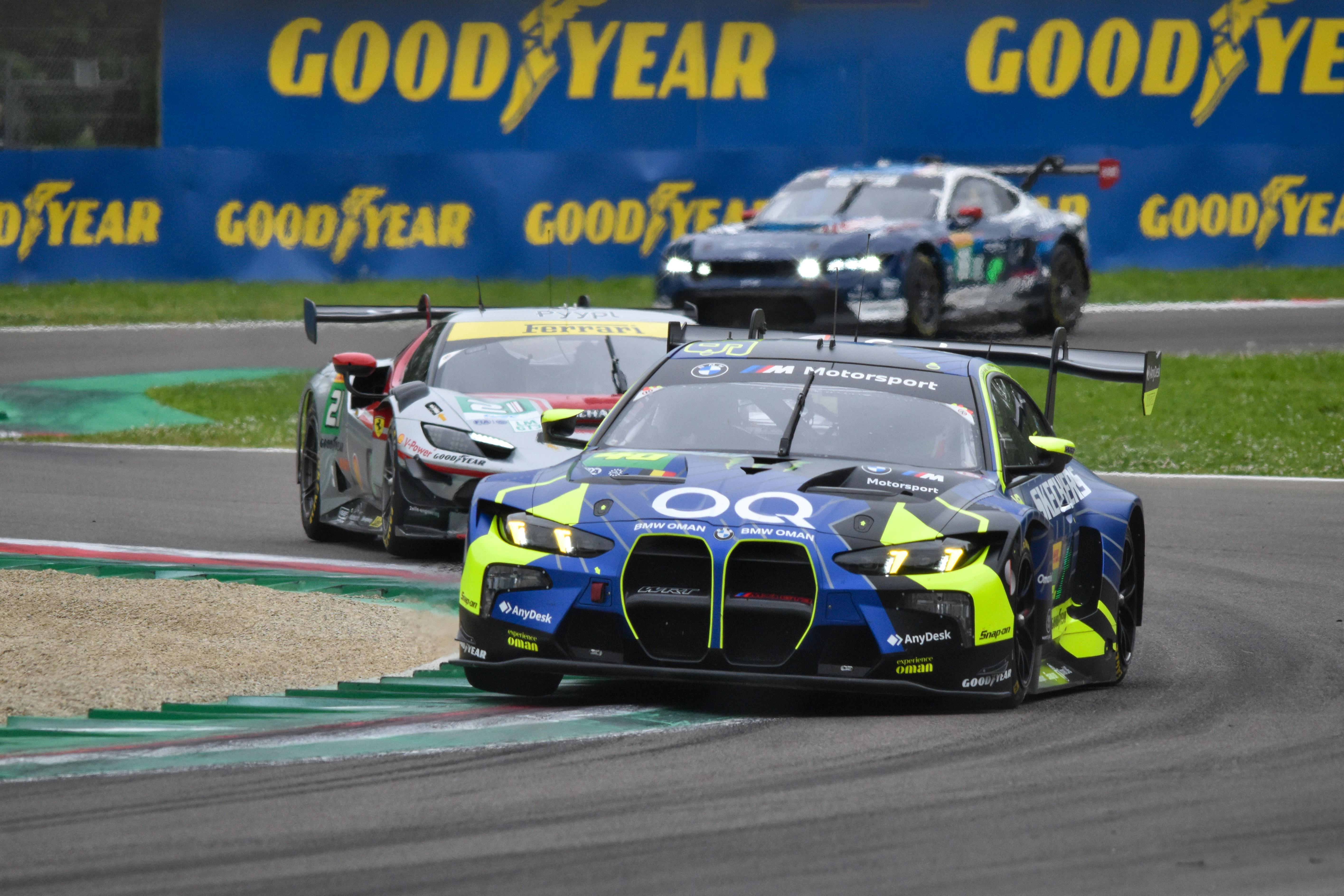
In the thrilling world of high-speed racing, where milliseconds can mean the difference between victory and defeat, every component of a car is pushed to its absolute limits. While the roar of a powerful engine and breathtaking acceleration often capture our imagination, there’s another, equally vital aspect that separates the “Almost” from the “Winner”: the ability to stop. As the saying goes, “Got the GO? Now get the WHOA.” The braking system is not merely a mechanism for deceleration; it’s a finely tuned instrument of precision, demanding unwavering reliability and constant vigilance.
However, even in the meticulously engineered machines of Formula 1 and other high-performance categories, brake systems can falter. The extreme forces, intense heat, and continuous stress encountered during aggressive driving can lead to a myriad of issues, turning a routine braking zone into a heart-stopping emergency. Understanding these potential vulnerabilities is paramount, not only for the safety of the drivers but also for the strategic success of the teams. It is a complex dance between human input, mechanical integrity, and the unforgiving laws of physics.
This in-depth exploration delves into 15 critical types of brake failures that can occur in racing, highlighting the profound importance of meticulous maintenance, advanced engineering, and astute driver management. From the microscopic fractures within a rotor to the catastrophic loss of hydraulic pressure, each failure presents a unique challenge, demanding immediate attention and a comprehensive understanding to prevent disastrous outcomes. Join us as we uncover the intricate science behind these system breakdowns and the relentless efforts required to keep these formidable machines firmly on track.
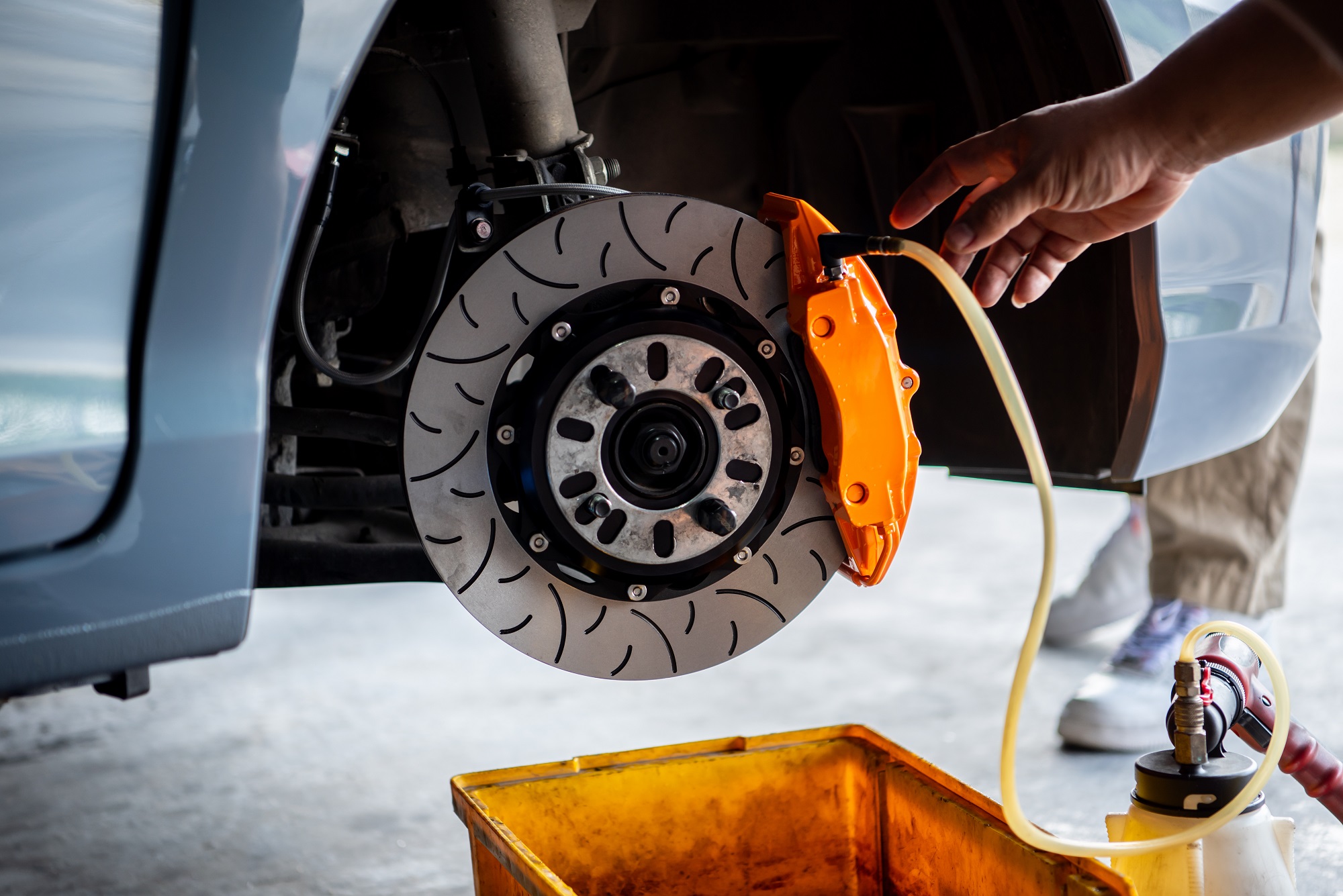
1. **Brake Disc Overheating**At the core of any high-performance braking system, the brake disc endures truly extraordinary thermal and mechanical stresses. In the relentless environment of high-speed racing, these discs frequently succumb to overheating. This occurs due to intense friction as brake pads clamp down, converting the car’s immense kinetic energy into searing heat. If this heat isn’t efficiently dissipated, disc temperatures can soar beyond their optimal operating range, initiating a cascade of problems.
The immediate consequences of brake disc overheating severely compromise both safety and performance. When discs exceed their thermal capacity, they may warp, causing an uneven braking surface and a pulsating pedal. More critically, extreme heat can compromise material integrity, potentially leading to cracking. This inefficiency manifests as “brake fade,” a terrifying scenario where stopping distance dramatically increases, regardless of how hard the driver presses the pedal. The car simply fails to slow as expected, leaving the driver with a rapidly shrinking margin for error.
Preventing brake disc overheating is a multi-faceted challenge met with sophisticated engineering. Paramount are highly efficient cooling systems, featuring intricate ducts and vents to channel cool air directly to the rotors. Additionally, using durable, high-performance materials like carbon-ceramic composites, engineered to withstand extreme temperatures, significantly reduces risk. Regular temperature monitoring via telemetry helps teams anticipate and mitigate issues, ensuring consistent braking performance throughout the race.
Read more about: The 2025 Lemon List: 14 Cars to Avoid That Mechanics Already Dread Seeing

2. **Brake Fluid Boiling**Within the hydraulic labyrinth of a car’s braking system, brake fluid plays the critical role of transmitting force from the pedal to the calipers. However, like any fluid, it possesses a boiling point, a threshold that can be reached in the inferno of a race car’s wheel hub. When brake fluid overheats sufficiently, a dangerous phenomenon known as “vapor lock” occurs. Instead of a solid, incompressible fluid transmitting pressure, compressible vapor bubbles begin to form within the hydraulic lines.
The presence of these vapor bubbles dramatically alters the feel and effectiveness of the brake pedal. Drivers will experience a disconcerting “spongy” pedal, which may travel much further than normal without a corresponding increase in braking force. This is because the driver’s input now compresses air bubbles rather than moving fluid, leading to a significant and often sudden loss of braking power. In a high-speed corner entry, this can be catastrophic, leaving the driver with an unresponsive pedal and an inability to scrub off critical speed.
The rapid buildup of heat during prolonged, aggressive braking sequences common in racing makes brake fluid boiling a constant threat. To counteract this, racing teams universally employ high-performance brake fluid, formulated with significantly higher dry and wet boiling points. Beyond the fluid itself, ensuring proper system bleeding to eliminate initial trapped air, and maintaining optimal brake cooling to prevent excessive heat transfer to the calipers and lines, are crucial preventative measures safeguarding against this perilous failure.
Read more about: The Cooling Crisis: 12 Sports Bikes Rated on Heat Management – From Rider-Friendly to Scorching Hot
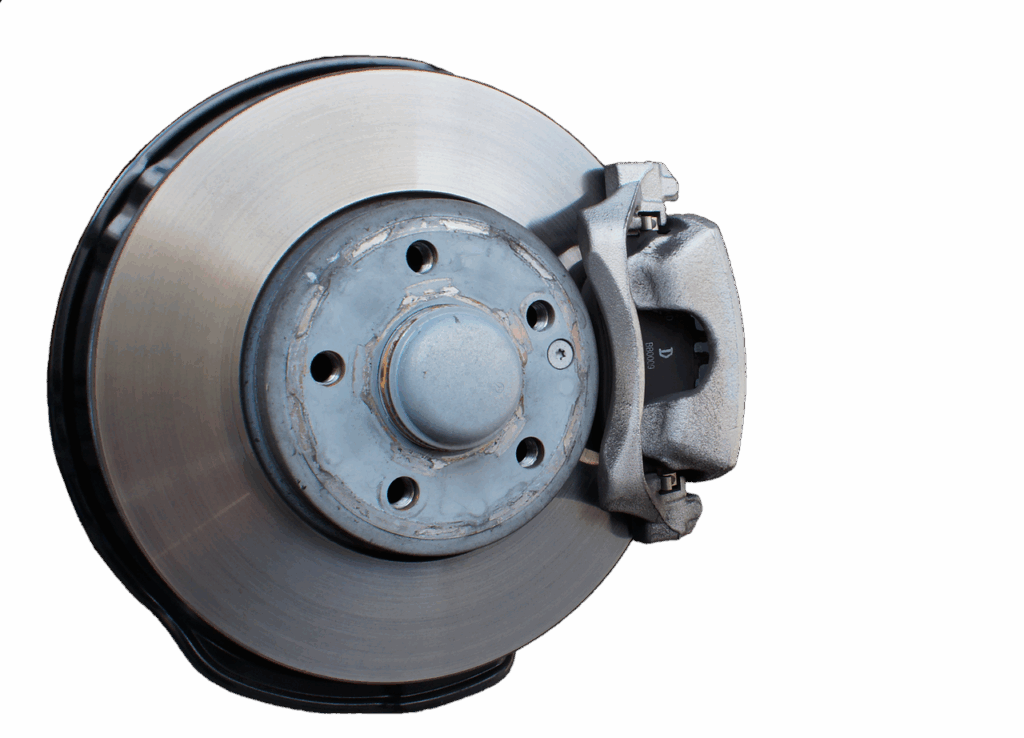
3. **Brake Pad Wear**The unsung heroes of deceleration, brake pads, are constantly engaged in a brutal dance of friction with the rotating discs. This continuous, intense contact, inherent to braking, inevitably leads to the gradual wearing down of the pads’ friction material. Over time, as pads thin out, their surface area and composition change, directly diminishing their capacity to generate the necessary friction for effective stopping. This is a natural consequence of their function, demanding rigorous management in a racing context.
The danger of excessive brake pad wear extends beyond just reduced braking performance. If pads wear down too far, the friction material can completely deplete, causing the metal backing plate to make direct contact with the brake rotor. This metal-on-metal friction generates tremendous heat, excruciating noise, and, critically, causes severe and irreparable damage to the rotor itself. This not only necessitates costly component replacement but also introduces an immediate and critical safety hazard on track.
Given the high stakes, regular checks and timely replacement of brake pads are absolutely essential in racing. Teams meticulously monitor pad wear, often relying on telemetry data and visual inspections during pit stops or between sessions. Drivers are also trained to listen for changes in braking sounds or feel for any subtle alterations in pedal feedback. By proactively replacing pads before they reach critical limits, teams ensure consistent, reliable braking performance and prevent the cascade of damage and risk associated with worn-out components.
Read more about: The 2025 Lemon List: 14 Cars to Avoid That Mechanics Already Dread Seeing

4. **Caliper Seizure**Brake calipers are the powerful actuators of the braking system, designed to precisely clamp pads onto the disc. Their robust construction belies a delicate internal mechanism that can be compromised under racing conditions, leading to caliper seizure. This failure typically occurs when caliper pistons or sliding pins become jammed or stick, often due to exposure to extreme heat, ingress of debris, or corrosion over time. Instead of moving freely, components seize, preventing pads from properly engaging or disengaging from the rotor.
A seized caliper can have profoundly dangerous and unpredictable effects on a car’s handling and braking. If a caliper seizes engaged, it causes constant friction on one wheel, leading to uneven braking that pulls the car violently to one side. This imbalance is particularly hazardous at high speeds, where stability is paramount. Conversely, if a caliper seizes disengaged, that wheel may experience a complete loss of braking power, again leading to dangerous asymmetry and an inability to control the car effectively during deceleration.
To prevent this critical failure, meticulous maintenance and inspection of brake calipers are non-negotiable. Racing teams regularly dismantle and clean calipers, checking for any signs of wear, corrosion, or debris accumulation. Ensuring pistons and sliding pins operate smoothly and freely is crucial. Upgrading to high-quality calipers designed with superior heat resistance and robust sealing mechanisms also plays a vital role. This proactive approach ensures calipers perform their essential function reliably, providing consistent and balanced braking force when needed most.
Read more about: Don’t Hit the Road Without This: Your 14 Essential Pre-Drive Checklist for Every Journey
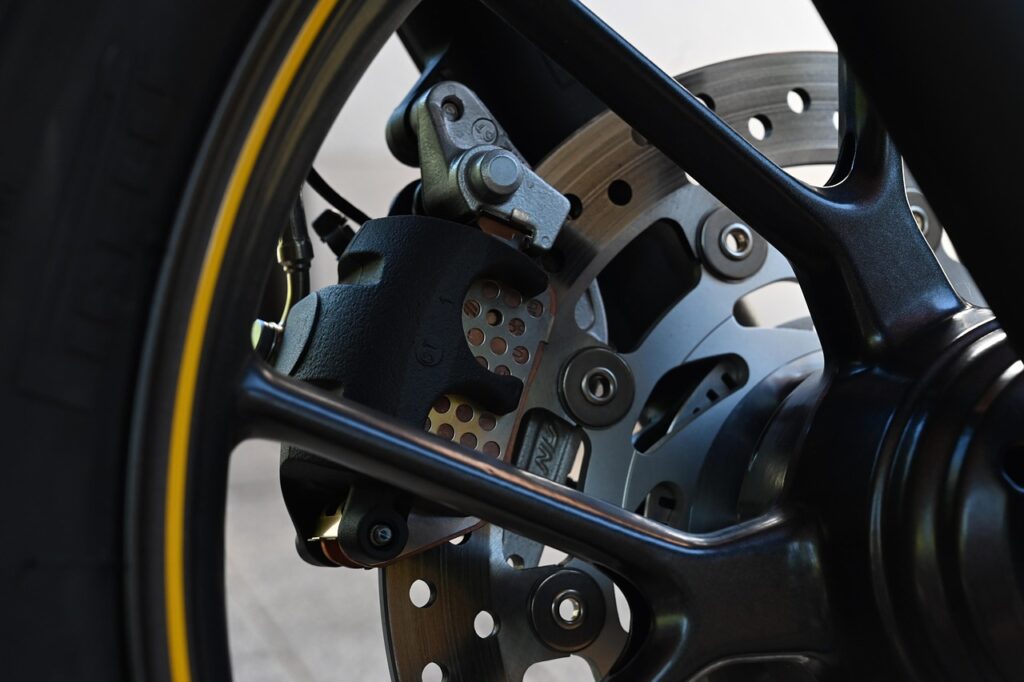
5. **Brake Rotor Cracking**The constant, brutal cycle of extreme heating and rapid cooling experienced by brake rotors in racing takes a tremendous toll on their structural integrity. Over countless braking events, these repeated thermal cycles cause the rotor material to relentlessly expand and contract. While rotors are designed to withstand significant stress, this continuous process can eventually lead to the formation of microfractures. These tiny cracks, initially invisible, can progressively grow deeper and longer with sustained punishment.
The insidious nature of rotor cracking lies in its potential for catastrophic failure. If a crack propagates all the way through the rotor, its structural integrity is severely compromised. In extreme cases, a rotor can shatter or completely lose its physical cohesion during a critical braking zone, leaving the car without proper braking on that wheel. The impact of such a failure mid-race can be devastating, leading to a complete loss of control, a potential spin, or a violent departure from the track, jeopardizing the driver and other competitors.
Mitigating the risk of brake rotor cracking demands exceptionally high-performance rotors crafted from specialized alloys, engineered for extreme thermal endurance and structural resilience. Furthermore, teams engage in rigorous inspection protocols, utilizing advanced techniques to detect even nascent microfractures. Drivers are also trained to be attuned to any unusual vibrations or sounds during braking, which could be early indicators of rotor stress. Proactive replacement of rotors showing any significant stress or cracking is a non-negotiable safety measure, ensuring the critical ‘WHOA’ remains robust and reliable.
Read more about: $1000 Repair: The 1 Thing Your Mechanic Doesn’t Want You to Know About Your Brakes
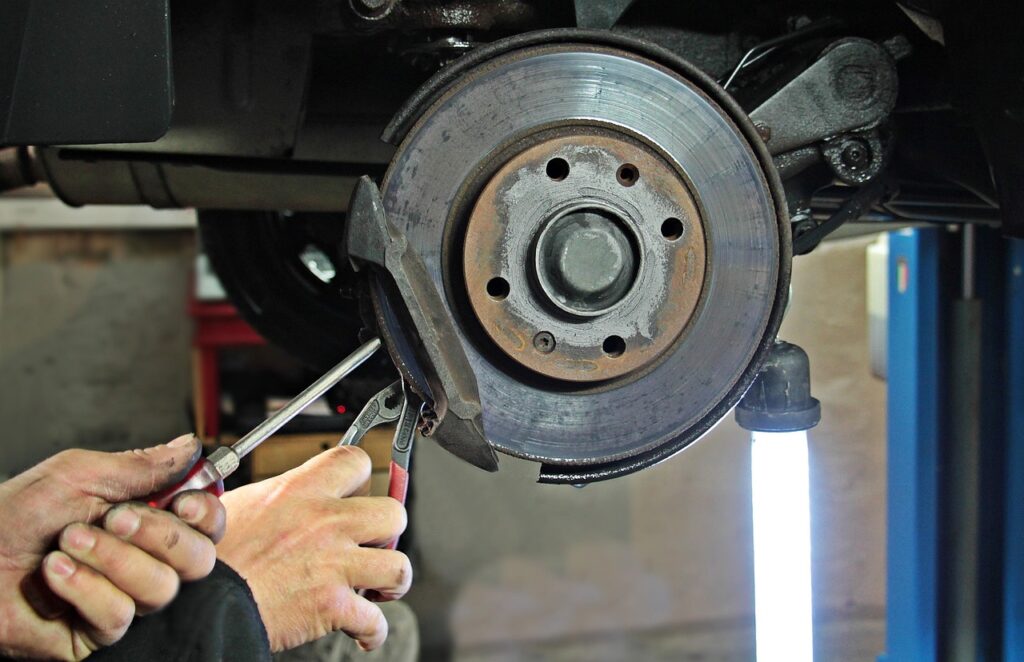
6. **Master Cylinder Failure**The master cylinder serves as the crucial interface between the driver’s physical input and the hydraulic might of the braking system. It transforms the mechanical force applied to the brake pedal into hydraulic pressure, which is then distributed to the calipers. This ingenious conversion relies on a series of precisely engineered internal seals. When these vital internal seals within the master cylinder degrade or fail, the system loses its ability to maintain or generate pressure effectively.
The consequences of a master cylinder failure are profound and immediately impact braking performance. If the seals leak internally, the brake pedal will often feel soft and spongy, possibly sinking slowly to the floor even with sustained pressure. This indicates a severe diminishment of braking power, as the hydraulic fluid is no longer being adequately pressurized. In the high-stakes environment of racing, where split-second, predictable braking is essential, such a failure can be disastrous, leading to an inability to slow the car effectively and safely for corners or hazards.
Preventing master cylinder failure is rooted in diligent routine maintenance and an uncompromising commitment to using quality components. Teams regularly inspect the master cylinder for any signs of external leaks or compromised performance. Crucially, ensuring that the brake fluid itself is clean and free of contaminants helps preserve the integrity of the internal seals. By investing in high-quality master cylinders and adhering to strict service intervals, teams significantly reduce the risk of this fundamental hydraulic component failing at a critical moment, preserving the driver’s ability to command the ‘WHOA’ with confidence.
Read more about: The 12 SUVs Built to Last: Our Definitive Guide to Vehicles Guaranteed for 250,000 Miles

7. **Brake Line Rupture**The network of brake lines forms the circulatory system of a car’s hydraulics, transporting pressurized brake fluid from the master cylinder to each caliper. These lines are engineered to withstand significant internal pressure but are also exposed to the harsh realities of racing, including high temperatures, vibrations, and potential impact from track debris. When these lines suffer damage, they can rupture, leading to an immediate and dramatic loss of system integrity.
A brake line rupture results in a sudden and catastrophic loss of brake fluid and, critically, hydraulic pressure. Because the brake system relies on an incompressible fluid to transmit force, any breach means pressure can no longer be maintained. This leaves the driver with little to no braking power whatsoever, as the pedal will simply go to the floor with no resistance. This is one of the most terrifying failures a driver can experience at speed, as the primary means of deceleration is instantly rendered useless, demanding quick thinking and emergency measures.
To minimize the chance of this critical failure, racing teams employ reinforced brake lines, often constructed from braided steel or other high-strength materials, offering superior resistance to punctures, abrasion, and thermal degradation. Regular, meticulous inspection of every inch of the brake lines is standard practice, checking for any signs of wear, chafing, kinking, or impact damage. Proactive replacement of lines showing any compromise, along with careful routing and shielding to protect them from potential hazards, are crucial steps in ensuring the vital flow of braking power remains unbroken.
Read more about: Beyond the Showroom Shine: 14 Automotive Design Fails That Rocked the Industry
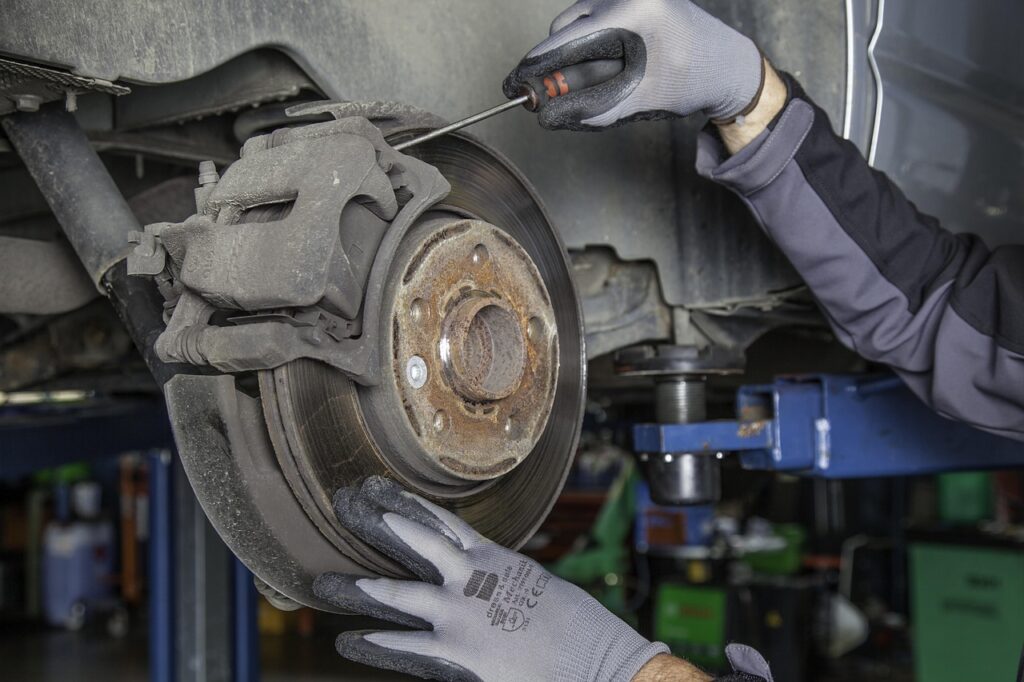
8. **ABS Malfunction**Anti-lock Braking Systems (ABS) prevent wheel lock-up during hard braking, allowing drivers steering control. This sophisticated technology is vital for safety. However, ABS can malfunction, creating unpredictable and dangerous scenarios on the race track where consistent performance is paramount.
When ABS malfunctions, it either fails to engage or activates unnecessarily. If it doesn’t engage, drivers lose crucial assistance against lock-up, increasing crash risk. Unnecessary activation disrupts braking strategy, extending stopping distances and causing unsettling feedback, directly impacting cornering precision.
In racing, precise braking is non-negotiable. A faulty ABS undermines confidence and the ability to push limits. Regular calibration and rigorous testing are vital for flawless operation, providing predictable braking and maintaining essential stability and control.
Read more about: The 2025 Lemon List: 14 Cars to Avoid That Mechanics Already Dread Seeing
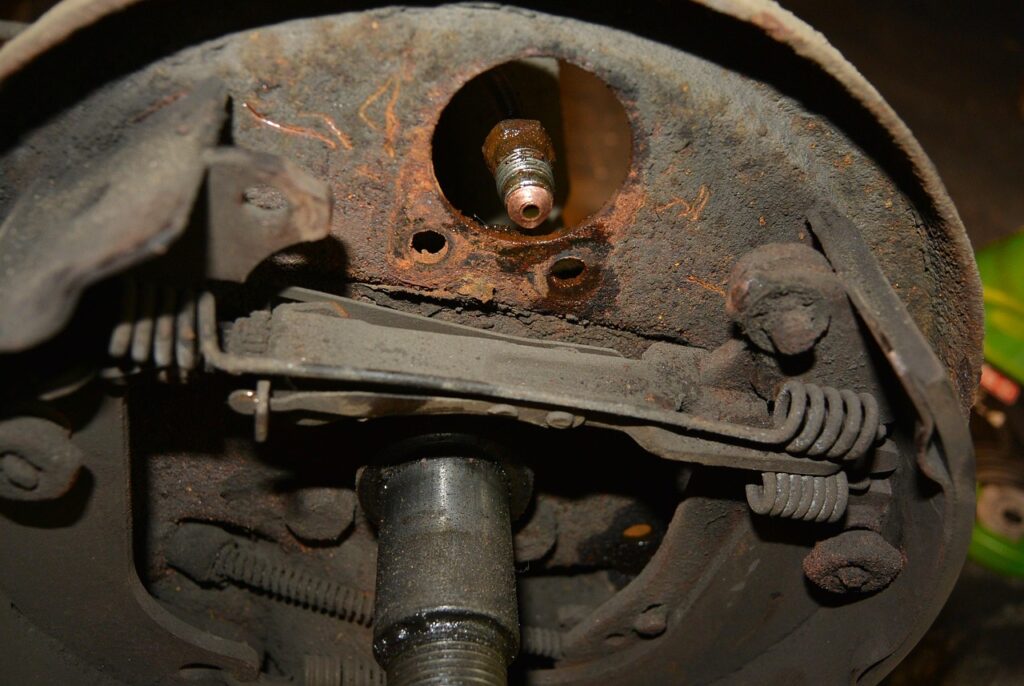
9. **Brake Pad Delamination**Racing conditions subject brake pads to brutal forces and extreme temperatures, leading to delamination. This occurs when the friction material, engineered for stopping power, detaches from its rigid backing plate. It represents a severe structural compromise to the pad’s fundamental function and safety.
Delamination is triggered by prolonged overheating, which weakens the adhesive bond, or by manufacturing defects. When the friction material separates, the effective contact area with the rotor shrinks, resulting in a sudden, significant loss of braking power. This unpredictable reduction leaves the driver vulnerable, greatly increasing accident risk.
To prevent this peril, racing teams insist on high-quality brake pads designed for extreme track conditions. These pads feature superior compounds and robust bonding agents for integrity under stress. Meticulous inspection for any signs of cracking or separation is standard practice, ensuring proactive replacement.
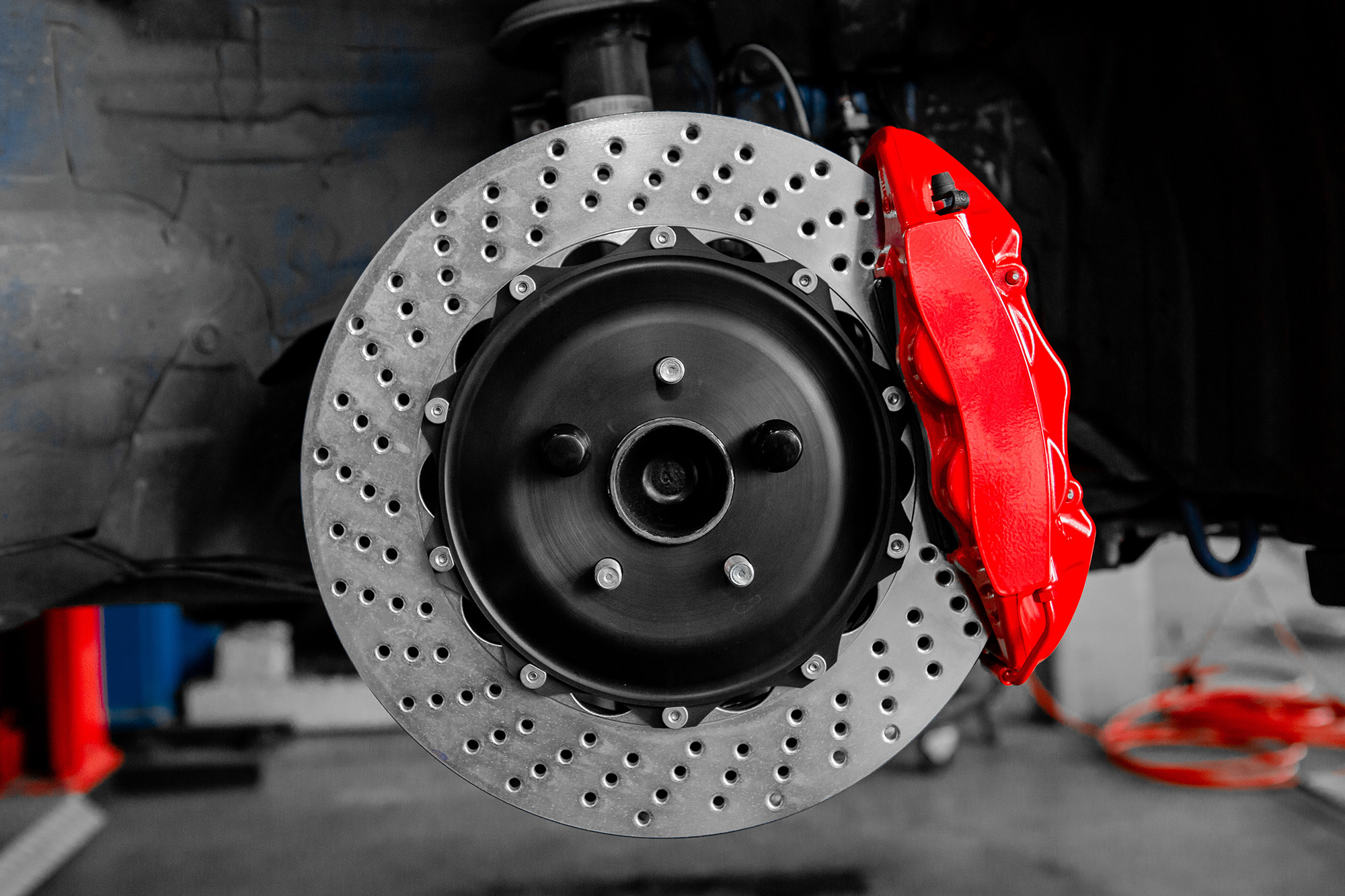
10. **Brake Caliper Piston Failure**Inside each brake caliper, pistons translate hydraulic pressure into the physical force clamping pads onto the disc. These precision components endure immense pressures and thermal cycles during high-speed racing. Any failure here severely compromises caliper function, leading to dangerous consequences for car control.
Piston failures include seizing due to corrosion, heat-induced swelling, or mechanical wear, preventing smooth operation. A stuck piston means the pad won’t engage or release correctly, causing inconsistent and uneven braking. Complete piston failure leads to total braking loss on one wheel, creating hazardous imbalance and immediate loss of car control.
Preventing caliper piston failure is fundamental to racing maintenance. Teams often upgrade to pistons made from advanced, heat-resistant materials like titanium. Regular cleaning, inspection, and lubrication of caliper components are critical, ensuring pistons move freely. This proactive approach guarantees calipers deliver precise, balanced braking force, essential for control and peak performance.
Read more about: $1000 Repair: The 1 Thing Your Mechanic Doesn’t Want You to Know About Your Brakes
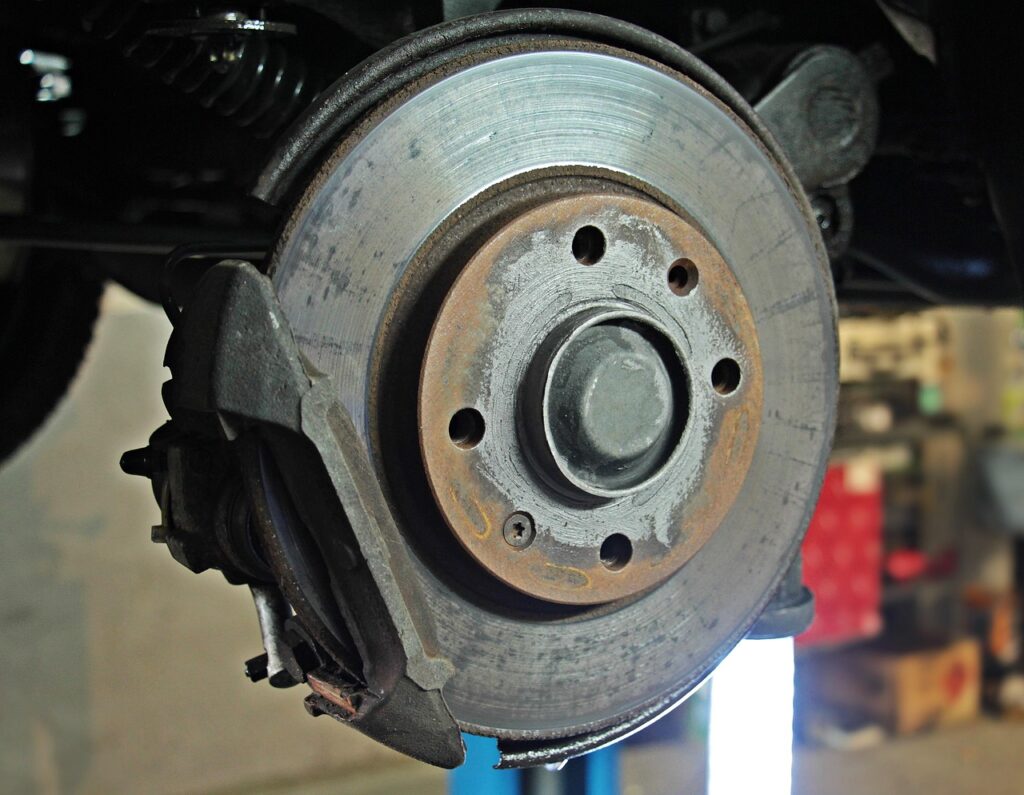
11. **Air in the Brake Lines**The hydraulic braking system relies on incompressible fluid to transmit force effectively. Air within the brake lines is a significant, dangerous issue. Unlike fluid, air is compressible, meaning trapped bubbles absorb driver pedal input, preventing force from reaching calipers efficiently.
The clearest sign of air in the lines is a soft, spongy brake pedal that travels excessively. This “long pedal” results from the pedal compressing air bubbles before hydraulic pressure activates pistons. In racing, where precise modulation and split-second decisions are vital, this delayed, inconsistent response causes critical misjudgments and loss of control.
Air enters the system from improper bleeding, leaks, or extreme fluid overheating. Meticulous, regular bleeding to purge all air, alongside thorough leak inspections, are crucial preventative measures. Maintaining optimal brake fluid levels and strict replacement schedules contribute to a consistently firm, responsive pedal.
Read more about: Expert Warning: 14 New 2025 Cars That Could Financially Cripple Buyers
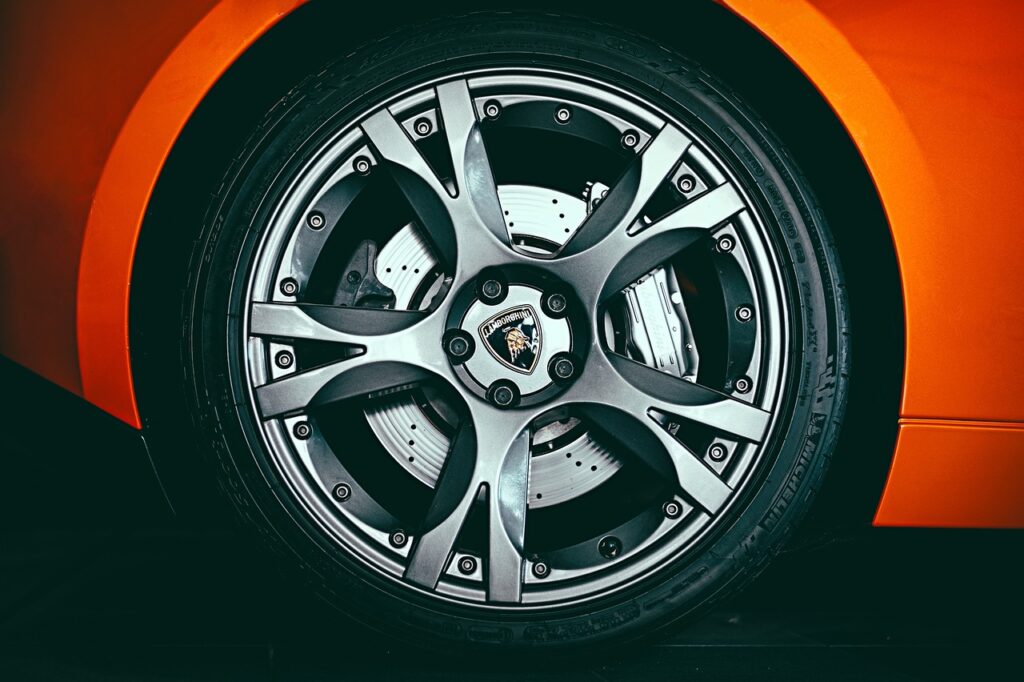
12. **Stuck Brake Pedal**A physically stuck brake pedal presents a unique and terrifying challenge for a race driver. This mechanical failure can occur two dangerous ways: the pedal becomes immovably depressed, causing continuous braking, or it jams, making it impossible to press down, leaving the driver without primary deceleration.
If the pedal sticks engaged, the car experiences constant braking, rapidly generating immense heat in rotors and pads. This sustained friction quickly leads to severe overheating, brake fade, and catastrophic system failure. Conversely, if the pedal jams undepressed, the driver cannot apply brakes, demanding extraordinary skill to navigate hazards.
Preventing a stuck brake pedal demands diligent inspection of the entire pedal assembly. Teams meticulously check for obstructions like loose wiring or debris. Ensuring all mechanical linkages are clean, lubricated, and free from wear is vital. Regular maintenance and rigorous pre-race safety checks are essential to avert this rare but potentially catastrophic failure.
Read more about: $1000 Repair: The 1 Thing Your Mechanic Doesn’t Want You to Know About Your Brakes
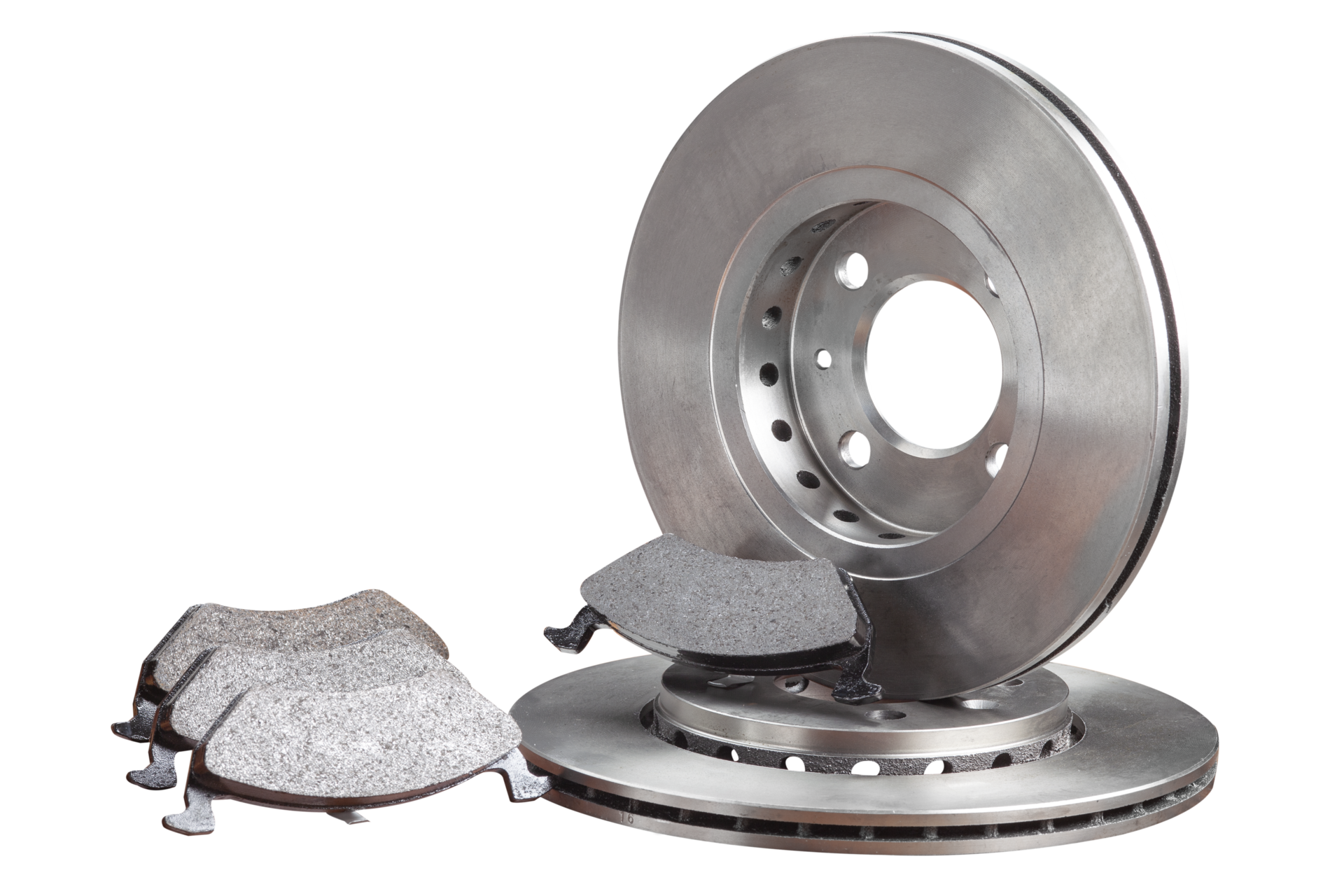
13. **Brake Booster Failure**Modern braking systems, particularly in high-performance vehicles, rely heavily on a brake booster to amplify pedal force. This assisted component reduces physical effort for effective braking, making deceleration more controllable. However, a brake booster failure drastically alters a driver’s ability to stop the car, especially in racing.
A failing booster doesn’t usually mean complete brake loss, but a severe reduction in effectiveness without increased driver effort. The pedal becomes exceptionally hard and heavy, requiring much more physical force for moderate deceleration. This sudden change is disorienting for drivers, leading to misjudged points, extended stopping distances, and higher collision risk.
Diagnosing and preventing booster failure involves checking vacuum lines (for vacuum boosters) or hydraulic connections. Any noticeable hardening of the pedal should prompt immediate investigation. Proper function of such assisted braking mechanisms is crucial for consistent, predictable braking performance, maintaining driver confidence.
Read more about: Beyond the Showroom Shine: 14 Automotive Design Fails That Rocked the Industry
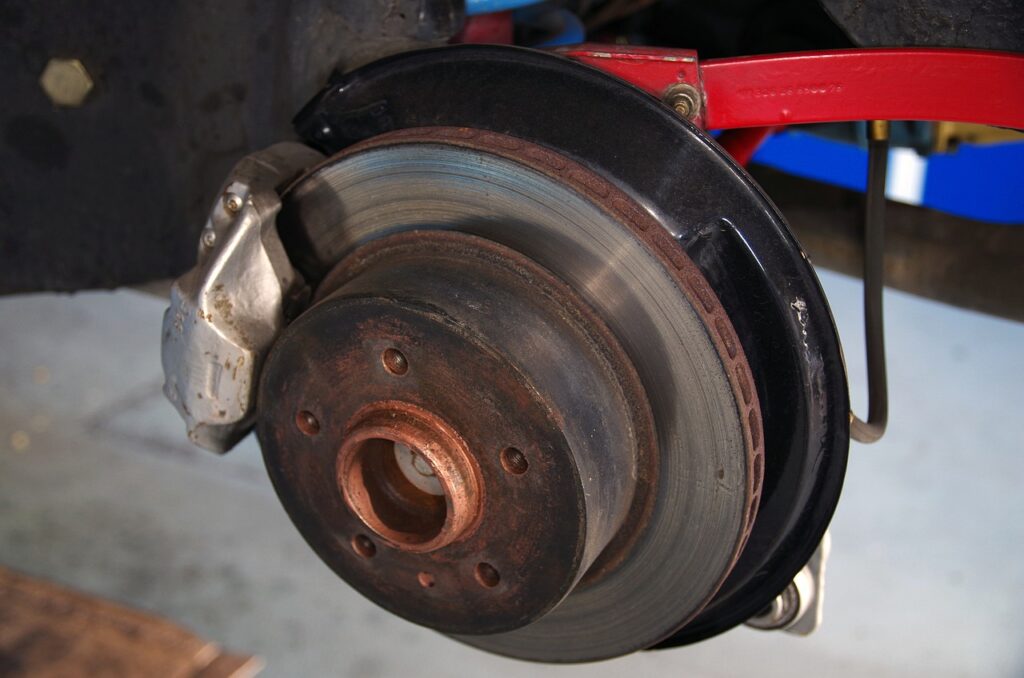
14. **Brake Sensor Failure**In modern racing, brake sensors are silent sentinels, constantly monitoring critical braking parameters. They feed vital information like pad wear, rotor temperature, fluid pressure, and wheel speed to telemetry and control units. This data is indispensable for optimizing performance, managing component life, and detecting early signs of impending failures.
When a brake sensor malfunctions or provides inaccurate data, it creates a dangerous blind spot. Without reliable information, the team might miss crucial issues like dangerously high rotor temperatures or excessive pad wear. This can lead to undiagnosed failures escalating into catastrophic events during critical race moments. Erroneous data also compromises systems like brake-by-wire or ABS.
Meticulous calibration and ongoing maintenance of brake sensors are paramount. Racing teams invest heavily in advanced diagnostics and rigorous testing for absolute accuracy. Drivers are also trained to be highly attuned to unusual pedal feedback or changes in braking behavior, ensuring technology and human intuition safeguard brake system integrity.
Read more about: Beyond the Hype: 14 Notorious Electric Car Failures, Battery Blunders, and Range Misses That Hindered EV Adoption
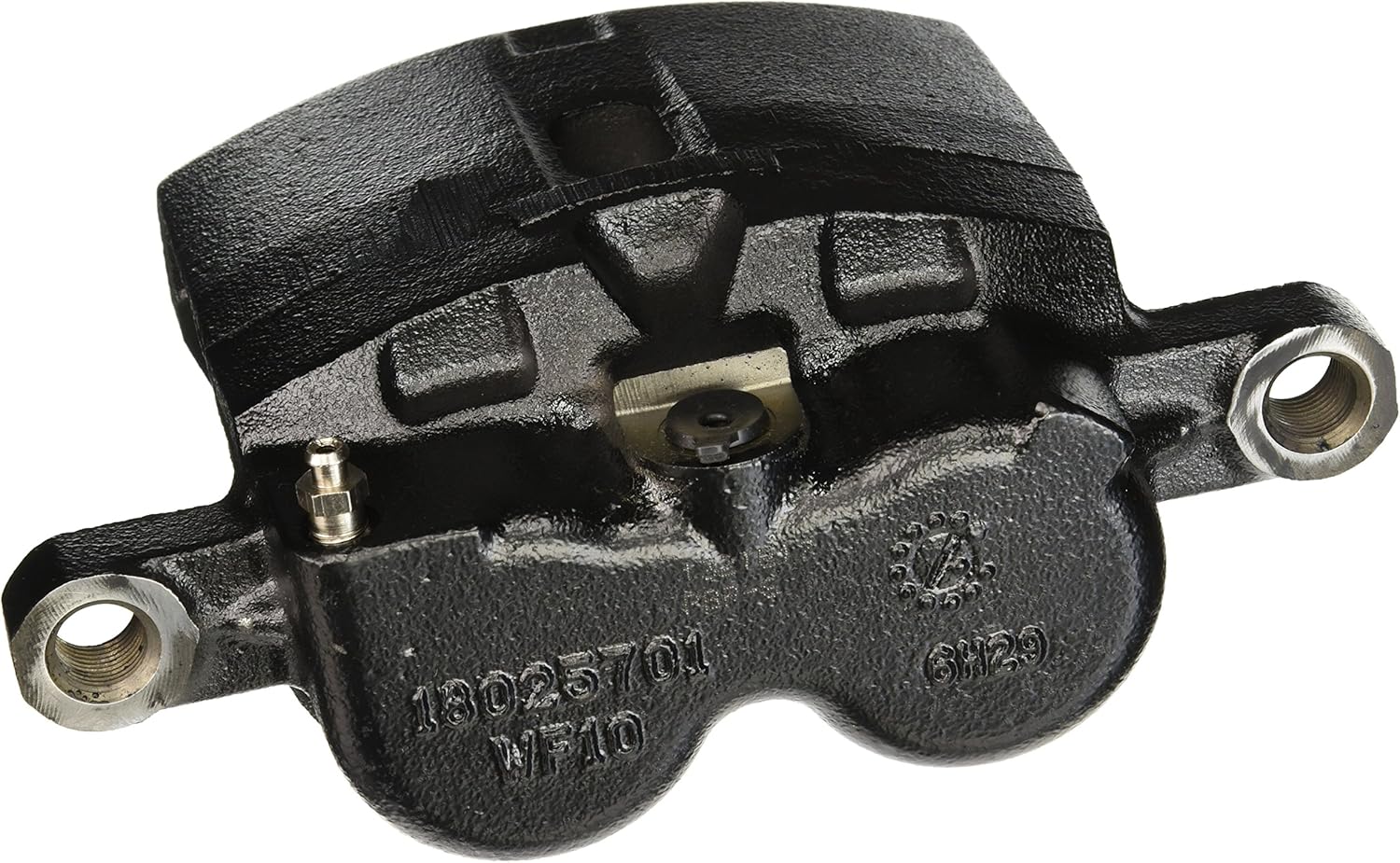
15. **Incomplete Brake System Assembly**In racing, where cars are frequently serviced and reassembled under intense pressure, human error during assembly is a significant, preventable risk. An incomplete or improperly installed brake component, regardless of its size, can have catastrophic repercussions. This highlights the absolute necessity of meticulous attention to detail and stringent quality control.
Simple oversights—like loose caliper mounting bolts, missing brake disc washers, or poorly connected hydraulic lines—can undermine the entire braking system’s integrity. Under extreme deceleration forces, these small errors quickly escalate. A loose caliper could cause uneven braking or detachment; a poorly connected line could rupture, leading to sudden, complete hydraulic pressure loss.
To counter this, racing teams implement rigorous multi-stage pre-race checks and quality assurance. Every brake component is visually inspected, torque settings verified, and hydraulic systems pressure-tested multiple times. This meticulous approach ensures every part is correctly installed and secured. This uncompromising commitment to precision and safety allows drivers to push their machines to the limit.
Read more about: The 2025 Lemon List: 14 Cars to Avoid That Mechanics Already Dread Seeing
As we’ve journeyed through these 15 critical brake failures, from extreme heat to subtle assembly errors, one truth remains clear: the ability to stop is as vital as the ability to go. In high-speed racing, where margins for error are infinitesimally small, every aspect of the braking system demands uncompromising precision, unwavering reliability, and meticulous attention. It’s a powerful testament to incredible engineering, relentless testing, and the sharp instincts of drivers and mechanics that these formidable machines can dance on the very edge of adhesion. So the next time you witness a breathtaking dive into a corner, remember the hidden drama of the brakes—the finely tuned instruments that truly separate the “Almost” from the “Winner.”