For many, the Porsche 911 isn’t just a car; it’s the embodiment of automotive excellence, a symbol of performance, design, and a lifelong aspiration. Its unmistakable silhouette, powerful engine, and reputation for thrilling drives have cemented its place as one of the most revered sports cars globally. Owning a 911 is often seen as the pinnacle for gearheads, a dream realized that promises unparalleled driving experiences and a significant dose of prestige.
Yet, as with any high-performance luxury vehicle, the dream of Porsche 911 ownership comes with a distinct financial reality that extends far beyond the initial purchase price. While the exhilaration of gripping the wheel and hearing that iconic engine note is undeniable, prospective and current owners must confront a landscape of hidden and often substantial costs. These aren’t merely minor fees; they are significant outlays that can quickly transform an aspirational purchase into an eye-watering financial commitment if not properly understood and budgeted for.
In this in-depth exploration, we’ll peel back the layers to reveal the true financial obligations of Porsche 911 ownership, drawing insights from real-world experiences and market data. From the unpredictable demands of classic models to the structured maintenance schedules of new vehicles, and the broader economic factors at play, understanding these expenditures is crucial. This article aims to provide a clear, practical, and sometimes cautionary look at the expenditures that make owning a Porsche 911 a dream that requires careful financial navigation.
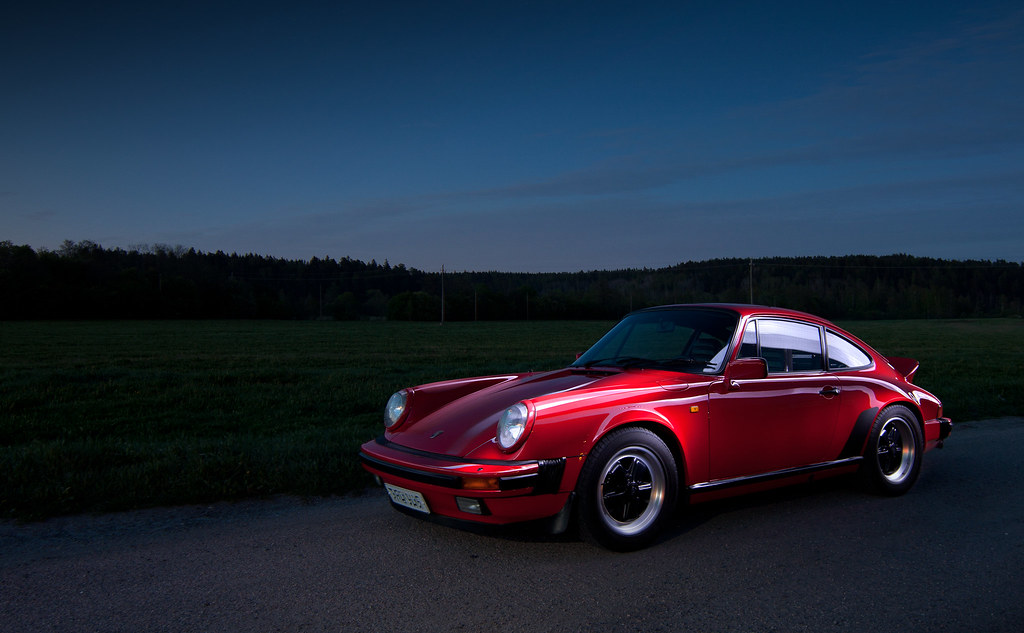
1. **Unexpected Major Repairs (Classic 911)**Buying a classic Porsche 911 often feels like acquiring a piece of automotive history, a vehicle with character and soul that modern cars simply can’t replicate. The allure is immense, promising a unique driving connection and the prestige of owning a timeless icon. However, beneath that gleaming exterior, classic cars, even those as robust as a 911, can harbor secrets that quickly translate into significant financial surprises.
The YouTube creator, Nobby on Cars, discovered this truth firsthand after acquiring his classic Porsche 911. What started as a responsible check for a simple oil leak he noticed on his driveway quickly unraveled into a cascade of unexpected and costly issues. The initial leak itself was tied to a tandem oil pump problem, an item that alone commanded a repair bill exceeding $600, signaling the beginning of unforeseen expenditures.
Specialists examining Nobby’s 911 uncovered a host of other critical problems, notably highlighting that the brake lines were described as ‘knackered’. Such issues are not just inconveniences; they are fundamental safety concerns that demand immediate attention in a high-performance vehicle. The cumulative effect of these revelations underscores the precarious financial tightrope walked by owners of classic Porsches, where one issue can quickly lead to many more.
Nobby eloquently articulated a universal truth for luxury car owners when he noted, “Labour’s my worst enemy here,” referring to the exorbitant cost of specialized mechanics. The total repair bill for these critical fixes and the elements required to access them amounted to a staggering €9,193, equivalent to $10,714. While specialists advised that some elements could be deferred, the tandem oil leak was unequivocally deemed the ‘biggest issue that you need to get sorted now’, emphasizing the non-negotiable nature of certain repairs for safety and functionality.
This experience serves as a stark reminder and a “good message for everybody,” as Nobby himself concluded, emphasizing that “if you’re buying something classic, you just can’t do enough checks to have a look.” Even with a staged payment plan suggested by his mechanic—around €4,000 ($4,662) for immediate safety and another €5,000 ($5,827) for future work—the significant upfront and projected costs underscore that a classic Porsche 911, while a diamond in the rough, often requires substantial investment to truly shine.
Car Model Information: 2020 Porsche 911 Carrera
Name: Porsche 911
Caption: The 1 millionth 911 produced on display at Volkswagen Group Forum, Berlin
Designer: Ferdinand Alexander Porsche
Manufacturer: Porsche
Production: September 1964 – present
Assembly: Stuttgart,Baden-Württemberg
Class: Sports car
BodyStyle: unbulleted list
Related: unbulleted list
Layout: Rear-engine design,rear-wheel drive
Predecessor: Porsche 356
Categories: 1970s cars, 1980s cars, 1990s cars, 2+2 coupés, 2000s cars
Summary: The Porsche 911 model series (pronounced Nine Eleven or in German: Neunelf) is a family of German two-door, high performance rear-engine sports cars, introduced in September 1964 by Porsche AG of Stuttgart, Germany, and now in its eighth generation. All 911s have a rear-mounted flat-six engine, and usually 2+2 seating, except for special 2-seater variants. Originally, 911s had air-cooled engines, and torsion bar suspension, but the 911 has been continuously enhanced, and evolved across generations. Though the 911 core concept has remained largely unchanged, water-cooled engines were introduced with the 996 series in 1998, and front and rear suspension have been replaced by Porsche-specific MacPherson suspension up front, and independent multi-link rear suspension.
The 911 has been raced extensively by private and factory teams, in a variety of classes. It is among the most successful competition cars. In the mid-1970s, the naturally aspirated 911 Carrera RSR won world championship races including Targa Florio and the 24 Hours of Daytona. The 911-derived 935 turbo also won the 24 Hours of Le Mans in 1979. Porsche won the World Championship for Makes in 1976, 1977, 1978, and 1979 with 911-derived models.
In a 1999 poll to determine the Car of the Century, the 911 ranked fifth — one of two in the top five that had remained continuously in production (the original Beetle remained in production until 2003). The one millionth example was manufactured in May 2017 and is in the company’s permanent collection.
Get more information about: Porsche 911
Buying a high-performing used car >>>
Brand: Porsche Model: 911
Price: $119,980 Mileage: 8,387 mi.

2. **Routine Annual Maintenance**Owning a brand-new Porsche 911 certainly mitigates some of the immediate surprises associated with classic models, thanks in part to a standard four-year or 50,000-mile warranty. Additionally, a two-year warranty covers every original, replacement part, or accessory, offering a degree of financial predictability. However, even with these protections, the commitment to routine maintenance begins from day one, laying the groundwork for ongoing ownership costs.
The most basic and universally recommended service for a Porsche 911 Carrera, which starts around $120,000 before dealer markups, is the annual oil change. This essential procedure is recommended either annually or every 10,000 miles, whichever comes first. It’s not just about fresh oil; it’s a critical component of preserving the high-performance engine’s integrity and ensuring its longevity.
Paired with this yearly oil change is typically a multipoint inspection, a comprehensive check-up designed to identify any developing issues early on. This combination of routine services is non-negotiable for maintaining the vehicle in optimal condition and adhering to the manufacturer’s guidelines. For this fundamental annual maintenance, owners can expect to pay somewhere in the region of $625 at a Porsche dealership.
While $625 might not seem exorbitant in the context of a six-figure car, it represents the baseline, an entry point into the recurring financial cycle of luxury vehicle ownership. These routine costs, though seemingly small individually, accumulate over time and are crucial for preventing more significant, costly problems down the road. They are the essential upkeep that keeps the 911 performing at the standard its owners expect and deserve.
Car Model Information: 2020 Porsche 911 Carrera
Name: Porsche 911
Caption: The 1 millionth 911 produced on display at Volkswagen Group Forum, Berlin
Designer: Ferdinand Alexander Porsche
Manufacturer: Porsche
Production: September 1964 – present
Assembly: Stuttgart,Baden-Württemberg
Class: Sports car
BodyStyle: unbulleted list
Related: unbulleted list
Layout: Rear-engine design,rear-wheel drive
Predecessor: Porsche 356
Categories: 1970s cars, 1980s cars, 1990s cars, 2+2 coupés, 2000s cars
Summary: The Porsche 911 model series (pronounced Nine Eleven or in German: Neunelf) is a family of German two-door, high performance rear-engine sports cars, introduced in September 1964 by Porsche AG of Stuttgart, Germany, and now in its eighth generation. All 911s have a rear-mounted flat-six engine, and usually 2+2 seating, except for special 2-seater variants. Originally, 911s had air-cooled engines, and torsion bar suspension, but the 911 has been continuously enhanced, and evolved across generations. Though the 911 core concept has remained largely unchanged, water-cooled engines were introduced with the 996 series in 1998, and front and rear suspension have been replaced by Porsche-specific MacPherson suspension up front, and independent multi-link rear suspension.
The 911 has been raced extensively by private and factory teams, in a variety of classes. It is among the most successful competition cars. In the mid-1970s, the naturally aspirated 911 Carrera RSR won world championship races including Targa Florio and the 24 Hours of Daytona. The 911-derived 935 turbo also won the 24 Hours of Le Mans in 1979. Porsche won the World Championship for Makes in 1976, 1977, 1978, and 1979 with 911-derived models.
In a 1999 poll to determine the Car of the Century, the 911 ranked fifth — one of two in the top five that had remained continuously in production (the original Beetle remained in production until 2003). The one millionth example was manufactured in May 2017 and is in the company’s permanent collection.
Get more information about: Porsche 911
Buying a high-performing used car >>>
Brand: Porsche Model: 911
Price: $119,980 Mileage: 8,387 mi.
Read more about: The 12 SUVs Built to Last: Our Definitive Guide to Vehicles Guaranteed for 250,000 Miles
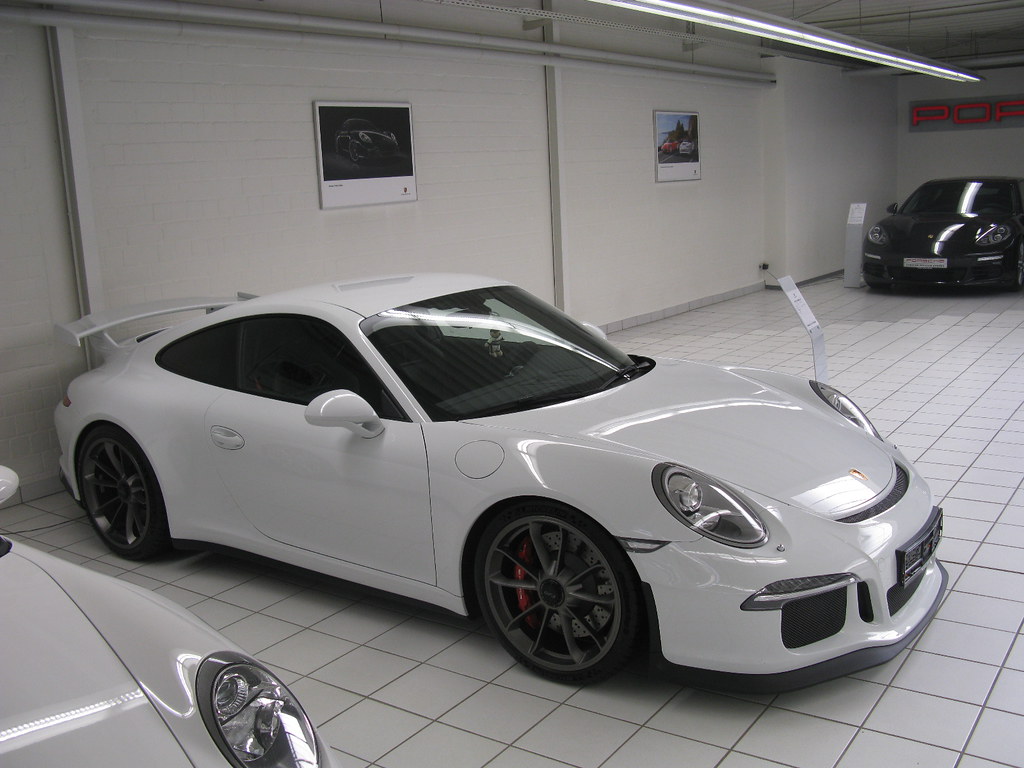
3. **Intermediate Biennial Services**Beyond the foundational annual oil changes and multipoint inspections, Porsche recommends specific intermediate services that occur at multi-year intervals. These biennial services are designed to address components that experience wear and tear over a slightly longer period, ensuring that critical systems remain in peak operating condition. Neglecting these could lead to reduced performance or, worse, more expensive repairs.
For the second year of ownership, or upon reaching the relevant mileage, Porsche’s recommendations expand to include changing the pollen filter and flushing the brake fluid. The pollen filter is vital for maintaining air quality within the cabin, while flushing the brake fluid is a crucial safety measure that ensures optimal braking performance by removing moisture and old fluid that can degrade over time. This manufacturer recommendation is explicitly stated to be performed every two years.
When these biennial tasks are combined with the standard 10,000-mile or one-year oil change, the overall service bill for the second year rises considerably. Owners should budget around $1,450 for this comprehensive service interval. This jump in cost from the first year illustrates how maintenance expenses are not linear but rather follow a structured schedule of escalating requirements.
These intermediate services are not merely suggestions; they are integral to the holistic care plan for a Porsche 911. They underscore the fact that high-performance engineering requires high-standard maintenance. Owners must be prepared for these predictable, yet higher, costs to ensure their vehicle continues to deliver the exhilarating and reliable experience that defines the 911 marque, solidifying its reputation for both fun and reliability, a ‘dynamic duo’ of qualities.
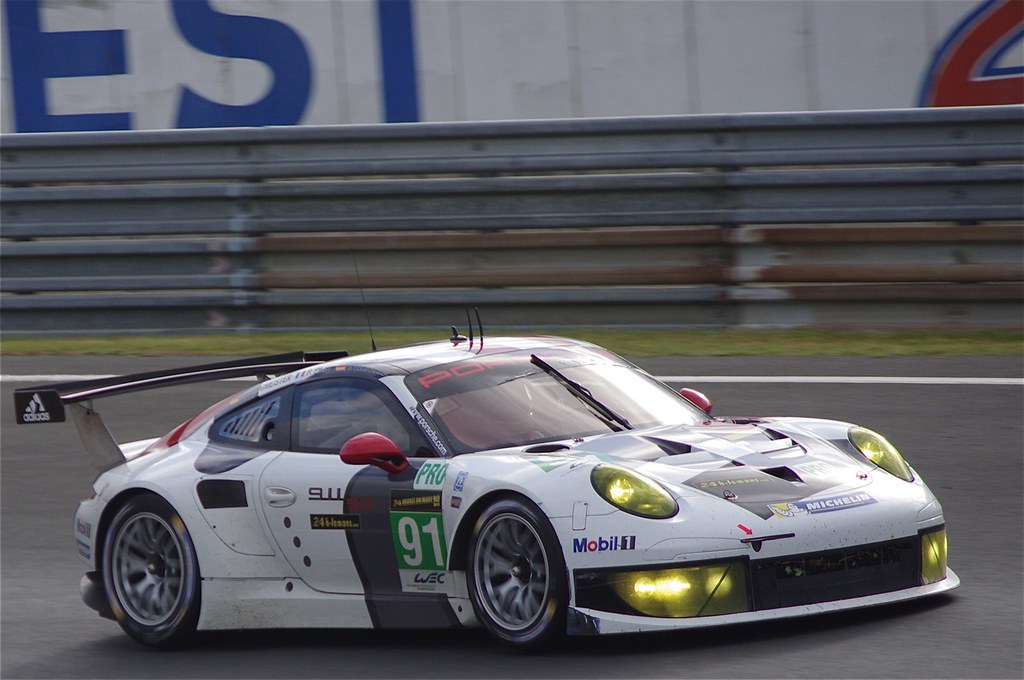
4. **Scheduled Major Services**As a Porsche 911 accumulates mileage and years, the required maintenance schedule evolves from routine fluid changes and filter replacements to more comprehensive, major services. These significant intervals involve deeper inspections and the replacement of components that have a longer lifecycle but are critical to the vehicle’s long-term performance and reliability. These are pivotal moments in the car’s ownership journey, demanding substantial financial foresight.
At the three-year or 30,000-mile mark, owners can expect another essential service that includes the standard oil change and multipoint inspection, but crucially adds a spark plug change. Spark plugs are vital for efficient combustion and engine performance, and their replacement is a non-negotiable part of maintaining the 911’s powerhouse. This particular service interval will set owners back approximately $2,195, a notable increase from earlier annual costs.
The following year, at the four-year or 40,000-mile mark, Porsche recommends what is considered a major service. This comprehensive overhaul includes replacing belts, pulleys, and various filters, including the pollen filter, along with the standard oil change and brake fluid flushing. This extensive list of tasks is designed to refresh critical engine components and fluids, ensuring the car continues to operate as intended after several years of use. This major service constitutes a significant $2,875 bill.
These scheduled major services are a testament to the meticulous engineering of the Porsche 911, and they are essential for upholding its promise of longevity and high performance. Owners must account for these substantial costs as they represent investments in the continued health and vitality of their prized vehicle. It reinforces the idea that while a new 911 offers “superb value proposition on its own merits,” the ongoing costs, including major services, are “not going to be insignificant relative to most mainstream vehicles.”
Car Model Information: 2020 Porsche 911 Carrera
Name: Porsche 911
Caption: The 1 millionth 911 produced on display at Volkswagen Group Forum, Berlin
Designer: Ferdinand Alexander Porsche
Manufacturer: Porsche
Production: September 1964 – present
Assembly: Stuttgart,Baden-Württemberg
Class: Sports car
BodyStyle: unbulleted list
Related: unbulleted list
Layout: Rear-engine design,rear-wheel drive
Predecessor: Porsche 356
Categories: 1970s cars, 1980s cars, 1990s cars, 2+2 coupés, 2000s cars
Summary: The Porsche 911 model series (pronounced Nine Eleven or in German: Neunelf) is a family of German two-door, high performance rear-engine sports cars, introduced in September 1964 by Porsche AG of Stuttgart, Germany, and now in its eighth generation. All 911s have a rear-mounted flat-six engine, and usually 2+2 seating, except for special 2-seater variants. Originally, 911s had air-cooled engines, and torsion bar suspension, but the 911 has been continuously enhanced, and evolved across generations. Though the 911 core concept has remained largely unchanged, water-cooled engines were introduced with the 996 series in 1998, and front and rear suspension have been replaced by Porsche-specific MacPherson suspension up front, and independent multi-link rear suspension.
The 911 has been raced extensively by private and factory teams, in a variety of classes. It is among the most successful competition cars. In the mid-1970s, the naturally aspirated 911 Carrera RSR won world championship races including Targa Florio and the 24 Hours of Daytona. The 911-derived 935 turbo also won the 24 Hours of Le Mans in 1979. Porsche won the World Championship for Makes in 1976, 1977, 1978, and 1979 with 911-derived models.
In a 1999 poll to determine the Car of the Century, the 911 ranked fifth — one of two in the top five that had remained continuously in production (the original Beetle remained in production until 2003). The one millionth example was manufactured in May 2017 and is in the company’s permanent collection.
Get more information about: Porsche 911
Buying a high-performing used car >>>
Brand: Porsche Model: 911
Price: $119,980 Mileage: 8,387 mi.
Read more about: Unbelievable: The 7 Cities Where Parking Tickets Hit Hardest (and Why You Might Not Even Realize It!)
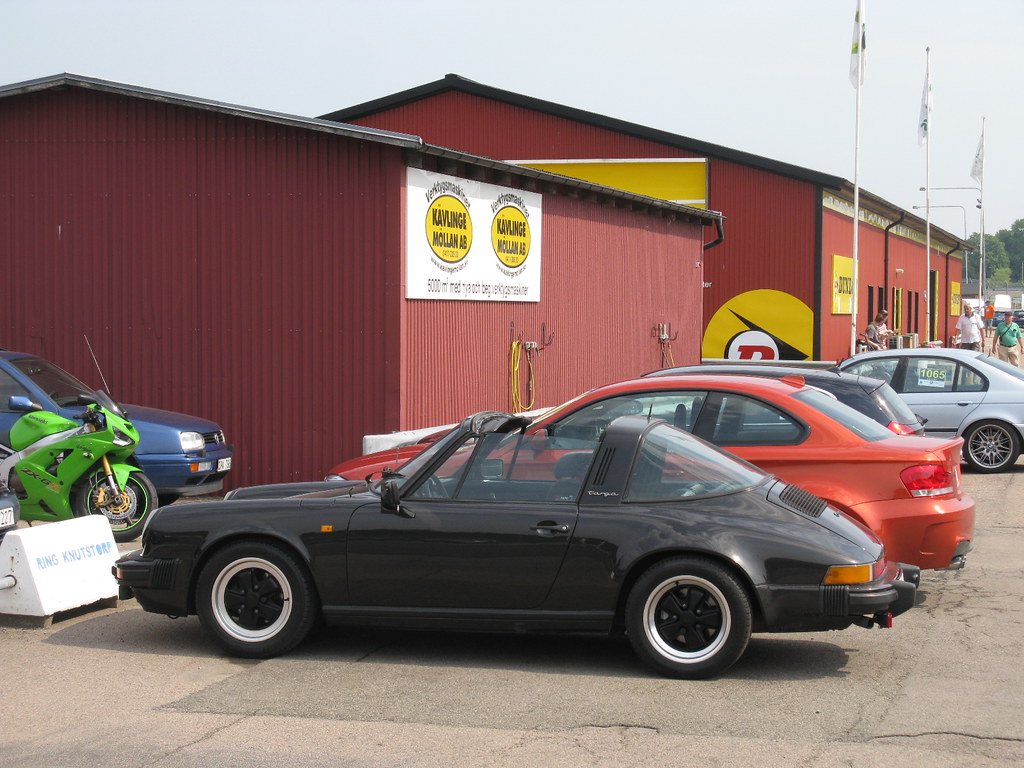
5. **Accelerated Wear and Tear (Brakes & Tires)**While routine maintenance covers standard checks and fluid changes, the very nature of a high-performance sports car like the Porsche 911 means certain components experience accelerated wear, leading to specific, often substantial, replacement costs. These aren’t hidden per se, but their frequency and expense can often catch owners by surprise, especially those who enjoy leveraging the 911’s impressive capabilities.
Among the most prominent wear items are the brake pads, rotors, and tires. Unlike a standard commuter vehicle, the 911’s braking system and specialized tires are designed for high-speed performance and precise handling. Consequently, they wear down more rapidly, particularly if the car is driven enthusiastically, whether on winding roads or, especially, at a racetrack. This means these replacements often appear earlier and cost more than owners might anticipate.
For instance, as part of the second-year service if 20,000 miles are reached, Porsche recommends replacing the brake pads and rotors, which can cost around $2,000. Additionally, new tires, given their specialized nature and size, are estimated to be about $2,100. When combined with other second-year services, these components alone push the total for that interval to approximately $5,500, purely based on sufficient wear and tear.
This category of wear-and-tear repairs extends beyond just brakes and tires, encompassing other suspension components and various parts that naturally degrade with use. The costs for these will vary based on the specific parts and the labor involved, making it crucial to set aside a dedicated budget. As the context states, “Over time, components of your Porsche 911 will naturally wear out and require replacement,” a reality intensified by the vehicle’s performance pedigree.
Car Model Information: 2020 Porsche 911 Carrera
Name: Porsche 911
Caption: The 1 millionth 911 produced on display at Volkswagen Group Forum, Berlin
Designer: Ferdinand Alexander Porsche
Manufacturer: Porsche
Production: September 1964 – present
Assembly: Stuttgart,Baden-Württemberg
Class: Sports car
BodyStyle: unbulleted list
Related: unbulleted list
Layout: Rear-engine design,rear-wheel drive
Predecessor: Porsche 356
Categories: 1970s cars, 1980s cars, 1990s cars, 2+2 coupés, 2000s cars
Summary: The Porsche 911 model series (pronounced Nine Eleven or in German: Neunelf) is a family of German two-door, high performance rear-engine sports cars, introduced in September 1964 by Porsche AG of Stuttgart, Germany, and now in its eighth generation. All 911s have a rear-mounted flat-six engine, and usually 2+2 seating, except for special 2-seater variants. Originally, 911s had air-cooled engines, and torsion bar suspension, but the 911 has been continuously enhanced, and evolved across generations. Though the 911 core concept has remained largely unchanged, water-cooled engines were introduced with the 996 series in 1998, and front and rear suspension have been replaced by Porsche-specific MacPherson suspension up front, and independent multi-link rear suspension.
The 911 has been raced extensively by private and factory teams, in a variety of classes. It is among the most successful competition cars. In the mid-1970s, the naturally aspirated 911 Carrera RSR won world championship races including Targa Florio and the 24 Hours of Daytona. The 911-derived 935 turbo also won the 24 Hours of Le Mans in 1979. Porsche won the World Championship for Makes in 1976, 1977, 1978, and 1979 with 911-derived models.
In a 1999 poll to determine the Car of the Century, the 911 ranked fifth — one of two in the top five that had remained continuously in production (the original Beetle remained in production until 2003). The one millionth example was manufactured in May 2017 and is in the company’s permanent collection.
Get more information about: Porsche 911
Buying a high-performing used car >>>
Brand: Porsche Model: 911
Price: $119,980 Mileage: 8,387 mi.
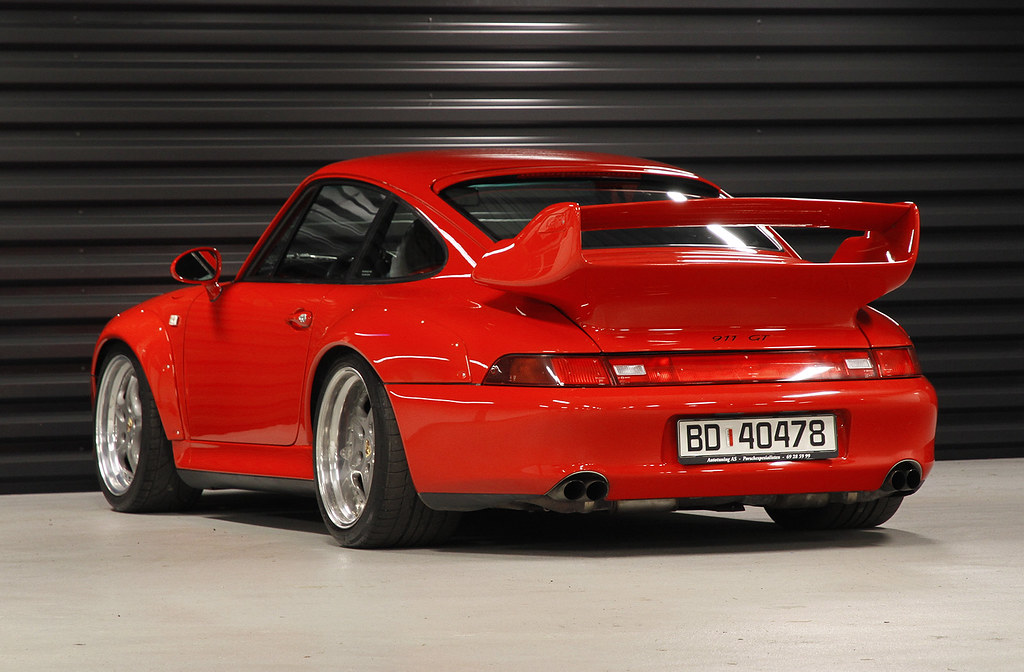
6. **Depreciation**Depreciation stands as perhaps the trickiest and often largest hidden cost of Porsche 911 ownership, as it represents a loss in value rather than a direct expenditure. While not a bill you physically pay, it significantly impacts the overall financial outlay of owning the vehicle. Understanding its nuances is crucial for any prospective buyer, as the 911 market presents a complex picture.
The Porsche 911 occupies a “niche within a niche,” and its depreciation can vary wildly depending on the specific model and prevailing market conditions. Popular car shopping guides like edmunds and CarEdge provide differing benchmarks, highlighting this complexity. For example, edmunds reported a staggering depreciation of $106,286 over a five-year period for a 2022 Porsche 911 GT3 coupe, with a significant $63,189 of that occurring in the first year alone.
However, this high figure from edmunds is likely influenced by algorithms that may treat the entire 911 lineup as a singular car. CarEdge offers a more granular perspective, determining that an average Porsche 911 will depreciate by $31,583 after five years. This figure, based on “real world” and “anecdotal” scenarios, is generally considered more accurate by enthusiasts, reflecting the varying market performance of different 911 variants.
The discrepancy arises because while extremely low-volume and exclusive models like the GT3 and GT3 RS are known to command near-MSRP prices even after five years, widely available models such as the Carrera S are more susceptible to the typical forces of depreciation. These more common variants often weigh down the average, making depreciation a significant, albeit often uncalculated, cost for the majority of 911 owners.
Despite these substantial figures, it’s worth noting that depreciation costs as a percentage of the purchase price are generally very low for the 911 compared to the industry average. CarEdge even awards the Porsche 911 an A+ Value Rating, signifying its strong resale value retention over time. Nonetheless, for most buyers, the actual dollar amount lost to depreciation remains a considerable factor in the total cost of ownership, demanding a realistic financial perspective.
Navigating the dream of Porsche 911 ownership means looking beyond the sticker price and embracing a full financial picture. While the first section peeled back the layers of immediate and scheduled outlays, the journey continues with a deeper dive into the long-term, often substantial, expenses that truly define the ownership experience. From the unavoidable costs of financing to the ongoing demands of insurance, fuel, general repairs, and even personal touches, these are the expenditures that solidify the 911 as a true luxury investment.
Car Model Information: 2020 Porsche 911 Carrera
Name: Porsche 911
Caption: The 1 millionth 911 produced on display at Volkswagen Group Forum, Berlin
Designer: Ferdinand Alexander Porsche
Manufacturer: Porsche
Production: September 1964 – present
Assembly: Stuttgart,Baden-Württemberg
Class: Sports car
BodyStyle: unbulleted list
Related: unbulleted list
Layout: Rear-engine design,rear-wheel drive
Predecessor: Porsche 356
Categories: 1970s cars, 1980s cars, 1990s cars, 2+2 coupés, 2000s cars
Summary: The Porsche 911 model series (pronounced Nine Eleven or in German: Neunelf) is a family of German two-door, high performance rear-engine sports cars, introduced in September 1964 by Porsche AG of Stuttgart, Germany, and now in its eighth generation. All 911s have a rear-mounted flat-six engine, and usually 2+2 seating, except for special 2-seater variants. Originally, 911s had air-cooled engines, and torsion bar suspension, but the 911 has been continuously enhanced, and evolved across generations. Though the 911 core concept has remained largely unchanged, water-cooled engines were introduced with the 996 series in 1998, and front and rear suspension have been replaced by Porsche-specific MacPherson suspension up front, and independent multi-link rear suspension.
The 911 has been raced extensively by private and factory teams, in a variety of classes. It is among the most successful competition cars. In the mid-1970s, the naturally aspirated 911 Carrera RSR won world championship races including Targa Florio and the 24 Hours of Daytona. The 911-derived 935 turbo also won the 24 Hours of Le Mans in 1979. Porsche won the World Championship for Makes in 1976, 1977, 1978, and 1979 with 911-derived models.
In a 1999 poll to determine the Car of the Century, the 911 ranked fifth — one of two in the top five that had remained continuously in production (the original Beetle remained in production until 2003). The one millionth example was manufactured in May 2017 and is in the company’s permanent collection.
Get more information about: Porsche 911
Buying a high-performing used car >>>
Brand: Porsche Model: 911
Price: $119,980 Mileage: 8,387 mi.
Read more about: Don’t Get Stuck at the Pump: These 10 Gas-Guzzling SUVs Are Budget-Busters in 2025
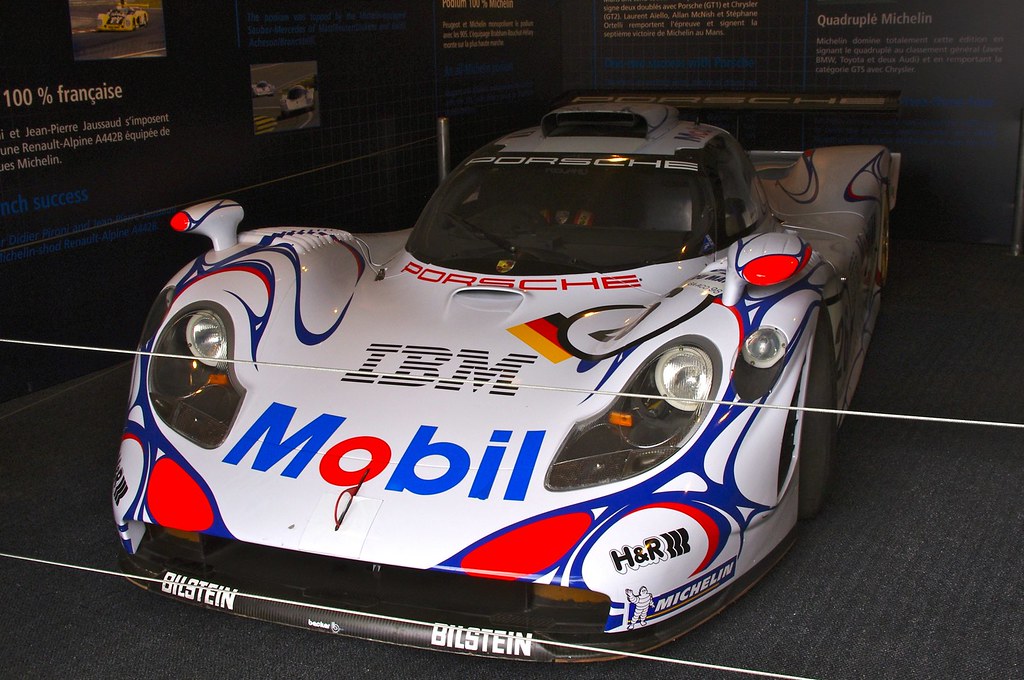
7. **Financing Costs**For many, acquiring a Porsche 911 isn’t a cash transaction; it’s a strategically financed purchase, which introduces a whole new realm of costs. The decision to finance, while offering immediate access to the vehicle, inherently means grappling with interest rates and loan terms that can dramatically inflate the total price paid over time. These aren’t hidden fees in the traditional sense, but their cumulative impact often goes uncalculated in the initial excitement of ownership.
The hard numbers reveal a stark reality: interest costs for a Porsche 911 can range significantly. Analysis shows that over a five-year period, these costs could be anywhere from $24,655 to a staggering $45,545. This wide discrepancy highlights the critical importance of interest rates, which are the biggest determining factor in your overall cost structure. A lower APR and a larger down payment can make a world of difference, mitigating the financial burden considerably.
Securing the best possible financing deal requires diligence. Shopping around for competitive rates and leveraging a strong credit score are vital steps that can expand your options and reduce borrowing costs. Understanding the intricacies of your loan—amount, interest rate, and term—before finalizing your purchase is paramount to avoiding future financial strain, turning what seems like a simple monthly payment into a substantial long-term commitment.
Car Model Information: 2020 Porsche 911 Carrera
Name: Porsche 911
Caption: The 1 millionth 911 produced on display at Volkswagen Group Forum, Berlin
Designer: Ferdinand Alexander Porsche
Manufacturer: Porsche
Production: September 1964 – present
Assembly: Stuttgart,Baden-Württemberg
Class: Sports car
BodyStyle: unbulleted list
Related: unbulleted list
Layout: Rear-engine design,rear-wheel drive
Predecessor: Porsche 356
Categories: 1970s cars, 1980s cars, 1990s cars, 2+2 coupés, 2000s cars
Summary: The Porsche 911 model series (pronounced Nine Eleven or in German: Neunelf) is a family of German two-door, high performance rear-engine sports cars, introduced in September 1964 by Porsche AG of Stuttgart, Germany, and now in its eighth generation. All 911s have a rear-mounted flat-six engine, and usually 2+2 seating, except for special 2-seater variants. Originally, 911s had air-cooled engines, and torsion bar suspension, but the 911 has been continuously enhanced, and evolved across generations. Though the 911 core concept has remained largely unchanged, water-cooled engines were introduced with the 996 series in 1998, and front and rear suspension have been replaced by Porsche-specific MacPherson suspension up front, and independent multi-link rear suspension.
The 911 has been raced extensively by private and factory teams, in a variety of classes. It is among the most successful competition cars. In the mid-1970s, the naturally aspirated 911 Carrera RSR won world championship races including Targa Florio and the 24 Hours of Daytona. The 911-derived 935 turbo also won the 24 Hours of Le Mans in 1979. Porsche won the World Championship for Makes in 1976, 1977, 1978, and 1979 with 911-derived models.
In a 1999 poll to determine the Car of the Century, the 911 ranked fifth — one of two in the top five that had remained continuously in production (the original Beetle remained in production until 2003). The one millionth example was manufactured in May 2017 and is in the company’s permanent collection.
Get more information about: Porsche 911
Buying a high-performing used car >>>
Brand: Porsche Model: 911
Price: $119,980 Mileage: 8,387 mi.
Read more about: Consumer Alert: Unmasking the 13 Car Dealership Scams That Cost Buyers Thousands
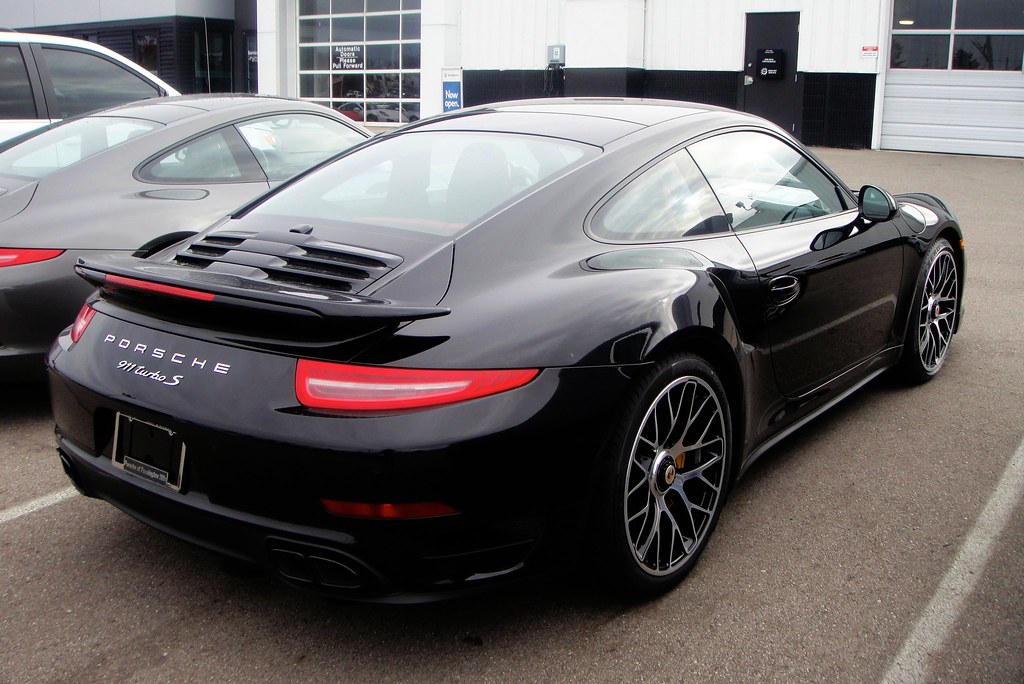
8. **Insurance Premiums**Once the keys to your Porsche 911 are in hand, another significant and ongoing cost immediately comes into play: insurance. Given its status as a high-performance luxury vehicle, the 911 commands premiums that are considerably higher than those for a standard car. This is not merely a reflection of its value, but also its inherent capabilities and the higher cost of parts and specialized labor should an accident occur.
The range of insurance costs is remarkably broad, influenced by a multitude of individual factors. Across various analyses, five-year insurance costs for a Porsche 911 have been reported between $9,518 and an eye-watering $24,180. Such a wide spread underscores that personal circumstances—like your age, driving record, geographical location, chosen deductibles, and any applicable policy discounts—play a crucial role in determining your specific premium.
Because of this variability, relying on general benchmarks isn’t enough. It’s an absolute necessity to obtain detailed insurance quotes tailored to your unique situation before committing to a 911 purchase. Familiarizing yourself with how car insurance works in your jurisdiction and, critically, what your policy actually covers, will prevent any unwelcome surprises when it comes to potential repair bills. For a car of this caliber, comprehensive coverage is an investment in peace of mind.
Read more about: Navigating the New Road Ahead: How Sweeping U.S. Traffic Law Reforms Will Impact Millions of American Drivers Starting July 1, 2025
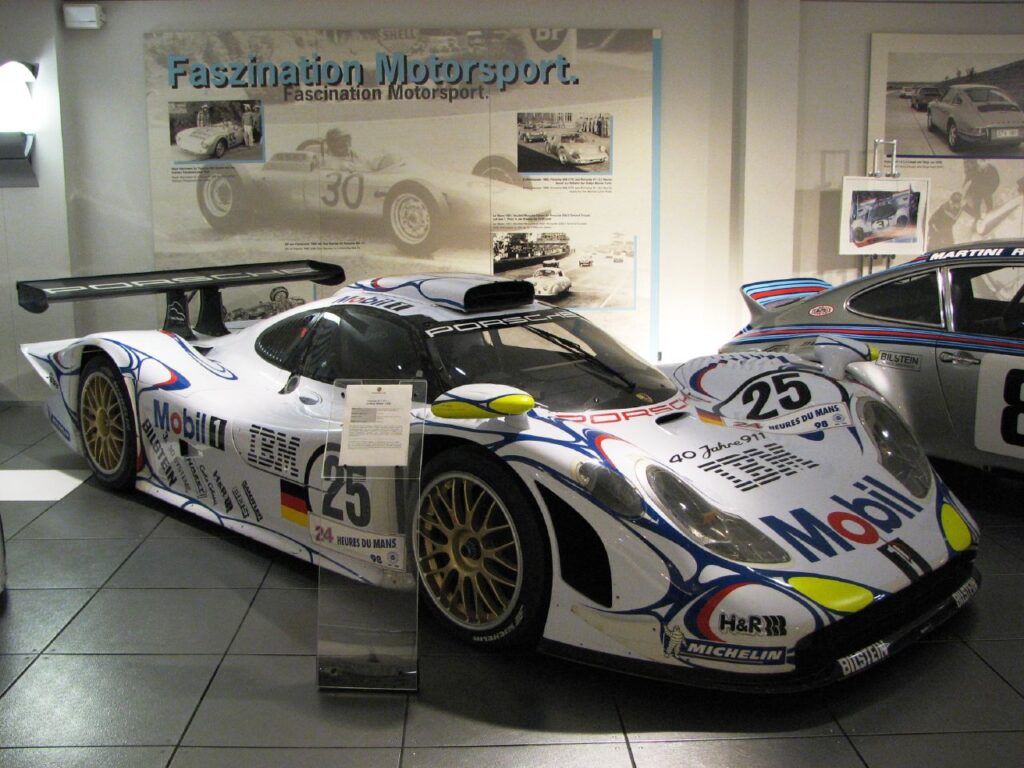
9. **Fuel Costs**The exhilarating roar of a Porsche 911’s engine is fueled by more than just passion; it demands a steady diet of premium-grade gasoline. While Porsche has ingeniously engineered these machines to be relatively fuel-efficient for their performance class, and capable of long distances on a single tank, the sheer volume and type of fuel required translate into substantial ongoing costs that few mainstream vehicles can rival.
Over a five-year period, projected fuel costs for a 911 can span from $10,780 to $20,269, based on typical mixed city/highway use and an annual mileage of 12,000 to 15,000 miles. These figures, while broad, highlight the significant financial impact of regular fueling. Your driving habits, the specific 911 variant you own, and its intended use—whether a daily commute or a weekend track warrior—will all paint a clearer, and potentially higher, picture of your true fuel expenditure.
Consider, for instance, the intense demands of track driving. Pushing the 911 to its limits on a circuit not only accelerates wear and tear on components, but also dramatically increases fuel consumption. This scenario exemplifies how an owner’s choice to fully embrace the 911’s performance capabilities directly translates into a more aggressive fueling schedule, making it an essential cost category to budget for meticulously.
Car Model Information: 2020 Porsche 911 Carrera
Name: Porsche 911
Caption: The 1 millionth 911 produced on display at Volkswagen Group Forum, Berlin
Designer: Ferdinand Alexander Porsche
Manufacturer: Porsche
Production: September 1964 – present
Assembly: Stuttgart,Baden-Württemberg
Class: Sports car
BodyStyle: unbulleted list
Related: unbulleted list
Layout: Rear-engine design,rear-wheel drive
Predecessor: Porsche 356
Categories: 1970s cars, 1980s cars, 1990s cars, 2+2 coupés, 2000s cars
Summary: The Porsche 911 model series (pronounced Nine Eleven or in German: Neunelf) is a family of German two-door, high performance rear-engine sports cars, introduced in September 1964 by Porsche AG of Stuttgart, Germany, and now in its eighth generation. All 911s have a rear-mounted flat-six engine, and usually 2+2 seating, except for special 2-seater variants. Originally, 911s had air-cooled engines, and torsion bar suspension, but the 911 has been continuously enhanced, and evolved across generations. Though the 911 core concept has remained largely unchanged, water-cooled engines were introduced with the 996 series in 1998, and front and rear suspension have been replaced by Porsche-specific MacPherson suspension up front, and independent multi-link rear suspension.
The 911 has been raced extensively by private and factory teams, in a variety of classes. It is among the most successful competition cars. In the mid-1970s, the naturally aspirated 911 Carrera RSR won world championship races including Targa Florio and the 24 Hours of Daytona. The 911-derived 935 turbo also won the 24 Hours of Le Mans in 1979. Porsche won the World Championship for Makes in 1976, 1977, 1978, and 1979 with 911-derived models.
In a 1999 poll to determine the Car of the Century, the 911 ranked fifth — one of two in the top five that had remained continuously in production (the original Beetle remained in production until 2003). The one millionth example was manufactured in May 2017 and is in the company’s permanent collection.
Get more information about: Porsche 911
Buying a high-performing used car >>>
Brand: Porsche Model: 911
Price: $119,980 Mileage: 8,387 mi.
Read more about: Beyond the Blockbuster Budget: 10 Iconic Movie Props That Secretly Starred in Multiple Films
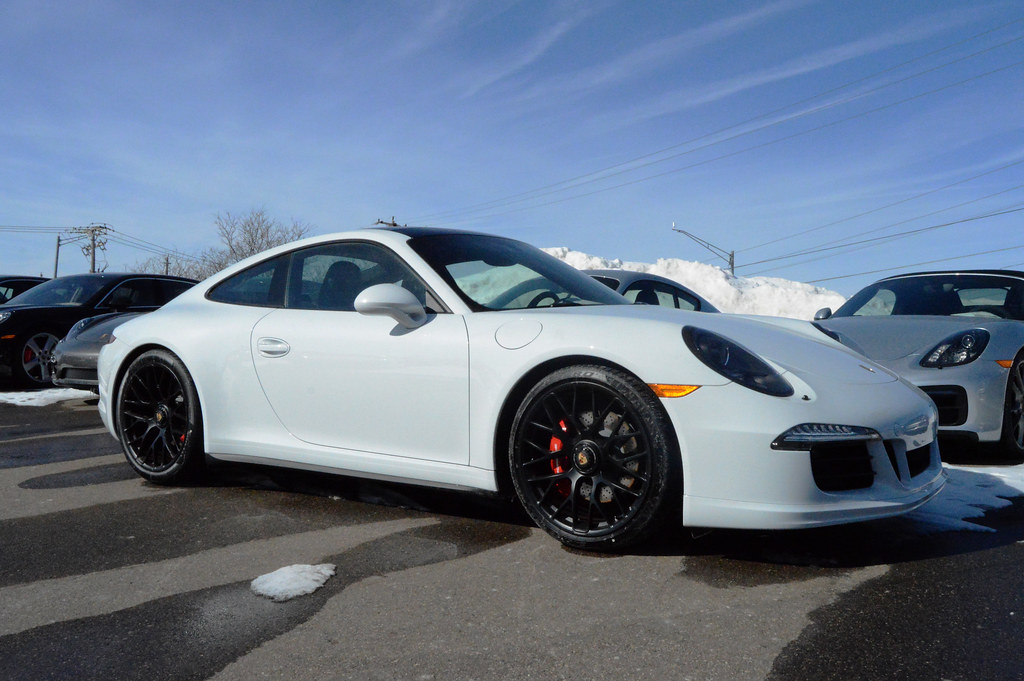
10. **General Maintenance and Unexpected Repairs**While scheduled services and specific wear-and-tear items like brakes and tires have their own budget lines, the broader category of general maintenance and the potential for unexpected repairs also forms a substantial financial pillar of 911 ownership. Though modern Porsches are lauded for their reliability and industry-leading build quality, they are still complex machines with many components that will eventually require attention.
CarEdge estimates general maintenance and repair costs for an average 911 model at $5,380 over five years, while edmunds, with a GT3-specific focus, quotes $9,477 for the same period. These figures encompass the upkeep of various components beyond the highly accelerated wear items, including suspension elements and other parts that naturally degrade with usage. The rates for specialized labor and parts for a high-performance vehicle like the 911 tend to be consistently high across the board.
Moreover, despite robust engineering, mechanical or electrical issues can unexpectedly arise, demanding immediate and costly attention. These unforeseen repairs underscore the necessity of a financial buffer or, for some, the consideration of extended warranty options. This proactive approach can significantly mitigate the financial shock of unexpected repairs, ensuring that owning your 911 remains a pleasure rather than a source of financial stress.
Car Model Information: 2020 Porsche 911 Carrera
Name: Porsche 911
Caption: The 1 millionth 911 produced on display at Volkswagen Group Forum, Berlin
Designer: Ferdinand Alexander Porsche
Manufacturer: Porsche
Production: September 1964 – present
Assembly: Stuttgart,Baden-Württemberg
Class: Sports car
BodyStyle: unbulleted list
Related: unbulleted list
Layout: Rear-engine design,rear-wheel drive
Predecessor: Porsche 356
Categories: 1970s cars, 1980s cars, 1990s cars, 2+2 coupés, 2000s cars
Summary: The Porsche 911 model series (pronounced Nine Eleven or in German: Neunelf) is a family of German two-door, high performance rear-engine sports cars, introduced in September 1964 by Porsche AG of Stuttgart, Germany, and now in its eighth generation. All 911s have a rear-mounted flat-six engine, and usually 2+2 seating, except for special 2-seater variants. Originally, 911s had air-cooled engines, and torsion bar suspension, but the 911 has been continuously enhanced, and evolved across generations. Though the 911 core concept has remained largely unchanged, water-cooled engines were introduced with the 996 series in 1998, and front and rear suspension have been replaced by Porsche-specific MacPherson suspension up front, and independent multi-link rear suspension.
The 911 has been raced extensively by private and factory teams, in a variety of classes. It is among the most successful competition cars. In the mid-1970s, the naturally aspirated 911 Carrera RSR won world championship races including Targa Florio and the 24 Hours of Daytona. The 911-derived 935 turbo also won the 24 Hours of Le Mans in 1979. Porsche won the World Championship for Makes in 1976, 1977, 1978, and 1979 with 911-derived models.
In a 1999 poll to determine the Car of the Century, the 911 ranked fifth — one of two in the top five that had remained continuously in production (the original Beetle remained in production until 2003). The one millionth example was manufactured in May 2017 and is in the company’s permanent collection.
Get more information about: Porsche 911
Buying a high-performing used car >>>
Brand: Porsche Model: 911
Price: $119,980 Mileage: 8,387 mi.
Read more about: The 12 SUVs Built to Last: Our Definitive Guide to Vehicles Guaranteed for 250,000 Miles
11. **Personalization & Modification**For many Porsche 911 enthusiasts, ownership isn’t merely about driving an iconic car; it’s about making it uniquely their own. This drive for personalization and modification is a “compulsory part of the car ownership experience” for a significant segment of buyers, yet it’s a cost rarely factored into initial ownership estimates by standard buyer’s guides. These are discretionary expenses, but for passionate owners, they are often seen as essential.
Personalization can span a wide spectrum, from purely cosmetic enhancements to performance-driven upgrades. Examples include installing paint protection film to preserve the pristine finish, or investing in custom wheels to express individual style and pride of ownership. These aesthetic touches, while not enhancing performance, contribute significantly to the perceived value and enjoyment of the vehicle for the owner.
On the other end of the spectrum are modifications for specific purposes, such as preparing the 911 for track usage. This might involve upgrading the car’s tires for better grip, enhancing the braking system for superior stopping power, fine-tuning the suspension for improved handling, or even engine modifications for increased output. Depending on an owner’s ambitions and budget, these personal touches can add anywhere from “hundreds of dollars, to tens of thousands of dollars, to the overall cost of ownership.” It’s also wise to understand how such modifications might impact the vehicle’s warranty.
Car Model Information: 2020 Porsche 911 Carrera
Name: Porsche 911
Caption: The 1 millionth 911 produced on display at Volkswagen Group Forum, Berlin
Designer: Ferdinand Alexander Porsche
Manufacturer: Porsche
Production: September 1964 – present
Assembly: Stuttgart,Baden-Württemberg
Class: Sports car
BodyStyle: unbulleted list
Related: unbulleted list
Layout: Rear-engine design,rear-wheel drive
Predecessor: Porsche 356
Categories: 1970s cars, 1980s cars, 1990s cars, 2+2 coupés, 2000s cars
Summary: The Porsche 911 model series (pronounced Nine Eleven or in German: Neunelf) is a family of German two-door, high performance rear-engine sports cars, introduced in September 1964 by Porsche AG of Stuttgart, Germany, and now in its eighth generation. All 911s have a rear-mounted flat-six engine, and usually 2+2 seating, except for special 2-seater variants. Originally, 911s had air-cooled engines, and torsion bar suspension, but the 911 has been continuously enhanced, and evolved across generations. Though the 911 core concept has remained largely unchanged, water-cooled engines were introduced with the 996 series in 1998, and front and rear suspension have been replaced by Porsche-specific MacPherson suspension up front, and independent multi-link rear suspension.
The 911 has been raced extensively by private and factory teams, in a variety of classes. It is among the most successful competition cars. In the mid-1970s, the naturally aspirated 911 Carrera RSR won world championship races including Targa Florio and the 24 Hours of Daytona. The 911-derived 935 turbo also won the 24 Hours of Le Mans in 1979. Porsche won the World Championship for Makes in 1976, 1977, 1978, and 1979 with 911-derived models.
In a 1999 poll to determine the Car of the Century, the 911 ranked fifth — one of two in the top five that had remained continuously in production (the original Beetle remained in production until 2003). The one millionth example was manufactured in May 2017 and is in the company’s permanent collection.
Get more information about: Porsche 911
Buying a high-performing used car >>>
Brand: Porsche Model: 911
Price: $119,980 Mileage: 8,387 mi.
Read more about: The $50,000 Mistake: Navigating Critical Exclusions in Luxury Car Insurance Policies
12. **Essential Upfront Costs: Pre-Purchase Inspection, Taxes, and Registration**Before the exhilaration of driving a Porsche 911 begins, there are several foundational upfront costs that demand immediate attention. These are often non-negotiable fees that solidify legal ownership and ensure the vehicle’s roadworthiness, yet they can be easily overlooked in the broader budget planning, especially when dealing with such a significant purchase.
One critical upfront expense, particularly for those considering a pre-owned 911, is a pre-purchase inspection (PPI). As Nobby on Cars wisely advised for classic vehicles, “you just can’t do enough checks.” A PPI, costing around $300 as per one owner’s experience, is a small investment that can uncover hidden issues, potentially saving thousands in future repairs and providing invaluable peace of mind before committing to a deal.
Beyond the inspection, the unavoidable costs of taxes and registration fees are due the moment ownership is transferred. These vary by jurisdiction and vehicle value, but they are immediate outlays. For instance, one owner reported a tax and registration cost of $270, illustrating that while seemingly minor compared to the car’s price, these sums add to the initial financial hurdle. These essential administrative expenses are the final gateway to legally calling a Porsche 911 your own.
Car Model Information: 2020 Porsche 911 Carrera
Name: Porsche 911
Caption: The 1 millionth 911 produced on display at Volkswagen Group Forum, Berlin
Designer: Ferdinand Alexander Porsche
Manufacturer: Porsche
Production: September 1964 – present
Assembly: Stuttgart,Baden-Württemberg
Class: Sports car
BodyStyle: unbulleted list
Related: unbulleted list
Layout: Rear-engine design,rear-wheel drive
Predecessor: Porsche 356
Categories: 1970s cars, 1980s cars, 1990s cars, 2+2 coupés, 2000s cars
Summary: The Porsche 911 model series (pronounced Nine Eleven or in German: Neunelf) is a family of German two-door, high performance rear-engine sports cars, introduced in September 1964 by Porsche AG of Stuttgart, Germany, and now in its eighth generation. All 911s have a rear-mounted flat-six engine, and usually 2+2 seating, except for special 2-seater variants. Originally, 911s had air-cooled engines, and torsion bar suspension, but the 911 has been continuously enhanced, and evolved across generations. Though the 911 core concept has remained largely unchanged, water-cooled engines were introduced with the 996 series in 1998, and front and rear suspension have been replaced by Porsche-specific MacPherson suspension up front, and independent multi-link rear suspension.
The 911 has been raced extensively by private and factory teams, in a variety of classes. It is among the most successful competition cars. In the mid-1970s, the naturally aspirated 911 Carrera RSR won world championship races including Targa Florio and the 24 Hours of Daytona. The 911-derived 935 turbo also won the 24 Hours of Le Mans in 1979. Porsche won the World Championship for Makes in 1976, 1977, 1978, and 1979 with 911-derived models.
In a 1999 poll to determine the Car of the Century, the 911 ranked fifth — one of two in the top five that had remained continuously in production (the original Beetle remained in production until 2003). The one millionth example was manufactured in May 2017 and is in the company’s permanent collection.
Get more information about: Porsche 911
Buying a high-performing used car >>>
Brand: Porsche Model: 911
Price: $119,980 Mileage: 8,387 mi.
Owning a Porsche 911 truly is a dream for countless automotive enthusiasts, a symphony of engineering prowess and driving passion. However, as this deep dive reveals, that dream comes with a substantial, multi-faceted financial commitment. From the immediate shock of unexpected classic car repairs and the structured rhythm of scheduled maintenance to the compounding costs of financing, insurance, fuel, and the allure of personalization, every facet demands thoughtful consideration. By realistically acknowledging these expenditures, prospective and current owners can ensure their journey with this iconic sports car remains one of pure exhilaration, rather than financial apprehension, transforming an aspiration into a sustainably thrilling reality.