Ever wonder what goes on behind the scenes when a new face pops up in your office, seemingly out of nowhere? You know, the one who just *happens* to be related to someone in charge? Well, you’re not alone! Workplace nepotism is one of those hot-button topics that can get everyone talking, and for good reason. It’s a super sensitive area for many businesses, stirring up conversations about fairness, opportunity, and what really makes a company tick.
While the concept itself might sound simple—hiring family or friends—its implications are anything but. We’re talking about a phenomenon that touches on everything from legal compliance and company reputation to employee morale and overall productivity. It’s a complex dance between personal connections and professional standards, and navigating it successfully is key for any thriving organization. So, grab your favorite beverage, because we’re about to dive deep into the nitty-gritty of workplace nepotism.
We’re going to unpack 12 crucial aspects of nepotism that every employee and employer should be aware of, offering you a comprehensive guide to understanding its ins and outs. From what the law actually says to how it can subtly (or not-so-subtly) shape your work environment, we’ve got the lowdown. Think of this as your essential playbook for recognizing, understanding, and ultimately, making sense of how familial ties can truly rock the workplace.
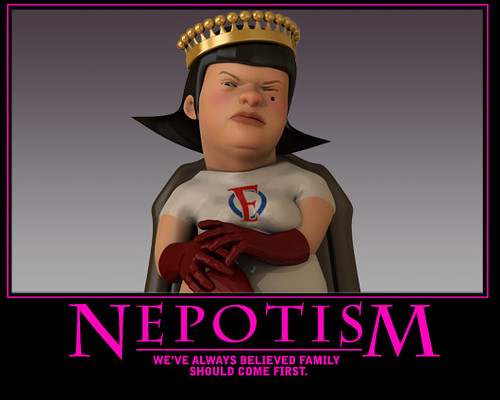
1. The Legality of Nepotism in the Workplace
Let’s kick things off by busting a common myth right away: is nepotism illegal? The answer isn’t a simple yes or no, which is where things get interesting. “Hiring relatives, also known as nepotism, is a sensitive topic for many businesses,” and while it’s generally “not illegal in most cases, it can depend on the company or the job.” So, right off the bat, we’re dealing with a nuanced situation that varies depending on where you’re working and what role you’re talking about.
The context really matters here. For instance, if you’re looking at the public sector, say a government position, “hiring a family member… may be deemed a conflict of interest.” This is because public offices are held to a different standard, where decisions must be seen as impartial and purely merit-based to protect public trust. However, the private sector operates under a different set of rules. “In the private sector, nepotism is generally not illegal, and employers have a lot of freedom in how they choose to run their businesses.”
But before you think private companies have a free pass, there’s a crucial caveat. While not inherently illegal, there are “limited circumstances where hiring relatives can land an employer in legal trouble.” The big one to watch out for is discrimination. If hiring a family member means you’re “violating Title VII of the Civil Rights Act of 1964 by discriminating against other candidates,” then you’re definitely stepping into problematic territory. This act is designed to prevent discrimination based on race, color, religion, , or national origin, so any hiring practice that bypasses qualified candidates from protected groups in favor of a relative could be a major legal headache.
To break it down further, consider two primary scenarios for legal trouble. “Firstly, if an employer hires friends or relatives while failing to consider people of other races, creeds, es, or ages, they may be violating anti-discrimination laws.” This means the intent behind the hiring, or at least its discriminatory outcome, becomes the issue. “Secondly, if an employer creates conditions that force out an existing employee to hire a relative, they may be liable for damages.” This highlights that while direct nepotism might be legal, the methods used to make room for a relative can absolutely cross legal lines, creating significant risks for the employer.

2. Defining “Relatives” and Scope of Nepotism
Okay, so we know nepotism isn’t always illegal, but who exactly are we talking about when we say “relatives”? You might think it’s just your immediate family, but the definition used in a workplace context can actually be much broader. The documents define “Relatives” as “individuals with a close relationship, either by blood or marriage within the third degree, or those with similar living situations.” This isn’t just about your mom, dad, sister, or brother; it extends to cousins, aunts, uncles, and even individuals who share a household but might not be legally related.
This expanded definition is super important because it acknowledges the complexities of modern relationships. It covers a wide spectrum of connections that could potentially influence employment decisions, moving beyond just direct familial lines. Including “similar living situations” recognizes that strong personal bonds, even without a formal blood or marriage tie, can create the same dynamics and potential for perceived favoritism as a legal family relationship. This broad understanding is crucial for any company trying to set clear boundaries and maintain fairness.
So, why does this definition matter so much for businesses? Well, understanding who qualifies as a “relative” helps companies craft clear and effective “employment of relatives policies.” These policies are designed to manage potential conflicts of interest and ensure that employment decisions are based on merit rather than personal connections. Without a comprehensive definition, there could be loopholes, leading to confusion or unintended instances of nepotism that can harm the workplace environment.
In practical terms, this definition impacts how employees are expected to behave regarding disclosures. It sets the stage for requiring employees to “disclose any existing or potential employment relationships with relatives within the organization.” This transparency is a cornerstone of preventing problems before they start, ensuring that everyone is aware of potential conflicts and that the company can proactively manage them. It’s all about creating an open environment where personal connections are recognized and managed professionally, rather than being swept under the rug.
Read more about: The Enduring Shadow of Lineage: Unpacking the Global Rise of “Nepo Babies” in Power, Culture, and Politics

3. The Damaging Impact of Nepotism on Workplace Culture
Beyond the legalities and definitions, the real sting of nepotism is often felt in the everyday fabric of workplace culture. It’s not just about one hire; it’s about the entire vibe of the office. “Nepotism can cause resentment and accusations of favoritism among non-family employees, negatively impacting workplace culture.” Imagine putting in extra hours, hitting every deadline, and then seeing someone with fewer qualifications get a coveted promotion, purely because they’re related to the boss. Talk about a morale killer!
The ripple effect of such perceived unfairness can be pretty significant. When nepotism takes root, “it fosters mistrust, gossip, cliques, and the breakdown of collaboration.” Employees start to eye each other suspiciously, wondering if their hard work will truly pay off or if connections will always win. “Employees may hesitate to share ideas or feedback, fearing that favoritism will always outweigh their contributions.” This creates a stifling environment where innovation and open communication can wither, replaced by cynicism and a ‘what’s the point?’ attitude.
Employee morale takes a direct hit, and it’s not hard to see why. “Unfair treatment and reduced opportunities: Non-favored employees may feel they are at a disadvantage compared to those with familial connections, leading to resentment and negative feelings.” When people feel their opportunities for growth are limited, they become disengaged. “They may perceive that their opportunities for advancement are limited, affecting their morale and productivity.” This isn’t just a minor complaint; it’s a deep-seated frustration that can make even the most dedicated employees consider looking elsewhere.
Ultimately, the pervasive feeling of unfairness can morph into a truly “toxic workplace culture.” When employees feel undervalued, or that their contributions aren’t genuinely seen because merit doesn’t seem to be the primary factor for success, it erodes trust in leadership and the company’s stated values. This impacts everything from team dynamics to an organization’s ability to attract and retain top talent, fundamentally harming the overall health and long-term viability of the business.

4. Nepotism’s Role in Reduced Productivity and Stifled Creativity
When connections trump capabilities, it’s not just feelings that get hurt; actual work performance can take a serious dive. “Nepotism goes beyond simply hiring a relative or friend. It refers to a situation where merit, qualifications, ability and experience are disregarded within the recruitment process.” This is the core issue: if someone is hired or promoted based solely on who they know, rather than what they can do, the company’s output is bound to suffer. You need the right people in the right roles, and nepotism often interferes with that fundamental principle.
One of the most insidious consequences of nepotism is how it can choke off innovation. When the best ideas aren’t necessarily the ones that get adopted, or when new perspectives aren’t sought out, things can stagnate. “Reduced creativity and quality: Nepotism can stifle diverse thinking and innovative ideas, leading to stagnation in creativity and problem-solving.” A healthy workplace thrives on a diverse range of thoughts and solutions, but a culture of nepotism can make people less likely to share groundbreaking ideas if they feel those ideas won’t be judged on their own merit.
And let’s be real, if “unqualified individuals receiving opportunities” are being put into key positions, it directly impacts “the quality of work.” This isn’t just about small mistakes; it can lead to larger strategic missteps, poor project execution, and a general decline in standards across the board. The consequences ripple out, affecting everything from product development to client satisfaction. It’s a risk no company can afford, especially in today’s competitive landscape where quality is king.
This hidden cost of favoritism quickly becomes apparent. The documents state, “With lower morale comes lower work quality and lower productivity.” It’s a vicious cycle: employees lose motivation when they see unfair practices, which then translates into less effort and poorer output. This isn’t just a minor issue that can be ignored; “Lower productivity leads to higher costs.” Companies end up paying more for less, wasting valuable resources on correcting mistakes or making up for lost time, all because merit took a backseat to personal connections.

5. Blurred Lines: How Nepotism Affects Work-Life Balance
Nepotism isn’t just an issue of professional ethics; it can seriously mess with the delicate balance between work and personal life. Imagine working alongside your spouse or sibling, and then having a family argument spill over into a team meeting. Or worse, what if a family disagreement outside of work starts impacting your professional interactions? “Hiring relatives can blur the line between work and personal life, causing issues if family problems are brought into the workplace.” The boundaries dissolve, and suddenly, every professional interaction might carry an unspoken personal subtext.
This blurring of lines often comes with unspoken expectations. “Employees might feel that their relative expects them to work longer hours, causing them to feel overworked and underappreciated.” This pressure can be immense, as refusing a request from a family member who is also your boss can feel much more difficult than saying no to a non-relative supervisor. There’s an added layer of family loyalty and obligation that can be exploited, leading to an unfair burden on the family employee.
And let’s be honest, this kind of pressure cooker environment is a fast track to burnout. The documents highlight that such situations can “lead to burnout, which is becoming increasingly common in today’s work culture.” We’re living in a time when “Employees are being pushed to work longer hours than ever before, with little regard for their mental health and well-being.” When you add familial expectations to the mix, it creates an even more potent recipe for exhaustion, stress, and a complete loss of personal time.
Ultimately, this severe imbalance doesn’t just harm the individual; it has a broader impact on the entire organization. This blurring and pressure “can result in a drop in staff morale and productivity, which can quickly spiral into customer dissatisfaction.” When employees are burnt out and stressed, their performance inevitably declines, which then affects the quality of service or products delivered to customers. It’s a domino effect, proving that healthy work-life boundaries are crucial for everyone involved, not just the family members.

6. The Critical Need for an Employment of Relatives Policy
Given all the potential pitfalls, it becomes clear that companies need a game plan, and that’s where an “employment of relatives policy” swoops in to save the day! “Employee handbooks are a smart way to establish company guidelines, including when it comes to hiring practices.” And in those trickier “situations where familial ties come into play, an employment of relatives policy can help protect an organization from claims of bias and discrimination.” It’s like having a clear roadmap before you embark on a complicated journey.
Now, here’s a crucial insight: “There’s a general misconception that employment of relatives policies are prohibitive; however, that’s not usually the case.” These policies aren’t always about outright banning family hires. Quite the opposite, “In most cases, these policies actually enable companies to hire relatives, albeit with strict frameworks that work to prevent bias, discrimination, and other unfair practices.” They provide a structured way to integrate family members into the workforce while ensuring fairness and transparency for everyone.
So, does your company really need one of these policies? Absolutely! “Most companies don’t anticipate hiring relatives of employees who already work for them; however, it’s a situation that could arise at any time.” You might suddenly find a stellar candidate who also happens to be a relative of a current employee. Having a policy already in place “makes it a lot easier to navigate the tricky scenario of interviewing and potentially hiring that person,” ensuring decisions are made on merit and not just connection.
Ultimately, these policies are advisable for a multitude of reasons. They’re essential for “preventing conflicts of interest,” “maintaining a professional work environment” by setting clear conduct expectations, and “avoiding favoritism in recruitment” to ensure equal opportunities. Furthermore, they are vital for “addressing supervisory relationships” when one family member manages another, and crucial for “mitigating risks of nepotism” that could harm team dynamics and morale. It’s about being prepared and proactive, setting the groundwork for a fair and productive workplace for all.
Alright, we’ve tackled nepotism’s basics, from legalities to how it messes with your team’s vibe. Now, let’s unpack the real-world fallout and what to *do* about it! Spotting it is one thing, but knowing next steps? That’s where the magic happens. We’ll dive into deeper risks, learn how to spot nepotism, and discover how HR can be your company’s superhero. Level up your workplace wisdom!
Read more about: America Unveiled: A Deep Dive into the United States’ Enduring Story, Landscapes, and Institutions

7. The Silent Sabotage: Discrimination Claims and Employee Exodus
You might think, “Hey, if it’s not illegal, what’s the big deal?” But here’s the kicker: while nepotism often sidesteps legality, it’s a slippery slope straight into legal hot water, especially discrimination claims. “It does not go unnoticed when employees are looked over for promotions or are not hired in favor of someone who is clearly underqualified.” Imagine pouring your heart into work, only to see a less-qualified cousin get the dream gig. That’s a major vibe killer, leaving those passed over feeling genuinely discriminated against, with solid grounds to complain.
When people feel that unfairness brewing, “things sour quickly,” leading to higher employee turnover. If your team members constantly see underqualified folks being hired or promoted, or privileged employees getting VIP treatment, why stick around? They’ll update their resumes!
This isn’t just an annoyance; “higher employee turnover does more than make it difficult to maintain a full staff.” It signals something’s off. “It does not go unnoticed when a company is constantly hiring employees.” This churn damages reputation, making it harder to attract top talent. Plus, new hires might not match previous standards, creating a snowball effect of mediocrity. Yikes!

8. The Vicious Cycle: Dips in Morale, Productivity, Talent Retention, and Reputation
Following employee turnover comes a host of other headaches, impacting your company’s core. “It is hard to stay motivated in a job you don’t feel appreciated for.” When folks know “the boss’ kid will get that promotion or the project you’ve been hoping for,” it deflates their morale. Who tries their hardest when the game feels rigged?
This morale drop has serious consequences. “With lower morale comes lower work quality and lower productivity.” It’s a vicious cycle: disengaged employees produce less, at a lower standard. “Lower productivity leads to higher costs,” as companies spend more to fix mistakes. “Lower quality leads to more difficulty retaining customers,” a nightmare for any business.
Nepotism is a huge culprit for poor talent retention. “If you promote those who are not qualified over those who are, it won’t be long before those talented employees move on.” Your star performers won’t stick around if undervalued or blocked. This means “the talent pool will shrink until all that is left are the barely qualified.” A shallow talent pool? That’s a direct hit to innovation and future growth.
And let’s not forget the devastating blow to your company’s street cred. “With lower morale and questionable morals, company culture won’t be nearly the same.” A toxic culture impacts everything, making it less attractive to employees and clients. “Damage to brand reputation: Nepotism can result in bad press and damage a company’s reputation,” making it less attractive to top talent. Negative experiences go viral faster than “conflict of interest,” a perilous risk.

9. Spotting the Red Flags: How to Recognize Nepotism’s Many Manifestations
Okay, so we know nepotism is bad news, but how do you *spot* it? It’s not always obvious, but there are clear red flags. One big sign? “Employee is underqualified. Someone is chosen for a position or promotion simply because they are a family member and not the most qualified.” If the person hired is clearly unsuited or gets an opportunity over someone objectively better, that’s a flashing nepotism alert.
Another huge indicator is when an “Employee is held to a different standard.” A family member consistently makes mistakes, misses deadlines, or shows up late, but never gets reprimanded, while others face consequences. This double standard screams nepotism louder than a megaphone. It corrodes team spirit faster than “performance review.”
Then there’s the classic “Employee receives special treatment.” This could be anything from better work assignments, coveted shifts, or more privileges without earning them. If you notice a family member or friend constantly getting the cushiest projects or an easier ride while others are slogging, you’re likely witnessing nepotism. It’s all about those unearned perks!
Let’s not overlook “Unprofessional behaviours” that go unchecked, like a family member being rude to colleagues or talking back to their manager. These actions are often tolerated because the person in power is unlikely to stop the behavior out of favor. Lastly, if “Other employees have complained to Human Resources,” that’s a giant, unmissable sign. If HR hears concerns, it “should not go unnoticed.” It’s time for serious detective work and documenting observations before jumping to conclusions.

10. HR to the Rescue: Proactive Strategies, Starting with Culture and Compliance
Now that we’ve identified the symptoms, let’s talk cure! Human Resources isn’t just paperwork; they’re your company’s secret weapon in fighting nepotism. “HR can be a critical partner in this process, working with leaders to effectively respond and prevent nepotism.” The best way to tackle this? Proactively.
The first step on HR’s superhero journey is to “Examine the Culture.” This means understanding what makes leaders tick, their values, and how they see the company. By building genuine relationships, HR can “better equipped to promote fairness for all, without creating enemies.” It’s about earning trust and showing HR supports their vision.
After building that foundation, HR discusses “the importance of legal compliance.” Business owners, while brilliant, might not always be up-to-date on legalities. HR steps in to advise them on navigating sticky situations and “potential legal and financial risk to the organisation.” It’s like having a legal eagle on your team, ensuring decisions are made with company well-being and legal safety in mind.

11. HR’s Battle Plan: Objective Hiring and Ironclad Anti-Nepotism Policies
Even with proactive measures, nepotism can “leak into your organization.” But fear not! If HR has done its groundwork, they’ve already “built a strong foundation to more effectively advise and coach leadership” when these situations pop up. The core message here is clear: build an excellent workforce brimming with competent and skilled individuals.
A key part of HR’s response toolkit is to “Introduce objective hiring.” Every single position *must* be filled by the best candidate, full stop. Qualifications, experience, and skills should be the only factors, “not based on the relationship with the business owner or leadership team.” If a family member truly is the best, it needs objective proof! HR helps create written policies and guidelines for hiring managers, detailing employment law and crafting interview questions that laser-focus on job competency and cultural alignment. This ensures “experience and skills are more important than nepotism.”
And let’s not forget the power of a solid “anti-nepotism policy.” Whether updating an old one or crafting a new masterpiece, clear guidelines help “provide certainty and clarity across the organisation as to the expectations and standards to be met when hiring and promoting.” It’s a transparent declaration that the company is committed to fairness, preventing ‘who knows who’ scenarios from overshadowing true talent.

12. The Blueprint: Essential Components of an Effective Nepotism Policy
So, you’re on board with needing an employment of relatives policy, but what exactly makes it rock-solid? Here’s the blueprint! First, let’s bust a myth: “There’s a general misconception that employment of relatives policies are prohibitive; however, that’s not usually the case.” These policies aren’t about banning family hires; instead, “they actually enable companies to hire relatives, albeit with strict frameworks that work to prevent bias, discrimination, and other unfair practices.” It’s about setting clear rules, not building walls.
A cornerstone is a crystal-clear “Definition of relatives.” Spouses, domestic partners, parents, siblings, children, and other close relationships should be explicitly included, avoiding ambiguity. Alongside this, “Disclosure requirements” are essential; employees must report any existing or potential employment relationships with relatives. Transparency is key to preventing issues.
Then, “Conflict of interest mitigation.” This means outlining clear measures to address conflicts when relatives work together, like ensuring one family member doesn’t have direct authority over another. This keeps things professional. “Recruitment and hiring practices” also need specific guidelines to “prevent preferential treatment in the hiring of relatives” and ensure everyone gets a fair shot. Plus, “Reporting procedures” are vital, providing a clear path for reporting violations and outlining consequences.
The policy also needs “Supervisory relationships.” When one relative is the boss, guidelines are crucial to “prevent favoritism or potential abuse of authority,” including boundaries for performance reviews, promotions, and disciplinary actions. Similarly, “Transfers and promotions” need clear rules to “prevent situations where family members may be given preferential treatment over other qualified employees.” Everyone deserves an equal shot.
Finally, clarify any “Exceptions” to the policy and specify circumstances for consideration. While policies are about structure, flexibility helps, as long as it’s clearly defined and not a loophole. This comprehensive approach creates a robust framework that supports fairness and merit.
So there you have it! Navigating workplace nepotism might seem daunting, but it’s totally doable with the right approach. From understanding subtle favoritism to setting up robust policies and having HR as your guide, creating a fair, transparent, and thriving workplace is within reach. It’s about ensuring merit, skill, and hard work truly shine, making your company a place where everyone feels valued and can succeed!