
The allure of celebrity involvement in business ventures is undeniable. From fashion lines to food establishments and tech innovations, star power often seems like a magic ingredient, capable of catapulting any product into guaranteed success. The narrative is often one of immediate media buzz, enthusiastic consumer reception, and the promise of revolutionizing an industry under the guidance of a beloved public figure. It’s a compelling vision, one that suggests a direct path from fame to fortune, where a familiar face acts as an impenetrable shield against market volatility and operational challenges.
However, the cutthroat world of commerce is far less forgiving than the glittering stages or screens from which these celebrities originate. While a famous name can certainly open doors and generate initial interest, it is rarely a substitute for sound business fundamentals, meticulous planning, and a deep understanding of consumer needs. The market is saturated, competition is fierce, and even the most ardent fan bases can be swayed by product quality, pricing, or shifting trends. The perception of invincibility that often accompanies celebrity endorsement frequently clashes with the harsh realities of supply chains, financial management, and operational demands.
This in-depth exploration delves into the stories of prominent celebrity-backed brands that, despite their initial fanfare and the significant star power behind them, ultimately faltered and disappeared. These ventures, once launched with great media buzz and ambitious promises, serve as sobering cautionary tales. They illuminate the critical lesson that genuine, sustainable business success requires more than just a famous face; it demands robust strategies, adaptability, and an authentic connection with the target audience. We examine these cases to understand the various factors that contributed to their demise, offering valuable insights into the complexities of the entrepreneurial landscape where even the brightest stars can find their ventures fading into obscurity.

1. **Nyla Restaurant (Jennifer Lopez)**Jennifer Lopez, a global icon with immense star power, ventured into the competitive restaurant industry in 2002 with Nyla. Named after the vibrant cities of New York and Los Angeles, the establishment was intended to be a reflection of her dynamic persona, promising a high-end dining experience that would draw in both fans and food critics alike. The launch naturally generated significant media attention, fueled by the sheer celebrity magnetism of J.Lo, suggesting a promising start for her foray into the culinary world.
Despite the celebrity backing, Nyla quickly encountered a litany of operational challenges that undermined its potential. From its very inception, the restaurant was plagued by issues that included “health code violations, management issues, and menu identity crises.” These fundamental problems indicated a lack of robust operational oversight and strategic direction, which are crucial for any successful restaurant, regardless of its owner’s fame. The core dining experience, rather than being elevated by its celebrity association, was compromised by these internal struggles.
Ultimately, Nyla’s run was remarkably short-lived, proving that star power alone cannot compensate for foundational business deficiencies. The restaurant “closed after just six months,” transforming what was once a highly anticipated venture into “another cautionary tale in celebrity restaurant ventures.” Its rapid demise underscored the critical importance of strong management, adherence to industry standards, and a clear vision for the product or service being offered, even when backed by a star of Jennifer Lopez’s caliber.
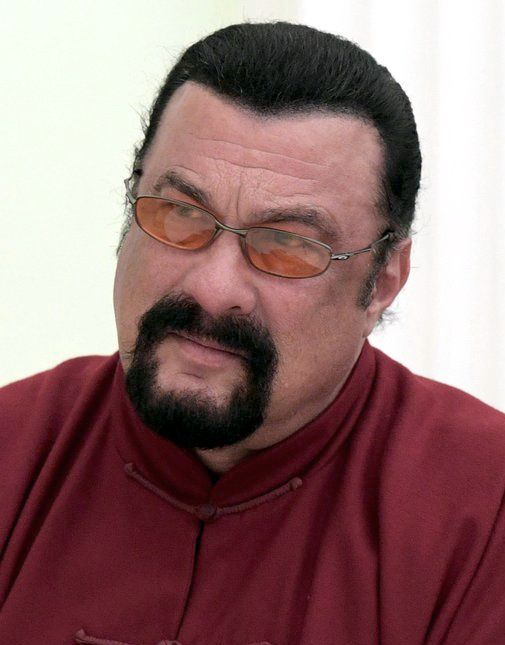
2. **Steven Seagal’s Lightning Bolt**In 2005, action star Steven Seagal, renowned for his martial arts prowess on screen, attempted to transfer his energetic persona into the beverage market with the launch of Lightning Bolt. This energy drink was marketed with intriguing claims, purporting to contain “Tibetan herbs and Asian cordyceps,” ingredients that aimed to imbue consumers with the same high-octane vitality that supposedly fueled Seagal’s action films. The brand capitalized on his tough-guy image, attempting to carve a niche in the burgeoning energy drink sector.
However, the market for energy beverages was already fiercely competitive and highly saturated at the time of Lightning Bolt’s introduction. Established giants such as Red Bull and Monster Energy had already solidified their dominance, creating significant barriers to entry for new contenders. These incumbent brands possessed strong distribution networks, aggressive marketing campaigns, and deeply entrenched consumer loyalty, making it exceedingly difficult for a newcomer, even one backed by a celebrity, to gain meaningful traction.
The challenges proved insurmountable for Seagal’s venture. The drink’s unique ingredient claims and celebrity association were insufficient to overcome the formidable competition. Consequently, Lightning Bolt “disappeared from shelves faster than the villains in Seagal’s movies,” a vivid illustration of how even a distinctive brand story and celebrity endorsement cannot guarantee success against powerful, well-resourced market leaders in a crowded industry. The venture’s swift exit highlighted the need for a truly differentiated product or a monumental marketing effort to disrupt an established market.

3. **Heidiwood (Heidi Montag)**Heidi Montag, a prominent reality television star from ‘The Hills,’ ventured into the retail fashion industry with her clothing collection, Heidiwood, in 2008. The brand specifically targeted “adolescent customers with affordable fashion,” aiming to capture the zeitgeist of youth culture and leverage Montag’s significant visibility during the peak of her reality TV fame. Her collection was initially launched in Anchor Blue stores, a strategic move to reach her target demographic through an accessible retail channel, generating early excitement among her fan base.
Despite the initial buzz, Heidiwood’s tenure in the fashion world was remarkably brief and fraught with criticism. The collection “only lasted one year before Anchor Blue shut it down,” a testament to its inability to resonate sustainably with consumers. Key criticisms leveled against the apparel brand included “subpar quality and copycat designs,” which are significant detractors in an industry where both originality and perceived value are paramount. Consumers, even those drawn by celebrity, are discerning when it comes to the actual product.
The rapid shutdown by Anchor Blue signaled a clear failure in delivering on the promise of stylish, affordable fashion. The criticism regarding quality and design integrity suggests that the brand failed to establish a distinct identity or offer compelling value beyond its celebrity association. Heidiwood serves as a prime example of how celebrity endorsement can attract initial attention, but sustained success demands a strong product offering that meets consumer expectations for both quality and originality, particularly in the fast-paced and trend-driven fashion sector.
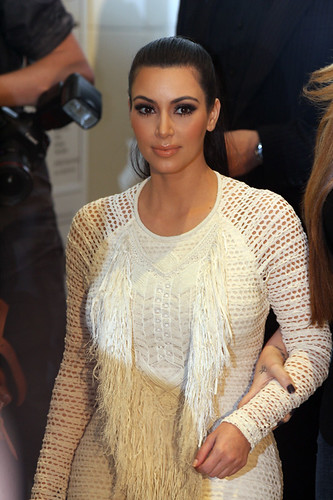
4. **Kardashian Kard**Before their ascent to becoming global business moguls, the Kardashian sisters, already prominent reality television figures, endorsed a prepaid debit card in 2010. The “Kardashian Kard” was positioned as a financial product, leveraging their burgeoning celebrity status to attract consumers, particularly their young and impressionable fan base. The initial marketing sought to intertwine the family’s glamorous lifestyle with a financial tool, seemingly offering a piece of their world to their followers.
However, the product was almost immediately met with widespread public criticism due to its “exorbitant fees.” These charges included a hefty “$99.95 for 12 months of use,” in addition to various other costs such as “ATM withdrawals, customer service calls, and even card cancellation.” Such a pricing structure was deemed predatory, especially for a prepaid debit card often used by individuals managing tight budgets. Consumer advocates and media outlets quickly highlighted these problematic terms, raising serious ethical questions about the venture.
The backlash was so severe and immediate that the Kardashian family felt compelled to terminate their involvement with the card with remarkable speed. Their partnership “just three weeks after launch” was abruptly ended, a clear indication of the public relations disaster the product had become. The swift withdrawal underscored the significant reputational risks associated with celebrity endorsements, particularly when the product itself is perceived as exploiting consumers rather than serving them. It became a stark lesson in the need for due diligence and ethical considerations in celebrity business ventures.
Read more about: The ‘Ultimate Failure’: 10 Celebrities Who Got Real About Their Biggest Divorce Regrets
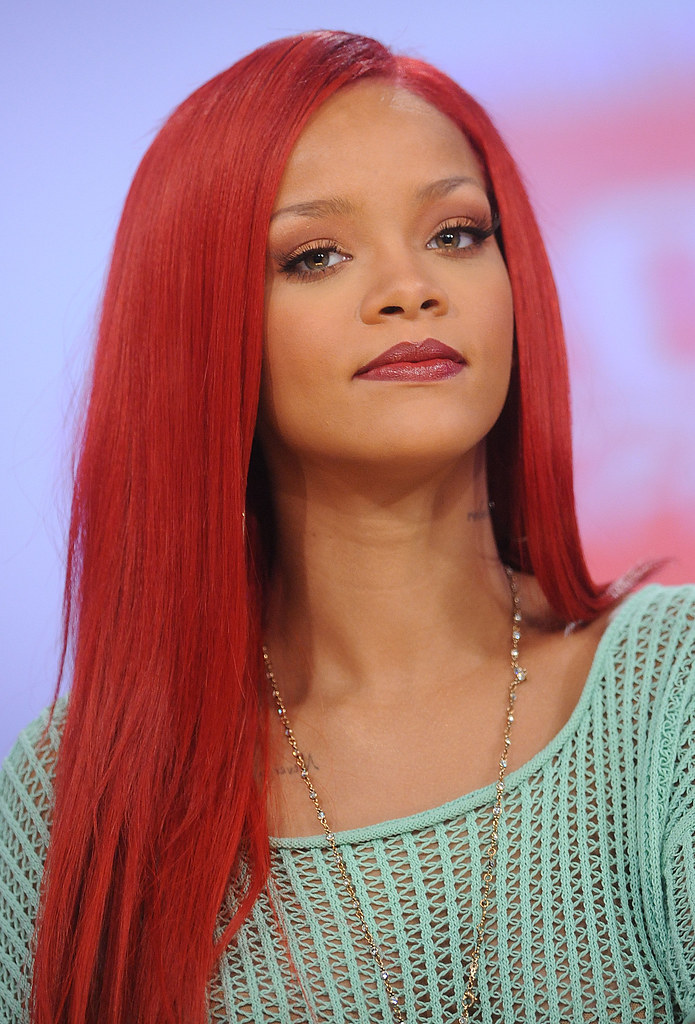
5. **Rihanna’s Stylist Collection**Long before the unprecedented success of Fenty Beauty, global music and fashion icon Rihanna ventured into the fashion industry with her “Stylist Collection,” a partnership tied to the television show “Styled to Rock.” This initiative, launched in 2012, aimed to capitalize on Rihanna’s established reputation as a trendsetter and fashion innovator, creating an associated clothing line that would reflect her unique style. The television show was designed to build buzz and an audience for the forthcoming fashion range.
However, this early foray into fashion did not achieve the traction or widespread recognition that her later ventures would command. The original UK show “struggled with viewership,” indicating a failure to capture a significant audience despite Rihanna’s involvement. When the concept was subsequently brought to the US market on Bravo, it was “quickly canceled after one season,” further highlighting its inability to connect with a broad enough consumer base or sustain interest in a competitive media landscape.
Crucially, the “associated clothing never materialized in the fashion empire that her later ventures would become.” This signifies a significant disconnect between the television concept and the actual retail product, or perhaps a lack of commitment to developing the clothing line following the show’s poor performance. The failure of “Rihanna’s Stylist Collection” demonstrates that even a celebrity with an undeniable fashion sensibility needs the right platform, strategic execution, and a clear product rollout plan to translate personal style into a successful commercial clothing brand.
Read more about: Beyond the Headlines: Why High-Profile Figures Are Reluctant to Testify in the Sean ‘Diddy’ Combs Trial
6. **XFL (Vince McMahon)**Vince McMahon, the visionary and often controversial chairman of WWE, made his first ambitious attempt to create an alternative football league with the XFL. Launched in 2001, the league was designed to infuse the raw spectacle and entertainment value of professional wrestling with the traditional sport of football. McMahon envisioned a more aggressive, less conventional brand of football, hoping to attract an audience seeking a bolder, more theatrical sports experience than the established NFL.
Despite “strong initial interest,” which saw promising television ratings at its debut, the XFL quickly lost its momentum and struggled to maintain a sustainable audience. Critics and viewers alike pointed to a perceived lack of professional quality in play, coupled with controversial marketing tactics that often overshadowed the sport itself. The novelty factor wore off rapidly, and without a consistent, high-quality product, the initial curiosity failed to translate into enduring viewership or fan loyalty.
The financial consequences of this rapid decline were severe, leading to the league’s premature demise. Television ratings “plummeted” after its strong start, and the venture proved to be a significant financial drain. The XFL “folded in 2001 after losing approximately $35 million,” marking a substantial and very public failure for McMahon’s ambitious foray outside of professional wrestling. This case starkly illustrated that even a proven entertainment mogul cannot simply transplant success from one industry to another without a solid, well-executed business model tailored to the specific demands of the new market.

7. **Sarah Palin Channel**In 2014, former vice presidential candidate Sarah Palin launched a subscription-based online TV channel, a direct-to-consumer digital platform. The venture aimed to offer her supporters “unfiltered access to Palin’s political views without mainstream media interference,” providing exclusive content for a monthly charge of “$9.95.” This represented an attempt by a political figure to bypass traditional media gatekeepers and connect directly with her audience, leveraging her celebrity status to create a niche content platform.
However, the business model proved unsustainable, failing to attract the necessary volume of subscribers to thrive. Despite the promise of exclusive insights from a prominent political personality, the channel struggled to convert interest into paying subscriptions. The challenge lay not just in attracting an audience, but in convincing enough people that her content was worth a recurring fee, especially in an increasingly crowded digital media landscape where much political commentary was available for free.
Consequently, the “Sarah Palin Channel” ceased its paid operations “after just one year of operation and underwhelming subscriber numbers.” Following its closure, the content was eventually “made available for free,” signaling a concession to the market’s unwillingness to pay for the initial offering. This venture underscored the difficulties even well-known personalities face in monetizing direct content delivery platforms without a sufficiently broad and dedicated paying subscriber base, demonstrating that even political celebrity does not guarantee digital media success.
Continuing our exploration into the precarious landscape of celebrity entrepreneurship, this section uncovers additional high-profile brands that, despite significant star power, ultimately succumbed to market realities and operational challenges. These cases further reinforce the crucial distinction between celebrity endorsement and genuine, sustainable business acumen, providing valuable insights into the factors that determine success or failure in ventures launched under the public eye. The stories presented here offer additional lessons for both aspiring entrepreneurs and the celebrities who lend their names to commercial endeavors.
Read more about: Understanding the Unseen Demands: Why Adele’s Vegas Residency Defines Her Weekly Commitments
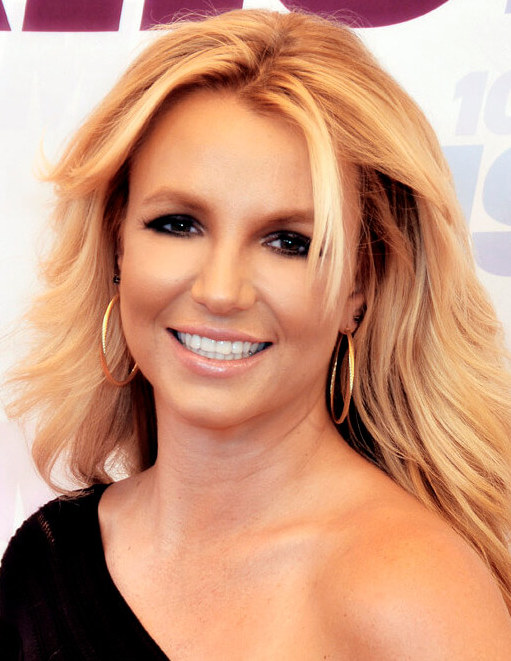
8. **Britney Spears’ Nyla Restaurant**In a striking coincidence, pop superstar Britney Spears also launched a restaurant named Nyla in Manhattan in 2002, mirroring the venture of Jennifer Lopez in name and fate. This ambitious entry into the highly competitive New York dining scene sought to capitalize on Spears’ immense popularity at the time, aiming to translate her global appeal into culinary success. Initial expectations were undoubtedly high, given her established fan base and cultural influence.
However, much like its namesake, Britney’s Nyla quickly faced severe operational hurdles. The establishment was plagued by negative reviews, forcing a rapid shift in its culinary identity from Louisiana cuisine to Italian food in an attempt to salvage its reputation and attract diners. Such a swift and fundamental change in concept often signals underlying problems and a lack of clear strategic direction from the outset.
Ultimately, Nyla’s struggle was short-lived, with the restaurant “closing after six months due to management issues and health infractions.” This swift collapse underscored that even a celebrity of Britney Spears’ stature could not overcome fundamental business deficiencies such as poor management and failure to adhere to health standards. It stands as another testament to the unforgiving nature of the restaurant industry, where operational excellence is paramount.
Read more about: Beyond the Headlines: Britney Spears’ Memoir Unveils Decades of Hidden Pacts and Profound Revelations
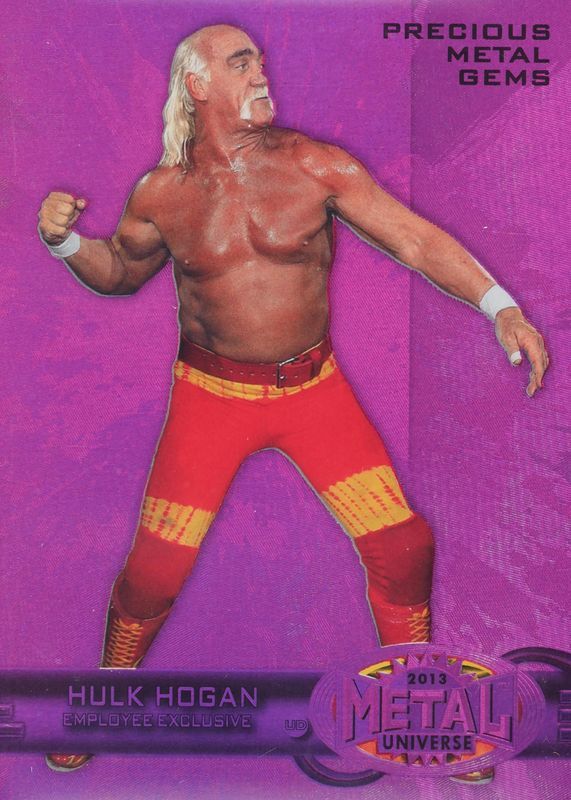
9. **Hulk Hogan’s Pastamania**Wrestling icon Hulk Hogan, known for his larger-than-life persona, ventured into the casual dining sector in 1995 with Pastamania, located in the prominent Mall of America. Hogan fervently promoted the restaurant on his wrestling shows, leveraging his widespread fame to directly appeal to his legions of “Hulkamaniacs,” encouraging them to sample his unique pasta recipes. The strategy was to translate his immense fan loyalty into restaurant patronage.
Despite Hogan’s undeniable recognition and the “lively ads” that accompanied his wrestling appearances, Pastamania found itself struggling within the fiercely competitive casual dining sector. The novelty of a celebrity-backed pasta establishment proved insufficient to create sustained demand or differentiate it effectively from a multitude of other dining options available to consumers. The allure of celebrity alone could not substitute for a compelling, high-quality, and consistently delivered dining experience.
Consequently, Pastamania “closed in under a year,” marking a rapid and notable failure. This outcome highlights the limitations of celebrity hype in a market where culinary quality, competitive pricing, and efficient operations are critical for survival. The venture demonstrated that even the most fervent celebrity endorsement cannot guarantee success if the underlying business proposition fails to resonate or sustain itself against established competition.

10. **Chloe Sevigny for Opening Ceremony**Indie actress Chloe Sevigny, celebrated for her distinctive and eclectic style, embarked on a fashion collaboration with the influential retailer Opening Ceremony. This partnership, which produced several collections between 2009 and 2015, initially garnered significant “critical acclaim” within the fashion industry, solidifying Sevigny’s reputation as a style icon translated into accessible garments. The collaboration aimed to embody her unique aesthetic and connect with a discerning audience.
Over its six-year run, the partnership was praised for its originality and for reflecting Sevigny’s personal flair. The collections were often highlighted in fashion press, attesting to their perceived artistic merit and appeal to a specific niche. This sustained period of creative output and positive reception suggested a promising model for celebrity-designer collaborations that prioritized genuine style over fleeting trends.
However, despite the artistic success and “fashion press approval,” the collaboration “eventually fizzled out with little fanfare.” The quiet dissolution of the partnership coincided with broader changes for Opening Ceremony itself, which was “later acquired and transformed.” This case illustrates that even critically acclaimed ventures, rooted in authentic creative partnerships, can fade if not continually revitalized or if the broader commercial landscape shifts, underscoring the ephemeral nature of fashion alliances.
11. **MC Hammer’s Hammer Pants**At the zenith of his fame in the early 1990s, rapper MC Hammer ingeniously capitalized on his signature distinctive baggy trousers by launching a merchandise line dedicated to “Hammer Pants.” This venture was a direct effort to monetize one of the most recognizable and widely imitated fashion statements of the era, riding the wave of his extraordinary global success and cultural impact. The brand was built entirely on his unique sartorial identity.
The initial commercial response was overwhelmingly positive, reflecting MC Hammer’s immense popularity. The company reportedly “earned $33 million at its peak,” demonstrating the significant financial potential when a celebrity’s brand is closely aligned with a trend they define. Hammer Pants became a cultural phenomenon, emblematic of early 90s fashion.
However, as MC Hammer’s musical popularity inevitably waned, so too did the demand for the unmistakably bold fashion statement that was Hammer Pants. The brand’s fortunes were inextricably linked to his celebrity, and when his star power diminished, the fashion trend followed suit. The company ultimately “collapsed alongside Hammer’s financial empire when the performer declared bankruptcy in 1996,” serving as a stark reminder of the risks of building a brand too closely tied to fleeting celebrity trends and without diversified appeal.

12. **Mike Tyson’s Punch-Out Energy Drink**In 2008, boxing champion Mike Tyson, a figure of enduring cultural relevance, entered the highly competitive beverage market with his energy drink, “Punch-Out.” The name, a clear nod to the famous Nintendo game, aimed to evoke a sense of power and excitement, drawing on Tyson’s formidable image as a dominant athlete. This venture sought to carve out a niche in a rapidly growing, yet saturated, market segment.
Despite Tyson’s continued presence in the public consciousness and the nostalgic appeal of the brand name, Punch-Out Energy Drink faced immense challenges. The market was already teeming with “established brands” that possessed significant market share, robust distribution networks, and strong consumer loyalty. These incumbents created formidable barriers to entry, making it exceptionally difficult for a newcomer to gain substantial traction.
Consequently, the drink “disappeared from stores within two years.” This rapid exit demonstrated that mere “product’s name recognition couldn’t overcome the saturated energy drink marketplace.” Even a celebrity of Mike Tyson’s stature and a clever branding concept were insufficient to dislodge well-entrenched competitors and secure a viable position in an already crowded industry. It underscored the critical need for a truly differentiated product or a monumental marketing investment to compete effectively.

13. **Natalie Portman’s Vegan Shoe Line**Oscar-winning actress Natalie Portman, known for her advocacy, collaborated with the company Te Casan in 2008 to create a groundbreaking line of animal-free footwear. This initiative was notably “ahead of its time in the sustainable fashion movement,” long before vegan and ethical fashion became mainstream consumer considerations. The collection offered a principled approach to luxury, aiming to attract environmentally and ethically conscious consumers.
The vegan shoes, priced at around “$200 per pair,” were positioned as a high-end, cruelty-free alternative in the footwear market. While the concept was forward-thinking, the challenge lay in finding a sufficiently large and affluent market segment prepared to embrace and pay a premium for sustainable fashion at that particular time. The market for such specialized products was still nascent, and mainstream consumer awareness of sustainable fashion was limited.
Unfortunately, the collection “struggled to find its market,” and Te Casan itself “folded later that year, taking Portman’s compassionate footwear with it.” This venture highlights the difficulties even celebrity-backed brands can face when launching products that are perhaps too far ahead of prevailing consumer trends or where the market infrastructure to support them is not yet fully developed. It underscores that timing and market readiness are as crucial as celebrity endorsement and noble intentions.
Read more about: Taylor Swift’s Peekaboo 1075 Heels Are Sold Out—Here Are Stunning Alternatives Starting at $38

14. **Sammy Hagar’s Cabo Wabo Tequila**In a notable departure from many on this list, Van Halen singer Sammy Hagar’s tequila brand, Cabo Wabo, was an initial success story. Launched in 1996, the brand gained significant popularity, becoming a well-regarded name within the spirits industry. This venture exemplified how an authentic passion project, combined with celebrity influence, could genuinely thrive and establish a strong market presence.
Cabo Wabo’s success was such that the Campari Group, a major player in the global spirits market, “purchased a controlling interest for $80 million in 2007.” This acquisition was a clear validation of the brand’s value and market traction, signifying its transition from a rock star’s personal endeavor to a corporately owned and managed asset. It marked a significant financial triumph for Hagar.
However, from the perspective of a celebrity-associated brand, the “original celebrity-associated brand effectively disappeared when Hagar sold his remaining stake in 2010.” While the tequila brand continued to exist and even flourish under new ownership, its identity fundamentally changed. It transitioned “from a rock star passion project to a corporate spirit,” demonstrating how celebrity ventures, even successful ones, can evolve beyond their original celebrity roots and lose that direct, personal connection once the founder exits.
15. **Planet Hollywood**Perhaps the ultimate example of a celebrity-endorsed business venture, Planet Hollywood was backed by an unprecedented constellation of stars, including Bruce Willis, Sylvester Stallone, Demi Moore, and Arnold Schwarzenegger. This themed restaurant chain experienced an explosive boom in the 1990s, becoming a global phenomenon that blended dining with Hollywood memorabilia and glamour, attracting tourists and fans alike.
The brand’s rapid success led to ambitious and ultimately unsustainable expansion. At its peak, Planet Hollywood “expanded too quickly, opening 87 locations worldwide.” This aggressive growth strategy, while fueled by initial popularity, often outpaced the infrastructure and consistent operational quality required to manage such a vast international chain effectively. The novelty factor, too, eventually began to wane as competition increased.
After its initial meteoric rise, Planet Hollywood faced a dramatic downfall, enduring “multiple bankruptcies and restructurings.” The vast majority of its ambitious global footprint eventually disappeared, with “most locations closed, leaving just a handful of restaurants compared to their once-global presence.” This stark reversal serves as a potent reminder that even the most star-studded backing cannot compensate for unchecked expansion, economic shifts, or the failure to maintain long-term consumer appeal and sound financial management.
**Beyond the Spotlight: Enduring Lessons from Celebrity Ventures**
The enduring allure of celebrity involvement in business continues to shape consumer behavior, though modern stars have evolved their approach, often opting for more integrated roles and equity positions rather than mere endorsements. The rich tapestry of celebrity brand failures we’ve explored serves as a powerful historical archive, offering invaluable lessons for anyone navigating the entrepreneurial landscape.
Read more about: Beyond the Blockbuster Budget: 10 Iconic Movie Props That Secretly Starred in Multiple Films
These narratives vividly illustrate that while an iconic name can ignite initial interest and generate significant buzz, it is rarely, if ever, a sufficient foundation for long-term commercial success. The graveyard of celebrity brands, filled with ambitious dreams that faded into obscurity, consistently reminds us that even the brightest star power cannot sustain a business without robust fundamentals, astute market understanding, a genuinely compelling product or service, and an authentic, lasting connection to consumers. The true measure of a brand’s resilience lies not in its launch fanfare, but in its ability to adapt, innovate, and deliver sustained value long after the initial spotlight has dimmed.