The experience of car buying has undeniably become significantly more expensive in recent years, a reality many consumers are grappling with. This isn’t just a perception; data clearly illustrates a substantial uptick in vehicle costs. According to Cox Automotive, the average new car was priced at $48,724 at the close of 2024, representing a 2.3% increase since the beginning of the same year. This figure is part of a larger trend, as average transaction prices have surged approximately 30% since 2019, reaching $49,077.
Looking ahead to 2025, the landscape for car buyers shifts dramatically, marking the first time that not a single vehicle, even economy models, will carry a starting price under $20,000. These rising costs are not attributable to a single cause but stem from a complex interplay of various economic, industrial, and market-driven forces. As Michael Douglas, Head of Dealer Operations & Credit at Chase Auto, observed, “Over the last year, car prices have risen due to supply chain disruptions, increased demand, rising material costs, inflation, the shift to electric vehicles, and regulatory changes.” He further explained that “These factors have led to production delays, reduced inventory, and higher manufacturing costs.”
For consumers navigating this challenging market, understanding these underlying factors is more crucial than ever. This in-depth analysis aims to demystify the reasons behind the escalating costs, providing clear, actionable insights into how these dynamics affect vehicle pricing. By exploring the multifaceted influences, from global supply chains to economic inflation, we empower buyers to make more informed decisions in their pursuit of a new set of wheels.
1. **Global Supply Chain Disruptions**
The automotive industry, being intrinsically global, is profoundly susceptible to disruptions across its intricate supply chain, a primary catalyst for the recent escalation in vehicle prices. Modern vehicles are composites of countless parts sourced from around the world, making any interruption in this vast network a significant impediment to production. When essential components become scarce, manufacturing slows, directly leading to a reduction in the number of vehicles available on the market.
A critical example of this vulnerability is the pervasive semiconductor shortage that has plagued the industry. Semiconductors, often referred to as chips, are indispensable to virtually every sophisticated system found in a contemporary car, from engine management units to advanced infotainment systems and crucial safety features. Factors such as widespread factory shutdowns during the pandemic, a concurrent surge in demand for consumer electronics driven by remote work trends, and various natural disasters have collectively hampered chip production. This deficit has resulted in automakers producing millions fewer vehicles than initially planned, incurring substantial revenue losses and driving up the cost of available models.
While supply chains have shown signs of stabilization in 2024, they remain vulnerable to new global events. The lingering effects of these disruptions mean that even as production ramps up, the backlog and the accumulated costs continue to impact current car prices. Automakers must constantly adapt to these fluctuating conditions, often passing increased expenses onto the consumer to mitigate their own financial strains, making the journey from factory to dealership a more costly one.
Read more about: Beyond the Showroom Shine: 14 Automotive Design Fails That Rocked the Industry
2. **Rising Cost of Raw Materials**
Beyond the availability of components, the fundamental cost of the raw materials used in vehicle manufacturing has also played a substantial role in the upward trajectory of car prices. The very building blocks of a car, from its chassis to its battery, have seen significant price surges, directly contributing to higher production expenses for automakers. These increased material costs are invariably reflected in the final retail price that consumers encounter on the showroom floor.
Key materials such as steel and aluminum, which form the skeletal structure and body panels of most vehicles, have experienced considerable price volatility. Similarly, the demand for and cost of lithium, a vital component in the batteries of electric vehicles, have skyrocketed as the industry pivots towards electrification. These commodities are foundational to vehicle construction, and any inflation in their market value has a cascading effect through the entire manufacturing process.
When manufacturers face higher input costs for these essential raw materials, they have a limited number of options. To maintain profitability, especially in a competitive market, passing these elevated expenses to the end-consumer becomes a common practice. Therefore, a significant portion of the recent price increases in both traditional and electric vehicles can be directly traced back to the global market fluctuations and increasing scarcity or demand for these core industrial resources.
Read more about: Aero Disasters and Proportional Misses: Unmasking 14 of the Ugliest Styling Blunders in SUV History
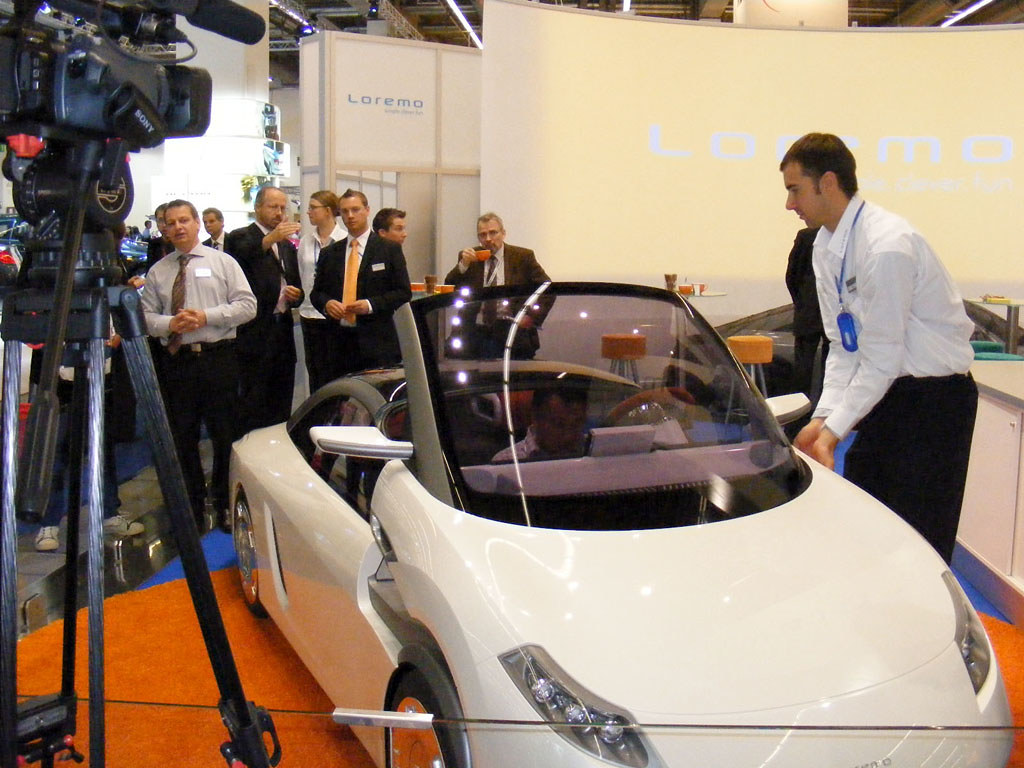
3. **Labor Shortages in Automotive Manufacturing**
The human element within the automotive supply chain also presents a significant challenge, with labor shortages exacerbating production issues and contributing to higher vehicle costs. Workforce gaps within manufacturing plants, from assembly lines to specialized component production facilities, can considerably slow down the rate at which vehicles are produced. This directly impacts the overall supply, creating scarcity and, consequently, upward pressure on prices.
Furthermore, these labor deficits extend beyond the factory floor into logistics and transportation operations. A shortage of skilled workers capable of handling complex manufacturing processes or managing the efficient movement of parts and finished vehicles creates bottlenecks at various stages. When fewer people are available to produce or transport cars, the entire system slows, reducing output and increasing the time and cost associated with bringing a vehicle to market.
The automotive industry, like many sectors, relies on a specialized workforce. The scarcity of skilled labor not only affects production volume but can also lead to increased labor costs as companies compete for talent, further driving up manufacturing expenses. These higher operational costs, stemming from a constrained labor market, are ultimately factored into the vehicle’s final price, making the cars themselves more expensive for the consumer.
Read more about: 14 Collectible Cars You Should Think Twice About Restoring: A Consumer’s Guide

4. **Increased Logistics and Shipping Costs**
The journey of a vehicle, from its individual components scattered across the globe to the final product sitting at a dealership, involves a complex and increasingly expensive logistical network. A significant factor contributing to rising car prices is the substantial increase in logistics and shipping costs. Global shipping delays, port congestion, and fluctuating fuel prices have collectively driven up the expense of transporting both raw materials and finished vehicles.
These elevated transportation fees directly impact the overall cost of bringing a car to market. Manufacturers must account for the higher price of moving parts from international suppliers to assembly plants, as well as the cost of shipping completed vehicles to dealerships across vast distances. Each stage of this process, when faced with increased logistical expenses, adds to the cumulative cost embedded within the vehicle’s final retail price.
The resilience of the supply chain has been tested by various global events, leading to unpredictable shipping schedules and soaring freight rates. As the “cost of doing business” for automakers in terms of transportation rises, it becomes an unavoidable component of the vehicle’s sticker price. Consumers, therefore, indirectly bear the brunt of these logistical challenges through higher purchase prices, making the act of acquiring a new car more expensive even before it leaves the lot.
Read more about: Navigating the Crossroads: Key Legal and Policy Shifts Redefining the Trucking Industry in 2025

5. **Broader Economic Inflation**
The general inflationary environment impacting nearly all sectors of the economy has not spared the automotive industry, serving as a pervasive driver of escalating car prices. Inflation, characterized by a general increase in the cost of goods and services, directly raises the operational expenses for automobile manufacturers. This includes not only the raw materials discussed earlier but also energy, utilities, and the overall cost of doing business.
As the cost of living and operating a business climbs, manufacturers face higher expenses for every aspect of production. This broader economic pressure compels them to adjust pricing strategies to maintain profit margins. The higher production costs, which are a direct consequence of inflation across various inputs, are then reflected in the factory-gate price of vehicles, inevitably leading to higher retail prices for consumers.
This inflationary effect is not limited to the initial purchase price but also extends to ongoing vehicle ownership costs. For instance, the context highlights that inflation is a key reason car insurance rates continue to climb, as “cars have become much more expensive to repair and replace, causing car insurance rates to rise to cover future claim payouts.” This interconnectedness means inflation impacts both the upfront cost and the long-term financial burden of car ownership.
Read more about: Unlock Significant Savings: A Practical Guide to Boosting Your Car’s MPG with Expert-Backed Tips

6. **Tariffs on Imported Cars and Parts**
Government policies, particularly tariffs on imported goods, represent a direct and significant cost adder for the automotive industry, subsequently driving up car prices for consumers. Tariffs are essentially taxes levied on imported cars and car parts, intended to protect domestic industries but often resulting in higher expenses for manufacturers and, ultimately, buyers. Many vehicles from American brands are not solely manufactured in the United States, and even those produced domestically frequently rely on a vast array of imported components.
President Donald Trump, for instance, implemented 25% tariffs on foreign-made cars and certain parts. This policy imposes an immediate financial burden on automakers who rely on these imports. As the context notes, “companies could (and likely will) pass this extra cost onto consumers.” To avoid these tariffs, companies would need to localize all operations within the U.S., a monumental undertaking that demands significant time and financial investment, making it an impractical immediate solution.
Automakers have, in some instances, initially absorbed billions in these added expenses, attempting to shield consumers from immediate sticker shock. However, as tariffs appear more permanent, companies face growing pressure to raise prices to protect their bottom lines. Randy Parker, CEO of Hyundai North America, stated that tariffs eroded the company’s bottom line by about $600 million in one quarter, despite their priority to remain competitive through affordability. This demonstrates the immense financial strain tariffs place on manufacturers, which eventually finds its way into the final price paid by consumers.
Read more about: Stop the Mistake: The 14 Vehicles Industry Insiders Are Steering Clear Of as Tariffs Reshape the Auto Market

7. **The Ripple Effect: Increased Demand and Prices in the Used Car Market**
The scarcity and escalating prices of new cars have a profound ripple effect across the entire automotive landscape, significantly impacting the used car market. When new vehicle production is constrained by supply chain issues, raw material costs, and other factors, fewer new cars are available for purchase. This naturally steers consumers who are in immediate need of transportation away from the new car market and towards pre-owned alternatives, creating a surge in demand for used vehicles.
This increased demand, coupled with a potentially limited supply of quality used cars (as fewer new cars sold previously means fewer trade-ins down the line), inevitably drives up prices in the second-hand market. The context explicitly states, “A shortage of new vehicles can lead to higher prices for used cars, as consumers may be priced out of the new car market.” This dynamic means that even budget-conscious buyers looking for an affordable used vehicle are now facing significantly higher costs than in previous years.
For instance, the context notes that average transaction prices have risen about 30% since 2019, to $49,077, encompassing both new and used vehicles in this broad trend. This phenomenon traps consumers in a challenging situation, where both new and used car options have become substantially more expensive. Consequently, the initial price increases in the new car segment cascade into the used car market, making overall vehicle ownership a more costly endeavor for everyone.
Building on the foundational understanding of production and economic pressures, this second section delves into demand-driven forces, specific market practices, and the influential roles of technology and government policy in maintaining elevated vehicle costs. We will explore how shifts in consumer behavior, strategic dealership actions, and the ongoing evolution of automotive technology and regulation collectively shape the current pricing landscape, providing consumers with a comprehensive perspective on these persistent challenges.
Read more about: Zomato Unleashed: Decoding India’s Food Delivery Giant – From Startup Hustle to the GST Shake-Up and Beyond
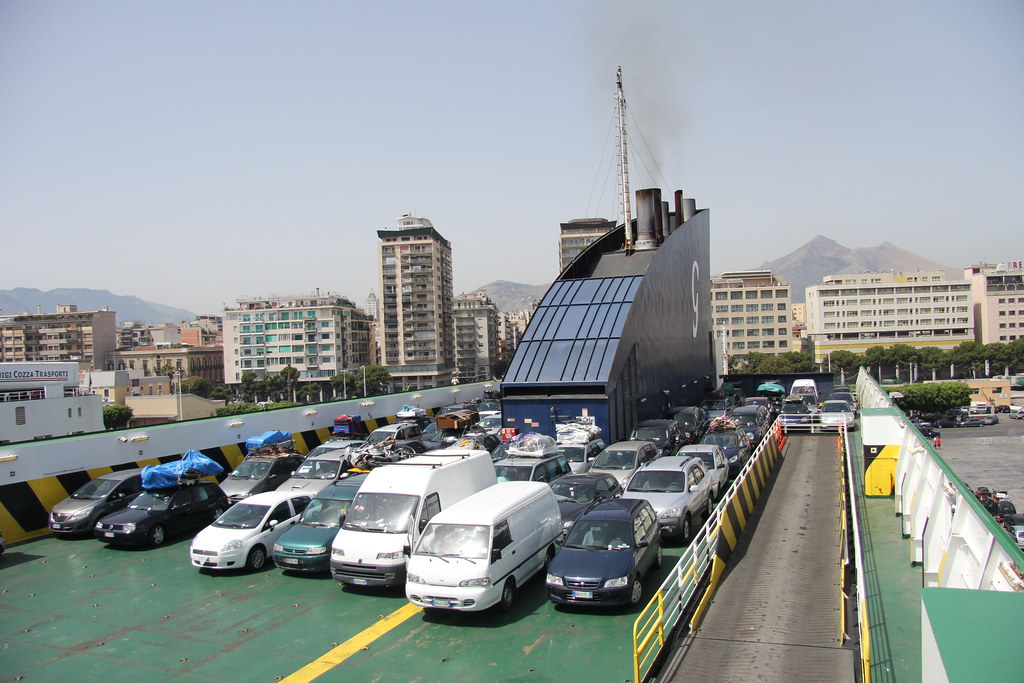
8. **Surge in Post-Pandemic Consumer Demand**
The dynamics of car pricing are not solely dictated by manufacturing constraints; a significant shift in consumer demand has also played a pivotal role. Following the initial global lockdowns and health concerns, a notable surge in demand for personal transportation became evident. Many individuals actively sought alternatives to public transit, opting for personal vehicles to mitigate health risks and enhance autonomy in their daily routines.
This heightened buyer interest created substantial upward pressure on prices, especially when coupled with an already constrained supply of new vehicles. The basic economic principle of supply and demand illustrates that when consumer desire for a product outstrips its availability, prices will inevitably rise. This scenario perfectly captured the automotive market during and after the pandemic’s peak, contributing directly to the sticker shock many consumers experienced.
Consequently, this increased demand didn’t just affect new car sales; it also had a profound impact on the used car market. As new vehicle production struggled to keep pace and prices for new models climbed, many consumers, finding themselves priced out, naturally turned their attention to pre-owned alternatives. This redirection of demand further inflated used car prices, creating a challenging environment across the entire vehicle market.
Read more about: Why Are Used Car Prices Still Soaring? Unpacking the Economic Reasons No One Tells You
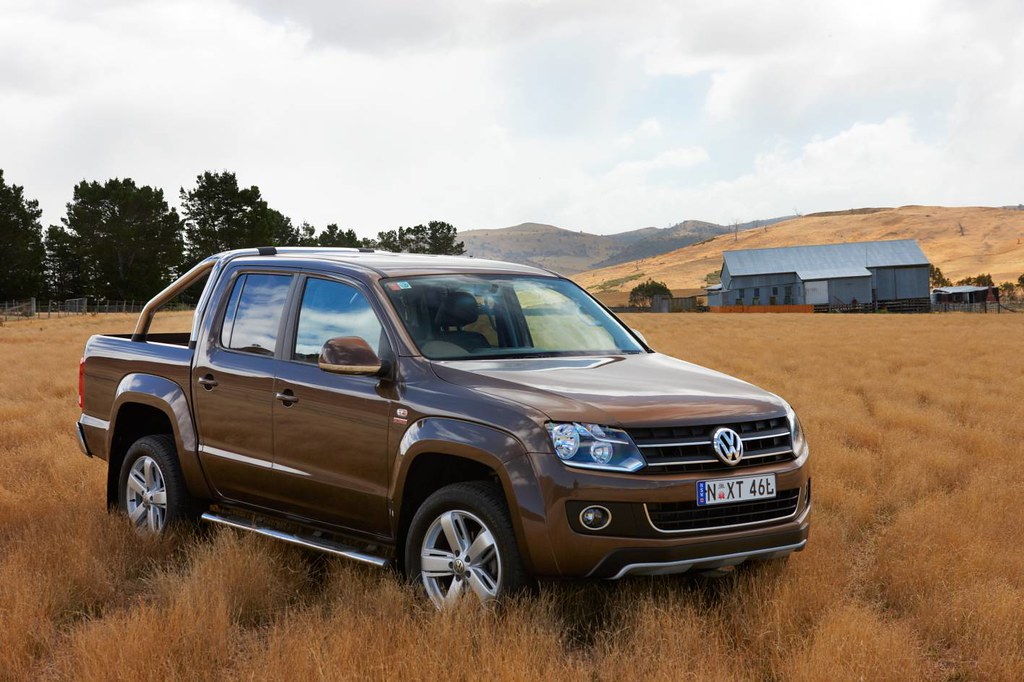
9. **Consumer Preference for Larger and Tech-Rich Vehicles**
A distinct and ongoing trend influencing average vehicle prices is the pronounced shift in consumer preferences towards larger, more feature-rich models. Today’s buyers increasingly gravitate towards Sport Utility Vehicles (SUVs) and trucks, alongside cars equipped with an array of advanced technologies. This evolution in taste directly impacts transaction prices because these types of vehicles are inherently more expensive to produce.
The cost differential stems from several factors, including the greater volume of materials required for larger vehicles and the extensive research and development invested in sophisticated technological integrations. From advanced driver-assistance systems to complex infotainment interfaces and premium interior finishes, these features add considerable value and cost to the manufacturing process. As a result, when a larger proportion of consumers opts for these higher-priced segments, the overall average transaction price for vehicles across the market naturally increases.
Data from a 2023 IEA report underscores this preference, revealing that SUVs comprised 46% of global car sales. Furthermore, electric SUVs alone represented 55% of all electric vehicle sales in 2022, highlighting a dual trend towards both larger vehicles and advanced, sustainable technologies. This sustained interest in SUVs, especially their electric variants, directly contributes to the high and steady prices observed in these segments, reflecting what consumers are willing to pay for their desired features and form factors.
Beyond the fundamental vehicle type, the inclusion of new technologies, whether as standard features or customizable options, can significantly raise a car’s final purchase price. Customizing a vehicle with the latest safety innovations, connectivity solutions, or performance enhancements adds considerable expense. This reflects a broader market where technological sophistication is highly valued, translating into higher costs for the end consumer.
Read more about: Smart Leasing in 2025: Why You Should Avoid These 14 Older Electric and Hybrid Models
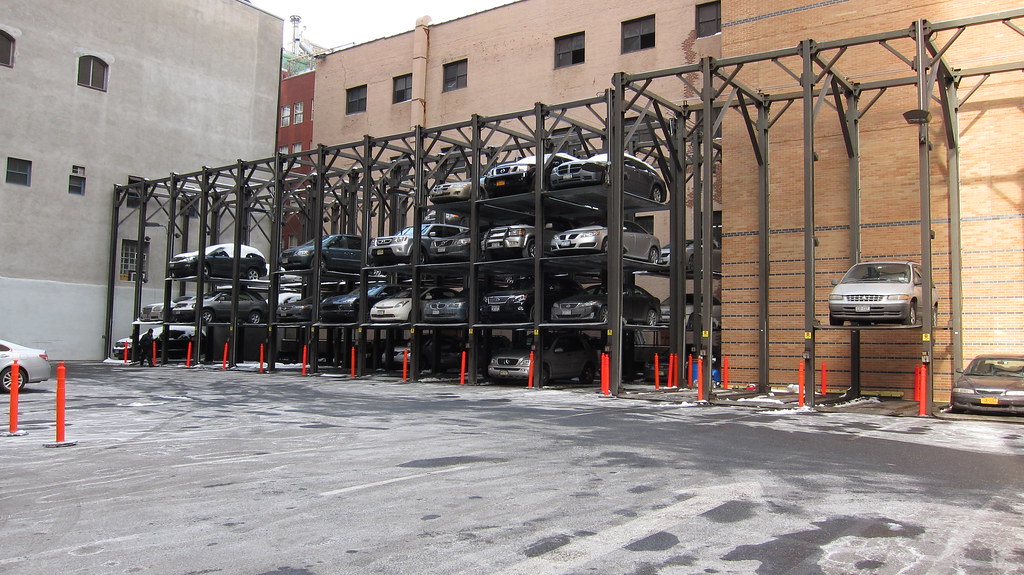
10. **Persistently Low Market Inventory**
A direct consequence of production challenges, including supply chain disruptions and labor shortages discussed previously, has been persistently low market inventory for new vehicles. When fewer cars are available on dealership lots, the fundamental principle of scarcity comes into play, leading directly to higher prices. This tight supply environment has been a significant contributor to the upward trajectory of vehicle costs in recent years.
The impact of low inventory extends far beyond the new car market. With a limited selection of new vehicles, many potential buyers are compelled to explore the used car market as an alternative. This redirection of demand places additional pressure on the supply of pre-owned vehicles, driving up their prices as well. The context explicitly notes, “Low inventory levels for new cars, due to production issues, correlate with higher prices. With fewer new vehicles available, consumers often turn to the used car market, driving up prices for pre-owned vehicles.”
Moreover, the effects of reduced new car sales in previous years create a lasting impact on the used car market’s inventory. Fewer new vehicles sold in the past translate to fewer trade-ins available in the present, further exacerbating the scarcity of quality used vehicles. This interconnectedness ensures that inventory challenges in one segment ripple across the entire automotive market, keeping prices elevated for both new and pre-owned cars.
While there have been signs of inventory stabilization in 2024, the market has not fully returned to pre-pandemic levels. Michael Douglas from Chase Auto believes supply chains may stabilize, but he also cautioned that car prices might not cease climbing, indicating that lingering inventory issues continue to influence pricing. This persistent scarcity reinforces the leverage of sellers and limits opportunities for buyers to find deals.
Read more about: Navigating the New Reality: Key Shifts and Strategic Imperatives for Car Dealerships in the Coming Year
11. **Strategic Dealership Pricing and Reduced Incentives**
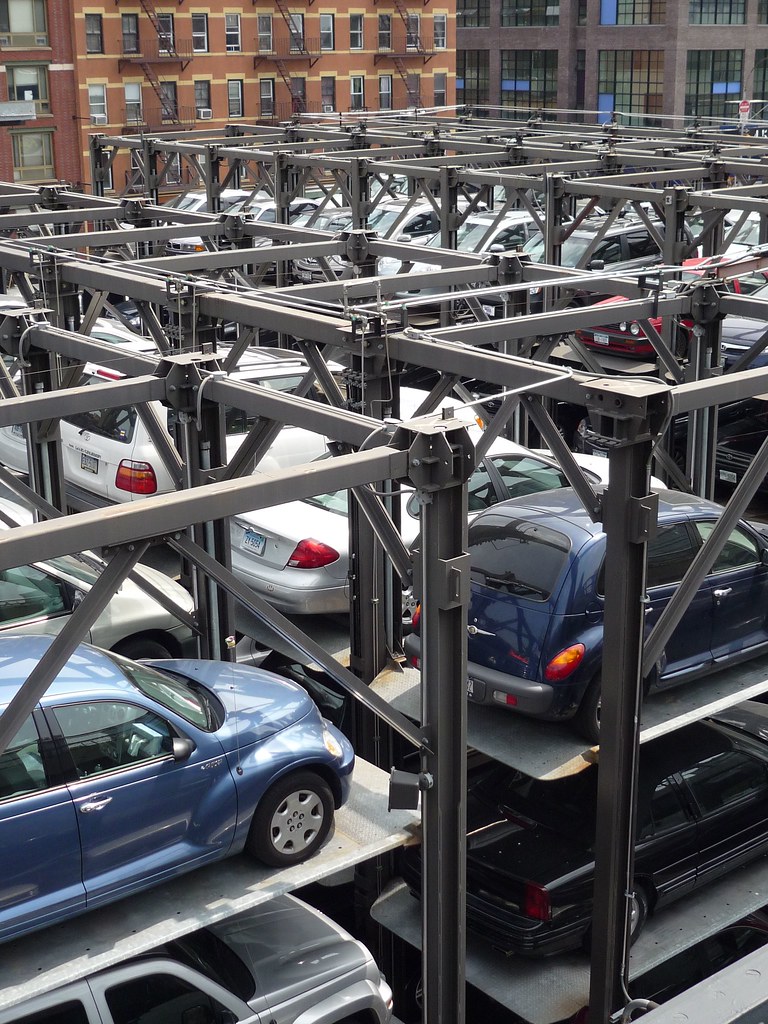
In the current automotive landscape characterized by high demand and limited supply, dealership practices have also played a role in the escalation of car prices. With fewer vehicles available, many dealerships have found opportunities to implement strategic pricing, often including markups above the Manufacturer’s Suggested Retail Price (MSRP). This practice, driven by the scarcity of popular models, directly contributes to higher out-of-pocket costs for consumers.
Furthermore, the environment of vehicle scarcity has led to a notable reduction in incentives and discounts traditionally offered by both manufacturers and dealers. When demand consistently outstrips supply, the need to attract buyers with rebates, special financing offers, or other promotional discounts diminishes significantly. Consequently, buyers are now more frequently paying closer to the full sticker price, which effectively increases the total cost of the vehicle compared to previous years when incentives were more abundant.
Automakers, too, engage in subtle pricing strategies to manage costs and profitability in this complex environment. While some companies, like Hyundai North America, prioritize affordability to maintain competitiveness, they still face immense financial pressures, such as those from tariffs. These pressures can indirectly influence pricing decisions, even if direct MSRP increases are gradual.
An illustrative example of these subtle cost adjustments is the increase in destination fees. Edmunds research found that destination fees, essentially the delivery costs to the dealership, rose by 8.5% for the 2025 model year to an average of $1,507. This was a significantly larger jump than in the preceding decade, indicating how additional expenses are being passed on to consumers without necessarily altering the base vehicle price. These combined factors mean that while the sticker price might appear competitive, the final transaction price often includes elevated charges.
Read more about: Unmasking Retail’s Hidden Truths: 15 Essential Buys You Should Always Order Online (And What to Skip In-Store) to Save Big

12. **Ongoing Technological Advancements**
The automotive industry is in a constant state of innovation, and ongoing technological advancements are a significant factor contributing to higher vehicle prices. Modern cars are increasingly sophisticated machines, packed with features designed to enhance safety, convenience, and performance. While these innovations offer substantial benefits to drivers, they also represent considerable investments in research, development, and advanced manufacturing processes, which are ultimately reflected in the vehicle’s retail price.
The integration of advanced driver-assistance systems (ADAS) is a prime example. Features such as adaptive cruise control, lane-keeping assist, automatic emergency braking, and blind-spot monitoring rely on complex sensors, cameras, and computing power. These systems are not only expensive to develop and install but also require specialized calibration and maintenance, driving up both the initial purchase price and potentially long-term ownership costs.
Beyond safety, technological advancements extend to connectivity and infotainment. High-resolution touchscreens, seamless smartphone integration, voice command capabilities, and over-the-air update functionalities demand sophisticated hardware and software. The option to customize a car with these modern features or to add high-tech packages can significantly increase the final purchase price, catering to consumer desires for a more connected and intuitive driving experience. This continuous cycle of innovation ensures that as vehicles become smarter and more capable, their price tags will generally continue to climb.
Read more about: Icon Status: Are the 11 Biggest Box Office Kings of All Time Still Relevant Today?

13. **Government Regulations**
Government policies and regulations play a substantial, though often indirect, role in shaping car prices by imposing specific requirements on automakers. These mandates, while crucial for public safety and environmental protection, necessitate additional components and technological investments, which inevitably increase manufacturing costs. These elevated production expenses are then passed on to consumers as part of the vehicle’s final price.
A clear example lies in safety standards. Automakers are required to meet stringent industry benchmarks for features such as airbags, seatbelts, anti-lock braking systems, and structural integrity. Adhering to these regulations demands the inclusion of additional components, sophisticated engineering, and rigorous testing, all of which add to the production cost of each vehicle. These safety enhancements, while vital, contribute to the baseline price consumers pay.
Similarly, evolving emission standards compel manufacturers to invest heavily in technologies designed to reduce vehicle pollutants. This includes developing more efficient engines, advanced exhaust after-treatment systems, and hybrid or electric powertrains. The continuous push for lower emissions drives innovation but also adds a significant cost burden to the manufacturing process, further elevating vehicle prices as automakers strive to meet increasingly strict environmental targets.
It is worth noting that while regulations generally increase costs, some government initiatives are designed to offset these expenses for consumers. For instance, the IRS offers tax credits for certain electric and fuel-cell vehicles. These incentives, when buyers meet specific criteria, aim to encourage the adoption of cleaner vehicles by reducing the effective purchase price, demonstrating a governmental effort to balance regulation with consumer affordability.
Read more about: Unstoppable Beasts: Ranking the 12 Toughest SUVs That Defy High Mileage and Decades of Wear
14. **The Shift to Electric Vehicles (EVs)**
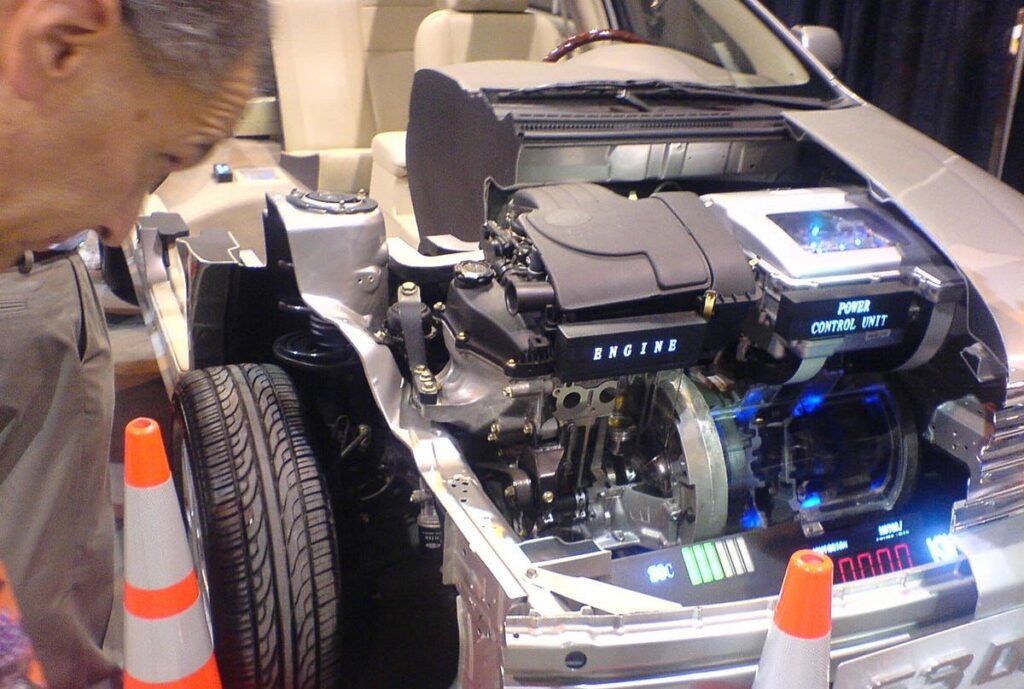
The accelerating global transition towards electric vehicles (EVs) represents a transformative force within the automotive industry, and it is a key driver behind the overall increase in car prices. While EVs offer substantial environmental benefits and often come with advanced features, their current production costs are generally higher than those of traditional internal combustion engine vehicles, directly impacting consumer pricing.
The primary reason for the higher cost of EVs lies in their sophisticated technology, particularly the battery packs. These advanced lithium-ion batteries are complex to manufacture and utilize expensive raw materials, significantly contributing to the vehicle’s overall price tag. While the industry is seeing increasing competition and technological advancements that are expected to make EVs more affordable over time, the current market reality reflects these higher initial production expenses.
Beyond the upfront purchase price, the shift to EVs also influences broader ownership costs, notably car insurance. EVs can be significantly more expensive to repair or replace due to their specialized components and advanced electronic systems. This increased repair and replacement cost directly translates to higher auto insurance premiums, adding to the total financial burden for consumers considering an electric vehicle.
Consumer preference is a significant factor in this shift, as highlighted by Michael Douglas, who noted “consumer preferences for sustainable and advanced vehicles” as a price driver. The IEA’s 2023 report indicated that electric SUVs alone constituted 55% of all EV sales in 2022, showcasing a strong and growing consumer appetite for these technologically advanced and environmentally conscious vehicles. This high demand, combined with the inherent production costs, keeps EV prices, and by extension, overall average car prices, elevated.
Read more about: Beyond the Hype: 14 Notorious Electric Car Failures, Battery Blunders, and Range Misses That Hindered EV Adoption
Understanding the multifaceted factors behind rising car prices is crucial for every consumer navigating today’s automotive market. From global economic currents and evolving manufacturing processes to shifts in consumer demand and governmental policies, the price tag on a new or used vehicle is the sum of many interconnected parts. By grasping these complexities, buyers can make more informed decisions, whether that means adjusting their expectations, considering alternative models, or strategically planning their purchase. The road ahead for car pricing remains dynamic, shaped by continuous innovation, market forces, and global events, making informed choices more valuable than ever.