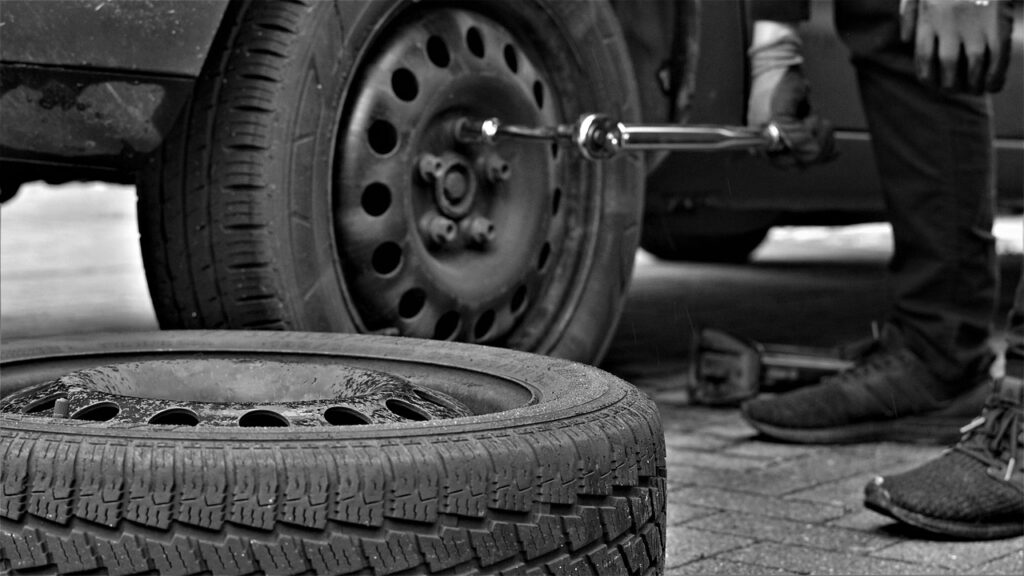
When it comes to your car, choosing the right set of tires can make all the difference in your driving experience, safety, and even your wallet. Tires aren’t just rubber circles—they’re what connect you to the road, absorb shocks, and keep you in control. The road can be unpredictable, and a sudden puncture can quickly turn convenience into chaos, which is precisely why the decision between run-flat and regular tires is so critical for drivers who prioritize safety and peace of mind. Someone is killed or injured in the U.S. every three to four days trying to change a tire on the side of the road, a stark statistic underscoring the importance of this choice.
This article aims to provide an objective, unbiased, and comprehensive comparison of run-flat and standard tires, drawing on thorough research and factual information. We will break down the key differences between these two tire types to help you make an informed decision for your vehicle in 2025. The decision isn’t just about cost—it’s about safety, convenience, and how you use your vehicle day to day, and we’ll unpack the myths, real-world benefits, drawbacks, and hidden truths behind each tire type.
Whether you’re buying new rubber, weighing a switch, or simply curious, understanding the critical distinctions between these tire technologies is essential. Run-flat tires promise peace of mind in emergencies, while standard tires offer comfort and affordability. We’ll explore various aspects, from their fundamental construction and performance characteristics to their long-term costs and practical implications, ensuring you have all the information needed to select the best option for your driving lifestyle and priorities.
1. **Safety and Emergency Handling After Puncture**One of the most compelling advantages of run-flat tires lies in their inherent safety feature during a puncture. Unlike conventional tires that immediately deflate and become undrivable upon damage, run-flats are engineered to maintain their structural integrity. This allows drivers to continue their journey for a limited distance and speed, significantly mitigating the risks associated with roadside tire changes on busy highways. This capability directly addresses the severe safety concerns that lead to roadside injuries every few days in the U.S.
Run-flat tires are specialized tires built with reinforced sidewalls and cooling fins that dissipate heat, keeping you mobile after complete air loss. When a run-flat tire loses air pressure, its robust construction allows you to drive up to 50 miles at speeds not exceeding 50 mph. This critical range provides a safety window, enabling you to reach a tire shop or a safer location rather than being stranded on a dangerous road shoulder. This eliminates those dangerous roadside tire changes that put lives at risk.
In contrast, conventional tires lose structural integrity immediately upon puncture, requiring an immediate stop for a tire change. This rapid deflation can be particularly hazardous at highway speeds, potentially leading to a loss of vehicle control or dangerous blowouts. Regular tires offer less control when punctured at highway speeds and may result in hazardous blowouts, especially for inexperienced drivers or vehicles without advanced stability systems.
Beyond just getting you to a safe spot, run-flat tires also provide better stability and control than conventional tires during puncture situations. This improved handling during emergencies enhances overall safety when unexpected tire failures occur. For OEMs, it’s a compelling safety upgrade that enhances the vehicle’s overall crash-resilience profile, offering peace of mind in the event of a blowout or sudden air loss.
Read more about: Unpacking Automotive Catastrophes: 12 Infamous Engineering Failures That Reshaped Car Safety

2. **Tire Construction and Sidewall Design**The fundamental distinction between run-flat and standard tires begins with their internal construction, particularly the design of their sidewalls. Run-flat tires are engineered with specialized construction that allows continued driving after a puncture. Unlike conventional tires, which rely entirely on internal air pressure to support the vehicle’s weight, run-flats use reinforced sidewalls made from high-tensile rubber compounds, often infused with aramid fibers.
There are two main technologies powering run-flat tire design: the self-supporting system and the support ring system. The self-supporting system, which is the most common, features thickened, heavily reinforced sidewalls approximately ¾” thick, compared to regular tires’ ⅛” thickness. These ultra-stiff sidewalls are built to bear the vehicle’s load temporarily without deforming when air escapes, allowing the driver to reach a service location safely.
The support ring system takes a different approach, using a hard rubber ring around the wheel rim that carries the vehicle’s load after pressure loss. Less common and typically found in heavy-duty or specialty vehicles, this type incorporates a rigid internal ring (often polymer or composite-based) that physically supports the wheel in the event of pressure loss. The tire essentially rides on this ring, not the deflated rubber. Both systems deliver similar performance through different engineering methods, though support-ring systems require custom wheel and tire assemblies.
Another critical component in run-flat construction is heat resistance. When a tire loses air and is driven on, the internal heat can quickly rise to damaging levels. Run-flats are designed with advanced heat-dissipating compounds and layered construction to withstand these thermal stresses during “zero-pressure” operation. The manufacturing process involves precision layering of multiple rubber compounds, synthetic fabrics, and steel reinforcements, making them more complex and expensive to produce than regular tires.
Read more about: The $10 Tool That Could Save You $300+ on Tire Repairs: A Lifehacker’s Guide to DIY Flat Fixes
3. **Tire Longevity and Lifespan**One of the practical considerations for consumers evaluating run-flat tires is their typical lifespan compared to conventional options. Industry data consistently shows that run-flat tires wear out approximately 6,000 miles sooner than regular tires. This reduced longevity can impact long-term ownership costs and the frequency of tire replacements.
The reason for this reduced lifespan stems from their specialized construction and the materials used. The reinforced sidewalls and more rigid design of run-flats create additional stress and heat during normal driving conditions, contributing to faster wear. While engineered for resilience during punctures, this very reinforcement also means a trade-off in overall tire life under typical use.
Regular tires, due to their simpler and more flexible construction, generally provide a longer service life. Their softer sidewalls and less complex material compositions allow for more even wear and reduced stress during daily driving. This often translates to more miles before replacement, making them a more economical choice over the long run from a wear perspective.
Therefore, while run-flats offer significant safety benefits, drivers should be prepared for a potentially shorter service interval compared to what they might experience with standard tires. This factor is crucial for budget-conscious drivers and those who prioritize maximum mileage from their tire investment.
Read more about: The 12 SUVs Built to Last: Our Definitive Guide to Vehicles Guaranteed for 250,000 Miles
4. **Initial Cost and Long-Term Expenses**The financial investment in run-flat tires requires careful consideration, as they typically come with a significantly higher price tag than their conventional counterparts. Run-flat tires cost significantly more than conventional options, typically ranging from 25% to 100% higher. This initial purchase price is a major factor for many consumers when making their tire selection.
To put this into perspective, regular tires generally range from $100-$150 per tire, while run-flats start at $150 and can reach $250 or more. This substantial price difference extends beyond the initial purchase, influencing the long-term ownership costs. The specialized materials and complex manufacturing processes involved in run-flat tires contribute directly to their higher retail price.
Furthermore, the higher cost of run-flats is compounded by their limited repair options, which often necessitate complete replacement even after minor damage. This replacement necessity increases long-term ownership costs compared to standard tires that can often be patched. Over a tire’s lifetime, this can lead to noticeably higher ownership costs, as replacements are more frequent and expensive.
Adding to the long-term expense, when replacing run-flat tires, manufacturers typically recommend replacing both tires on the same axle at minimum. This requirement effectively doubles your immediate expense whenever a single tire fails. In some circumstances, maintaining proper vehicle handling and safety may even require replacing all four tires simultaneously, further escalating the financial commitment.
Read more about: The 12 SUVs Built to Last: Our Definitive Guide to Vehicles Guaranteed for 250,000 Miles
5. **Repairability and Replacement Requirements**Another critical distinction between run-flat and standard tires concerns their repairability after sustaining damage. For most run-flat tires, a puncture or other forms of damage often necessitate complete replacement rather than repair. Many run-flats even display explicit “Do Not Repair” warnings directly on their sidewalls, a clear instruction from the manufacturer.
When a run-flat tire sustains damage, particularly when driven deflated, the internal structure and reinforced sidewalls can suffer unseen damage due to heat and stress. This internal compromise makes repair unreliable and potentially unsafe, which is why manufacturers universally recommend replacement. Consequently, even a minor puncture that would be easily patchable on a standard tire often means buying a brand new run-flat.
Conversely, regular tires can often be patched or plugged for minor punctures, especially if the damage is located within the tread area and caught early. This ability to repair small damage makes them a more economical choice, as minor incidents don’t automatically require buying a new tire. Tire shops commonly offer repair services for standard tires, extending their lifespan and reducing replacement frequency.
This difference in repairability has significant economic implications for drivers. While a run-flat tire offers convenience during a puncture, that convenience often comes at the cost of a full tire replacement. For budget-conscious drivers, the ability to repair a standard tire can translate into substantial savings over the lifetime of their vehicle, making the cost-per-mile advantage of regular tires hard to beat.
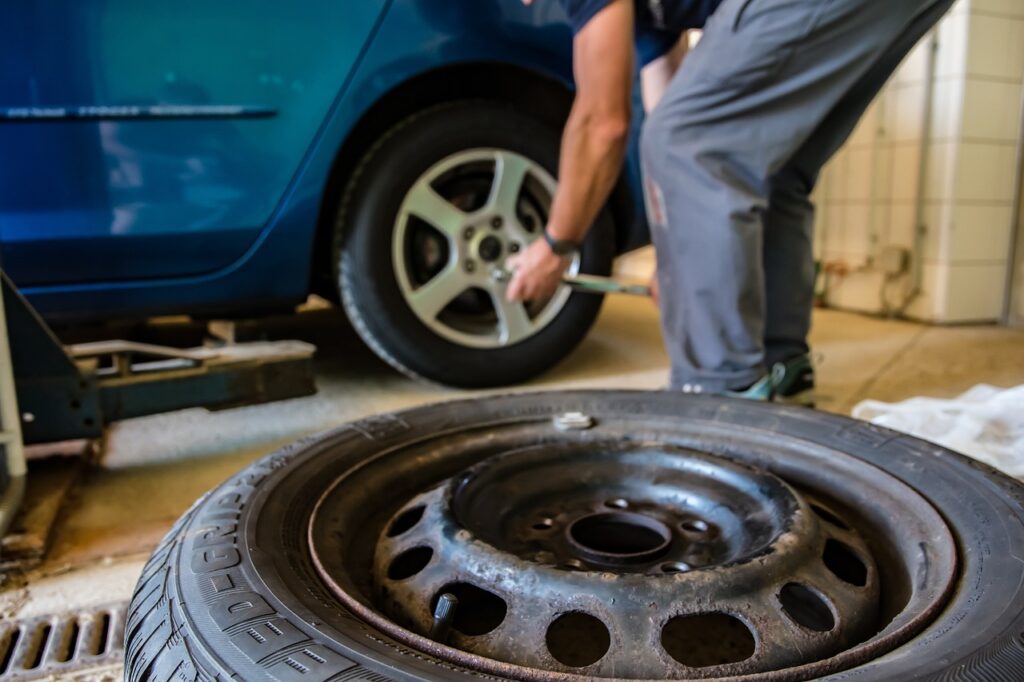
6. **Spare Tire Elimination vs. Traditional Backup**One of the practical benefits frequently cited for run-flat tires is the elimination of the need for a spare tire, jack, or roadside tools. This design choice frees up valuable trunk space that would otherwise be occupied by a full spare setup. For vehicles where cargo space is at a premium, this can be a significant advantage, providing more room for luggage, groceries, or other items.
Beyond just freeing up space, removing the spare tire also contributes to a reduction in overall vehicle weight. A lighter vehicle can potentially improve fuel economy and, in some cases, enhance handling by optimizing weight distribution. For performance or luxury cars, that means more room for batteries, hybrid components, or just more usable space, and it can help with fuel efficiency and handling.
In contrast, vehicles equipped with regular tires typically require carrying a full spare setup, which includes the spare tire itself, a jack, and lug wrench. This takes up storage space in the trunk or under the vehicle and adds extra weight. While modern vehicles may offer temporary spares or tire repair kits, the traditional full-size spare remains a common and reliable backup for standard tires.
The decision between eliminating the spare and carrying one involves a trade-off between convenience and immediate preparedness. Run-flats offer convenience by removing the need to wrestle with a spare tire on the shoulder of a highway in bad weather, buying you time to reach help without changing the tire on the spot. Regular tires demand the traditional backup, but in return offer greater repair flexibility and wider availability of replacements.

7. **Ride Comfort and Quality**The reinforced construction that makes run-flats capable of operating after air loss also has a noticeable impact on how they feel on the road. These tires feature ultra-stiff sidewalls designed to support your vehicle’s weight after air loss, but this rigidity creates a noticeably firmer ride. Drivers often report less comfort with run-flats, particularly on rough or uneven surfaces, which can be a significant factor for daily commutes.
While some newer run-flat technologies have made strides in improving ride comfort, the difference compared to conventional tires is often still perceptible. On poorly maintained city roads or during long-distance travel over varied terrain, the stiffer sidewalls can transmit more road imperfections and vibrations into the cabin, leading to a less cushioned and sometimes harsher driving experience, especially in compact vehicles.
Regular tires, with their softer and more flexible sidewall construction, inherently offer superior ride comfort. These flexible sidewalls are better able to absorb bumps, road imperfections, and vibrations, resulting in a quieter, smoother, and more forgiving feel. This enhanced absorption contributes to a more cushioned ride, which many drivers prioritize for daily commutes and extended journeys alike.
For drivers who value a plush and comfortable ride above all else, especially in luxury or touring vehicles where ride softness matters, regular tires often present a more appealing option. The ability of standard tires to better insulate the cabin from road harshness remains a key reason many consumers continue to prefer them, even with the safety advantages offered by run-flats. The contrast in flexibility translates directly into how much of the road’s texture you feel through the steering wheel and seat.
Moving beyond the foundational distinctions, our comprehensive comparison now delves into further crucial aspects that differentiate run-flat and standard tires. These elements, including essential system requirements, market availability, specific vehicle integrations, and nuances in daily driving performance, will provide a holistic view for making an informed decision. Understanding these points is key to recognizing how each tire type integrates with your vehicle and driving lifestyle, especially as automotive technology continues to evolve. We will ensure this analysis maintains an objective and detailed perspective, helping you weigh the practical implications of each choice.
Read more about: The 12 SUVs Built to Last: Our Definitive Guide to Vehicles Guaranteed for 250,000 Miles
8. **TPMS Requirements and Safety Implications**An indispensable requirement for run-flat tires is a functional Tire Pressure Monitoring System (TPMS). This system is absolutely essential because a run-flat tire, when deflated, may not visually appear flat, making manual detection of pressure loss incredibly difficult. The TPMS acts as the driver’s primary alert, signaling when a tire has lost pressure and initiating the countdown on the tire’s limited mobility range.
Regular and diligent maintenance of your TPMS is paramount when driving with run-flat tires. Ensuring the system is always in perfect working order guarantees timely alerts about punctures, which is critical for safely utilizing the run-flat’s ability to continue driving. Without a reliable TPMS, the core safety benefit of run-flats — allowing you to reach a service location rather than being stranded — could be compromised.
While standard tires do not inherently require a TPMS for operation, it is widely recommended for all vehicles. For conventional tires, a TPMS still offers valuable information, alerting drivers to pressure drops that can affect fuel efficiency, tire wear, and overall safety. However, the critical dependency on TPMS for operational safety is far more pronounced with run-flat technology.
Read more about: Over 78,000 Jeep Wranglers Recalled: What Owners Need to Know About the Latest Safety Alert
9. **Availability and Sourcing Challenges**The availability of run-flat tires presents a notable challenge, particularly in less populated or rural regions. Unlike standard tires, which are universally stocked across countless retailers, run-flat options can be limited. Smaller tire shops in remote areas typically carry fewer run-flat models due to lower local demand and the higher inventory costs associated with these specialized tires.
This limited availability can pose significant inconveniences for drivers who experience a run-flat tire failure in rural or remote locations. They might face extended waiting periods for an appropriate replacement tire to be shipped from a distant warehouse. This waiting time can quickly negate the immediate convenience offered by a run-flat’s ability to drive a limited distance after a puncture.
Conversely, standard tires benefit from widespread availability. An enormous range of options exists to fit virtually any vehicle, from economy cars to heavy-duty trucks. This broad selection ensures that replacements or upgrades are readily accessible, reducing downtime and providing peace of mind for drivers, regardless of their location or vehicle type.
Read more about: The Collector’s Trap: 9 ‘Rare’ Cars Whose Value Will Never Justify the Cost of Restoration—Should You Sell Now?
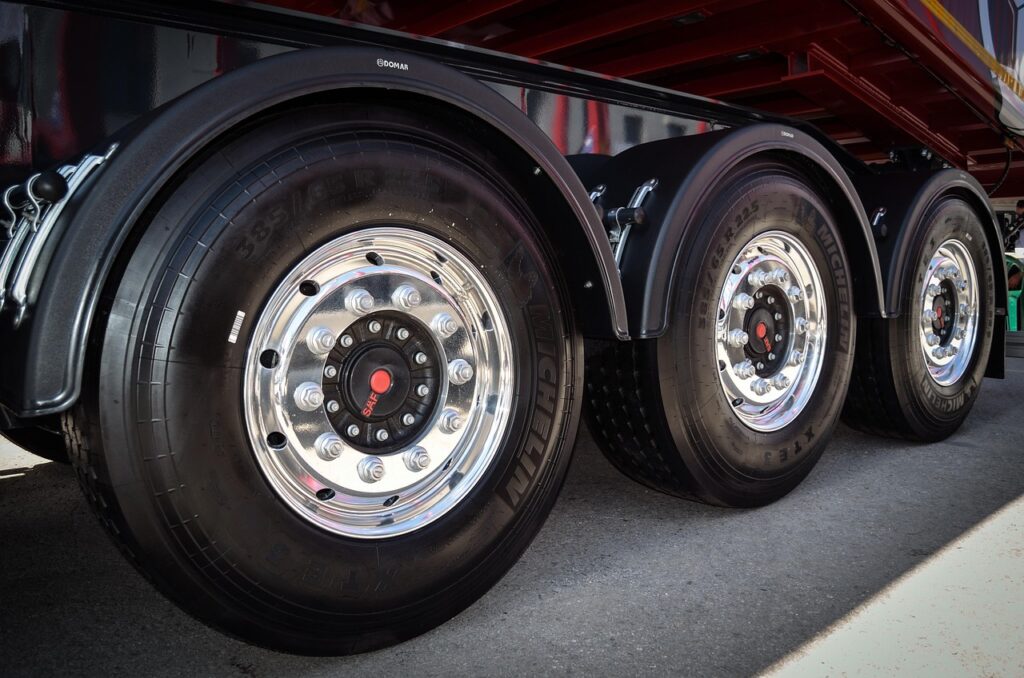
10. **Vehicle Compatibility and OEM Integration**Run-flat tires are often integrated into specific vehicle designs from the factory, particularly within the luxury and performance segments. Many prominent automakers, including BMW, Mercedes-Benz, Mini, Audi, Cadillac, Lexus, and Infiniti, frequently equip their new vehicles with run-flat tires as standard. Performance models such as the Chevrolet Camaro and Corvette also often feature them on upper trim levels.
A key reason for this OEM integration is that these vehicles’ suspension systems are specifically tuned to complement the unique characteristics of run-flat tires. The stiffer sidewalls of run-flats can influence ride dynamics, and manufacturers design the suspension to account for this, aiming to optimize both comfort and handling. Changing to standard tires on a vehicle originally designed for run-flats without suspension adjustments could subtly alter its intended ride quality and handling performance.
Standard tires, by contrast, boast universal fitment across a vast spectrum of vehicles. Their flexible design allows them to be a suitable choice for almost any car, truck, or SUV, without requiring specialized suspension tuning. This broad compatibility gives consumers extensive freedom in selecting replacement tires based on their preferences for performance, comfort, or budget, making them a versatile choice for the majority of drivers on the road today.
Read more about: Unlocking the Mystery: Why Your Car Key Fob Replacement Can Cost Hundreds of Dollars
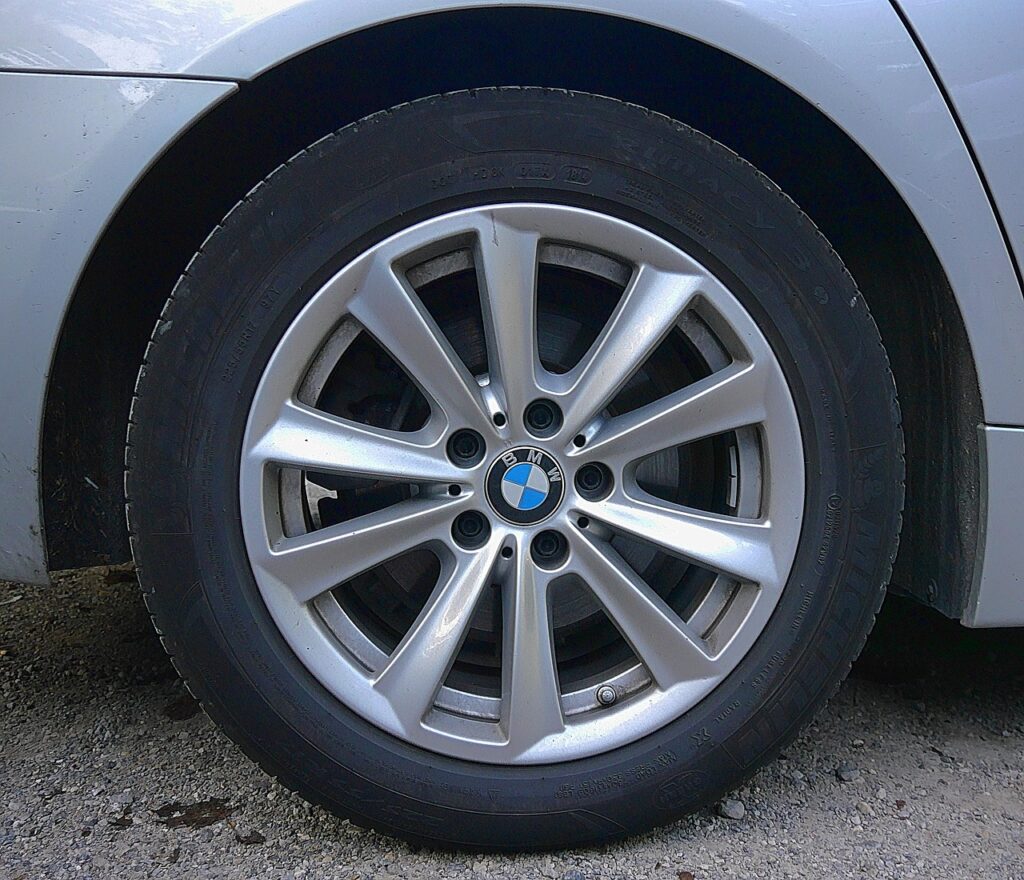
11. **Fuel Efficiency: Weight Savings vs Rolling Resistance**The impact of run-flat tires on fuel efficiency is a nuanced consideration, involving a trade-off between increased tire weight and overall vehicle weight reduction. Run-flat tires are inherently heavier than standard tires due to their reinforced construction and specialized materials. This additional mass increases the tire’s rolling resistance, which can lead to a slight decrease in fuel efficiency under certain conditions, as the engine needs to work harder to overcome this resistance.
However, this disadvantage can be partially offset by another design aspect associated with run-flats: the elimination of the need for a spare tire, jack, and tools. Removing this equipment reduces the vehicle’s overall weight, which can, in turn, contribute to improved fuel economy. For performance or luxury cars, this weight reduction can also optimize weight distribution, potentially enhancing handling dynamics.
The actual effect of run-flat tires on fuel efficiency can vary significantly, depending on the specific vehicle model, its original design, and individual driving habits. While the increased rolling resistance of the tires themselves might slightly reduce efficiency, the savings from a lighter vehicle without a spare can sometimes balance this out. Therefore, drivers should consider their vehicle’s setup and typical driving conditions when evaluating this factor.
Standard tires, being lighter in construction, generally contribute less to rolling resistance compared to run-flats. However, vehicles equipped with standard tires typically require carrying a full spare setup, including the tire, jack, and lug wrench. This additional weight, usually stored in the trunk, adds to the vehicle’s overall mass, which can negatively impact fuel efficiency. The net effect on fuel economy, therefore, depends on how effectively the lighter standard tire itself is offset by the weight of its necessary accessories.
Read more about: Unlock Significant Savings: A Practical Guide to Boosting Your Car’s MPG with Expert-Backed Tips
12. **Specific Driving Scenarios: Urban vs. Rural Needs**The choice between run-flat and standard tires can be heavily influenced by a driver’s typical operating environment, particularly distinguishing between urban and rural driving needs. City drivers often find significant benefits from run-flat tires due to their ability to eliminate inconvenient roadside repairs in busy traffic. Being able to drive to a safe location or a service center after a puncture is a major advantage in congested urban environments, where roadside space is limited and stopping can be hazardous.
Rural drivers, however, face a different set of challenges. The limited availability of run-flat tires in less populated regions means that experiencing a flat can often lead to extended waits for appropriate replacements. Drivers might find themselves stranded for days while a specialized tire is shipped from a warehouse. This logistical hurdle significantly diminishes the convenience factor that run-flats offer to urban commuters.
Furthermore, for those who frequently venture off paved roads, standard tires often provide superior performance in off-road conditions. Their design allows for greater flexibility in customizing tread patterns, which translates to better traction on uneven terrain, gravel, or dirt roads. This makes standard tires a more practical choice for drivers whose routes regularly take them beyond well-maintained city streets and highways.

13. **Highway Safety: Blowout Handling Differences**When emergency situations arise, especially at highway speeds, the differences in how run-flat and standard tires behave after a puncture are stark and directly impact safety. Run-flat tires are engineered to maintain remarkable stability after a puncture, allowing the driver to continue safely at reduced speeds. This capability is crucial on high-speed roads, as it prevents the vehicle from swerving uncontrollably and gives the driver the precious time needed to exit the highway safely without immediate panic.
This feature directly addresses critical safety concerns, eliminating the need for dangerous roadside stops where individuals are unfortunately killed or injured every few days in the U.S. The structural integrity maintained by run-flats during a high-speed deflation significantly reduces the risk of loss of control, making them a compelling safety upgrade for highway driving, offering an invaluable margin of safety in unexpected tire failure events.
In stark contrast, a puncture in a regular tire at high speed can lead to immediate and rapid deflation. This abrupt loss of air pressure can make the car exceedingly difficult to steer and brake effectively, increasing the risk of a dangerous blowout or a severe accident. For inexperienced drivers, or in vehicles without advanced stability systems, the sudden instability caused by a conventional tire puncture on the highway can be particularly hazardous, demanding an immediate and often risky roadside stop.
14. **Overall Handling and Performance**Beyond emergency situations and ride comfort, the construction differences between run-flat and standard tires also translate into distinct characteristics in overall handling and daily driving performance. Run-flat tires, with their reinforced and heavier sidewalls, can sometimes introduce a perception of duller steering response and reduced overall agility. This rigidity, while beneficial in a puncture scenario, can transmit more road feedback directly to the driver and slightly diminish the nimble feel, particularly in sports applications where precise and instantaneous feedback is highly valued.
This added weight and stiffness can influence a vehicle’s dynamics, making it feel less ‘connected’ to the road compared to a vehicle with traditional tires. While significant strides have been made in run-flat technology to mitigate these effects, the fundamental difference in construction means there is often a perceptible trade-off in the nuanced feel of spirited driving.
Standard tires, by virtue of their lighter construction and greater sidewall flexibility, typically offer a more responsive and engaging driving experience. Their ability to flex more freely translates into sharper cornering capabilities, enhanced road feedback, and generally more predictable performance during spirited driving scenarios. This allows the suspension to work more independently, absorbing road imperfections more effectively and providing a smoother transition through turns.
For drivers who prioritize dynamic handling, immediate steering response, and a tactile connection to the road in everyday driving, standard tires often remain the preferred choice. The nuanced differences in sidewall compliance and overall tire mass contribute significantly to the perceived agility and precision of the vehicle, offering a more traditional and often more satisfying driving sensation for many automotive enthusiasts.
Read more about: The 12 SUVs Built to Last: Our Definitive Guide to Vehicles Guaranteed for 250,000 Miles
Ultimately, the choice between run-flat and standard tires hinges on a careful assessment of your driving needs, vehicle type, and personal priorities. Both technologies offer compelling advantages, but they come with distinct trade-offs that impact safety, convenience, cost, and driving experience. By thoroughly understanding these differences, from emergency handling to long-term costs and daily comfort, consumers can confidently select the tire type that best aligns with their individual driving lifestyle for 2025. It’s about empowering yourself with knowledge to make a choice that puts you, and your vehicle, on the right path.