
Every year, major storms and hurricanes unleash floods that damage thousands of vehicles. While many of these cars are rightfully sent to junkyards, a concerning number find their way back onto the market, often far from the affected areas. According to Carfax, in 2023 alone, approximately 452,000 flood-damaged cars were back on the roads, marking a significant increase from previous years.
Flood-damaged vehicles pose substantial risks. Water can cause irreversible damage to a car’s electronics, mechanical systems, and interior components. The immediate effects might not always be visible, but long-term issues like corrosion can emerge months or even years later, compromising vital systems such as airbag controllers. Even if a vehicle appears functional at the time of purchase, hidden water damage can lead to exceptionally costly repairs down the road, making vigilance paramount for any used car buyer.
Unscrupulous sellers often try to conceal a vehicle’s waterlogged past, sometimes through an illegal practice known as “title washing.” This process involves transferring a flood-damaged car to a state with more lenient title laws to clear its flood history, leaving unsuspecting buyers unaware. To protect your investment and ensure your safety, it’s crucial to know what red flags to look for. This guide breaks down the critical warning signs that indicate a used car might be carrying hidden flood damage, helping you make an informed decision.

1. **Musty or Damp Odors**One of the most immediate and telling signs that a used car has flood damage is a distinct musty, damp, or moldy odor inside the cabin. Floodwater seeps deep into the seats, carpets, and ventilation systems, leaving behind a persistent, foul smell that is notoriously difficult to fully eliminate or mask. Your nose can be one of your most reliable tools during a used car inspection.
Sellers are often aware of this telltale sign and may attempt to cover the odor using strong air fresheners, ozone machines, or even by leaving the windows open prior to your arrival. This is why it’s essential to conduct a thorough sniff test, moving beyond initial impressions. Always trust your instincts: if something smells off, it’s a critical red flag that warrants further investigation.
To effectively check for these odors, open all the car doors and windows briefly to clear any lingering air fresheners, then close them and sit inside for 30–60 seconds. Turn on both the air conditioning and heat, cycling through the vents, and pay close attention to smells emanating from under the seats and near the vents. A scent like wet carpet, mildew, or strong chemicals could indicate the car was submerged long enough for mold to develop, posing both a health risk and a sign of deep-seated damage.
Such damage may never truly disappear, irrespective of how clean the car appears on the surface. Therefore, if you detect any suspicious odors, it is strongly advisable to walk away from the deal. Overstock Vehicles, for instance, always recommends caution when facing such red flags, emphasizing that your sense of smell can protect you from significant future problems.
Read more about: Unmasking the Must: 15 Essential Reasons Your Car’s AC Smells Funky & The Ultimate Fixes

2. **Carpets and Upholstery**The condition of a car’s carpets and upholstery can provide significant clues about its history. Flood-damaged vehicles often have damp interiors that necessitate repairs, and unscrupulous sellers frequently replace parts like carpets or seat upholstery to hide water damage. However, these replacements don’t always perfectly match the rest of the cabin, creating discrepancies that vigilant buyers can spot.
Look closely for water stains or noticeable tide lines on the carpets, seats, and even the side panels. These discolorations are notoriously difficult to conceal entirely. Feel for any damp spots or areas that appear to have been excessively shampooed or cleaned, especially if they feel unusually soft or spongy. Such textures can indicate hidden mold or rot beneath the surface, suggesting prolonged water exposure.
Pay attention to any color differences in fabrics or unevenness in the material, which may betray replaced or repaired areas. Wrinkles or bubbling on surfaces could also point to water damage underneath the material, as moisture can cause adhesives to loosen and materials to warp. Additionally, lift up the floor mats and check under them, as well as the trunk liner, for signs of mildew, dirt, or water accumulation, which often goes unnoticed.
If you discover stains, mismatched materials, or any signs of recent, unexplained replacements, proceed with extreme caution. These indicators strongly suggest the vehicle may have been subjected to flooding. Taking the time to inspect every inch of the interior can help you uncover hidden damage and potentially save you from significant repair costs in the future.
Read more about: The Post-Car Wash Playbook: 12 Essential Checks to Safeguard Your Ride from Costly Damage

3. **Rust in Unusual Places**While some surface rust might be normal on older vehicles, the presence of rust in unexpected or unusual places is a strong indicator of flood damage. Floodwater, often laden with salt and dirt, can accelerate corrosion in areas that typically remain dry. This type of rust signifies that the vehicle has been exposed to water for a prolonged period, infiltrating parts not usually susceptible to moisture.
Begin your inspection by looking underneath the dashboard, a spot where water damage can be easily hidden from plain sight. Examine metal components such as seat rails, seat springs, and other metal brackets, as rust in these areas clearly shows long-term moisture exposure. Door hinges and the inside of door frames are also critical areas to check, as floodwater frequently seeps into and settles in these spots.
Don’t forget the trunk; inspect the trunk hinges and the spare tire well, where water can pool during floods and cause significant rust. Even screws and other small fasteners, if heavily rusted or corroded, point to extensive water exposure. This type of corrosion not only indicates past water damage but can also lead to weakened parts, compromising the vehicle’s structural integrity and safety features.
Spotting rust in these peculiar locations should immediately raise a red flag. It points to underlying water damage that may not be immediately obvious but can lead to costly repairs and potential safety issues down the road. Buyers should be diligent and look beyond the surface, as hidden rust can be a definitive sign of a flood-damaged vehicle.
Read more about: Exclusive Insight: Deconstructing Oprah’s Pivotal Advice to Prince Harry and Meghan Amidst Royal Tensions and Media Scrutiny
4. **Electrical Components**Floodwater is particularly destructive to a vehicle’s intricate electrical systems, causing problems that can range from minor annoyances to major safety hazards. Water can infiltrate wiring harnesses, sensitive sensors, and crucial control units, leading to immediate glitches or intermittent issues that often worsen significantly over time. This makes thorough testing of all electronic features an absolute necessity when considering a used car.
Keep a keen eye out for common signs of electrical trouble. These include dashboard lights flickering erratically, warning lights turning on and off randomly, or power windows that operate sluggishly or fail to work altogether. Test the radio or infotainment system, checking for any inconsistencies, static, or buttons that fail to respond. Additionally, ensure that doors lock and unlock correctly, as remote key fobs may also fail due to water damage.
Even if these problems seem minor at first glance, they can signify deep-seated issues that are expensive and complex to fix. Flood-damaged wiring is prone to corrosion and short circuits, which can lead to ongoing reliability problems and potentially critical failures of safety features like airbags and anti-lock brakes. These systems rely heavily on electronic components that are highly vulnerable to water exposure.
It is imperative to test every single electrical feature within the vehicle thoroughly. If any component behaves strangely, flickers, or fails to function as expected, it is a strong indication that the car may have sustained flood damage. Catching these electrical anomalies early can save you from a future filled with frustrating, costly, and potentially dangerous repairs.
Read more about: The 2025 Lemon List: 14 Cars to Avoid That Mechanics Already Dread Seeing
5. **Engine Bay Inspection**The engine bay is a crucial area to inspect for signs of flood damage, as floodwaters often leave behind clear evidence in these tight, often-overlooked spaces. Even if the exterior of the car appears spotless, the engine compartment can reveal a different story, with dirt, mud, or silt accumulating in crevices that are difficult to clean. These deposits can remain long after the water has dried, acting as undeniable clues to a vehicle’s waterlogged past.
When examining the engine bay, pay close attention to the area around the air filter and inside the air filter housing. Mud, dirt, or water stains here are significant red flags, indicating that water has entered critical components. Also, inspect the engine block itself for any distinct water lines or stains that show how high the floodwaters reached. These lines can be very subtle but are definitive proof of submergence.
Further, check the battery terminals and cables for signs of unusual corrosion, which can be accelerated by moisture exposure. Don’t overlook the fuse box cover; lift it to look for any mud, debris, or water marks inside. Inspect the small recesses near the starter motor, power steering pump, and behind wiring harnesses, as these are common spots for sediment to settle.
Any discovery of mud, silt, or unusual water lines in the engine bay should prompt immediate concern. Such damage can lead to serious engine problems, electrical failures, and compromise the overall functionality and safety of the vehicle. A thorough inspection of this area is a critical step in identifying a flood-damaged car before it becomes your problem.
Read more about: The 2025 Lemon List: 14 Cars to Avoid That Mechanics Already Dread Seeing

6. **Headlights and Taillights**Another clear indicator of a car with water damage is the presence of fog, condensation, or moisture trapped inside the headlights or taillights. Normally, these lighting units are sealed tightly to protect internal components from external elements like rain and dust. However, floodwaters can compromise these seals, allowing water to infiltrate and accumulate within the light assembly.
When inspecting the vehicle, look closely for any cloudy or foggy films on the inside of the lens, water spots, or actual droplets of water. Mineral deposits, which appear as dried stains, can also be left behind when water evaporates from within the unit, signaling past water intrusion. If any of the headlights or taillights look foggy from the inside, it is a strong hint that the vehicle was underwater at some point.
This trapped moisture can have several detrimental effects. It can significantly shorten the lifespan of the bulbs, corrode internal wiring, and eventually lead to complete electrical failure of the lights. Furthermore, you might notice that entire lighting assemblies appear brand new compared to the car’s age, or that the lights are mismatched; this could be a sign that they were recently replaced to cover up flood damage, as replacing them after a flood is a common practice.
Ensure you check all the lights on the vehicle, not just the front ones, as flood damage typically affects multiple areas. The presence of moisture or condensation within the lights, even if seemingly minor, is a strong warning sign that can lead to significant electrical problems and safety concerns down the road.
Read more about: Driving the Future: An In-Depth Look at 14 Groundbreaking SUVs and Crossovers Arriving in 2025 & 2026

7. **Vehicle History Report**While physical inspection is paramount, a comprehensive vehicle history report serves as an invaluable tool in identifying flood-damaged cars and protecting yourself from fraudulent purchases. Services such as Carfax, AutoCheck, the National Motor Vehicle Title Information System (NMVTIS), and the National Insurance Crime Bureau’s (NICB) free VINCheck can provide critical insights into a car’s past, including its title history and any reported incidents of damage.
These reports track important information throughout a vehicle’s life, regardless of where it has been registered. Pay very close attention to any terms like “salvage,” “flood,” or “rebuilt” titles. A “salvage” title indicates the vehicle was declared a total loss by an insurer, often due to significant damage like flooding. A “rebuilt” title means the car was repaired after being deemed a total loss and then inspected for roadworthiness. A “flood” title explicitly brands the vehicle as having been damaged by water.
However, it’s crucial to understand that vehicle history reports are not always foolproof. The illicit practice of “title washing,” where a vehicle’s flood-damaged title is cleared by transferring it through states with more lenient titling laws, can obscure a car’s true history. If the damage was never reported to an insurance company or a repair shop, it may not appear in the report, making a physical inspection even more critical.
Therefore, while a clean history report offers some reassurance, it should never be the sole basis for your purchase decision. Always use these reports as a starting point, complementing them with a thorough physical inspection by yourself and, ideally, a trusted, certified mechanic. This multi-layered approach provides the best defense against unknowingly purchasing a flood-damaged vehicle.
Read more about: 14 Brand Rebrands and Logo Disasters That Had Everyone Talking (and Cringing!)

8. **Look for Signs of Recent Repairs or Replacements**When inspecting a used vehicle, a savvy buyer must remain vigilant for any evidence of recent, extensive repairs or replacements, particularly concerning electrical or interior components. Unscrupulous sellers often attempt to mask flood damage by overhauling parts of the car that were directly affected by water. While some routine maintenance is normal for any used vehicle, an abundance of new parts in an older car, or repairs that don’t quite add up, should immediately pique your suspicion.
Think about it: if the carpeting looks suspiciously new, or the seat covers appear to be a fresh addition to an otherwise aged interior, these could be prime indicators. Similarly, a host of recently replaced electrical components, such as a new stereo system, updated wiring harnesses, or even new dashboard controls, without a clear, documented reason, might be a red flag. These efforts are often undertaken to hide the tell-tale signs of a vehicle that has been submerged, making it appear well-cared for on the surface.
The key is to question the narrative. Ask the seller for detailed explanations and verifiable records for any major replacements or repairs. A transparent seller will be able to provide documentation, such as invoices or service history, that justifies the work done. If the explanations are vague, inconsistent, or if the seller seems evasive when pressed for details, it’s a strong warning sign. This lack of transparency can often point to a deliberate effort to conceal a vehicle’s waterlogged past.
Ultimately, these types of recent fixes are frequently attempts to “clean up” a previously flooded vehicle, making it presentable for resale. By paying close attention to these clues and insisting on clear explanations, you can avoid driving away with a car that’s destined for costly repairs down the line. It’s about looking beyond the polished exterior to uncover the true history of the vehicle.
Read more about: The 2025 Lemon List: 14 Cars to Avoid That Mechanics Already Dread Seeing
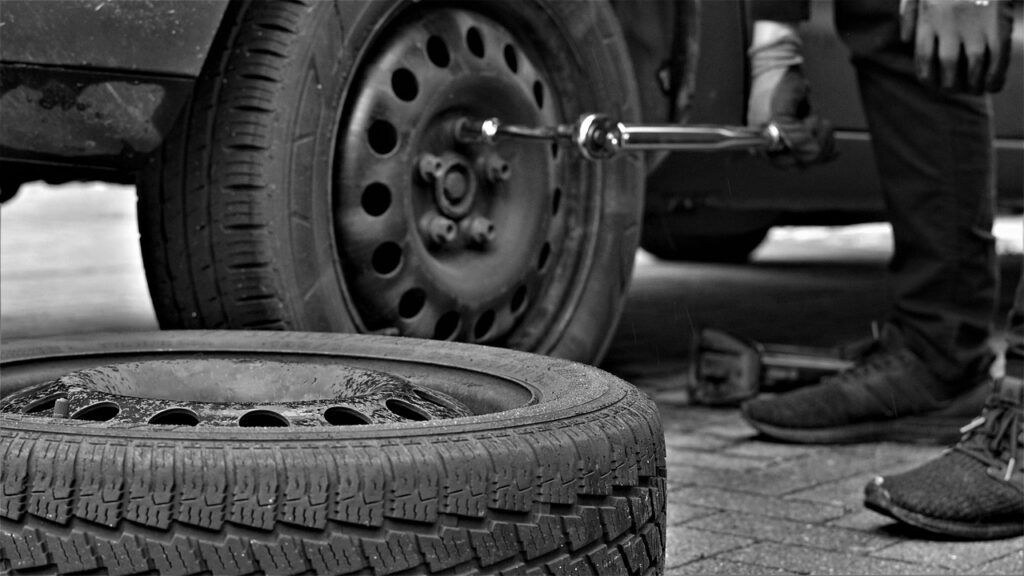
9. **Check Under the Spare Tire**The trunk of a car, specifically the area beneath the spare tire, is a crucial but often overlooked spot during a used car inspection. When a vehicle is subjected to flooding, this hidden compartment frequently becomes a repository for water, mud, and various debris. What makes this area particularly revealing is that sellers, in their haste to clean up a flood-damaged car, often miss or neglect to thoroughly sanitize this out-of-sight location, leaving behind undeniable clues.
As you pop open the trunk, take the time to carefully lift the spare tire and inspect the well beneath it. Begin by feeling the carpeting or liner in this area; any dampness, an unusual softness, or that persistent moldy smell are immediate red flags. Floodwater carries sediment, so look closely for any deposits of silt, dirt, or mud that may have dried and settled in the crevices or on the metal surface. These deposits are hard to remove completely and are a strong indication of prior submergence.
Furthermore, water’s presence, especially when allowed to sit, can quickly lead to corrosion. Inspect the metal surface of the spare tire well for any signs of rust, which can appear as reddish-brown stains or flakes. Even small amounts of trapped moisture can initiate this corrosive process, compromising the integrity of the vehicle’s structure over time. A distinct “water line” underneath the spare tire is another definitive sign that the trunk was filled with water.
Such findings in the spare tire well should give any potential buyer serious pause. They are not merely cosmetic issues but point to deeper water intrusion that could affect other parts of the vehicle, from electrical wiring to the structural integrity of the frame. This thorough inspection of the trunk’s hidden recesses is a vital step in uncovering a car’s true history and protecting yourself from significant future problems.
Read more about: The 2025 Lemon List: 14 Cars to Avoid That Mechanics Already Dread Seeing
10. **Inspect Door and Window Seals**The rubber gaskets and seals surrounding a car’s doors, windows, and trunk are designed to create a watertight barrier, protecting the interior from the elements. However, floodwater possesses an insidious ability to compromise these seals, making them a prime area for diligent inspection when assessing a used vehicle for potential water damage. A compromised seal allows water to infiltrate, leading to hidden issues that can be costly to remedy.
Take your time to meticulously examine these rubber components. Feel them for any signs of brittleness, cracking, or if they appear to be loose or coming away from their proper seating. Such conditions can indicate not only general wear and tear but also the damaging effects of prolonged water exposure, which can degrade rubber and adhesives. The integrity of these seals is paramount for maintaining the cabin’s dry environment.
Beyond the physical condition of the seals themselves, look for any visible watermarks, stains, or discoloration along their edges or on the adjacent interior panels. These marks serve as undeniable evidence that water has seeped past the intended barrier, even if only for a brief period during a flood event. Such ingress suggests that moisture has likely reached areas beneath the panels, where it can foster mold growth and accelerate corrosion of hidden metal components.
Crucially, extend your inspection to include the sunroof, if the vehicle is equipped with one. A poorly sealed sunroof is a notorious culprit for allowing water to enter, leading to insidious hidden damage within the roof lining and electrical systems. Any compromise in these seals should be treated as a serious warning, as it indicates a vulnerability that floodwaters would have readily exploited, potentially leading to far more extensive and unseen damage throughout the vehicle.
Read more about: The 2025 Lemon List: 14 Cars to Avoid That Mechanics Already Dread Seeing
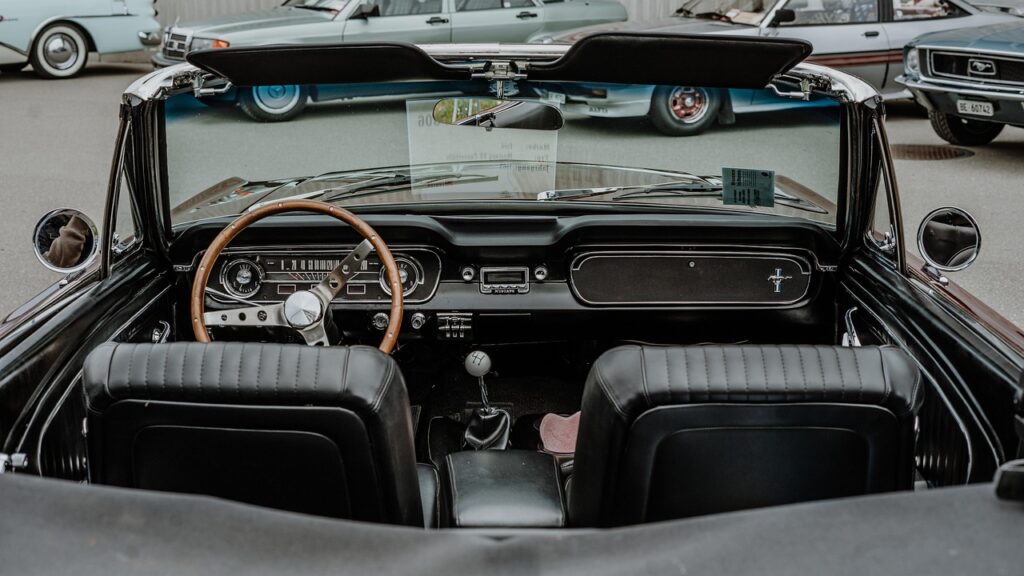
11. **Inspect the A/C Drain Line**Even when a vehicle’s interior appears impeccably clean on the surface, some areas can discreetly harbor tell-tale signs of past water intrusion. One such critical, yet frequently overlooked, component is the A/C drain line. This seemingly minor part plays a crucial role in expelling condensation from the air conditioning system. When a car has been exposed to flooding, the integrity of this drain line can be compromised, offering a silent yet significant clue to a deeper problem.
A clogged or blocked A/C drain line can lead to an accumulation of excess water directly under the dashboard. This pooling moisture, especially after flood exposure, creates a prime environment for mold growth and accelerated corrosion of sensitive wiring harnesses and electrical connections. These components, vital for the car’s functionality, are extremely vulnerable to moisture, and any degradation here can lead to erratic electrical issues that surface long after the water has receded.
During your inspection, carefully examine the area beneath the dashboard and around where the A/C drain line exits the vehicle. Look not only for obvious signs of dampness or standing water but also for sediment, mud, or debris that might be blocking the line or indicate past water levels. The presence of mold spores or rust on adjacent metal parts is another critical indicator that water has been present where it shouldn’t be, pointing to a potentially flooded past.
An intact and clear A/C drain line is essential for the healthy operation of your vehicle’s climate control system and for preventing moisture build-up. Any anomalies here—be it blockages, signs of past water pooling, or visible mold—should prompt a thorough professional inspection. Ignoring this seemingly small detail could mean overlooking a major pathway for flood damage, leading to persistent electrical woes and compromised interior air quality.
Read more about: The Cooling Crisis: 12 Sports Bikes Rated on Heat Management – From Rider-Friendly to Scorching Hot
12. **Check the Engine Oil and Transmission Fluid**The fluids vital for a car’s operation—specifically engine oil and transmission fluid—can offer a stark and unambiguous indication of whether a vehicle has been exposed to floodwaters. Water contamination in these critical lubricants is a grave sign of deep internal damage and should be thoroughly investigated. These fluids are meant to remain pristine and uncontaminated, and any deviation from their normal appearance signals serious trouble.
Begin by carefully pulling out the engine oil dipstick. Healthy engine oil is typically clear, ranging from a light amber color to a darker brown, depending on its age and usage. However, if water has found its way into the engine, the oil will often take on a distinct milky, cloudy, or foamy appearance, sometimes even resembling a “milkshake.” You might also observe tiny water droplets clinging to the dipstick itself. This emulsification is a clear, undeniable sign of internal water exposure, which can lead to severe engine damage.
Next, turn your attention to the transmission fluid. Locate the transmission dipstick and check its condition. Normal transmission fluid should be clear, bright red, and free of particles. If floodwater has infiltrated the transmission, the fluid may appear darker than usual, cloudy, or even have a burnt odor. Any of these changes indicate serious contamination and potential damage to the transmission’s delicate internal components, which are highly susceptible to water-induced corrosion and wear.
The presence of water in either the engine oil or transmission fluid is not a minor issue; it signifies that critical mechanical systems have been directly compromised by floodwaters. Repairing such damage can be exceptionally costly, often requiring complete overhauls or replacements of major components. If you observe any of these warning signs, it is strongly advised to walk away from the purchase, as you are likely looking at a vehicle with a severely shortened lifespan and significant hidden expenses.
Read more about: 13 Critical Engine Tuning Mistakes You Must Avoid in 2025 for Peak Performance and Longevity

13. **Corrosion on Bolts, Screws, or Seat Mounts**While general rust in “unusual places” (which we covered earlier) is a significant indicator, paying granular attention to the corrosion on small metal fasteners like bolts, screws, and seat mounts can provide even more definitive proof of prolonged water exposure. These minute components, often overlooked, serve as critical anchors for various parts of the vehicle, and their condition can speak volumes about a car’s history with water.
Inspect the bolts and screws that secure interior panels, trim pieces, and especially the seat mounting tracks to the floor. Under normal conditions, these fasteners should show minimal to no rust, particularly in a vehicle that hasn’t spent its life in a salty environment. However, if you observe heavy rust, significant discoloration, or flaking on these metal parts, it’s a clear indication that water has seeped into the cabin and sat there long enough to cause advanced corrosion.
Extend your examination to include the door hinge screws and the various bolts found underneath the dashboard. These are hard-to-reach spots where water from a flood can easily collect and remain, accelerating the rusting process. Similarly, scrutinize the trunk bolts and the mounts for the spare tire; these areas are notorious for trapping water during a flood, leading to rapid corrosion of the fasteners. The integrity of these corroded bolts can also be compromised, potentially weakening structural components.
Corroded bolts and screws are not just cosmetic flaws; they are concrete evidence of substantial water damage. Such corrosion can weaken attachment points, making repairs more difficult and potentially compromising the vehicle’s safety features over time. If these small, yet vital, metallic parts exhibit significant rust, it strongly suggests a flood-damaged vehicle, urging extreme caution before proceeding with the purchase.

14. **Inspect Under the Car and Brittle Wiring**For the most comprehensive assessment of potential flood damage, it’s essential to look beyond the easily visible areas and delve into the vehicle’s undercarriage and the condition of its hidden wiring. These are critical hard-to-reach areas that can harbor definitive proof of a waterlogged past, even after a superficial cleanup. A thorough inspection here requires a keen eye and sometimes a good flashlight or mirror.
Begin by examining the car’s undercarriage for any signs of caked-on debris, mud, or unusual rust. While some surface rust is normal on older vehicles, premature or excessive rusting, especially metal flaking, on metallic parts like frame components, suspension, and brake discs (which tend to show rust very quickly) is a major red flag. This indicates prolonged contact with water, often laden with salt and contaminants from floodwaters, which accelerates corrosion far beyond what typical weather exposure would cause.
Next, turn your attention to the vehicle’s electrical wiring, particularly under the dashboard and in other less accessible areas. Floodwater is incredibly destructive to wiring insulation, causing it to become brittle over time. Gently bending electrical wires can reveal this damage: if the wires feel stiff, crackle, or show signs of dried mud, discoloration, or a chalky residue, water damage is highly probable. Brittle wiring is a precursor to electrical failures, short circuits, and can compromise critical safety systems like airbags and anti-lock brakes.
Remember, systems like the electrical control module and airbags rely heavily on intact, resilient wiring. Damage to these components may not manifest immediately, but can lead to dangerous failures months or even years down the road. This multi-layered inspection of the undercarriage and hidden wiring is paramount; it’s a deep dive into the vehicle’s structural and electrical health that can uncover insidious flood damage that an ordinary glance would miss, protecting you from a significant and potentially dangerous investment.
Read more about: The Long Haul: Wirecutter’s Essential Guide to Scooters Built for Years of Dependable Use, and How to Make Yours Last
Navigating the used car market, especially in the wake of widespread weather events, demands a vigilant and informed approach. Armed with this comprehensive checklist of warning signs, you are now better equipped to identify and steer clear of vehicles compromised by hidden flood damage. While the allure of a good deal can be strong, remember that a car’s true value isn’t just in its sticker price, but in its reliability, safety, and the peace of mind it offers. Always complement your own meticulous inspection with a professional pre-purchase evaluation from a trusted, certified mechanic. Their expertise can uncover the deepest secrets a vehicle might hold, ensuring that your investment is sound and your journey ahead is safe, free from the unexpected and costly surprises that a waterlogged past can bring.