
Tackling vehicle maintenance and repair in your home garage can be an incredibly rewarding endeavor, offering not just significant savings in time and money but also a deeper understanding of your own vehicle. The satisfaction of a job well done, knowing you’ve personally ensured your car’s longevity and performance, is a unique feeling for any DIY enthusiast. However, transforming potentially daunting tasks into manageable projects hinges entirely on one critical factor: preparedness, which primarily means having the right tools for the job.
Many aspiring mechanics start with simple tasks like an oil change, which is an excellent gateway into the world of automotive DIY. Yet, even the most basic maintenance routines demand more than just enthusiasm; they require a specific arsenal of tools to ensure safety, efficiency, and a professional outcome. This guide aims to equip you with the knowledge and confidence to approach a wide spectrum of automotive tasks, going beyond the basic oil change to encompass the broader essentials that make a home garage truly functional and effective.
We’ll walk you through not just the specialized tools that make routine services a breeze, but also the indispensable equipment that forms the backbone of any competent home workshop. From ensuring a clean and spill-free oil change to unlocking a myriad of possibilities with pneumatic power, these are the items that empower you to work smarter, safer, and achieve outstanding results. So, let’s roll up our sleeves and explore the must-have gear that will elevate your DIY mechanic game.
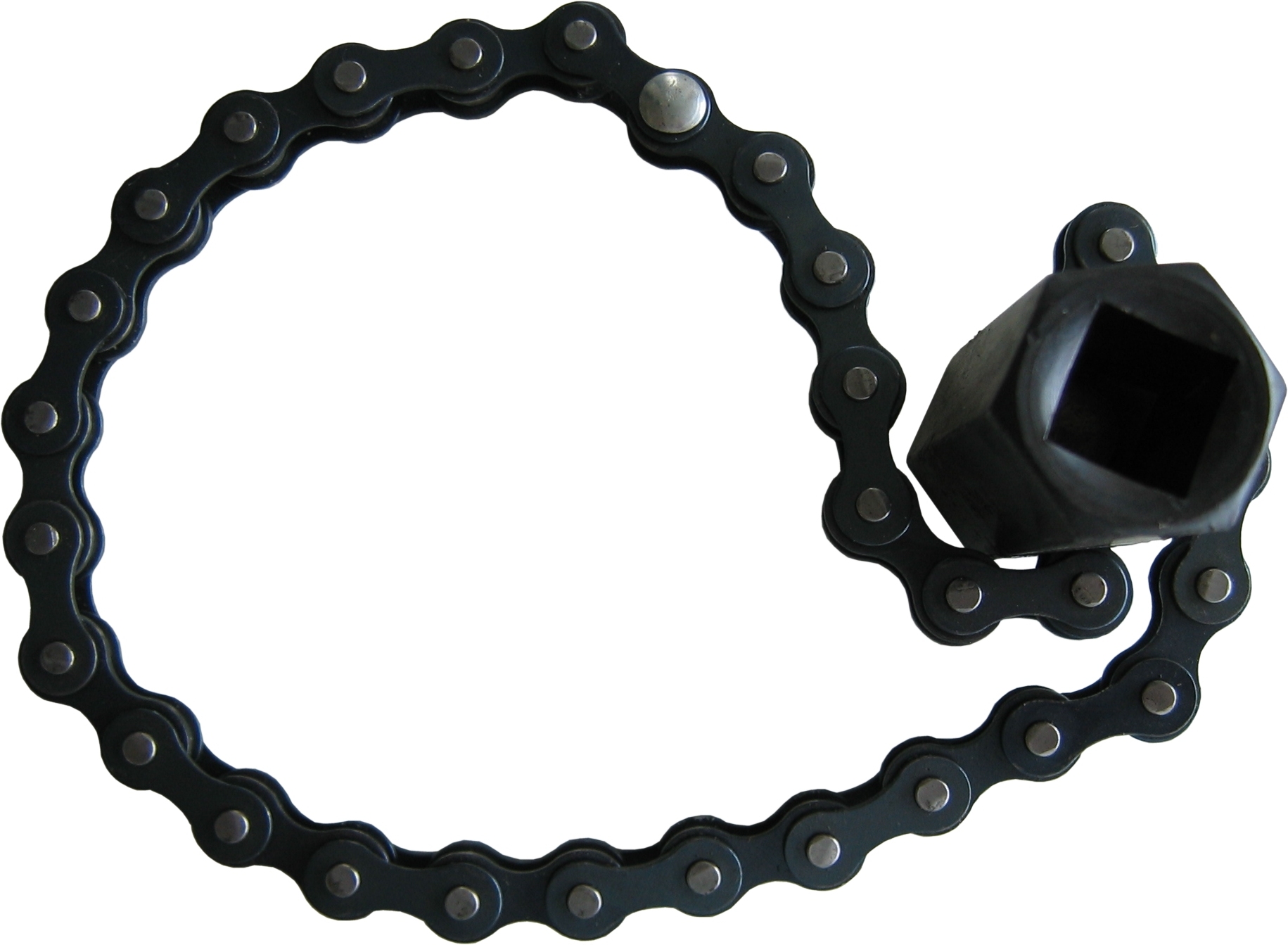
1. **Oil Filter Wrench**
When it comes to performing a DIY oil change, the oil filter wrench stands out as an absolutely indispensable item. This specialized tool is engineered to provide a secure grip on your vehicle’s oil filter, a component that, after thousands of miles and countless heat cycles, can often be incredibly stubborn and tightly attached to the engine block. Trying to remove it by hand or with improper tools can lead to stripped surfaces, damaged filters, and a significant amount of frustration.
The unique design of an oil filter wrench allows it to conform to the filter’s shape, distributing pressure evenly across its surface. This ensures a firm hold that prevents slipping and allows you to apply the necessary torque to loosen even the most recalcitrant filters. Without it, you might find yourself resorting to makeshift methods that could potentially damage the filter housing or, worse, the engine components around it, turning a simple task into a costly repair.
Having the correct oil filter wrench means the difference between a quick, clean removal and a wrestling match under the hood. There are various types, including strap wrenches, cup wrenches, and plier-style wrenches, each designed for different filter sizes and access points. Choosing the one that best fits your vehicle’s filter ensures you can efficiently complete this critical step of the oil change process, setting the stage for a smooth and successful fluid replacement.
Read more about: Love Classic Cars? Here’s What Your Favorite Ride (and Collection) Says About You!

2. **Oil Drain Pan**
Another non-negotiable item for any mechanic performing an oil change is a reliable oil drain pan. This simple yet crucial container is specifically designed to collect the used engine oil as it drains from your vehicle’s oil pan. Without it, you’d be facing an inevitable and environmentally harmful mess, not to mention a significantly more difficult cleanup.
The primary purpose of the drain pan is spill prevention. Used motor oil is a hazardous waste, and proper containment from the moment it leaves your engine is paramount. A good oil drain pan typically features a wide opening to accommodate the draining stream, often with splash guards or high walls to prevent oil from sloshing out, especially as the last bit of oil gushes out or as you move the pan once it’s full. Some even come with built-in spouts or handles, making it easier to transfer the collected oil into a sealed container for responsible disposal.
Using an oil drain pan ensures that your workspace remains clean, safe, and free from slippery oil slicks that could lead to accidents. It also plays a vital role in environmental protection by facilitating the proper collection and subsequent recycling of waste oil, preventing it from contaminating soil and water systems. This tool is a testament to the fact that sometimes the simplest solutions are the most effective and essential for both convenience and ecological responsibility.
Read more about: Expert Warning: 14 New 2025 Cars That Could Financially Cripple Buyers
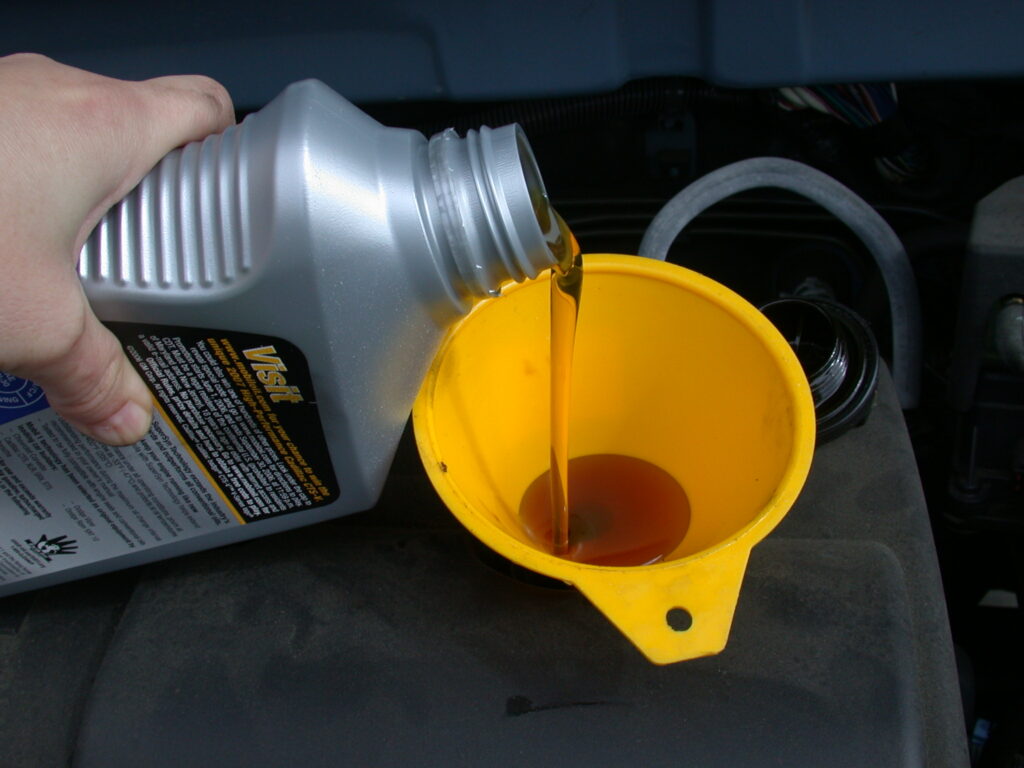
3. **Funnel**
While seemingly a minor accessory, a funnel is an incredibly valuable tool that significantly enhances the cleanliness and efficiency of your oil change, especially when introducing fresh oil into the engine. Its straightforward design belies its critical role in preventing spills and ensuring that every drop of the best oil for car maintenance makes it into your engine, rather than dripping onto hot engine components or your garage floor.
Modern engine compartments can be cramped, and the oil fill hole is not always easily accessible or positioned. Trying to pour a large, heavy bottle of engine oil directly into a small opening without a funnel is an open invitation for spillage. A funnel, with its wide mouth and narrow spout, acts as a precise guide, channeling the oil exactly where it needs to go. This makes the refilling process much cleaner, minimizing waste and avoiding potential smoke from oil burning off engine surfaces.
Beyond preventing messes, using a funnel helps to ensure accuracy. When you’re adding a specific amount of oil, especially after carefully choosing the correct type and viscosity for your vehicle, you want to be sure it all gets into the engine. A funnel eliminates guesswork and reduces the likelihood of overfilling or underfilling due to spillage, ultimately contributing to the long-term health and optimal performance of your engine. It’s a small investment that yields big returns in terms of cleanliness and peace of mind.
Read more about: Unbelievable: The 7 Cities Where Parking Tickets Hit Hardest (and Why You Might Not Even Realize It!)
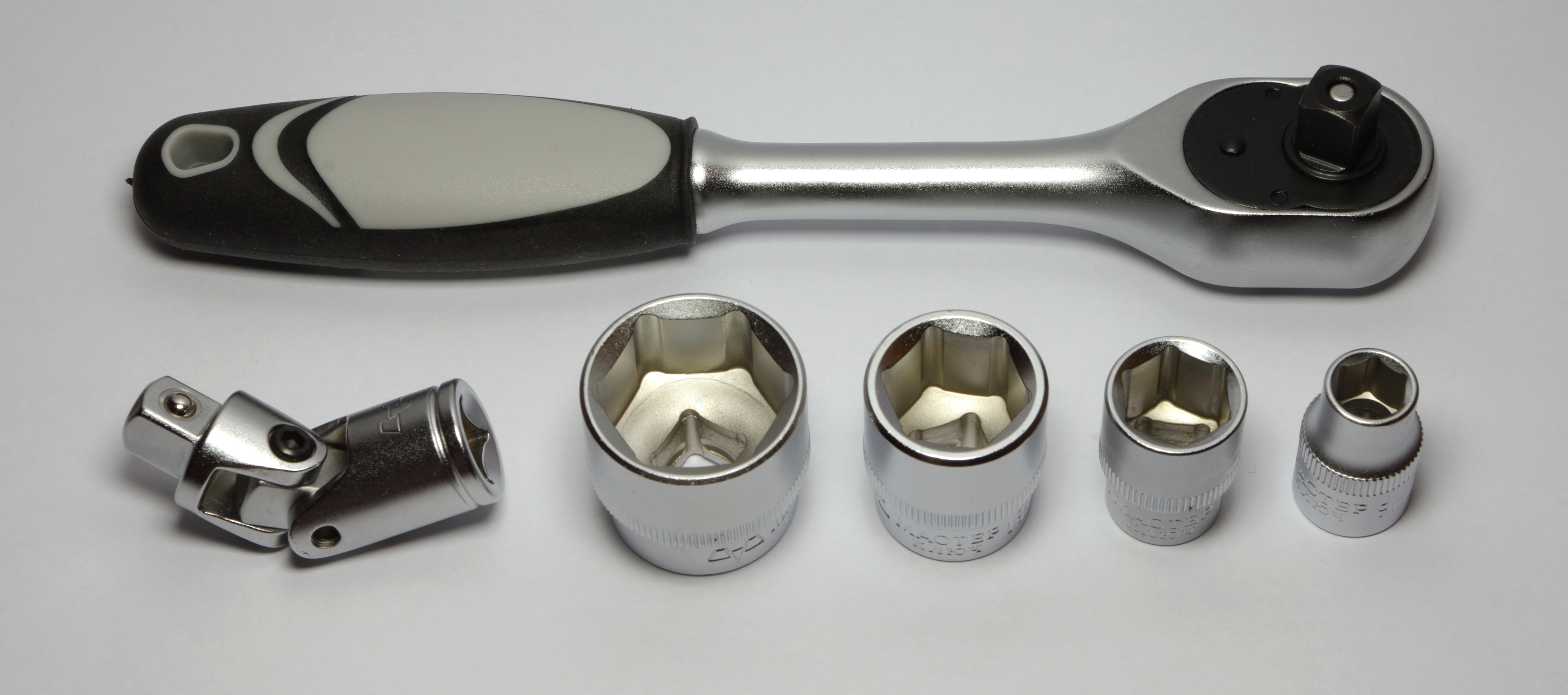
4. **Socket Wrench**
At the heart of many automotive tasks, including the fundamental oil change, lies the ubiquitous socket wrench. This versatile tool is absolutely essential for loosening and tightening the oil pan drain plug, which is typically a large bolt located at the bottom of your vehicle’s oil pan. Its ability to provide robust leverage and interchangeability of sockets makes it indispensable for a wide range of fastening needs in the garage.
The critical aspect of using a socket wrench for the oil drain plug is having the correct size socket. The context explicitly states, “Having a socket wrench that fits the drain plug size is essential to avoid stripping the bolt or causing damage.” Using an ill-fitting wrench can round off the bolt head, making it incredibly difficult to remove in the future and potentially leading to leaks if not properly tightened. A secure fit ensures that you can apply precise torque without damaging the fastener.
Furthermore, the socket wrench is vital for ensuring the drain plug is reinstalled securely after the oil change. A properly tightened drain plug prevents leaks and maintains the integrity of your engine’s oil system. Whether it’s a standard box-end wrench or a ratcheting mechanism for quicker operation, a quality socket wrench with a comprehensive set of sockets for various sizes is a cornerstone of any DIY mechanic’s toolkit, offering the strength and adaptability needed for numerous jobs.
Read more about: Beyond the Rattle: Your $5 DIY Guide to Sealing a Rusty Exhaust Pipe Leak Permanently

5. **Protective Gloves and Eyewear**
Before you even think about grabbing a wrench or drain pan, prioritizing safety should be your absolute first step, and that means suiting up with protective gloves and eyewear. The context explicitly emphasizes, “it’s important to protect yourself with the right clothing and equipment. Wear protective clothing such as gloves to shield your hands from potential hazards and eye protection to guard against any splashes or debris.” These aren’t mere suggestions; they are fundamental components of a safe and successful DIY experience.
Gloves serve as a crucial barrier, safeguarding your hands from a multitude of garage hazards. They protect against hot engine components, preventing serious burns when the engine hasn’t fully cooled. They shield your skin from chemicals like oil, coolant, and brake fluid, which can be irritating or harmful upon prolonged contact. Additionally, gloves offer protection from sharp edges, scrapes, and grime, keeping your hands clean and intact throughout the work.
Equally vital is protective eyewear. When working under a vehicle or around an engine, there’s always a risk of unexpected splashes of oil, coolant, or other fluids. Debris, dust, or even small metal shavings can fly into your eyes, potentially causing severe injury. Eye protection, whether it’s safety glasses or goggles, provides a clear shield, ensuring that your vision remains unimpaired and your most valuable sensory organs are safe from harm. These simple precautions significantly reduce the risk of injury and allow you to focus on the task at hand with confidence.
Read more about: Must-Have Gear and Essentials Before Your Next Motorcycle Ride
6. **Air Compressor**
For any home garage aiming for true versatility and efficiency, an air compressor is a game-changing tool that unlocks an entire ecosystem of workplace solutions. Many home mechanics initially lack access to the extensive tool options that come with having an air compressor, often due to a fear of the unknown regarding technical specifications like cubic feet per minute (CFM) ratings and tank sizes. However, the reality is that adding an air compressor doesn’t have to be costly and dramatically transforms your experience under the hood and beyond.
Consider the Husky 4.5 Gallon 175 PSI Portable Electric Oil-Free Jobsite Air Compressor, a prime example of an accessible yet powerful unit. This model, listed at Home Depot for $219, boasts a 1.3-horsepower output and a 3.0 standard cubic feet per minute (SCFM) rating at 90 PSI. These specifications ensure it has enough power to drive a variety of pneumatic tools, making it an ideal choice for an early entrance into the world of air tools. Its dual tool capabilities mean you can run two air tools simultaneously, boosting productivity.
Beyond its core automotive applications, an air compressor offers impressive versatility for household tasks. Its oil-free running means less maintenance, and it can be used to pump up car and bike tires, air mattresses, and various toys. For those with other DIY projects around the house, running nail guns in a variety of gauges is another immediate option. Despite its power, its condensed overall frame and approximate 70-pound weight provide good portability, allowing you to move it around the garage or even to different worksites. This single tool dramatically expands the capabilities of your home workshop, making numerous tasks faster, easier, and more professional.
Read more about: Think Smart: 10 Budget Small Cars – Why Some Are Reliability Legends While Others Are Best Avoided in 2026
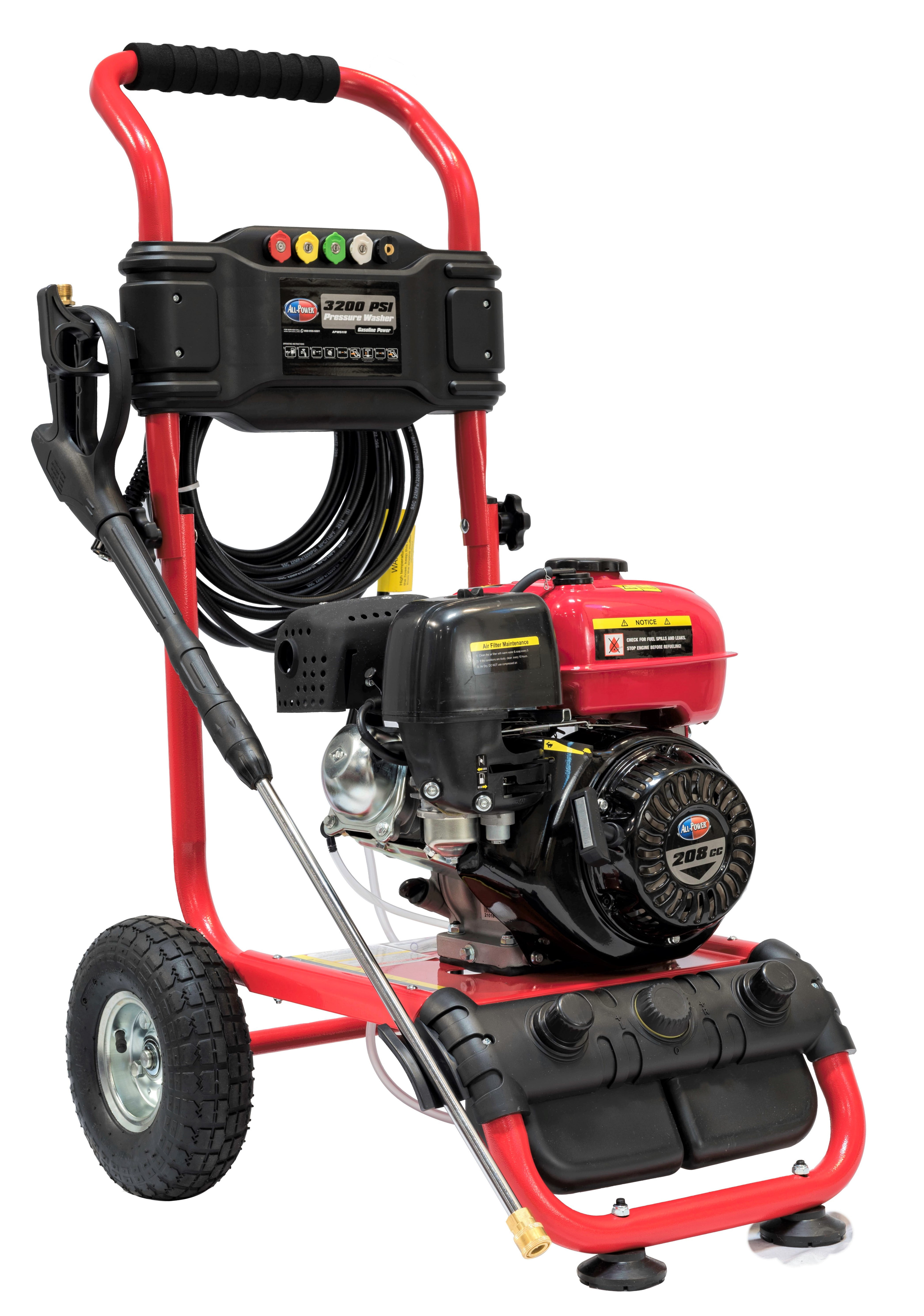
7. **Pressure Washer**
For many home garages, the realm of vehicle maintenance often extends beyond the immediate needs of the car itself, reaching into broader cleaning and upkeep tasks. This is where a robust pressure washer truly shines, acting as a transformative tool that dramatically redefines how you tackle the most stubborn grime. It’s not just for specialized automotive parts; it’s a powerful ally for general maintenance and a game-changer for outdoor cleaning, turning laborious scrubbing into a surprisingly satisfying and swift operation.
With the ability to convert your standard home water supply into a high-pressure stream, these machines are adept at stripping away years of built-up dirt, mildew, and challenging deposits from a myriad of surfaces. Whether it’s revitalizing your grimy driveway, sprucing up weather-beaten decks and patios, or gently cleaning your vehicle’s exterior, the versatility of a pressure washer is astounding. The key lies in selecting the appropriate spray nozzle and pressure setting, allowing it to adapt from heavy-duty tasks to more delicate applications like washing your car safely and effectively.
When considering a pressure washer, a primary decision involves choosing between a gas engine and an electric motor. Electric models offer a “plug-and-play” convenience, are quieter, require minimal maintenance, and are perfect for lighter-duty tasks on wood, synthetic decks, outdoor furniture, and siding. Gas-powered units, while typically more expensive and requiring regular maintenance like oil changes and spark plug checks, deliver superior power for heavy-duty cleaning, enabling them to tackle thick mud from equipment or reach higher surfaces with greater force.
Understanding the tool’s capabilities through its water pressure (PSI) and water output (GPM) is also crucial for making the right choice. PSI measures the force of the water exiting the nozzle, with lower PSI (under 2000) suitable for vehicles and grills, medium PSI (2000-2700) for home siding and decks, and higher PSI for heavy-duty tasks like mildew or grease removal. GPM, or gallons per minute, indicates the volume of water, which is vital for rinsing away debris and soap effectively. The combined consideration of both PSI and GPM determines the overall cleaning effectiveness and ensures you select a machine perfectly matched to your specific cleaning ambitions.
Read more about: DIY Disaster: 15 Home Improvement Products You Should Never Buy Off the Shelf—Why Risk It?
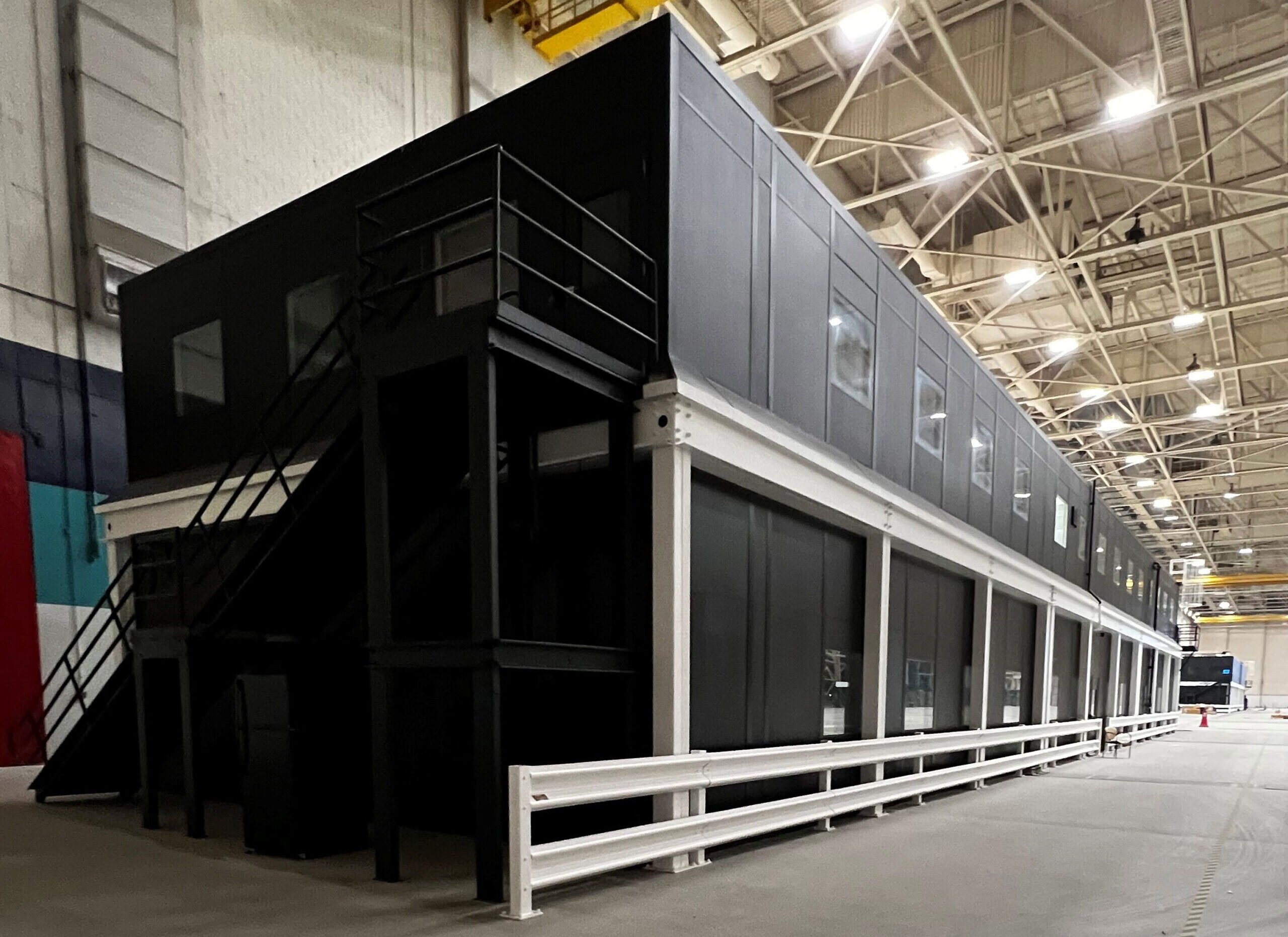
8. **Modular Tool Storage Workbench Cabinet**
While the focus often falls on the wrenches and diagnostic devices, the unsung hero of any efficient home garage is a well-organized workspace. Far beyond mere aesthetics, a systematic setup, anchored by comprehensive storage, directly impacts productivity and safety. This is precisely why a modular tool storage workbench cabinet is not just a luxury, but an essential “advanced garage enhancement” that elevates your entire operation, combining critical functionality into one robust solution.
Take, for instance, the Husky Modular Tool Storage Workbench Cabinet, a prime example of intelligent design. This unit seamlessly merges a substantial work surface with extensive storage capabilities. Its generous 52-inch by 20-inch worktop provides ample space for part assembly, tool layout, and various repair tasks, ensuring you’re not constantly searching for a flat surface. What makes it particularly modern and convenient are the integrated power outlets and USB ports within the drawers, eliminating cable clutter and keeping your charging devices or corded tools powered without creating a tangled mess across your work area.
Built with an all-welded 21-gauge steel frame, this cabinet is designed for durability, capable of supporting a remarkable 1,500-pound total weight capacity on its workbench. Its ten drawers are engineered to each hold up to 100 pounds, offering robust storage for a vast array of tools and components. Furthermore, the inclusion of 5×2-inch casters and a large push handle means this substantial unit maintains excellent mobility. You can effortlessly reposition your entire workstation to where the task demands, adapting your garage layout for maximum efficiency and comfort, whether you’re working on an engine or a household DIY project.
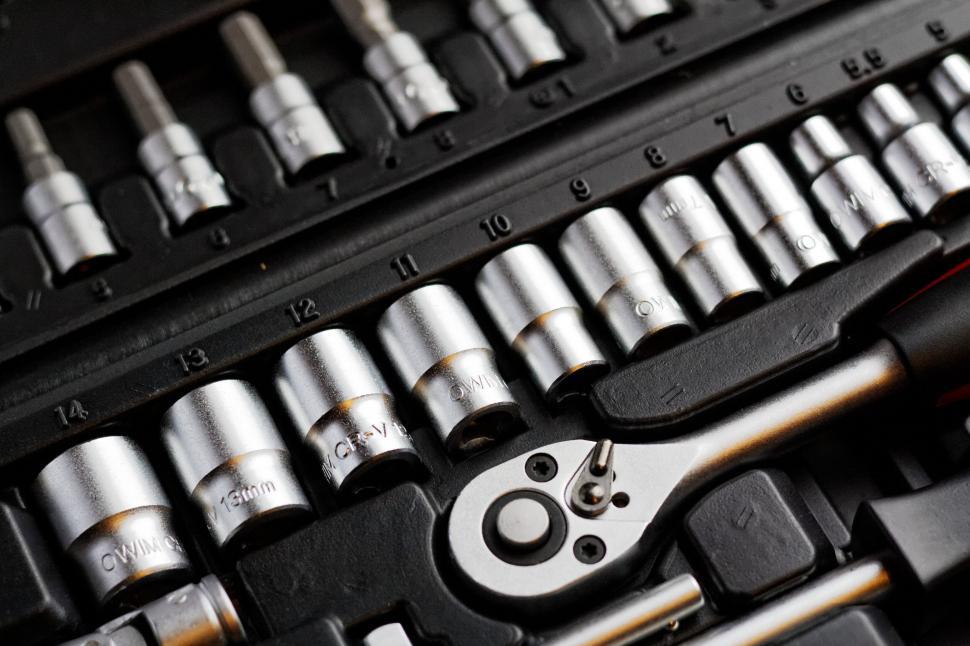
9. **Comprehensive Ratchet and Socket Set**
While a basic socket wrench is indispensable for routine tasks like an oil change, any serious DIY mechanic knows that the depth and breadth of their fastening capabilities truly expand with a comprehensive ratchet and socket set. This is an upgrade from merely having “a” socket wrench to possessing an entire “arsenal” that can tackle nearly every bolt, nut, and fastener encountered on a modern vehicle. Such a set becomes a ubiquitous sight in any home or professional auto garage for good reason: versatility and reliability.
Consider a robust option like the Milwaukee ¼-Inch, 3/8-Inch, and ½-Inch Drive SAE/Metric Ratchet and Socket Set Combo Kit. This impressive 153-piece collection isn’t just about quantity; it’s about providing elite coverage across a vast spectrum of fastening and part removal needs. It features a ratchet handle for each of the three primary drive sizes, ensuring you always have the right leverage and control. Crucially, each case also houses a comprehensive selection of both SAE and metric sockets, along with extension bars and other adaptability accessories, including both standard and deep-well sockets. This extensive range means you’re prepared for virtually any fastening challenge, from delicate engine components to heavy-duty suspension bolts.
For newer mechanics, this type of combo kit serves as an exceptional starter kit, equipping them with fundamental tools that will serve them for years. For seasoned auto repairers, it’s an invaluable supplement, adding redundancy to their existing collection and preventing workflow disruptions caused by lost, damaged, or rounded sockets. Having multiple sets or individual sockets stored in different locations—be it a workbench drawer, a mobile cart, or a rolling creeper—can significantly speed up processes. The solid durability and total coverage offered by a well-regarded brand ensure that this investment will withstand the rigors of frequent use, proving its worth job after job.
Read more about: The Mechanic’s Guide to Silencing Your Dashboard Squeak: A 10-Minute Fix You Can Do at Home

10. **Rolling Creeper Seat**
Working on vehicles often means contorting into uncomfortable positions, kneeling on hard concrete, or constantly getting up and down, which can quickly lead to fatigue and back strain. This is where the simple yet ingenious rolling creeper seat transforms your under-vehicle work into a far more comfortable and efficient experience. It’s an indispensable piece of “comfortable workspace equipment” that allows mechanics to access low areas with an ease and ergonomic advantage unmatched by traditional methods.
The Skyshalo Mechanics Stool Rolling Creeper Seat exemplifies how thoughtful design enhances practicality. This seated solution features four-inch rubber casters, engineered to provide smooth, effortless rolling across your garage floor. The smart configuration of two locking and two non-locking casters offers the perfect balance: allowing free movement when navigating under a vehicle, static immobility when you need a stable platform, or a subtle, controlled shift when focusing on a specific area. Furthermore, the thick sponge cushion, complemented by a curved geometry, ensures enhanced comfort during extended periods, minimizing discomfort and keeping you focused on the task at hand.
What truly elevates this creeper seat from a mere stool to a vital workshop accessory is its integrated storage. Built with a slot-in design, it cleverly incorporates a pair of partition storage trays on either end of the seat, along with a large pull-out storage drawer in the middle. This intelligently designed space keeps an array of tools, fasteners, or even a can of WD-40 within arm’s reach. This immediate accessibility means you won’t have to interrupt your repair to hunt for a misplaced component, thereby streamlining your workflow, boosting efficiency, and allowing you to remain in the zone until the job is done.
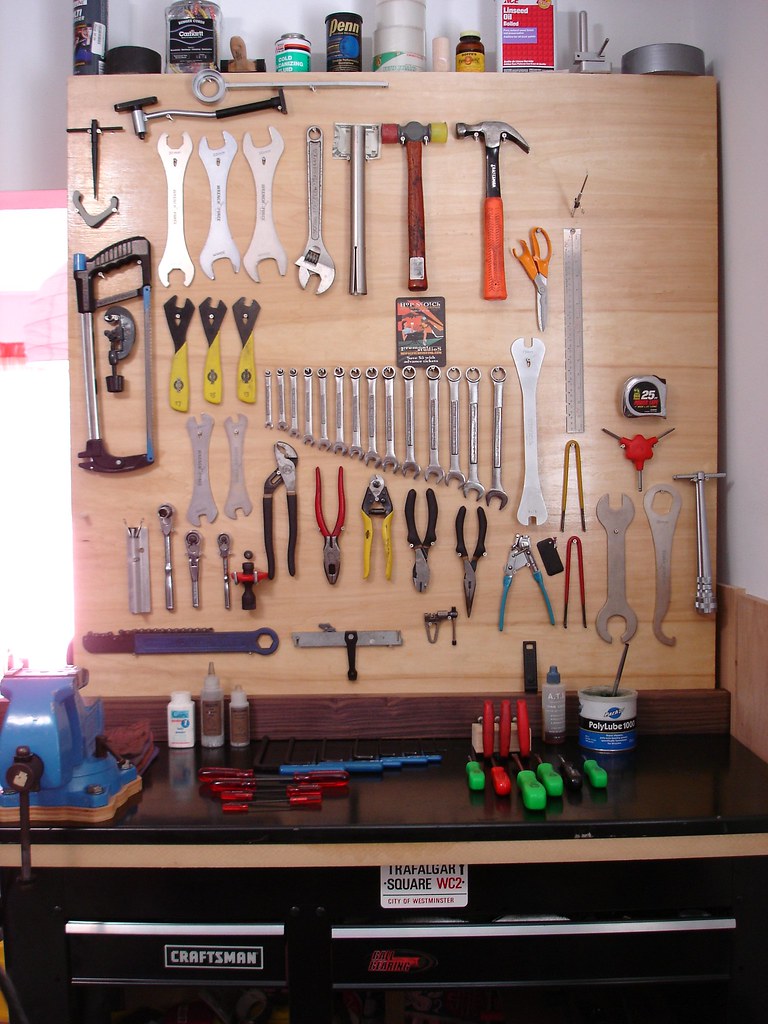
11. **Portable Work Bench Shop Light**
Even the brightest garage can suffer from poor illumination precisely where it’s needed most: deep within an engine bay, under a lifted vehicle, or tucked away in a wheel well. Overhead lights often cast shadows, and natural light rarely penetrates into the intricacies of automotive components. This consistent challenge makes a dedicated portable work bench shop light an absolutely “critical inspection instrument” and a fundamental component of any truly functional workspace. It ensures that every detail, no matter how small or hidden, is clearly visible, directly impacting the accuracy and quality of your work.
The best work lights for mechanics offer a blend of intense brightness, versatile positioning, and additional functional features. The Stanley 1,000 Lumens Portable Work Bench Shop Light is a prime example, providing powerful, localized illumination where standard lighting fails. While its compact frame lends itself to mobility, allowing it to be easily repositioned, its true strength lies in providing a high degree of brightness and functional value in a stationary working position, such as on a workbench or near the vehicle. This concentrated light source cuts through shadows, illuminating the workpiece with precision.
Beyond its core lighting capability, this unit distinguishes itself with integrated features designed to enhance productivity. It includes a built-in power strip, a remarkably practical addition that allows you to directly plug in charging equipment for power tools, smartphones, or even other corded tools right at your workbench. Additionally, thoughtful storage spaces on either end of the illumination source provide convenient spots for frequently used small hand tools, keeping them organized and accessible. An adjustable design with a backlit power switch further adds to its user-friendliness, making it an indispensable asset for any mechanic focused on detail and efficiency.
Read more about: The Shifting Gears of Car Care: Navigating Rising Costs and the Empowering Rise of the DIY Mechanic

12. **Car Battery Tester**
One of the most common pitfalls car owners face is the uncertainty surrounding battery health, leading either to premature and unnecessary replacements or, conversely, waiting until a dead battery leaves them stranded. For the DIY mechanic, owning a reliable car battery tester is an empowerment tool that provides crucial “accurate and truthful information,” directly translating into significant savings and peace of mind. It’s a small investment that can prevent the frustration and expense of an unexpected tow or an unwarranted purchase, as highlighted by one mechanic’s experience with a service center.
Modern battery testers go far beyond simply checking voltage; advanced models, like the TOPDON TB6000Pro, offer a suite of functionalities vital for both home and professional use. Such testers can charge a wide range of 6V and 12V lead-acid and Li-ion battery types, often including a sophisticated “repair” mode with customizable charging steps that you can monitor in real time. Crucially, they perform comprehensive charging and cranking tests, providing data that can be saved and stored, offering invaluable diagnostics. This capability is exceptionally useful for monitoring stored batteries, verifying the condition of new batteries upon delivery, reviving poor-health batteries for secondary uses, or even assessing a used car’s battery health before a purchase.
When choosing a battery tester, consulting expert reviews, like those from Project Farm, can guide you toward reliable options. Their tests recommend models such as the Ancel BA101 ($32), AUTOPHIX BAS100 ($48), TOPDON BT100 ($59), and Foxwell BT-705 ($117) for their robust performance. While these testers primarily focus on health assessment, a slightly higher investment, perhaps around $50 more, for a model similar to the TOPDON TB6000Pro that also offers comprehensive charging functionality, provides a significantly more versatile and problem-solving tool for your home garage. This extra capability ensures you’re not just diagnosing issues, but also actively managing and maintaining your vehicle’s power source.
Read more about: The 2025 Lemon List: 14 Cars to Avoid That Mechanics Already Dread Seeing
Equipping your home garage with these essential tools transforms it from a mere parking spot into a fully capable workshop. From the foundational items critical for a smooth oil change to advanced diagnostics and powerful cleaning solutions, each tool discussed empowers you to approach automotive maintenance with confidence and precision. Embracing these additions means not only saving money and gaining a deeper understanding of your vehicle but also enjoying the profound satisfaction that comes with mastering mechanical tasks yourself. So, invest wisely, get hands-on, and enjoy the journey of becoming a truly competent DIY mechanic!