Automotive history is littered with models that, at launch, were anything but triumphs. They faced a barrage of criticism—from poor engineering and questionable aesthetics to catastrophic reliability—earning them widespread derision and often becoming synonymous with commercial failure. Yet, in the curious world of car collecting, time has a strange way of re-evaluating these automotive pariahs. What was once universally panned can, decades later, become a coveted curiosity, a testament to a unique moment in design or engineering, or simply a rare survivor of a forgotten era.
This isn’t just about nostalgia; it’s about the deep dive into why certain cars failed so spectacularly, how their flaws contributed to their legend, and what makes them intriguing enough for enthusiasts to seek them out today. From infamous safety hazards to stylistic blunders and mechanical nightmares, these vehicles embody stories of ambition, misjudgment, and the unforgiving nature of the marketplace. They are the underdogs, the cautionary tales, and sometimes, the unexpected darlings of a niche collecting scene.
Join us as we journey through the annals of automotive infamy, shining a spotlight on 13 car models that were once considered the absolute worst. We’ll peel back the layers of their initial failures and explore how, against all odds, they’ve navigated the rocky road from widespread scorn to becoming unlikely collector’s items, proving that even the most reviled machines can find their moment in the sun.
1. **Triumph Mayflower (1949–53)**The Triumph Mayflower, produced from 1949 to 1953, was an ambitious attempt by Triumph to craft a luxury small car, primarily targeting the discerning US market. It integrated components from the Standard Vanguard and featured a motor based on the Standard Ten. However, its most glaring characteristic was a body design that, while drawing inspiration from prestigious Rolls-Royce and Bentley limousines like the Silver Dawn, proved disastrous in its scaled-down form.
The outcome was a vehicle whose proportions were widely considered “rather odd” and visually jarring. This aesthetic misstep, combined with a surprisingly heavy body, meant the small motor rendered the car “underpowered and slow,” struggling to reach a top speed of 63 mph (101 km/h). James May famously labeled it “the ugliest car ever built,” articulating that “Its details are ugly, its overall proportions are ugly, its very concept – as a car to appeal to Americans who believed they were directly descended from the Pilgrim Fathers – makes one shudder.”
Further criticism poured in, with Stuff.co.nz describing it as looking “like the misshapen out of scale miniature of the larger, more elegant Renown model, viewed in the distorted reflection of a fairground mirror.” Its inclusion in multiple “worst cars ever sold” lists solidified its infamous reputation. Despite such widespread initial derision, the Mayflower’s unique, almost comical, styling and its historical context as a bold but failed transatlantic venture have given it a peculiar charm among collectors, who value its distinctive place in post-war automotive eccentricity.
Read more about: 16 Legendary Car Flops: The Vehicles Nobody Wanted
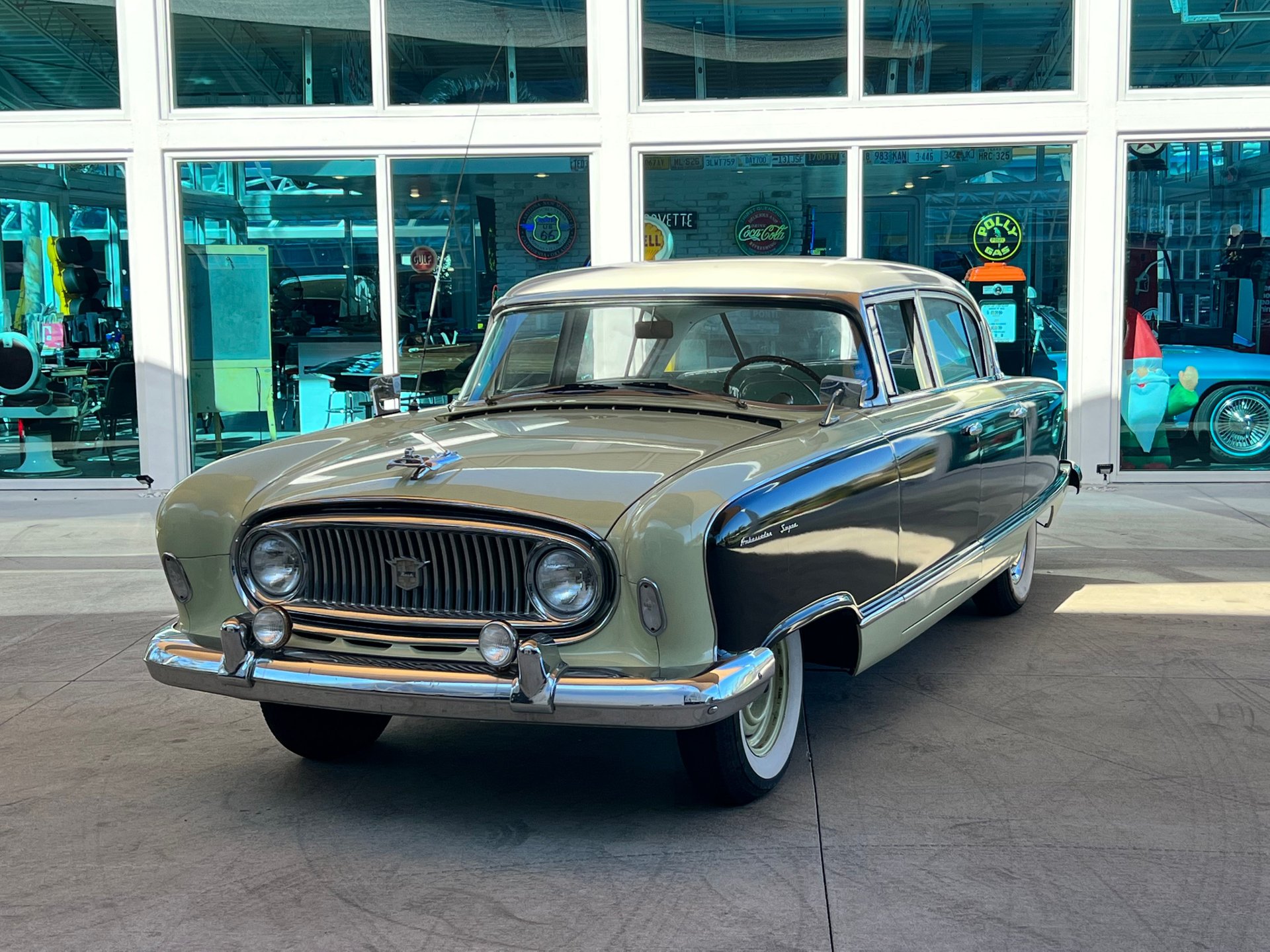
2. **Nash/Austin Metropolitan (1954–62)**The Nash Metropolitan, launched in 1954, marked an early foray by a U.S. carmaker into the compact segment, envisioned as a luxurious “second car” for the American public. Main developer George Mason intended it as “a big car in miniature.” Notably, it was one of the first cars specifically marketed towards women, advertised as “a motorized shopping cart for affluent urban gals.” Produced entirely by British Austin Motors, it was a transatlantic collaboration with high hopes.
Despite extensive marketing, the Metropolitan failed commercially in the U.S., hampered by “poor performance, poor handling, poor reliability,” and a market shifting towards larger cars. It also struggled in Europe. Critics like Brian Sewell of The Independent called it “one of the nastiest cars ever built,” while Stuff.co.nz dismissed it as “an abject failure being the worst of both worlds.” Money Inc. declared it “One of the biggest bombs in automotive history.”
Yet, the story doesn’t end there. Against its initial failure, the Metropolitan has garnered a surprising cult following. An enthusiastic community of owners in North America and Europe now preserves these cars, driving collector’s prices to nearly three times their original cost. This transformation from a commercial flop to a quirky, desirable collector’s item highlights its unique appeal and historical significance as an audacious, albeit flawed, automotive experiment.
Car Model Information: 1957 Nash Metropolitan
Caption: 1957 Metropolitan
Name: Metropolitan
Manufacturer: Austin Motor Company
Aka: Hudson Motor Car Company,American Motors,Austin Metropolitan
Production: October 1953–April 1961
ModelYears: 1954–1962
Assembly: Longbridge plant,Birmingham,West Midlands (county)
Class: Economy car,Subcompact car
BodyStyle: hardtop,convertible
Layout: FR layout
Engine: {{convert,1200,cc,L,lk=on,abbr=on,BMC B-Series engine,Inline-four engine
Abbr: on (base)
Transmission: Manual transmission
Wheelbase: 85 in
Length: 149.5 in
Width: 61.5 in
Height: 54.5 in
Weight: convert
Designer: William J. Flajole
Categories: 1960s cars, All articles with unsourced statements, Articles with short description, Articles with unsourced statements from July 2008, CS1 German-language sources (de)
Summary: The Nash Metropolitan is an American automobile assembled in England and marketed from 1953 until 1962.
It conforms to two classes of vehicle: economy car and subcompact car. The Metropolitan is considered a “subcompact”, but this category was not yet in use when the car was made. At that time, it was categorized as a “small automobile” as well as an “economy car”.
The Metropolitan was also marketed as a Hudson model when Nash and Hudson merged in 1954 to form the American Motors Corporation (AMC). The Nash and Hudson lines were phased out in favor of the Rambler line, and in 1957, the Metropolitan became a standalone brand and was badged with a stylized ‘M’ on hubcaps and grille. The cars were also sold in the United Kingdom and other markets.
Get more information about: Nash Metropolitan
Buying a high-performing used car >>>
Brand: Nash Model: Metropolitan
Price: $12,000 Mileage: 535 mi.
Read more about: 16 Legendary Car Flops: The Vehicles Nobody Wanted
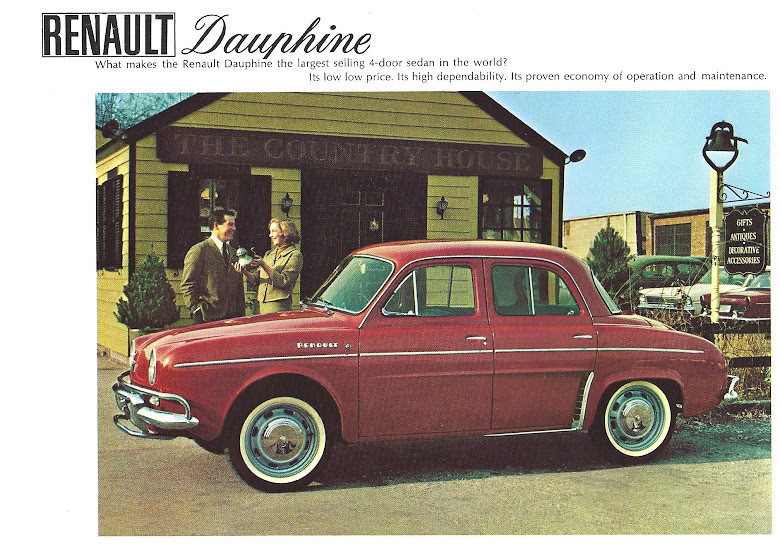
3. **Renault Dauphine (North American version) (1956–67)**The Renault Dauphine achieved considerable sales success in Europe, pioneering the modern economy car concept. However, its journey to the United States from 1956 to 1967 was met with an overwhelmingly negative reception, primarily due to “poor performance and poor reliability.” American drivers found its acceleration particularly wanting; a Road & Track review clocked its 0-60 mph sprint at a glacial 32 seconds, a figure that placed it at a “severe disadvantage in any drag race involving farm equipment,” according to Dan Neil.
Its mechanical shortcomings were exacerbated by an infamous vulnerability to rust. A 2008 article in The Independent noted that “one New York winter of driving on salt-strewn roads” could leave a Dauphine’s front wings “resembled net curtains.” This abysmal corrosion record, combined with slow performance, cemented its poor reputation. It landed on lists such as Autoblog’s “The 20 Dumbest Cars of All Time” and Time’s “50 Worst Cars of All Time,” with Neil memorably calling it “The most ineffective bit of French engineering since the Maginot Line.”
The Dauphine’s flaws were so pronounced that Renault apologized in American advertisements for its successor, the Renault 8, marketed as “The Renault for people who swore they wouldn’t buy another one.” It ranked 9th on Car Talk’s “Worst Car of the Millennium” poll. Despite its widespread condemnation and its historical role as a cautionary tale of mismatched automotive expectations between continents, the North American Dauphine is now appreciated by collectors for its distinctive place in automotive lore and its stark contrast to its European success.
Read more about: When Automotive Giants Stumble: Unearthing the Toxic Pasts of 14 Iconic Vehicles and Brands

4. **Trabant (1957–90)**The Trabant, introduced in East Germany in 1957 (P50) and 1963 (601), transcends being merely a car; it’s a profound symbol of East Germany’s planned economy and eventual collapse. Its defining characteristics included an “outdated and inefficient two-stroke engine” known for “poor fuel economy, low power output, and thick, smoky exhaust fumes,” alongside a body made of Duroplast due to steel shortages. These limitations meant long waiting lists and a vehicle often regarded with “derisive affection.”
Critically, the Trabant was lambasted globally. Time magazine named it one of the “50 worst cars of all time.” Dan Neil famously declared it the car “that gave communism a bad name” and “a hollow lie of a car constructed of recycled worthlessness,” noting how East Germans quickly abandoned them upon reaching West Germany after the Berlin Wall fell. Edmunds.com ranked it the 9th worst, stating, “it is one more reason why Communism is evil.”
Despite its abysmal reputation, and partly because of it, the Trabant has cultivated a strong cult following across reunified Germany. It became a cultural phenomenon, featured in films like “Go Trabi Go,” and is now a recognizable, nostalgic symbol of the bygone GDR era, cherished by “Ostalgie” enthusiasts. Collector clubs diligently maintain surviving examples, transforming this globally panned vehicle into a cherished piece of historical and cultural significance.
Read more about: 16 Legendary Car Flops: The Vehicles Nobody Wanted
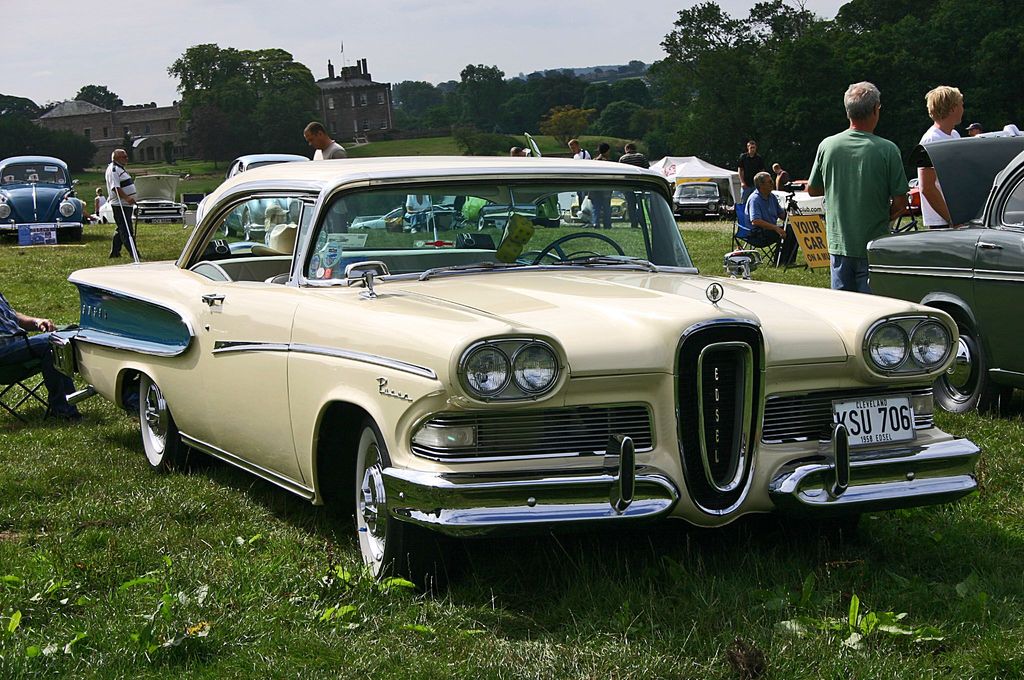
5. **Edsel (1958)**The Edsel, launched in 1958 and named after Henry Ford’s son, stands as American popular culture’s enduring symbol of commercial failure. Representing a $400 million investment by Ford to bridge the gap between its entry-level and Mercury brands, it was touted as “a radically different new car” packed with innovations like self-adjusting brakes. However, it largely recycled Ford and Mercury components, failing to deliver on its grand promises, leading to a financial flop estimated at $250 million to $350 million in losses.
Its striking, yet controversial, “horsecollar” grille became an immediate target of ridicule, often likened to a “toilet seat” or “an Oldsmobile sucking a lemon,” with tail lamps described as “ingrowing toenails.” Time magazine included it in its “The 50 Worst Cars of All Time,” with Dan Neil calling it “the first victim of Madison Avenue hyper-hype,” as buyers expected a “plutonium-powered, pancake-making wondercar” and received “a Mercury.” The Los Angeles Times called it “a redecorated Mercury that had been beaten with an ugly stick. The legendary flop of all automotive flops.”
Contrary to popular belief, its design was not the sole culprit; “bad marketing and bad build quality” from shared assembly lines, along with a coinciding U.S. recession pushing demand towards smaller economy cars, sealed its fate. While Edmunds.com ranked it the 7th worst, Eric Peters notably defended its mechanical soundness, stating, “at least the Edsel worked.” Today, the Edsel’s dramatic failure and unique design make it a prized collector’s item, a compelling testament to automotive ambition gone awry and a poignant piece of mid-century American history.
Car Model Information: 1958 Edsel Citation
BirthName: Edsel Bryant Ford
Caption: Ford in 1921
BirthDate: [object Object]
BirthPlace: Detroit, Michigan
DeathDate: [object Object]
DeathPlace: Grosse Pointe Shores, Michigan
Occupation: Automobile executive
Title: Ford Motor Company
Spouse: [object Object]
Parents: Henry Ford,Clara Bryant Ford
Relations: Edsel Ford II
Children: Henry Ford II,Benson Ford,Josephine Ford,William Clay Ford Sr.
Categories: 1893 births, 1943 deaths, 20th-century American businesspeople, All Wikipedia articles written in American English, All articles with dead external links
Summary: Edsel Bryant Ford (November 6, 1893 – May 26, 1943) was an American business executive and philanthropist, who was the only child of pioneering industrialist Henry Ford and his wife, Clara Jane Bryant Ford. He was the president of Ford Motor Company from 1919 until his death in 1943.
He worked closely with his father, as sole heir to the business, but was keen to develop cars more exciting than the Model T (“Tin Lizzie”), in line with his personal tastes. Even as president, he had trouble persuading his father to allow any departure from this formula. Only a change in market conditions enabled him to develop the more fashionable Model A in 1927. Edsel also founded the Mercury division and was responsible for the Lincoln-Zephyr and Lincoln Continental. He introduced important features, such as hydraulic brakes, and greatly strengthened the company’s overseas production.
Ford was a major art benefactor in Detroit and also financed Admiral Richard Byrd’s polar explorations. He died of stomach cancer aged 49. Henry Ford temporarily reassumed the presidency of Ford Motor Company on Edsel’s death, then Edsel’s eldest son, Henry Ford II, succeeded Henry as president of the company in 1945.
He was also a member of the board of directors of American IG, the American subsidiary of the German chemical conglomerate IG Farben.
Get more information about: Edsel Ford
Buying a high-performing used car >>>
Brand: Ford Model: Edsel
Price: Not Priced Mileage: 68,904 mi.
Read more about: 16 Legendary Car Flops: The Vehicles Nobody Wanted
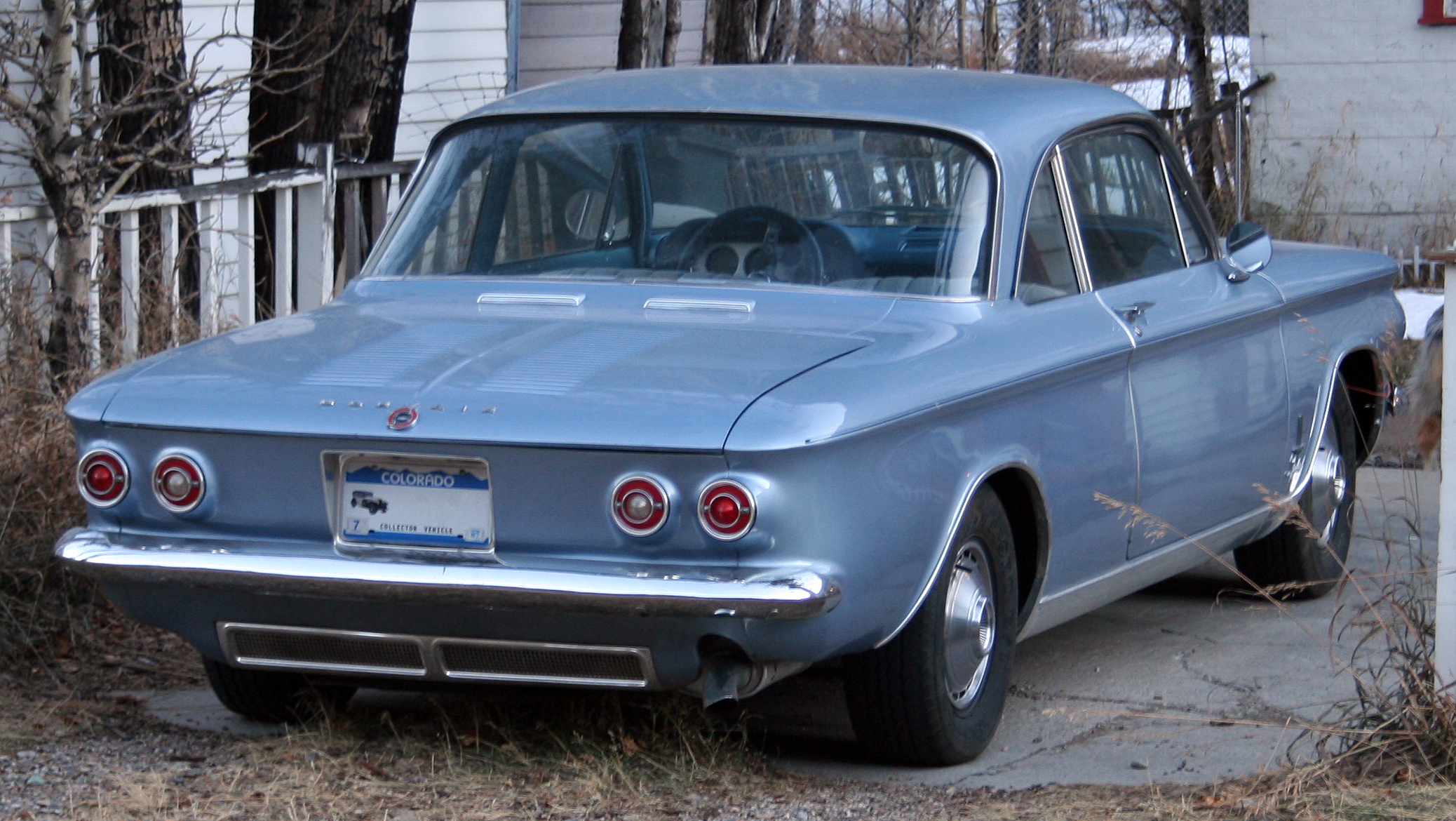
6. **Chevrolet Corvair (1960–64)**Initially lauded upon its 1960 launch, the Chevrolet Corvair was an innovative American compact with a distinctive rear-engine layout. However, its reputation quickly deteriorated due to a “swing-axle rear suspension” that caused “a high number of highway accidents among drivers not used to the Corvair’s unusual handling.” This fundamental safety flaw led to over 100 lawsuits against General Motors, igniting a national controversy.
The Corvair became the central focus of Ralph Nader’s groundbreaking 1965 book, “Unsafe at Any Speed,” which cast a harsh light on GM’s decision to “decline to include suspension upgrades on the 1960–63 model years that would have given the Corvair safer handling for cost reasons.” This corporate oversight, combined with GM’s attempts to discredit Nader, fueled public outrage and compounded the negative publicity. Both CNN and Time magazine listed it among the “Most Questionable” and “50 Worst Cars of All Time,” respectively.
Former GM executive John DeLorean and Ford President Lee Iacocca both affirmed Nader’s criticisms. Ironically, despite its controversy, the Corvair’s story was pivotal, leading directly to the founding of the National Highway Traffic Safety Administration (NHTSA) and mandatory safety testing in the U.S. Though ranked the 62nd worst by Edmunds.com, its profound impact on automotive safety legislation and its unique engineering have transformed the Corvair into a highly significant collector’s item, representing a crucial turning point in American automotive history.
Car Model Information: 1964 Chevrolet Corvair Monza
Caption: 1964 Chevrolet Corvair Monza
Name: Chevrolet Corvair
Manufacturer: Chevrolet
Production: July 1959
Platform: GM Z platform
Chassis: Unibody
ModelYears: 1960–1969
Assembly: United States,Kansas City, Missouri,Oakland, California,Van Nuys,St. Louis,Flint, Michigan,Belgium,Canada,Mexico,South Africa,Switzerland,Venezuela
Class: Compact car
Successor: Chevrolet Vega
Layout: Rear-engine, rear-wheel-drive layout
Categories: All Wikipedia articles written in American English, All articles lacking in-text citations, All articles needing additional references, All articles with dead external links, All articles with specifically marked weasel-worded phrases
Summary: The Chevrolet Corvair is a rear-engined, air-cooled compact car manufactured and marketed by Chevrolet over two generations from the 1960 through 1969 model years. The Corvair was a response to the increasing popularity of small, fuel-efficient automobiles, particularly the imported Volkswagen Beetle and American-built compacts like the Rambler American and Studebaker Lark.
The first generation (1960–1964) was offered in four-door sedan, two-door coupe, convertible, and four-door station wagon configurations. A two- and four-door hardtop, as well as a convertible, were available as second-generation variants (1965–1969). The Corvair platform was also offered as a subseries known as the Corvair 95 (1961–1965), which consisted of a passenger van, commercial van, and pickup truck variant. Total production was approximately 1.8 million vehicles from 1960 until 1969.
The name “Corvair” was first applied in 1954 to a Corvette-based concept with a hardtop fastback-styled roof, part of the Motorama traveling exhibition. When applied to the production models, the “air” part referenced the engine’s cooling system.
A prominent aspect of the Corvair’s legacy derives from controversy surrounding the handling of early models equipped with rear swing axles, articulated aggressively by Ralph Nader’s Unsafe at Any Speed but tempered by a 1972 Texas A&M University safety commission report for the National Highway Traffic Safety Administration (NHTSA) which found that the 1960–1963 Corvair possessed no greater potential for loss of control in extreme situations than contemporary compacts.
To better counter popular inexpensive subcompact competitors, notably the Beetle and Japanese imports such as the Datsun 510, GM replaced the Corvair with the more conventional Chevrolet Vega in 1970.
Get more information about: Chevrolet Corvair
Buying a high-performing used car >>>
Brand: Chevrolet Model: Corvair
Price: $29,988 Mileage: 74,787 mi.
Read more about: 16 Legendary Car Flops: The Vehicles Nobody Wanted

7. **Hillman Imp (1963–76)**The Hillman Imp, introduced in 1963, was heralded as a modern rival to the BMC Mini, boasting innovations like an all-aluminum engine block and versatile luggage space with a folding rear seat. Despite initial positive media attention, its aspirations quickly dissolved into commercial failure, largely due to a combination of an “underdeveloped design that was rushed into production” and severe “poor quality control” at its new Linwood plant.
Key criticisms included its anachronistic “rear engine, rear-wheel-drive layout” in an era dominated by front-wheel-drive small cars, alongside endemic reliability issues such as “frequent failure of gearboxes and water pumps, poor engine cooling,” and generally shoddy “production quality and panel fit.” These shortcomings prevented it from ever matching the Mini’s success and significantly contributed to the Rootes Group’s financial difficulties, leading to its takeover by Chrysler.
The Imp’s notorious reputation earned it a place on lists like “The Five Worst English Cars of All Time” and “The 20 worst European cars of all time,” with the Oxford Mail even featuring it in its “The worst car evah!” series. Despite remaining in production until 1976, its legacy is one of ambition marred by execution. Today, its distinct place as a flawed yet innovative competitor and a symbol of British Leyland’s struggles makes it a compelling, if tragic, piece of history for collectors fascinated by the stories of automotive endeavors.
Read more about: 16 Legendary Car Flops: The Vehicles Nobody Wanted
8. **Subaru 360 (North American version) (1968–70)**The Subaru 360, a success in its native Japan, found a dramatically different reception upon its 1968 arrival in America. Entrepreneur Malcolm Bricklin imported it, exploiting its lightweight design which exempted it from stringent US safety standards. Marketed with the slogan “Cheap and ugly does it!”, the $1,297 microcar was a bold, yet ultimately ill-fated, attempt to introduce a miniature vehicle to a market accustomed to larger, more robust cars. Its initial reception was, to put it mildly, hostile.
Critics savaged its performance and safety. Car and Driver derided it as “one of the ugliest cars in history” and “the most bulbous bubble ever.” Consumer Reports deemed it “unacceptably hazardous,” noting its glacial 37.5 seconds to reach 60 MPH and disastrous crash test results. Its bumpers were dismissed as “virtually useless,” leading to the famous verdict that it “was a pleasure to squirm out of the [car], slam the door and walk away.”
Imports ceased by 1970, leaving a glut of unsold units. Despite this commercial failure, the 360’s story is a crucial chapter in Subaru’s American narrative, representing its challenging, pioneering entry. Today, these rare survivors offer a fascinating glimpse into early Japanese imports and the evolution of automotive safety, transforming them into unique, quirky collector’s items—a testament to a specific, challenging moment in motoring history.
Car Model Information: 2021 Subaru Crosstrek Base
Name: Subaru 360
Aka: Subaru 450
Manufacturer: Subaru
Production: 1958–1971
Assembly: Subaru#Manufacturing facilities,Ōta, Gunma
Class: Microcar
BodyStyle: Sedan (car),cabrio coach,station wagon
Engine: List of Subaru engines#Two Cylinder,List of Subaru engines#Two Cylinder,List of Subaru engines#Two Cylinder
Length: 117.7 in
Abbr: on
Disp: flip
Width: 51.2 in
Wheelbase: 70.9 in
Height: 54.3 in
Weight: 900 lb
Successor: Subaru R-2
Doors: Suicide doors
Layout: RR layout
Related: Subaru Sambar
Designer: Shinroku Momose
Categories: 1960s cars, 1970s cars, Articles with short description, Cars discontinued in 1971, Cars introduced in 1958
Summary: The Subaru 360 is a rear-engined, two-door city car manufactured and marketed by Subaru from 1958 to 1971. As the company’s first mass-produced automobile, production reached 392,000 over its 12-year model run.
Noted for its small overall size, 450 kg (1,000 lb) curb weight, monocoque construction, swing axle rear suspension, fiberglass roof panel, and rear-hinged doors, the inexpensive car was designed in response to the Japanese government’s light car or Kei car regulations and its proposal for a larger “national car,” both intended to help motorize the post WWII Japanese population. The 360’s overall size and engine capacity complied with Japan’s Kei car regulations.
Nicknamed the “ladybug” in Japan, and ultimately superseded by R-2, the 360 was one of Japan’s most popular cars and was available in a single generation in two-door, station wagon (“Custom”), “convertible” (a sedan with a roll-back fabric roof) and sporting variants. The two-door sedans’ model code is K111, while the wagon is known as K142. Ten thousand were sold in the United States, imported by Malcolm Bricklin and advertised as “Cheap and Ugly.”
The nameplate 360 derived from its tax-limited engine displacement: 356 cc.
Get more information about: Subaru 360
Buying a high-performing used car >>>
Brand: Subaru Model: 360
Price: $21,000 Mileage: 51,370 mi.
Read more about: Are You Driving a ‘Jerk’ Car? 14 Vehicles With Bad Driver Reputations
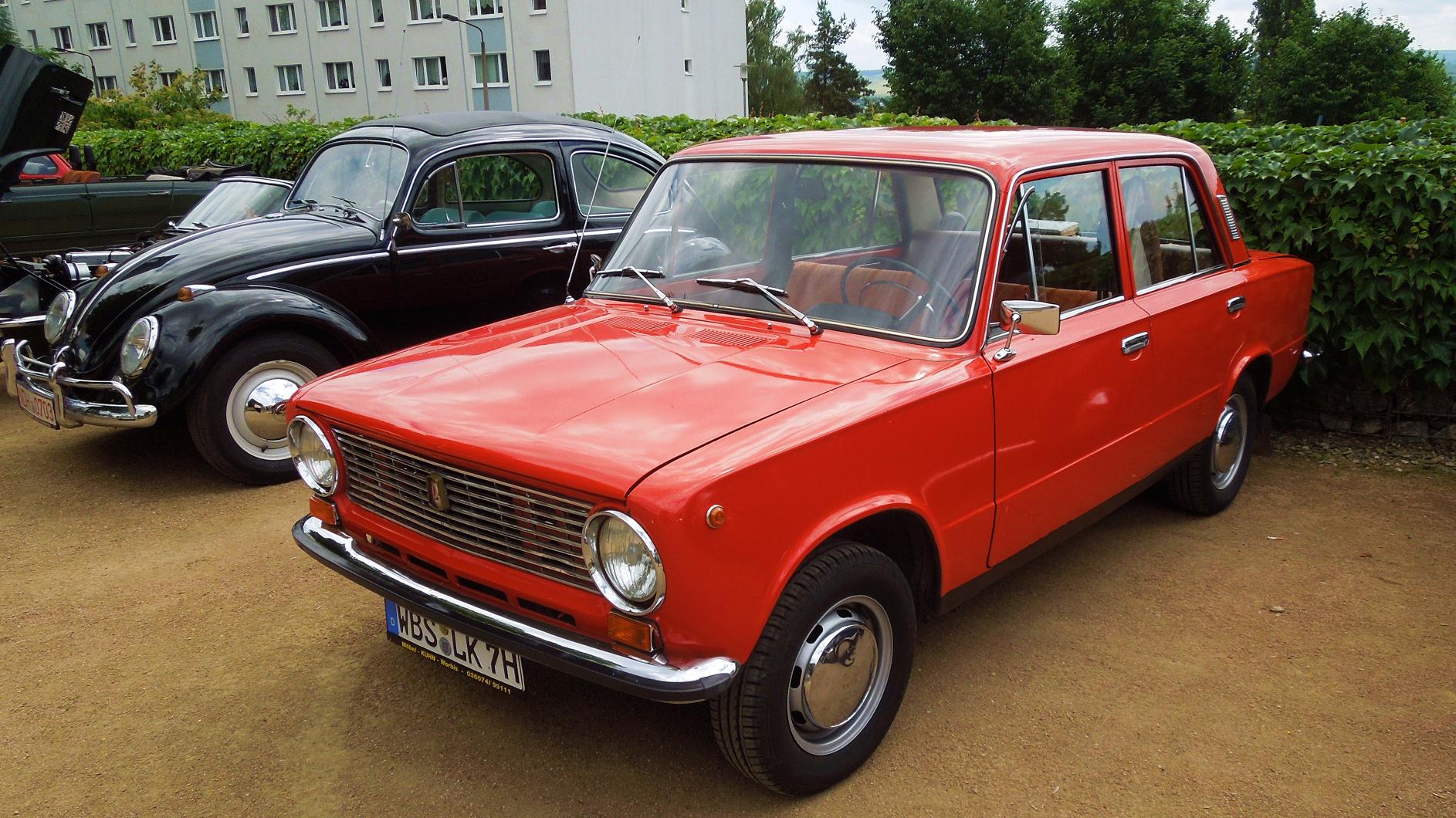
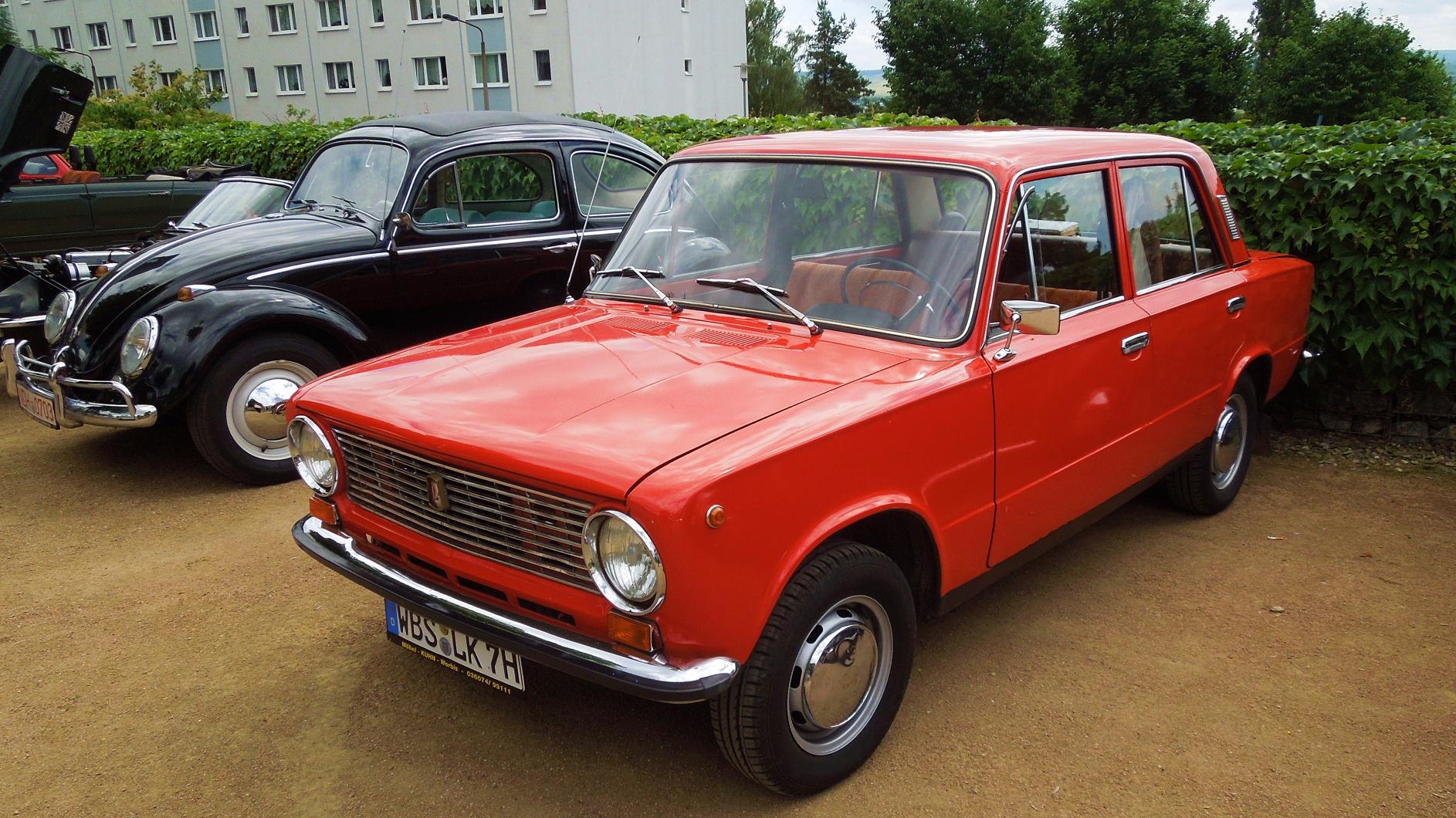
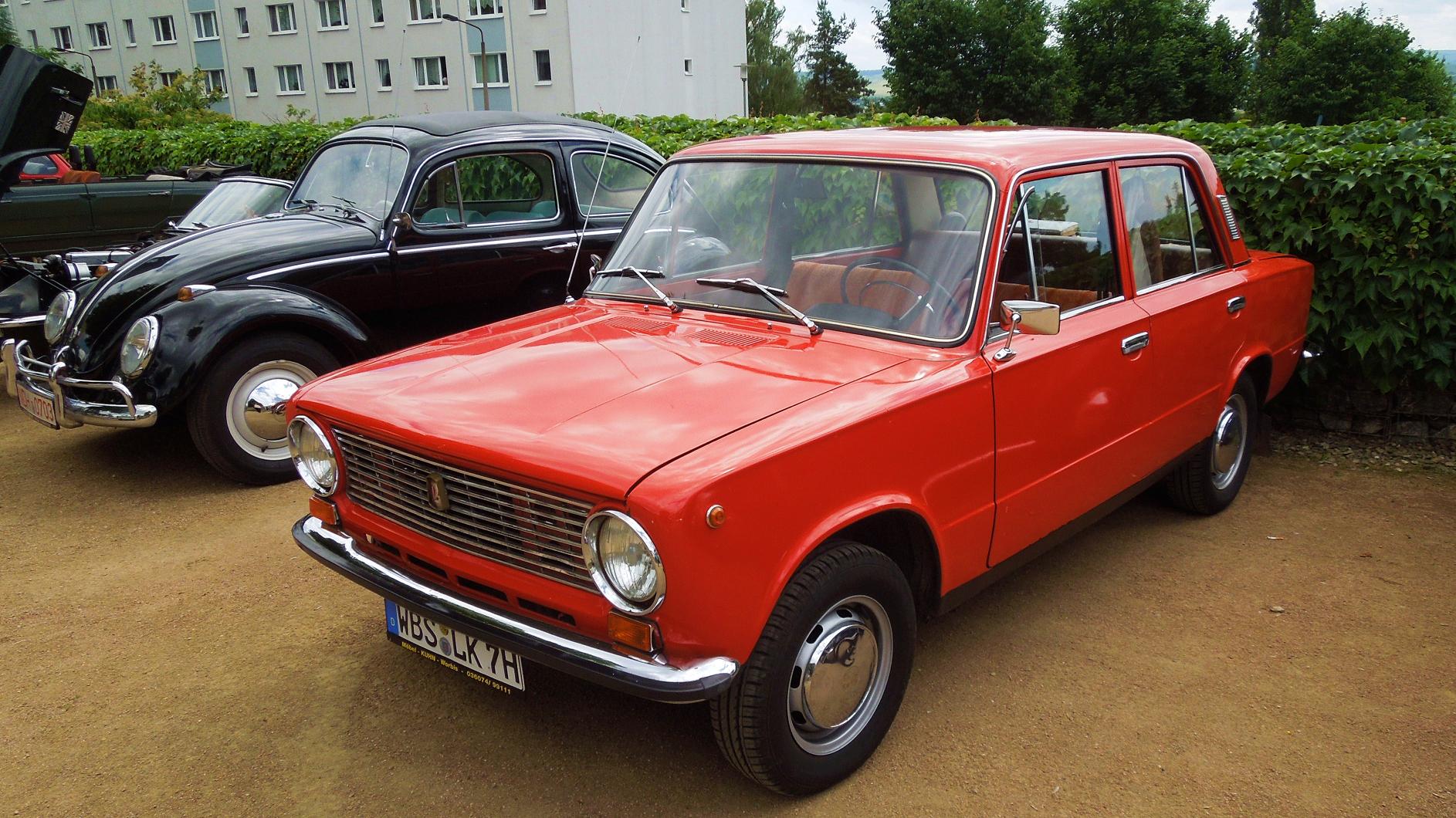
9. **VAZ-2101/Lada Riva/Zhiguli (1970–2013)**The VAZ-2101, known as the Lada in Western markets, presents an automotive paradox: an immensely popular model in the Soviet Union but widely ridiculed in the West. This ruggedized Fiat 124, designed for Eastern Bloc conditions, was fundamentally out of sync with Western expectations for performance and refinement. Its old-fashioned technical layout and poor build quality led to a barrage of negative critical reception.
Western automotive journalists were particularly scathing. Jeremy Clarkson famously branded it “simply the worst car in the world,” vividly detailing a harrowing driving experience. The Sunday Times and The Telegraph listed it among the “worst production cars,” highlighting its “poor to drive, uncomfortable and basic in the extreme” nature. Sellyourproblemcar.com called it an “all-round disaster” with “tank-like handling” and “negligible engine performance.” Clarkson, however, paradoxically admired its extreme resilience, likening it to a “cockroach” capable of surviving a “nuclear blast.”
Despite condemnation and withdrawal from Western European markets by 1997 due to dated designs, the Lada’s story is far from over. Astonishingly, it’s the third-best-selling car of all time, with an incredible 43-year production run. This longevity and its role as a cultural icon of Russia and the Soviet Union have solidified its status. Today, the Lada boasts a strong cult following, cherished by collectors not for luxury, but for its unparalleled historical weight, cultural significance, and legendary robustness.
Read more about: 16 Legendary Car Flops: The Vehicles Nobody Wanted

10. **AMC Gremlin (1970–78)**The 1970 AMC Gremlin, a bold yet controversial entry into the subcompact market, was a shortened AMC Hornet chassis with distinctive, often-polarizing styling and outdated technology. This attempt by American Motors to stand out was unique, but often drew negative attention, securing its legacy of derision.
Critics savaged its aesthetics and compromised engineering. Time magazine included it in its “50 worst cars,” with Dan Neil noting its design team “basically whacked off the rear of the AMC Hornet with a cleaver.” Beyond visuals, the Gremlin was slammed for its driving dynamics, described as “awful to drive” due to a heavy engine, “choppy, unhappy handling,” and “deprived” features like vacuum-operated wipers. It frequently landed on “worst cars” lists by CNN, Car Talk, and CNBC, with Eric Peters humorously highlighting its “distinctive ‘What happened to the rest of your car, buddy?’ look.”
Despite relentless criticism, the AMC Gremlin has found its way into collectors’ hearts. Its sheer audacity, unmistakable profile, and historical context as an underdog’s desperate gambit make it a compelling artifact of American automotive history. More than just a bad car, it’s a unique statement piece from a bygone era of independent manufacturing bravado, symbolizing a unique, challenging period for the industry.
Read more about: 16 Legendary Car Flops: The Vehicles Nobody Wanted

11. **Chevrolet Vega (1971–77)**The 1971 Chevrolet Vega initially seemed destined for triumph, earning critical acclaim and “Motor Trend Car of the Year,” becoming a best-seller. GM’s ambitious answer to compact car demand, it featured innovations like an aluminum block engine and new rustproofing. Yet, this promising start quickly unraveled as severe quality and reliability issues emerged, permanently tarnishing its reputation and legacy.
The Vega proved catastrophically vulnerable to corrosion and its aluminum engine suffered frequent premature failure, leading to an alarming scrapping rate where junkyards often refused them. Critics were brutal: Autoblog called it one of “The 20 Dumbest Cars,” stating it “proved the point that American car makers did not make good small cars.” It earned second place on Car Talk’s “Worst Car of the Millennium” and made Forbes’ “Worst Cars of All Time,” with Car and Driver noting it was often seen “puking out oily smoke” or being towed.
The Vega’s impact extended beyond customer dissatisfaction, becoming a critical case study in corporate missteps. Popular Mechanics pinpointed it as the catalyst for GM’s downward spiral, culminating in its 2009 bankruptcy. Its nearly 2 million sales meant “hundreds of thousands of buyers” experienced awful problems, pushing them towards Japanese alternatives. Today, the Vega, despite its notoriety, holds a significant place for collectors—a stark historical artifact embodying a crucial turning point in the American auto industry and a cautionary tale of manufacturing challenges.
Read more about: Buckle Up: These 12 American Cars Looked Cool, But Were an Absolute Nightmare to Own

12. **Ford Pinto (1971–80)**The Ford Pinto, launched in 1971, was initially a strong seller, but its reputation was irreversibly marred by a notorious design flaw: its fuel tank’s tendency to rupture and ignite in rear-end collisions. This critical issue transformed a popular economy car into an enduring symbol of corporate negligence, forever altering its public image and solidifying its place in automotive controversy.
The infamous “Pinto memo” became pivotal public evidence, appearing to show that Ford executives knew of the defect. This memo seemingly outlined a cost-benefit analysis where paying off lawsuits was deemed cheaper than a costly redesign, igniting widespread public outrage and critically questioning corporate ethics. Dan Neil, for Time magazine, captured the sentiment, noting the Pinto’s “rather volatile nature” and its propensity to “erupt in flame in rear-end collisions.”
“Flaming Pintos” became deeply ingrained in public consciousness, making the car inseparable from images of danger. This infamy led to negative rankings: Autoblog placed it #1 on “The 20 Dumbest Cars,” Car Talk ranked it third for “Worst Car of the Millennium,” and Edmunds.com included it among its “worst cars.” For collectors, the Pinto transcends its original purpose. It represents a powerful narrative in automotive history—a stark example of a product whose success was overshadowed by ethical questions and a devastating safety crisis, making it a profoundly significant, if infamous, collector’s item.
Car Model Information: 1980 Ford Pinto WAGON
Name: Ford Pinto
Caption: Ford Pinto
Manufacturer: Ford Motor Company
Aka: Mercury Bobcat
Production: September 1970 – July 1980
ModelYears: 1971–1980 (Pinto),1974–1980 (Bobcat)
Assembly: Edison, New Jersey,Milpitas, California
Designer: Robert Eidschun (1968)
Class: Subcompact car
BodyStyle: Sedan (automobile),sedan delivery,station wagon,hatchback
Related: #Mercury Bobcat (1974–1980),Ford Mustang (second generation)
Layout: Front-engine, rear-wheel-drive layout
Chassis: Unibody
Engine: unbulleted list
Abbr: on
Disp: Ford Cologne engine
Transmission: unbulleted list
Wheelbase: 94.0 in
Length: 163 in
Width: 69.4 in
Height: 50 in
Weight: convert
Predecessor: Ford Cortina#Mark II (1966–1970)
Successor: Ford Escort (North America)
Categories: 1980s cars, Articles with short description, Cars discontinued in 1980, Cars introduced in 1970, Commons category link from Wikidata
Summary: The Ford Pinto is a subcompact car that was manufactured and marketed by Ford Motor Company in North America from 1970 until 1980. The Pinto was the first subcompact vehicle produced by Ford in North America.
The Pinto was marketed in three body styles throughout its production: a two-door fastback sedan with a trunk, a three-door hatchback, and a two-door station wagon. Mercury offered rebadged versions of the Pinto as the Mercury Bobcat from 1975 until 1980 (1974–1980 in Canada). Over three million Pintos were produced over its ten-year production run, outproducing the combined totals of its domestic rivals, the Chevrolet Vega and the AMC Gremlin. The Pinto and Mercury Bobcat were produced at Edison Assembly in Edison, New Jersey, St. Thomas Assembly in Southwold, Ontario, and San Jose Assembly in Milpitas, California.
Since the 1970s, the safety reputation of the Pinto has generated controversy. Its fuel-tank design attracted both media and government scrutiny after several deadly fires occurred when the tanks ruptured in rear-end collisions. A subsequent analysis of the overall safety of the Pinto suggested it was comparable to other 1970s subcompact cars. The safety issues surrounding the Pinto and the subsequent response by Ford have been cited widely as business ethics and tort reform case studies.
Get more information about: Ford Pinto
Buying a high-performing used car >>>
Brand: Ford Model: Pinto
Price: $5,951 Mileage: 107,000 mi.
Read more about: 16 Legendary Car Flops: The Vehicles Nobody Wanted

13. **Morris Marina (1971–80)**The Morris Marina, launched in 1971 by British Leyland, aimed to rival the successful Ford Cortina. However, rushed development and budget constraints meant heavy reliance on outdated parts, including a 1948 Morris Minor front suspension and 1950s engines. This rendered the Marina dated from inception, especially against the more sophisticated Ford Cortina MkIII, which launched concurrently.
From its release, the Marina was plagued by criticism for poor performance, styling, handling, and build quality. Early models even had a dangerous front suspension flaw, though quickly corrected. Jeremy Clarkson famously quipped it “cost 40 million pounds to develop, which since it was meant to be hopeless, was too much,” and mocked its “medieval hand cart” rear suspension. Its shortcomings became a running gag on Top Gear, where destroying Marinas was a popular segment, cementing its place on “worst cars” lists.
Yet, despite widespread critical panning, the Morris Marina achieved a remarkable paradox: it was one of Britain’s best-selling cars throughout its production life, peaking at second in 1973. Over 1.2 million were built, making it British Leyland’s second-best-seller after the Mini. This surprising commercial success, juxtaposed with its technical deficiencies and critical disdain, makes the Marina a truly compelling collector’s item. As James May noted, at least one Marina should be preserved as “a warning from history,” highlighting its unique cultural and historical significance.
**Concluding Thoughts**
Read more about: Are You Driving a ‘Jerk’ Car? 14 Vehicles With Bad Driver Reputations
As our journey through automotive infamy concludes, it’s clear that “worst-selling” or “critical failure” is rarely the final word. These 13 cars, once derided, have each carved a distinctive niche in history. They powerfully illustrate how time and dedicated enthusiasts can re-evaluate even the most maligned machines, transforming them into coveted collector’s items. Whether for audacious, flawed designs, profound impacts on industry standards, or enduring cultural resonance, each vehicle tells a unique story. These automotive pariahs teach us that every car, regardless of initial reception, possesses a story worth preserving. In the world of collecting, infamy can indeed breed a unique form of immortality.