In the glitzy world of Hollywood, where fame and artistic expression often intertwine, actors are celebrated for their incredible ability to transform, to step into the shoes of characters so vastly different from themselves. It’s a craft that demands not just memorizing lines, but an immersive plunge into complex psyches, challenging storylines, and often, the darkest corners of human experience. We see the stunning performances, the awards, the applause, but rarely do we glimpse the hidden costs of such profound dedication.
Yet, for some, the lines between reality and role can blur in deeply unsettling ways, leaving a lasting imprint long after the cameras stop rolling. This isn’t just about a bad day at the office; it’s about channeling emotions, embodying trauma, or living in a mindset so intensely that it reshapes the actor’s own mental landscape. The commitment required to deliver truly iconic portrayals can, at times, push performers to their emotional limits, necessitating a journey of healing and self-discovery post-production.
In an industry that often expects perfection and resilience, a growing number of actors are bravely opening up about their experiences, revealing that sometimes, the only way to truly move on from a demanding role is to seek professional help. Their stories remind us that while the art is breathtaking, the human toll can be significant. Join us as we explore the experiences of these remarkable actors who found themselves needing therapy or intense mental health support to navigate the emotional aftermath of their most unforgettable performances.
.jpg/440px-Isabelle_Adjani_21102011103900_(cropped).jpg "Behind the Scenes: 14 Actors Who Found Healing in Therapy After Their Most Intense Roles")
1. Isabelle Adjani and the Unsettling Echoes of *Possession*
Isabelle Adjani delivered one of her most well-known and undeniably harrowing performances in the 1981 psychological horror film “Possession.” In this intense narrative, Adjani takes on the dual roles of Anna, a wife who confesses she wants a divorce but offers no explanation, and Helen, the teacher of her son. The complexity of Anna’s character, who spirals into a nervous breakdown, turns psychotic, and engages in a bizarre relationship with a hideous creature, demanded an extraordinary level of emotional and physical exertion from the actress.
This role was not merely a performance; it was an ordeal. Adjani herself revealed long after the film was shot that the experience had taken a heavy toll, leading her to seek therapy for several years. She candidly shared her belief that she developed post-traumatic stress disorder (PTSD) from working on “Possession,” a testament to the character’s profound impact on her psyche. The film’s director, Andrzej Żuławski, further underscored the intensity when he disclosed in a 2000 documentary that Adjani had even attempted to take her own life following her portrayal of Anna.
Even her co-star, Sam Neill, has spoken at length about the film’s demanding nature. On an episode of “Kermode and Mayo’s Film Review” in 2021, Neill starkly described it as “the most extreme film I’ve ever made.” He added, “He asked of us things that I wouldn’t and couldn’t go to now. I think I only just escaped that film with my sanity barely intact.” This collective testimony paints a vivid picture of a project that pushed everyone involved to their psychological brink, particularly Adjani, whose immersion led her down a path requiring extensive therapeutic intervention.

2. Lady Gaga’s Method Immersion in *House of Gucci*
Lady Gaga, primarily celebrated for her groundbreaking music career, has also made a significant mark in the acting world, notably with her breakout role in “A Star Is Born” and her television work on “American Horror Story.” However, it was her portrayal of Patrizia Reggiani in the 2021 film “House of Gucci” that truly showcased her commitment to method acting, a commitment that ultimately required external mental health support.
Gaga’s character, Patrizia, was a real woman convicted of orchestrating the murder of her husband, Maurizio Gucci, adding a layer of dark reality to the role. In an interview with Variety, Gaga openly discussed her deep immersion, stating, “I was always Patrizia” throughout the production. She maintained her Italian accent, not just on set, but in her daily life, sharing, “I was still living my life. I just lived it as her.”
This level of sustained immersion, while impressive, began to take a significant toll on her mental well-being. Gaga admitted, “I had a psychiatric nurse with me towards the end of filming.” She felt it was a necessary precaution, explaining, “I sort of felt like I had to. I felt that it was safer for me.” Reflecting on her intense dedication, she acknowledged, “I have a sort of romantic relationship with suffering for your art that I developed as a young girl, and it just sometimes goes too far. And when it does go too far, it can be hard to reel it in on your own.” Her transparency highlights the fine line between artistic commitment and personal vulnerability.

3. Dakota Johnson and Unpacking the Darkness of *Suspiria*
While many know Dakota Johnson best for her role as Anastasia Steele in the “Fifty Shades of Grey” trilogy, it was a very different, far darker part that led her to seek therapy. In 2018, Johnson starred as Susie Bannion in Luca Guadagnino’s remake of the cult horror classic “Suspiria.” The film follows Susie’s journey to a prestigious Berlin dance academy, which, unbeknownst to her, is run by a coven of witches, initiating a gruesome and supernatural odyssey of self-discovery.
The movie’s unsettling themes and horrific visuals undoubtedly had a lasting impact on its lead actress. In an April 2018 interview with Elle, Johnson candidly admitted that the film “messed with her ‘so much that [she] had to go to therapy’.” She elaborated on this during a press conference at the Venice Film Festival, as reported by Entertainment Weekly, explaining, “When you’re working sometimes with dark subject matter, it can stay with you… to talk to somebody really nice about it afterwards is a really nice way to move on from the project.”
Despite the psychological intensity of the material, Johnson was quick to clarify that the experience of making the film itself was, surprisingly, enjoyable. “It was the most fun and the most exhilarating and the most joyful that it could be,” she explained, reassuring fans that “it wasn’t that this film sent me to a ward, I just have a lot of feelings.” Her decision to seek therapy demonstrates a healthy approach to processing intense fictional narratives, recognizing that even positive work experiences can leave emotional residue that needs professional attention.

4. Michael B. Jordan’s Post-*Black Panther* Depression
Michael B. Jordan has captivated audiences in a range of significant roles, from “The Sopranos” and “Friday Night Lights” to headlining the “Creed” franchise. However, it was his acclaimed portrayal of the complex and villainous Erik Killmonger in Marvel’s 2018 blockbuster “Black Panther” that led him to explore the benefits of therapy. The role, which resonated deeply with audiences, also resonated deeply, and somewhat negatively, with Jordan himself.
While speaking with Oprah Winfrey on a “SuperSoul Sunday” segment, Jordan delved into the profound mindset he adopted to inhabit Killmonger’s character, and the subsequent difficulty he faced in shedding it. He shared, “I think just being in that kind of, that mind state, that real unapologetic … whatever all the time kind of, it caught up with me.” His dedication to the role involved intentionally putting himself in a “lonely place” during filming to fully channel Killmonger’s emotions, a choice that came with a personal cost.
After completing his work on the film, Jordan found himself struggling to readjust to his normal life and mental state. He admitted to Winfrey, “I got a little depressed.” The isolation he had imposed upon himself for the character made it challenging for him to accept love and connection post-filming. It was through “unpacking” these feelings in therapy that he was able to reframe his mind and move on from the emotional weight of Killmonger. “Honestly, therapy, just talking to somebody, was something that really helped me out a lot,” Jordan confessed, advocating that “everybody needs to unpack and talk.”
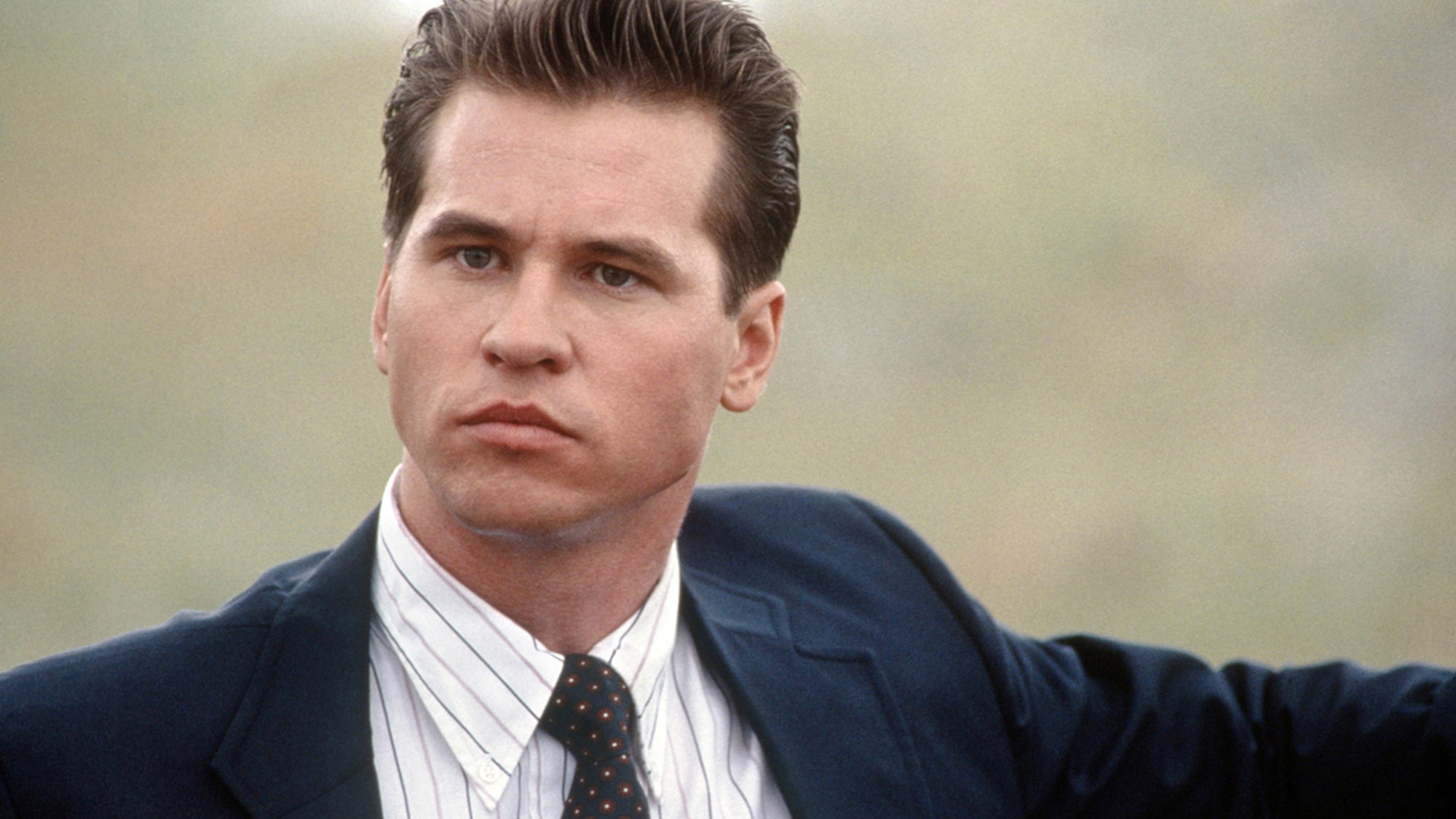
5. Val Kilmer’s Immersive Battle with Jim Morrison in *The Doors*
Val Kilmer, known for his diverse roles from Iceman to Batman, faced an unparalleled challenge with his portrayal of iconic singer Jim Morrison in the 1990 film “The Doors.” Kilmer’s commitment to the role pushed the boundaries of Method acting, as he sought to embody every facet of Morrison’s persona, a dedication that reportedly impacted his mental well-being long after filming concluded.
To fully transform into Morrison, Kilmer went to extraordinary lengths. He reportedly learned 50 songs for the movie and meticulously interviewed those closest to the late musician, including producer Paul Rothchild. He also drastically altered his physical appearance, telling The Washington Post, “I was dieting for months. I was down to about 158 [pounds].” This physical transformation was coupled with intense psychological immersion, with allegations that he even insisted the crew call him “Jim” during production, though he later denied asking the crew to avoid speaking to him.
The intense blurring of identity between actor and character left a lasting impression on Kilmer. In an interview with reporter Bobbie Wygant, he noted that after playing Morrison, he became “more committed to physical health” and “spiritual search.” It was later widely reported that Kilmer allegedly sought out therapy after finishing the film, an essential step to psychologically extricate himself from the intense grip of the character. This dramatic portrayal stands as a poignant example of how deeply an actor can become enmeshed in a role, to the point of needing professional guidance to reclaim their own identity.
Read more about: Val Kilmer, Versatile Actor and Enduring Presence, Dies at 65, Reflecting on a Career of Intensity and Artistry

6. Keira Knightley and the Traumatic Dawn of Fame from *Pirates of the Caribbean*
Keira Knightley is a household name today, but her rapid ascent to global stardom came with an unforeseen personal cost, largely triggered by her breakout role as Elizabeth Swann in the “Pirates of the Caribbean” franchise. Thrust into the intense glare of the Hollywood spotlight at a remarkably young age, Knightley has since openly discussed the profound impact this level of fame had on her and how she navigated its challenges through therapy.
In a 2018 interview with Variety, Knightley reflected on the tumultuous period, sharing, “I found that level of scrutiny and that level of fame really hard.” She emphasized her youth at the time, stating, “You’re in some ways still a child. It was traumatic, but it set up the rest of my career.” The sudden, overwhelming attention, coupled with the pressures of the industry, proved to be a significant emotional hurdle for the budding star, who openly admits to not being an extrovert by nature.
To process these intense experiences and adapt to the unique demands of fame, Knightley revealed that she underwent “many years of therapy.” This ongoing commitment to her mental health allowed her to eventually feel comfortable with her career and better equipped to handle the spotlight. Drawing from her own struggles, she now advocates for and mentors younger actresses, stressing the importance of kindness and support for young women in the industry, particularly those navigating the “very precarious age” when fame often strikes.

7. Kumail Nanjiani and the Echo Chamber of *Eternals* Reviews
The Marvel Cinematic Universe, while immensely popular, isn’t immune to critical division, and the 2021 film “Eternals” found itself at the center of such a storm. For actor Kumail Nanjiani, who portrayed the Eternal Kingo, the less-than-stellar reviews of the movie had a surprisingly profound and personal impact, leading him to seek therapy to cope with the public’s reaction to his work.
Nanjiani had been incredibly excited about “Eternals,” envisioning it as a significant opportunity given the director and fellow cast members attached to the project. However, the film’s critical reception, which resulted in a 47% rating on Rotten Tomatoes, proved to be “very, very tough” on him. He confessed on the podcast “Inside of You” that he became overly preoccupied with the negative feedback, admitting, “The reviews were bad, and I was too aware of it. I was reading every review and checking too much.”
This intense focus on external validation and the subsequent negative critical response began to take a considerable toll on Nanjiani’s mental health, and, by extension, on his wife. Recognizing the unhealthy spiral, he made the proactive decision to start therapy. He continues to attend therapy “basically every week,” even still discussing the impact of “Eternals” with his therapist. Through this consistent professional support, Nanjiani has learned a crucial lesson: that he “can’t control what people are gonna think of it,” allowing him to detach from the critical echo chamber and prioritize his own well-being over public opinion.

8. Austin Butler, Elvis
Austin Butler’s portrayal of Elvis Presley wasn’t just a role; it was an entire transformation, demanding years of intense preparation and complete immersion. His dedication to becoming the King of Rock and Roll was truly something to behold, captivating audiences and critics alike. He didn’t just play Elvis; he *became* Elvis, right down to the voice and mannerisms that define the legendary performer.
This deep dive into such an iconic figure, however, came with its own set of challenges that lingered long after the cameras stopped rolling. After production wrapped, reports circulated that Butler found it incredibly difficult to shed the character. Imagine living as someone else for so long that your own identity starts to feel a little hazy, a common hazard for actors who immerse themselves so fully in their craft.
The impact was so profound that Butler reportedly continued speaking with Elvis’s distinctive voice long after filming ended. This wasn’t a choice, but an involuntary continuation of the persona, showing just how deeply the role had integrated into his being. It highlights that even the most celebrated performances can leave a lasting, profound impact on the person behind the character.
As a result, Butler became one of the most notable actors who sought therapy, a crucial step to regain his own sense of self and emotionally unpack the immense experience. This journey of self-reclamation highlights the importance of mental health practices in Hollywood. It ensures actors can not only deliver unforgettable performances but also maintain their well-being afterward.
Read more about: The King’s Ransom: Unraveling the Tumultuous Life, Reign, and Enduring Legacy of Elvis Presley
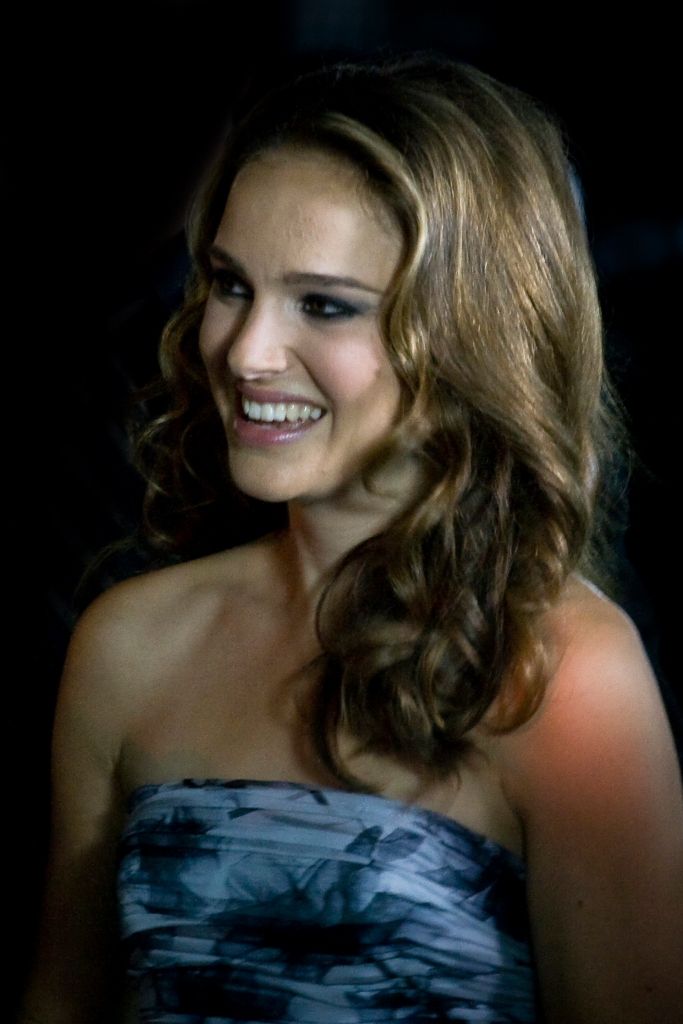
9. Natalie Portman, Black Swan
Natalie Portman’s stunning, Oscar-winning performance in “Black Swan” was a tour de force, but it wasn’t without its personal costs. Playing Nina Sayers, a ballerina obsessed with perfection, required an incredible level of dedication that went far beyond mere acting. This wasn’t just about portraying a character; it was about embodying a relentless, almost self-destructive drive to achieve an unattainable ideal.
To truly capture Nina’s world, Portman underwent months of grueling training, pushing her body and mind to their absolute limits. She dramatically lost weight and endured immense physical and mental exhaustion, truly becoming the fragile, perfection-obsessed dancer on screen. It’s a testament to her commitment, but also a stark reminder of the profound sacrifices actors sometimes make.
After filming wrapped, Portman candidly acknowledged how the intense boundaries between her own identity and Nina’s character began to blur. The extreme demands of the role left her feeling mentally and physically drained. She found that the emotional residue of Nina’s world lingered within her, making it hard to disengage.
Therapy, she revealed, proved instrumental in helping her navigate this blurred reality and ultimately regain her own sense of balance and self after such an all-consuming experience. It allowed her to disentangle herself from the character’s psychological grip. Her openness reminds us that even after reaching artistic pinnacles, the journey back to oneself can require professional guidance.
Read more about: Unpacking the ‘Why’: 12 Essential Reasons Directors Re-Shoot, Revise, and Reshape Key Scenes
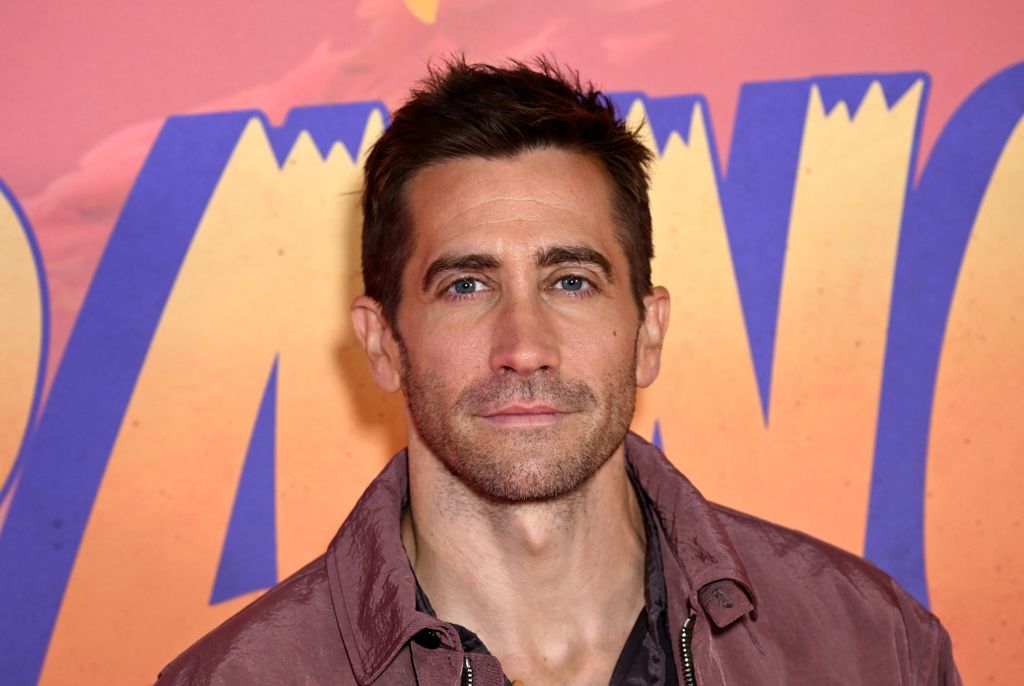
10. Jake Gyllenhaal, Nightcrawler
Jake Gyllenhaal’s portrayal of Louis Bloom in “Nightcrawler” was particularly intense and unsettling. He played a morally void, sociopathic freelance journalist driven by a perverse, opportunistic ambition that knew no ethical bounds. Gyllenhaal completely reshaped his body and mind to inhabit this disturbing figure, losing significant weight to achieve Louis’s gaunt, hungry look.
The physical transformation was striking, but it was the mental immersion that truly left its mark. Gyllenhaal delved deep into the psyche of a character who viewed human suffering as a commodity, an embodiment of relentless self-interest. He had to understand Louis’s twisted logic and insatiable drive, placing him in a very uncomfortable mental space.
Gyllenhaal later shared that the obsessive, emotionally detached nature of Louis Bloom wasn’t something he could simply turn off. This intense mindset stuck with him, manifesting in real-life struggles that affected his sleep and overall emotional well-being. Imagine living in that kind of head space for months; it’s bound to leave an imprint.
Recognizing this lingering impact, Gyllenhaal found that therapy was a vital tool in helping him shed the deeply ingrained mindset of the character. It allowed him to effectively process the emotional residue of the role and return to his authentic self. His experience underscores the critical importance of professional support when navigating such dark artistic endeavors.
Read more about: Behind the Buzz: 12 Casting Controversies That Ignited Hollywood Debates and Divided Audiences

11. Kate Winslet, The Reader
Kate Winslet’s Oscar-winning performance as Hanna Schmitz, a former Nazi guard in “The Reader,” was undoubtedly one of the most psychologically taxing roles of her career. Stepping into the shoes of such a morally complex and conflicted character required immense emotional commitment. Winslet delved into deeply disturbing historical and psychological territory.
The role demanded an exploration of guilt, complicity, and the profound internal struggles of someone grappling with a horrific past. She also portrayed a character who was both vulnerable and complicit in atrocities. Winslet had to inhabit the nuances of Hanna’s illiteracy and her desperate attempts to conceal it, adding another layer of complex psychological torment.
This wasn’t just about acting out scenes; it was about immersing herself in the moral ambiguity and the heavy emotional baggage that Hanna carried. The weight of such a portrayal can be staggering for any actor, especially one as dedicated and empathetic as Winslet. The questions of morality and humanity inherent in the role stayed with her.
After filming concluded, Winslet experienced intense feelings of guilt and emotional confusion. The character’s disturbing content left a tangible emotional residue, proving that some roles profoundly impact the performer. Her honesty made her one of the most prominent actors who sought therapy to process this emotional aftermath.
Read more about: Beyond the Golden Statuette: The Enduring Legacies of Oscar-Winning Actresses in a Changing Hollywood

12. Anne Hathaway, Les Misérables
Anne Hathaway’s Oscar-winning turn as Fantine in “Les Misérables” was a masterclass in emotional and physical commitment. Her portrayal of the destitute factory worker, forced into prostitution and degradation, was heartbreakingly raw and real. Achieving such profound authenticity came at a severe personal cost that she candidly spoke about.
Hathaway famously underwent a dramatic physical transformation, losing significant weight and enduring a public haircut on-camera. Beyond the physical, she immersed herself in scenes of intense suffering, despair, and degradation. This channeling of immense human pain and vulnerability, while celebrated, was incredibly draining on her psyche.
Living in Fantine’s desperate world for the duration of filming meant existing in a constant state of emotional anguish. Hathaway had to internalize the character’s relentless struggle for survival, profound grief, and ultimate sacrifice. This continuous engagement with such intense sorrow made it difficult to simply compartmentalize the experience.
Following the demanding production, Hathaway revealed that she struggled significantly to adjust back to her normal self. The emotional toll of portraying such intense suffering left a deep imprint, making it difficult to disconnect from Fantine’s pain. She openly relied on therapy as a crucial means to process the heavy emotional baggage and reclaim her own identity.
Read more about: Beyond the Red Carpet: Unpacking the Extreme Diets and Regimens of Actors for Their Most Demanding Roles

13. Adrien Brody, The Pianist
Adrien Brody’s Oscar-winning performance as Władysław Szpilman in “The Pianist” is legendary for its immersive method acting. To truly understand the realities faced by his Holocaust survivor character, Brody went to extraordinary lengths. He prepared physically and mentally in ways that profoundly impacted his personal life and well-being.
His commitment was absolute: he lost over 30 pounds, voluntarily gave up his apartment, sold most of his possessions, and lived in near-isolation. These drastic measures simulated the crushing loss and deprivation experienced by Szpilman. This allowed Brody to tap into an emotional depth that was both beautiful and deeply painful.
Living through a simulated version of such profound suffering meant immersing himself in a constant state of hunger, fear, and solitude. Brody had to internalize the physical and psychological toll of a survivor, pushing his own limits. This relentless dedication blurred the lines between his own identity and Szpilman’s harrowing experience.
The intense emotional depth of the role, coupled with his self-imposed isolation, left a lasting impression. After filming, he admitted trouble reconnecting with everyday life, feeling disoriented upon returning to normalcy. He described the role as “beautiful, but deeply lonely and painful,” underscoring why seeking help would be necessary for such a profound artistic journey.
Read more about: The Ultimate Cinematic Showdown: Are Your Favorites Among These 15 Unforgettable War Films?
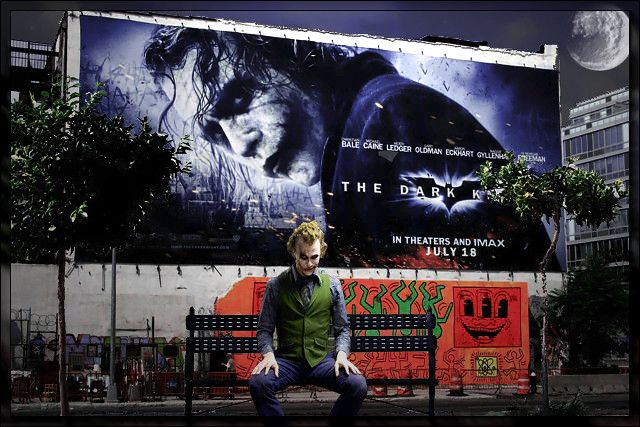
14. Heath Ledger, The Dark Knight
Heath Ledger’s unforgettable and posthumously Oscar-winning portrayal of the Joker in “The Dark Knight” remains one of cinema’s most iconic villainous performances. His commitment to transforming into Batman’s most twisted adversary was legendary, pushing the boundaries of method acting. This left an indelible mark on cinematic history and on Ledger himself.
To truly embody the anarchist clown prince of crime, Ledger famously isolated himself for weeks in a London hotel room. He meticulously kept a diary in the Joker’s twisted voice, filled with unsettling images and thoughts. He fully immersed himself in the character’s dark psyche, a deliberate and all-consuming descent into madness.
This intense psychological immersion manifested in real-life struggles. Friends and family members observed his difficulties with sleeplessness during filming. This was an alarming sign of the intense psychological toll the role was taking on him. It was a complete, profound, and often disturbing integration of the character’s dark world into his own being.
The profound depth of his immersion and the disturbing, nihilistic nature of the character are often discussed as contributing factors to his personal struggles. Though he tragically passed away before the film’s release, it is widely understood that he sought help during and after the role. His story is a poignant example of how deeply an actor can become enmeshed, needing professional support to navigate such a demanding performance.
Read more about: Did That Really Just Happen?! 12 Wild Movie Endings That Left Fans Screaming (and Still Spark Debate!)
Wow, what a journey through the often unseen struggles of Hollywood’s brightest stars! It’s abundantly clear that the silver screen, for all its glamour and artistic triumph, can sometimes cast long shadows. The incredible talents who bring our favorite characters to life commit immensely to their craft. This often leads them down paths of profound emotional and psychological immersion that extend far beyond the set. Their candidness about seeking therapy or mental health support courageously shatters the myth of invulnerability in Hollywood. These stories aren’t just fascinating peeks behind the curtain; they’re powerful reminders that taking care of your mental well-being is a sign of strength, not weakness, no matter how bright your star shines. It’s a testament to their resilience and courage, showing us all that even after giving their all to art, prioritizing their own healing and self-care is the ultimate act of self-preservation.