In today’s hyper-connected business landscape, celebrity endorsements represent a dual-edged sword for major brands. While aligning with high-profile personalities can deliver significant marketing reach and cultivate a positive brand image, it also carries inherent risks. The power of a celebrity’s influence is immense, capable of steering consumer perception and driving sales. Yet, this influence is inextricably linked to their public persona and actions, creating a volatile environment where a single misstep can trigger severe repercussions.
Recent years have seen a dramatic increase in the speed and intensity of public scrutiny, fueled largely by the pervasive nature of social media. The phenomenon known as “cancel culture” has transformed public opinion into a potent force, capable of dismantling careers and severing lucrative partnerships almost instantaneously. When a celebrity’s actions or remarks are deemed offensive or contradictory to a brand’s core values, companies are increasingly pressured to distance themselves swiftly to protect their own reputation and market standing.
This article delves into the cases of 14 prominent figures who experienced firsthand the devastating consequences of brand backlash. We will analyze how controversial remarks, scandalous behavior, or legal issues caused these stars to lose significant endorsement deals, examining the immediate impacts and the broader implications for both the celebrities and the brands involved. Our first seven examples highlight how quickly and decisively major companies can act when faced with public outrage.
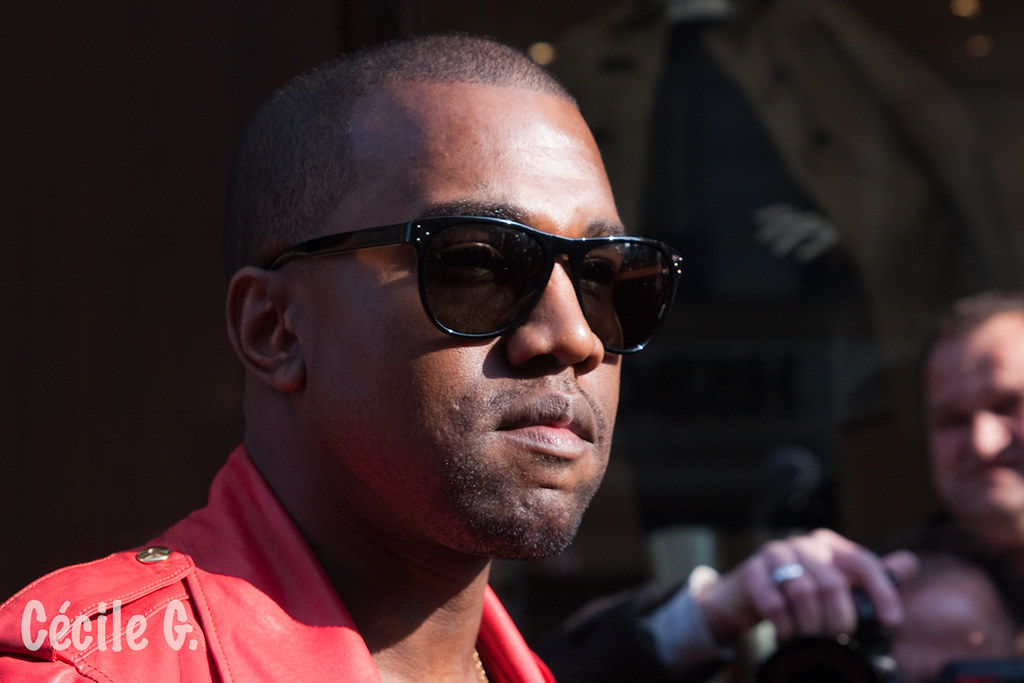
1. **Kanye West**Adidas terminated its long-standing partnership with Kanye West in 2022, a decision that followed a series of antisemitic remarks made by the artist. This move by Adidas underscored the company’s commitment to its stated values of diversity and inclusion, which were directly contradicted by West’s public comments. The termination marked a significant financial blow to West and a decisive stance by a global brand.
Adidas’s statement on the matter was clear and unequivocal, asserting, “Adidas does not tolerate antisemitism and any other sort of hate speech. Ye’s recent comments and actions have been unacceptable, hateful and dangerous, and they violate the company’s values of diversity and inclusion, mutual respect and fairness.” This corporate response highlighted the zero-tolerance policy many brands now adopt concerning hate speech.
The swift termination by Adidas was a direct consequence of the public outrage generated by West’s remarks. It demonstrated that even highly profitable and established partnerships are vulnerable when a celebrity’s conduct deviates severely from widely accepted ethical standards. The incident serves as a stark reminder of the financial and reputational risks associated with controversial public statements.
Beyond Adidas, other major brands like Gap also severed ties with West, indicating a broader industry consensus on the unacceptability of his statements. The consequences for West included a ruthless slashing of his net worth, demonstrating the substantial financial impact that brand dissociations can have on even the most successful celebrities.
This case illustrates the growing accountability demanded from public figures. Brands are increasingly sensitive to consumer sentiment and are prepared to take drastic measures to uphold their values, even if it means sacrificing significant revenue streams from popular endorsements.
Read more about: Taylor Swift’s Political Evolution: Unpacking Her Journey From Apolitical Silence to Influential Endorsement
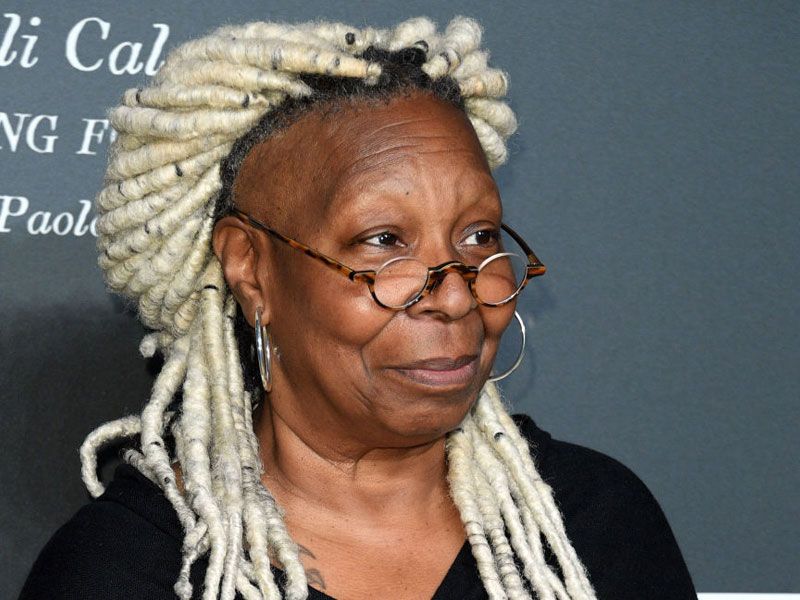
2. **Whoopi Goldberg**Whoopi Goldberg was famously fired as the spokesperson for SlimFast in 2004 following a controversy stemming from ually explicit jokes she made. These remarks were directed at President George Bush’s name during a fundraiser for Democratic candidate John Kerry in New York. The jokes, which were deemed offensive, quickly led to consumer backlash against the brand.
SlimFast’s decision to remove Goldberg from her role as spokesperson was a direct response to the negative public reception. Brands rely heavily on their endorsers to maintain a positive and wholesome image that resonates with their target audience. When a celebrity’s behavior alienates a significant portion of that audience, the partnership becomes untenable.
The incident underscored the scrutiny celebrities face, especially when their public appearances venture into political or sensitive territory. Even seasoned performers like Goldberg can misjudge the impact of their humor, leading to swift and severe professional repercussions. The jokes, while intended for a specific audience, quickly diffused into the wider public consciousness, causing damage to the brand’s association.
For SlimFast, the priority was to protect its brand integrity and avoid being associated with comments that offended consumers. This case highlights how quickly consumer sentiment can translate into commercial pressure, forcing brands to make difficult decisions regarding their celebrity partners.
Goldberg’s experience serves as an important lesson in the delicate balance celebrities must strike between their personal expressions and their professional responsibilities as brand ambassadors.
Read more about: Beyond the Limelight: A Deep Dive into the Rich History, Evolving Roles, and Enduring Craft of Acting
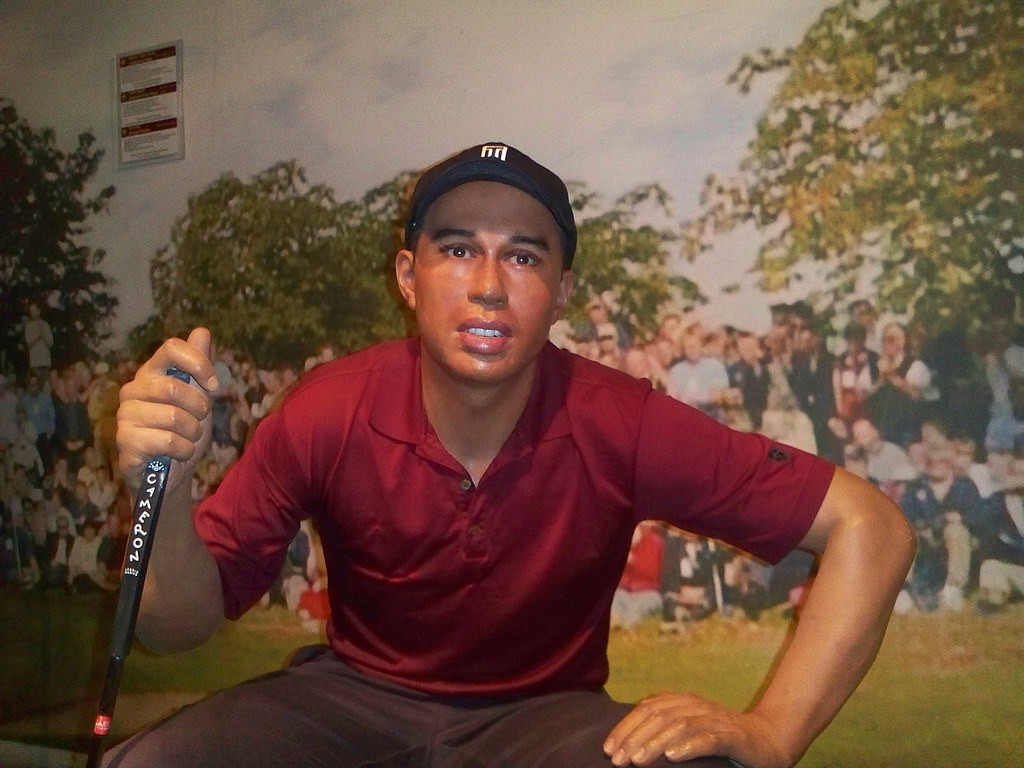
3. **Tiger Woods**Tiger Woods, once considered one of the most marketable athletes globally, faced a significant downturn in his endorsement career amidst public revelations of extramarital affairs. These revelations, which surfaced around 2009, severely tarnished his meticulously cultivated public image, leading to a rapid withdrawal of support from several major sponsors.
Gillette was among the prominent brands that dropped Woods from its endorsement deals. The company, which had heavily relied on Woods’s image of integrity and athletic prowess, found its association with the golfer increasingly problematic as the details of his personal life became public. The scandal directly conflicted with the wholesome, aspirational image Gillette sought to project.
The public nature of the scandal, culminating in his divorce from Elin Nordegren in 2010, made it impossible for brands to maintain their partnerships without risking their own reputation. For companies like Gillette, the decision to sever ties was a business imperative, aimed at preventing negative associations from affecting their consumer base.
Woods’s case became a high-profile example of how personal conduct, even if not directly related to a professional endorsement, can have profound commercial consequences. His fall from grace demonstrated that celebrity endorsers are not just selling products, but also representing values and ideals that consumers associate with the brand.
The incident remains a landmark study in crisis management for both celebrities and brands, illustrating the fragility of public trust and the rapid erosion of marketability when that trust is broken. Woods’s long path to reclaiming his public image and some endorsements showcased the lasting impact of such controversies.
Read more about: Beyond the Blockbuster: 12 Hollywood Stars Who Are Also Real-Life Martial Arts Masters

4. **Rihanna**In 2012, global pop star Rihanna was removed as the face of Nivea, a decision explicitly linked to her “raunchy image.” Stefan Heidenreich, the CEO of Beiersdorf, Nivea’s parent company, publicly expressed concerns that Rihanna’s provocative persona conflicted with the brand’s core values of dependability and trust. This illustrates a clash between a celebrity’s artistic expression and a brand’s conservative marketing strategy.
Heidenreich’s candid statement to the German newspaper Welt, “Rihanna is a no go. I do not understand how to bring the core brand of Nivea in conjunction with Rihanna,” highlighted the fundamental mismatch perceived by the brand’s leadership. Nivea, a brand historically associated with family-friendly and reliable skincare, found Rihanna’s increasingly edgy public image to be out of alignment with its desired perception.
The decision by Nivea underscored that brand partnerships are not merely about reach or popularity, but also about alignment of values and consistent messaging. Even though Rihanna commanded a massive global following, her image was deemed unsuitable for a brand striving to maintain a particular market identity.
This case offers insight into the careful consideration brands give to their public representations. It demonstrates that a celebrity’s perceived image, regardless of their artistic success, must harmonize with the brand’s desired attributes to sustain an endorsement deal. The company prioritized its long-standing brand identity over the allure of a mega-star.
Rihanna’s experience with Nivea showcased that what works for an artist’s personal brand might not always translate successfully into a corporate endorsement, especially when the brand’s identity is firmly established in a different domain.
Read more about: Taylor Swift’s Political Evolution: Unpacking Her Journey From Apolitical Silence to Influential Endorsement
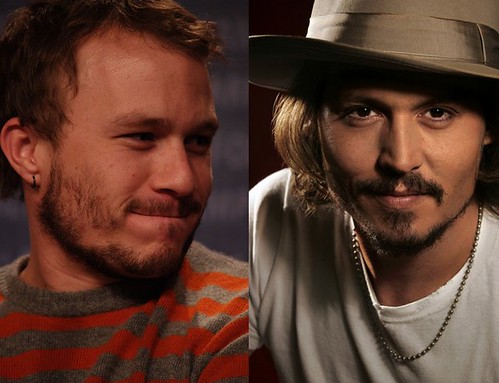
5. **Johnny Depp**Johnny Depp was dismissed from Disney’s multibillion-dollar ‘Pirates of the Caribbean’ franchise following allegations of domestic abuse made by his ex-wife, Amber Heard. These allegations, detailed in a Washington Post op-ed, created a significant public relations challenge for Disney, leading to their decision to distance themselves from the actor.
The allegations, irrespective of their legal outcomes at the time, generated immense public debate and media scrutiny. For a family-friendly entertainment giant like Disney, retaining an actor facing such serious accusations was deemed incompatible with its brand image and commitment to its audience. The company acted to protect its family-oriented reputation.
Depp’s removal from the iconic role of Captain Jack Sparrow was a high-profile example of a celebrity losing a major professional engagement due to personal conduct. The financial implications for Depp were substantial, given the franchise’s global success and his central role within it.
This case exemplifies the growing pressure on entertainment companies to respond to allegations of misconduct, especially when it involves individuals associated with their tentpole franchises. The court of public opinion, amplified by social media, often moves faster than legal proceedings, compelling corporations to make immediate decisions.
The impact on Depp’s career was profound, illustrating how allegations of a serious nature can lead to immediate and significant professional consequences, even before full legal resolution, as brands prioritize maintaining public trust and avoiding controversy.
Read more about: Cancel Culture Claims: Unpacking the A-List Scandals That Can Shatter Careers (and Who Fights Back!)
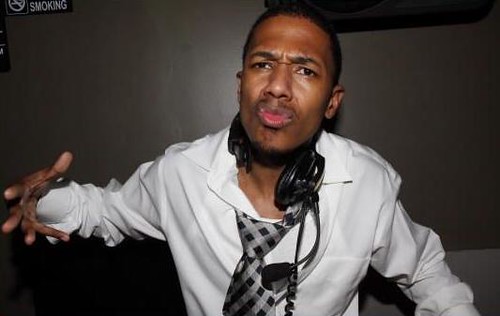
6. **Nick Cannon**Nick Cannon was dismissed from his popular show ‘Wild’N’Out’ in 2020 after making antisemitic comments on his podcast, ‘Cannon’s Class.’ The controversy erupted after Cannon interviewed Richard Griffin, who had been expelled from Public Enemy, and questioned why “we give so much power to the ‘theys,’ and ‘theys’ turn into illuminati, Zionists, and Rothschilds.” This use of the wealthy Jewish family as a code word for antisemitism immediately drew widespread criticism.
Cannon’s remarks were widely condemned as perpetuating harmful antisemitic tropes, leading to swift action from the networks and companies associated with him. His dismissal from ‘Wild’N’Out’ demonstrated a clear stance against hate speech and the propagation of conspiracy theories on their platforms.
The incident underscored the responsibility that public figures, particularly those with significant media platforms, bear for the content they produce and promote. Comments made on a podcast, even seemingly outside the scope of their primary employment, can quickly lead to professional repercussions if they violate ethical guidelines or promote harmful ideologies.
For media companies, maintaining a reputation for inclusivity and opposing hate speech is crucial, especially in the current social climate. Cannon’s case served as a reminder that such comments can lead to immediate and substantial professional consequences, affecting not only individual projects but an entire career trajectory.
The controversy highlighted how quickly social media and public discourse can amplify problematic statements, forcing rapid responses from employers and brands to safeguard their own reputations and values.
Read more about: When the Brand Deal Goes Bust: 14 Celebrities Who Lost Major Endorsements Over Controversies

7. **Chrissy Teigen**Chrissy Teigen experienced a significant loss of multiple brand deals after allegations of cyberbullying surfaced. These allegations included claims that she harassed a then 16-year-old girl on Twitter in 2011. The resurgence of these past online behaviors led to a public outcry and a reevaluation of her partnerships.
The cyberbullying allegations directly conflicted with the positive and aspirational image Teigen had cultivated through her social media presence and various brand associations. Companies found themselves in a difficult position, as consumers voiced their disapproval of aligning with a personality accused of such conduct.
This incident demonstrated the lasting impact of digital footprints. Past online actions, even from a decade prior, can resurface and lead to severe present-day consequences, particularly in an era where accountability for online behavior is increasingly demanded. The public’s memory, aided by archived content, can be long and unforgiving.
Teigen’s loss of multiple brand deals illustrated how quickly companies move to dissociate from figures embroiled in significant public controversy, especially when the allegations involve vulnerable individuals or reflect a pattern of problematic behavior. Brands prioritize avoiding any association that could tarnish their image or alienate their customer base.
Her experience is a cautionary tale for all public figures about the permanence of their digital interactions and the evolving standards of conduct expected from those with significant online influence. The incident underscored the importance of responsible online behavior, even years after the fact.” , “_words_section1”: “1940
As the digital age continues to reshape public discourse and personal branding, the consequences for missteps extend far beyond traditional celebrity endorsements. The landscape of influence has broadened, encompassing not only movie stars and athletes but also prominent social media personalities and content creators. In an era where a single tweet or resurfaced comment can ignite global outrage, brands are increasingly compelled to reassess their partnerships to maintain credibility and align with evolving societal values. This second section delves into further cases, illustrating the diverse reasons why influential figures faced severe repercussions, often resulting in significant financial and reputational damage.
Read more about: No Phones Allowed! These 14 Celebrity Parents Are Seriously Strict About Social Media

8. **Michael Phelps**Olympic swimming legend Michael Phelps, celebrated globally for his unparalleled athletic achievements, faced a significant setback in his endorsement career in 2009. Photos surfaced depicting him consuming illegal substances, immediately triggering a public relations crisis for the athlete and his sponsors. This incident challenged the wholesome, disciplined image that many brands associated with the Olympic Games.
Kellogg’s, a prominent food manufacturer, acted swiftly to terminate its endorsement deal with Phelps. The company’s decision underscored its commitment to maintaining a family-friendly image and distancing itself from any association with illegal activities. For brands, the integrity of their endorsers is paramount, and any conduct that deviates from their perceived values can lead to immediate dissociation.
The termination by Kellogg’s highlighted how even icons of sport are not immune to the severe consequences of personal conduct that violates public trust. Phelps’s case served as a stark reminder that while athletic prowess brings fame, the responsibility to uphold a positive public image extends beyond the competitive arena. The financial implications for Phelps were considerable, demonstrating the fragility of endorsement deals.
This incident also brought into focus the heightened scrutiny placed on public figures, where private actions can quickly become public spectacles with professional ramifications. Brands, in turn, are forced to make tough decisions to safeguard their long-term reputation over short-term celebrity appeal.
Read more about: When the Brand Deal Goes Bust: 14 Celebrities Who Lost Major Endorsements Over Controversies
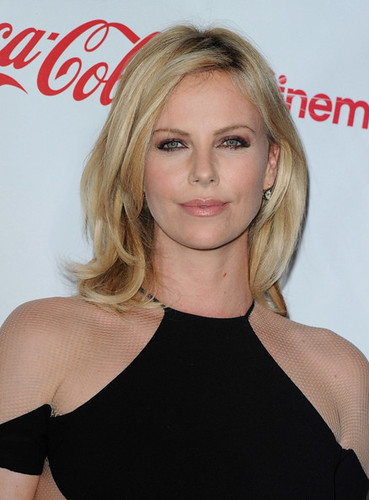
9. **Charlize Theron**The world of luxury endorsements demands meticulous adherence to contractual agreements, a lesson Oscar-winning actress Charlize Theron learned firsthand in 2006. Swiss watchmaker Raymond Weil terminated her lucrative contract after accusing her of breaching a critical clause: wearing watches from rival brands publicly. This incident highlights the stringent exclusivity clauses often embedded within high-value endorsement deals.
Raymond Weil’s decision to sever ties with Theron was not merely a reaction to perceived disloyalty but a calculated move to protect its brand exclusivity and investment. The luxury market thrives on aspiration and a carefully curated image, and a celebrity publicly endorsing a competitor can dilute the value of the original partnership. The company sought to enforce its contractual rights and sent a clear message to other celebrity endorsers.
The termination led to legal proceedings, with Theron ultimately ordered to pay an undisclosed settlement sum to the luxury watchmaker. This financial penalty underscored the serious commercial implications of violating endorsement agreements, emphasizing that these partnerships are binding business arrangements with significant legal weight.
Theron’s case illustrates that even globally recognized stars must carefully navigate the complex terms of their endorsement contracts. It serves as a precedent for brands to aggressively protect their intellectual property and contractual agreements, demonstrating that celebrity power does not exempt individuals from fulfilling their obligations.
Read more about: Beyond Basic: 11 Oversized Blazer Styling Missteps That Won’t Fly in 2025

10. **Kate Moss**British supermodel Kate Moss, a defining figure in fashion, faced a significant career crisis in 2005 when her ‘party-girl’ lifestyle became a public spectacle. Tabloid accusations and photographs of her using illegal substances emerged, triggering immediate backlash from brands that had long relied on her iconic image to market their products.
Several major fashion houses, including Chanel, Burberry, and H&M, swiftly ended their relationships with Moss. H&M was the first to withdraw from using the model in their latest campaign, followed quickly by Burberry and Chanel severing their long-standing partnerships. These decisions reflected a corporate imperative to distance themselves from a public image that now contradicted their brand values and consumer expectations.
The scandal underscored the vulnerability of celebrity endorsements to shifts in public perception and moral standards. For luxury brands like Chanel and Burberry, maintaining an image of sophistication and aspiration is crucial, and association with illegal activities was deemed highly detrimental. The immediate and widespread withdrawal of support demonstrated how quickly brands can react to protect their reputation.
Moss’s experience highlighted the immense pressure on public figures, especially models, to maintain a carefully curated image both on and off the runway. The incident serves as a cautionary tale for celebrities regarding the professional repercussions of personal conduct, even for those at the pinnacle of their careers.
Read more about: The 7-Day Wait: Unpacking 12 Critical Reasons Why Your Car Repairs Are Taking So Long for Consumers

11. **Jared Fogle**Jared Fogle, once the wholesome and widely recognized spokesperson for Subway, experienced a catastrophic fall from grace in 2015. His public image, built on a narrative of healthy weight loss and accessible fast food, was irrevocably shattered when he was arrested for possession of child pornography and attempting to engage in ual activities with minors. He subsequently pleaded guilty to these heinous charges.
The criminal actions fundamentally betrayed the trust of millions of consumers and stood in direct opposition to Subway’s family-friendly brand. The company reacted immediately and decisively, severing all ties with Fogle and swiftly removing him from all advertising and promotional materials. This rapid response was critical to protecting the brand’s integrity and preventing irreversible damage to its reputation.
Fogle’s case represents one of the most severe examples of a celebrity endorsement collapsing due to profound criminal behavior. His professional image was not just damaged but utterly destroyed, transforming him into a symbol of disgrace. The legal consequences were equally severe, culminating in a sentence of over 15 years in federal prison.
This incident serves as a powerful reminder that while celebrity endorsements can bring immense marketing benefits, they also carry the inherent risk of an endorser’s personal conduct severely undermining a brand’s public standing. For brands, the immediate and unambiguous dissociation from such criminal acts is paramount.
Read more about: Why Celebrity Endorsements Fall Flat: Strategic Pitfalls and Lessons for Sustainable Brand Growth

12. **Sondos Alqattan**Sondos Alqattan, a prominent social media star from Kuwait, ignited international controversy in 2018 with comments she made regarding Filipino domestic workers in her country. She publicly complained about a new law that granted these workers fundamental rights, such as the ability to retain their passports and have one day off each week, claiming it was causing problems.
Alqattan’s statements drew widespread condemnation for being insensitive and promoting exploitative labor practices, particularly towards a vulnerable demographic. Her remarks were perceived as an endorsement of treating workers poorly, which quickly generated significant public outrage and a backlash against her personal brand.
In response to the controversy, major international beauty brands like Max Factor and L’Oreal swiftly terminated their partnerships with Alqattan. These companies did not want to be associated with an individual whose public comments contradicted global standards of human rights and fair labor practices. The loss of these lucrative deals highlighted the commercial consequences of unethical public statements.
Alqattan’s experience demonstrates how the influence of social media personalities is contingent upon their alignment with broadly accepted ethical norms. Her case underscores the importance for influencers to be mindful of the social and cultural implications of their statements, especially when addressing sensitive issues involving marginalized communities.

13. **PewDiePie (Felix Kjellberg)**PewDiePie, one of YouTube’s most influential and highest-earning content creators, faced severe repercussions in 2017 after videos containing Nazi imagery and anti-Semitic jokes came to light. The controversy, widely covered by media outlets, quickly escalated into a major crisis for the platform and its partners, showcasing the volatile nature of influencer careers.
The backlash led to immediate and significant consequences: Disney terminated its lucrative partnership with PewDiePie, and YouTube itself canceled his original series and reduced his advertising revenue. These actions underscored the critical need for platforms and brands to distance themselves from content that promotes hate speech or offensive ideologies, regardless of the creator’s popularity.
PewDiePie’s case illustrated the growing demand for accountability from online personalities, especially those with massive global reach. While he has shown resilience and maintained a loyal fanbase of over 111 million subscribers despite subsequent controversies, the incident served as a stark reminder of the financial and reputational risks associated with content insensitivity.
This situation also emphasized the evolving role of content platforms in policing the behavior of their stars and protecting their own brand image. It demonstrated that even the most successful influencers are subject to significant professional setbacks when their content crosses ethical boundaries.

14. **Shane Dawson**Shane Dawson, a long-standing and prominent figure on YouTube, experienced a dramatic downturn in his career in 2020. A resurgence of old videos revealed deeply problematic content, including inappropriate behavior towards a young Willow Smith, the use of racist language, and jokes about animal abuse. These resurfaced actions triggered an intense public backlash that reshaped his professional trajectory.
The consequences for Dawson were severe and multifaceted. He experienced the loss of hundreds of thousands of subscribers, a direct indication of rapidly eroding public trust. More critically, his brand partnerships were terminated, and his YouTube channels were demonetized, cutting off significant revenue streams. Brands quickly distanced themselves from his controversial past to protect their own reputations.
Dawson’s experience highlighted the lasting impact of a digital footprint. Past online actions, even if seemingly forgotten, can resurface and lead to severe present-day consequences, particularly in an era where accountability for online behavior is increasingly demanded. His attempts at a comeback have been met with mixed reactions, indicating persistent damage to his reputation.
This case exemplifies the significant challenges influencers face in rebuilding a damaged public image in the digital age. It underscores the importance for content creators to understand that their past actions can have profound and enduring effects on their careers and relationships with brands.
The cases we’ve examined underscore a critical truth: in the rapidly evolving landscape of media and commerce, accountability for public figures, be they traditional celebrities or digital influencers, is more stringent than ever. Brands are no longer solely focused on reach; they prioritize genuine alignment with values, ethical conduct, and a positive public image. The consequences for missteps, amplified by the speed and reach of social media, can be immediate and severe, ranging from financial losses to irreversible reputational damage.
For influencers, this means cultivating authenticity and responsibility, recognizing that their platform carries immense power and influence. For consumers, it necessitates a critical eye, discerning between genuine endorsement and commercial promotion. And for brands, the lesson is clear: robust vetting processes and clear ethical guidelines for partnerships are no longer optional. As the digital sphere continues to evolve, adapting to these new standards of conduct and maintaining trust will be paramount for sustained relevance and success for all parties involved. The future of influence will undoubtedly be defined by integrity as much as by popularity.