In an era of increasing global uncertainty and intense public scrutiny, the personal security of the world’s wealthiest individuals has transcended mere privacy concerns to become a complex, multi-layered enterprise. Recent discussions surrounding high-profile figures often touch upon the extraordinary measures taken to safeguard their lives and assets, prompting a deeper inquiry into the systems and philosophies underpinning such robust protection. While headlines might momentarily capture specific events, a more comprehensive understanding reveals a meticulously engineered environment of defense.
This in-depth exploration delves beyond fleeting news cycles, offering a panoramic view of the intricate security landscapes cultivated by billionaires like Bill Gates. It examines not just the visible layers of protection, but also the strategic thinking, cutting-edge technology, and substantial investments that define modern ultra-wealthy security. From lavish estates undergoing complete transformation to covert bunkers designed for extreme contingencies, the commitment to impenetrable safety is profound.
Our journey will dissect the physical manifestations of this commitment—the architectural fortresses, the advanced technological integrations, and the highly specialized personnel—that collectively form an almost unassailable shield. We will analyze how these measures are not merely reactive but are deeply integrated into the very fabric of their private and professional lives, reflecting a calculated response to a spectrum of perceived threats that extend far beyond conventional notions of security.
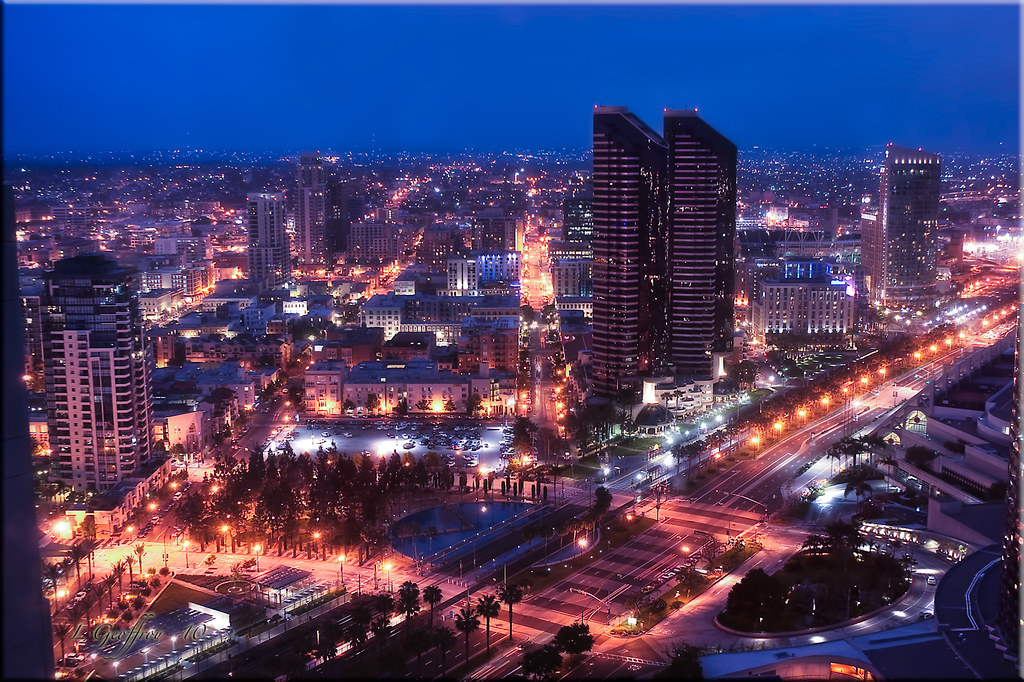
1. The San Diego Oceanfront Estate: Demolition and Rebuilding
Before the public announcement of their divorce, Bill and Melinda Gates reportedly acquired a substantial oceanfront estate in San Diego, a transaction valued at $43 million. This property, located in what is described as a latest hot spot in California, has since become a focal point of local attention due to extensive development activities.
Local sources indicate that Bill Gates, at 66, has taken sole possession of this idyllic property and is engaged in a comprehensive customization effort. The initial structure, a six-bedroom, 3.5-bathroom estate spanning 5,800 square feet, has been entirely demolished. Neighbors report that the property is being rebuilt from the ground up under the direct guidance of the Microsoft tycoon himself.
This ambitious reconstruction has not been without its challenges or local impact. Neighbors have expressed considerable dissatisfaction regarding the disruptions caused by the ongoing work. One resident noted, “It’s been a nuisance,” while another explained, “They make a lot of noise, my baby can’t sleep. It’s become a real hindrance on the whole neighborhood.” Construction on the site reportedly began within the last three months, despite the purchase occurring on March 27, 2020. The property, upon completion, is expected to exceed 6,000 square feet.
Obtaining building permits in this particular area is considered a significant undertaking, often described by local officials as time-consuming and “nearly impossible.” However, for an individual with Bill Gates’s estimated net worth of $134 billion, such regulatory hurdles appear to be surmountable. The property itself is situated directly in front of Del Mar Dog Beach and boasts 120 feet of ocean frontage, a feature that the previous listing highlighted as making it a “one-of-a-kind” resort beach home.
Despite real estate photos prior to the sale showing the house in “immaculate condition,” Gates evidently deemed a complete overhaul necessary. A local realtor expressed surprise, stating, “The home they purchased was in immaculate condition, not exactly sure why he would want to tear it down.” Insiders suggest Gates plans to utilize the Del Mar estate, located in the upscale neighborhood, as his summer bachelor pad. He has reportedly visited the site twice in recent months with his two bulletproof Suburban security details to monitor the project’s progress. The 24-hour security guards overseeing the construction are reportedly aiming for completion by August, although current photos suggest a significant amount of work remains. Gates’s spokesperson has disputed prior reports of this purchase, stating he “does not own this property and he has never been there.”

2. Xanadu 2.0: Bill Gates’s Medina Smart Mansion
Beyond the nascent San Diego project, Bill Gates’s primary residence in Medina, Washington, known as “Xanadu 2.0,” stands as a testament to early smart home technology and unparalleled luxury. This estate is so renowned that it boasts its own Wikipedia page, cementing its status as one of the most remarkable properties in the Seattle area.
The mansion, which took seven years to construct and cost an estimated $60 million, showcases an extraordinary scale of amenities. It features 24 bathrooms, including ten baths, an unusually high ratio given its seven bedrooms. Gates further enhanced his privacy by purchasing several surrounding houses, adding nearly $14.4 million to his initial investment. The property tax alone for Xanadu 2.0 exceeds $1 million annually.
Among its most notable features is a vast 60-by-17-foot swimming pool equipped with a fossil-motif floor and an underwater music system. A locker room serving the pool area provides four showers and two baths. For those seeking a unique experience, a glass wall separates the indoor pool from an outdoor section, allowing swimmers to transition between the two. The fitness facilities are equally impressive, including a 2,500-square-foot gym and a trampoline room with a 20-foot ceiling.
Xanadu 2.0 was a pioneer in integrated smart home technology, featuring capabilities that were revolutionary in 1995. Guests are provided with a pin that interacts with sensors throughout the house, automatically adjusting temperature, music, and lighting according to their pre-set preferences. Each room also includes a touchpad for environmental control, and the system allows music to seamlessly follow occupants from room to room. The estate also houses Leonardo da Vinci’s 16th-century notebook, the Codex Leicester, which Gates acquired for $30.8 million.
Further enhancing the estate’s grandeur are a 1,000-square-foot dining room capable of seating 24, and a 2,300-square-foot reception hall suitable for 150 dinner guests or 200 for a cocktail party. The 2,100-square-foot library features two secret pivoting bookcases, one concealing a bar, and an engraved quote from The Great Gatsby on its ceiling. An art deco theater, spanning 1,500 square feet, offers twenty plush seats, couches, and a popcorn machine. The property also includes a 1,900-square-foot guesthouse, the first structure completed, where Gates reportedly wrote much of his book, “The Road Ahead.” Environmentally conscious designs include an “earth-sheltered house” approach to reduce heat loss, and an artificial stream and wetland estuary stocked with salmon and sea-run cutthroat trout. For major events, such as a 2004 party for the National Governors Association, a temporary security zone was established around the entire estate, blocking access to large portions of Lake Washington, with governors arriving by boat. Even the sand on the lake bank is imported, reportedly from Hawaii.

3. The Professionalism of Bill Gates’s Security Detail: Insights from Mike Howard
The sophisticated security apparatus surrounding Bill Gates has been profoundly shaped by the expertise of individuals like Mike Howard, a former Chief Security Officer for Microsoft. Howard, whose career spans 22 years with the CIA, a brief stint with the Oakland Police Department, and 16 years at Microsoft, offers a unique perspective on managing high-stakes protection for one of the world’s wealthiest men.
Howard, who is half Japanese, drew inspiration from the concept of “Ronin” – masterless samurai – for his leadership philosophy, as detailed in his book, “The Art of Ronin Leadership.” He emphasizes acknowledging insecurities and leveraging emotional intelligence to become a stronger, more resilient leader. His journey to Microsoft involved a 45-minute interview with Gates himself, which Howard described as “laser focused” and “wonderful,” noting Gates’s attentive listening.
During his tenure, Howard ran Gates’s personal security detail before being elevated to Chief Security Officer. He recalls that Gates preferred a discreet approach to security, eschewing the overt displays often associated with executive protection. Howard explained, “We could do the Secret Service kind of look if we had to, but we could also be very clandestine and nobody would know we were but we’re still protecting our directors.” This clandestine capability was something Gates “really liked,” as he typically did not want guards “coming out with sunglasses and earpieces.” Howard stated, “For the most part, we just we protected them in a way where we were around if you needed us, but we weren’t going to get in his way. He was a great protectee.”
Howard’s unit included a robust threat intelligence organization that collaborated with the Secret Service and forensic psychologists to vet potential threats, a common occurrence for any chief executive. He recalled an incident at the Comdex technology conference in 2002, where Gates, after delivering a keynote, wished to walk around. Howard, initially aware of Gates’s fame, quickly realized the extent of his “rock star” status within the technology community as people rapidly converged. These situations, while intense, were always managed, according to Howard, who noted that “nothing that we couldn’t forestall from an intelligence perspective.” When Gates transitioned from his day-to-day role at Microsoft to focus on philanthropy, he personally emailed Howard, expressing gratitude: “Thank you for keeping me safe.”
4. The Booming Industry of Luxury Survival Bunkers
The anxieties of the ultra-rich have fueled a burgeoning industry centered on luxury survival accommodations, with millions of dollars being invested in elaborate underground bunkers and safe houses. This trend reflects a deep-seated concern among the wealthy about a range of future threats, transforming survival preparedness into a lavish lifestyle choice.
Robert Vicino, founder of bunker company Vivos, disclosed that “Bill Gates has huge shelters under every one of his homes, in Rancho Santa Fe and Washington.” He further elaborated on the financial perspective of these investments for billionaires: “for these multibillionaires, a few million is nothing. It’s really just the newest form of insurance.” This sentiment underscores the perception among the elite that such extensive fortifications are a necessary safeguard against an uncertain future.
Many wealthy individuals—including movie stars, financiers, and athletes—share these concerns, fearing terrorist attacks, riots, World War III, class warfare, economic collapse, and political chaos stemming from elections. Mike Peters of Ultimate Bunker succinctly summarized the prevailing sentiment: “Everyone I’ve talked to thinks we are doomed, no matter who is elected.” This pervasive apprehension has led to a dramatic increase in demand for sophisticated, high-end bunkers.
Evidence of this booming market is clear in the sales figures reported by upscale bunker manufacturers. Rising S Bunkers, for example, saw a 150 percent increase in overall sales in 2016, with sales to upscale clients skyrocketing by 700 percent. These modern bunkers bear little resemblance to the rudimentary air raid shelters of past decades; they are designed to maintain a lavish standard of living even underground, reflecting a desire to preserve accustomed lifestyles amidst potential societal collapse.
5. Advanced Home Fortification for the Elite
The pursuit of impenetrable security has driven an evolution in home fortification, moving far beyond traditional alarms to incorporate elaborate, custom-built defensive structures and hidden access points. These measures are designed to withstand a wide array of threats, from everyday intruders to catastrophic global events, offering the ultra-wealthy peace of mind in an increasingly turbulent world.
Examples of these advanced fortifications are both extensive and astounding in their amenities and cost. One “unidentified Academy Award winner” reportedly invested $10.28 million in a 37-room, 9,000-square-foot bunker in California’s Napa Valley wine country. This subterranean haven is equipped with a bowling alley, sauna, home theater, Jacuzzi, and shooting range. Another Napa Valley compound, valued at $9 million and spanning 7,600 square feet, features hidden safe rooms, four escape tunnels, and a safe house disguised as a horse barn.
Further demonstrating the scale of these investments, a “major sports figure” in Southern California acquired a $3 million bunker. For those seeking more standardized, yet still robust, solutions, Rising S Bunkers offers 10-by-50-foot bunkers at $112,000 each, complete with their own power and water sources and air filtration systems. These are reportedly being installed in homes throughout Los Angeles. A complex north of Minneapolis, costing $10 million, includes two 1,000-square-foot bunkers and 300 feet of tunnels, alongside three guesthouses, each equipped with its own $200,000 bunker.
The pinnacle of such defensive architecture is exemplified by a $100 million subterranean residence built for a venture capitalist. This extraordinary bunker boasts amenities like a pizzeria and a day spa. Its builder, Al Corbi of Strategically Armored & Fortified Environments (SAFE), asserts that it is engineered to withstand a nuclear holocaust, electromagnetic pulse, solar flare, and even a pandemic, among other severe threats. The focus on comprehensive resilience showcases the extreme lengths taken to ensure survival and comfort.
Beyond overt bunkers, companies like Creative Home Engineering specialize in covert security through secret doors and panels. President Steve Humble notes a significant shift in demand; where installations were once primarily for novelty, “Nowadays, 80 percent are used for security.” Humble revealed recent installations within “two nuclear-protected complexes with more than 10 secret doors each,” including one in the L.A. area owned by a plastic surgeon. He added, “we’ve built secret doors for many of the most recognizable and highly awarded directors and celebrities in Hollywood,” suggesting that many prestigious awards, such as Oscars and Emmys, are “tucked away safely behind my secret doors.” This blending of discreet technology with robust fortification illustrates the multi-faceted approach to elite security.
Read more about: Behind the Velvet Ropes: The Enduring Reasons Jennifer Lopez Relies on Her Trusted Security Team

6. The Moated Mansions: Dr. Dre and the Revival of Ancient Defenses
In the relentless pursuit of impregnable security, some of the world’s most affluent individuals have turned to both cutting-edge technology and, surprisingly, ancient architectural defenses. Hip-hop mogul Dr. Dre provides a prime example with the reported installation of a moat around his expansive 22,000-square-foot Los Angeles residence. This seemingly anachronistic feature, purchased from celebrity couple Tom Brady and Gisele Bündchen for $40 million in 2014, signifies a blend of historical fortification with modern intent.
While the traditional moat served as a primary physical barrier against medieval siege, Dr. Dre’s contemporary application underscores a broader psychological and practical deterrent. Its presence communicates an unequivocal message of fortified isolation, complementing what is undoubtedly an array of advanced, less visible security measures. Such a defense system not only creates a physical obstacle but also profoundly alters the landscape around the property, making unauthorized access significantly more complex and resource-intensive.
Beyond this distinctive aquatic barrier, Dr. Dre’s security framework is predictably comprehensive. It reportedly includes a sophisticated network of top-of-the-line security cameras, providing constant surveillance and recording capabilities around the perimeter and within the grounds. Complementing these visual deterrents are advanced entryway sensors and video doorbells, designed to detect and identify any approaching individuals before they can pose a direct threat. This multi-layered approach reflects a strategic investment in both passive and active defense mechanisms.

7. Celebrity Compounds: Blending Physical Fortifications with Elite Personnel
The security protocols employed by figures like Tom Cruise and Kim Kardashian exemplify a sophisticated convergence of physical fortifications with highly specialized human security teams, creating almost impenetrable private domains. Tom Cruise’s approach, for instance, reportedly extends to employing a long-range sniper, a former SWAT commander on his payroll, and an elaborate system of motion sensors and electric gates to protect his compound. Such measures indicate a calculated strategy to deter, detect, and neutralize threats with overwhelming force, rather than merely respond after an incident occurs.
Cruise’s security system is further characterized by biometric entry access for authorized guests, who must first undergo extensive background checks, controlling who enters specific “zones” of his estate. This granular control over access points, coupled with constant vigilance from a professional security detail, transforms the residence into a highly controlled environment. The reported $7 million bunker beneath his Colorado vacation home also speaks to an ultimate layer of defense, preparing for contingencies far beyond conventional home invasion scenarios.
Kim Kardashian and her then-husband Kanye West similarly escalated their security after a high-profile robbery in Paris. Their response included the acquisition of two $1.2 million Dartz Prombron Iron Diamond armored vehicles, designed to withstand kidnapping and other violent attacks, highlighting a focus on secure transport as an extension of personal protection. Their $60 million compound features “Pentagon-level” gate security, which has been described as so stringent that even family members have faced challenges gaining entry.
Internally, the Kardashian residence is safeguarded by a 24/7 manned “security pod” within the garage, a highly visible and active deterrent. This is integrated with a professionally monitored security system, complete with burglar alarms, motion and environmental sensors, and outdoor cameras. The combination of armed personnel, advanced surveillance, and hardened structures underscores a comprehensive, proactive strategy to create an almost unbreachable fortress, reflecting an ongoing arms race between celebrity targets and determined adversaries.
8. Tailored Threat Response: The Case of Lady Gaga’s Panic Rooms
The evolution of celebrity security is often catalyzed by specific, high-impact events that reveal unique vulnerabilities, prompting highly individualized and adaptive responses. Lady Gaga’s decision to install state-of-the-art panic rooms in every property she owns, explicitly designed for both herself and her beloved English bulldogs, illustrates this intensely personal approach to protection. This significant upgrade followed a traumatic incident where her dog walker was shot, and her dogs were stolen, exposing a deeply personal threat vector.
For Lady Gaga, the security of her pets became as paramount as her own, leading to the development of specialized, fortified shelters within her residences. This “money is no object” philosophy for protection extends to ensuring her dogs are accompanied by armed guards when in public, a testament to the emotional and material value placed on their safety. It demonstrates how security solutions can be customized not just for individuals but for their entire household, including cherished animals, reflecting a holistic view of personal well-being.
Beyond these bespoke canine-focused measures, Lady Gaga’s $28 million Hollywood Hills residence also incorporates more conventional, yet robust, celebrity security features. These include professionally monitored systems, extensive surveillance, and secure perimeter controls, all working in concert with the specialized panic rooms. The incident prompted a re-evaluation of public exposure, leading to stricter protocols for any outing involving her pets, illustrating how security strategies adapt dynamically to mitigate identified risks.
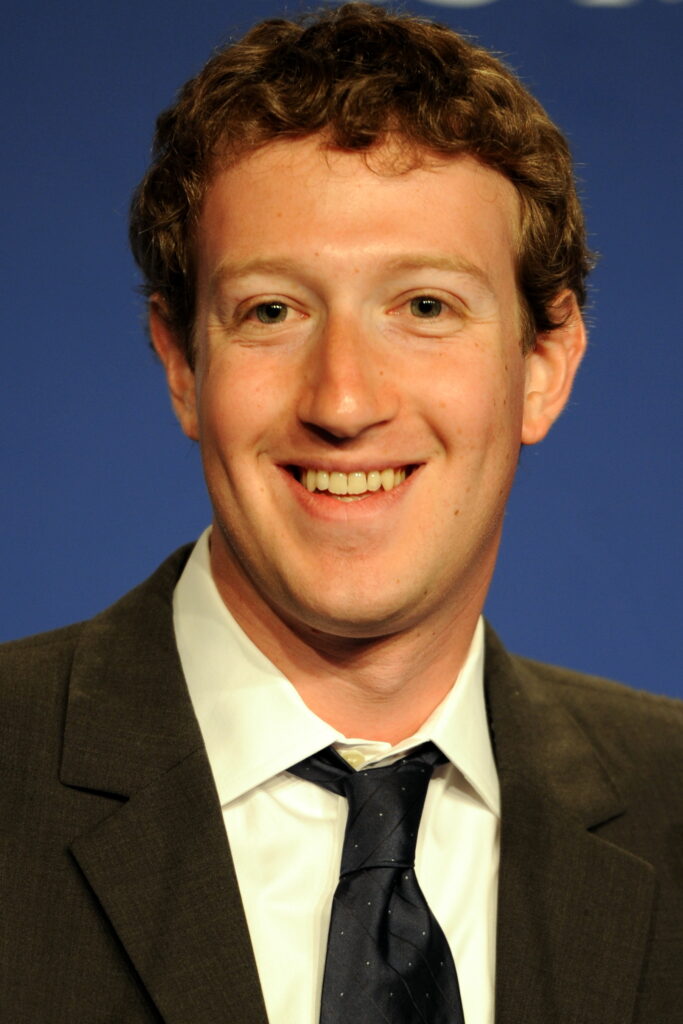
9. The Secrecy and Scale of Modern Billionaire Sanctuaries: Mark Zuckerberg’s Koolau Ranch
The construction of sprawling, clandestine compounds by figures like Meta CEO Mark Zuckerberg represents a paradigm shift in elite security, emphasizing extreme privacy, self-sufficiency, and long-term resilience against a wide spectrum of potential disruptions. Zuckerberg’s Koolau Ranch in Kauai, Hawaii, a roughly 1,400-acre project valued at over $270 million including land acquisition, is being built under a veil of intense secrecy, underscoring the paramount importance of discretion in ultra-wealthy protection.
The level of secrecy surrounding Koolau Ranch is extraordinary, with every worker, from carpenters to security guards, bound by strict non-disclosure agreements. Reports of employees being removed for social media posts about the project, and different crews forbidden from discussing their work, highlight a meticulously controlled information environment. This operational security, akin to classified government projects, aims to prevent any details about the compound’s design or capabilities from becoming public knowledge, thereby safeguarding its protective efficacy.
Planning documents reveal the true scale of Zuckerberg’s ambition: a 5,000-square-foot underground shelter, complemented by independent energy and food supplies. This extensive self-sufficiency indicates a comprehensive strategy for extended periods of isolation, designed to weather global catastrophes, societal unrest, or prolonged external threats without reliance on external infrastructure. It is not merely a residence but a fully integrated, self-sustaining survival complex, reflecting a profound commitment to extreme preparedness.
The development of such a vast and secret compound also touches upon its broader impact, with reports suggesting legal maneuvering and political networking have facilitated its construction, sometimes with disregard for local public sentiment. This dynamic reflects the immense power and influence wielded by the ultra-wealthy in shaping their protective environments, often creating private enclaves that operate under unique rules, further separating them from conventional societal norms and public scrutiny. The trend signifies an investment in not just personal safety, but an entirely autonomous and insulated existence.

10. Macro-Level Threats and the Evolution of Elite Protection
The extensive security measures detailed across these varied examples, from Bill Gates’s fortified estates to celebrity moats and secret bunkers, are fundamentally driven by a pervasive apprehension among the world’s elite regarding a confluence of macro-level threats. This collective anxiety transcends individual incidents, encompassing fears of global instability, economic collapse, class warfare, political chaos, and even large-scale environmental or health crises like pandemics. The investment of millions, and even hundreds of millions, into such elaborate protection schemes is viewed by many as a modern form of insurance against an increasingly uncertain future.
As Robert Vicino of Vivos articulated, for multibillionaires, “a few million is nothing. It’s really just the newest form of insurance.” This perspective highlights a strategic shift from merely protecting assets to safeguarding existence and lifestyle against systemic breakdowns. The booming industry of luxury survival accommodations, with companies like Rising S Bunkers reporting dramatic increases in sales to upscale clients, directly correlates with this heightened sense of impending doom among the affluent. Their bunkers are far from rudimentary shelters; they are designed to maintain a lavish standard of living even underground, underscoring a desire to preserve accustomed comfort amidst societal upheaval.
Beyond the physical fortifications, the presence of highly trained security details, as seen with Bill Gates’s discreet yet effective team led by Mike Howard, or the 400-man security presence for Beyoncé and Jay-Z’s “On The Run” tour, reflects a proactive stance against human-centric threats. These teams are not only equipped to handle direct confrontations but also specialize in threat intelligence, collaborating with agencies like the Secret Service and forensic psychologists to vet potential dangers. The Charlie Kirk incident, where a public figure was targeted, further underscores the constant and often unpredictable nature of external threats that even extensive personal security can struggle to entirely prevent in open settings.
Ultimately, the evolution of elite security is a complex response to a perceived continuum of threats, ranging from individual stalkers to global catastrophes. It manifests in architectural marvels, cutting-edge technology, and highly specialized human resources, all converging to create an ecosystem of defense. These extraordinary precautions for the world’s elite are not merely about privacy or luxury; they represent a profound, calculated investment in survival and stability in an era defined by increasing volatility and unprecedented challenges. The trend reflects a deep-seated conviction that conventional security measures are insufficient, necessitating an entirely new paradigm of protection for those at the apex of global wealth and influence.