Toyota Motor North America reported a robust sales performance in 2024, largely fueled by an unprecedented surge in its hybrid vehicle offerings. The automaker’s strategic focus on electrified powertrains, particularly its hybrid-first approach, has yielded significant returns, culminating in its biggest sales year ever for these models. Total U.S. sales for the company climbed 3.7% over 2023, reaching 2.33 million vehicles, with electrified vehicle sales exceeding 1 million units, marking a substantial 53% jump from the previous year. This success underscores a pivotal shift in consumer preference and Toyota’s adept response to evolving market demands.
A cornerstone of this success story lies in the San Antonio-built hybrid Sequoia SUV and Tundra pickup, which both experienced banner years. These models, manufactured at the company’s growing factory in San Antonio, Texas, have not only contributed significantly to Toyota’s overall sales figures but have also solidified the brand’s position in crucial truck and SUV segments. The strong performance of these locally produced vehicles showcases the efficacy of regional manufacturing hubs in supporting national sales objectives and catering to specific market needs for durable, fuel-efficient trucks and SUVs.
This in-depth article will explore the various facets of Toyota’s hybrid triumph in 2024, examining the specific sales figures, strategic decisions, and market conditions that have propelled its San Antonio-built models and other hybrid offerings to new heights. From individual model performances to broader market trends, we will delve into the factors that define Toyota’s current leadership in the hybrid vehicle space. Understanding these dynamics provides crucial insights into the evolving automotive landscape and the pathways to success within it.
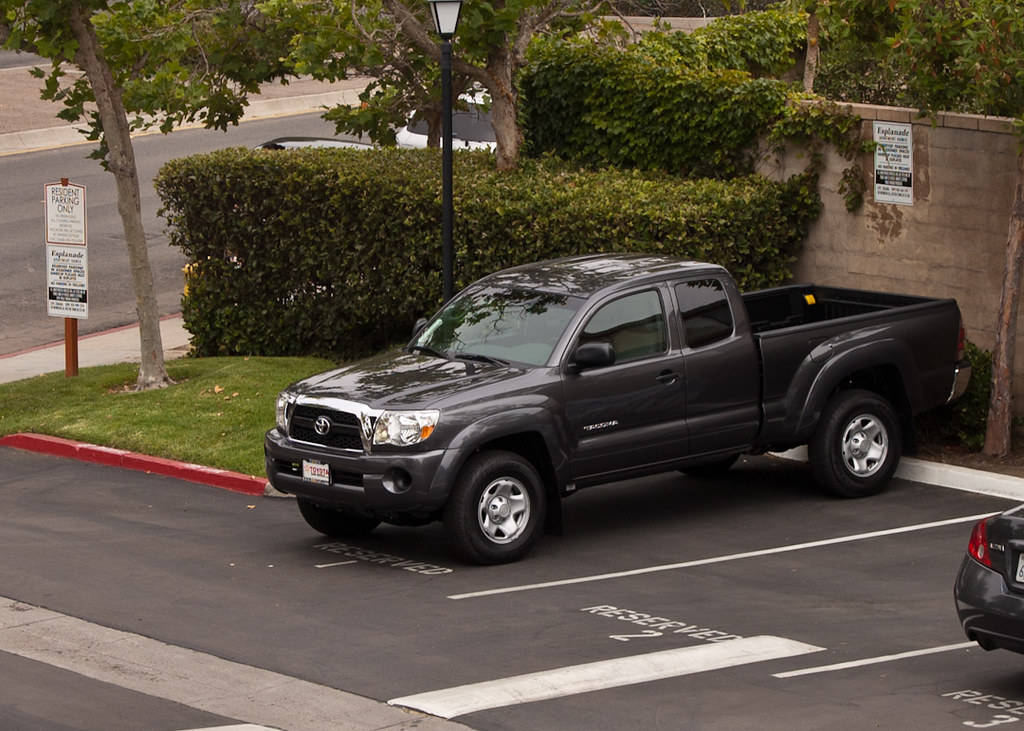
1. **Tundra Hybrid’s Significant Sales Surge**The Toyota Tundra, particularly its new hybrid engine variant, experienced a remarkable sales surge in 2024, showcasing strong consumer adoption for its electrified full-size pickup. Overall Tundra sales climbed more than 27% year-over-year, contributing significantly to Toyota’s robust annual performance. This immediate growth highlights the appeal of hybrid technology in a traditionally gasoline-dominated segment, indicating a shift in buyer preferences toward more efficient truck options.
Digging deeper into the San Antonio plant’s output, the Tundra pickup’s hybrid model specifically saw sales increase by 22.1%, reaching 37,010 vehicles. Concurrently, its traditional gasoline-powered counterpart also posted a strong increase of 27.4%, selling 159,528 vehicles. These figures illustrate a dual success, where both powertrain options are performing well, but the hybrid’s strong showing is particularly notable as it establishes the viability of electrification in heavy-duty vehicles.
This growth trajectory for the Tundra stands in contrast to the performance of some of its key competitors in the full-size truck market, indicating a strategic advantage for Toyota. The Tundra’s appeal appears to stem from its blend of traditional truck capabilities with enhanced fuel efficiency provided by the hybrid system, resonating with buyers seeking a balance of power and economy. The market is clearly responding to these offerings, valuing the improved efficiency without sacrificing utility.
The introduction of the hybrid engine has revitalized the Tundra line, positioning it as a competitive option against established rivals. This technological advancement allows Toyota to address rising consumer demand for more sustainable vehicle options without compromising on the utility and ruggedness expected from a full-size pickup. The sales figures affirm that this approach is effectively meeting market expectations and carving out a distinct niche for Toyota in the truck segment.
Car Model Information: 2017 Toyota Tundra SR5
Name: Toyota Tundra
Manufacturer: Toyota
Production: May 1999 – present
ModelYears: 2000–present
Assembly: San Antonio,Texas
Class: Pickup truck#Full-size pickup truck
Layout: unbulleted list
Related: Toyota Sequoia
Predecessor: Toyota T100
Caption: 2022 Toyota Tundra Limited
Categories: 2000s cars, 2010s cars, 2020s cars, All-wheel-drive vehicles, All Wikipedia articles written in American English
Summary: The Toyota Tundra is a full-size pickup truck manufactured in the United States by the Japanese manufacturer Toyota since May 1999. The Tundra was the second full-size pickup to be built by a Japanese manufacturer (the first was the Toyota T100), but the Tundra was the first full-size pickup from a Japanese manufacturer to be built in North America. The Tundra was nominated for the North American Truck of the Year award and was Motor Trend magazine’s Truck of the Year in 2000 and 2008. Initially built in a new Toyota plant in Princeton, Indiana, production was consolidated in 2008 to Toyota’s San Antonio, Texas, factory.
Get more information about: Toyota Tundra
Buying a high-performing used car >>>
Brand: Toyota Model: Tundra
Price: $24,988 Mileage: 99,363 mi.
Read more about: Edmunds’ Top Picks for 2025: Discover the Vehicles Setting New Standards in Automotive Excellence

2. **Sequoia Hybrid’s Impressive Sales Growth**Alongside the Tundra, the San Antonio-made hybrid Sequoia SUV also recorded a banner year in 2024, underscoring the strong demand for Toyota’s electrified large SUVs. Sales of the Sequoia climbed nearly 18% during the year, highlighting its growing popularity in a competitive segment. This performance solidifies the model’s position in the utility vehicle market, demonstrating a clear appetite for large, fuel-efficient family vehicles.
In 2024, the Sequoia, which is exclusively available as a hybrid model, sold 26,097 vehicles. This impressive figure demonstrates a clear consumer preference for its combination of spaciousness, capability, and the fuel efficiency benefits inherent in its hybrid powertrain. The fact that it is offered solely as a hybrid model makes its success even more telling for Toyota’s overarching electrification strategy and its confidence in hybrid technology.
The Sequoia’s robust sales performance further validates Toyota’s multi-pathway powertrain strategy, particularly its commitment to hybrid technology across its diverse vehicle portfolio. As a full-size SUV, the Sequoia caters to families and individuals requiring substantial passenger and cargo capacity, now coupled with improved environmental performance. Its hybrid-only status is a bold but successful move that aligns with evolving market demands for more eco-conscious options.
The growth in Sequoia sales reflects a broader market trend where consumers are increasingly looking for larger vehicles that do not excessively compromise on fuel economy. Toyota has successfully captured this niche by offering a powerful yet efficient option, thereby reinforcing its leadership in the electrified SUV segment. This strategy directly addresses evolving consumer priorities for both practicality and sustainability in their vehicle choices.
Car Model Information: 2019 Toyota Sequoia TRD Sport
Name: Toyota Sequoia
Manufacturer: Toyota
Production: September 2000 – present
ModelYears: 2001–present
Class: Full-size SUV
BodyStyle: SUV
Layout: unbulleted list
Related: unbulleted list
Sp: us
Categories: 2010s cars, 2020s cars, All-wheel-drive vehicles, All Wikipedia articles written in American English, All articles containing potentially dated statements
Summary: The Toyota Sequoia is a full-size SUV manufactured by Toyota mainly for the North American market since 2000 for the 2001 model year, being derived from the Tundra pickup truck. It is the second largest SUV ever produced under the Toyota brand, after the Japan-exclusive, military-focused Mega Cruiser.
Previously manufactured at Toyota Motor Manufacturing Indiana in Princeton, Indiana between 2000 and 2021, and then in Toyota Motor Manufacturing Texas in San Antonio, Texas since 2022, the Sequoia is the first vehicle from a Japanese marque in the popular mainstream full-sized SUV class in North America, and initial planning done by first-generation Sequoia chief engineer Kaoru Hosokawa aimed the Sequoia directly at the Ford Expedition, Chevrolet Tahoe/GMC Yukon, and other full-size SUVs.
Up until the 2021 model year, the Sequoia was slotted between the mid-size 4Runner and the premium Land Cruiser in the North American Toyota SUV lineup. With the discontinuation of North American sales of the Land Cruiser from the 2022 model year onward, the Sequoia became the flagship SUV in Toyota’s North America lineup.
As of 2021, the Sequoia is sold in the United States, Canada, Mexico, and Costa Rica. It is offered in left-hand drive only.
The Sequoia is named after the Giant Sequoia, a species of tall redwood trees native to California.
Get more information about: Toyota Sequoia
Buying a high-performing used car >>>
Brand: Toyota Model: Sequoia
Price: $48,500 Mileage: 47,359 mi.
Read more about: Powering the Future: Unpacking the Hybrid Truck Revolution for the American Driver
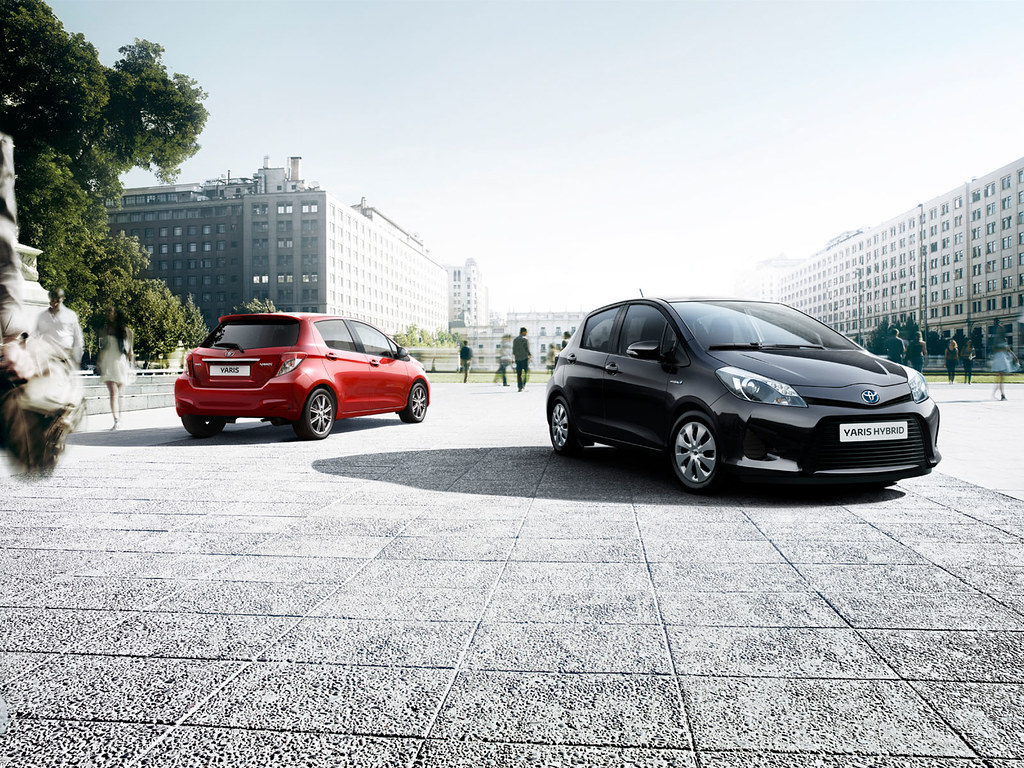
3. **Record-Breaking Electrified Vehicle Sales for Toyota**Toyota’s 2024 performance was marked by an all-time best in electrified vehicle sales, which totaled 1,006,461 units across its lineup. This significant achievement represents a substantial 53.1 percent increase over the previous year, demonstrating a powerful acceleration in consumer adoption of Toyota’s hybrid and other electrified options. This aggregate figure truly emphasizes the scale of their success in steering the market towards more sustainable transportation.
Crucially, nearly half of the company’s total U.S. sales volume in 2024, specifically 44.5%, was attributed to hybrids. This statistic underscores that while Toyota offers various electrified options, hybrids are the predominant force driving its current sales growth and market penetration. The consumer appeal for hybrid technology remains exceptionally strong, proving to be a highly effective bridge technology.
This record-setting performance validates Toyota’s long-standing investment in hybrid technology and its decision to prioritize this segment as a bridge between traditional internal combustion engines and a fully electric future. The robust sales figures suggest that consumers are finding Toyota’s hybrid offerings to be a practical and appealing solution for their daily driving needs, providing efficiency without range anxiety.
The strong performance was not limited to a few models but was broadly distributed across Toyota’s extensive lineup of electrified vehicles. This widespread success across different vehicle categories, from compacts to full-size SUVs and pickups, indicates a comprehensive market acceptance of Toyota’s hybrid powertrains. It illustrates that the company’s approach resonates with a diverse customer base, solidifying its market dominance in electrification.
Read more about: Driving Flashy Sports Cars: The Investment Playbook Financial Advisors See in 10 Top Models for 2025

4. **Toyota’s Hybrid-First Strategy Pays Off**Toyota’s ‘hybrid-first’ strategy has proven to be a resounding success, particularly as competitors have focused heavily on rolling out full electric vehicles (EVs) at a rapid pace. While others push full EVs, Toyota continues to secure wins with its hybrid offerings, demonstrating the efficacy of a more diversified and gradual approach to electrification. This approach has allowed Toyota to capture significant market share in the evolving automotive landscape.
This strategic direction is rooted in the belief that hybrids represent a ‘sweet spot’ for consumers, bridging the gap between traditional gasoline power and the future of all-electric mobility. Jack Hollis, TMNA’s executive vice president, articulated this, stating, “Our multi-pathway powertrain approach continues to attract customers, meeting their lifestyles and budgets.” This quote directly supports the reasoning behind Toyota’s sustained focus on hybrid technology.
The substantial sales increases across various hybrid models, including the Tundra and Sequoia, serve as strong market validation for this strategy. It suggests that a significant portion of the consumer base is not yet ready or able to fully commit to pure EVs due to factors such as range anxiety, charging infrastructure concerns, or purchase price. The market’s response speaks volumes about the current feasibility of hybrid adoption.
By focusing on hybrids, Toyota is not merely reacting to current market conditions but is actively shaping its transition towards a more sustainable future in a measured way. This approach allows the company to continue innovating in hybrid technology while slowly building its EV capabilities, ensuring a smoother transition for both the manufacturer and its customer base. The current success provides a strong foundation for future developments and a competitive edge.
5. **Outperforming Detroit Rivals in Truck Segment**The success of Toyota’s hybrid trucks, particularly the Tundra, is further amplified when viewed against the performance of its traditional Detroit rivals in the full-size pickup segment. While Tundra sales grew by 15% for the first eight months of the year, several competitors experienced declines during the same period. This provides a crucial competitive context, highlighting Toyota’s growing influence in a traditionally American-dominated market.
Reports indicated that Ram 1500 sales were down 18%, GMC Sierra sales decreased by 15%, Chevrolet Silverado saw an 11% drop, and the Ford F-Series experienced a 10% decline. These figures highlight a clear divergence in market momentum, with Toyota’s offerings gaining ground while others receded. The competitive data underscores the strategic advantage Toyota has cultivated through its hybrid offerings in the truck category.
This performance suggests that Toyota has identified and capitalized on a key market opportunity within the truck segment, traditionally dominated by domestic manufacturers. The Tundra’s hybrid option, in particular, appears to offer a compelling value proposition that is attracting buyers away from established competitors. The blend of rugged capability with improved fuel efficiency is proving to be a winning combination for consumers.
The ability of a non-domestic brand to not only compete but to significantly outperform its American counterparts in their stronghold segment signals a potential shift in consumer loyalty and priorities. It suggests that innovation in powertrain technology, especially with hybrids, is becoming a more influential factor in purchasing decisions for even the most utility-focused vehicles, challenging long-held market dynamics.
Car Model Information: 2017 Toyota Tundra SR5
Name: Toyota Tundra
Manufacturer: Toyota
Production: May 1999 – present
ModelYears: 2000–present
Assembly: San Antonio,Texas
Class: Pickup truck#Full-size pickup truck
Layout: unbulleted list
Related: Toyota Sequoia
Predecessor: Toyota T100
Caption: 2022 Toyota Tundra Limited
Categories: 2000s cars, 2010s cars, 2020s cars, All-wheel-drive vehicles, All Wikipedia articles written in American English
Summary: The Toyota Tundra is a full-size pickup truck manufactured in the United States by the Japanese manufacturer Toyota since May 1999. The Tundra was the second full-size pickup to be built by a Japanese manufacturer (the first was the Toyota T100), but the Tundra was the first full-size pickup from a Japanese manufacturer to be built in North America. The Tundra was nominated for the North American Truck of the Year award and was Motor Trend magazine’s Truck of the Year in 2000 and 2008. Initially built in a new Toyota plant in Princeton, Indiana, production was consolidated in 2008 to Toyota’s San Antonio, Texas, factory.
Get more information about: Toyota Tundra
Buying a high-performing used car >>>
Brand: Toyota Model: Tundra
Price: $24,988 Mileage: 99,363 mi.
Read more about: Revving Up History: Unearthing the Forgotten Engines That Forged American Muscle Legends
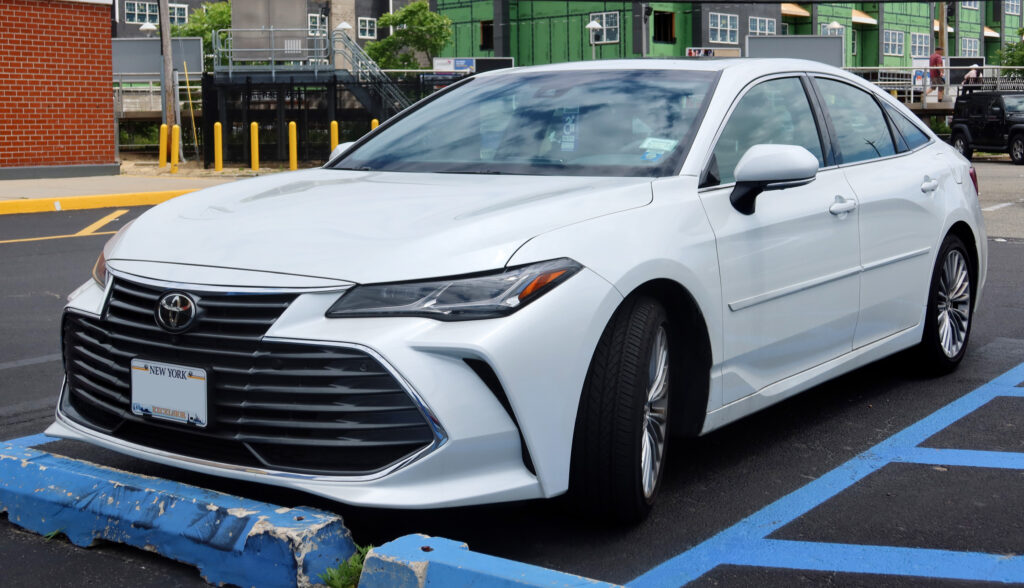
6. **The Influence of Gas Prices and EV Skepticism on Hybrid Demand**Toyota’s decision to lean into hybrids has proven particularly prescient in a market characterized by fluctuating gas prices and persistent skepticism surrounding fully electric vehicle options. These dual pressures have created a fertile environment for hybrid vehicles, which offer a compromise between traditional internal combustion engines (ICE) and pure EVs. This market environment has been a significant tailwind for Toyota’s strategy.
Hybrids provide a tangible benefit in terms of fuel economy improvements, which directly translates to cost savings for consumers at the pump, making them an attractive alternative when gasoline prices are elevated. This immediate economic advantage is a powerful motivator for many buyers considering a new vehicle purchase, offering a practical solution to rising operational costs.
Concurrently, concerns about EV range, the availability and speed of charging infrastructure, and the higher upfront cost of many pure electric models have led a segment of buyers to view hybrids as a safer and more practical choice. Toyota’s strategy effectively addresses these reservations by offering an electrified solution that requires no significant changes to existing fueling habits. Hybrids mitigate common EV anxieties without requiring a complete lifestyle adjustment.
This confluence of factors—economic pressures from gas prices and practical hesitations about EVs—positions hybrids in a strategic ‘sweet spot’ in the current automotive market. Toyota’s robust hybrid lineup is uniquely equipped to capture demand from consumers who are ready for electrification but perhaps not yet ready for a full transition to battery-electric vehicles, proving the wisdom of its patient approach.
Read more about: Cracking the Code: The Real Deal on 6 EVs That Might Need Pricey Battery Swaps

7. **RAV4 Hybrid and Lexus Hybrid Contributions to Overall Success**Beyond its trucks and full-size SUVs, Toyota’s broader hybrid portfolio also demonstrated exceptional strength in 2024, with the RAV4 Hybrid standing out as a significant contributor to overall sales. The RAV4 Hybrid alone surged 29.3%, solidifying its position as a top seller for the automaker. This success highlights that widespread hybrid adoption is not limited to specific segments but is a comprehensive trend across Toyota’s diverse offerings.
The RAV4, a midsize crossover SUV, consistently ranks among the top bestseller lists, and its hybrid variant’s robust growth indicates strong consumer preference for an efficient and versatile family vehicle. It led both its hybrid and traditional motor sales for the year, underscoring the strong appeal of its electrified option. This performance reinforces the idea that hybrid technology enhances already popular models, making them even more attractive to buyers.
Toyota’s luxury arm, Lexus, also participated in the hybrid boom, with Lexus hybrid sales climbing an impressive 41% in 2024. This substantial growth within the premium segment highlights that the appeal of hybrid technology extends across different price points and consumer demographics, reinforcing Toyota’s comprehensive electrification strategy. The willingness of luxury buyers to embrace hybrids further validates the technology’s perceived value and refinement.
The widespread success across various models and brands, from the mass-market RAV4 to the premium Lexus lineup, confirms the broad market acceptance and strategic effectiveness of Toyota’s hybrid offerings. This diverse portfolio, which now includes 30 electrified vehicles, more than any other automaker, allows Toyota to cater to a vast array of customer needs and preferences, further solidifying its market leadership. This comprehensive approach ensures continued relevance across multiple market segments.
Car Model Information: 2024 Toyota RAV4 LE
Name: Toyota RAV4
Caption: 2019 Toyota RAV4 LE AWD (AXAA54, US)
Manufacturer: Toyota
Aka: unbulleted list
Production: 1994–present
Class: Compact crossover SUV
Layout: unbulleted list
Categories: 2000s cars, 2010s cars, 2020s cars, All-wheel-drive vehicles, All Wikipedia articles written in British English
Summary: The Toyota RAV4 (Japanese: トヨタ・RAV4, Hepburn: Toyota Ravufō) is a compact crossover SUV produced by the Japanese automobile manufacturer Toyota. It is known for starting the wave of compact crossovers. The RAV4 is one of the best-selling SUVs of all time, having sold over 10 million units by February 2020. In February 2025, the RAV4 replaced the Ford F-150 as the top selling car in the United States, after nearly four decades of the F-150’s reign.
It made its debut in Japan and Europe in 1994, and in North America in 1995, being launched in January 1996. The vehicle was designed for consumers wanting a vehicle that had most of the benefits of SUVs, such as increased cargo room, higher visibility, and the option of full-time four-wheel drive, along with the maneuverability of a mid-size car. The vehicle’s name is an abbreviation of “Recreational Active Vehicle with 4-wheel drive”, or “Robust Accurate Vehicle with 4-wheel drive”, although not all models come equipped with the four-wheel drive system.
For the third-generation model, Toyota offered both short- and long-wheelbase versions of the RAV4. Short-wheelbase versions were sold in Japan and Europe; long-wheelbase versions in Australia and North America. Toyota of Japan also sold the longer-wheelbase version as the Toyota Vanguard (Japanese: トヨタ・ヴァンガード, Hepburn: Toyota Vangādo) at Toyopet Store dealership chain from 2005 through 2016. RAV4 for the Japanese market were sold at two different Toyota dealership chains, Corolla Store and Netz.
Get more information about: Toyota RAV4
Buying a high-performing used car >>>
Brand: Toyota Model: RAV4
Price: $29,490 Mileage: 25,862 mi.
Read more about: Electrified Excellence: 14 Hybrid Vehicles Worth Your Investment in a Shifting Automotive Landscape
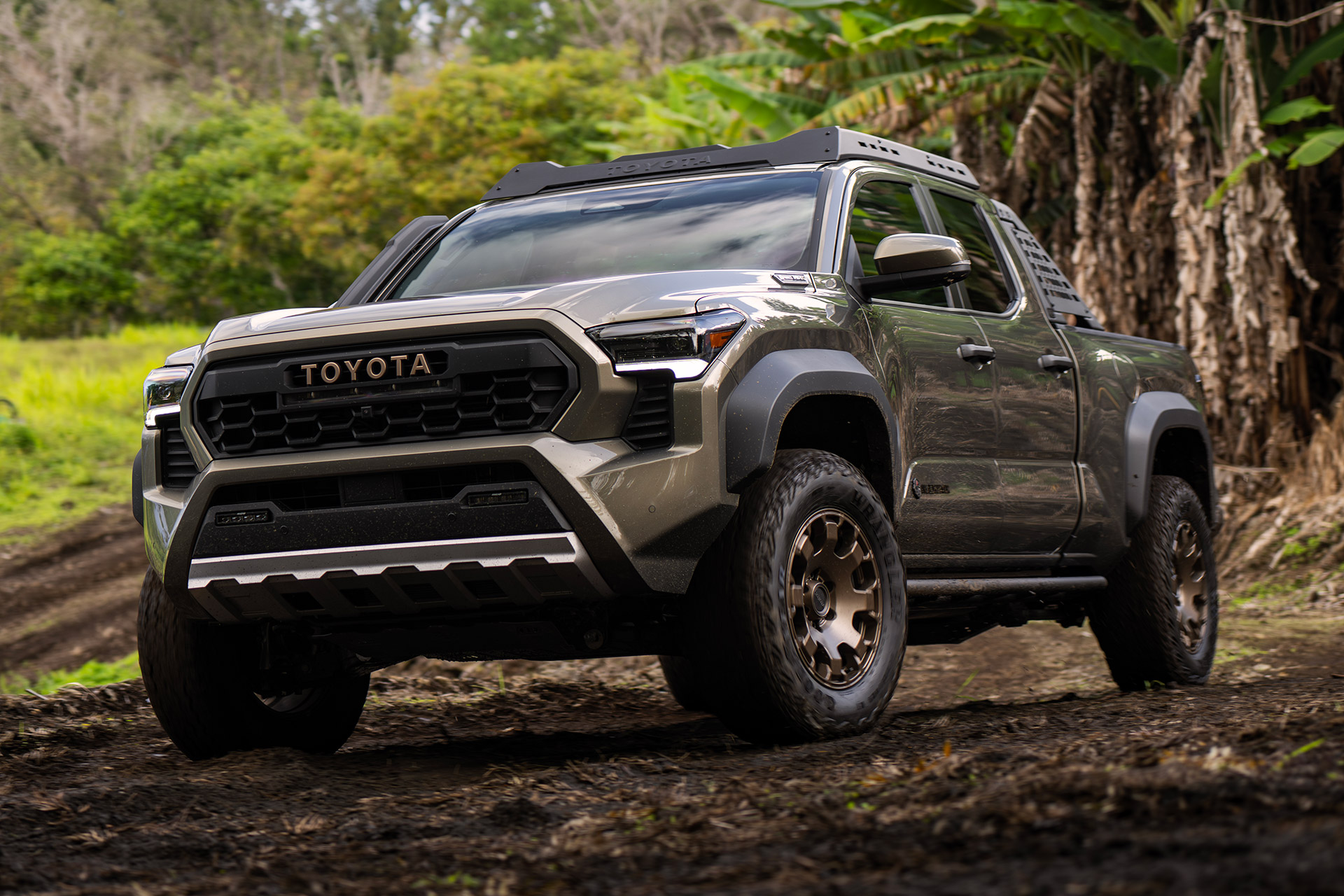
8. **Toyota’s Multi-Pathway Powertrain Philosophy Explained**Toyota’s strategic success in 2024 is deeply rooted in its “multi-pathway powertrain approach,” a philosophy that views hybrids as a crucial bridge technology. This strategy distinguishes the automaker from competitors by catering to a broader spectrum of consumer needs and budgetary constraints. It aims to provide effective solutions across various stages of vehicle electrification, rather than a singular focus.
Jack Hollis, TMNA’s executive vice president, articulated this approach, stating, “Our multi-pathway powertrain approach continues to attract customers, meeting their lifestyles and budgets.” This statement highlights the company’s belief that a single, all-electric solution may not suit every driver at this current stage of market evolution. Instead, offering diverse options, including traditional gasoline, hybrid, and eventually pure electric, allows for wider market penetration.
This philosophy has allowed Toyota to capitalize on current market conditions where factors like fluctuating gas prices and skepticism surrounding full electric vehicles influence purchasing decisions. By not committing solely to one technology, Toyota maintains flexibility and responsiveness to evolving consumer preferences. The strong sales figures across its hybrid lineup in 2024 serve as a clear validation of this diversified strategy.
9. **The Cautious Approach to Pure EVs**While Toyota’s hybrid vehicles achieved record sales in 2024, the company maintains a more cautious and measured stance regarding its rollout of pure electric vehicles (EVs). This deliberate pace contrasts with many competitors who have pursued aggressive EV deployment strategies. Toyota’s internal reports indicated that pure EV sales were “not so hot” in comparison to its booming hybrid segment.
Toyota’s executive vice president, Jack Hollis, conveyed this measured approach by stating, “Instead of rolling out EVs at breakneck speed, Toyota is taking its time.” This strategy reflects an acknowledgment of existing infrastructure challenges, consumer anxieties related to range and charging, and the higher upfront costs often associated with fully electric models. The company aims to ensure a smoother transition for both the manufacturer and its customer base.
This cautious stance allows Toyota to continue refining its hybrid technology, which currently provides a practical and accessible entry point into electrification for many consumers. It also grants the company time to develop more advanced and competitive EV offerings that are robustly supported by charging infrastructure and consumer readiness. The current market dynamics, where hybrids are performing exceptionally well, support this patient progression.
Read more about: Navigating the Maze: Seven Confusing Road Signs That Have Left Drivers Perplexed and the Broader Challenge of Driver Confusion

10. **Challenges in the Pure EV Segment: The bZ4X Example**Toyota’s deliberate pace in the pure EV market is underscored by the performance data of its existing all-electric models. For instance, the bZ4X, one of Toyota’s battery-electric offerings, presented an intriguing sales statistic in 2024. Toyota claimed the bZ4X enjoyed a 99% increase in sales during the year.
However, this seemingly impressive percentage increase requires crucial context. As a report noted, “which sounds impressive until you realize that’s because it only sold 9,329 in 2023.” This detail reveals that while there was significant growth, it originated from a relatively low baseline, indicating the nascent stage of Toyota’s pure EV market penetration. The absolute sales volume remains modest compared to its hybrid powerhouses.
This performance highlights the challenges in rapidly scaling pure EV sales, even for an established automaker like Toyota. It suggests that consumer adoption for specific pure EV models is still building, influenced by factors such as market competition, product availability, and the evolving perception of the brand in the all-electric space. The bZ4X’s trajectory serves as an example of the slower, more deliberate growth Toyota is experiencing in this particular segment.
Car Model Information: 2024 Toyota bZ4X XLE
Name: Toyota bZ4X
Caption: 2023 Toyota bZ4X AWD Limited (US)
Manufacturer: Toyota
ModelCode: EA10
Aka: unbulleted list
Production: April 2022 – present
ModelYears: 2023–present (North America)
Assembly: unbulleted list
Designer: Yung Joo Presciutti, Ken Billes, Shinya Minagawa, Yuki Takamatsu, and Hiroyuki Tada
Class: Compact crossover SUV
BodyStyle: SUV
Layout: unbulleted list
Platform: e-TNGA
Related: unbulleted list
Motor: unbulleted list
Powerout: unbulleted list
Abbr: on
Transmission: BluE Nexus
Battery: unbulleted list
Range: unbulleted list
Charging: unbulleted list
Wheelbase: 2850 mm
Length: 4690 mm
Width: 1860 mm
Height: 1650 mm
Weight: convert
Predecessor: Toyota RAV4 EV
Sp: us
Categories: All-wheel-drive vehicles, All Wikipedia articles written in American English, All articles containing potentially dated statements, All articles with unsourced statements, Articles containing Japanese-language text
Summary: The Toyota bZ4X, marketed as simply the Toyota bZ in North America since 2025, is a battery electric compact crossover SUV manufactured by Toyota. A Subaru version is marketed as the Subaru Solterra.
The vehicle debuted in April 2021 as the “bZ4X Concept”. It is the first vehicle to be based on the e-TNGA platform co-developed by Toyota and Subaru, and the brand’s first model to be part of their Toyota bZ (“beyond Zero”) series of zero-emissions vehicles.
Worldwide sales of the bZ4X started out in mid-2022, with production planned in Japan and China. Sales in the United States also started in 2022. When first introduced, Toyota said it would be the first of seven “bZ” models to be launched globally by 2025; however, the company fell far short of that goal and began to move away from the bZ naming convention in 2025.
The model received a major refresh in 2025, initially for Europe and North America, with design updates and major mechanical improvements such as more efficient motors, improved cooling, and higher power output. For North America, the model was renamed to Toyota bZ. An extended length, station wagon-like version was also introduced as the bZ Woodland in North America, and as the bZ4X Touring in Europe. A Subaru version of the extended length version is marketed as the Subaru Trailseeker.
Get more information about: Toyota bZ4X
Buying a high-performing used car >>>
Brand: Toyota Model: bZ4X
Price: $23,988 Mileage: 20,718 mi.
11. **Rival Struggles: Tesla’s Sales Decline**Amidst Toyota’s record-breaking hybrid sales, the competitive landscape for electric vehicles has presented significant challenges for other prominent automakers. Tesla Inc., a key player in the fully electric market, experienced a notable setback in 2024. Its fully electric line struggled to maintain positive sales momentum throughout the year.
Reports indicated that Tesla’s annual sales were down more than 1%, marking its first decline in over a decade. This downturn signals a potential shift in market dynamics and increasing competition within the EV segment. The company resorted to aggressive incentives, such as zero-percent financing and low-priced leases in the fourth quarter, in an attempt to attract customers and boost sales.
While these efforts did increase sales within that specific quarter, they were insufficient to elevate the year’s overall sales into positive territory. Tesla’s struggles underscore that even established EV leaders are facing headwinds in a rapidly evolving market, with factors like increased competition, pricing pressures, and evolving consumer expectations impacting performance. This contrasts sharply with Toyota’s hybrid success.

12. **Preparing for 2025: New Models and Production Expansion**Looking beyond its current hybrid dominance, Toyota is actively preparing for future growth and diversification. The company has significant expansion plans slated for 2025, signaling a continued commitment to evolving its product offerings and manufacturing capabilities. This forward-looking strategy aims to build upon the momentum generated by its successful hybrid year.
Jack Hollis, Toyota North America’s executive vice president and chief operating officer, outlined these ambitious plans. He stated, “Our teams are working with suppliers and dealers to prepare for a busy 2025 as we introduce approximately 24 all new, refreshed or special edition Toyota and Lexus vehicles.” This substantial pipeline of new models demonstrates Toyota’s intent to refresh its lineup and capture market share across various segments.
Additionally, the company is ramping up battery production at a new facility, a crucial step for both hybrid and electric vehicle expansion. These preparations indicate Toyota’s understanding that while hybrids are currently thriving, a robust and diverse portfolio, supported by advanced manufacturing, is essential for sustained long-term success in the automotive industry. The year 2025 appears to be a pivotal period for these strategic advancements.
Read more about: The Unseen Architects of Infinity: Decoding Marvel Studios’ Strategic Empire and Its Evolving Business Playbook
13. **Strategic Investment in Battery Production**Central to Toyota’s future plans is a substantial investment in battery manufacturing capabilities, particularly at its new facility in North Carolina. This strategic move highlights the company’s commitment to securing a critical component of its electrified vehicle strategy. The $13.9 billion facility is designed to meet the growing demands for both hybrid and fully electric powertrains.
The North Carolina facility is projected to feature 14 production lines, with a clear allocation for different electrification technologies. Specifically, four of these lines will be dedicated to hybrid vehicles, reinforcing Toyota’s ongoing commitment to this successful segment. The remaining 10 production lines will be allocated for electric and plug-in hybrid electric vehicles, signaling a future-oriented focus on expanding its pure EV and PHEV offerings.
This investment underscores Toyota’s long-term vision, recognizing that internalizing battery production is vital for supply chain security, cost control, and technological advancement across its diverse electrified portfolio. By building out this capacity, Toyota is positioning itself to scale up production of advanced batteries, which are essential for supporting its new model launches and meeting future market demands for various electrified options.
Read more about: The 2025 Lemon List: 14 Cars to Avoid That Mechanics Already Dread Seeing
14. **Hybrids as a Bridge Technology**Toyota’s sustained emphasis on hybrid vehicles stems from its firm belief in their role as a critical bridge technology in the transition to an all-electric future. This perspective positions hybrids as a practical and accessible stepping stone for consumers moving away from purely internal combustion engine vehicles. They offer enhanced fuel efficiency and reduced emissions without requiring significant changes in consumer infrastructure or habits.
Hybrids effectively mitigate common anxieties associated with pure electric vehicles, such as range limitations and the availability of charging stations. By combining a gasoline engine with an electric motor, they provide the best of both worlds: improved efficiency for daily driving and the flexibility of traditional refueling for longer journeys. This makes them a compelling option for a broad demographic of buyers who are not yet ready for a full transition to battery-electric vehicles.
This strategic positioning has proven particularly effective in a market influenced by fluctuating fuel costs and a cautious consumer sentiment towards new, unproven technologies. Toyota’s extensive lineup of 30 electrified vehicles, predominantly hybrids, offers consumers a familiar yet advanced option. This allows for gradual market education and adoption, building a foundation for future, more advanced electric technologies.
Read more about: Navigating the Future of Road Funding: An In-Depth Look at the Controversial Per-Mile Charge Proposal
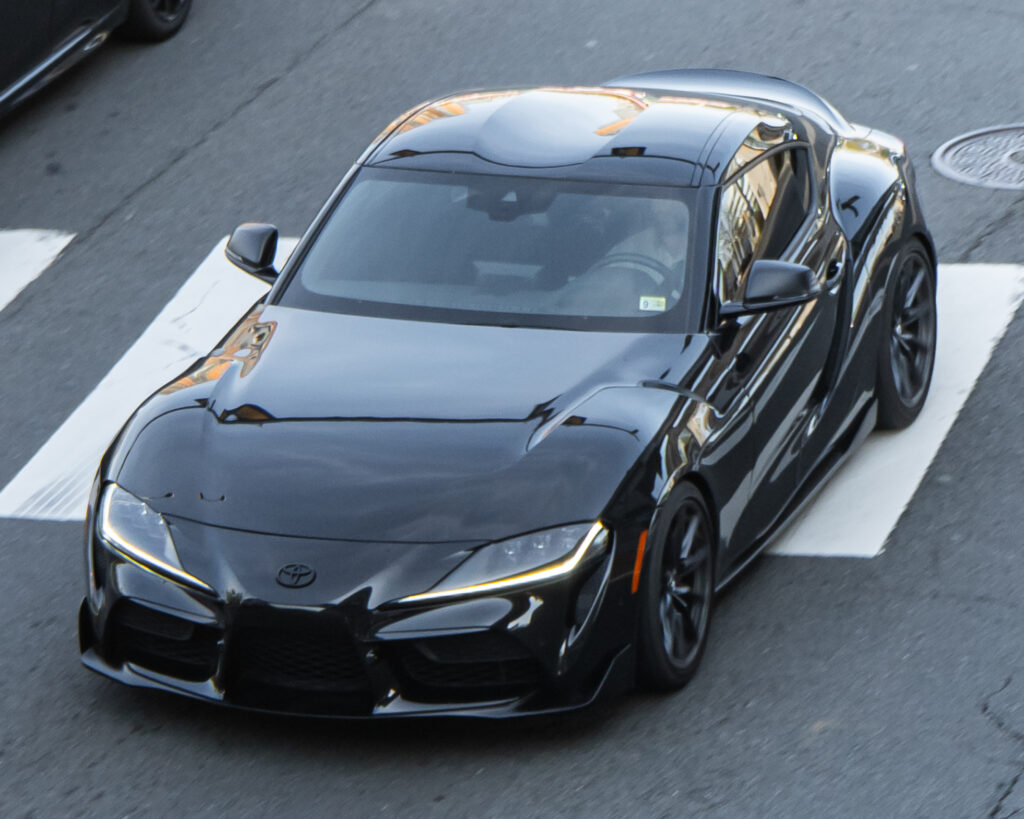
15. **The Long-Term Outlook: Balancing Hybrid Success with EV Future**Toyota’s current hybrid-driven success provides a formidable competitive advantage, yet the long-term outlook for sustaining market leadership hinges on a delicate balance. While the hybrid playbook is undeniably winning today, the crucial question remains: for how long? The automotive industry’s rapid evolution towards electrification presents both opportunities and potential pitfalls for even the most dominant players.
The company acknowledges it cannot indefinitely avoid the full electric vehicle segment. As a previous report noted, “Toyota is working on the EV front—slowly.” The ultimate test for Toyota will be its ability to translate its current hybrid expertise into competitive and compelling pure EV offerings in the coming years. This transition is essential to maintaining relevance and leadership as global market preferences continue to shift.
Jack Hollis alluded to the strategic imperative, stating, “Our multi-pathway powertrain approach continues to attract customers, meeting their lifestyles and budgets.” However, the statement, “If Toyota doesn’t nail its EV game soon, today’s hybrid boom could turn into tomorrow’s missed opportunity,” serves as a stark reminder. The future landscape requires not just a strong hybrid presence, but also a robust and well-executed pure EV strategy to secure enduring market leadership in an increasingly electrified world.
Toyota’s ability to innovate swiftly and effectively in the pure EV space, while continuing to build on its hybrid momentum, will define its position in the next era of automotive mobility. The ongoing commitment to diversified powertrains and strategic investments in battery technology positions Toyota for adaptability, but the true measure of its long-term success will be its performance in the fully electric arena. The journey from hybrid dominance to comprehensive electrification is well underway, promising continued evolution and intense competition.