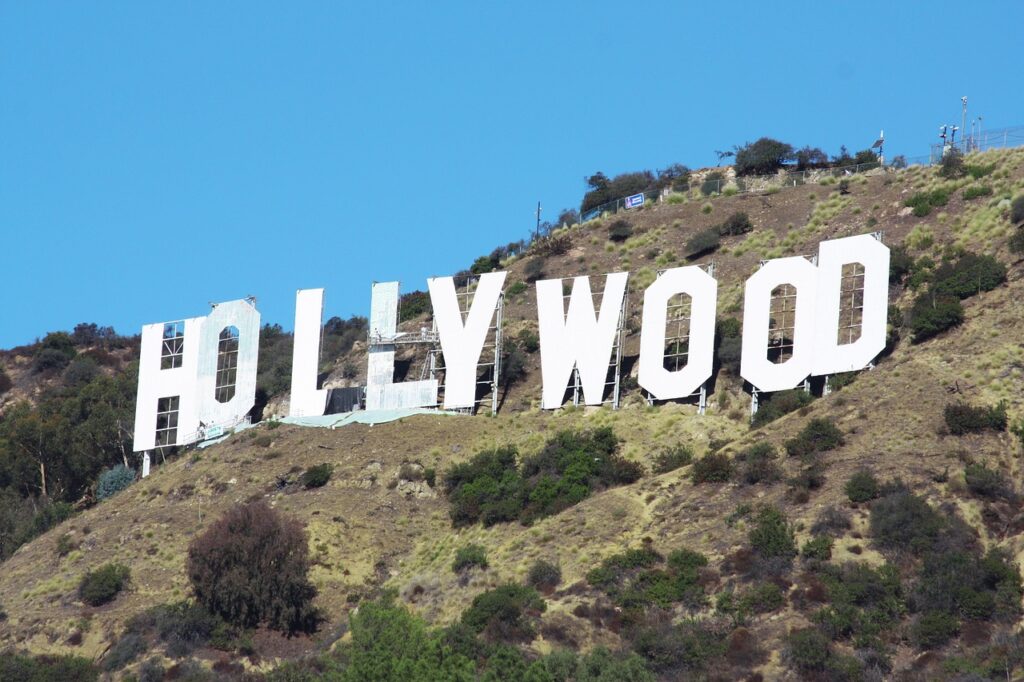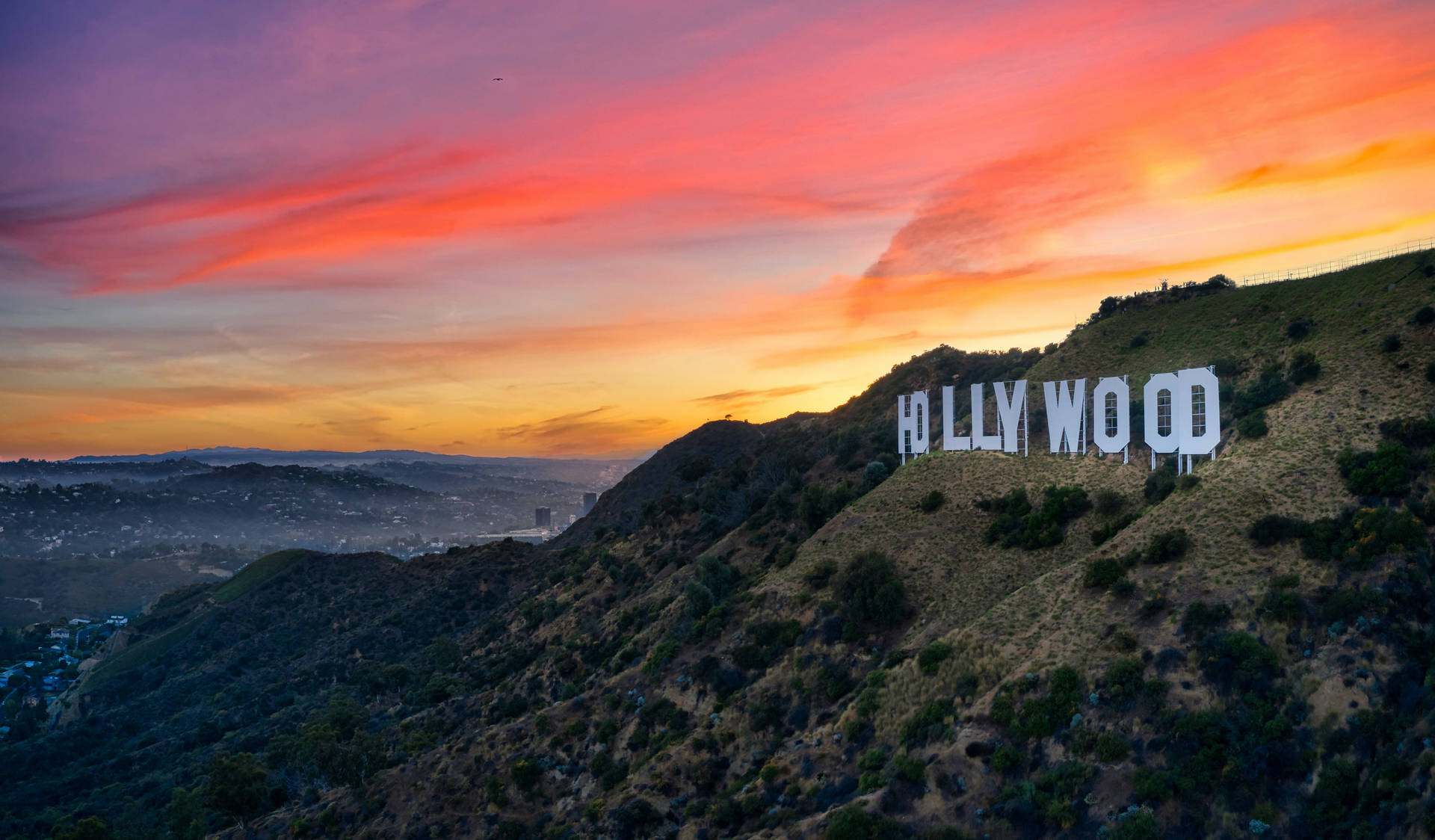
Hollywood, the glittering dream factory, has always been a place where stories are born, dreams are spun, and creativity is, ostensibly, boundless. Yet, beneath the veneer of magic and imagination, there often exists a complex tapestry of unwritten rules, unspoken pressures, and a chilling history of censorship that has profoundly impacted the careers of countless writers, directors, and performers. From the overt blacklists of the mid-20th century to more subtle, insidious forms of corporate coercion today, the entertainment industry has a long memory when it comes to those who challenge the status quo or simply become targets of political ire. These actions, whether explicit or implicit, leave an indelible mark, shaping what we see on screen and who gets to tell those stories.
Today, the conversation about free speech in Hollywood feels more urgent than ever, echoing historical battles fought during the Cold War. Recent events involving Disney-owned entities, like the temporary pulling of ‘Jimmy Kimmel Live!’ from ABC, have brought this simmering tension back to the forefront. These incidents, while seemingly isolated, highlight a deep-seated anxiety within the industry—a fear that what should be a free and independent media is increasingly being coerced into self-censorship by powerful forces, whether governmental or corporate. It’s a stark reminder that the fight for creative freedom is an ongoing one, with very real consequences for the livelihoods and artistic integrity of those who work in entertainment.
In this in-depth investigation, we’ll peel back the layers of Hollywood’s past and present to uncover the stories of 13 writers and creative forces who have, in various ways, faced the sharp edge of blacklisting and effective banning, some directly or indirectly linked to the vast influence of Disney. Their experiences illuminate the ‘unwritten rule’—a pervasive understanding that certain lines are not to be crossed, certain opinions not to be voiced, lest one find themselves on the outside looking in. From the infamous House Un-American Activities Committee hearings to modern corporate decisions, these are the tales of those who dared to speak, write, or simply exist in a way that challenged the powerful, and the profound impact it had on their careers and the industry at large.
1. The Hollywood Ten: The Architects of Defiance
The story of Hollywood’s blacklisting truly begins with the audacious defiance of the Hollywood Ten. This group of left-wing screenwriters and directors faced the House Un-American Activities Committee (HUAC) in November 1947, subpoenaed to testify about their Communist affiliations. Instead of cooperating, they challenged the very legitimacy of the committee, citing their First Amendment right to freedom of speech, opinion, and association. Their refusal to answer the now-infamous question, “Are you now, or have you ever been, a member of the Communist Party?”, resulted in formal charges of contempt of Congress, setting them on a collision course with an industry about to undergo a seismic shift.
Their stance wasn’t just a personal choice; it was a powerful, public act of resistance against what they perceived as an unconstitutional investigation. John Howard Lawson, one of the Ten, famously declared, “I am not on trial here, Mr. Chairman. This committee is on trial here before the American people.” This collective act of principled insubordination, though leading to their imprisonment, galvanized many within Hollywood and beyond, even as it provoked fear and outrage among others. Their actions became a touchstone for free speech advocates, demonstrating the courage required to stand against governmental power.
The industry’s response was swift and brutal. Following a meeting of nearly 50 film executives at New York City’s Waldorf-Astoria hotel, the infamous Waldorf Statement was issued. This pivotal document announced that the ten uncooperative witnesses would be fired or suspended without pay and not re-employed until they were cleared of contempt charges and had sworn they were not Communists. This moment marked the official beginning of the first Hollywood blacklist, effectively banning these writers and directors from working in mainstream American film and television, casting a long, dark shadow over the industry for years to come.
The impact of this collective banning extended far beyond their individual careers. It sent a clear message to all creative professionals in Hollywood: conformity was expected, and political dissent, or even the perception of it, would not be tolerated. The Hollywood Ten became a symbol of both resistance and the devastating power of government and corporate collusion against individual liberty. Their story is a chilling reminder of how quickly the principles of free speech can be eroded under pressure, forcing artists to choose between their convictions and their livelihoods.
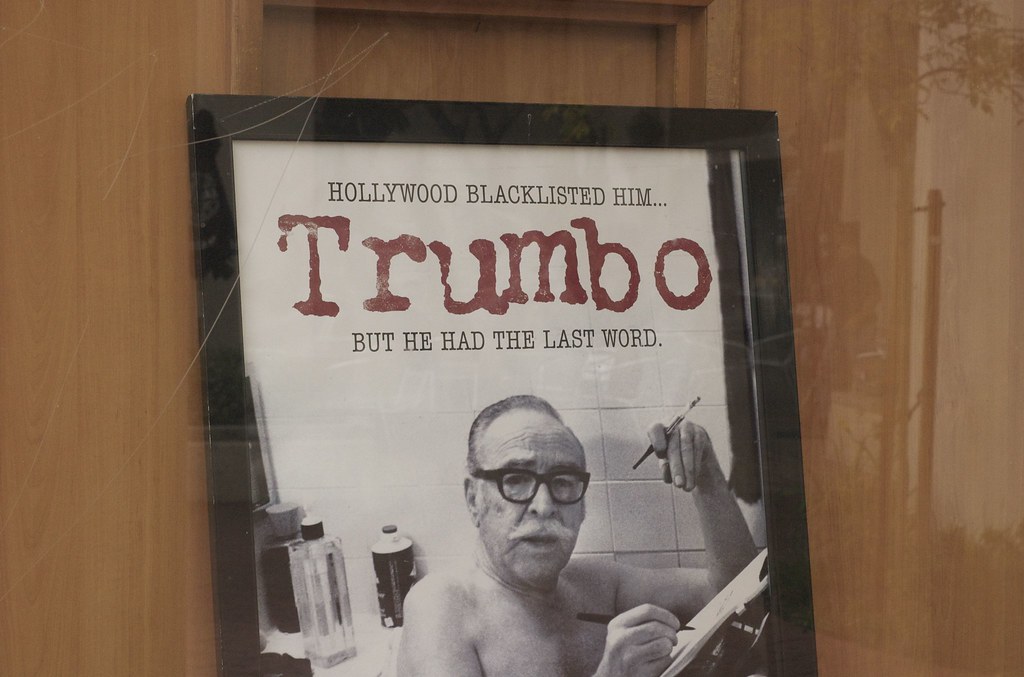
2. Dalton Trumbo: The Pen That Broke the Blacklist
Among the Hollywood Ten, Dalton Trumbo stands out as one of the most iconic figures, not just for his initial defiance but for his eventual, hard-won triumph over the blacklist. A member of the Communist Party USA from 1943 to 1948, Trumbo, like his colleagues, refused to cooperate with HUAC, leading to his conviction for contempt of Congress and a prison sentence. His journey through the blacklist became a powerful testament to the resilience of creative spirit in the face of immense adversity, and his eventual open credit marked a crucial turning point in its demise.
During the peak of the blacklist’s enforcement from the late 1940s to the late 1950s, Trumbo was barred from employment, his name becoming synonymous with professional ostracism. Yet, his prolific talent could not be silenced. He continued to write screenplays surreptitiously, utilizing pseudonyms or relying on friends to “front” for him, claiming authorship of his work. This underground network of talent allowed blacklisted writers to contribute to Hollywood’s output, often winning awards for their uncredited work, all while their true identities remained hidden for fear of reprisal.
Trumbo’s determination ultimately paid off in 1960. Director Otto Preminger openly hired him to write the screenplay for ‘Exodus,’ a significant crack in the wall of silence. Months later, the legendary actor Kirk Douglas publicly acknowledged that Trumbo had penned the screenplay for the epic ‘Spartacus.’ These public acknowledgments by industry titans were groundbreaking, signaling that the climate of fear was finally beginning to dissipate and that the economic and moral arguments against the blacklist were gaining traction. It was a moment of profound vindication for Trumbo and a beacon of hope for others.
While Trumbo’s breakthrough in 1960 is often cited as the unofficial end of the blacklist, it’s crucial to remember that its shadows lingered for years, with many other blacklisted film artists continuing to face difficulties obtaining work. However, Trumbo’s unwavering commitment to his craft and his eventual public recognition demonstrated that talent, ultimately, could not be perpetually suppressed. His story remains a potent symbol of the enduring power of art and the human spirit in the face of oppression, a true Hollywood legend who overcame an unjust ban.
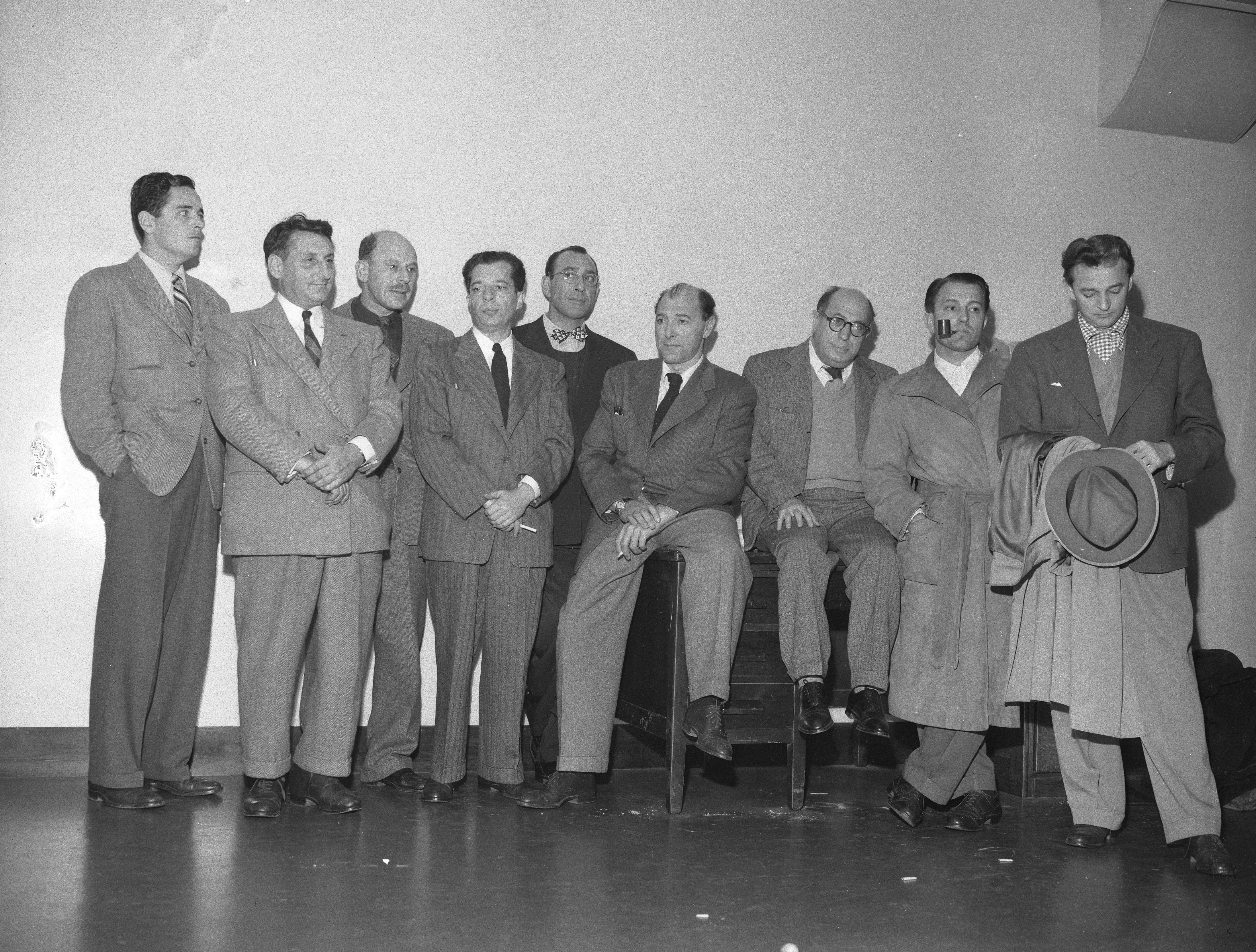
3. Edward Dmytryk: The Path of Cooperation and Its Costs
Edward Dmytryk’s story offers a stark contrast to the defiance of figures like Dalton Trumbo within the Hollywood Ten. Dmytryk, originally one of the ten men cited for contempt of Congress, initially resisted HUAC’s demands. However, after serving his prison sentence, he made a pivotal decision in September 1950: he announced his past membership in the Communist Party and expressed his willingness to give evidence against others who had been involved. This choice led to his early release from jail and fundamentally altered the trajectory of his career and his relationships within the industry.
Dmytryk’s 1951 HUAC appearance saw him describe his past Party membership and, crucially, ‘name names’—identifying colleagues he claimed were also Communists. For many, this act was seen as a betrayal, a capitulation that enabled the blacklist to extend its reach and deepen its damage. While his cooperation allowed him to recover his directorial career, the moral and ethical implications of his testimony were profound, highlighting the excruciating choices individuals were forced to make under immense pressure during this dark period in American history.
His case underscores the complex and often tragic dilemma faced by those caught in the Red Scare. The choice between personal conviction and professional survival was a harrowing one, with Dmytryk opting for the latter. While he continued to direct successful films post-blacklist, his legacy remains intertwined with this controversial decision, prompting ongoing debate about the nature of loyalty, justice, and the consequences of informing on one’s peers. His experience serves as a powerful reminder of the deep divisions and moral compromises exacted by the blacklist.
Dmytryk’s return to the industry, facilitated by his testimony, marked a different kind of unwritten rule—that cooperation, even at the cost of others’ careers, could pave a path back to employment. It solidified the notion that to be ‘cleared,’ one often had to participate in the machinery of accusation, extending the blacklist’s reach. His story is a poignant example of how individuals navigate—or fail to navigate—the moral minefield of political persecution, and the lasting impact such choices have on their personal and professional lives, demonstrating that even a recovered career came with an enduring moral weight.
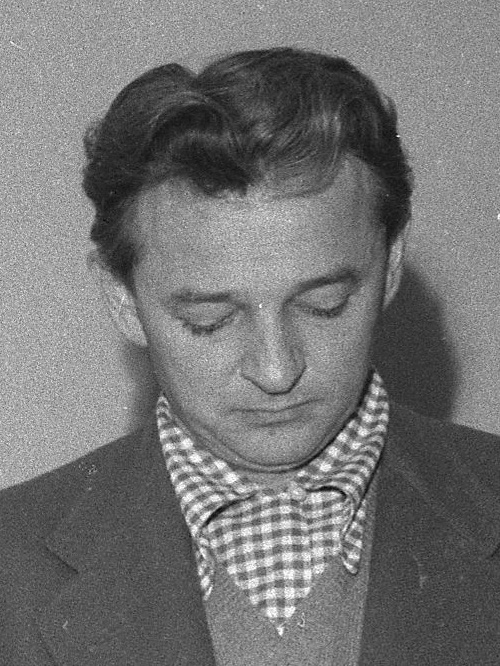
4. Adrian Scott: The Fallout from a Friend’s Testimony
Adrian Scott, a talented writer and producer, exemplifies the devastating ripple effect of the blacklist, particularly when personal relationships were shattered by the pressure to ‘name names.’ Scott had a successful collaboration with Edward Dmytryk, having produced four of Dmytryk’s films, including notable works like ‘Murder, My Sweet’ and ‘Crossfire.’ This professional bond, however, could not withstand the ideological pressures of the McCarthy era, as Dmytryk’s decision to cooperate with HUAC directly implicated Scott, sealing his fate on the blacklist.
When Dmytryk named Scott during his 1951 HUAC appearance, it wasn’t just an accusation; it was a personal blow that effectively ended Scott’s active career in Hollywood. The bond of colleagues, forged through creative endeavors, was severed by the demands of political loyalty oaths. For Scott, this act of naming by a former friend meant an immediate and profound cessation of work in American film and television. His professional life, once vibrant and productive, ground to a halt, demonstrating the direct and immediate consequences of the blacklist’s power when fueled by such testimonies.
The impact was long-lasting. Adrian Scott’s next screen credit did not come until 1972, a staggering two decades after being blacklisted. Furthermore, he never produced another feature film, highlighting the often irreversible damage the blacklist inflicted on careers. This extensive period of professional exile illustrates the severity of the ‘banning’ and the difficulties of recovery, even as the blacklist began to weaken for others. It was a form of professional death, a forced disappearance from the industry he had helped shape.
Scott’s story is a tragic illustration of how the blacklist not only targeted individuals directly but also created an atmosphere of suspicion and distrust that tore apart professional and personal relationships. Being named by a former colleague compounded the sense of injustice, turning a political purge into a deeply personal wound. His long absence from the screen is a stark reminder of the enduring scars left by the era, a testament to the unwritten rule that once you were on the list, redemption was a long, arduous, and often incomplete journey.
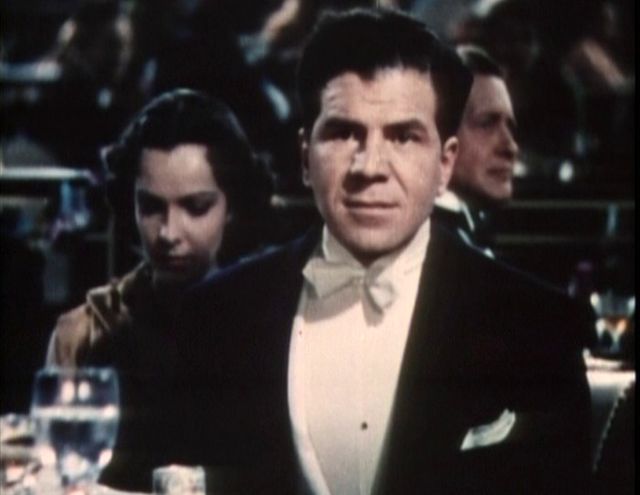
5. Lionel Stander: An Early Target of Political ‘Clearing’
Long before the formal institution of the Hollywood Ten and the comprehensive blacklist, actors and writers were already feeling the heat of anti-Communist investigations, and Lionel Stander serves as a poignant early example. In 1938, under then-chairman Martin Dies Jr., HUAC released a report claiming communism was pervasive in the movie industry. Two years later, a former Communist Party member, John L. Leech, privately testified, naming forty-two movie professionals as Communists. Among these names, which were subsequently leaked to the press, were stars like Humphrey Bogart and Katharine Hepburn, alongside Lionel Stander.
Chairman Dies, in a move that previewed the tactics of later investigations, offered to “clear” those who cooperated by meeting with him in “executive session.” Within two weeks of the grand jury leak, nearly everyone on Leech’s list, except actress Jean Muir, met with Dies. The outcome, however, was not uniform. While Dies “cleared” most of the named individuals, Lionel Stander was singled out. He was not cleared, and the consequences were immediate and severe: Republic Pictures, where he was under contract, promptly fired him. This incident showcased a nascent form of blacklisting, demonstrating that accusations, even without formal legal proceedings, could lead directly to professional termination.
Stander’s case illustrates an early, informal manifestation of the ‘unwritten rule’ that would later solidify into the full-blown blacklist. His firing underscored the vulnerability of individuals to political accusations and the readiness of studios to capitulate to external pressure. He was one of the first explicit casualties of the brewing Red Scare in Hollywood, a stark warning to others about the potential costs of being perceived as politically undesirable. This early targeting set a chilling precedent, laying the groundwork for the more systematic purges that would follow.
The swiftness with which Stander was dismissed highlighted the immense power wielded by studio executives and their susceptibility to political influence, even at this embryonic stage of the anti-Communist witch hunt. His experience serves as a crucial piece of the historical puzzle, revealing how the fear and pressure of the era began to dictate employment in Hollywood well before the widely recognized blacklist of the late 1940s. It was a clear signal that a new, dangerous era was dawning for anyone deemed a political risk.
6. Lillian Hellman: Blacklisted by External Forces
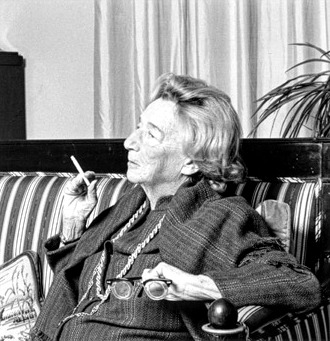
While the HUAC hearings and the studio-imposed blacklist dominated the narrative of Hollywood’s Red Scare, other powerful entities played a significant role in enforcing and expanding the ban on perceived Communists. Playwright and screenwriter Lillian Hellman, renowned for her sharp wit and powerful dramas, found herself caught in the crosshairs of one such non-governmental organization: the American Legion. This conservative war veterans’ group became instrumental in pressuring studios, extending the reach of professional ostracization beyond direct congressional action.
In 1949, the Americanism Division of the Legion issued its own blacklist, a formidable roster of 128 individuals it claimed were part of the “Communist Conspiracy.” Lillian Hellman’s name was prominently featured on this list, despite her not being a member of the Hollywood Ten or directly subject to HUAC contempt charges at that time. This private blacklist, though lacking the direct governmental imprimatur of HUAC, proved incredibly effective due to the American Legion’s lobbying power and influence over public opinion and studio decision-makers. It was another layer of the ‘unwritten rule’ enforced by a powerful external body.
The consequences for Hellman’s career were severe and immediate. Having written or contributed to the screenplays of approximately ten motion pictures prior to her blacklisting by the Legion, her prolific output abruptly ceased. She was not employed again by a Hollywood studio until 1966, an astounding 17-year hiatus. This prolonged ban underscores the pervasive nature of the blacklist and how various groups, not just government committees or studio heads, could effectively end careers through public accusation and pressure. Her case highlights the chilling effect of a ‘moral panic’ fueled by powerful, conservative organizations.
Hellman’s prolonged absence from Hollywood screens serves as a stark reminder that the ‘unwritten rule’ of banning extended far beyond direct government subpoenas. It was a multi-faceted phenomenon, with ideologically driven groups actively compiling lists and pressuring employers, demonstrating the broad and terrifying scope of the anti-Communist purge. Her experience underscores how powerful lobbying by organizations like the American Legion could effectively impose a ban, reinforcing the atmosphere of fear and conformity that choked creative freedom in Hollywood for nearly two decades.
As we continue our deep dive into the labyrinthine history of Hollywood’s ‘unwritten rules’ and the persistent challenge to free speech, we shift our gaze from the overt governmental blacklists of the past to the more nuanced, yet equally potent, forms of corporate and media-driven censorship that have evolved over the decades. The entertainment industry, a vibrant ecosystem of creativity, has repeatedly grappled with pressures that dictate not just who can work, but what stories can be told and what voices can be heard. This next chapter unpacks how influential media, powerful conservative groups, and modern corporate pressures, particularly within Disney-affiliated entities, continue to shape the landscape of artistic freedom.
7. William R. Wilkerson: The Birth of a Media Blacklist
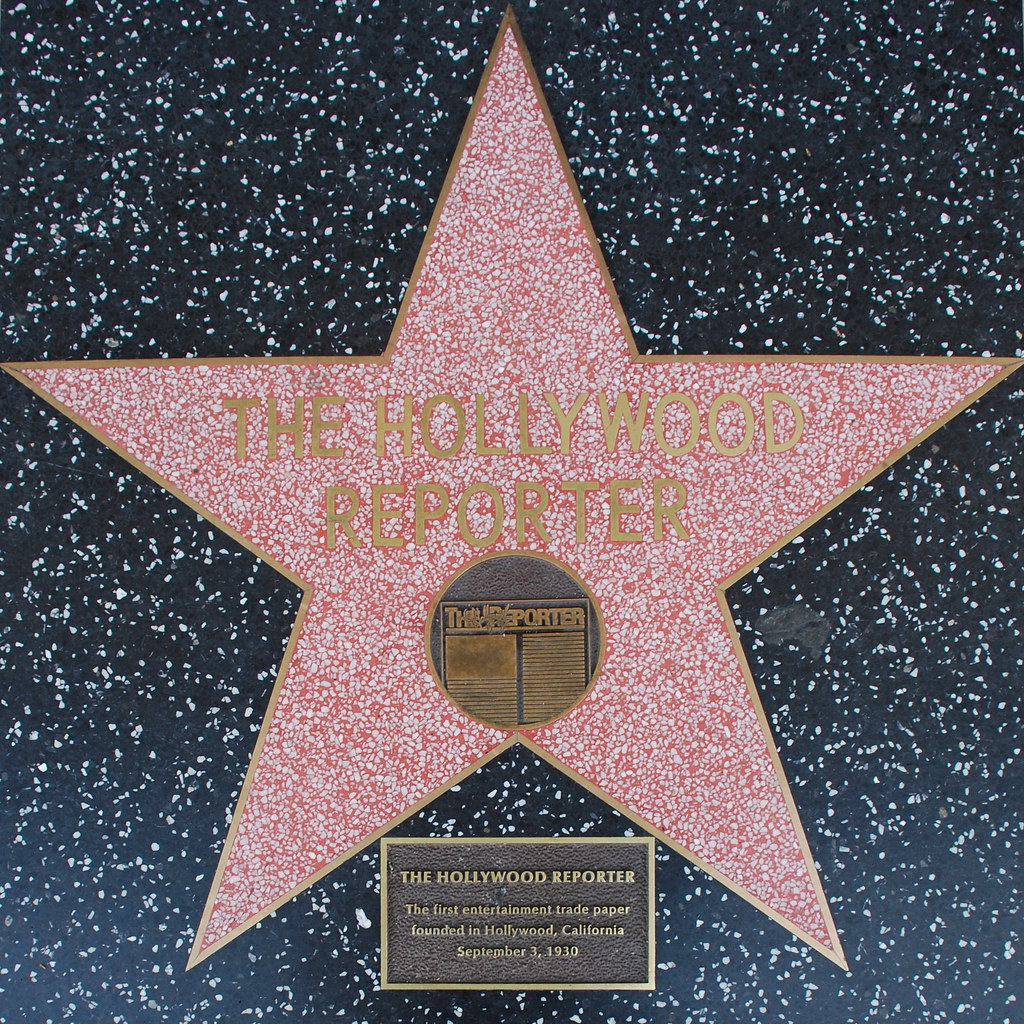
While the government’s role in the blacklist is often highlighted, the media itself played a critical part in its inception and enforcement. William R. Wilkerson, the formidable publisher and founder of *The Hollywood Reporter* (THR), lit an early fuse of suspicion and fear with his front-page ‘Tradeviews’ column. On July 29, 1946, under the ominous title ‘A Vote for Joe Stalin,’ Wilkerson began publicly naming individuals he suspected of being Communist sympathizers, including prominent figures like Dalton Trumbo and John Howard Lawson, well before the formal HUAC hearings took center stage.
These inflammatory columns quickly became infamous as ‘Billy’s Blacklist,’ a powerful, unofficial ledger of supposed subversives. Wilkerson’s daily pronouncements carried significant weight in the industry, effectively marking individuals as undesirable long before any official charges or trials. His obituary in THR, years later, would even credit him with being ‘chiefly responsible for preventing communists from becoming entrenched in Hollywood production,’ underscoring the perceived impact of his media-driven campaign.
However, a later revelation by Wilkerson’s son in a 2012 anniversary article offered a different perspective, suggesting his father’s motivations might have been rooted in personal revenge for thwarted ambitions to own a film studio. This detail highlights that even seemingly objective media campaigns can be driven by deeply personal agendas, making the ‘unwritten rule’ of professional ostracization even more insidious as it blurred lines between political conviction, professional rivalry, and public accusation, demonstrating how a single influential media voice could initiate professional bans.
8. The Motion Picture Alliance: Ideological Guardians of the Screen
Beyond governmental and individual media pressures, ideologically driven groups also exerted immense influence, subtly dictating acceptable narratives and themes on screen. The Motion Picture Alliance for the Preservation of American Ideals (MPA), a politically conservative action group, emerged as a vocal proponent of anti-Communist ideals within Hollywood. In 1947, the MPA issued a critical document that would serve as an informal blueprint for industry self-censorship: a pamphlet authored by the renowned philosopher and novelist Ayn Rand, titled ‘Screen Guide for Americans.’
This ‘Screen Guide’ wasn’t merely a suggestion; it was a prescriptive text advising film producers on how to avoid ‘subtle communistic touches’ in their films. It presented a stark list of ideological prohibitions, meticulously outlining what was deemed acceptable and unacceptable. Directives such as ‘Don’t Smear the Free Enterprise System,’ ‘Don’t Smear Industrialists,’ ‘Don’t Smear Wealth,’ ‘Don’t Smear the Profit Motive,’ and ‘Don’t Deify ‘the Common Man’,’ and ‘Don’t Glorify the Collective’ were clear mandates.
The MPA’s guidelines essentially provided a framework for pre-emptive censorship, encouraging studios and writers to internalize these prohibitions to avoid potential backlash and accusations of communist sympathies. This mechanism represented a significant evolution in how censorship was enforced – not through direct government order, but through industry-aligned groups wielding moral authority and public pressure. It solidified an ‘unwritten rule’ that creativity must align with a specific political ideology, showcasing how powerful lobbying by such organizations could effectively impose an indirect ban on certain storytelling elements and themes.

9. Red Channels: Blacklisting’s Expansion to Broadcasting
As the Red Scare intensified, the scope of blacklisting rapidly expanded beyond the silver screen, proving that no corner of the entertainment industry was immune. This expansion was dramatically documented and facilitated by the June 1950 publication of a pamphlet-style book titled ‘Red Channels: The Report of Communist Influence in Radio and Television.’ This crucial document marked a pivotal moment, shifting the focus of anti-Communist purges squarely onto the broadcasting sector and demonstrating the growing reach of professional ostracization.
‘Red Channels’ meticulously identified 151 entertainment industry professionals, branding them as ‘Red Fascists and their sympathizers’ who had allegedly ‘infiltrated radio and television.’ The detailed roster, based on various accusations and alleged affiliations, became a veritable death knell for many careers. The publication, rather than being a governmental decree, was a privately compiled list that nonetheless held immense power due to the pervasive fear and the industry’s eagerness to self-police.
The consequences for those named were swift and brutal. Within a short period, these individuals, alongside a host of other artists caught in the widening net of suspicion, found themselves barred from employment in radio and television. This expansion illustrated that the ‘unwritten rule’ of banning was not confined to Hollywood’s studio gates but was a multi-faceted phenomenon, with ideologically driven publications actively compiling lists and pressuring employers across different media platforms. ‘Red Channels’ thus became a potent symbol of how influential media could significantly broaden the reach of censorship and professional exclusion.

10. Walt Disney: A Corporate Architect of Anti-Communist Action
One of the most surprising and impactful figures in the early enforcement of these ‘unwritten rules’ within a major corporate entity was Walt Disney himself, a name synonymous with American innocence and fantasy. As early as 1941, during a cartoonists and animators’ strike at his studio, Disney publicly aligned with anti-Communist sentiment. He notably took out an advertisement in *Variety*, the industry trade magazine, declaring his firm conviction that ‘Communist agitation’ was the root cause of the labor dispute, effectively labeling dissenting employees as politically subversive.
However, historians Larry Ceplair and Steven Englund later challenged this assertion, arguing that ‘In actuality, the strike had resulted from Disney’s overbearing paternalism, high-handedness, and insensitivity.’ This historical reframing highlights how political accusations could be leveraged to suppress legitimate labor disputes and dissent within corporate structures, setting a dangerous precedent for future interventions against perceived ‘troublemakers.’
Disney’s stance wasn’t limited to internal labor disputes. He also played a direct role in the formal government investigations, testifying as a ‘friendly witness’ before the House Un-American Activities Committee (HUAC) in 1947. During his testimony, Disney asserted that the threat of Communists within the film industry was a serious one and, crucially, he ‘named specific ex-employees as probable Communists.’ This act solidified his role as a proactive participant in the anti-Communist purges.
This historical involvement by Walt Disney, the head of what would become a global entertainment powerhouse, demonstrates a significant early instance of a ‘Disney-affiliated entity’ actively contributing to the blacklisting phenomenon. His actions highlight how powerful figures within major corporations not only succumbed to external pressures but also actively facilitated the climate of fear and control over creative personnel, reinforcing the ‘unwritten rule’ that ideological conformity was a prerequisite for employment. His legacy, therefore, carries the complex weight of being both a creative visionary and an early corporate enforcer of political loyalty.

11. The Modern ‘Chilling Effect’: Self-Censorship in the Digital Age
Fast forward to the present, and the ‘unwritten rule’ of what can or cannot be said has evolved, yet its chilling effect remains alarmingly palpable, particularly within the context of recent events surrounding Disney-owned entities. Emmy-winning comedy writer Bruce Vilanch, a veteran of the Oscars and ‘Hollywood Squares,’ starkly described the contemporary climate, stating, ‘Ever since ‘woke’ started before COVID and George Floyd, comedy became a minefield. And then, last week, it became a nuclear garden,’ referring to the incident with Jimmy Kimmel. This paints a grim picture of the anxieties pervading writers’ rooms.
The pressure has led to a noticeable shift in behavior among creative professionals. A showrunner, developing multiple series and speaking anonymously due to fear of reprisals, revealed that many colleagues have ‘started to become more cautious about incorporating certain elements in their stories, something they didn’t do before.’ Furthermore, discussions that once happened openly are now being relegated to private channels rather than being ‘posted on social media,’ illustrating a profound and pervasive sense of self-censorship born out of fear.
Meredith Stiehm, the outgoing president of Writers Guild of America West, articulated the broader concern during a rally in support of Kimmel, emphasizing anxieties about a ‘consolidated media ecosystem.’ She cautioned that ‘A small shrinking number of gatekeepers control what Americans watch on TV, and these conglomerates are now being coerced into censoring us all by an administration that demands submission and obedience from what should be a free and independent media.’ This perspective highlights how corporate consolidation magnifies external political pressures, making the industry more vulnerable.
This modern ‘squeeze,’ as described by Bruce Vilanch, is fundamentally different from past pressures that were primarily ‘market and cultural forces.’ Today, ‘the squeeze is now coming directly from the government,’ which Vilanch unequivocally calls ‘censorship’ and ‘the government actually intervening in the most capricious way.’ The perception that ‘offending the president and his administration itself is considered illegal’ marks a significant and dangerous shift, creating an environment where writers are forced to adapt not just to audience sensitivities, but to political diktats.
The veteran late-night TV writer’s lament that ‘It just feels like another brick in the wall of the world that I have worked in for the past 35 years no longer exists’ perfectly encapsulates the profound sense of loss and disillusionment among those who once believed in the boundless nature of creative expression. The modern ‘chilling effect’ is a complex interplay of political pressure, corporate caution, and artists’ fear, directly impacting the diverse stories Hollywood chooses to tell.
12. The Jimmy Kimmel Live! Controversy: Disney’s Tightrope Walk
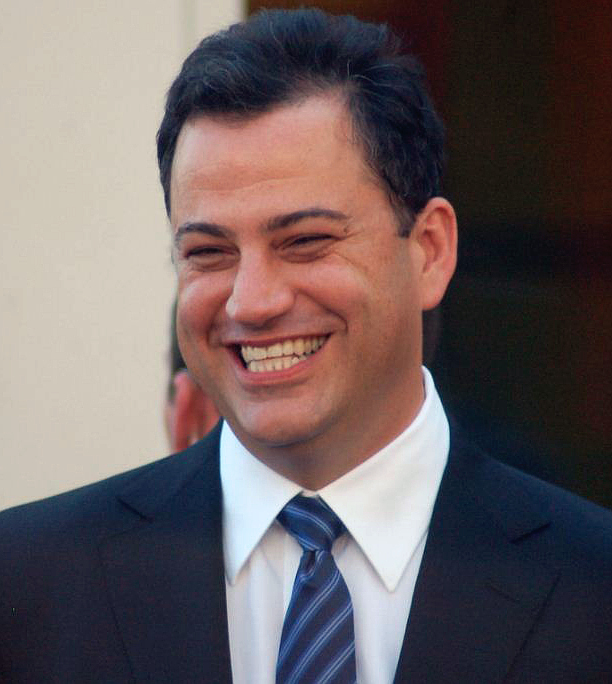
The recent decision by ABC, a network under the Walt Disney Co. umbrella, to temporarily pull ‘Jimmy Kimmel Live!’ ‘indefinitely’ after its host’s comments regarding the suspect in a conservative activist’s shooting death, serves as a stark, contemporary example of the ‘unwritten rule’ in action. This incident quickly became a flashpoint, illustrating the delicate balance between corporate interests, political pressure, and the ideal of free speech, particularly within ‘Disney-affiliated entities.’
The immediate catalyst for ABC’s action was significant external pressure. FCC chairman Brendan Carr publicly thanked Nexstar, a media company that owns numerous ABC affiliate stations, for ‘doing the right thing’ by pressuring the network. Carr’s statement, asserting that ‘Local broadcasters have an obligation to serve the public interest,’ and hoping ‘that other broadcasters follow Nexstar’s lead,’ made it clear that a powerful governmental figure and influential media groups were directly demanding compliance from Disney.
In response to this escalating controversy, Disney top executive Dana Walden and CEO Bob Iger made the corporate decision to ‘preempt’ Kimmel’s show. While described as a ‘thoughtful conversation’ with the comedian, the move was undeniably aimed at ‘tamp down controversy’ after Carr had described Kimmel’s comments as ‘some of the sickest conduct possible.’ This demonstrated the immense pressure a major corporation like Disney faces when caught between political backlash and its commitment to talent.
The aftermath revealed a divided interpretation: some hailed Kimmel’s eventual return as a ‘win for free speech,’ suggesting that boycotts against powerful corporate interests could be effective. However, for many comedy writers, the entire episode was viewed ‘in the darkest, most McCarthy-esque terms,’ highlighting a deep-seated anxiety that freedom of expression within Hollywood remains precariously balanced. This event became a potent symbol of ‘modern corporate pressures’ forcing ‘Disney-affiliated entities’ to make decisions that challenge the nuanced boundaries of free speech.
13. The Counter-Narrative: Artists Organize and Fight Back
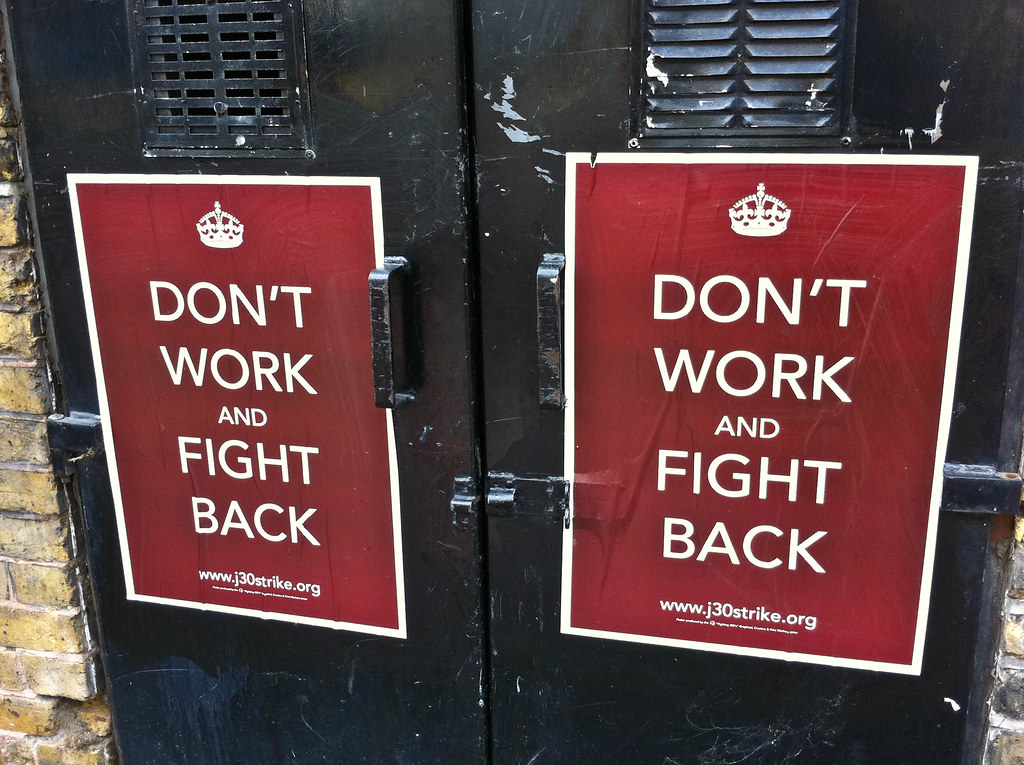
In the face of these escalating pressures, Hollywood’s creative community has shown that the fight for free speech is far from over, echoing historical moments of artistic defiance. The immediate aftermath of the Kimmel suspension saw a powerful display of solidarity: ‘More than 300 people’ answered a last-minute call to protest outside Walt Disney Studios’ headquarters in Burbank, California. Waving signs like ‘ABC Bends the Knee to Fascism’ and ‘Even Matt Damon Knows this is F*cked,’ members of both the WGA and SAG demonstrated their collective concern for a broader crackdown on free speech in entertainment.
The protest served as a vital reassertion of artistic values. Actress Alyssa Phillips, a SAG-AFTRA member, powerfully articulated the sentiment, stating, ‘I’m tired of feeling helpless. I know this helps. I know this helps because I remember it helping in 2023. There is strength in solidarity and there is strength in the noise.’ Writer Kevin Chesley drew a poignant parallel, holding a sign that read, ‘This is literally what your show Andor is about,’ connecting Disney’s own critically acclaimed series, with its themes of anti-fascism, to the very real-world challenges facing its artists.
The Writers Guild of America West and East issued a joint statement, a robust defense of fundamental liberties: ‘The right to speak our minds and to disagree with each other – to disturb, even – is at the very heart of what it means to be a free people. It is not to be denied. Not by violence, not by the abuse of governmental power, nor by acts of corporate cowardice.’ They pledged to ‘stand united in opposition to anyone who uses their power and influence to silence the voices of writers, or anyone who speaks in dissent,’ reminding employers that ‘our words have made you rich. Silencing us impoverishes the whole world.’
A writer for Disney+’s *Andor* further underscored the gravity of the situation, remarking, ‘As one of the writers on the Disney+ drama Andor, we spent six years thinking about a fascist takeover of a galaxy far, far away. Six years thinking about ordinary beings as an authoritarian regime closes in.’ He directly linked Trump’s ‘tools of governance, coercion and intimidation’ to Hollywood, asserting that Disney now stands at a ‘crossroads’—either to ‘defend the First Amendment’ or ‘become pavement for the road to a brave new Trumpian world.’ He concluded with a powerful call to action: ‘There’s not much at stake, just free speech, the oxygen that keeps this town alive.’
Ultimately, the ongoing struggle within the entertainment industry, particularly as it intersects with powerful corporations like Disney, reveals that the battles for creative freedom are ceaseless. From the media-driven blacklists of the past to modern corporate pressures and political threats, artists continue to navigate a landscape where their voices can be both celebrated and suppressed. The defiance of organizations like the WGA and the poignant protests outside studio gates remind us that the ‘unwritten rule’ may evolve, but the human spirit’s desire to speak truth to power, to critique, and to create, remains an indomitable force. The fight for the ‘oxygen that keeps this town alive’ continues, with the pen firmly in the hands of those who dare to write, and to fight back.