Taylor Swift’s journey from a teenage country sensation to a global music icon is a story well-known to millions. Yet, beyond the sold-out stadiums and chart-topping hits lies an equally compelling narrative—a strategic battle for artistic autonomy and intellectual property ownership that has sent seismic waves through the entire music industry. Her unprecedented success in re-recording her foundational albums, famously known as “Taylor’s Version,” isn’t just a win for her legion of dedicated fans; it’s a landmark case study in contract law, copyright, and the evolving power dynamics between artists and record labels in the digital age.
At the heart of this saga is a complex interplay of legal provisions, shrewd business decisions, and an artist’s unwavering commitment to controlling her creative legacy. Swift’s fight to reclaim her master recordings has illuminated often-overlooked aspects of music copyright, challenging long-standing industry practices and forcing a critical re-evaluation of how creators secure their rights. This isn’t merely about personal vindication; it’s about setting a powerful precedent, inspiring other artists, and potentially reshaping the future landscape of artistic ownership for generations to come.
This in-depth look will explore the foundational elements of Swift’s “master plan,” dissecting the intricate legal frameworks, the pivotal contractual disputes, and the strategic maneuvers that transformed her personal copyright battle into a global movement. We’ll delve into the specific mechanisms that allowed her to challenge the status quo, from understanding dual copyrights to leveraging fan engagement, ultimately showcasing how a global superstar leveraged her influence to rewrite the rules of engagement in an industry often seen as stacked against the creator.

1. **Understanding the Dual Copyright System**:To fully grasp the intricate details of Taylor Swift’s celebrated battle for ownership, it’s absolutely essential to first understand the fundamental legal structure of music copyrights in the United States. In the music industry, there are consistently two distinct levels of copyright that apply to any given song: one for the musical composition and another for the sound recording, which is commonly referred to as the “master.” This dual system is a cornerstone of intellectual property in music, dictating who owns what and, crucially, who profits from its use.
The musical composition can be thought of as the foundational creative elements of a song. As explained through a helpful analogy, it’s like the pizza ingredients—the dough, tomato sauce, cheese, veggies, and other toppings. This copyright typically covers the song lyrics, melody, and basic arrangement. It is usually controlled by the composer or songwriter, or by a publishing company acting on their behalf. In Taylor Swift’s unique situation, she often fulfills both roles as the songwriter and performer, meaning she already owned the copyright for her song compositions.
In contrast, the sound recording, or “master,” is the recorded performance of the work, which in the pizza analogy, is the finished pizza itself. This copyright protects the specific, original fixation of a series of musical or other sounds. The owner of the master recording holds significant power; they have the authority to allow third parties to license the work, and they also receive profits from purchases or streams of that specific recording. This distinction is critical because, under traditional recording contracts, it’s the record label that typically manages and owns the copyright for the master recording.
Therefore, while artists like Taylor Swift may write and perform their own songs, granting them composition copyright, the record label often holds the copyright to the valuable master recording. This separation of ownership creates a tricky dynamic, as the record label views artists as investments and seeks financial returns for their risks, while artists naturally desire creative control and equitable profit from their art. Swift’s entire campaign was predicated on bridging this ownership gap, moving from only owning her compositions to owning her masters as well, thereby reclaiming full control over her recorded legacy.
Read more about: Beyond the Blockbuster: 12 Hollywood Stars Who Are Also Real-Life Martial Arts Masters

2. **The Genesis of the Dispute: Swift’s Original Big Machine Deal**:Taylor Swift’s long and public struggle for control over her music traces its origins back to 2005, when she embarked on her professional recording career at a remarkably young age. At just fifteen years old, Swift signed a thirteen-year recording contract with Big Machine Records. This pivotal agreement, entered into by a burgeoning artist, laid the groundwork for her initial rise to global superstardom, but also set the stage for the contentious battle that would unfold over a decade later regarding ownership of her creative output.
The terms of this initial contract were standard for the music industry at the time, yet they carried significant long-term implications for Swift. The agreement stipulated that Big Machine Records would own the master recordings of her first six albums. This traditional structure meant that while Swift, as the primary songwriter, held the copyrights to her musical compositions, the crucial commercial rights to the recorded performances—the masters—rested with the label. This grant of ownership to the record label presented the typical dynamic where the label assumes the financial risk and, in return, controls the lucrative sound recordings.
The contract covered six albums, which Swift dutifully delivered, culminating with the release of her sixth album, “Reputation,” in 2018. Upon the contract’s conclusion, it was understood that Swift would be able to re-record her music after a set period of time, should she wish to do so. However, before the re-recording window opened, a new offer was extended by Big Machine Records, attempting to entice Swift to re-sign. This offer proposed a mechanism where she could “earn” back her master recordings one album at a time for every new album she released, a condition she ultimately found unsatisfactory.
Her dissatisfaction with this proposition, combined with a desire for greater creative and commercial control, led Swift to decline the offer and seek a new path. This decision to part ways with Big Machine Records in 2018 marked the end of an era and the beginning of her decisive move towards true artistic independence. It underscored her growing awareness of the long-term value of master ownership and her readiness to challenge traditional label structures to achieve her goals.

3. **The Unforeseen Sale to Scooter Braun’s Ithaca Holdings**:The narrative of Taylor Swift’s copyright battle took a dramatic and unexpected turn in 2019, shortly after her departure from Big Machine Records. The label, along with the master recordings of Swift’s first six albums—which remained under its ownership as per their initial contract—was acquired by Ithaca Holdings LLC. This company, owned by the music manager Scooter Braun, purchased Big Machine Records for a rumored $300 million. This transaction occurred without Swift’s knowledge or consent, a critical point that fueled her public dismay and galvanized her subsequent actions.
This acquisition was particularly incendiary due to the longstanding animosity between Taylor Swift and Scooter Braun. Swift publicly accused Braun of “incessant, manipulative bullying,” and the two had a history of “longstanding bad blood.” Greenstein, a technology transactions partner at Wilson Sonsini, referred to Braun as “to Swifties, the hated Scooter Braun.” The sale to someone with whom she had such a hostile relationship, and without any prior consultation, was described by Swift as her “worst case scenario,” creating an immediate and profound sense of betrayal and injustice.
Swift’s distress was compounded by her assertion that she was never afforded the opportunity to purchase her own master recordings, despite actively pleading for such an opportunity. This lack of agency and control over her own work, especially when it involved a party she viewed as a nemesis, underscored the often-overlooked consequences of assignment clauses common in legacy recording contracts. These clauses typically transfer ownership of master recording copyrights to the label and permit the label to further transfer those rights without the artist’s consent, leaving creators feeling powerless and without recourse, as Swift vividly demonstrated.
The transaction ignited a fierce public dispute, drawing widespread attention to the issue of artist ownership and the ethical implications of such sales. It was this moment, the transfer of her life’s work into the hands of someone she deeply distrusted, that solidified Swift’s resolve and directly catalyzed her groundbreaking strategy to reclaim her musical legacy. The perceived injustice of this sale became a rallying cry, transforming a personal grievance into a broader industry debate.

4. **Swift’s Refusal to Compromise: Rejecting the NDA & Shamrock Sale**:Following Scooter Braun’s acquisition of her master recordings, Taylor Swift actively sought to regain ownership of her work. However, the path presented to her by Braun’s team was laden with unacceptable conditions. Before she could even make a bid on her own catalogue, Braun’s team demanded that Swift sign a non-disclosure agreement (NDA). This NDA was particularly stringent, stipulating that she “would never say another word about Scooter Braun unless it was positive.” Swift adamantly rejected this demand, viewing it as an attempt to silence her and control her narrative.
Her refusal to sign the NDA highlighted her unwavering commitment to speaking her truth and maintaining her autonomy, even at the cost of direct ownership of her original masters at that specific juncture. Swift, dissatisfied with Braun profiting from her work, made her stance clear. Due to the tension between the parties and Swift’s firm rejection of Braun’s terms, Ithaca Holdings ultimately decided to sell the masters elsewhere. The master recordings of Swift’s first six albums were subsequently sold to Shamrock Holdings for a significant sum of $420 million.
Swift did not passively accept this new arrangement either. Upon learning of the sale to Shamrock Holdings, she sent a letter to the private equity firm, unequivocally stating that she “cannot currently entertain being partners with” them. This demonstrated her resolve not to collaborate with any entity that had a continued financial stake for Braun, illustrating her strategic use of commercial and reputational pressure. Her public messaging and refusal to engage with the new owners further devalued the original masters in the market, making it clear that she would not be complicit in the continued monetization of her work under these circumstances.
Her actions made it abundantly clear that her battle was not just about monetary gain, but about asserting moral and creative control over her artistic output. This steadfast refusal to compromise on her principles, even when facing powerful industry players, became a cornerstone of her strategy. It paved the way for her to pursue an alternative, and ultimately more successful, route to ownership: the re-recording project that would redefine her career and impact the entire music industry.

5. **The Birth of “Taylor’s Version”: A Strategic Re-recording Initiative**:Amidst the ongoing dispute and her inability to acquire her original masters directly under acceptable terms, Taylor Swift publicly announced a groundbreaking plan in a 2019 interview with CBS Sunday Morning: her intention to re-record her songs. This was not merely an artistic endeavor but a highly calculated commercial strategy aimed at reclaiming ownership and devaluing the original master recordings held by Shamrock Holdings. This initiative, which would become known as “Taylor’s Version,” represented a direct and assertive response to the contractual entanglements and perceived injustices she faced.
Under a new record deal signed with Universal Music Group (Republic Records, a subsidiary of UMG), Swift secured a crucial provision that granted her ownership of the master recordings for all new music she created going forward. This new contract was foundational to her re-recording strategy, as it meant that any new versions of her old songs produced under this agreement would legally belong to her. The aim was to create new, improved versions of her previous works, retaining the same titles but appending “Taylor’s Version,” effectively creating a parallel catalog that she fully controlled.
The project began with the release of “Fearless (Taylor’s Version)” in 2021, followed by “Red (Taylor’s Version).” During her monumental Eras Tour, she continued this ambitious undertaking, launching “Speak Now (Taylor’s Version)” and “1989 (Taylor’s Version).” For now, only her very first album, “Taylor Swift,” and “Reputation” are pending re-release, signifying a near-complete reclamation of her early catalogue. This methodical and public rollout captivated her fanbase, who eagerly embraced the new versions as a show of solidarity and support for their beloved artist.
The “Taylor’s Version” project was designed to be faithful to the originals, with some production updates and the addition of her more mature voice. Crucially, these new albums also featured previously unreleased tracks from what she called “from the vault,” offering fans fresh content alongside familiar favorites. This thoughtful combination of nostalgia, artistic refinement, and new material provided a compelling reason for listeners to transition their allegiance to her owned versions, directly undermining the commercial value of the masters she did not control.

6. **Navigating Legalities: Copyright and Re-recording Clauses**:Taylor Swift’s ability to re-record her songs and launch the hugely successful “Taylor’s Version” initiative was not a simple act of artistic will; it was a carefully planned maneuver rooted firmly in legal provisions and contractual compliance. Her strategy leveraged two key aspects of copyright law and her original recording agreement. Firstly, her ownership of the musical composition copyrights was paramount. As the primary songwriter, she retained the right to reproduce the musical work itself, allowing her to create new sound recordings based on those compositions.
Secondly, and equally vital, was the expiration of contractual re-recording restrictions embedded in her initial deal with Big Machine Records. It is a standard practice in the music industry for artist contracts to include “re-recording clauses” that restrict an artist’s right to re-record their material for a limited period after leaving the label. In Swift’s case, her contract legally released her from any prohibition on re-recording after three years. Greenstein noted that such a timeframe was typical of record deals in the past, allowing artists to regain this right relatively soon.
Swift departed from Big Machine Records in 2018, and her first “Taylor’s Version” album, “Fearless (Taylor’s Version),” was released in 2021. This timing perfectly aligned with the expiration of her contractual re-recording restriction. This strategic compliance with the timelines gave her a narrow but incredibly effective legal path to regain commercial and creative control over her early catalog. It highlights the critical importance of understanding and adhering to such clauses in recording agreements for artists and their legal advisors.
The “Taylor’s Version” project became a landmark example of how artists can utilize contractual provisions, market influence, and legal tools to reshape their rights, even when facing what initially seemed like an insurmountable challenge. Her adherence to the letter of the law, combined with her powerful market presence, allowed her to execute a strategy that was both legally sound and commercially devastating to the owners of her original masters. This intricate navigation of legal boundaries underscores the sophisticated nature of her overall battle for music ownership.
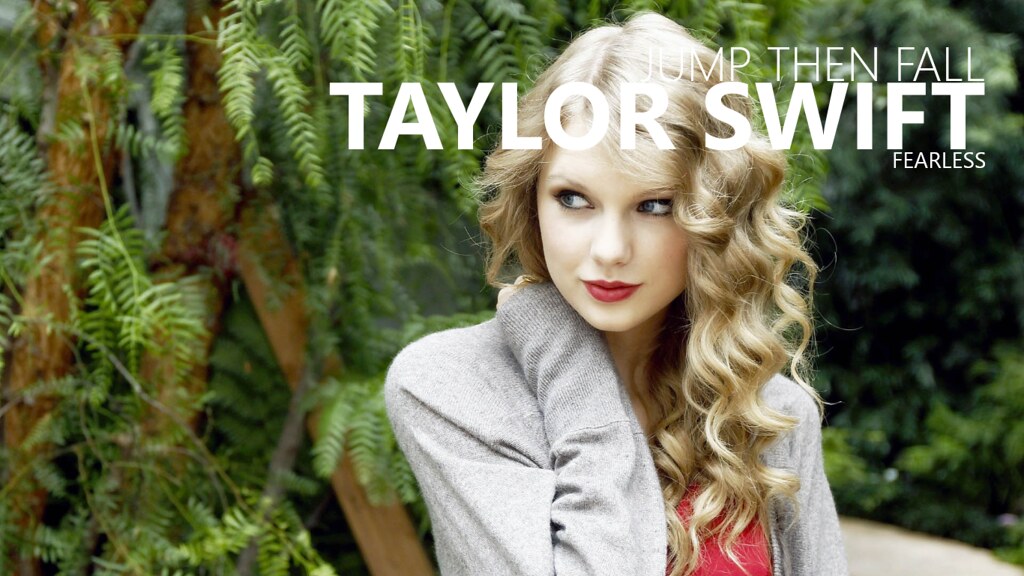
7. **The Unprecedented Commercial Success of “Taylor’s Version”**Taylor Swift’s “Taylor’s Version” re-recording initiative has transcended mere artistic endeavor to become an undeniable commercial triumph. These re-recorded albums have not just satisfied her dedicated fanbase; they have consistently outperformed their original counterparts across various metrics, demonstrating the immense power of artist-controlled intellectual property. This success has cemented her status as a formidable force in the music industry, both creatively and financially.
“Fearless (Taylor’s Version)” quickly set the precedent, becoming the first re-recorded album in history to top the Billboard charts. It sold over one million equivalent album units in its first year, significantly surpassing the original’s performance in a comparable timeframe. This immediate and overwhelming acceptance by the public showcased a clear preference for the artist-owned versions, directly impacting the commercial viability of the original masters held by others.
The trend continued with subsequent releases. “Red (Taylor’s Version)” shattered Spotify records, achieving the most streams for an album in a single day by a female artist, while “1989 (Taylor’s Version)” outsold its original counterpart within the very first week of its release. These phenomenal sales figures and streaming numbers are not just statistics; they represent a powerful shift in market demand, effectively devaluing the original masters in the hands of Shamrock Holdings. Her strategic rollout also included “from the vault” tracks, offering new content that further incentivized fans to embrace the “Taylor’s Version” catalogue.
This market leverage has been instrumental in Swift’s broader financial success, contributing significantly to her billionaire status in 2023. Coupled with the record-breaking Eras Tour, which became the highest-grossing tour of all time, her re-recording strategy demonstrates a masterclass in how an artist can reclaim commercial power and achieve unprecedented levels of stardom by strategically managing their intellectual property.
Read more about: 12 Jaw-Dropping Moments Taylor Swift Proved She’s the Ultimate Power Player

8. **Swift’s Ultimate Acquisition of Her Original Masters**After years of a protracted battle, Taylor Swift achieved a truly monumental victory on May 30, 2025, when she announced the acquisition of the copyrights in her original masters from Shamrock Capital. This pivotal moment marked the culmination of her strategic efforts and an unwavering commitment to full artistic autonomy, effectively concluding one of the most high-profile rights disputes in modern music history.
This acquisition meant that Swift finally owned the master recordings of her entire musical catalog, including the first six albums that had been controversially sold to Scooter Braun and then to Shamrock. The journey from contract disputes and public disagreements to outright ownership highlights a significant shift in how creators can approach intellectual property ownership and leverage within the music business.
Swift described the terms of this acquisition as offering “no strings attached, no partnership, with full autonomy.” This detail is crucial, emphasizing that her goal was not just to gain control, but to do so on her own terms, free from any lingering influence or financial entanglement with the parties she had publicly opposed. It underscores her principled stance throughout the entire saga.
Her strategic use of re-recordings created immense market pressure, effectively reducing the commercial value of the original masters. This pressure, combined with her steadfast public messaging and fan engagement, ultimately provided the leverage necessary to facilitate this final, definitive transfer of ownership. It stands as a testament to the power an artist can wield when combining legal strategy with formidable market presence.
Read more about: Beyond the Headlines: Unpacking the Social Media Trends Taylor Swift Has Navigated and Challenged

9. **Precedent Set: Other Artists Who Fought for Ownership**While Taylor Swift’s reclamation of her masters is undeniably unique in its scale and execution, she is not the first artist to challenge the prevailing ownership structures in the music industry. Her journey builds upon a legacy of artists who, in their own ways, sought to assert control over their creative output, demonstrating a long-standing tension between creators and rights holders.
Paul McCartney’s decades-long efforts to reclaim rights in The Beatles’ songwriting catalog serve as a powerful historical example. His struggle began long before he was famously outbid by Michael Jackson in 1985. In 2017, McCartney invoked the termination provisions of the Copyright Act, filing suit against Sony, then the catalog’s owner. This legal maneuver, under 17 U.S.C. § 304(c), allows authors to terminate prior copyright transfers after a specific period, ultimately leading to a confidential settlement where McCartney regained ownership of many iconic works.
Other prominent artists have also successfully navigated the complex waters of master recording ownership. Prince, famously stating, “If you don’t own your masters, your master owns you,” reached an agreement with Warner Bros. in 2014 to reclaim his early masters after a highly publicized dispute. His symbolic name change and broader campaign for artistic control left a lasting impact on the industry’s discourse around artist rights.
Jay-Z, too, demonstrated strategic foresight by negotiating ownership of his masters as part of his agreement to serve as president of Def Jam in 2004. Similarly, rock legends Metallica regained control of their entire catalog in 2012 following the expiration of their contract with Warner Music. Each of these cases was significant, but Swift’s approach, integrating commercial strategy, legal compliance, fan engagement, and eventual acquisition, marks a distinctive and unprecedented convergence of law, leverage, and public influence.

10. **Legal Implications: Scrutiny of Assignment Provisions**Taylor Swift’s saga vividly illustrates the often-overlooked and profound consequences of assignment clauses embedded in legacy recording contracts. Her original agreement with Big Machine Records included an unqualified assignment of her master recordings, a common provision that ultimately enabled the sale of her catalog without her knowledge or consent. This highlights a critical area where legal counsel for artists must be exceptionally diligent.
Traditionally, while artists typically retain ownership of their compositions, most record deals transfer ownership of master recording copyrights to the label. Crucially, these contracts often permit the label to further transfer those rights without the artist’s consent, leaving creators feeling powerless and without recourse, as Swift’s experience underscored. This lack of agency can be devastating for an artist’s long-term creative and financial legacy.
Legal professionals advising recording artists today should prioritize negotiating more artist-friendly provisions within these assignment clauses. This could include requirements for artist consent before any future transfer, granting the artist rights of first refusal to purchase their masters, or even negotiating specific carveouts for critical intellectual property. Such provisions empower artists to maintain a degree of control over their work, even if initial ownership rests with the label.
Furthermore, alternative IP structures are gaining traction, especially with newer label models and DIY platforms. It is increasingly possible to negotiate deals where the artist retains ownership of the masters from the outset, or to enter into licensing deals rather than traditional assignments. These proactive approaches can entirely circumvent the type of ownership dispute Swift faced, offering a more equitable and artist-centric path to career development.

11. **Legal Implications: The Evolution of Re-Recording Clauses**Swift’s strategic utilization of re-recording clauses has fundamentally reshaped industry perceptions and practices surrounding these contractual provisions. Her ability to release “Taylor’s Version” albums was contingent on the expiration of her contractual re-recording restriction, which typically ranged from three to six years after leaving a label. Her adherence to these timelines provided a legally sound pathway to regain control.
However, the immense commercial success of “Taylor’s Version” has sent clear signals to record labels, prompting a defensive overhaul of their standard recording contracts. Labels are now reportedly extending the duration of these re-recording clauses significantly, often stipulating waiting periods of anywhere from ten to thirty years after an artist’s original contract ends. This represents a drastic departure from previous industry standards.
Greenstein noted that in the past, record deals were “somewhat rational” regarding re-recording prohibitions. But now, labels are actively assessing “What’s the risk of a Taylor’s Version?” as they seek to safeguard their investments. They are not just extending timelines but also reportedly adding disincentives, aiming to make it harder for artists to pursue a similar strategy effectively, by ensuring that an artist’s vocal cords might not be in optimal shape by the time they regain their re-recording rights.
For attorneys on both sides of negotiations, ensuring clarity and fairness in these extended re-recording clauses has become paramount. The prolonged restrictions have significant implications for an artist’s future creative autonomy and commercial leverage. Swift’s impact means that artists with significant negotiating power will now push back against these extended restrictions, making re-recording clauses a key battleground in contemporary music contract negotiations.

12. **Lessons for Artists and the Future of Industry Negotiations**Taylor Swift’s copyright battle offers invaluable lessons for creators across the music industry and provides a strategic blueprint for their legal advisors. Firstly, the paramount importance of having a knowledgeable attorney familiar with the intricate legal issues in the music industry cannot be overstated. Competent legal guidance can prevent exploitative deals and ensure artists understand the long-term implications of signing binding contracts, safeguarding against bad outcomes.
Secondly, artists must diligently understand all copyright provisions—or the lack thereof—within proposed agreements. Knowing which rights are being waived, retained, or assigned empowers artists to make informed decisions about their creative legacy. As Swift demonstrated, understanding the dual copyright system and re-recording clauses was critical to her strategic success, allowing her to leverage existing legal frameworks to her advantage.
Moreover, creators should recognize that contract terms are often negotiable, and they should anticipate success when entering discussions. Considering how a deal will impact an artist in the best possible scenario is a good way to strive for a truly beneficial agreement for all parties involved. Swift’s unwavering stance and refusal to compromise on her principles showcased the power of negotiation when backed by strong market influence.
Swift’s model has already begun to influence newer artists who are proactively negotiating for alternative intellectual property structures from the outset. Pop singer JoJo credited Swift for inspiring her to re-record her first two albums in 2018, and Olivia Rodrigo successfully retained control of her master recordings, directly inspired by Swift’s battle. These instances signal an ongoing shift, with artists increasingly demanding more equitable terms and greater ownership.
As record labels adapt to this evolving landscape, they are being urged to work more collaboratively with artists, treating them as legitimate business partners rather than mere employees. Potential solutions, such as labels transferring master ownership to artists after an initial period of recoupment or implementing shared decision-making clauses for licensing and sales, are emerging. While Swift’s success story is unique, it conveys an important lesson: artists must be proactive in understanding and negotiating their rights, paving the way for a more balanced and artist-empowered music industry.
Read more about: The Unprecedented Freeze: How Hollywood’s Strikes Reshaped Film Production and Promotion in 2023
In the grand tapestry of the music industry, Taylor Swift’s journey to master ownership is more than just a personal triumph; it’s a seismic shift that continues to resonate. It has transformed a deeply entrenched power dynamic, proving that unwavering resolve, strategic legal maneuvering, and a devoted fanbase can indeed rewrite the rules. For artists everywhere, her story isn’t just an inspiration—it’s a vibrant, living blueprint for reclaiming their creative destiny, ensuring that their art truly belongs to them, now and for generations to come.