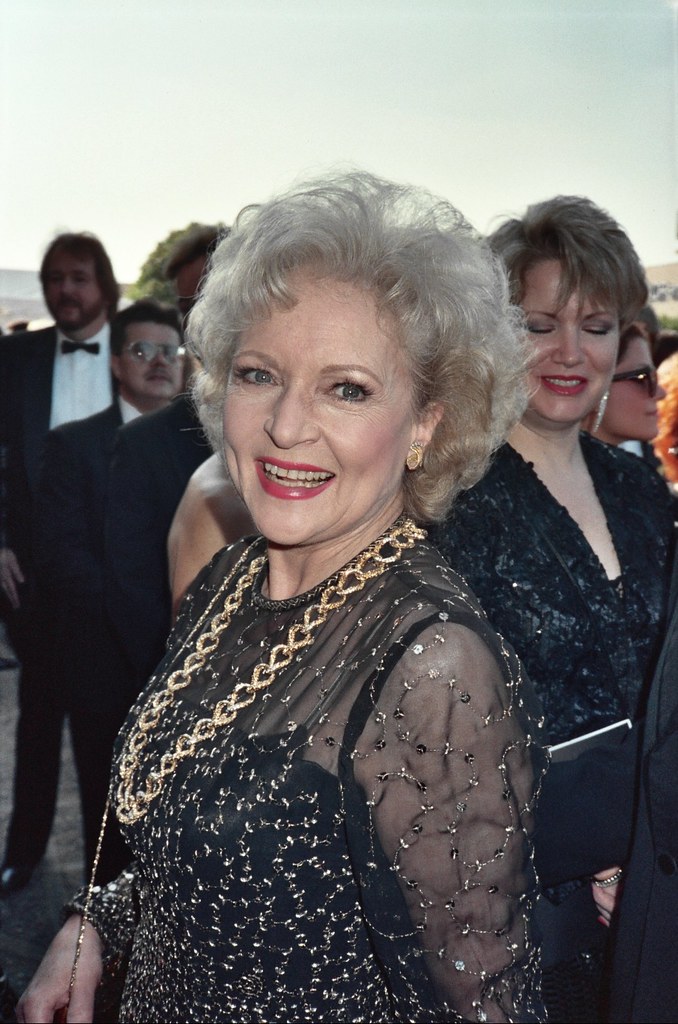
The world truly lost a national treasure on December 31, 2021, when the incomparable Betty White unexpectedly passed away at the age of 99. Just weeks shy of what would have been her monumental 100th birthday on January 17, 2022, her passing sent a wave of shock and sadness through fans across the globe. It felt as if Betty White, with her infectious zest for life and legendary career, was somehow destined to live forever, making her departure all the more poignant.
Even in her final days, Betty’s vibrant spirit shone brightly, as evidenced by her enthusiastic participation in a special film segment titled ‘Betty White: A Celebration.’ Originally conceived as a star-studded tribute for her centennial birthday, this glitzy film highlighting her career and life became a heartfelt memorial, swiftly retitled ‘Betty White: A Celebration from Betty White: 100 Years Young’ after her death. The overwhelming public response led to its expansion from 900 to over 1,500 theaters nationwide, a testament to her enduring appeal.
We’re diving deep into some truly touching and fascinating revelations from her last interviews, tapings, and insights from those closest to her. From her indomitable spirit and unique philosophies on life and death, to her enduring love and the truth behind her final moments, prepare to feel all the feels as we celebrate the amazing woman that was Betty White. Get ready to uncover the truths that paint an even more vivid picture of television’s beloved icon!
1. **Her “Great Spirits” in Final Taping for ‘Betty White: A Celebration’**
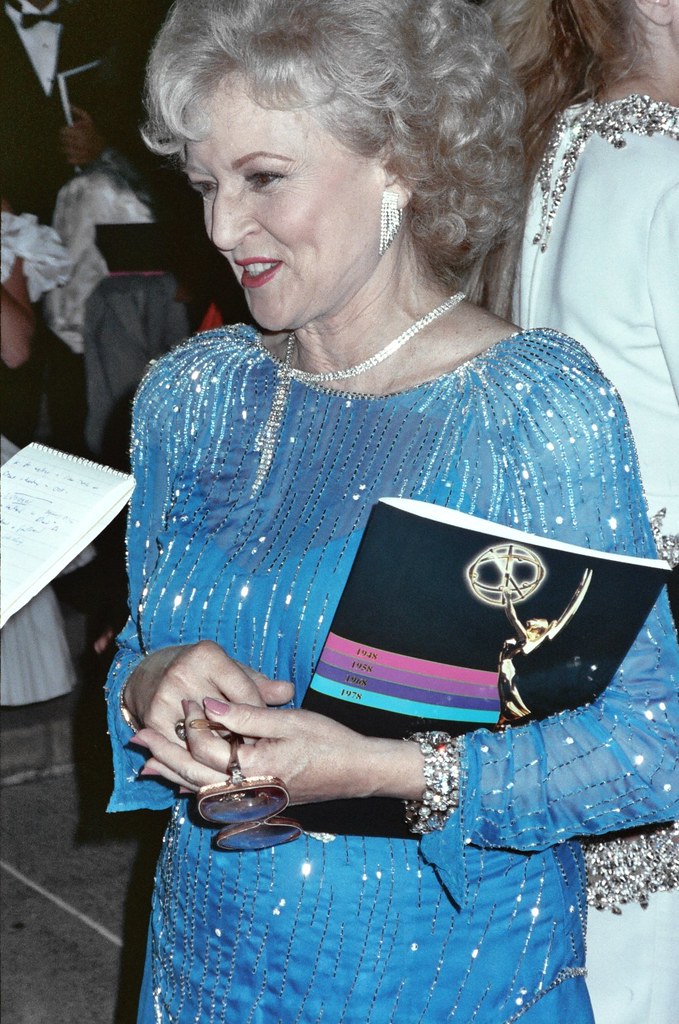
Just days before her passing, Betty White was in absolutely “great spirits” during her final recorded video for ‘Betty White: A Celebration.’ Director and producer Steven Boettcher, who worked closely with her on the project, revealed that she was “great, she was funny, she was the adorable Betty White we all know and love.” He added, “I mean, you see her and you just can’t help but love her and she was amazing — just amazing,” highlighting the consistent charm she exuded right to the end.
This special film segment was actually Betty’s own idea, a heartfelt desire to surprise her devoted fans and express her profound gratitude. Boettcher mentioned her excitement about “getting dressed up, too, and getting glammed up” for the video, showcasing her enduring joy in connecting with her audience. She truly wanted her fans to feel her love and admiration, making the taping a sincere and sweet moment.
Her message was delivered directly to the camera, showcasing that signature Betty White twinkle. It was an ad-libbed performance, free from teleprompters or scripts, which perfectly captured her spontaneous and quick-witted nature. Boettcher described the minute-or-two-long clip as “just her looking directly in the camera as the graciously fun, warm Betty,” ensuring her fans would get goosebumps hearing her final, heartfelt thanks.
2. **Her “Cockeyed Optimist” Philosophy and Finding the Positive**
Betty White famously described herself as a “cockeyed optimist,” a cheerful disposition she credited to her mother. This unwavering positive outlook was a cornerstone of her personality and deeply influenced how she navigated her life and career. She firmly stated, “I got it from my mom, and that never changed. I always find the positive,” a sentiment that resonated throughout her nearly century-long journey.
Her gratitude for a long and healthy life was evident in her interviews. She told People magazine, “I’m so lucky to be in such good health and feel so good at this age. It’s amazing,” reflecting a genuine appreciation for her circumstances. This positive mindset wasn’t just talk; it was how she truly lived, always finding something to be thankful for even as she approached 100.
Betty even managed to inject humor into her health philosophy, jokingly telling the outlet, “I try to avoid anything green. I think it’s working.” Her agent, Jeff Witjas, further emphasized this aspect of her character, saying, “She always thinks of others first, and she stays positive no matter what.” This consistent optimism was undoubtedly a key ingredient in her longevity and the joy she brought to so many.

3. **Her Fearless View of Death and Aging, “The Secret”**
Betty White’s cheerful disposition extended even to her perception of death and the aging process, which she confessed she never feared. In a 2012 interview with the New York Times, she shared that she inherited her mother’s unique and comforting perspective on mortality, which helped her face life’s ultimate mystery with remarkable serenity. Her mother, she explained, had a “wonderful approach to death.”
Her mother viewed death not as an ending to be dreaded, but as “the one secret that we don’t know.” This insightful perspective reframed the unknown into something intriguing rather than terrifying. Betty recalled her mother’s words whenever a loved one passed: “Well, now he knows the secret.” This simple phrase, according to Betty, “took the curse off of it somehow.”
Betty embraced this philosophy wholeheartedly, stating with enthusiasm, “I have no fear or dread of death.” While she found peace in this mystery, she also candidly expressed her love for life, adding, “[But] I’m happy as a lark to stay around as long as I can.” She reiterated these views publicly during an appearance on CBS Sunday Morning with Katie Couric in the same year, solidifying her unwavering stance on life’s final chapter.
Read more about: Beyond the Blockbusters: 9 ‘Best Finds’ of 2025 for Every Discerning Indie Cinema Fan
4. **Her Enduring Love: “Allen” as Her Last Word**
In one of the most heartwarming and bittersweet revelations, it was confirmed that Betty White’s very last word before her passing was “Allen,” the first name of her beloved late husband, Allen Ludden. This touching detail was shared by actress Vicki Lawrence, a co-star from ‘Mama’s Family,’ who learned it from Carol Burnett, who had spoken to Betty’s assistant present at her final moments. Lawrence recounted, “Carol wrote back and said, ‘I know, I know. I spoke to Betty’s assistant, who was with her when she passed, and she said the very last word out of her mouth was ‘Allen.'”
Betty and Allen Ludden shared a profound connection that lasted from their marriage in 1963 until his death in 1981 from stomach cancer. They initially met in 1961 when Betty appeared as a celebrity guest on Ludden’s game show, ‘Password.’ Their love was clearly a once-in-a-lifetime bond, deeply cherished by Betty throughout her life, even decades after his passing.
Her agent and longtime confidant, Jeff Witjas, also affirmed the depth of her devotion, stating, “I don’t think Betty ever feared passing because she always wanted to be with her most beloved husband Allen Ludden. She believed she would be with him again.” This sentiment was powerfully echoed by Betty herself in a 2012 interview with CBS News Sunday Morning, where she explained why she never remarried: “When you’ve had the best, who needs the rest? It was special. It was very special.”
Read more about: Beyond the Obvious: 12 Mind-Bending Ways Philosophers and Scientists Define Reality

5. **Debunking the COVID-19 Booster Shot Rumors and Natural Causes of Death**
Following the sad news of Betty White’s passing, unfortunate rumors began to circulate online, falsely claiming her death was linked to a COVID-19 booster shot she allegedly received days prior. These social media claims, including a fabricated quote attributed to White about booster shots, quickly gained traction, but were swiftly and emphatically debunked by her agent. Jeff Witjas made it clear that these assertions were completely untrue.
Witjas issued a statement to People magazine, directly addressing the misinformation: “Betty died peacefully in her sleep at her home. People are saying her death was related to getting a booster shot three days earlier but that is not true.” He clarified the true cause, stating, “She died of natural causes.” Emphasizing the need to respect her legacy, he added, “Her death should not be politicized — that is not the life she lived,” urging against using her passing for political agendas.
Doubling down on his refutation in an interview with Entertainment Tonight, Witjas left no room for doubt. He declared, “I can absolutely, 100 percent say, Betty did not pass because of the booster, she did not pass because of COVID, she never had COVID.” He reiterated that “she passed, with my understanding, of natural causes. Being 99 years old, unfortunately, you know. But there was no outside disease.” His clear and concise statements firmly put an end to the baseless speculation.

6. **Debunking Declining Health Rumors: Frail but Mentally Sharp and Gin Rummy Skills**
Beyond the booster shot rumors, there were also whispers circulating about Betty White’s alleged declining health leading up to her death. However, her agent, Jeff Witjas, once again stepped in to provide a more nuanced and reassuring picture of her final days. He shared that while she was indeed “a little frail” — a natural part of being 99 years old — her overall health remained remarkably stable.
Witjas humorously clarified her physical state, stating, “She wasn’t going to run the mile, you know? But she was basically healthy.” This practical assessment highlighted that while her physical abilities might have diminished, there was no indication of a significant downturn in her general well-being. The image presented was one of a vibrant, albeit aging, woman.
Perhaps the most compelling evidence against the “declining health” rumors came from their shared pastime: gin rummy. Witjas fondly recalled their competitive games, emphasizing that “her mind was sharp, her mind was always sharp.” He even playfully noted that she “ticked me off really because she beat me four times” and promised a rematch. He concluded, “Somebody who is in declining health wouldn’t be able to play gin rummy, honestly, and especially beat me four times,” firmly showcasing that Betty’s legendary wit and mental acuity were very much intact until the end.
7. **Betty White: A Trailblazing Pioneer in the Early Days of Television**
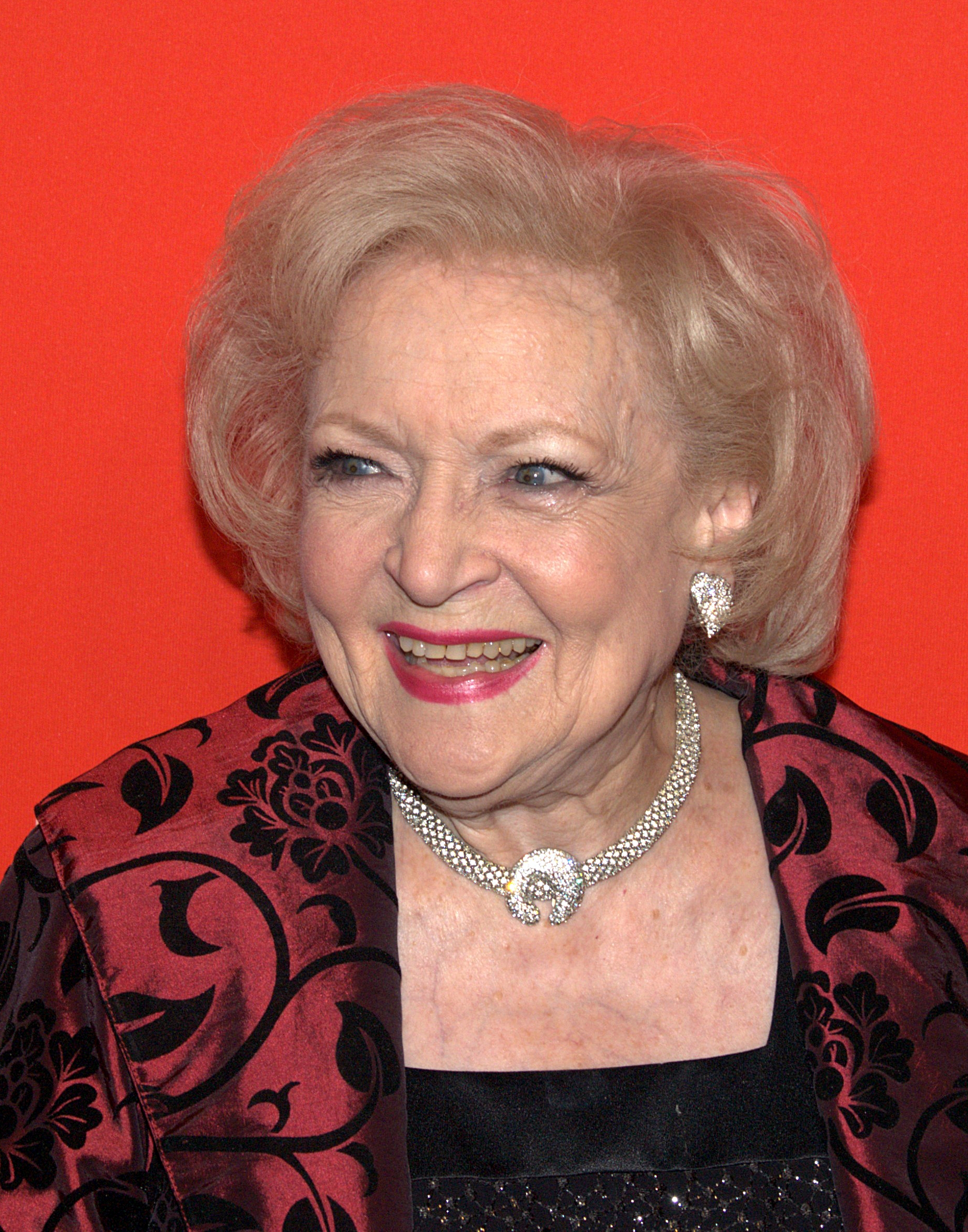
We all know Betty White as a comedic powerhouse, but did you know she was also a groundbreaking pioneer behind the scenes? Long before ‘The Golden Girls’ or ‘Mary Tyler Moore,’ Betty was shattering glass ceilings in the nascent world of television. She was the first woman to produce a TV show and even hired the first woman director on television! Talk about being ahead of her time.
Her groundbreaking work predates even iconic shows like ‘I Love Lucy,’ showcasing her incredible foresight and talent not just as a performer, but as a creative force. This wasn’t just about starring; it was about shaping the medium itself. She didn’t just step into roles; she helped create the landscape for future generations of women in television, laying down a foundation for what was possible.
Beyond producing and directing, Betty was also the first woman ever to host a game show, which is just another feather in her cap of ‘firsts.’ She truly was the ‘Today Show host of her era,’ constantly on the air, effortlessly navigating talk shows and game shows with her signature wit and charm. Her ability to think on her feet and engage audiences made her a coveted guest and host, a skill not all celebrities possess.
If you thought her career started with her later, more famous roles, think again! Betty had a ‘full, giant career’ long before becoming a Golden Girl. Filmmakers for ‘Betty White: A Celebration’ unearthed a ‘lost episode’ from her early sitcom, ‘Date With the Angels.’ It’s so much fun to see ‘really young Betty’ and recognize that ‘candle already’ lit within her, even in those nascent years. This glimpse into her early work is a testament to her enduring talent and adaptability.
Read more about: Yikes! 14 Comedy Duos Who Made Us Laugh On-Screen But Were Absolutely Feuding Behind The Scenes

8. **The Unlikely Inspiration Behind ‘The Golden Girls’: Miami Vice?!**
It sounds wild, but one of TV’s most beloved sitcoms, ‘The Golden Girls,’ actually found its initial spark from a completely different show: ‘Miami Vice.’ Picture this: ‘Night Court’ star Selma Diamond and ‘Remington Steele’ actress Doris Roberts were on ‘The NBC All Star Hour’ in 1984, introducing ‘Miami Vice’ and playfully arguing about its title. That lively banter caught the attention of NBC executives Brandon Tartikoff and Warren Littlefield, who mused, ‘There might be something in this kind of relationship with older women.’
This offhand comment was the seed! Executive producers Tony Thomas and Paul Junger Witt were brought into a pitch meeting where the ‘two old ladies’ concept was floated. Initially, a writer with them balked, declaring, ‘I don’t write old people.’ But Thomas and Witt saw the potential and brought in Susan Harris, Witt’s wife and a talented writer from their previous sitcom ‘Soap,’ to craft the magic.
The original premise was simply ‘two women,’ but the creative team decided to ‘go a little crazy’ and expand it. The result was a revolutionary show focusing on four female friends over 50 living together. ‘There was a universality in the show,’ creator Susan Harris reflected, adding, ‘It didn’t depend on people being young or pretty, and people really identified with that.’
Tony Thomas beautifully summarized the show’s enduring appeal: ‘This is life after your first life. You don’t have to slow down. You can create a new family. Life does not end. That’s the promise of the show.’ It quickly became an immediate hit, and even decades later, it continues to attract new generations of fans, proving its timeless message of friendship and resilience.
9. **Bea Arthur’s Candid Views on Betty White: More ‘Sue Ann Nivens’ Than ‘Rose Nylund’?**
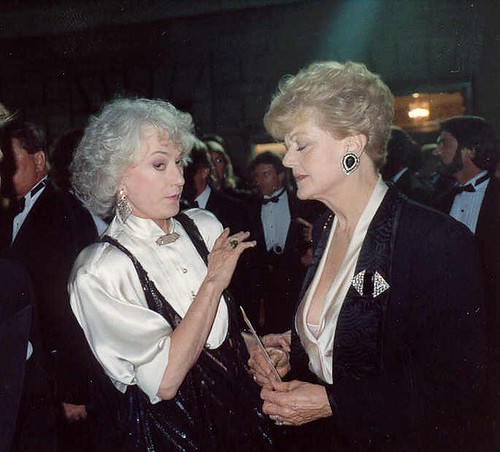
It’s one of those classic Hollywood tales that always gets people talking: the rumored friction between ‘Golden Girls’ co-stars Bea Arthur and Betty White. While on screen Dorothy and Rose were housemates, off-screen, there was a more complex dynamic at play. Lyn Greene, who played a young version of Dorothy in flashbacks, offered fascinating insight into Bea Arthur’s perspective, suggesting Arthur ‘disliked Betty White because she thought White was phony.’
Greene explained that ‘Bea prided herself in her lack of artifice, in the fact that she was a straight shooter, and she didn’t suffer fools, and you couldn’t bulls*** her.’ This core aspect of Arthur’s personality made her view White with a critical eye at times. It seems Arthur might have seen echoes of White’s sarcastic, man-hungry ‘Mary Tyler Moore Show’ character, Sue Ann Nivens, rather than the sweet, naive Rose Nylund.
‘I’m not sure she thought that Betty was always sincere,’ Greene elaborated, pointing to White’s ‘overly agreeable’ nature as potentially contrasting sharply with Arthur’s bluntness. This could have made Arthur feel like she appeared more like an ‘ogre’ in comparison. It was a challenge for Bea, who was known for her serious approach to her craft and life, to reconcile with what she perceived as a more saccharine public persona from Betty.
Despite the personal differences, the professional respect was still there. Greene herself felt ‘terrified’ working with Arthur but gained confidence when she saw Bea watching a playback of her scene and smiling. ‘I could see she was pleased at the portrayal. That was everything,’ she recounted, highlighting the meaningfulness of Arthur’s approval, especially from someone so discerning.
10. **Betty White: A Quiet Champion for Civil Rights and Equality**
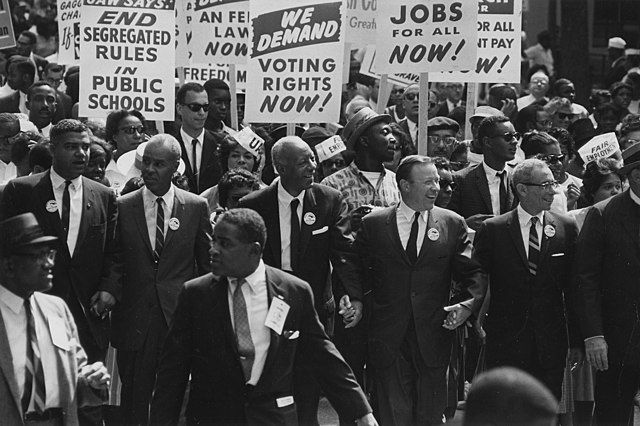
Beyond her incredible comedic timing and heartwarming roles, Betty White was a quiet but fierce advocate for important causes, especially civil rights. She wasn’t one for grandstanding or public declarations; instead, she ‘just lived it’ and made an impact through her actions. As filmmakers noted, Betty preferred the term ‘advocate’ over ‘activist,’ reflecting her subtle yet powerful approach to making a difference.
A truly remarkable example of her commitment to equality came during her early career when she had an African American singer, Arthur Duncan, on her show. Stations in the South threatened to pull her program if she didn’t remove him, but Betty stood her ground. ‘She stood up for him and said, I’m not going to do that,’ one of the producers revealed. This wasn’t a PR stunt; it was a deeply personal conviction.
What’s even more incredible is that Betty never spoke about this valiant fight to Arthur Duncan himself. He ‘never knew that even happened’ until ‘three or four decades later.’ Betty ‘just did it quietly and never took credit for it,’ embodying true advocacy without seeking praise. She simply believed in doing the right thing, regardless of the consequences or recognition.
This quiet dedication wasn’t limited to civil rights; Betty also poured her heart into animal welfare projects and philanthropic work during her later years. Her compassion extended to all living creatures, a passion that was deeply woven into the fabric of her being. Her agent, Jeff Witjas, noted that she always thought of others first and was incredibly devoted to the animal world, making her a true hero in every sense of the word.
11. **Estelle Getty’s Iconic Sophia: A Character She Didn’t Always Understand**
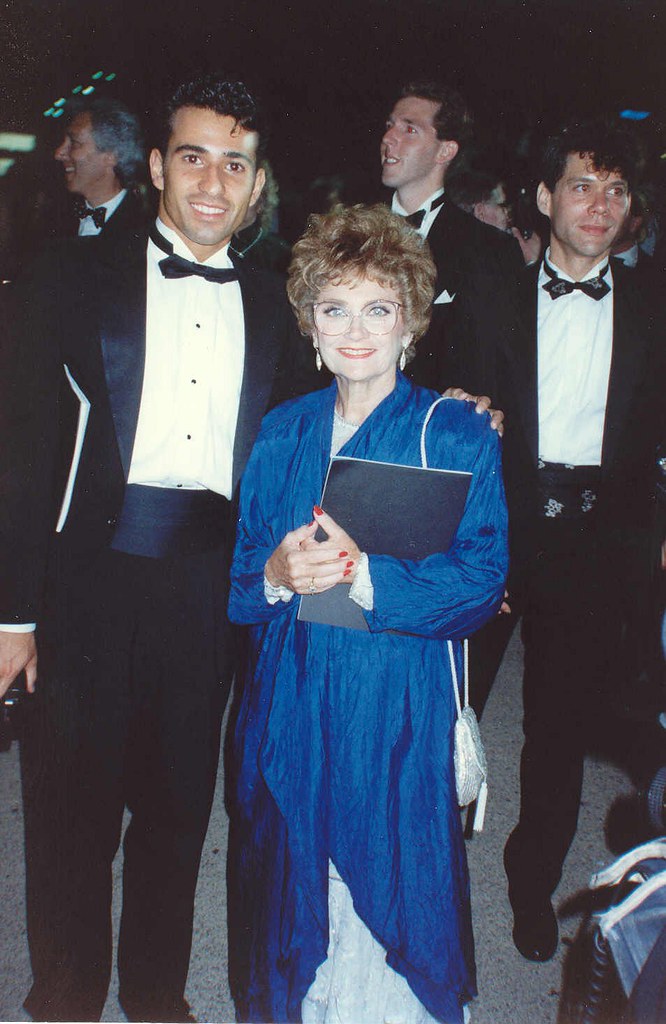
Estelle Getty’s portrayal of Sophia Petrillo, Dorothy’s quick-witted, insult-hurling mother on ‘The Golden Girls,’ is legendary. It’s hard to imagine anyone else in the role, yet behind the scenes, Getty herself sometimes struggled with the character and her own comedic timing. Director Terry Hughes described her experience as ‘an overwhelming experience that she handled so well, to find herself internationally famous in her 60s.’
Getty’s background was primarily in ‘Jewish theater in New York,’ and transitioning to a mainstream sitcom that brought her global fame in her later years was undoubtedly a huge adjustment. Hughes noted her ‘down-to-earth skill,’ but also admitted, ‘She didn’t always know why what she was doing was funny, but it was, and she would sometimes question it.’ This self-doubt about her comedic impact is a surprising revelation given Sophia’s undeniable hilarity.
Adding to her challenges, Getty also struggled with memory issues during the show’s run, which later years confirmed as symptoms of dementia. Lyn Greene, who played young Dorothy, recounted, ‘She would do 20 takes before she’d nail it, so that you were doing it over, and over, and over.’ This understandably created ‘a lot of frustration’ on set until the cast and crew realized it was a ‘medical condition.’
Despite these struggles, Getty persevered, creating an ‘incredible character in Sophia’ that became an indelible part of television history. Her ability to consistently deliver memorable performances, even while battling personal difficulties, is a testament to her dedication and talent. Sophia’s sharp wit and unforgettably dry observations continue to charm audiences, solidifying Getty’s place as a true comedic icon.
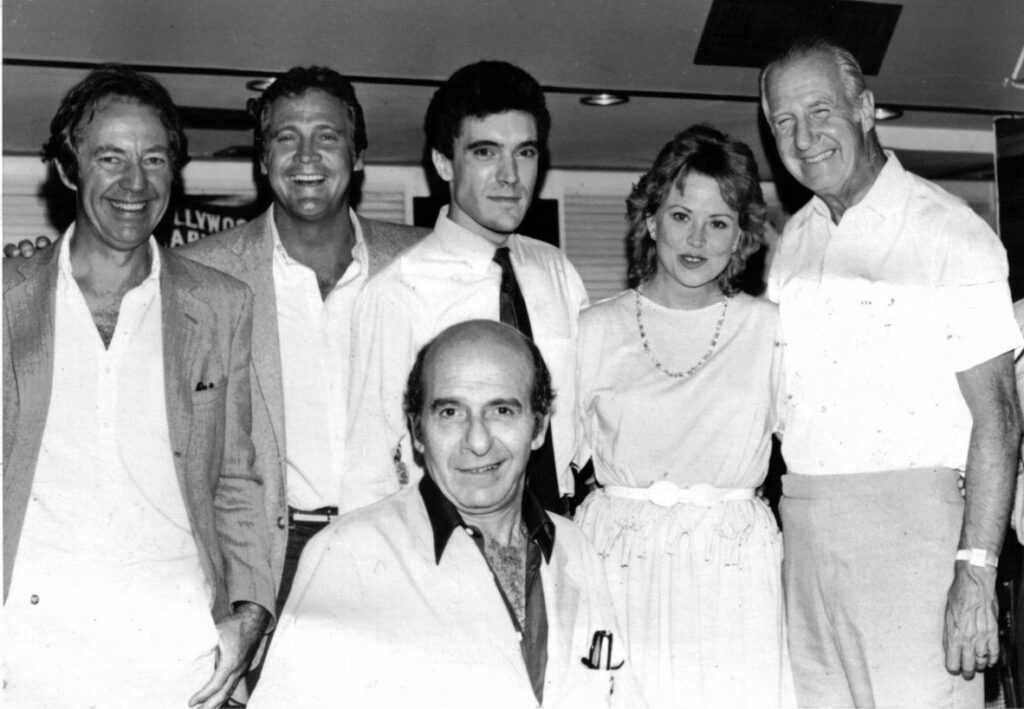
12. **The Unsung Hero: Stanley Zbornak, ‘The Golden Girls” Secret Weapon**
While ‘The Golden Girls’ centered on its four leading ladies, there was another character who consistently brought down the house with laughter: Dorothy’s lovable, perpetually bumbling ex-husband, Stanley Zbornak, played by the brilliant Herb Edelman. Director Terry Hughes fondly referred to Stan as ‘The Golden Girls’ secret weapon,’ a testament to his undeniable comedic impact.
Hughes revealed that if ever a script ‘was not up to scratch, or I thought we weren’t getting the laugh,’ his ‘go-to was always, ‘Let’s get Stan in for a couple of episodes.’’ Edelman was a ‘surefire laugh riot,’ and his presence could instantly bolster a scene. In fact, Hughes admitted to bringing him in on ‘at least on two occasions’ even when he wasn’t originally in the script, purely ‘just to bolster a scene and give us some extra comedy.’
The dynamic between Herb Edelman and Bea Arthur as Dorothy and Stan was pure gold. Hughes emphasized that their relationship ‘was great, often overlooked.’ Stan, with his questionable business ventures and unwavering attempts to win Dorothy back (or at least annoy her), provided a perfect foil and endless comedic opportunities. He perfectly embodied the ‘life after your first life’ theme of the show, proving that even ex-husbands could become an unexpected part of the new family.
Edelman’s ‘terrific’ performance and the genuine chemistry he shared with Bea Arthur made his ‘contribution to the show enormous.’ Stanley Zbornak wasn’t just a supporting character; he was an integral part of the show’s success, always there to deliver a laugh, reminding us that sometimes the most unexpected players turn out to be the real stars. His legacy lives on, a testament to the enduring power of a well-placed supporting role.
And there you have it, a deeper dive into the world of Betty White, from her pioneering steps in television to her quiet acts of advocacy and the delightful, sometimes complicated, behind-the-scenes magic of ‘The Golden Girls.’ It’s clear that Betty wasn’t just an actress; she was a force of nature, a trailblazer, a loving soul, and a true original. Her legacy is so much more than laughter; it’s a testament to living a life filled with purpose, optimism, and an unwavering belief in kindness. We miss you, Betty, but your light shines on, inspiring us all to find the positive, embrace life’s secrets, and maybe even play a competitive game of gin rummy!