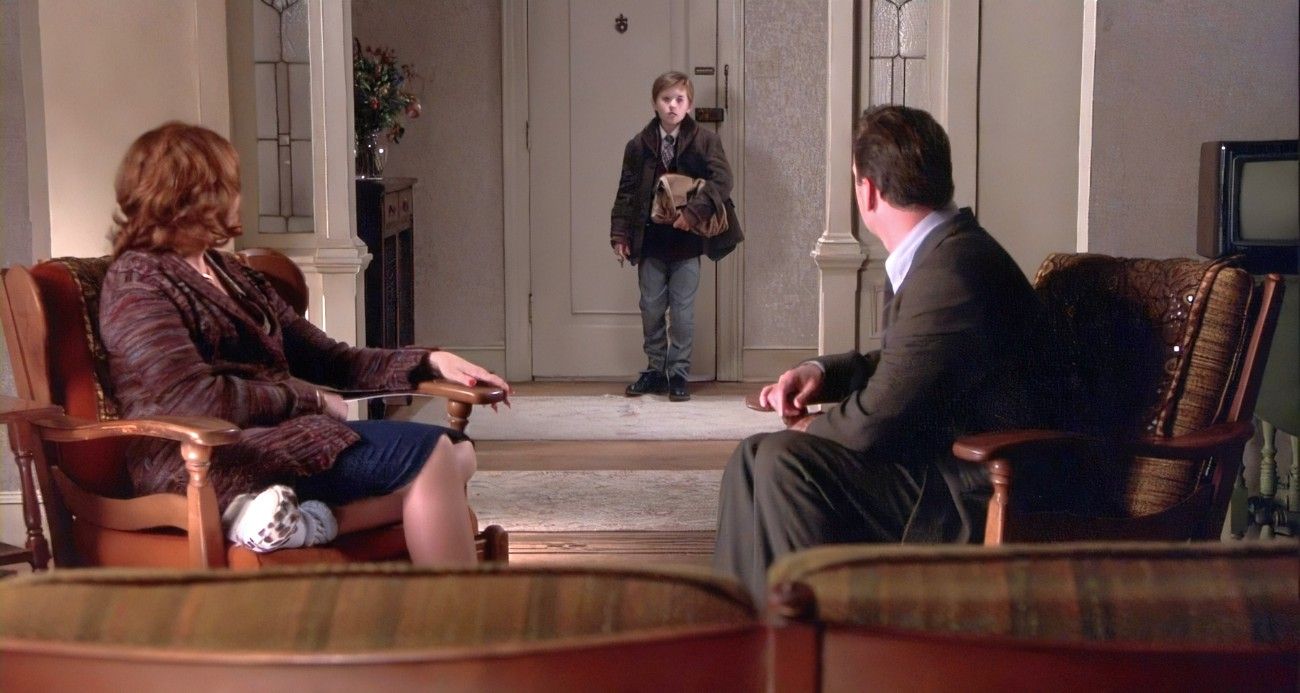
Alright, buckle up, because we’re taking a trip back to a place that has fascinated millions for decades: Michael Jackson’s legendary Neverland Ranch. This wasn’t just a home; it was a sprawling, fantastical estate, a personal amusement park, and a sanctuary (or a site of controversy, depending on who you ask). From its whimsical rides to its famous petting zoo, Neverland was a universe unto itself, created by one of the most polarizing figures in pop culture history.
But today, we’re not just wandering through the whole ranch. We’re zooming in on one particular, often-overlooked gem that truly embodies the King of Pop’s vision for his private paradise: the Neverland movie theater. Mentioned almost as an aside in descriptions of the ranch’s vast amenities, this 50-seat cinema holds more secrets and stories than you might imagine. It was a place for intimate moments, grand gestures, and perhaps, a quiet escape from the public eye that constantly scrutinized Jackson’s every move.
While we don’t have literal, never-before-seen photos to unveil today, we’re diving deep into the context, piecing together the intriguing story of this private cinematic wonderland. We’ll explore nine fascinating aspects of this theater, drawing exclusively from the available information, to truly understand its significance within the grand tapestry of Neverland and Michael Jackson’s extraordinary life. Get ready to peel back the layers and discover what made this particular amenity so special.
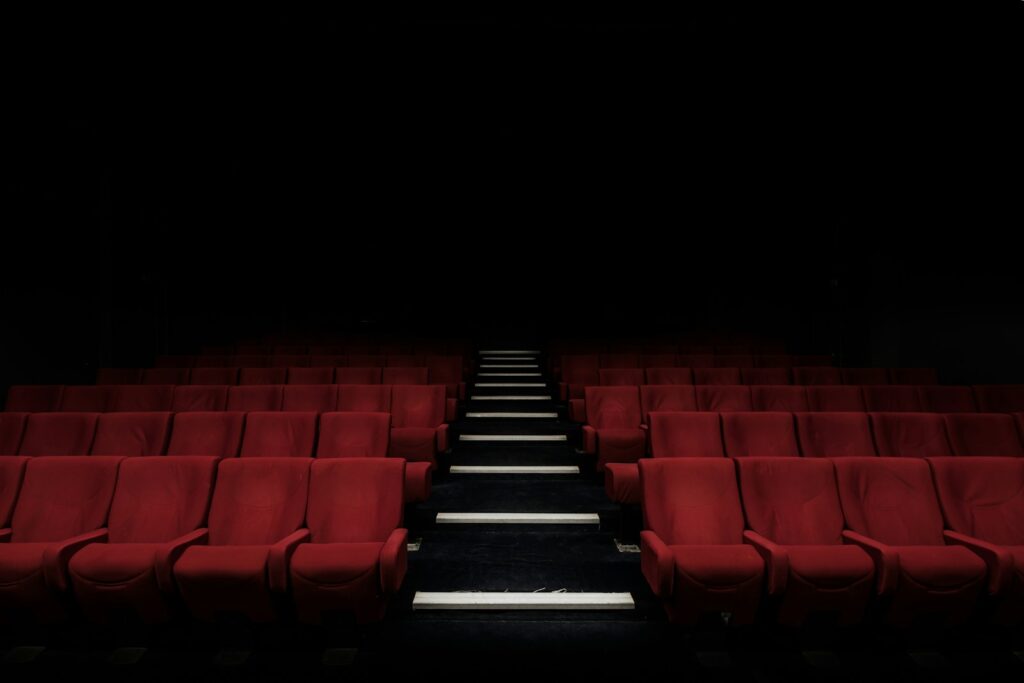
1. **The 50-Seat Private Cinema: A Glimpse into Grandeur**Imagine having your own movie theater, not just a cozy screening room, but a grand auditorium capable of seating fifty guests. This wasn’t just a casual addition to a luxury home; it was a statement. The fact that Michael Jackson’s Neverland Ranch boasted a 50-seat movie theater speaks volumes about the scale of opulence and entertainment he envisioned for his property. It suggests a desire to offer a full, cinematic experience, not only for himself but for a significant number of friends, family, and, crucially, the many children who often frequented the estate.
This isn’t merely a space for watching films; it’s an immersive environment designed for shared experiences. A 50-seat theater implies a projection booth, a proper screen, and seating arrangements that echo public cinemas, yet within the intensely private confines of Jackson’s personal domain. It highlights the extravagant nature of Neverland, where ordinary amenities were elevated to extraordinary heights, turning everyday activities into something spectacular and unique.
The sheer capacity of the theater also underscores Jackson’s role as a host, someone who delighted in entertaining and providing joy. Whether for private parties, special screenings, or simply enjoying films with his entourage, this cinema was a testament to a lifestyle that blurred the lines between private residence and public attraction. It created a unique blend of intimacy and grandeur, allowing for large gatherings while still maintaining the exclusivity of a private home. It truly was a marvel within a marvel.
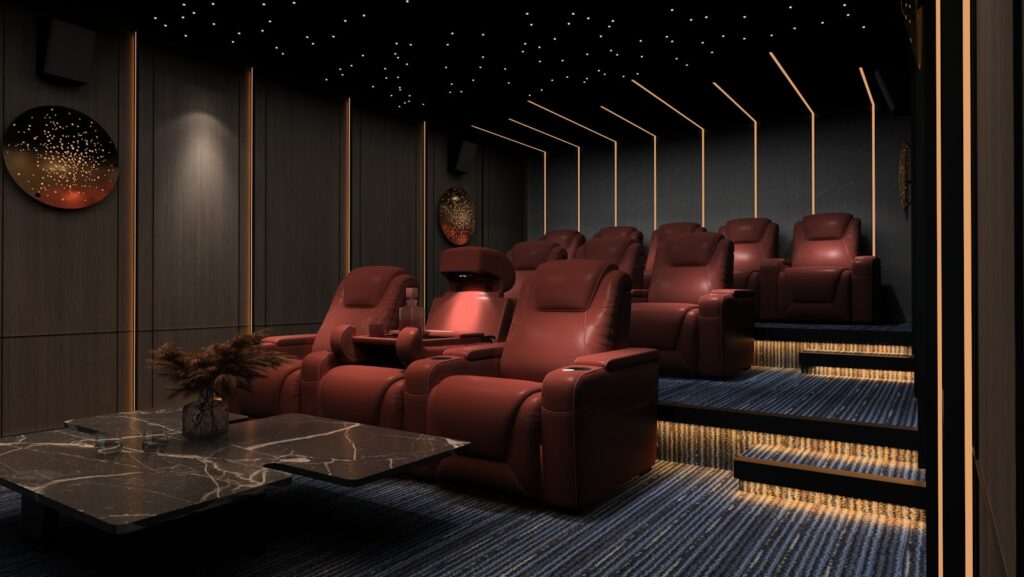
2. **More Than Just a Home Theater: Part of the 12,598 Sq Ft Mansion**The 50-seat movie theater wasn’t some standalone building tucked away in a corner of the vast 2,700-acre ranch. It was an integral component of the main property itself, specifically described as being part of a formidable 12,598-square-foot house. This isn’t just a big house; it’s an estate-within-an-estate, a French-Normandy style affair boasting five bedrooms and eight bathrooms. Placing such a substantial cinema within this main residence speaks to its importance and centrality in Jackson’s private life.
Think about it: the movie theater was seamlessly integrated into the heart of his home, alongside other luxurious features like multiple guesthouses that common folk would consider full homes. This placement suggests that film and entertainment were not peripheral interests but fundamental to the daily rhythm and leisure activities enjoyed within the main living quarters. It was a core amenity, essential to the overall experience of staying at Neverland.
This integration also illustrates how Jackson conceptualized his living space. It wasn’t merely a place to sleep and eat; it was a fully functional entertainment complex. The movie theater, as part of the primary residence, reinforces the idea that Neverland was designed to be self-sufficient in terms of entertainment, providing everything one could possibly desire without ever needing to leave the magnificent property. It was a true reflection of his desire to create a world where fantasy and luxury converged.
3. **The Stage for History: Oprah Winfrey’s Iconic 1993 Interview**One of the most defining moments in the history of Michael Jackson and Neverland Ranch unfolded within the very walls of this 50-seat movie theater. In 1993, the world watched as Oprah Winfrey, a titan of television, conducted a famously candid interview with the King of Pop right there. This wasn’t just any interview; it was a global phenomenon, drawing an astounding 90 million viewers, eager to glimpse into the private world of an enigmatic superstar.
Choosing the movie theater as the setting for such a monumental event was a deliberate and significant decision. It transformed the personal cinema from a space of private entertainment into a stage for public discourse, a window into Jackson’s guarded life. The theater, usually a place for escapism and storytelling on screen, became the backdrop for Jackson’s own narrative, broadcast live to an unprecedented audience around the globe.
This interview cemented the theater’s place in pop culture history, forever linking it to a moment of intense scrutiny and revelation. It underscored the dual nature of Neverland: a private retreat that was, at times, very much in the public eye. The iconic imagery of Jackson speaking directly to the camera from within his own cinematic sanctuary remains a powerful symbol of his era, forever etched into the collective memory of fans and critics alike.
4. **A Wonderland for Young Guests: “The Polar Express” and Childhood Dreams**While the Neverland movie theater served as a backdrop for a historic interview, its primary purpose, reflecting Michael Jackson’s overarching vision for the ranch, was undoubtedly to delight children. The context explicitly mentions that during a children’s event held in 2004, “His guests, ranging in age from preschoolers to teenagers, hopped on the Neverland train, rode various rides, pet the zoo animals, and even watched The Polar Express in his theater.” This detail offers a heartwarming glimpse into the daily magic of Neverland.
Picture the scene: after a day filled with thrilling rides and petting exotic animals, these young guests would settle into the plush seats of the private cinema, perhaps with popcorn and treats, ready to be transported by a film like “The Polar Express.” This wasn’t just a casual movie night; it was an extension of the wonderland experience, carefully curated to foster joy and create unforgettable memories for every child who visited. It epitomized Jackson’s desire to give children the childhood he felt he never had.
This use of the theater highlights its role as a key part of Neverland’s child-centric design. It wasn’t just for adults or serious discussions; it was a place of pure, unadulterated childlike wonder. The ability to screen any film, especially popular children’s movies, instantly transformed the theater into a powerful tool for imagination and delight, perfectly aligning with the Peter Pan theme that permeated the entire ranch. It was truly a place where dreams could come to life.

5. **Neverland’s Signature Touch: The Branding of the Cinema**Beyond its function and capacity, the Neverland movie theater possessed a unique characteristic that further integrated it into the ranch’s distinct identity: it had “Neverland branding.” This seemingly small detail, mentioned in conjunction with other amenities like the dance studio and tennis court, is actually incredibly significant. It tells us that Jackson’s vision extended to every corner of his estate, ensuring a cohesive and immersive experience for all who visited.
What might “Neverland branding” have entailed for a movie theater? It could mean custom signage, decorative elements reflecting the Peter Pan theme, or even unique architectural touches that differentiated it from a standard cinema. Imagine a marquee bearing the Neverland logo, or seats embroidered with subtle nods to the fantastical island. This level of personalization speaks to Jackson’s meticulous attention to detail and his desire to craft a truly unique, branded environment.
This commitment to branding transformed the theater from a generic screening room into an authentic piece of the Neverland fantasy. It ensured that every guest, from the moment they entered, was fully immersed in Michael Jackson’s dream world. The branded cinema was not just a space to watch movies; it was an active participant in telling the story of Neverland, making it an irreplaceable part of his extraordinary and unforgettable estate.
Alright, let’s fast forward a bit, because after years of whispers and neglect, Neverland Ranch has officially been given a new lease on life. This isn’t just a minor touch-up; we’re talking about a complete transformation under the ownership of billionaire business mogul Ron Burkle, who acquired the estate in December 2020 for a cool $22 million. It’s a significant turnaround from its days of chaos, with the new owner choosing restoration over razing, aiming to bring Jackson’s personal answer to Graceland back to its former glory.
While the specifics of the 50-seat movie theater’s individual restoration haven’t been broadcast from the rooftops, it’s a no-brainer that this crown jewel would be part of the grand revival. After all, the theater is an integral amenity within the impressive 12,598-square-foot main house, right alongside the dance studio and tennis court, both proudly displaying that distinctive Neverland branding. When we hear about “vehicles and tool-carrying workers” showing up on site after the 2020 sale, it strongly suggests that every corner, every cherished space, was likely given the TLC it deserved.
The ongoing work at Neverland isn’t just about preserving history; it’s about reactivating it. Recent aerial photos have teased us with glimpses of resurrected attractions, even if some are still under wraps. And get this: the estate recently welcomed film crews for the high-profile biopic about Michael Jackson’s life, with actor Miles Teller revealing they “enhanced the interior with upgrades.” It’s highly probable that the movie theater, a space central to Jackson’s life and legacy, received some of that behind-the-scenes magic too, getting it ready for its next close-up on the big screen, even if it’s a fictional one.
Imagine the popcorn machines humming again, the plush seats dusted off, and the grand screen ready to flicker with new stories. This revitalized cinema isn’t just a nod to the past; it’s a symbol of Neverland’s ongoing evolution, ready to host new memories and perhaps even inspire future cinematic dreams. Its restoration speaks volumes about a commitment to maintaining the estate’s unique character, ensuring that this private theater continues to be a part of Neverland’s compelling narrative, even if its main protagonist is no longer with us.
7. **Standing Out Among Neverland’s Lavish Attractions**Let’s be real, Neverland Ranch was an absolute spectacle, bursting with more attractions than most theme parks! We’re talking about a working train station, fantastical statues, a Ferris Wheel, a roller coaster, swan boats, and even a lagoon-style pool and a four-acre lake with a waterfall. There was a funhouse called ‘Firehouse’ and ‘Krazy Planes’ swinging carriages, not to mention a whole petting zoo brought back to life. With all these over-the-top, whimsical wonders, how did a mere movie theater manage to stand out?
Well, that’s precisely the magic of it! While the outdoor rides offered adrenaline and grand spectacle, the 50-seat cinema provided a completely different, yet equally lavish, form of escapism. It was an intimate, immersive experience tucked inside the opulent 12,598-square-foot main mansion. This wasn’t about screaming on a roller coaster or petting an exotic animal; it was about settling into comfortable luxury, sharing a collective moment of wonder, and getting lost in a story on the big screen.
The movie theater offered a sophisticated contrast to the playful chaos of the fairground. It represented a quieter, more curated form of entertainment, emphasizing shared experiences in a communal yet private setting. After a day of hopping on the Neverland train or riding various attractions, unwinding in a state-of-the-art private cinema would have been the ultimate wind-down. It truly showcased the ranch’s ability to cater to every mood and desire, from thrilling outdoor adventures to refined indoor leisure.
So, while the roller coasters and swan boats were certainly head-turners, the private cinema quietly asserted its significance by offering a unique kind of luxury – a personal, grand cinematic retreat that elevated the idea of a “home theater” to an entirely new stratosphere. It wasn’t just *another* attraction; it was an essential, distinctive piece of the Neverland puzzle, completing the picture of a truly self-sufficient, fantasy-filled empire designed for both active play and serene indulgence. It was all part of the curated dream.
8. **A Contribution to Michael Jackson’s Personal Legacy and Vision**Michael Jackson’s Neverland Ranch was never just a house; it was a physical manifestation of his extraordinary, often enigmatic, personal vision. And at the heart of that vision, the 50-seat movie theater played a starring role. It was a place designed for “intimate moments, grand gestures, and perhaps, a quiet escape from the public eye that constantly scrutinized Jackson’s every move.” This cinema wasn’t just an amenity; it was a piece of his soul, a dedicated space where the King of Pop could curate experiences that reflected his deepest desires for wonder and joy.
This theater perfectly encapsulated Jackson’s “desire to give children the childhood he felt he never had,” turning simple movie screenings into magical events. Imagine young guests, after a day of rides and zoo animals, settling in to watch “The Polar Express” in his private auditorium – it truly brought the Peter Pan theme to life. It showcased his commitment to providing an unparalleled, fantasy-driven experience, not just for himself but for every child who stepped foot onto his incredible estate.
Even as Neverland transitioned from a beloved home to a “real-estate legacy” after police raids and controversies led him to declare it “too violated” to live in, the movie theater remained a poignant symbol. It stands as a testament to his complex artistic spirit, his love for storytelling, and his unparalleled ability to create an immersive world. This space, more than just four walls and a screen, was where his dreams of sharing wonder, escapism, and communal joy with others were literally projected.
The cinema, with its grand scale and integrated design within his main residence, underscored Jackson’s role as the ultimate host and visionary. It was a space that blurred the lines between fantasy and reality, perfectly aligning with his larger-than-life persona. Even today, as Neverland undergoes transformations and faces renewed scrutiny, the enduring presence of this magnificent theater reminds us of the profound, if complicated, legacy of a man who genuinely sought to build his own private paradise, brick by magical brick.
Read more about: Prince: An In-Depth Look at the Life, Career, and Enduring Legacy of a Musical Icon
9. **Complex Association with the Estate’s Design and Purpose**Let’s address the elephant in the room. Neverland Ranch, for all its whimsical charm and lavish attractions, has always been inextricably linked with controversy. It was, as the context so aptly puts it, “a sanctuary (or a site of controversy, depending on who you ask).” And within this dual-natured estate, the 50-seat movie theater, a beacon of childhood wonder, found itself caught in the crosscurrents of public debate, making its association with the ranch’s overall design and purpose incredibly complex.
The very elements that made the theater a “veritable paradise” for children – its ability to screen beloved films like “The Polar Express” for young guests – became part of a larger, darker narrative for some. Jackson’s “obsession with childhood,” which manifested in everything from the Peter Pan theme to the estate’s many child-friendly attractions, including the cinema, was interpreted in vastly different ways. For some, it was a beautiful act of providing joy; for others, it fueled “child ual abuse allegations.”
Even the current filming of the Michael Jackson biopic at Neverland has drawn criticism, with filmmaker Dan Reed branding it “a return to the scene of the crime in order to whitewash and rewrite history.” This highlights how every aspect of Neverland, including its cinematic heart, is now viewed through a lens clouded by serious allegations and deep societal divisions. The theater, initially a space of innocent escapism, now carries the weight of a legacy that “will eternally remain disputed, debated, and voraciously discussed.”
Ultimately, the Neverland movie theater stands as a powerful symbol of Michael Jackson’s complex life and legacy. It embodies his extraordinary vision for a child-friendly fantasy world, while simultaneously serving as a reminder of the controversies that forever stained his public image and the estate itself. It’s a space that simultaneously represents unparalleled generosity and deeply troubling accusations, encapsulating the ongoing, unresolved tension that defines the story of Michael Jackson and his incredible, yet polarizing, Neverland Ranch.
So there you have it, an exclusive peek behind the velvet ropes of Michael Jackson’s private Neverland movie theater. Far more than just a place to catch a flick, this 50-seat wonder was a vibrant microcosm of the King of Pop’s entire empire – a place of dreams, luxury, creativity, and undeniably, controversy. It stands as a powerful symbol of an artist who dared to build his own fantasy world, leaving behind a legacy as captivating and complex as the films once screened within its hallowed walls. From grand scale to a stage for history, and now a testament to enduring restoration, this cinema remains a fascinating, if sometimes haunting, piece of pop culture history.