
Imagine this scenario: you wake up to a crisp, cold morning, eager to start your day, only to be greeted by an illuminated warning light on your car’s dashboard. It’s that familiar horseshoe-shaped icon with an exclamation point in the middle – the Tire Pressure Monitoring System (TPMS) light. For many drivers, this sight is a common, often perplexing, occurrence when the weather takes a sudden turn for the chilly. While it might seem like a minor inconvenience, this little light is a critical indicator of your vehicle’s health and safety, and understanding its message is paramount.
At Consumer Reports, our commitment is to provide drivers with objective, unbiased information to help make informed decisions about their vehicles. The TPMS light, especially in cold weather, is more than just a nuisance; it’s a signal that demands attention. Ignoring it can lead to a cascade of problems, from compromised handling and decreased fuel efficiency to premature tire wear and even dangerous blowouts. Our in-depth analysis delves into the core reasons why your TPMS light tends to activate during the colder months, offering clear explanations and actionable advice.
This article aims to demystify the TPMS warning, equipping you with the knowledge to understand why it happens and what steps you need to take. We’ll explore the primary culprits behind these cold-weather warnings, providing practical insights into diagnosing and addressing the issue effectively. By understanding these “hidden dangers,” you can ensure safer travels and extend the life of your tires, maintaining peace of mind on every journey.

1. The Physics of Cold Weather and Tire Pressure
One of the most frequent reasons your TPMS light illuminates when temperatures drop is a fundamental principle of physics: cold causes air to contract. This natural phenomenon directly impacts the air volume inside your tires, leading to a reduction in pressure. As Rich White, executive director of the Car Care Council, explains, “For every 10-degree drop in temperature, tire pressure decreases 1-2 PSI.” PSI, or pounds per square inch, is the standard unit for measuring this crucial pressure, and its fluctuations are a key factor in TPMS activations.
This principle is often summarized succinctly: “Cold shrinks – warm expands, basically.” In your tires, the cold weather causes the air molecules to become less active and take up less space. This decrease in air volume directly translates to less well-filled tires, pushing the pressure below the manufacturer’s recommended level. When your tire’s pressure dips approximately 25 percent below this critical threshold, the TPMS system is designed to trigger the warning light on your dashboard, alerting you to the change.
It’s a typical scenario for motorists to receive these TPMS warnings as the seasons change, and then understandably become worried about their tires. Often, people will observe this light in the morning when the temperature is at its lowest. While the light might temporarily deactivate if the day warms up and the air inside the tires expands, it’s crucial not to be lulled into a false sense of security. Even if the light turns off, the tires are likely still a few PSI underinflated, which can still pose risks.
Regular monitoring is key during these transitional periods. The fluctuation in tire pressure is usually temporary, as driving generates heat, which can warm the tire and the air inside, causing the pressure to increase. However, relying on this natural recalibration without manual checks can be risky. The underlying issue of inadequate pressure persists, impacting safety and performance until the tires are properly inflated to their recommended specifications.
Read more about: The Braking Breakdown: 10 Vans Scored on Stopping Distance – Separating Fact from Fiction for Safer Commercial Driving

2. Underinflation: The Most Common Culprit and Its Risks
Beyond the direct effect of cold weather, a persistent state of underinflation, regardless of temperature, is a primary reason for the TPMS light to stay on. When your tires consistently operate below their recommended pressure, it’s not just an efficiency issue; it’s a significant safety hazard. The TPMS is a vital safety feature mandated by the National Highway Transportation Safety Administration due to historical incidents, underscoring the serious implications of neglecting proper tire pressure.
Driving with underinflated tires severely compromises your vehicle’s handling and braking capabilities. Tires with insufficient air pressure have a larger contact patch with the road, but this isn’t beneficial; rather, it leads to reduced traction and stability, increasing the risk of hydroplaning or losing control, especially in adverse conditions like wet or icy surfaces. This reduced contact efficiency forces your engine to work harder due to increased rolling resistance, directly translating to decreased fuel efficiency, costing you more at the pump.
Moreover, underinflation significantly accelerates tire wear. The excessive flexing and friction caused by low pressure generate heat, leading to premature and uneven tread wear, particularly along the outer edges of the tire. This not only shortens the lifespan of your tires, necessitating costly replacements sooner than expected, but also weakens the tire sidewalls over time. This weakening substantially increases the risk of a dangerous tire blowout while driving, a scenario that can lead to severe accidents.
The statistics are sobering: “Over 11,000 accidents happen each year due to bad tires,” highlighting the critical role tire health plays in road safety. Therefore, when the TPMS light indicates underinflation, it’s not merely a suggestion to add air; it’s an urgent directive to address a potential safety hazard. Prioritizing proper inflation is a simple yet profoundly effective way to prevent accidents, enhance vehicle performance, and save money in the long run.

3. Overinflation: A Less Obvious Trigger
While the TPMS light is most commonly associated with low tire pressure, it’s important to understand that the system is designed to detect *any* significant deviation from the recommended PSI, whether too low or too high. Therefore, overinflation can also trigger the warning light, particularly if your tires were initially inflated close to or slightly above their maximum recommended PSI. As the context states, “If your tires were already close to the maximum recommended PSI, this increase can sometimes trigger the TPMS sensor as well,” especially with ambient temperature increases.
Though not as common in cold weather as underinflation, understanding the effects of overinflation is crucial for comprehensive tire maintenance. Some drivers, to preempt cold-weather warnings, might intentionally overinflate their tires by a small margin, perhaps 2 or 3 PSI above the recommended level. Jason Lancaster, an auto expert, notes, “Personally, this is my solution to this problem,” referring to inflating to 35 PSI instead of the recommended 32 PSI. However, he also cautions about the downsides: “your tires will wear a little faster — and your car will ride a little rougher — but the difference is negligible.” This subtle trade-off between avoiding the warning light and maintaining optimal tire characteristics is a consideration for some.
However, in general, driving with tires that are significantly overinflated carries its own set of risks. Overinflated tires have a smaller contact patch with the road, which paradoxically leads to reduced grip and traction. This diminished contact impairs handling and braking performance, making the vehicle less stable and responsive, particularly in emergency maneuvers or on slippery surfaces. The reduced surface area means the center of the tread bears more weight, leading to uneven wear in the middle of the tire.
Furthermore, overinflated tires become overly rigid, making them less capable of absorbing impacts from road imperfections like potholes. This rigidity not only results in a bumpier and less comfortable ride but also increases the susceptibility of the tires to damage, such as punctures or sidewall bulges. Perhaps most critically, the increased internal pressure puts additional stress on the tire’s structure, elevating the risk of a sudden and dangerous blowout, a significant safety concern for both the driver and others on the road.

4. Gradual Air Seepage and Monthly PSI Loss
Beyond sudden temperature drops, a less dramatic but equally significant factor contributing to low tire pressure and TPMS warnings is the normal, gradual loss of air from your tires over time. It’s a fundamental characteristic of pneumatic tires that they routinely lose air. As the context clarifies, “Tires routinely lose 1 PSI per month as air escapes around the edge of the rim and through the tread itself. This is completely normal.”
This continuous, albeit slow, seepage means that even perfectly healthy tires, without any punctures or defects, will gradually lose pressure. Over several months, this seemingly minor loss can accumulate, causing the tire pressure to fall significantly below the recommended levels. When this inherent monthly loss is combined with the effects of colder weather, where the air inside contracts, the cumulative pressure drop can easily push a tire’s PSI below the TPMS activation threshold.
The context highlights that “These two factors combined can cause the air pressure in a tire to go 25 percent below the recommended fill pressure.” This threshold is exactly what triggers the sensing transmitters inside your tires to illuminate your TPMS dash light. Therefore, a TPMS warning in cold weather might not solely be due to the temperature effect but rather the straw that broke the camel’s back, revealing an underlying pressure deficit accumulated over weeks or months.
This inherent air loss underscores the critical importance of proactive maintenance rather than relying solely on the TPMS light as your primary indicator. The advice is clear: “You should check your tire pressure monthly at a minimum.” Regular manual checks ensure that you catch these gradual drops before they become significant enough to trigger the warning light, allowing you to maintain optimal pressure year-round and prevent the safety and efficiency issues associated with underinflation.
5. Sudden Temperature Swings and Fluctuations
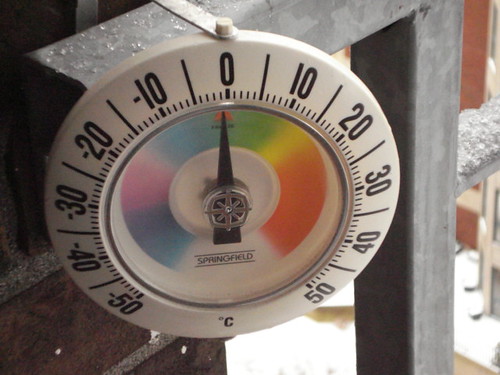
The TPMS system is remarkably sensitive to changes in internal tire pressure, and this sensitivity means that sudden or significant temperature swings, especially between night and day, can trigger the warning light even if your tires were perfectly inflated just hours before. This phenomenon is particularly noticeable during transitional seasons or in regions with volatile weather patterns, where daily temperature variations can be quite pronounced.
Consider a scenario where the daytime temperature reaches a mild 45 degrees Fahrenheit, allowing tire pressure to stabilize at the recommended level. However, if the mercury then plummets to 15 degrees Fahrenheit overnight, the air inside your tires will contract significantly. As the context explains, “If it gets up to 45 degrees by day and drops to 15 degrees at night, your tire pressure will vary 3 PSI, not counting normal air loss.” This 3 PSI swing can be enough to push the tire below the TPMS activation point, causing the light to come on first thing in the morning.
This is precisely “why it’s not unusual to have the low-pressure indicator light go on first thing in the morning, since it’s usually coldest overnight.” As with general cold weather, the light may eventually turn off after you’ve driven for 20 minutes or so, as the friction from driving heats the tires and the air inside them expands, bringing the pressure back up. However, this temporary deactivation does not negate the initial underinflation, and the tire may still be operating at a suboptimal pressure.
Such temperature-induced fluctuations highlight that proper tire pressure isn’t a static condition but a dynamic one that requires regular attention. While the TPMS is there to alert you to critical drops, proactive monitoring, especially during periods of significant temperature variability, is essential. Manually checking your tire pressure when the tires are cold—meaning the car hasn’t been driven for several hours—provides the most accurate reading and allows you to adjust for these daily swings, ensuring consistent safety and performance.
Read more about: Essential Driver’s Guide: Proactive Steps to Prevent Windshield Cracks and Keep Minor Damage from Spreading

6. What the Different TPMS Light Signals Mean
Understanding the specific behavior of your TPMS light is crucial for diagnosing the underlying problem, as a steady light conveys a different message than a flashing one. The TPMS warning light, typically an exclamation point within a horseshoe or tire symbol, is designed to communicate distinct statuses of your tire pressure monitoring system. Recognizing these signals can guide your immediate actions and help you determine whether the issue is a simple pressure adjustment or a more complex system malfunction.
If the light comes on and remains steadily illuminated while you are driving, it generally indicates a problem with the pressure in one or more of your tires. This steady illumination means that the system has detected that one or more tires are at least 25% below the recommended tire pressure for your vehicle. In such cases, the immediate action required is to safely pull over, check your tire pressures, and add air as needed. After proper inflation, the light should typically turn off after driving a few miles, as the system needs time to re-sense the optimal pressure.
However, if the light flashes for a period—often 60 to 90 seconds—whenever you start your vehicle, and then subsequently remains steady, this signal points to an issue with the TPMS system itself rather than just low tire pressure. This specific sequence indicates that your tire pressure monitoring system isn’t functioning properly, which could be due to a faulty sensor, a dead battery within a sensor, or a broader system malfunction. In this scenario, adding air to your tires will not resolve the warning light, and it’s advisable to visit an auto shop to have your sensors checked or replaced.
There’s also a scenario where the light turns on and off intermittently, often seen in colder months. This typically signifies that your tire pressure has decreased overnight due to a temperature drop, causing the light to activate. As the ambient temperature rises during the day, the air inside the tires expands, potentially turning the light off. While this might seem like a self-correcting problem, it’s vital not to ignore the initial warning, as the tires may still be underinflated even when the light is off. In any case, understanding these distinct signals empowers you to respond appropriately and maintain your vehicle’s safety features effectively.
Continuing our in-depth exploration into the persistent mystery of the TPMS light, we now shift our focus beyond the immediate environmental and pressure dynamics. This next section delves into the more intricate underlying issues that can cause this crucial safety indicator to illuminate, encompassing specific component failures, critical installation oversights, and practical, proactive maintenance strategies that every driver should be aware of. Understanding these additional factors is key to comprehensive troubleshooting and ensuring the continuous, reliable performance of your vehicle’s tire pressure monitoring system. These insights empower you to address not just the symptoms, but the root causes, maintaining optimal vehicle safety and tire longevity.
Read more about: Why Your Tire Pressure Light Stays On: A Deep Dive into Common Causes and Solutions for Every Driver
7. Faulty TPMS Sensor or Battery
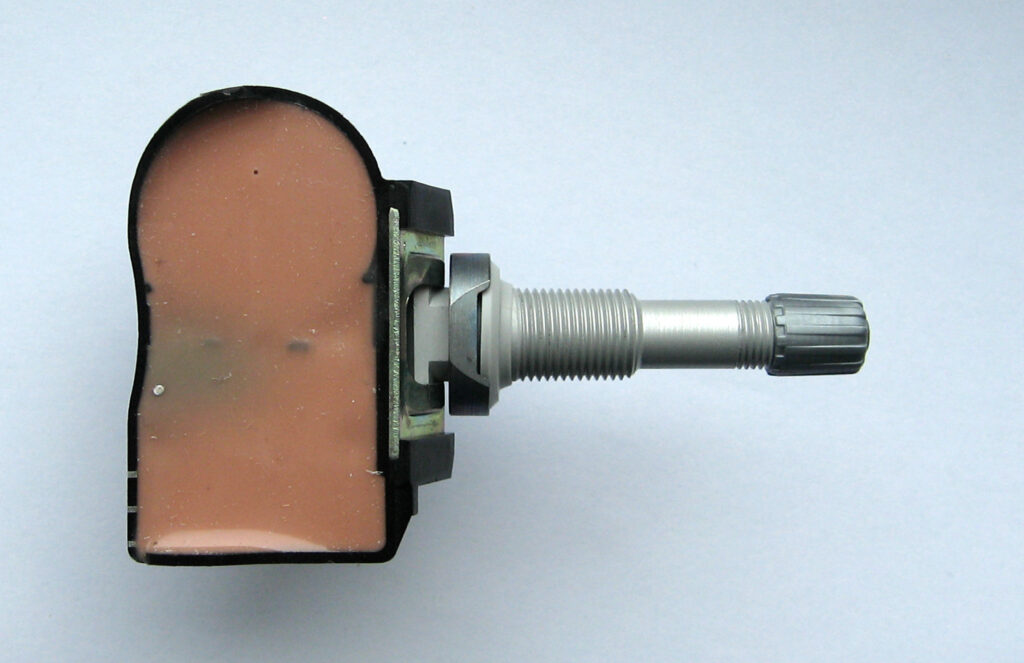
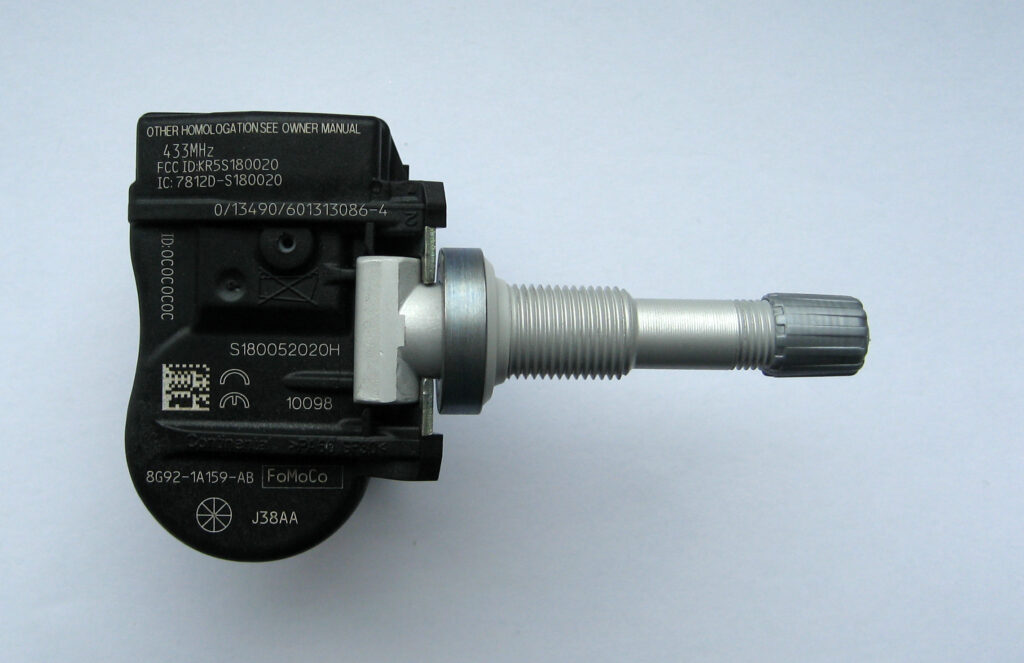
The sophisticated tire pressure monitoring system relies on small sensors installed inside each tire’s air stem, constantly checking air pressure. These critical components, like any electronic device, are powered by small batteries that have a finite lifespan. Over time, these batteries can wear out and fail, rendering the sensor inoperable. When a sensor battery dies, or if a sensor itself malfunctions, it directly impacts the system’s ability to accurately monitor tire pressure, leading to the illumination of your dashboard warning light.
A tell-tale sign of a faulty TPMS sensor or a dead battery within it is when the warning light flashes for an initial period—often 60 to 90 seconds—whenever you start your vehicle, and then subsequently remains steadily illuminated. This specific flashing sequence indicates that the TPMS system isn’t functioning properly, signaling an internal system issue rather than simply low tire pressure. It’s a clear directive that manual air adjustments won’t fix the problem.
Diagnosing a faulty TPMS sensor or a dead battery usually requires specialized diagnostic equipment that can communicate with the sensors individually. Therefore, if you observe this flashing pattern, it’s advisable to visit an auto shop. Experienced technicians can accurately pinpoint which sensor is malfunctioning or has a depleted battery and facilitate its replacement, ensuring that your vital tire pressure monitoring system is fully operational and reliably protecting your vehicle.
Ensuring that all your vehicle’s sensors, including the TPMS, are fully operational at all times is crucial for maintaining safety on the road. A non-functional sensor means you could be driving with a significant pressure issue without any immediate warning from your dashboard. Regular professional checks can help identify and rectify these issues before they compromise your safety or lead to more significant problems down the line.
Read more about: Why Your Tire Pressure Light Stays On: A Deep Dive into Common Causes and Solutions for Every Driver
8. Improper TPMS Relearn Procedure After Tire Service
Modern vehicles are complex, and their systems often require specific procedures to function correctly after routine maintenance. When tires are changed, rotated, or even when new sensors are installed, many vehicles require a ‘relearn’ procedure to recalibrate the TPMS sensors with the vehicle’s onboard computer. This process ensures that the system accurately recognizes and monitors the correct tire positions and their corresponding pressure readings. Failing to perform this crucial relearn procedure, or executing it incorrectly, is a common reason for the TPMS light to stubbornly remain on or illuminate unexpectedly.
This oversight often falls into the category of “installation oversights.” After a tire service, if the TPMS light comes on and stays on, even after you’ve manually verified that all tire pressures are correct, an improper relearn procedure is a strong suspect. The vehicle’s computer might be receiving confusing or absent signals from the sensors, prompting the system to flag a potential issue, even if physically the tires are in good condition.
Professional service is paramount in these situations. Technicians at a reputable auto shop are equipped with the specialized tools and knowledge to perform the correct TPMS relearn procedure for your specific vehicle make and model. This recalibration synchronizes the sensors with your car’s system, allowing for accurate real-time monitoring of tire pressure. Guaranteeing that your tires are changed and rotated properly, including the necessary TPMS recalibration, is essential for the system’s integrity and your driving safety.
Ignoring a TPMS light that comes on after tire service, even if you know the tires were recently serviced, can leave you vulnerable to actual pressure problems that the system is trying to alert you to. A correctly functioning TPMS is a critical safety feature, and its accurate operation depends not only on healthy components but also on proper integration and calibration following any tire-related maintenance. Always confirm that this step has been completed when your tires undergo professional service.
Read more about: Why Your Tire Pressure Light Stays On: A Deep Dive into Common Causes and Solutions for Every Driver
9. Incorrect Tire Size or Type Installation
While it might seem like a simple swap, installing tires of an incorrect size or type can have far-reaching implications for your vehicle, including affecting the accuracy and functionality of your TPMS. The vehicle’s TPMS is calibrated to work within specific parameters dictated by the manufacturer’s recommended tire specifications. Deviating from these specifications can confuse the system, leading to inaccurate readings and, consequently, triggering the warning light on your dashboard.
If your low tire pressure light comes on, and all other common causes have been ruled out, it might indicate that you have the wrong tires installed. Tires with incorrect specifications can alter wheel rotation speeds or affect how the sensors communicate with the vehicle’s computer, leading to readings that fall outside the expected range. This discrepancy can cause false positives, where the TPMS light illuminates despite seemingly proper inflation, or, more dangerously, fail to warn you of an actual pressure drop.
Beyond just TPMS issues, using tires of the incorrect size can be hazardous to your overall driving experience and safety. They may compromise your vehicle’s stability on the road, affecting handling, braking distance, and even the calibration of other crucial safety systems like ABS and traction control. Additionally, improper tire sizes can cause premature wear on suspension components and the tires themselves, leading to costly damage over time.
This highlights the critical importance of always visiting a professional tire shop to ensure you get the right size tire for your vehicle. Expert technicians can guide you through the selection process, ensuring that the tires installed meet your vehicle’s specifications. This not only prevents issues like your TPMS warning light coming on due to incompatibility but also guarantees optimal vehicle performance, safety, and tire longevity, safeguarding your investment and your peace of mind.
Read more about: The $500 Repair Trap: The One Critical Mistake You Must Avoid with Your Car’s Timing Belt
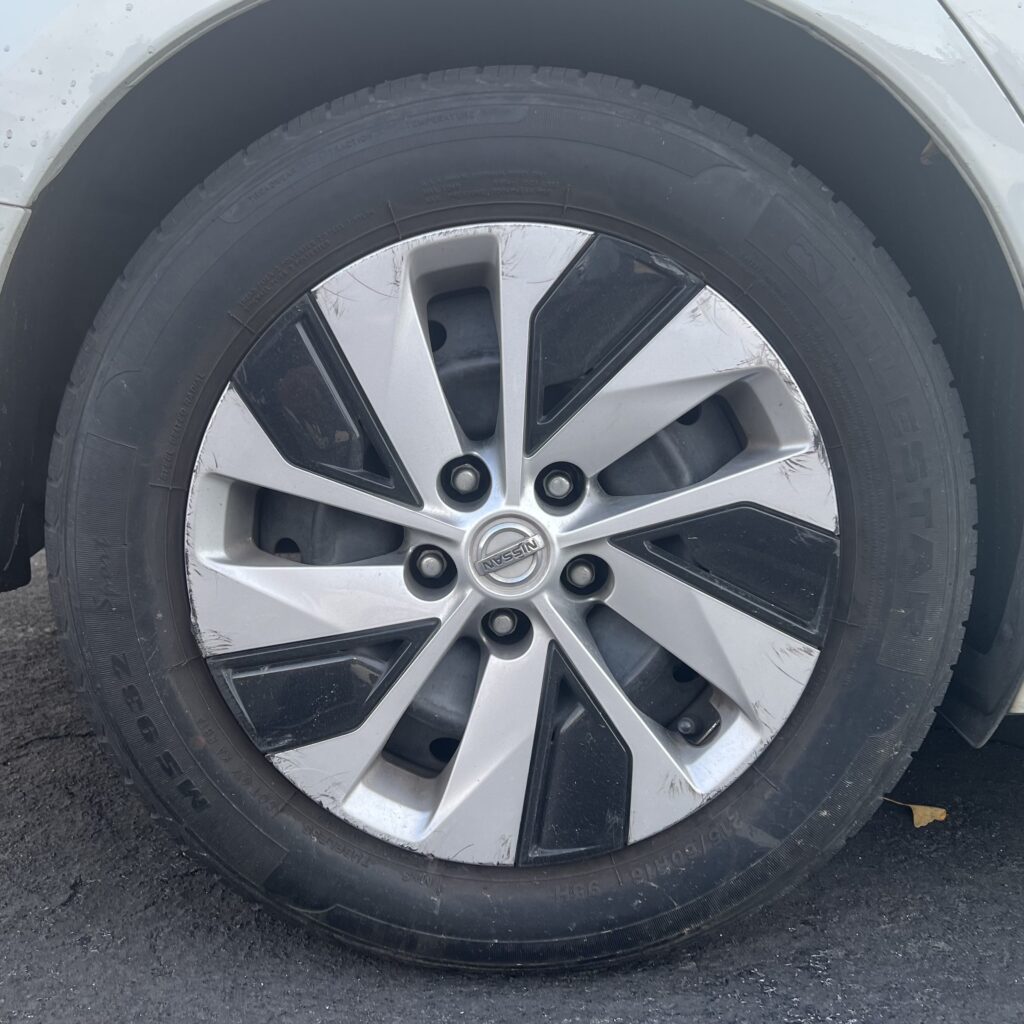
10. Damage to the Tire Itself (Punctures, Valve Stem Issues)
While cold weather often causes a uniform drop in pressure across all tires, localized damage to a single tire is a distinct and serious cause for the TPMS light to activate. A puncture, even a small one from a nail or piece of debris, can lead to a slow leak that gradually reduces tire pressure until it crosses the TPMS threshold. This direct physical damage represents a more immediate and potentially dangerous reason for the warning light than simple temperature fluctuations.
Furthermore, the valve stem, which is the point where air enters and exits the tire and often houses the TPMS sensor, is also susceptible to damage. These stems can crack, deteriorate, or become loose over time, creating a pathway for air to escape. A damaged valve stem might not be immediately obvious, but it can lead to persistent pressure loss, which the TPMS will accurately detect and alert you to with the warning light.
If your TPMS light comes on suddenly, especially if it’s accompanied by a noticeable change in vehicle handling or a visible sag in one tire, it’s vital to consider the possibility of tire damage. Driving with a damaged tire, even if the pressure loss is gradual, significantly increases the risk of a dangerous blowout. Statistics are sobering, revealing that “Over 11,000 accidents happen each year due to bad tires,” emphasizing the severe implications of neglecting tire health.
Therefore, when the TPMS light is triggered, especially unexpectedly, it’s not just a suggestion to add air; it’s an urgent directive to inspect your tires for any signs of damage. If you get a puncture while driving or if your tire becomes damaged in any way, the TPMS warning light will be triggered as the pressure drops. This is why it’s vital to get out of traffic and off the road as quickly as possible when your TPMS light comes on, allowing for a thorough inspection and necessary repair or replacement by a professional.
11. Using a Spare Tire Without a TPMS Sensor
In an emergency situation, drivers might need to replace a damaged or flat tire with a spare. While a spare tire gets you back on the road, it introduces a unique scenario for your TPMS. Many vehicles’ spare tires, particularly older or temporary “donut” spares, do not come equipped with a TPMS sensor. When such a spare tire is put into service, your vehicle’s onboard computer will immediately recognize that it cannot detect a sensor from one of the wheel positions.
This absence of a sensor signal from a wheel that should have one will trigger your TPMS warning light. Typically, in this specific scenario, the light may flash for a period (often at vehicle startup) and then remain steadily on, indicating a system malfunction rather than a low-pressure condition in the tires that *do* have sensors. The system is essentially alerting you that it cannot fully monitor all four primary driving tires as designed.
Understanding this particular reason is important, as it prevents unnecessary worry about the other three main tires if you know you are driving on a spare. While the spare tire allows you to reach a service station, it’s crucial to remember that its pressure isn’t being actively monitored by your dashboard system. This means you should manually check the pressure of your spare, and the remaining three original tires, more diligently.
When your TPMS light flashes because your vehicle’s onboard computer can’t detect a sensor, often due to using a spare tire, it signifies a system state rather than a simple low-pressure warning. Once the original tire is repaired and reinstalled, or a new main tire with a functioning sensor is mounted, the system should return to normal operation, often requiring a relearn procedure to fully clear the light and resume comprehensive monitoring.
Read more about: Why Your Tire Pressure Light Stays On: A Deep Dive into Common Causes and Solutions for Every Driver

12. Proactive Maintenance and Prevention Strategies
The TPMS is an invaluable safety feature, but it’s crucial to understand that it serves as an alert system, not a replacement for regular, proactive tire maintenance. Relying solely on the TPMS light to tell you when your tire pressure is low means you’re waiting until the pressure has already dropped significantly—at least 25% below the recommended level—before taking action. This reactive approach can still expose you to the safety risks and efficiency losses associated with underinflation.
To effectively prevent TPMS warnings and ensure optimal tire health, consistent proactive measures are essential. You should check your tire pressure monthly at a minimum. The best time to check your tire pressure is in the morning or when your vehicle hasn’t been driven for several hours, as the tires should be “cold” to give the most accurate reading. Using a digital tire gauge, which is often more reliable than those found at many gas stations, will provide a precise measurement against your vehicle’s recommended PSI, typically found on a sticker inside the driver’s side door or in the owner’s manual.
Another strategy to consider, especially for preventing cold-weather related drops, is inflating your tires with nitrogen instead of regular air. Nitrogen doesn’t expand or contract as readily as normal air, and nitrogen machines also “dry” the nitrogen, removing water vapor which can cause larger pressure drops. While it may come at a slight cost during tire installation, it can contribute to more stable tire pressure over varying temperatures.
Finally, if the TPMS light remains on even after you’ve properly inflated your tires, or if it flashes consistently, it may indicate a system malfunction requiring professional attention. Knowing how to reset your TPMS, typically detailed in your owner’s manual, can sometimes clear a persistent light after pressure adjustments. However, if problems persist, or if you suspect a faulty sensor, a damaged valve stem, or an issue with your vehicle’s TPMS wiring or software, seeking professional help is the safest course of action. Regular inspections for wear and tear can also catch slow leaks or potential issues before they escalate, ensuring your safety and maximizing tire lifespan.
Read more about: The 2025 Lemon List: 14 Cars to Avoid That Mechanics Already Dread Seeing
The seemingly simple illumination of your car’s TPMS light, especially in cold weather, unveils a complex interplay of physics, system mechanics, and crucial maintenance practices. From the fundamental principle of air contraction in cold temperatures to the nuances of component failures, installation oversights, and the necessity of proactive care, each reason underscores the importance of proper tire management. This small dashboard icon is a potent reminder that tire health is not just about avoiding a warning light, but about ensuring the safety, efficiency, and longevity of your vehicle. By understanding these ‘hidden dangers’ and adopting a vigilant approach to tire maintenance, drivers can navigate changing conditions with confidence, optimize their vehicle’s performance, and significantly reduce the risks associated with improper tire pressure. Your journey is only as safe as your tires, so let’s keep them perfectly inflated and ready for whatever the road—or the weather—brings.