The landscape of electric vehicles (EVs) is rapidly expanding, bringing with it a wave of innovation, sustainability, and—crucially for consumers—a complex array of financial incentives. While the Federal Electric Car Tax Credit often grabs headlines as the most prominent incentive, it represents only one piece of the puzzle. Savvy buyers are increasingly looking beyond federal programs to discover a wealth of state, local, and utility-specific incentives that can significantly reduce the cost of transitioning to an electric lifestyle. These additional programs are more important than ever, especially given that changes under the Inflation Reduction Act have made qualifying for federal credits more challenging for many buyers and vehicles.
Understanding these varying incentives is paramount for any consumer considering an EV purchase, particularly for the growing market of pre-owned electric vehicles. State-level programs offer diverse benefits, ranging from direct tax credits and point-of-purchase rebates to sales tax exemptions and reduced registration fees. Crucially, these incentives vary widely, often depending on factors such as household income, the vehicle’s price, and whether the purchase is from a dealership or a person-to-person sale. The good news is that for those willing to do their homework, there are substantial savings to be found, making used EVs a more accessible and attractive option.
This article aims to demystify the state-specific programs for buying a used EV, highlighting 11 states that currently offer some of the most beneficial tax credits and rebates. We will delve into the specifics of these programs, providing clear, actionable information to help you make informed decisions. By exploring these opportunities, consumers can unlock significant financial advantages, making the switch to an electric vehicle more affordable and sustainable. With data updated as of January 2025, it’s an opportune time to explore what your state might offer.

1. **California’s Comprehensive Used EV Programs**
California stands out as a leading state in electric vehicle adoption and, consequently, in offering a diverse and often substantial array of incentives for EV buyers, including those opting for pre-owned models. The state’s commitment to clean transportation is reflected in the multitude of programs available, often layered across state, regional, and local utility levels, making it a prime location for significant savings on used EVs. Consumers in California should explore multiple avenues to maximize their potential benefits.
One of the most impactful state-level initiatives is offered by the California Air Resources Board (CARB). Through its grants, CARB provides financial assistance to income-qualifying individuals for the purchase or lease of new or pre-owned electric vehicles (EVs), plug-in hybrid electric vehicles (PHEVs), or hybrid electric vehicles (HEVs). For eligible EVs and PHEVs, grants can reach up to $7,500 and $7,000, respectively, demonstrating a robust commitment to making these vehicles accessible to a wider demographic. This program is particularly beneficial for those who meet the income qualifications, as it significantly offsets the upfront cost of a used electric vehicle.
Beyond statewide programs, numerous local utilities and air quality management districts in California offer additional, sometimes even more generous, incentives. For instance, Alameda Municipal Power (AMP) provides cash rebates of $1,500 for the purchase of a used battery-electric vehicle (BEV). For income-qualifying customers, this rebate can be supplemented with an additional amount, potentially reaching up to $6,000, bringing the total rebate to a substantial $7,500. Similarly, the Bay Area Air Quality Management District’s (BAAQMD) Clean Cars for All program offers grants up to an impressive $12,000 to income-eligible residents who replace a vehicle eligible for retirement (model year 2007 or older) with a new or used EV, HEV, PHEV, or FCEV. The grants vary based on household income and vehicle technology, offering a significant incentive for vehicle turnover.
Other notable local programs further enhance California’s appeal for used EV buyers. The Los Angeles Department of Water and Power (LADWP) offers rebates up to $1,500 for the purchase of eligible used EVs, with an additional $2,500 rebate available for customers participating in low-income assistance programs, totaling up to $4,000. Pacific Gas and Electric (PG&E) also provides residential customers with a $1,000 rebate for pre-owned EVs, which can increase to $4,000 for low-income residents. Peninsula Clean Energy (PCE), in partnership with Peninsula Family Service (PFS), offers up to $6,000 for low-income residents to use as a down payment for a used EV, while Southern California Edison’s Pre-owned EV (POEV) Rebate can provide $1,000 or $4,000 based on household income. The sheer volume and variety of these programs underline California’s multifaceted approach to encouraging EV adoption across all segments of the market.
Read more about: The Unseen Drivers: Deconstructing Unlicensed Driving Laws, Viral Myths, and the Future of Road Safety
2. **Connecticut’s Robust Rebate Plus for Used EVs**
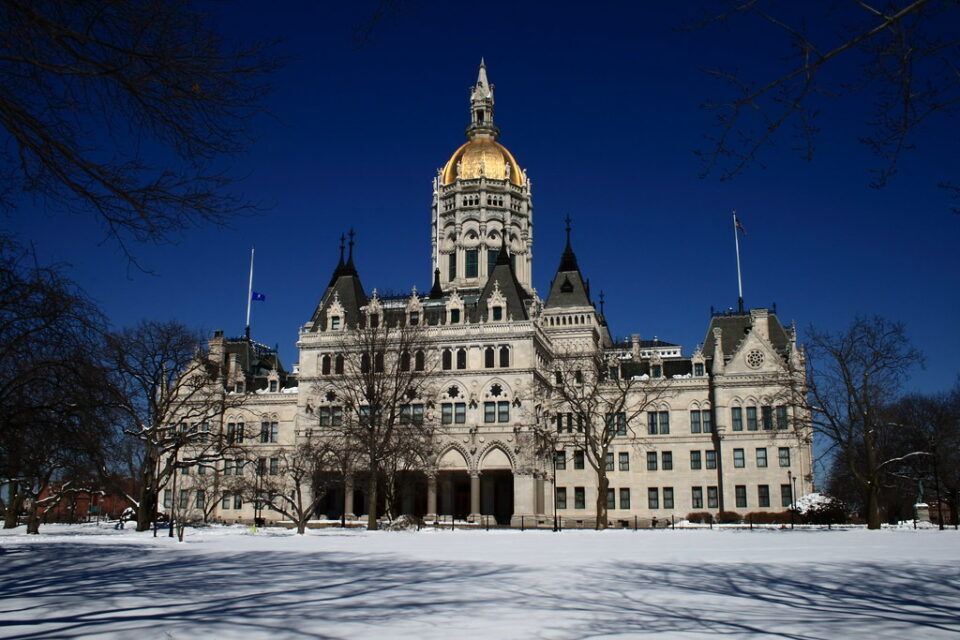
Connecticut has established itself as another strong contender in offering significant incentives for electric vehicle purchases, with a particular focus on making used EVs accessible through its comprehensive Connecticut Hydrogen and Electric Automobile Purchase Rebate Program (CHEAPR). This program is designed to encourage residents to adopt cleaner transportation options and includes specific, generous provisions for pre-owned vehicles, especially for income-qualified individuals.
At the heart of Connecticut’s used EV incentive landscape is the CHEAPR program, which offers rebates for the purchase or lease of eligible new and used EVs and PHEVs. While standard rebates apply to new vehicles, the “Rebate Plus” initiative specifically targets income-qualified applicants, providing substantially increased incentives. For income-qualified Connecticut residents, the Rebate Plus program offers up to $3,000 for the purchase or lease of a used PHEV and an impressive $5,000 for a used BEV. This makes Connecticut’s program one of the most substantial in the nation for pre-owned battery electric vehicles, offering a significant financial boost to those who meet the income criteria. This tiered approach ensures that those who might face greater financial barriers to EV ownership receive the most support.
To qualify for the CHEAPR Rebate Plus for used EVs, applicants must demonstrate participation in a state or federal income-qualified program. This ensures that the increased rebate amounts are directed towards individuals and families who can benefit most from the financial assistance, aligning with the program’s goal of equitable EV adoption. The specific income qualification requirements help to focus the resources effectively, making sustainable transportation more achievable for a broader demographic. This targeted approach is a hallmark of well-designed consumer incentive programs.
In addition to the state-level CHEAPR program, some local utilities in Connecticut also contribute to the incentive landscape. Norwich Public Utilities (NPU), for example, offers rebates for the purchase or lease of new or previously-owned EVs. For used vehicles, NPU provides $500 for a used PHEV (model year 2019 or newer) and $1,000 for a used BEV (model year 2019 or newer). While these amounts are smaller than the state’s Rebate Plus, they can be combined with other incentives where permissible, further reducing the overall cost of a used EV. These layered incentives underscore the importance of checking both state and local utility programs when considering a purchase in Connecticut.
Read more about: Unlocking Savings: Your Definitive Guide to State-Level Tax Credits and Rebates for Used Electric Vehicles
3. **Illinois’ Significant Rebates for Pre-Owned EVs**
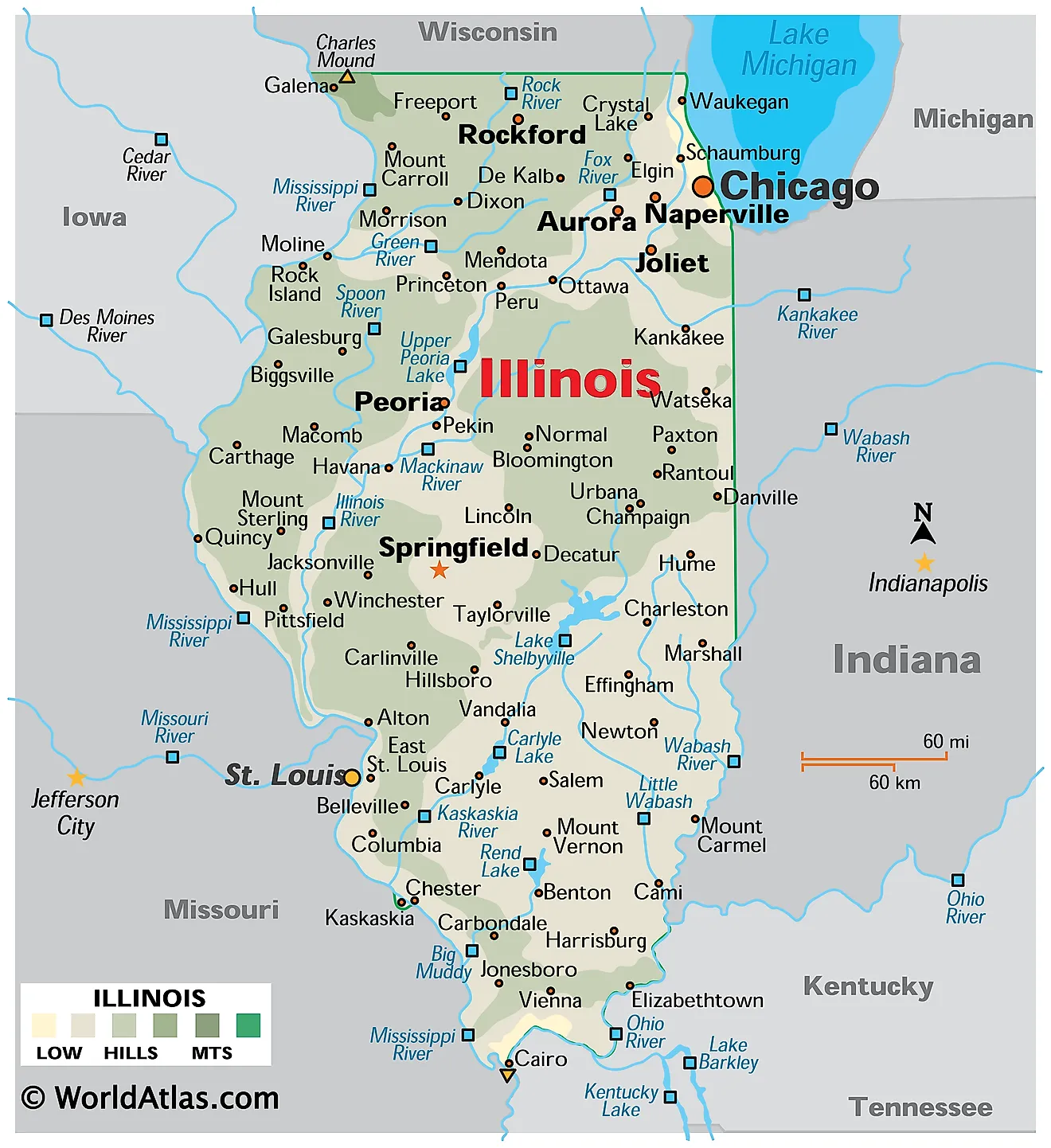
Illinois has positioned itself as a state actively promoting electric vehicle adoption through its Electric Vehicle Rebates program, administered by the Illinois Environmental Protection Agency (IEPA). This program is notable for explicitly including pre-owned EVs alongside new purchases, offering significant financial incentives to a wide range of residents. The commitment to supporting both new and used EV markets makes Illinois an attractive state for consumers looking for more affordable entry points into electric transportation.
Under the IEPA’s program, Illinois residents are eligible for rebates for the purchase or lease of either a new or pre-owned EV. Currently, for vehicles purchased or leased between July 1, 2022, and June 30, 2026, the rebate amount is a substantial $4,000. This is a considerable incentive that directly reduces the cost of acquiring a used electric vehicle. The clear and straightforward nature of this rebate, applying equally to pre-owned models, provides a strong financial encouragement for consumers to consider a used EV rather than automatically defaulting to a new one.
It is important for applicants to adhere to the program’s guidelines to secure their rebate. EV owners must apply for the rebate within 90 days of purchasing or leasing and registering the EV in Illinois. This timeline ensures that applications are processed promptly and that funds are distributed efficiently. Furthermore, the program limits applicants to receiving only one rebate within a 10-year period, promoting broader distribution of incentives. Rebate award amounts are also capped at the purchase price of the vehicle, preventing situations where the rebate exceeds the actual cost of the used EV, ensuring responsible allocation of public funds.
An important aspect of Illinois’ program is its commitment to equity. Low-income applicants are given funding priority, a critical feature that helps ensure the benefits of EV ownership are accessible to all socioeconomic groups. This targeted support helps bridge the affordability gap, allowing more individuals to take advantage of the environmental and economic benefits of electric vehicles. As the program is scheduled to continue with slightly adjusted amounts in future years (e.g., $2,000 from July 1, 2026, to June 30, 2027, and $1,500 beginning July 1, 2028), the incentive remains a valuable component of the state’s clean energy strategy, even as the specific amounts adjust over time.
Read more about: Unlocking Savings: Your Definitive Guide to State-Level Tax Credits and Rebates for Used Electric Vehicles
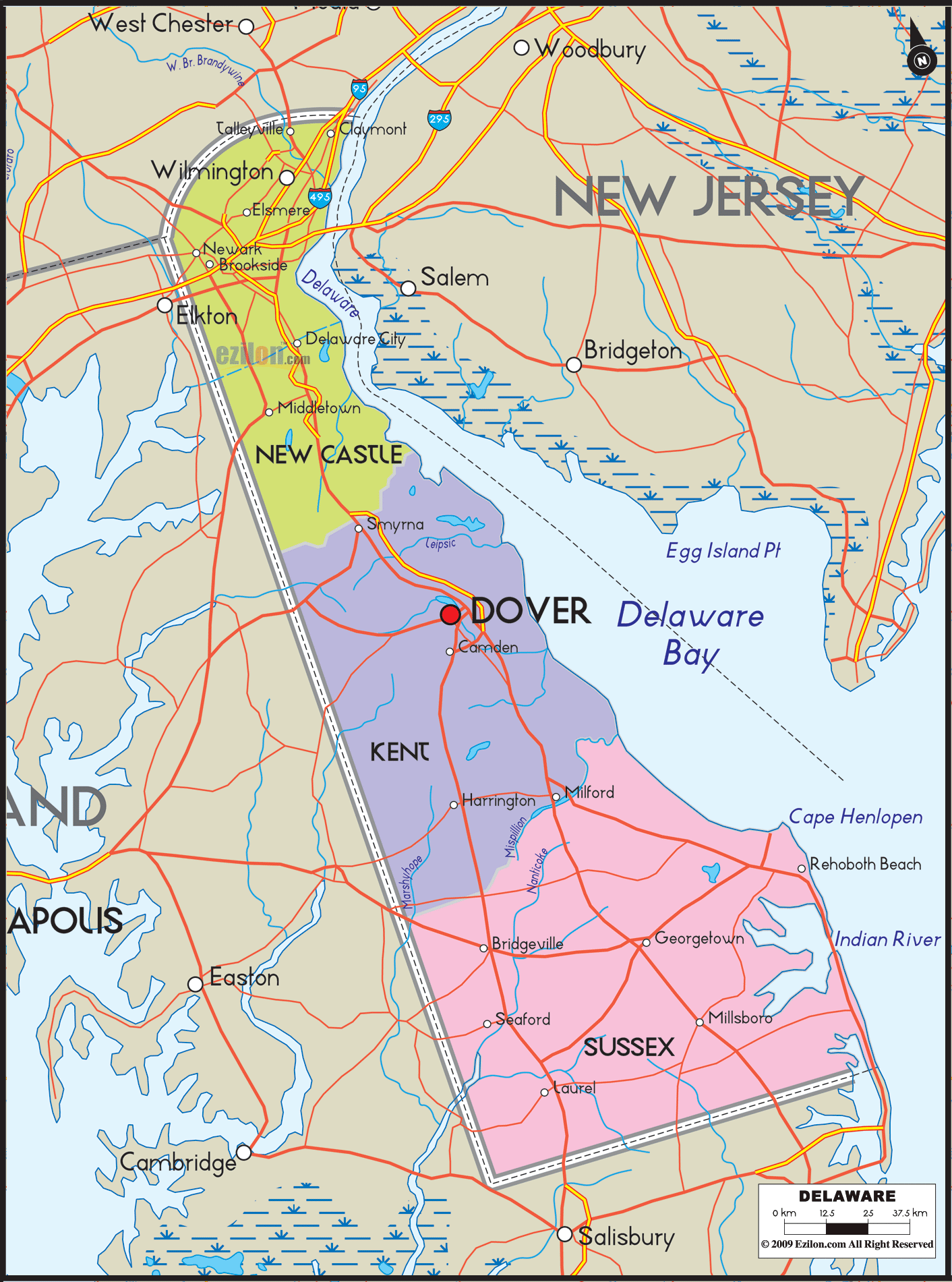
4. **Delaware’s Accessible Pre-Owned EV Rebates**
Delaware offers a direct and consumer-friendly rebate program for electric vehicles through the Delaware Department of Natural Resources and Environmental Control (DNREC). This program is particularly appealing because it extends its benefits to both new and used battery-electric vehicles (BEVs) and plug-in hybrid electric vehicles (PHEVs), making it an excellent opportunity for those looking to purchase a pre-owned EV. The clear structure and specified amounts for used vehicles help consumers plan their purchases with confidence.
Under the DNREC Clean Vehicle Rebate Program, eligible applicants, including Delaware residents, businesses, organizations, and government entities, can receive rebates for qualifying vehicles. For pre-owned EVs (BEVs), a significant rebate of $2,500 is available, provided the purchase price is $40,000 or less. Similarly, for pre-owned PHEVs with a purchase price of $40,000 or less, a rebate of $1,000 is offered. These specific figures, applicable for vehicles purchased or leased on or after May 1, 2024, provide transparency and make it easy for potential buyers to understand the financial benefits they might receive. The price cap for used vehicles ensures that the incentives are directed towards more affordable models, further enhancing accessibility.
To ensure broad participation while managing program resources, eligible EVs and PHEVs, whether new or used, may not have a retail price above $50,000 in general. This threshold for new vehicles helps to focus the incentive on mainstream models rather than luxury vehicles, while the $40,000 cap on used vehicles for the rebate itself serves a similar purpose. Furthermore, rebates are limited to six vehicles per fleet for business and government entities, ensuring that the benefits are distributed across a wider range of participants. These conditions help maintain the program’s sustainability and equitable distribution.
The DNREC program provides a clear and accessible pathway for Delaware residents and organizations to reduce the cost of acquiring a pre-owned EV or PHEV. The straightforward rebate amounts and clear eligibility criteria simplify the process for consumers, allowing them to confidently factor these savings into their vehicle purchase decisions. This commitment to supporting the used EV market underscores Delaware’s dedication to advancing clean transportation solutions and making them economically viable for its citizens.
Read more about: Unlocking Savings: Your Definitive Guide to State-Level Tax Credits and Rebates for Used Electric Vehicles
5. **Maine’s Targeted Low-Income Used EV Support**
Maine’s approach to electric vehicle incentives, managed by Efficiency Maine, has recently undergone significant adjustments, but it maintains a crucial focus on supporting low-income residents in acquiring EVs, including pre-owned models. While general EV rebates were suspended as of November 16, 2024, the program continues to offer substantial assistance to qualifying individuals, highlighting a commitment to equitable access to clean transportation.
The core of Maine’s current used EV incentive lies in its targeted support for low-income Mainers. This specific focus ensures that those who might otherwise be priced out of the EV market can still access the environmental and economic benefits of electric vehicle ownership. For qualifying low-income residents, Efficiency Maine offers a generous rebate of $2,500 for the purchase or lease of a used BEV or PHEV. This is a significant amount that can make a substantial difference in the affordability of a pre-owned electric vehicle, effectively lowering the barrier to entry.
Eligibility for these vital rebates is tied to income verification. To qualify, customers must demonstrate participation in specific state or federal income-qualified programs. These include the Home Energy Assistance Program (HEAP), Supplemental Nutrition Assistance Program (SNAP), Temporary Assistance for Needy Families (TANF), or MaineCare. Requiring this verification ensures that the rebates are precisely directed to those who meet the criteria for financial assistance, maximizing the program’s impact on communities that need it most. This structured approach helps in achieving the goal of making EVs accessible across various income brackets.
The emphasis on low-income support, particularly for used vehicles, reflects an understanding that affordability is a key factor in widespread EV adoption. By continuing these targeted rebates, Maine ensures that the transition to cleaner transportation is not exclusively for higher-income households. This policy choice directly benefits those who might struggle with the upfront costs of even a used EV, enabling them to realize long-term savings on fuel and maintenance while contributing to environmental goals. Consumers in Maine who meet the income qualifications should actively explore these opportunities before making a purchase.
6. **Nevada’s Key Incentives for Low-Income Used EV Buyers**
Nevada, through NV Energy, has implemented a significant rebate program designed to make electric vehicles more accessible, specifically targeting low-income customers for both new and used EV purchases. This program underscores a commitment to equity in the transition to clean energy, providing a valuable financial incentive that helps reduce the economic barrier to EV ownership for a crucial demographic. For residents meeting the income criteria, NV Energy’s rebate can offer a substantial boost towards acquiring a pre-owned electric vehicle.
NV Energy offers a noteworthy $2,500 rebate for the purchase of a new or used EV. This direct financial incentive applies to customers who meet specific low-income qualifications, making it one of the more impactful utility-level programs focused on affordability. The fact that it applies equally to used EVs is particularly beneficial, as pre-owned vehicles already present a more budget-friendly entry point into the EV market. The rebate further enhances this affordability, making electric transportation a more realistic option for a broader segment of the population.
To be eligible for this rebate, customers must be classified as low-income, defined as households with income levels equal to or below 200% of the federal poverty line. This clear definition helps ensure that the funds are directed to the intended recipients, maximizing the program’s effectiveness in supporting communities that face financial challenges. Such targeted programs are vital in addressing the perception that EVs are only for affluent buyers, working to democratize access to sustainable technology.
Given that these rebates are awarded on a first-come, first-served basis, potential applicants are encouraged to inquire about the program and apply promptly. The availability of funds can be dynamic, so timely action is key to securing this significant financial benefit. By providing transparent information and encouraging proactive engagement, NV Energy empowers its low-income customers to take advantage of this opportunity to embrace electric mobility. This program exemplifies how utility companies can play a pivotal role in accelerating the adoption of electric vehicles by addressing affordability concerns head-on.
7. **Minnesota’s Varied Used EV Incentives**
Minnesota, a state known for its progressive environmental policies, also offers several avenues for residents to save on used electric vehicle purchases, particularly through utility programs and specific state-level initiatives. These incentives play a crucial role in making sustainable transportation more affordable and accessible across the state, encouraging a broader segment of the population to consider pre-owned EVs. Understanding the specific programs available can lead to notable financial benefits for prospective buyers.
One key state-level program is the E-ZPass Minnesota Electric Vehicle Incentive, administered by the Minnesota DOT. This program provides a one-time E-ZPass credit for the purchase or lease of a new or used battery electric vehicle (BEV) or plug-in hybrid electric vehicle (PHEV). Specifically, BEV owners can receive a $250 credit, while PHEV owners are eligible for a $125 credit. This incentive applies to vehicles acquired between November 1, 2019, and October 31, 2025, offering a direct financial perk that can be applied to toll road usage, effectively reducing ongoing transportation costs.
Beyond the E-ZPass program, utility companies like Otter Tail Power Company offer robust rebates for both new and used electric vehicles, significantly enhancing Minnesota’s appeal for EV buyers. Residential customers of Otter Tail Power Company who purchase a used BEV can receive a substantial $1,500 rebate. For those opting for a used PHEV, a $750 rebate is available. These amounts are particularly attractive as they directly reduce the purchase price, making used electric and plug-in hybrid vehicles more competitive in the market.
It is worth noting that Otter Tail Power Company’s incentives are also available for new vehicle purchases, offering $3,000 for a new BEV and $1,500 for a new PHEV. However, the used EV rebates stand out as a significant enabler for consumers seeking a more budget-friendly entry into electric mobility. The combination of state-level credits and utility-specific rebates provides a multi-pronged approach to encouraging EV adoption, underscoring Minnesota’s commitment to clean energy initiatives.
For consumers in Minnesota, exploring both state and local utility programs is essential to maximize savings. The tiered approach, with incentives for both BEVs and PHEVs, ensures that a variety of electric vehicle types are supported, catering to different driving needs and preferences. These programs collectively contribute to lowering the financial hurdle for used EV ownership, paving the way for wider environmental benefits.
8. **Massachusetts’ Diverse Used EV Rebates and Programs**
Massachusetts has developed a comprehensive ecosystem of incentives for electric vehicles, with a particular focus on expanding access to used EVs, especially for income-qualified residents. Through a combination of statewide programs and local utility offerings, the Commonwealth aims to make sustainable transportation a reality for a broader demographic, addressing both environmental goals and economic accessibility. This layered approach ensures that various financial situations are considered, making used EVs a more viable option.
At the statewide level, the Massachusetts Offers Rebates for Electric Vehicles (MOR-EV) Program extends its reach to pre-owned vehicles through its ‘MOR-EV Used’ initiative. This program is specifically designed for Massachusetts residents who meet the MOR-EV Standard Eligibility Requirements and also satisfy one of several income qualifiers. By targeting income-eligible individuals, the MOR-EV Used program helps bridge the affordability gap, allowing more residents to benefit from the cost savings and environmental advantages of electric vehicle ownership. Detailed eligibility criteria can be found on the MOR-EV website, making it important for potential applicants to review these requirements carefully.
In addition to the state’s MOR-EV program, several municipal light plants across Massachusetts offer their own incentives, further enriching the landscape for used EV buyers. Concord Municipal Light Plant (CMLP), for instance, provides rebates for pre-owned BEVs and PHEVs. For a used BEV priced at or below $25,000, CMLP offers rebates of up to $1,000 for applicants whose income is at or below 80% of the Boston Metropolitan Area median income, $850 for those at or below 120%, and $650 for higher incomes. Similarly, for used PHEVs under the same price cap, rebates range from $550 to $350 based on income. These structured rebates cater to different income levels, ensuring equitable access.
Shrewsbury Electric and Cable Operations (SELCO) also provides its customers with incentives for purchasing new and used BEVs. The SELCO EV Rebate Program includes a flat rebate of $1,000 for a new or used BEV purchase, with an additional $250 available for income-qualified households. This combination of a base rebate and an income-sensitive bonus provides a significant financial boost. Similarly, the Taunton Municipal Light Plant (TMLP) offers a $450 customer rebate for the purchase of a new or used Electric Vehicle (BEV or PHEV), with a maximum of two rebates per household.
The presence of these diverse programs across Massachusetts underscores a strong commitment to promoting EV adoption at multiple levels. Consumers are encouraged to investigate both statewide initiatives like MOR-EV Used and their local utility’s specific offerings, as combining these incentives where permissible can lead to substantial overall savings. This comprehensive approach ensures that the path to owning a used electric vehicle in Massachusetts is supported by robust financial assistance.
Read more about: Navigating Used RV Affordability: Unpacking Federal Tax Opportunities and State-Specific Clean Vehicle Incentives
9. **Colorado’s Localized Used EV Rebates**
While Colorado offers state-level tax credits primarily for *new* electric vehicles, the landscape for used EV buyers is significantly shaped by robust, localized utility programs. These initiatives, often administered by electric cooperatives, play a pivotal role in making pre-owned electric vehicles more attainable for residents within their service territories. This decentralized approach allows for targeted support that can be highly beneficial for specific communities.
One of the standout programs comes from the Gunnison County Electric Association (GCEA). GCEA offers impressive rebates for customers purchasing used battery-electric vehicles (BEVs) and plug-in hybrid electric vehicles (PHEVs). For a used BEV, customers can receive a rebate equivalent to 25% of the purchase price, up to a maximum of $1,000. This is a substantial saving that directly reduces the upfront cost of a pre-owned all-electric vehicle. The program specifically recognizes the value of used EVs in expanding cleaner transportation options for its members.
Similarly, GCEA supports used PHEV purchases, offering a 25% rebate of the purchase price, up to $500. To qualify for the used PHEV rebate, the vehicle must have an all-electric range of at least 25 miles, ensuring that the incentive is directed towards vehicles with meaningful electric-only driving capabilities. These clear criteria help consumers identify eligible vehicles and plan their purchases effectively. The tiered approach encourages a shift towards greater electrification while still supporting plug-in hybrid options.
Another important utility incentive is offered by the San Isabel Electric Association (SIEA). SIEA residential customers are eligible to receive a $500 rebate for the purchase of qualified electric vehicles. While the context does not explicitly distinguish between new and used for this specific program, it signals a broader commitment by SIEA to support EV adoption among its members. For used EV buyers, such a rebate can complement other savings, contributing to a more attractive overall purchase price.
For Colorado residents considering a used EV, it is crucial to investigate the specific programs offered by their local electric utility. While the state’s primary tax credit focuses on new vehicles, these strong local incentives demonstrate a clear dedication to promoting electric mobility in a practical, consumer-focused way. By leveraging these community-based programs, residents can unlock valuable savings and contribute to the state’s clean energy goals.
10. **Michigan’s Utility-Driven Used EV Incentives**
In Michigan, the momentum for electric vehicle adoption, particularly for pre-owned models, is significantly driven by the initiatives of various electric cooperatives and utility companies. These localized programs provide direct financial incentives that can substantially reduce the cost of acquiring a used EV, making them a more accessible and attractive option for residents across the state. The focus of these utilities on supporting their members in the transition to electric transportation highlights a proactive approach to sustainable energy.
Cherryland Electric Cooperative, for example, offers a residential customer rebate of $500 for the purchase of a new or pre-owned EV. What makes this particularly noteworthy for used EV buyers is the specific condition that the newly acquired used EV must be replacing a gas vehicle and registered to an address served by Cherryland. This targeted approach incentivizes the direct replacement of internal combustion engine vehicles with electric ones, accelerating the transition to cleaner fleets within the cooperative’s service area. This ensures that the rebate directly contributes to environmental benefits.
Another prominent utility supporting used EV purchases is Presque Isle Electric & Gas Co-Op (PIEG). PIEG offers residential customers a $750 rebate for the purchase of a pre-owned EV. This straightforward incentive provides a significant discount, making used electric vehicles more affordable. Similar to Cherryland, PIEG requires the registration to match the customer’s service address, ensuring that the benefits are localized and directly support their members. It is also worth noting that PIEG’s program, unlike some others, explicitly states that PHEVs and leases are not eligible for this particular used EV rebate, focusing squarely on pre-owned battery electric vehicles.
While other utilities like Great Lakes Energy (GLE) offer rebates for *new* EVs, the emphasis for used vehicles in Michigan primarily rests with cooperatives such as Cherryland and PIEG. These organizations understand the importance of making used EVs more attainable for their members, acting as key players in fostering broader EV adoption. The specific conditions, such as replacing a gas vehicle or focusing solely on BEVs, reflect thoughtful program design aimed at maximizing impact and ensuring equitable distribution of funds.
For Michigan residents, particularly those served by these proactive electric cooperatives, exploring these utility-specific programs is an essential step in the used EV buying process. These incentives, while perhaps smaller than some state-level programs in other regions, still represent valuable savings that contribute to the overall affordability of electric vehicle ownership. They demonstrate how local entities can effectively drive change and support their communities in embracing sustainable technology.
11. **Mississippi’s Focused Utility Rebates for Pre-Owned EVs**
Mississippi offers direct financial support for residents looking to purchase pre-owned electric vehicles through comprehensive rebate programs administered by Mississippi Power. These incentives are crucial in a state where broad state-level EV tax credits are less prevalent, making utility programs a primary pathway for consumers to find savings on their used EV purchases. Mississippi Power’s commitment extends to both battery electric vehicles (BEVs) and plug-in hybrid electric vehicles (PHEVs), making electric mobility more accessible across various preferences.
Mississippi Power’s Residential Electric Vehicle Rebate program provides clear and valuable incentives for those opting for a used EV. For a pre-owned BEV costing $10,000 or more, residential customers can receive a $750 rebate. This specific threshold ensures that the rebate targets genuine vehicle purchases rather than extremely low-cost or non-functional vehicles, maintaining the integrity and purpose of the incentive. The $750 amount significantly contributes to reducing the financial outlay for a used BEV, making it a more attractive proposition for budget-conscious buyers.
Similarly, for pre-owned PHEVs that cost $10,000 or more, Mississippi Power offers a $500 rebate. This demonstrates a balanced approach, recognizing the role of PHEVs as an important stepping stone toward full electrification. By providing incentives for both BEVs and PHEVs, the program caters to a wider range of consumer needs and allows for flexibility in choosing an electric vehicle that best fits individual lifestyles and driving habits. The consistency of the minimum cost requirement ensures that all eligible used vehicles meet a certain standard.
The program also offers incentives for new and leased EVs, but its inclusion of pre-owned vehicles highlights an understanding of the growing market for used electric cars and the need to support affordability in this segment. For Mississippi residents, these utility-level rebates represent a tangible financial benefit, directly lowering the cost of entry into the electric vehicle market. It encourages consumers to make a sustainable choice that offers long-term savings on fuel and maintenance.
Mississippi Power’s commitment to these rebates plays a vital role in accelerating EV adoption within its service territory. By clearly outlining the rebate amounts and eligibility criteria, the utility empowers its customers to make informed decisions about their vehicle purchases. These programs are a testament to how local utility providers can actively shape the future of transportation by making electric vehicles, especially used ones, a more economically appealing option.
**Concluding Overview: The Evolving Landscape of Used EV Incentives**
As we have journeyed through the diverse landscape of state and utility-level incentives for pre-owned electric vehicles, one truth becomes abundantly clear: the pathway to owning a used EV is becoming increasingly supported and accessible. While federal credits offer a baseline, the true depth of savings often lies in these localized programs. From comprehensive statewide initiatives in California and Connecticut to targeted utility rebates in Michigan and Mississippi, each program contributes to a mosaic of opportunities designed to make electric mobility a reality for more consumers.
The sheer variety of these incentives – encompassing direct rebates, income-qualified bonuses, sales tax exemptions, and specialized utility offerings – underscores a nationwide commitment to accelerating EV adoption. It also highlights the critical importance of diligent research. Savvy buyers are those who dig into the specifics of their state, their county, and even their local electric provider, understanding that layered benefits can unlock significant financial advantages. The consistent updates, like those for Maine and Illinois, further emphasize that this landscape is dynamic, requiring consumers to stay informed.
Ultimately, these programs are not just about saving money; they are about fostering a sustainable future. By making used EVs more affordable, states and utilities are breaking down economic barriers, democratizing access to cleaner transportation, and contributing to broader environmental goals. The message is clear: the future is electric, and for a growing number of Americans, that future is within reach, especially with a little homework. So, whether you are eyeing a pre-owned BEV or a dependable PHEV, now is an opportune moment to explore the wealth of incentives waiting to power your next ride.