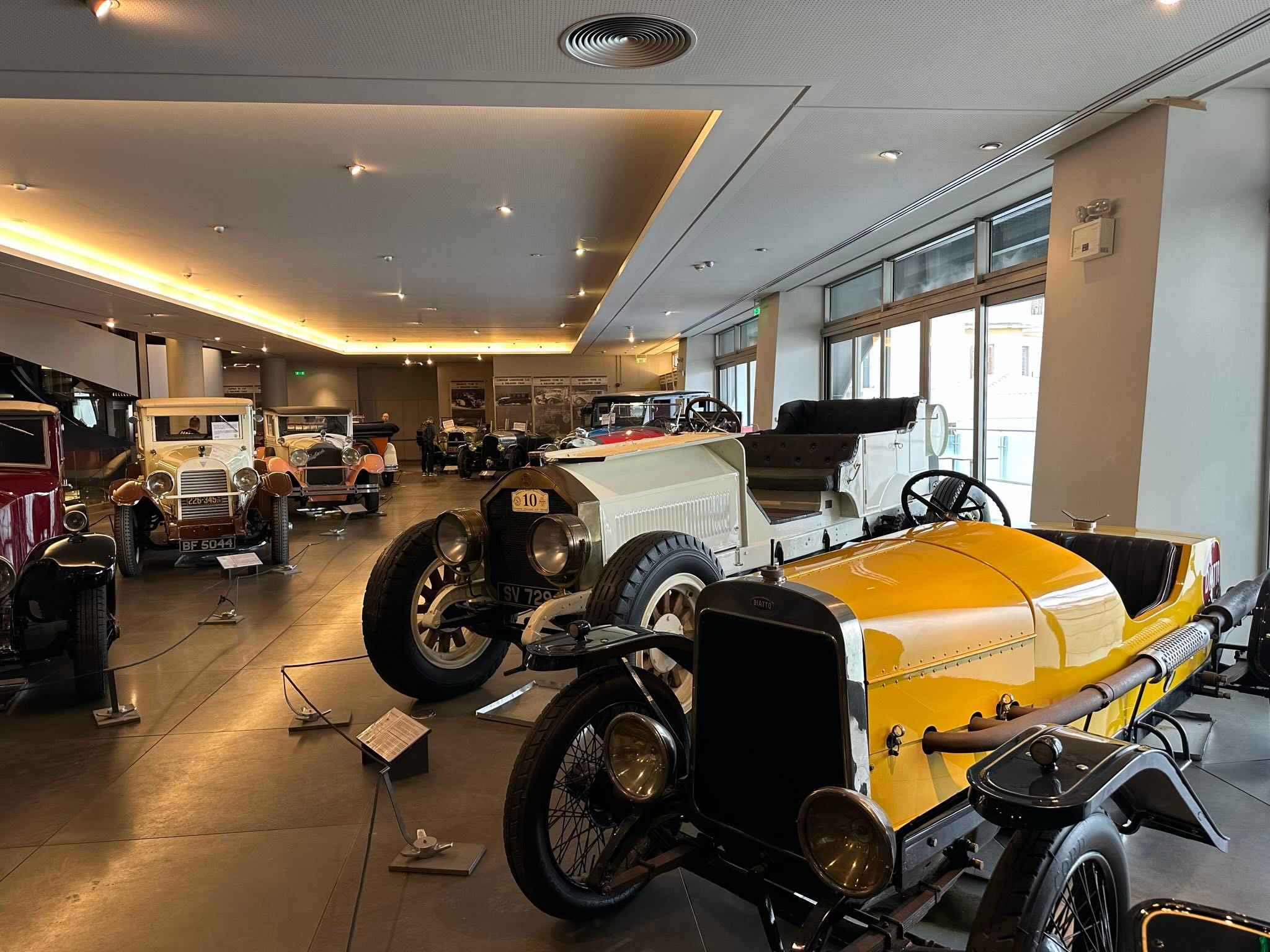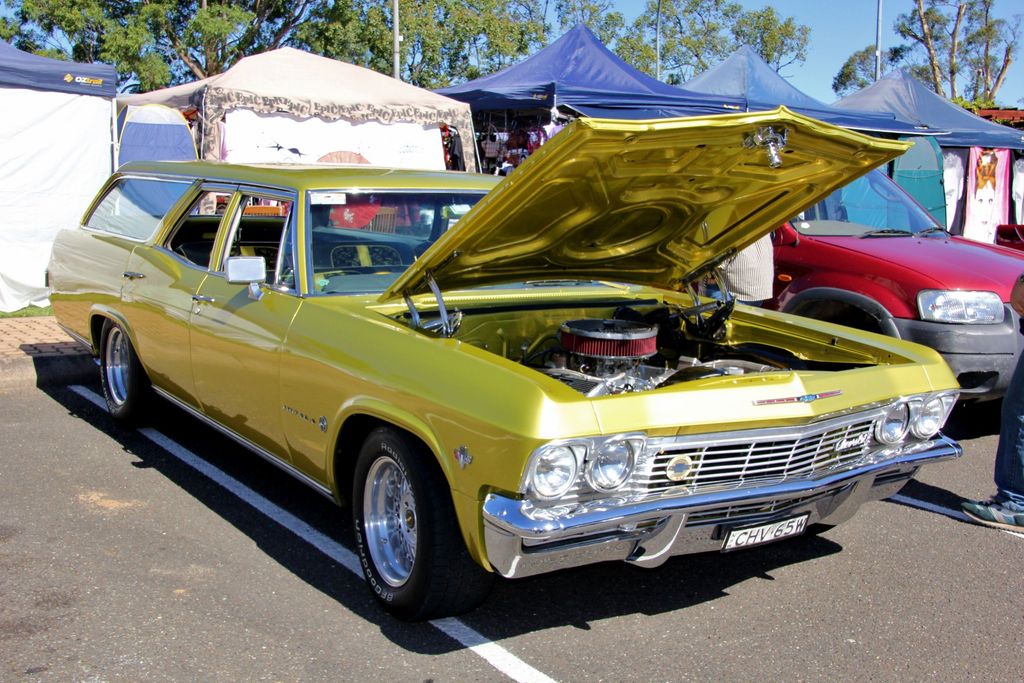
Station wagons have long been a cherished segment for drivers who prioritize practicality, space, and understated style, often blending seamlessly into the everyday landscape. Yet, within this seemingly humble category, a few marques have consistently pushed boundaries, transforming the family hauler into something far more compelling. Among these, Volvo stands as an undeniable titan, a brand synonymous with not just safety and reliability, but also with an innovative spirit that birthed some of the most unexpectedly potent and thoughtfully engineered wagons ever to grace our roads.
For decades, Volvo’s wagons have carved out a unique niche, proving that utility needn’t come at the expense of driving pleasure or cutting-edge features. From dominating motorsport circuits to pioneering advanced safety systems, and from rugged off-road capabilities to sophisticated interior luxury, these vehicles have consistently offered more than met the eye. They are true hidden gems, boasting a blend of attributes that often fly under the radar, yet command immense respect from enthusiasts, revealing a deeper story beyond their practical facade.
We’re about to embark on a journey through the remarkable world of classic Volvo station wagons, shedding light on the defining characteristics and groundbreaking innovations that made them legends. This isn’t just a nostalgic look back; it’s a celebration of engineering foresight, design daring, and a relentless pursuit of excellence that solidified Volvo’s place in automotive history. Prepare to discover the unexpected brilliance tucked within these Swedish stalwarts, forever changing how we perceive the versatile wagon.
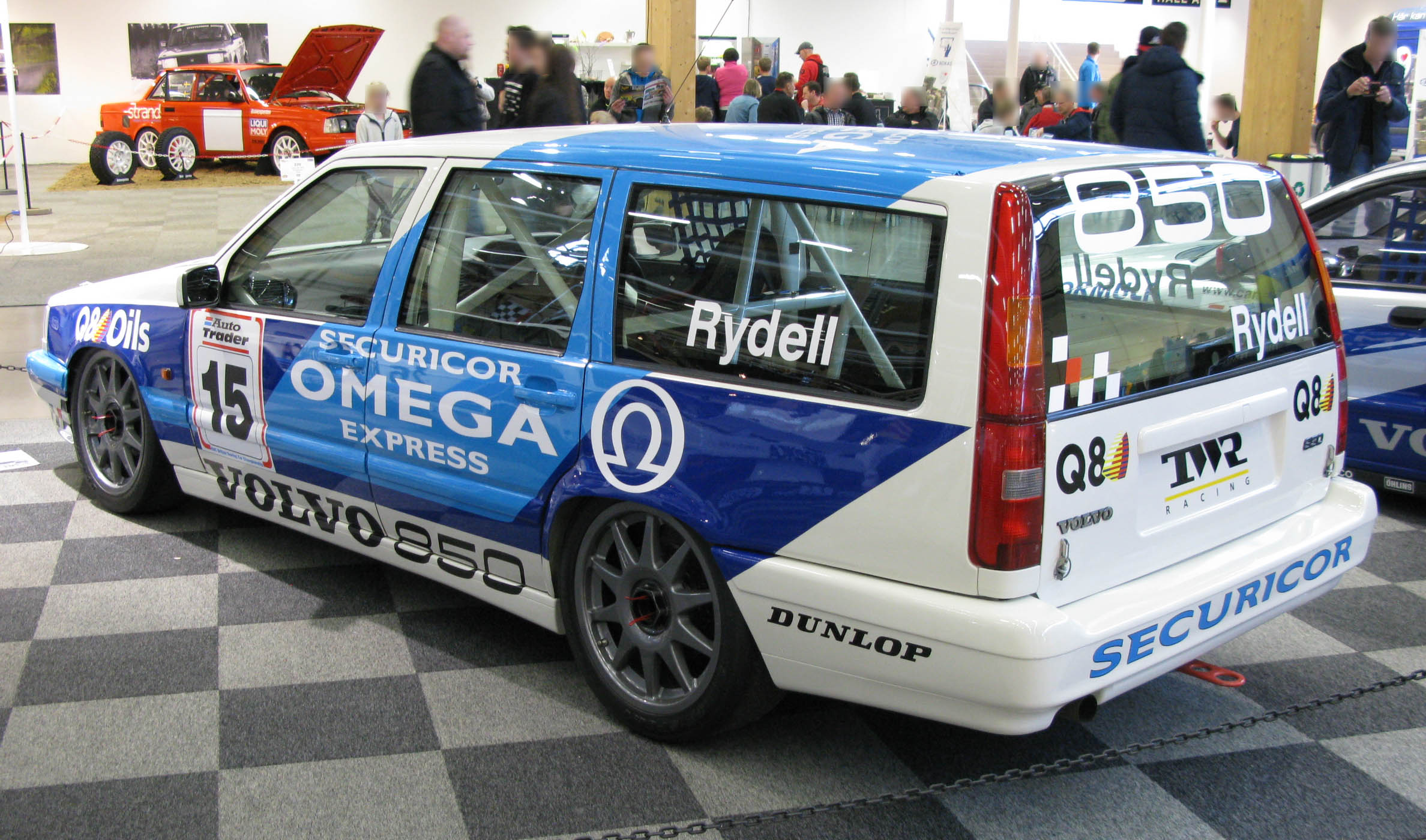
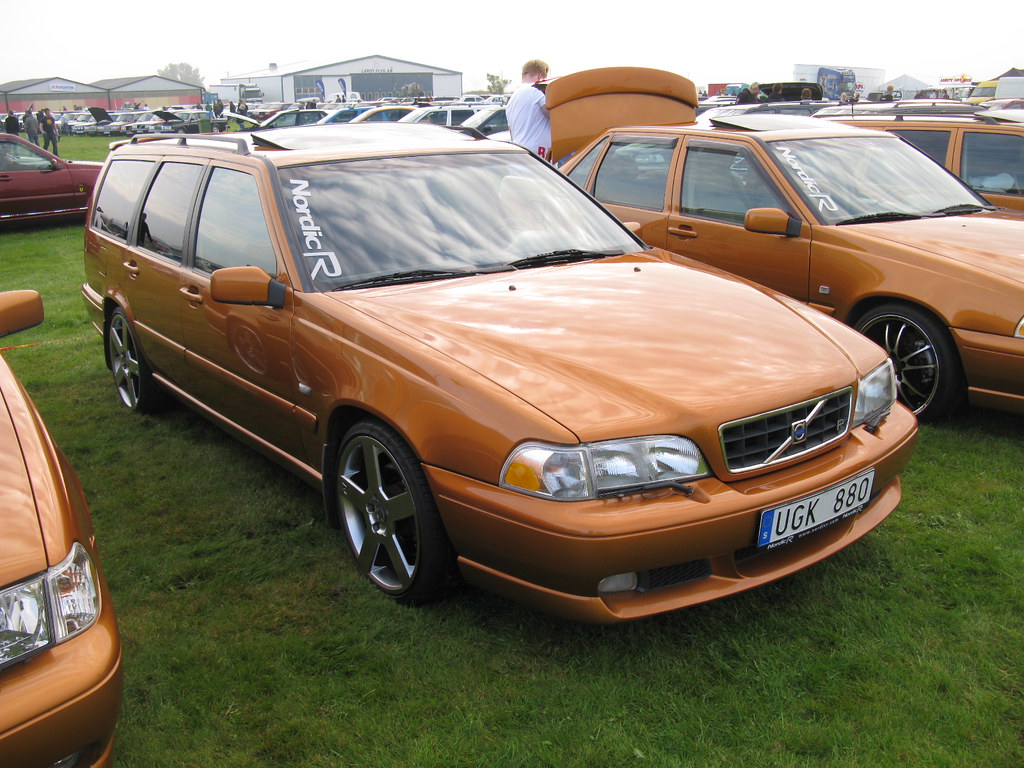
1. **BTCC Racing Heritage (Volvo 850R)**Imagine a boxy, practical family wagon, not just cruising the school run, but tearing up a racetrack, going head-to-head with purpose-built touring cars. This seemingly improbable scenario became a reality with the Volvo 850R, a vehicle that cemented its legendary status by competing in the British Touring Car Championship (BTCC) in the 1990s. This audacious move by Volvo was a bold statement, showcasing that their wagons possessed genuinely strong performance capabilities far beyond their unassuming exterior.
The sight of the 850R, and its racing counterpart, competing in such a high-stakes motorsport event was nothing short of iconic. It wasn’t just a marketing gimmick; the car proved its mettle, demonstrating incredible agility and speed on the track. This participation redefined perceptions, challenging the notion that a station wagon was solely a utility vehicle and highlighting Volvo’s versatility as an automaker in the most public and thrilling way possible.
This racing heritage imbued the 850R with an indelible cool factor, an unexpected layer of desirability for a family-focused machine. It showed the world that a Volvo wagon could be both a safe, reliable family companion and a formidable track machine, capable of challenging the best. The echoes of its BTCC days continue to add to its allure, making it a highly desirable modern classic for those who appreciate a unique blend of practicality and exhilarating performance, a car that truly “tore up the track.”
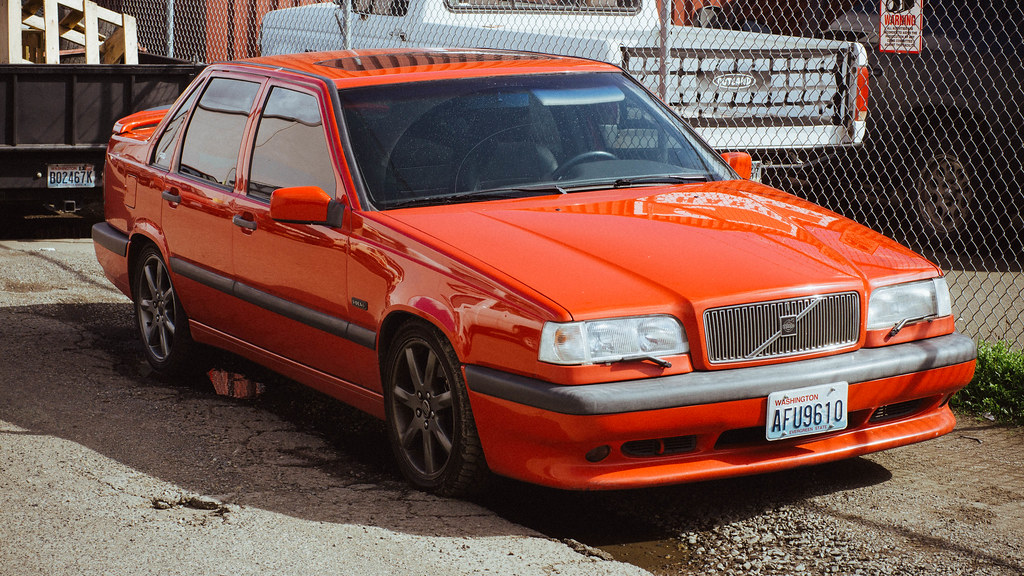
2. **Powerful Turbocharged Inline-Five (Volvo 850R/T-5R)**At the very core of the Volvo 850R, and its close relative the T-5R, lay a remarkable piece of engineering: a turbocharged 2.3-liter inline-five engine. This powerplant was a true game-changer, churning out an impressive 243 horsepower in the T-5R and even more formidable output in the R variant, delivering a level of exhilarating performance that was astonishing for a station wagon of its era. This robust engine allowed the T-5R to sprint from 0 to 60 mph in just over six seconds, a feat that genuinely rivaled many dedicated sports cars of the time.
The distinctive thrum and unique exhaust note of the five-cylinder engine, combined with the exhilarating surge of turbo boost, provided a driving experience that was both engaging and surprisingly potent. Volvo engineered this engine not just for raw power, but also for reliability, durability, and refinement, ensuring that the performance was accessible and thoroughly enjoyable in a wide range of everyday driving scenarios. This commitment to engineering excellence helped redefine what was truly possible in a practical family vehicle.
This powerful engine was a clear and unambiguous signal that Volvo was serious about performance, blending it seamlessly with the brand’s traditional values of safety and utility. It enabled the 850R to balance its formidable capabilities with an abundance of practical features, creating a “winning package” that was an instant hit in its time. The turbocharged inline-five became a signature of Volvo’s performance wagons, embodying their ability to deliver thrilling speed alongside unparalleled everyday utility, making it a truly “special car.”

3. **Comprehensive Airbag Systems (Across Classic Volvo Series)**Volvo’s unwavering and long-standing commitment to safety has been a cornerstone of its brand identity for decades, and a key manifestation of this dedication lies in its pioneering and remarkably comprehensive airbag systems. Across various classic series, from the high-performance 850R to the more robust and utilitarian models, Volvo was at the absolute forefront of integrating multiple airbags to provide unparalleled occupant protection, consistently setting new benchmarks for the entire automotive industry to follow.
The Volvo 850R, for instance, was remarkably equipped for its time with dual front airbags, side-impact airbags, anti-lock brakes, and traction control, offering an advanced level of peace of mind alongside its thrilling performance. This multi-layered and proactive approach to passive safety was extraordinarily advanced for its era, demonstrating Volvo’s foresight in anticipating a wide range of different crash scenarios and providing robust protection from various angles. It was fundamentally about creating a secure and protective cocoon for its occupants.
This pioneering spirit in safety innovation extended consistently to other series as well, solidifying a brand-wide commitment. Many of the 900 series models, for example, were among the very first production cars to feature side-impact airbags, further reinforcing Volvo’s commitment to safety beyond just frontal collisions. This consistent and evolving innovation in airbag technology cemented Volvo’s reputation as an undisputed leader in automotive safety, making their wagons not just practical and performant, but profoundly and intelligently secure. These comprehensive systems were integral to Volvo’s ethos, offering drivers and passengers a tangible and unmatched sense of security on every single journey.
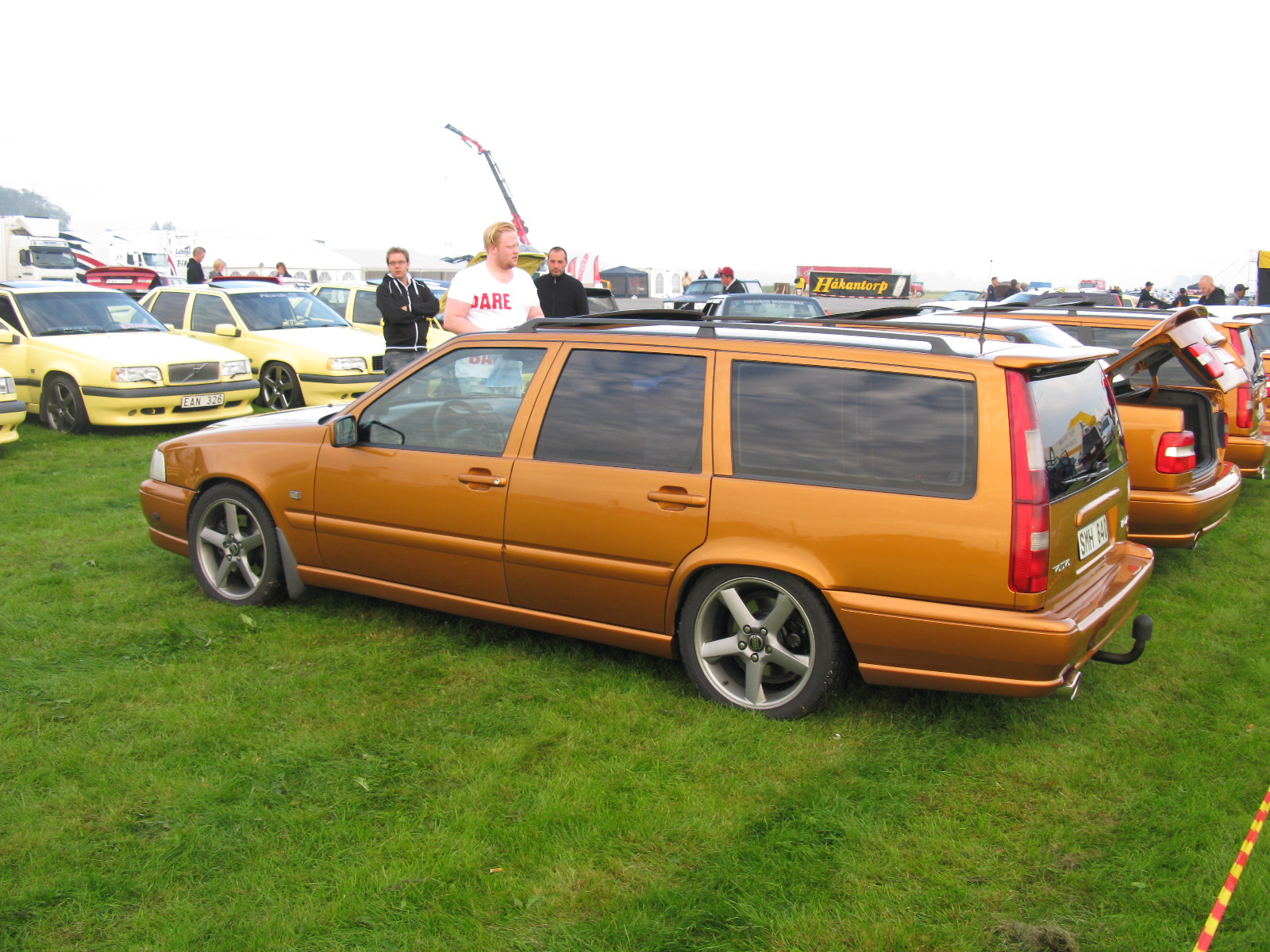
4. **Sophisticated All-Wheel-Drive with Manual Option (Volvo V70R)**The Volvo V70R, which effectively served as the impressive replacement for the legendary 850R, distinguished itself not only with its powerful presence but also with a highly sophisticated all-wheel-drive (AWD) system. However, what truly set this model apart and genuinely delighted driving purists was the rare and thoughtful inclusion of a manual transmission option. This particular combination was a true anomaly in the world of high-performance station wagons, offering an engaging and controlled driving experience that was typically reserved for dedicated sports cars, not practical family haulers.
The robust turbocharged engine of the V70R, delivering a thrilling 300 horsepower in its most potent form, was channeled efficiently through this advanced AWD system. This sophisticated setup ensured superb traction and unwavering stability in a myriad of driving conditions, from dry asphalt to slippery, challenging surfaces. Whether navigating tight corners or cruising on the open road, the V70R maintained its composure with remarkable ease, providing a confident, predictable, and remarkably secure ride. This engineering prowess meant that raw power was not just abundant, but also perfectly manageable and usable.
However, the rare availability of a manual gearbox was the ultimate and most significant nod to enthusiast drivers. It allowed for a more direct, intimate, and involved connection between the driver and the machine, making every gear change a deliberate act of engagement and skill. This unique blend of a powerful engine, a sophisticated AWD system, and a manual option underscored the V70R’s identity as the quintessential “wolf in sheep’s clothing,” masterfully blurring the traditional lines between exhilarating performance and essential practicality. It is unequivocally a stand-out model in Volvo’s rich history, appealing to those who crave true driving involvement.
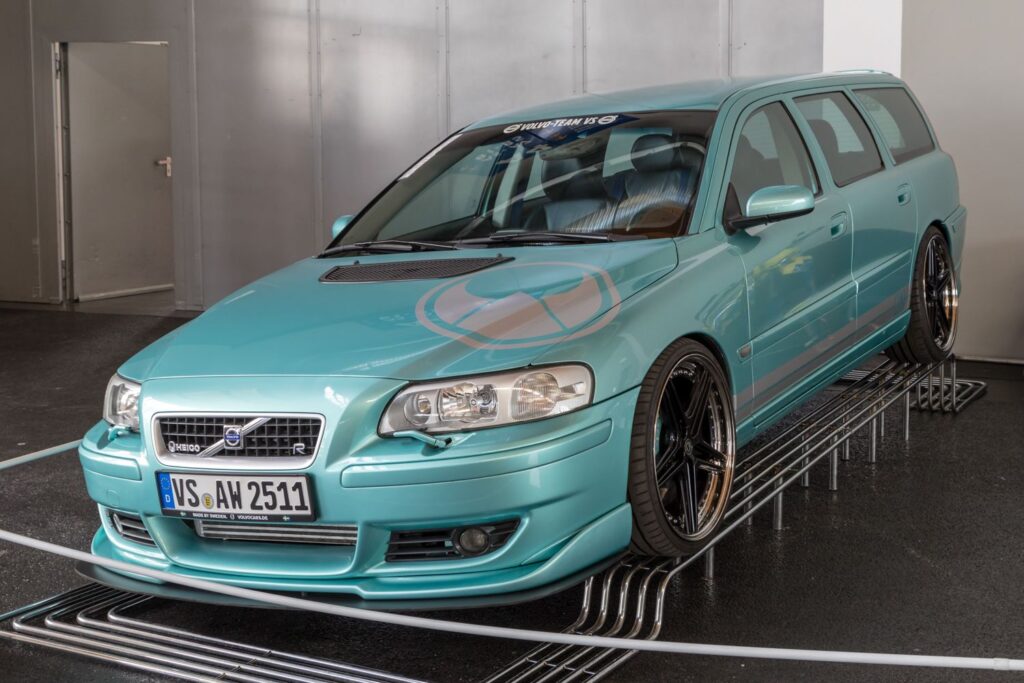
5. **Brembo Brakes & Sport-Tuned Suspension (Volvo V70R/V60 Polestar)**Volvo’s steadfast commitment to genuine, high-caliber performance in its wagons wasn’t solely about achieving impressive straight-line speed; it demonstrably extended to the equally critical areas of handling prowess and uncompromising stopping power. The deliberate inclusion of high-performance components like world-renowned Brembo brakes and meticulously sport-tuned suspension systems in models such as the V70R and V60 Polestar unequivocally demonstrated this deep dedication. These enhancements ensured that these wagons could not only accelerate rapidly but also corner with surgical precision and stop with authoritative confidence, truly elevating their dynamic capabilities.
The V70R, in particular, was meticulously equipped with Brembo brakes and a precisely sport-tuned suspension, aggressively underscoring its serious performance credentials. These significant upgrades dramatically enhanced the vehicle’s overall dynamic capabilities, providing a firm yet remarkably compliant ride quality and truly exceptional braking performance that could inspire profound confidence even during the most spirited driving. It was a clear statement that Volvo was building proper driver’s cars, not merely fast family haulers with minor tweaks; they were engineered from the ground up for enthusiastic engagement.
Similarly, the later V60 T6 Polestar proudly featured a bespoke Polestar-tuned suspension and powerful Brembo brakes, distinctly underlining the car’s undeniably serious performance credentials. These specialized, factory-fitted components profoundly transformed the wagon’s road manners, rendering it highly responsive, remarkably agile, and supremely capable of handling challenging roads and dynamic maneuvers with impressive aplomb. This meticulous attention to detail in the chassis and braking systems cemented these models as true, uncompromised performance vehicles, seamlessly combining practicality, genuine luxury, unparalleled safety, and high-octane performance into one utterly compelling and cohesive package. This dedication to components is a hallmark of true performance engineering.
Car Model Information: 2024 Honda Civic Sport
Name: Volvo V60
Caption: 2018 Volvo V60
Manufacturer: Volvo Cars
Production: 2010–present
Class: Compact executive car
BodyStyle: station wagon
Predecessor: Volvo V70,Volvo V50
Related: Volvo S60
Categories: 2010s cars, All-wheel-drive vehicles, All articles containing potentially dated statements, All articles with dead external links, Articles containing potentially dated statements from December 2014
Summary: The Volvo V60 is a compact executive station wagon (estate car) produced by Volvo Cars related to the S60 mid-size sedan. The vehicle was first released in autumn 2010, facelifted in 2014, and is in its second generation since 2018.
The second generation V60 was launched in 2018 based on the Volvo Scalable Product Architecture platform. Both generations feature a “Cross Country” variant with a slightly increased (60-mm / 2.4-inch) ground clearance and ride height.
Get more information about: Volvo V60
Buying a high-performing used car >>>
Brand: Volvo Model: V60 Polestar
Price: $27,891 Mileage: 21,809 mi.
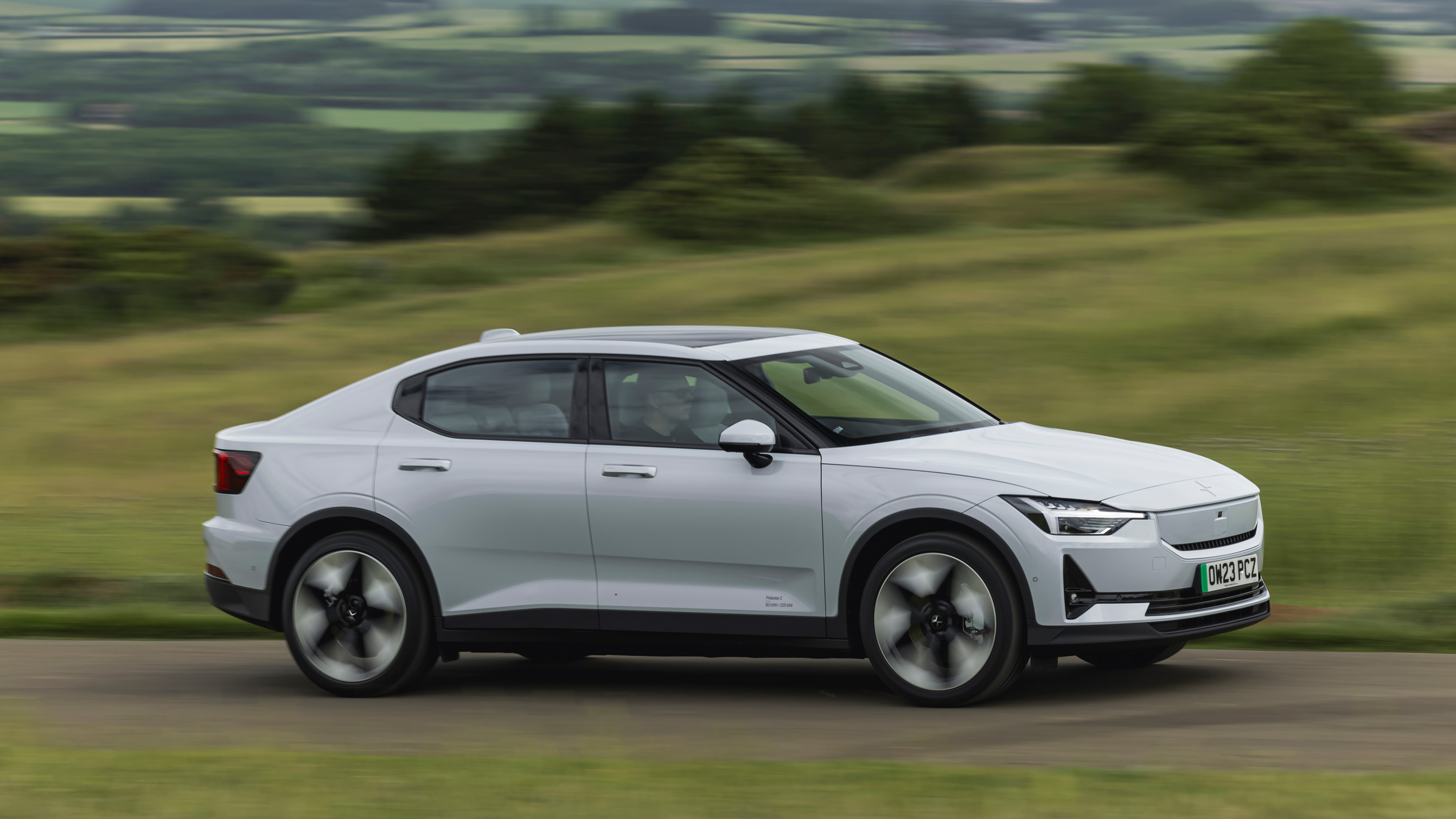
6. **Polestar Collaboration & Distinctive Design (Volvo V60 Polestar)**The Volvo V60 T6 Polestar stands as a thrilling and enduring testament to Volvo’s innovative and collaborative spirit, born directly from a crucial partnership with its in-house performance brand, Polestar. This pivotal collaboration not only injected a significant and exhilarating boost of power into the wagon but also bestowed upon the vehicle a distinctive and immediately recognizable design language that profoundly set it apart from its more conventional siblings. The result was a wagon that was not only instantly identifiable but also highly coveted by enthusiasts who appreciated its unique blend of attributes.
Introduced initially in 2014, the V60 T6 Polestar was far more than just a mere trim level; it represented a radical and thorough reinterpretation of the traditional Volvo wagon through an uncompromising performance lens. Externally, the car was unambiguously identified by its aggressive yet sophisticated sporty body kit, the iconic and highly distinctive Polestar blue paint – although other subtle colors were indeed available – and striking, bespoke 20-inch alloy wheels. These design elements were far from merely cosmetic; they visually communicated the profound underlying performance capabilities and the meticulously bespoke nature of the vehicle, signaling its intentions from a distance.
This deeply integrated collaboration and the resulting distinctive design elements were absolutely crucial in carving out a unique and lasting niche for the V60 Polestar in the competitive performance wagon segment. It was a clear and resounding declaration that Volvo, working in tandem with its dedicated Polestar division, could seamlessly combine practicality, luxury, cutting-edge safety, and high-octane performance into one utterly compelling package. The unique aesthetic, coupled with its formidable power and handling, made the V60 Polestar an indelible standout model, symbolizing Volvo’s unwavering ability to push boundaries and create truly special, enthusiast-focused wagons that defy expectations.
Car Model Information: 2024 Honda Civic Sport
Name: Volvo V60
Caption: 2018 Volvo V60
Manufacturer: Volvo Cars
Production: 2010–present
Class: Compact executive car
BodyStyle: station wagon
Predecessor: Volvo V70,Volvo V50
Related: Volvo S60
Categories: 2010s cars, All-wheel-drive vehicles, All articles containing potentially dated statements, All articles with dead external links, Articles containing potentially dated statements from December 2014
Summary: The Volvo V60 is a compact executive station wagon (estate car) produced by Volvo Cars related to the S60 mid-size sedan. The vehicle was first released in autumn 2010, facelifted in 2014, and is in its second generation since 2018.
The second generation V60 was launched in 2018 based on the Volvo Scalable Product Architecture platform. Both generations feature a “Cross Country” variant with a slightly increased (60-mm / 2.4-inch) ground clearance and ride height.
Get more information about: Volvo V60
Buying a high-performing used car >>>
Brand: VOLVO Model: V60 Polestar
Price: $27,891 Mileage: 21,809 mi.
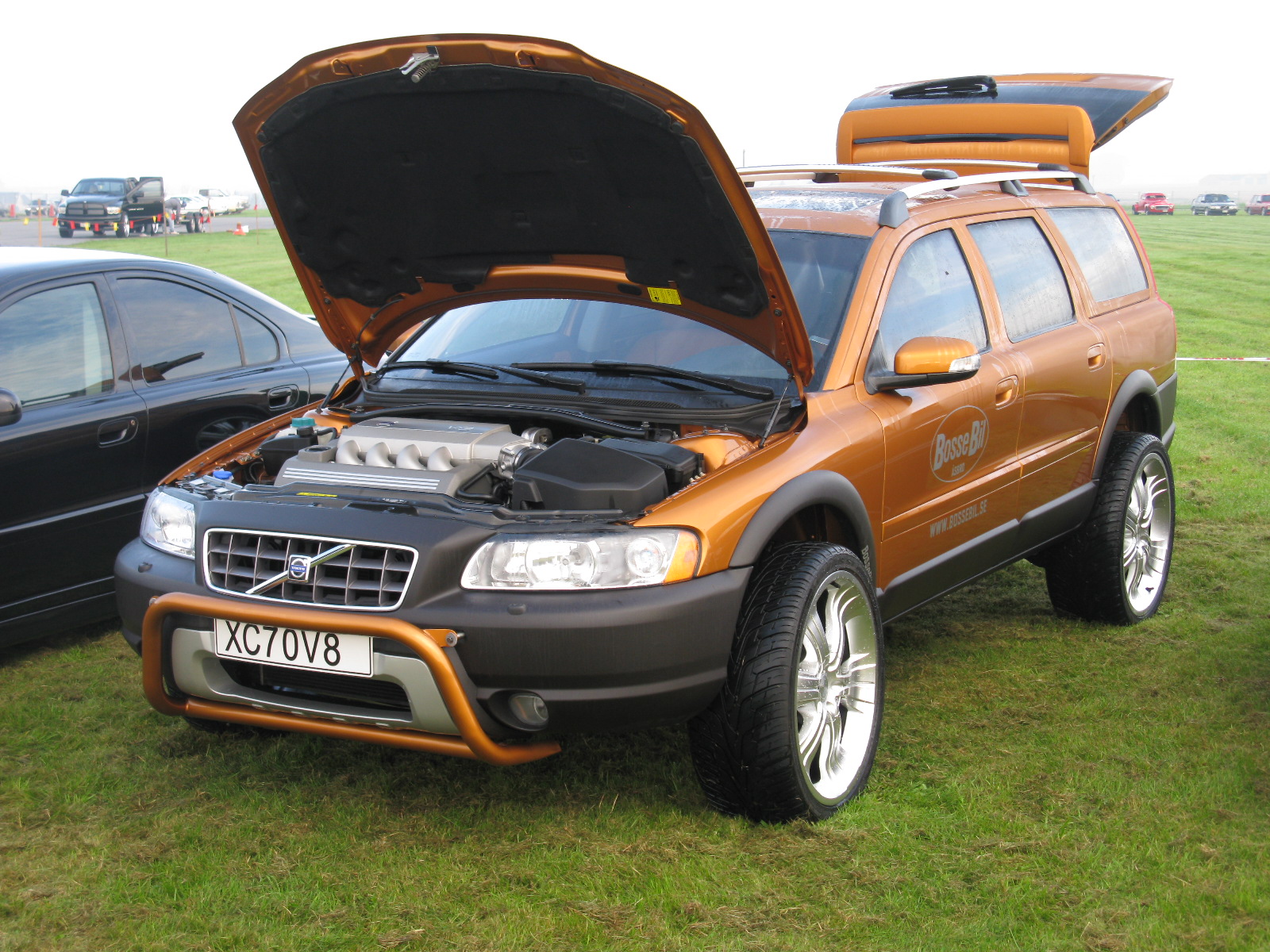
7. **Crossover Wagon Concept (Volvo XC70)**Long before the term “crossover” became an ubiquitous and often overused description in the automotive lexicon, Volvo was already pioneering and innovating with the very concept itself, a vision powerfully epitomized by the robust and versatile XC70. Initially introduced to the market as the V70 XC in 1997 and subsequently rebranded as the XC70 in 2003, this model represented a groundbreaking and prescient approach to vehicle design, seamlessly blending the inherent luxury and practical versatility of a traditional Volvo wagon with the added robustness and surprising off-road capability typically found exclusively in a dedicated sport utility vehicle.
The XC70 was ingeniously designed to offer the “best of both worlds,” providing an elevated and confident driving experience that was equally at home gracefully cruising on smooth paved highways as it was confidently navigating tricky, unpaved backroads and light off-road trails. Its distinctive design immediately featured a notably increased ground clearance, durable protective body cladding around its lower extremities, and a highly capable all-wheel-drive system, all of which together distinctly set it apart from the standard V70. This pioneering blend of attributes powerfully underscored its readiness for adventure without sacrificing the sophisticated and understated aesthetic that is so characteristic of Volvo’s design philosophy.
This innovative crossover concept allowed the XC70 to successfully carve out a significant and lasting niche of its own in a rapidly evolving market, ultimately becoming Volvo’s flagship crossover model until its eventual replacement by the V90 Cross Country in 2016. It powerfully demonstrated Volvo’s inherent adaptability and its genuine willingness to experiment with new vehicle categories, consistently delivering a vehicle that was not just inherently safe and reliably built, but also incredibly versatile and remarkably adventurous. The XC70 proved definitively that a wagon could indeed possess genuine off-road prowess, cementing its place as a truly unique, influential, and forward-thinking model in the rich history of Volvo wagons, paving the way for future all-road competitors.
Car Model Information: 2012 Volvo XC70 3.2
Categories: All article disambiguation pages, All disambiguation pages, Disambiguation pages, Short description is different from Wikidata
Summary: Volvo XC70 may refer to:
Volvo XC70 (2025)
Volvo V70/XC70, 2003 to 2016
Get more information about: Volvo XC70
Buying a high-performing used car >>>
Brand: Volvo Model: XC70
Price: $7,999 Mileage: 150,083 mi.
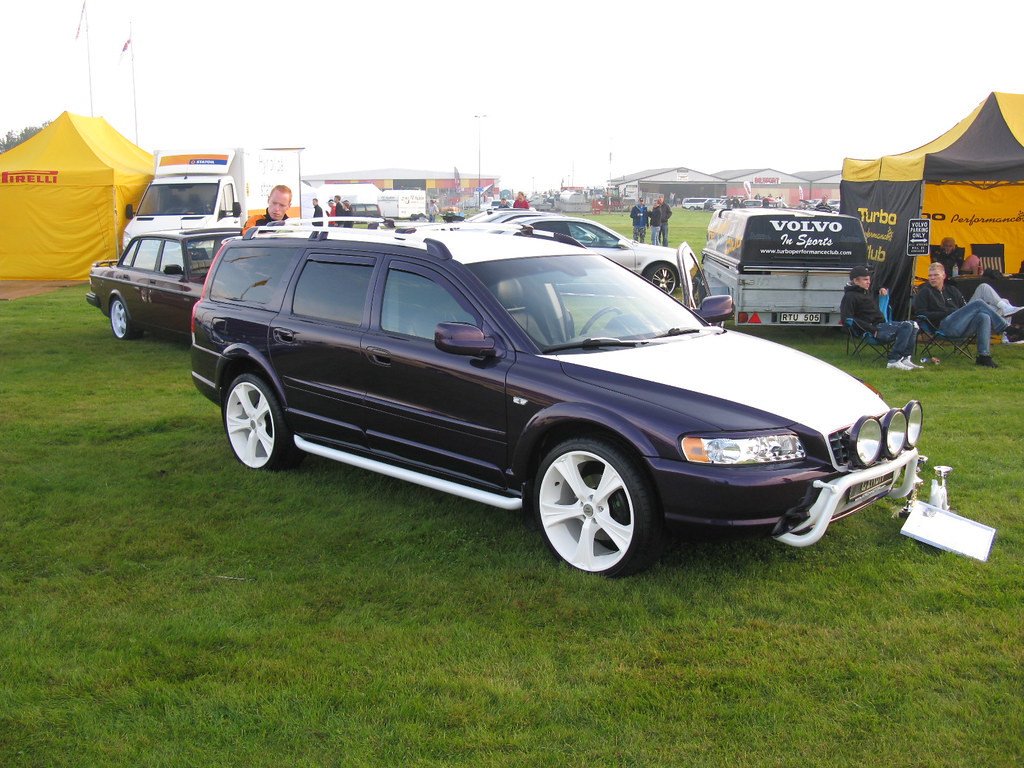
8. **City Safety System (Volvo XC70/V90)**Volvo’s relentless and unwavering pursuit of safety innovation has consistently led to the development and implementation of groundbreaking technologies, none more impactful than the ingenious City Safety system. This pioneering feature significantly enhanced vehicle protection and instilled a greater sense of driver peace of mind, showcased initially in models like the XC70 and later meticulously refined in the modern V90. It powerfully demonstrated Volvo’s proactive and visionary approach to preventing accidents before they even occurred, rather than solely focusing on mitigating their impact once inevitable.
The City Safety system, capable of autonomously applying the brakes to either prevent or significantly mitigate collisions, represented a monumental leap forward in automotive safety technology. Initially designed and implemented to primarily detect other vehicles at low speeds, its capabilities were progressively expanded and intelligently refined in later models, such as the post-2016 V90. This advanced iteration seamlessly integrated pedestrian, cyclist, and even large animal detection as standard features. This comprehensive and ever-evolving detection and intervention system marked a profound and unwavering commitment to protecting all road users, extending beyond just those securely seated inside the vehicle.
This particular innovation powerfully solidified Volvo’s already sterling position as a consistent trendsetter and visionary leader in active safety technologies. It represented a crucial and strategic shift towards intelligent, sensor-driven systems that actively assist drivers in real-time decision-making, significantly reducing both the likelihood and the overall severity of urban accidents. The pervasive integration of City Safety into these wagons unequivocally underscored Volvo’s core brand identity, further reinforcing their dedication to delivering vehicles that were not just mechanically sound and robust, but also intelligently equipped with advanced systems designed to safeguard lives, making it an undeniable cornerstone of their modern and future safety philosophy.
Car Model Information: 2018 Volvo V90 T5 Cross Country
Name: Volvo V90
Caption: Volvo V90
Manufacturer: Volvo Cars
Production: 2016–2025
ModelYears: 2017–2025
Assembly: Torslanda
Designer: Thomas Ingenlath
Class: Executive car
BodyStyle: Station wagon
Layout: Front-engine, front-wheel-drive layout
Platform: Volvo Scalable Product Architecture platform
Related: Volvo S90,Volvo XC60#second
Engine: Petrol:,Straight-four engine,(140kW–235kW),Diesel:,Straight-four engine,(110kW–173kW),Hybrid:,Straight-four engine,(234kW–235kW + 64kW)
Motor: 64 kW
Abbr: on
Transmission: ubl
Drivetrain: Plug-in hybrid,Mild hybrid
Battery: lithium-ion battery,lithium-ion battery
ElectricRange: 45 km
Wheelbase: 2941 mm
Length: 4936 mm
Width: {{convert,1890,mm,in,1,abbr=on
Height: V90: {{convert,1475,mm,in,1,abbr=on
Weight: convert
Predecessor: Volvo V70
Sp: uk
Categories: All-wheel-drive vehicles, Articles with short description, CS1 Finnish-language sources (fi), CS1 German-language sources (de), CS1 Polish-language sources (pl)
Summary: The Volvo V90 is a mid-size luxury wagon manufactured and marketed by Swedish automaker Volvo Cars from 2016 to 2025. Two months after the introduction of the sedan model, the Volvo S90, the V90 was revealed at the Geneva Motor Show in March 2016.
Get more information about: Volvo V90
Buying a high-performing used car >>>
Brand: VOLVO Model: V90
Price: $26,998 Mileage: 49,689 mi.
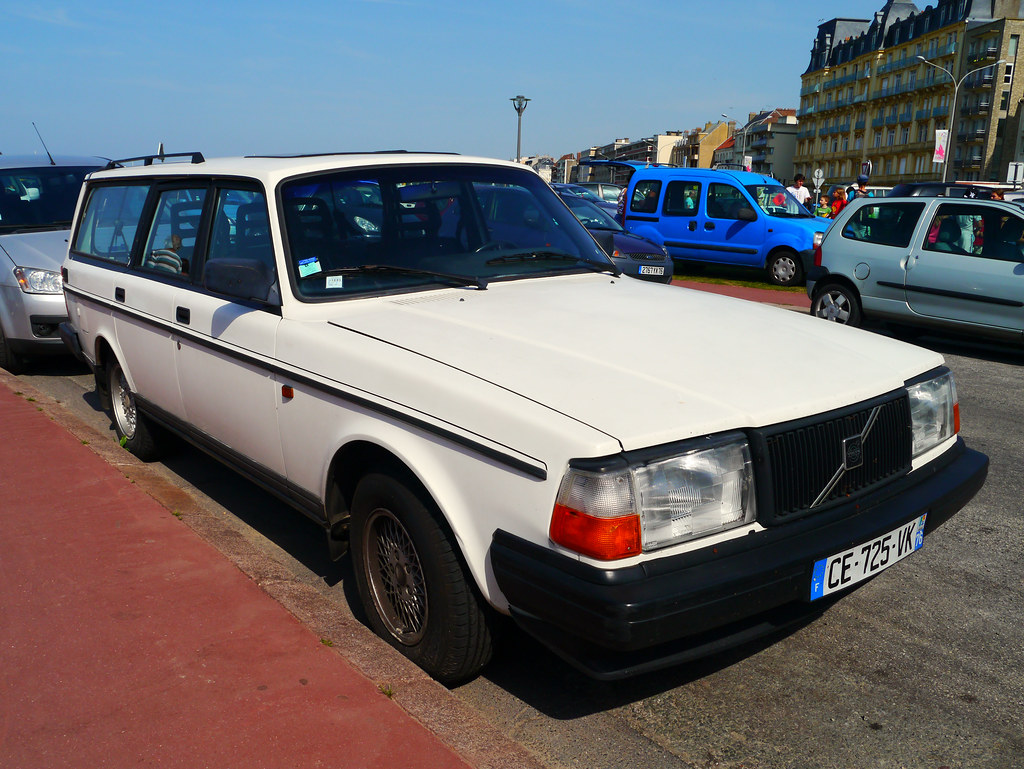
9. **The ‘Brick on Wheels’ Aesthetic and Enduring Durability (Volvo 200 Series)**The Volvo 200 Series, affectionately known by many enthusiasts as the ‘brick on wheels’, stands as a monument to functional design and robust engineering. Introduced in 1974, this classic wagon series, especially the 240 and 245 models, carved out an indelible niche with its distinctive, unapologetically boxy silhouette. Far from being a mere stylistic choice, this geometric approach maximized interior volume and offered unparalleled practicality, making it a beloved choice for families and professionals who valued utility above all else. Its form was a direct expression of its function, a testament to Swedish design principles.
This iconic aesthetic, though perhaps not conventionally sleek, was a deliberate design philosophy that prioritized usable space and safety. The generous cargo area and spacious interior, often exceeding contemporary rivals, provided immense versatility for everything from daily errands to cross-country adventures. Every line and angle served a purpose, contributing to a vehicle that was both incredibly strong and remarkably efficient in its packaging, ensuring every inch was utilized for passenger comfort or luggage capacity. It was a masterclass in practical ergonomics disguised as a simple shape.
Beyond its visual identity, the 200 Series cemented Volvo’s reputation for unrivaled durability. These wagons were quite literally “built to endure,” a phrase that perfectly encapsulates their solid construction and robust mechanicals. It is a common sight even today to find numerous 200 Series models still faithfully serving their owners, often having covered astronomical mileages. This longevity is not merely a testament to their build quality but also to the foresight of Volvo’s engineering, creating vehicles that defied planned obsolescence and became cherished, long-term companions. This commitment to enduring quality is a core part of its enduring legacy, making it a highly sought-after classic for those who appreciate true automotive resilience.
Car Model Information: 2024 Honda Civic Sport
Name: Volvo 200 Series
Caption: 1989 Volvo 240 GL station wagon
Manufacturer: Volvo Cars
Production: 1974–1993,2,862,573 produced
ModelYears: 1975–1993
Assembly: ubl
Predecessor: Volvo 140 Series,Volvo 164
Successor: Volvo 850,Volvo 760
Class: Mid-size car
BodyStyle: Sedan (automobile),station wagon
Layout: Front-engine, rear-wheel-drive
Platform: Volvo P platform
Related: Volvo 262C
Engine: collapsible list
Title: Petrol and diesel engines
Transmission: 4-speed manual,4-speed manual with overdrive,5-speed manual,3-speed automatic,4-speed automatic
Wheelbase: 104.3 in
Abbr: on
Length: convert
Width: convert
Height: convert
Designer: Jan Wilsgaard
Categories: 1980s cars, 1990s cars, All articles needing additional references, All articles with incomplete citations, All articles with unsourced statements
Summary: The Volvo 200 Series (designated internally as the 240 and 260 models) was a range of mid-size cars manufactured by Swedish automaker Volvo Cars from 1974 to 1993. Designed by Jan Wilsgaard, the series was developed from the Volvo 140 Series and incorporated safety innovations from Volvo’s VESC experimental safety vehicle program.
The 200 Series was produced in sedan, station wagon, and limited convertible body styles. Over 2.8 million units were manufactured during its 19-year production run, making it one of Volvo’s most successful model lines. The series established Volvo’s reputation for safety and durability, with many examples remaining in service decades after production ended.
Production overlapped with the introduction of the Volvo 700 Series in 1982. While the 260 Series was discontinued in 1984 and replaced by the 700 Series, the popular 240 model continued production until 1993. The final 240 was manufactured on 14 May 1993, concluding nearly two decades of production.
Get more information about: Volvo 200 Series
Buying a high-performing used car >>>
Brand: Volvo Model: 200 Series
Price: $27,891 Mileage: 21,809 mi.

10. **Pioneering Luxury and Ergonomic Interior Design (Volvo 700 Series)**With the introduction of the 700 Series in 1982, specifically with the 760 model, Volvo embarked on a deliberate evolution, positioning luxury and sophisticated style more prominently alongside its foundational pillars of safety and durability. This series was a pivotal moment, signaling a new design direction that aimed to appeal to a more discerning clientele without forsaking the practicality for which Volvo wagons were already celebrated. It presented a more upscale interpretation of the familiar boxy aesthetic, marking a significant step towards refined elegance within the brand’s lineage.
The interior craftsmanship of the 700 Series wagons, particularly the 740 and 760 estates, truly exemplified this elevated focus. Volvo meticulously employed high-quality materials throughout the cabin, ensuring that comfort and luxury were not afterthoughts but integral components of the driving experience. Passengers were treated to plush seating and an overall sense of quiet sophistication, transforming every journey into a more enjoyable occasion. The attention to detail in the upholstery and trim was evident, providing a tactile experience that underscored the vehicle’s premium aspirations.
Furthermore, the 700 Series showcased a highly ergonomic and driver-focused cockpit. The controls were intuitively placed and easy to operate, minimizing distractions and enhancing the overall driving pleasure. This thoughtful design philosophy extended to the capacious interior and generous cargo space, a hallmark of Volvo wagons, which were equally adept at accommodating families on extended trips or fulfilling the practical demands of daily life. The series also pioneered advanced safety features like side-impact protection systems, demonstrating Volvo’s relentless pursuit of occupant well-being, even as it embraced a more luxurious identity. This blend of elegance, user-centric design, and unwavering safety truly made the 700 Series a standout.
Car Model Information: 2019 Volkswagen Atlas 3.6L SEL
Name: Volvo 700 series
Caption: Volvo 740 GL Estate
Manufacturer: Volvo Cars
Production: 1982–1992 (1,430,000 units)
Assembly: Gothenburg,Kalmar,Uddevalla,Ghent,Halifax Regional Municipality,Clayton, Victoria,Indonesia{{#tag:ref,Cars sold in Indonesia during 1974–1999 were assembled locally.,group=”nb”
Predecessor: Volvo 200 Series
Successor: Volvo 900 Series
Class: Luxury vehicle#Mid-size luxury/executive cars
Layout: FR layout
Categories: 1990s cars, All articles needing additional references, Articles needing additional references from August 2007, Articles with short description, CS1 Flemish-language sources (nl-be)
Summary: The Volvo 700 series is a range of executive cars produced by the Swedish manufacturer Volvo Cars from 1982 to 1992. The 700 series was introduced in 1982 with the premium 760 models, followed two years later by the more basic 740s, which benefited from the 760’s prestige, while sharing the same bodywork. The 700 series was then gradually replaced, beginning in 1990, by the 900 series. The 700, designed by Jan Wilsgaard, was originally to have been a replacement for the 200 series, but production of that model continued until the early nineties. The expensive 780, a Bertone-designed coupé version, entered production in 1986 and departed without a direct successor only four years later.
The most visible differences between the 700 and 900 series were the much more sloping rear greenhouse (sedans), instead of the extremely square, formal, upright C-pillars of the 740s and 760s; more rounded corners on the 900’s bodies, and a somewhat better-appointed interior. The 700 series came to an end in late 1992 when the last 740s were built (although they were considered to be of model year 1993). The range had been augmented and finally supplanted by the Volvo 900 in 1993, with the last of the 900s being sold in 1998.
Get more information about: Volvo 700 Series
Buying a high-performing used car >>>
Brand: Volvo Model: 700 Series
Price: $16,995 Mileage: 103,532 mi.
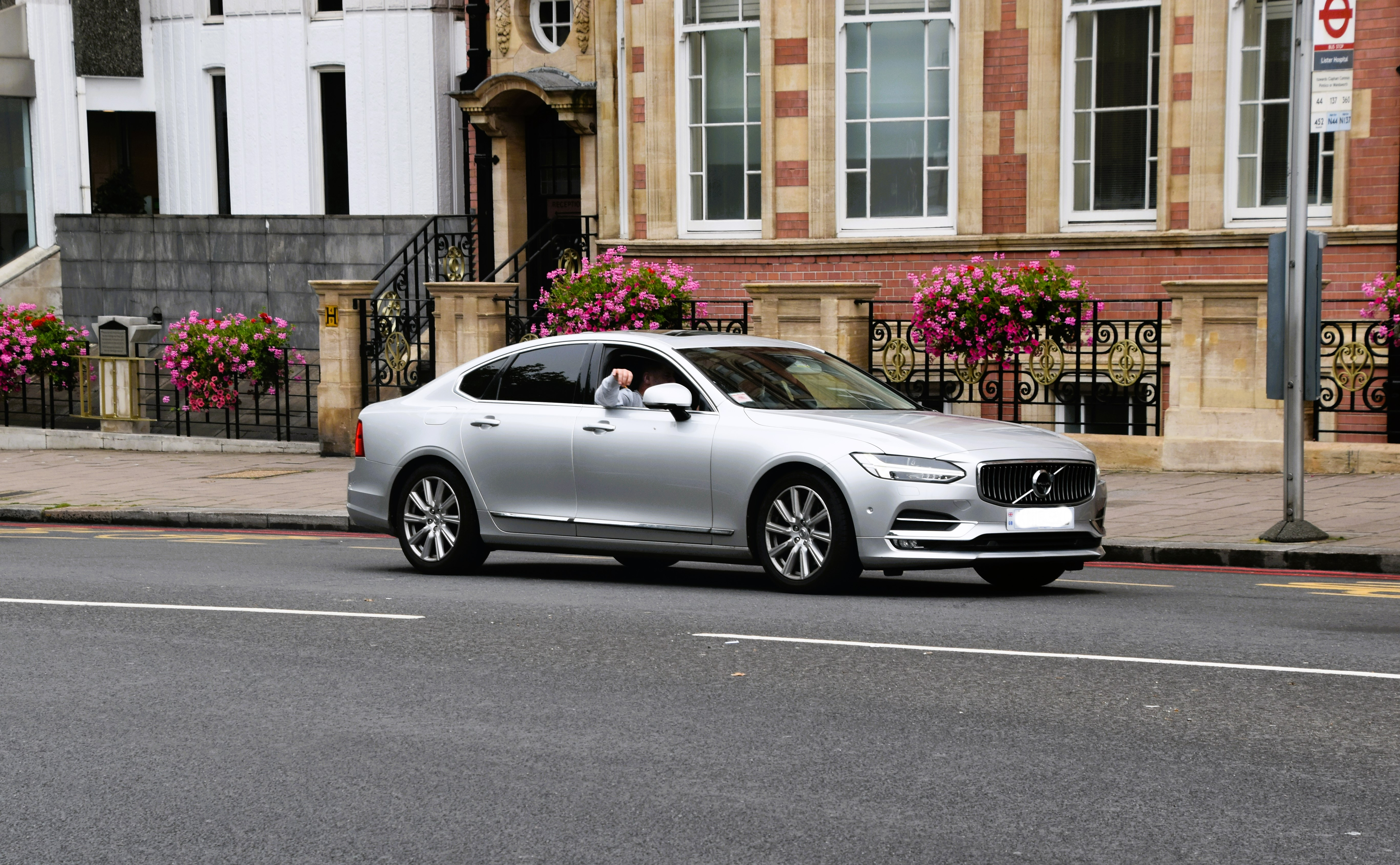
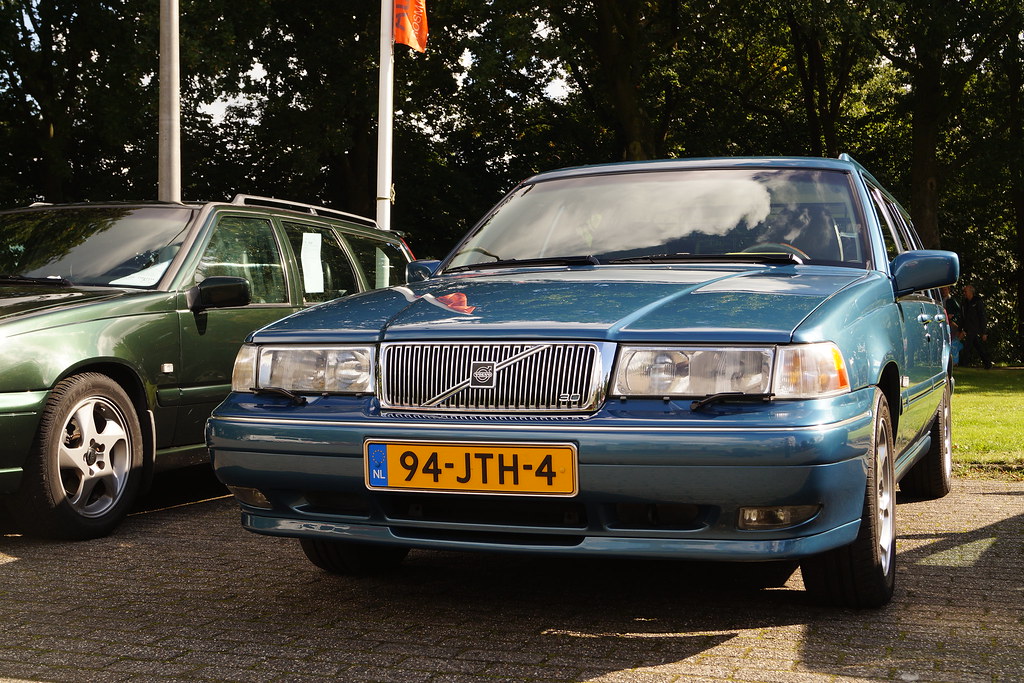
11. **Rear-Wheel Drive Focus in a Luxury Wagon (Early 900 Series/V90)**The Volvo 900 Series, launched in the early 1990s, masterfully continued the brand’s legacy of safety and reliability, but critically, it also introduced a heightened sense of luxury and refined design. This series served as a crucial bridge, taking the established strengths of the 700 Series and enhancing them with updated styling, advanced technology, and superior comfort. Within this evolution, one particular engineering choice stood out as a quirky and increasingly rare feature for a luxury wagon of its time: a persistent focus on rear-wheel drive.
This commitment to rear-wheel drive (RWD), especially prominent in models like the iconic Volvo 960 and its successor, the first iteration of the V90 badge, was quite an anomaly. While many competitors were increasingly shifting towards front-wheel drive or developing all-wheel drive systems for their wagons, Volvo maintained its traditional RWD layout for its flagship luxury estate. This decision provided a distinct driving dynamic, often preferred by enthusiasts for its balanced feel and engaging handling characteristics, offering a traditional driving purity rarely found in family haulers. It showcased a unique blend of old-school engineering principles within a modern, luxurious package.
The 960, which was briefly rebranded as the V90 in 1996 for global naming consistency, was the epitome of this RWD luxury wagon. Powered by a smooth inline six-cylinder engine, it delivered a powerful yet refined driving experience, further enhanced by its rear-wheel-drive architecture. Though this particular RWD V90 was only available for about a year, its existence underscores Volvo’s willingness to stick to its engineering convictions, even if it meant being an outlier in a changing market. This distinctive RWD focus contributed significantly to the 900 Series’ character, marking it as a unique and influential chapter in Volvo’s rich history, offering a blend of robust engineering and engaging driving that stands apart.
Car Model Information: 2025 Honda Civic Sport
Name: Volvo 900 Series
Manufacturer: Volvo Cars
Production: 1990–1998,632,710 produced
Platform: P90
Class: Luxury vehicle#Mid-size luxury/executive cars
Layout: Longitudinal engine,FR layout
Predecessor: Volvo 700 Series
Successor: Volvo V70#Third
Designer: Rolf Malmgren, Håkan Malmgren
Categories: Articles with short description, CS1 Italian-language sources (it), CS1 Swedish-language sources (sv), Cars discontinued in 1998, Cars introduced in 1990
Summary: The Volvo 900 Series is a range of executive cars produced by the Swedish manufacturer Volvo Cars from 1990 to 1998. The 900 Series was introduced in 1990 to replace the 700 Series from which it derived. Prior to the end of its production, the 960 was renamed as the Volvo S90 (saloon) and Volvo V90 (estate), and the 940 was renamed 940 Classic, becoming the last rear-wheel-drive cars from Volvo, until the 2023 Volvo XC40 Recharge Pure Electric.
Visible differences between the 700 and the 900 Series included redesigned rear styling of the saloon models (late 700 estates and early 900 estates are visually identical). The 960 was introduced in 1991 along with a new family of modular engines, and then was substantially revised for the 1995 model year, improving the handling. The range was augmented by the new Volvo 850 in 1991. The last of the 900s was sold in 1998. Some 900 Series were built as chassis for ambulances and hearses after the main production run had been completed.
Get more information about: Volvo 900 Series
Buying a high-performing used car >>>
Brand: Volvo Model: 900 Series
Price: $26,881 Mileage: 1,188 mi.
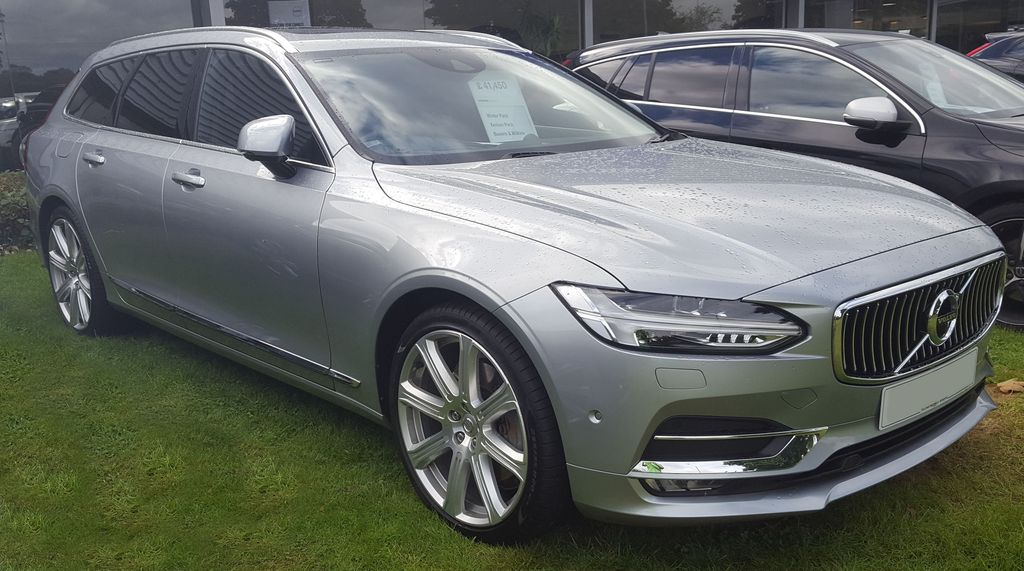
12. **Pilot Assist and Early Semi-Autonomous Capabilities (Modern V90)**The revival of the Volvo V90 in 2016 heralded a new era for the brand, showcasing a luxurious estate that was not merely stunning in its design but also brimming with advanced technological innovations, including groundbreaking semi-autonomous driving capabilities. This modern V90, part of Volvo’s prestigious 90 Series, was a clear statement of intent, demonstrating the brand’s commitment to pushing the boundaries of what a family wagon could achieve in terms of intelligent driver assistance. It integrated cutting-edge systems designed to enhance both safety and convenience.
At the forefront of these technological advancements was Volvo’s highly sophisticated Pilot Assist system. This semi-autonomous driving feature, standard on the post-2016 V90, represented a significant leap forward in active safety and driver comfort. Pilot Assist intelligently combined adaptive cruise control with steering assistance, allowing the vehicle to automatically maintain a set speed and distance to the car in front, while also providing gentle steering inputs to keep the wagon centered within its lane. This capability dramatically reduced driver fatigue, especially during long highway journeys and in challenging, stop-and-go traffic conditions.
The integration of Pilot Assist underscored Volvo’s visionary approach to road safety, extending beyond passive protection to active accident prevention and driver support. It was a proactive step towards a future of autonomous driving, implemented in a practical, user-friendly manner within a luxury wagon. This system not only enhanced the V90’s appeal but also solidified Volvo’s reputation as an industry leader in advanced driver-assist systems, demonstrating how thoughtful technology could seamlessly integrate into the daily driving experience, making every journey smoother, safer, and more relaxing for all occupants. The V90 truly embodied the fusion of Scandinavian luxury with pioneering automotive intelligence.
Car Model Information: 2018 Volvo V90 T5 Cross Country
Name: Volvo V90
Caption: Volvo V90
Manufacturer: Volvo Cars
Production: 2016–2025
ModelYears: 2017–2025
Assembly: Torslanda
Designer: Thomas Ingenlath
Class: Executive car
BodyStyle: Station wagon
Layout: Front-engine, front-wheel-drive layout
Platform: Volvo Scalable Product Architecture platform
Related: Volvo S90,Volvo XC60#second
Engine: Petrol:,Straight-four engine,(140kW–235kW),Diesel:,Straight-four engine,(110kW–173kW),Hybrid:,Straight-four engine,(234kW–235kW + 64kW)
Motor: 64 kW
Abbr: on
Transmission: ubl
Drivetrain: Plug-in hybrid,Mild hybrid
Battery: lithium-ion battery,lithium-ion battery
ElectricRange: 45 km
Wheelbase: 2941 mm
Length: 4936 mm
Width: {{convert,1890,mm,in,1,abbr=on
Height: V90: {{convert,1475,mm,in,1,abbr=on
Weight: convert
Predecessor: Volvo V70
Sp: uk
Categories: All-wheel-drive vehicles, Articles with short description, CS1 Finnish-language sources (fi), CS1 German-language sources (de), CS1 Polish-language sources (pl)
Summary: The Volvo V90 is a mid-size luxury wagon manufactured and marketed by Swedish automaker Volvo Cars from 2016 to 2025. Two months after the introduction of the sedan model, the Volvo S90, the V90 was revealed at the Geneva Motor Show in March 2016.
Get more information about: Volvo V90
Buying a high-performing used car >>>
Brand: Volvo Model: V90
Price: $26,998 Mileage: 49,689 mi.
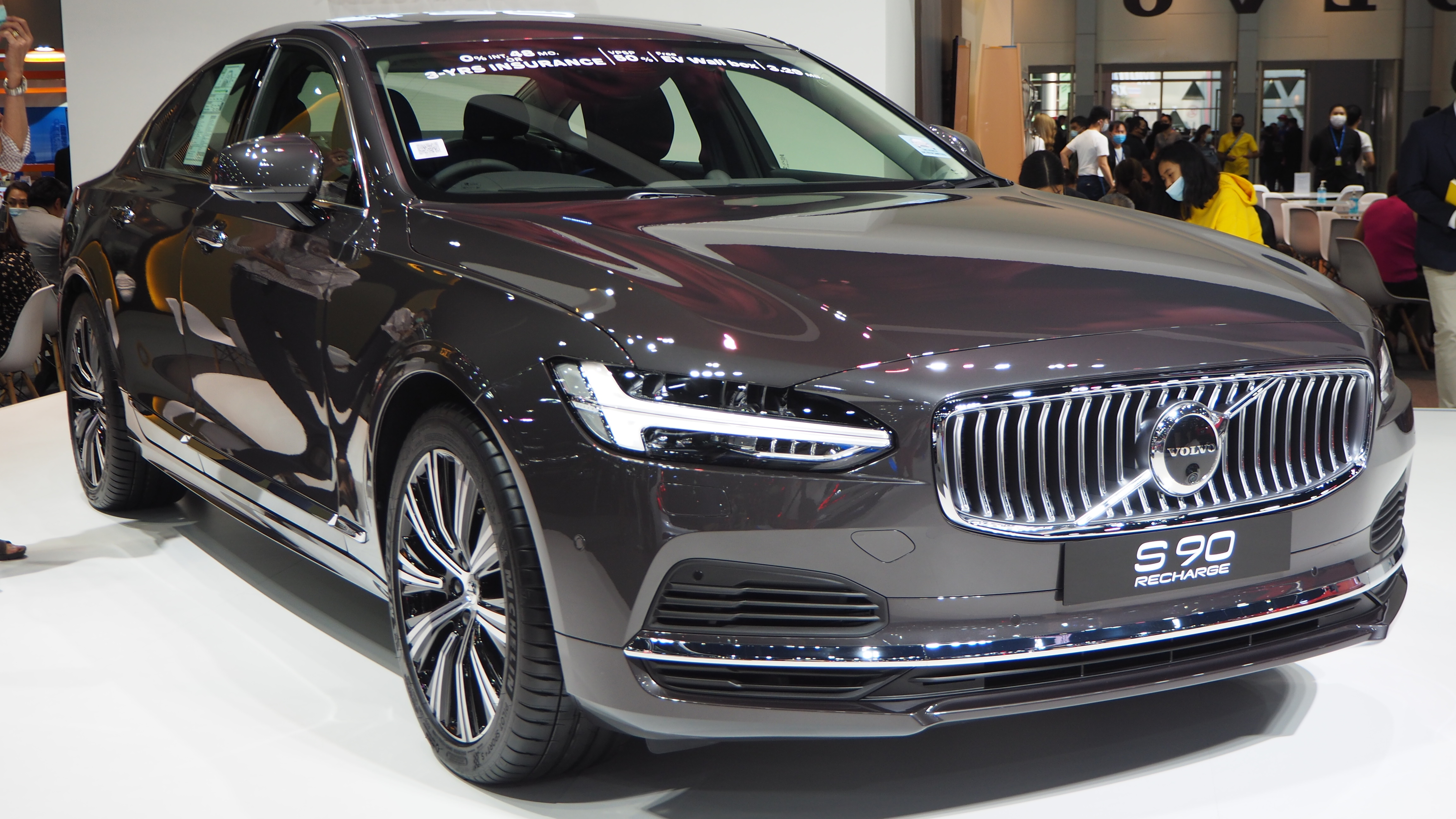
13. **Thor’s Hammer Lighting and Scandinavian Interior Minimalism (Modern V90)**The post-2016 Volvo V90 is a masterclass in contemporary automotive design, powerfully embodying Volvo’s modern aesthetic philosophy, characterized by striking exterior details and an interior that champions Scandinavian minimalism. Its design ethos represents a thoughtful fusion of elegance, functionality, and technological integration, setting a new benchmark for luxury wagons. This iteration of the V90 wasn’t just a car; it was a carefully curated experience, a true expression of modern Swedish luxury, distinctive in a crowded market.
One of the most instantly recognizable and iconic exterior features of the modern V90 is its distinctive “Thor’s Hammer” LED headlights. This signature lighting element, inspired by Norse mythology, provides an unmistakable visual signature that is both powerful and elegant, instantly identifying the vehicle as a modern Volvo. These sleek, T-shaped daytime running lights are more than just an aesthetic flourish; they represent a bold and confident design statement that speaks volumes about the brand’s innovative spirit and attention to detail. This unique visual cue adds a significant touch of sophistication and modernity to the wagon’s dynamic presence on the road.
Inside, the V90’s cabin is a serene sanctuary, a prime example of Scandinavian minimalism at its finest. It features premium materials, an uncluttered layout, and thoughtful details that create an atmosphere of calm and sophistication. The vertically oriented 9-inch Sensus infotainment screen serves as the central hub, integrating many functions into a clean, intuitive interface, reducing physical button clutter. This meticulous attention to interior craftsmanship, combining aesthetic appeal with ergonomic efficiency and a sense of spaciousness, firmly established the modern V90 as a benchmark in luxury wagon design, delivering an unparalleled blend of style, comfort, and advanced technology. It is a testament to how intelligent design can elevate the entire driving experience.
Car Model Information: 2018 Volvo V90 T5 Cross Country
Name: Volvo V90
Caption: Volvo V90
Manufacturer: Volvo Cars
Production: 2016–2025
ModelYears: 2017–2025
Assembly: Torslanda
Designer: Thomas Ingenlath
Class: Executive car
BodyStyle: Station wagon
Layout: Front-engine, front-wheel-drive layout
Platform: Volvo Scalable Product Architecture platform
Related: Volvo S90,Volvo XC60#second
Engine: Petrol:,Straight-four engine,(140kW–235kW),Diesel:,Straight-four engine,(110kW–173kW),Hybrid:,Straight-four engine,(234kW–235kW + 64kW)
Motor: 64 kW
Abbr: on
Transmission: ubl
Drivetrain: Plug-in hybrid,Mild hybrid
Battery: lithium-ion battery,lithium-ion battery
ElectricRange: 45 km
Wheelbase: 2941 mm
Length: 4936 mm
Width: {{convert,1890,mm,in,1,abbr=on
Height: V90: {{convert,1475,mm,in,1,abbr=on
Weight: convert
Predecessor: Volvo V70
Sp: uk
Categories: All-wheel-drive vehicles, Articles with short description, CS1 Finnish-language sources (fi), CS1 German-language sources (de), CS1 Polish-language sources (pl)
Summary: The Volvo V90 is a mid-size luxury wagon manufactured and marketed by Swedish automaker Volvo Cars from 2016 to 2025. Two months after the introduction of the sedan model, the Volvo S90, the V90 was revealed at the Geneva Motor Show in March 2016.
Get more information about: Volvo V90
Buying a high-performing used car >>>
Brand: Volvo Model: V90
Price: $26,998 Mileage: 49,689 mi.
14. **Uncompromising Cargo Versatility and Thoughtful Storage (Across Classic Volvo Series)**From its earliest boxy iterations to its most modern interpretations, a defining and consistently celebrated characteristic of classic Volvo station wagons has been their uncompromising dedication to cargo versatility and ingenious storage solutions. This wasn’t merely a consequence of their design but a fundamental philosophy, ensuring that these vehicles were not just transport, but genuinely practical and adaptable tools for everyday life. Every Volvo wagon was engineered with the understanding that its owners would demand exceptional utility and flexible space.
This commitment manifested in remarkably spacious cargo areas, often enhanced by cleverly designed features such as flat-folding rear seats and integrated load-bearing systems. Whether it was the expansive rear of a 240 or the sophisticated cargo management of a V70, Volvo wagons consistently offered configurations that could easily swallow luggage, sports equipment, or even bulky furniture, transforming them into veritable mobile workshops or adventure vehicles. The ability to quickly and efficiently reconfigure the interior for maximum load-carrying capacity was a core selling point and a hallmark of their practicality.
Beyond sheer volume, Volvo wagons often featured thoughtful, smaller storage solutions that made a real difference in daily use. Concealed compartments, durable cargo nets, and intuitive tie-down points demonstrated a deep understanding of driver and passenger needs. This meticulous attention to practical details, from the largest load to the smallest item, reinforced Volvo’s reputation as the ultimate utility vehicle. It was a testament to their engineering focus on functionality, ensuring that their wagons provided not just space, but genuinely usable, adaptable, and intelligent storage for every conceivable scenario, making them enduring favorites for those who truly value intelligent design.
Car Model Information: 2020 Cadillac XT5 Sport AWD
Width: 220
Align: right
Direction: vertical
CaptionAlign: center
Caption1: Ford Mondeo
Caption2: Volvo V60
Caption3: Mercury Colony Park
FooterAlign: center
Alt1: Automotive platform sharing,drivetrain
Categories: All articles with unsourced statements, All articles with vague or ambiguous time, Articles with short description, Articles with unsourced statements from February 2024, Articles with unsourced statements from November 2018
Summary: A station wagon (US, also wagon) or estate car (UK, also estate) is an automotive body-style variant of a sedan with its roof extended rearward over a shared passenger/cargo volume with access at the back via a third or fifth door (the liftgate, or tailgate), instead of a trunk/boot lid. The body style transforms a standard three-box design into a two-box design—to include an A, B, and C-pillar, as well as a D-pillar. Station wagons can flexibly reconfigure their interior volume via fold-down rear seats to prioritize either passenger or cargo volume.
The American Heritage Dictionary defines a station wagon as “an automobile with one or more rows of folding or removable seats behind the driver and no luggage compartment but an area behind the seats into which suitcases, parcels, etc., can be loaded through a tailgate.”
When a model range includes multiple body styles, such as sedan, hatchback, and station wagon, the models typically share their platform, drivetrain, and bodywork forward of the A-pillar, and usually the B-pillar. In 1969, Popular Mechanics said, “Station wagon-style … follows that of the production sedan of which it is the counterpart. Most are on the same wheelbase, offer the same transmission and engine options, and the same comfort and convenience options.”
Station wagons have evolved from their early use as specialized vehicles to carry people and luggage to and from a train station. The demand for station wagon body style has faded since the 2010s in favor of the crossover or SUV designs.
Get more information about: Station wagon
Buying a high-performing used car >>>
Brand: Volvo Model: station wagons
Price: $29,000 Mileage: 48,719 mi.
15. **Ergonomic Seating Design and Long-Haul Comfort (Across Classic Volvo Series)**Volvo has long been synonymous with automotive comfort, a reputation meticulously built upon an unwavering commitment to ergonomic seating design and superior long-haul comfort across its entire classic wagon lineage. This focus on occupant well-being wasn’t a superficial luxury but a fundamental engineering priority, recognizing that safe driving is inextricably linked to driver and passenger comfort. For decades, Volvo seats have been lauded as some of the most comfortable and supportive in the industry, making long journeys a pleasure rather than a chore.
The design philosophy behind Volvo’s seats is rooted deeply in human factors engineering, meticulously crafted to provide optimal support for the back and spine, reducing fatigue on extended drives. This attention to anatomical detail resulted in seats that weren’t just soft, but precisely contoured to hold occupants securely and comfortably, promoting good posture. Whether in the robust 200 Series or the more luxurious V70R, the consistent quality and comfort of Volvo seats set them apart, establishing a benchmark that many competitors aspired to reach.
Furthermore, the materials used in Volvo’s classic wagon interiors were carefully selected not only for their durability and aesthetic appeal but also for their contribution to overall comfort. High-quality fabrics and leathers, combined with effective climate control systems, ensured a pleasant cabin environment in all conditions. This holistic approach to interior design, where every element from seating to climate contributed to a serene and supportive atmosphere, solidified Volvo’s standing as a brand that genuinely cared about the journey as much as the destination. These exceptionally comfortable and thoughtfully designed seats remain a cherished feature, a testament to Volvo’s enduring legacy of occupant-focused innovation.
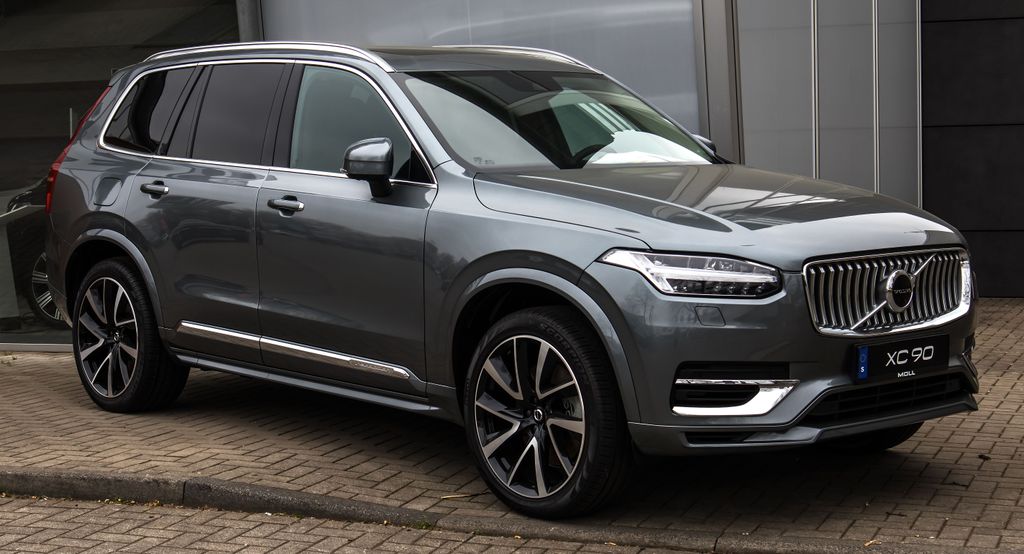
16. **Engineering for Unrivaled Longevity and Robust Reliability (Across Classic Volvo Series)**The enduring appeal of classic Volvo station wagons is deeply rooted in an engineering philosophy that consistently prioritized unrivaled longevity and robust reliability, making them true stalwarts of the automotive world. This commitment to building vehicles that would literally last for decades is arguably one of Volvo’s most defining and celebrated “quirky features” – an almost defiant stance against the more transient nature of much of modern manufacturing. It’s not uncommon to encounter classic Volvos with hundreds of thousands, if not millions, of miles on their odometers, a testament to their inherent resilience.
This legendary durability stemmed from a meticulous approach to component selection and a rigorous manufacturing process, ensuring that every part, from the engine block to the smallest electrical connector, was designed to withstand the test of time and demanding conditions. The ‘solid mechanicals’ described in the context for models like the 200 Series were not just buzzwords but a tangible reality that translated into vehicles capable of performing reliably year after year, with minimal fuss. This commitment to over-engineering provided owners with profound peace of mind, knowing their wagon was built to handle anything.
The legacy of these robustly engineered wagons continues to this day, influencing how enthusiasts and collectors view classic Volvos. They represent an era when cars were built to be kept, maintained, and cherished over an incredibly long lifespan. This unwavering focus on longevity and reliability, seamlessly integrated with practicality and safety, created a unique proposition in the automotive market. It cemented Volvo’s reputation not just as a builder of safe cars, but as a creator of incredibly dependable, long-lasting machines that offer exceptional value and an undeniable, timeless appeal. This engineering prowess is a core part of their “hidden gem” status and why they remain cherished by enthusiasts worldwide.
**The Enduring Allure of Volvo’s Wagon Legacy**
As we journey through the fascinating lineage of classic Volvo station wagons, it becomes undeniably clear that these vehicles are far more than mere conveyances. They are compelling narratives of engineering brilliance, design foresight, and an unwavering commitment to both practicality and progress. From the unexpected thrill of a BTCC-racing 850R to the pioneering luxury of a 700 Series, and from the rugged adventurousness of an XC70 to the semi-autonomous sophistication of a modern V90, Volvo’s wagons have consistently defied expectations. They’ve proven that utility can indeed coexist harmoniously with exhilarating performance, cutting-edge technology, and an understated elegance that truly stands the test of time.
Car Model Information: 2024 Honda Civic Sport
Caption: Volvo 145
Name: Volvo 140 Series
Manufacturer: Volvo Cars
Assembly: Torslanda,Ghent,Durban
Designer: Jan Wilsgaard
Production: 1966–1974
Engine: Volvo B18 engine,Volvo B18 engine#B20
Layout: FR layout
Predecessor: Volvo Amazon,Volvo Duett
Successor: Volvo 200 Series
Wheelbase: 102.5 in
Abbr: on (145 de Luxe)
Width: 68.1 in
Length: 183.1 in
Height: 56.7 in
Weight: 2580 lb
Class: Executive car
BodyStyle: Sedan (car),4-door sedan (144),station wagon
Related: Volvo 164
Categories: 1970s cars, Articles with short description, CS1 French-language sources (fr), CS1 German-language sources (de), Cars introduced in 1966
Summary: The Volvo 140 Series is a line of mid-size cars manufactured and marketed by Volvo from 1966 to 1974 in two- and four-door sedan (models 142 and 144 respectively) as well as five-door station wagon (model 145) body styles, with numerous intermediate facelifts. More than a million Volvo 140s were built in 8 years.
Get more information about: Volvo 140 Series
Buying a high-performing used car >>>
Brand: Volvo Model: Station Wagon
Price: $27,891 Mileage: 21,809 mi.
These are the unsung heroes of the automotive world, the quiet innovators that delivered groundbreaking safety features, sophisticated driving dynamics, and thoughtful interior craftsmanship long before they became industry standards. Each model, with its own quirky features and distinctive charm, contributes to a rich tapestry that tells the story of a brand unafraid to forge its own path. For enthusiasts and everyday drivers alike, classic Volvo wagons offer a unique blend of character, dependability, and an inimitable driving experience that transcends fleeting trends. They are, quite simply, automotive icons that continue to captivate, reminding us that true greatness often lies in the thoughtful combination of the practical and the profoundly imaginative.