Many drivers, if asked, would likely consider themselves adept at navigating the roads, especially those who obtained their licenses years ago. However, even seasoned motorists can unwittingly pick up perilous habits that silently increase their accident risk, often without conscious realization. These behaviors are far more than mere inconveniences; they pose significant threats to everyone sharing the road, demanding our immediate attention to ensure collective safety.
The sobering reality is that US driving fatality statistics are on the rise for the first time since 2005, with the National Highway Traffic Safety Administration (NHTSA) estimating 43,000 people died in vehicle accidents in 2021. This alarming trend continued in 2022, seeing a 7 percent increase in fatalities during the first quarter compared to the previous year. This article aims to shed light on 14 dangerous driving habits that instantly increase accident risk by over 50%. By understanding these pitfalls and committing to safer practices, we can contribute to a much safer driving environment for all. Let’s delve into the first seven critical habits.
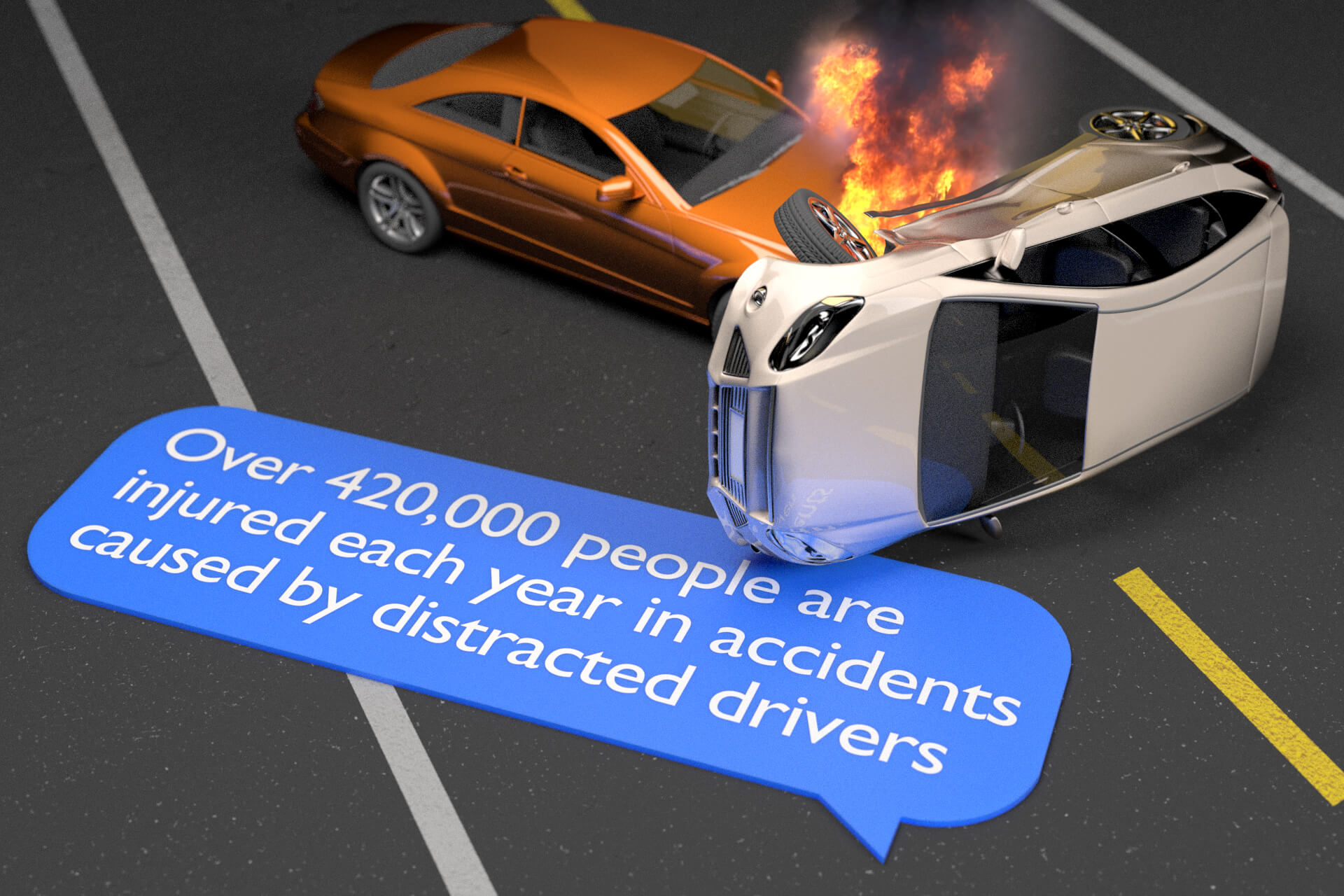
1. **Distracted Driving**Leading the charge as a significant safety concern, distracted driving in 2025 accounts for approximately nine fatalities daily in the U.S. This issue occurs whenever a driver’s attention is diverted from operating a vehicle. While eating or adjusting GPS falls under this, handheld cell use, particularly texting, remains the most prevalent and alarming form.
Statistics paint a grim picture. Over 3,100 people were killed and 424,000 injured in crashes involving a distracted driver in 2019. Texting while driving is “six times more likely to cause a crash than drunk driving,” leading to an estimated 1.6 million accidents annually. This highlights why it is consistently ranked as a top cause of collisions.
The momentary glance away dramatically reduces reaction times, making a routine drive life-altering. Distracted driving complicates accident claims, impacting insurance and leading to increased premiums. Place your cell phone where you can’t reach it and put it in “Do Not Disturb” mode, ensuring your focus remains solely on the road.
Read more about: Navigating the New Road Ahead: How Sweeping U.S. Traffic Law Reforms Will Impact Millions of American Drivers Starting July 1, 2025
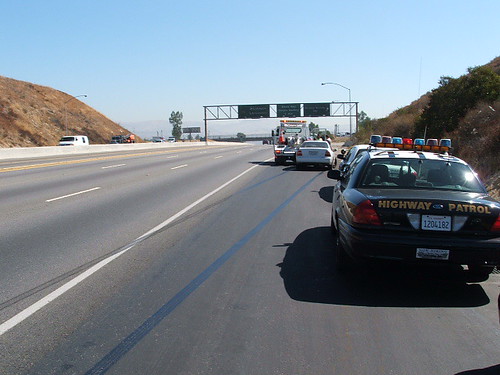
2. **Speeding**Speeding is pervasive, with “39 percent of drivers admitting to speeding less than 10 mph over the limit in the past month.” Many believe a slight increase is harmless, but this is dangerously false. Speeding is the second biggest cause of car accidents, fundamentally reducing driver control regardless of perceived skill.
Faster travel means longer stopping distances and less reaction time. Even “just 5 MPH over the posted limit can result in a serious accident.” The NYC Department of Transportation states: “a pedestrian struck by a vehicle going at 30 MPH is twice as likely to die as a pedestrian struck by a vehicle going at 25 MPH.” Small speed increments have catastrophic consequences.
Beyond immediate collision risk, speeding significantly impacts accident claims, with police reports and cameras providing critical evidence determining liability. A speeding ticket alone can cause insurance premiums to rise by an average of 25 percent. Use cruise control, pay attention to speed limit advisories, and regularly check your speedometer. This enhances road safety and helps avoid severe repercussions.
Read more about: Navigating the New Road Ahead: How Sweeping U.S. Traffic Law Reforms Will Impact Millions of American Drivers Starting July 1, 2025
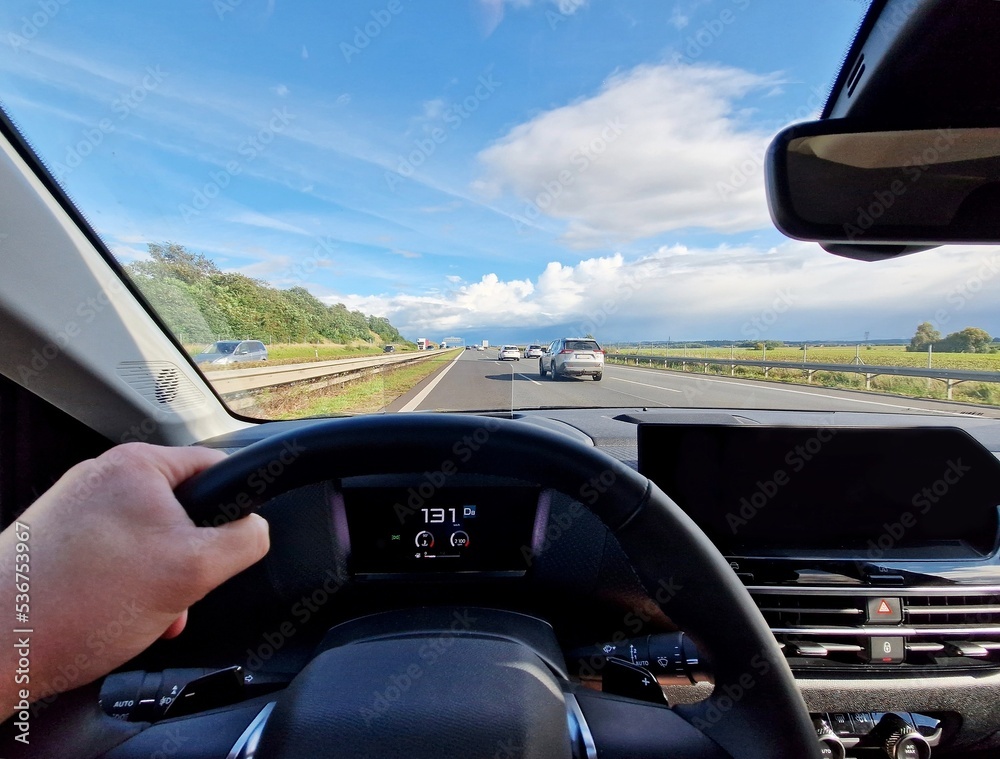
3. **Driving Under the Influence (DUI)**Driving under the influence of alcohol or drugs is one of the most unequivocally dangerous and potentially deadly habits. Even small amounts of these substances impair driving ability by reducing brain function and compromising reasoning and coordination. “30 percent of all traffic fatalities involve impaired drivers,” underscoring this severe issue.
Intoxication profoundly impacts judgment, reaction time, and motor skills, leading to severe accidents due to impaired decision-making and reduced vehicle control. These accidents often result in extensive property damage and catastrophic injuries. Liability in these claims is typically straightforward, often leading to not only compensatory but also punitive damages.
This serious offense can cause insurance rates to soar, potentially leading to policy cancellation and higher rates for five years or more. The message is clear: driving while intoxicated is never worth the risk. If you’ve consumed alcohol or drugs, the safest choice is to arrange for an alternative ride, never getting behind the wheel.
Read more about: California’s Complex Web of Traffic and Parking Fines: Unpacking the ‘Climate Surcharge’ and Its Broad Impact

4. **Tailgating**Tailgating, following too closely, is “probably one of the most dangerous, not to mention, most obnoxious, driving traits.” It reduces reaction time, limits visibility, and critically diminishes stopping distance. This aggressive behavior is a recipe for disaster, especially at speed.
The recommended safe following distance is at least “2-3 seconds,” increasing in adverse conditions. Failing this leaves no room for error if the lead vehicle brakes abruptly. Tailgating is “one of the most frequent causes of rear-end collisions,” initiating multi-car pile-ups and causing substantial injury.
Beyond immediate accident risk, tailgating is illegal in most states, leading to fines and points. Overcoming this habit requires maintaining a safe distance. Prioritize safety over impatience by always leaving ample space, protecting yourself and others from preventable, costly accidents.
Read more about: The 10 Worst Driving Habits That Can Get You In Trouble – And How to Avoid Them
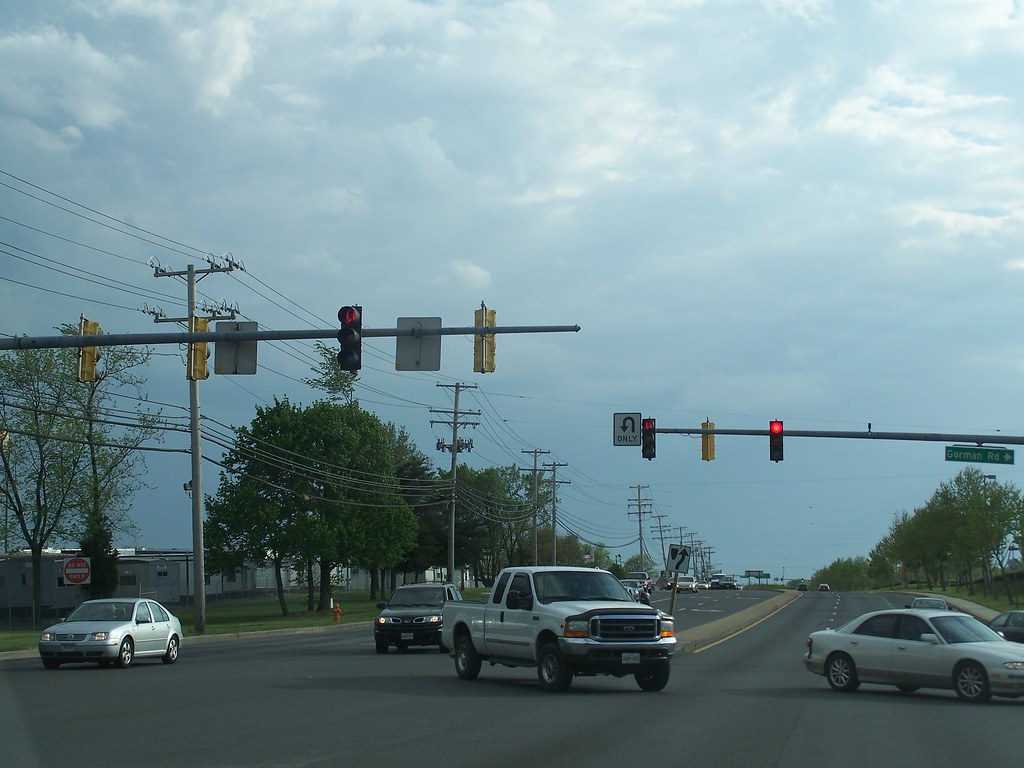
5. **Not Using Turn Signals**Failing to use turn signals is a widespread, critically underestimated issue. Drivers neglect to signal when changing lanes “48% of the time” and turning “25% of the time.” This oversight has profound implications for road safety and driver communication.
This negligence “causes over two million accidents annually,” “more than twice the number attributed to distracted driving.” Proper signaling allows motorists, cyclists, and pedestrians to anticipate movements and react accordingly, preventing confusion and collisions.
Signaling approximately 100 yards before your maneuver provides sufficient warning, reducing sudden braking and sideswipe risks. Embracing consistent turn signal use is a fundamental aspect of defensive driving. It demonstrates respect for other road users and significantly enhances overall road safety.
Read more about: Expert Warning: 14 New 2025 Cars That Could Financially Cripple Buyers

6. **Ignoring Blind Spots**Blind spots are areas around a vehicle unseen in mirrors, hiding other vehicles or pedestrians. Failing to check these crucial areas before changing lanes or merging is negligent, often leading to unexpected and severe collisions. The shock of a vehicle cutting over because the driver “didn’t see our vehicle” is common.
This oversight can result in sideswipe collisions or fatal accidents. Modern vehicle sensors and cameras don’t eliminate the need for a physical check; relying solely on technology creates false security. A quick, deliberate “shoulder check” is a critical safety measure, providing essential verification.
Turning your head to glance over your shoulder visually confirms the blind spot is clear. Ignoring blind spots demonstrates a lack of comprehensive awareness. Making this vital shoulder check is paramount, empowering drivers to make informed decisions and significantly reducing collision risk.
Read more about: The 10 Worst Driving Habits That Can Get You In Trouble – And How to Avoid Them

7. **Rolling Through Stop Signs**Many drivers mistakenly perceive rolling stops as harmless, a time-saving shortcut, not a serious violation. A rolling stop is when a driver slows down at a stop sign then “rolls” forward without a complete halt, failing to stop at the line for at least three seconds. This practice is both illegal and profoundly dangerous.
The primary danger lies in compromised ability to adequately scan and react to hazards. Failing a full stop means drivers don’t give themselves or other road users “ample time to react and scan your surroundings,” leading to severe collisions at intersections.
Legal ramifications are significant; in California, “rolling stops can result in a $238 fine and a point on your license.” To ensure safety, “always come to a complete stop” at stop signs. Thoroughly check for hazards before proceeding cautiously. This is fundamental for responsible driving.
Having explored the foundational seven risky behaviors, we now turn our attention to another crucial set of habits that, though often overlooked, can dramatically escalate your accident risk. These behaviors demand equal scrutiny and a commitment to change, reinforcing the truth that responsible driving is a continuous practice of vigilance and awareness. Let’s delve into these next seven critical habits that can profoundly impact your safety and the safety of everyone else on the road.
Read more about: Unstoppable Beasts: Ranking the 12 Toughest SUVs That Defy High Mileage and Decades of Wear
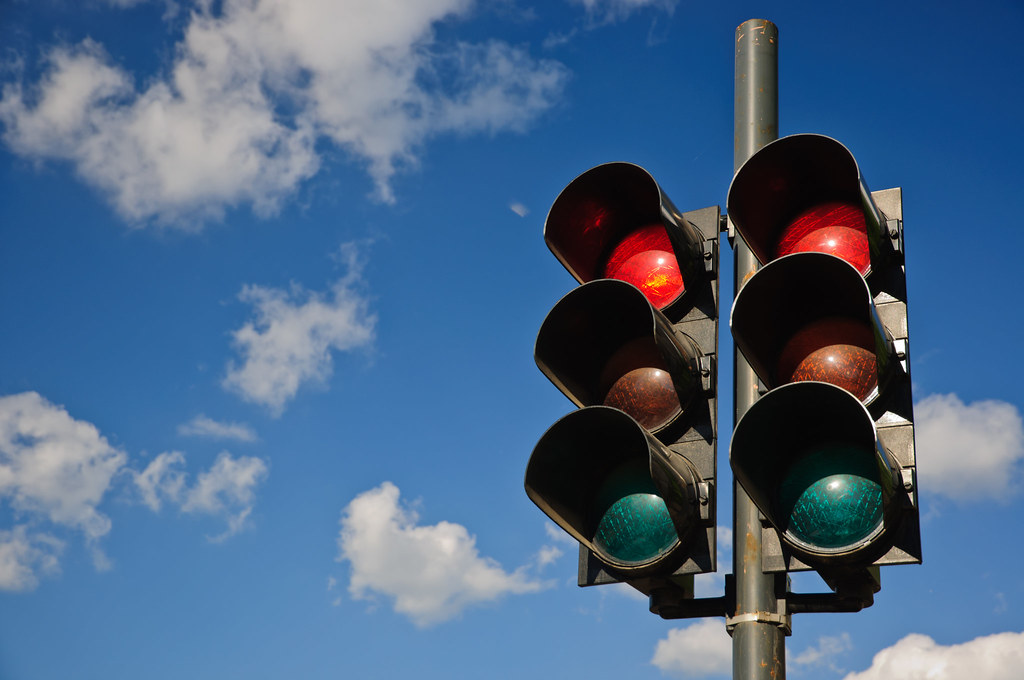
8. **Accelerating on Yellow**Many drivers instinctively accelerate when a traffic light changes from green to yellow, hoping to clear the intersection before it turns red. This seemingly minor decision, fueled by impatience or a desire to save a few seconds, is a perilous gamble. It significantly increases the likelihood of a devastating collision, particularly with vehicles entering the intersection from an opposing direction that now has a green light.
Such actions can result in horrendous consequences, involving head-on or T-bone collisions at intersections. These types of accidents are often severe, leading to extensive vehicle damage and serious injuries, as the force of impact is concentrated at critical points. The brief moment saved is simply not worth the potential life-altering repercussions for everyone involved.
Beyond the immediate physical dangers, speeding up on a yellow light carries significant legal and financial penalties. Even if you manage to avoid an accident, you run the risk of an expensive ticket for running a red light, which will likely be issued if you are caught. Such a violation can lead to increased insurance premiums, adding another layer of cost to this dangerous habit.
Safe driving dictates that unless you are too close to the intersection to stop safely, you should always slow down and prepare to stop when the light turns yellow. This gives you ample time to assess the situation, ensures you enter the intersection only on a clear green light, and protects you from unforeseen hazards. Prioritizing safety over speed at intersections is a fundamental principle of defensive driving.
Read more about: Love Classic Cars? Here’s What Your Favorite Ride (and Collection) Says About You!
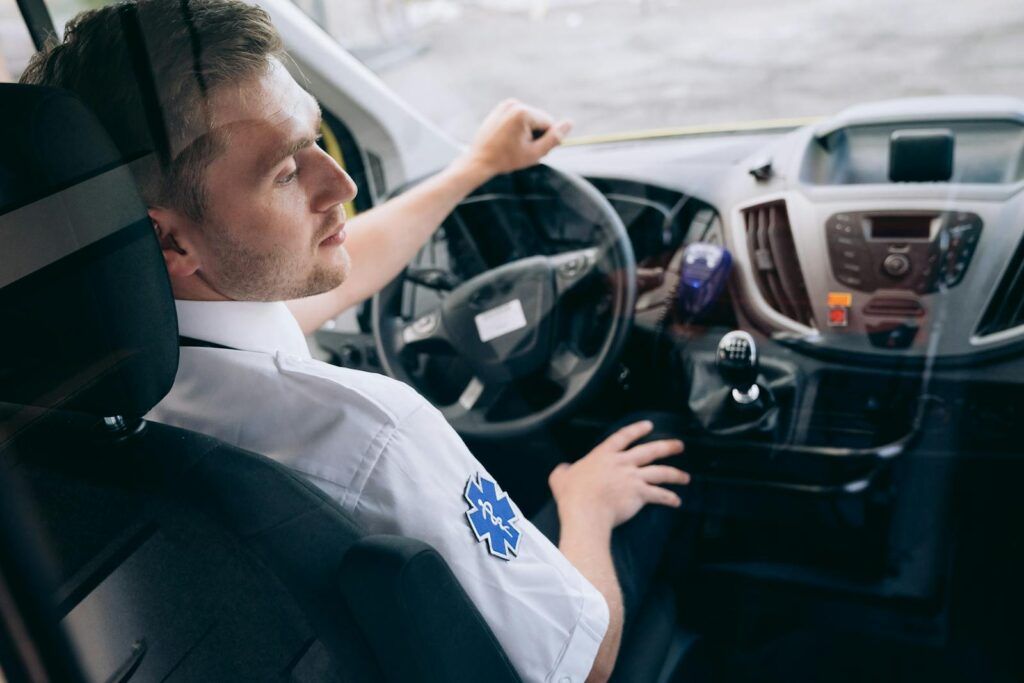
9. **Failing to Merge Properly**Merging onto highways or into new lanes can be a point of stress for many drivers, and when executed incorrectly, it becomes a high-risk maneuver. Many bad drivers fail to match the speed of traffic already flowing, often waiting until the very last second to merge, or incorrectly assuming that other drivers will simply make room for them without adjustment. This creates dangerous disruptions in traffic flow and heightens accident potential.
Proper merging requires a precise balance of timing, speed, and communication. It involves utilizing your turn signal well in advance to indicate your intentions, actively searching for an appropriate gap in the traffic flow, and then smoothly accelerating to match the speed of the vehicles in the target lane. This allows you to blend seamlessly, maintaining the natural rhythm of the road.
When drivers hesitate or brake on the ramp, they confuse other motorists and disrupt the organic stream of traffic, potentially causing a giant hold-up or even a rear-end collision on the ramp itself. Conversely, overly aggressive merging, like zipping up the shoulder to cut off other cars, is equally hazardous. Both extremes create an unstable environment, forcing other drivers into sudden evasive actions.
To merge safely, take your turn when it arrives and proceed with confidence, adjusting your speed to match the flow. This considerate and skilled approach minimizes the risk of collisions, ensures a more efficient traffic flow, and reflects a respectful understanding of shared road etiquette. Always prioritize smooth, controlled merging over impulsive or hesitant movements.
Read more about: From Billion-Dollar Bloopers to Daily Drive Disasters: The Top 15 Automotive Tech Fails That Left Drivers Shaking Their Heads
10. **Driving While Fatigued**One of the most insidious and underestimated dangers on our roads is driving while fatigued. This condition is unequivocally as dangerous as driving under the influence of alcohol or drugs, yet it often receives less attention. Fatigue severely impairs your reaction time, judgment, and coordination, compromising your ability to operate a vehicle safely and responsibly.
The signs of drowsy driving are often subtle but critical to recognize. These include frequent yawning, difficulty maintaining focus on the road, and an unconscious drifting between lanes. Furthermore, drowsy drivers are susceptible to microsleeps—brief, involuntary lapses in consciousness that can last for several seconds, during which you are effectively asleep at the wheel and completely unaware of your surroundings.
The consequences of fatigued driving can be catastrophic, leading to serious accidents due to delayed responses or complete loss of control. If you’re on a long journey, the urge to push through to your destination can be strong, but the risk is simply not worth it. Falling asleep at the wheel can result in fatal accidents that could have been easily avoided.
To prevent the dangers of fatigue, prioritize getting adequate sleep before any drive. During extended trips, take regular breaks to stretch, refresh, and combat drowsiness. If you find yourself struggling to stay awake, the safest course of action is to pull over to a safe location and take a short rest or even call it quits for the night. Better that your trip takes longer than to never arrive at your destination at all.
Read more about: The Braking Breakdown: 10 Vans Scored on Stopping Distance – Separating Fact from Fiction for Safer Commercial Driving

11. **Not Yielding to Pedestrians**Failing to yield to pedestrians at crosswalks is a shockingly prevalent and exceptionally dangerous habit, directly endangering the most vulnerable road users. Studies reveal that a dishearteningly low percentage of drivers consistently yield, with some demographics being even less likely to stop. This negligence creates a hostile and unsafe environment for anyone on foot.
This dangerous behavior is not merely inconsiderate; it is a direct threat to human life. Pedestrians struck by vehicles often suffer severe, life-altering injuries or fatalities, particularly in situations where drivers disregard designated crossing areas. The failure to yield transforms a routine walk into a high-risk gamble, forcing pedestrians to anticipate erratic driver behavior rather than rely on established safety protocols.
The legal ramifications for not yielding to pedestrians are substantial, reflecting the seriousness of this offense. Drivers found guilty can face hefty fines, potentially up to $2,000, and even jail time, depending on the jurisdiction and the severity of any resulting incident. These penalties underscore society’s expectation that drivers prioritize pedestrian safety.
Beyond legal consequences, the moral imperative to protect pedestrians is paramount. Drivers must always be alert for people crossing the street, especially in urban and residential areas, and yield the right-of-way without hesitation. Adopting a vigilant and courteous mindset at crosswalks is not just about avoiding fines; it’s about preserving lives and fostering a safer community for everyone.
Read more about: Driving These Boxy SUVs? Here’s What Car Designers Secretly Think About You.

12. **Neglecting Vehicle Maintenance**Many drivers unfortunately overlook the crucial importance of regular vehicle maintenance, often viewing it as an inconvenient expense rather than a vital safety measure. This oversight is a significant bad habit that can lead to serious safety issues, unexpected breakdowns, and ultimately, a heightened risk of accidents. A poorly maintained vehicle is inherently more unpredictable and dangerous on the road.
Ignoring routine service tasks, such as timely oil changes, tire rotations, and comprehensive brake inspections, has far-reaching consequences. These omissions can result in decreased fuel efficiency, accelerate wear and tear on critical components, and drastically reduce the overall lifespan of your vehicle. More critically, they can compromise the car’s fundamental ability to perform safely.
Consider the dangers of worn tires: while they might seem adequate in dry weather, they become critically hazardous in rain or icy conditions. Bald tires lack the necessary grip on wet roads, significantly increasing the risk of hydroplaning and loss of control. The simple penny test can help identify dangerously low tread, but a professional check is always the safest bet to ensure optimal tire performance.
Proper and consistent vehicle maintenance is not merely about extending your car’s life; it is fundamentally about ensuring your safety and the safety of others. Regular check-ups by a trusted mechanic can identify potential problems before they escalate into dangerous failures. Investing in maintenance is a proactive step towards preventing accidents and ensuring reliable, safe transportation.
Read more about: Aero Disasters and Proportional Misses: Unmasking 14 of the Ugliest Styling Blunders in SUV History

13. **Overusing High Beams**High beams are designed to provide enhanced visibility on unlit roads, but their improper use can paradoxically create dangerous situations by temporarily blinding other drivers. While essential for navigating dark country roads where illumination is sparse, they must be managed with careful consideration for fellow motorists. Forgetting to dim them transforms a helpful feature into a hazard.
Excessive use of high beams, especially when approaching oncoming traffic or when following another vehicle closely, causes significant glare. This intense light can momentarily impair the vision of other drivers, leading to disorientation, reduced reaction time, and an increased risk of them losing control of their vehicle. It’s an unpleasant and genuinely risky experience for the affected driver.
The general rule is clear and simple: drivers should switch to low beams within 150 meters of an approaching vehicle. This distance provides adequate warning and allows the other driver to maintain their vision without being overwhelmed by the bright light. Similarly, when following another car, using low beams prevents blinding the driver through their rearview mirror.
Mindful use of high beams is a cornerstone of courteous and safe nighttime driving. Always err on the side of caution. If you are in doubt about whether to use high beams or dim them, choosing low beams is usually the safer option. This simple act of consideration can prevent accidents and ensure a more comfortable and secure driving experience for everyone on the road.
14. **Failing to Adjust Driving for Weather Conditions**Many drivers dangerously underestimate the profound impact of adverse weather conditions on road safety, maintaining their normal driving habits even when conditions demand heightened caution. This failure to adapt is a leading cause of weather-related crashes, significantly elevating the risk of accidents and turning routine commutes into perilous journeys.
Statistics vividly illustrate this danger: wet pavement is responsible for a staggering 70% of all weather-related crashes, with rain alone accounting for 46%. These figures underscore the critical need for drivers to modify their behavior in less-than-ideal conditions. Failing to slow down, increase following distances, or use appropriate lights in fog, heavy rain, or snow drastically reduces a driver’s ability to react safely.
In wet conditions, reduced traction means longer stopping distances and a greater risk of hydroplaning. During fog, visibility can plummet, making headlights and fog lights essential to see and be seen. Snow and ice further compromise grip and steering, demanding extremely slow speeds and gentle maneuvers. Driving at normal speeds in these conditions is an invitation to disaster.
Proper tire maintenance, including ensuring adequate tread depth, is crucial for navigating hazardous conditions safely. Beyond equipment, cautious driving, characterized by reduced speed, increased following distance, and proactive use of lights, is paramount. Adjusting your driving to match the environmental challenges is a fundamental responsibility that safeguards not only your life but also the lives of other road users.
We’re sure you haven’t adopted all of these traits, but it’s entirely possible that you might be guilty of doing a couple of them from time to time. This deep dive into 14 of the most dangerous driving habits serves as a vital audit for every motorist. As US driving fatality statistics continue to cause alarm, the responsibility falls on each of us to actively evaluate our behaviors and commit to safer practices behind the wheel.
Overcoming these bad habits isn’t just about avoiding costly fines or increased insurance premiums; it’s about safeguarding lives. Remember, a speeding ticket can cause your insurance premium to rise by an average of 25 percent, and serious offenses like DUI can lead to policy cancellation and higher rates for five years or more. The good news is that these higher rates are not necessarily permanent; a clean driving record for three years can often lead to lower rates.
Read more about: Essential Driver’s Guide: Proactive Steps to Prevent Windshield Cracks and Keep Minor Damage from Spreading
To truly enhance your driving skills and solidify safe habits, consider enrolling in a defensive driving course. These courses, often available online, teach you how to anticipate road hazards, navigate challenging weather, and ultimately reduce your overall accident risk. Beyond the potential insurance savings, which can be as much as 10 percent, it’s an invaluable investment in your safety and the well-being of everyone you share the road with. Drive confident, drive safe, and make every journey a testament to responsible road stewardship.