The television industry, once a stable landscape of predictable production cycles and established career paths, is navigating an unprecedented era of financial turbulence. The rise of streaming platforms, while initially seen as a boon for content creators, has introduced a “bubble” that has now burst, leading to what industry insiders describe as an unsustainable business model. This shift has placed immense pressure on budgets and production timelines, bringing the role of the showrunner—the linchpin of any television series—under intense scrutiny.
In this challenging environment, the stakes for effective management have never been higher. The traditional pathway for writers to ascend to showrunner, gaining experience in logistics and budget oversight through years of mentorship on set, has been stretched to its breaking point. With a hunger for content outpacing the supply of seasoned showrunners, many projects are helmed by individuals who, despite their creative talent, may lack the critical business acumen to keep productions on track and within budget. This imbalance has inadvertently led to scenarios where financial shocks become the catalyst for a showrunner’s departure.
This article delves into the cases of eight showrunners whose tenures were cut short, with their firings often serving as stark reminders of the financial repercussions when production goes awry. We explore how issues ranging from direct budget overruns to pervasive production delays, inefficient management, and even interpersonal conflicts can lead to significant financial strain, forcing studios to make tough decisions. These stories underscore a critical lesson for the industry: in an increasingly competitive and cost-conscious landscape, effective financial stewardship is as vital as creative vision for a showrunner’s success.

1. Bryan Fuller: The Prolific Creator Plagued by Budget Overruns
Bryan Fuller’s career in television is characterized by a distinctive creative vision, leading to cult favorites such as *Pushing Daisies* and *Hannibal*. However, his journey has also been marked by a recurring challenge: a tendency for his productions to exceed budgetary limits, a factor that ultimately led to his firing from two high-profile projects, *American Gods* and *Star Trek: Discovery*. This pattern highlights a critical intersection where artistic ambition collides with financial realities, forcing studios to intervene to mitigate escalating costs.
On *American Gods*, Starz’s adaptation of Neil Gaiman’s acclaimed fantasy novel, Fuller lasted a full season. While his departure was officially described as amicable, reports surfaced regarding significant conflicts with Gaiman over the adaptation’s faithfulness and, crucially, with the studio concerning budgets. These disputes paint a picture of a production struggling to maintain financial discipline, ultimately creating an untenable situation for the showrunner and leading to his ouster, despite the show’s initial critical reception.
Concurrently, Fuller was involved in the development of *Star Trek: Discovery*, attempting to balance duties on two demanding series. Here, too, history repeated itself, with reports indicating that budgets and schedules exploded under his watch. CBS, the network behind *Discovery*, eventually forced him off his showrunner duties, underscoring the severity of the financial pressures. His co-showrunners, Gretchen J. Berg and Aaron Harberts, took over to complete Season 1, only to themselves be fired for similar reasons—going over budget in Season 2—further illustrating the persistent budgetary challenges faced by this particular production.
Fuller’s experiences serve as a prominent example within the industry of how a showrunner’s creative freedom, if unchecked by stringent financial oversight, can lead to unsustainable costs. The “bubble of streaming” burst, as Jessica Sharzer noted, and the notion of paying “a gazillion dollars for 12 episodes of something that had no shelf life, no secondary market, no ability to recoup the cost” proved to be an overly optimistic decision. In this environment, a showrunner’s ability to deliver a vision within financial constraints becomes paramount.
The repeated instances of budget explosions under Fuller’s leadership highlight a key area where even highly talented creators must evolve their approach. The transition from a traditional television model to the current streaming landscape, with its intense demand for content and often less forgiving financial models, requires showrunners to possess not just a strong artistic vision but also robust project management and financial discipline to ensure a show’s long-term viability.
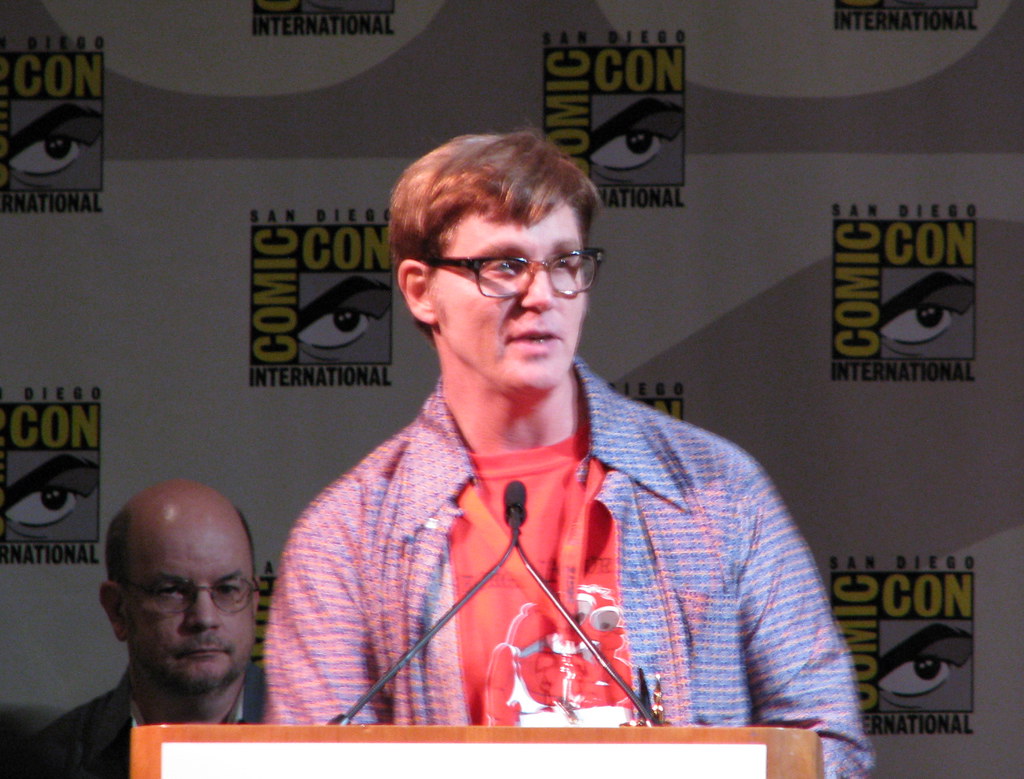
2. John Kricfalusi: Perfectionism, Delays, and Pushing the Budgetary Envelope
*The Ren & Stimpy Show*, which premiered in 1991, quickly distinguished itself in the world of kids’ cartoons with its uniquely deranged animation and edgy, gross-out humor. This distinctive style, while a source of its immense popularity, also became a significant factor in the undoing of its creator, John Kricfalusi. His uncompromising perfectionism and a desire to constantly push creative boundaries directly resulted in logistical and financial challenges that Nickelodeon ultimately found untenable, leading to his firing.
Kricfalusi’s commitment to the series’ animation quality was legendary, but this perfectionism came at a steep price: missed deadlines and constant delays. In television production, time is money, and every missed deadline or prolonged delay directly translates to increased operational costs. Resources, including animation studios, voice actors, and production staff, remain tied up longer than planned, leading to budget overruns. Such inefficiencies can quickly erode profitability and strain studio resources, making a show financially unfeasible.
Beyond the delays, Kricfalusi’s vision for *Ren & Stimpy* consistently pushed the envelope of kid-friendliness far beyond what Nickelodeon or even broader industry standards would permit. This creative friction, culminating in controversies like the violent banned episode “Man’s Best Friend,” created additional production hurdles and potential reputational risks for the network. While artistic integrity is valued, a showrunner must also navigate the commercial and ethical boundaries set by the financing entity, especially when those boundaries have direct financial implications, such as needing to reanimate or scrap content.
This combination of poor management in terms of adhering to schedules and content disputes directly impacting production pipelines resulted in Kricfalusi’s firing. His replacement, Bob Camp, took over at the new Games Animation studio, and Billy West replaced Kricfalusi as Ren’s voice. The situation with *Ren & Stimpy* highlights how a showrunner’s artistic drive, when not balanced with practical production realities and financial constraints, can lead to an unsustainable and ultimately costly production environment. It demonstrates that even a highly successful creative property can face an early end if its production becomes financially unmanageable.
The struggle between creative vision and budgetary discipline remains a constant tension in the entertainment industry, particularly in animation, where intricate processes are highly susceptible to delays and cost escalations. Kricfalusi’s case serves as a clear illustration that for a show to thrive, its creator must not only deliver compelling content but also effectively manage the resources and timelines that directly impact its financial viability and the studio’s bottom line.
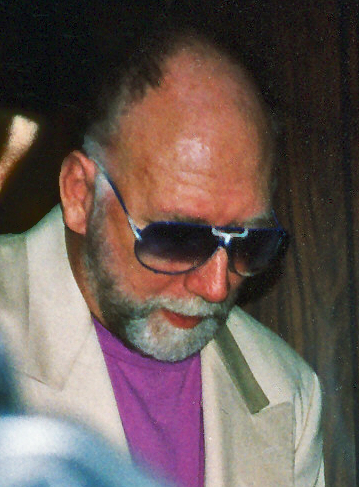
3. Donald Bellisario: Long Hours, Conflicts, and the Cost of Inefficiency
Donald Bellisario, the creative force behind hit series like *Magnum, P.I.* and *Quantum Leap*, struck gold with *NCIS*, a show he co-created with Don McGill that has since run for over 21 seasons. However, despite its immense success, Bellisario’s tenure as showrunner ended after just five seasons when CBS requested his departure. This decision, driven by conflicts over “long work hours” and creative differences, underscores how inefficiencies and strained working conditions, while not explicitly “budget overruns,” directly contribute to escalating costs and financial pressures.
Bellisario’s conflict with lead actor Mark Harmon over “long work hours” points to a significant issue that carries direct financial implications. Excessive work hours translate into increased overtime pay for cast and crew, potentially leading to burnout, decreased productivity, and higher turnover rates—all of which inevitably inflate production budgets. Such protracted working conditions signal an underlying inefficiency in scheduling or resource management, making a show more expensive to produce than necessary. Harmon and other actors’ claims that working conditions improved after Bellisario’s departure lend credence to the idea that his management style was creating costly operational challenges.
Beyond the immediate costs of long hours, ongoing creative differences can also lead to delays, extensive rewrites, and reshoots, each adding layers of unforeseen expenses to a production budget. While the context doesn’t explicitly label Bellisario’s firing as a direct response to budget overruns, the emphasis on “long work hours” strongly suggests a chronic issue with production efficiency that was draining financial resources. In the current climate, where the “bubble of streaming” has burst and companies are rethinking what they can afford, even subtle inefficiencies can prompt a studio to make drastic changes at the top.
The subsequent legal battle initiated by Bellisario against CBS in 2011 over the *NCIS: Los Angeles* spinoff further illustrates the financial fallout associated with such high-profile firings. Although Bellisario’s suit, which argued his contract gave him “first opportunity” for spinoffs, was dismissed and later settled, such legal actions are inherently costly for all parties involved. This adds another layer of financial burden stemming from the original conflict and managerial change, emphasizing the broader monetary impact of showrunner disputes.
Bellisario’s experience with *NCIS* serves as a poignant reminder that showrunner responsibilities extend beyond creative direction to include fostering an efficient and financially disciplined production environment. In an industry increasingly sensitive to the bottom line, issues like prolonged work hours—indicative of broader inefficiencies—can be as critical to a showrunner’s fate as overt budget overruns. The ability to manage both the creative and logistical aspects of a series efficiently is indispensable for sustained success and financial health.
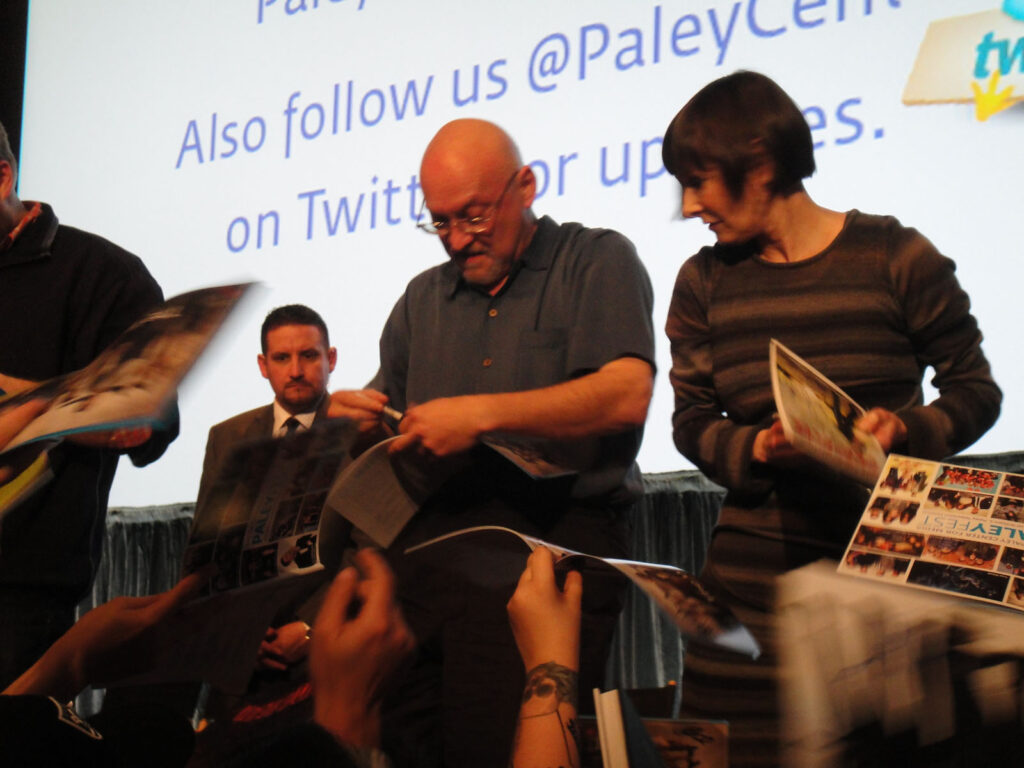
4. Frank Darabont: Creative Battles and the High Cost of Conflict
Frank Darabont, a celebrated writer and director renowned for cinematic triumphs like *The Shawshank Redemption* and *The Green Mile*, ventured into television with the critically acclaimed AMC adaptation of Robert Kirkman’s *The Walking Dead* comics. His creative vision brought the zombie apocalypse to life, captivating audiences and launching a multi-season phenomenon. However, despite the show’s immense success and subsequent expansion into multiple spinoffs, Darabont’s involvement concluded abruptly after only a season and a half, culminating in one of Hollywood’s most explosive showrunner departures.
The reasons for Darabont’s contentious firing in 2011 remained largely under wraps until a breach of contract lawsuit, filed against AMC in 2013, brought the behind-the-scenes drama to light. Court documents and reports detailed a tumultuous environment where Darabont’s responses to creative disagreements were marked by “rage and profanity.” Such intense behavioral issues and irreconcilable creative conflicts not only poisoned the working atmosphere but also set the stage for a costly and drawn-out legal battle, revealing the significant financial and reputational risks studios face when creative leadership implodes.
The ensuing legal dispute stretched on for years, with AMC and Darabont finally reaching a settlement in 2021. This prolonged legal entanglement represented a substantial financial drain for both parties, diverting resources that could have been invested in content creation back into litigation. It vividly illustrates how deeply interpersonal and creative conflicts can impact a production’s financial health, extending far beyond the immediate costs of a showrunner replacement to include considerable legal fees and settlements that erode a project’s profitability.
Darabont’s case highlights a crucial aspect of showrunning often overlooked in the glare of creative success: the necessity of effective interpersonal and conflict management skills. While his artistic genius was undeniable, the inability to navigate creative differences without escalating to “rage and profanity” ultimately created an unsustainable and financially burdensome situation for AMC. In an industry increasingly sensitive to the bottom line, the capacity to foster a collaborative and professional environment is as vital as the ability to craft compelling narratives, preventing the kind of costly legal and reputational fallout seen here.
This narrative also serves as a stark reminder that even a wildly successful property like *The Walking Dead* is vulnerable to the financial shocks that stem from internal strife. The investment in a showrunner extends beyond their creative output; it includes an expectation of stable leadership that protects the production from avoidable financial burdens. When that stability is compromised by severe behavioral issues and unresolvable creative clashes, the long-term financial health of a series, and indeed the studio, is put at significant risk.
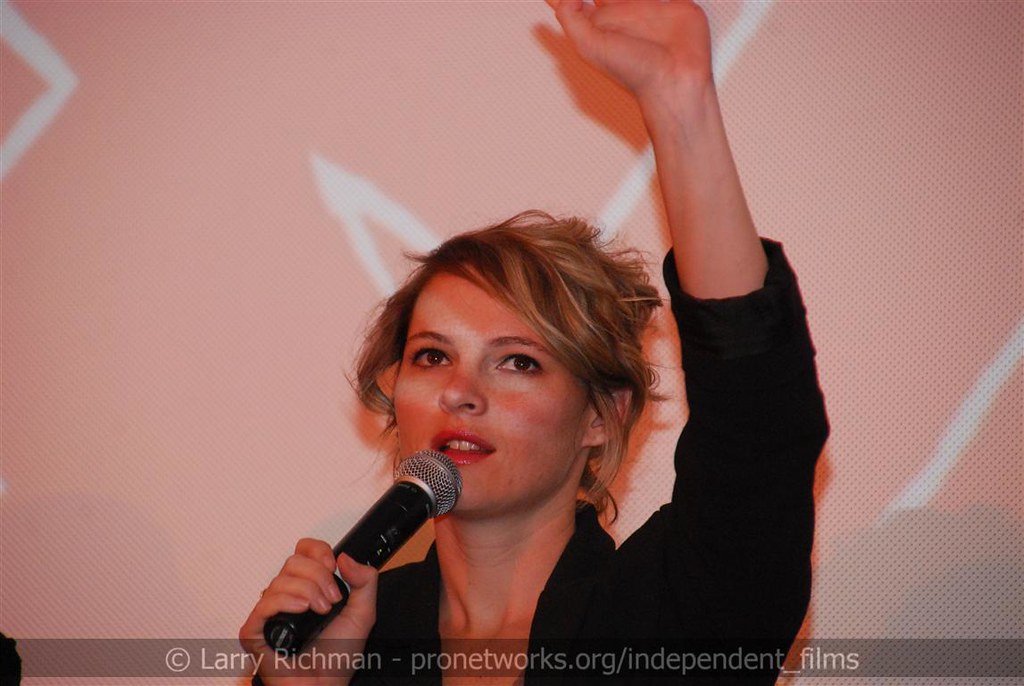
5. Amy Seimetz: The High Price of Retooling a Vision
Filmmaker Amy Seimetz, known for her distinctive work on projects like *The Girlfriend Experience* and directing *She Dies Tomorrow*, embarked on what appeared to be a groundbreaking venture as the director for every episode of HBO’s *The Idol*. Tasked with shaping the entire series, Seimetz had already completed an estimated 80% of the production when a seismic shift occurred. Sam Levinson decided to take over as director, leading to a complete retooling of the show’s original vision. This decision exemplifies how profound creative conflicts can lead to colossal financial waste and a show’s ultimate demise.
The core of this dramatic change reportedly stemmed from creative differences, particularly, as alleged by co-creator and lead actor Abel “The Weeknd” Tesfaye, a dissatisfaction with the director centering a “female perspective.” While artistic visions often diverge, the choice to fundamentally alter a project so far into its production cycle signals a catastrophic breakdown in creative alignment. This not only undermines the director’s artistic integrity but, more importantly from a business perspective, represents an almost unimaginable financial write-off of work already completed.
The decision to scrap 80% of a nearly finished series and essentially restart production from scratch is an extraordinarily expensive endeavor. It involves re-hiring cast and crew, rebuilding sets, re-shooting scenes, and incurring all the associated logistical costs anew. This massive financial outlay, directly attributable to a profound creative conflict at the highest levels of production, demonstrates a staggering lack of initial alignment and communication. Such a move underscores the precarious financial position studios find themselves in when showrunners or key creative personnel cannot execute a shared vision.
The re-tooled version of *The Idol* ultimately made it to air, but its reception was far from the groundbreaking success HBO might have hoped for, quickly becoming “one of HBO’s worst-reviewed dramas ever.” Its run concluded after a mere five episodes, leading to a swift cancellation. This outcome further amplifies the financial shock of Seimetz’s departure and the subsequent retooling; the immense investment made in salvaging the show ultimately yielded a commercially and critically unsuccessful product, representing a devastating financial loss for the network.
Amy Seimetz’s experience on *The Idol* serves as a stark, cautionary tale regarding the catastrophic financial consequences of unresolvable creative clashes in high-stakes productions. It illustrates that when creative leadership is not aligned, or when one vision is abruptly discarded in favor of another, the resulting financial strain can be monumental. In an era of intense scrutiny over content costs, such a scenario becomes a textbook example of how a fundamental lack of shared creative direction can swiftly sink a project, causing millions in losses and damaging a studio’s reputation.

6. Justin Roiland: Behavioral Misconduct and the Costly Overhaul of Hit Shows
Justin Roiland, widely recognized as the co-creator and distinctive voice behind Adult Swim’s immensely popular *Rick and Morty*, found his creative involvement with the series steadily diminishing before his eventual, high-profile firing. His journey, which also included co-creating Hulu’s *Solar Opposites*, became a textbook case of how severe behavioral issues and unprofessional conduct can directly lead to significant financial restructuring, production overhauls, and brand damage for major animation studios.
Reports indicated that Roiland’s active participation in the *Rick and Morty* writers’ room began to wane as early as Season 3, marked by “unprofessional behavior” and a growing divergence from co-creator Dan Harmon’s more structured writing approach. While his voice acting continued to be central, his distance from the creative development of the shows he co-created became increasingly apparent. This gradual disengagement itself can pose logistical challenges and create an uneven creative dynamic, subtly contributing to inefficiencies that could, over time, incur financial costs.
However, the situation escalated dramatically with his arrest for domestic battery and false imprisonment—charges that were later dismissed due to insufficient evidence—and the emergence of “receipts of lewd messages Roiland sent to minors over the years.” These serious allegations of misconduct forced Adult Swim and Hulu to take immediate and decisive action. Both networks “severed ties with Roiland,” leading to an unprecedented and costly overhaul for two flagship animated series: recasting the title characters for *Rick and Morty* Season 7 and *Solar Opposites* Season 4.
The financial implications of such a comprehensive recasting are substantial. Not only does it involve the expense of finding and training new voice actors to mimic established and iconic characters, but it also carries the inherent risk of alienating a dedicated fanbase, potentially impacting viewership and future revenue. The need to swiftly and thoroughly distance the productions from Roiland’s controversial conduct also necessitates significant PR management and potentially legal consultation, all of which contribute to unexpected and unbudgeted financial strain on the studios.
Roiland’s firing underscores the critical importance of a showrunner’s professional conduct, not just their creative output, in maintaining a show’s financial viability and brand integrity. When an individual’s behavioral issues become severe enough to necessitate their removal from multiple high-profile projects, the studios face not only immediate production challenges but also long-term financial repercussions stemming from public perception, recasting costs, and the delicate process of rebuilding audience trust. It stands as a powerful example of how personal conduct can directly translate into substantial financial shockwaves across the entertainment industry.
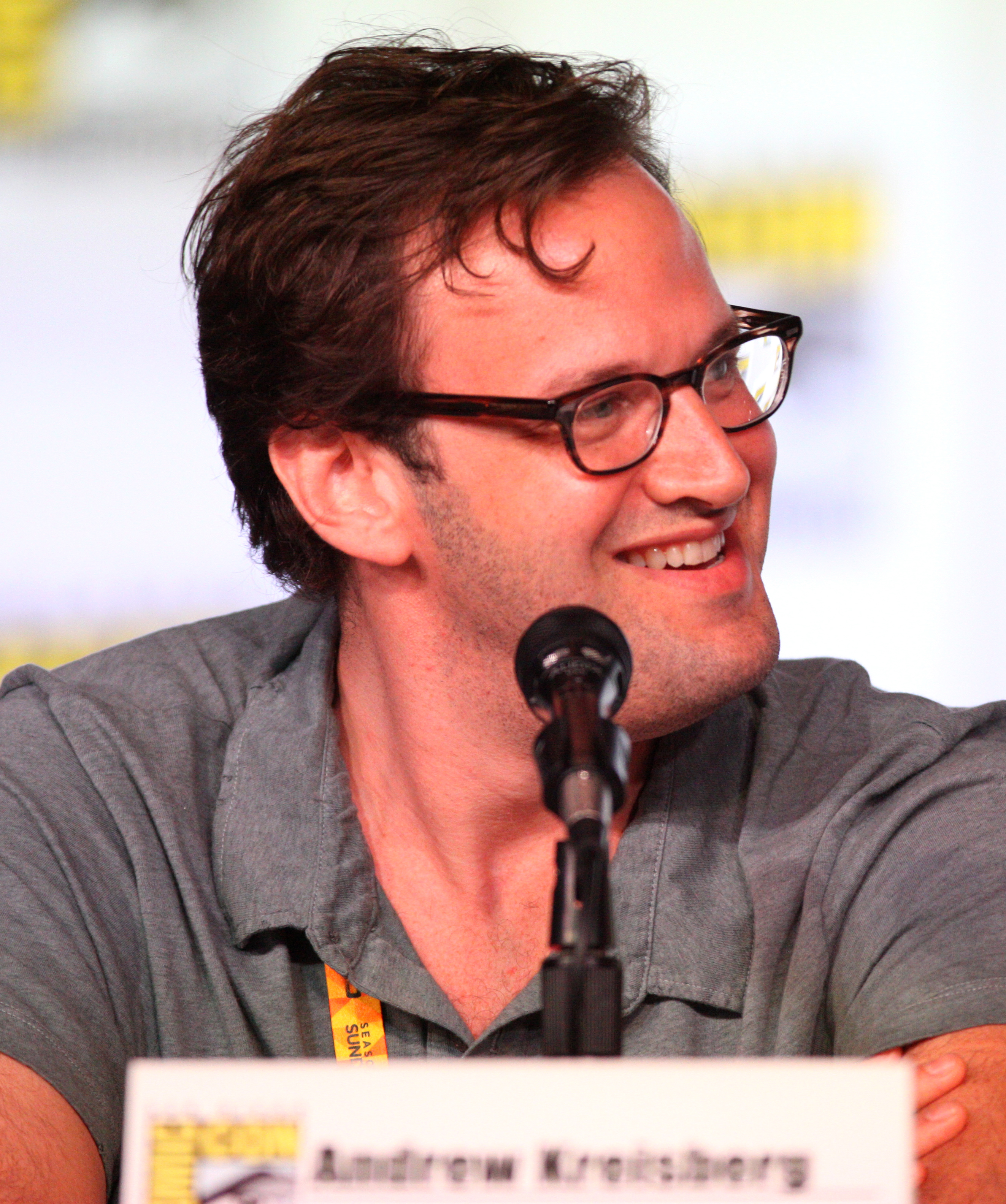
7. Andrew Kreisberg: Misconduct Allegations and the Fallout for a Superhero Universe
Andrew Kreisberg was a pivotal creative force behind a significant portion of The CW’s “Arrowverse,” co-creating four interconnected DC superhero shows: *Arrow*, *The Flash*, *Supergirl*, and *Legends of Tomorrow*. His influence across this sprawling universe of popular series meant his departure in November 2017 sent shockwaves through the network and its numerous productions. This case powerfully illustrates how severe allegations of workplace misconduct and behavioral issues can directly lead to a showrunner’s firing, creating significant financial and reputational damage to an entire franchise.
At the height of the #MeToo movement, an industry-wide reckoning prompted numerous individuals to come forward with accounts of widespread ual harassment and assault. Kreisberg became a central figure in this conversation when “Fifteen women and four men accused Kreisberg of inappropriate behavior in the workplace.” These accusations were grave, leading to an immediate “suspension, investigation,” and ultimately, his “firing.” The necessity of conducting a thorough internal investigation, often involving external legal counsel, already represents a direct financial cost to the production company.
The removal of a key showrunner and co-creator from four ongoing series simultaneously creates immense logistical and creative challenges. Suddenly, multiple productions need to re-evaluate their leadership, writing teams, and long-term creative direction. This requires finding and integrating replacements, which can lead to production delays, rewrites, and the inevitable costs associated with these changes. More subtly, the reputational damage from such public allegations can impact advertiser confidence, cast and crew morale, and potentially audience perception, all of which carry financial implications for the network.
While Kreisberg “denied the allegations,” subsequent events, including his arrest for “forcible touching” in March 2023, only reinforced the gravity of the initial accusations. This ongoing legal and public scrutiny continued to cast a shadow, making his continued association with major network shows untenable. The financial burden extends beyond immediate HR and legal costs to include the long-term investment in maintaining a positive brand image and ensuring a safe working environment, which becomes jeopardized by such high-profile controversies.
Andrew Kreisberg’s firing from The Arrowverse serves as a critical example of how a showrunner’s personal conduct, when it crosses ethical and legal boundaries, can initiate a profound financial shock across multiple successful television properties. It highlights the business imperative for studios to not only address allegations of misconduct swiftly but also to internalize the long-term financial and reputational costs associated with failing to uphold professional standards. In today’s media landscape, the integrity of a show’s creative leadership is intrinsically linked to its sustained financial success.
These eight distinct cases collectively paint a vivid picture of the multifaceted financial pressures besieging the television industry. From direct budgetary mismanagement and production inefficiencies to the profound costs stemming from creative disagreements, behavioral misconduct, and the subsequent legal entanglements, the challenges are undeniable. Each story serves as a powerful testament to the fact that in the current, volatile entertainment landscape, a showrunner’s success is no longer solely measured by their artistic genius. Instead, it is equally, if not more, defined by their ability to navigate complex logistical, interpersonal, and financial realities, ensuring that visionary storytelling remains viable and sustainable in an ever-evolving market. The lessons learned from these high-profile departures are clear: effective financial stewardship, strong managerial skills, and an unwavering commitment to professional conduct are now indispensable pillars for any showrunner hoping to thrive amidst the industry’s ongoing budgetary crisis.