Have you ever found yourself shaking your head at another driver’s antics, wondering if their driving instructor simply skipped a few crucial lessons? It’s a common experience for many of us on the road, a universal moment of shared exasperation. While we all diligently learn the official rules of the road – the ones meticulously detailed in driver’s manuals and rigorously enforced by law enforcement – there’s a whole other layer of understanding that often goes unaddressed: the unwritten rules of driving etiquette. These are the unspoken agreements, the courtesies, and the common-sense practices that, when followed, seamlessly transform our daily commutes and long journeys into safer, smoother, and significantly less stressful experiences for everyone involved.
Unfortunately, the reality on our roads can be quite stark. According to one source, the United States witnesses north of 6 million passenger vehicle accidents annually. These aren’t just abstract figures; they represent tangible disruptions, serious injuries, and, tragically, road collisions stand as the leading cause of fatalities nationwide, with over 38,000 people dying in these accidents every single year. These sobering statistics serve as a potent reminder that driving is an immense privilege, not an inherent right, and that many of these preventable incidents could potentially be avoided if drivers were more attuned to both the explicit regulations and the implicit guidelines that foster a truly cooperative driving environment.
But here’s the genuinely encouraging part: becoming a more attentive, considerate, and ultimately safer driver is entirely within your control. It’s about cultivating a heightened sense of awareness, practicing genuine empathy for your fellow motorists, and internalizing the understanding that you are an integral part of a larger, interconnected system on the road. In this in-depth exploration, we’ll shine a light on 15 crucial unwritten rules that many drivers accidentally break daily, often without even realizing the profound impact of their actions. Let’s embark on this journey by first addressing some foundational aspects of lane discipline, confident merging, and maintaining those absolutely crucial safe distances, which are fundamental to navigating traffic successfully.
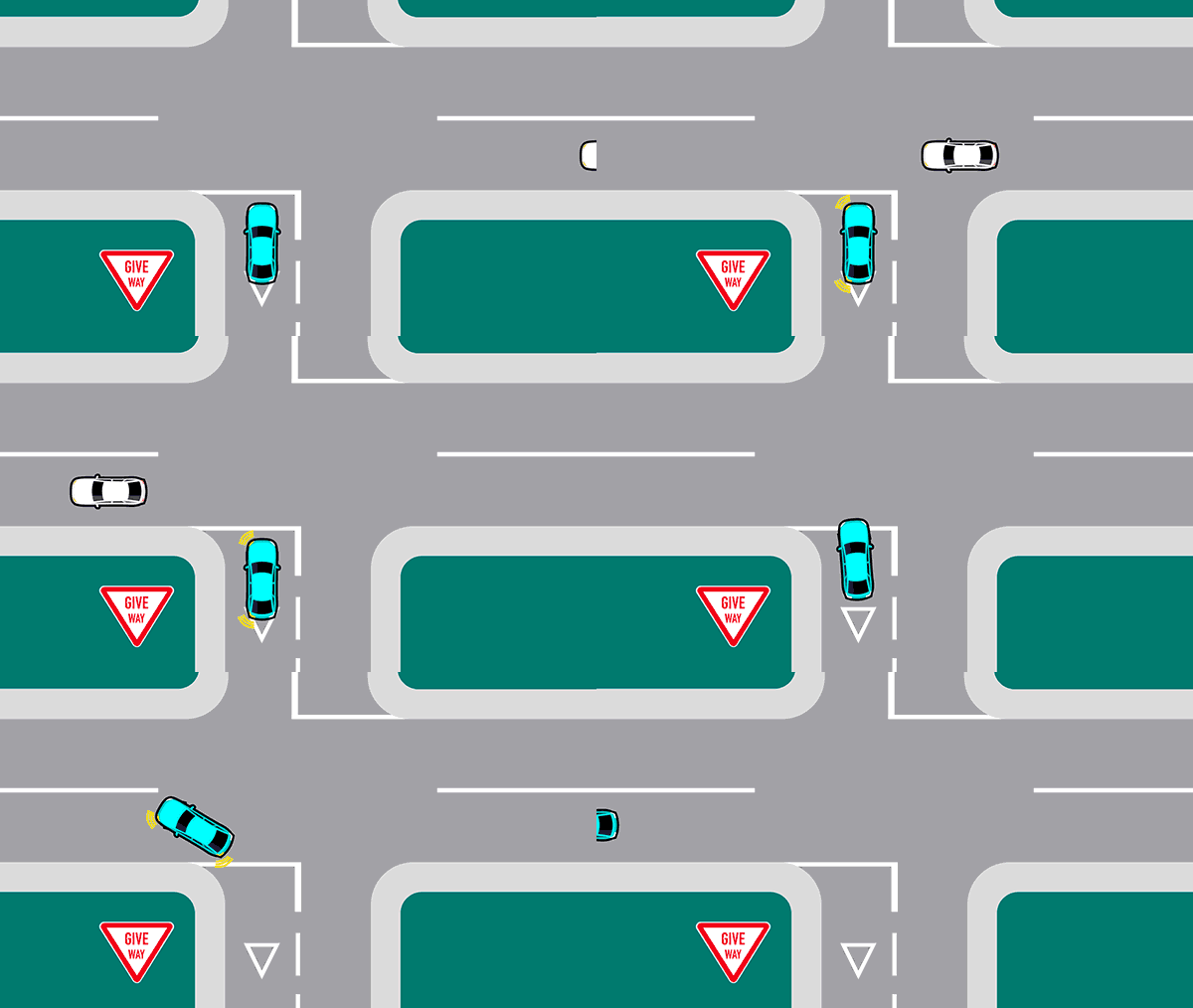
1. **Stay Out of the Left Lane Unless You’re Passing or Turning**Few things on the road can spark more immediate frustration among civilized motorists than encountering someone leisurely cruising in the left lane, seemingly oblivious to the growing line of traffic forming behind them. This isn’t merely a personal pet peeve for some; it represents a fundamental misunderstanding of lane purpose that can significantly impede overall traffic flow and, in many cases, contribute directly to dangerous driving situations. The left lane is universally understood, though often unstated in explicit law, as the dedicated passing lane or the lane designated for making a left turn.
The primary expectation, a cornerstone of efficient traffic, is that once you have successfully overtaken a slower vehicle, you should courteously and promptly move back to the right lane. This deceptively simple act is vital; it keeps the flow of traffic consistent, predictable, and allows faster vehicles to continue on their way without having to resort to aggressive weaving through other lanes, which creates unnecessary hazards. The mantra, “slower traffic should keep to the right,” is one that, if widely adopted and respected, would alleviate a substantial amount of the unnecessary congestion and palpable frustration we so often encounter on our highways.
When you disregard this essential unwritten rule, you inadvertently become “part of the problem by holding up traffic.” This isn’t about giving license for excessive speeding, but rather about fostering and maintaining a predictable, efficient, and harmonious rhythm on multi-lane roads. By consciously choosing to stay in the right lane unless you are actively passing another vehicle or preparing for a left turn, you contribute profoundly to a smoother, safer, and far more respectful driving experience for everyone sharing the road. It truly is a small adjustment in habit with an immense positive impact on collective road harmony.
Read more about: Exclusive: Behind the Velvet Rope – Paris Hilton’s Harrowing Journey Through a Secret Trauma
2. **Signal a Lane Change and Be Decisive**Your vehicle’s turn signals are undeniably your most direct and critical means of communication with other drivers on the road, effectively broadcasting your intentions before you even begin to make a move. While the act of using them might be a clearly stated written rule in every driver’s handbook, the *manner* in which you deploy them often falls squarely into the realm of unwritten etiquette and good driving practice. Signaling a lane change isn’t just about the mechanical activation of the blinker; it’s crucially about doing so with ample, anticipatory warning and then following through with a decisive, timely, and confident merge.
Far too many drivers tend to signal too late, or, even more problematically, they signal their intent and then hesitate for an extended period, creating significant confusion and unsettling uncertainty for those driving around them. This indecisiveness can prove to be just as frustrating, and indeed just as dangerous, as not signaling at all, as it leaves other drivers guessing your next move. If a driver in the adjacent lane courteously slows down to create a welcoming space for you to merge, the unwritten expectation is that you will seize that opportunity promptly, confidently, and above all, safely. You shouldn’t be the “slow poke” who takes what feels like an eternity to merge after clearly indicating intent.
Once you’ve made the conscious decision to signal your intention to change lanes, meticulously observe the surrounding traffic, confirm that the path is truly clear and safe, and then merge “asap when it’s safe.” This decisive action not only demonstrates your confidence in your driving abilities but also your respect for other drivers, who are actively trying to anticipate your movements and react accordingly. Clear, early signaling, seamlessly combined with a prompt and smooth merge, fosters crucial predictability, which is a foundational cornerstone of safe driving. It significantly helps in avoiding sudden braking or erratic swerving from other drivers who might otherwise be caught completely off guard.
Read more about: Beyond Bad: Unraveling the Precision of ‘Worse’ and ‘Worst’ in Automotive Evaluation

3. **Quickly Get Up to Speed When Merging into a Lane**Merging onto a bustling highway or into any faster-moving lane requires a great deal more than simply identifying an opening; it inherently demands a swift, confident, and controlled acceleration to match the prevailing speed of the traffic you are entering. This is unequivocally one of those critical moments where a lack of decisiveness or an underestimation of the requirement for speed can quickly escalate into a serious hazard for everyone on the road. On-ramps, in particular, are meticulously designed to provide you with the necessary space and precious time required to accelerate, and it is absolutely essential that you utilize them to their fullest potential.
Without doubt, “one of the worst things you can do is merge into the lane and then basically sit there” significantly slower than the vehicles already in it. This alarming disparity in speed forces other drivers to react abruptly—often by slamming on their brakes or swerving dramatically to get around you—which severely disrupts the smooth flow of traffic and drastically increases the inherent risk of a collision. As the context so aptly describes, “You don’t want to find yourself at 45 miles per hour while cars whiz past you at over 70 miles per hour.” Matching the speed of traffic before you fully enter the lane is not just courteous; it is paramount for safety.
Therefore, make it a steadfast practice to take full advantage of the “entire on-ramp to get up to speed, especially on interstates.” The ultimate goal when approaching the merge point is to “hit cruising speed when you exit the on-ramp,” allowing you to blend seamlessly and harmoniously into the flow of traffic without causing a disruptive ripple effect of braking cars behind you. This unwritten rule underscores a critical driving responsibility: the merging driver bears the primary duty to meticulously adjust their speed to enter safely and without imposing on others, ensuring that existing highway drivers are not forced to dangerously slow down due to entering traffic.
Read more about: Beyond Venom: Unmasking the World’s 10 Deadliest Snakes and Their Formidable Secrets

4. **Merge When It’s Safe to Merge**While signaling your clear intention to merge is an undeniably crucial step, it is equally, if not more, important to fully understand that your blinker isn’t some magical force field that automatically grants you an instant right-of-way. Signaling merely “tells other drivers what you intend to do,” but it emphatically does not mean “you can force your way in.” This pivotal distinction is precisely where the unwritten rule of patience, acute awareness, and astute judgment truly comes into play on our roads. You must patiently wait until the path ahead is genuinely clear and unequivocally safe before you attempt to execute your merge.
A common point of confusion, particularly in slow-moving traffic, revolves around the question of whether to merge early or late. Interestingly, experts actually advocate for a technique known as the “zipper merge” in heavy, slow traffic, which encourages drivers to utilize both lanes right up to the merge point and then take turns, alternating vehicles, at the very end. As the context highlights, “Traffic authorities agree that taking turns at the merge point is safer and more efficient,” as it reduces traffic backups and equalizes speeds. However, the caveat is important: if “traffic is light and free-flowing,” then merging “as soon as you can” is the more sensible and efficient approach to avoid unnecessarily impeding the overall flow of vehicles.
Ultimately, executing a merge safely comes down to keen observation skills and sound judgment calls. Always remember to yield to traffic that is already established and flowing in the lane you wish to enter, and actively scan for and identify a suitable “three to four-second gap” that allows you to slide in smoothly. It’s vital to remember: “Don’t assume that everyone sees you merging. It’s not worth a crash.” A truly well-executed merge is a cooperative effort between drivers, and your essential part is to ensure that you only proceed when it can be done without creating any hazardous or unsettling situation for yourself or for anyone else on the road.
Read more about: The Oracle’s Blueprint: 15 Timeless Principles Warren Buffett Shared for Young Entrepreneurs and Aspiring Leaders
5. **Avoid Tailgating**Among all the aggravating and universally disliked driving habits, tailgating might just be one of the most prevalent, and unequivocally, one of the most perilous. The only “permissible tailgating is the kind involving social events to celebrate America’s favorite sport — football.” On the road, however, driving “so close behind the vehicle in front of you that it might appear they’re towing your vehicle” is an absolute, uncompromising no-go. It’s not merely considered rude or aggressive; it’s an incredibly dangerous practice that ultimately accomplishes nothing positive for anyone involved.
The statistics related to tailgating are truly sobering: “Rear-end crashes account for around one in four of all car crashes.” This alarming type of collision frequently leads to a grim tally of injuries and, sadly, even fatalities, all too often simply because someone chose to severely compromise their reaction time by following another vehicle too closely. The unwritten rule governing safe following distance is elegantly simple: “leave at least one car length between you and the driver in front of you” for every 10 mph of speed – and even more space at higher speeds, during inclement weather, or in challenging driving conditions. Some expert sources even suggest maintaining “at least two car lengths” as a baseline.
This crucial buffer space, often universally referred to as a safe following distance, “will give you time to react if they stop short or need to swerve” unexpectedly. Your frustration, no matter how intense, will not magically make the car in front of you accelerate any faster, but engaging in tailgating will dramatically, and needlessly, increase your chances of being involved in a costly and potentially life-altering accident. Maintaining this respectful and safe distance is a clear hallmark of responsible driving, allowing ample room for unpredictable highway conditions and ensuring that if the unexpected does indeed happen, you possess the critical space and time to respond safely and effectively.
Read more about: The 10 Worst Driving Habits That Can Get You In Trouble – And How to Avoid Them

6. **Stay Out of Other Drivers’ Blind Spots**Every single vehicle on the road, regardless of its size, make, or the sophistication of its design, possesses what are known as blind spots – these are specific areas around the vehicle that the driver simply cannot see, even with meticulously adjusted mirrors. While it is certainly every driver’s individual responsibility to diligently check these areas before making any maneuvers, it is an essential unwritten rule of courtesy and paramount safety to actively avoid lingering in them. As the context wisely notes, “No one likes it when motorists drive in their blind spots,” and it creates an inherently highly dangerous situation where “if someone can’t see you, you are not protected from their actions.”
The alarming numbers starkly underscore the severity and prevalence of this often-overlooked issue: “More than 800,000 blind spot collisions happen in the U.S. annually, and this leads to 300 deaths each year.” These are not just abstract figures; they represent entirely preventable tragedies that shatter lives and families. When you are in the process of passing another vehicle, your overarching aim should be to do so “quickly and efficiently,” deliberately minimizing the amount of time you spend in their blind spot. The less time you remain invisible to the other driver, the significantly safer both you and the driver you are passing will be.
If you ever find yourself inadvertently in another vehicle’s blind spot due to the natural ebb and flow of traffic, take immediate and proactive steps to remedy the situation. “Quickly slowing down or speeding up can get you out of the blind spot and back to safety.” This constant vigilance, acute awareness, and readiness to adjust your position are absolutely critical, especially when driving near larger vehicles such as trucks and tractor-trailers, whose blind spots are considerably more expansive and menacing. Being a proactive part of the solution means actively avoiding these perilous zones, extending to others the same safety considerations you would wish for yourself.
Read more about: City Slickers vs. Country Cruisers: What They *Really* Think About Your Farm Tractor (And How Not to Be ‘That Guy’)

7. **Give Other Drivers Sufficient Room**Driving, at its core, is a communal activity, a shared experience that depends on mutual respect and understanding. A fundamental aspect of being a truly good community member on the road is consistently demonstrating mindfulness and active consideration for others. This extends far beyond merely avoiding aggressive tailgating or diligently staying out of blind spots; it fundamentally means actively “giving other drivers sufficient room” to maneuver safely and to make their own responsible driving decisions without undue pressure. Just as you wouldn’t want to be uncomfortably “boxed in” by other motorists, the unwritten rule dictates that you should extend precisely the same courtesy and freedom of movement to them.
This essential unwritten rule is deeply rooted in the concept of anticipating potential movements and consciously allowing adequate space for them to occur. For instance, when another driver is clearly attempting to merge into your lane, the truly considerate driver will proactively “move over into the next lane to allow others to merge if necessary,” or, at the very least, adjust their speed thoughtfully to create a safe and welcoming gap. It’s about thinking ahead, anticipating potential needs, and realizing that by restricting another driver’s options, you can inadvertently force them into a risky or desperate situation, which could then, in a chain reaction, impact you directly.
The underlying principle here is beautifully simple: actively respect the physical space surrounding other vehicles. This could manifest in various ways, such as refraining from crowding a car that is patiently waiting to make a turn, or not pulling up so incredibly close at a stop light that a merging driver has absolutely no room to safely execute their move. By consistently giving ample space, you effectively create a vital buffer for everyone on the road, which inherently reduces stress, minimizes tension, and significantly increases overall safety. It powerfully reinforces the idea that “you’d want the same courtesy,” thereby contributing to making the roads a far more predictable, cooperative, and less antagonistic environment for all.
Beyond the foundational elements we’ve explored, a truly smooth and secure driving experience hinges on our interactions with others and a keen awareness of common pitfalls. It’s about how we communicate our intentions, how courteously we treat those sharing the asphalt, and how diligently we avoid everyday blunders that can quickly escalate into hazardous situations. These next unwritten rules focus on cultivating a more cooperative spirit on the road, ensuring every journey is as stress-free and predictable as possible.
Read more about: Beyond the Showroom Shine: 14 Automotive Design Fails That Rocked the Industry

8. **Don’t Drive Too Slow**Many drivers mistakenly believe that going significantly below the speed limit is the safest course of action, a sort of cautious rebellion against the flow. Yet, if you find yourself cruising at 65 mph on a highway where the posted limit is 80 mph and everyone else is maintaining that speed, you’re not just being excessively cautious; you’re inadvertently becoming a significant hazard. This disparity in speed can provoke intense frustration among other motorists, often leading them to make rash decisions or dangerous maneuvers to get around you, thereby making the highway fundamentally unsafe.
A slow driver, in many critical respects, can be just as perilous as an excessively fast one. Your primary responsibility is to keep pace with the prevailing traffic flow, adjusting your speed to blend seamlessly rather than acting as a disruptive obstacle. When cars around you are forced to constantly brake or swerve to accommodate a vehicle moving significantly slower, the rhythm of traffic is broken, and the likelihood of a chain-reaction collision increases dramatically.
To be a truly responsible driver, cultivate the habit of matching the speed of traffic, always within legal limits. If your natural inclination is to drive a bit slower, make it an unwavering practice to keep to the right lane, allowing faster vehicles to pass unhindered. Utilizing cruise control can be a remarkably effective tool to ensure you maintain a consistent speed, preventing unintentional fluctuations that can endanger yourself and those around you, turning frustration into harmony.
Read more about: Aero Disasters and Proportional Misses: Unmasking 14 of the Ugliest Styling Blunders in SUV History

9. **Don’t Drive Too Fast**While driving too slow presents its own unique set of dangers, the perils of excessive speeding are far more widely recognized, yet frequently ignored. It’s an unwritten rule that often feels like a constant battle against the clock, but the cost of that perceived urgency can be devastating. The National Safety Council paints a grim picture, revealing that speeding was a contributing factor in roughly three out of every ten traffic deaths in 2022, with a staggering 12,151 lives lost – an average of more than 33 fatalities every single day.
If you find your foot pressing heavier on the acceleration pedal than it should, it’s a crucial sign to ease up. That momentary thrill or slight reduction in travel time is unequivocally not worth the monumental potential risks involved. Excessive speeding dramatically reduces your reaction time, exacerbates the severity of any impact, and significantly increases the chances of losing control of your vehicle. It jeopardizes not only your own life but also the lives of innocent drivers who are diligently obeying the law.
Beyond the heartbreaking human cost, the tangible consequences of speeding are also substantial. Getting caught with a heavy foot can result in a costly ticket, a blot on your driving record, and a spike in your auto insurance premiums – financial repercussions that linger long after the incident. So, take a deep breath, perhaps engage your cruise control, and make a conscious choice to be mindful of your speed. It’s an investment in your safety and the safety of everyone sharing the road.
Read more about: 14 Brand Rebrands and Logo Disasters That Had Everyone Talking (and Cringing!)

10. **Let Other Motorists Merge**Driving is inherently a cooperative dance, and one of the most elegant steps in this choreography is the simple act of allowing other motorists to merge. While you might be focused on your own path, actively looking for opportunities to create space for another driver who needs to enter your lane is a hallmark of true road courtesy. This unwritten rule is about extending a helping hand, assuming it can be done safely and without creating any danger to yourself or others.
Far too often, drivers cling rigidly to their lane position, forcing merging vehicles into uncomfortable and potentially risky situations. However, a considerate driver understands the natural flow of traffic requires give-and-take. This might mean proactively changing lanes if it’s open, or, at the very least, thoughtfully adjusting your speed to open up a safe and welcoming gap for someone attempting to merge. It’s about anticipating their need and facilitating a smooth transition, rather than creating an obstacle.
Remember, the goal is to reduce stress and prevent aggressive driving. By making a conscious decision to be accommodating, you contribute directly to a calmer and more predictable driving environment. This simple act of allowing another car to enter your lane, especially in congested areas or at busy intersections, significantly reduces traffic bottlenecks and reinforces the idea that we are all in this together. It’s the kind of courtesy you’d undoubtedly appreciate if you were the one waiting to merge.
Read more about: The 12 SUVs Built to Last: Our Definitive Guide to Vehicles Guaranteed for 250,000 Miles
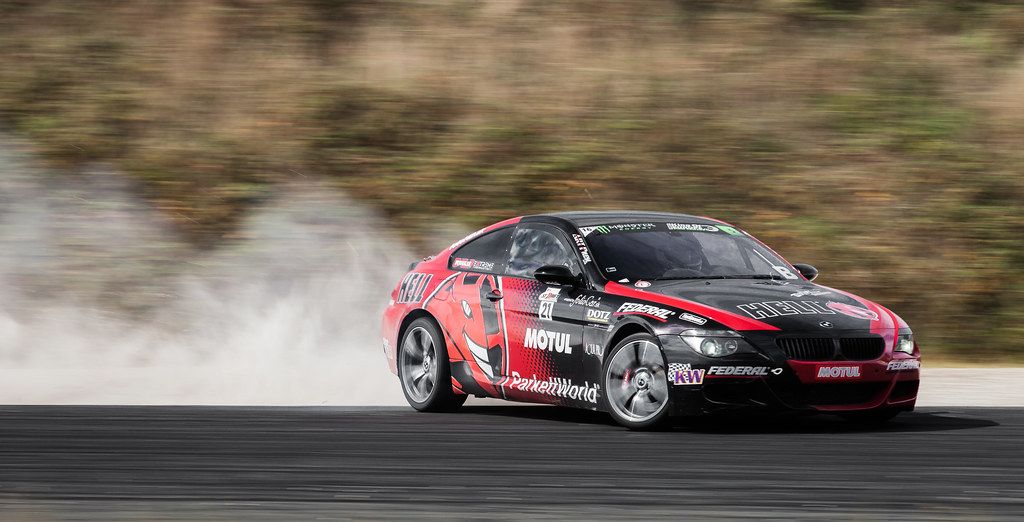
11. **Avoid Aggressive Driving**Aggressive driving isn’t just an isolated act; it’s a dangerous cocktail of behaviors that poison the entire road environment. If your driving style includes tailgating, weaving in and out of traffic like a reckless stunt driver, excessive speeding, or running red lights, it’s time for a serious self-assessment. These actions aren’t just rude; they directly contribute to an alarming number of tragedies, with aggressive driving implicated in nearly six out of every ten fatal car collisions, according to the AAA Foundation for Traffic Safety.
This isn’t merely about an occasional lapse in judgment; it’s about a pattern of behavior that puts everyone at risk. When you drive aggressively, you significantly reduce the predictability on the road, forcing other drivers to make sudden, reactive maneuvers that can easily lead to accidents. It’s an outward manifestation of frustration that, instead of solving anything, only amplifies the tension and danger for every vehicle in your vicinity.
If you find yourself prone to these behaviors, it’s crucial to “get a grip” and actively work on managing your emotions behind the wheel. And if you encounter an aggressive driver, the unwritten rule is to avoid engaging. Don’t respond angrily or escalate the situation; simply take a deep breath, keep your cool, and safely move out of their way if necessary. Remember, your destination is not more important than the safety of others, and fostering empathy for fellow drivers can dramatically improve your own experience and that of everyone else on the road.
Read more about: The 2025 Lemon List: 14 Cars to Avoid That Mechanics Already Dread Seeing

12. **Don’t Lean Into the Horn Unnecessarily**Your vehicle’s horn is an indispensable safety tool, designed for critical communication on the road – a clear, audible signal to alert others to potential danger or your presence. However, there’s a distinct line between its purposeful use and its all-too-common misuse as an outlet for frustration or impatience. Leaning into your horn unnecessarily, particularly at the slightest provocation, is a cardinal sin of road etiquette that serves only to irritate others and escalate tensions.
Think of your horn as a warning device, not a conversational instrument or, as the saying goes, “a thermometer for your emotional state.” A swift, light tap is appropriate if a driver is merging recklessly into your path, or if a pedestrian steps into the road unexpectedly. It’s also acceptable for a quick beep to alert a driver who’s paused too long at a green light, signaling “I’m here” and prompting movement.
What it is emphatically *not* for is expressing anger, impatience, or disapproval. Overusing your horn creates unnecessary noise pollution, contributes to a climate of aggression, and can startle other drivers into making mistakes. By using your horn sparingly and only when genuinely necessary for safety, you demonstrate respect for your fellow motorists and contribute to a calmer, more predictable driving environment for everyone.
Read more about: Unraveling the Truth: What You Need to Know About Car Horn Laws in the U.S., Featuring New York City’s Strictest Measures

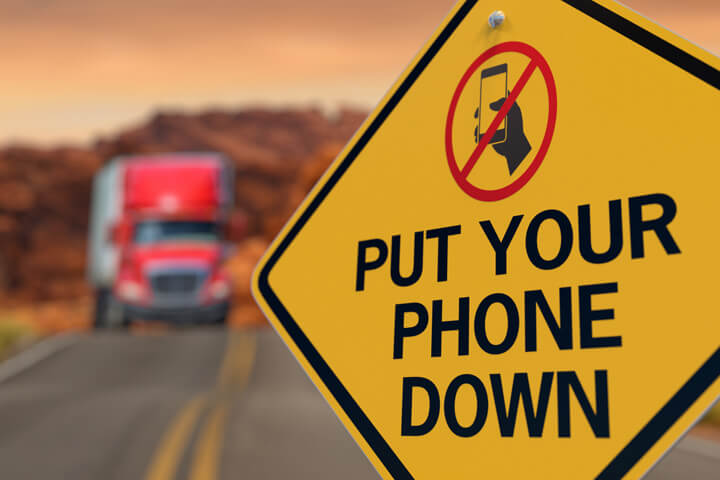
13. **Put Your Phone Away**In our hyper-connected world, the allure of a ringing phone or a blinking notification while driving can feel irresistible. Yet, overestimating our multitasking abilities behind the wheel is a perilous delusion. Every text, every call, every glance away from the road, even for a mere second, drastically compromises your focus and reaction time, turning your vehicle into a potential weapon. This isn’t just an unwritten rule; it’s a critical safety imperative that is increasingly enshrined in law across many states.
No social update, urgent email, or fleeting conversation is worth the devastating consequences of a deadly accident. Studies consistently show that distracted driving is a leading cause of collisions, transforming what should be a routine journey into a life-altering event. Your brain simply cannot effectively process the complex demands of driving while simultaneously engaging with a mobile device.
The solution is straightforward and requires unwavering discipline. Before you even start your engine, put your phone in “Do Not Disturb” mode and place it out of sight, perhaps in the glove compartment or a bag. If you absolutely must take a call, check an email, or respond to a text, find a safe place to pull over completely. Prioritizing driving and eliminating distractions is not just about avoiding a costly ticket; it’s about safeguarding your life and the lives of every other person on the road.
Read more about: Navigating the New Road Ahead: How Sweeping U.S. Traffic Law Reforms Will Impact Millions of American Drivers Starting July 1, 2025

14. **Use the High Beams Properly**High beams are a valuable feature on your vehicle, designed to illuminate dark stretches of road, particularly in low-light conditions such as rural roads devoid of streetlights or during unforeseen power outages in urban areas. They extend your field of vision, helping you spot hazards far sooner. However, like any powerful tool, their use comes with a crucial unwritten rule of etiquette: they must be deployed with careful consideration for other drivers.
Improper use of high beams can be profoundly dangerous. It’s an absolute imperative to dim your high beams the moment you see an oncoming vehicle, ensuring you don’t temporarily blind the other driver. That blinding glare can disorient them, reduce their ability to perceive the road, and significantly increase the risk of a head-on collision. Similarly, when you’re driving closely behind another vehicle, your high beams can create an intensely distracting and uncomfortable glare in their rear-view mirror, which is equally discourteous and unsafe.
The principle is simple: use your high beams to enhance your own visibility, but never at the expense of another driver’s. Always be prepared to switch to your low beams promptly when approaching other cars, whether they are ahead of you or coming from the opposite direction. This small, conscious act of responsible high-beam management contributes significantly to overall night-time road safety, making the driving experience more comfortable and secure for everyone.
Read more about: City Slickers vs. Country Cruisers: What They *Really* Think About Your Farm Tractor (And How Not to Be ‘That Guy’)

15. **Don’t Throw Junk Out the Window**This particular unwritten rule might seem like basic common sense, a lesson taught in childhood, yet it remains a frustratingly prevalent disregard for both environmental responsibility and road safety: never, under any circumstances, throw anything out of your car window. This isn’t merely “bad manners”; it’s an illegal act, often categorized as a misdemeanor offense, that carries tangible negative consequences beyond a simple littering fine.
The immediate impact of tossing refuse onto the roadway is obvious: it sullies our public spaces, contributing to unsightly litter and environmental pollution. Our roadways are not oversized trash receptacles; they are shared infrastructure that reflects our collective respect for our communities. Beyond the aesthetic and ecological concerns, however, lies a direct safety hazard that is often overlooked.
Items discarded from a vehicle, whether it’s a cigarette butt, a food wrapper, or a larger piece of debris, can become sudden, unexpected projectiles or obstacles on the road. Such unexpected objects can startlingly distract other drivers, forcing them to swerve abruptly, brake suddenly, or lose control, potentially triggering serious accidents. By simply holding onto your trash until you can dispose of it properly, you perform a small but significant act of consideration that demonstrates respect for your environment, adherence to the law, and a crucial contribution to the safety of all who share the road.
Read more about: Behind the Grease and Grime: 12 Cars That Make Mechanics Secretly Cheer (Or Curse) When You Roll In
Embracing these unwritten rules isn’t about rote memorization; it’s about cultivating a mindset of awareness, respect, and proactive courtesy. Driving, at its heart, is a shared privilege, not an inherent right, and with that privilege comes the profound responsibility to operate our vehicles with genuine consideration for everyone else navigating the journey alongside us. By making these guidelines a natural part of your driving habits, you not only protect yourself and your loved ones but also actively contribute to transforming our roads into more predictable, cooperative, and ultimately, far safer spaces for all. Remember, every little bit of thoughtful driving helps pave the way to a smoother, less stressful journey for everyone. There’s immense satisfaction in knowing you’re a truly courteous and responsible driver, someone who understands that driving with intention and empathy truly makes all the difference.